BIOL 303 - Exam 1
 Call Kai
 Learn
Learn Practice Test
 Spaced Repetition
 Match
Match Flashcards
 Knowt Play
1/323

There's no tags or description
Looks like no tags are added yet.
Name | Mastery | Learn | Test | Matching | Spaced | Call with Kai | Chat |
|---|
No analytics yet
Send a link to your students to track their progress
324 Terms
What does it mean that microbes are essential to human life?
play defense
boost immune system
protect us from allergies and auto immune diseases
make nutrients available
detoxify
Old friends hypothesis
early exposure to certain microbes helps the immune system distinguish between friendly and harmful microbes
Ex. H. pylori
leaf cutter ants
have crypts that house antifungal bacteria protecting their food
1918 influenza pandemic
novel influenza strain
675,000 americans infected
20-40 mil worldwide
polio
vaccine was introduced and thus the vaccination assistance act led to its elimination in the USA
smallpox virus
10mil deaths in 4,000 years
intense global vaccination program started in 1967 - eradicated in 1980
no known cases since 1977
Edward Jenner
developed first ‘vaccine’ for smallpox
the plague
1/3 of the European population died
control host - rodents
antibiotics made available
2 leading causes of death in infectious diseases
respiratory infections and diarrheal diseases
factors associated with emerging disease
changing lifestyles
decline of vaccinations
pathogens become resistant
increased travel and immigration
Changing lifestyle with emerging disease
urban sprawl into undeveloped areas
e. more contact with disease vectors (ticks and lyme disease)
vaccine decline
diseases have been eradicated from the US but are reappearing with declining vaccine rates
lack of firsthand knowledge is causing this
herd immunity
protection occurring when enough of a population is immune
pathogens become resistant
antimicrobial medications
vaccines become less effective with variants and mutations
increased travel and immigration
diseases eliminated from developed countries exist in many parts of the world and thus can be spread quickly with travel
Why do microbes ‘run the world’
they make up most of earth’s biomass and diversity
key functions of the human microbiome
stimulating immune development
detoxifying harmful compounds
defending against pathogens
symbiotic microbes protect leaf-cutter ants primarily by
producing antifungal compounds
Why would changing lifestyles increase emerging disease risk
urban sprawl increases encounters between humans, wildlife reservoirs and vectors
Why did the 1918 influenza pandemic cause such a dramatic mortality spike despite existing health departments
the influenza strain was novel, so human populations lacked immunity
Robert hooke
built first compound microscope
coined term ‘cell’
Antoni van Leeuwenhoek
first glimpses of single celled microbes
“wee animalcules” and “cavorting beasties”
considered the father of microbiology
biogenesis
living organisms arise from preexisting life
spontaneous generation (abiogenesis)
living organisms arise from nonliving matter
aristotle
suggested maggots spontaneously generate from rotting meat
Jean-Baptiste van Helmont
suggested mice spontaneously generate from wheat and vital force (sweat)
Francisco Redi
maggots did not appear in a jar with meat in it that was covered in gauze but did in the open jar with meat
John Needham
flasks with broth boiled and sealed with a cork grew microorganisms
problems: wasn’t boiled long enough to kill bacteria and air could get in through the cork
Lazzaro Spallanzani
boiled broth longer and sealed glass
proved microbes came from the air
Louis Pateur
father of modern microbiology
showed air contains microorganisms
disproved spontaneous generation with a swan necked flask
Tyndall
found broths made from hay had heat-resistant microbes
Ferdinand Cohn
discovered endospores
explained difference between broths with sugar or yeast and not hay
Historical View of microorganisms
diseases due to supernatural forces or imbalances of the body
Joseph Lister
developed antiseptic surgery system
used carbolic acid to clean wounds and air in the operating room
proved indirectly that microorganisms cause disease
Robert Koch
established cause of anthrax
demonstrated importance of epidemiology
established cause of TB
developed Koch’s postulates to establish link between some microorganisms and the disease it causes
Edward Jenner
1st vaccination
used safer, related pathogen to induce immunity
Louis Pasteur
developed first vaccines based on weakened microbe strains
Immunization
stimulation of the immune system by deliberately inoculating the body with a foreign material
How much of the microbial species can be cultured
less than 1%
3 domain system for microorganisms
bacteria
archaea
eukarya
prokaryotes
no membrane-bound nucleus
eukaryotes
have membrane-bound nucleus and organelle
bacteria
single-celled prokaryotes
DNA in nucleoid (no membrane-bound nucleus)
rigid cell wall containing peptidoglycan
multiply via binary fission
many use flagella to move
Archaea
cell walls lack peptidoglycan
many are extremophiles
otherwise like bacteria
Eukarya
protists
larger than bacteria and archaea
unicellular or multicellular
fungi
Fungi
energy from degrading organic materials
Algae
single-celled or multicellular
photosynthetic
many have flagella
cell walls
Protozoa
ingest organic compounds - predators
no rigid cell wall
flagella and cilia
many human diseases
Acellular Infectious Agents
don’t have a normal cellular structure and are not alive (can’t reproduce without host)
microbe, not microorganism
Viruses
nucleic acid packaged in protein cost
obligate intracellular parasite
infect loving cells (host)
Viroids
short close circular piece of RNA
no protective protein coat
cause plant diseases
Satellites
nucleic acids in capsid and need a helper virus to replicate
Prions
infectious proteins
misfolded versions of normal cellular proteins found in cells (high conc in neurons)
cause neurodegenerative diseases
Light microscopy
magnifies 1,000X
magnification
resolution
contrast
magnification
apparent increase in size
total magnification
ocular x objective
parfocal
stays in focus when its focal length or magnification is changed
resolution
ability to clearly make out two objects very close together
resolving power
minimum distance between two objects that can still be viewed as two objects
what does resolution depend on
quality of the lens and wavelength usdd
what is the maximum resolving power of most bright field microscopes
0.2 micrometers
why is immersion oil used
to displace air between the lens and the specimen
prevents light refraction
has a similar refractive index as glass
contrast
how easily cells can be seen
dark-field microscopy
only light scattered by specimen enters objective lens
used to observe living, unstained preperations
phase-contrast microscopy
darker microbe against lighter background
light waves
light passes through specimen
phase plate
special plate in the objective lens manipulating light waves
interference
converts invisible phase shifts into visible brightness differences when light waves recombine
result
living, unstained cells stand out
Fluorescence microscopy
uses light emitted from specimen
light absorbed by excitation/emission wavelengths
UV/blue light
what does fluorescent microscopy allow
visualization of cells attached to surfaces
Confocal microscopy
uses laser bean to illuminate a fluorescently labeled specimen
pinhole aperture to block light
precise localization
what type of microscopy replaces visible light with electrons
electron microscopy

what type of microscope transmits electrons through specimen and highlights intracellular structures
transmission electron microscope
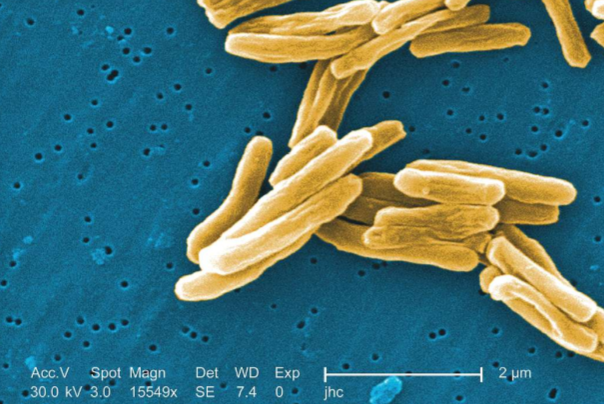
what type of microscope highlights surface structures
scanning electron microscope
what type of microscopy scans probes over sample surfaces and builds topography of the specimen
atomic force microscopy
what tracks the cantilever’s deflection
laser
what does AFM resolution depend on
the shape of its probe
what is lateral resolution limited by
probe tip width
what does vertical resolution rely on
cantilever deflection
what type of preparation involves a drop of liquid specimen
wet mount
what type of preparation involves drying and fixing the specimen before viewing
smear
what does fixation do for a slide
preserves structures
kills organisms
attaches organisms to slide
what type of fixation is routinely used with bacteria and archaea
heat fixation
what type of fixation is routinely used with larger, more delicate microorganisms
chemical fixation
why is chemical fixation used with large, more delicate organisms
protects structures and morphology
what does staining do for a slide
provides contrast (increasing visibility)
what is a salt consisting of positive and negative ions, where one is colored
a stain
what charge is the chromophore in a basic dye
positive
what charge is the chromophore in an acidic dye
negative
what layers does the negatively charged acidic dye highlight
layers external to cell wall
what are some common basic dyes
methylene blue
crystal violet
safranin
malachite green
what are some common acidic dyes
nigrosin
india ink
what type of stain makes all cells one color
simple stain
what is the size, shape and arrangement of bacteria
morphology
what type of staining distinguishes one cell type from another
differential staining
differential staining is also used to detect presence or absence of what
structures (endospores, capsules, flagella)
What type of staining separates into gram negative and positive
gram staining
what determines whether something is gram negative or positive
peptidoglycan layer

is this cell gram negative or positive before and after decolorizer
gram positive