Intro to Communication Test Study Guied
 Call Kai
 Learn
Learn Practice Test
 Spaced Repetition
 Match
Match Flashcards
 Knowt Play
1/30

Earn XP
Description and Tags
Speech Fall 2026
Name | Mastery | Learn | Test | Matching | Spaced | Call with Kai | Chat |
|---|
No analytics yet
Send a link to your students to track their progress
31 Terms
Communication
the process of sharing information by using symbols to send and receive message
Interpersonal Communication
communication between two or more people
Encoding
the process of turning ideas and feelings into verbal and nonverbal symbols
Decoding
finding the meaning of verbal and nonverbal symbols
Interference
anything that get in the way of clear communication
Physical noise
consists of any sound that prevents a person from being heard
Psychological noise
the thoughts and feelings that distract people from listening to what is said
Nonverbal language
a system that uses all the elements of communication except words
Dialect
a regional or cultural variety of language differently from standard, american English in pronunciation, grammar, or word choice
Jargon
the specialized vocabulary that is understood by people in a particular group of feild
Slang
consists of recently coined words or old worlds used in new ways
Paralanguage
a type of nonverbal communication that involves using voice variation and extraneous words and sounds to communicate
Articulation
the shaping of speech sounds into recognizable oral symbols that go together to make up a word
Pronunciation
a speaker who produces clear consonants and distinot vowels
Pitch
the highness or lowness of the sound you make
Inflection
the upward or downward glide of your pitch as you speck
Volume
the intensity of sound
Rate
the speed at which you talk
Quality
the tone of your voice
Omitting sounds
dropping letters in the pronunciation of world
Transposing sounds
switching or reversing the sounds in which the words are spoken
Ex. aks for ask
Adding sounds
adding sounds to a word, like pronouncing a letter that is silent
Substituting sounds
saying a different pronuciation of the word
Ex. doin for doing, da for the, raider for rather
5 divisions of body language
Facial expressions, eye contact, movement, gestures, postures
Complex Model of Communication
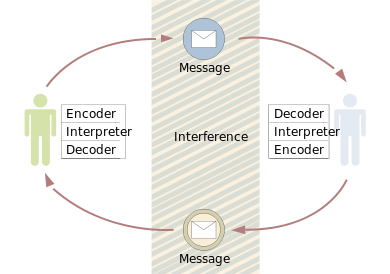
Basic Model of communication

Four spaces and distances for communication
Intimate, personal, social, & public space
intimate space
up to 18 inches between you and other people
Personal space
a distance ranging from 18 inches to 4 feet between you and other people
Social space
4 to 12 feet between you and the other person
Public space
area beyond 12 feet between you and others