RNA Viruses- overview, HIV, HTLV 1 and 2
 Call Kai
 Learn
Learn Practice Test
 Spaced Repetition
 Match
Match Flashcards
 Knowt Play
1/32

There's no tags or description
Looks like no tags are added yet.
Name | Mastery | Learn | Test | Matching | Spaced | Call with Kai | Chat |
|---|
No analytics yet
Send a link to your students to track their progress
33 Terms
to refer to bacteria we often use the
genus and species names
to refer to viruses we refer to the
family and species names
retroviridae encodes for ____
reverse transcriptase enzyme
Aids was identified in
1981
HIV 1 identified in
1983
HIV2 identified in
1986
HIV epidemics resulted from
simian-to-human transmission
retroviridae receptor sites
CD4 receptors
CCR5 and CXCR4 coreceptors
CD4 positive cells
Stages of HIV replication/ pathology
Binding
Fusion
Reverse Transcription
Integration
Replication
Assembly
Budding
Step one of HIV replication and pathology
Fusion of HIV to the host cell surface

step 2 of hiv replication and pathology
hiv rna reverse transcriptase, integrase and other viral proteins enter the host cell

step 3 of hiv replication and pathology
viral dna is formed by reverse transcription

step 4 of hiv replication and pathology
viral dna is transported across the nucleus and integrates into the host dna
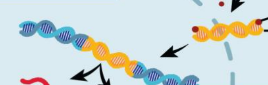
step 5 of hiv replication and pathology
new viral rna is used as genomic rna and to make viral proteins
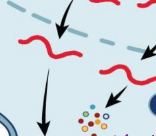
step 6 of hiv replication and pathology
new viral rna and proteins move to the cell surface and a new immature hiv forms

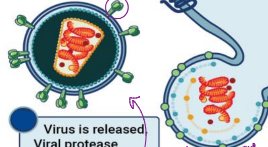
step 7 of hiv replication and pathology
virus is released- viral protease cleaves new polyproteins to create mature infectious virus.
clinical stages of hiv 1 and 2
acute infection
clinical latency
acquired immunodeficiency disease (AIDS)
acute infection of hiv characteristics
2-4 weeks after infection
flu like symptoms that usually subside
patients are unaware of the severity of the disease
antibody tests are negative for hiv
clinical latency stage of hiv characteristics
asymptomatic
reproduction of the virus is low
length of stage is dependent on age/ health of patient
acquired immunodeficiency disease stage of hiv characteristics
severe
CD4+ cell count decreased below 200 cells/ mm
immunocompromised and cannot fight infections if any arise
HIV infection has __ stages
5
stage 0 of hiv infection
negative test within 6 months of first positive test
stages 1-2 of hiv infection are determined by
CD4 count
stage 3 of hiv infection is defined by
defined by opportunistic illness diagnosis and a CD4 count below <200 cells/ uL in adults.
CD4 count of stage 1 hiv positive adults
more or equal to 500 cells/uL
CD4 count of stage 2 hiv positive adults
200-499
drug treatments for hiv
inhibiting viral enzymes
inhibiting fusion
inhibiting viral translation
anti-retroviral therapy
prevention of hiv
behavior modification
PrEP
Human T-cell Leukemia Virus 1 (HTLV1)
15-20 million infections worldwide
endemic to Japan, Caribbean, sub-Saharan Africa, Center & South America, Middle East
Associated with T cell Leukemia
HTLV-1 associated myelopathy/tropical spastic paraparesis
HTLV1 associated t cell leukemia
severe malignant lymphoproliferative disease of CD4+ cells
CD3, CD4, CD25, and lymphocytes have cleaved nuclei
HAM/TSP
muscle weakness in legs, sensory disturbances (impacts nervous system), urinary impotence, back pain/spasms
derived from spinal cord damage
HLTV2
endemic to pygmy tribes in central america
no malignancies resembling HAM/TSP
95% of infections are asymptomatic but there is an increase in associated bacterial infections
HTLV1 and 2
transmitted sexually, vertically, through IV drug use, transfusions
no vaccines available
few drug options available