Humanities Q2 Test
 Studied by 0 people
 Call Kai
 Learn
Learn Practice Test
 Spaced Repetition
 Match
Match Flashcards
 Knowt Play
1/42

Earn XP
Description and Tags
Ily Nicole Bernal, you are a life saver. I owe u
Name | Mastery | Learn | Test | Matching | Spaced | Call with Kai |
|---|
No analytics yet
Send a link to your students to track their progress
43 Terms
Why is it called the "classical" era? (1750-1820)
It is all about clarity and simplicity- cleaner, people pleasing
Stylistic characteristics of the classical era
Clarity, simplicity, grace, beauty, order, structure, symmetry
Pleasure Principle
In a time of angst and disobedience, this was used to cater to what people wanted, and make them see the beauty in the world. Ignore the badness in the world or keep it to yourself.
Where was the music capital of the world?
Vienna, Austria
Franz Joseph Haydn (1732-1809)
Born in Austria, FATHER of the symphony (104 symphonies). Influenced by Bach's son. Worked for Esterhazy family. Friends with Mozart, and teacher of Beethoven.
Wolfgang Amadeus Mozart (1756-1791)
Child prodigy at age 5. Toured in Europe with his sister and father. He was born in Salzburg, Austria, but lived in Vienna. Over 600 works and 41 symphonies. one of the first "freelance" composers. Died at 35 and buried in an unmarked pauper's grave.
Ludwig Van Beethoven (1770-1827)
Born in Germany and moved to Vienna. Classical into the Romantic era. Hundreds of works and 9 symphonies. Began going deaf at age 25. He expanded the orchestra and symphonic form. He believed that music should say something, had wild mood swings, and focused on heroism and struggle.
What events are taking place during the classical era in europe?
Enlightenment, industrial revolution, french revolution, Napoleonic wars
what did beethoven do to push us into the romantic period?
He lived during the bridge between the classical and romantic era. He used chord progressions and dissonant harmonies. He broke free from the rules, and started focusing on gothic, self expressive, and freedom ideas.
Structure of symphony
1. Fast (sonata form, expedition, intro)
2. Slow (ternary, sonata, theme & variations, diff. key)
3. Dance (composite ternary with rounded binary components, beethoven created)
4. Fast (rondo or sonata form, light hearted, same key as 1.)
scherzo (fast and light), joke, rondo:ABACADA
Sonata Allegro Form
exposition, development, recapitulation
Heiligenstadt Testament
a letter written by Ludwig van Beethoven to his brothers Carl and Johann at Heiligenstadt (today part of Vienna) on 6 October 1802. It reflects his despair over his increasing deafness and his desire to overcome his physical and emotional ailments to complete his artistic destiny.
two elements of Commedia 'Dell Arte
Minimal: only having what they NEEDED as a market or street scene.
Temporary: stages were temporary and made out of wood, barrel, or other outside resources. they used props of animals, furniture, food
stock characters
standard or cliched character types: the drunk, the miser, the foolish girl, joker, etc. identified by costumes and masks
Were scripts improvised or planned
improvised
How did actors travel?
They went in troops from town to town, no matter what language they spoke
What is the term for a "picture-frame" style stage?
Proscenium (creates a natural frame) like at Nerinx
What does the term, "the fourth wall" mean?
invisible wall to the audience, opaque wall to the actors- as if audience is spying on them
Characteristics of realism in theater
True to life, believable and relatable characters/storylines, stage is indoors, "box set" with three walls and fourth invisible wall
Romeo and Juliet (essay) Why were his storylines and characters so popular with its audience? How did the three clips we watched take Shakespeare and translate it?
The original film: Costumes, colors, snarky, star crossed lovers, fight
Baz Luhrmann (film): Action, dramatic, new age, gun brand called swords. Montagues were obnoxious and rule breakers. Capulets were intimidating.
West Side Story (Robert Wise): caters to a younger audience, taunting and running through city, fighting, Jets and Sharks. Music, dancing.
These storylines were successful because they were relatable.
Hamlet (essay) To be or not to be: Which version hit you the best (personal, look at DR), explain acting, directing, location, sound.
My personal favorite: Mel Gibson clip. He was in a graveyard, which made the speech more meaningful, and showed what he was thinking. He pictured himself there and pondered his death. He sounded tired, and like all of the fight had been sucked out of him. He alternated between longing for death and anger at those who would choose life over death, and make the trials of life. The camera showed him moving around, pacing, representing his mind not being able to settle on one place. He is plagued by not knowing.
Renaissance vs Baroque vs Middle ages characteristics
Renaissance: turn towards beauty and a variety of themes. Incorporates you as a viewer. Not focused on God, but new ideas and styles. Sfumato: smoky, trapping pigment to blur
Baroque: drama, deep colors, dramatic light, sharp shadows and dark backgrounds
middle ages: focused on GOD, bigger than life, flat, not dimensional, luxury, idealism, social status
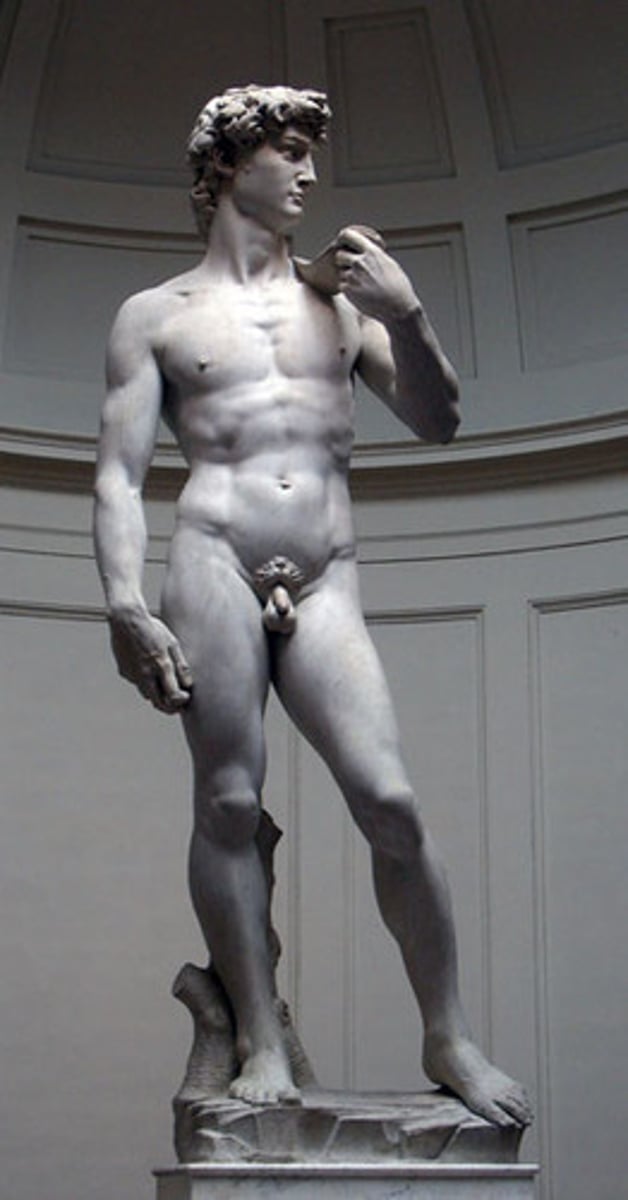
David
Michaelangelo
1501
renaissance, beauty, humans shape their own destiny (humanism), expressions and gestures
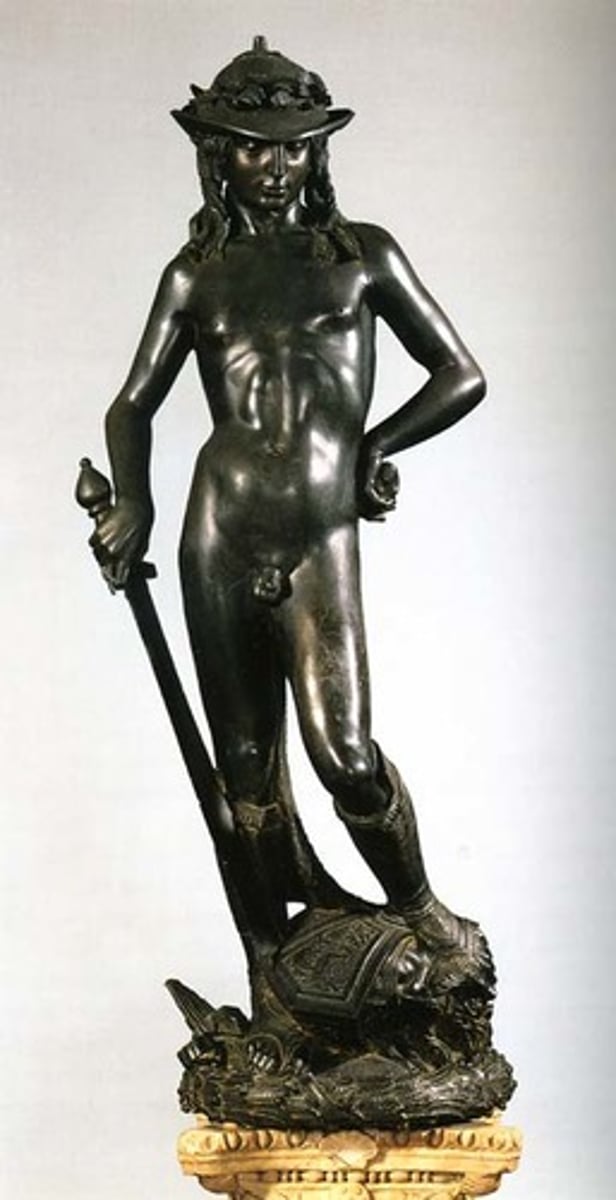
David (Donatello) renaissance
-bronze
-exaggerated contrapposto
-beautiful, ideal, classical, cultured, independent, wealth,
-shepherd's hat with flowers of Florence
-biblical figure of Florentine Republic
-religious AND political connotation
-return to the nude powerful figure in contrapposto
-Goliath's head under his foot
-Florence 1440-60 CE (15th century)
-early renaissance
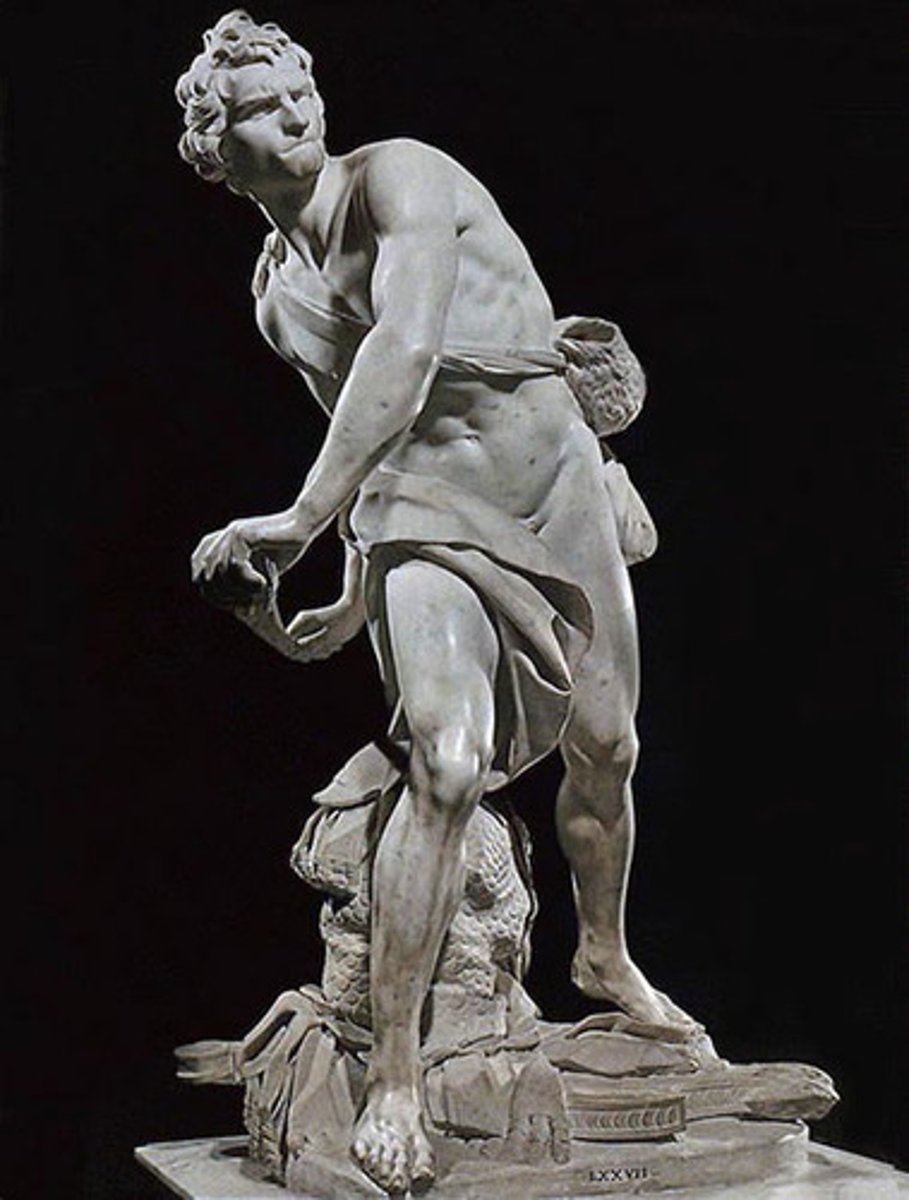
David, Bernini, 1623
Baroque, italy, dynamic pose and facial expression, movement
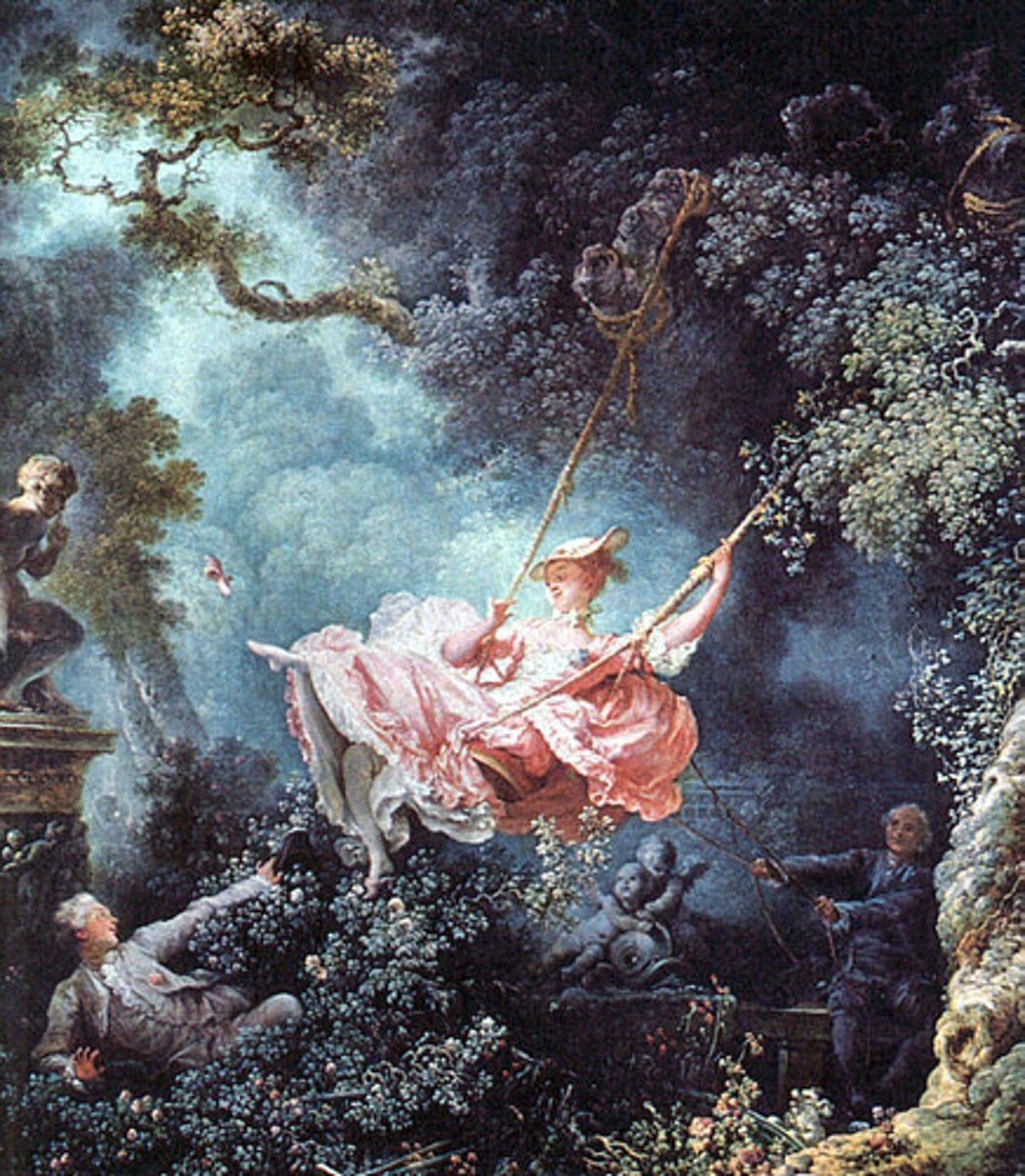
rococo paintings
Often commissioned by RICH PEOPLE and are playful in mood. Sometime erotic undertones, delicate brushstroke a, create sense of lightness and ease. They match the vibes of those who commission them, and often times involve the buyer in the art. Youth, love, delicacy.
How is the imagery and technique of the Neo-Classical period a reaction to the Rococo period?
it embraces simplicity, strict forms, and heroic themes. It builds off of the Rococo period. Neoclassicism focuses more on heroic, while Rococo focuses more on love. Neo is more muted in color. pic ex. David's oath of the horathii
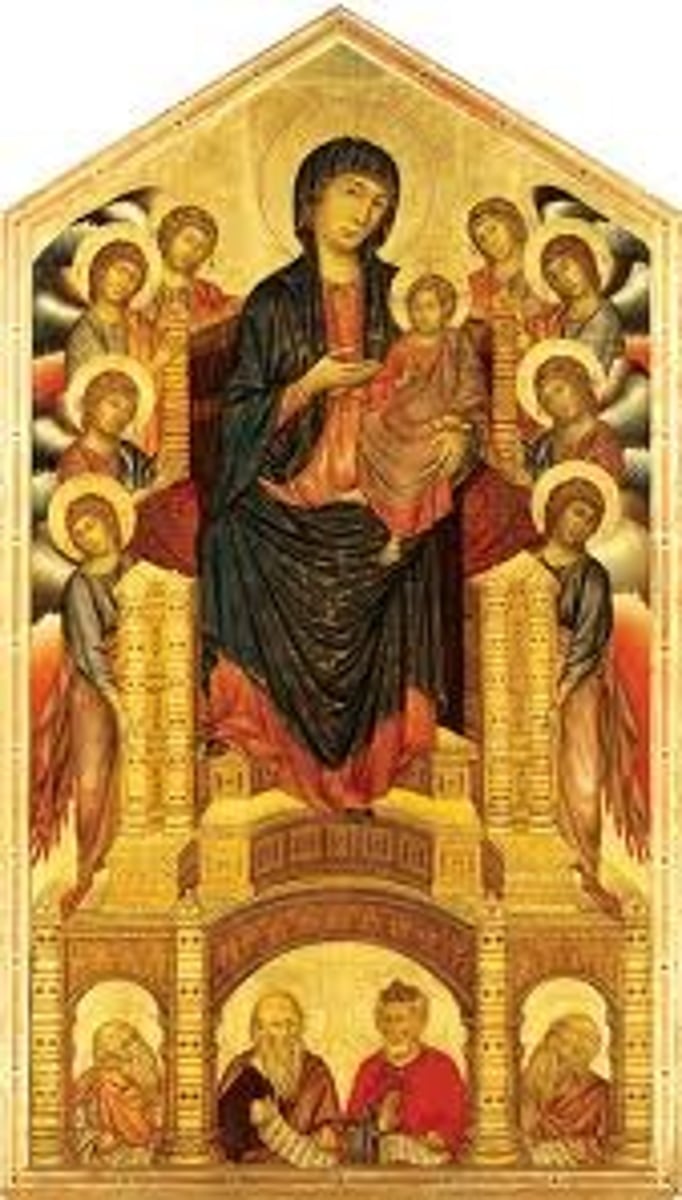
Medieval art
A kind of art in which subjects are religious, figures look flat and stiff, important figures are large, subjects are clothed with little emotion, and it is flat and two dimensional with a single color background.
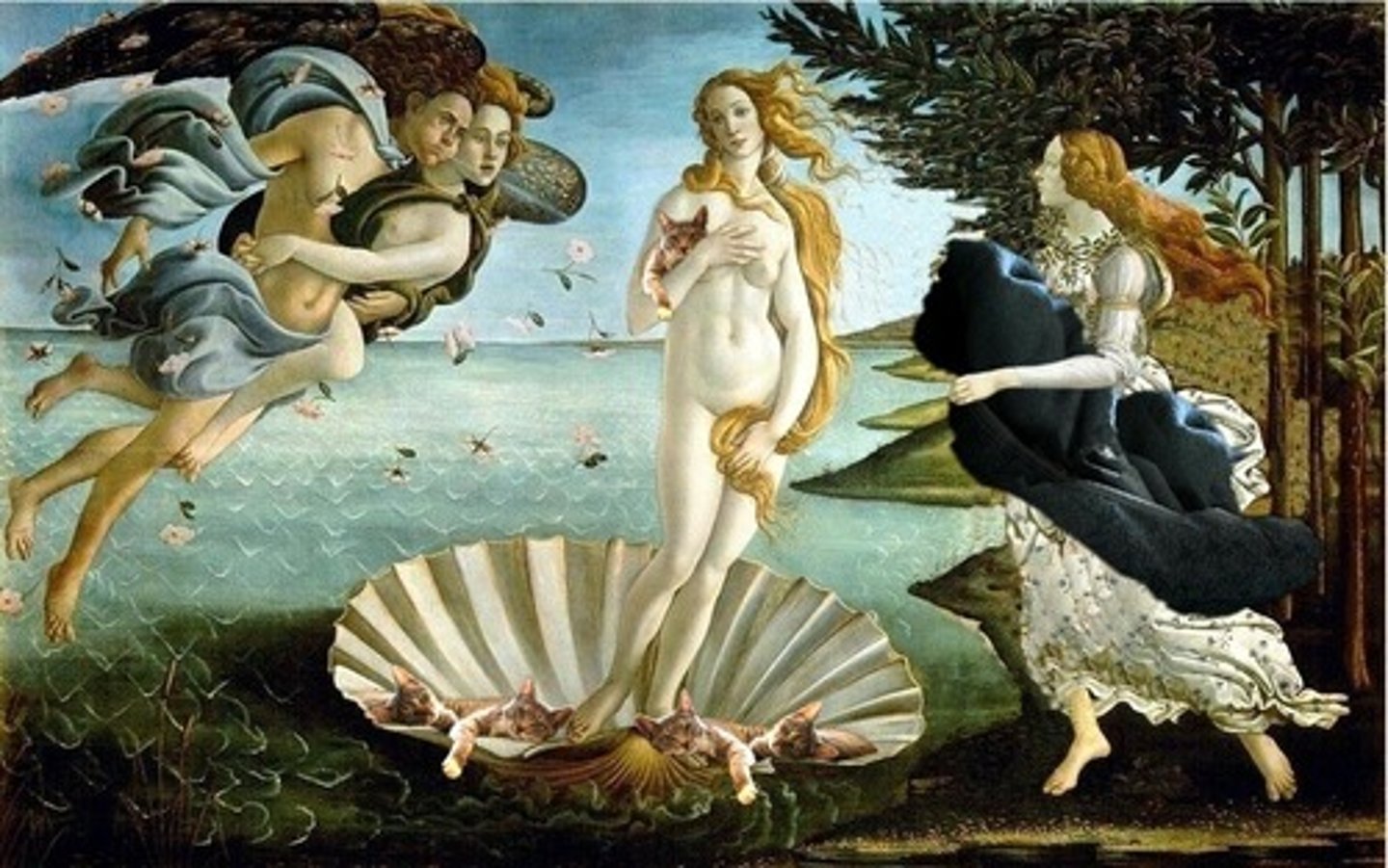
renaissance art
art which shows figures both religious or non-religious, more realistic, emphasis on nature, three dimensional with perspective, people are active and show great emotion
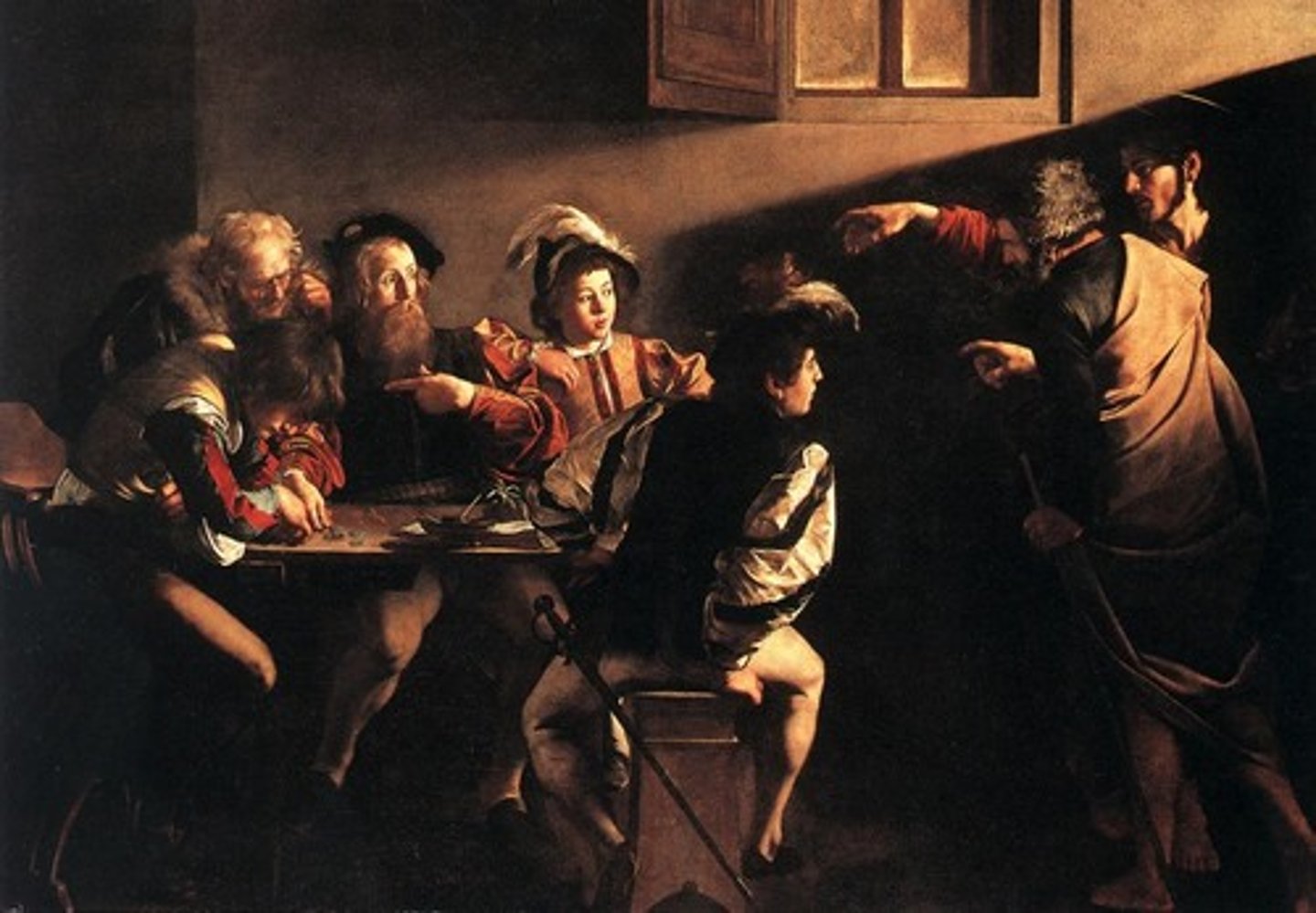
baroque art
Art that applies naturalistic, REALIST styles and contrast with light and dark. Religious AND secular themes. Involved with ABSOLUTISM. deep, dramatic, dark. this is the one where the light is diagonal and highlights the most important parts.
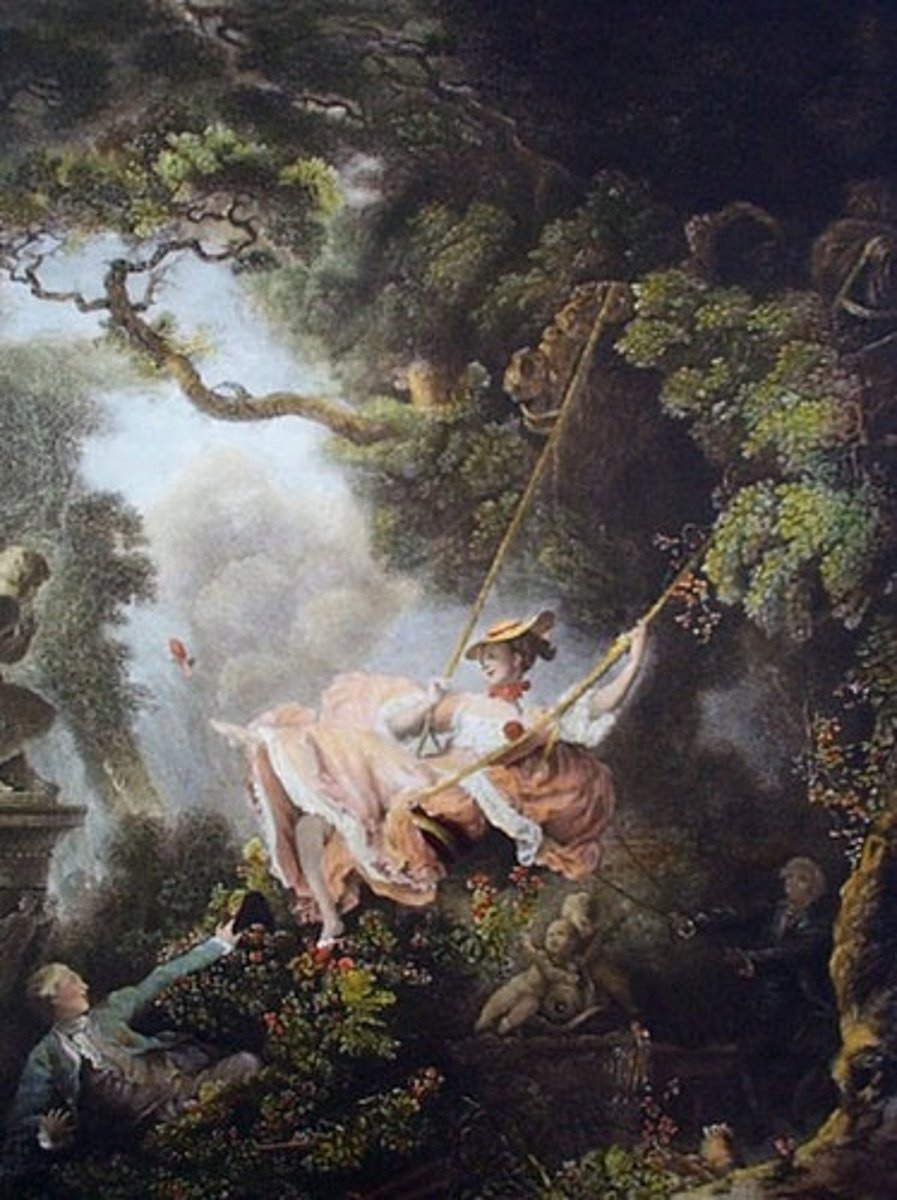
rococo art
Placed emphasis on the carefree life of the aristocracy rather than on grand heroes or pious martyrs. Easygoing, lighthearted, delicate.
neo-classical art
symmetry, simplicity, telling of events, mathematics, balance, idealism
romantic art
Romantic art broke from classical artistic forms to emphasize emotion, nature, individuality, intuition, the supernatural, and national histories in their works. Not typical definition of romance- but more freedom of form, emotion over reason, power.
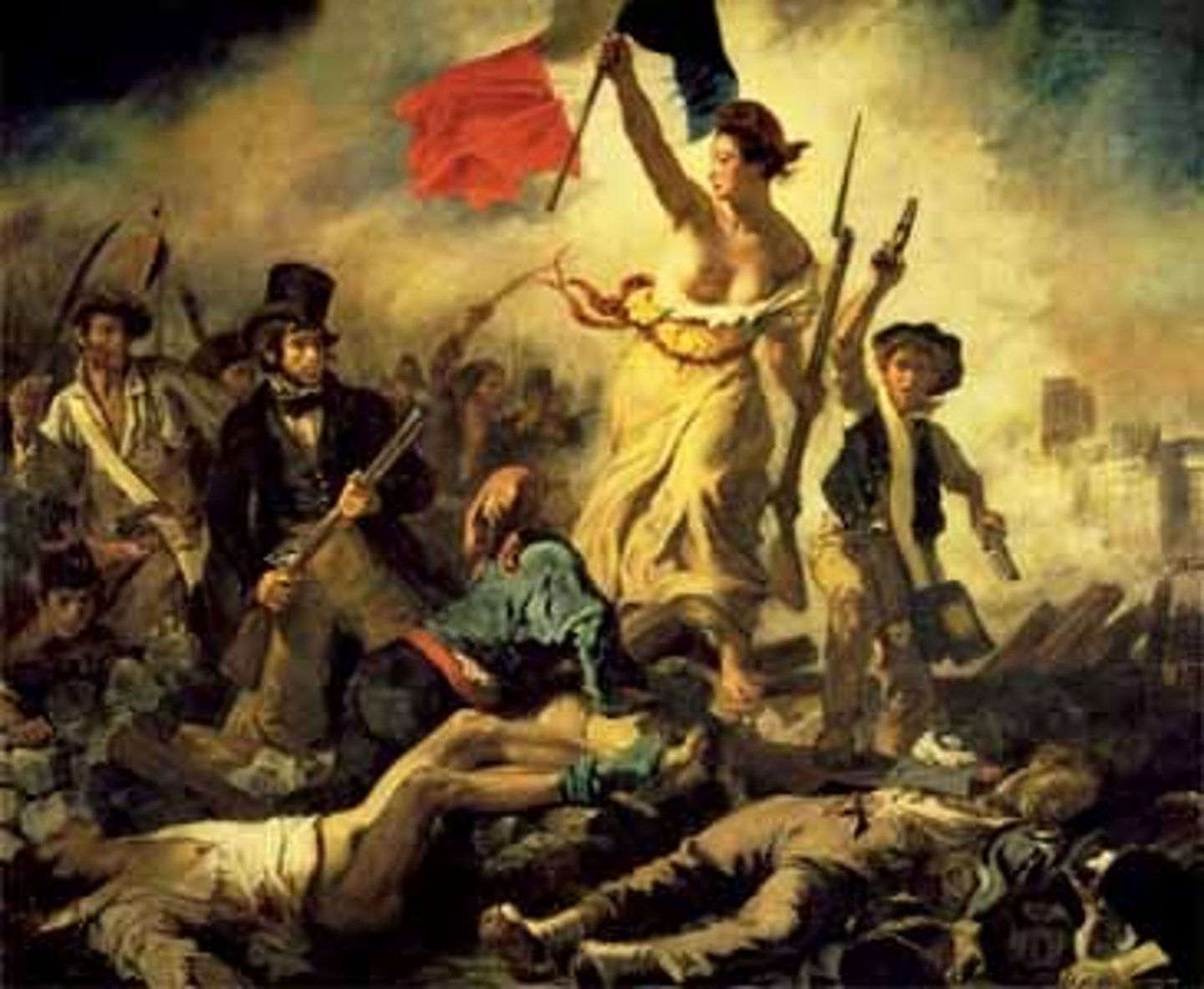
realism art
Realist and materialist themes and attitudes influenced art as painters depicted the lives of ordinary people and drew attention to social problems. It's gonna be Le dejeuner sur l'herbe painting or Olympia, not this one, im assuming, so look that up
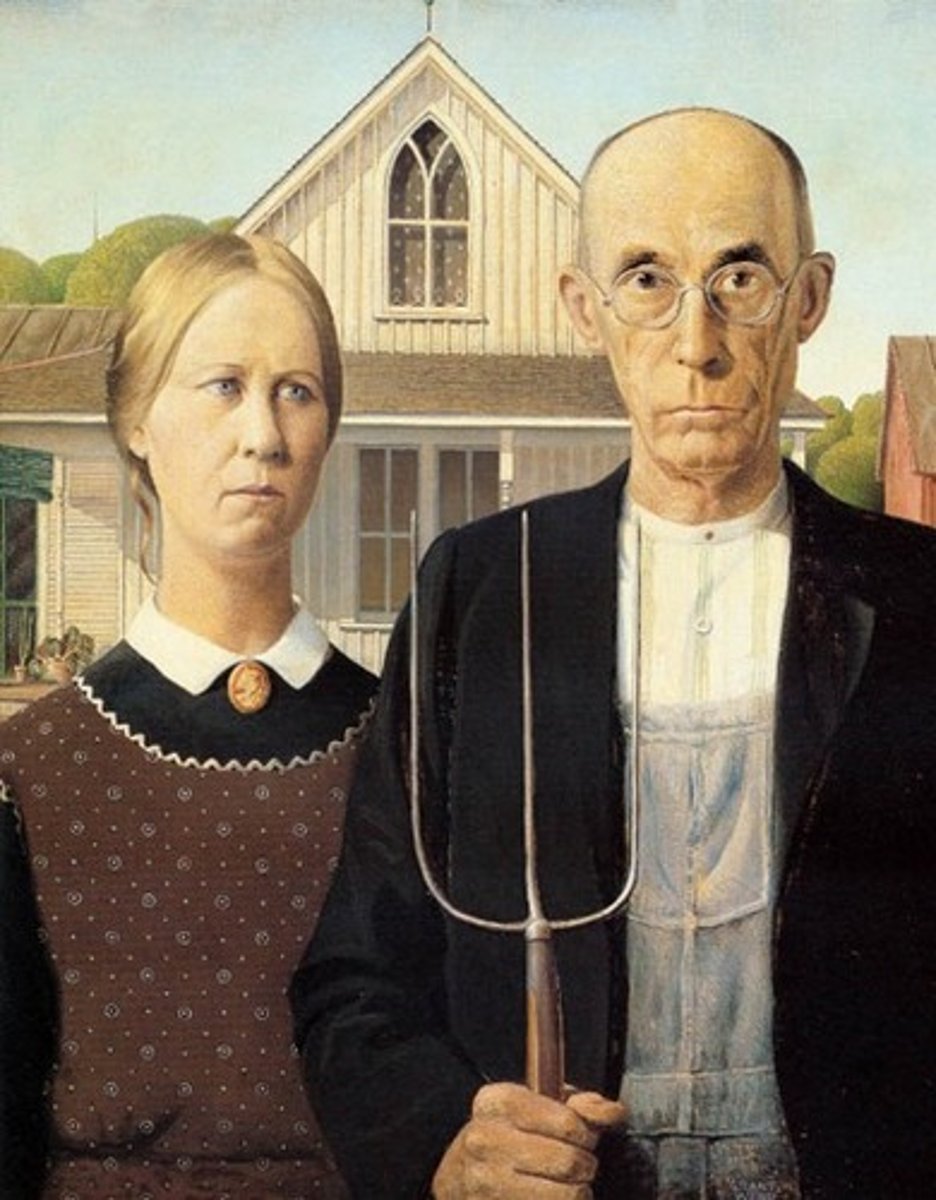
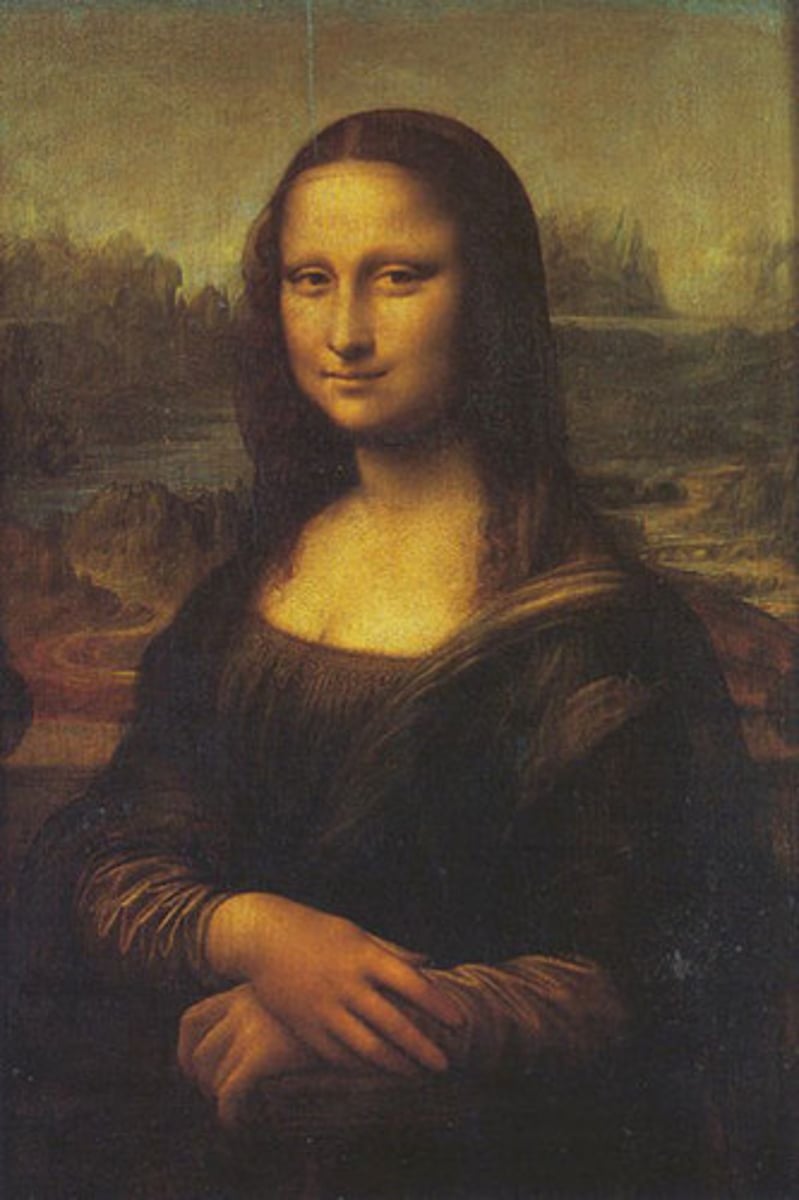
sfumato
A smokelike haziness that subtly softens outlines in painting; particularly applied to the painting of Leonardo and Correggio.
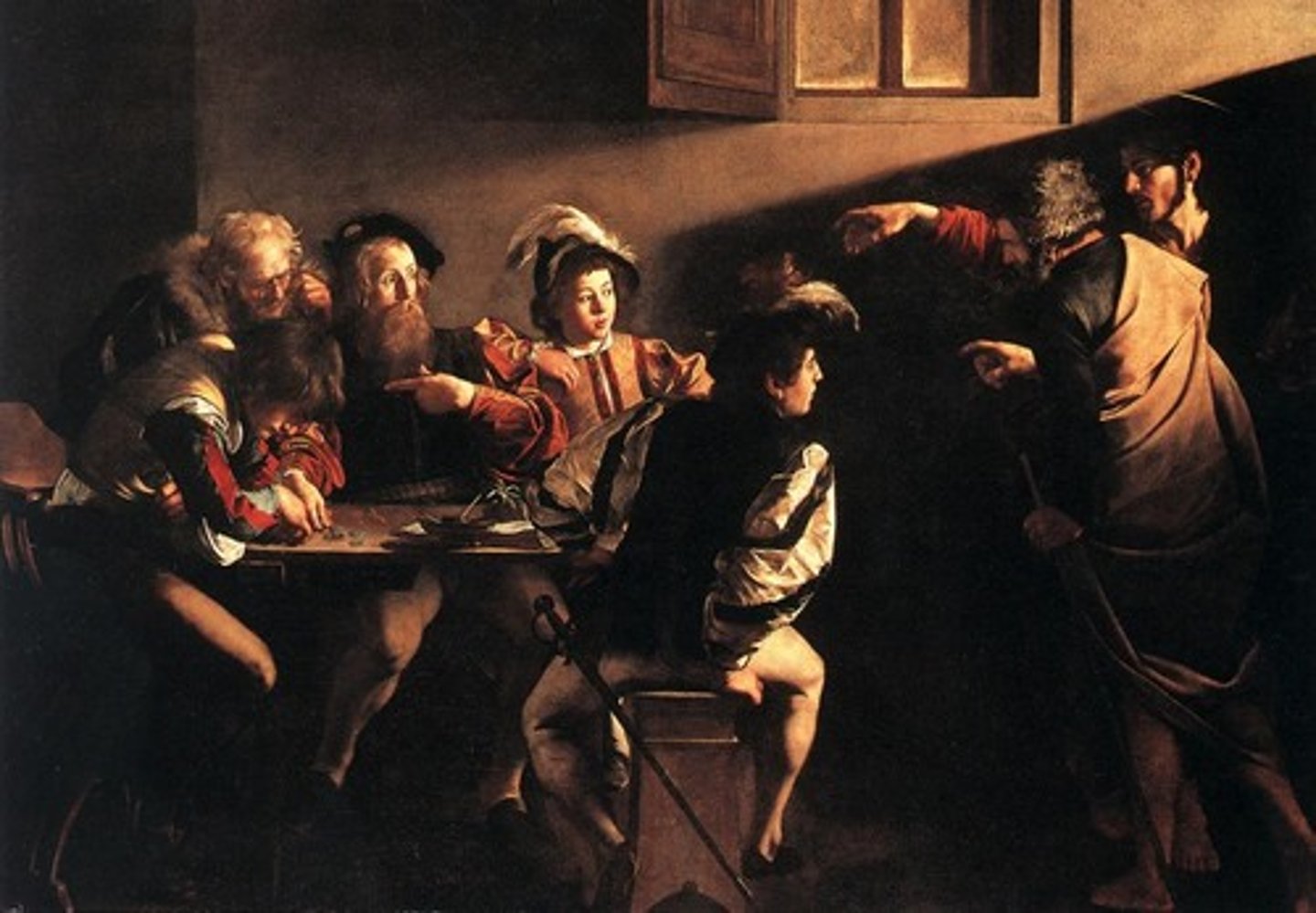
Chiaroscuro
The treatment of light and shade in a work of art, especially to give an illusion of depth.
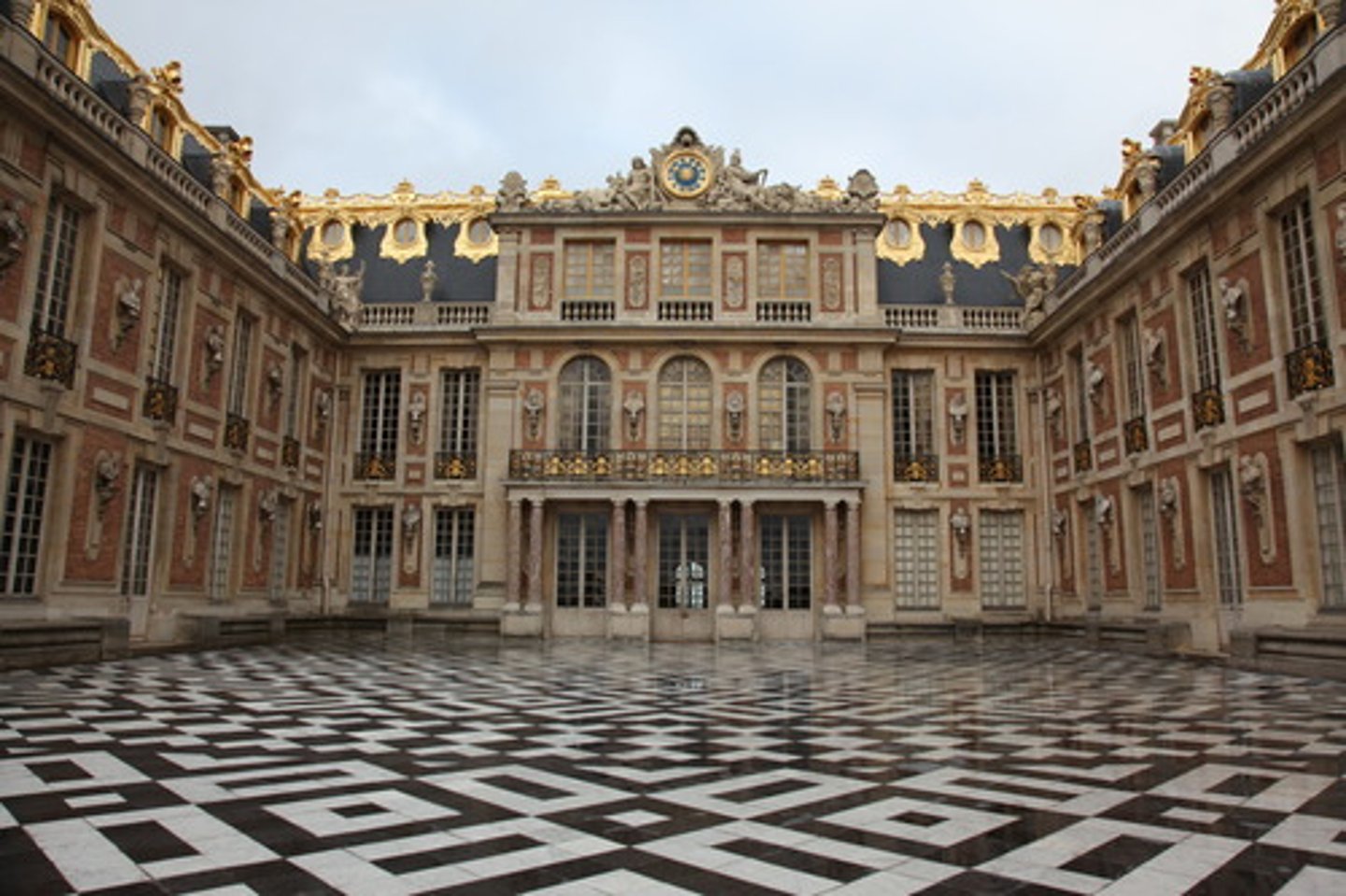
Absolutism art
the correlative nature between an aesthetic object and objective beauty exists in one, static state. ex. versailles
Renaissance artists
Michelangelo, Raphaelo, Donatello, Leonardo da Vinci
Baroque artists
Caravaggio, Bernini, Peter Paul Rubens, Vermeer
Rococo artists
Boucher, Fragonard, Watteau
Neoclassical artists
Jaques Louis David, Ingress
Romantic artists
Ingress (Both periods of time) Delacroix, Gericault
Realism artists
Manet, Courbet
 Note
Note  Flashcards (142)