biology respiration & photosynthesis
 Call Kai
 Learn
Learn Practice Test
 Spaced Repetition
 Match
Match Flashcards
 Knowt Play
1/43

There's no tags or description
Looks like no tags are added yet.
Name | Mastery | Learn | Test | Matching | Spaced | Call with Kai | Chat |
|---|
No analytics yet
Send a link to your students to track their progress
44 Terms
where does aerobic respiration take place
mitochondria
word equation for aerobic respiration
glucose+ oxygen→ carbon dioxide+ water
balanced symbol equation for aerobic respiration

is respiration exothermic or endothermic?
respiration is an exothermic reaction
why do we need to respire?
growth and repair- protein synthesis, active transport, cell division
movement- muscle contraction
control of body temperature in mammals
reactants of respiration
oxygen and glucose
when does rate of respiration increase
when we excercise or when we are cold
what is used to test for the presence of carbon dioxide?
lime water
metabolism
the sum of all the chemical reactions in your body, including respiration
respiration
a chemical reaction between oxygen and glucose that releases energy
metabolic rate
the rate at which all of the chemical reactions in the cells of the body are carried out.
monomer
something that can be stuck together to make a chain
polymer
long chain of monomers
example of polymer
protein, long chain of amino acids
what happens when excess protein is consumed
it is turned into urea in the liver, then excreted through urine
what happens if you have excess glucose
its stored as glycogen because if it stays soluble in your cells, it will transfer between them and your cells will shrivel or burst. glycogen is insoluble so this wont happen.
aerobic respiration Vs anaerobic respiration
aerobic:
w oxygen
always taking place
releases lots of oxygen
anaerobic
no oxygen
sometimes taking place (in addition to aerobic respiration)
releases less energy
word equation for anaerobic respiration
glucose → lactic acid+ energy
why is anaerobic respiration so bad
produces much less energy
the waste product, lactic acid, builds up in the muscles, producing muscle cramps and muscle fatigue
why do muscles need more blood when you excercise?
cells respire more quickly to meet increased demand of the body during exercise
because of this, oxygen and glucose are supplied more quickly to muscles
also, carbon dioxide is removed more quickly and energy is released more quickly and energy is released more quickly to allow muscles to keep working.
how do we break down lactic acid
using oxgyen
lactic acid+ oxgyen → carbon dioxide+ water
the amount of this oxygen needed is called oxygen debt
OR lactic acid can also be broken down by being converted back to glucose in the liver.
why do we keep breathing heavily after running?
the amount of oxygen needed to break down lactic acid after exercise is called oxygen debt
oxygen is supplied into the blood so your breathing rate and heart rate remain high until the “debt” is repaid.
oxygen debt
the amount of extra oxygen the body needs after exercise to break react with the accumulated lactic acid and remove it from the cells.
tidal volume
volume of air inhaled and exhaled. the amount of air inhaled and exhaled in one cycle is called tidal volume.
glycogen
glucose is stored as glycogen in the muscle and liver cells
when needed, glycogen is converted back into glucose for use in muscle cells
how does exercise affect your health?
when you exercise, blood flow is directed towards working muscles and away from areas that are not doing much
there is increased blood flow and volume flowing to the heart
as the heart gets used to pumping more blood, the chambers of the heart become more powerful and are able to pump more blood
over time resting hear rare drops because each beat delivers more blood
this takes work off your heart, which is why cardio exercise is good for hear health
word equation for anaerobic respiration in plants and yeast
glucose → ethanol+ carbon dioxide
anaenerobic respiration in plants
plants can also respire anaerobically
this includes plants grown in marches wjere o2 concentration may be low
plant roots in waterlogged soil dont have much oxygen so the root cells therefore carry out anaerobic respiration
whats fermentation
anaerobic respiration in yeast. e.g. sourdough
compare anaerobic respiration in animals and yeast
animals
causes muscle fatigue and cramp
produces lactic acid
creates an oxygen debt
uses glucose
releases less energy than aerobic respiration
yeast
produces carbon dioxide
used in the production of beer, wine and bread
produces ethanol
uses glucose
releases less energy than aerobic respiration
photosynthesis word equation
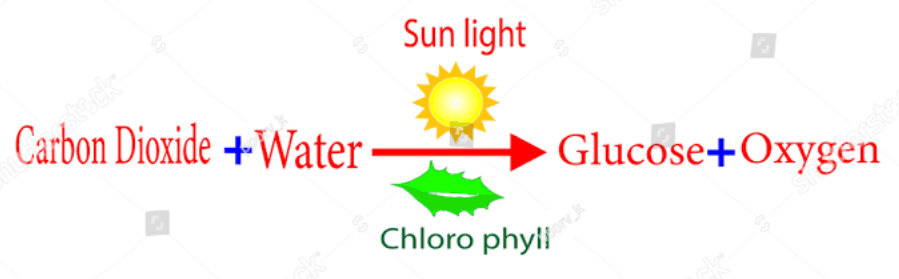
photosynthesis balanced symbol equation

is photosynthesis endothermic or exothermic
photosynthesis is endothermic
LEAF STRUCTURE: function of waxy cuticle and upper epidermis
prevents water from evaporating off the leaf
LEAF STRUCTURE: function of spongy mesophyll tissue
contain some chloroplasts for photosynthesis+ large surface area to make diffusion of gases easier.
LEAF STRUCTURE : function of stomata
allow gases to move in and out of leaf
LEAF STRUCTURE: FUNCTION OF GAURD CELLS
control opening and closing of stomata
LEAF STRUCTURE: function of vascular bundle
contains xylem+ phloem.
xylem- transports water to leaf.
phloem- transport sugar away from leaf.
LEAF STRUCTURE: function of air spaces
make diffusion of gases easier
LEAF STRUCTURE: function of palisade mesophyll tissue
contains lots of chloroplasts which carry out photosynthesis