Chpt. 19: Blood (cardiovascular system)
 Call Kai
 Learn
Learn Practice Test
 Spaced Repetition
 Match
Match Flashcards
 Knowt Play
1/10

There's no tags or description
Looks like no tags are added yet.
Name | Mastery | Learn | Test | Matching | Spaced | Call with Kai | Chat |
|---|
No analytics yet
Send a link to your students to track their progress
11 Terms
functions of blood
transportation (O2, nutrients, waste, hormones)
protection (pathogens)
regulation (body temp, pH)
components of blood
1) plasma = 55%
2) red blood cells (erythrocytes, hematocrit) = 45%
3) white blood cells (leukocytes) = 0.5%
4) platelet (fragments) = 0.5%
components of blood plasma = 55%
90% water
10%:
electrocytes
proteins (albumin, globulin, fibrinogen)
molecules
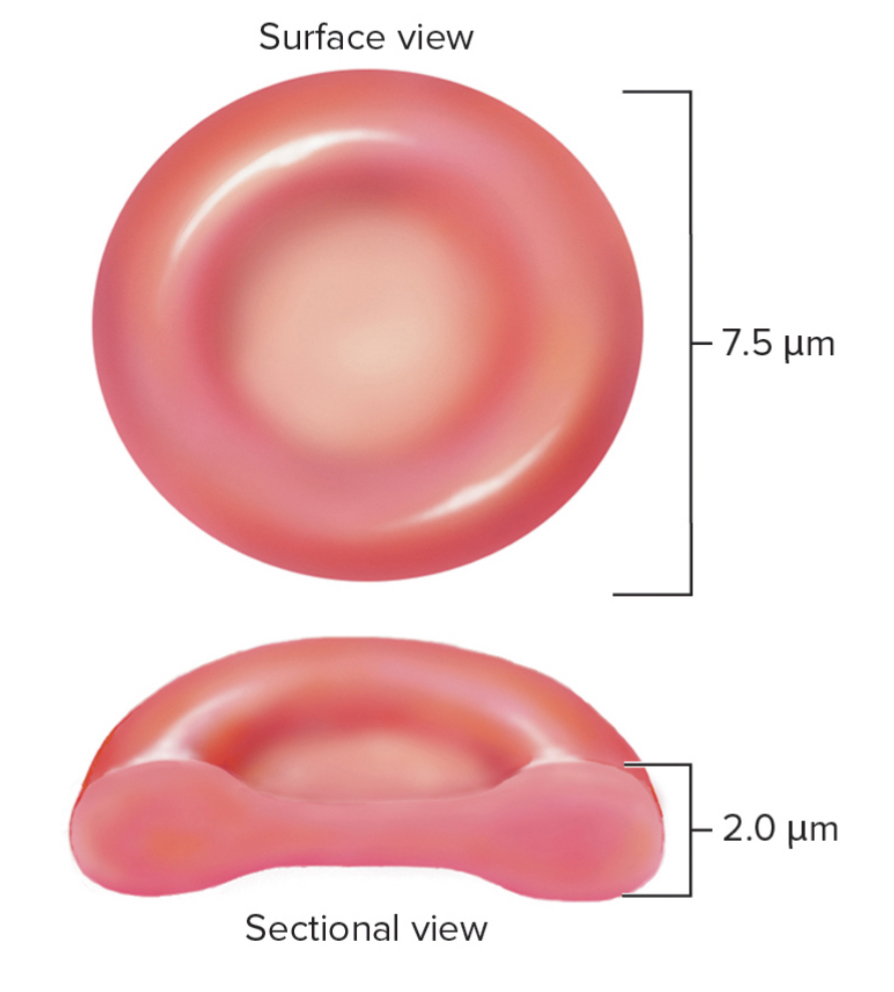
structure of erythrocytes
biconcave shape (flexible)
smallest size of vessels (capillary, 7.5Mm)
no nucleus (90-120 day lifespan)
function of erythrocytes
pick up/deliver O2
transport CO2
determine type of blood, structure of antigen
97% hemoglobin
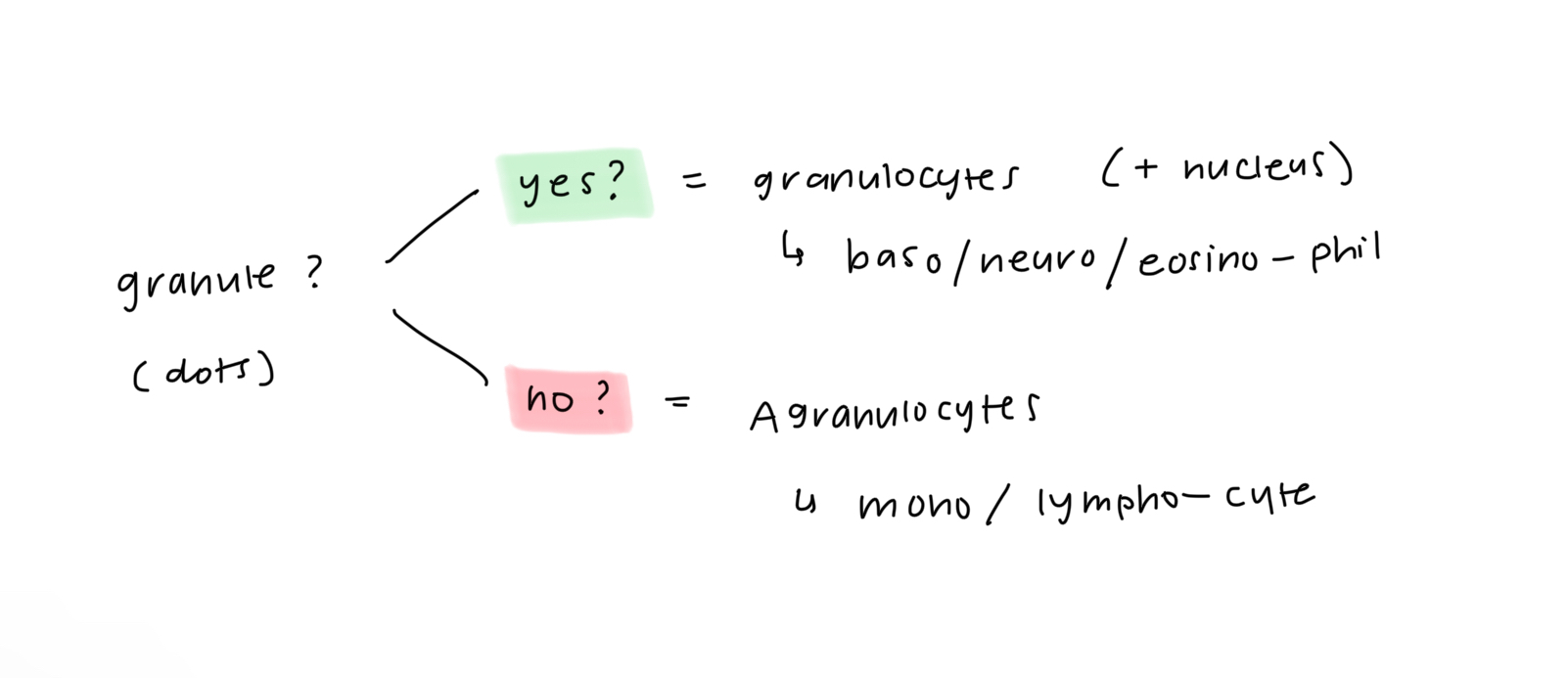
classification of leukocytes
relative abundance scale of leukocytes
Never = neutrophil (most)
Let = lymphocyte
Monkeys = monocyte
Eat = eosinophil
Bananas = basophil (least)
functions of granulocytes
1) granules
neutrophil: digestive enzymes
eosino/basophil: parasites, allergy
2) neutrophil extracellular trap w/ DNA
3) phagocytosis
functions of Agranulocytes
monocytes: ↑ efficiency, phagocytosis, wound healing
lymphocytes: B-cells to produce antibodies, T-cells to coordinate immune response, cytotoxic cells to kill mutated cells
functions of platelets
1) release clotting fibers, convert fibrinogen → fibrin
2) stick together
3) release vasoconstrictor (reduce blood flow/loss)
what is sickle cell disease?
mutation of hemoglobin gene
↓ O2 = RBC deform/stiff
1) pain crisis
2) ↑ risk of stroke, heart disease