Session 9: Microbial Adaptations
 Call Kai
 Learn
Learn Practice Test
 Spaced Repetition
 Match
Match Flashcards
 Knowt Play
1/41

There's no tags or description
Looks like no tags are added yet.
Name | Mastery | Learn | Test | Matching | Spaced | Call with Kai | Chat |
|---|
No analytics yet
Send a link to your students to track their progress
42 Terms
Microbial adaptations
Ability of microbes to endure selective pressures of their environment
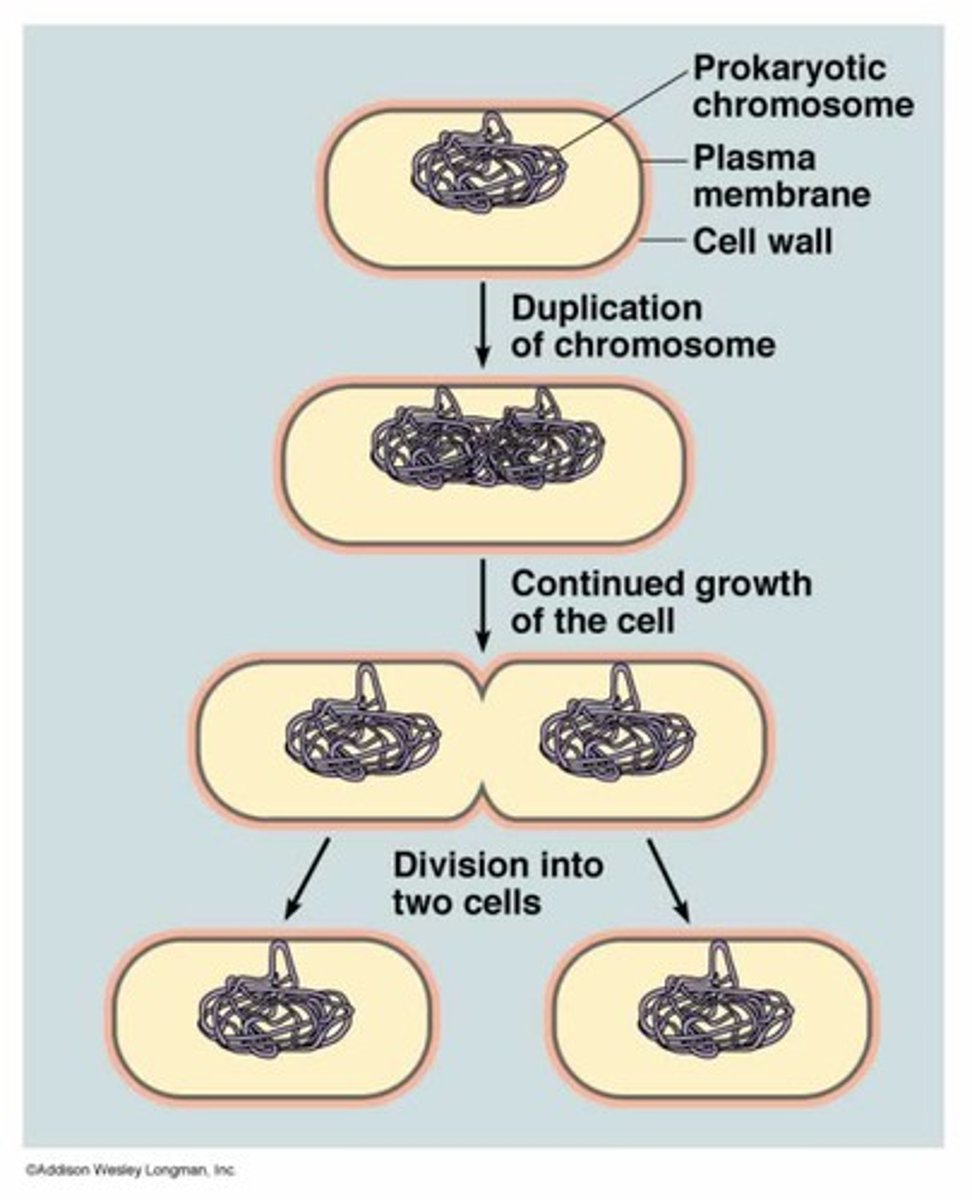
How do bacteria replicate
Binary fission (asexual exponential reproduction) to produce clonally identical progeny
Difference between antibiotic & antimicrobial resistance
Antibiotic resistance refers specifically to resistance to bacteria.
Antimicrobial resistance refers to resistance to bacteria, viruses, fungi and parasites.
Bacteria become resistant to antibiotics in one of three ways...
1) Development of point mutations in one of target genes (micro-evolutionary change). Such as the alteration in the beta-lactamase gene extending its spectrum of activity against different beta-lactam antibiotics
2) Macro-evolutionary changes e.g., rearrangement of genes as might occur with acquisition of antibiotic bearing plasmids or transposons
3) Acquire DNA from exogeneous source e.g., naturally transformable species such as Neisseria can acquire DNA from its environment. It is posited that this is how Neisseria species acquire antibiotic resistant genes (e.g., penicillin).
Cross-resistance
Resistance to one antimicrobial agent because of its similarity to another antimicrobial agent
Example: aminoglycoside-modifying enzymes which may confer resistance to several members of the aminoglycoside family.
Co-resistance
Co-existence of multiple genes or mutations encoding resistance to different drugs within the same strain or genetic element.
Co-selection
Selection of multiple resistance genes when one of these genes is selected
Mechanisms of drug resistance
1) Drug inactivation
2) Prevent penetration to target site inside cell
3) Alteration of drug target site
4) Rapid efflux of drug
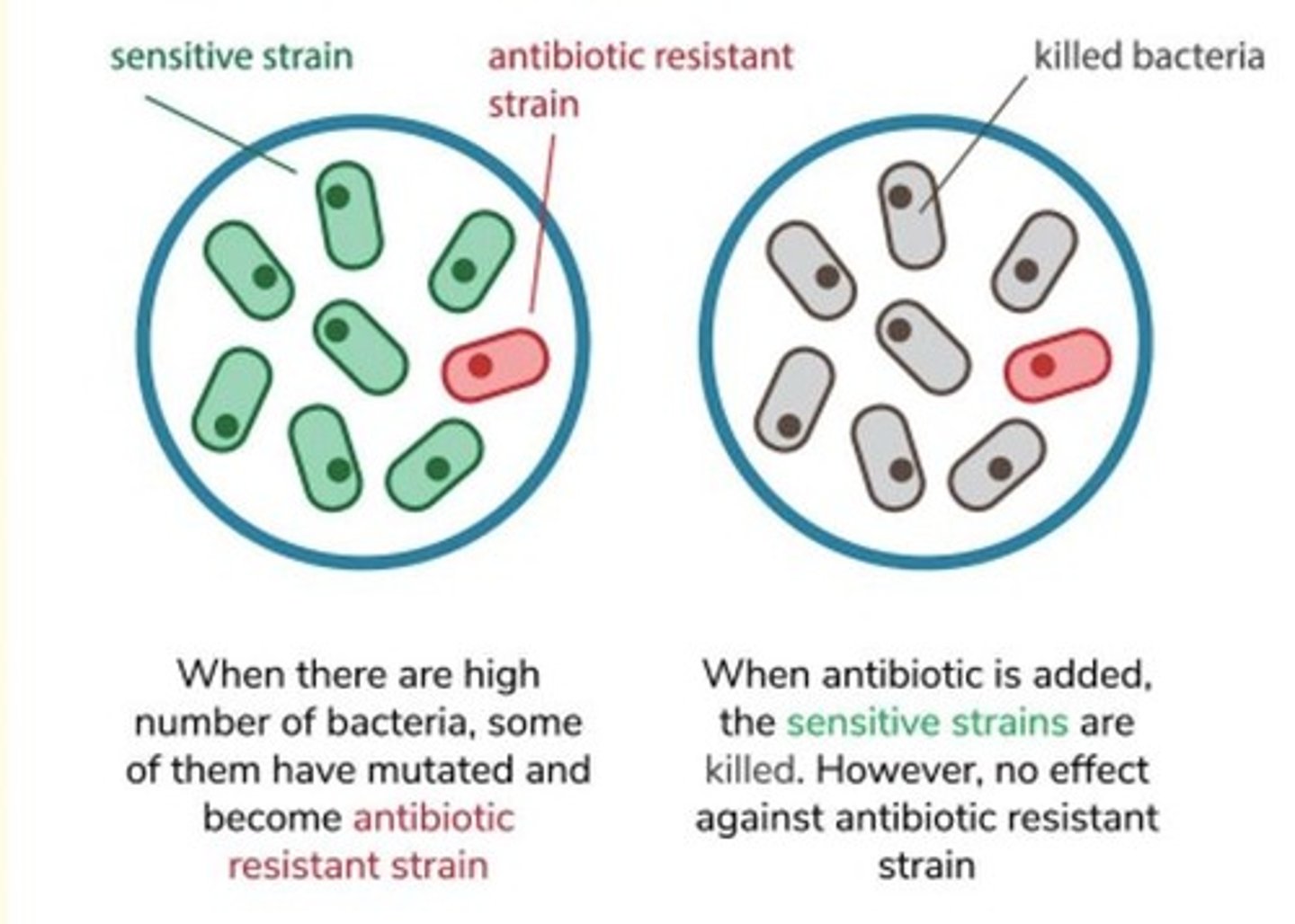
Mutations are ___ and can be located anywhere in the DNA. If the mutation gives the bacterium an advantage in a specific environment, this bacterium will thrive and grow better.
Mutations are random and can be located anywhere in the DNA. If the mutation gives the bacterium an advantage in a specific environment, this bacterium will thrive and grow better.
Antibiotic pressure selects for bacteria that have heightened mutation rate. This increased mutation rate is typically conferred by alterations in genes that constitute the mismatch repair system (MMR) (mutS, mutL, mutH, mutT, mutY, mutM, and uvrD).
Mutations in the MMR system also increases the prevalence of genetic recombination, providing diversity to antibiotic resistance mechanisms.
Methods for dissemination of antimicrobial resistance genes
1) Conjugation (bacteria-to-bacteria transfer)
2) Transduction (viral-mediated transfer)
3) Transformation (free DNA transfer)
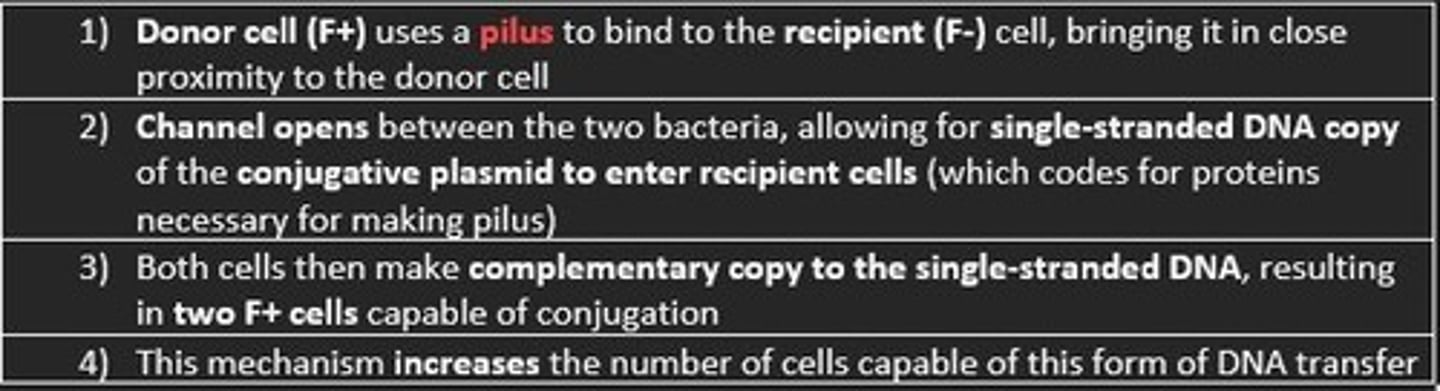
Conjugation
Transfer of DNA between two bacterial cells connected by sex pili
Transduction
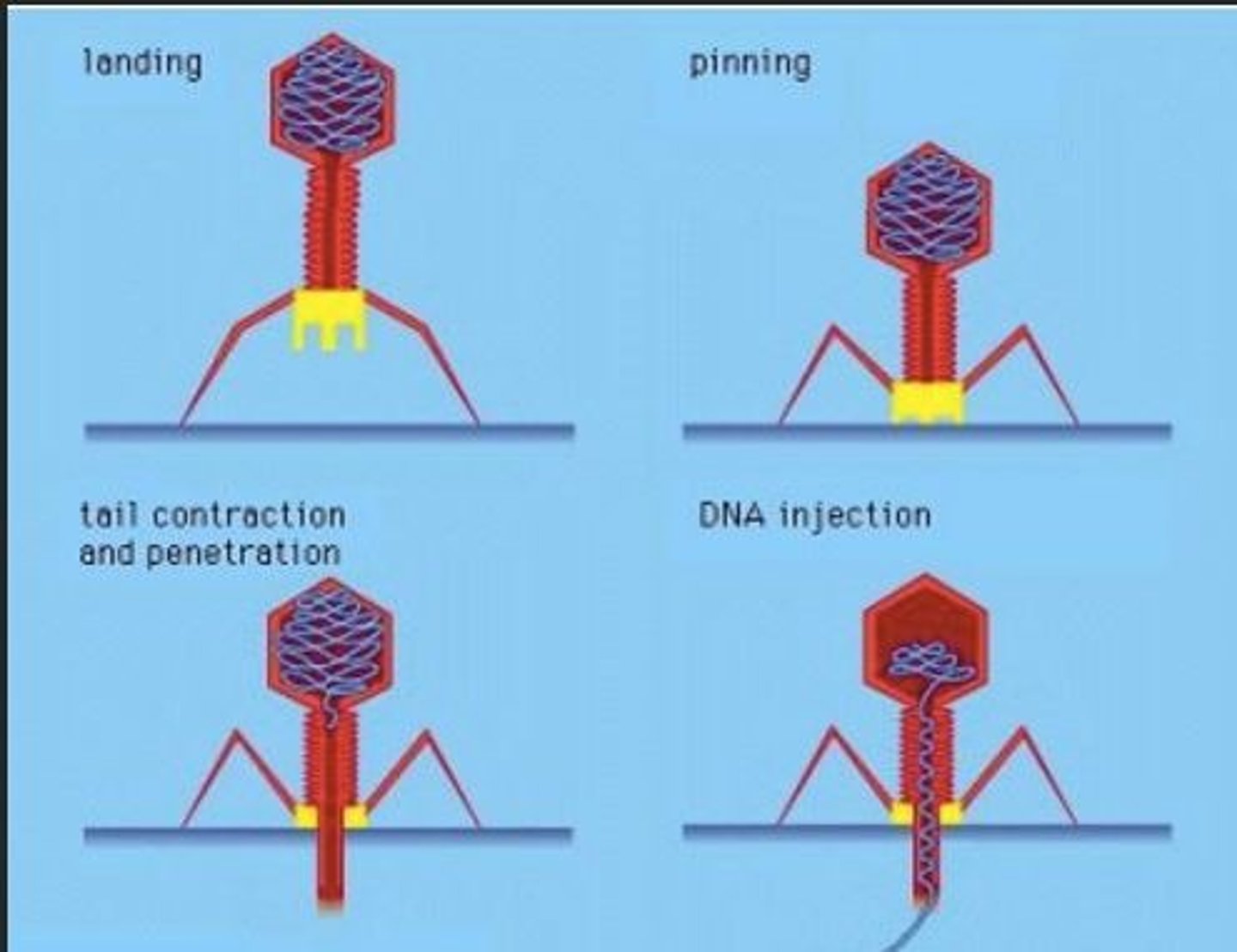
Transfer of bacterial DNA between a bacteriophage-infected bacterium and a bacteriophage-susceptible bacterium
Bacteriophage acts as conduit for shuttling bacteria genes from one cell to another, thus negating the necessity for cell-to-cell contact
Transformation
New genes acquired directly from environment. Natural incorporation of naked DNA to develop resistance.
Process requires donor cell which lyses and releases naked DNA into environment.
The recipient cell is one that is capable of taking up the DNA from the environment and incorporating it into its genome.
HOW?
1) Random pieces of DNA bind to receptors on outside of bacterium and are transported into the cell via DNA translocase. Once inside the cell, DNA is incorporated into bacterial chromosome via RecA for genes to be expressed.
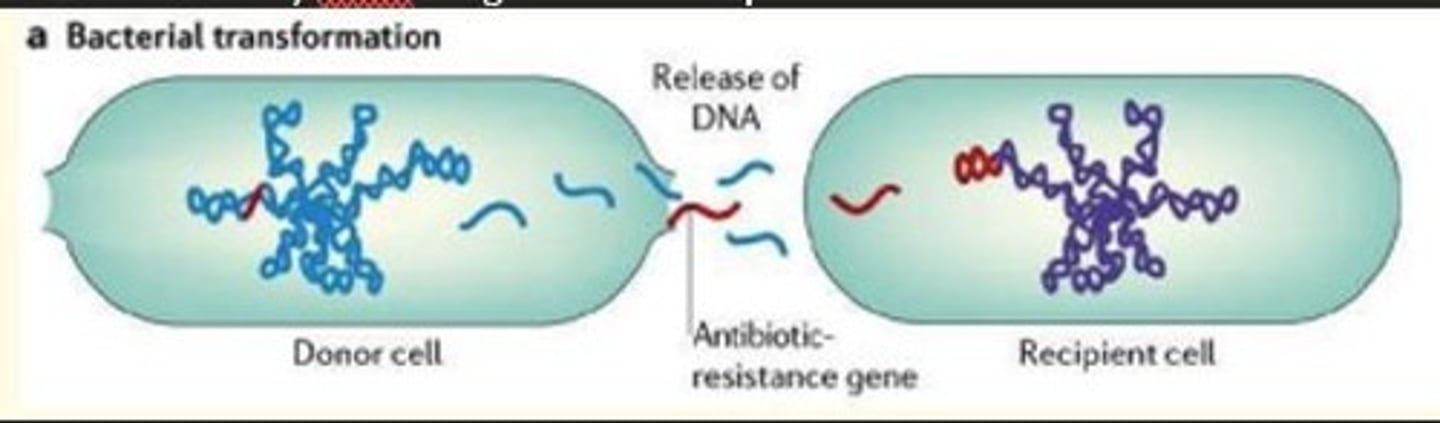
Jumping genes
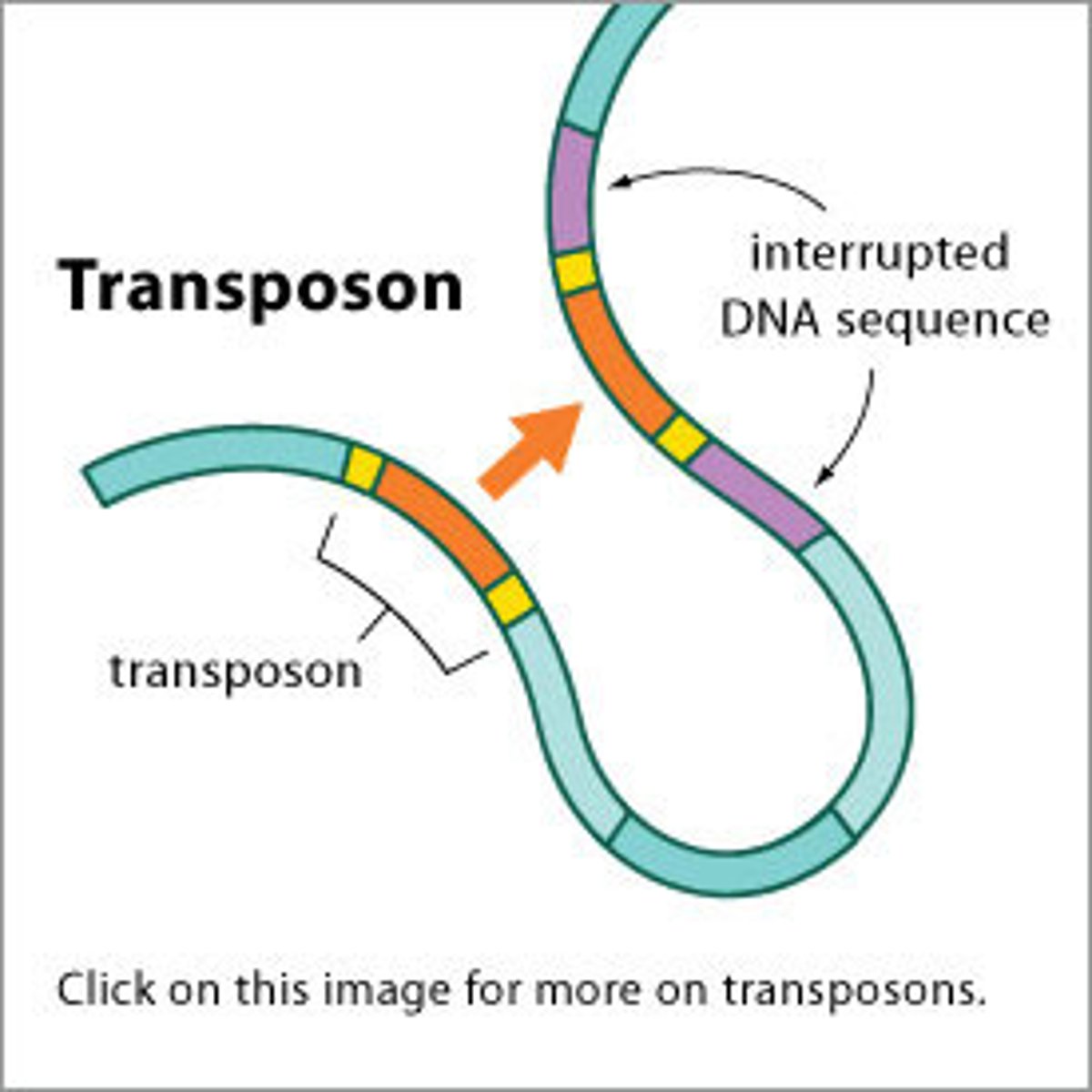
Transposable elements can be responsible for activation or inactivation of genes in an organism.
Transposable elements move from one location to the next within DNA molecule via transposition, faciliated by enzyme transposase.
1) Conservative transposition = transposon removed from one location and relocated to another
2) Replicate transposition = transposon can be copied, with the copy being inserted at a second site.
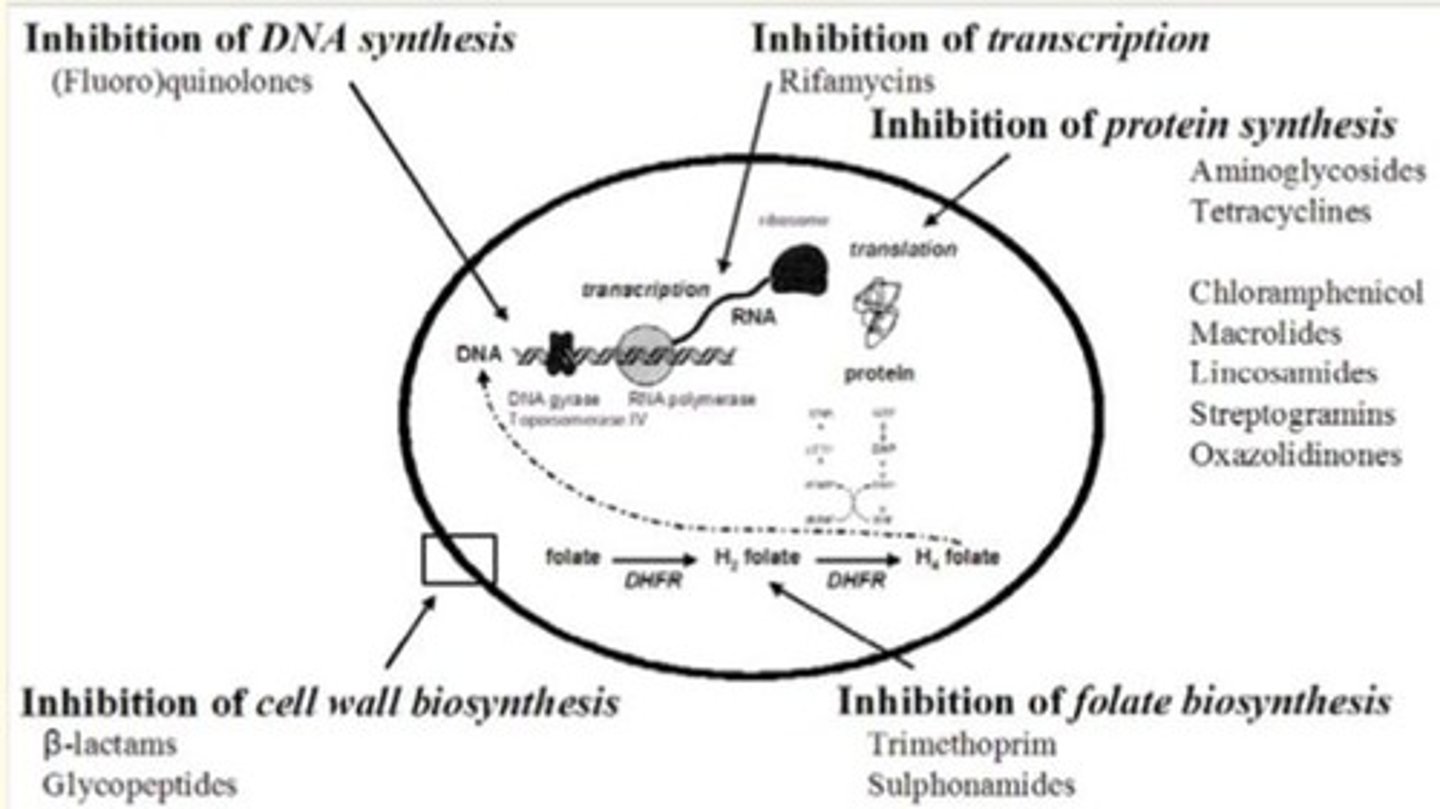
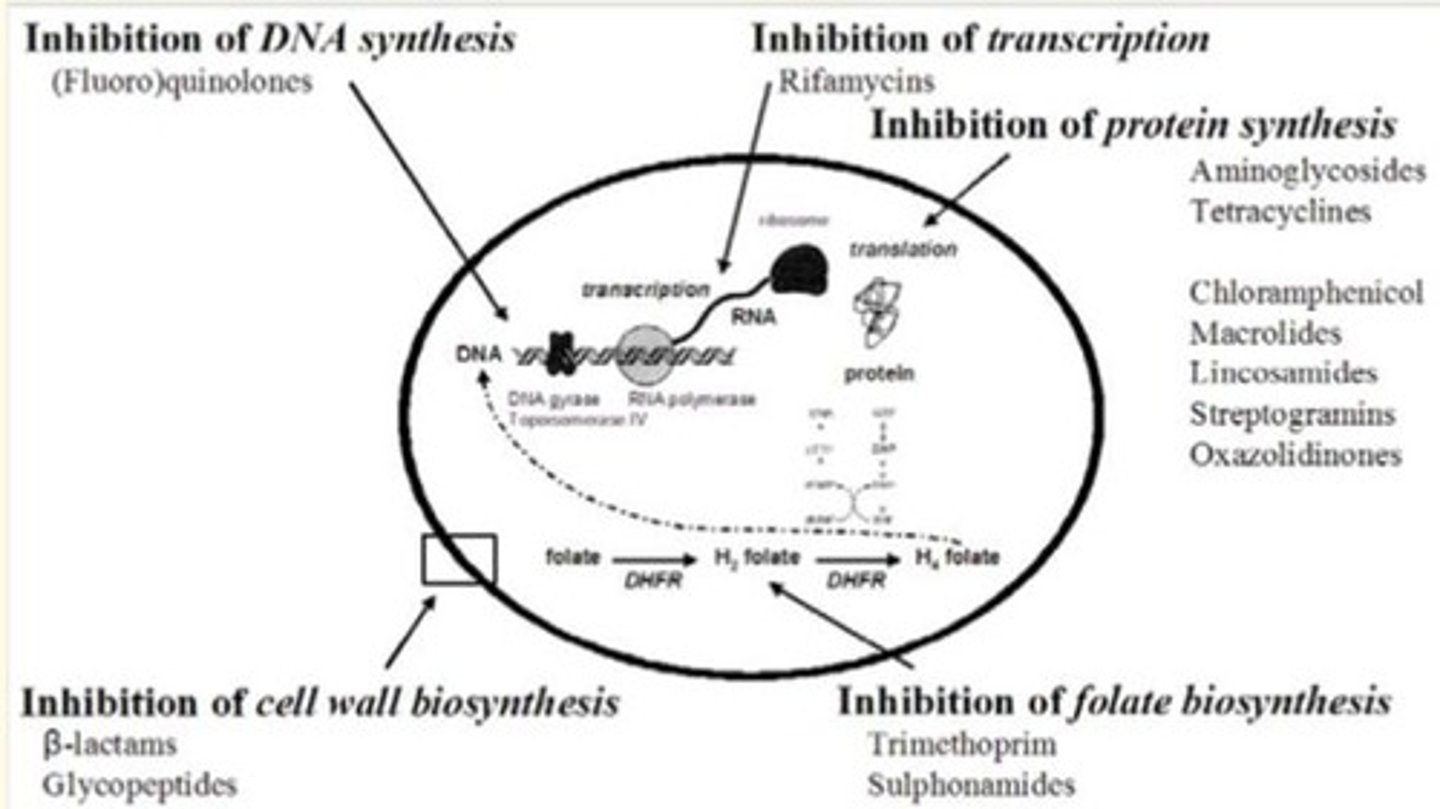
Antibiotics that inhibit cell wall biosynthesis
Beta-lactams
Glycopeptides
Antibiotics that inhibit folate biosynthesis
Trimethoprim
Suphonamides
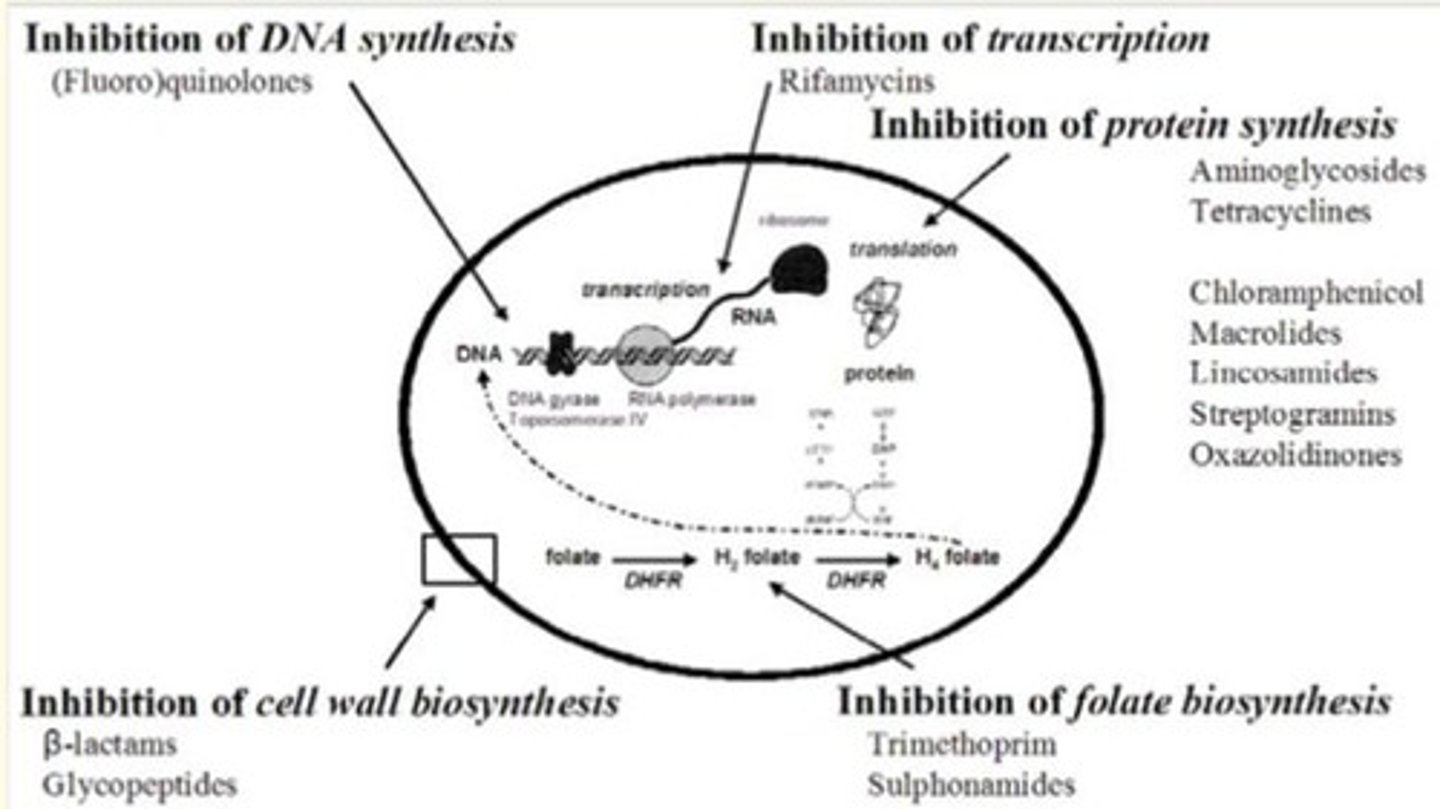
Antibiotics that inhibit protein synthesis
Aminoglycosides
Tetracyclines
Macrolides
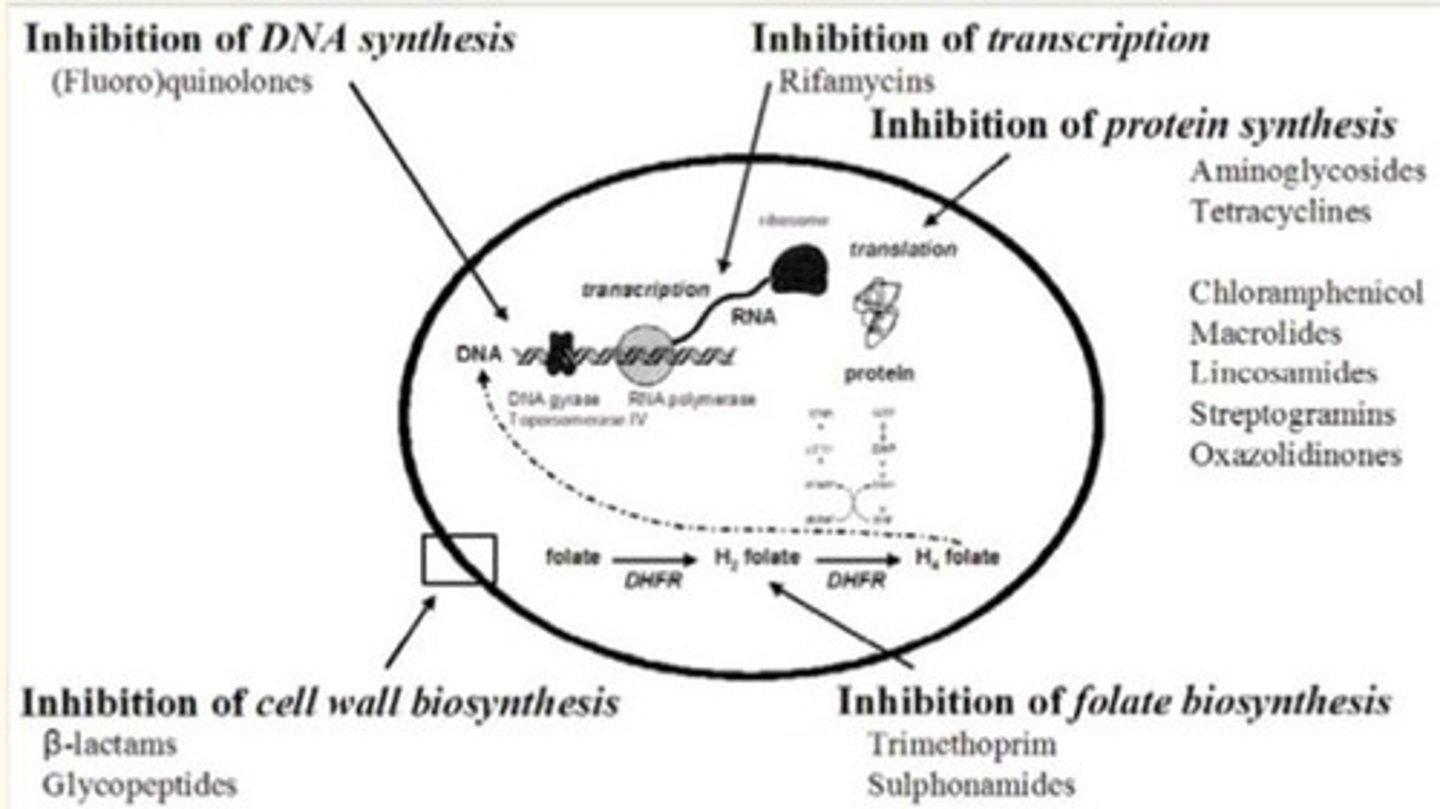
Antibiotics that inhibit transcription
Rifamycin
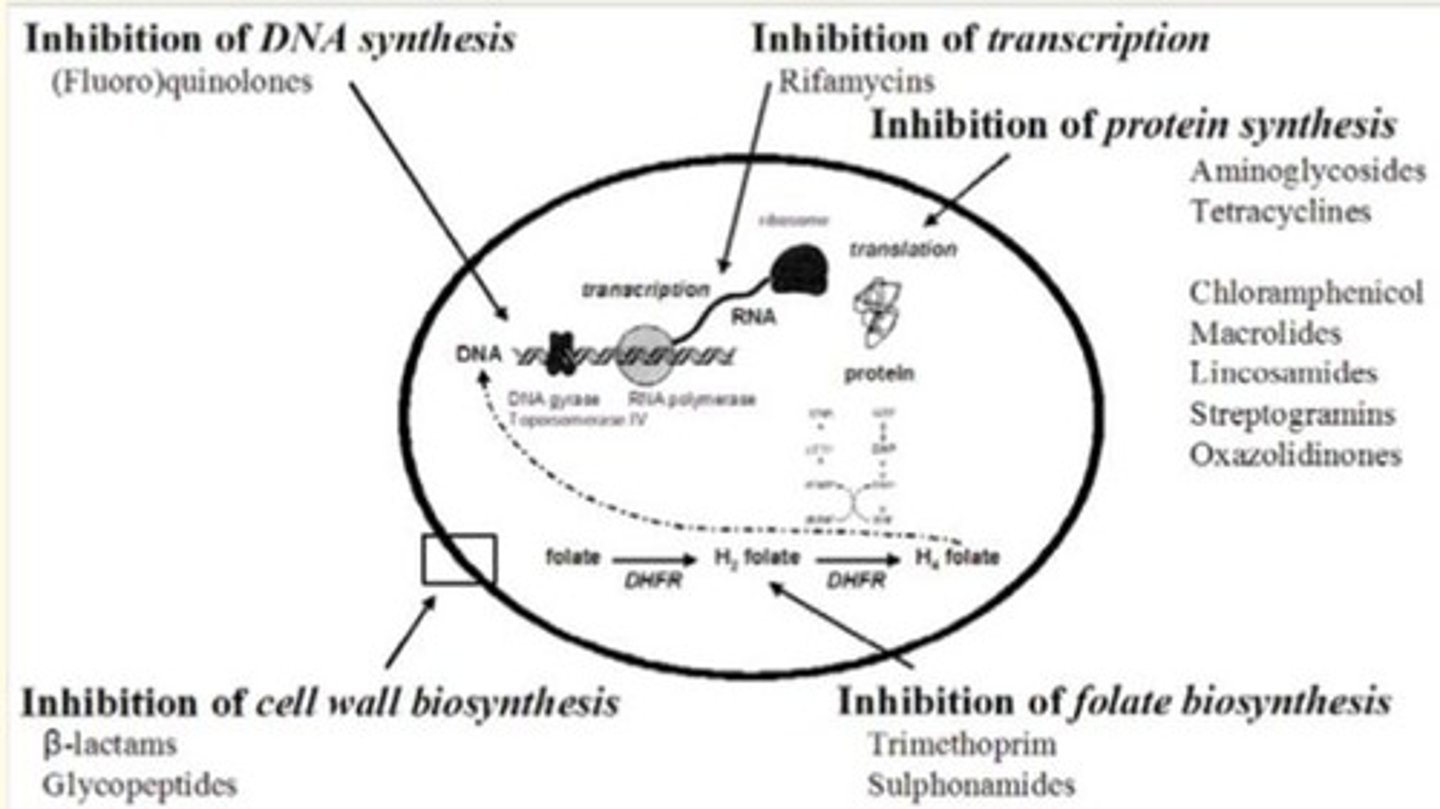
Antibiotics that inhibit DNA synthesis
Fluoroquinolones
Multiple drug resistance (MDR)
The ability of microbes to show resistance against three or more categories of antibiotics
Different bacteria have shown multiple drug resistance (MDR).
Give some examples of these bacteria...
Staphylococcous aureus
Clostridium difficile
Klebsiella pneumonia
Streptococcus pneumoniae
Mycobacterium tuberculosis
Salmonella enterica
Main distinctive features of S. aureus
- Production of extracellular enzyme coagulase, which converts fibrinogen into fibrin
- Production of thermostable nucleases that breaks down DNA
- Production of surface-associated protein known as clumping factor or bound coagulase that reacts with fibrinogen
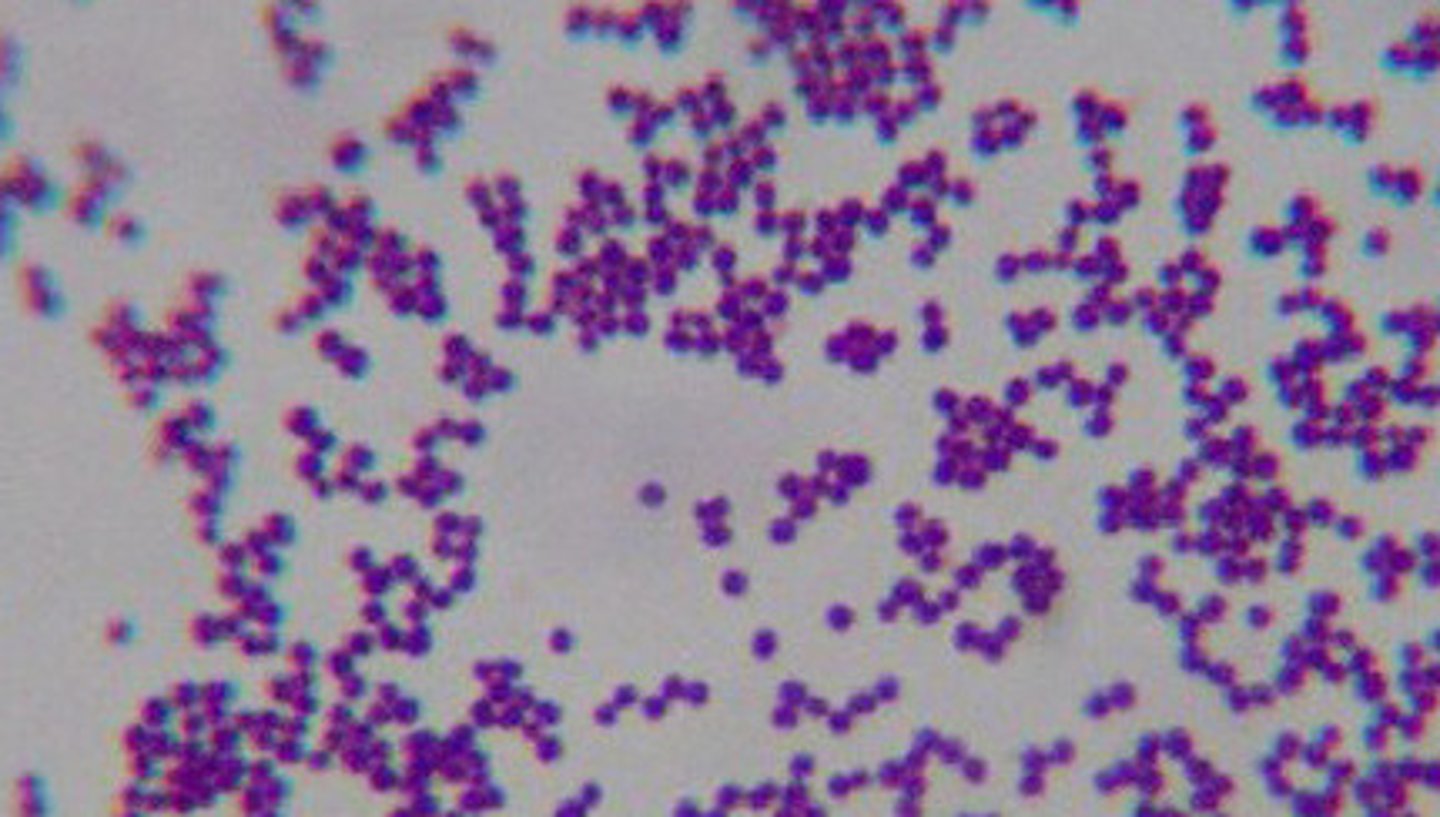
S. aureus
Gram positive cocci arranged in grape-like clusters
Methicillin resistance in staphylococci is due to the acquisition of ___ ___ element, called the staphylococcal ___ ___ ___.
Methicillin resistance in staphylococci is due to the acquisition of mobile genetic element (MGE) called the staphylococcal cassette chromosome mec (SCCmec).
All SCCmec types include the ___ gene, which codes for low-affinity penicillin-binding protein PBP-2a as a factor necessary for methicillin resistance.
All SCCmec types include the mecA gene, which codes for low-affinity penicillin-binding protein PBP-2a as a factor necessary for methicillin resistance.
SCCmec elements also include ccr genes = for integration & excision from the chromosome.
The strains of S. aureus that have acquired what gene - are designated as MRSA?
mecA gene (which encodes for novel penicillin-binding protein, PBP-2a) are designed as methicillin-resistant S. aureus (MRSA)
Infections caused by MRSA
- Skin & soft tissue, bone & joint infection
- Medical device related infection
- Pneumonia
- Bloodstream infection
- Infective endocarditis
- Aortic root abscess
- Discitis
- Spinal epidural abscess
- Toxic shock syndrome
- Necrotising fasciitis
MRSA strains are resistant to...
All beta-lactam antibiotics and often to other agents as well (e.g., aminoglycosides, fluoroquinolones)
Agents of choice in treating systemic MRSA infection
Glycopeptides e.g., vancomycin or teicoplanin
Some rare isolates of MRSA have been found to have reduced susceptibility or full resistance to glycopeptide antibiotics.
What types of adaptations do these MRSA isolates have?
1) Reduced susceptibility = thickened cell walls
2) Fully resistant = vanA gene presence
Treatment of severe infections caused by S. aureus should be started with what antibiotic?
Flucloxacillin
*unless MRSA is endemic locally, in which case - glycopeptide such as Vancomycin is indicated
If a patient with MRSA is allergic to penicillin, what should be given?
Erythromycin
Clindamycin
Vancomycin
Consequence of antimicrobial resistance
- Increase in morbidity & mortality
- Hospitalisation prolonged or patient may be isolated
- Drugs more toxic or expensive
WHO five strategic objectives for decreasing antimicrobial resistance
1) Improve awareness/education on antimicrobial resistance
2) Strengthen knowledge via surveillance/research
3) Reduce incidence of infection
4) Optimise use of antimicrobial agents
5) Develop economic case for sustainable investment that takes into account of needs of all countries, and increase investments in new medicines, diagnostic tools, vaccines & other interventions
What term is used to describe the ability of microbes to endure the selective pressures of their environment?
a) Antimicrobial resistance
b) Therapeutic index
c) Microbial adaptation
d) Clonal expansion
e) Free DNA acquisition
Microbial adaptation
Difference between antibiotic and antimicrobial resistance
Antibiotic resistance refers to resistance in bacteria, while antimicrobial resistance includes resistance of microorganisms to any type of drug used for infection treatment.
What is meant by co-resistance?
Resistance to multiple classes of antibiotics in the same bacterial strain
Which term describes a single resistance mechanism conferring resistance to an entire class of antibiotics?
Cross-resistance
Which antibiotic is commonly used to treat Methicillin-Resistant Staphylococcus aureus (MRSA) infections?
a) Amoxicillin
b) Gentamicin
c) Vancomycin
d) Ciprofloxacin
e) Penicillin
c) Vancomycin
What is the main mode of transmission for MRSA infections?
a) Airborne
b) Waterborne
c) Vector-borne
d) Person-to-person contact
e) Foodborne
d) Person-to-person contact
Which of the following infections is commonly caused by MRSA?
a) UTIs
b) Sinus infections
c) Skin and soft tissue infection
d) Pneumonia
e) Gastrointestinal infection
c) Skin and soft tissue infection
Which gene confers resistance to all beta-lactam antibiotics in MRSA?
a) vanA gene
b) penA gene
c) mecA gene
d) tetM gene
e) gyrA gene
c) mecA gene