ANATOMY PRACTICAL 1
 Call Kai
 Learn
Learn Practice Test
 Spaced Repetition
 Match
Match Flashcards
 Knowt Play
1/76

There's no tags or description
Looks like no tags are added yet.
Name | Mastery | Learn | Test | Matching | Spaced | Call with Kai | Chat |
|---|
No analytics yet
Send a link to your students to track their progress
77 Terms

NAME IT
ARM

NAME IT
INTERPHASE

NAME IT
EARLY PROPHASE
FUNCTION CHROMOSOMES BEGIN TO CONDENSE THE NUCLEOLUS FADES AND CELL STARTS PREPARING FOR CHROMOSOMES SEPARATION

NAME IT
LATE PROPHASE
FUNCTION THE NUCLEAR ENVELOPE BREAKS DOWN SPINDLE FIBERS. ATTACH TO THE CHROMOSOMES AND CHROMOSOMES CONTINUE TO CONDENSE PREPARING FOR ALIGNMENT AT THE CELLS EQUATOR METAPHASE

NAME IT
METAPHASE
FUNCTION - METAPHASE LINES THE CHROMOSOMES UP IN THE MIDDLE SO THE CAN SEPARATE EVENLY IN ANAPHASE

NAME IT
ANAPHASE
FUNCTION- SEPARATES THE SISTER CHROMATIDS SO EACH NEW CELL GETS AN EQUAL SET OF CHROMOSOMES
PRACTICAL CLUE- TWO GROUPS PULLING APART

NAME IT
TELOPHASE
FUNCTION-NEW NUCLEAR ENVELOPES FORM AROUND EACH CHROMOSOME SET AND THE CHROMOSOMES BEGIN TO LOOSEN BACK INTO CHROMATIN

NAME IT
CYTOKINESIS
FUNCTION DIVIDES THE CYTOPLASM AND FINISHES CELL DIVISION MAKING TWO SEPARATE CELLS
HOW TO TELL THE CELL IS PINCHING IN THE MIDDLE AND SEPARATING INTO TWO SEPARATE DAUGHTER CELLS

NAME IT
CONDENSER KNOB
FUNCTION-TURNING IT RAISES OR LOWERS THE CONDENSER WHICH HELPS FOCUS THE LIGHT ONTO THE SPECIMEN

NAME IT
COARSE ADJUSTMENT KNOB

NAME IT
FINE ADJUSTMENT KNOB

NAME IT
LIGHT CONTROL

NAME IT
OCULAR LENSES

NAME IT
ROTATING NOSE PIECE

NAME IT
STAGE
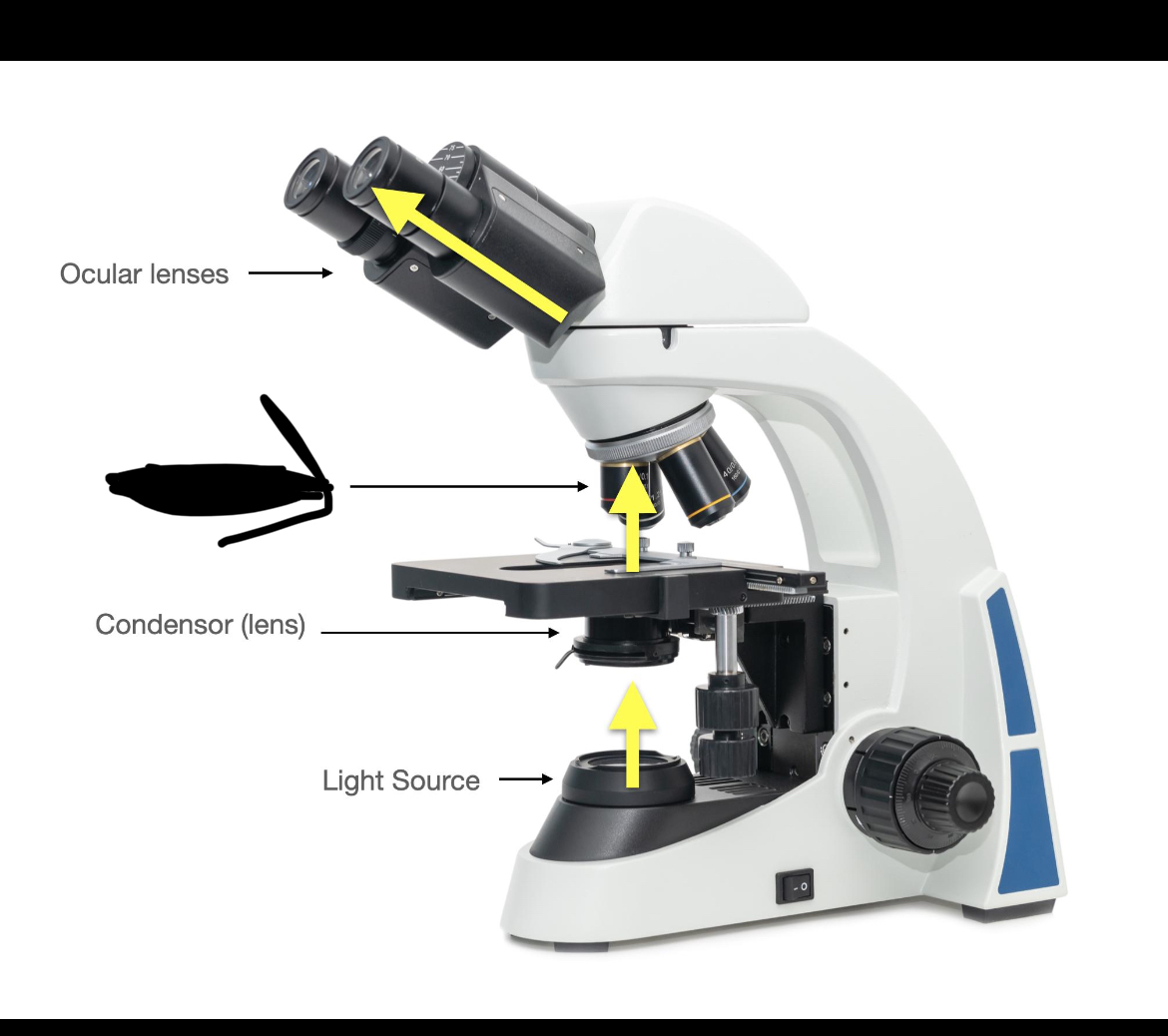
NAME IT
OBJECTIVE LENSES
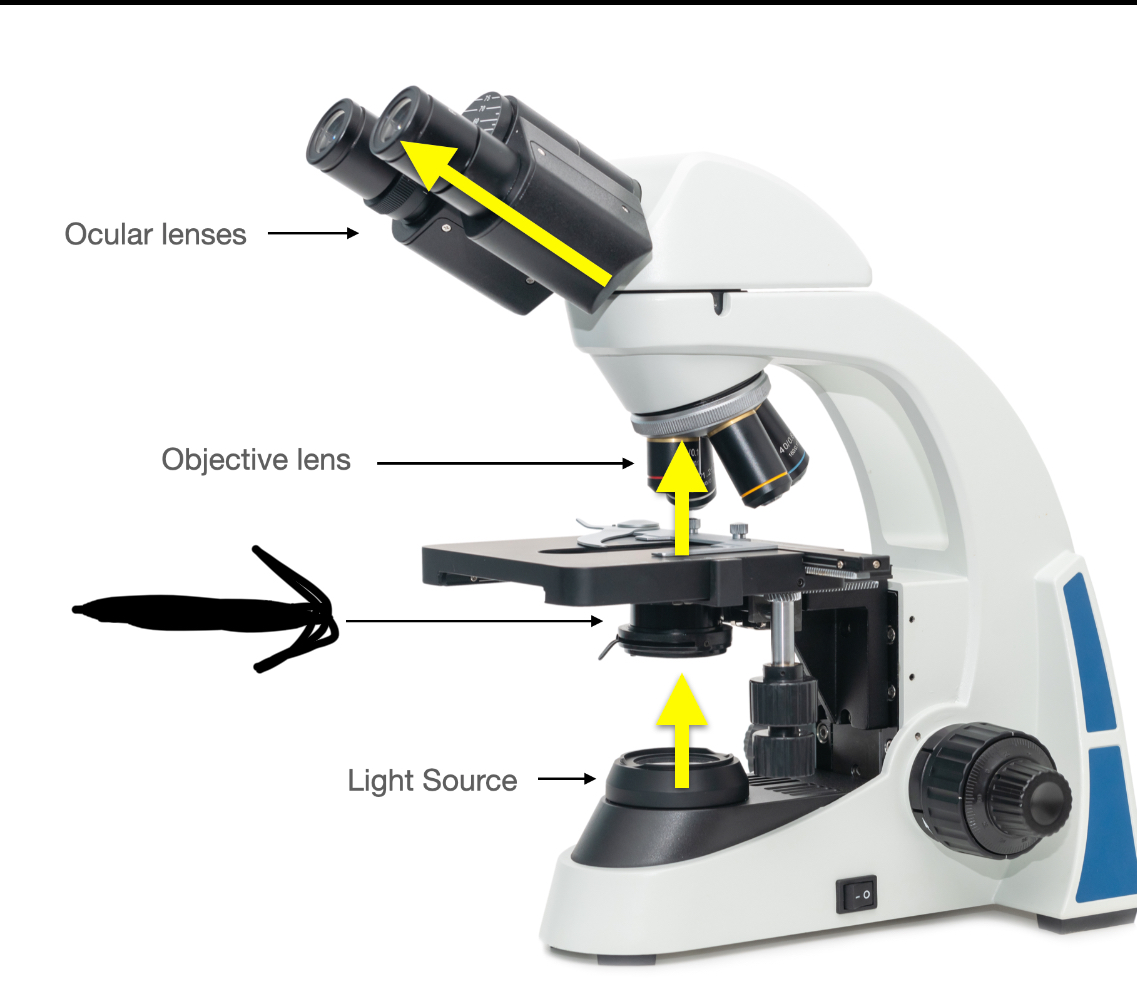
NAME IT
CONDENSER

NAME IT
IRIS DIAPHRAGM LEVER
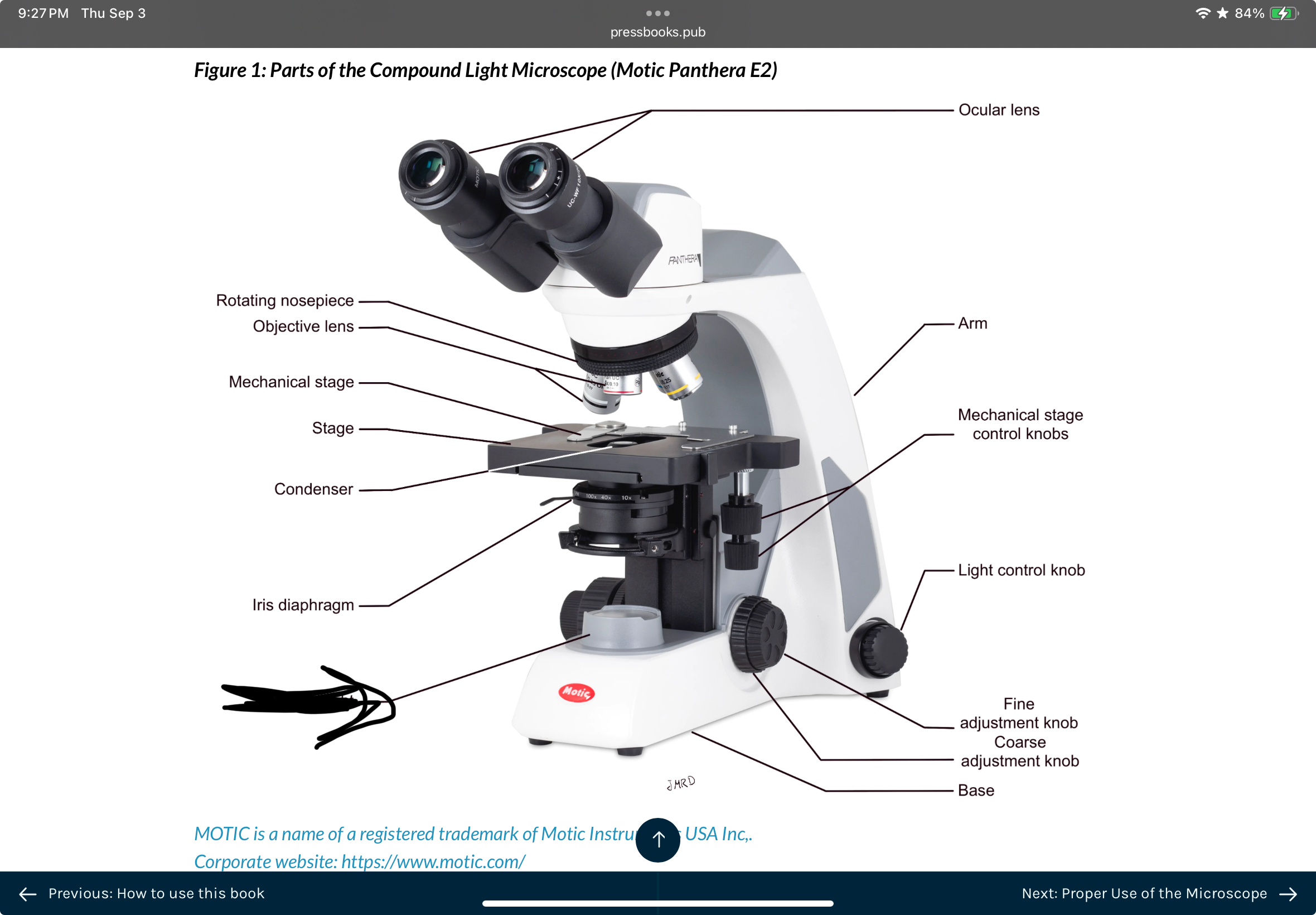
NAME IT
SUBSTAGE LIGHT

NAME
BASE

NAME IT
PLASMA MEMBRANE
FUNCTION- CONTROLS WHAT ENTERS AND LEAVES THE CELL AND HELPS PROTECT THE CELL

NAME IT
NUCLEUS
FUNCTION CONTAINS THE CELLS DNA AND CONTROLS CELL ACTIVITIES

NAME IT
RIBOSOMES- MAKES PROTEIN

NAME IT BOTTOM ARROW
ENDOPLASMIC RETICULUM SMOOTH

NAME IT TOP ARROW
ROUGH ENDOPLASMIC RETICULUM

NAME IT
GOLGI APPARATUS
FUNCTION- MODIFIES,SORTS,ANDPACKAGES PROTEINS/LIPIDS FOR TRANSPORT

NAME IT
LYSOSOMES
FUNCTION- CONTAIN DIGESTIVE ENZYMES THAT BREAK DOWN WASTE, OLD CELL PARTS AND UNWANTED MATERIAL
SMALL ROUND BUBBLE LIKE SACS = LYSOSOME

NAME IT
PEROXISOME
FUNCTION - BREAK DOWN FATTY ACIDS AND HELP DETOXIFY HARMFUL SUBSTANCES, ESPECIALLY HYDROGEN PEROXIDE

NAME IT
MITOCHONDRIA
FUNCTION - PRODUCES ATP (ENERGY( FOR THE CELL THROUGH CELLULAR RESPIRATION
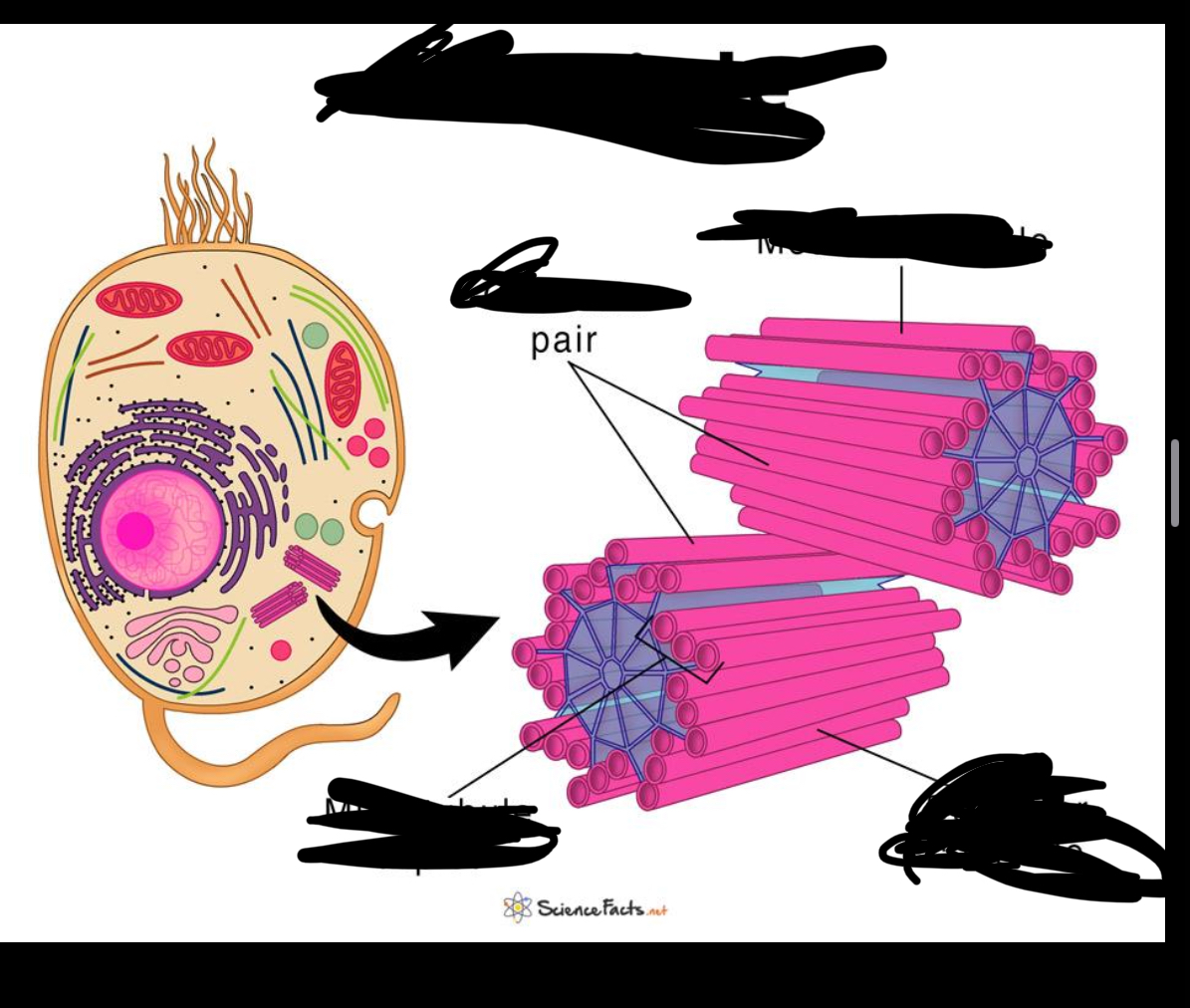
NAME IT
CENTRIOLES USUALLY A PAIR OF SHORT BARREL CYLINDERS SHAPED STRUCTURES OFTEN SITTING AT THE RIGHT ANGLE TO EACH OTHER NEAR THE NUCLEUS
FUNCTION HELP ORGANIZE MICROTUBULES AND FORM THE SPINDLE FIBERS DURING CELL DIVISION

NAME IT
CYTOSKELETON
FUNCTION - GIVES THE CELL SHAPE AND SUPPORT HELPS HOLD ORGANELLES IN PLACE AND HELPS WITH MOVEMENT AND TRANSPORT INSIDE THE CELL

Name it
SIMPLE SQUAMOUS
FUNCTION LETS SUBSTANCES MOVE QUICKLY ACROSS BECAUSE ITS SO THIN IT ALSO HELPS CREATE SMOOTH LOW FRICTION LINING

NAME IT
SIMPLE CUBOIDAL

Name it
Simple columnar
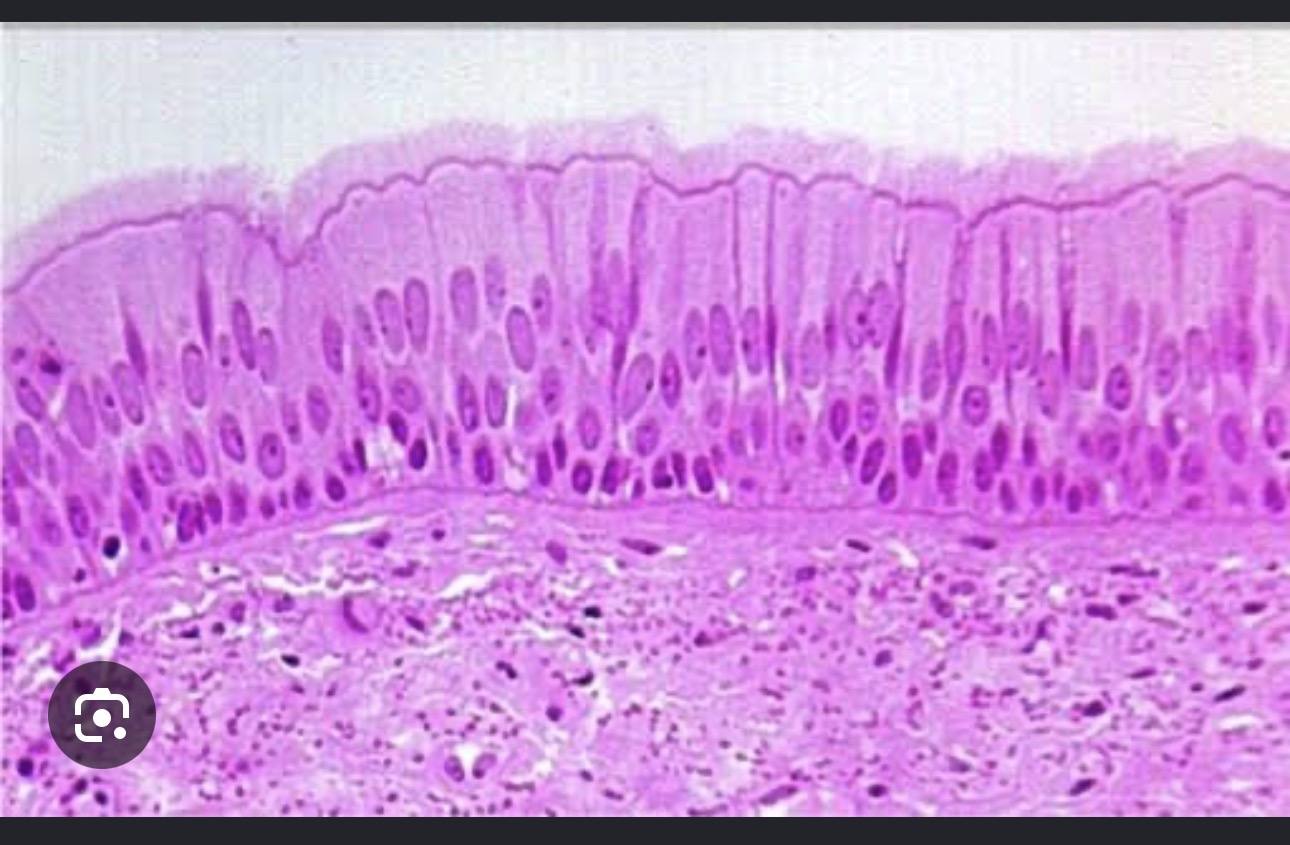
Name it
Pseudostratified ciliated columnar

Name it
Stratified squamous

Name it
Stratified cuboidal

Name it
Stratified columnar

Name it
Transitional
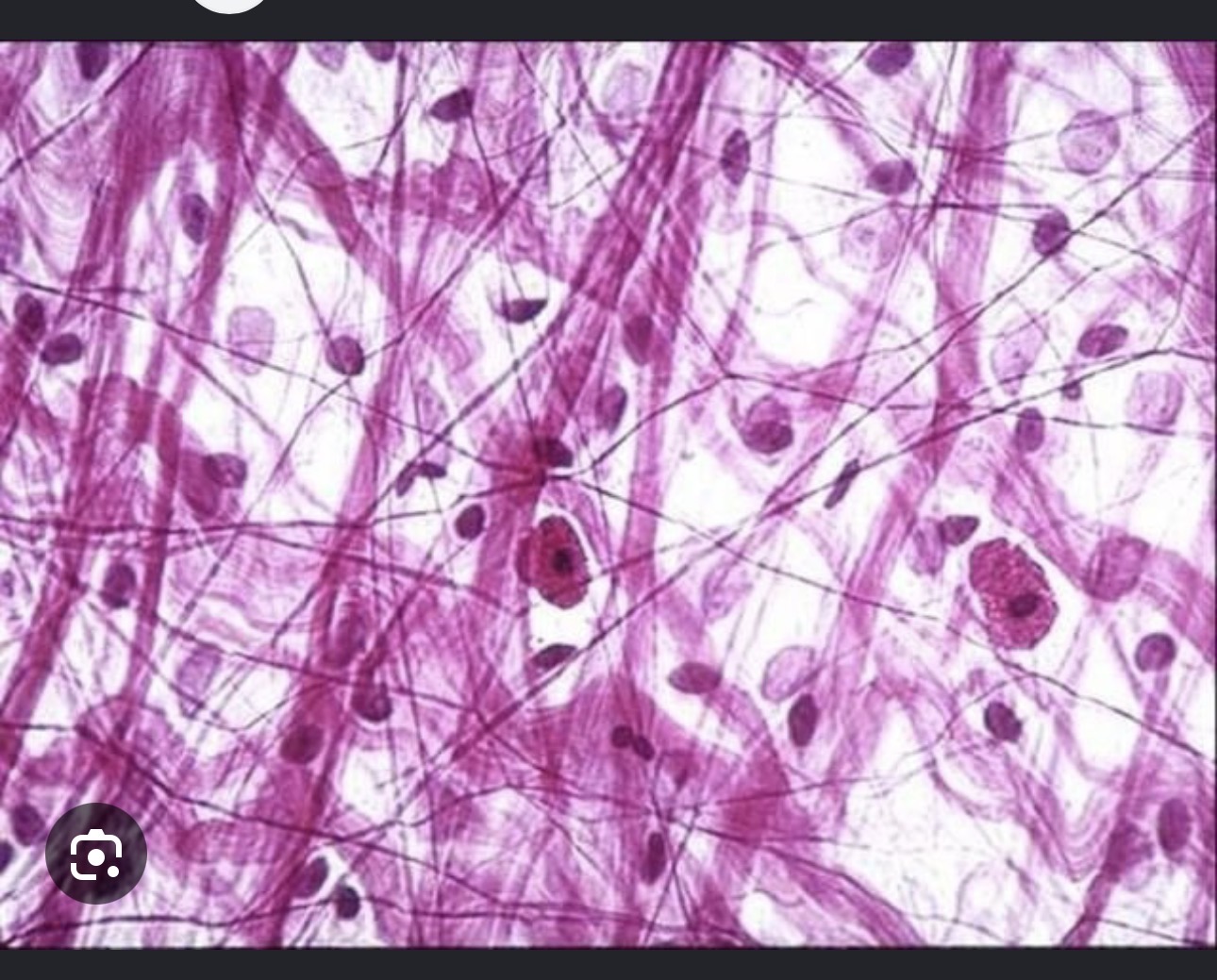
Connective tissue name it
CT proper loose: areolar
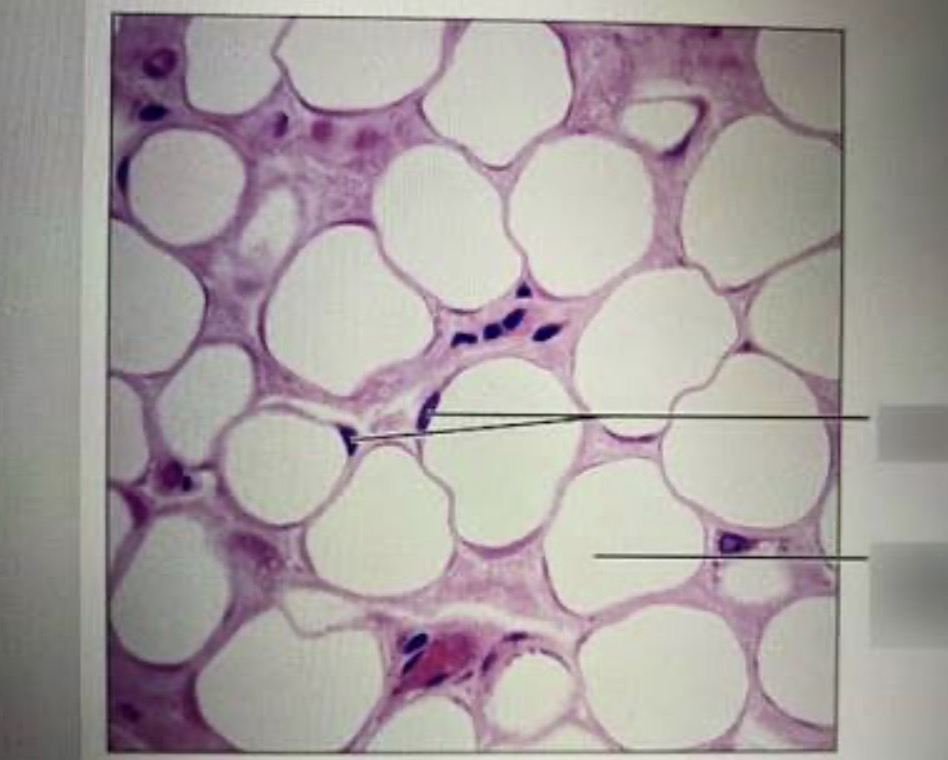
Name it
CT proper loose: adipose
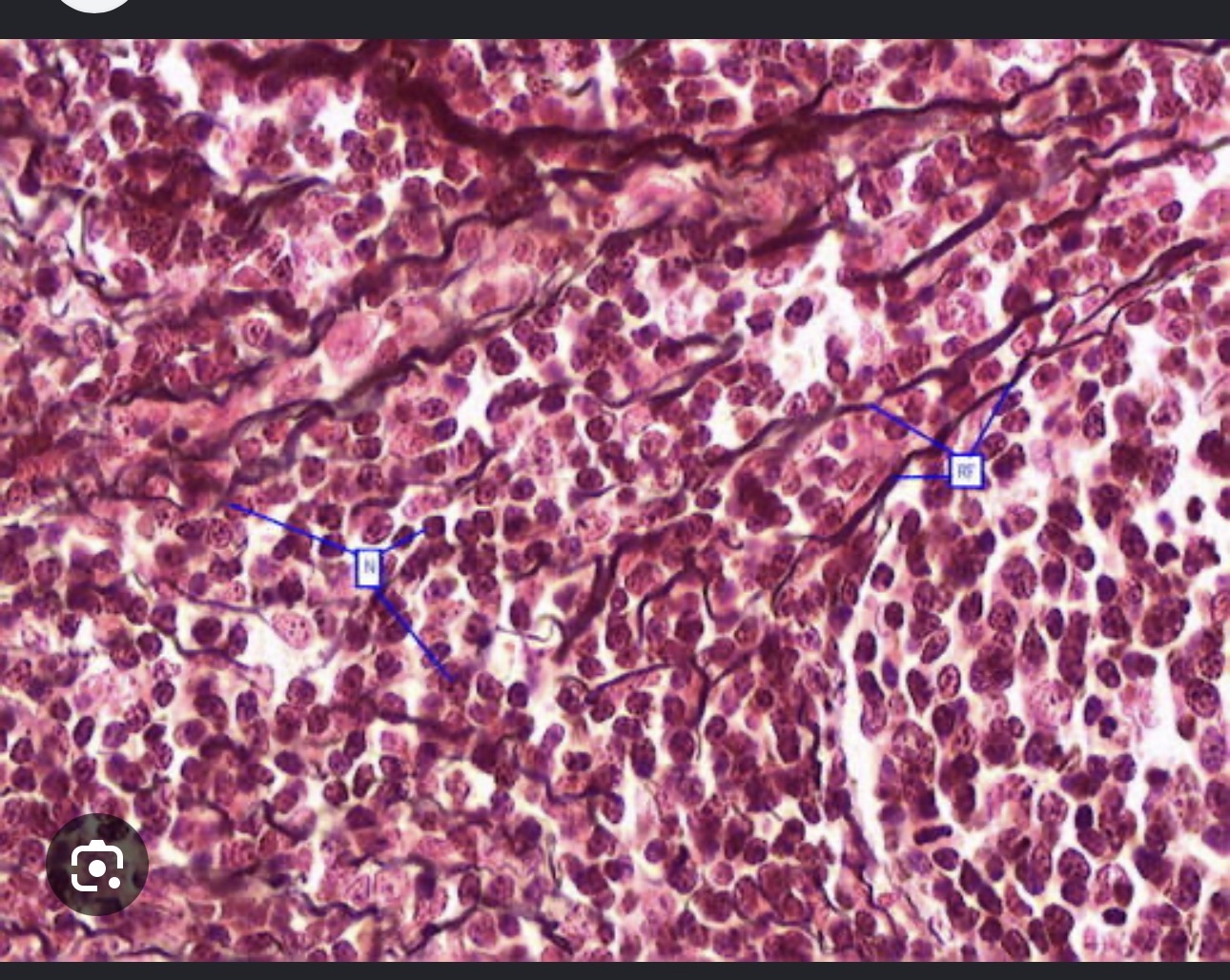
Name it
CT proper loose: reticular
Name it
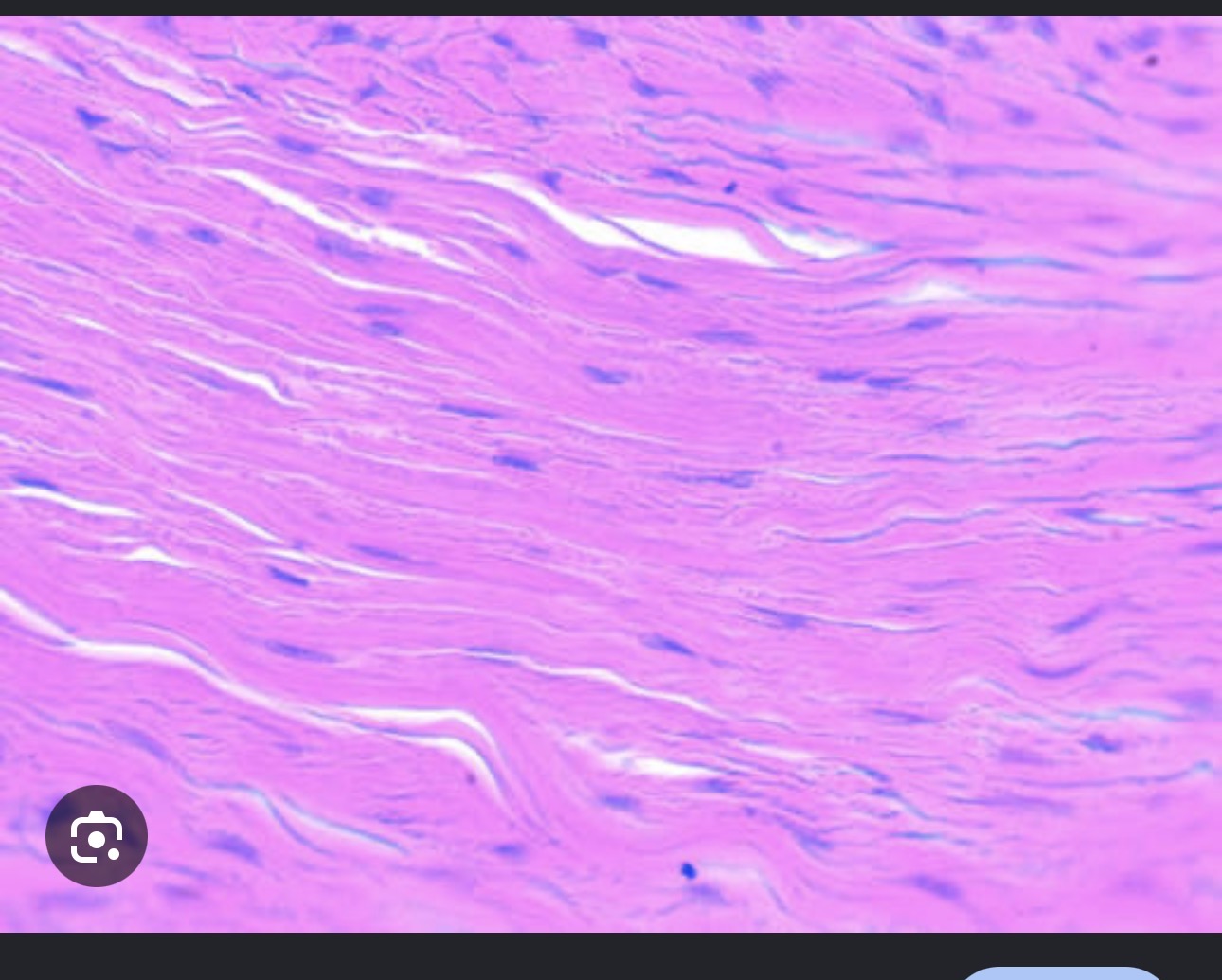
CT proper dense: regular

Name it
CT proper dense: irregular

Name it
CT proper dense: elastic
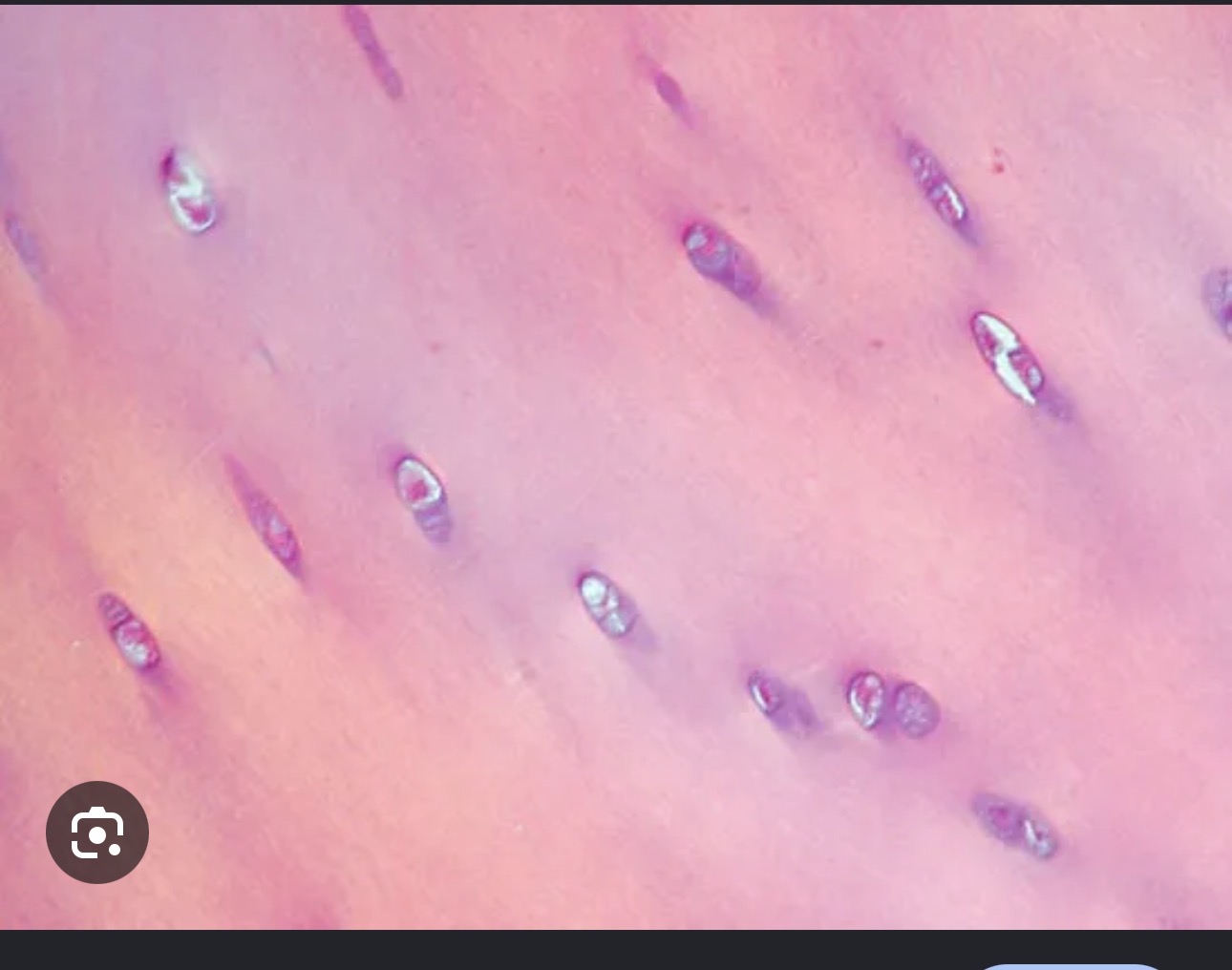
Cartilage name it
Hyaline

Name it cartilage
Elastic

Cartilage name it
Fibrocartilage
the toughest and strongest type of cartilage in the human body

Name it
Osseous relating to the bones

Name it cartilage
Blood

Name it
Neural Muscle:
Smooth

Name it
neural muscle skeletal

Name it
Neural muscle Cardiac

Name it
Nervous tissue

Name it
Epidermis: stratum corneum,

Name it
stratum lucidum (thick skin only),

Name it
stratum granulosum,
Practical clue: the thin, dark purple/grainy layer near the top of the epidermis.
Name it
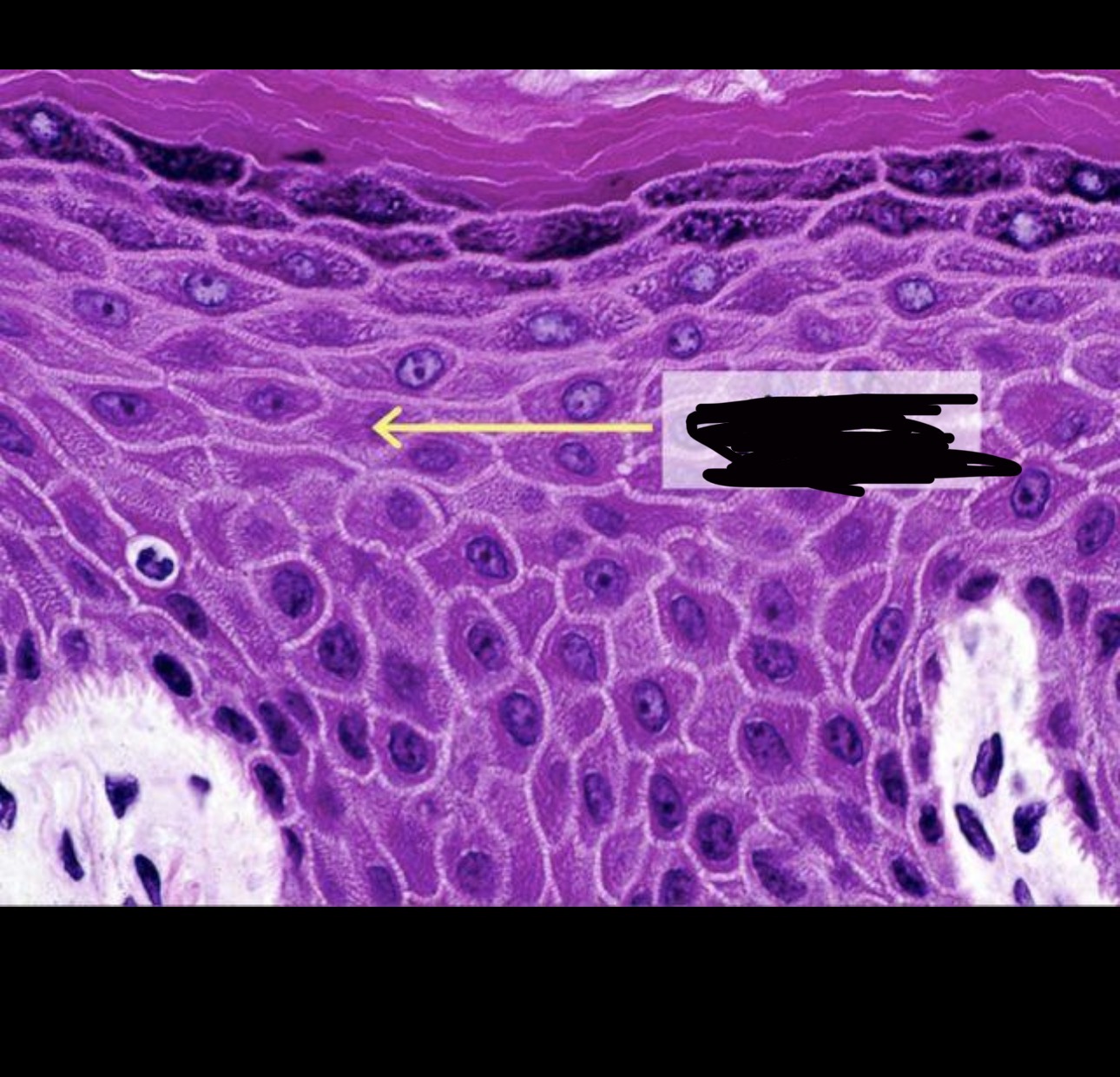
Stratum spinosum
Look for the thickest layer of living epidermal

Name it
stratum basale
Look for the single deepest row of dark cells at the very bottom of the epidermis, right where the epidermis meets the dermis.

Name it
Dermis: papillary layer,
It’s the thin, upper part of the dermis directly underneath the epidermis. Look for the little finger-like bumps (dermal papillae) that push upward toward the epidermis.

Name it
Dermis reticular layer

Name it
Sebaceous glands

Name it
Sudoriferous glands: eccrine (merocrine) sweat

Name it
Arrector pilli muscle