Unit 2 - American Revolution
 Call Kai
 Learn
Learn Practice Test
 Spaced Repetition
 Match
Match Flashcards
1/44

There's no tags or description
Looks like no tags are added yet.
Name | Mastery | Learn | Test | Matching | Spaced | Call with Kai | Chat |
|---|
No analytics yet
Send a link to your students to track their progress
45 Terms

Declaration of Independence
A document adopted on July 4, 1776, that announced the American colonies' separation from Great Britain, outlining their grievances and affirming the principles of individual rights and government by consent.
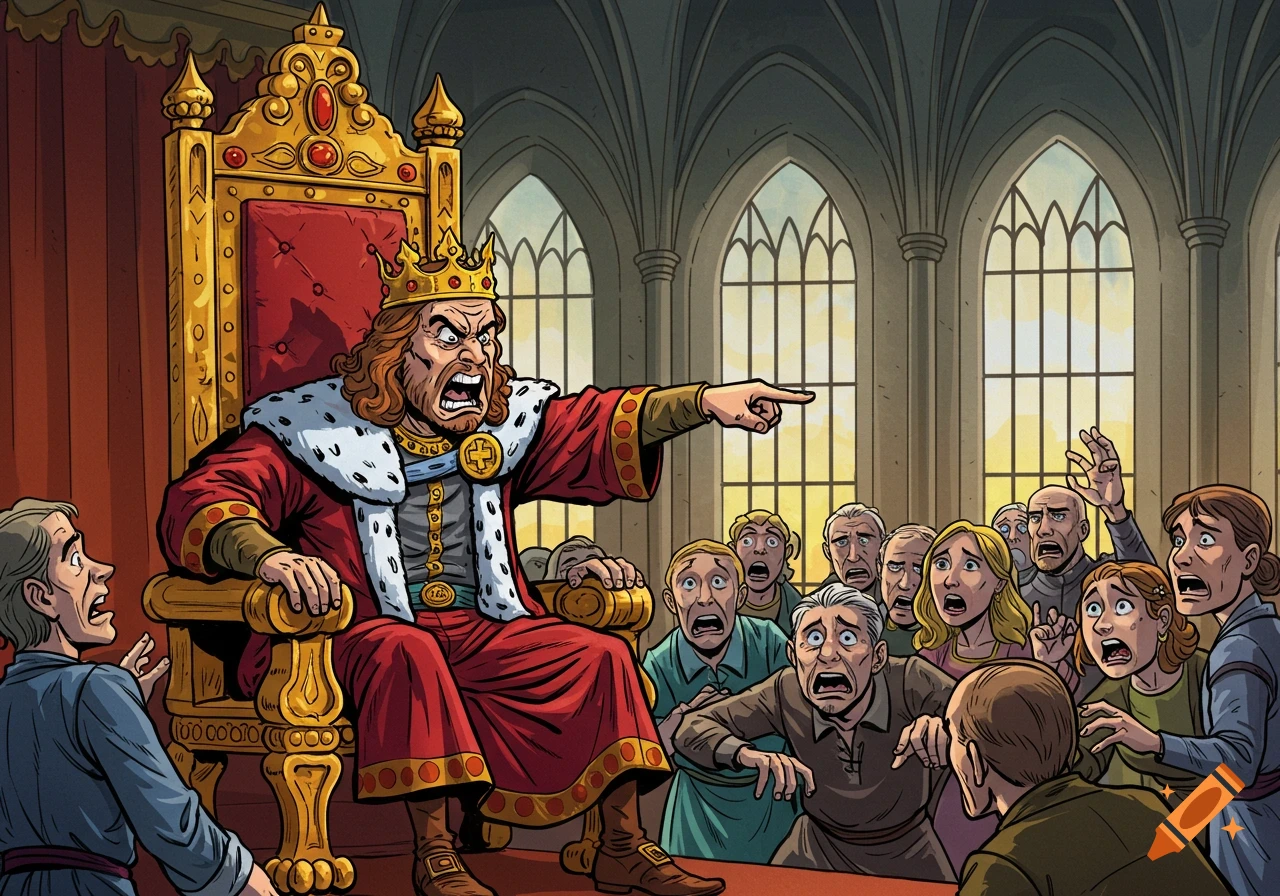
Tyranny
The oppressive and unjust use of power by a ruler or government, often leading to the violation of individual rights and liberties.
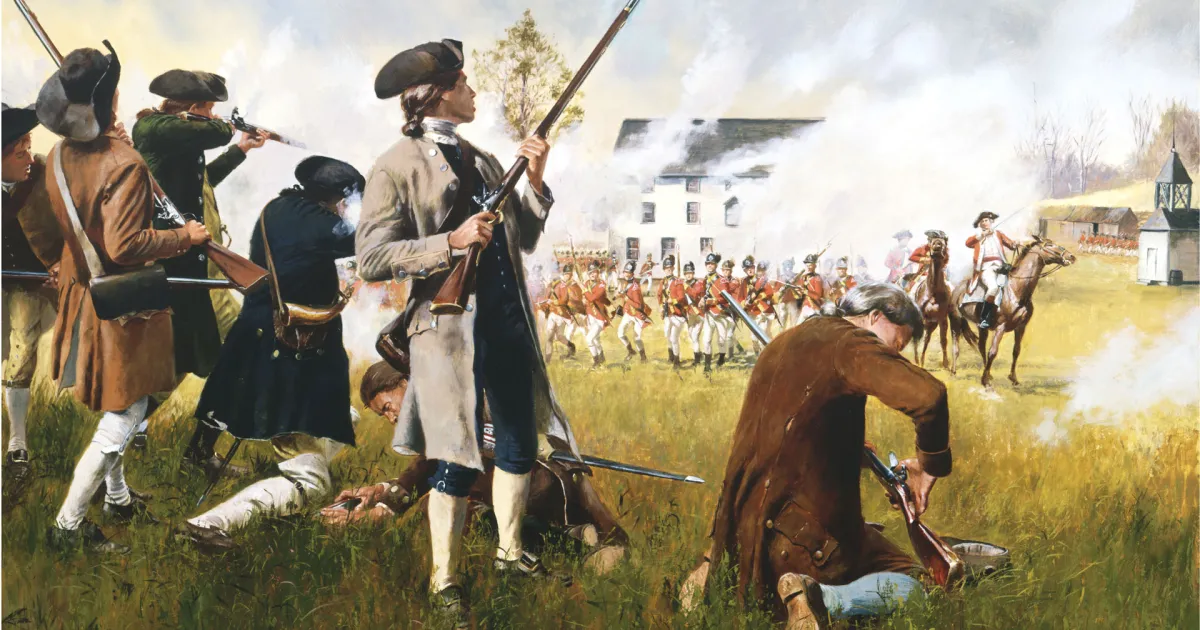
Lexington & Concord
The first military engagements of the American Revolutionary War, occurring on April 19, 1775, where colonial militia faced British troops, marking the start of armed conflict.

Saratoga
A pivotal battle in the American Revolutionary War, fought in 1777, which resulted in a decisive victory for the American forces and is often considered the turning point of the war because it encouraged France to support the American cause.

Yorktown
The last major battle of the American Revolutionary War, fought in 1781, where British General Cornwallis surrendered to American and French forces, effectively ending the conflict.

Valley Forge
The winter encampment of the Continental Army from 1777 to 1778, where troops faced severe hardships but emerged stronger under the leadership of George Washington.

Proclamation of 1763
A decree issued by the British government that prohibited American colonists from settling west of the Appalachian Mountains, aimed at stabilizing relations with Native Americans.

Coercive
Using force or threats to make someone act.

Declaration
A formal announcement.

Diplomat
A person who represents their country and works to maintain peaceful relationships with other countries.
Independence
Freedom from outside control; self-rule.

Intolerable
Unbearable, not acceptable.

Loyalist
A colonist who remained faithful to Britain during the American revolution.
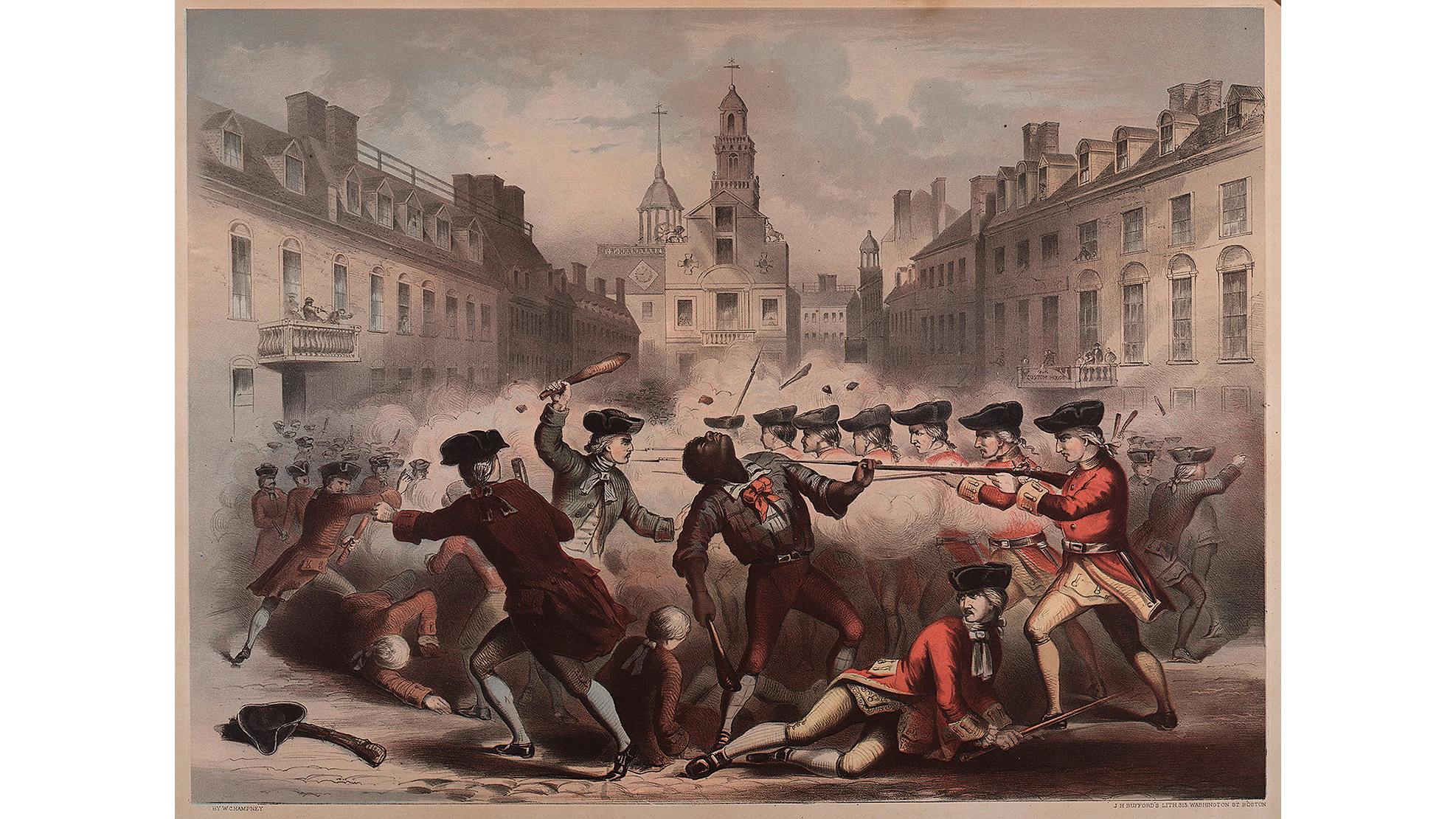
Massacre
A brutal killing of many people.
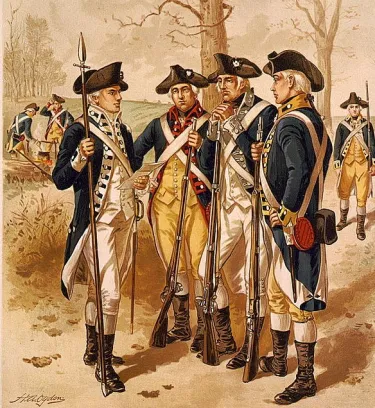
Militia
A military force raised from the civil population to assist the regular army in an emergency.

Minutemen
Volunteers during the American Revolution who pledged to be ready for military duty at a minute's notice.
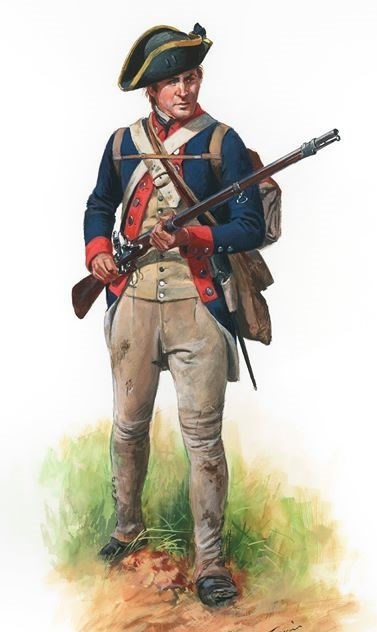
Patriot
A colonist who fought for American independence and a colonist who rejected British rule.

Proclamation
An official announcement or declaration.

Quartering
Providing housing or lodging, especially for soldiers.
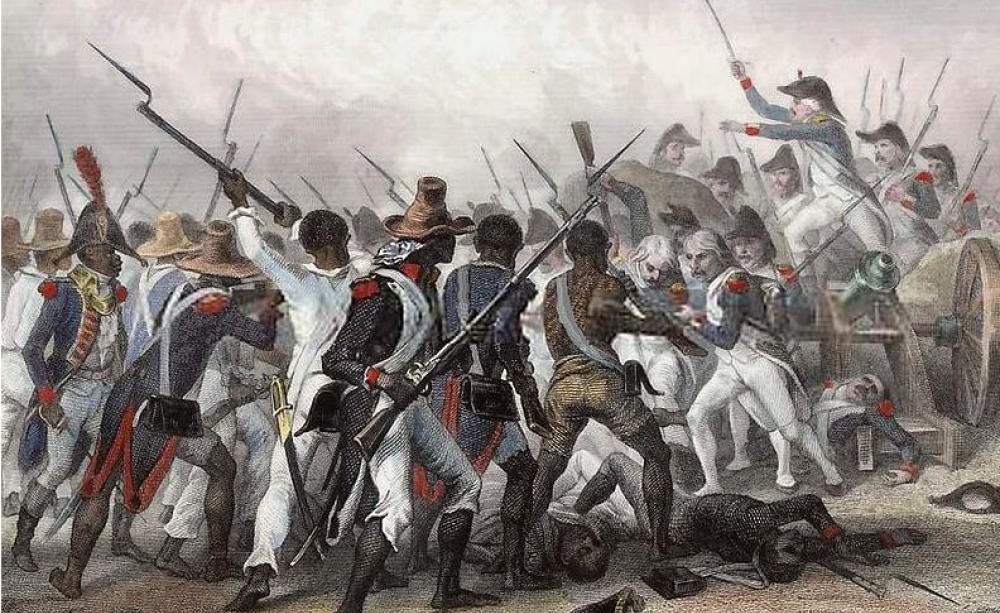
Rebellion
An uprising against authority.
Revolution
A complete overthrow of government or social order.

State
A political unit with government.

Treaty
A formal agreement between nations.

Union
The act of joining together.
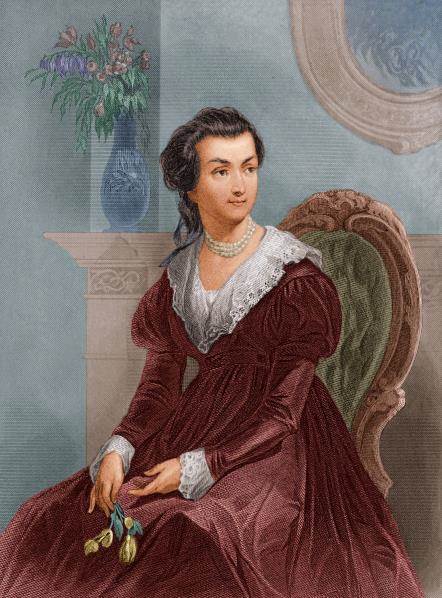
Abigail Adams
The wife of John Adams who wrote letters supporting independence and encouraging women’s rights.

Benjamin Franklin
A Founding Father who helped gain French support for the American Revolution and helped write the Declaration of Independence.

Crispus Attucks
An African American and Native American man who was the first person killed during the Boston Massacre.

James Armistead
An enslaved African American man who served as a spy for the American army during the Revolution and later gained his freedom.

John Paul Jones
An American naval commander who won important battles against British ships during the Revolution.
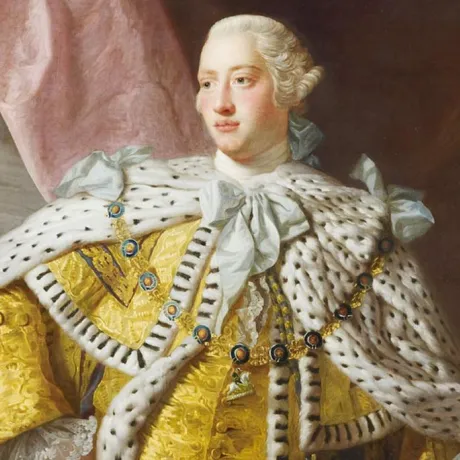
King George III
The British king whose government enforced taxes and laws that angered the American colonists.

Marquis de Lafayette
A French military officer who volunteered to fight with the American Patriots during the Revolution.
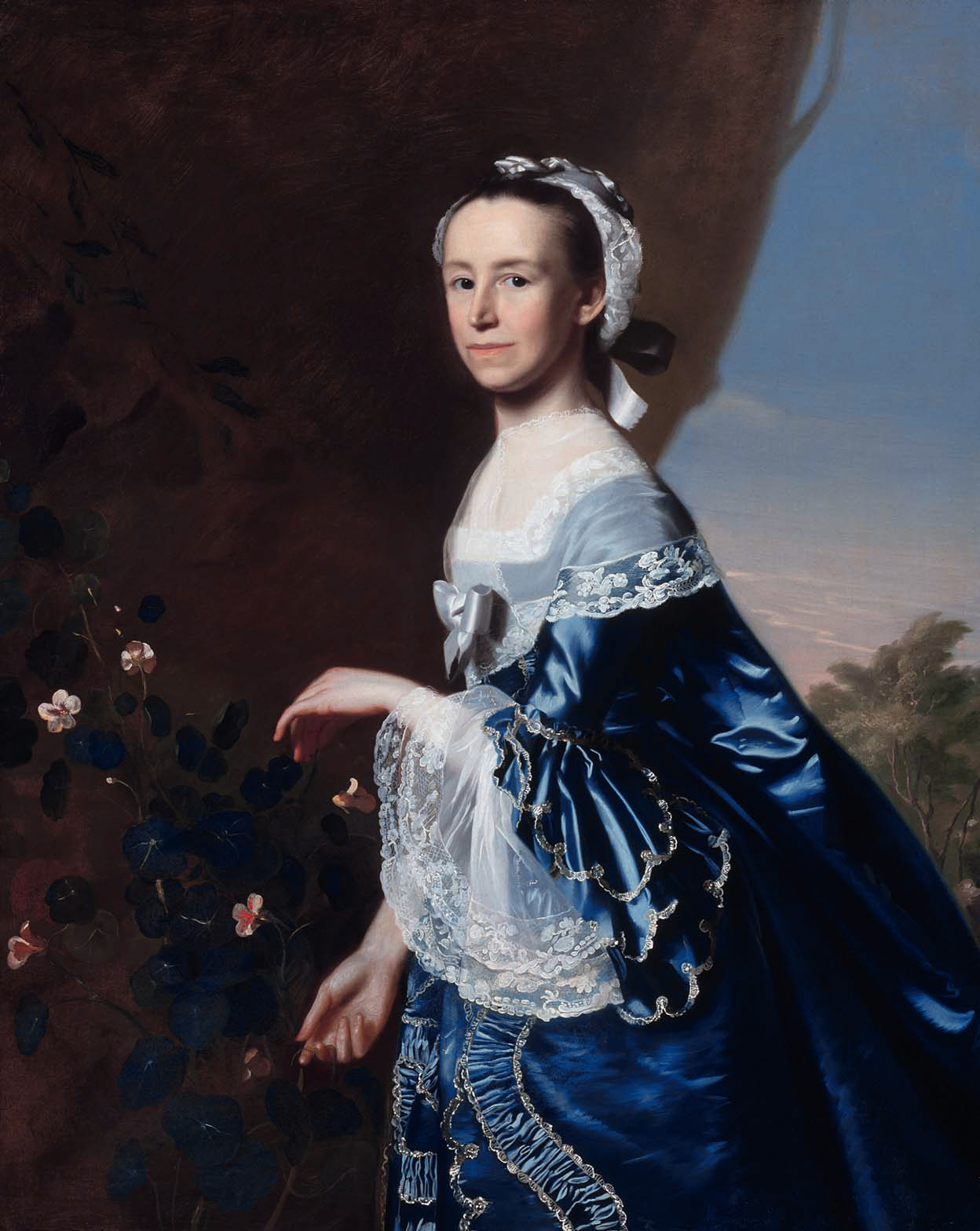
Mercy Otis Warren
A writer and Patriot who used plays, poems, and essays to criticize British rule and support independence.

Patrick Henry
A Virginia leader who strongly opposed British rule and gave a speech where he famously said, “Give me liberty, or give me death!”
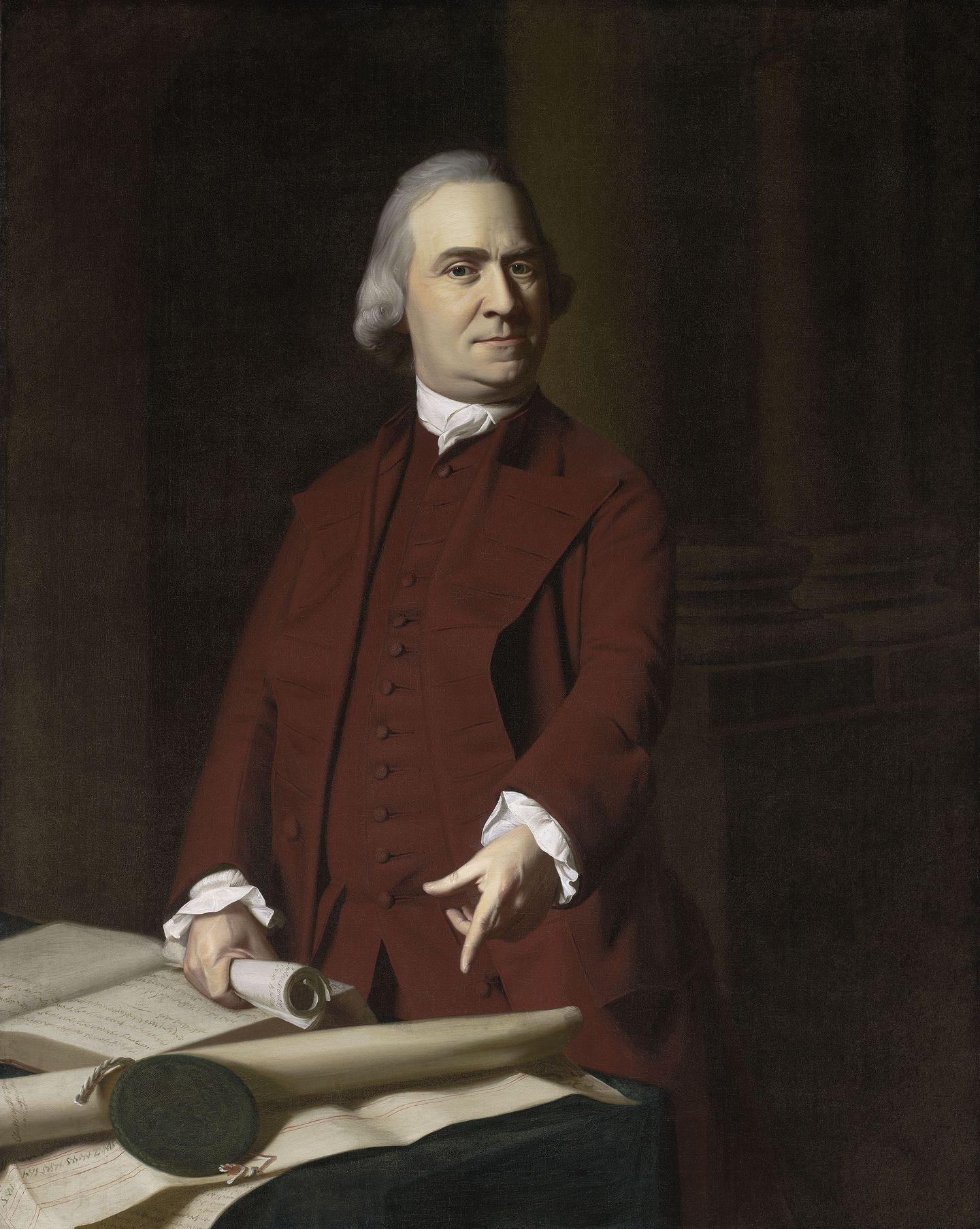
Samuel Adams
A colonial leader of the Sons of Liberty who opposed British taxes and helped organize resistance to British rule.
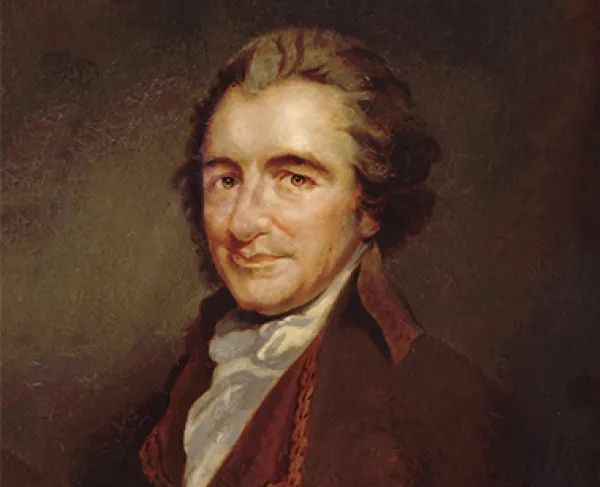
Thomas Paine
A writer whose pamphlet Common Sense convinced many colonists to support independence from Britain.

Wentworth Cheswell
An African American Patriot who served as a messenger and local official during the American Revolution.

Boston Tea Party
A political protest by the Sons of Liberty in December 1773, where they dumped tea into Boston Harbor to oppose British taxation without representation.
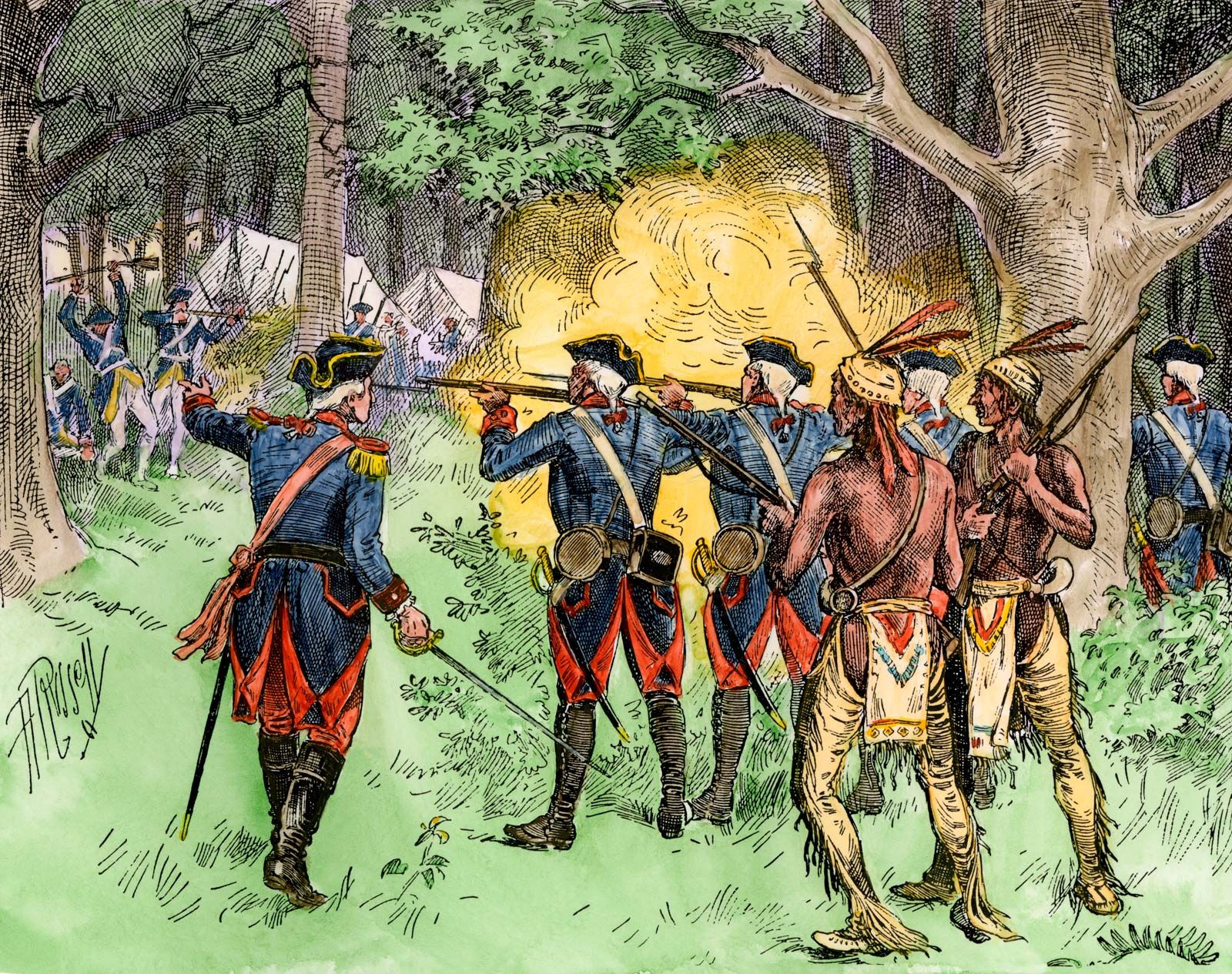
French & Indian War
A war from 1754–1763 between Britain and France over control of North America, with many Native American nations joining either side.
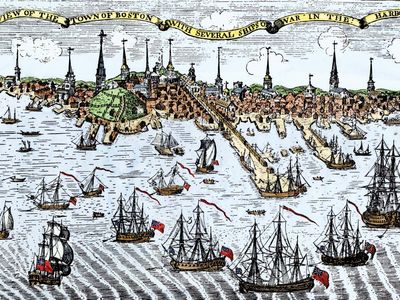
Intolerable Acts
A series of punitive laws passed by the British Parliament in 1774 to punish the American colonies, particularly Massachusetts, for the Boston Tea Party. These acts escalated tensions leading to the American Revolutionary War.

Stamp Act
A 1765 law imposing a direct tax on printed materials in the American colonies, requiring them to use specially stamped paper for legal documents, newspapers, and other publications. It was met with widespread protest and contributed to the growing colonial dissent against British authority.

Treaty of Paris 1763
Formally ended the French and Indian War, transferring territory from France to Britain in North America.
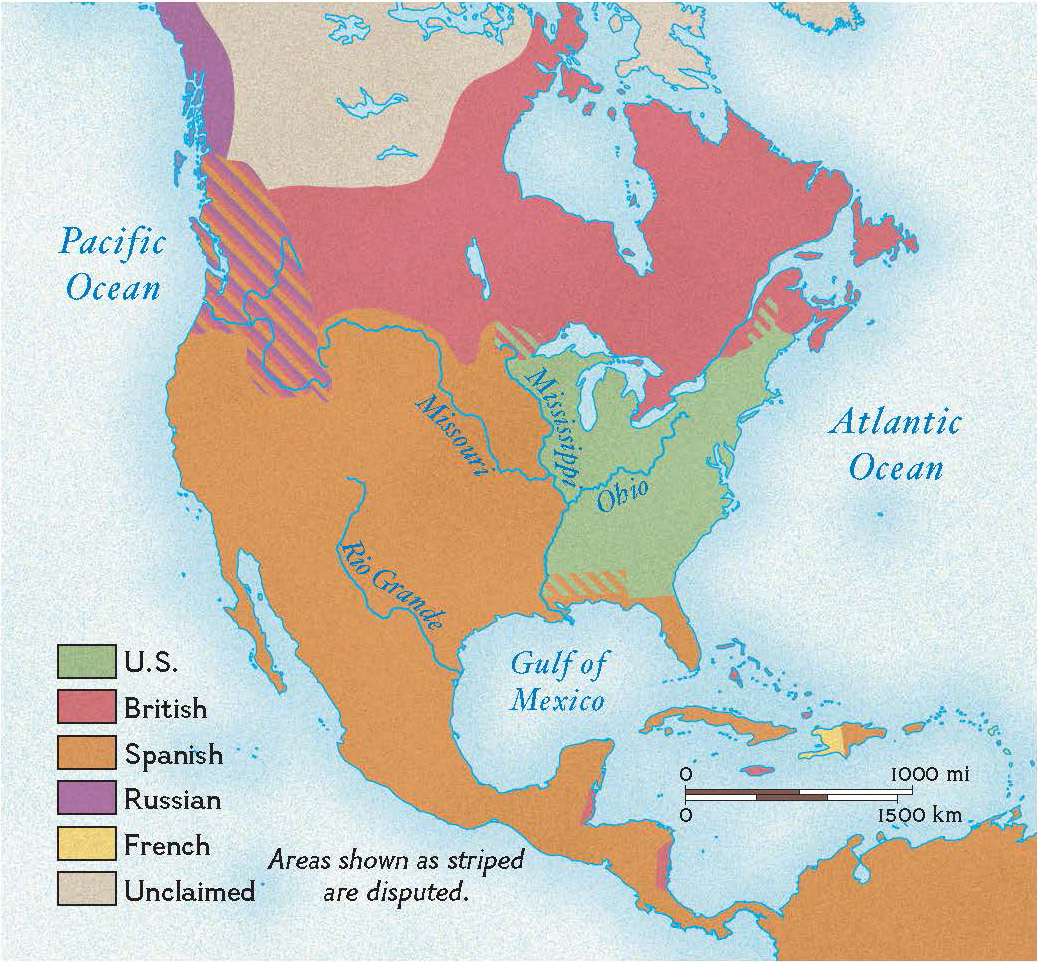
Treaty of Paris 1783
Formally ended the American Revolutionary War, recognizing American independence and establishing borders for the new nation.

Act
A law passed by a governing body; a deed or action.

Boycott
Refusing to buy a product as a form of protest.

Congress
A formal meeting of representatives to discuss action on some question.