Separation Techniques, Spectroscopy, & Analytical Methods
 Call Kai
 Learn
Learn Practice Test
 Spaced Repetition
 Match
Match Flashcards
 Knowt Play
1/69

There's no tags or description
Looks like no tags are added yet.
Name | Mastery | Learn | Test | Matching | Spaced | Call with Kai | Chat |
|---|
No analytics yet
Send a link to your students to track their progress
70 Terms
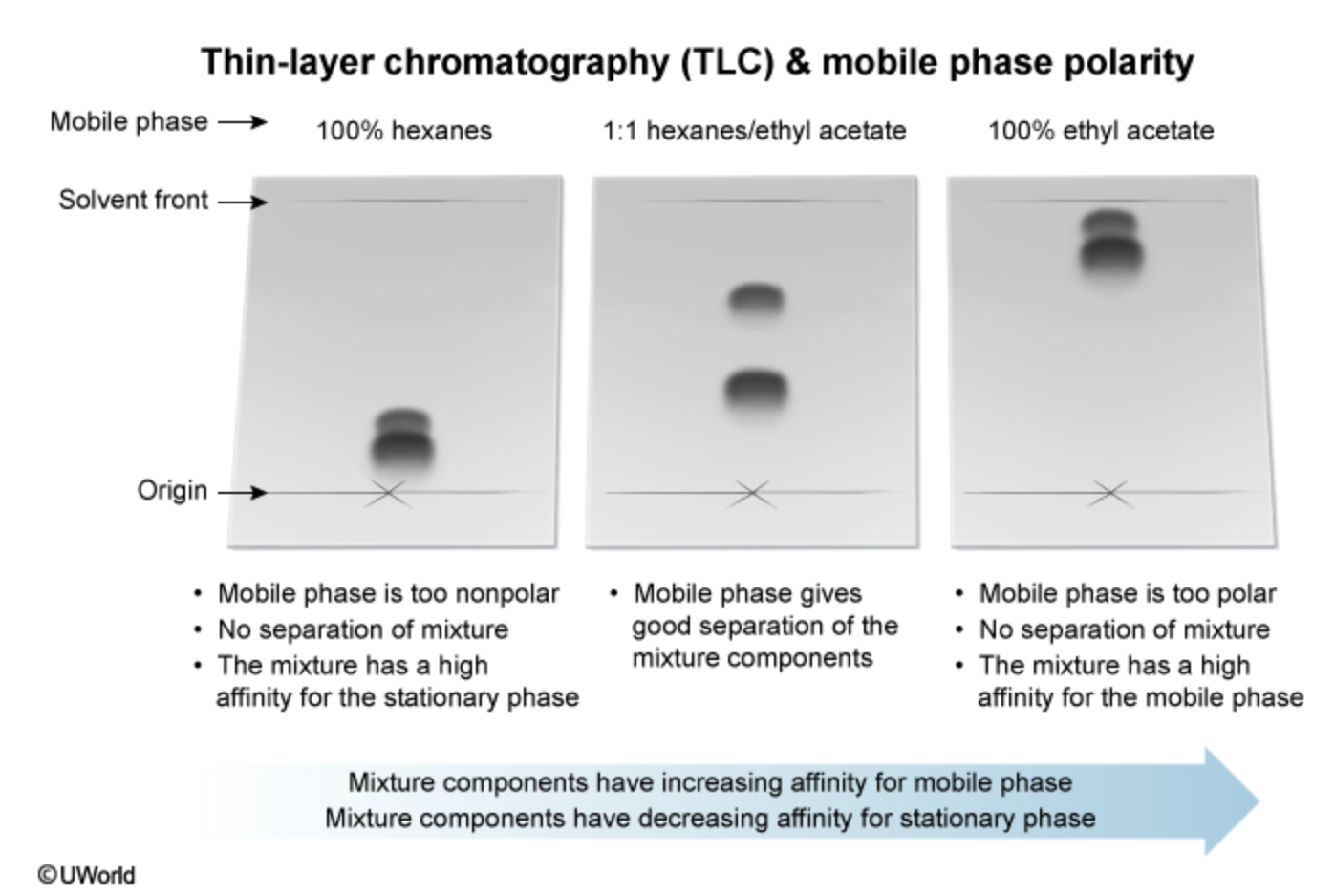
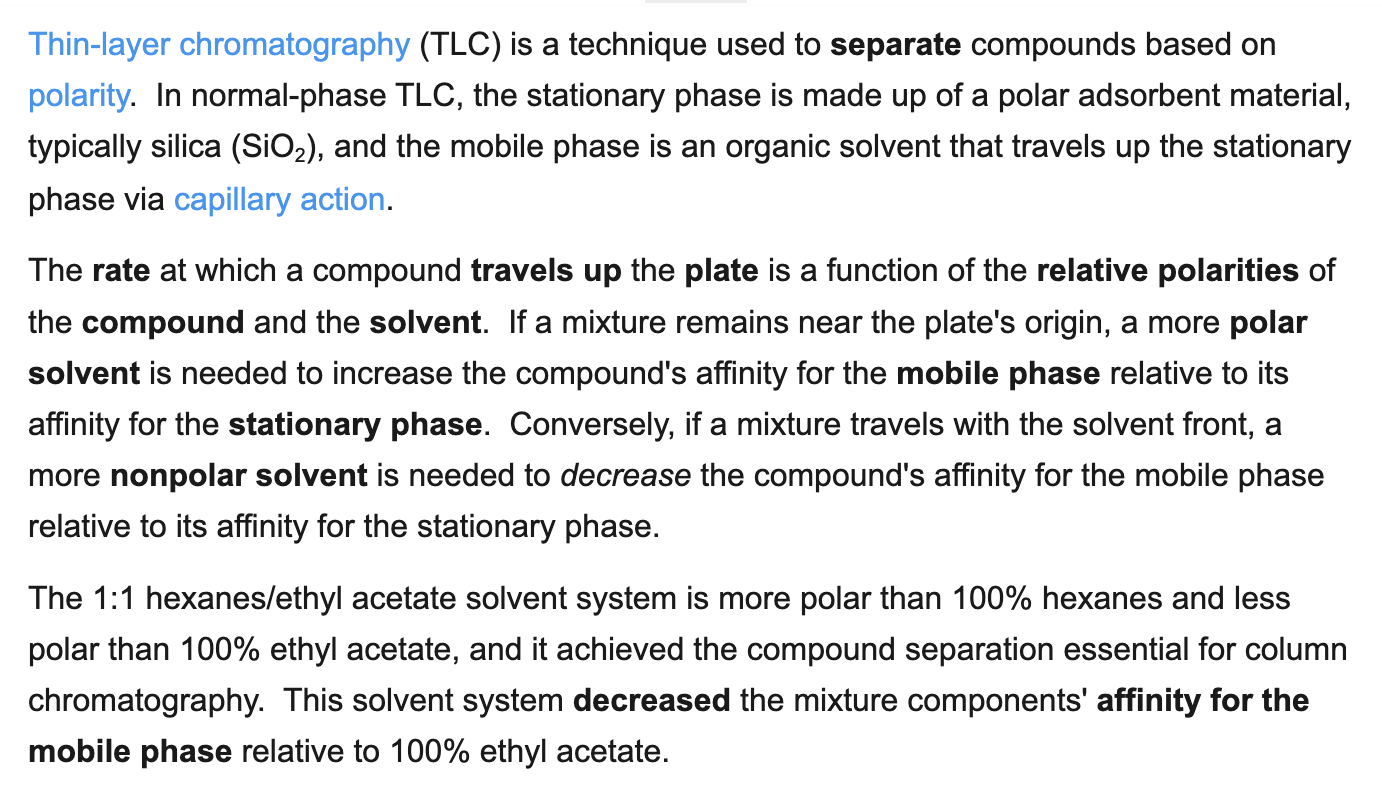
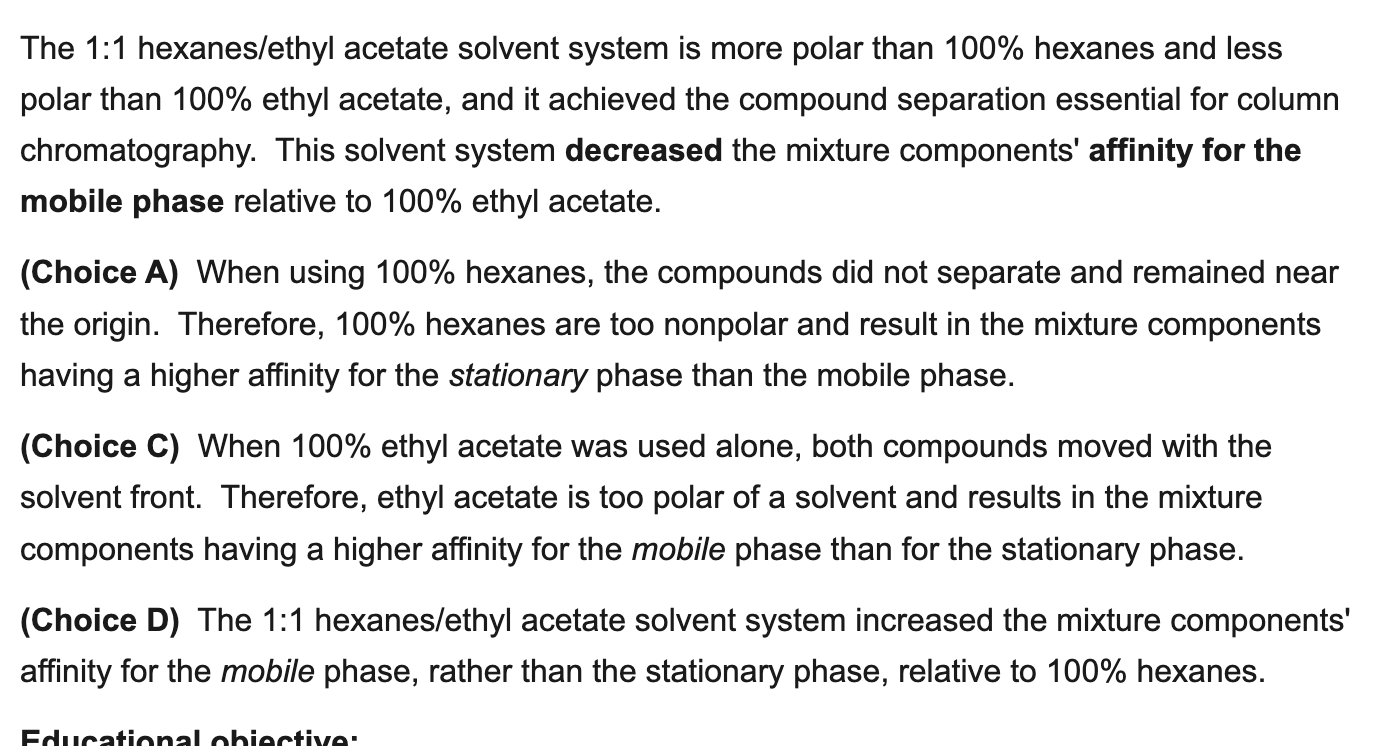
Thin layer chromatography
separation of components of a mixture based on their polarity.
Stationary phase— polar, adsorbent material like silica (SiO2)
Mobile phase- organic solvent that is less polar than stationary and travels up the stationary phase via capillary action
Separation occurs because the mixture component travel up the plate at different rates depedning on strength of competing intermolecular interactions between mixture component and staionary and mobile phases.
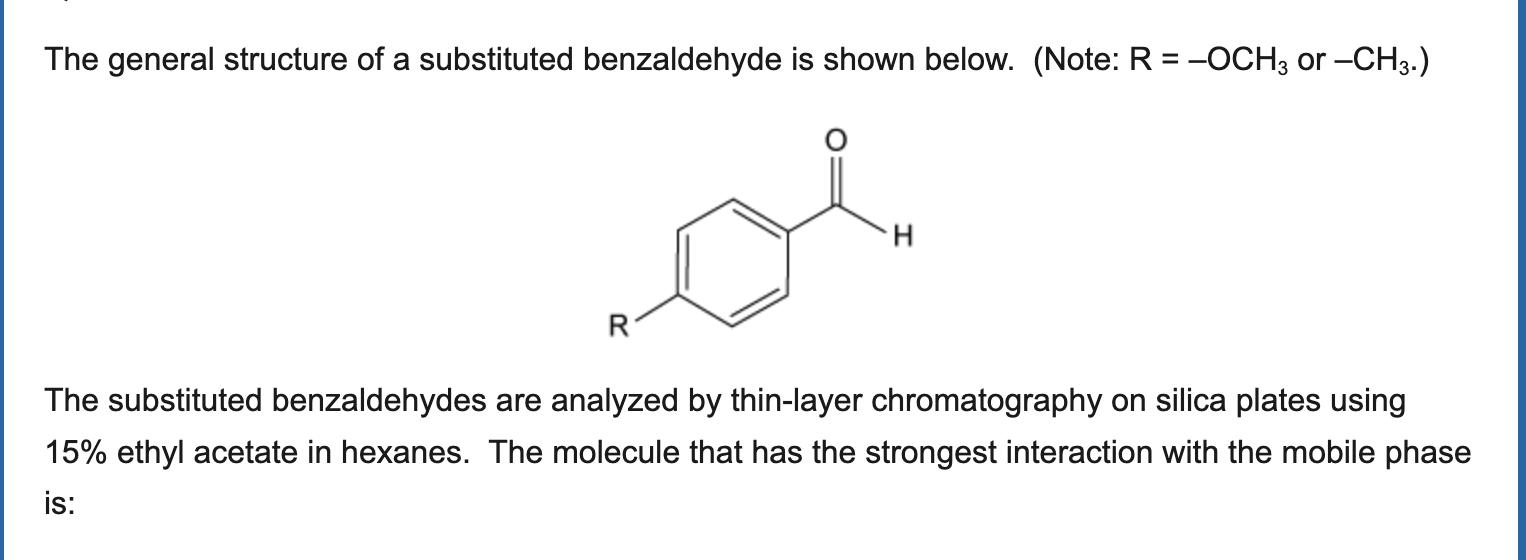
Which of the R?
CH3-substituted benzaldehyde, because it forms fewer hydrogen bonds than the OCH3
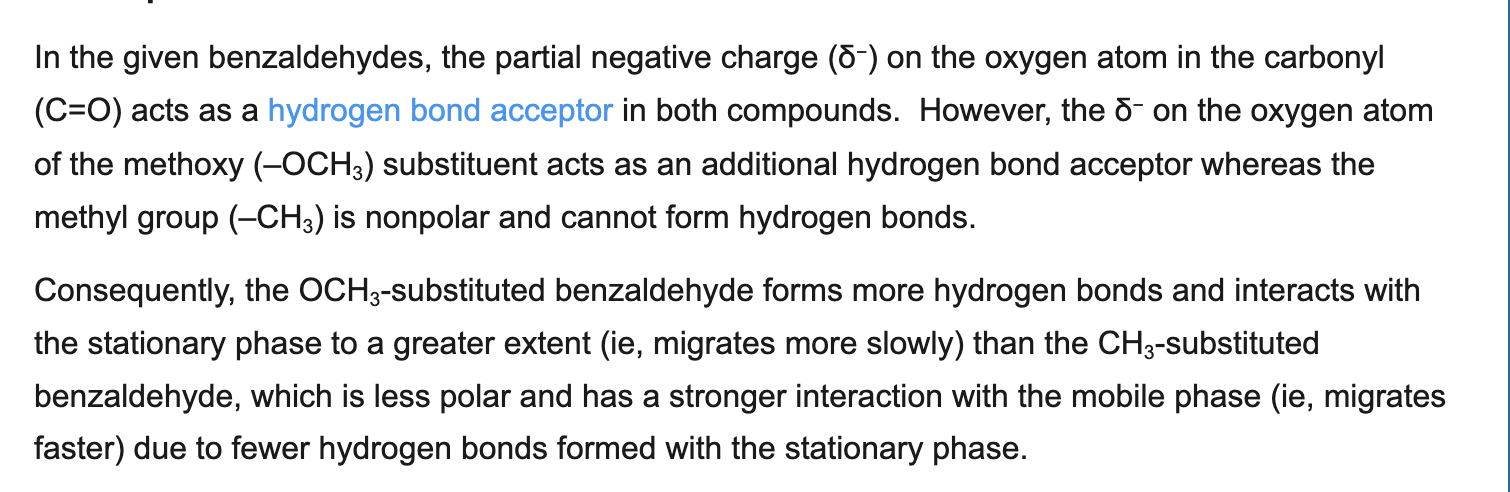
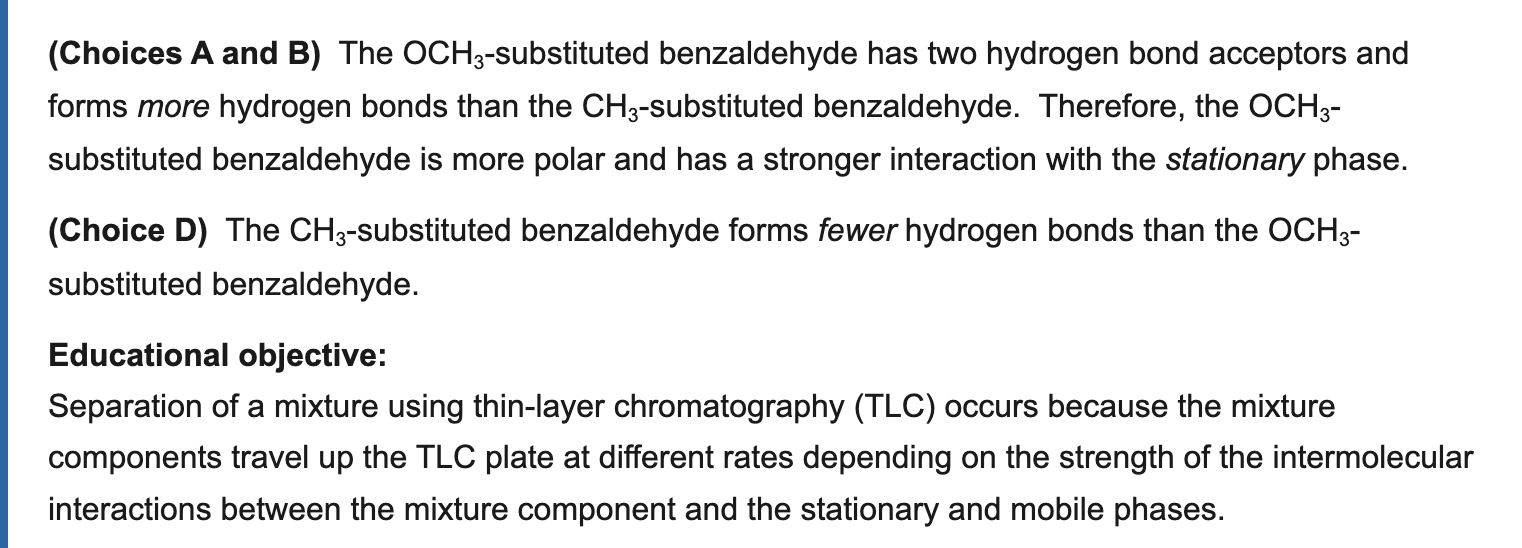

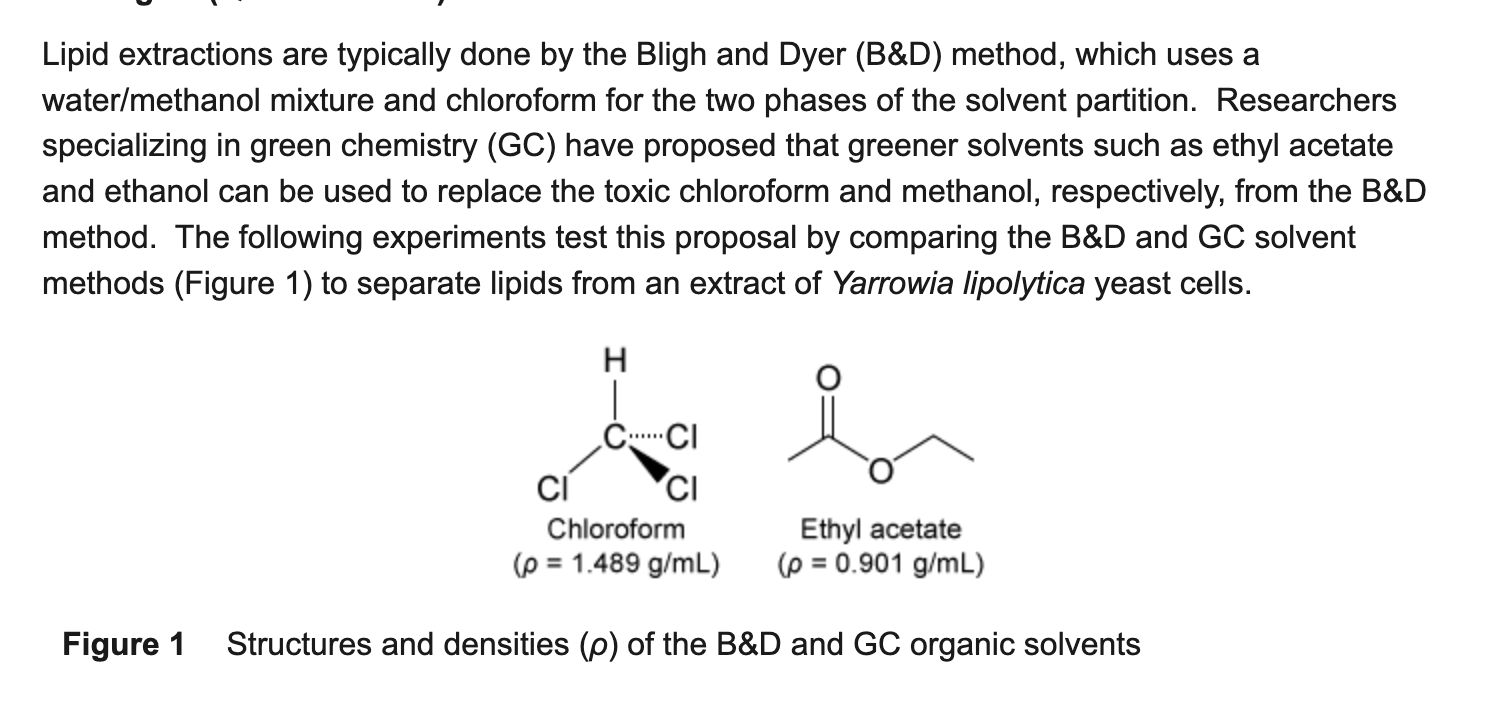
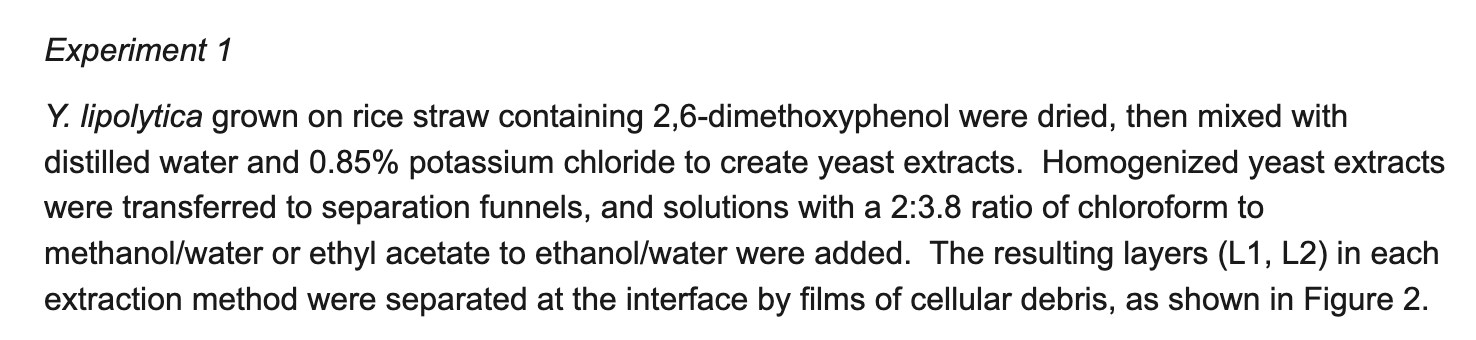
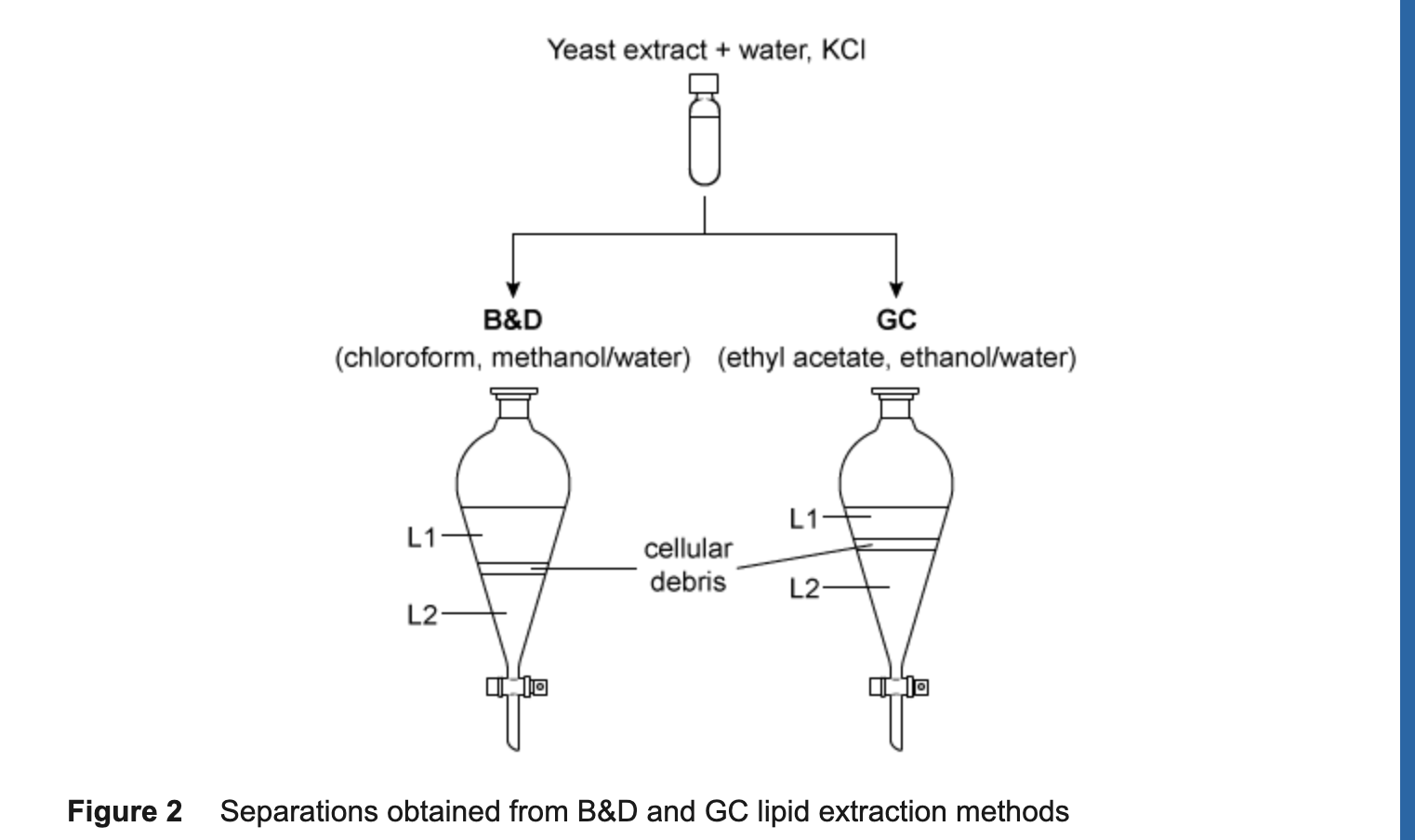
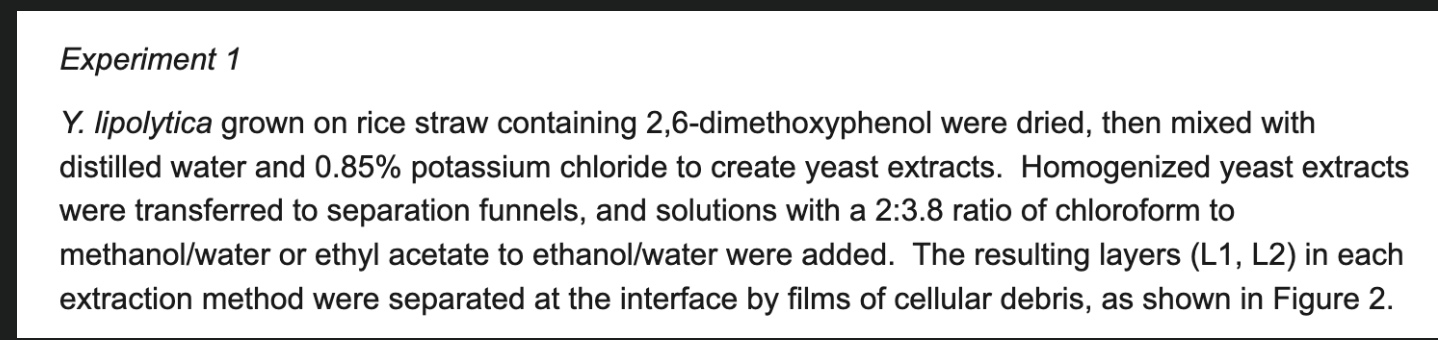
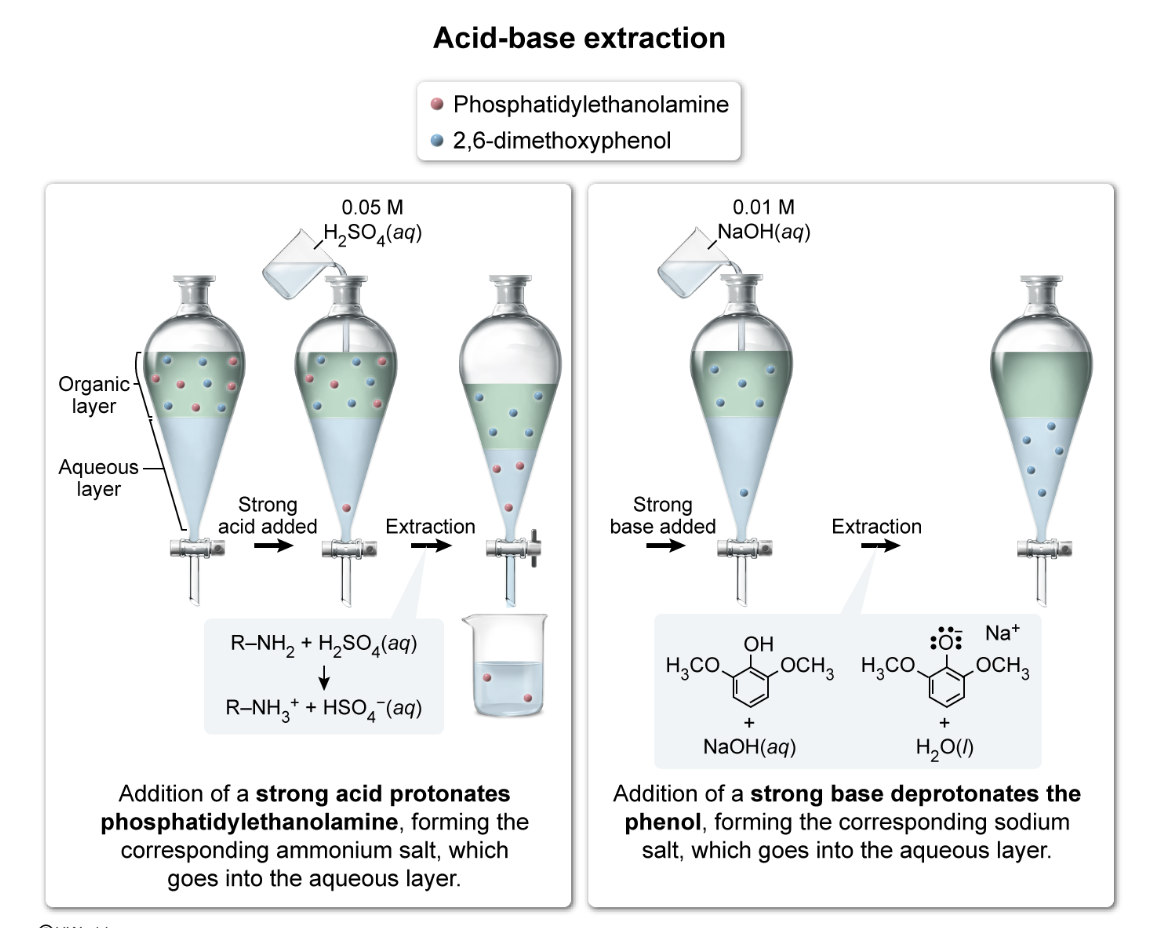
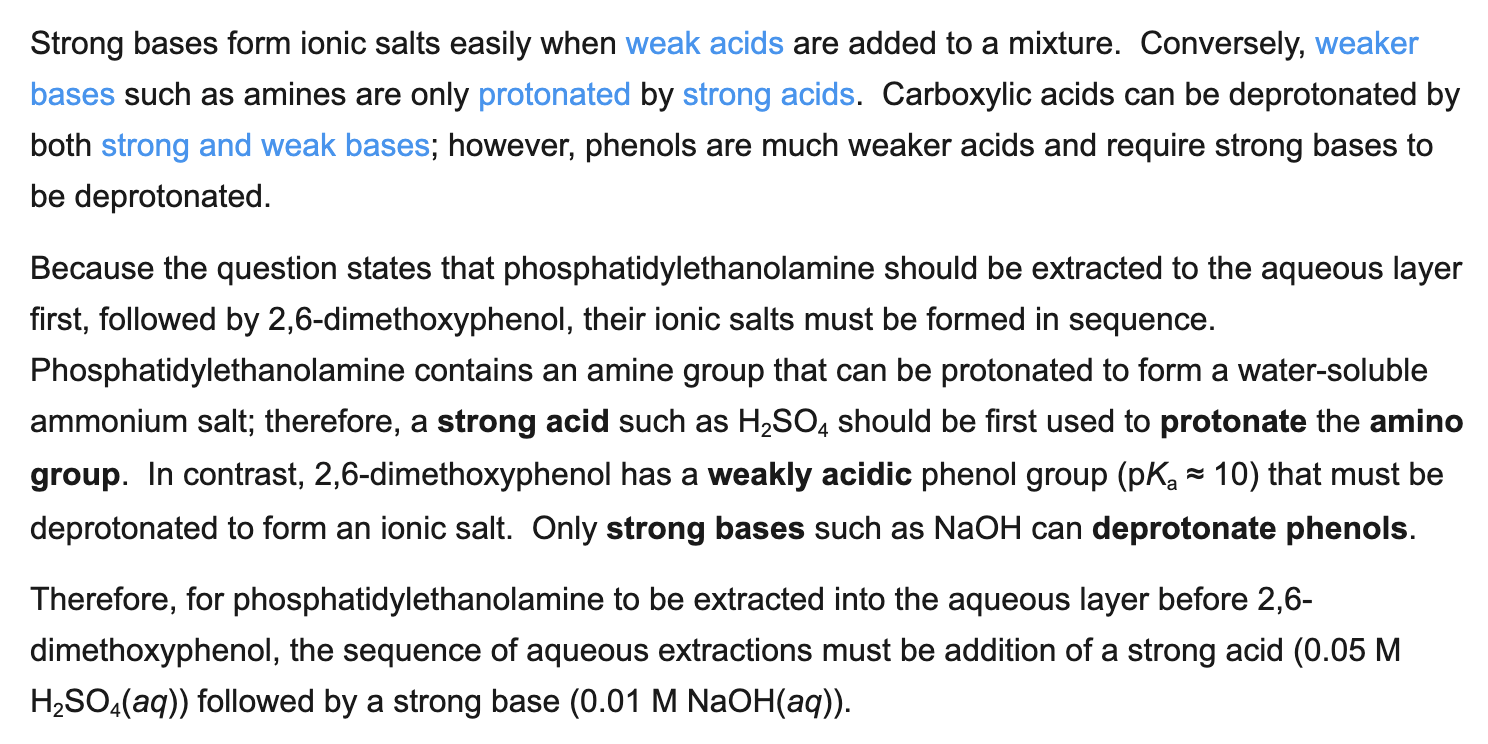
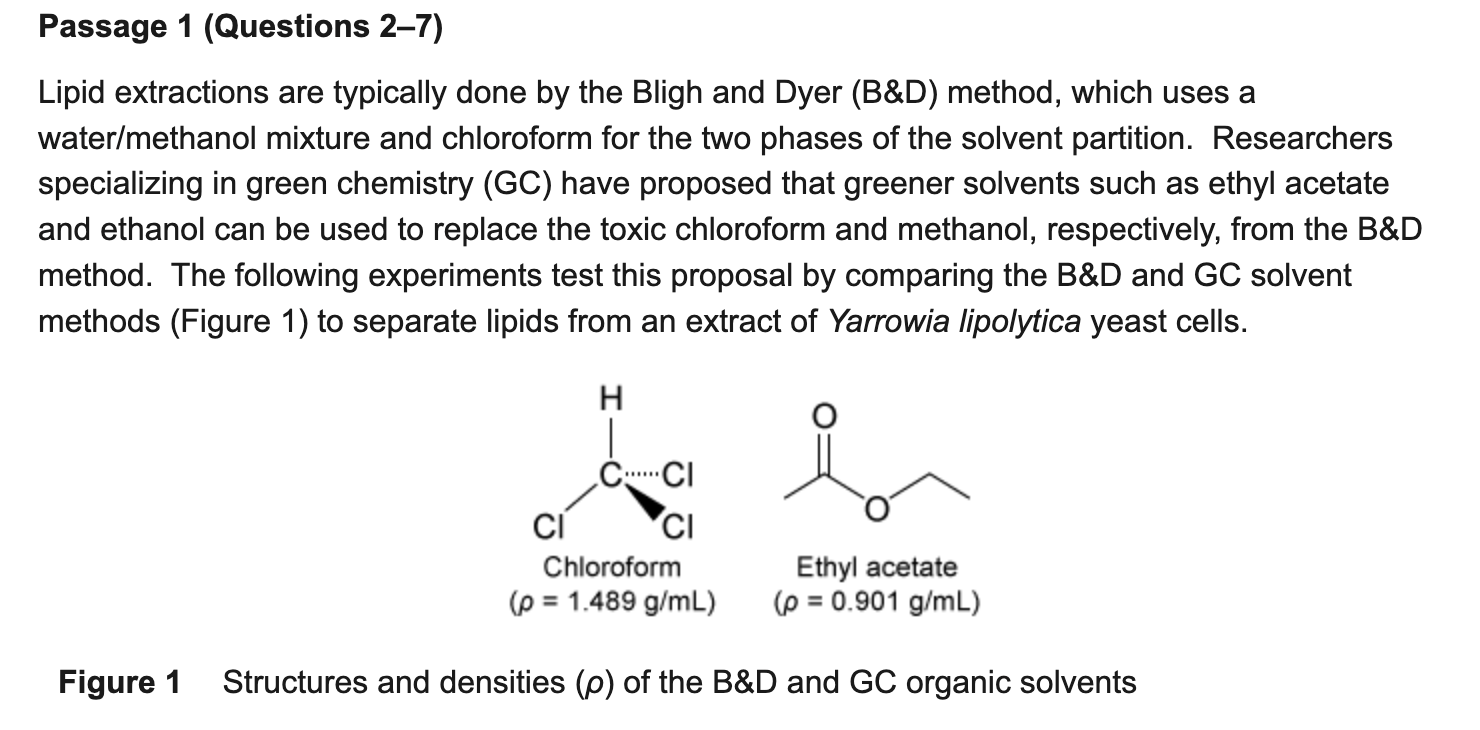
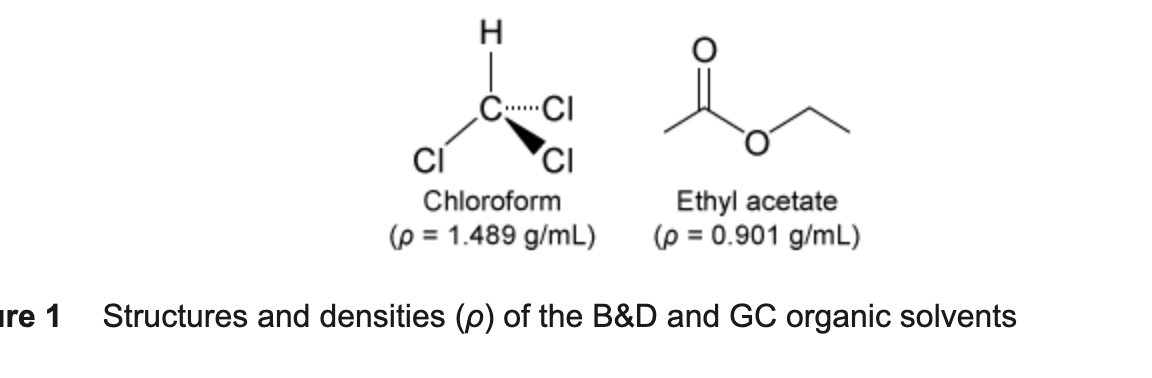
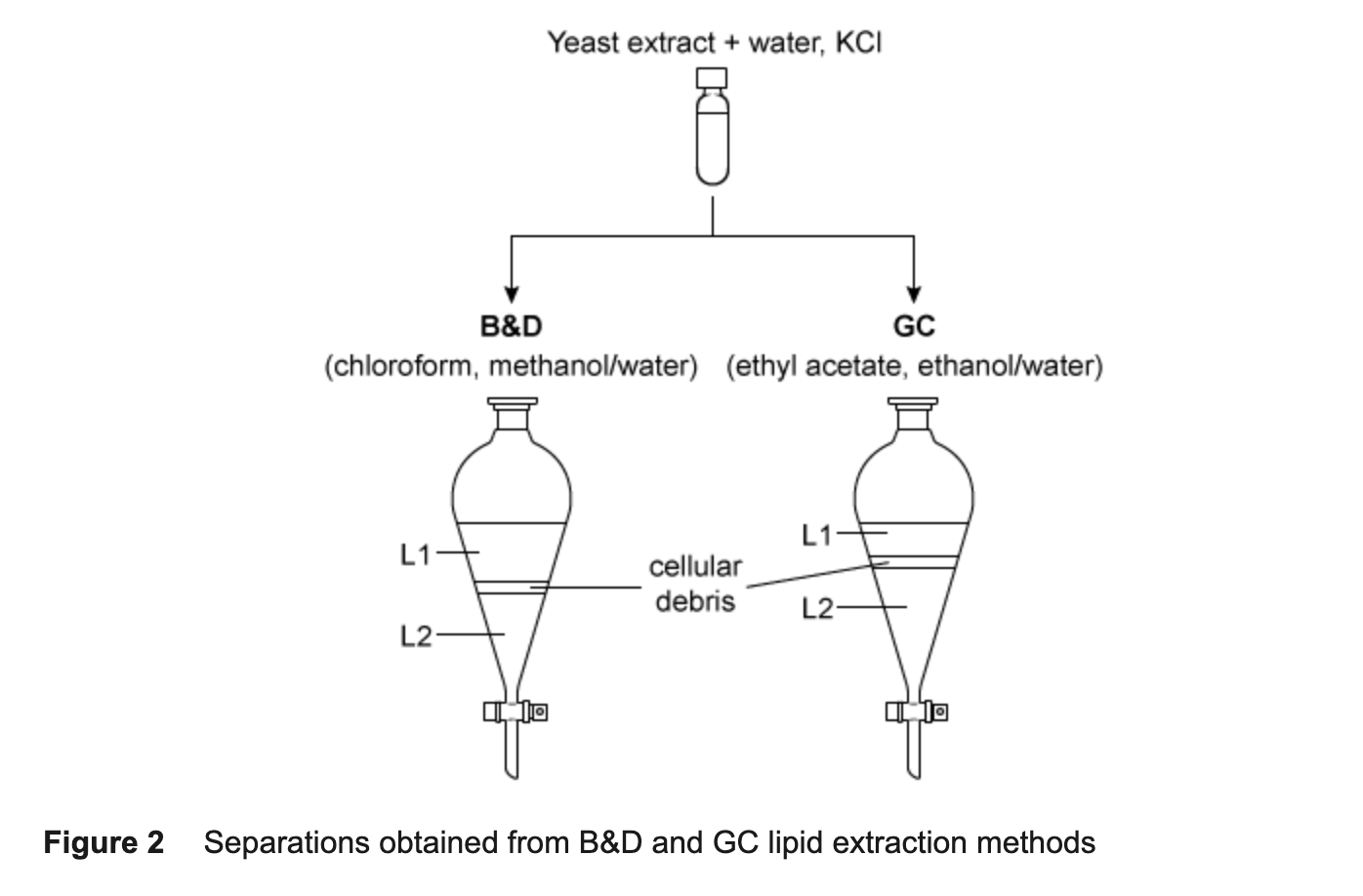
Checking the density to know which layer is organic and aqueous layer
GC: L1- ethyl acetate 0.901 g/ml . L2— water/ethanol about 1 g/ml
B&D: L1— water/ethanol L2 chloroform 1.489 g/ml
Sterol should be in the organic layer
and so
BD L2 & GC L1
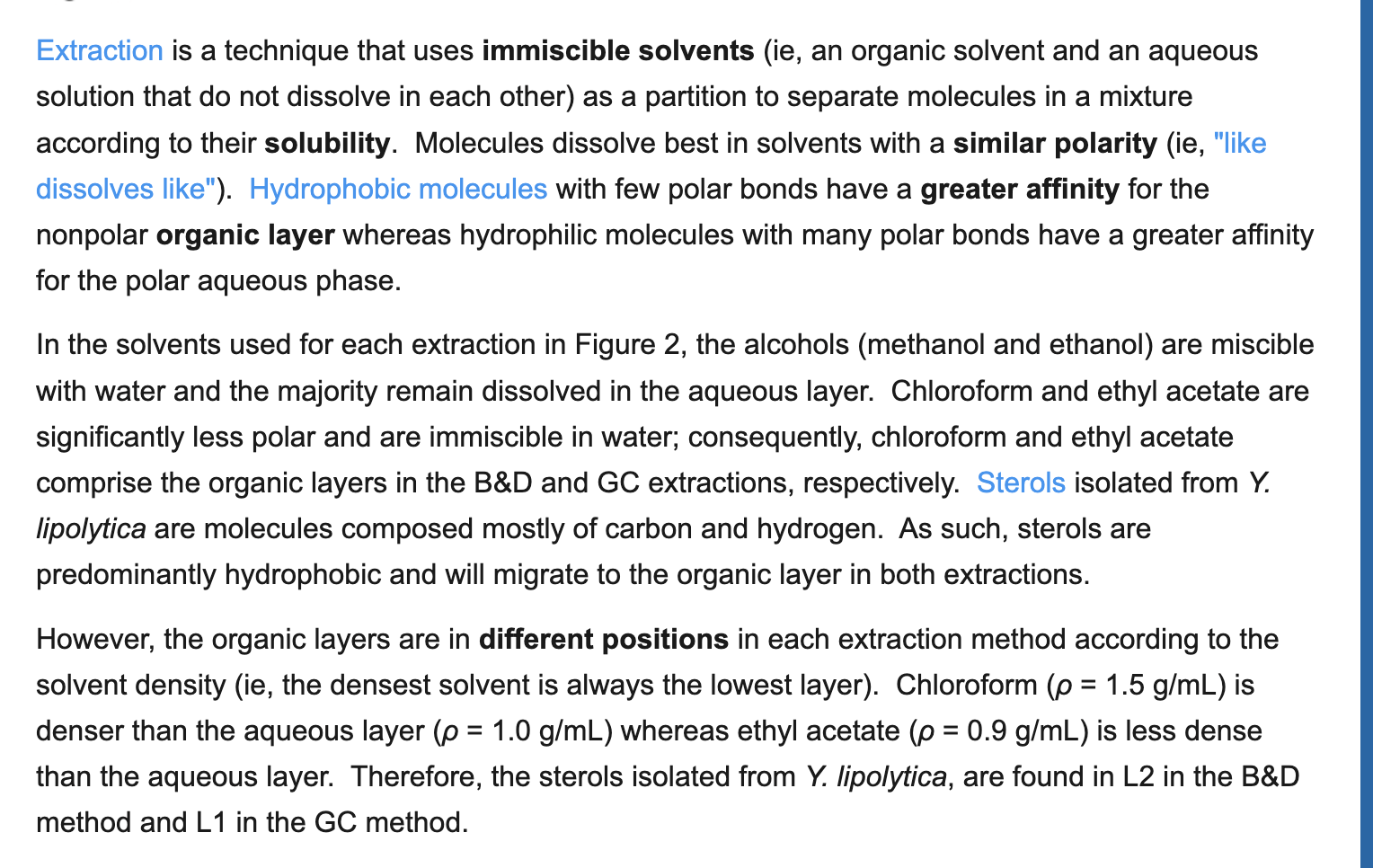

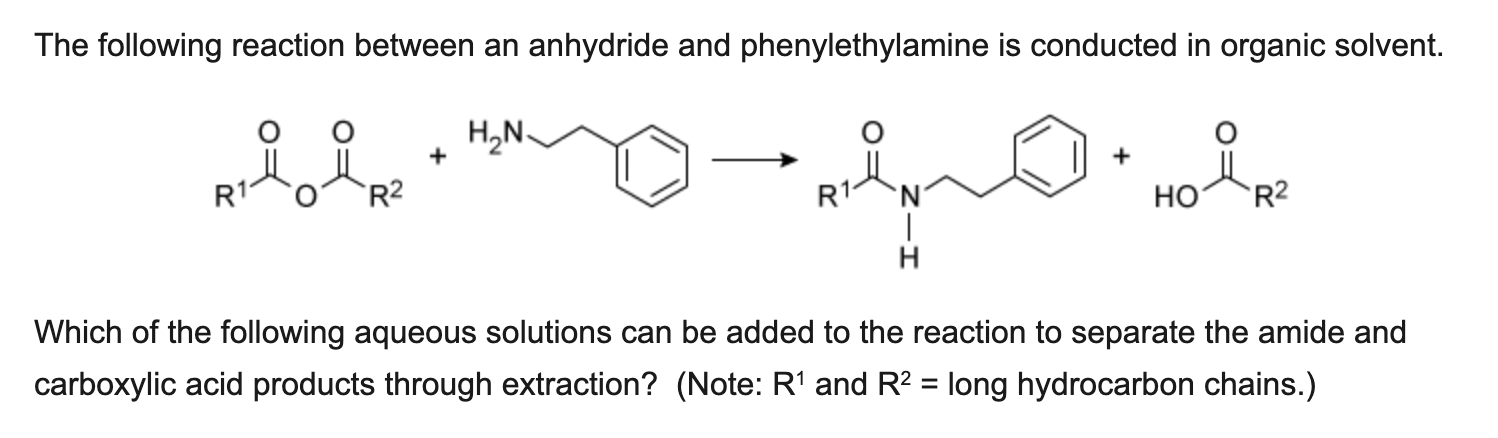
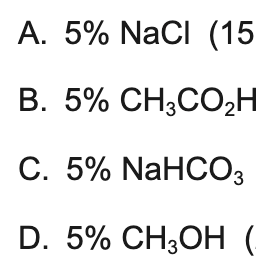
Answer C

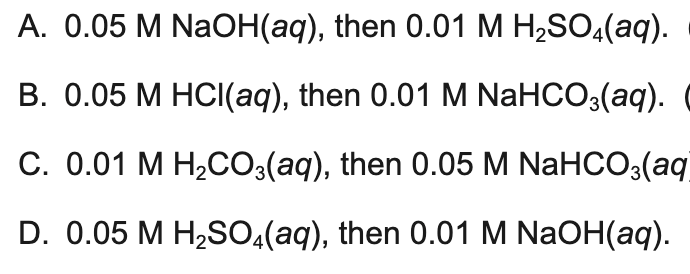
Answer: D


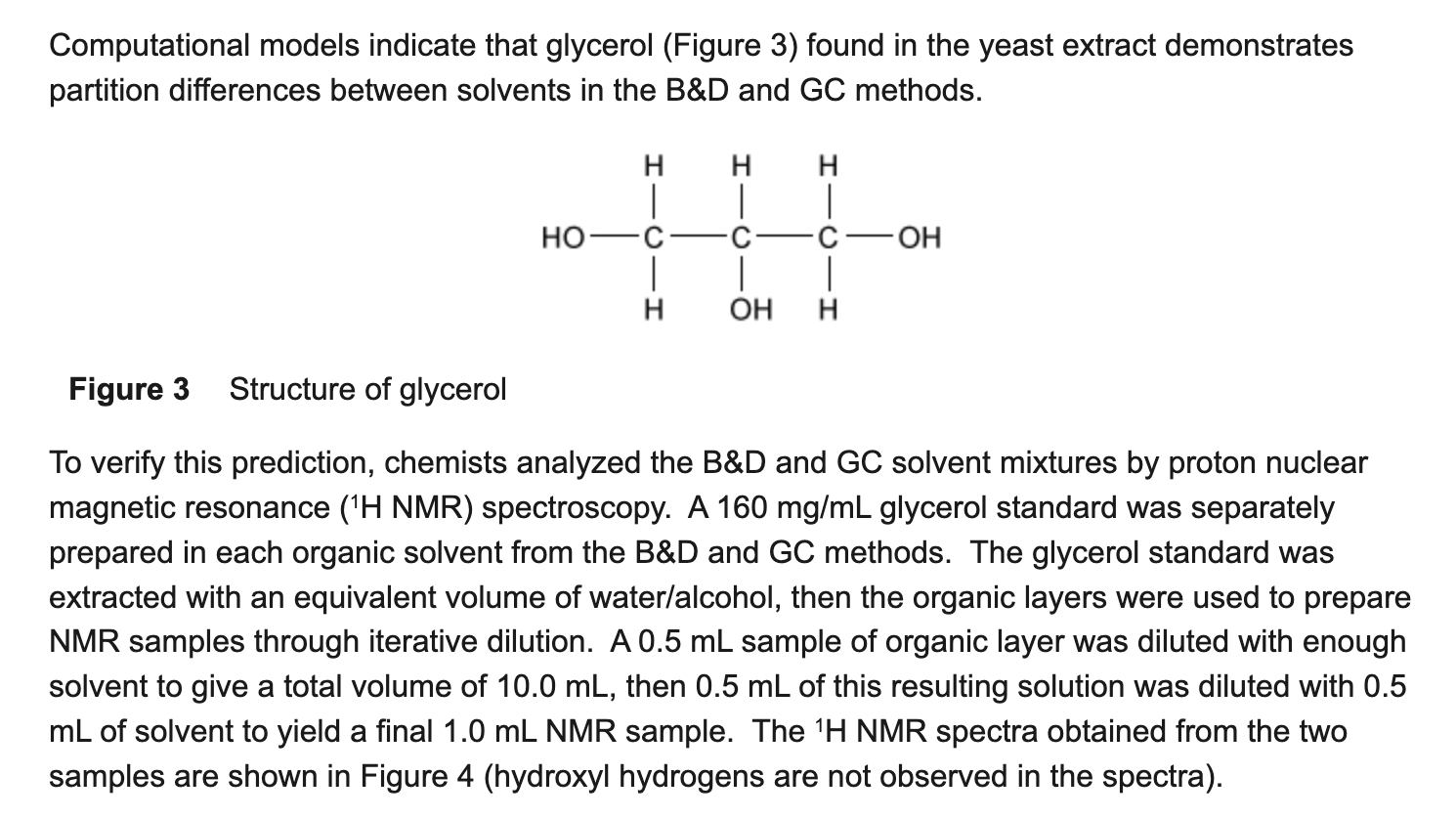
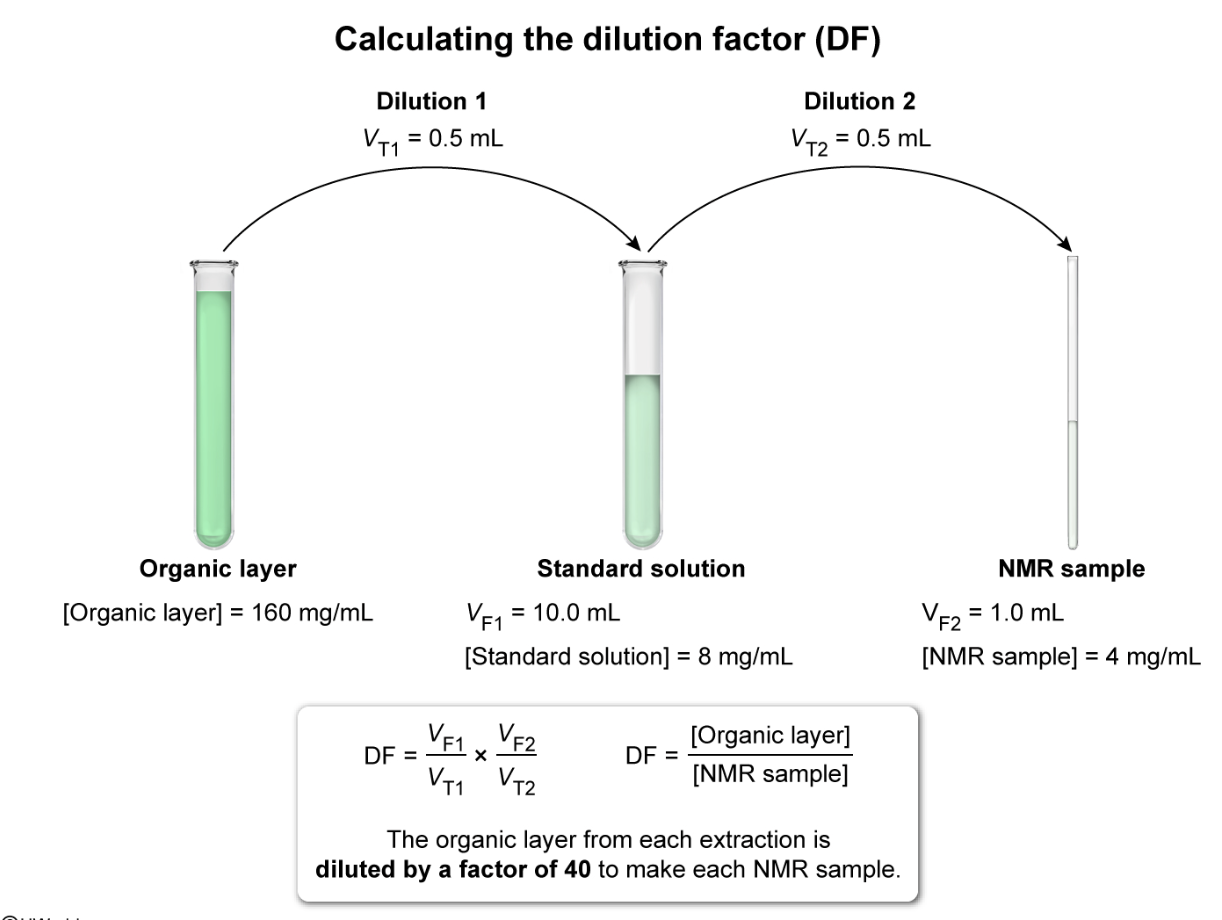
0.5/10 = 1/20
0.5/1 = ½
1/20 × ½ = 1/40
so a dilution of 40

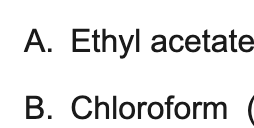
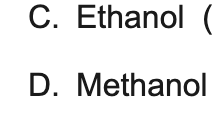
Answer B
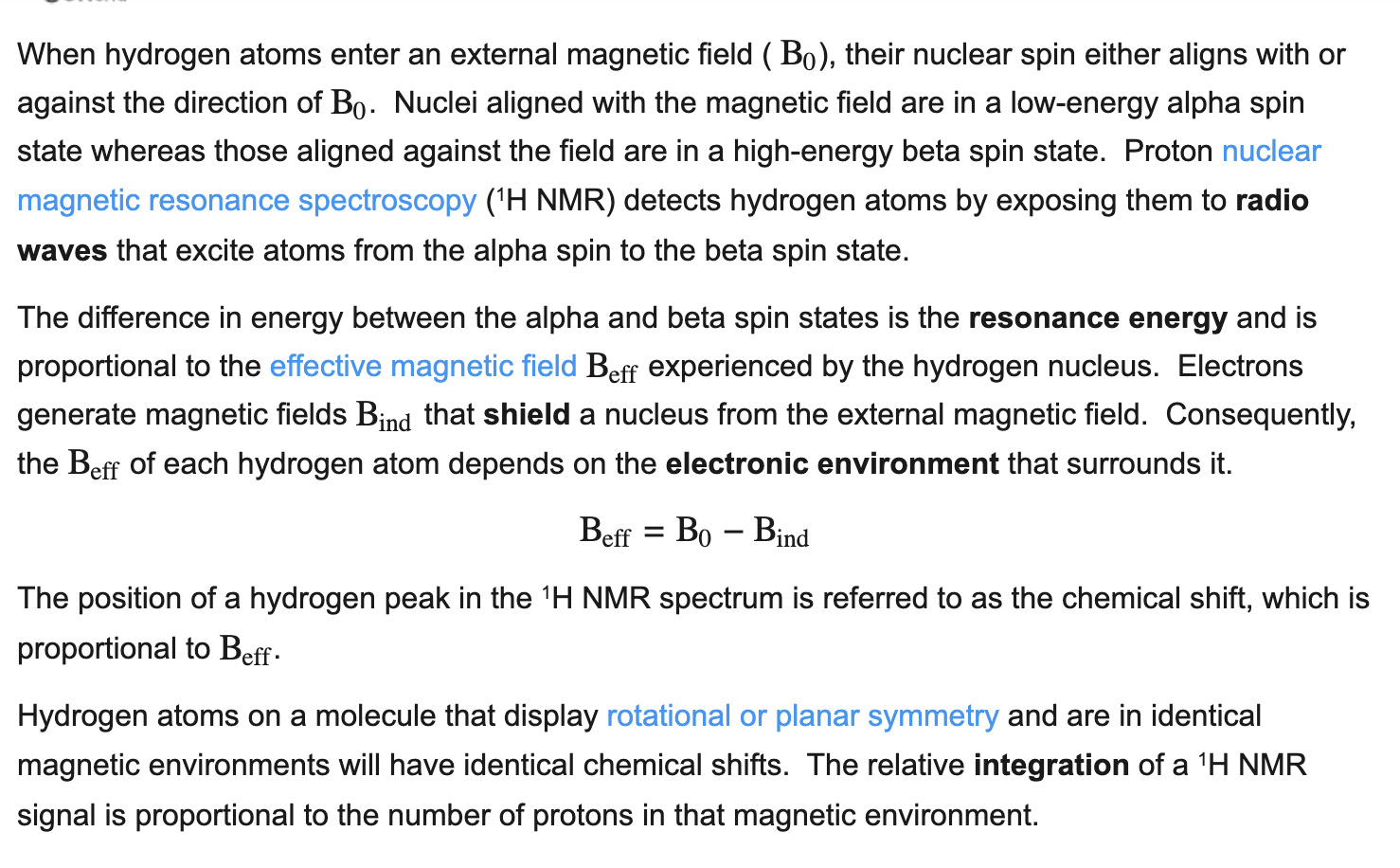
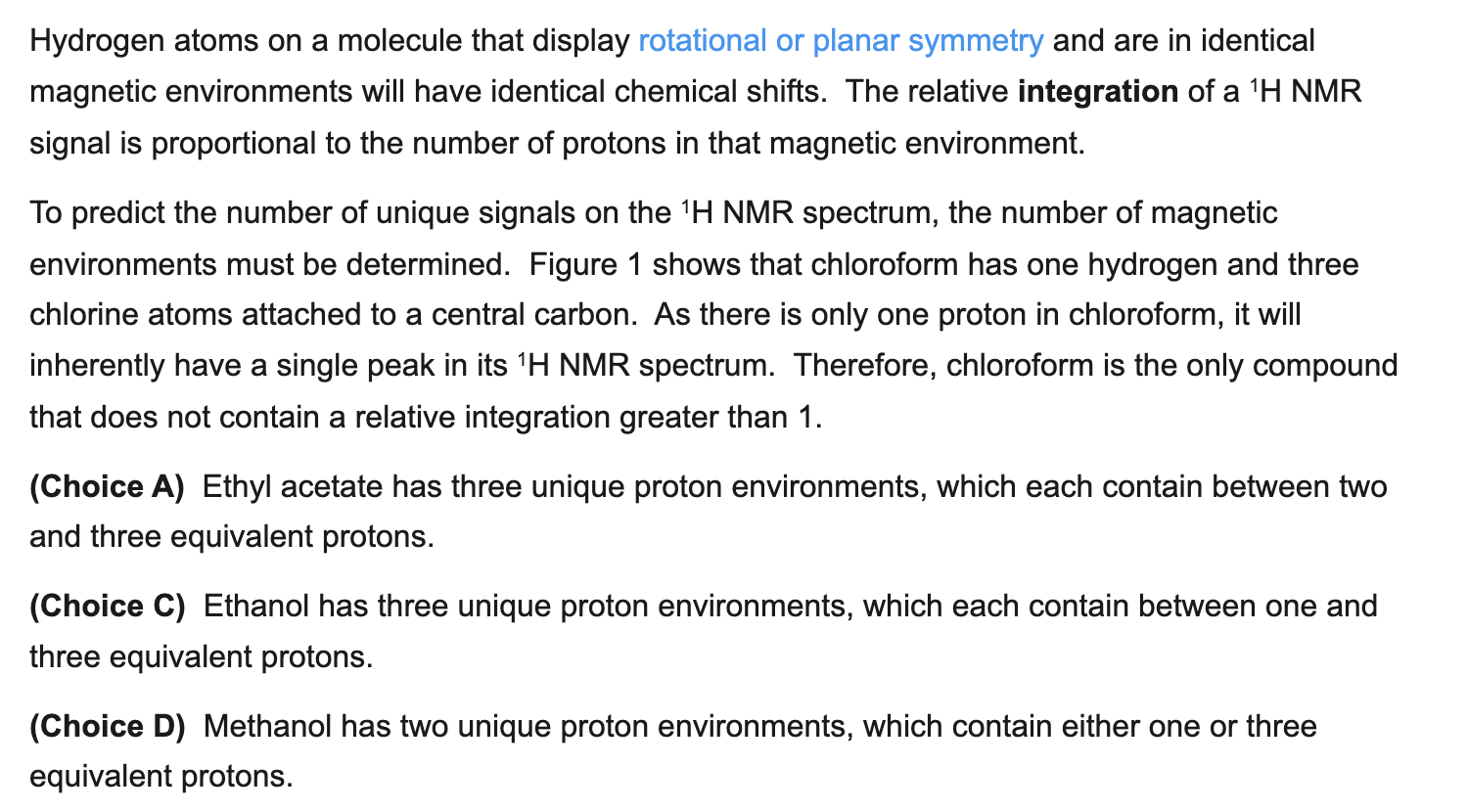
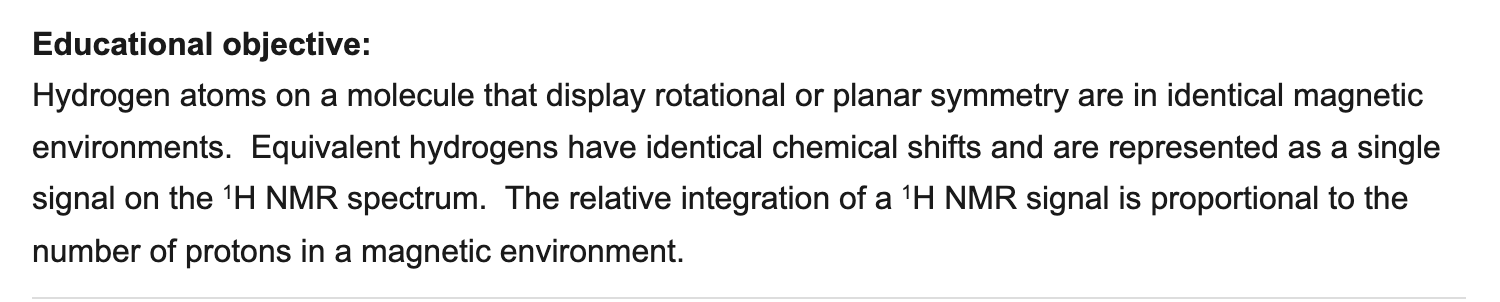
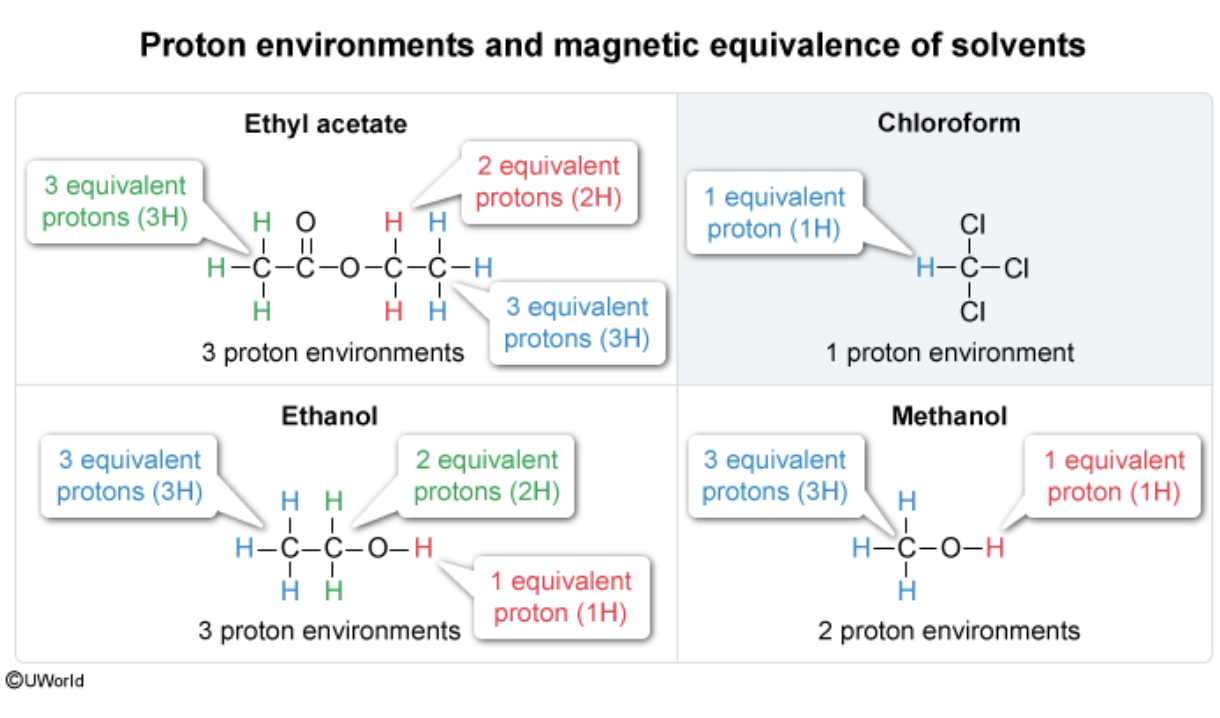




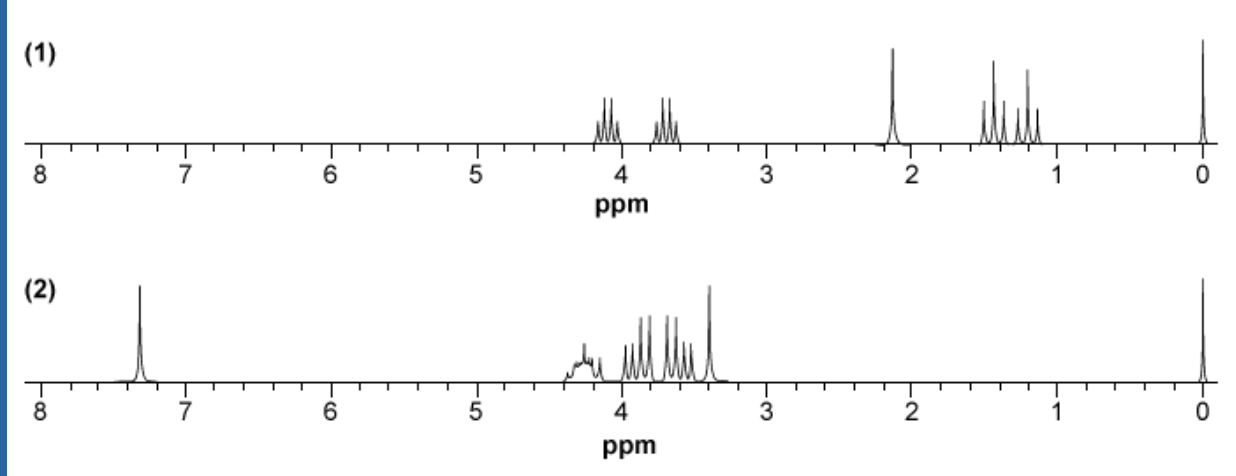

Answer B
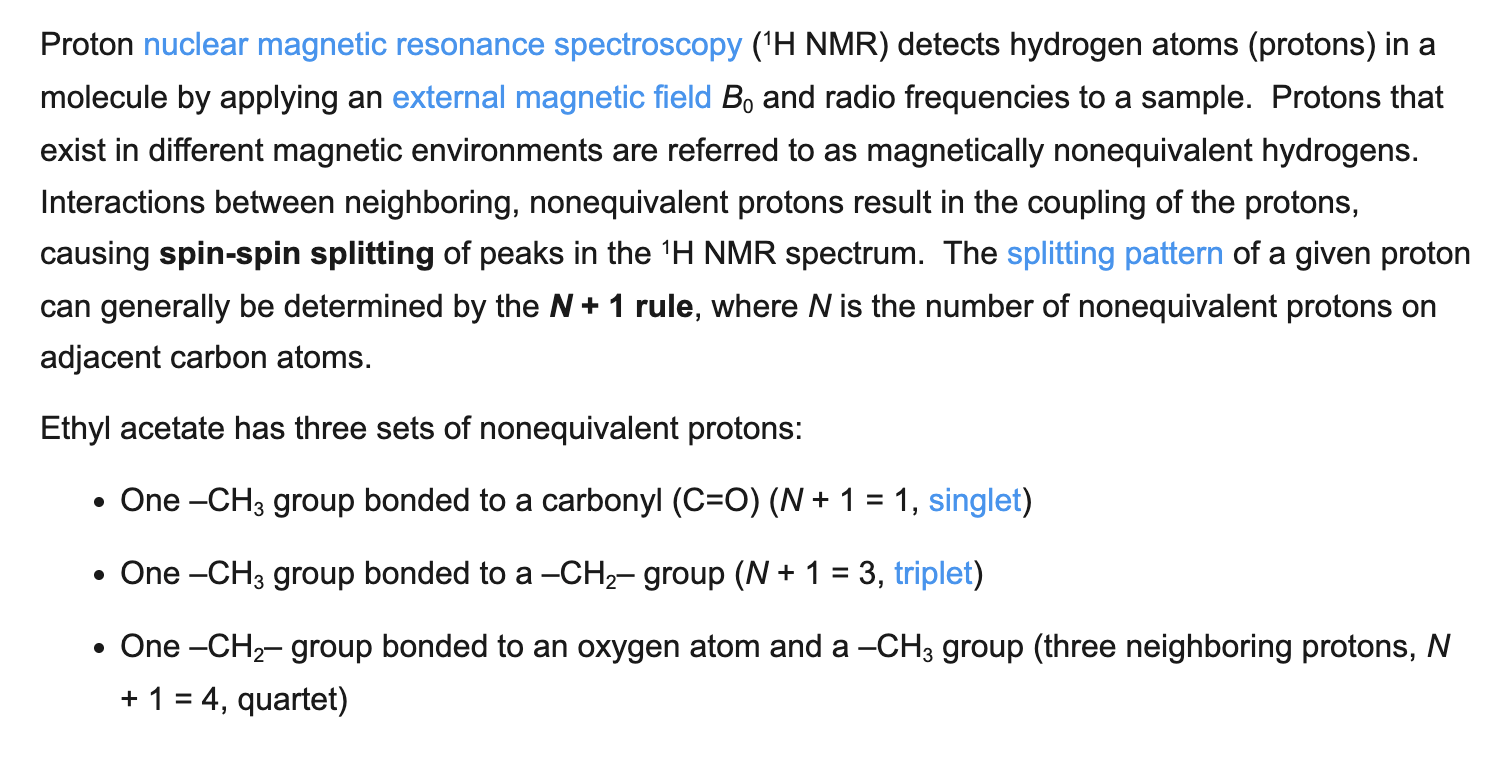
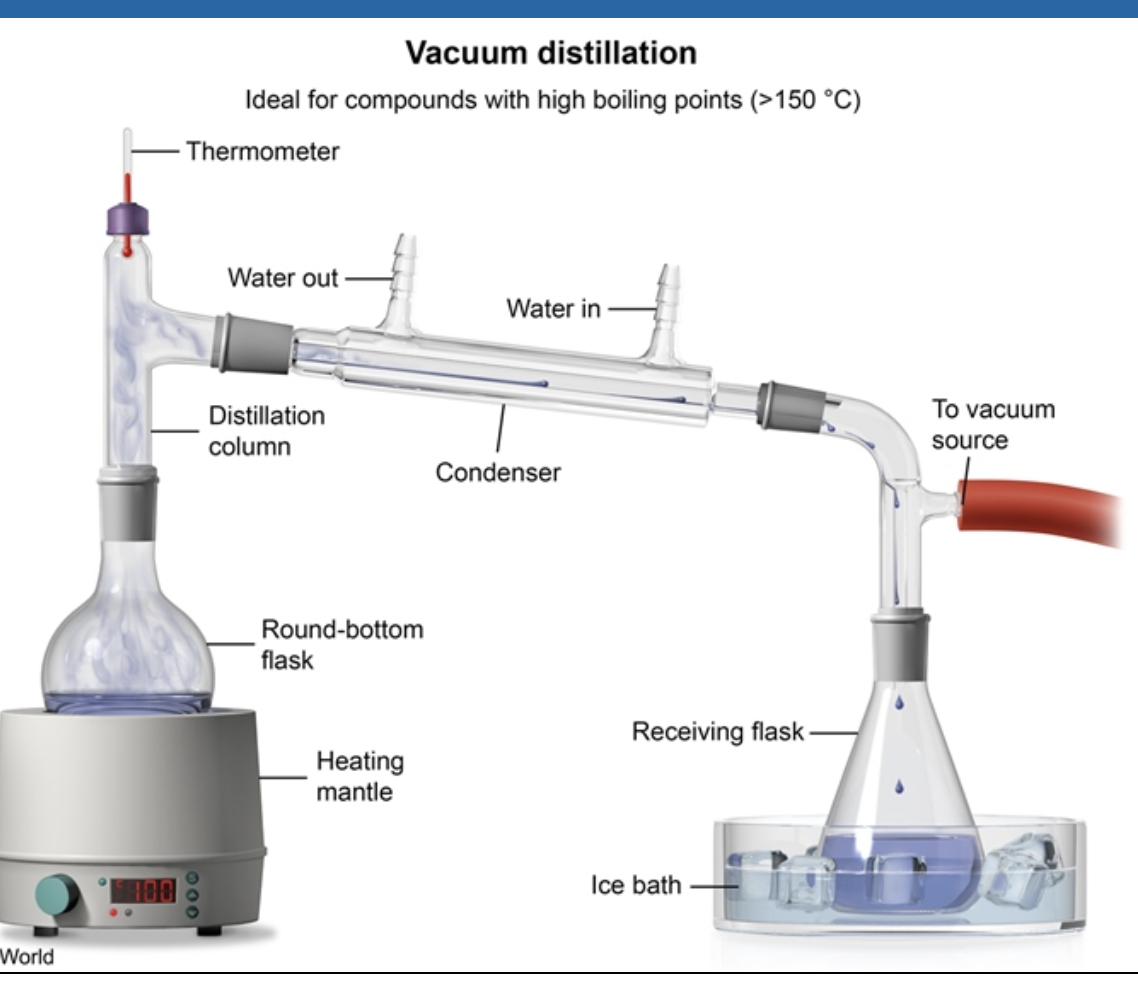
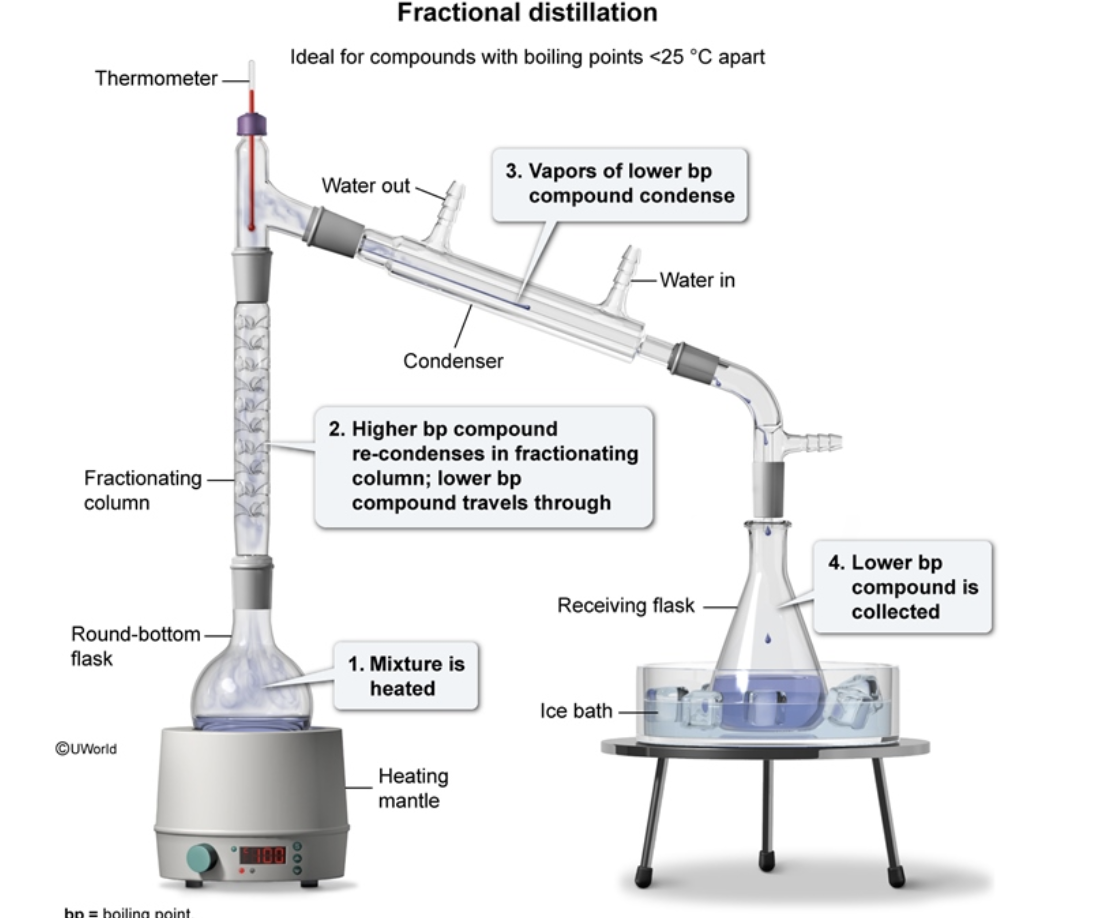
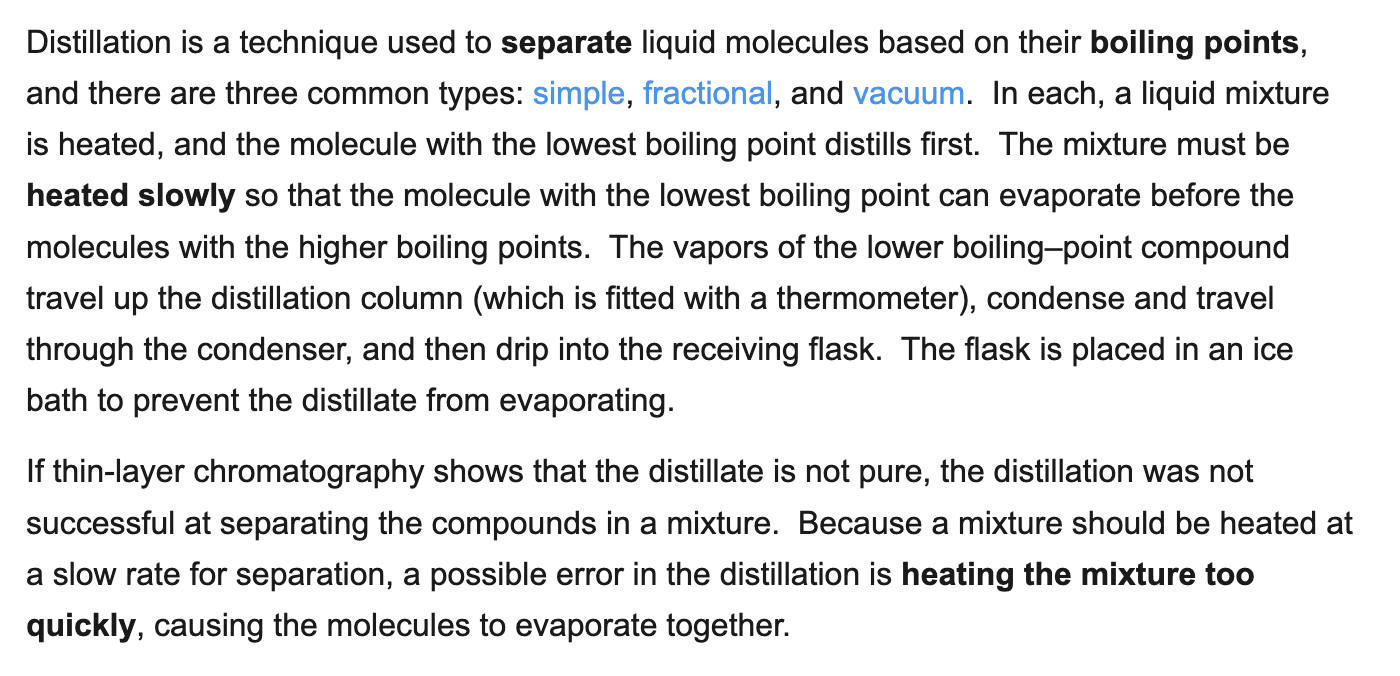
Types of distillation
Simple
Fractional
Vacuum
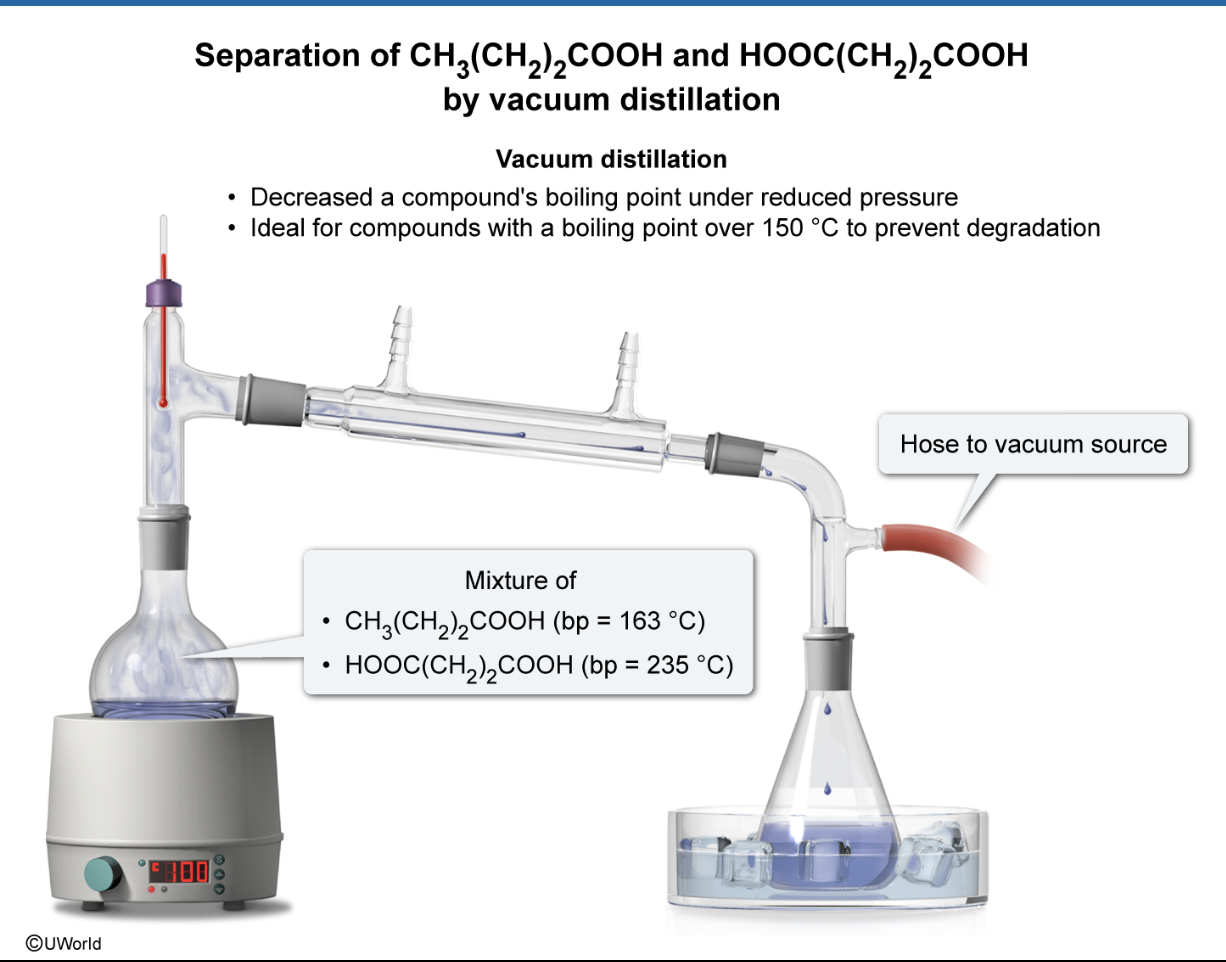
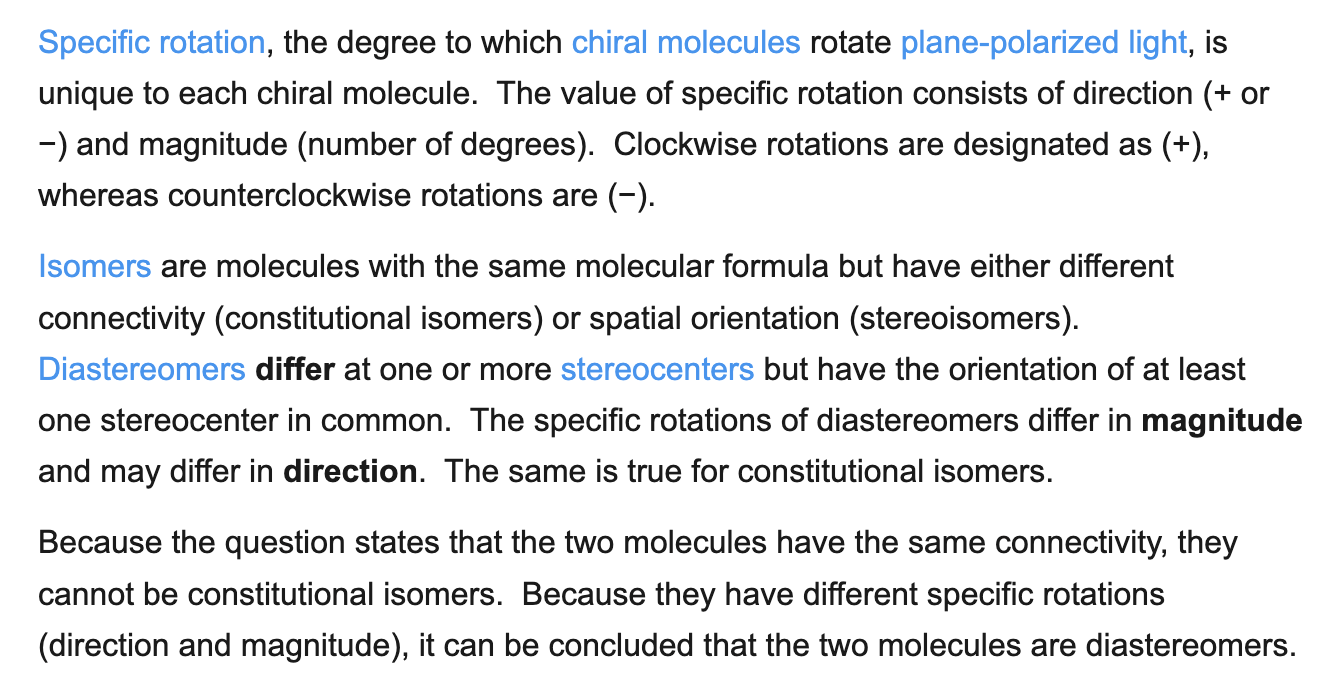
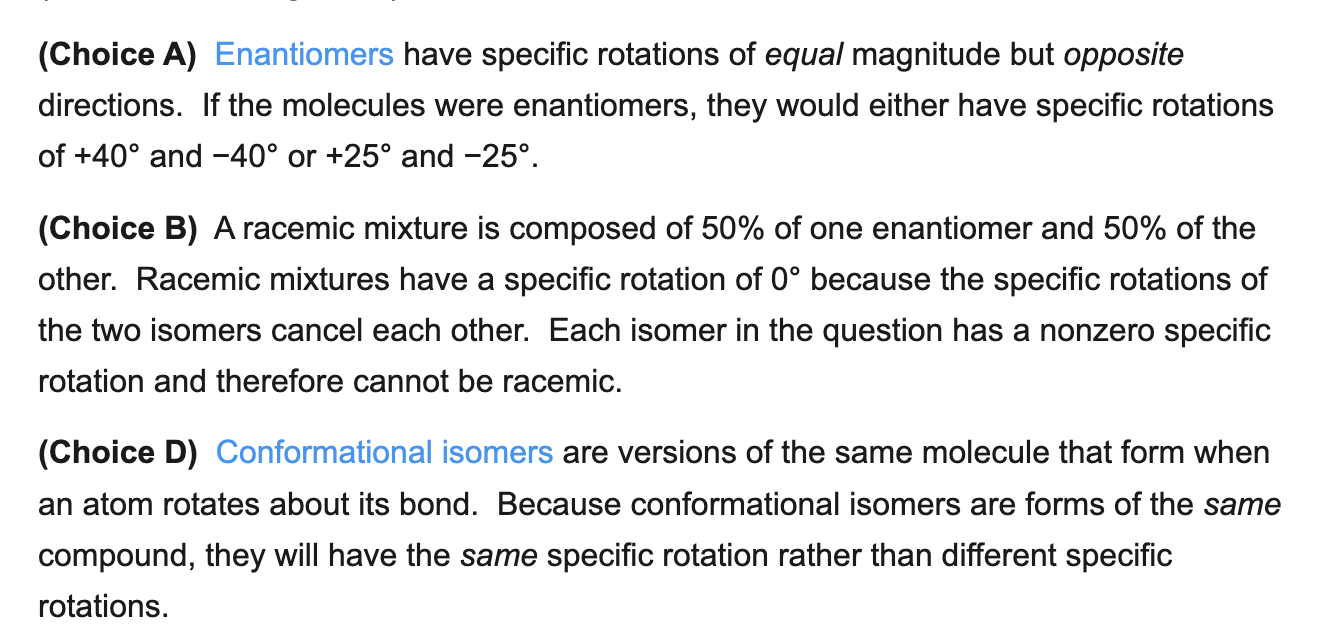
Vacuum distillation
performed udner reduced system pressure, wchich lwoers a compound’s boiling point
This is ideal for compounds wiht greater than 150ºC BP
Fractional distillation
Simple distillation
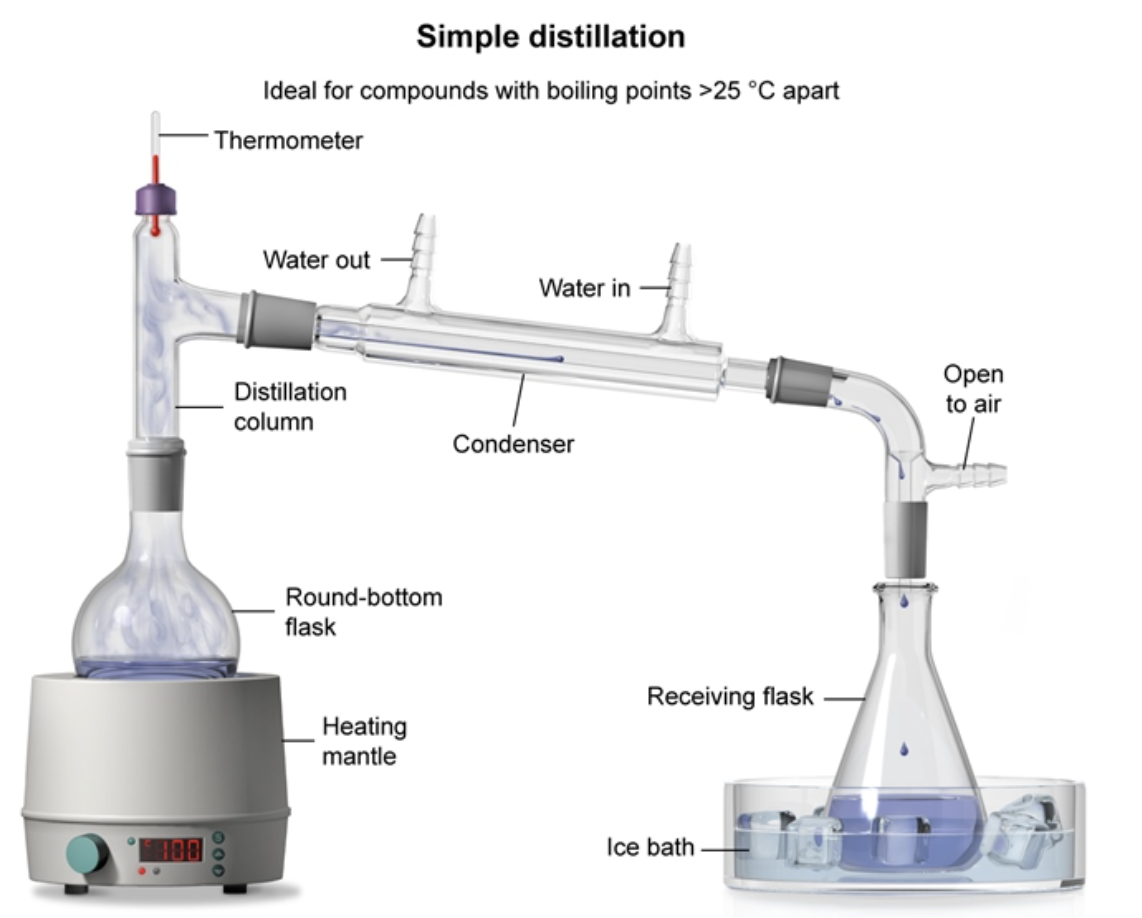
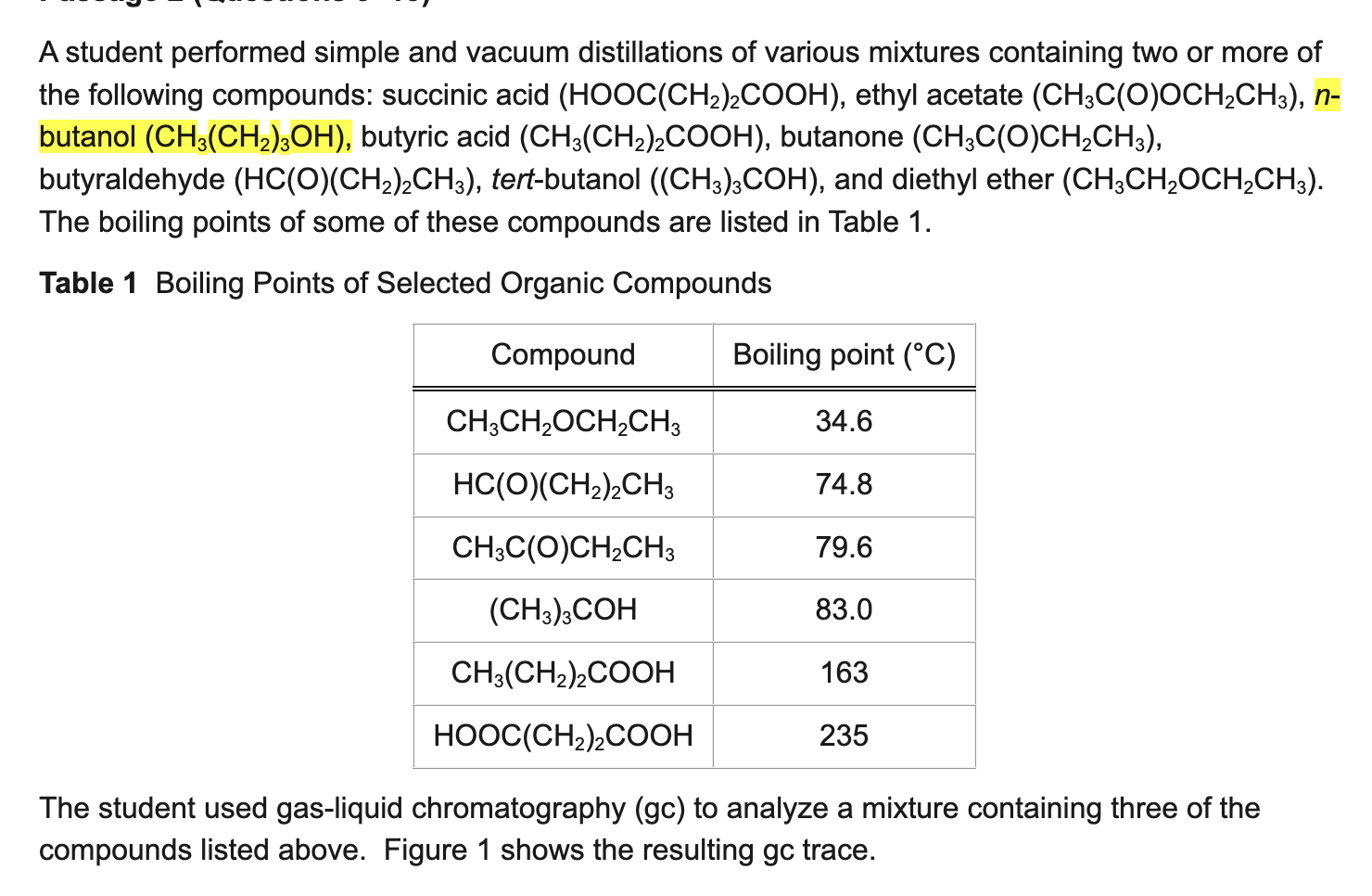
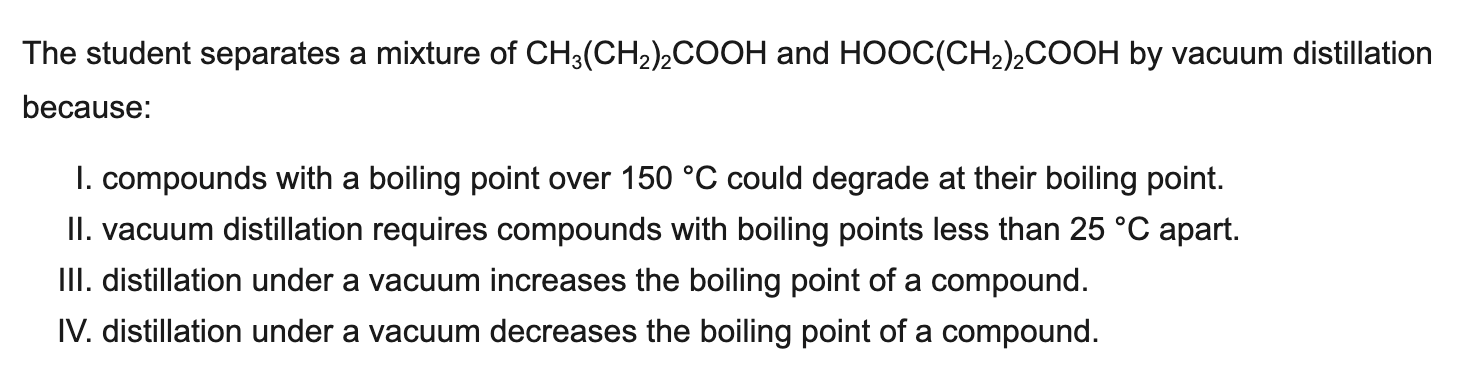
1, 4
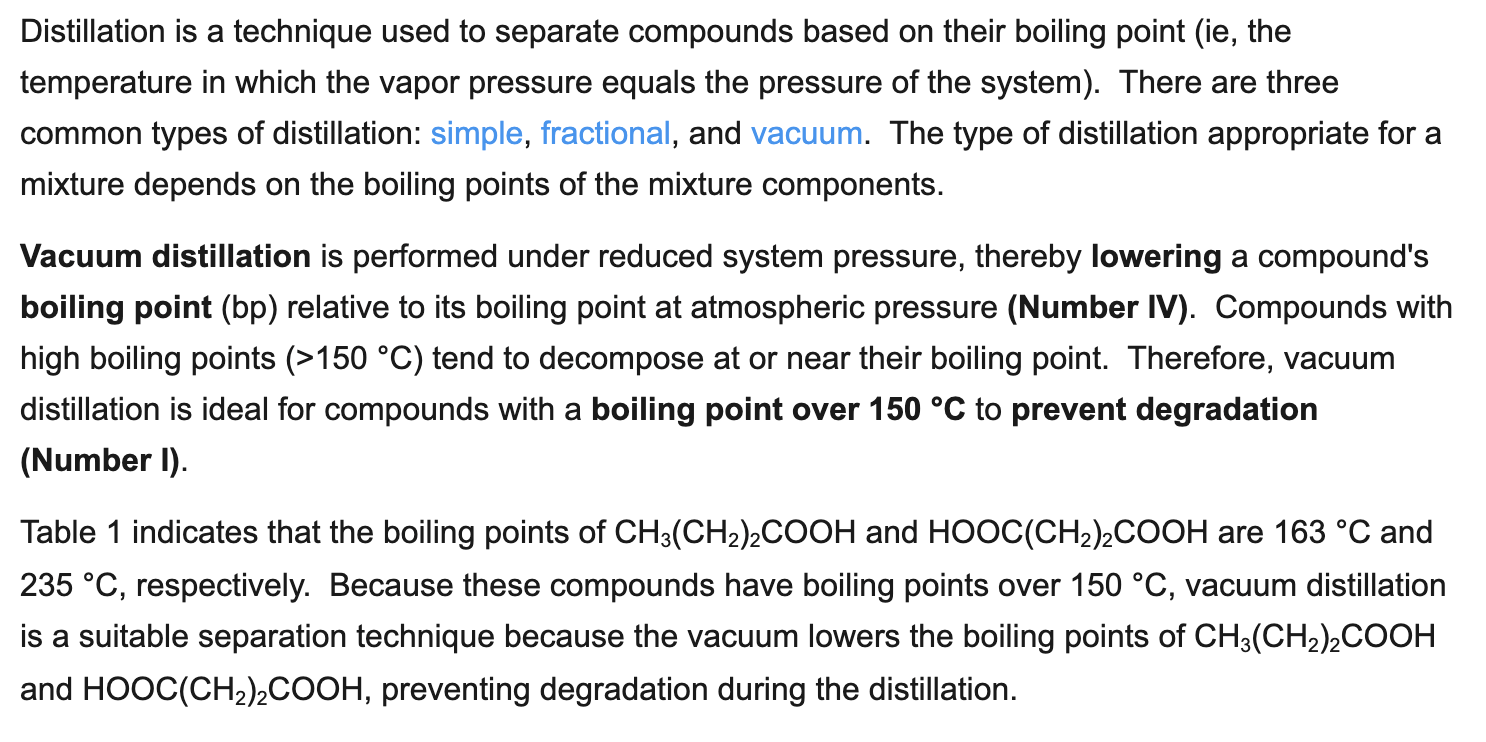
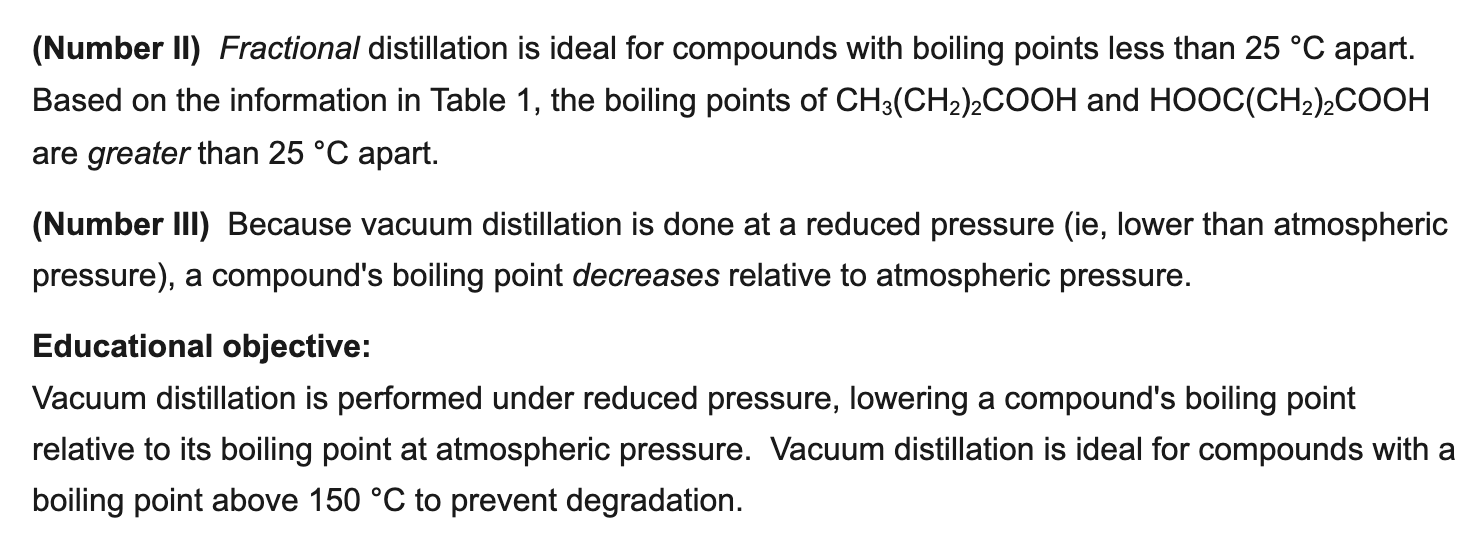

racemic, enantionmers, diastereomers, conformational isomers?
diasteromers
Answer: 1
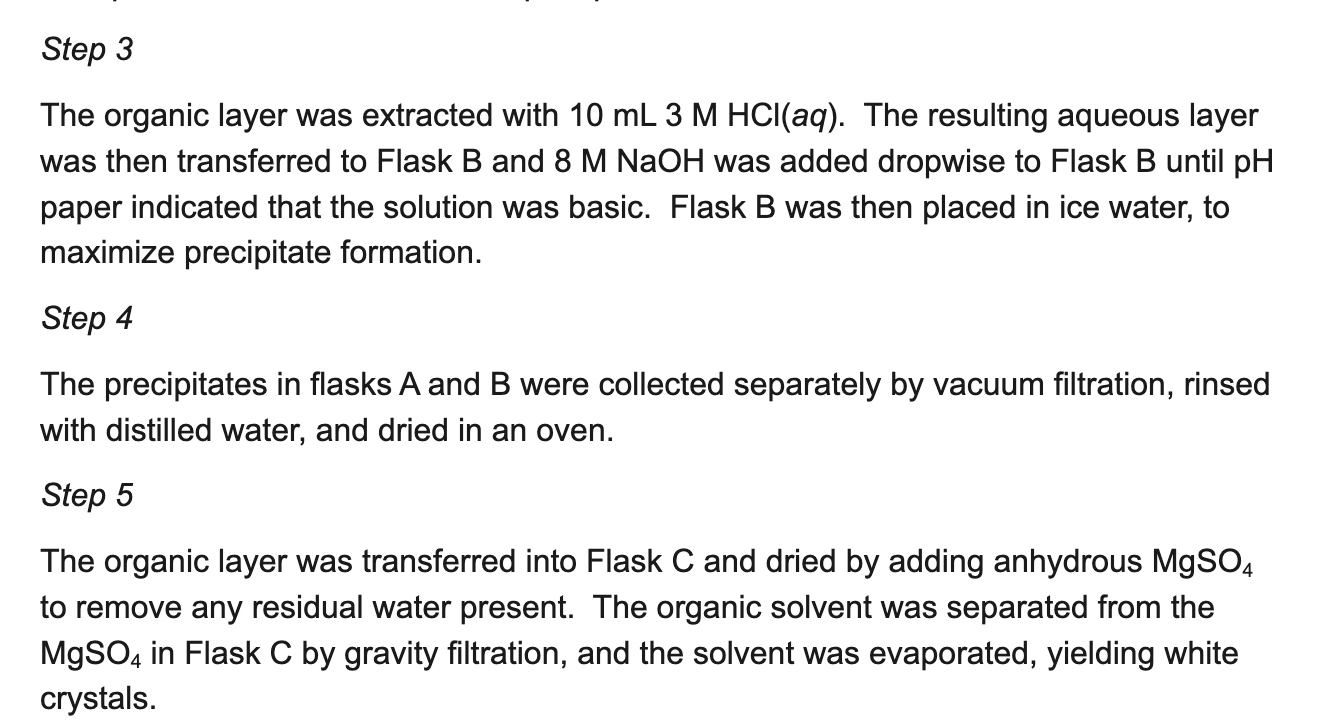


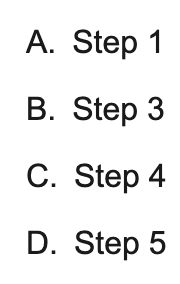
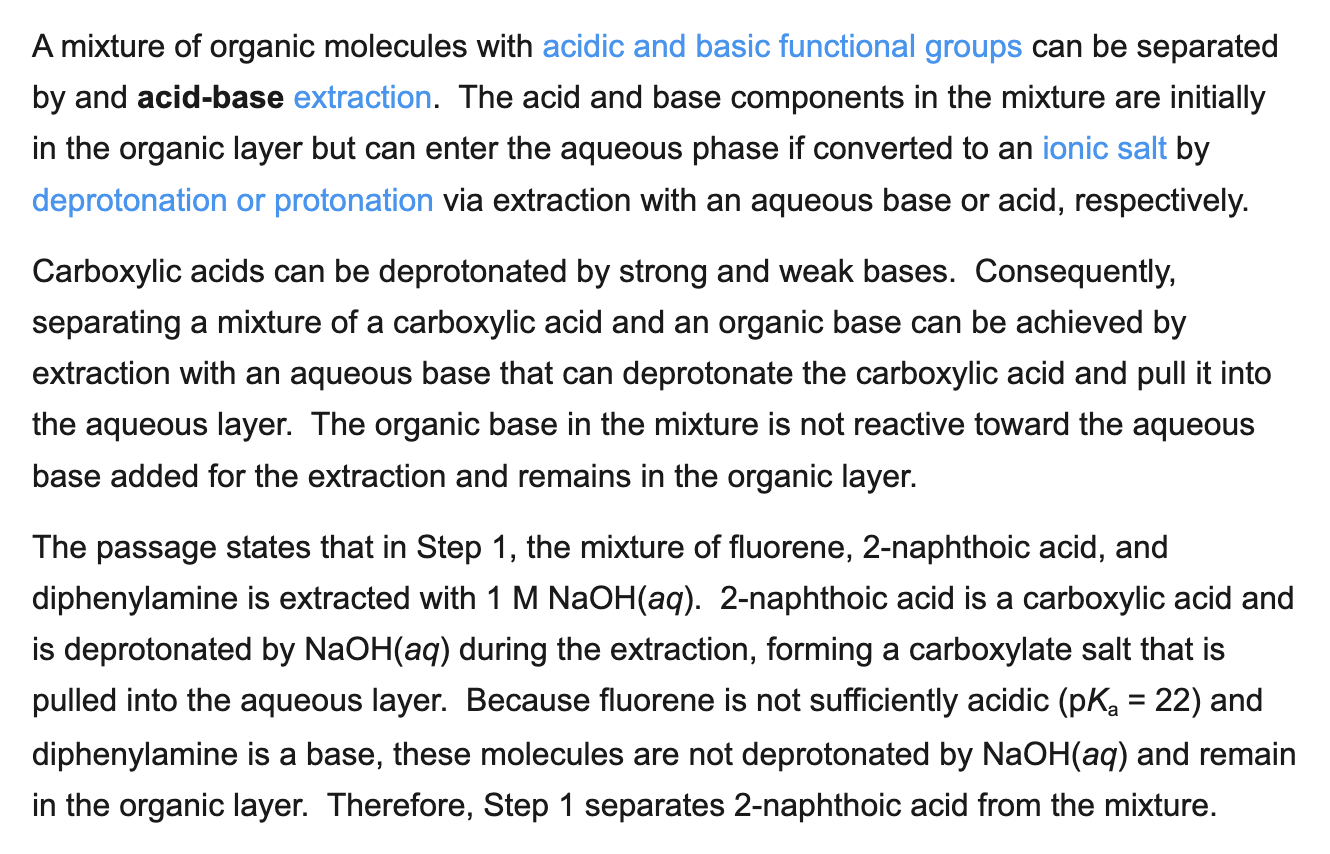
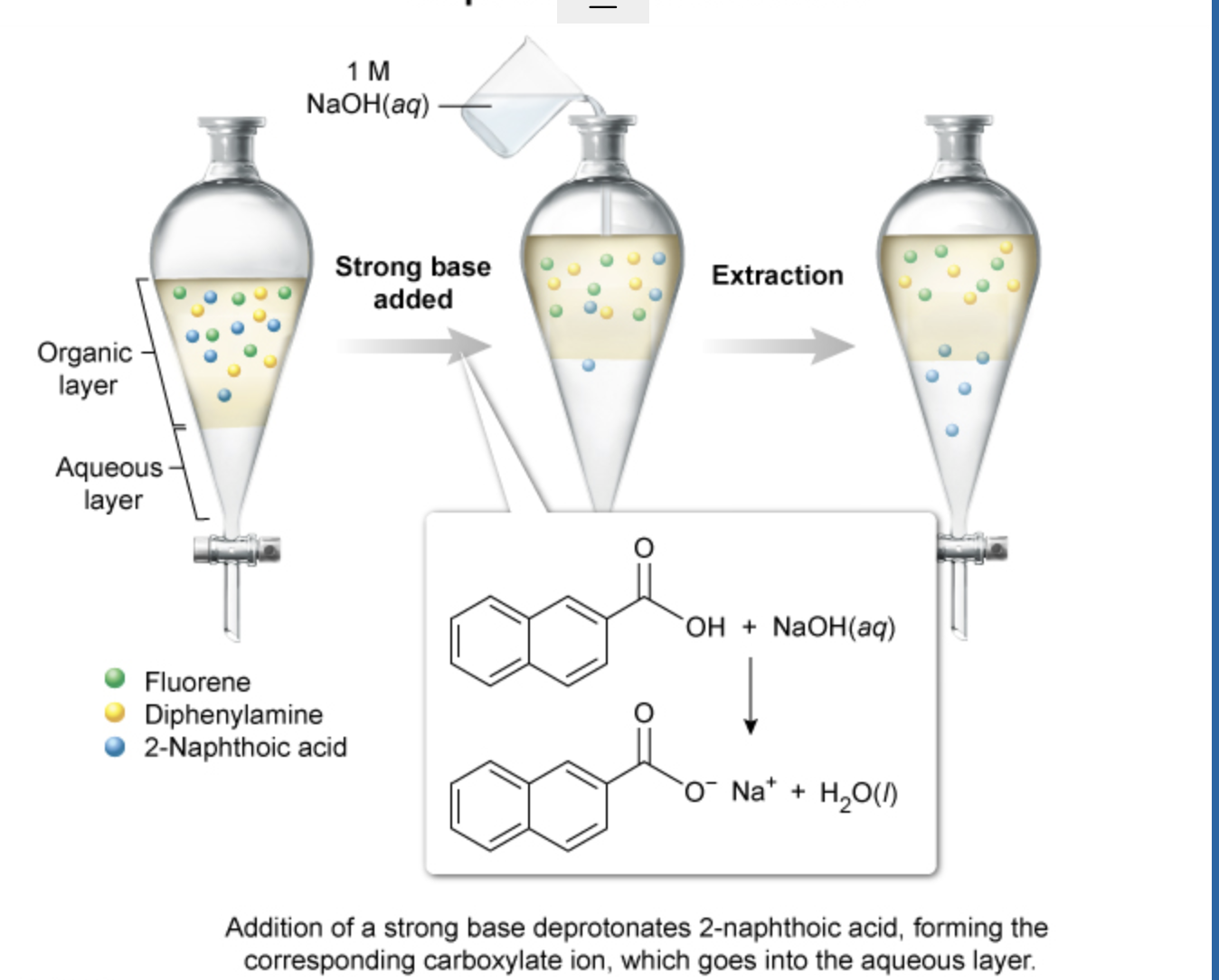
Answer A (step 1)
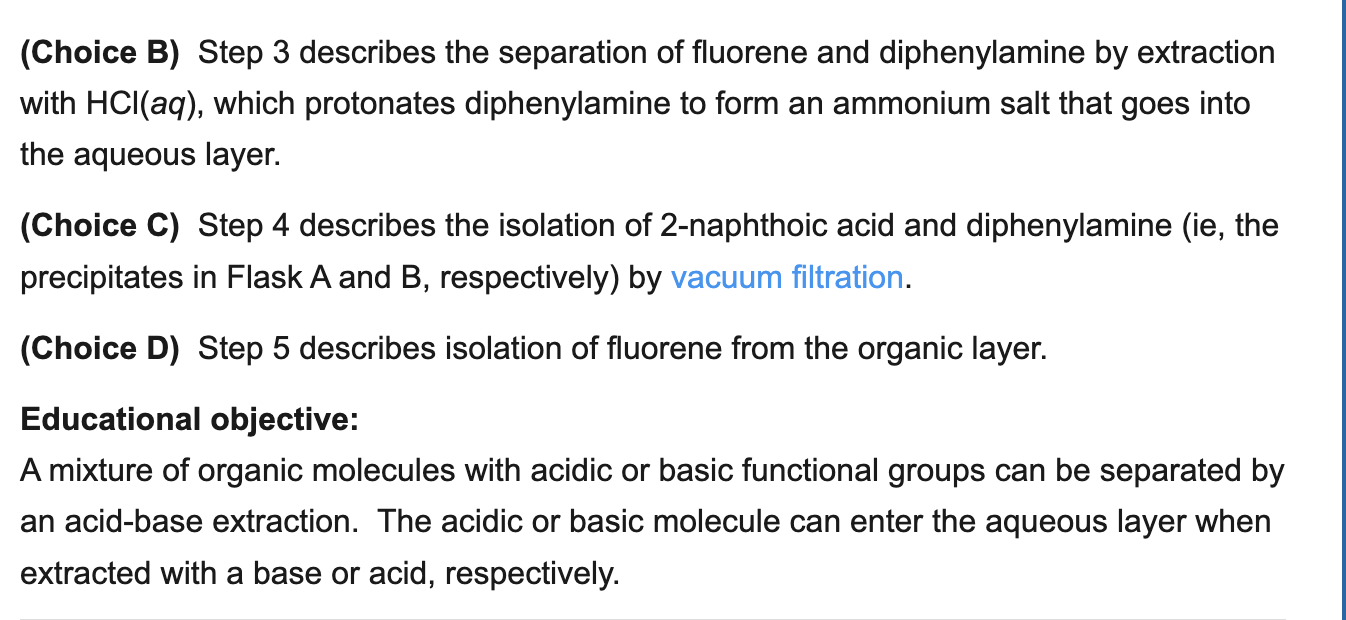

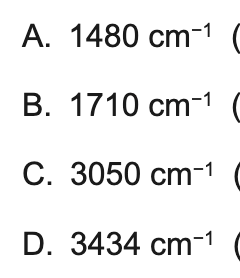
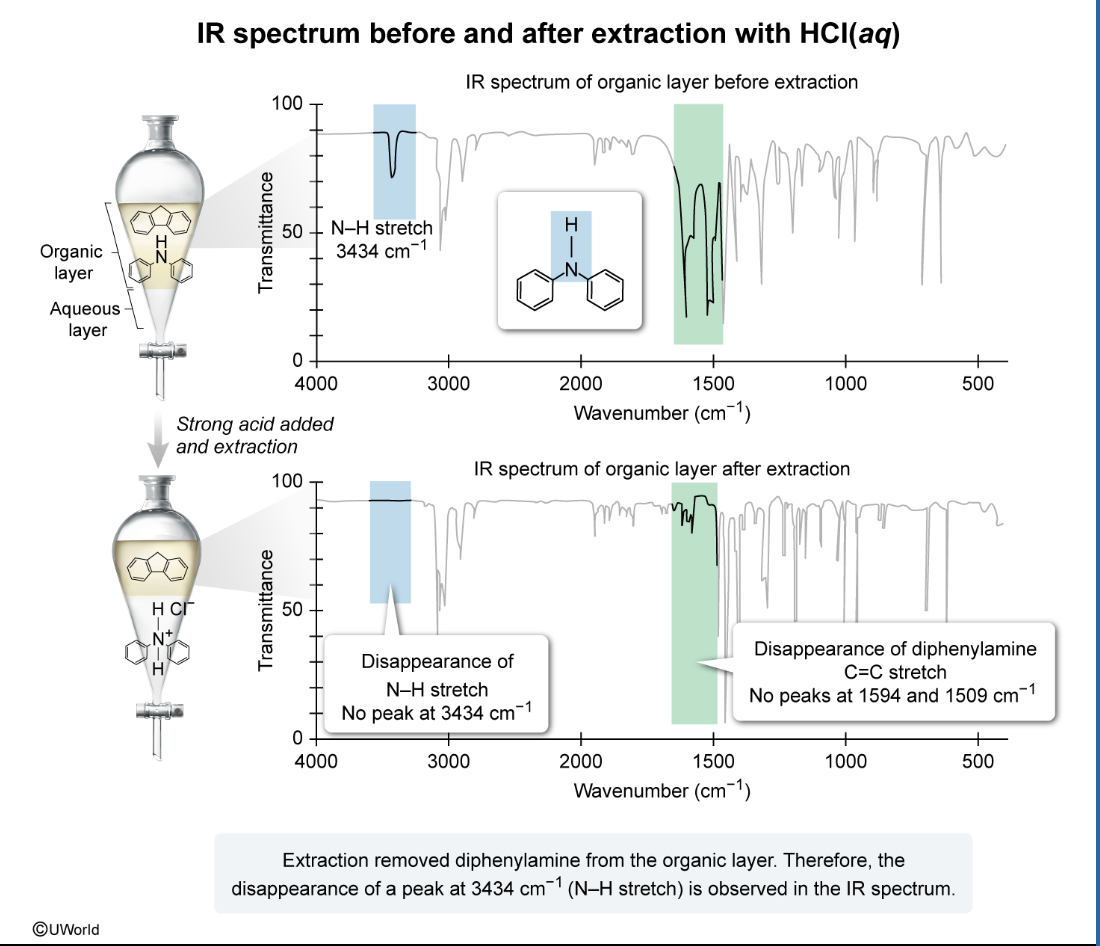
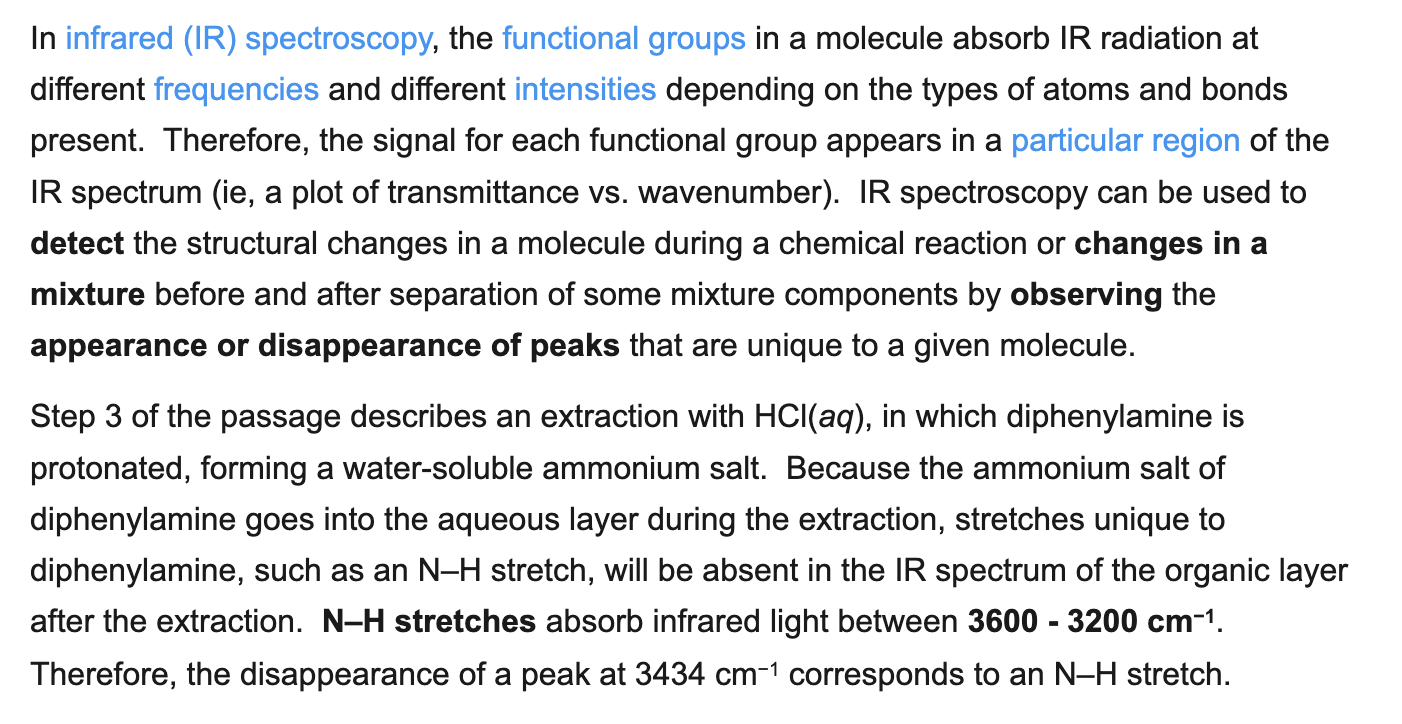
Answer D
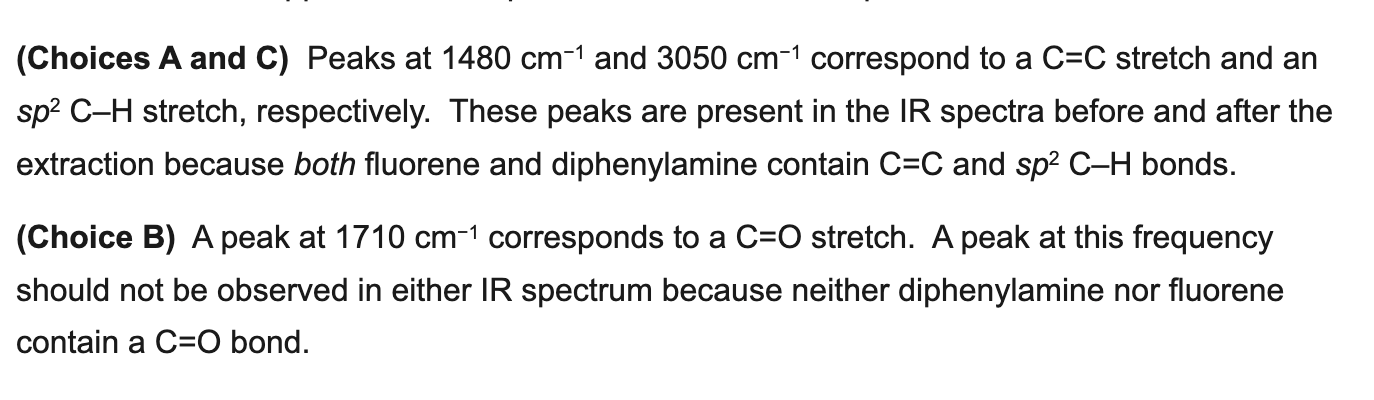






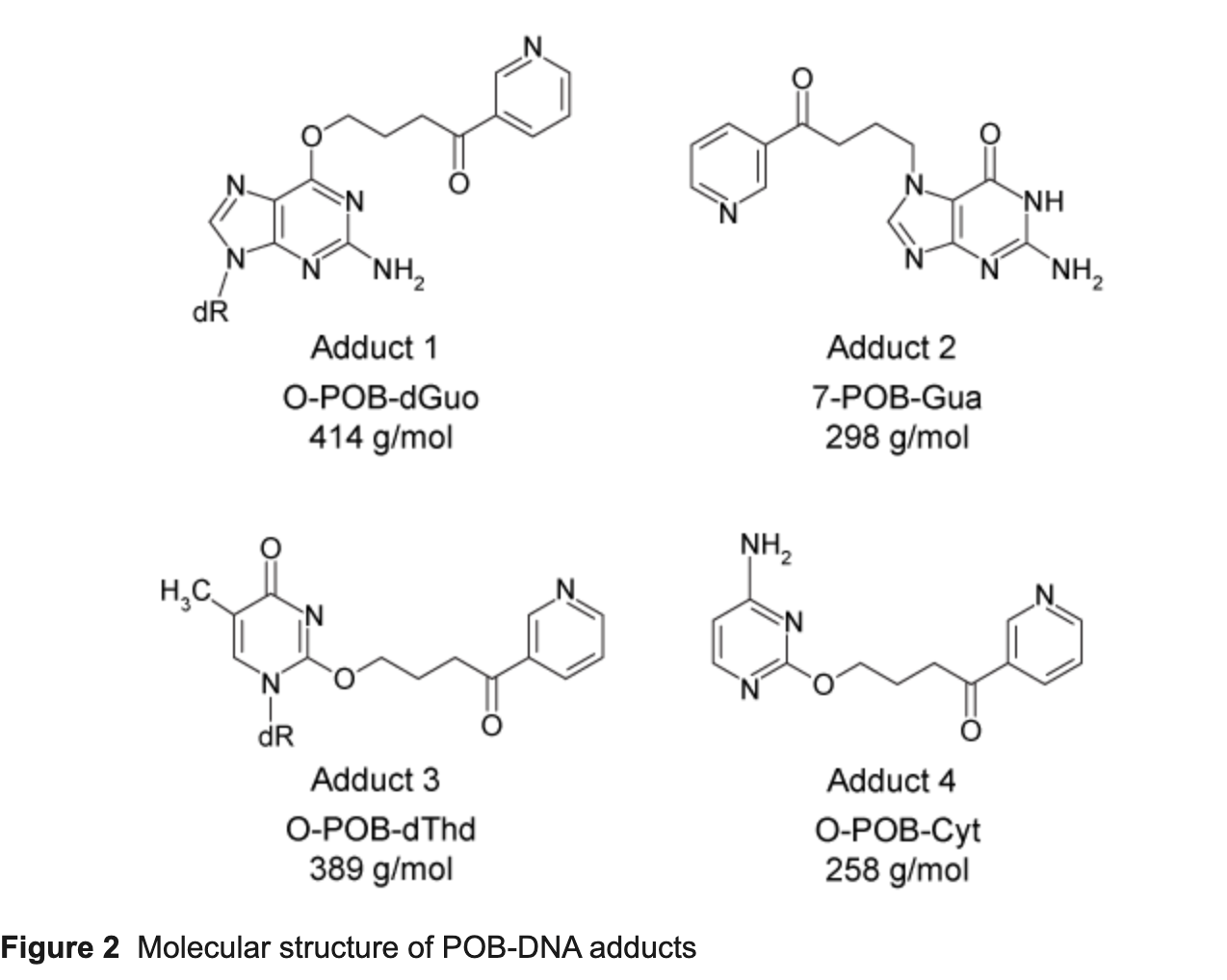
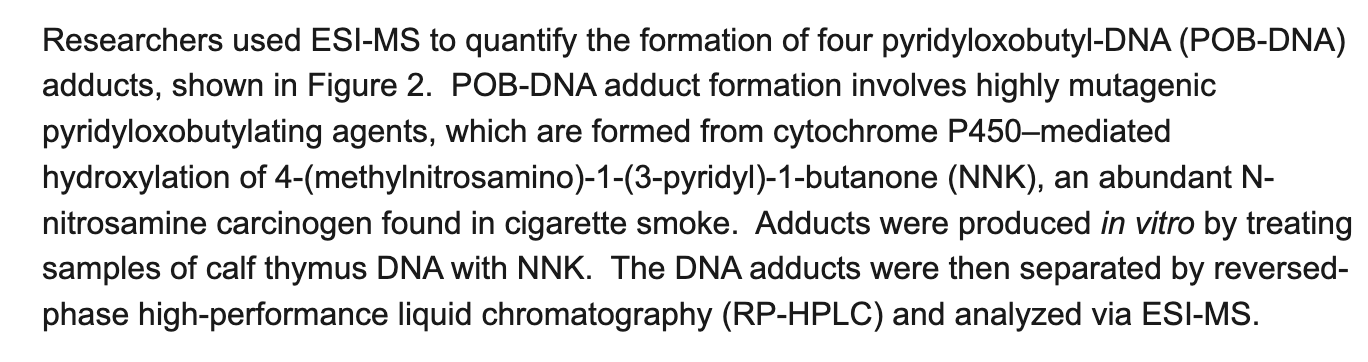
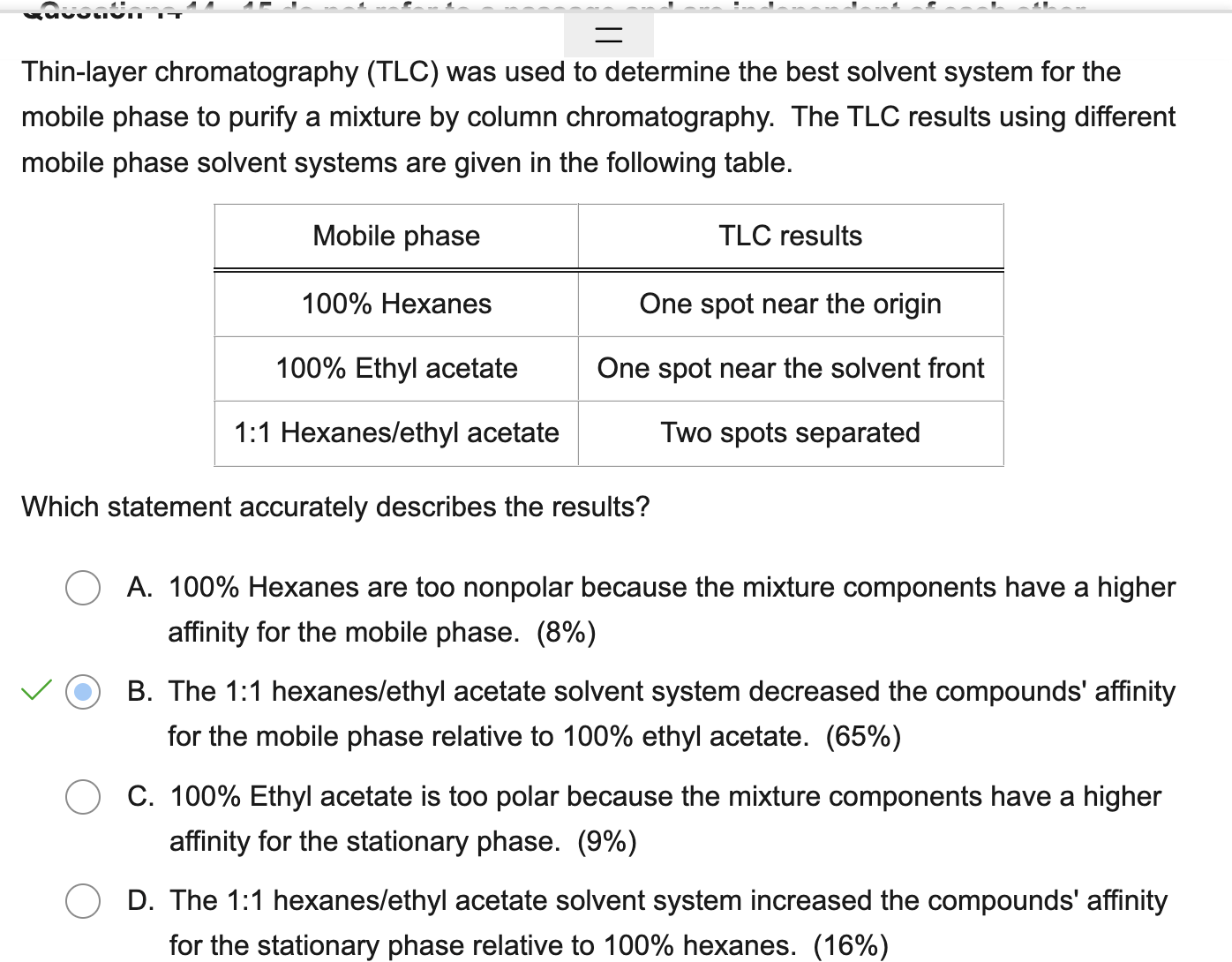
a polar mobile phase and nonpolar stationary phase (reverse of normal TLC)
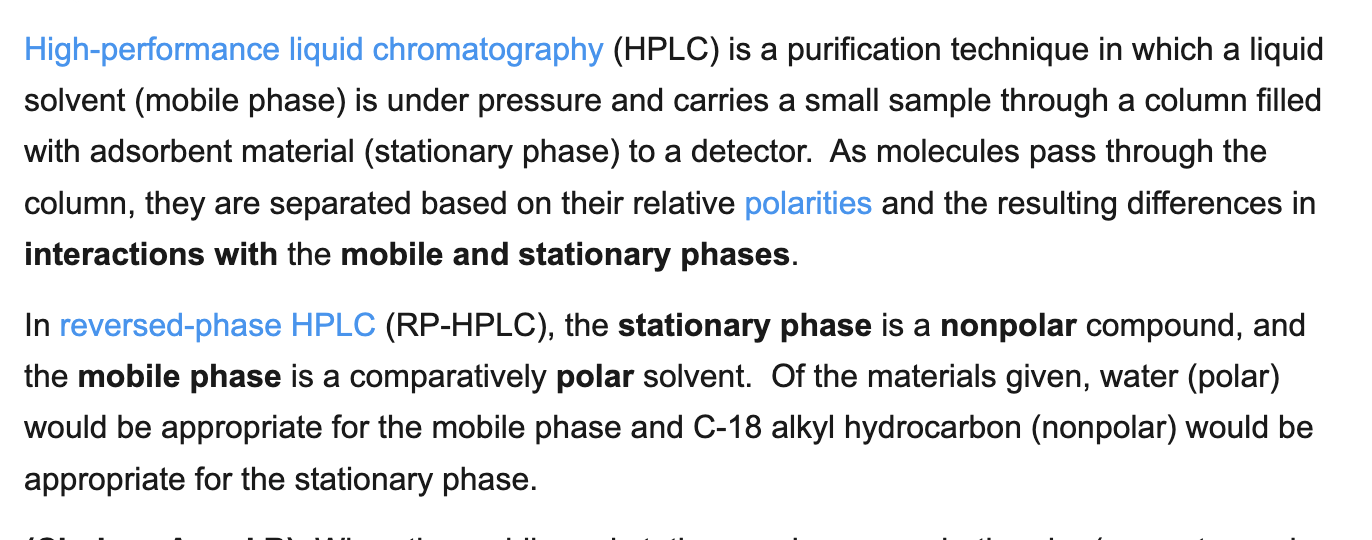

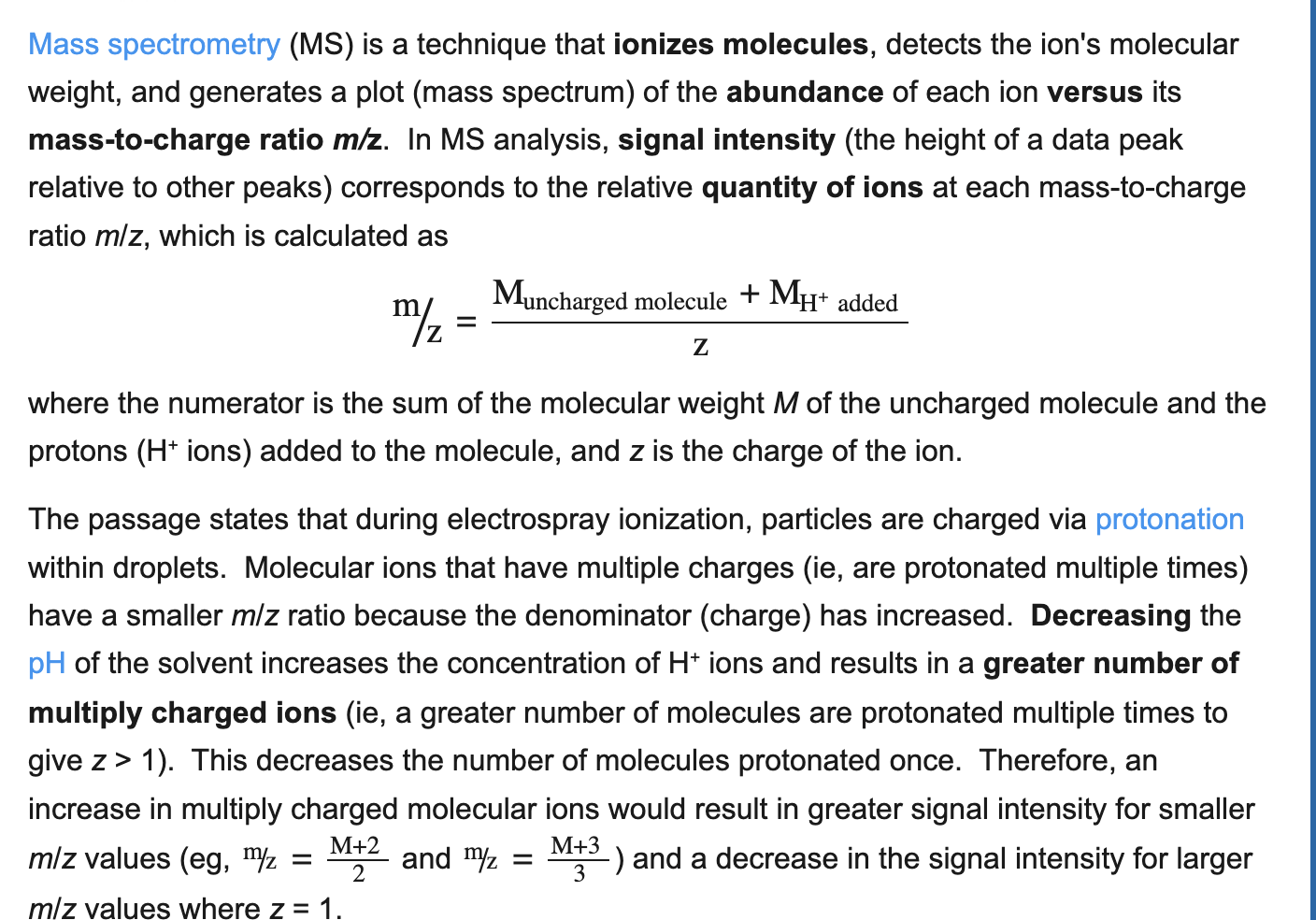
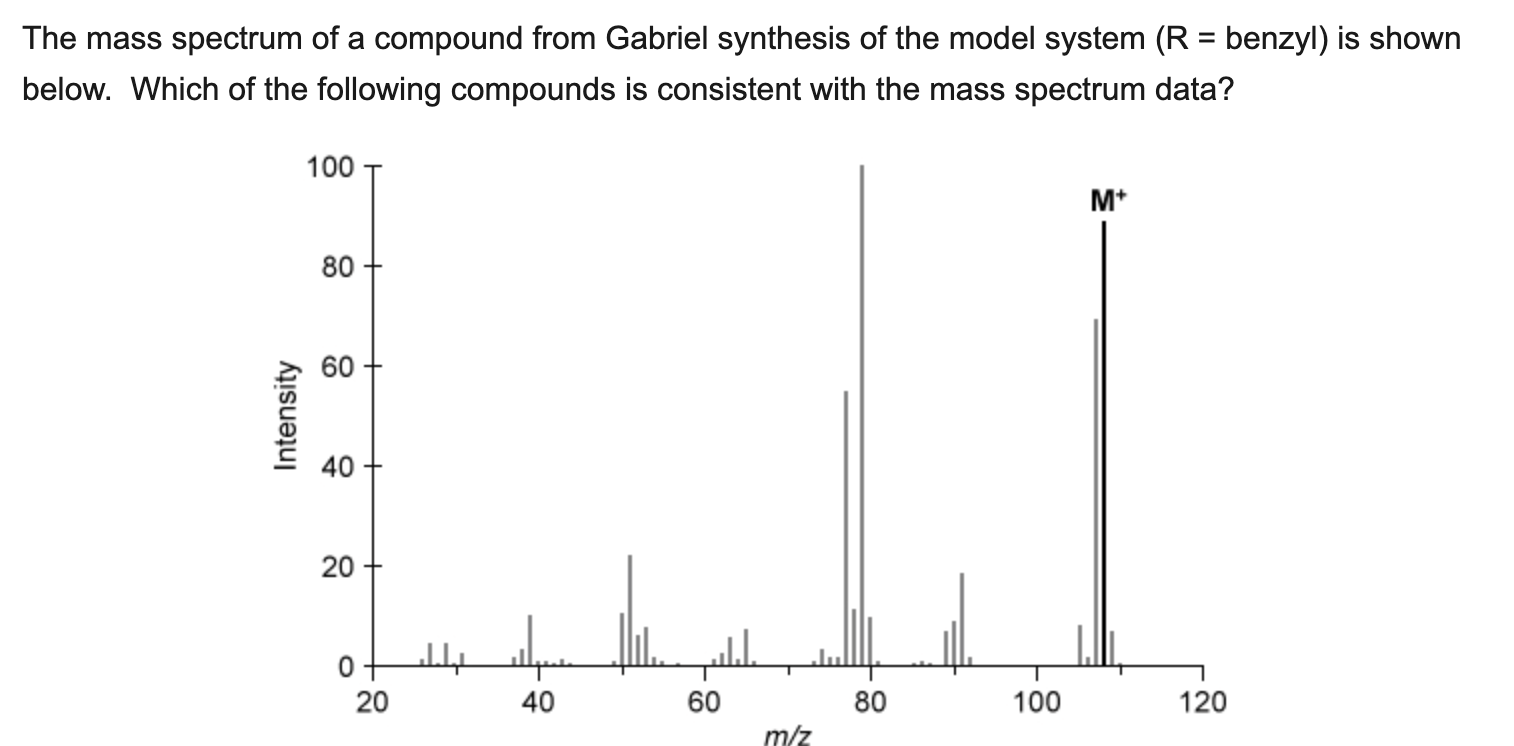
what is the value in m/z?
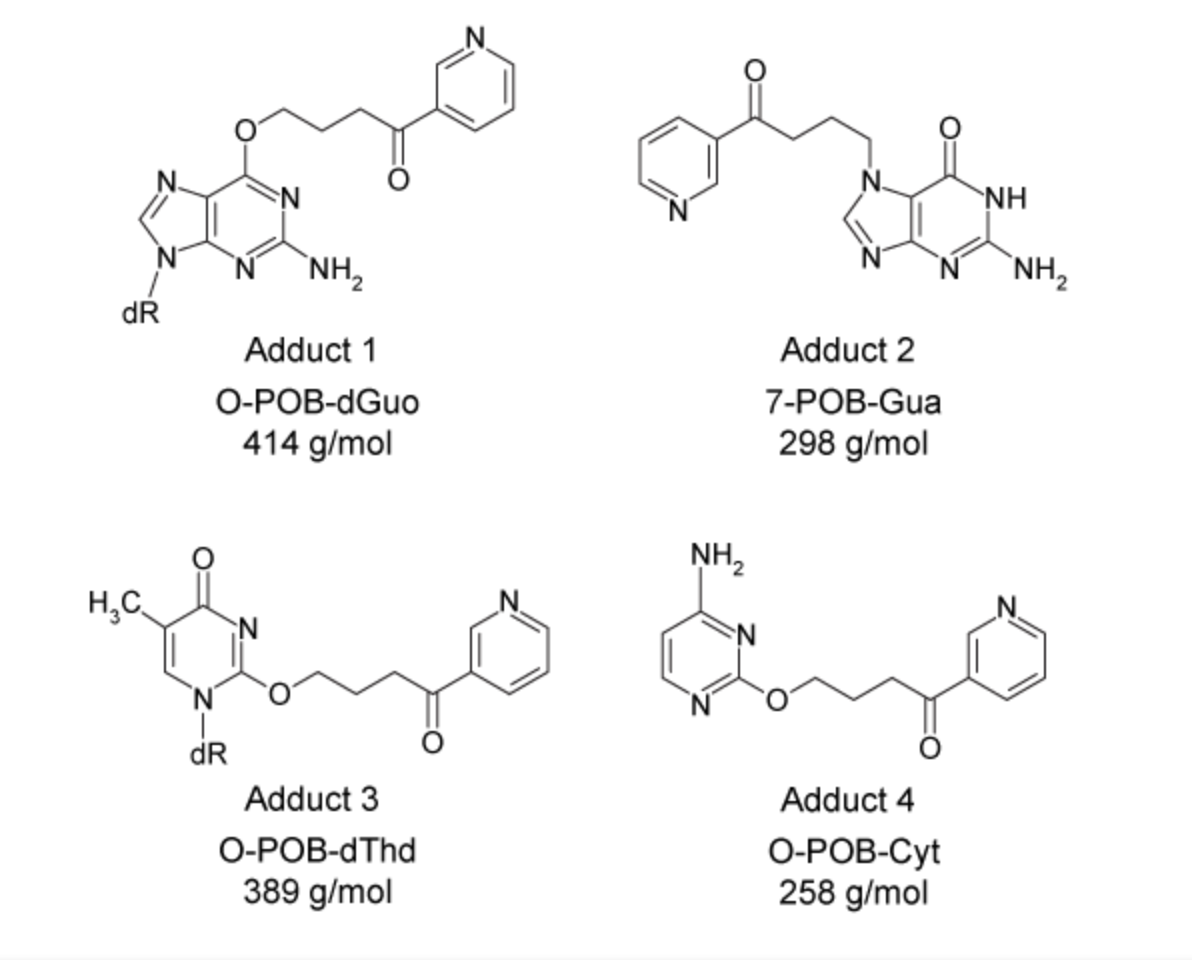
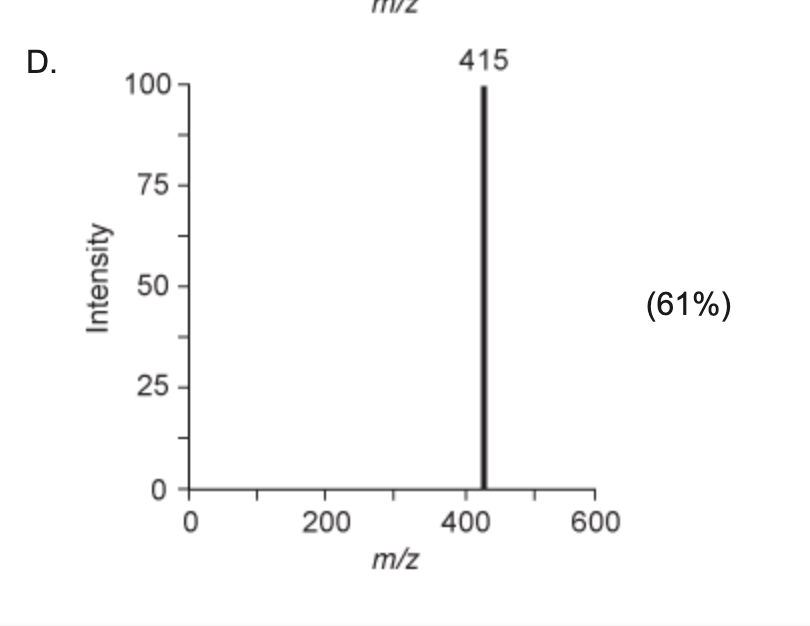
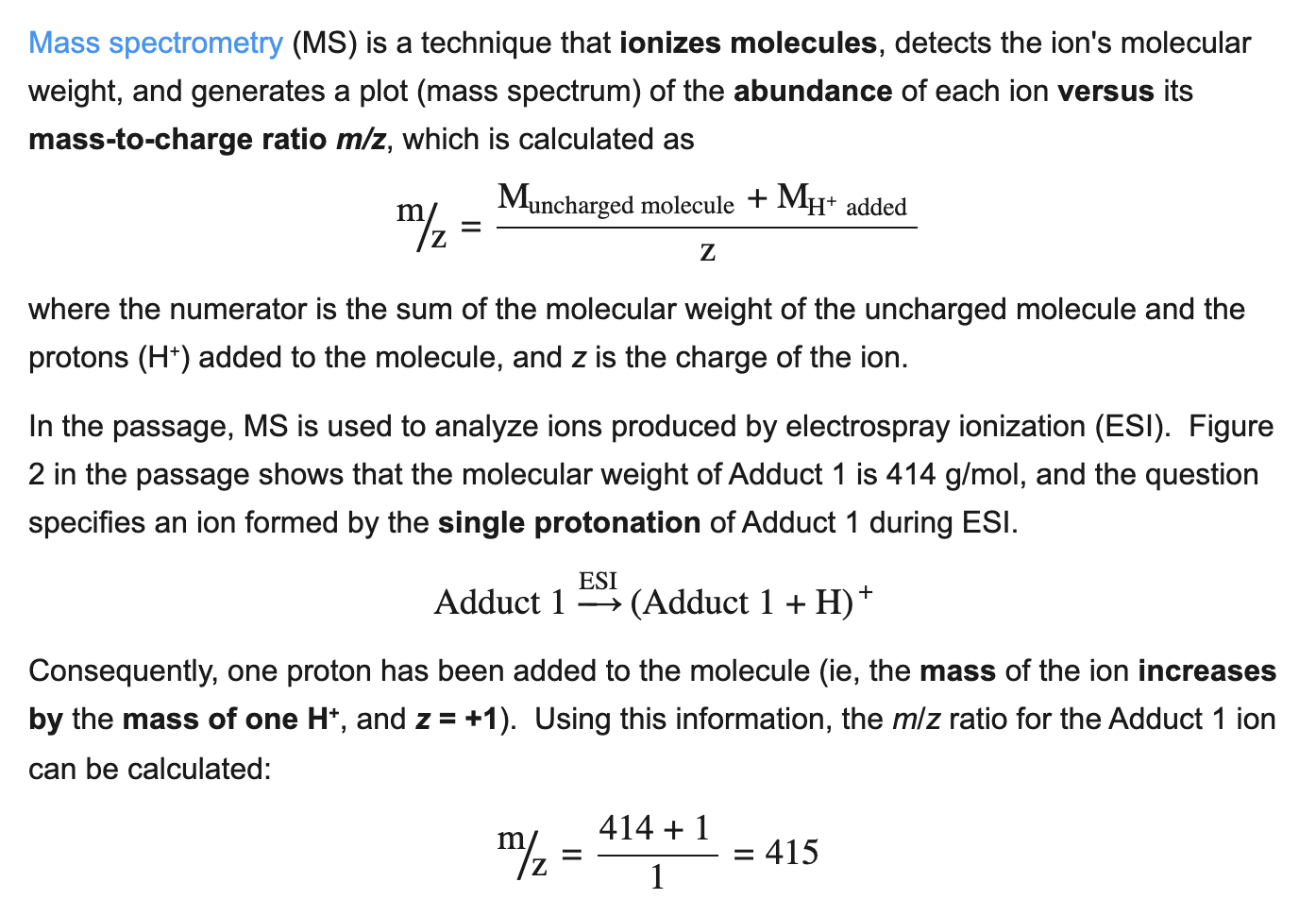



ANswer D

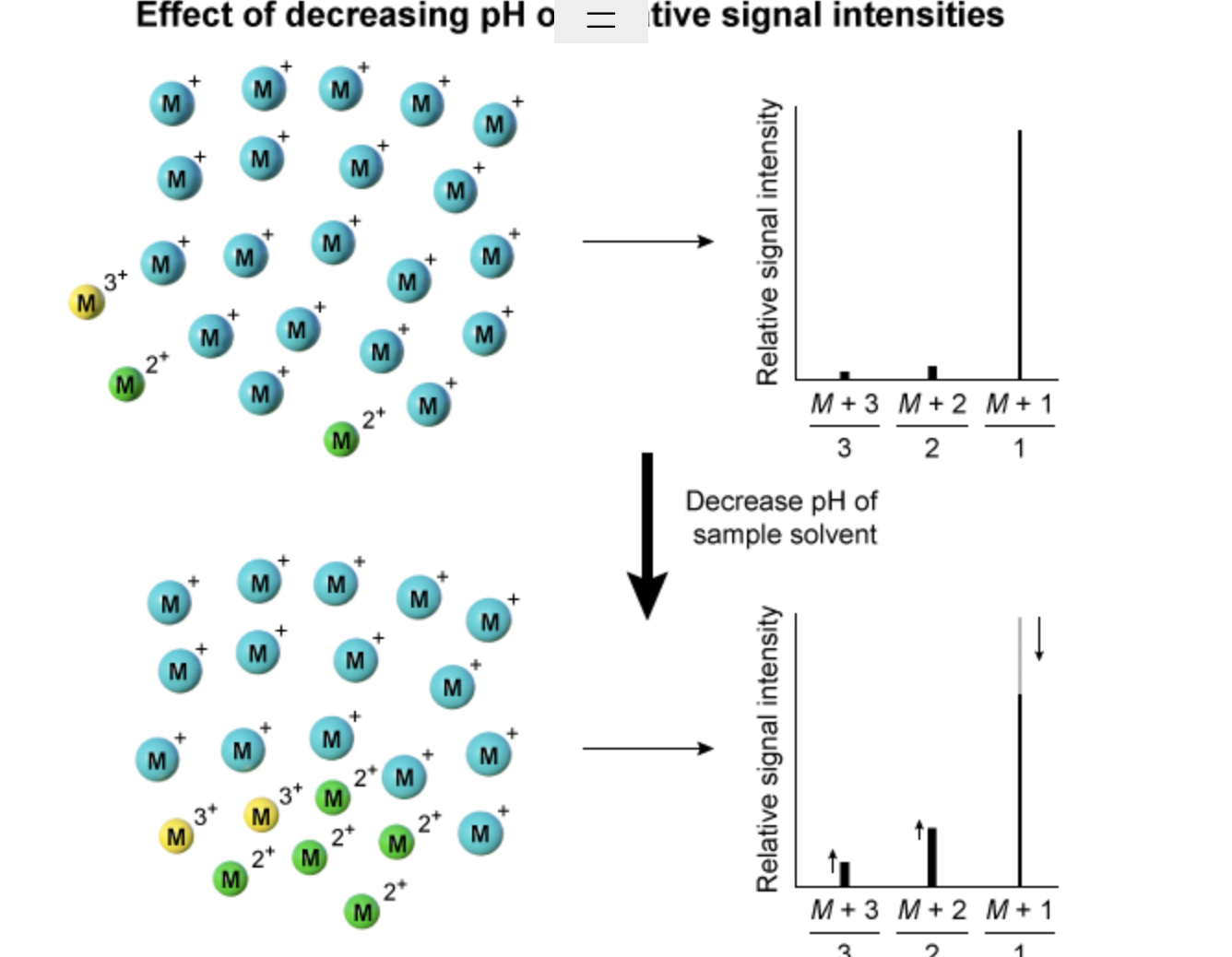
decrease in pH or increase in pH of sample solvent



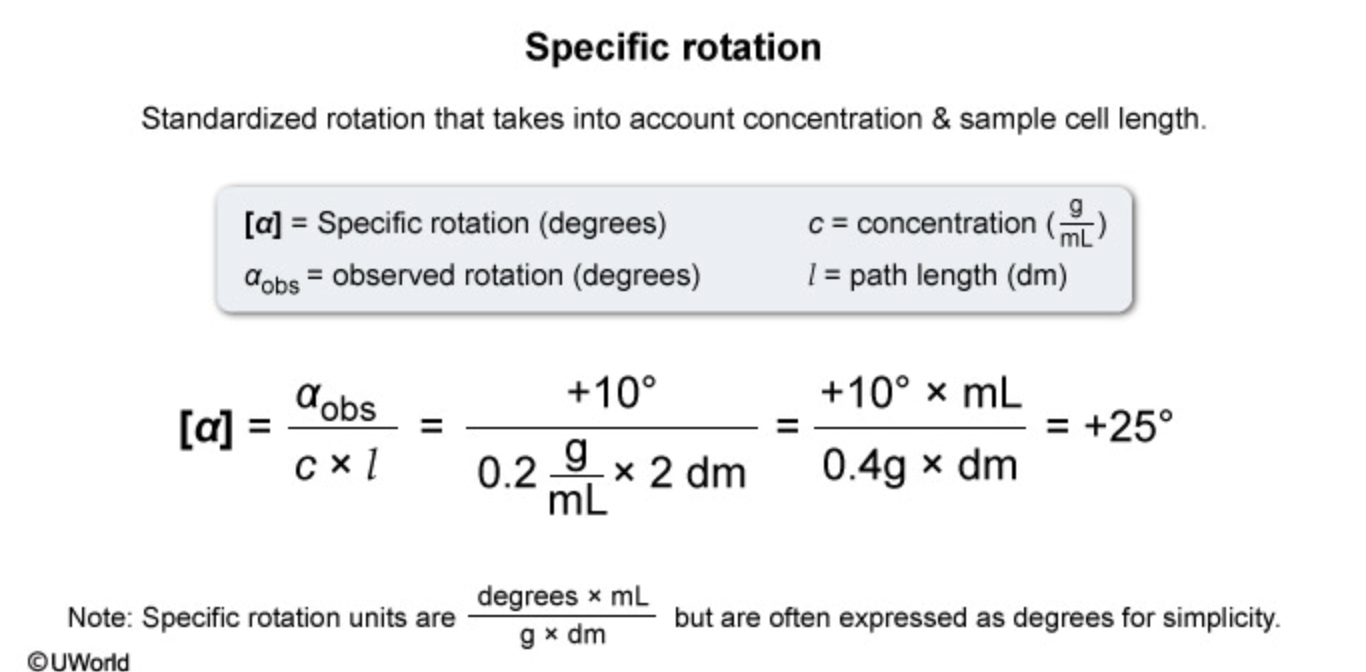
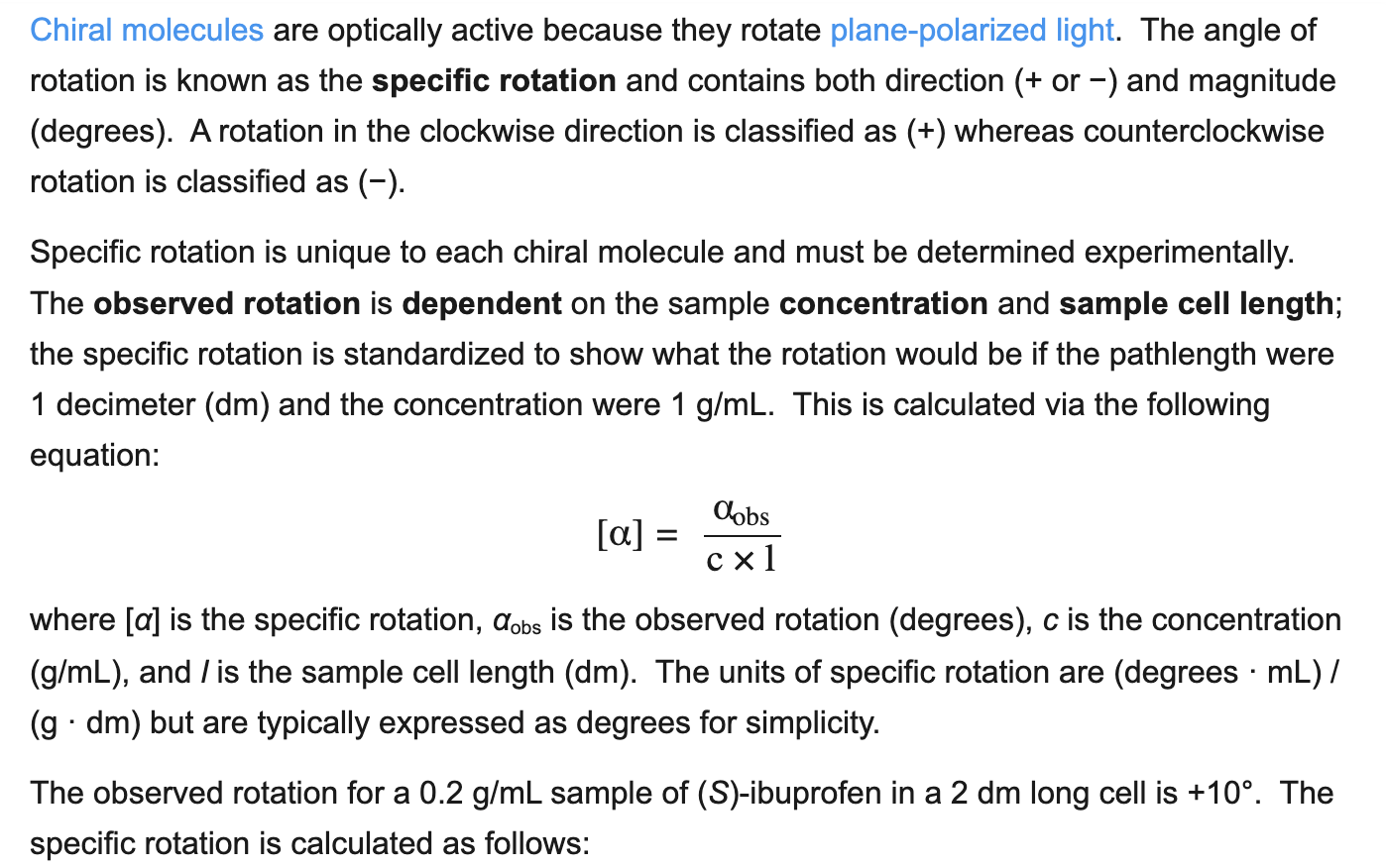
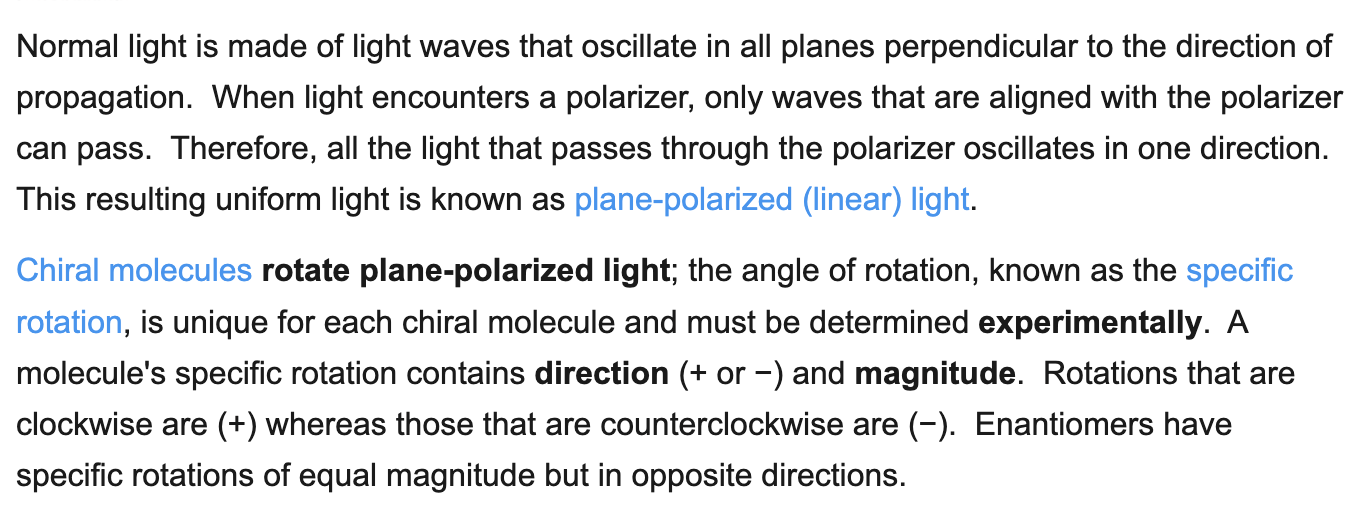
specific rotation

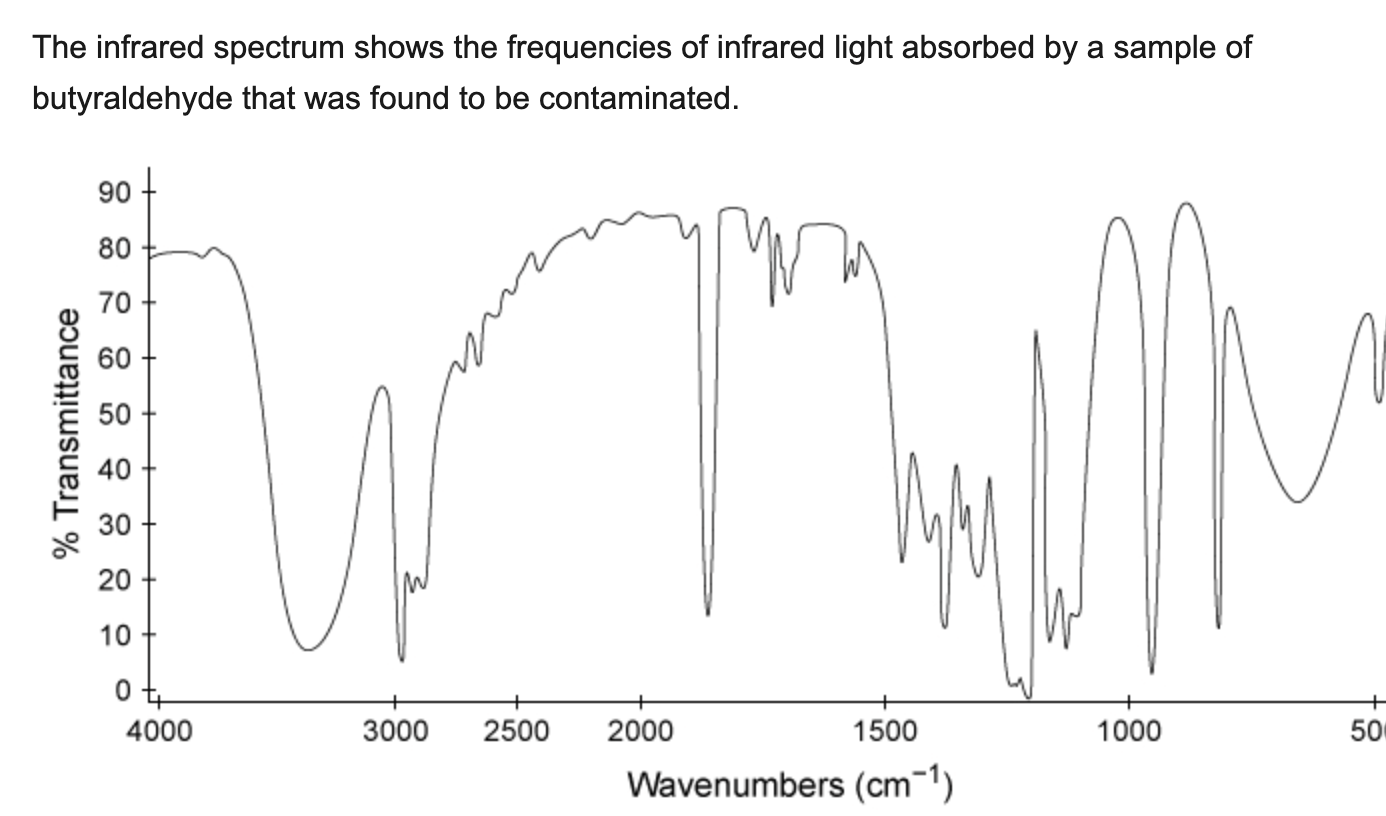
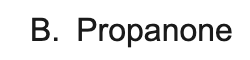
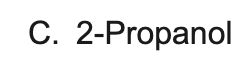
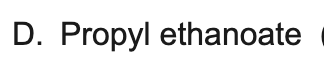
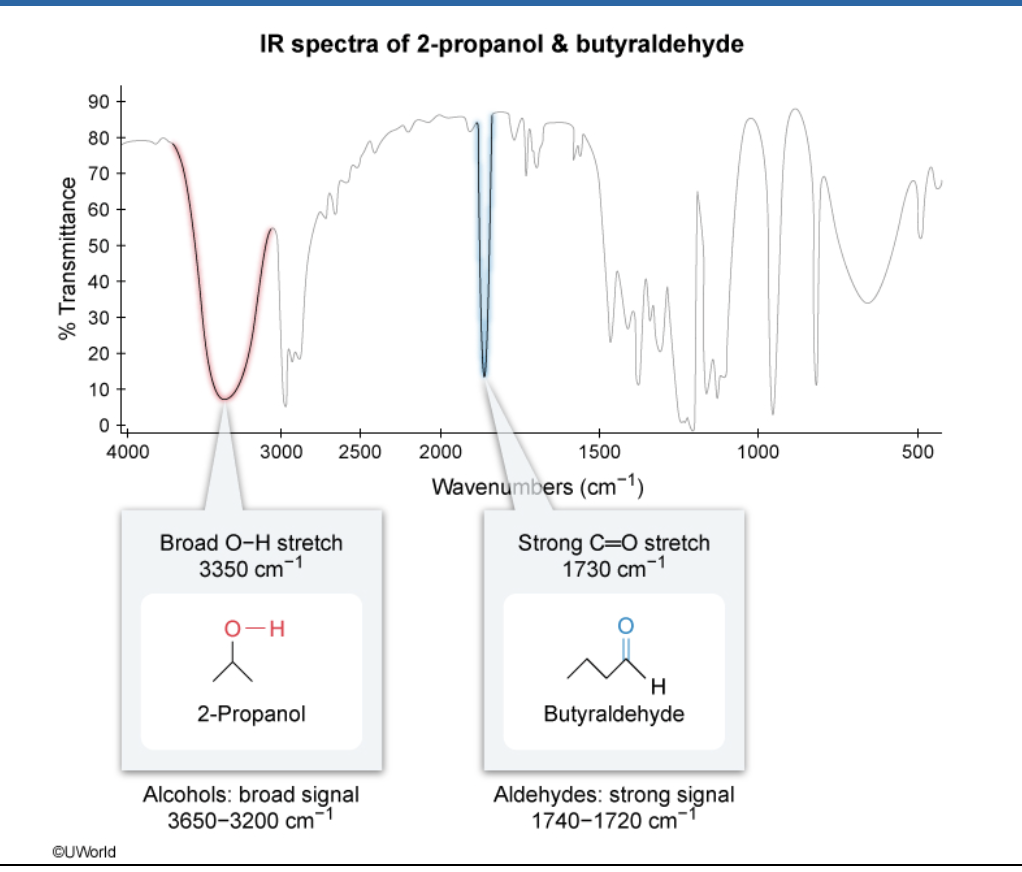
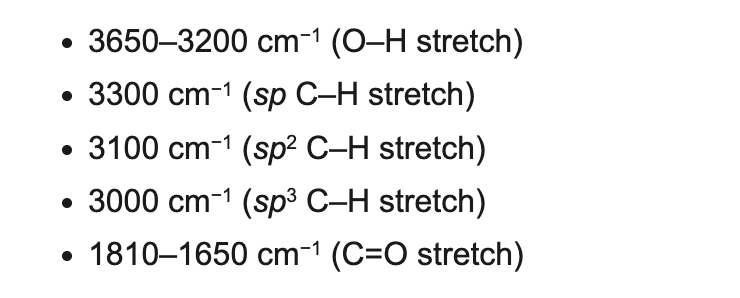
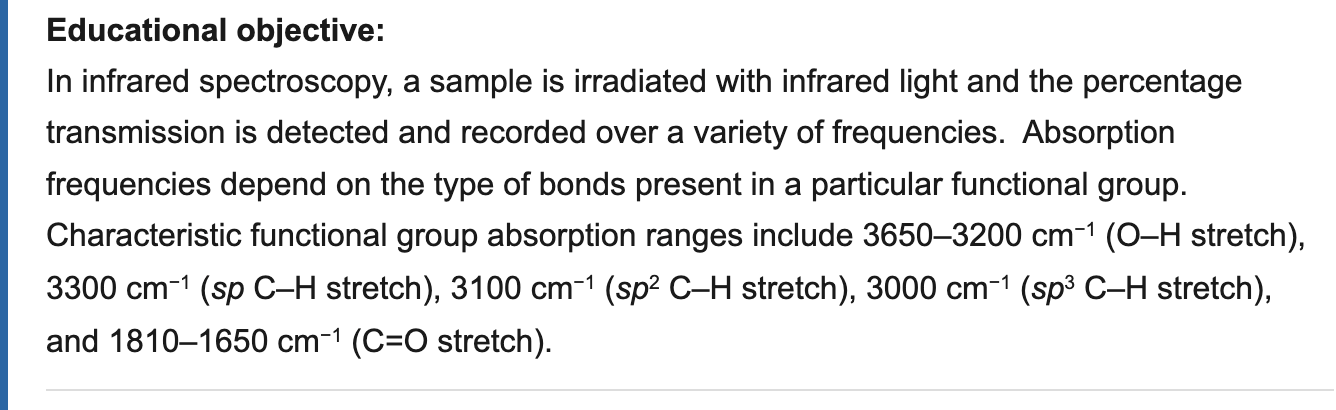
IR spectroscopy absorption frequencies
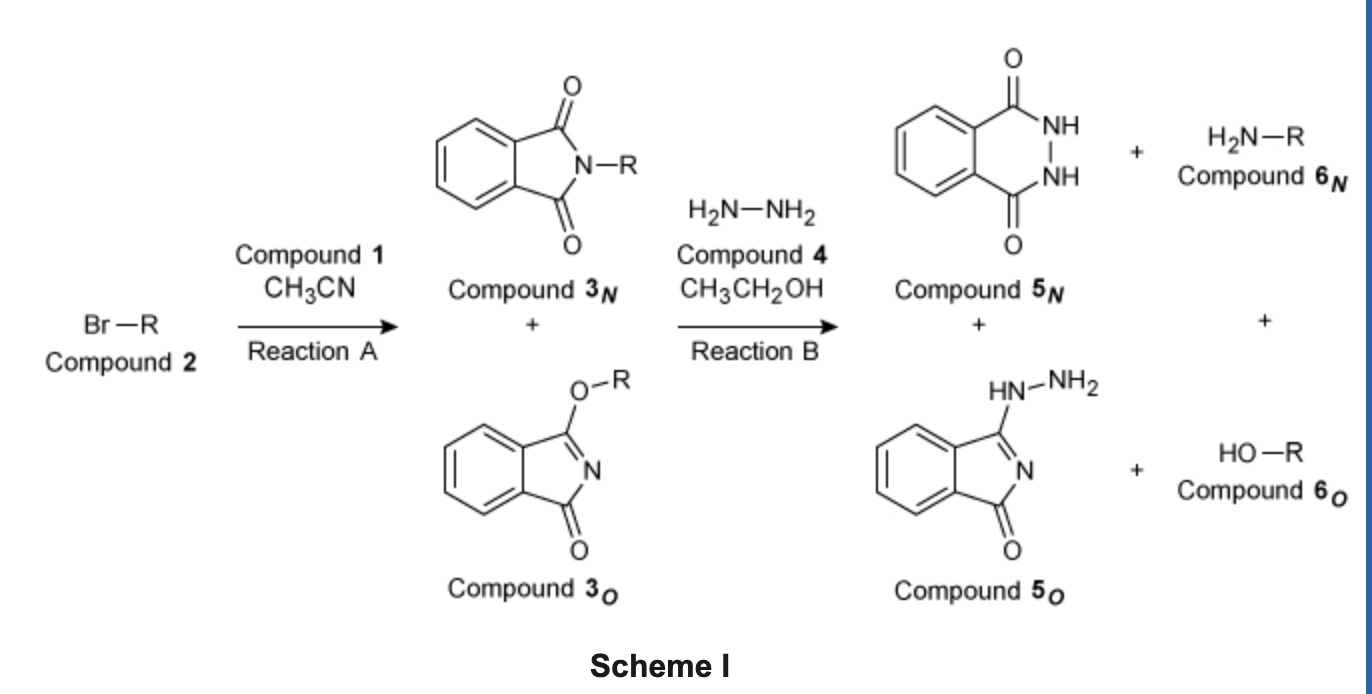
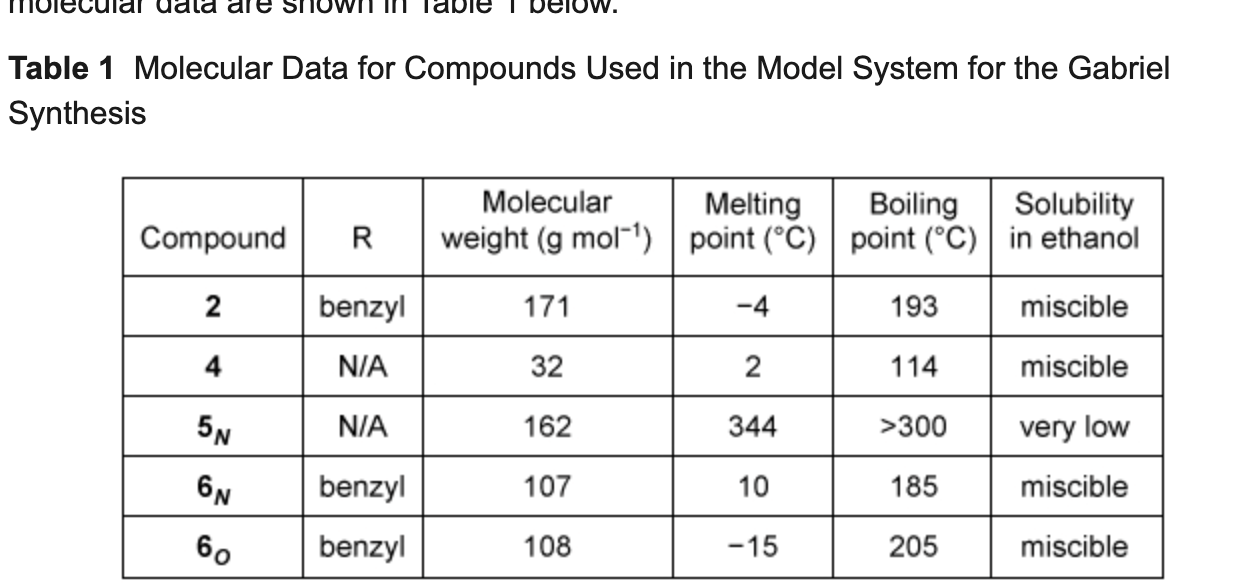

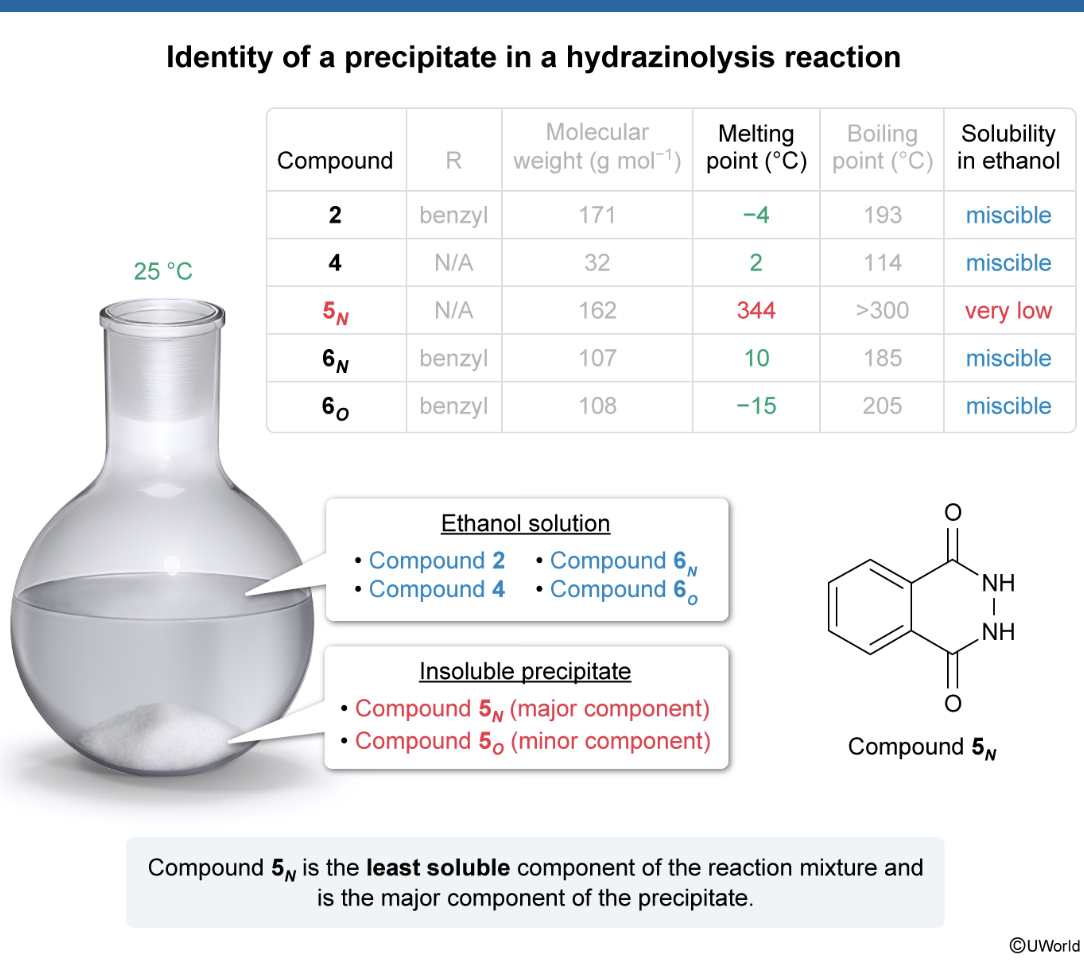
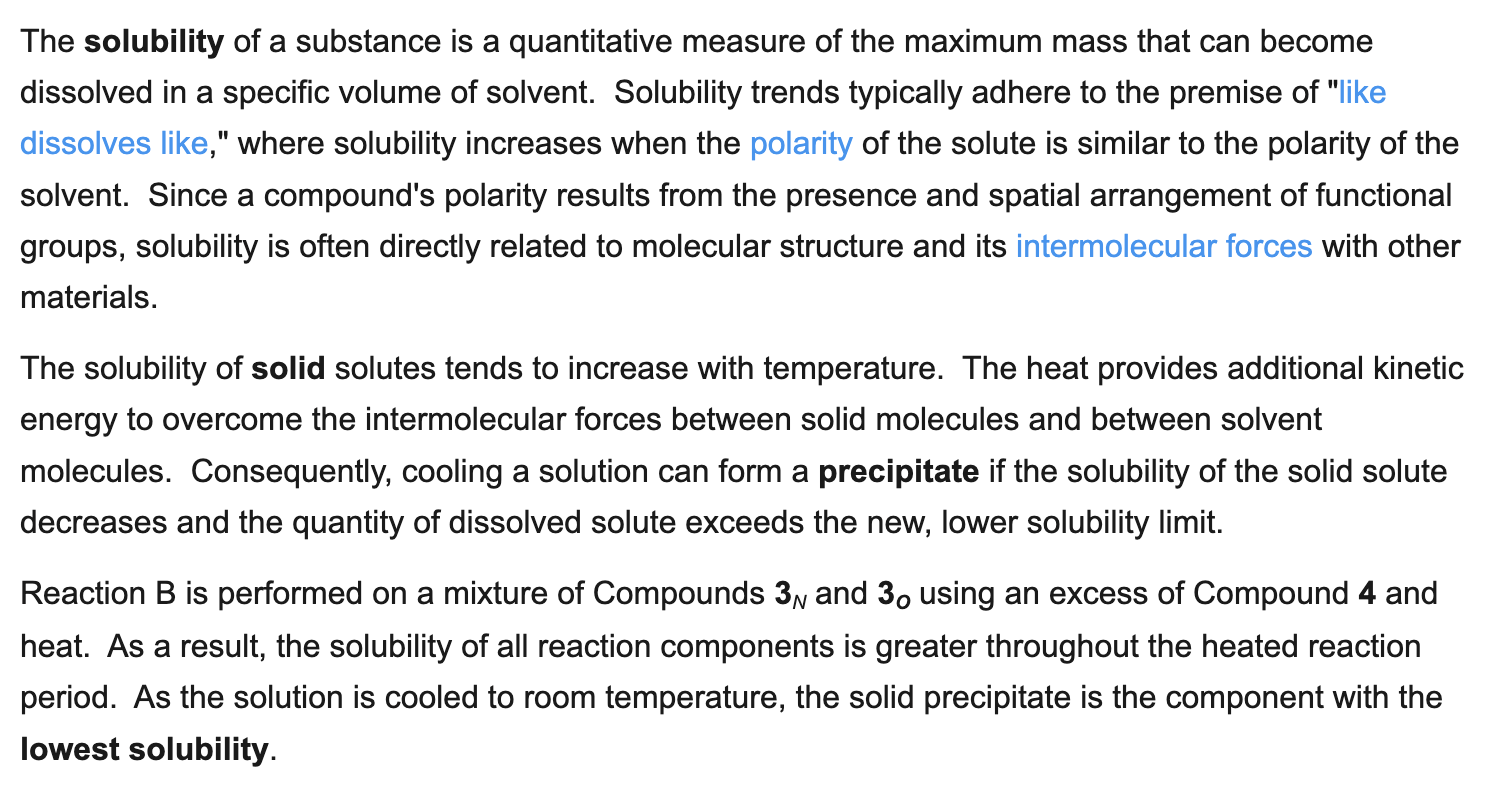

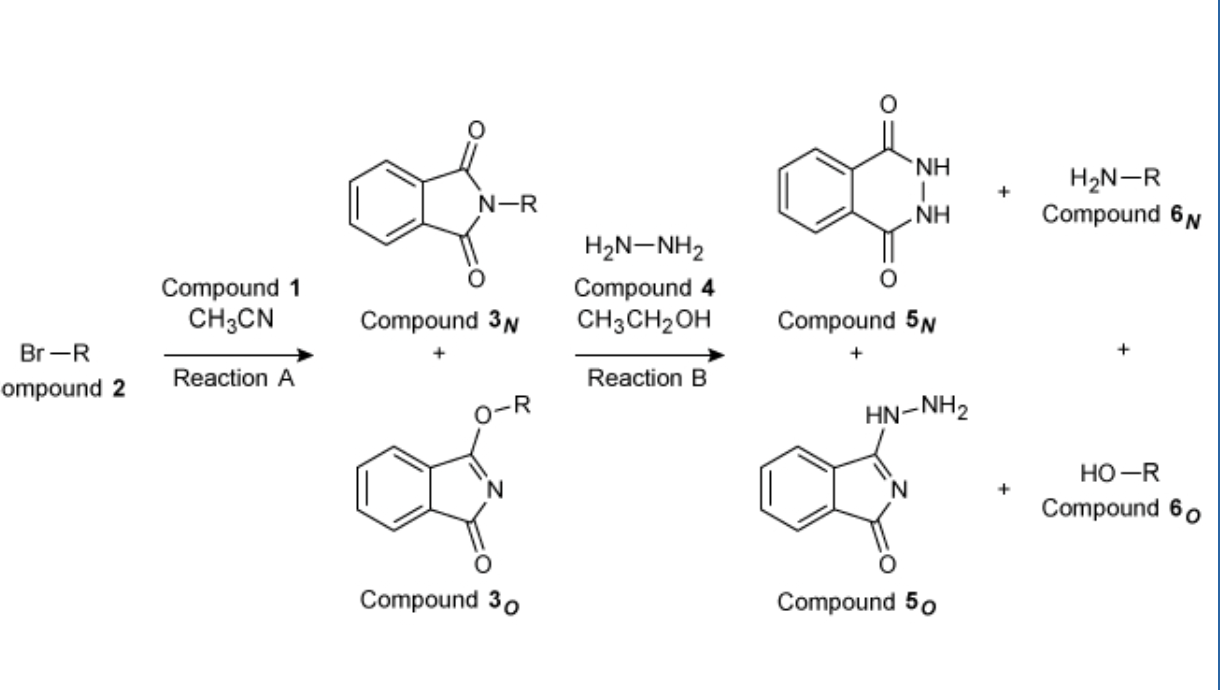
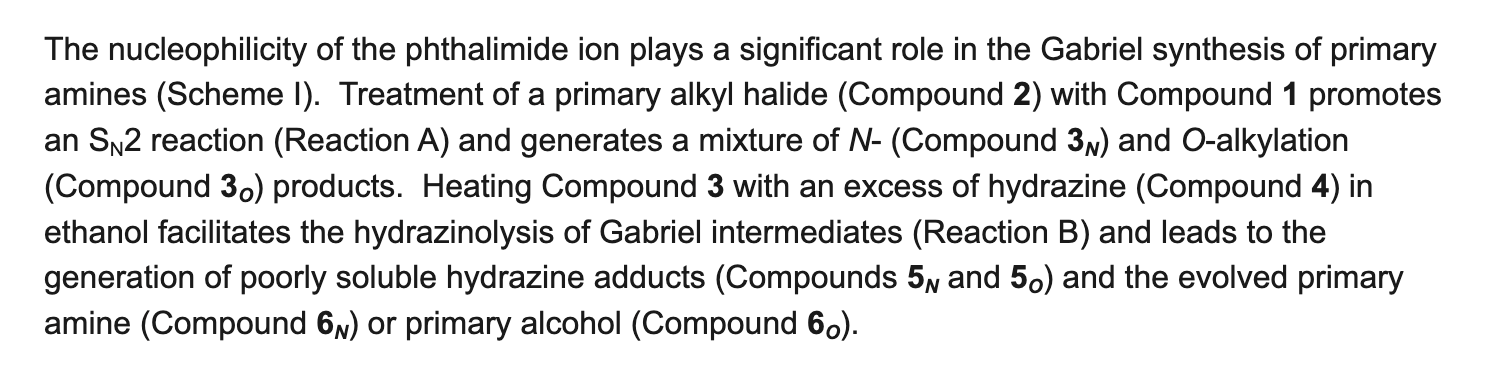
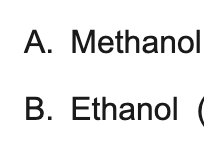
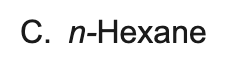
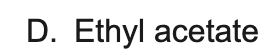

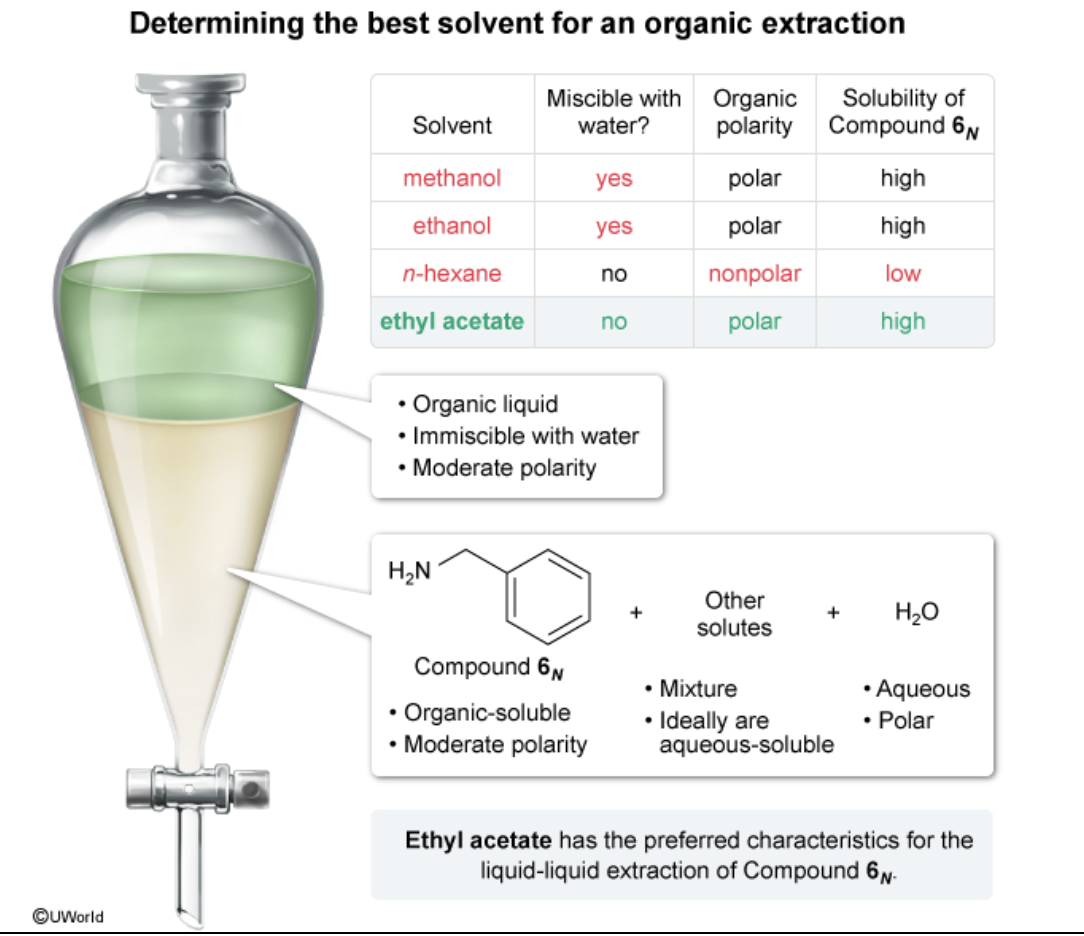
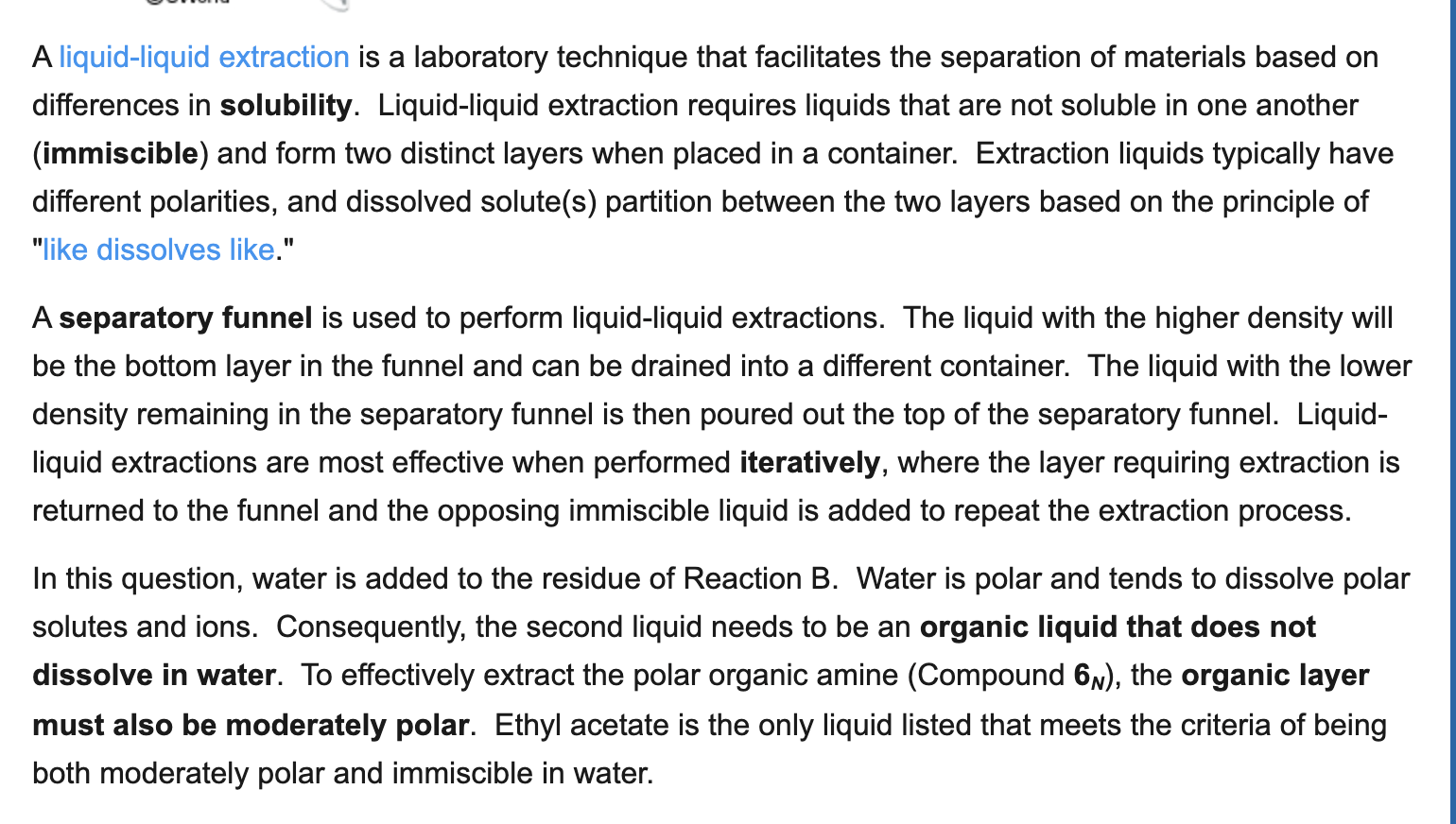

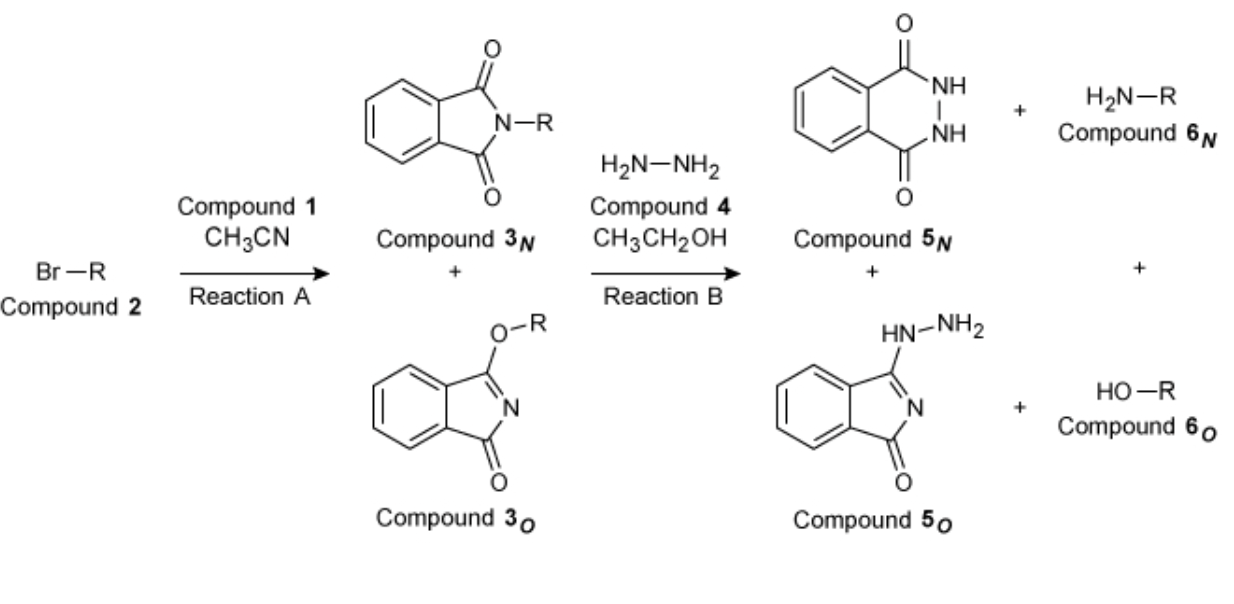
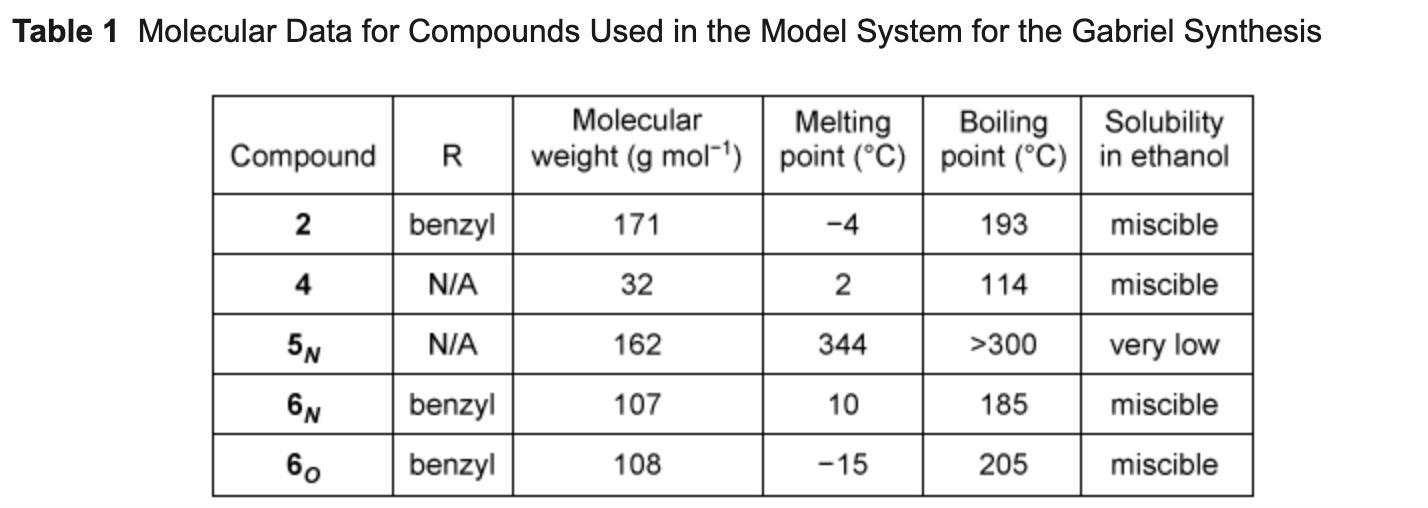
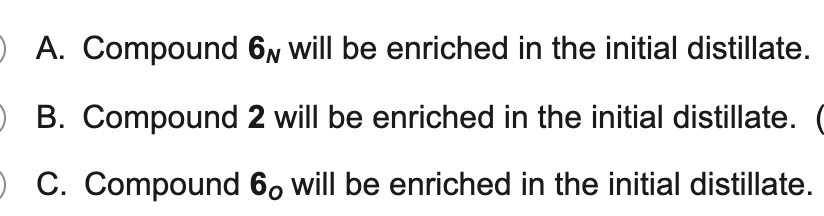
Answer A
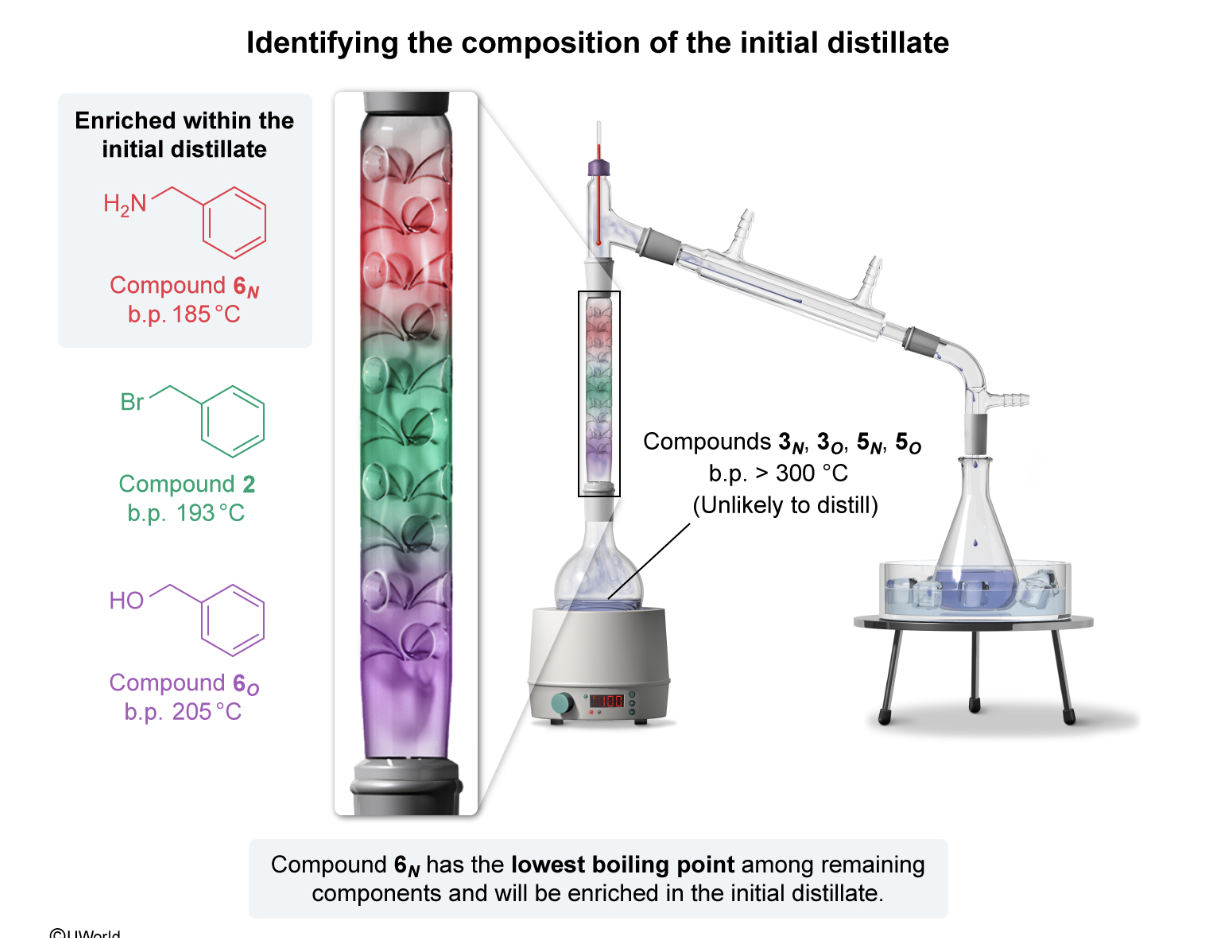
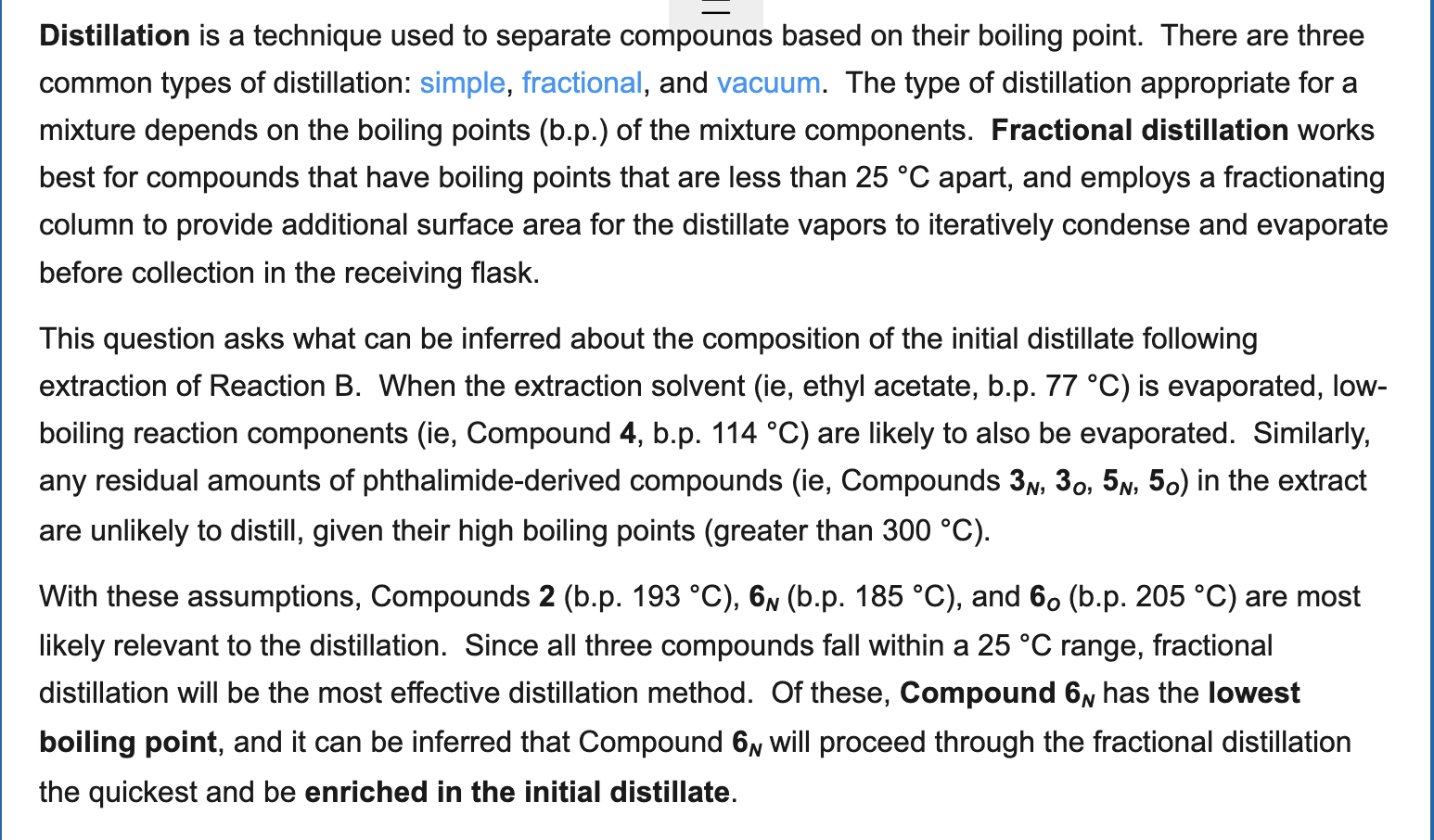

it will be different
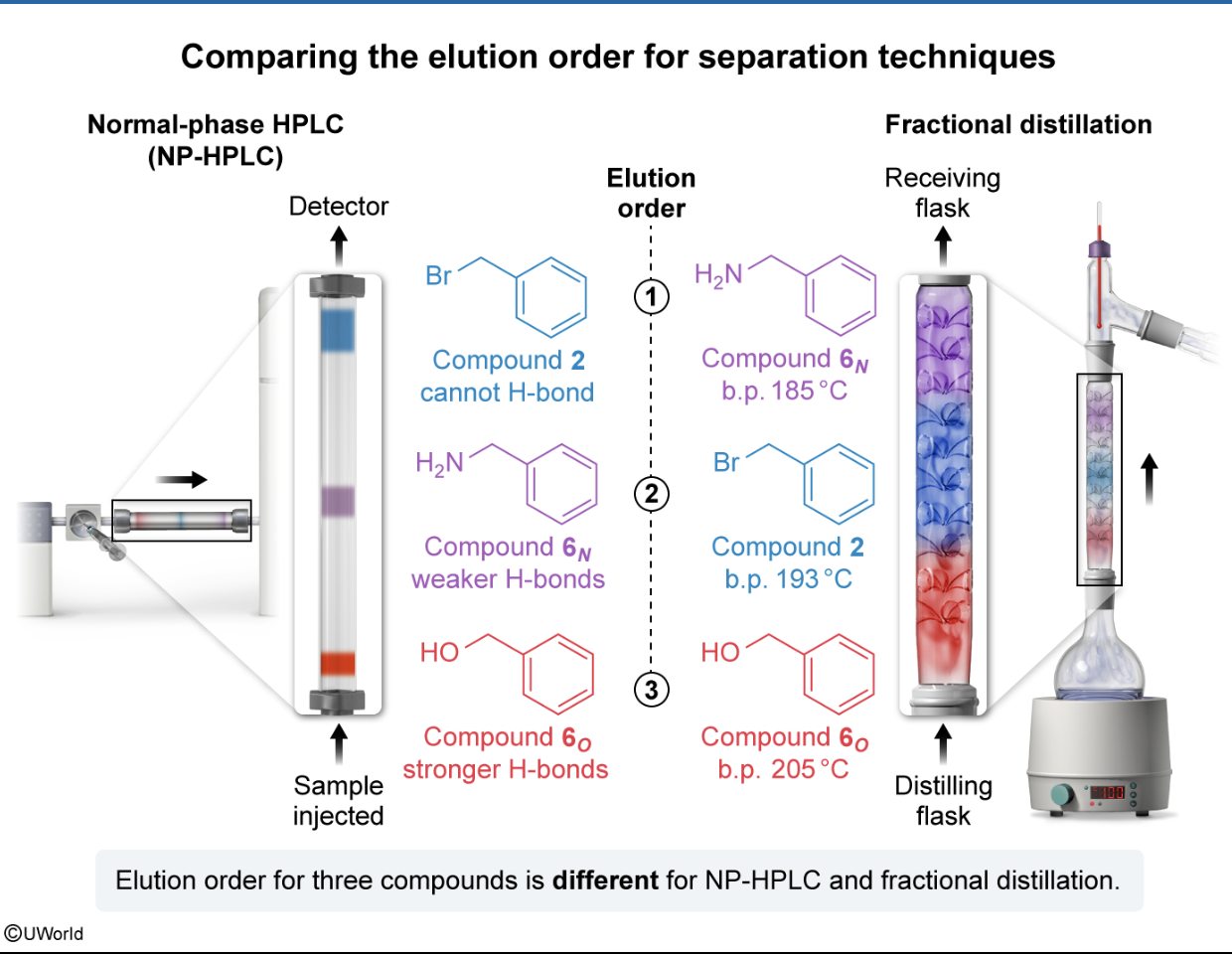
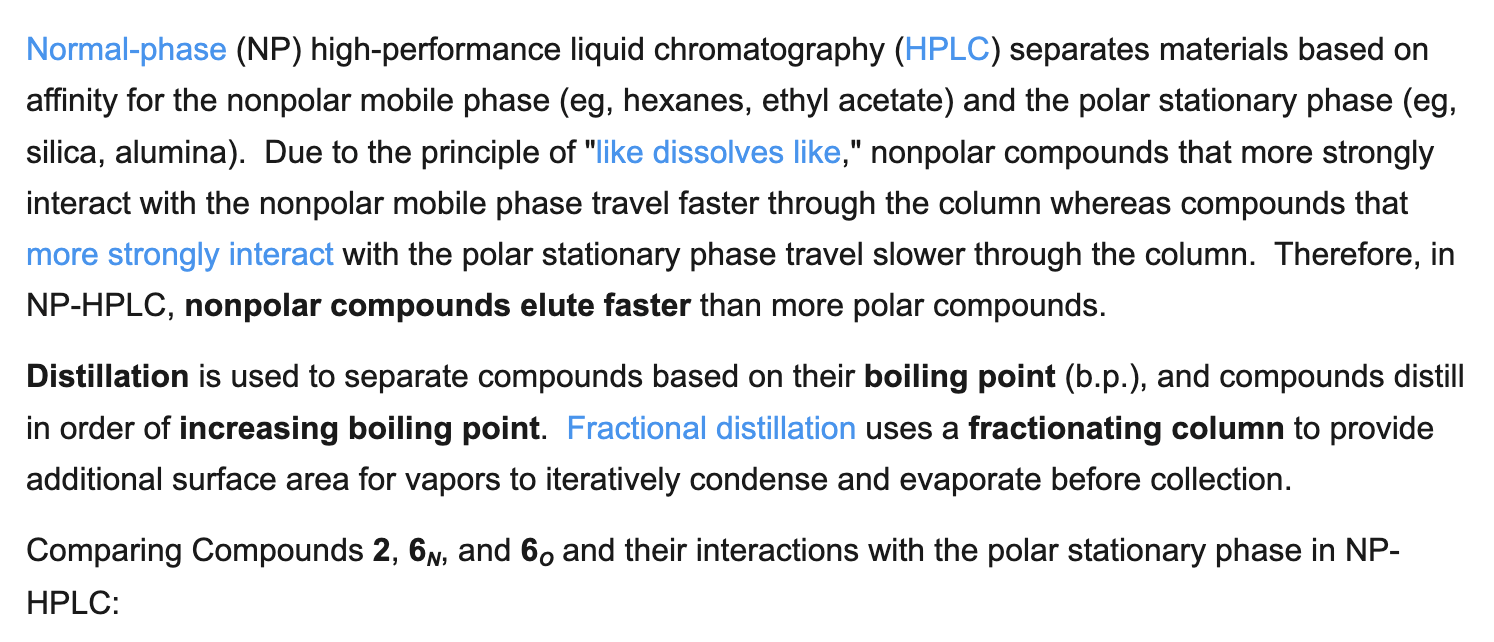
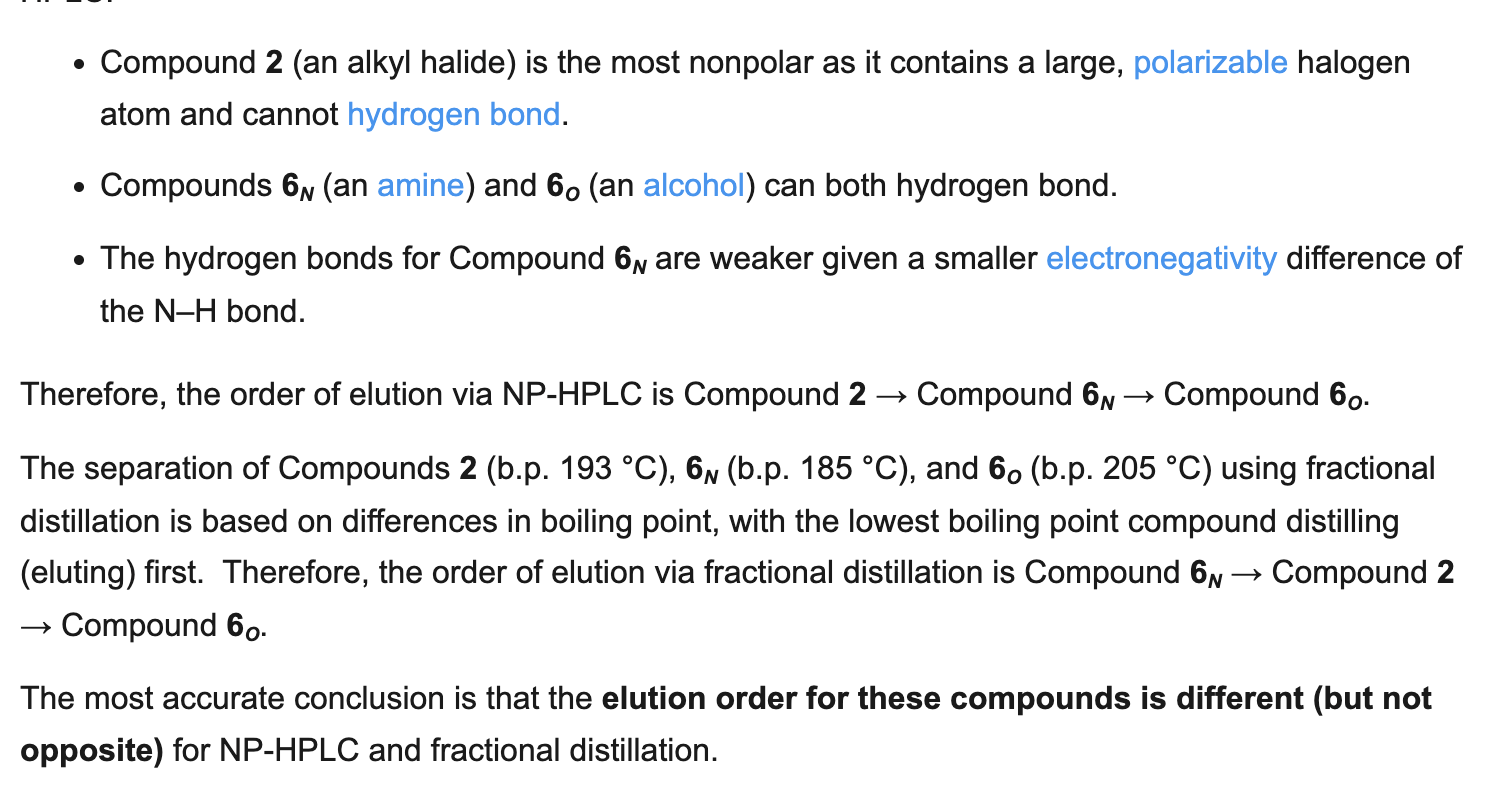

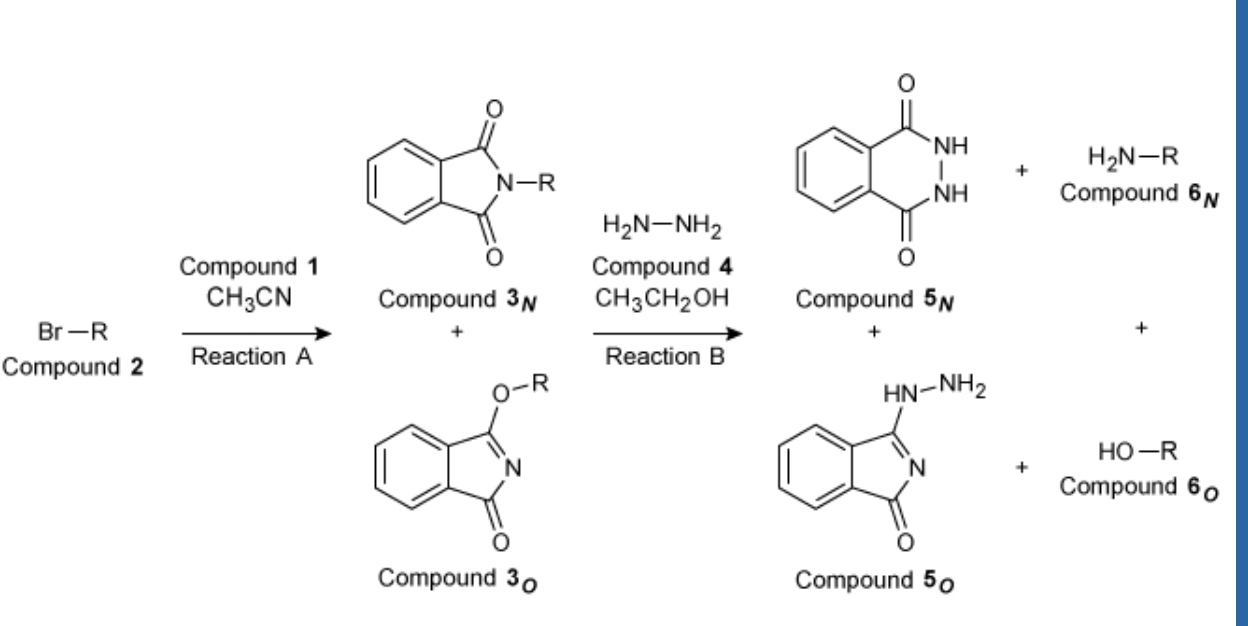
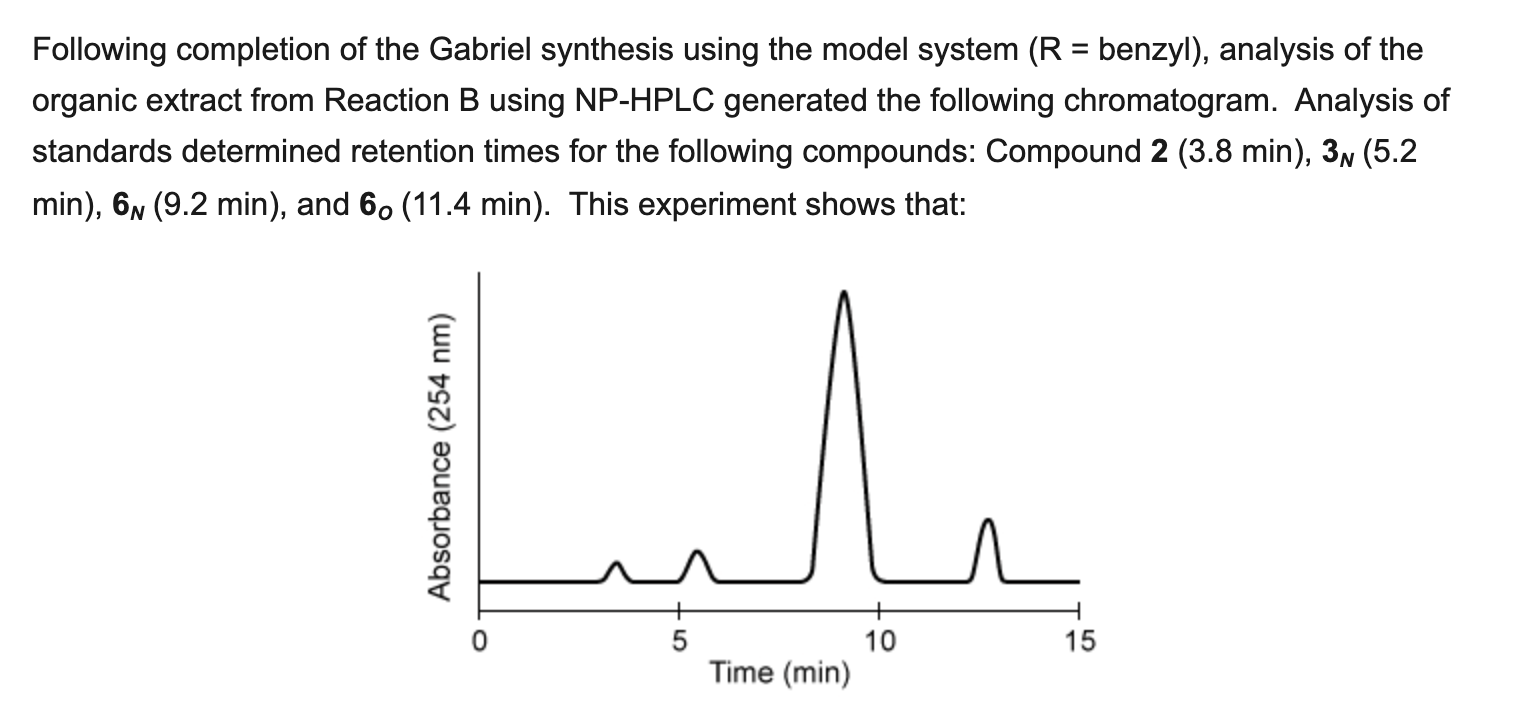

Answer B
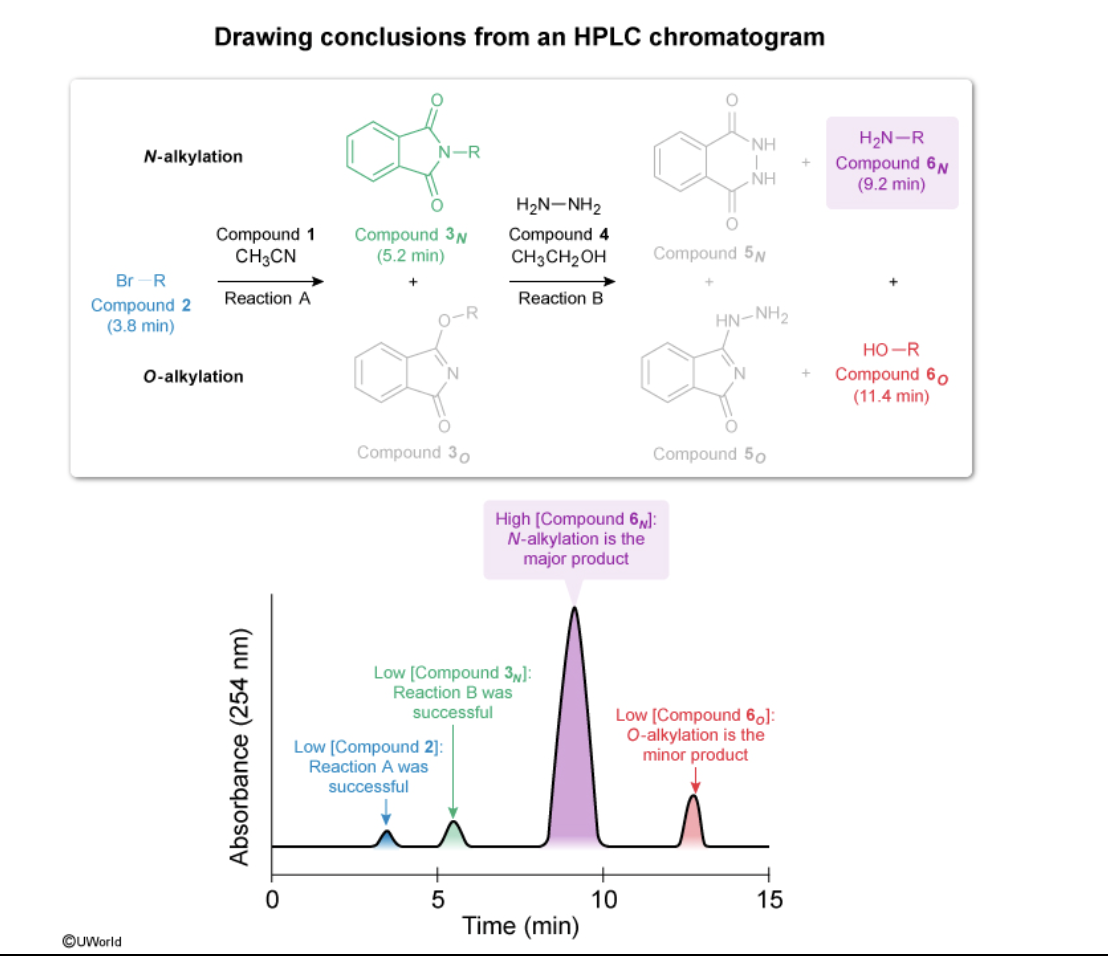
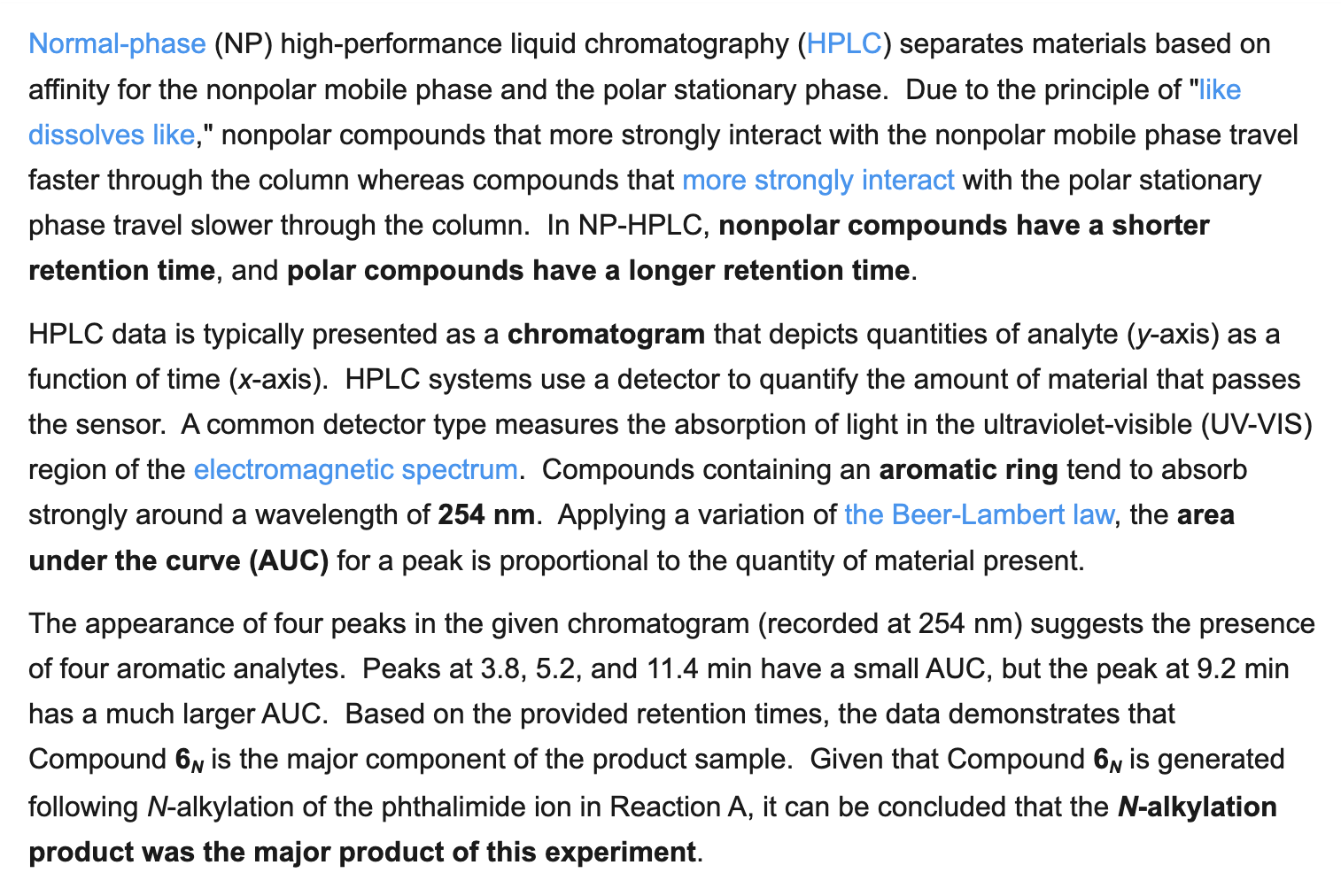
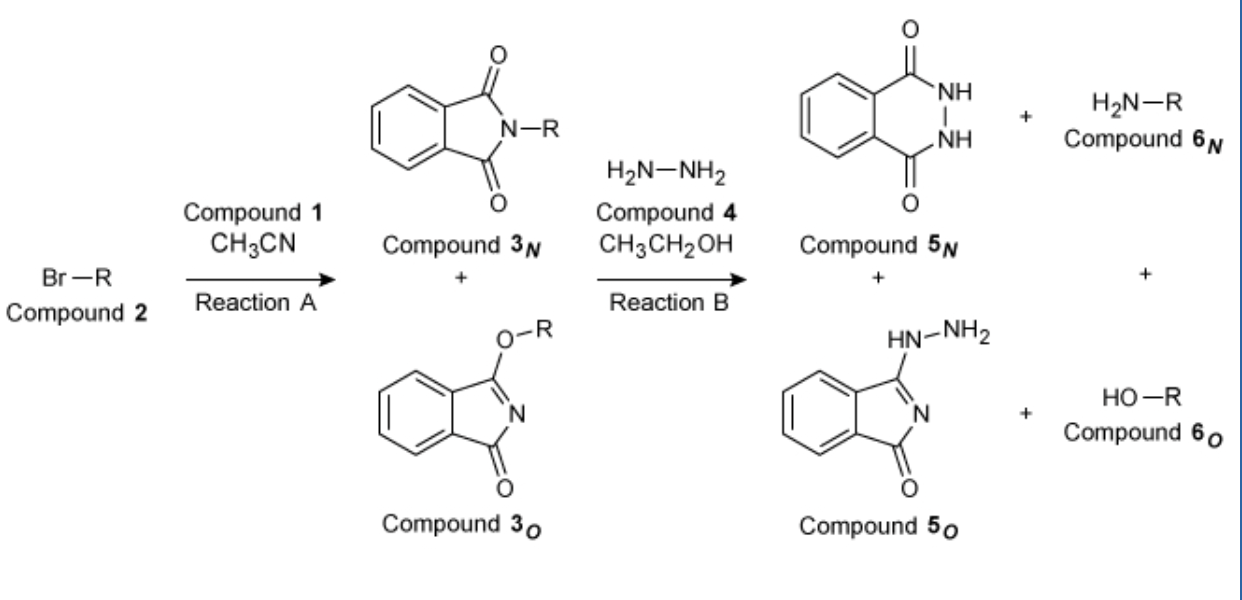
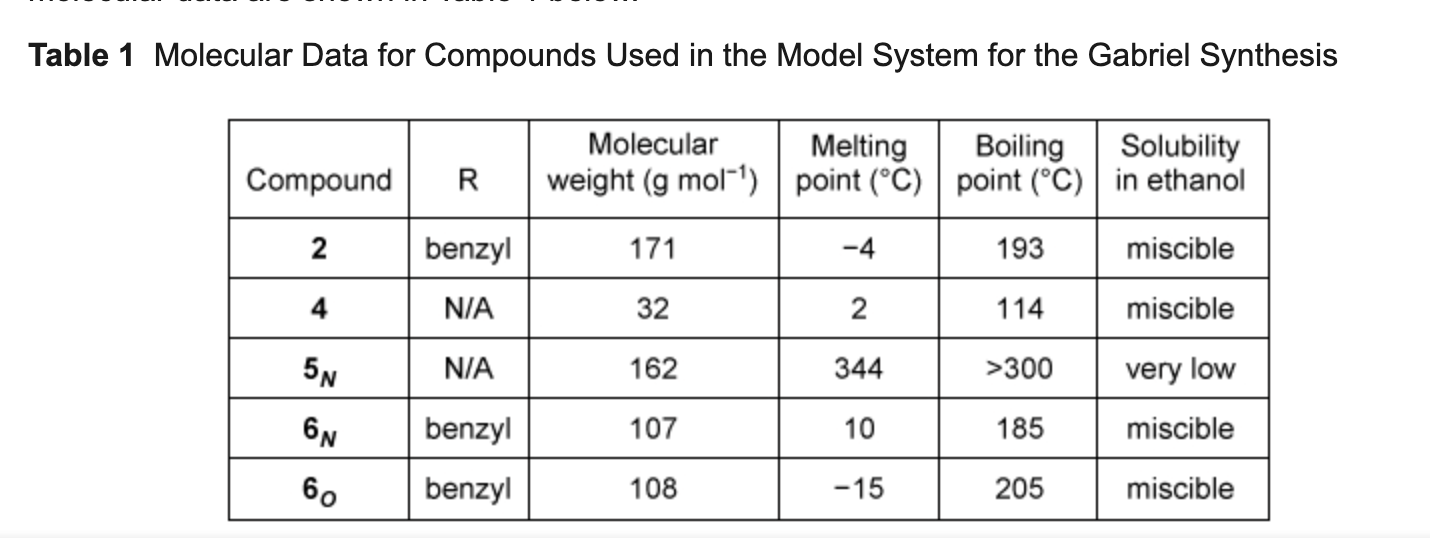
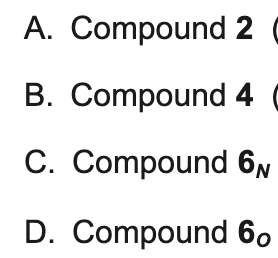
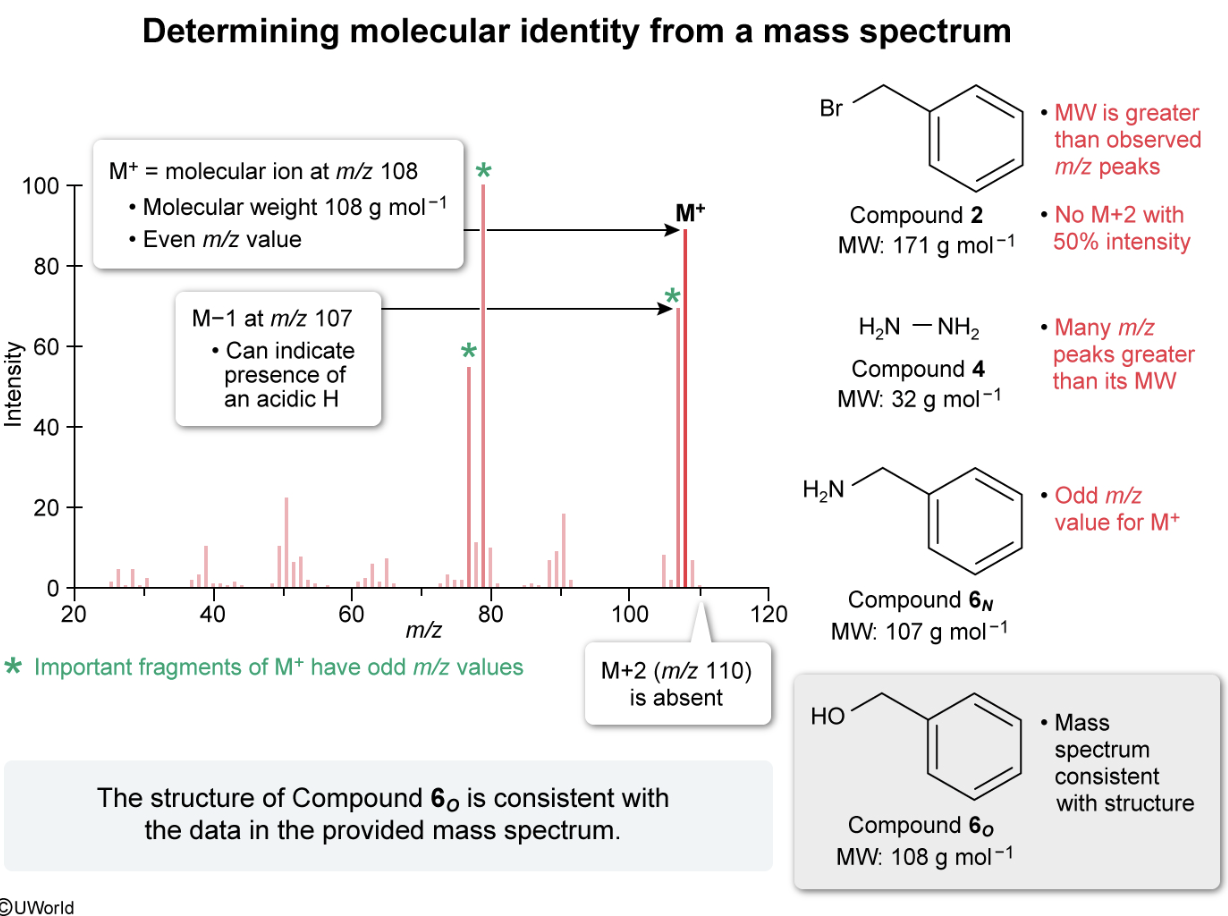
Answer D
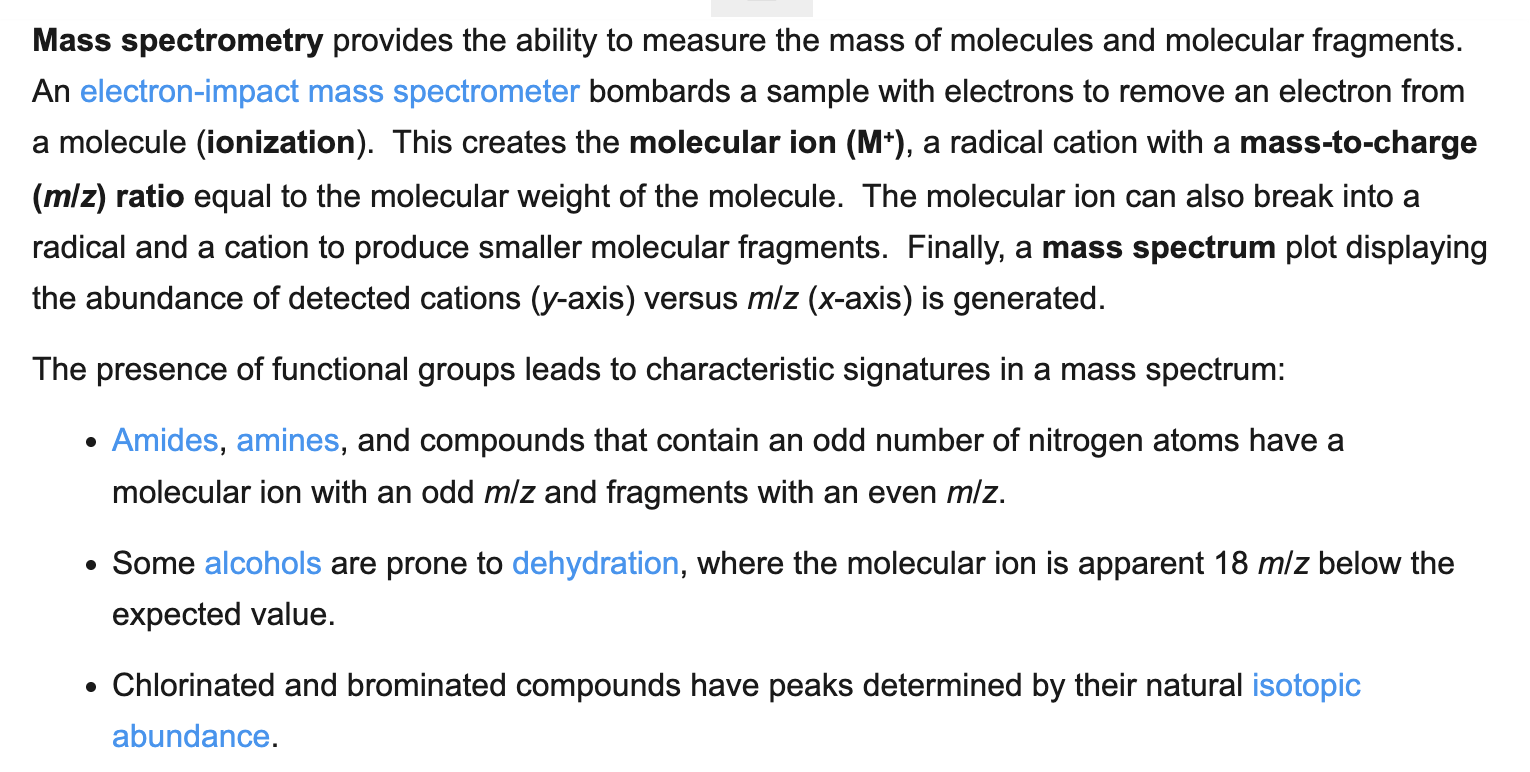
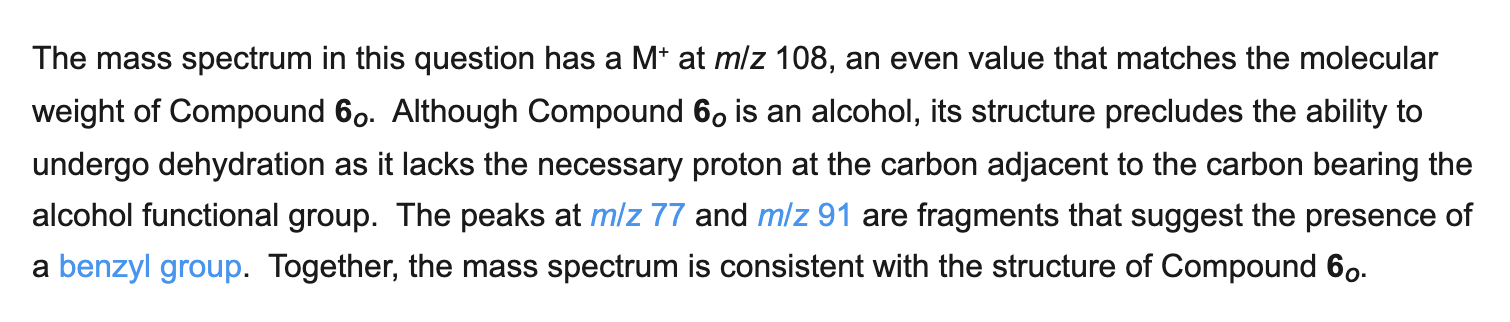

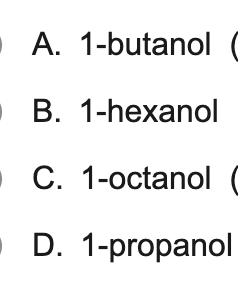
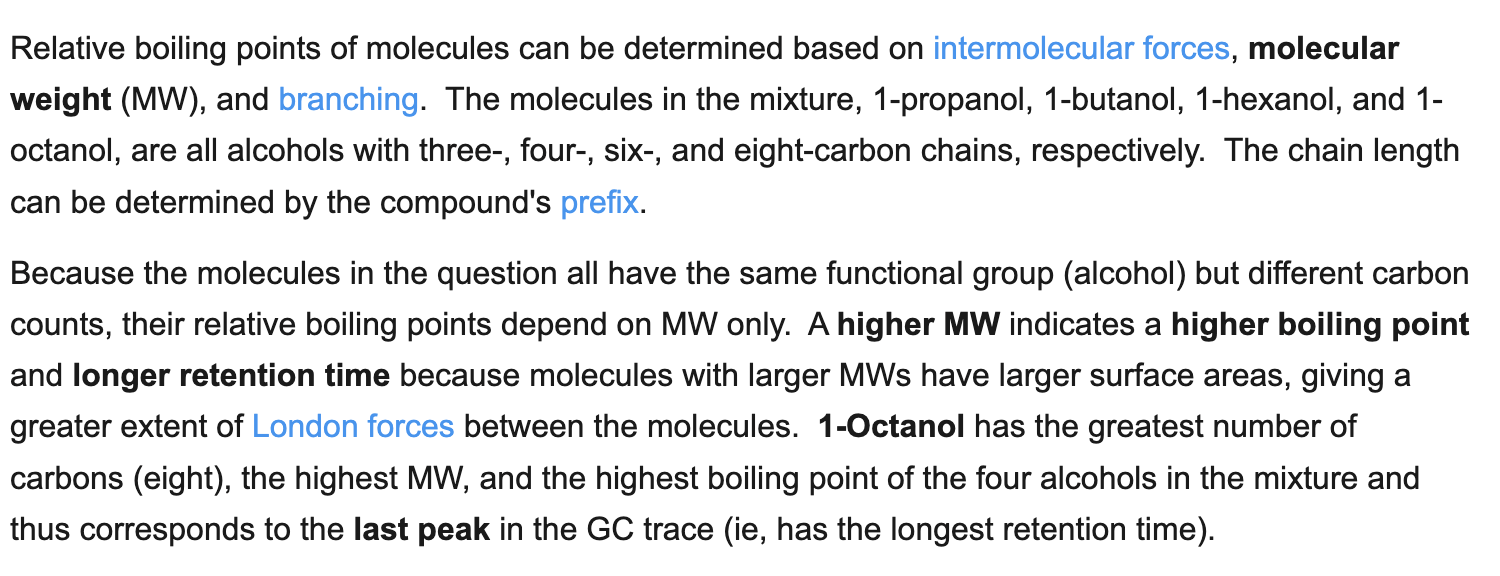
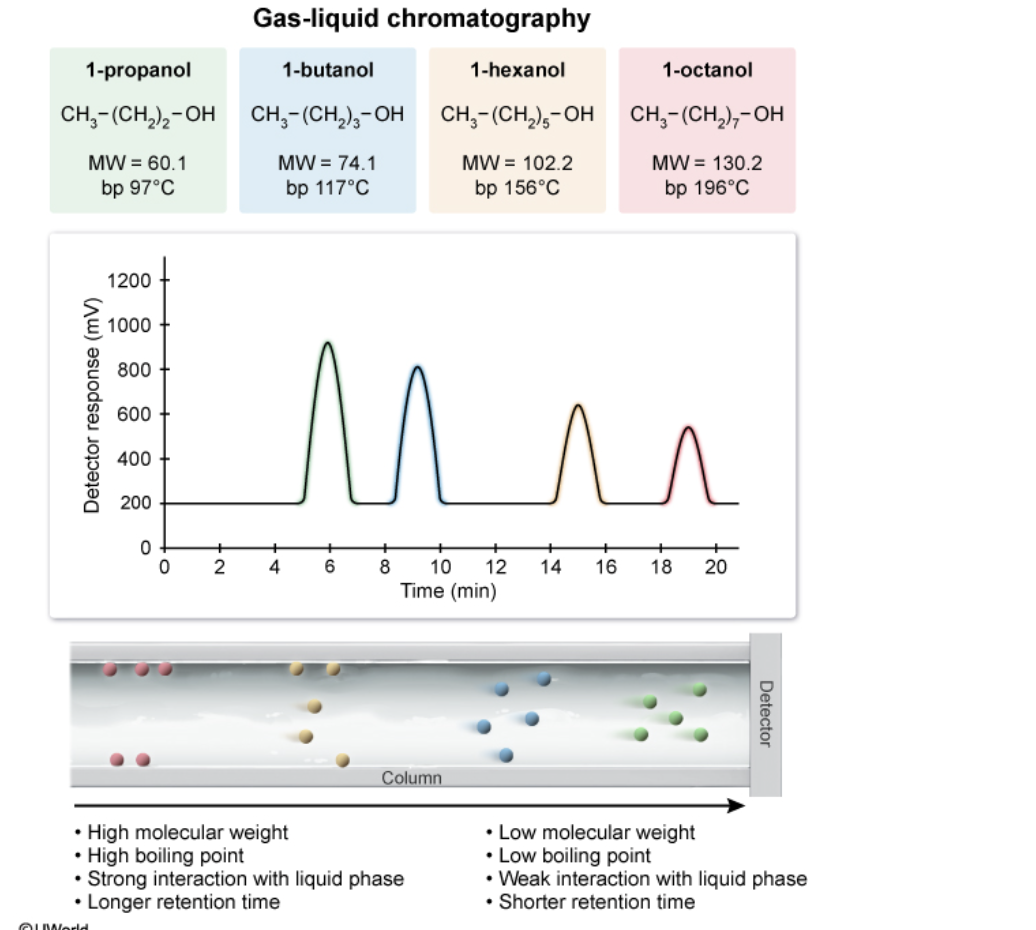
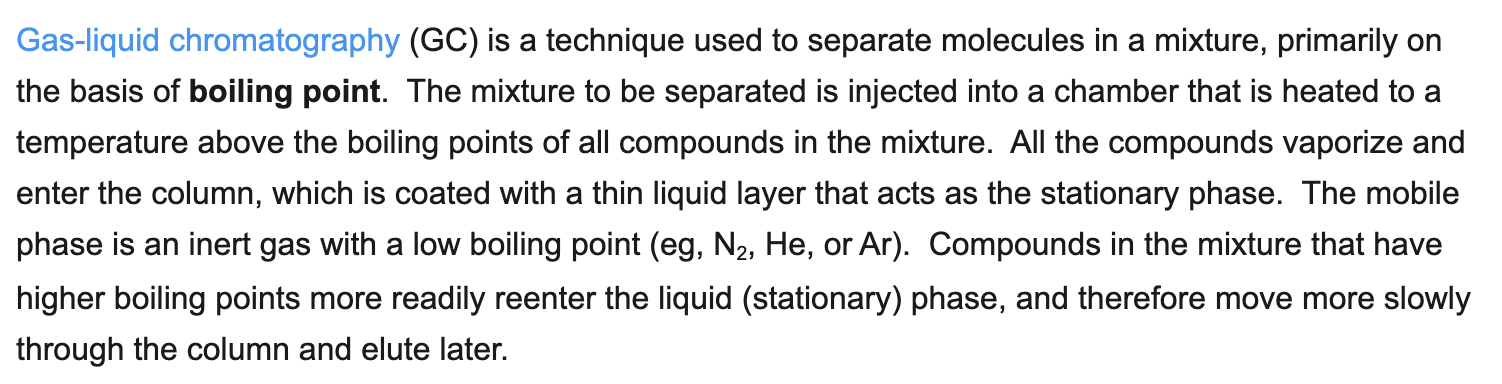
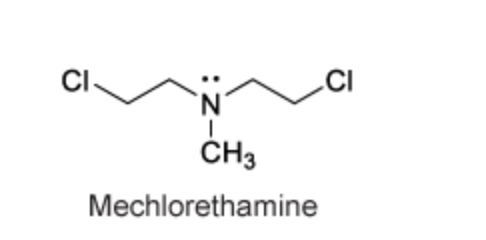
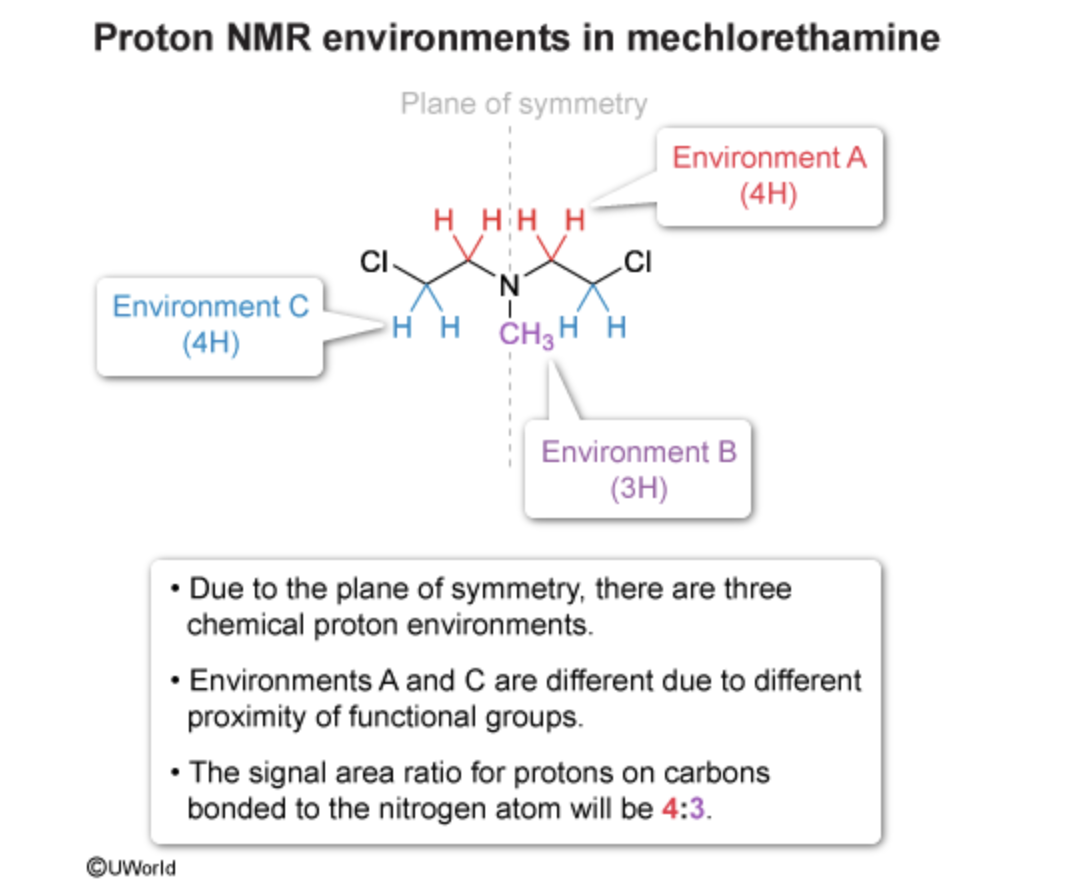
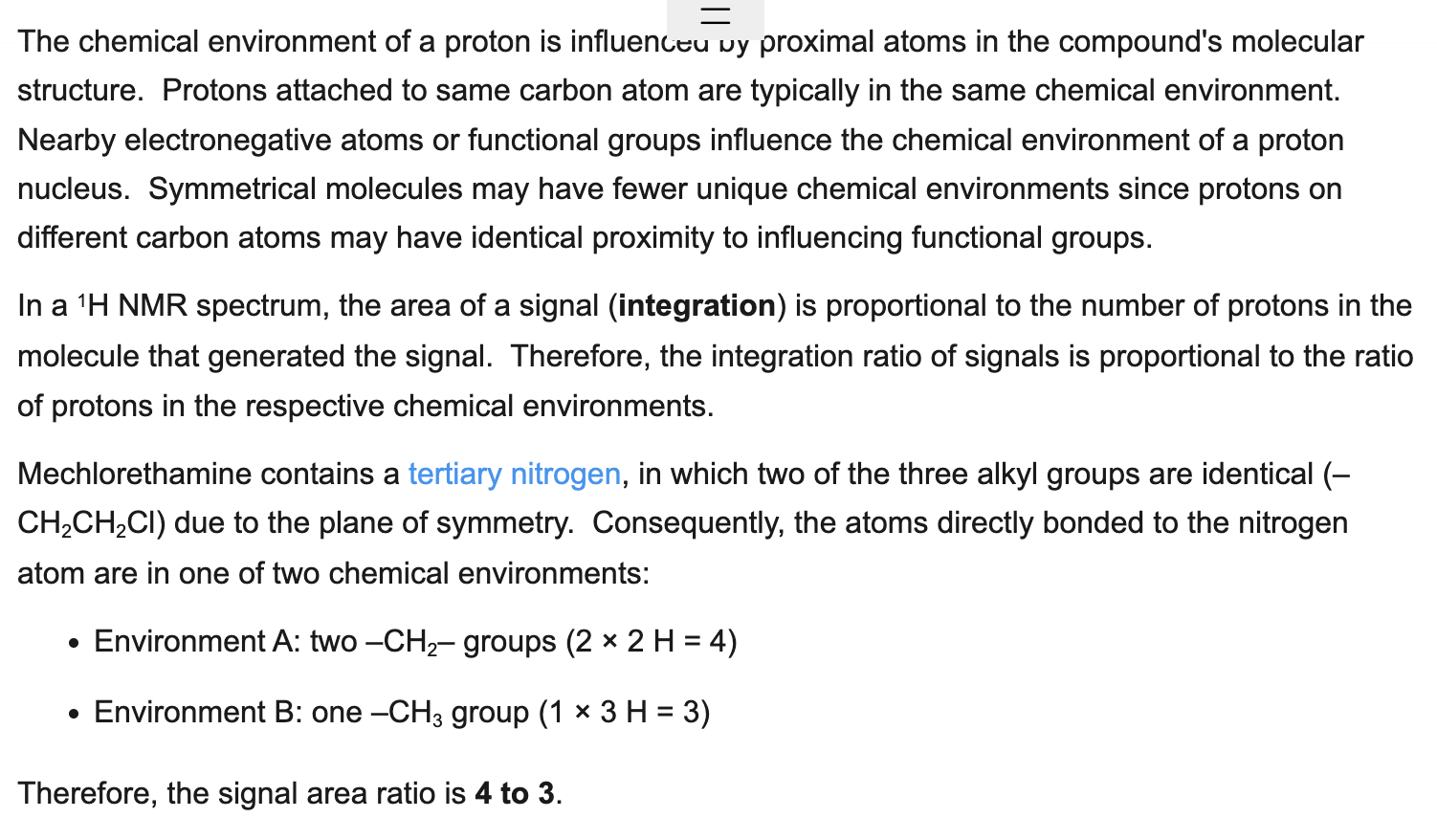
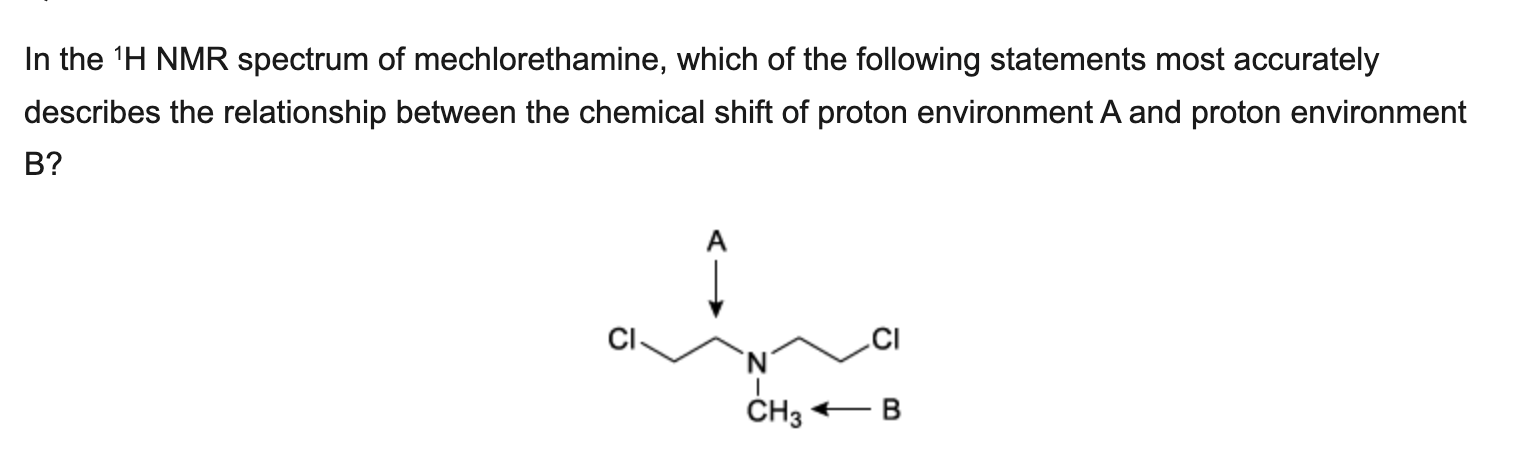
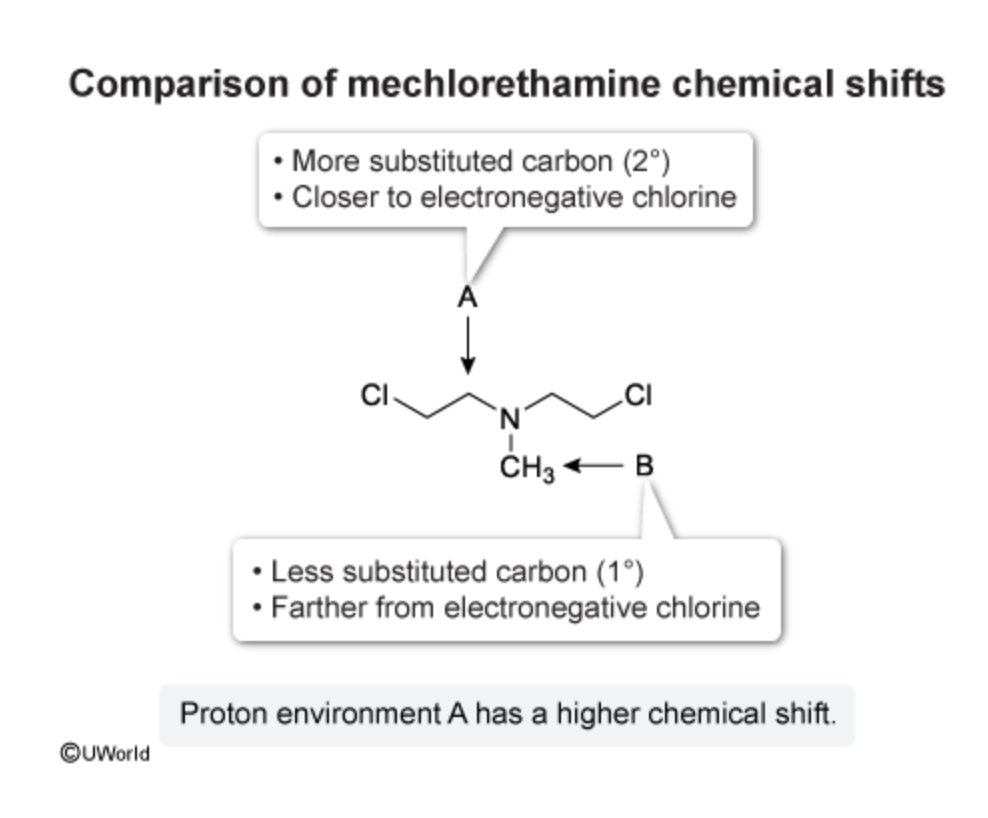
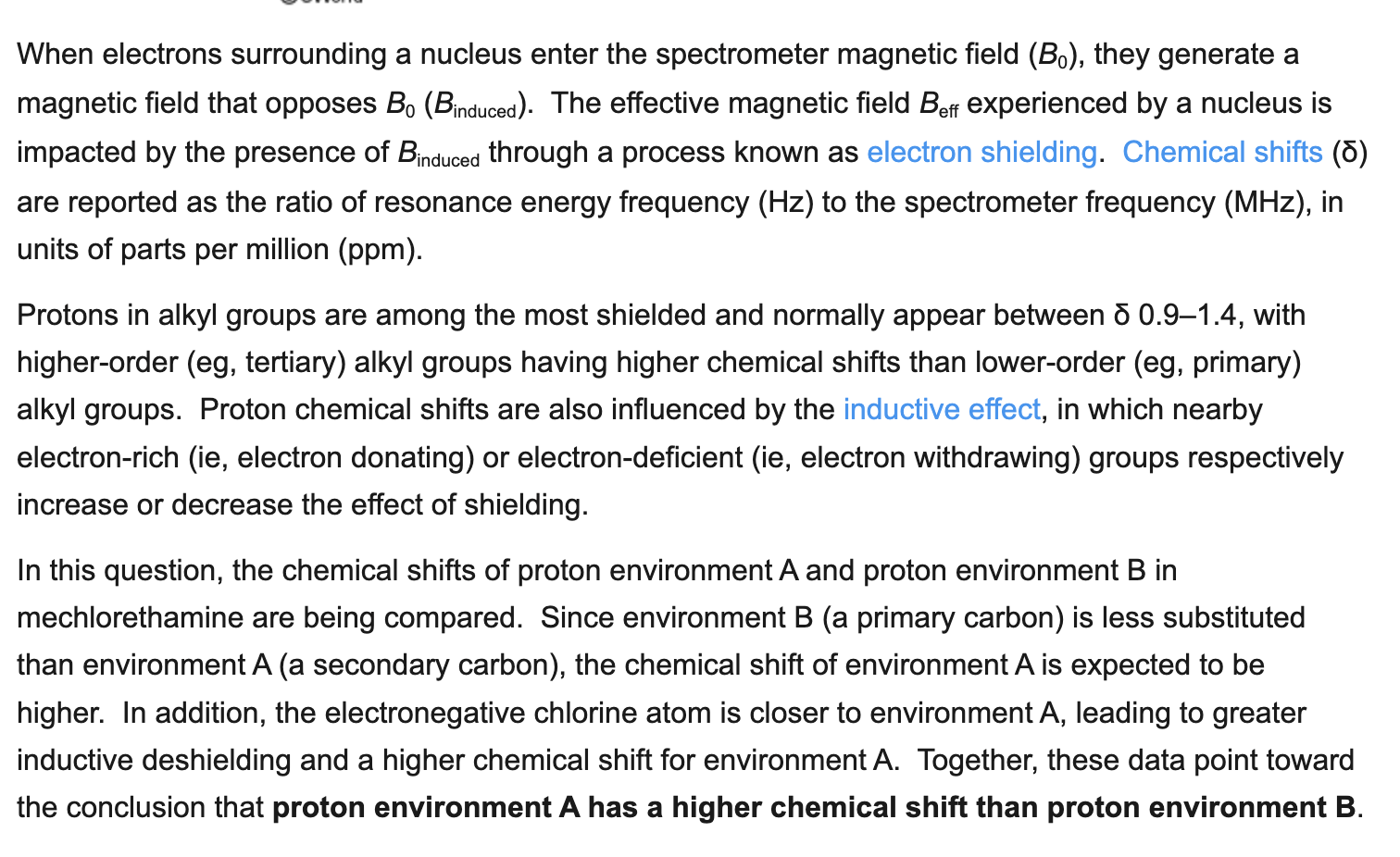
A is higher shift
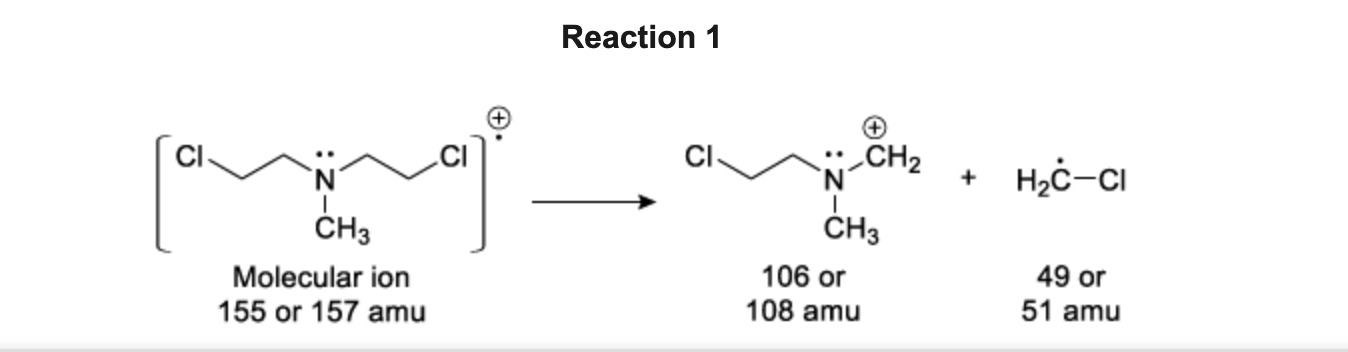

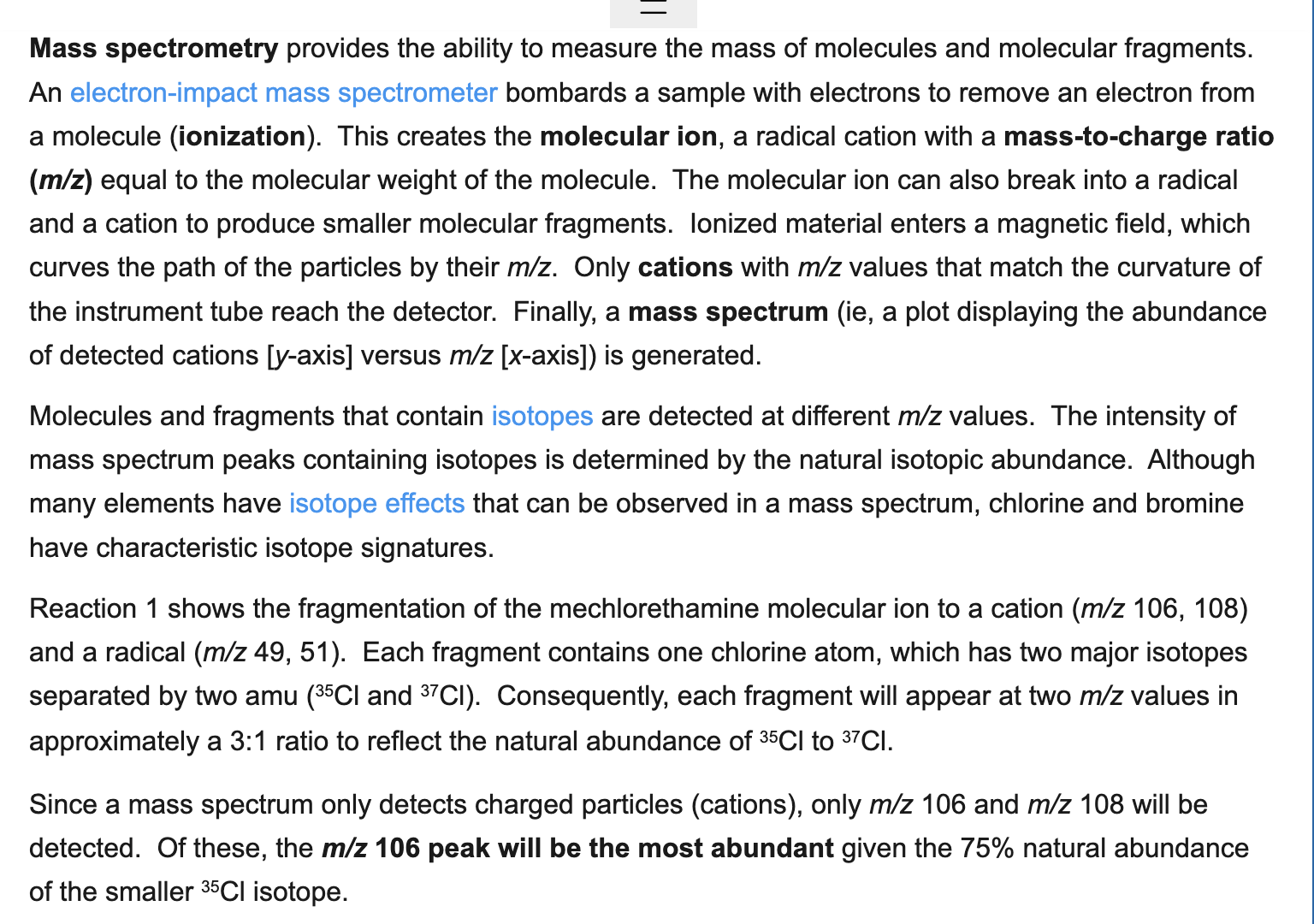
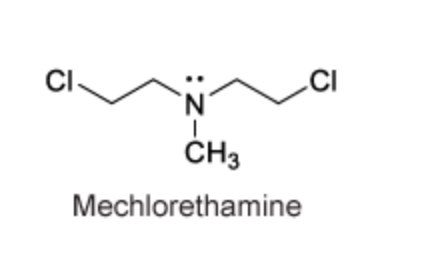
106

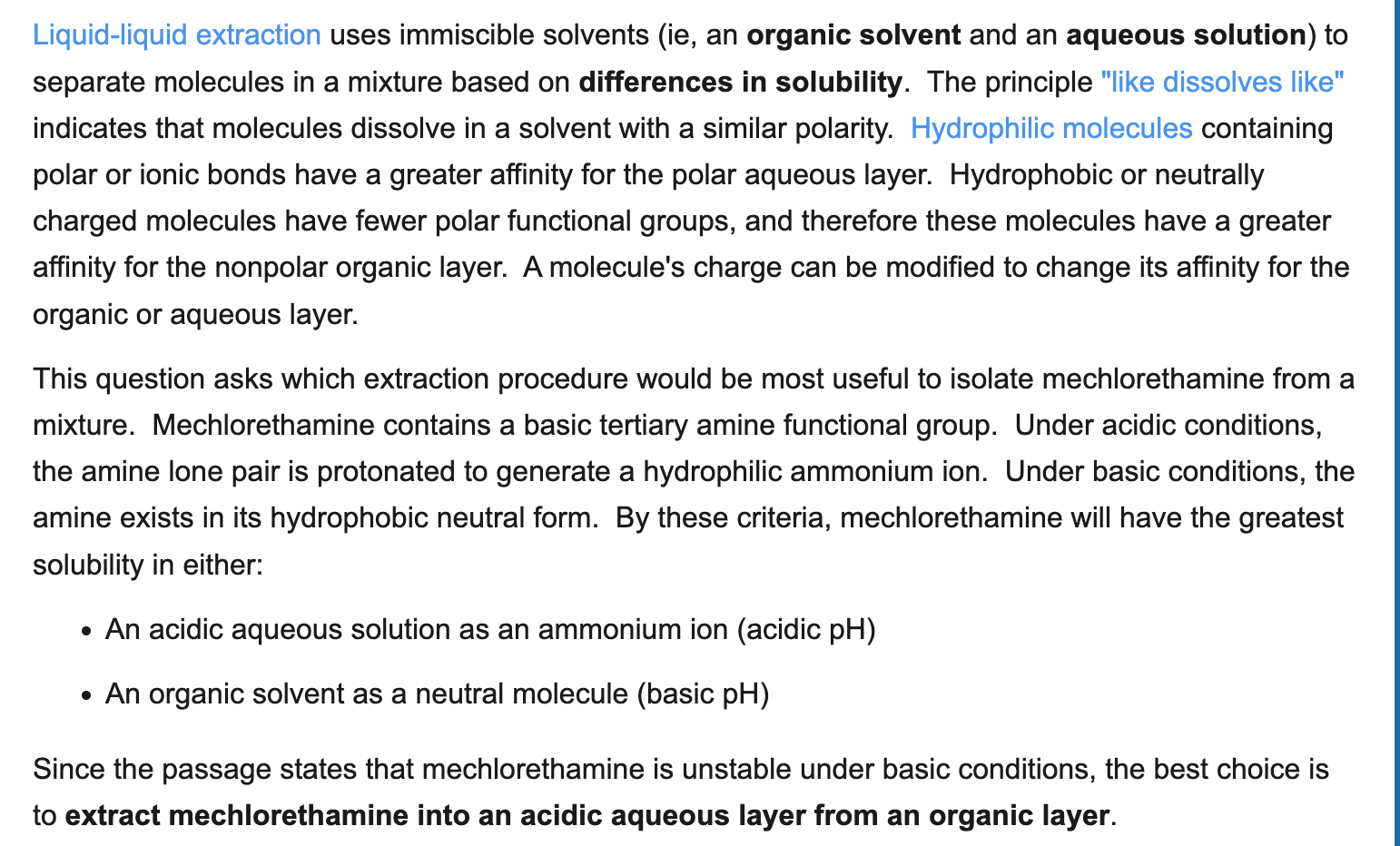

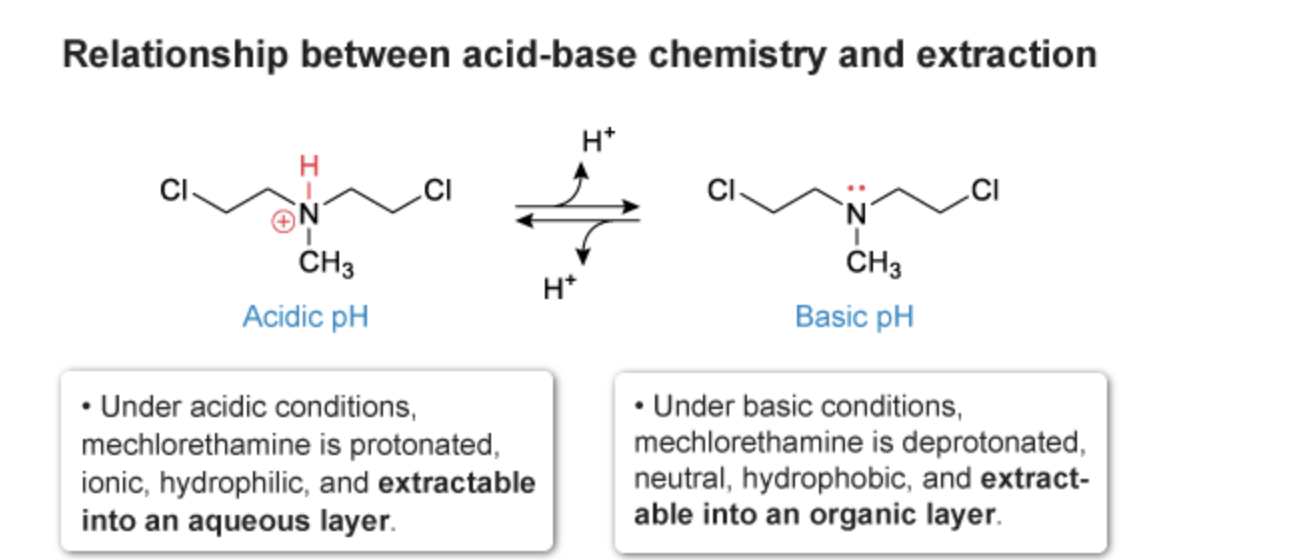

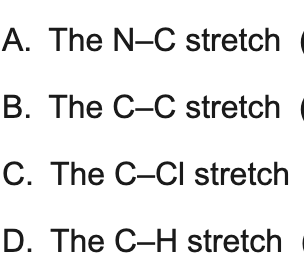
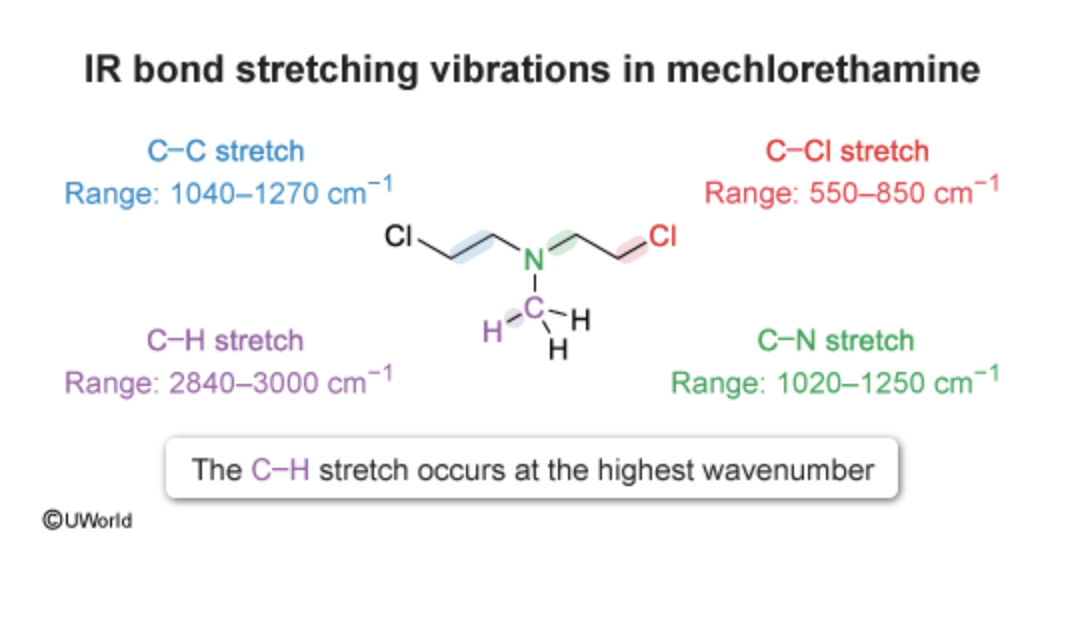
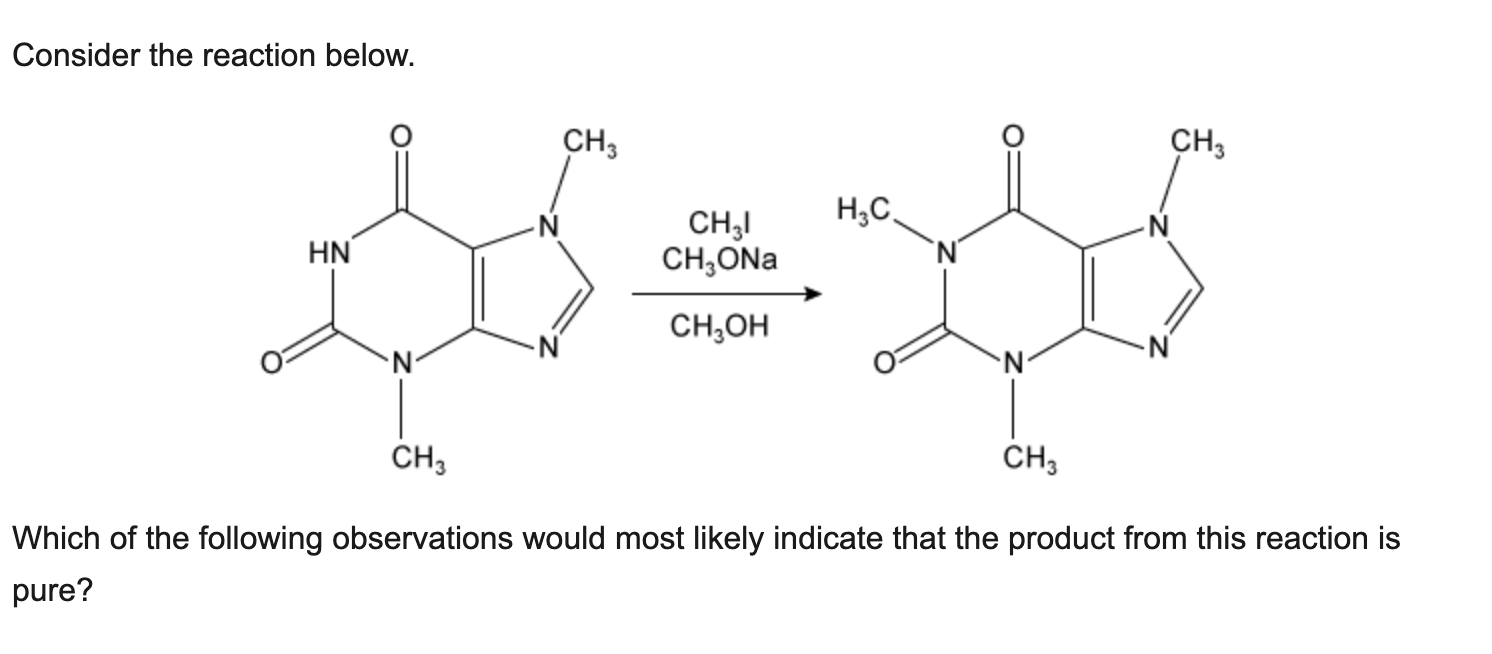




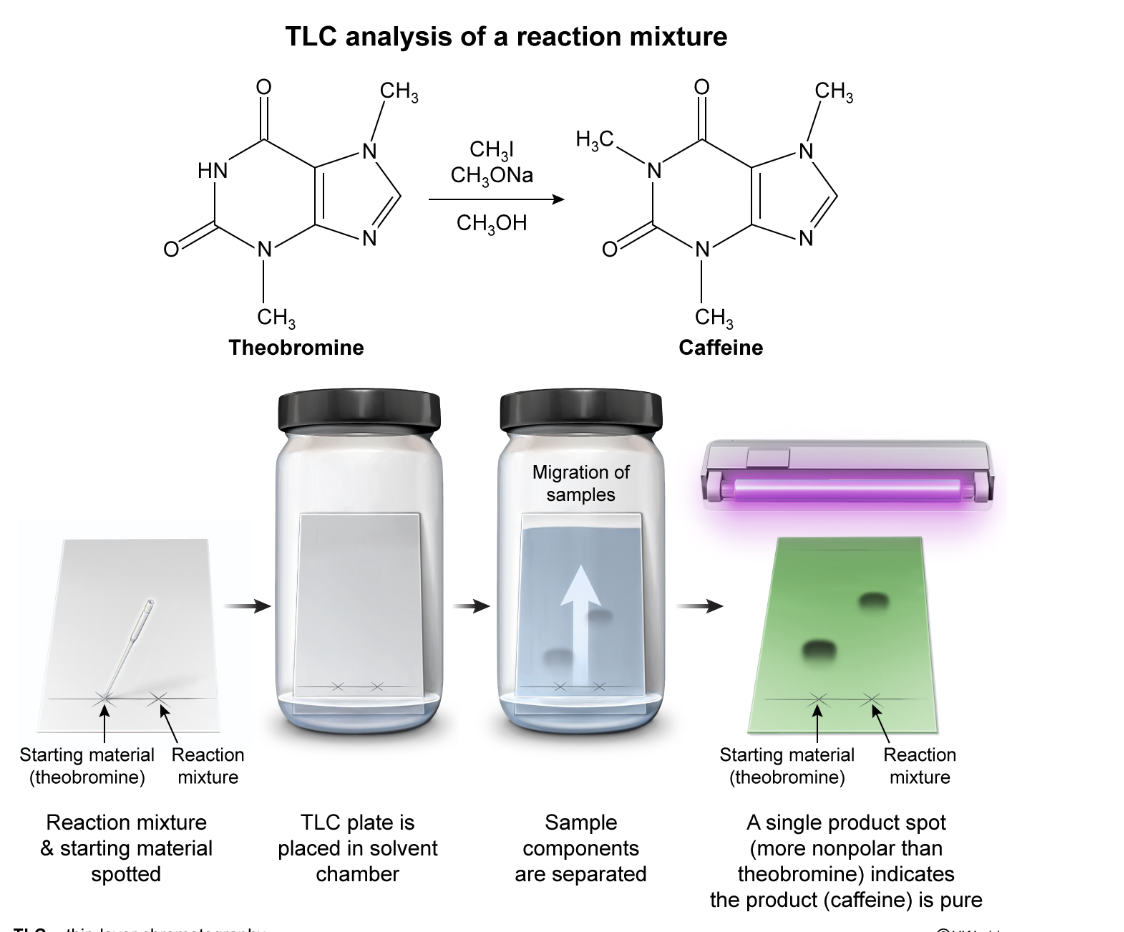
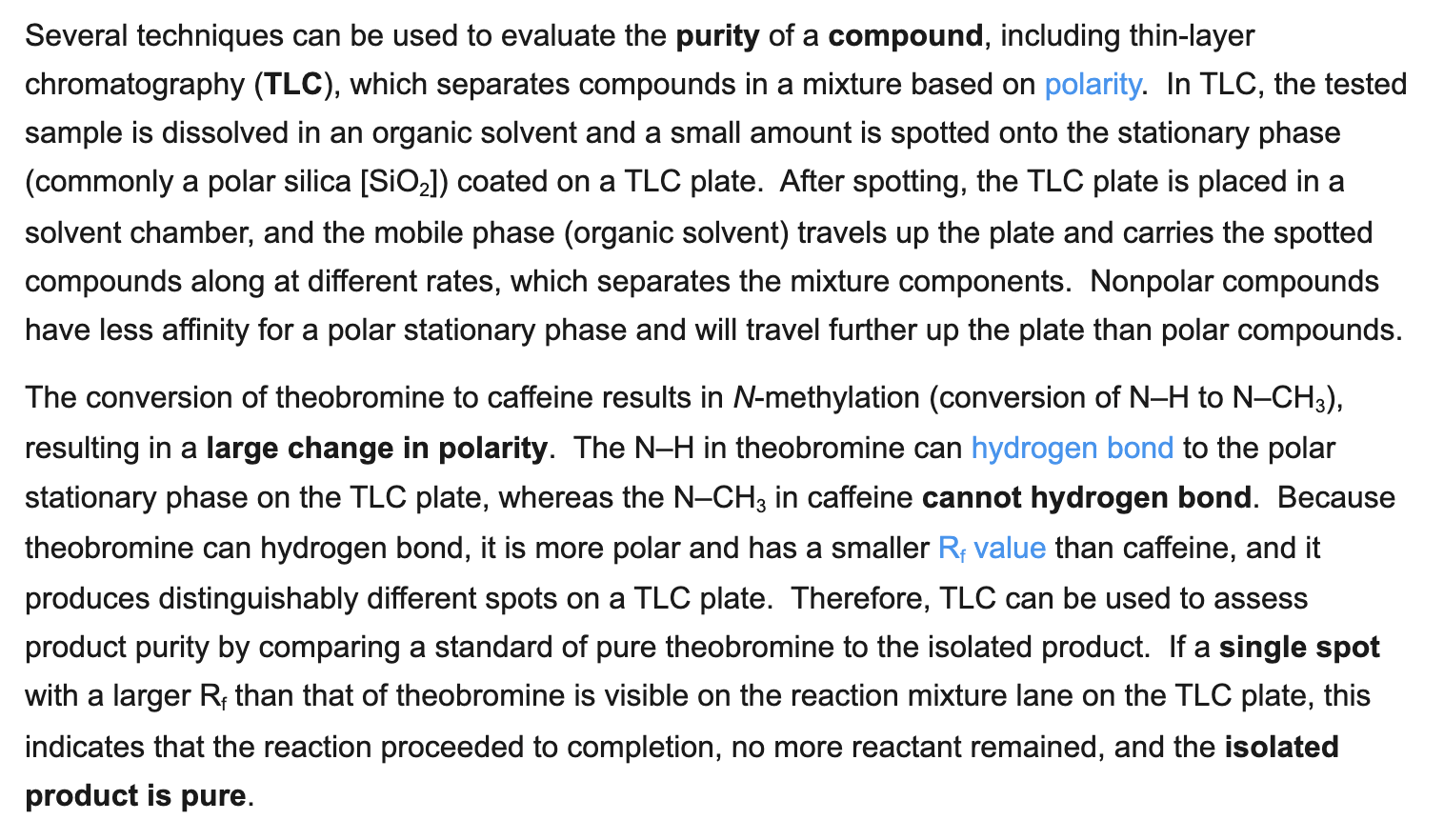
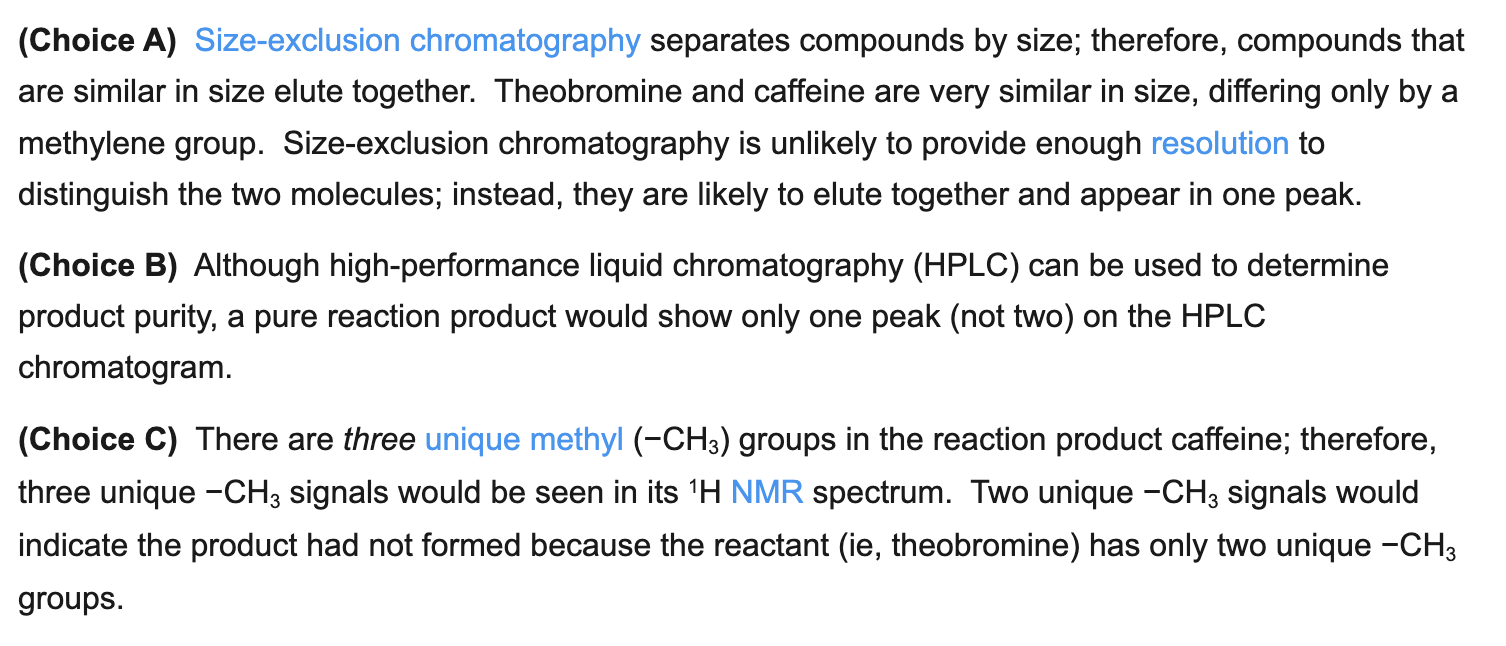

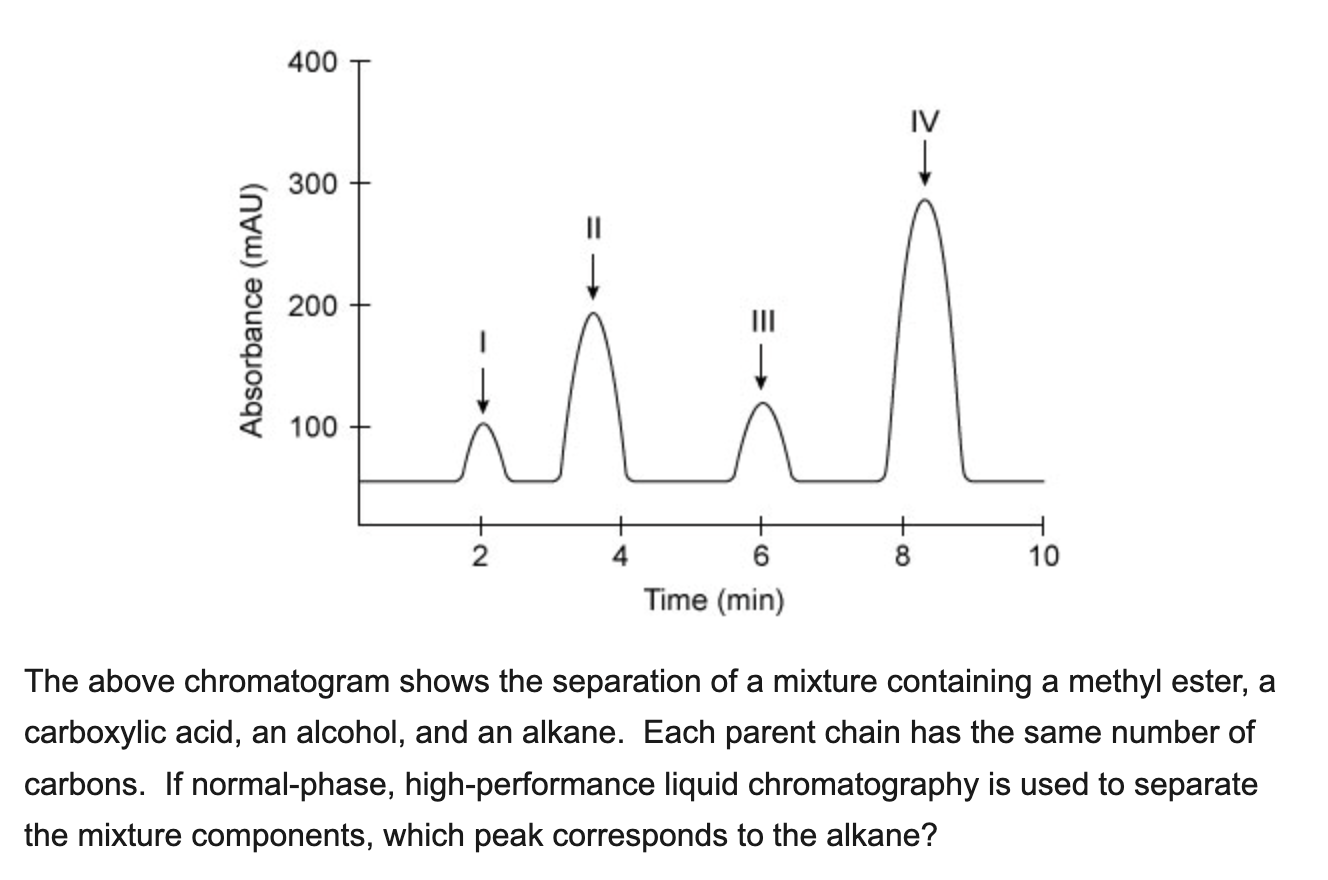
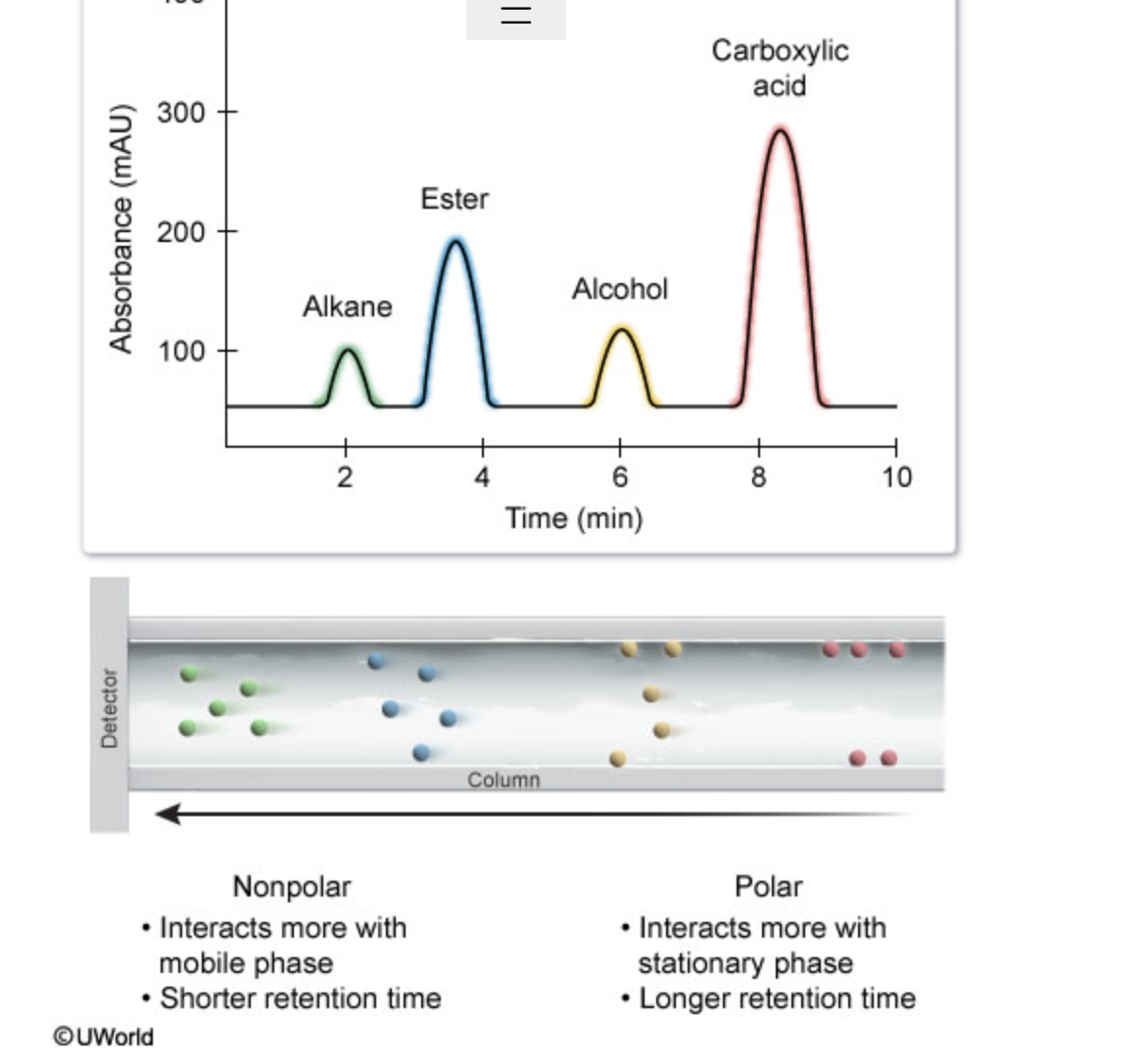
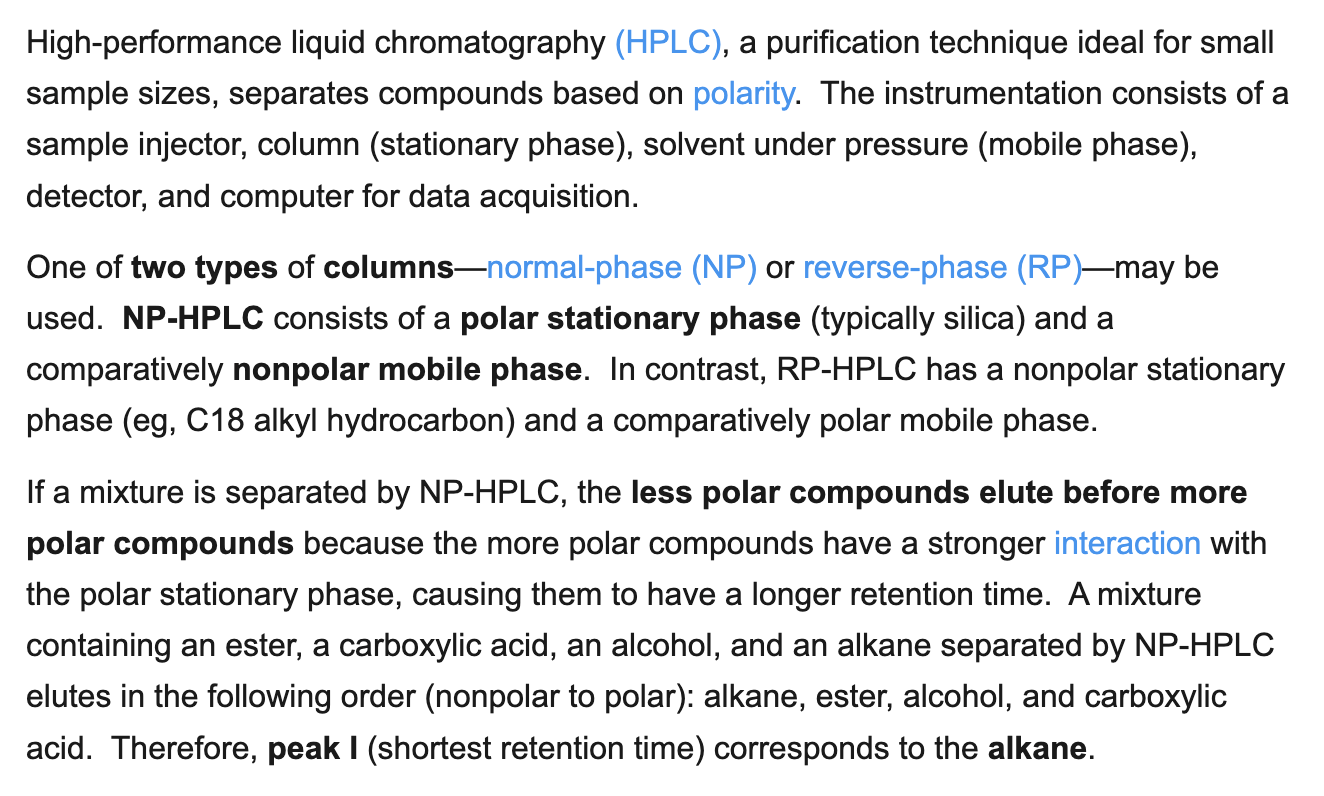
high perforance liquid chromatography
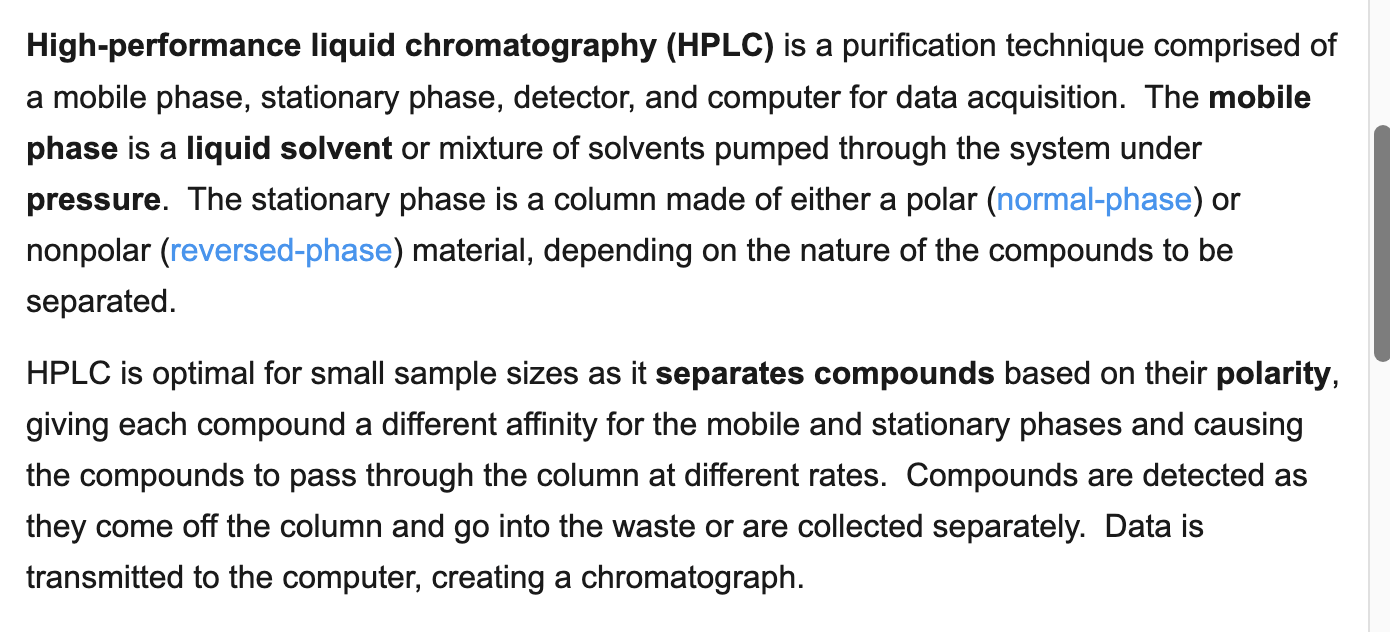
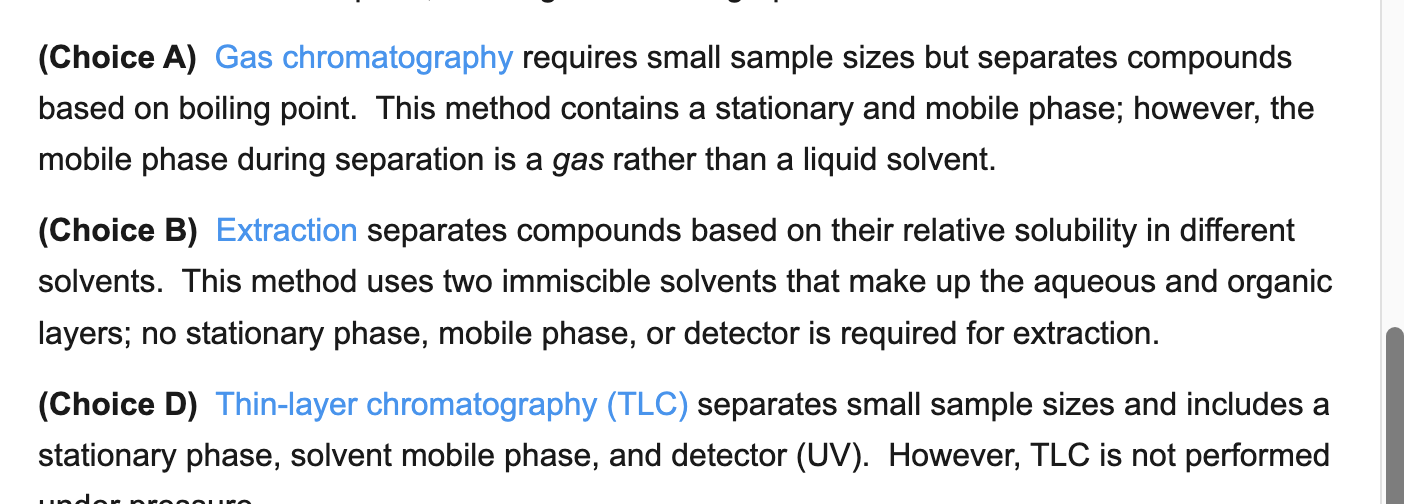
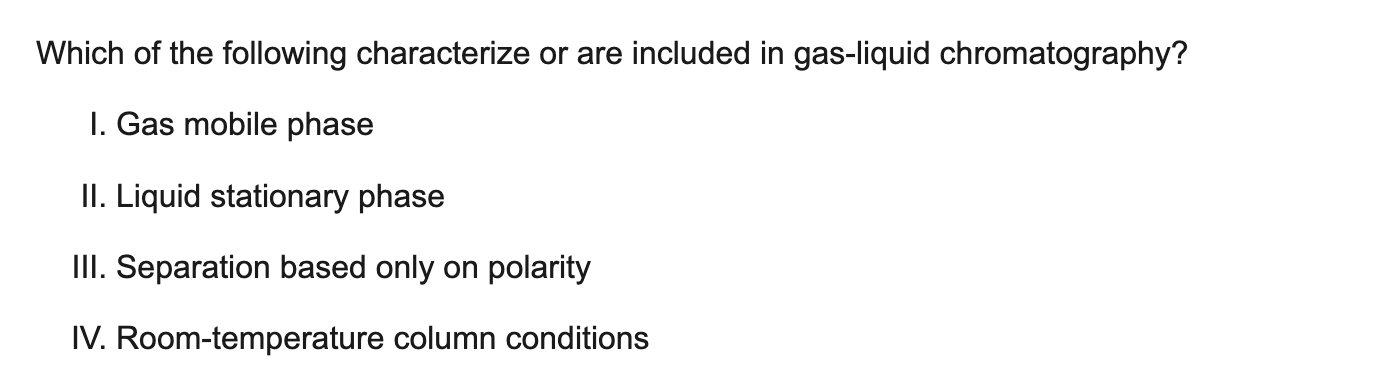
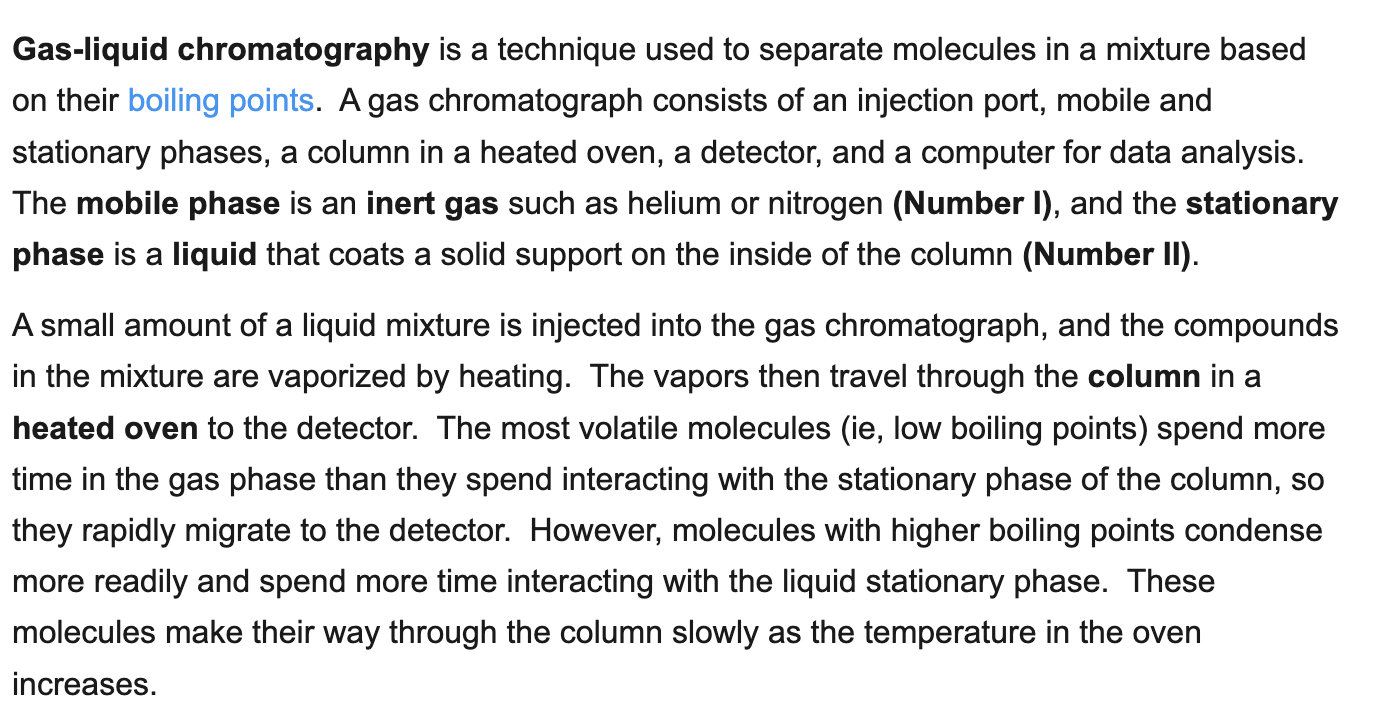
1 and 2 only
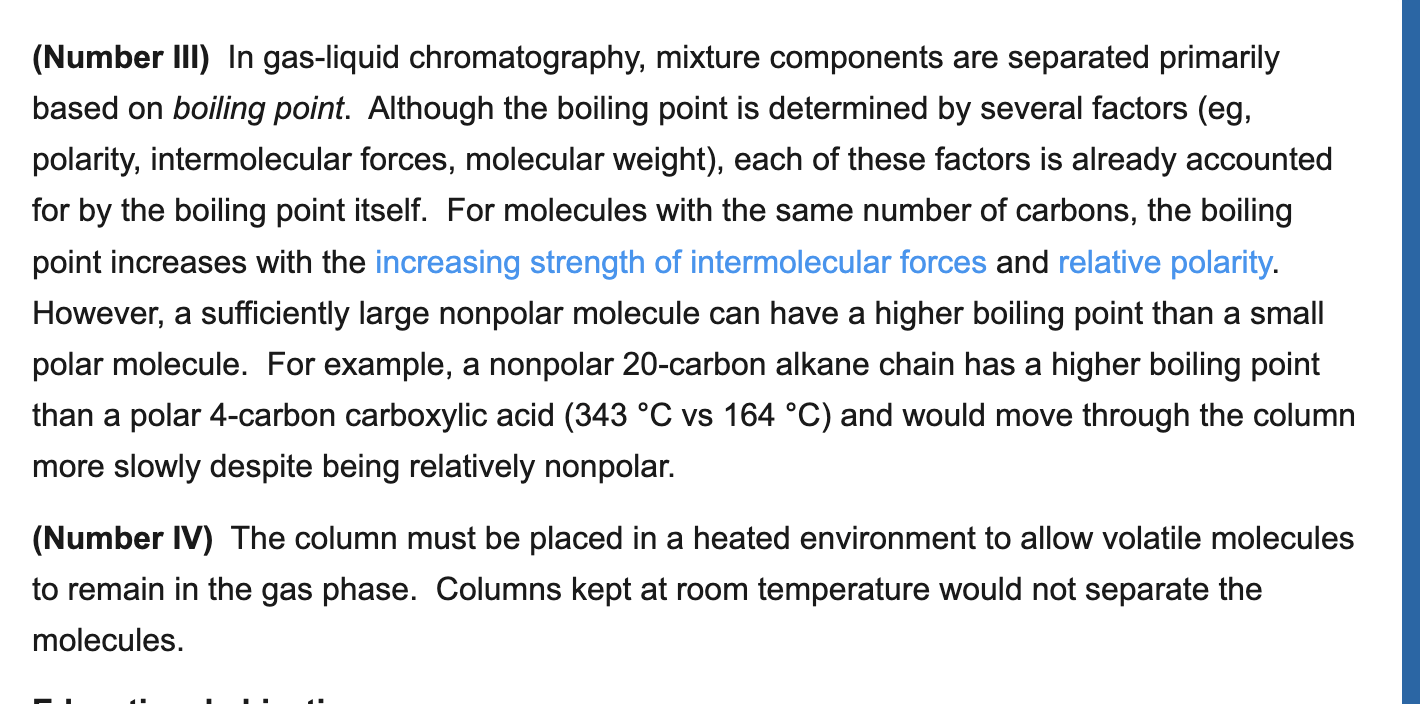
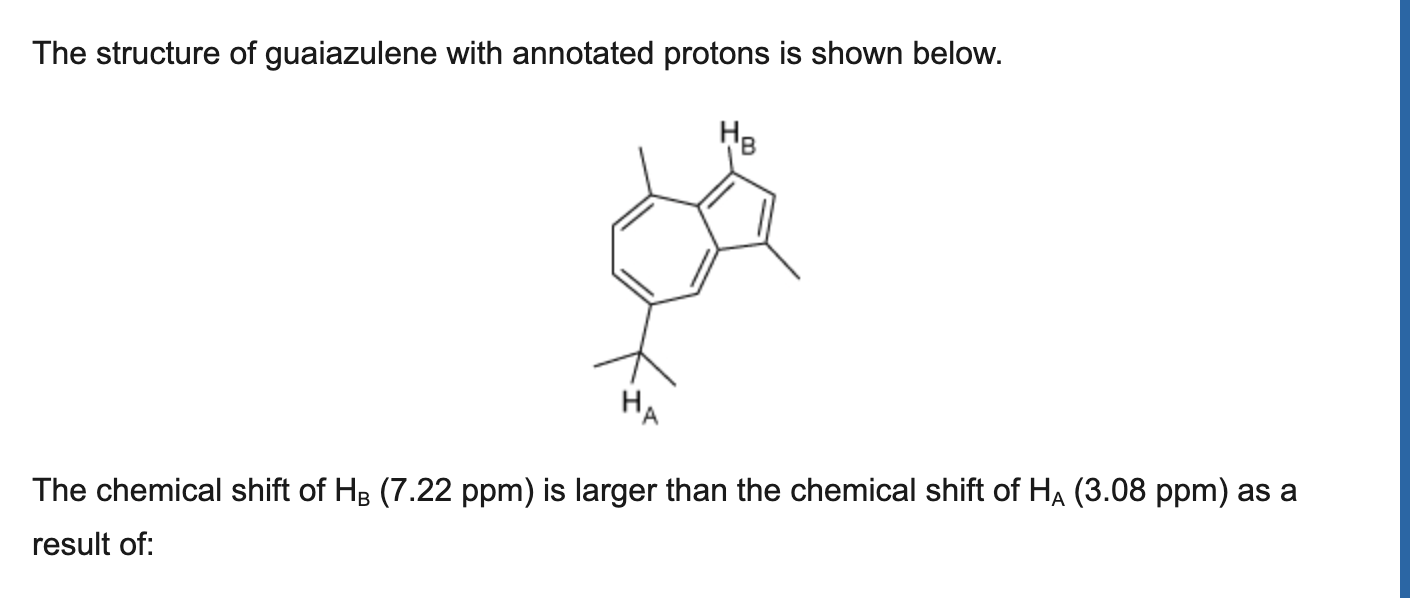
The anistropy of aromatic ring
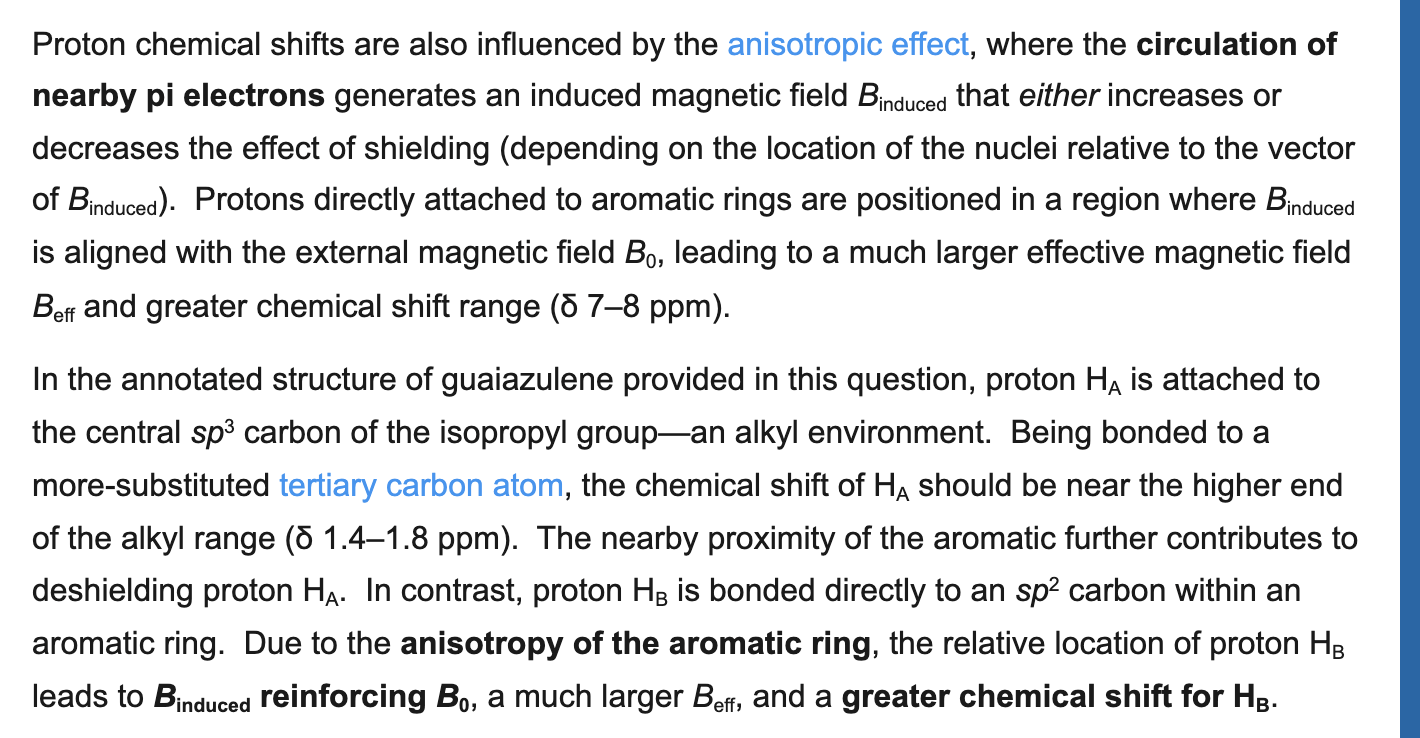
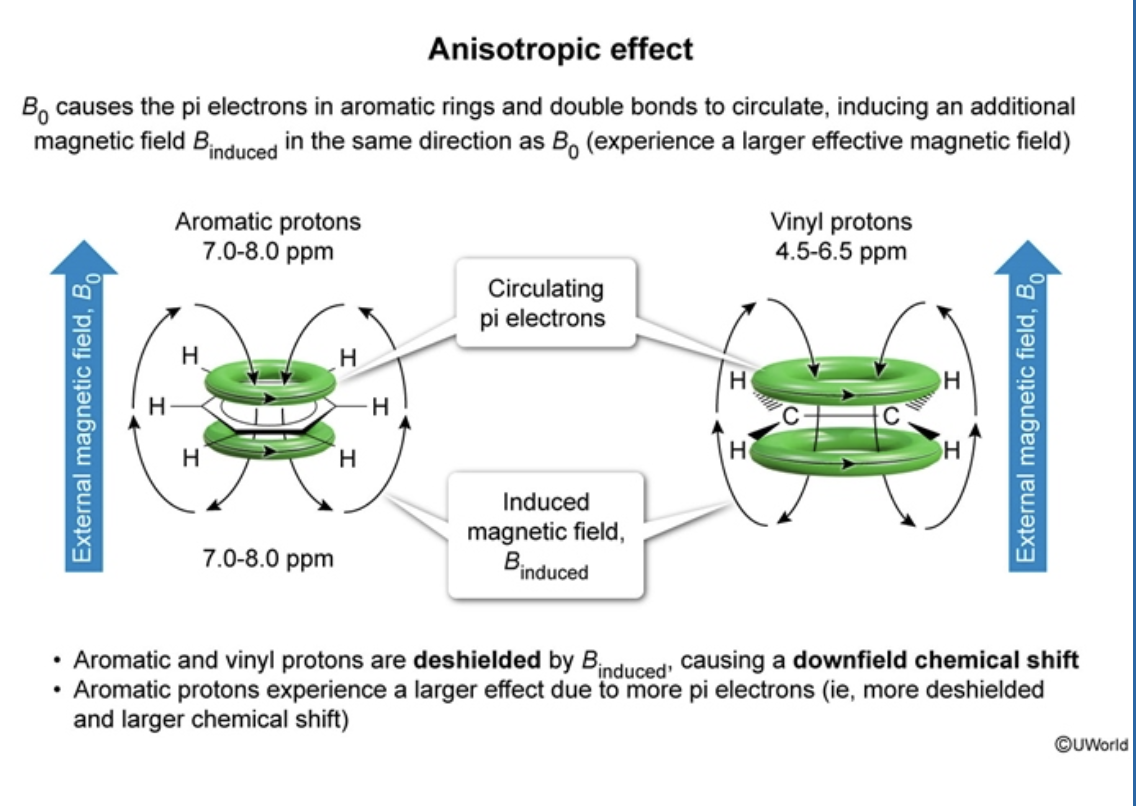
LUMO
lowest unoccupied molecular orbital is the lowest energy vacant molecular orbital
HOMO
highest occupied molecular orbital highest energy molecualr orbital containing at least one electron
what does delocalization of electrons do to the energy of filled orbitals? Energy different between homo and lumo?
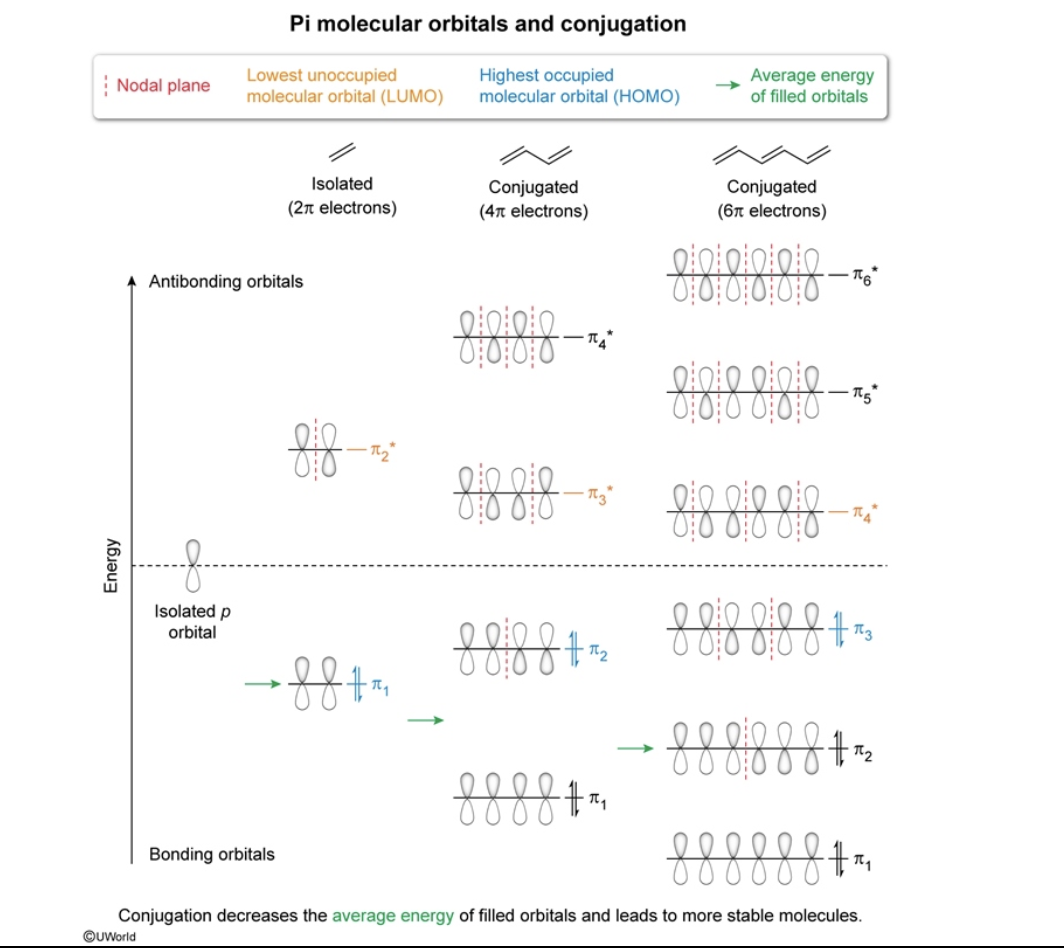
it decreases the average energy of filled orbitals. Consequently, conjugated alkenes are mreo stable, of lower energy, and have a smlaler energy difference between HOMO and LUMO.
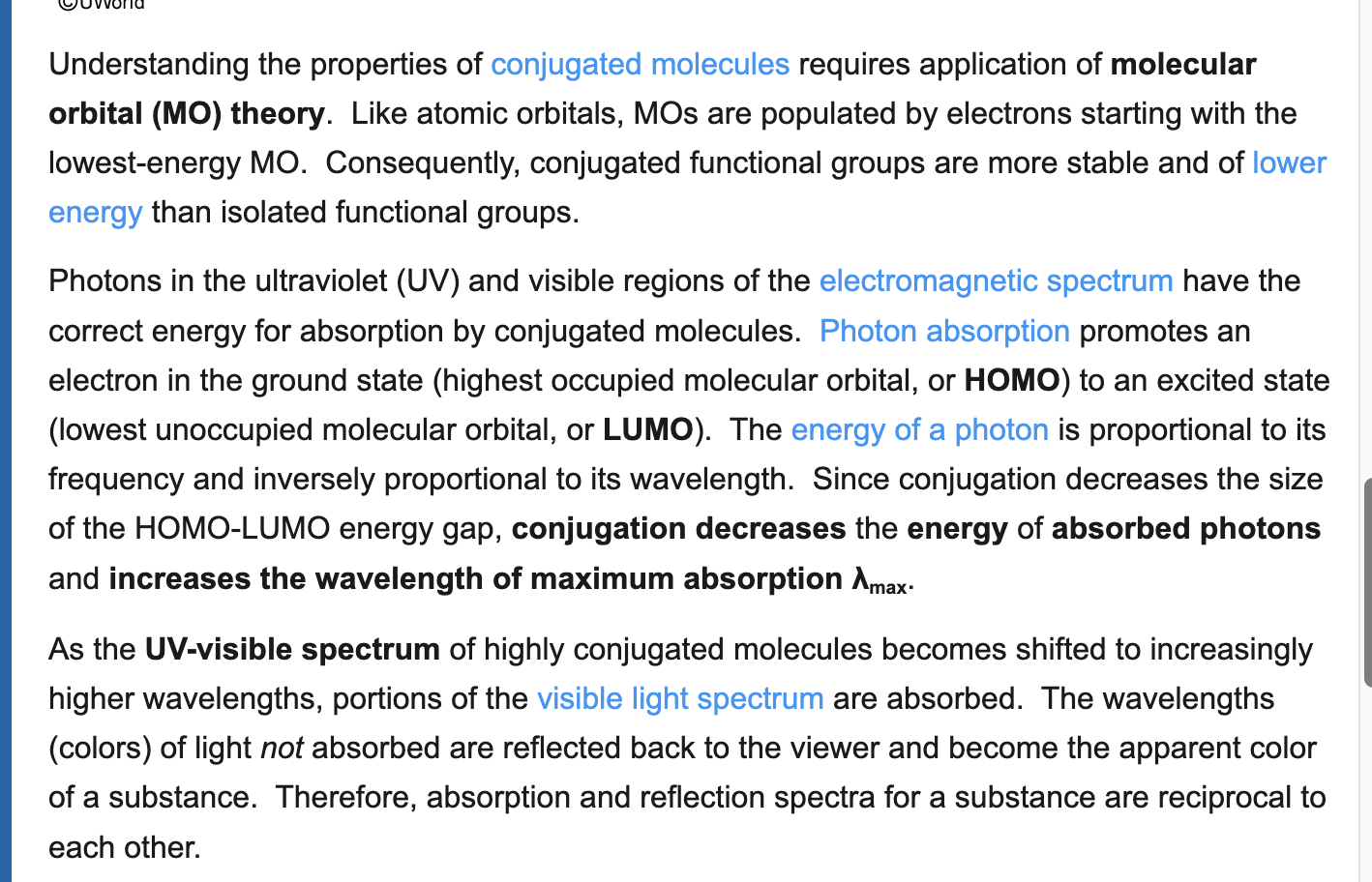
Note the difference in the image of HOMO (blue) and LUMO (yellow), as it gets more conugated
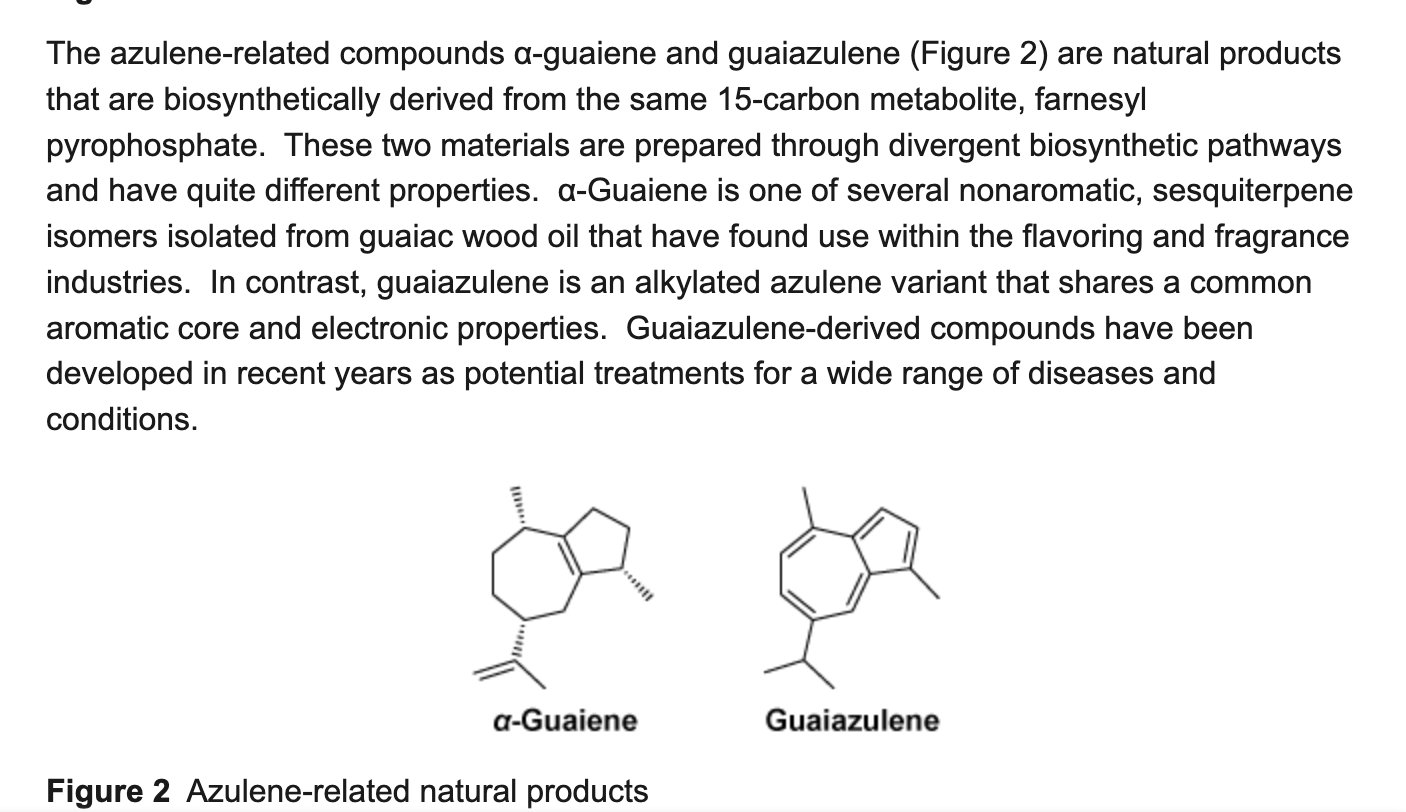

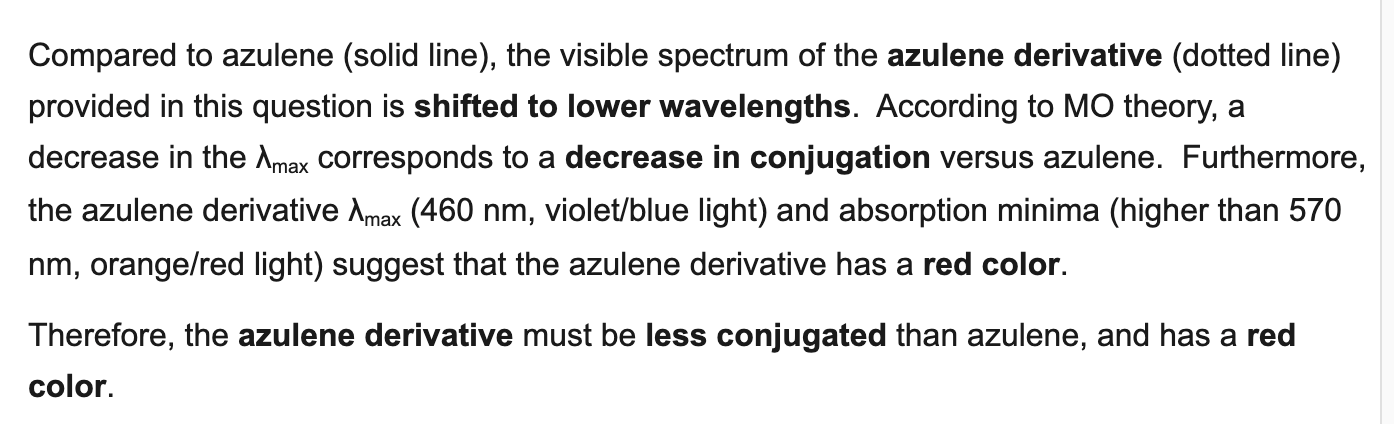
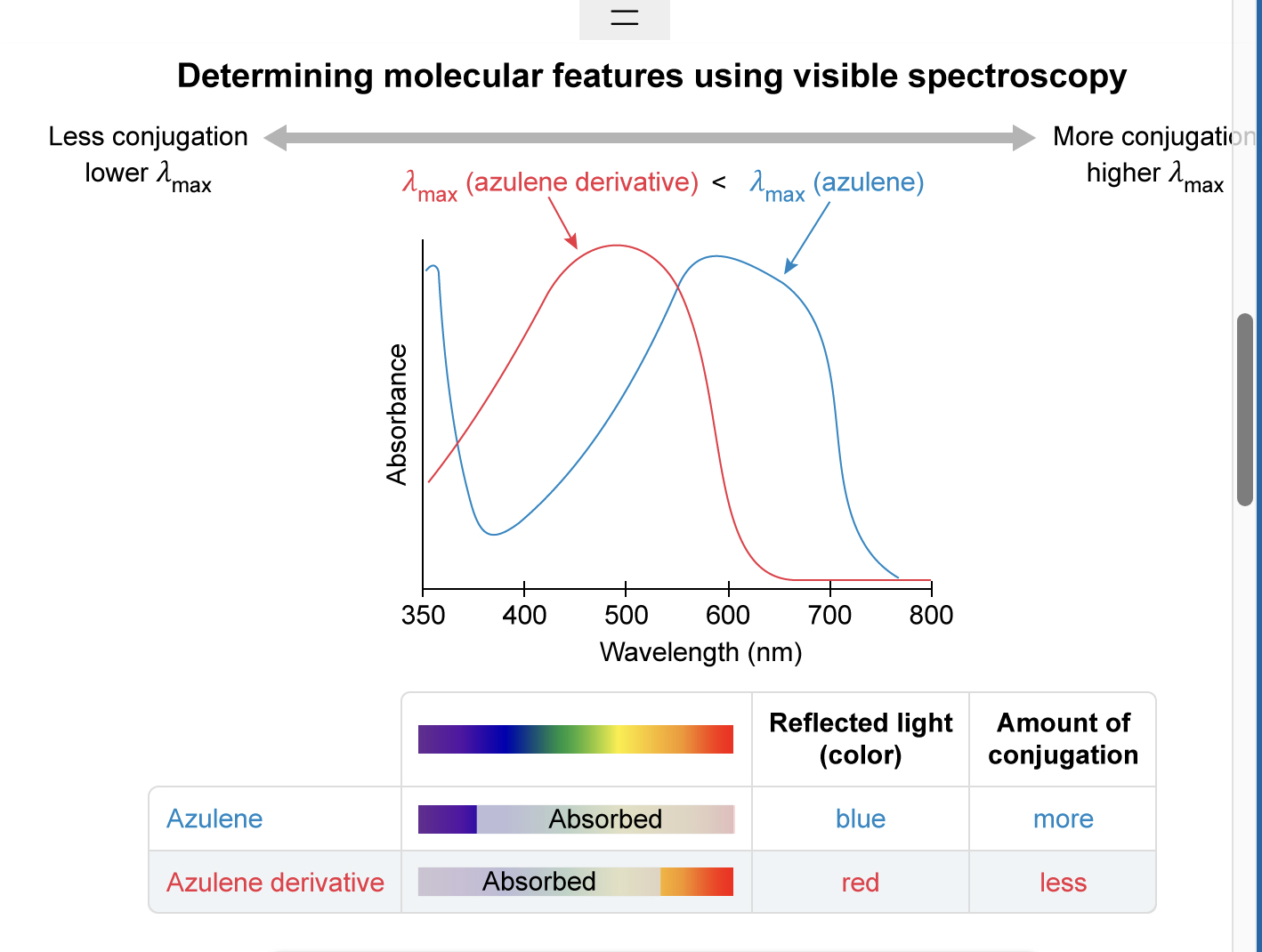
energy difference of HOMO- LUMO is smaller for which compound?

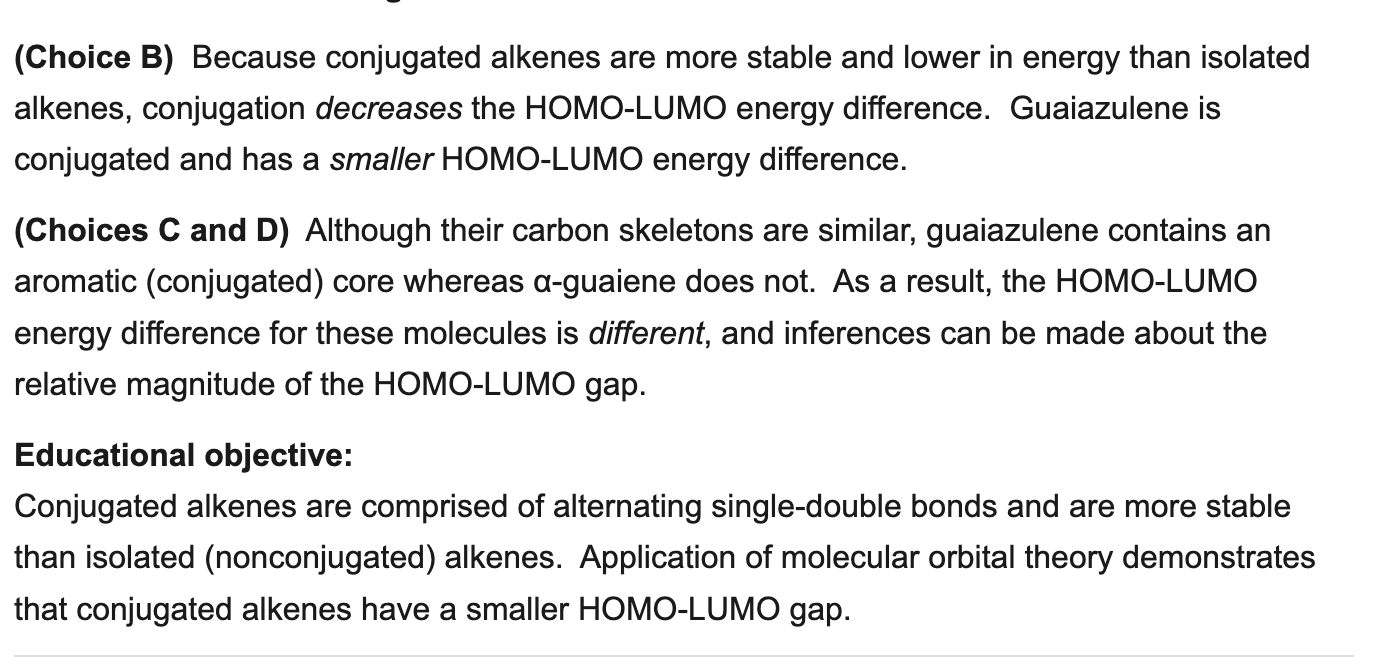
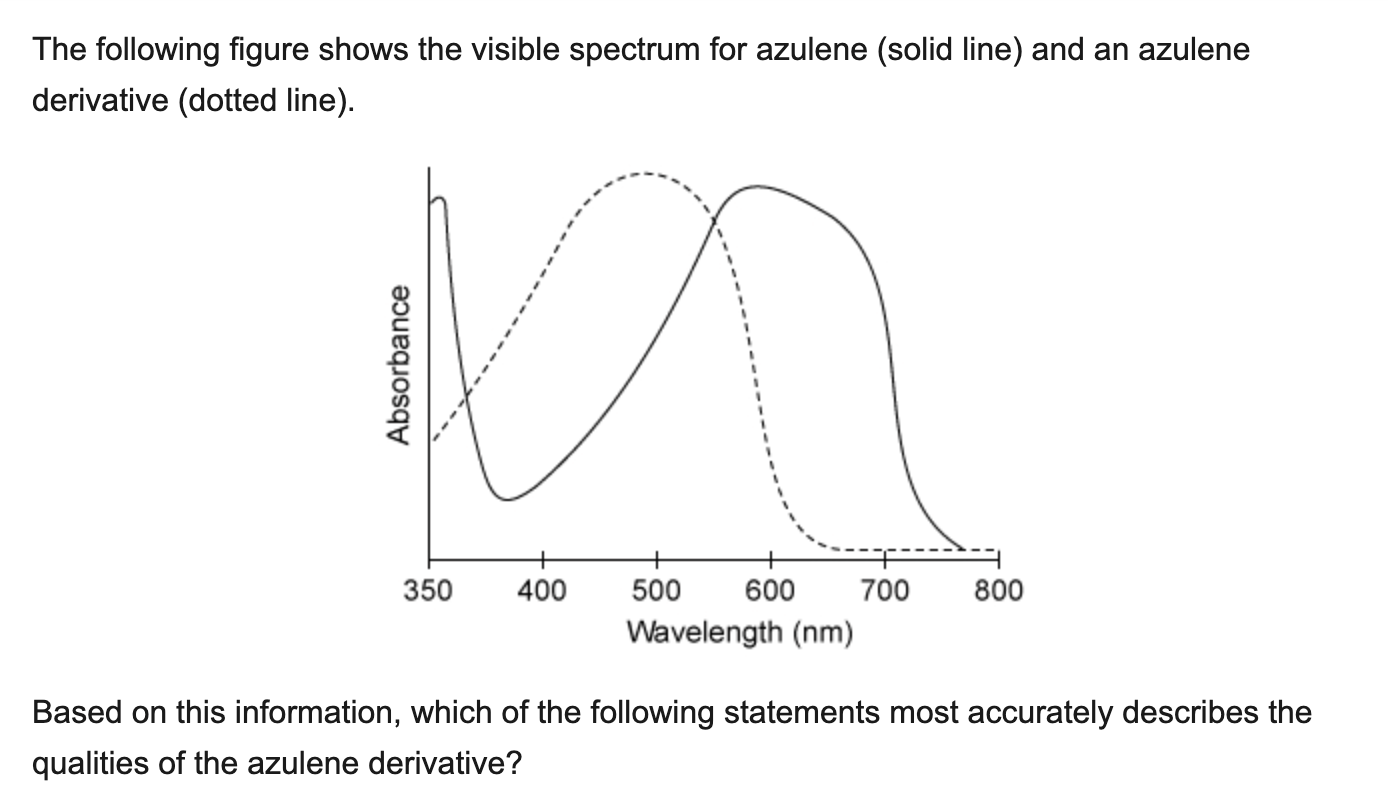
which is ore conjugated and what color does it show up as?

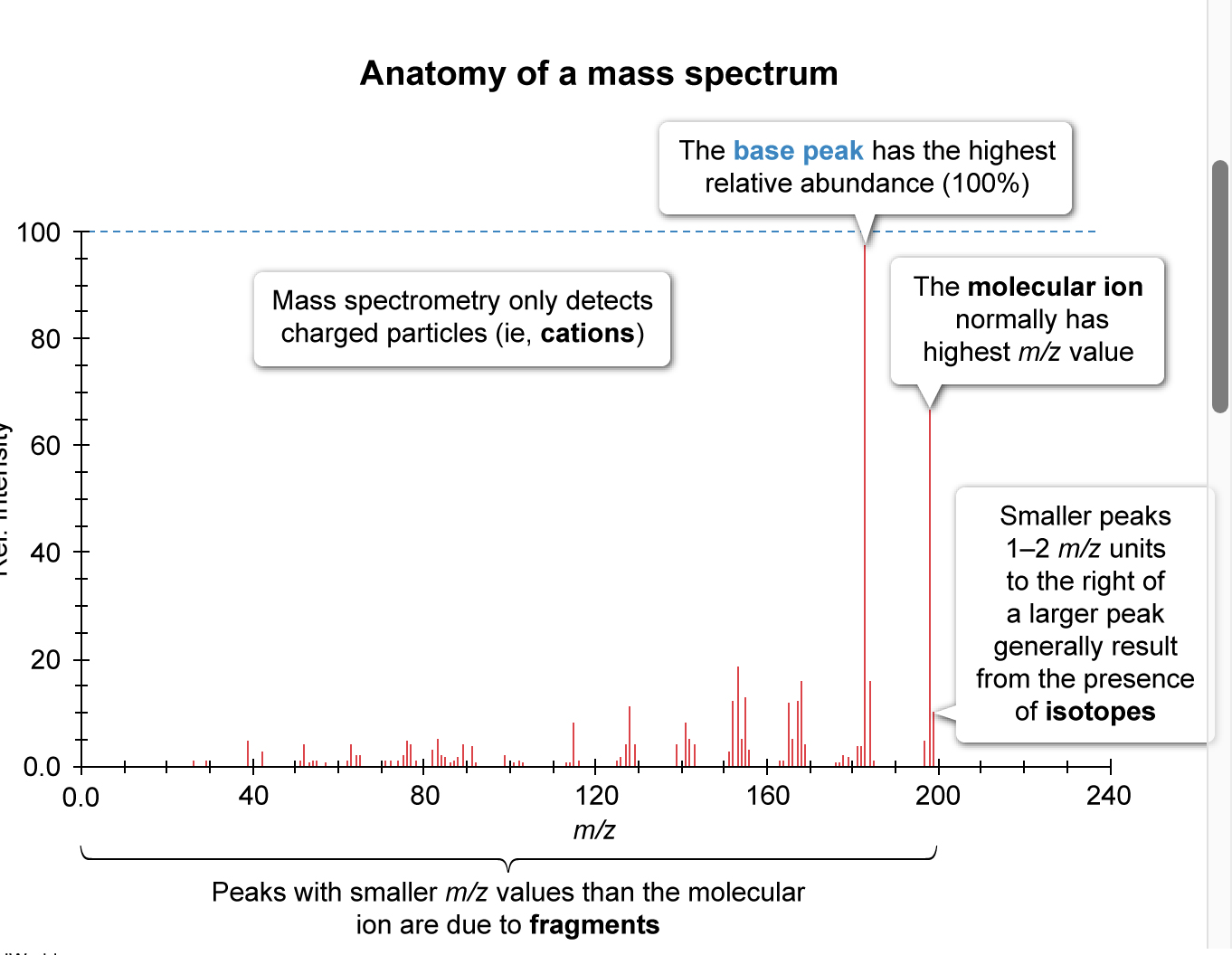
Base peak of mass spectrum
highest relative abundance
The molecular ion of mass spec has…
the highest m/z value
values next to them are isotopes
anatomy of a mass spec
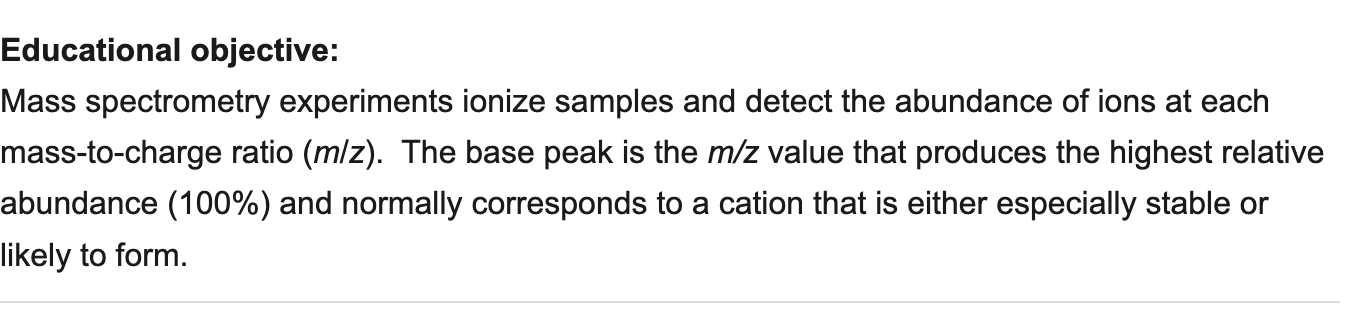

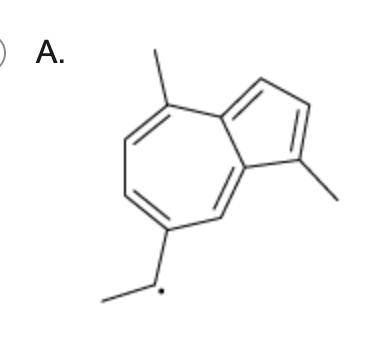
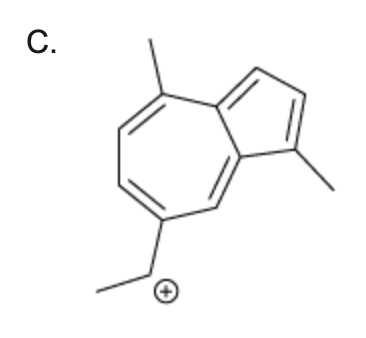
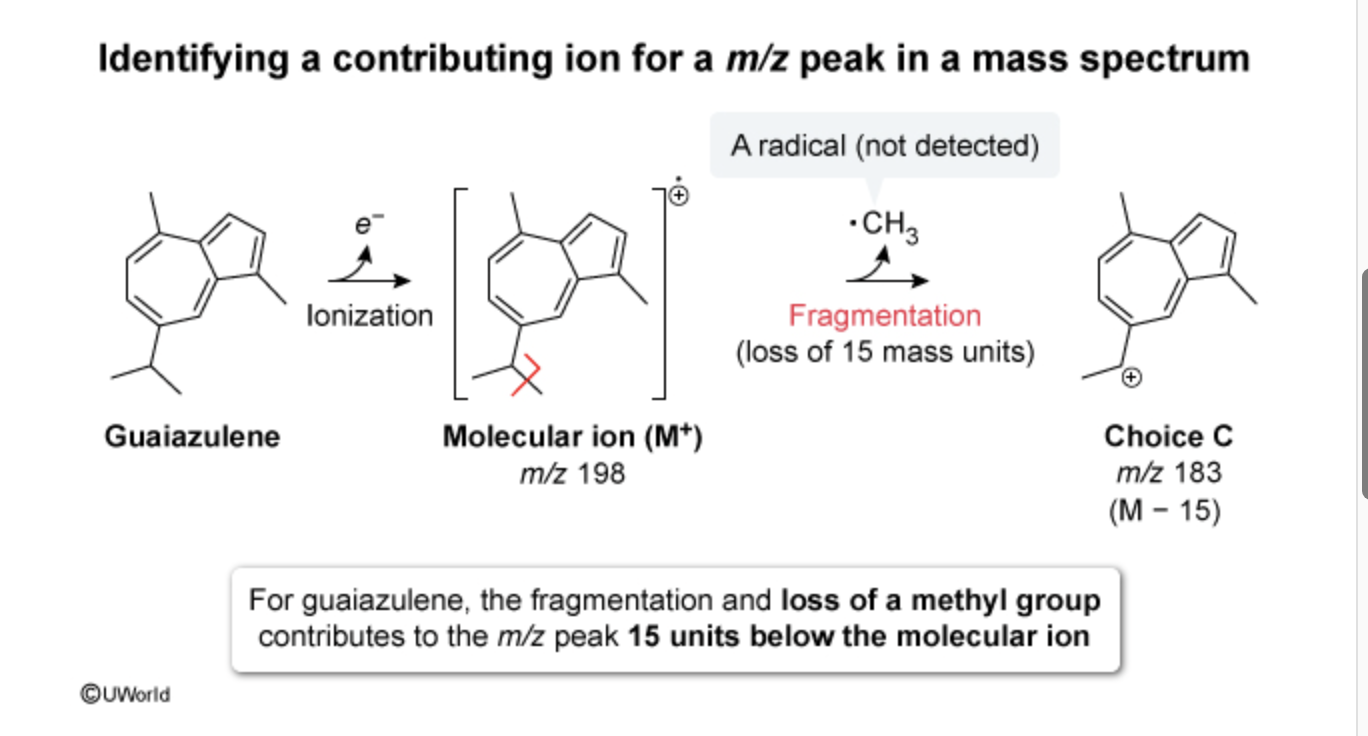
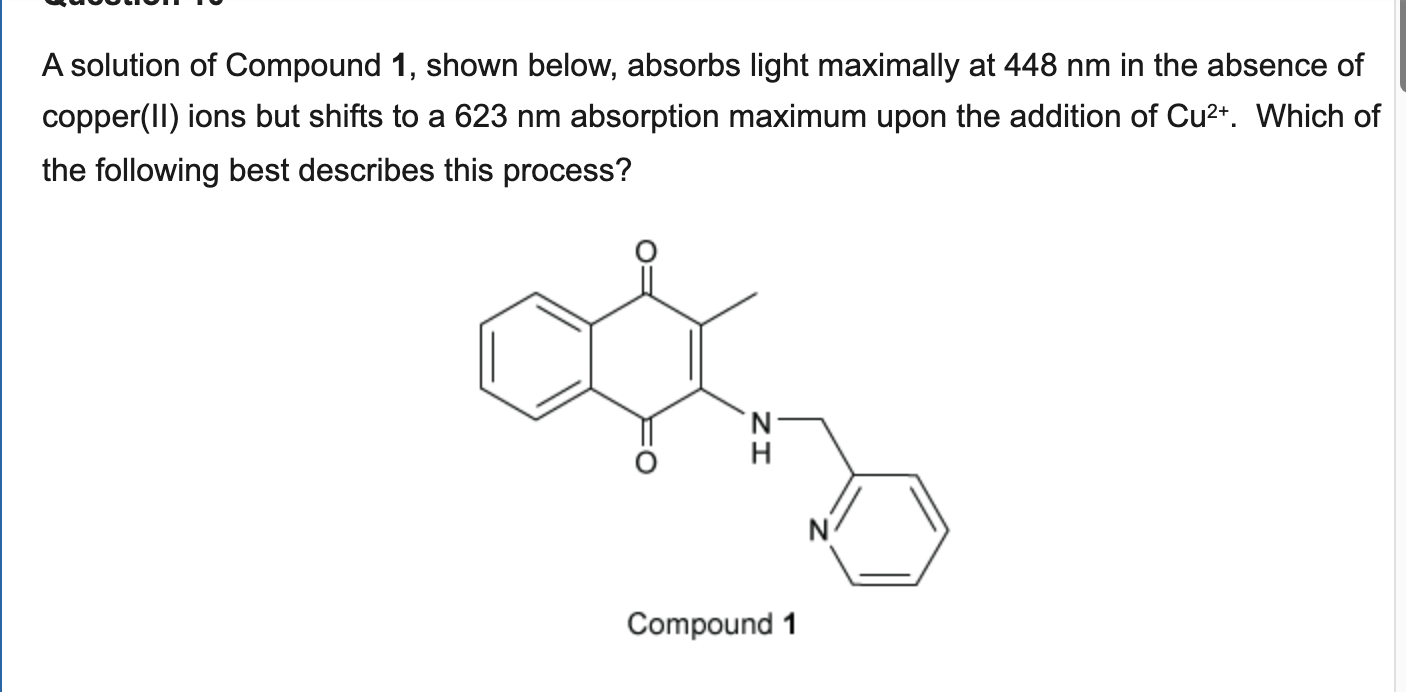
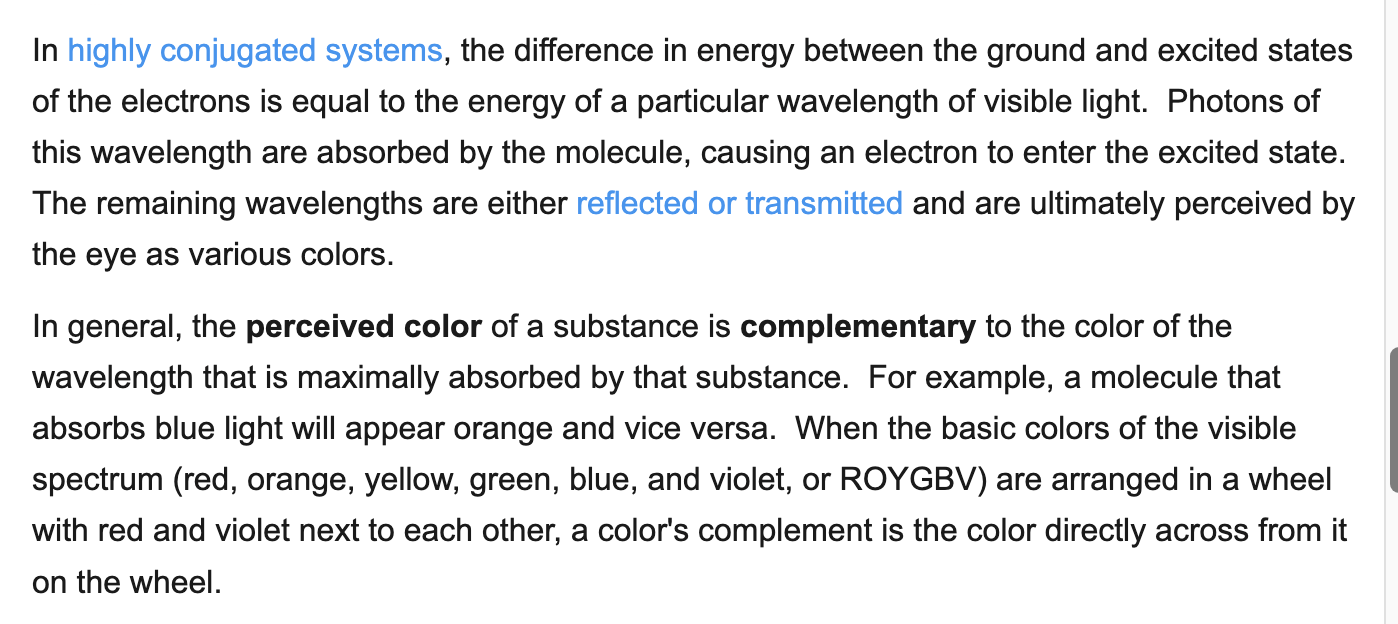
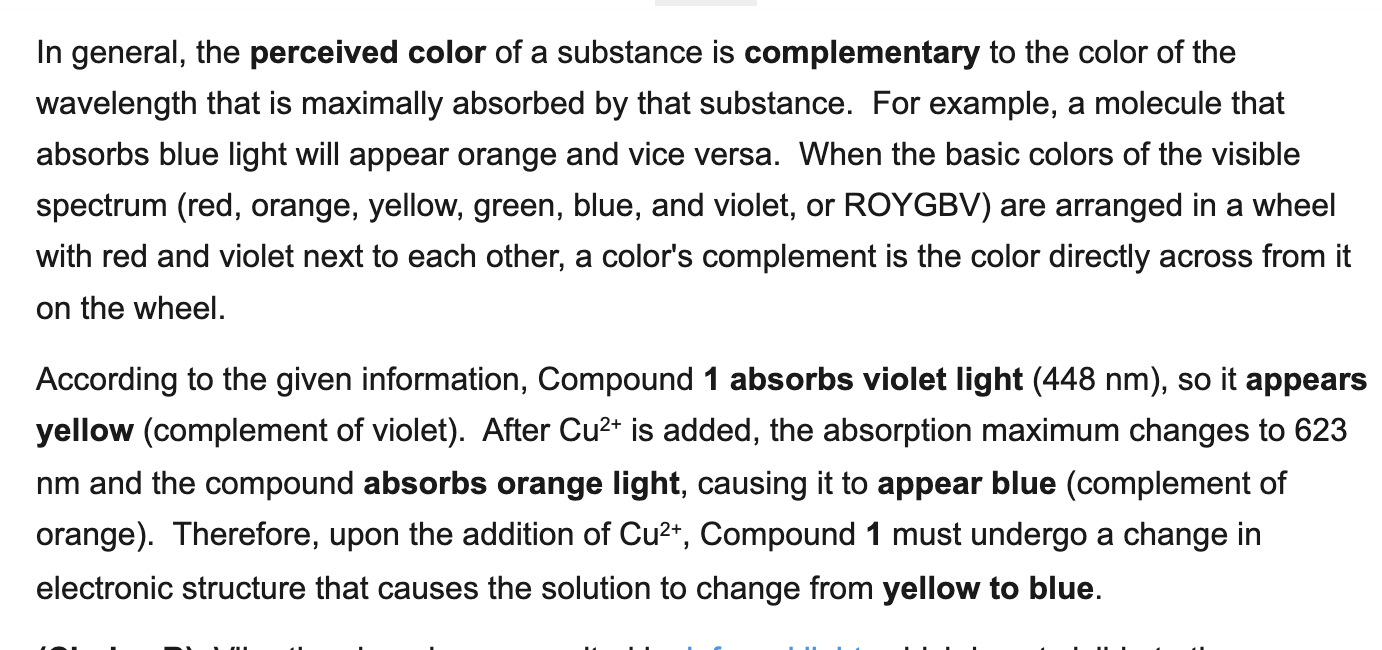
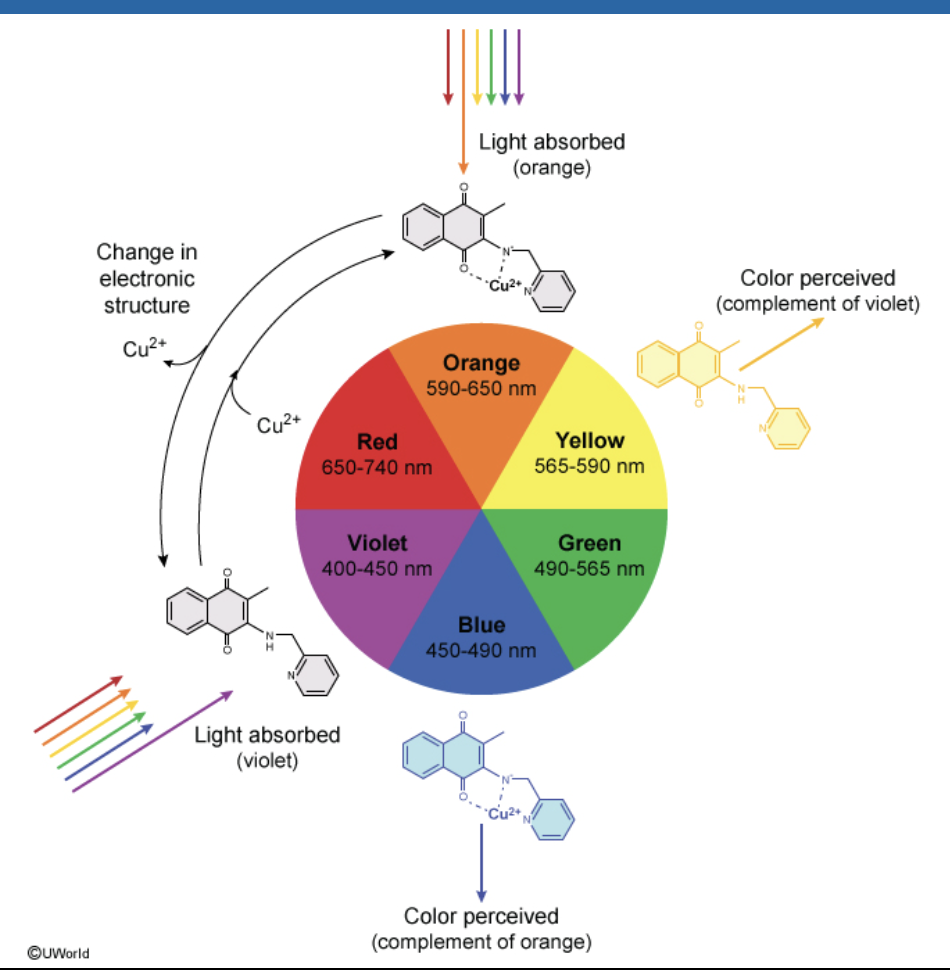
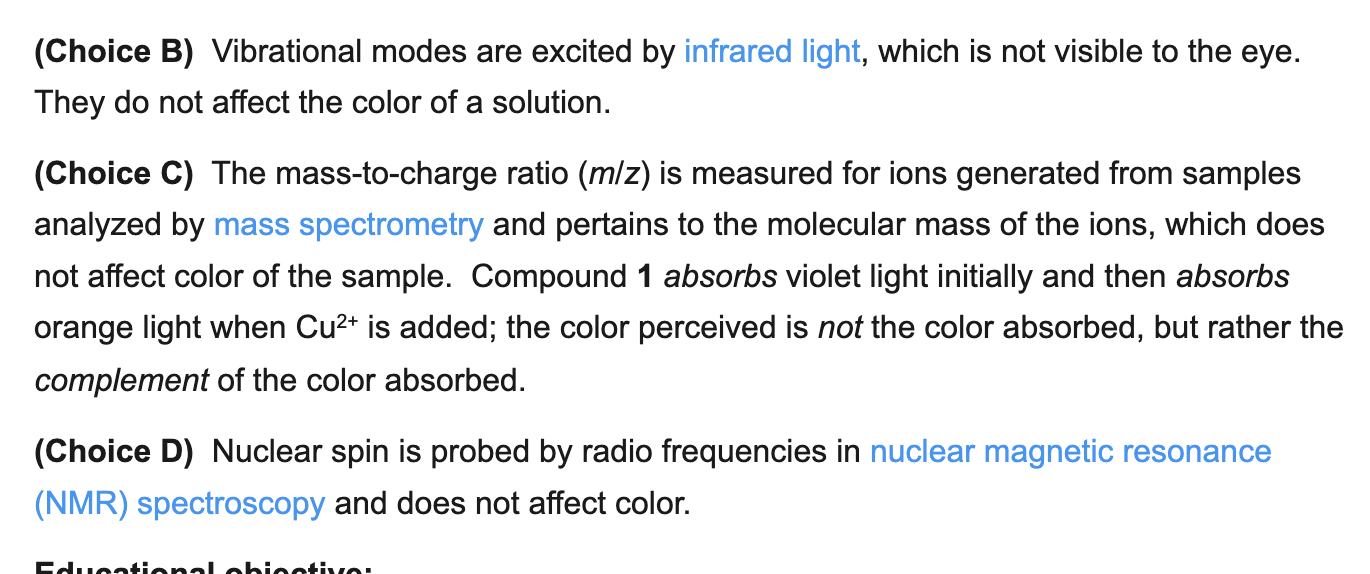
changes in electronic structure cause the solution to change from yellow to blue
or
changes in the mass to charge ratio cause the solution to change form violet to orange
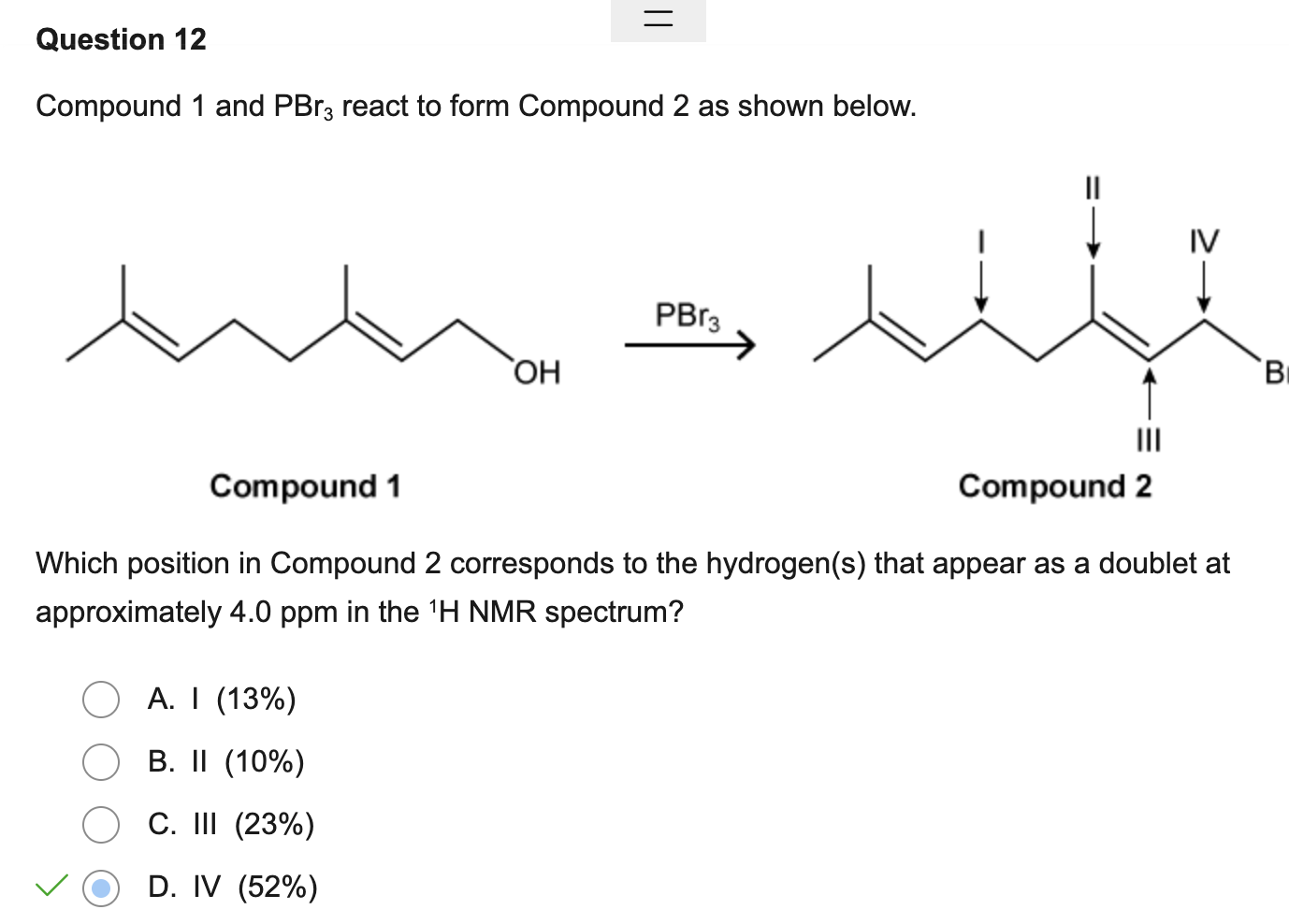
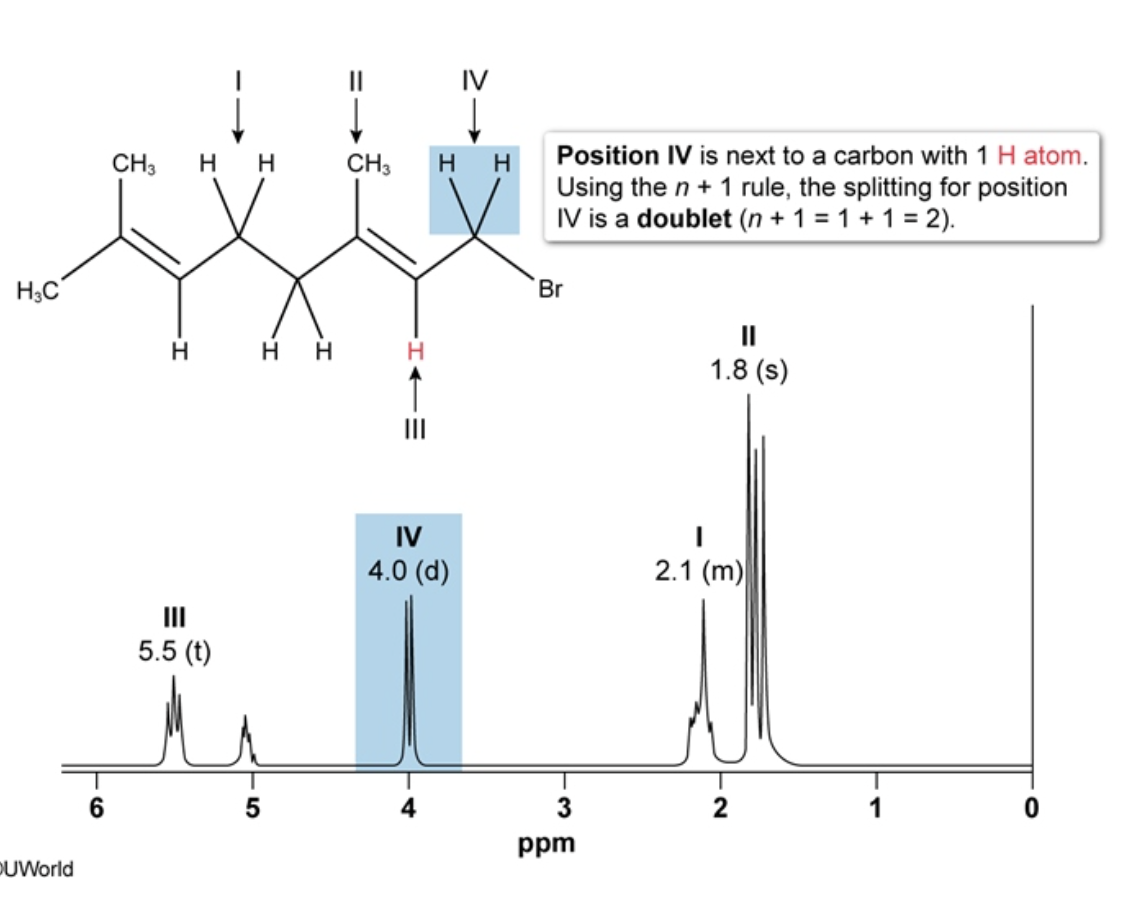
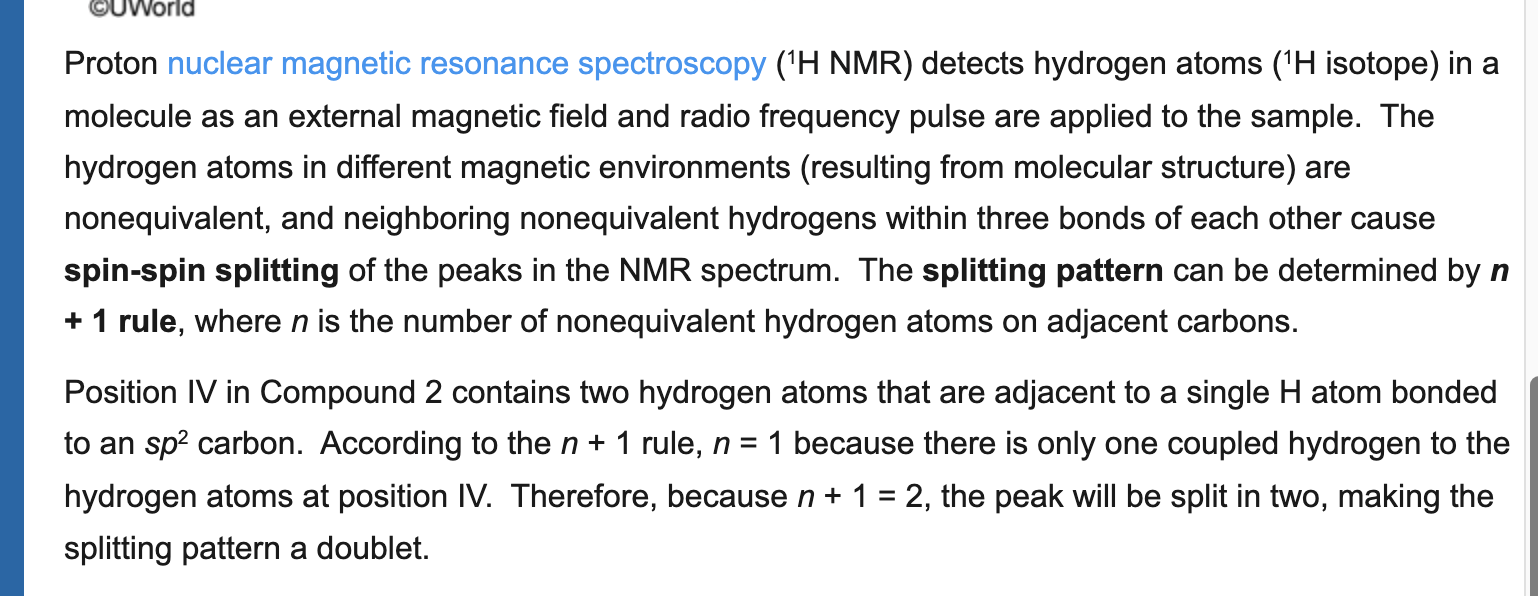
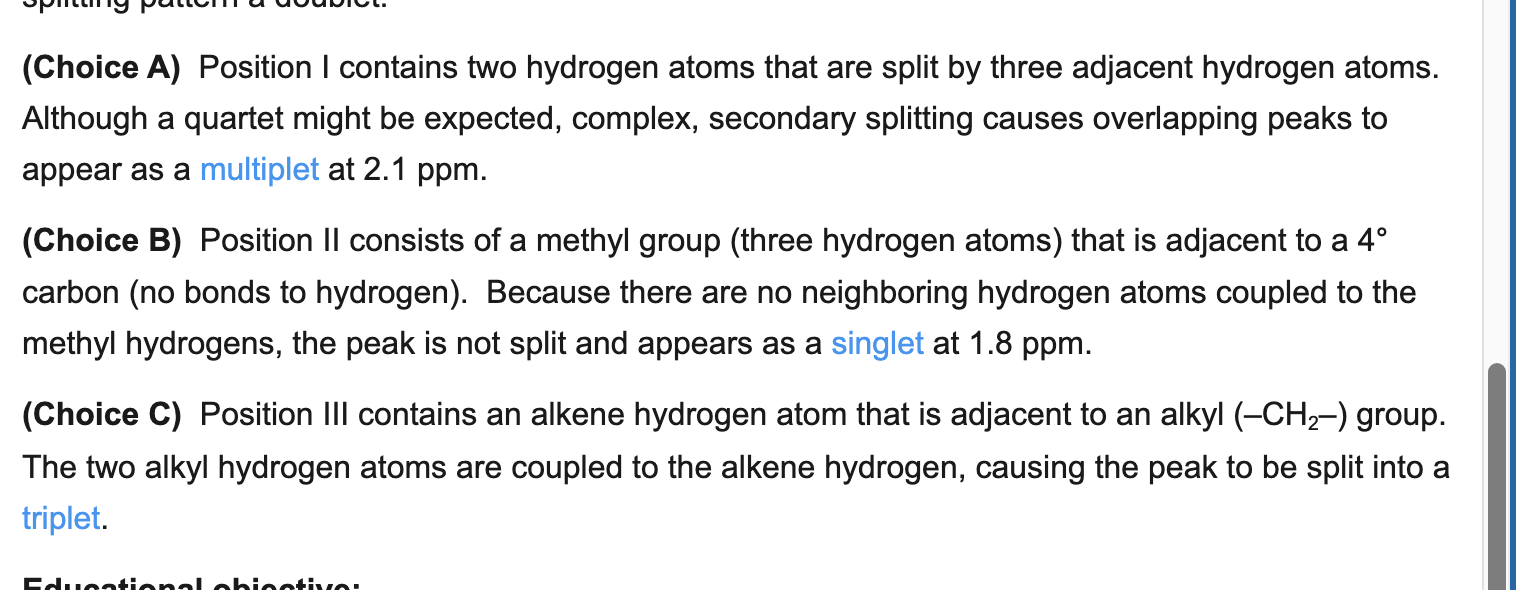


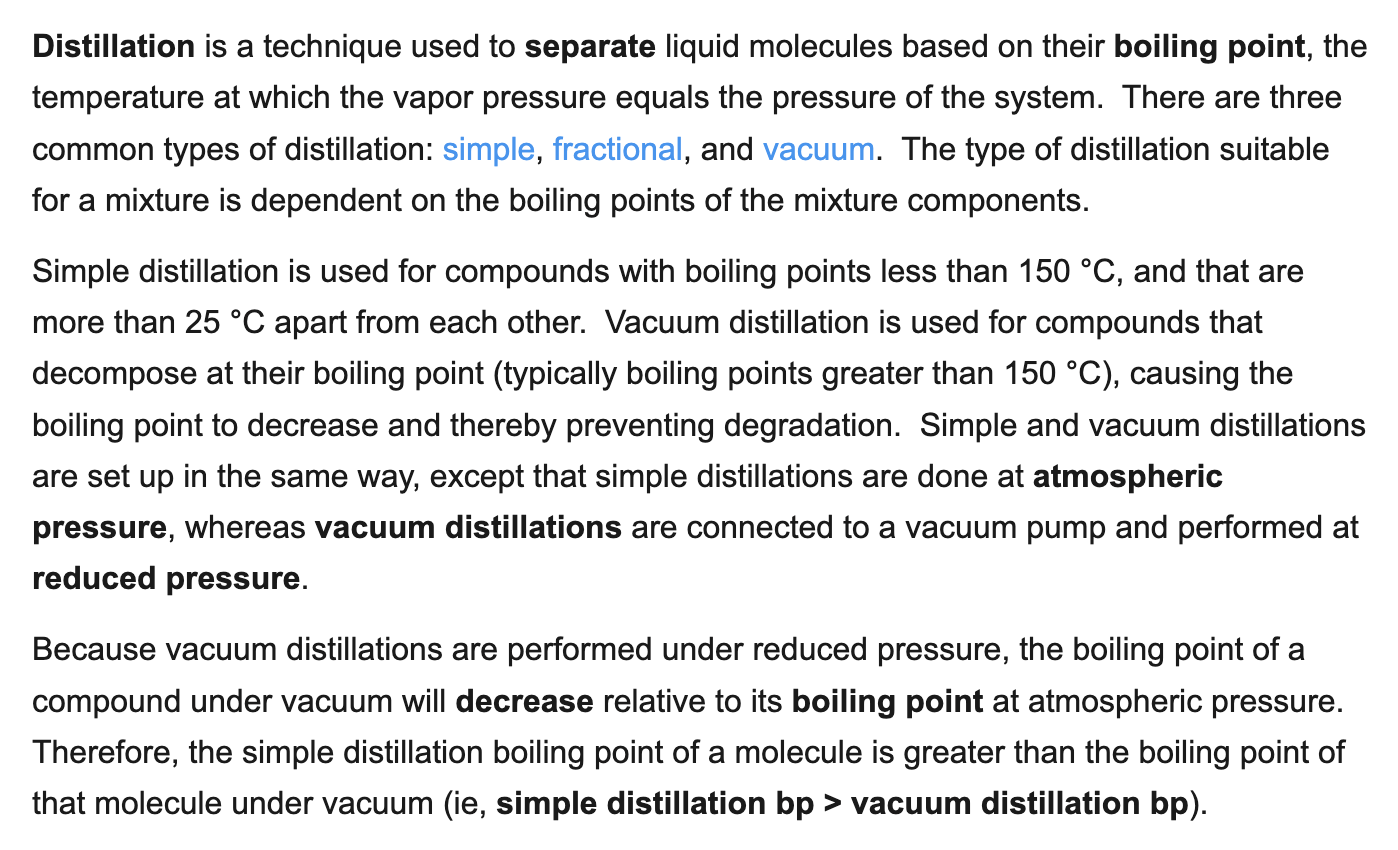
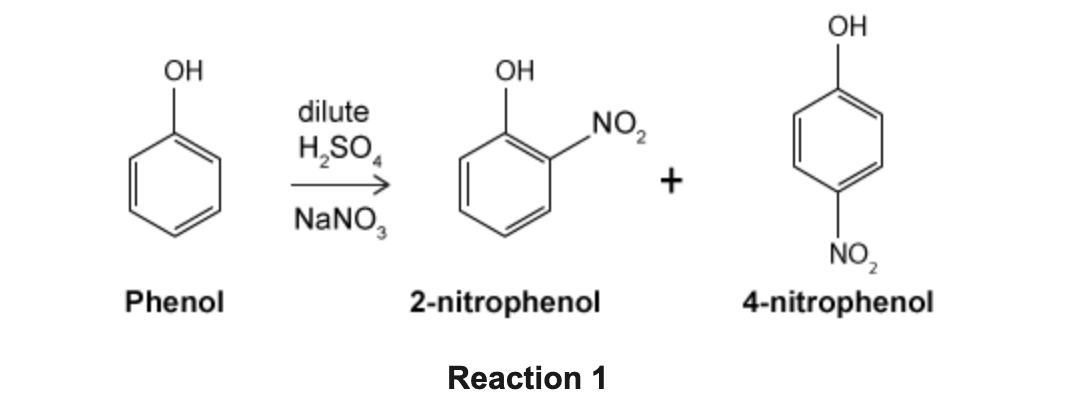

Basically, which one would remain in the reaction flask?
4nitrophenol remains in the flask because it has more INTER molecular hydrogen bonding
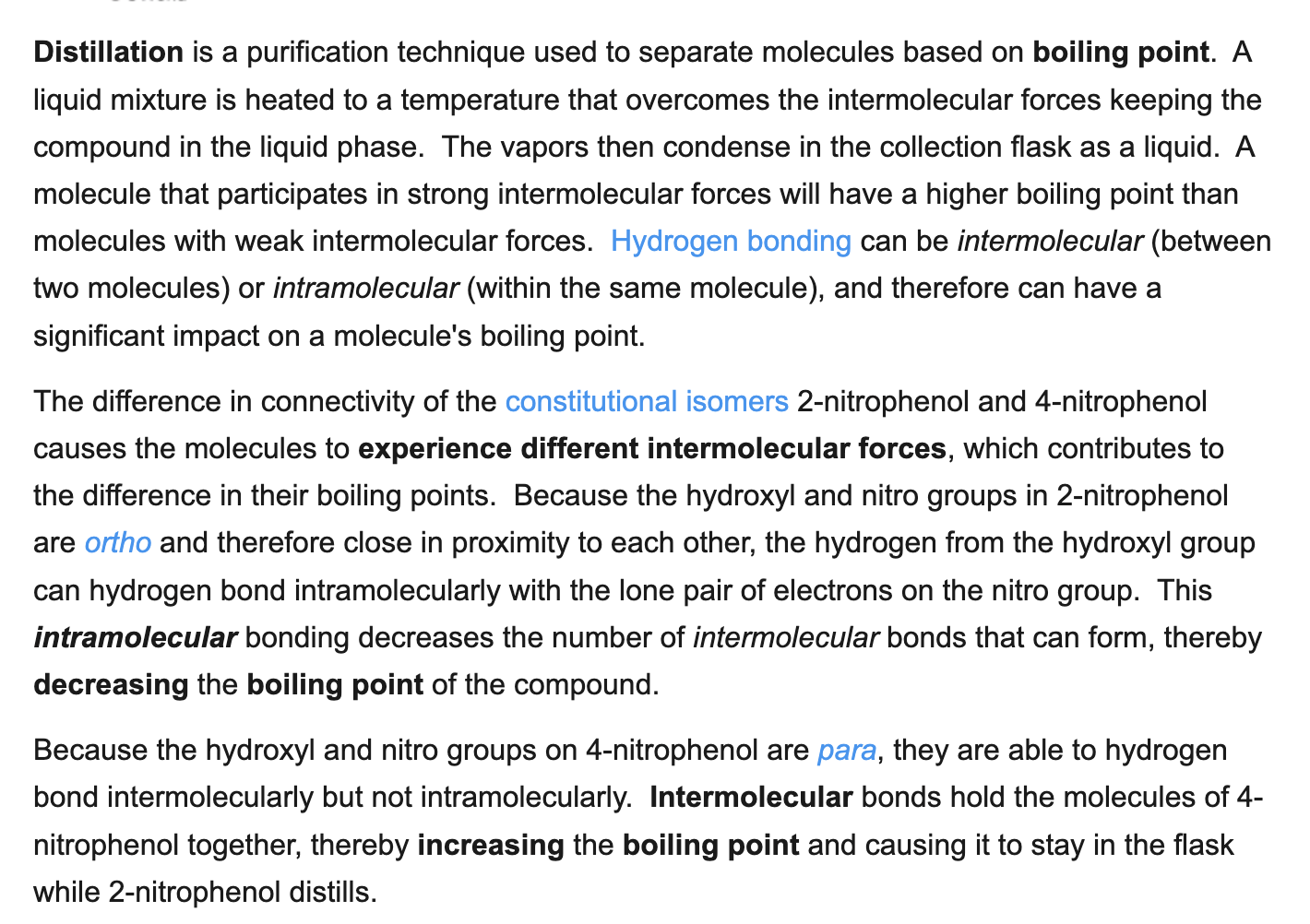
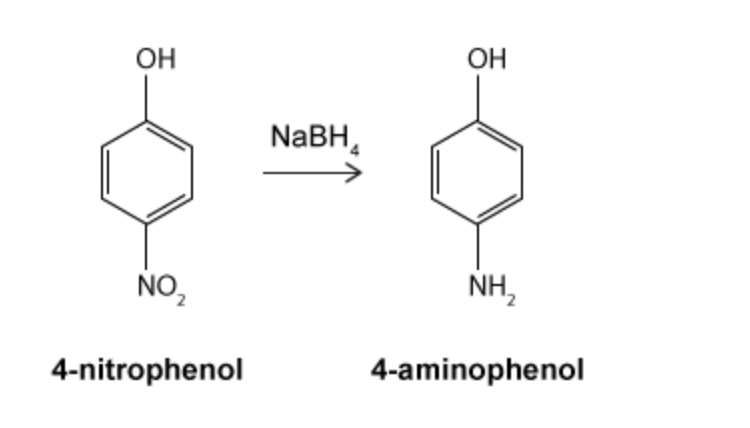

mass spec, H NMR spec, TLC with UV light, Gas chromatoraphy
TLC with UV light
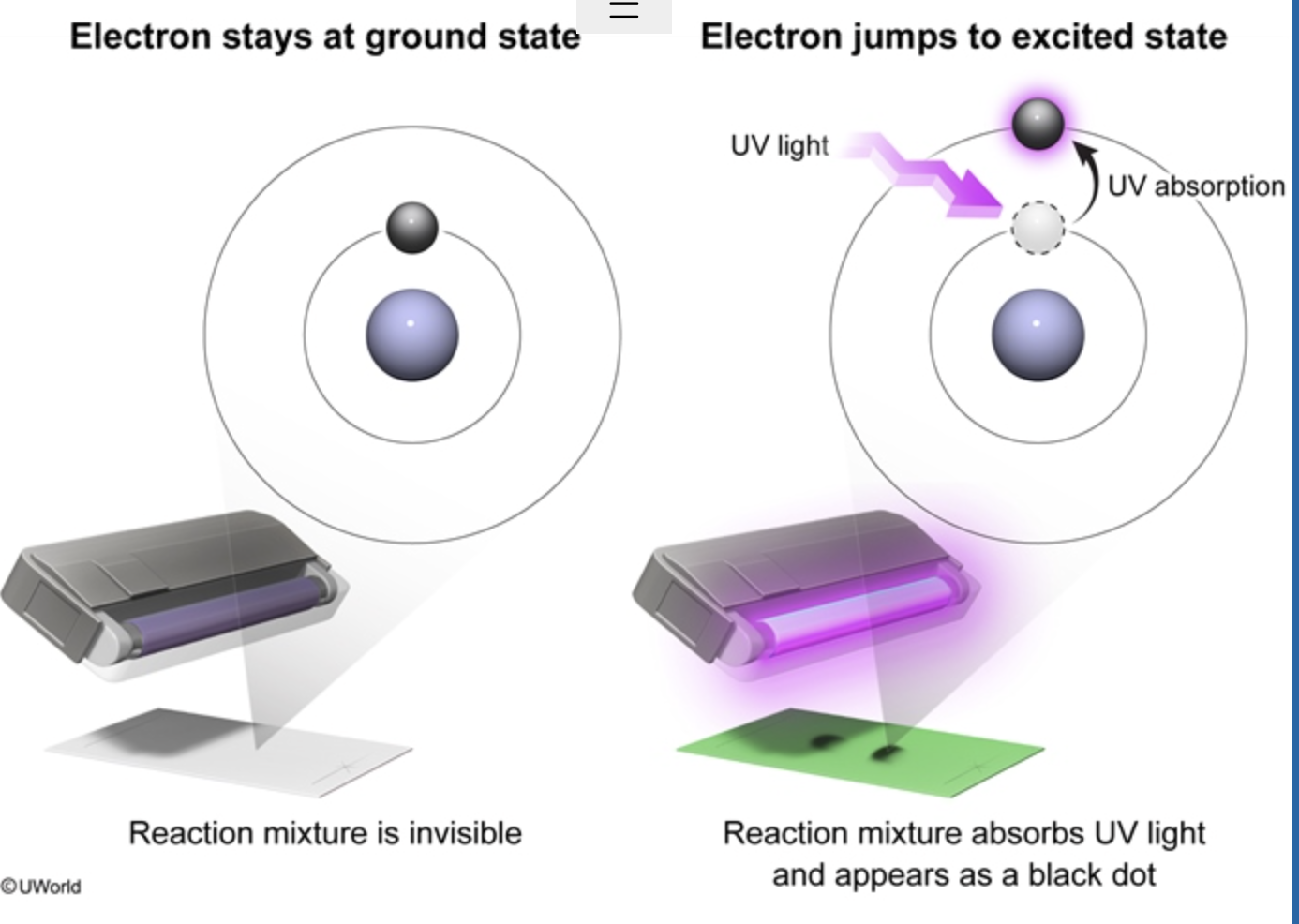
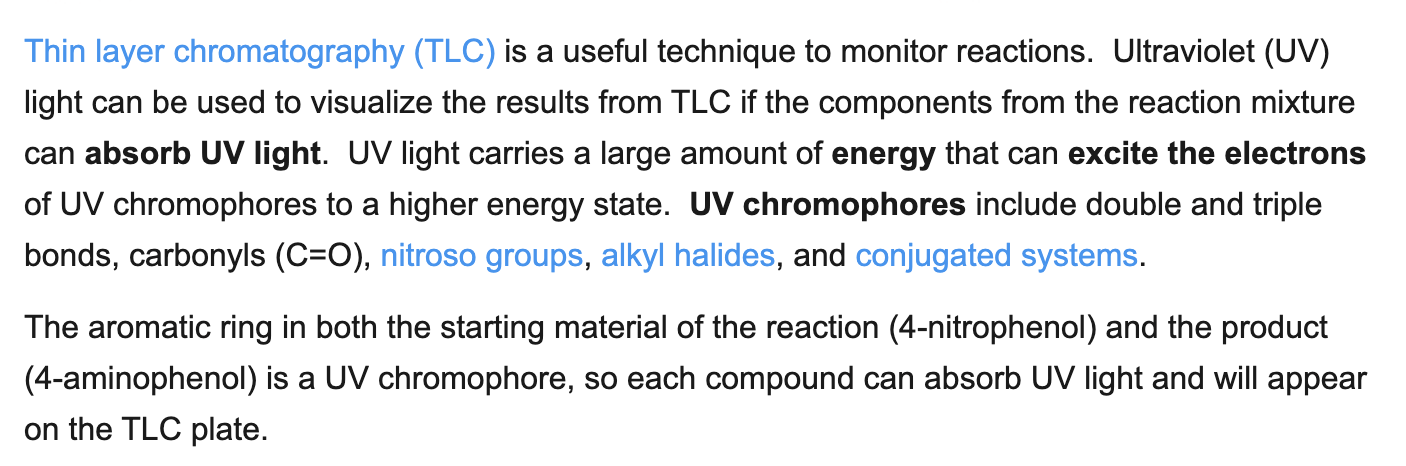
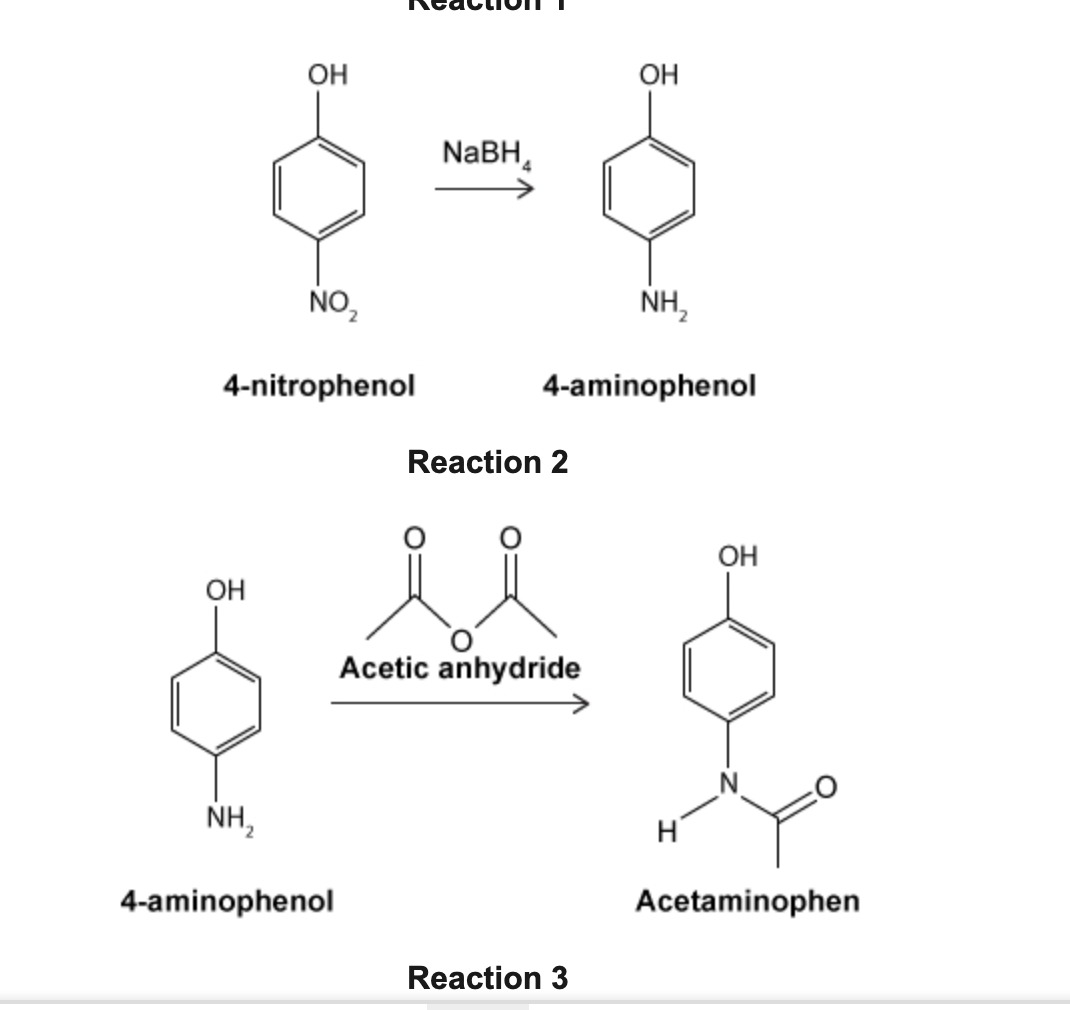
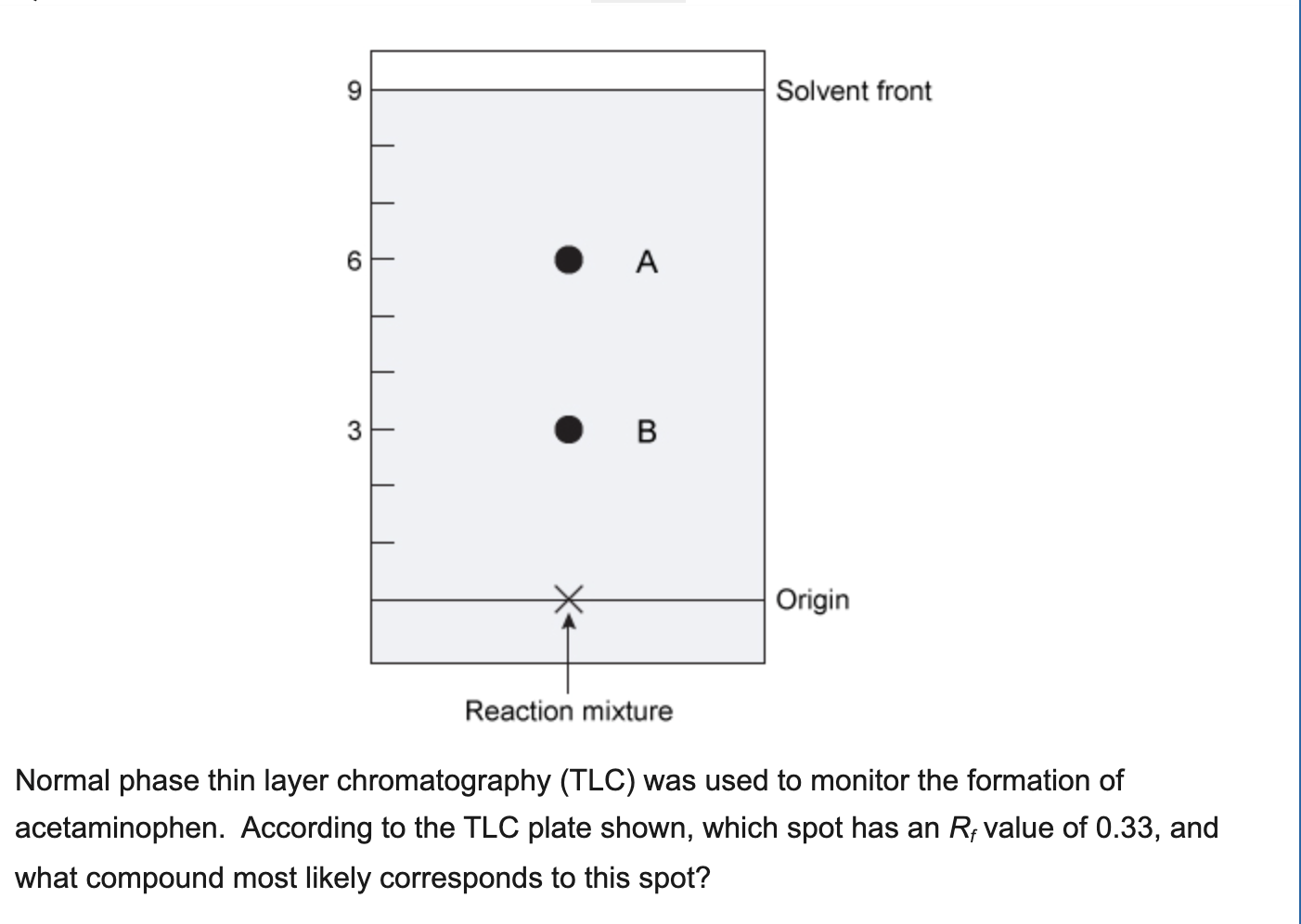
Spot B; acetaminophen
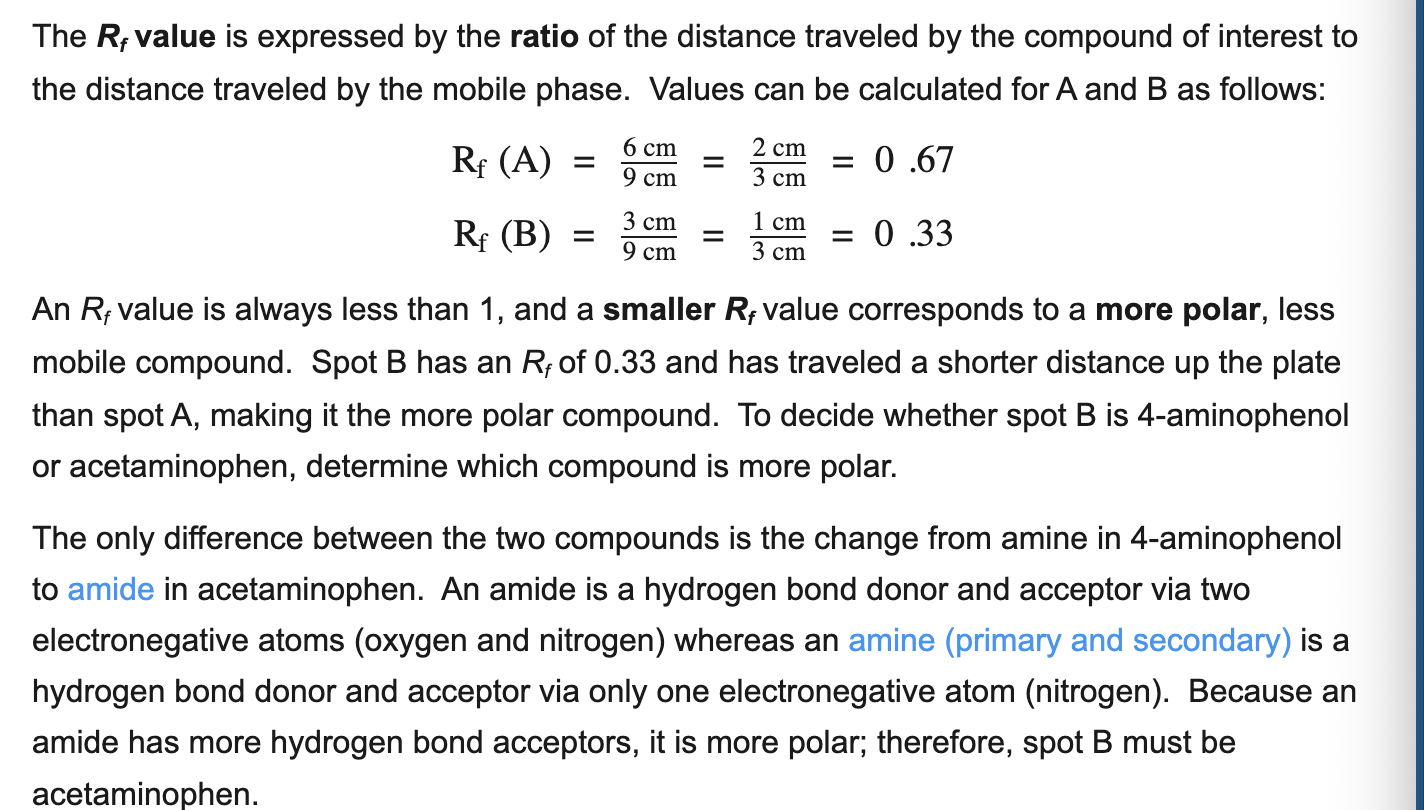
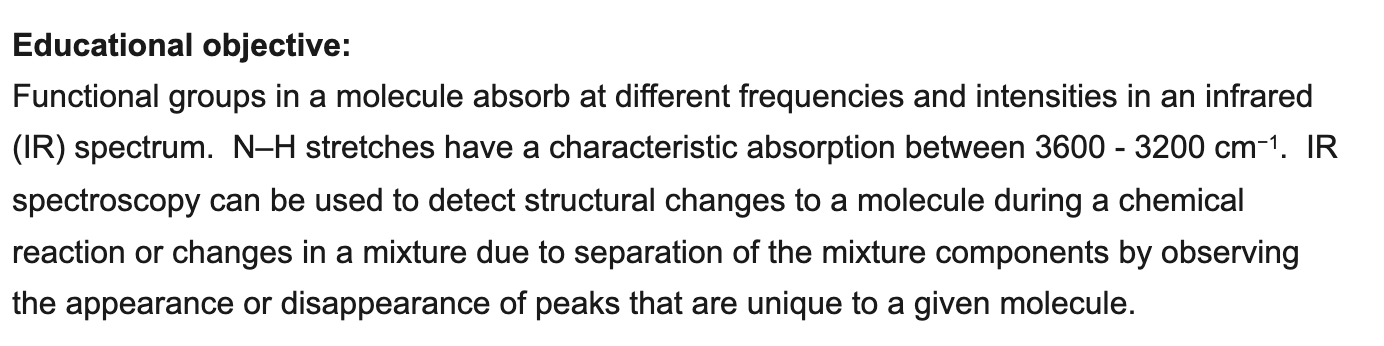
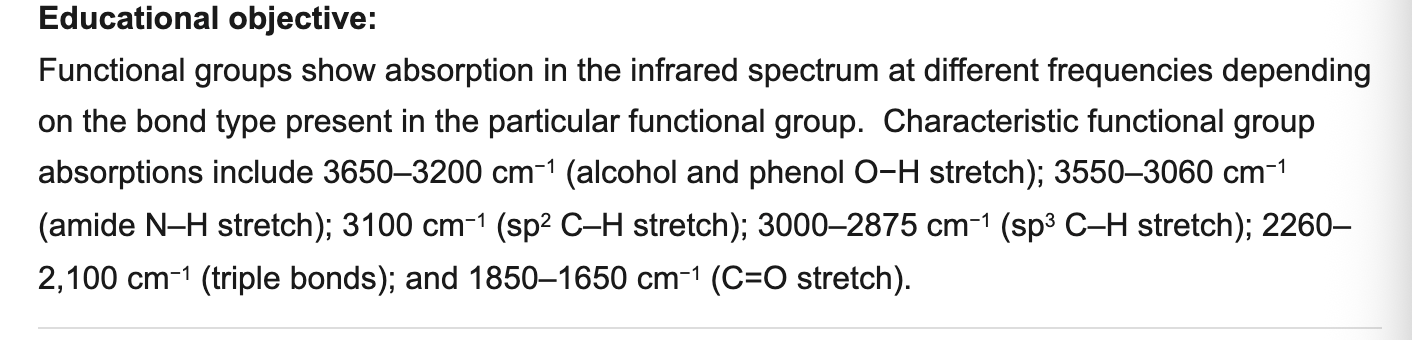
functional groups in IR spec infared spec

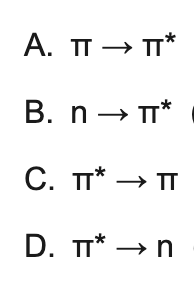
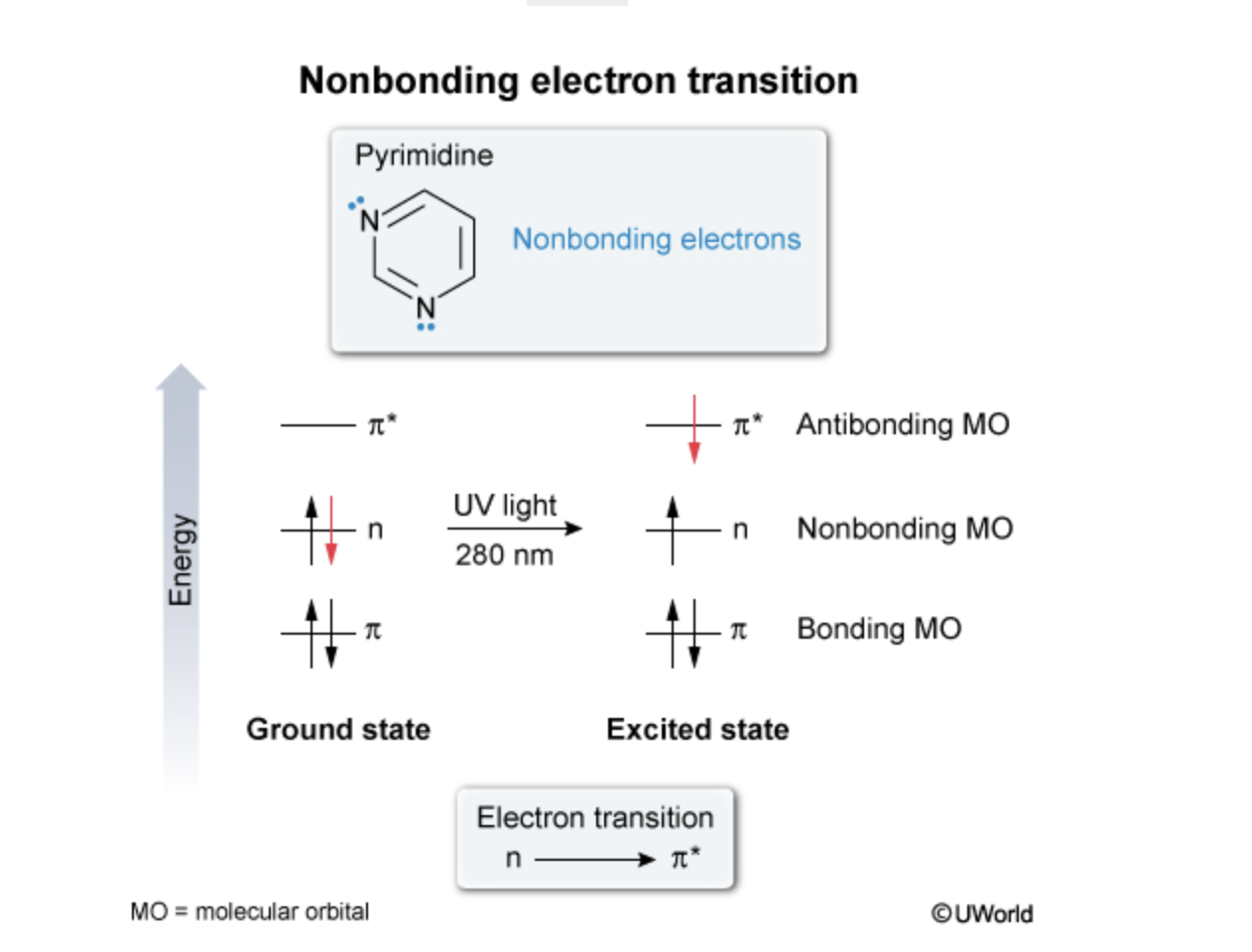
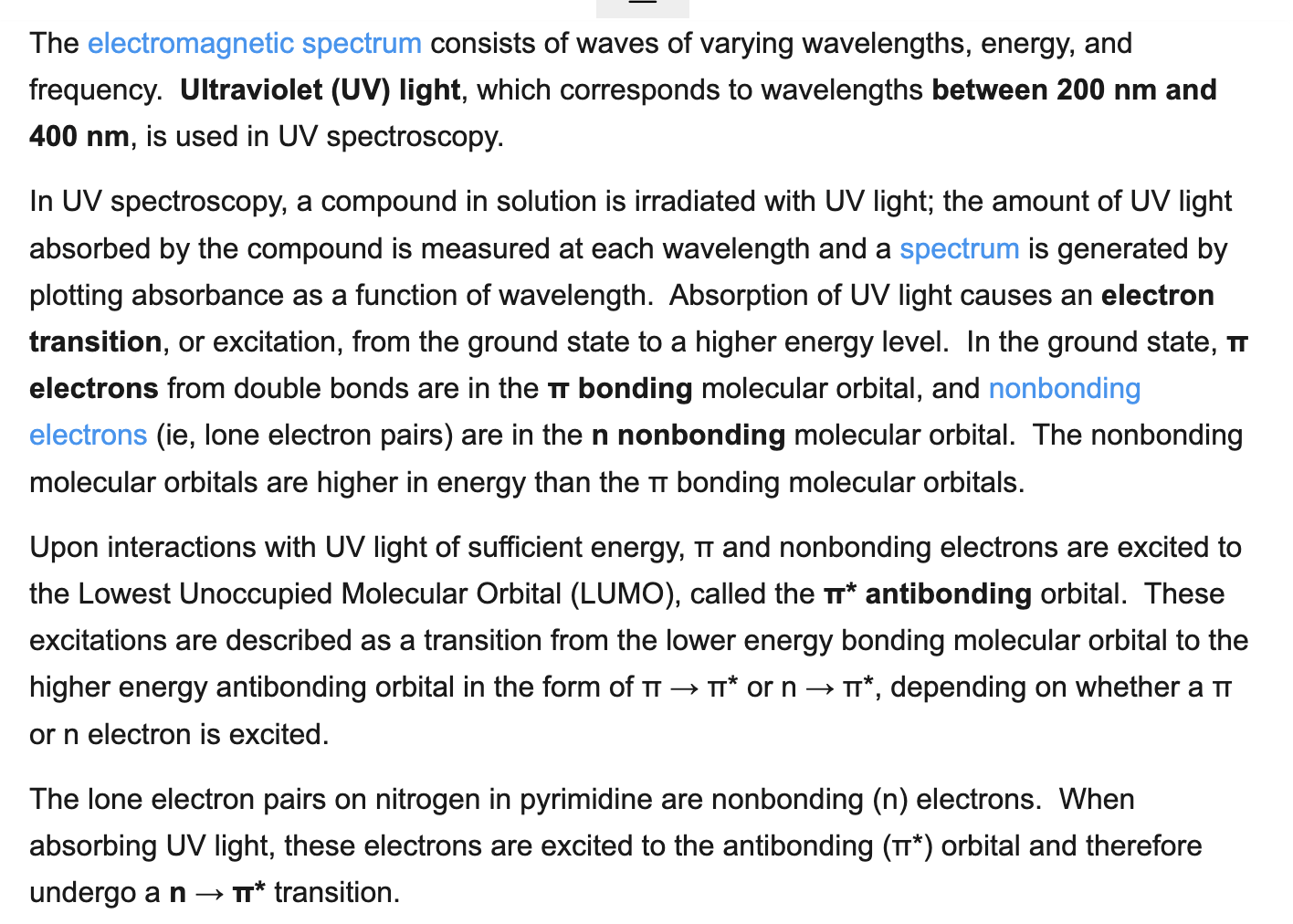
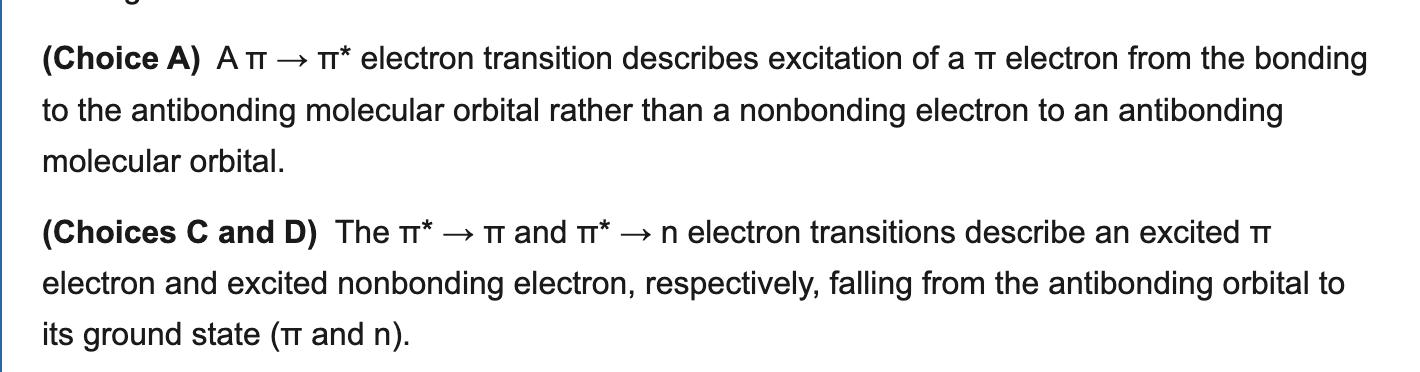

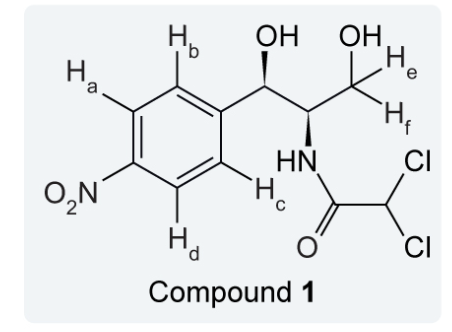
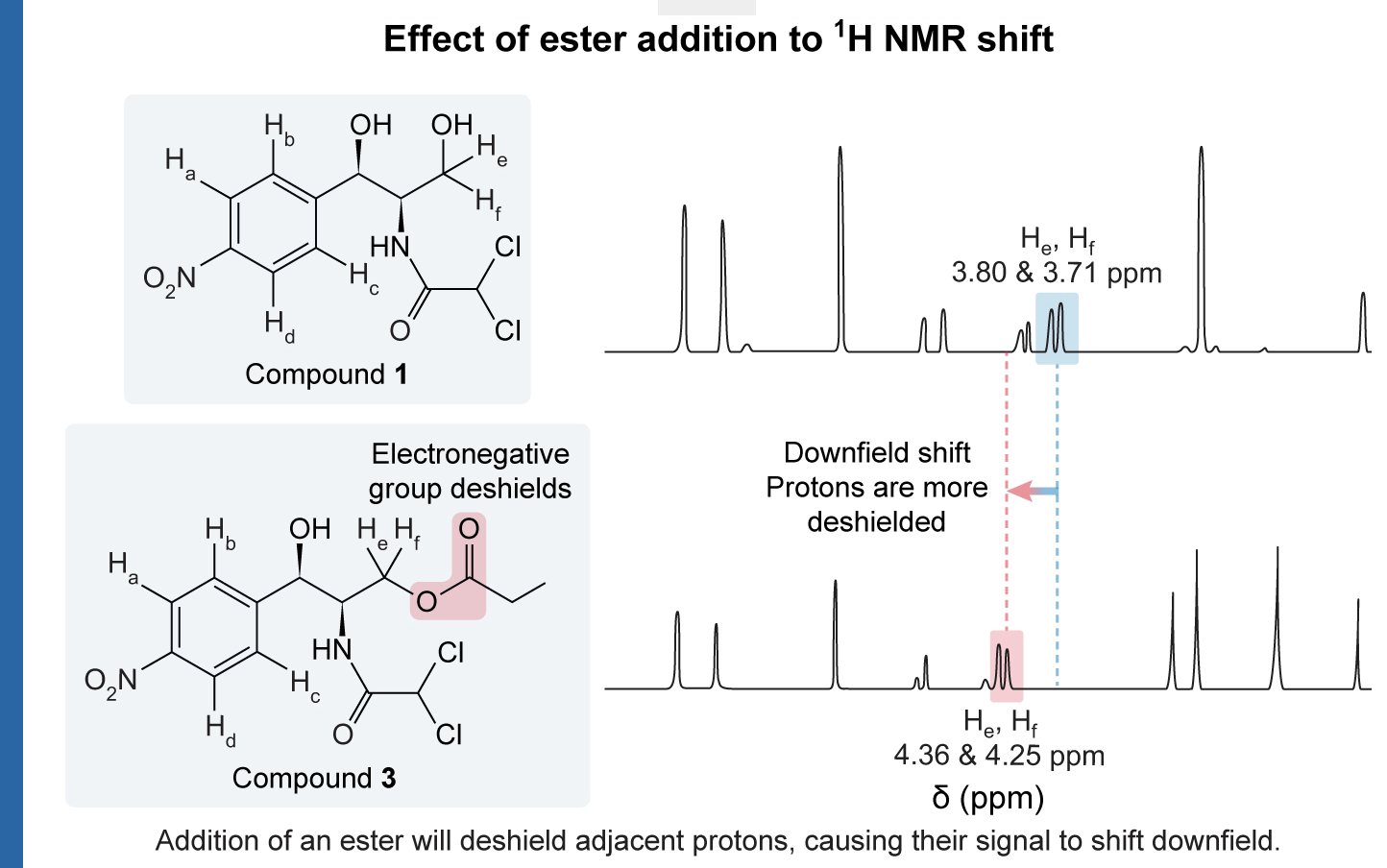

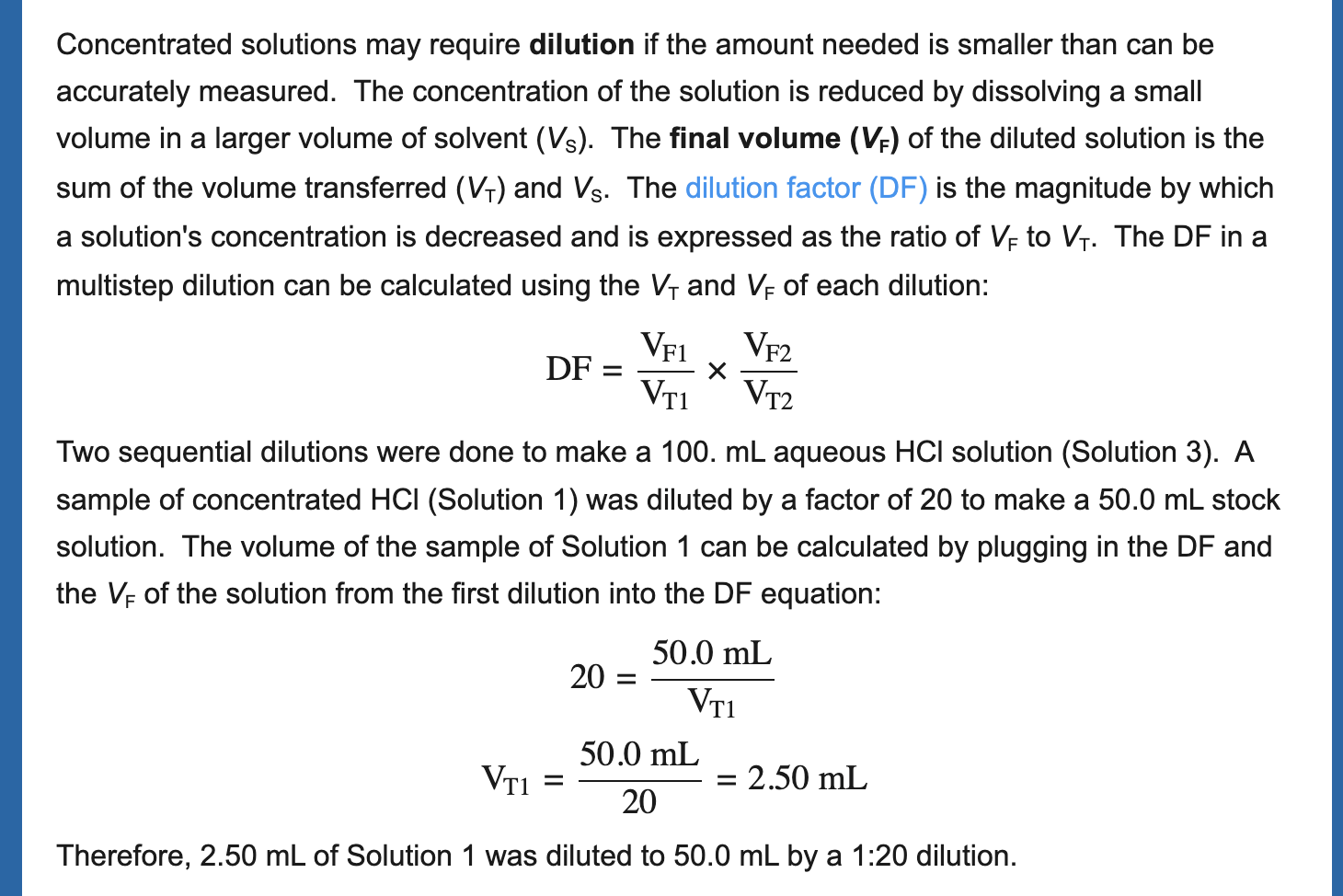
Let x be original concentration of solution 1 as a placement holder
(solving solution 1 volume) X*(?)= X/20×50
?= 2.5ml
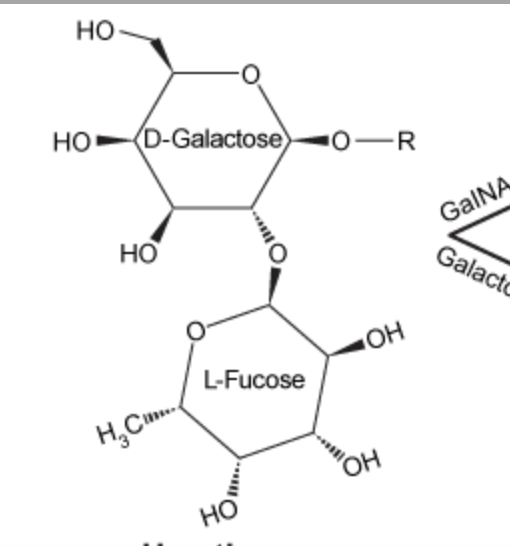

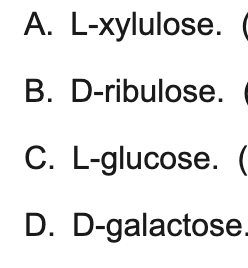
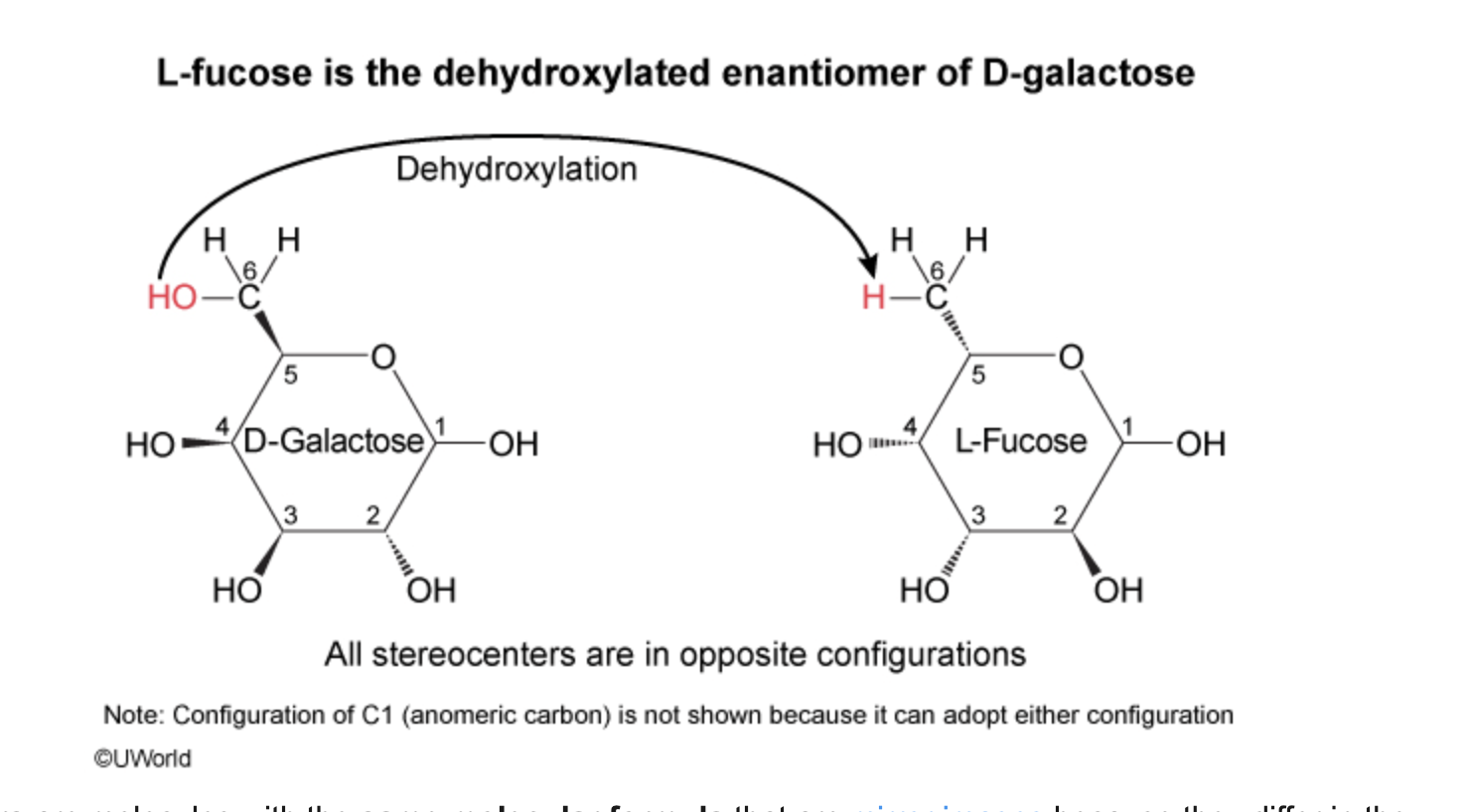
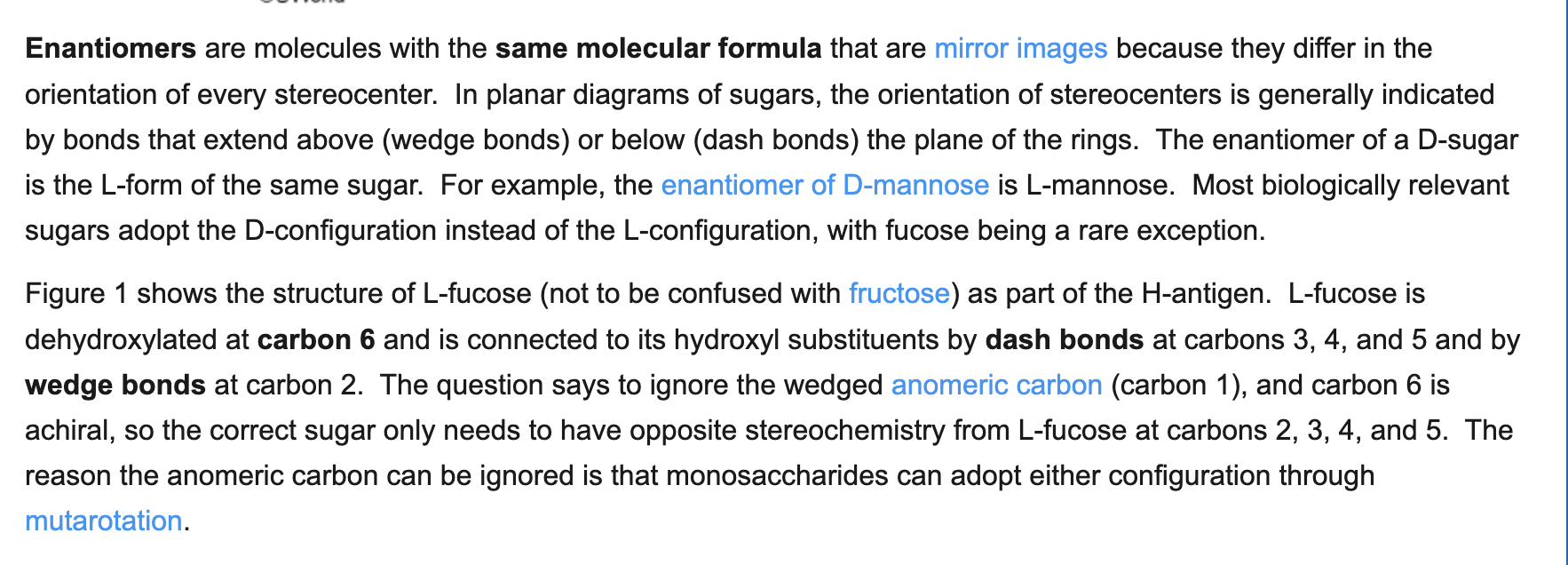
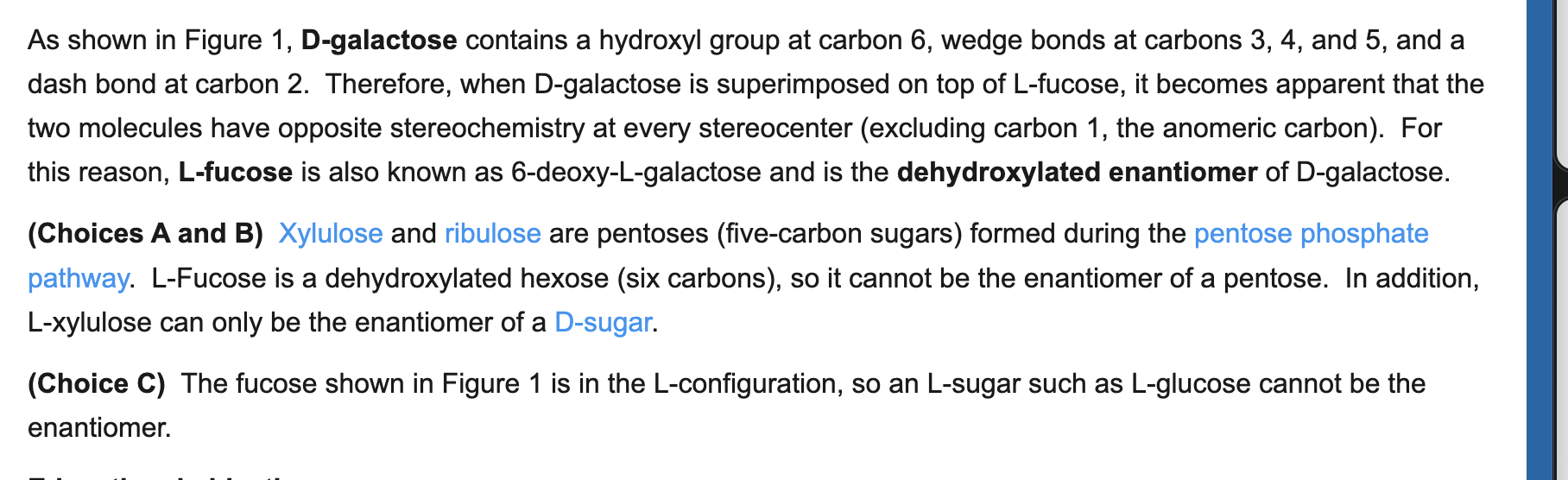
D vs L configuration
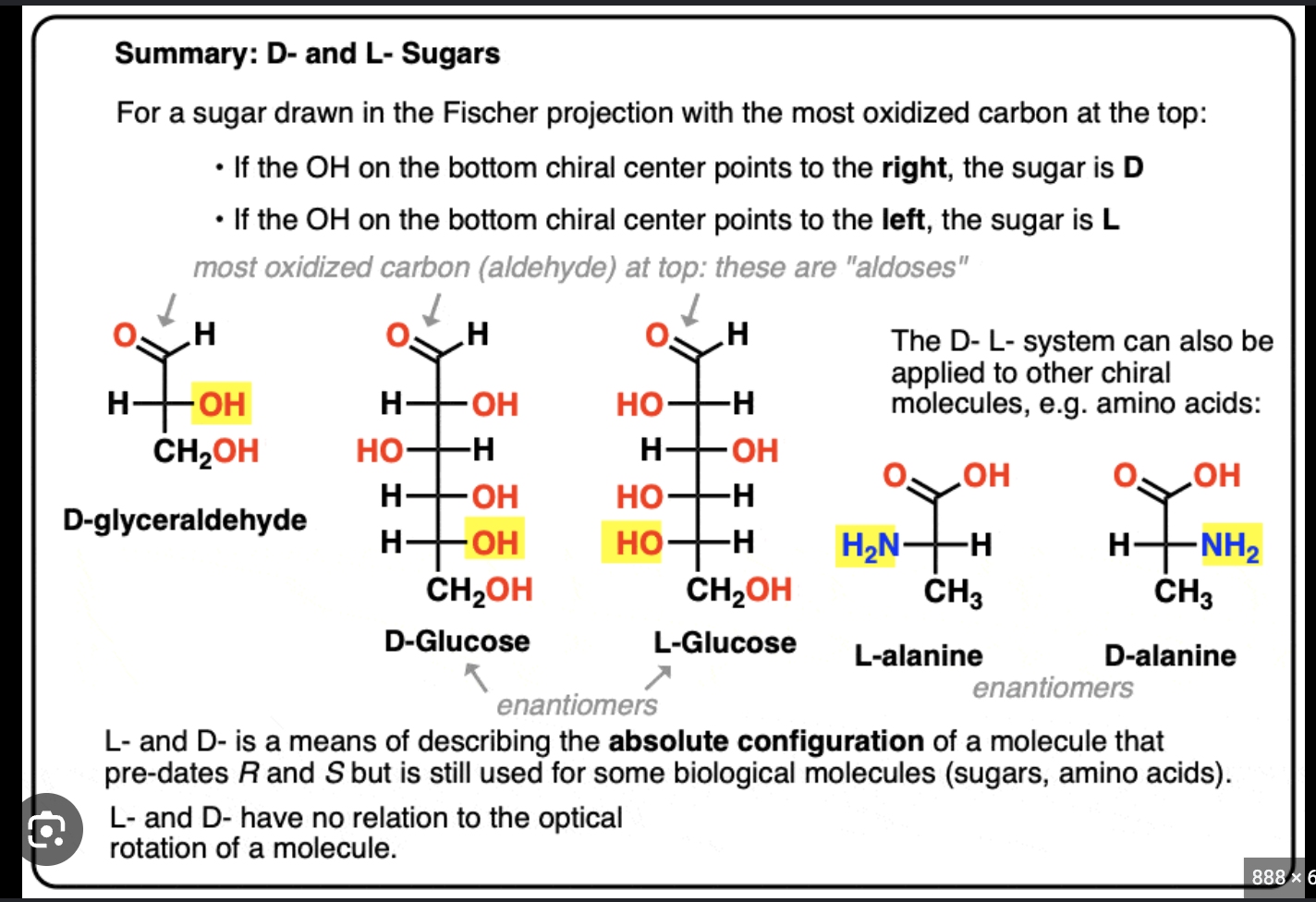
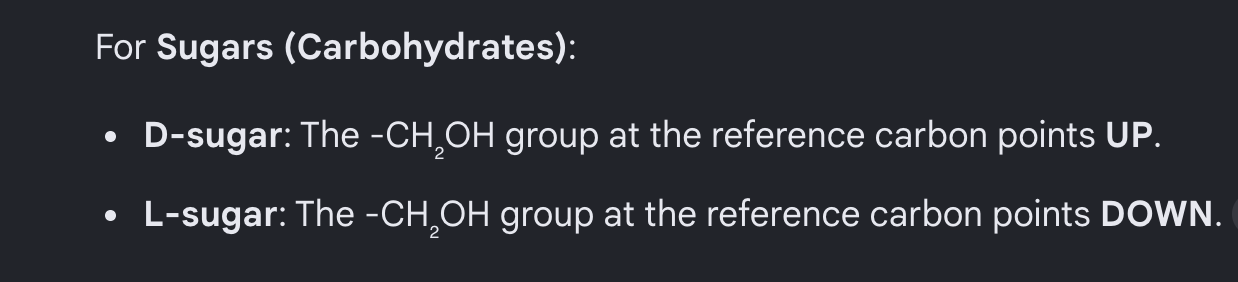

answer 1 only
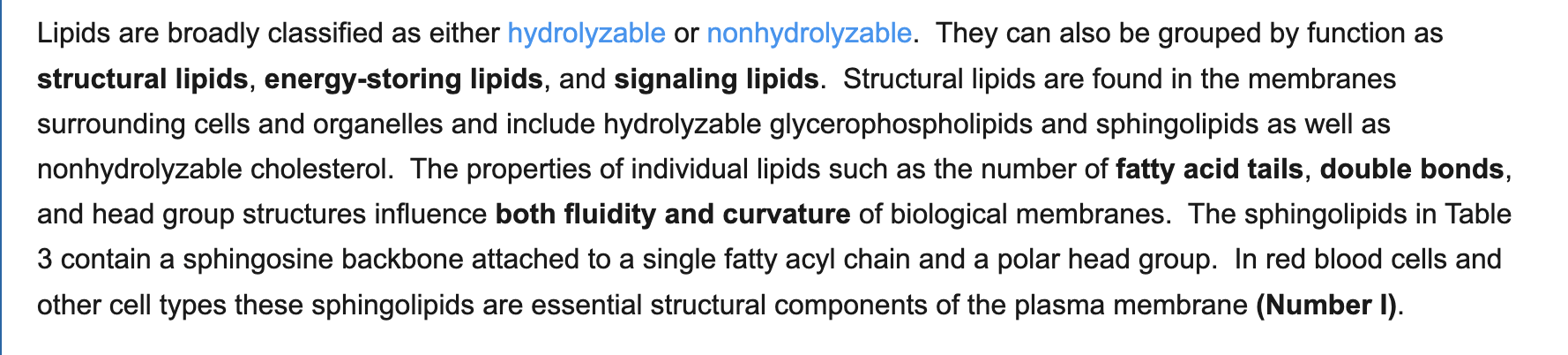
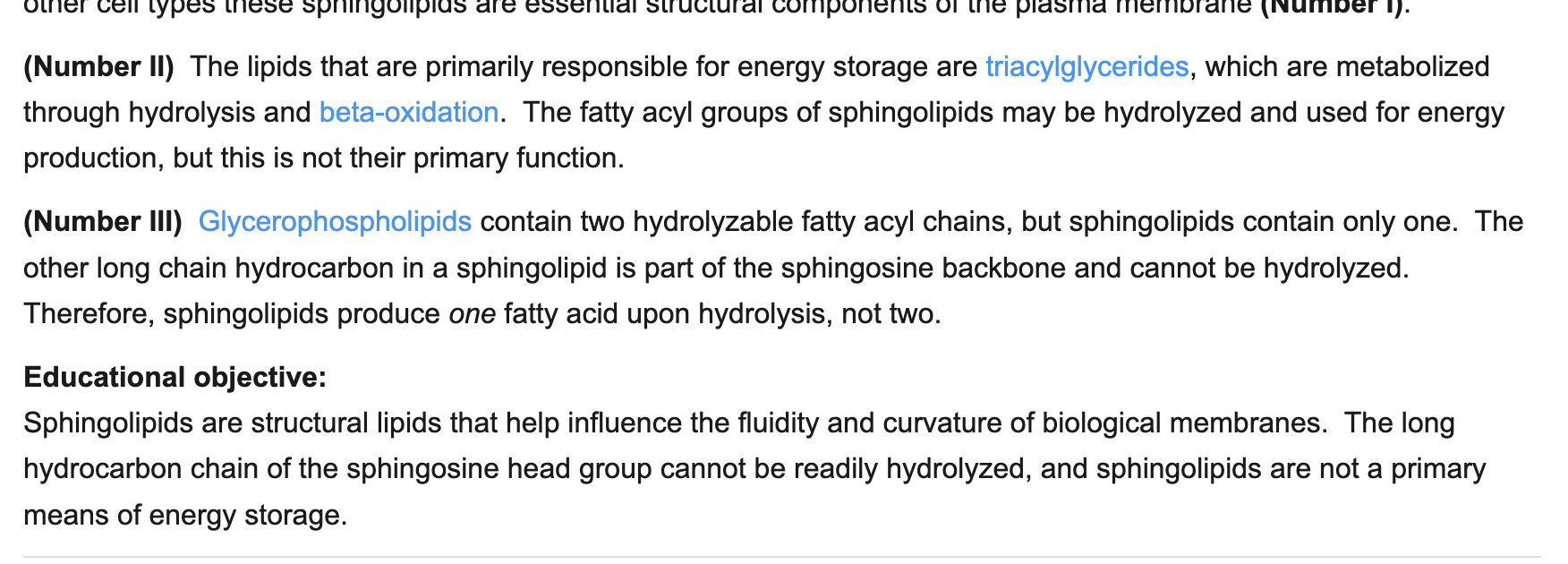
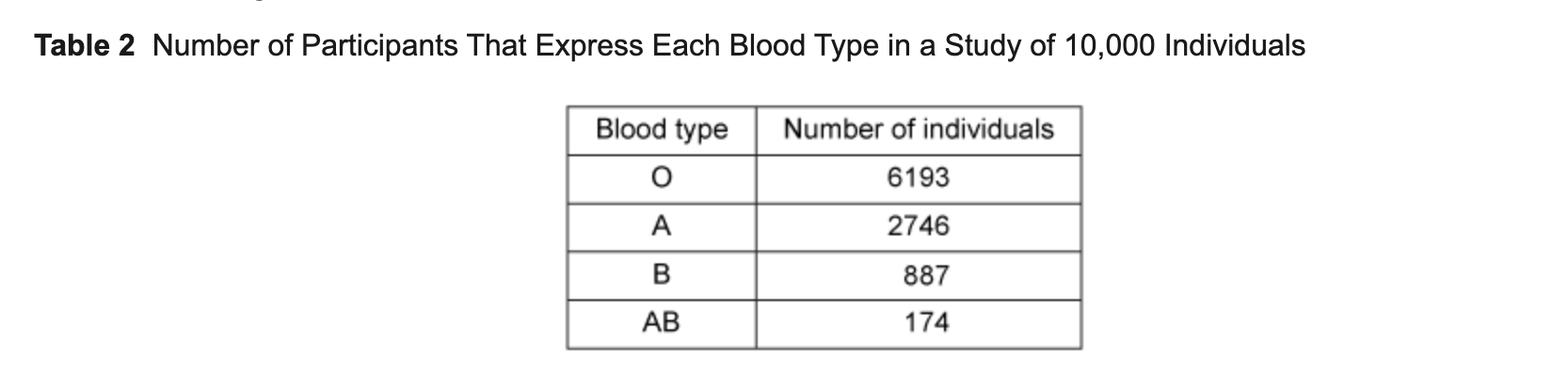
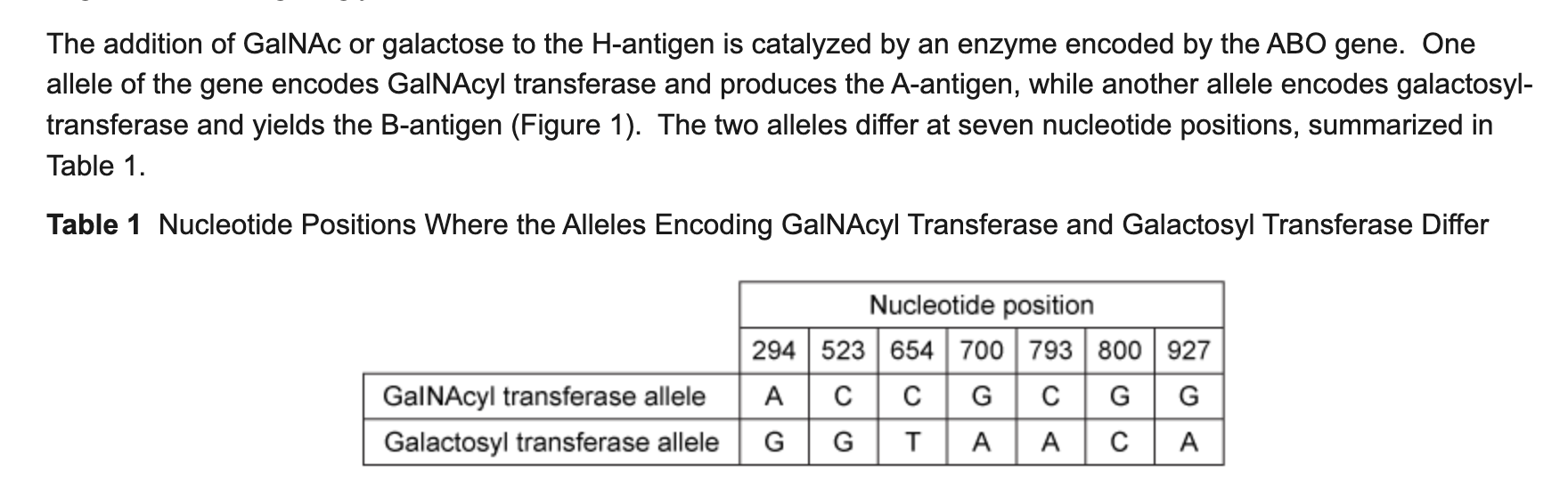

29 or 27%?
29%
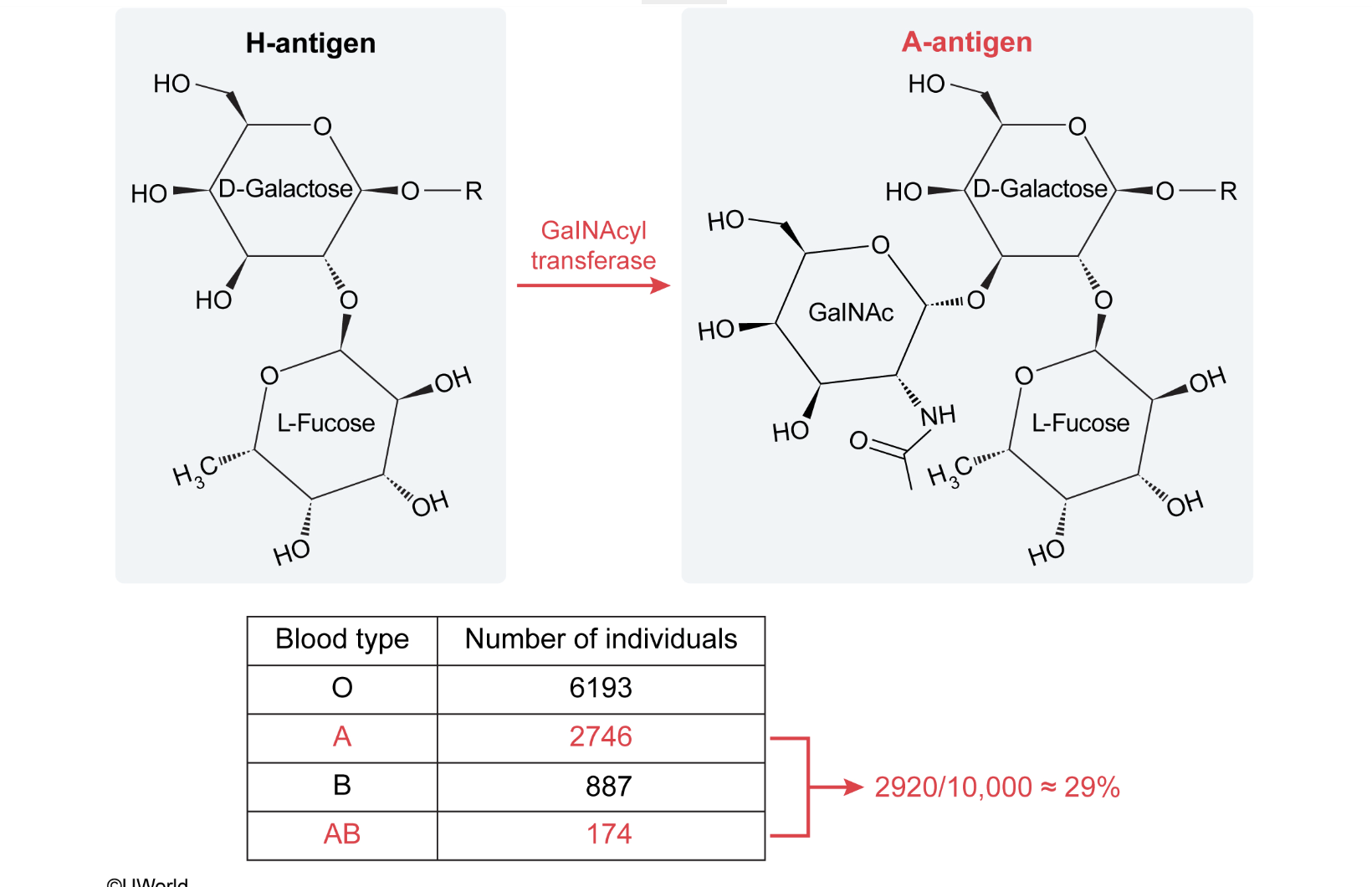
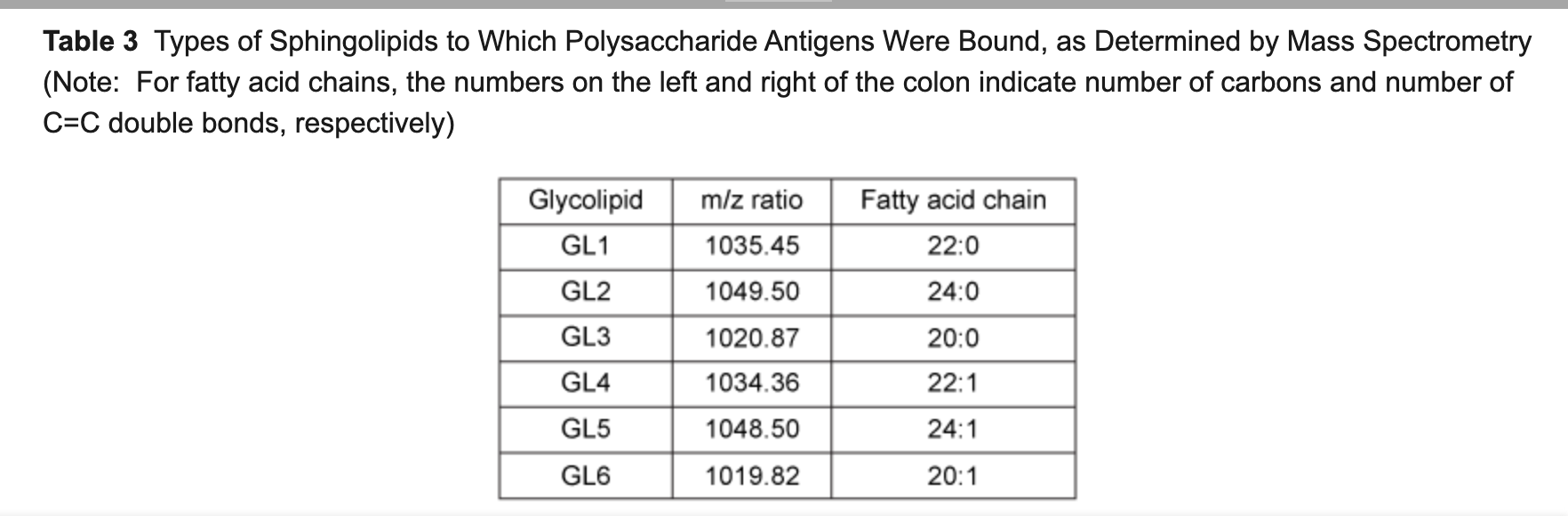

2,3,5 or 6?
GL6
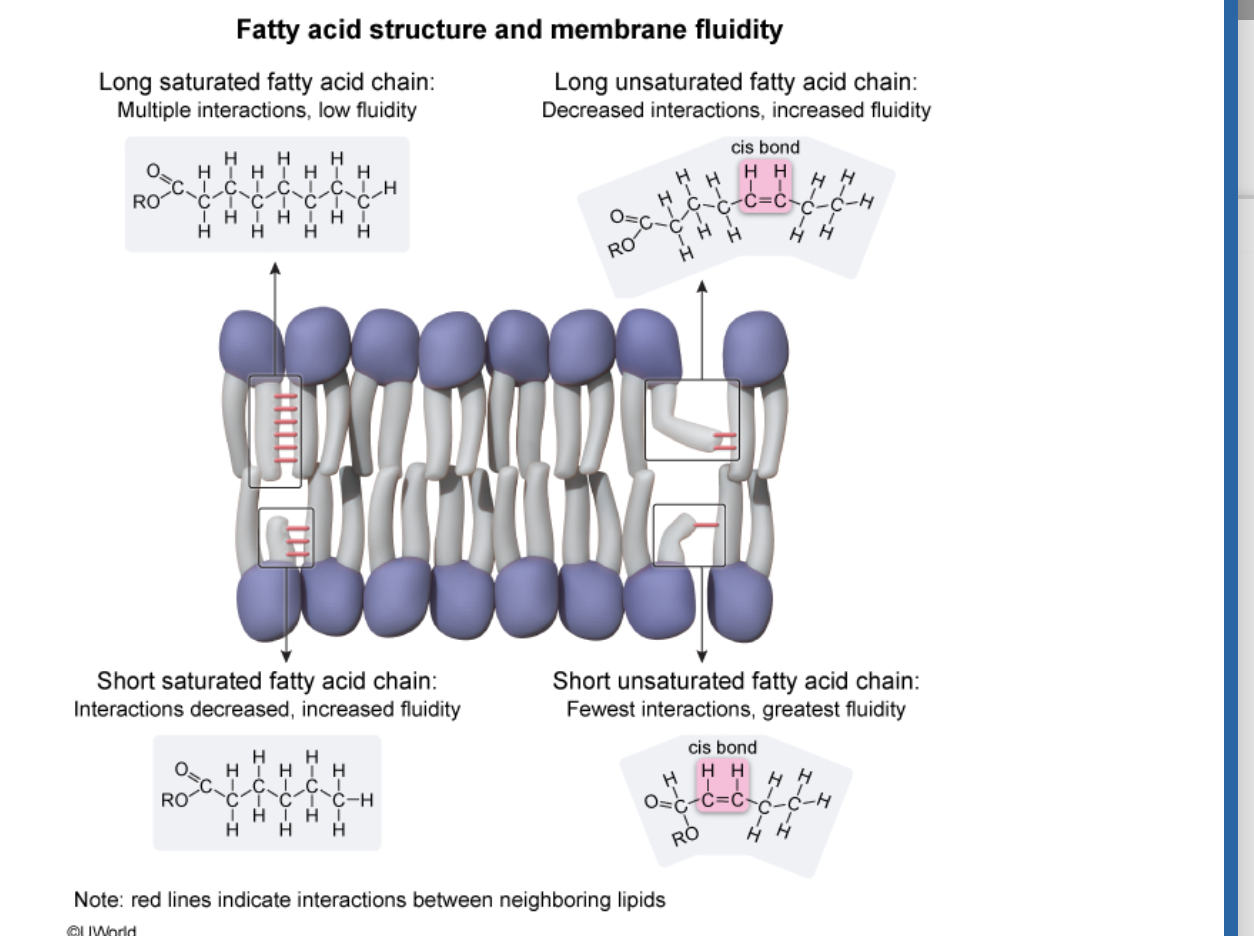
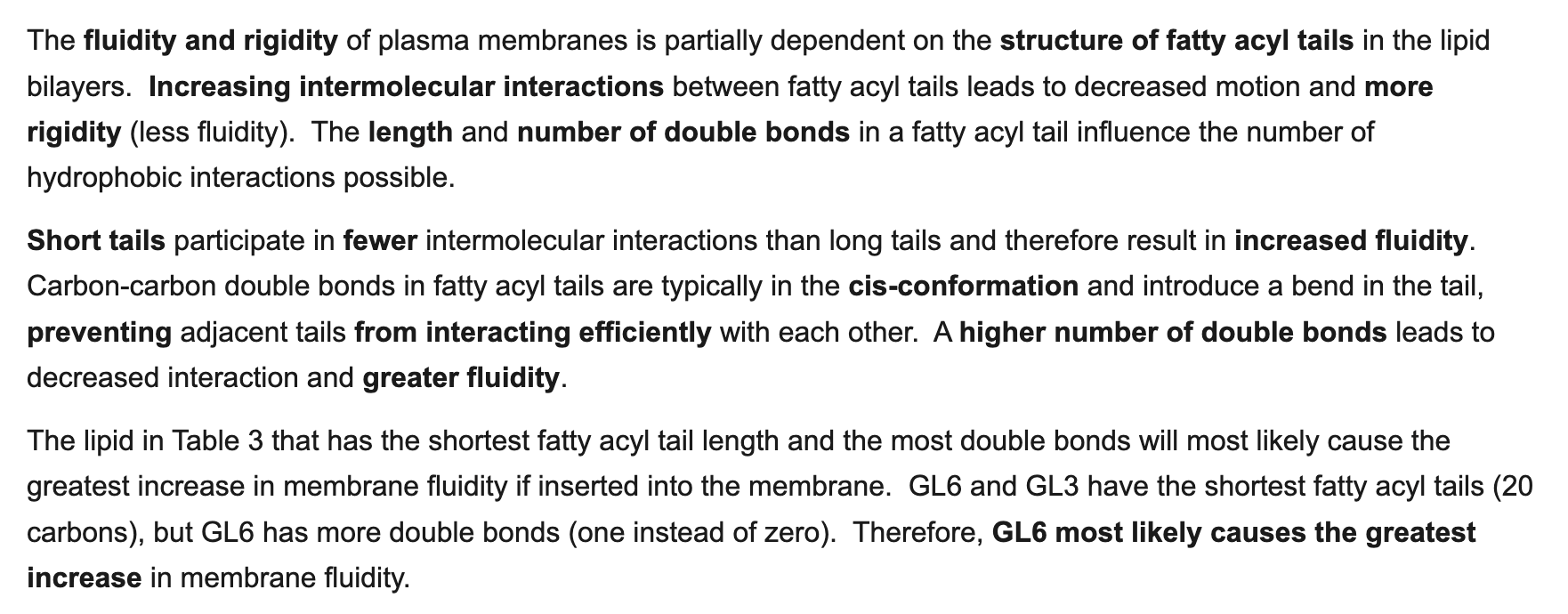



Answer B
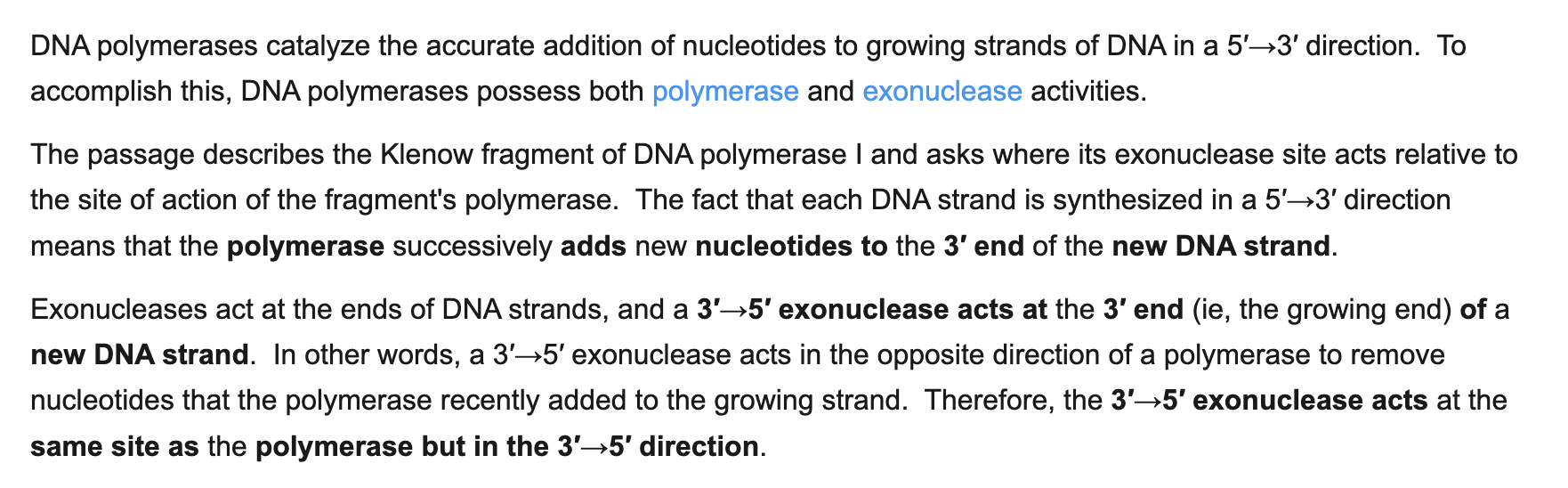

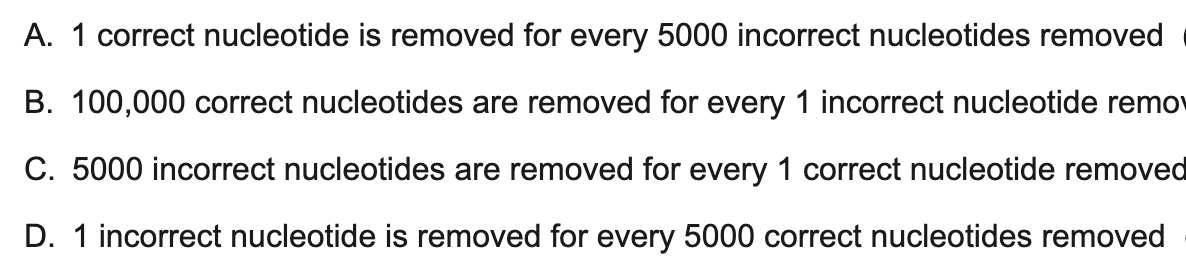
0.05×1×10^7 correct= 5 ×10^5
1×10² wrong nucleotides = 10² nucleotide
5×10^5/10² =
5000 correct per 1 incorrect
Answer D