Vm 202 Final
 Call Kai
 Learn
Learn Practice Test
 Spaced Repetition
 Match
Match Flashcards
 Knowt Play
1/124

There's no tags or description
Looks like no tags are added yet.
Name | Mastery | Learn | Test | Matching | Spaced | Call with Kai | Chat |
|---|
No analytics yet
Send a link to your students to track their progress
125 Terms
active ingredient
the component of a drug which produces the intended beneficial effect
adverse drug reaction (ADR)
a broader term that includes any adverse reaction either within the therapeutic range (i.e., side effect) or as the result of toxic accumulation of drug
black box warning
warning that contains adverse effects that have a significant risk for severse or life-threatening effects
nonproprietary name
the official generic name assigned to a drug that is no longer subject to trademark rights
over-the-counter (OTC)
drugs that don’t require a prescription from a veterinarian
trade name
a unique name a manufacturer gives its particular brand of a drug. Also known as proprietary name or brand name
ampules
dosage forms in which the drug is contained within a small, airtight, thin glass bottle that is opened by snapping the narrow neck of the ampule bottle
aqueous solution
a water medium in which the drug as been dissolved
caplet
a solid dosage form that is elongated to facilitate easy swallowing
capsules
powdered drug surrounded by a capsule male of gelatin, modified starch, or cellulose
elixir
alcohol-based solutions used for oral or topical application
emulsion
liquid suspension composed of two liquids that do not readily mix together
enteric coating
coating designed to protect the active ingredient from the harsh acidic environment of the stomach by not allowing the tablet to dissolve until is reaches the more alkaline environment of the small intestine
Extract
a therapeutic agent composed of prepared plant or animal parts rather than synthesized chemical in a lab
gel caps
powdered drug surrounded by a capsule made of gelatin
liniments
an oily liquid preparation to be used on the skin
ointment
a semisolid preparation for external application to the skin or mucous membranes; suspensions or solutions that liquefy at body temperatures. Also known as creams or gels
pastes
a semisolid preparation containing one or more drug substances for topical application. The two classes comprise the fatty pastes, thick, stiff ointments that do not flow at body temp; and those made from a single phase aqueous gel
suppositories
dosage forms designed to be placed in the rectum, where they dissolves and release drug that is then absorbed across the intestinal wall of the rectum
suspension
a liquid preparation consisting of solid particles dispersed throughout a liquid medium in which they are not soluble
sustained
controlled-release, coated drugs
syrups
drugs dissolved in a liquid sugar solution
tablets
solid dosage form of a medicinal substance, of varying weight, size, and shape, which may be molded or compressed
tinctures
an alcoholic or hydroalcoholic solution prepared from vegetable materials or from chemical substances
applied pharmacology
applying pharmacology to specific treatments
FDA
the federal agency responsible for protecting public health by controlling and supervising safety standards for food, drug, and cosmetic products that are either administered internally or are absorbed significantly into the body if administered topically
EPA
federal agency dedicated to protecting human health and the environment
extra label drug use (ELDU)
use of a drug in an animal in a manner that is not in accordance with the approved labeling. Also known as off-label drug use
package insert
The drug manufacturer's documentation inserted into or attached to the side of each bottle, package, or box of medication. The drug insert will contain the information that is mandated by FDA regulations for veterinary drugs, but will only contain that information for which the manufacturer has done the mandated testing or otherwise documented in compliance with FDA requirements. Also known as drug insert.
precaution
A protective measure taken in advance.
“Rx” symbol
Symbol indicating a prescription; from the Latin, meaning “take thou of.”
side effects
A consequence other than the one(s) for which an agent or measure is used; the adverse effects produced by a drug, especially on a tissue or organ system other than the one sought to be benefited by its administration.
therapeutics
The branch of medical science concerned with the treatment of disease
Trademark (™)
A symbol (i.e., ™) that indicates that the name is a registered trademark owned by the company and, like the copyrighted brand name, cannot be used by other manufacturers
Veterinarian-client-patient relationship (VCPR)
The veterinarian has examined or has adequate medical knowledge of the patient and has agreed to assume responsibility for veterinary care of the patient.
Warning
More serious or frequent side effects than those found in the precautions section. These constitute adverse drug effects that could potentially do significant harm to the patient.
Withdrawal time/period
Time between last dose and when the animal can be slaughtered for meat or food products
Xylitol
An artificial sweetener that in dogs causes massive release of insulin, causing hypoglycemia and liver necrosis
Contraindication
Circumstances or conditions in which the drug should not be used
Drug Formularies
A collection of recipes, formulas, and prescriptions
Generic Equivalent
Drugs produced or marketed by companies other than the original “brand” developer
Generic Name
Also called a nonproprietary name; a more concise name given to the specific chemical compound
Injectable Dosage Forms
Drugs that are administered by a needle and syringe
Indications
A sign or circumstance that points to or shows the cause, pathology, treatment, or issue of an attack of disease; something that points out, or serves as a guide or warning
Legend Drugs
Drugs limited to dispensing by or upon the order of a licensed prescriber (i.e., veterinarian or physician). Legend drugs contain ingredients that require greater control of dispensing either because of their toxic effects, potential to be abused or diverted as an illegal substance, or their potential to do harm to the patient or the person handling the drug
Liquid Dosage Forms
Drugs that are in a liquid form (e.g. syrups, suspensions, liniments)
Multidose Vials
Vials in which multiple doses can be withdrawn over time
Semisolid Dosage Forms
Drugs that are neither liquid nor solid (e.g. gels, ointments, creams, pastes)
Single-Dose Vials
Vial in which all the drug is used at once
Solid Dosage Forms
Drugs that are in a solid form (e.g. tablets, capsules)
Amoxicillin is a:
Generic name
Veterinarians can legally use drugs in an extra label manner to treat animals that will be used as human food.
true
Which of the following is the abbreviation for once a day dosing?
SID
A controlled substance with a schedule III would have greater abuse potential than a schedule II drug
false
IM stands for:
intramuscular
Which class of controlled drug cannot be prescribed by a veterinarian?
C-I
Which of the following is considered a semisolid form of medication?
Ointment
A prescription must have which of the following to be valid?
species of animal
A suspension:
contains drug particles that are suspended, but not dissolved in the liquid vehicle
A 40lb animal weighs how many kg? Round your answer to the nearest tenth place
18.2 kg
Solve the following:
65 mg = 715 mg
1 cap X cap
x= ?
11
Round 4.371 milliliters to the nearest hundredths place
4.37
3/7 x 7/9 = ?
1/3
A 16kg animal weighs how many lb? Round your answer to the nearest whole number.
35 lbs
How many liters (L) does 600ml equal?
0.6 L
Last year, our radiographs were $75. This year we are increasing our fees by 12%. What is the new cost of the radiographs?
84
68g = ? kg
0.068 kg
Round 9.85 milliliters to the nearest tenth place.
9.9 mL
Our patient needs 12 teaspoons of medication. How many milliliters will be prepared to be dispensed?
60 mL
1 mg = ? mcg
1000 mcg
1 g = ? mg
1000 mg
1L = ?mL
1000 mL
1 kg = ?g
1000g
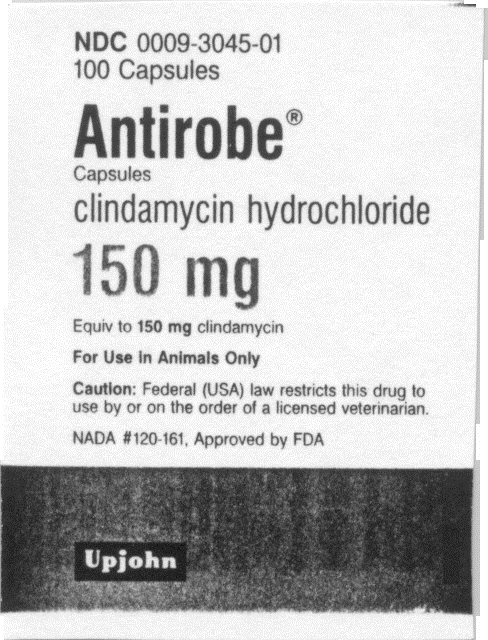
Based on the drug label, what is the trade name of the drug?
antirobe
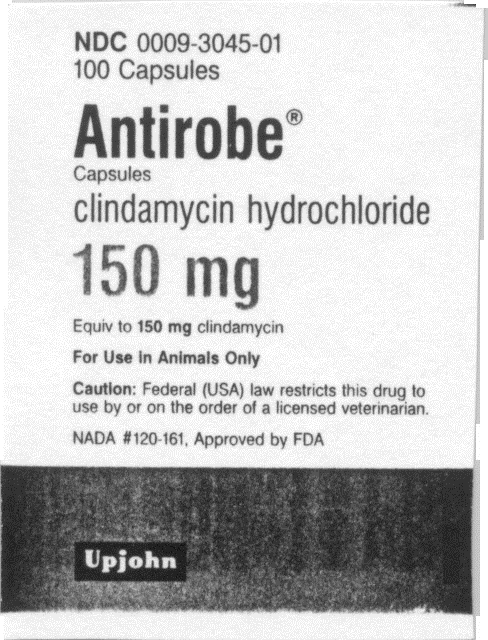
Based on the drug label, can this drug be used in humans?
no
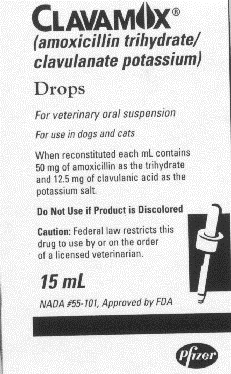
based on the drug label, is this drug a controlled substance?
no
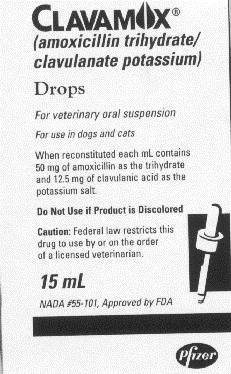
based on the below drug label, what is the concentration of amoxicillin in this suspension?
62.5 mg
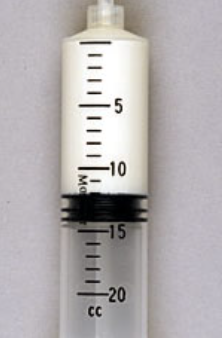
What is the volume of medication contained in the syringe?
12ml
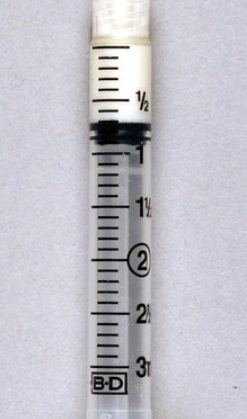
What is the volume of medication contained in the syringe?
0.7ml
The doctor asks you to dispense drug tablets for a 22lb. dog, to be given at 5 mg/kg TID for 5 days. How many 25mg tablets should you dispense?
30 tabs
The veterinarian prescribes a drug at a dose rate of 5mg/kg BID. The solution is 100mg/ml, and the patient weighs 50kg.
A) What is the volume of each dose in ml?
B) What is the total daily dose in mg?
A) 2.5ml
B) 500mg
You are asked to give a dog his daily dose of insulin. The required dose is 0.5U/kg every 24 hours. The dog weighs 29lbs. The bottle of insulin you find in the refrigerator states the concentration of insulin to be 100U/ml.
A) How many units will you administer to the animal? Round your answer to the nearest tenth.
B) How many ml will you inject per dose? Round your answer to the nearest hundredth
A) 6.6
B) 0.07ml
The veterinary technician must prepare 3L of a 40% solution using a stock solution of 100% concentration.
How much of the stock solution and how much of the diluent is needed to make 3L?
A) 1.2 L of stock
B) 1.8 L of diluent
_______________is defined by the FFDCA as any manipulation of drug product to produce a different dosage form than other that what is approved by the FDA
compounding
OSHA is an acronym for __________
Occupational Safety and Health Administration
Veterinary professionals are morally and ethically obligated to inform clients if a dispensed medication is in a non-childproof container
true
Which of the following combinations is correct?
room temperature: 15–30 degrees C
__________ means the drug is "poisonous to cells" and primarily meant to refer to mammalian cells
cytotoxic
what does SDS stand for?
safety data sheet
Calculate the number of drops per minute (gtt/min) a 4.7kg kitten requires. The fluid rate is 60ml/kg/day and the fluid is to be given using an administration set which delivers 60gtt/ml. Round your answer up to the nearest whole drop
12 gtt/min
A patient weighing 10kg has been receiving a drug with a strength of 5mg/ml. Over the last 24 hours the patient has received a total of 50ml. How many mg/kg has the patient received over the last 24 hours?
25 mg/kg/24 hr
A 16lb dog is receiving fluids at a rate of 40ml/kg/day. What is the hourly fluid rate?
12.2 mL/hr
A 20kg patient needs to be setup on a hydromorphone CRI post-operatively at a rate of 0.1mg/kg/hr. The concentration of hydromorphone is 2mg/ml. What is the rate in ml/hr?
1 mL/hr
A 15kg patient needs to be setup on a lidocaine CRI post-operatively at a rate of 40mcg/kg/hr. The concentration of lidocaine is 20mg/ml. What is the rate in ml/hr?
0.03 mL/hr
What 3 things must every practice have in reference to drug storage?
Safety Data Sheet for each cytotoxic or hazardous agent,
Package insert for every drug
Hospital policies & procedures (for handling cytotoxic/hazardous drug spill/exposure and for routine disposal of drugs, contaminated syringes or equipment, empty vials)
A medication is administered to induce vomiting in a dog. Shortly after administration, the dog vomits. For this drug, this is an example of a ____
therapeutic effect
A DVM’s written order as “2 tabs BID”, would be written for the clients as “administer two tablets every 12 hrs”
true
A DVM’s written order as “1cap q8h), would be written for the client as “administer one capsule three times a day”
false
A DVM’s written order as “1 cap TID”, would be written for the client as “administer one capsule every 8 hours”
true