Unit 1 Test: Renaissance and Discovery
 Call Kai
 Learn
Learn Practice Test
 Spaced Repetition
 Match
Match Flashcards
 Knowt Play
1/48

There's no tags or description
Looks like no tags are added yet.
Name | Mastery | Learn | Test | Matching | Spaced | Call with Kai | Chat |
|---|
No analytics yet
Send a link to your students to track their progress
49 Terms
100 Years War
(1337-1453) Series of long lasting conflicts between France and England, started with King Edward III of England (grandson of French King Philip IV) made claims to the French throne

Crusades
(~1202)Small military expeditions launched by Pope Innocent III with the goal to retake the Holy Land (Jerusalem)

Great Schism/Western Schism
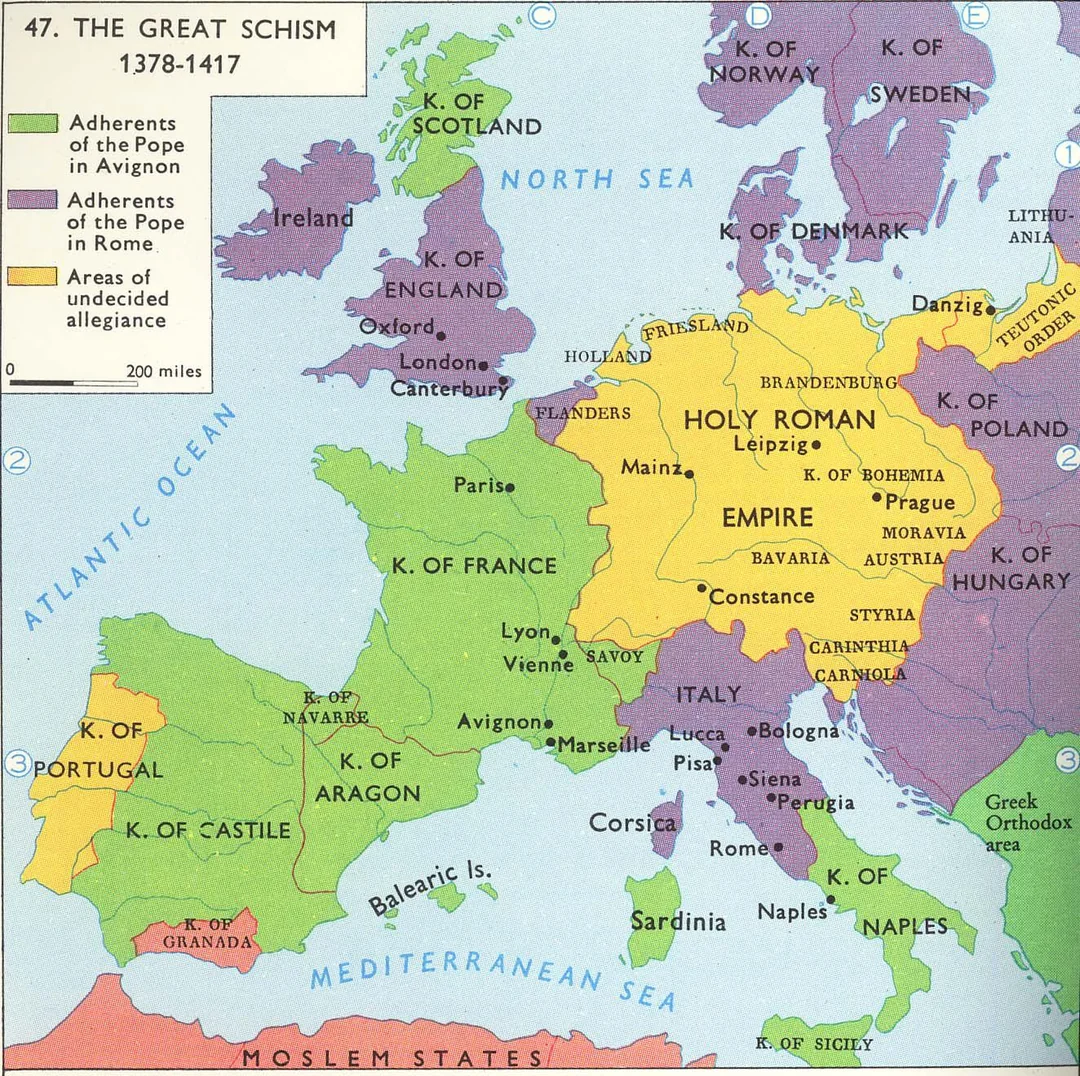
(1378-1417) After the return to Rome, two popes made claims that they were legitimate popes, resulting in a spilt in the Catholic Church and a politically divided Western Europe
Babylonian Captivity
(1309-1376) Also known as the Avignon Papacy, where Pope Clement V moved the court to Avignon, France to escape violence. Seven popes resided in France before returning back to Rome.
Conciliar Movement
Series of meetings of religous leaders… following the Great Schism
Little Ice Age
(1250-1850) By 1300, rain fall was at an extreme everywhere, and in Winter there was an abundance of snow. Climate change and changing temperatures led to loss of crops, and many famines and starvation.
Black Death
(1347-…) Merchant ships returned to Sicily after being infected with a bubonic plague from China. Within five years 25 million Europeans had died (1/3 of population)
English Peasants Revolt
(1381) Following the Black Death peasants demanding for better lifestyles, overturning the idea of the Feudal System. The Satute of Labourers was introduced in 1351 to fight against it.
Divine Right
The belief that leaders’ authority comes directly from God, centralized monarchy
Guelph
Those who backed the Pope in Naples
Ghibelline
Those who supported the Holy Roman Empire in Naples, consisted of nobility and aristocratic families
Grandi
The old noble and elite that ruled traditionally ruled Florence (before the Renaissance)
Popolo Grosso
The new class of wealthy merchants in Florence who took power (eg. Medici)
Signoria
The ruling council in city states like Florence, consisted of members from powerful guilds and industries
Condottieri
Hired troops in Renaissance Italy, eg. Francesco Sforza and Cesare Borgia
Cesare Borgia
(1475-1507) Born the illegitmate son of Pope Alexander VI, resigned from being a Cardinal and became known as a ruthless military leader. An inspiration for Machiavelli’s The Prince
Pope Alexander VI
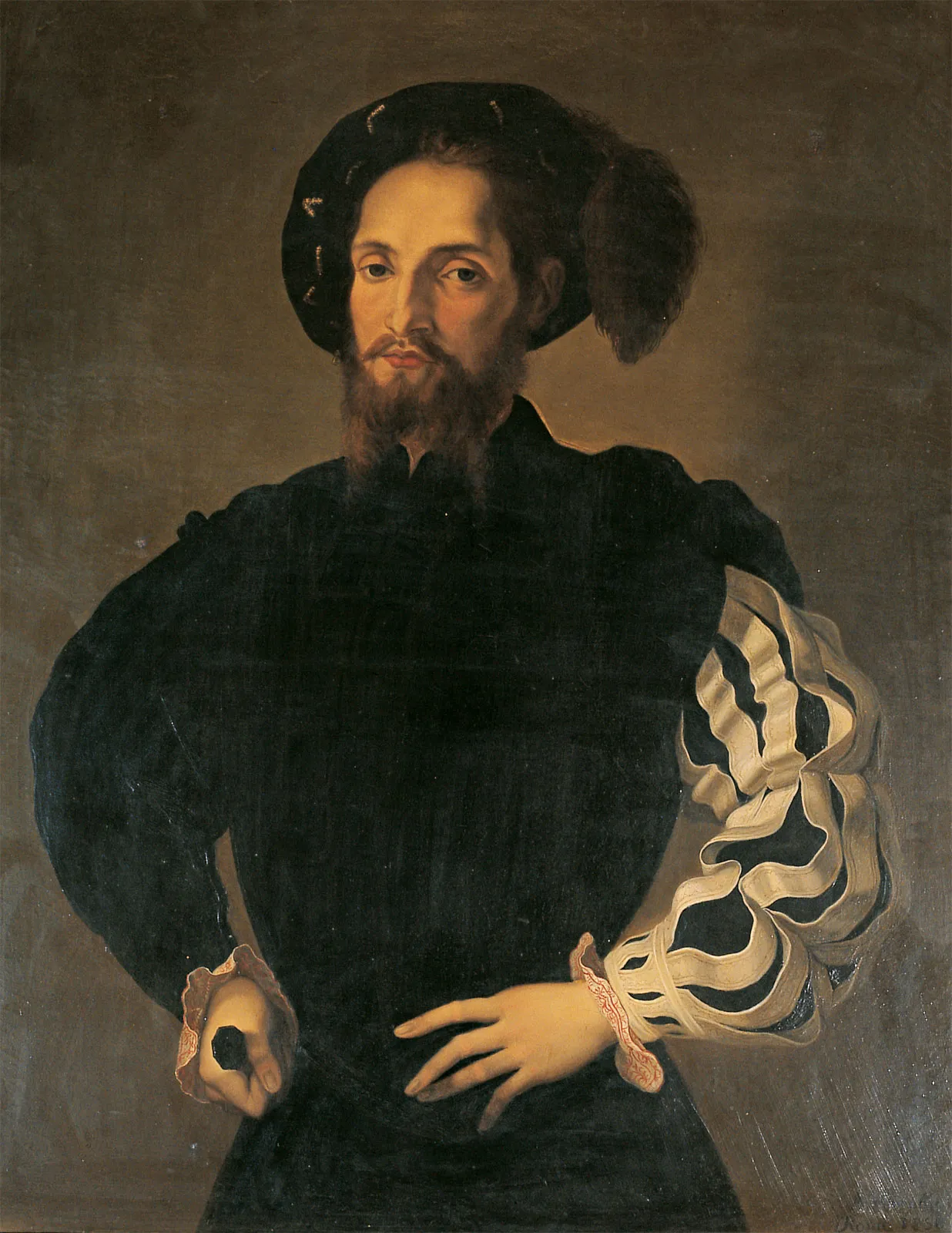
(r. 1492-1503) Known for being a “bad” Pope as he was fueled by corruption, and treated the Chuch as politics. Father of Cesare Borgia and one of the many causes of the reformation.
Pope Julius II
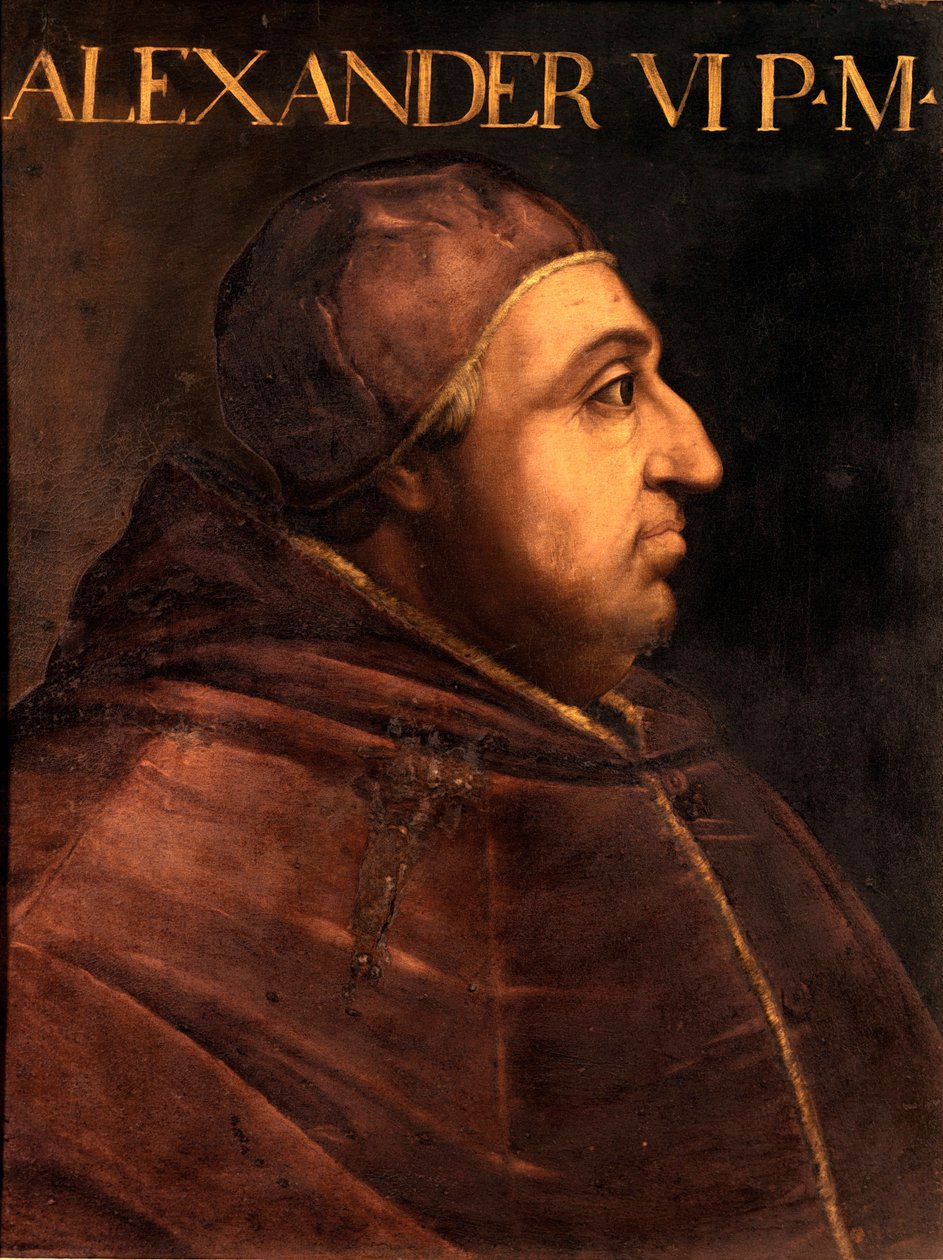
(r. 1503-1513) Famous for being the “warrior Pope” as he strengthened the Papal states through military power. Founded the Swiss Guard in 1506
Pope Leo X
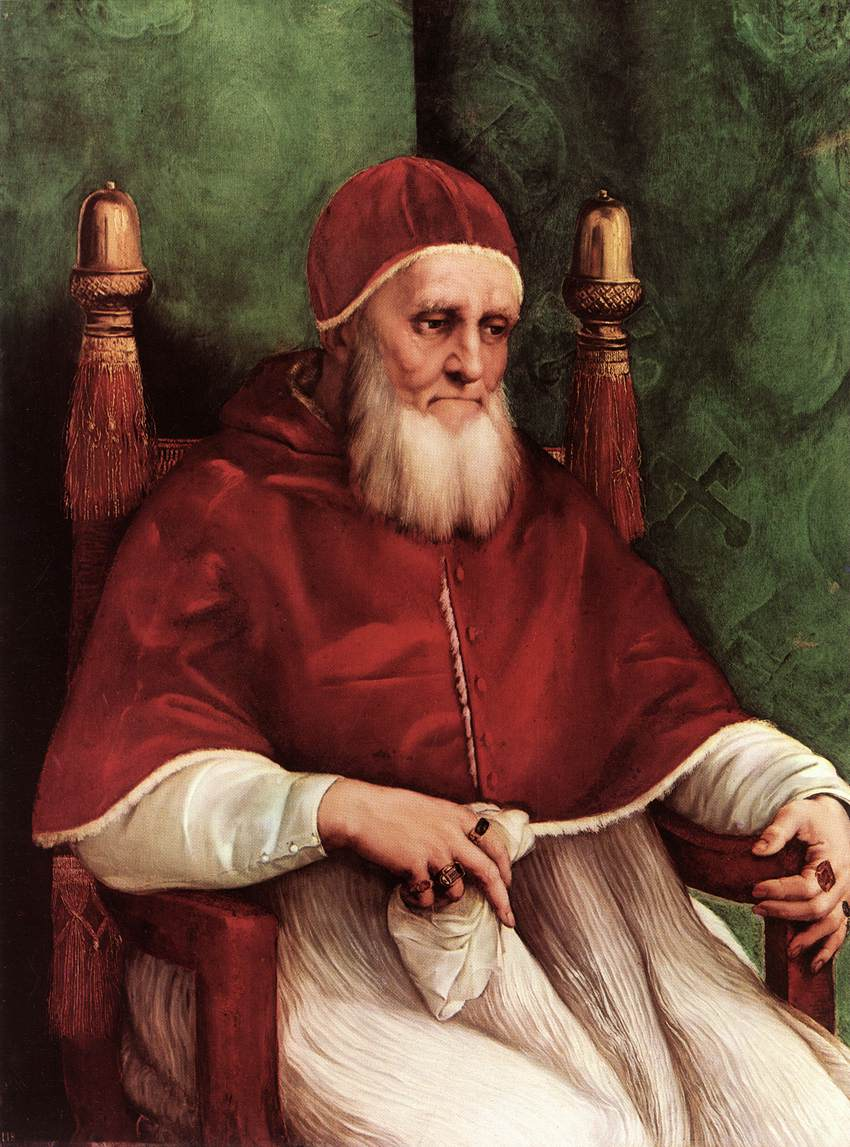
(r. 1513-1521) Born Giovanni de’ Medici (son of Lorenzo the Magnificent). Used wealth to commission many pieces of art and continued rebuilding St. Peter’s Basilica.
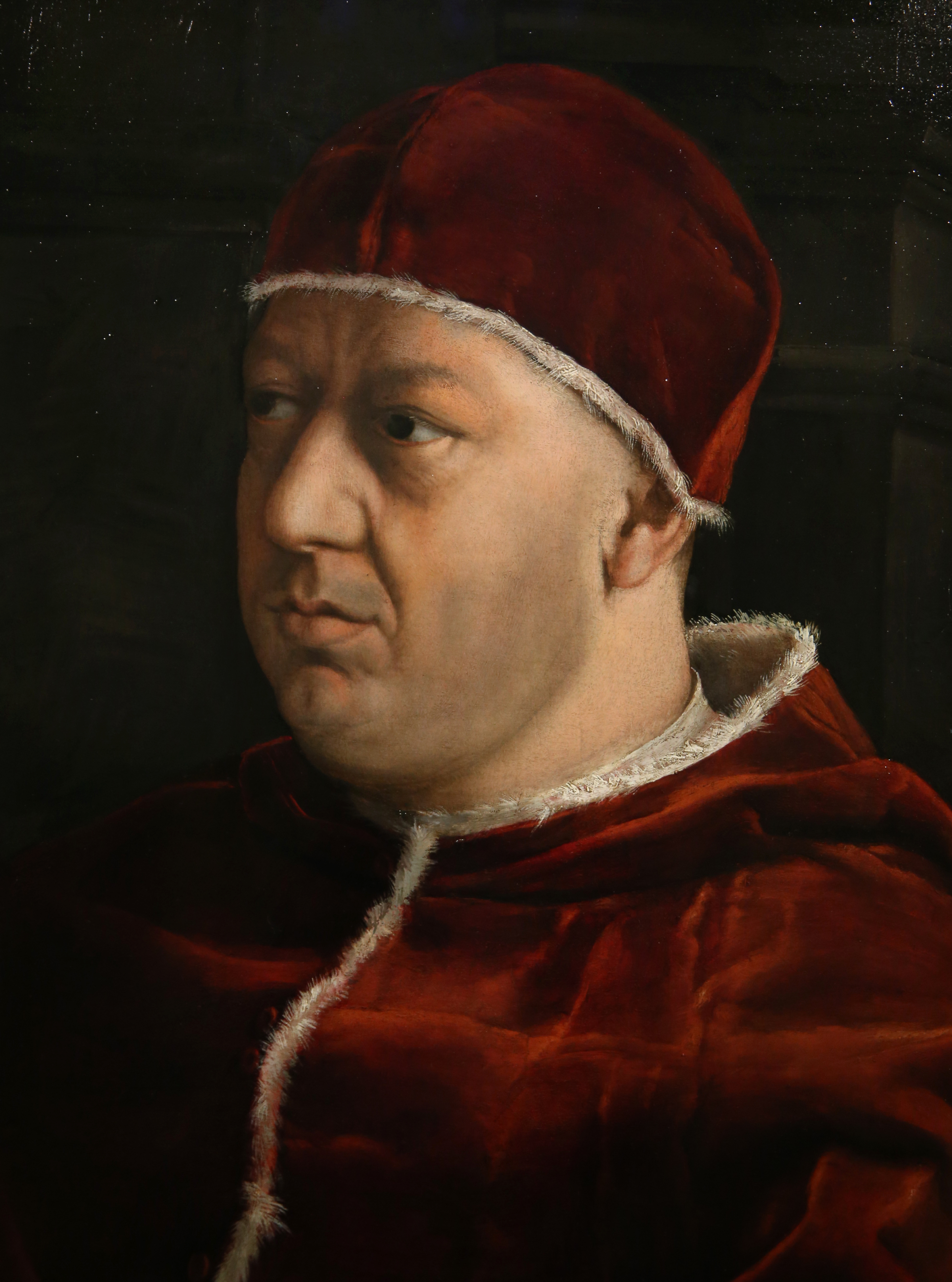
Visconti Family
(r. 1277-1447) The founders and monarchy of Milan, leading the dukedom
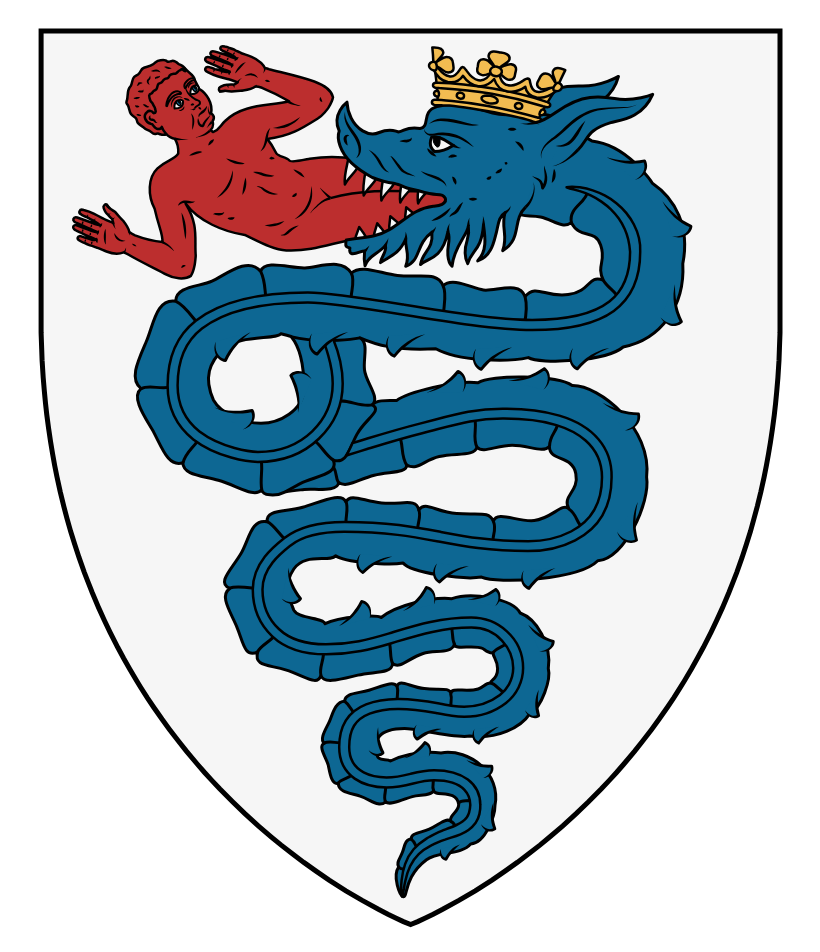
Francesco Sforza
(r. 1450-1466)Began career as a condottiero, leading successful military quests. Later married Bianca Visconti to become the Duke of Milan in 1450
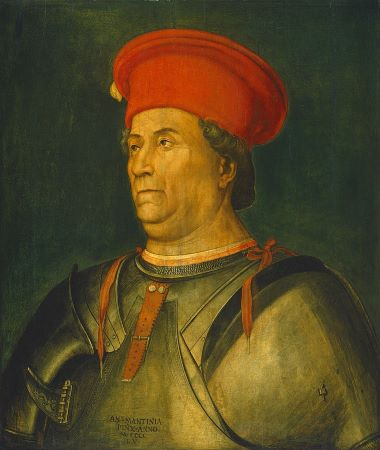
Ludovico Sforza “il Moro”
(1451-1508) Duke of Milan from 1494-1499, famously commissioned Da Vinci to paint The Last Supper, and made Milan into a cultural center. Ultimately triggered the Italian Wars

Great Council
The political assemble in Venice, consisting of noble families, around 2000 participants
Doge
The chief executive and head of state, elected by the Great Council in Venice
Angevin family
Ruled the Kingdom of Naples (1266-1453), eventually fell to Sicily
Fall to Spain
The family of Aragon, Alfonso V conquered Naples in 1442
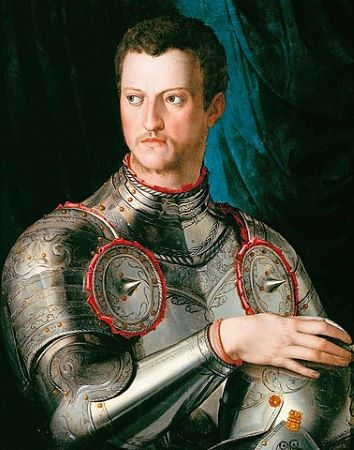
Cosimo de’ Medici
(1389-1464) Established the House of Medici, along with the banking empire that handled the Papal accounts. Following return from exile, became the unofficial ruler of Florence.
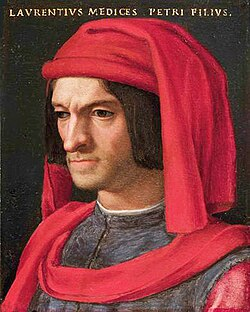
Lorenzo de’ Medici
(1449-1492) Also known as Lorenzo the Magnificent, ruled Florence from 1469 to his death. The grandson of Cosimo de’ Medici, and funded many Florentine humanist.
Scholasticism
A philosophy from the Middle Ages to explain theology, where tradition was emphasized, and scholars were not encouraged to look for answers beyond the Church.
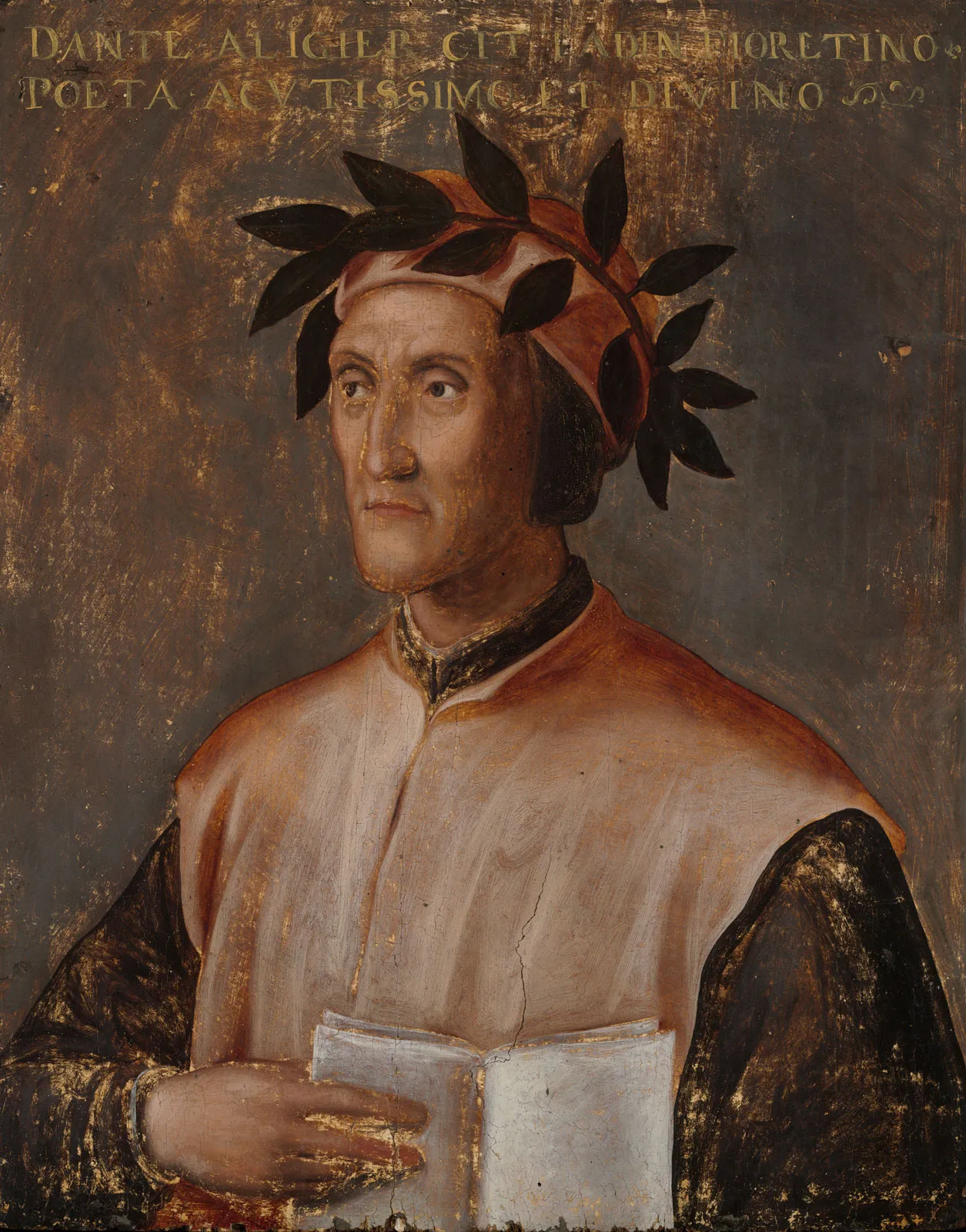
Dante Alighieri
(1265-1321) An Italian poet who wrote The Divine Comedy, a critique on society consisting of hell, purgatory, and paradise. Early Humanism
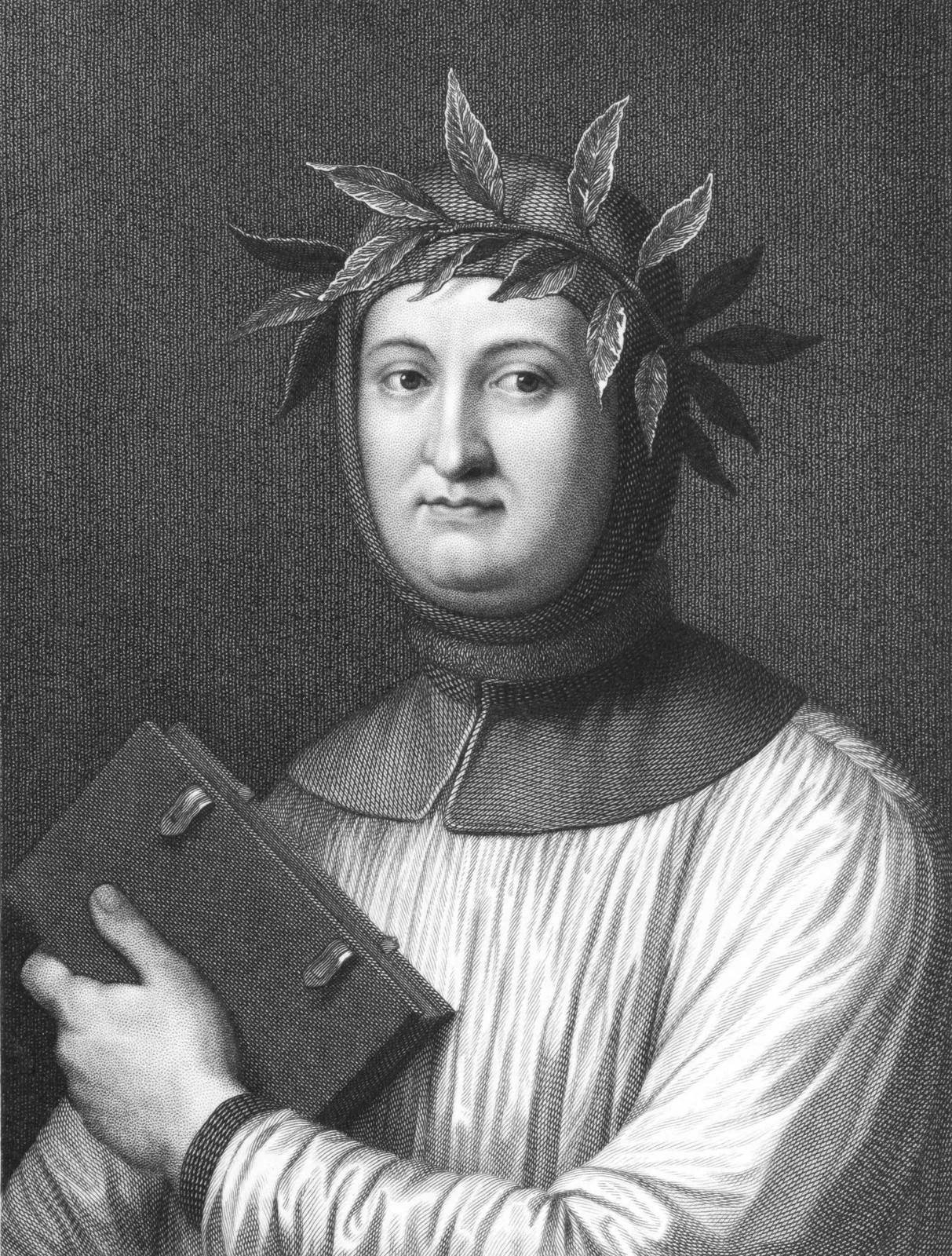
Francesco Petrarch
(1304-1374) Known as the “Father of Humanism”, lived in the Middle Ages yet studied Classical texts which reflected ideals of the Renaissance
Giovanni Boccaccio
(1313-1375) An early humanist, mentored by Petrarch who wrote The Decameron, about how the Bubonic Plague devasted Florence.

Leonardi Bruni
(1370-1444) An early humanist who was known for civic humanism and promoted the study of ancient Greek and Roman works
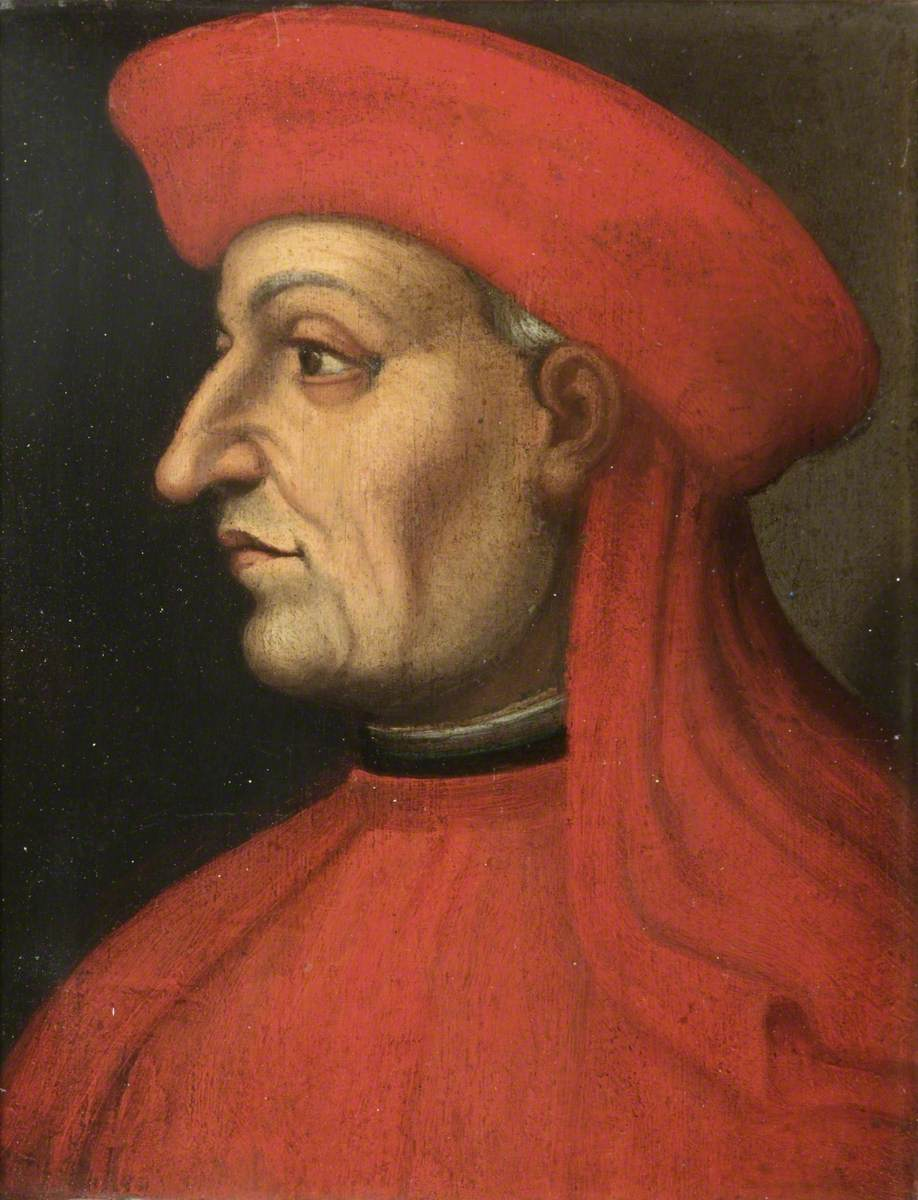
Giovanni Pico della Mirandola
(1463-1494) Italian philosopher who is an example of individualism, as he focused of separating social hierarchy from God. Wrote Oration on the Dignity of Man
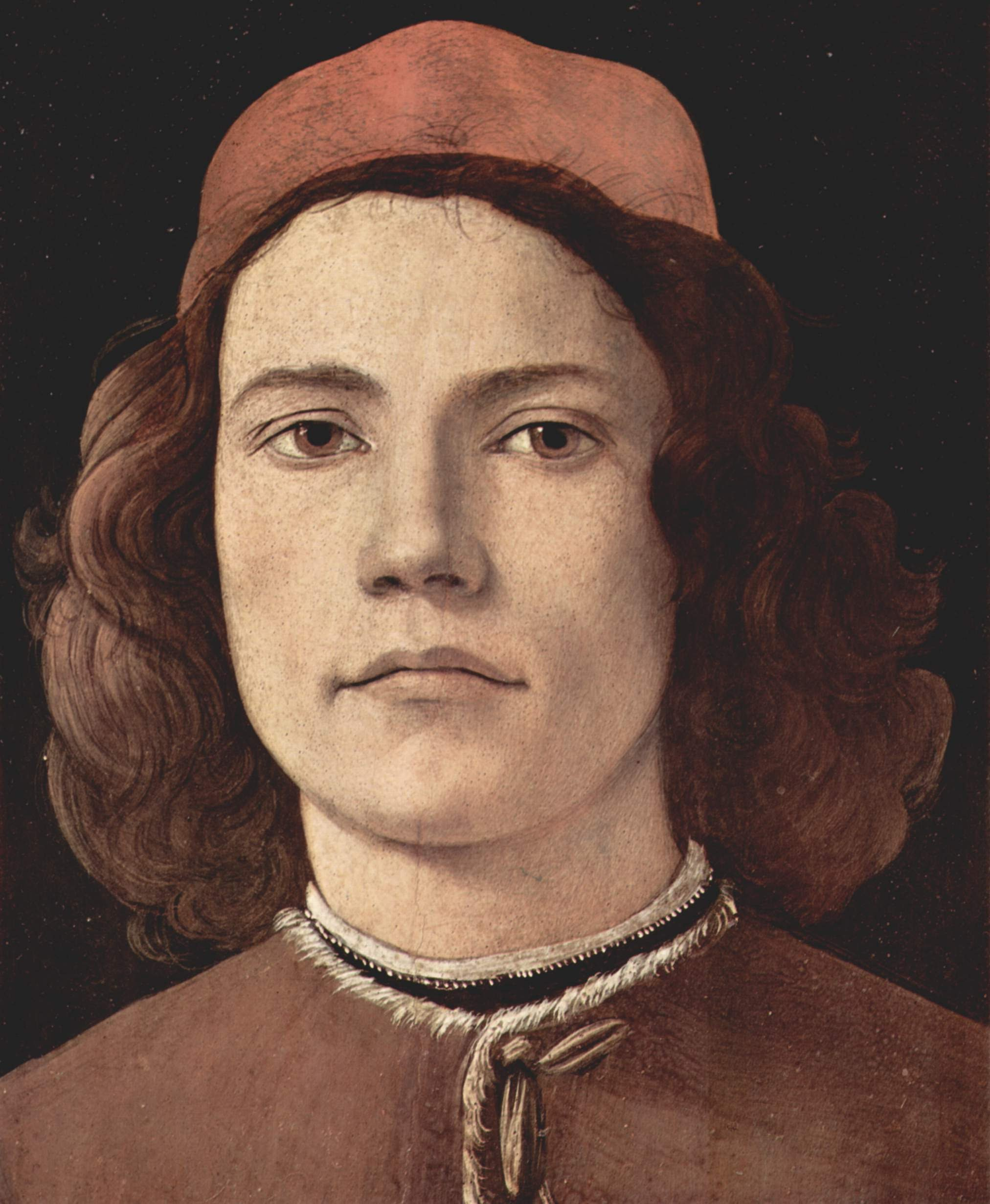
Baldassare Castiglione
(1478-1529) An Italian humanist, diplomat, and author, he wrote The Book of the Courtier which outlined the proper manner in which nobles should act
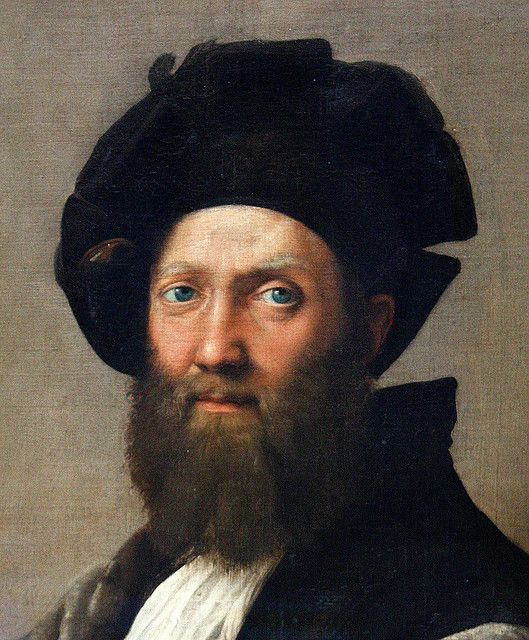
Sprezzatura
A term introduced by Baldassare Castiglione in The Book of the Courtier, described as a form of conscious carelessness
Florentine Academy
Founded by Pico della Mirandola, which focused on teaching humanism and platonism, Cosimo de’ Medici sponsored the institution
Individualism
The belief that an individual has moral and personal rights separate from the Church. Emerged during the Renaissance along with the idea of Humanism
Secularism
Studies focused less on religion and more on what was currently happening. Does not mean rejection of the Church
Properties of Renaissance Art
Uomo universale, contrapposto (pose), chiaroscuro, linear perspective, and realism
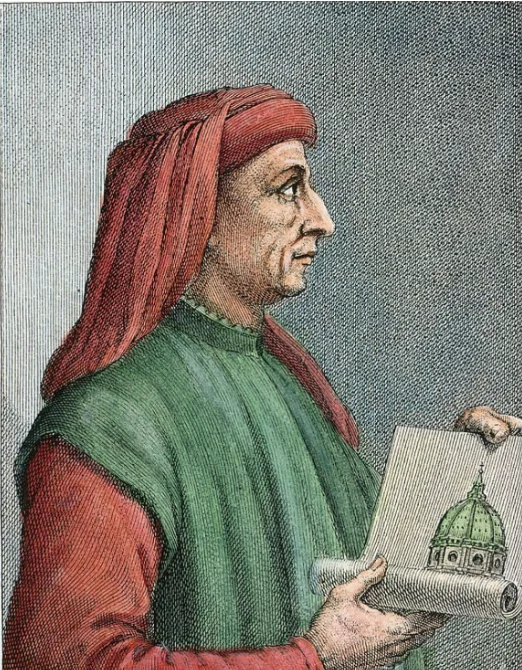
Filippo Brunelleschi
(1377-1446) An Italian architect who was commissioned by Cosimo de’ Medici to engineer the dome of the Florence Cathederal. Considered to be the father of Renaissance architecture.
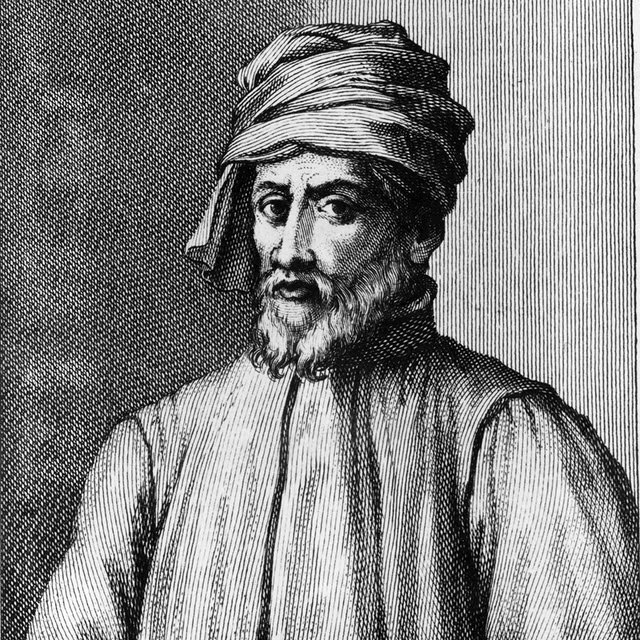
Donatello
(1386-1466) An Italian sculpture most known for his bronze sculpture of David. Specialized in bronze and marble, “founder of modern sculpture”
Masaccio
(1401-1428) A Florentine painter from the Early Renaissance, pioneering in linear perspective, the use of shadows and dimension, to initiate realism.
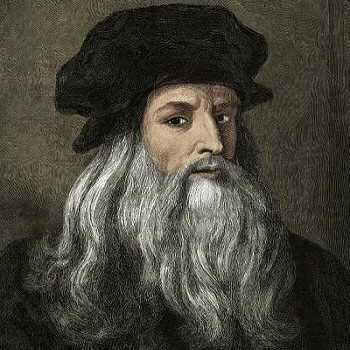
Leonardo da Vinci
(1452-1519) An Italian painter and mathematician, most renowned for Mona Lisa and The Last Supper. Focused on realism and perspective
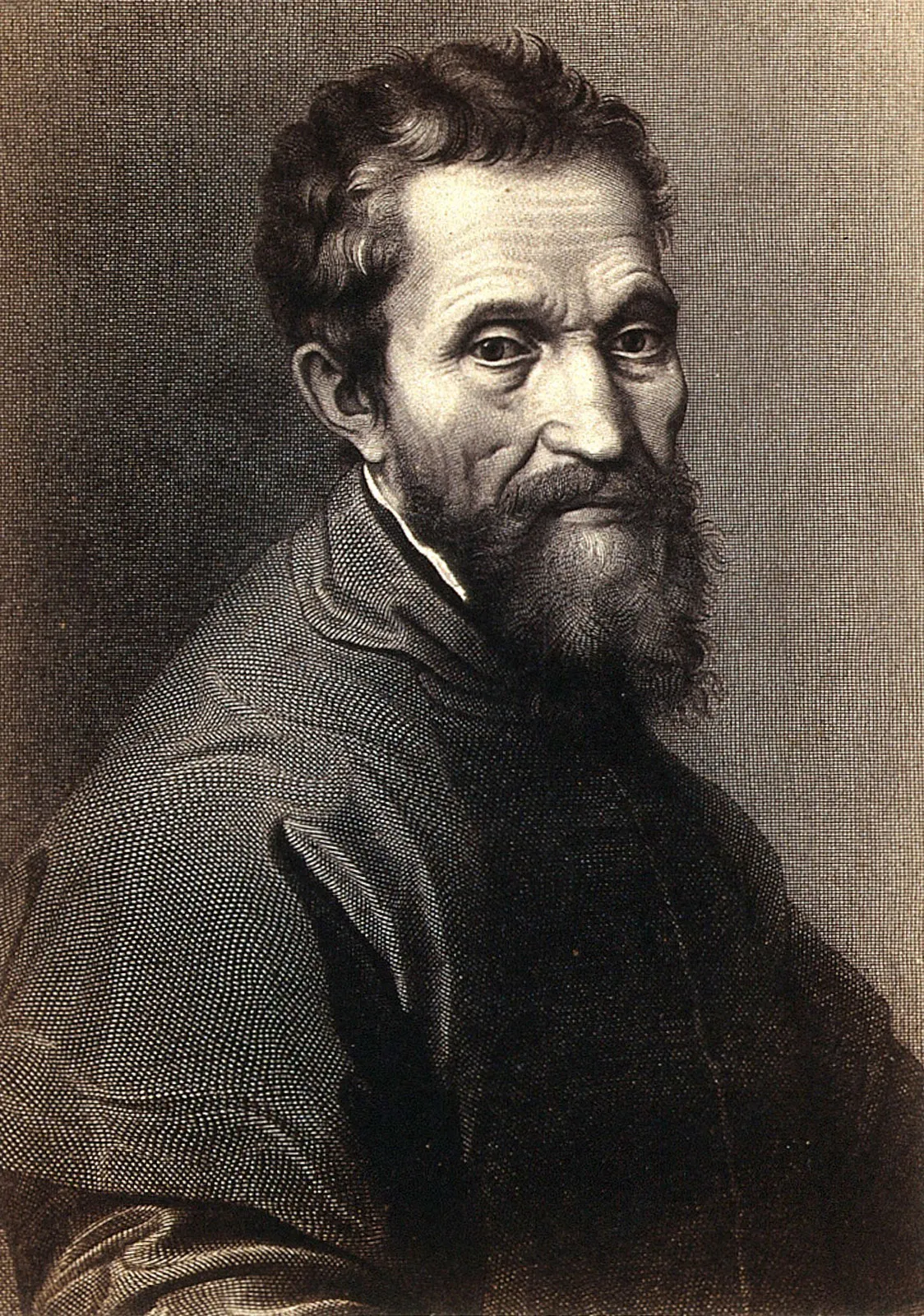
Michealangelo
(1475-1564) An Italian sculpture, painter, architect, and poet. He is known for the marble sculptor of David and his paintings on the roof of the Sistine Chapel.
Raphael
(1483-1520) An Italian painter and architect who was commissioned by Pope Julius II to paint The School of Athens, a fresco depicting many ancient scholars.
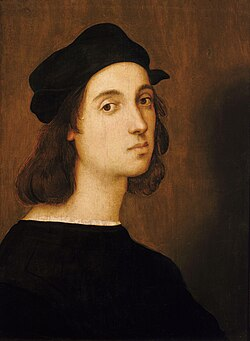
Artemisia Gentileschi
(1593-1654)
Peace of Lodi
(April 1454)
Niccolò Machiavelli