385 anasthesia monitoring and arrhythmias
 Call Kai
 Learn
Learn Practice Test
 Spaced Repetition
 Match
Match Flashcards
 Knowt Play
1/29

There's no tags or description
Looks like no tags are added yet.
Name | Mastery | Learn | Test | Matching | Spaced | Call with Kai | Chat |
|---|
No analytics yet
Send a link to your students to track their progress
30 Terms
Feline/Canine Normal Temp.
100.2-102.2 degrees farenheit
Canine pulse
60-160 bpm
Feline Pulse
140-220 bpm
Canine Respitory Rate
16-32 bpm
Feline Respitory
20-42 bpm
voluntary movement and palpebral reflex
absent in the surgical plane of anasthesia
jaw tone
relaxed but present in the surgical plane of anasthesia
eyes pointed rostral
eye position in the surgical plane of anasthesia
more than 95%
normal pulse ox
35-50
normal EtCO2
normal capnograph
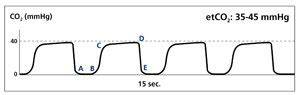
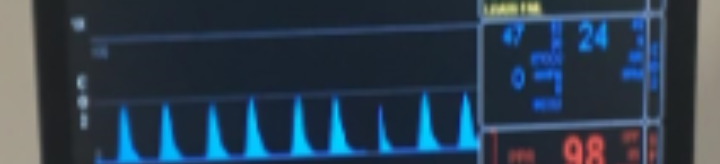
Cardiogenic Oscillations

Leak
Systolic
Heart contracts
80-150
normal SAP
Diastolic
Heart rests between beats
50-80
normal DAP
hypotension
tx: up fluid rate, lower gas, reverse pre-meds
hypertension
tx: more gas, pain meds, lower fluid rate
40% of pt limb
BP cuff size
anticholinergic: atropine or glycopyrrolate
tx: low HR with hypotension
P wave
atrial depolarization
QRS complex
atrial repolarization and ventricular depolarization
T wave
ventricular repolarization
sinus arrhythmia
low heart rate, then high, then low

Ventricular Premature Complex
wide, bizzare QRS complexes

160
tx with lidocaine bolus when VPC HR exceeds this BPM
1st Degree AV block
PR interval long; signal ultimately reaches the ventricals
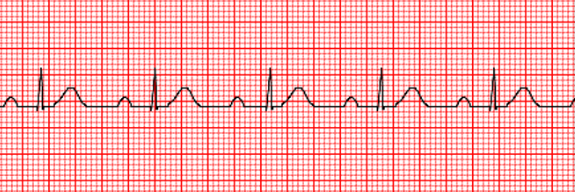
2nd degree AV Block
P waves don’t always have a QRS complex; some impulses do not reach the ventricles

3rd degree AV block
P waves and QRS complexes lack association; usually stay bradycardic with atropine
