DIFFERENT LAB APPARATUS+ LAB SAFETY
 Call Kai
 Learn
Learn Practice Test
 Spaced Repetition
 Match
Match Flashcards
 Knowt Play
1/136

Earn XP
Description and Tags
USE LEARN MODE, ANSWER WITH DEFINITION, FLASHCARDS ONLY
Name | Mastery | Learn | Test | Matching | Spaced | Call with Kai | Chat |
|---|
No analytics yet
Send a link to your students to track their progress
137 Terms
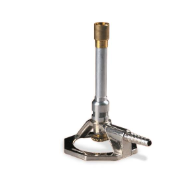
Name the apparatus. Difference w/ other burners + uses
Tirril Burner
Has gas regulator; safe continuous stream of flammable gas used for heating, sterilization, and combustion
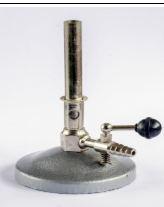
Name the apparatus. Difference w/ other burners + uses
Bunsen Burner
Single open gas flame; no gas regulator; most common type; gas can be natural gas or LPG (propane, butane, or mixture)
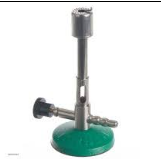
Name the apparatus. Difference w/ other burners + uses
Fisher-Mecker Burner
Multiple open gas flames; heating, sterilization, combustion; hotter flame than bunsen burner; bigger diameter; mostly for glass manipulation
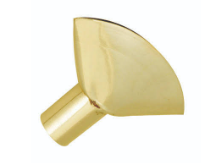
Name the apparatus + use
Fishtail/Wingtop
Spreads heat in a bunsen burner over a large area; used to bend glass
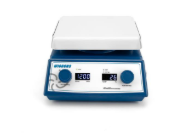
Name the apparatus + use
Hotplate
used for INDIRECT heating.
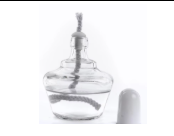
Name the apparatus + use
Alcohol Lamp
Uses ethyl alcohol or spirit as fuel; safer than bunsen burner; lower temperature; flame ~5 cm
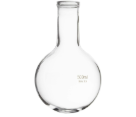
Name the apparatus + use
Florence Flask
For heating, boiling, distillation, and swirling liquids
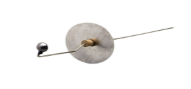
Name the apparatus + use
Deflagrating Spoon
Used for burning phosphorus, sulfur, or other substances; capable of high temperature
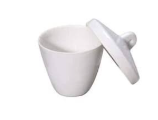
Name the apparatus + use
Crucible with cover
Charring of sugar and melting of wax; heating samples
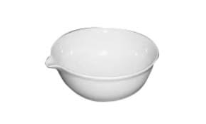
Name the apparatus + use
Evaporating Dish
Heats and evaporates liquids; used for sublimation set-up & DIRECT heating.
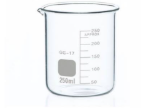
Name the apparatus + use
Beaker
Used to hold and heat liquids; multipurpose; least accurate for measuring volume; mostly for storing liquids
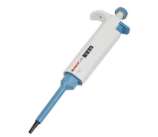
Name the apparatus + use
Micropipette
Measures small volumes of liquids accurately
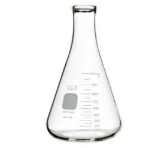
Name the apparatus + use
Erlenmeyer Flask
Best receiver for filtration, distillation, and titration set-ups; holds distillate from condenser
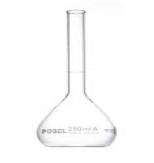
Name the apparatus + use. Also how many calibration lines do they have.
Volumetric Flask
Measures one specific predetermined volume; used for accurate solution preparation
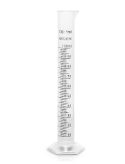
Name the apparatus + use.
Graduated Cylinder
Accurately measures liquid volume; not used as a container
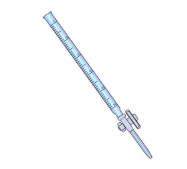
Name the apparatus + use. Also give 3 types and the material used for their stopcock + tube itself.
Burette
Measures precise liquid delivery in titrations
Acid Burette - glass stopcock
Basic burette - rubber stopcock
Acid-Base Burette - teflon stopcock + borosilicate glass
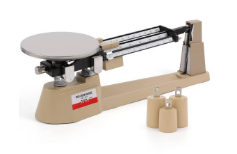
Name the apparatus + use. Additionally give 2 more facts abt this tool.
Triple Beam Balance
Measures mass precisely; error ±0.05 g; also called triple beam due to triple weights used for balancing; 610 g max
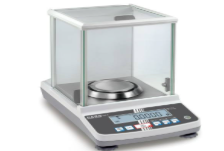
Name the apparatus + use.
Analytical Balance
Most precise balance; measures to 0.0001 g; very sensitive; must be on stable surface
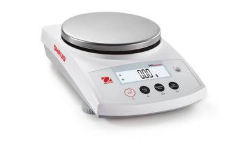
Name the apparatus + use.
Top Loading Balance
Measures objects from ~150–5000 g; less accurate than analytical balance
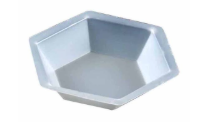
Name the apparatus + use. Also which balances is this apparatus used
Weighing Boat; Analytical and Top Loading Balance
Holds samples while weighing
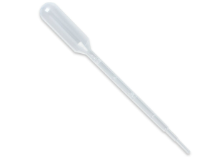
Name the apparatus + use.
Pasteur Pipette / Dropper
Transfers small amounts of liquid; for smaller volumes
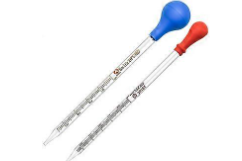
Name the apparatus + use. And why is this preferred upon droppers most of the time?
Glass Pipette;
Longer for greater volume transfer; more accurate anbd MORE RESISTANT TO CHEMICALS
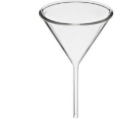
Name the apparatus + use. Also used with ____ for doing filtration.
Glass Funnel; FIlter Paper
Transfers liquids between containers or for filtration with filter paper
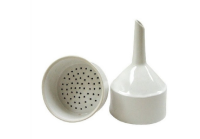
Name the apparatus + use.
Buchner Funnel
Vacuum-assisted filtration of hot samples
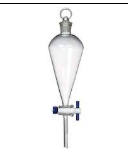
Name the apparatus + use. And what does it have to separate two samples?
Separatory Funnel; Gauge
For separating POLAR and NON POLAR liquids.
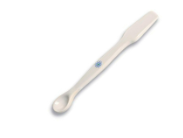
Name the apparatus + use.
Porcelain Spatula
Takes small amounts of powdered compounds; resists corrosion
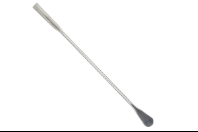
Name the apparatus + use.
Stainless Spatula
Scrapes, transfers, or applies powders/pastes
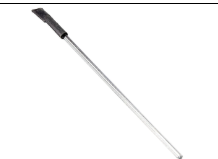
Name the apparatus + use.
Rubber Policeman
Removes precipitates from glassware
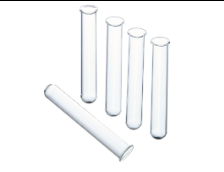
Name the apparatus + use.
Test Tube
Observes substances and reactions
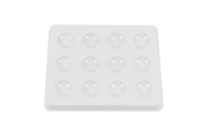
Name the apparatus + use.
Spot Plate
Allows easy observation of MULTIPLE reaction and color changes
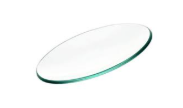
Name the apparatus + use. Also an alternative for ______
Watch Glass; Weighing boat
For evaporation or as a cover
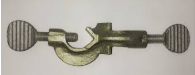
Name the apparatus + use.
Clamp Holder
Attaches clamps to stands and other apparatus
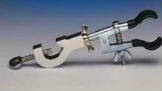
Name the apparatus + use.
Iron Clamp
Holds equipment on iron stand to elevate
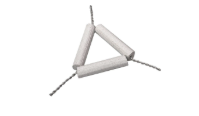
Name the apparatus + use. also used as substitute for ____ and why??
Clay Triangle; Wire Gauze due to presence of asbestos in middle circle
Supports crucible during heating; distributes heat well
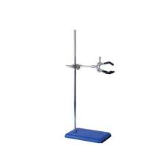
Name the apparatus + use.
Iron Stand
Mounts clamps and rings for holding lab glassware
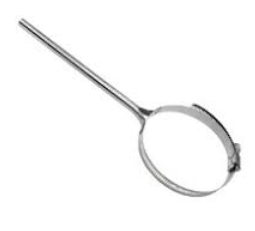
Name the apparatus + use.
Iron Ring or Beaker Holder
Holds items being heated above table
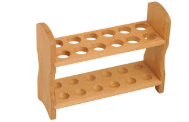
Name the apparatus + use.
Test Tube Rack
Holds multiple test tubes upright
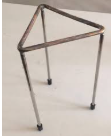
Name the apparatus + use. Also used primarily for ____ and _____
Tripod; Heating and Filtration
Supports flasks during experiments
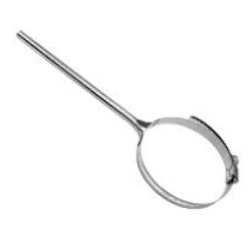
Name the apparatus + use.
Beaker Holder
Holds hot beakers
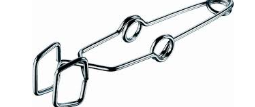
Name the apparatus + use.
Test Tube Holder
Holds hot test tubes
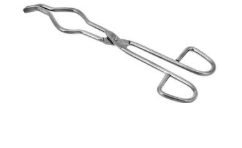
Name the apparatus + use. It is also an alternative for _____
Crucible Tong; Beaker Holder
Holds and manipulates hot crucibles
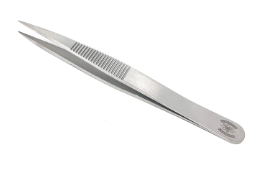
Name the apparatus + use.
Forceps
Grips/manipulates small or delicate objects
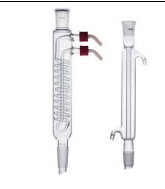
Name the apparatus + use.
Condenser
Condenses vapors (gas → liquid) by cooling
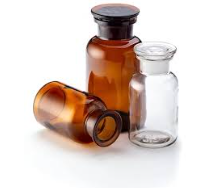
Name the apparatus + use. Also what are the 2 types and uses
Reagent Bottle; Clear - distinguish sol’n colors and Amber - distinguish light sensitive sol’ns
Stores reagents and chemicals
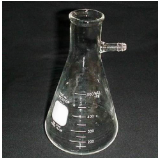
Name the apparatus + use. Also used for the process of _____ with ____
Suction Flask: Gas collection with thistle tube
Used in vacuum filtration to quickly separate soilds from liquid
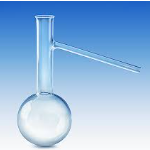
Name the apparatus + use.
Distilling Flask
Heats mixtures in distillation to separate components
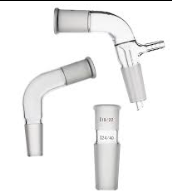
Name the apparatus + use.
Adapter
Connects condenser to receiver to direct distillate flow
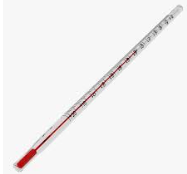
Name the apparatus + use.
Thermometer
Measures temperature of solids, liquids, and gases
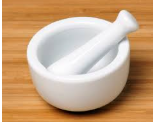
Name the apparatus + use.
Mortar and Pestle
Grinds and crushes solids into powder
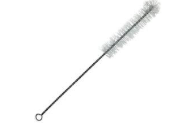
Name the apparatus + use.
Test Tube Brush
Cleans inside of test tubes
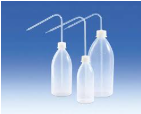
Name the apparatus + use.
Wash Bottle
Holds distilled water for rinsing glassware
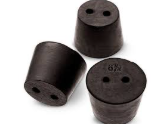
Name the apparatus + use.
Rubber Stopper
Plugs or seals containers
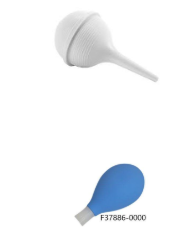
Name the apparatus + use.
Aspirator/Dropper Bulb
Creates suction to transfer liquids via pipette
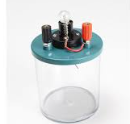
Name the apparatus + use.
Conductivity Apparatus
Measures relative conductivity of solutions
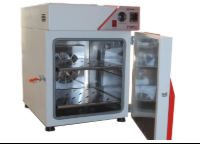
Name the apparatus + use.
Laboratory Oven
For drying, material testing, curing, heating
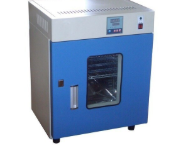
Name the apparatus + use.
Laboratory Incubator
Provides temperature-controlled environment for microorganisms
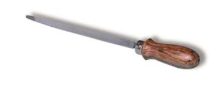
Name the apparatus + use.
Triangular File
Cuts glass
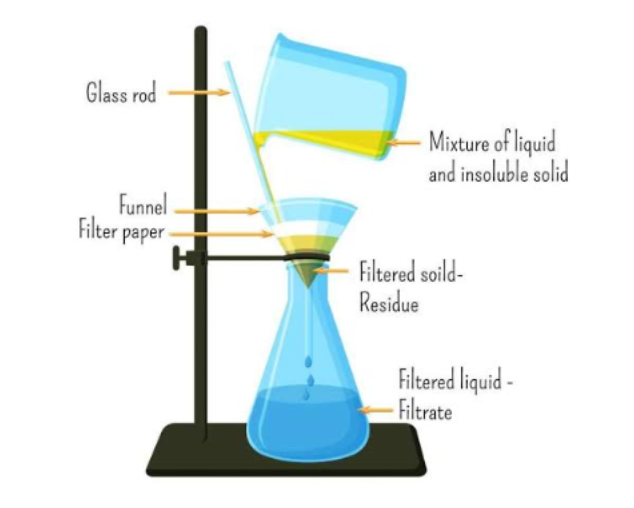
Name the setup + use.
Filtration Set-Up
Separates solids from liquids using filter paper and funnel
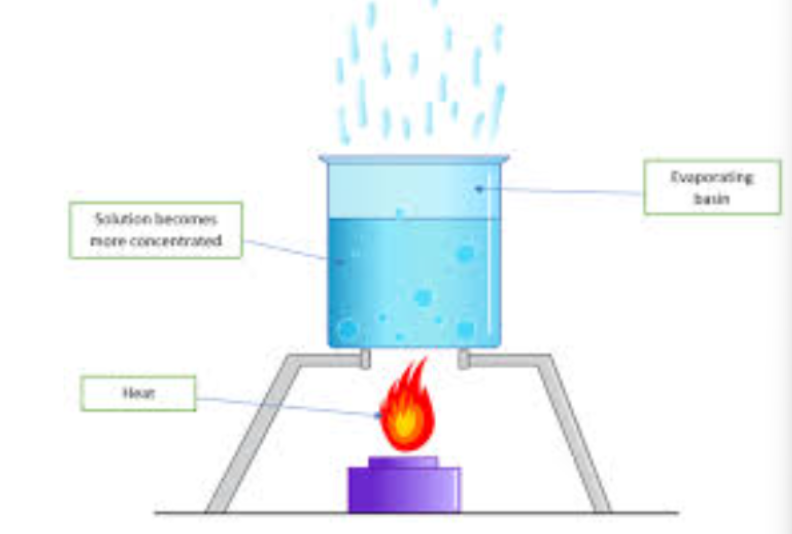
Name the setup + use.
Evaporation Set-Up
Evaporates solvents to leave solid residues
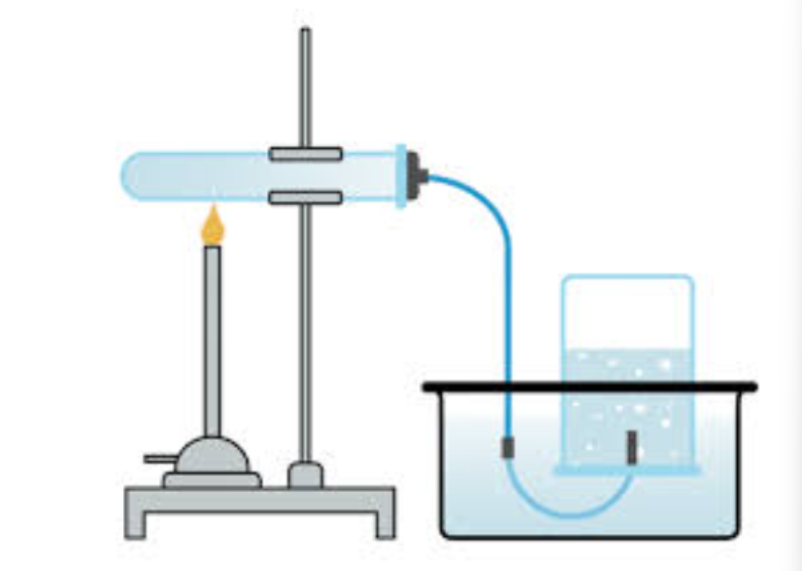
Name the setup + use.
Gas Collection Set-Up
Collects gases produced during reactions, often over water
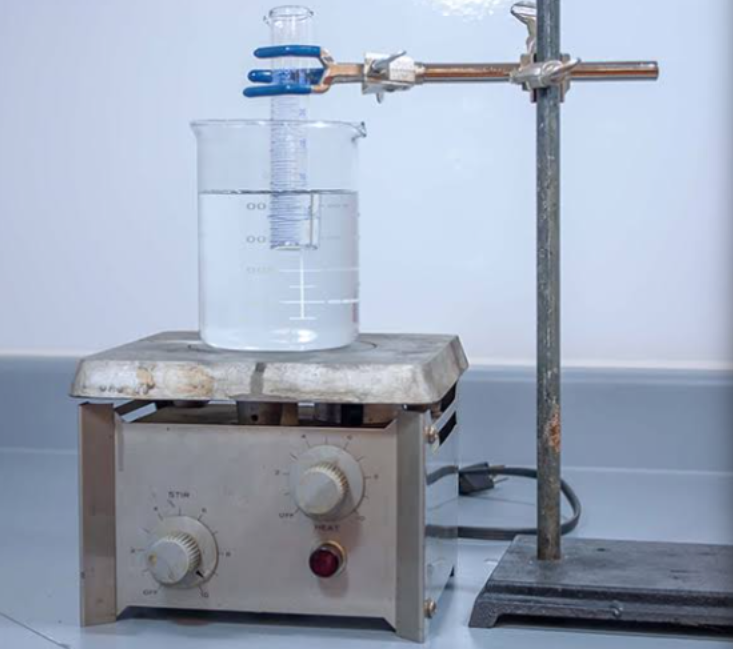
Name the setup + use.
Indirect Heating Setup
Heats apparatus via water bath to avoid direct flame
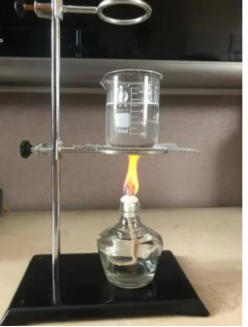
Name the setup + use.
Direct Heating
Heats apparatus directly with flame for high temperatures
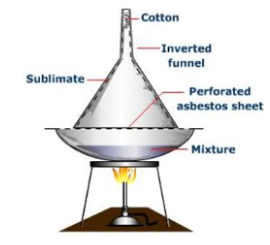
Name the setup + use.
Sublimation Set-Up
Purifies solids by heating until they vaporize then condense
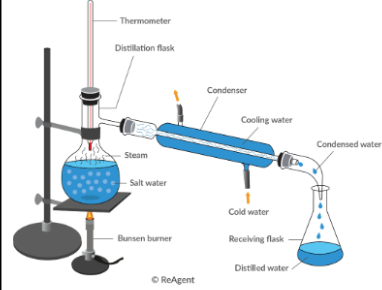
Name the setup + use.
Distillation Set-up
Separates liquid mixtures by boiling and condensing
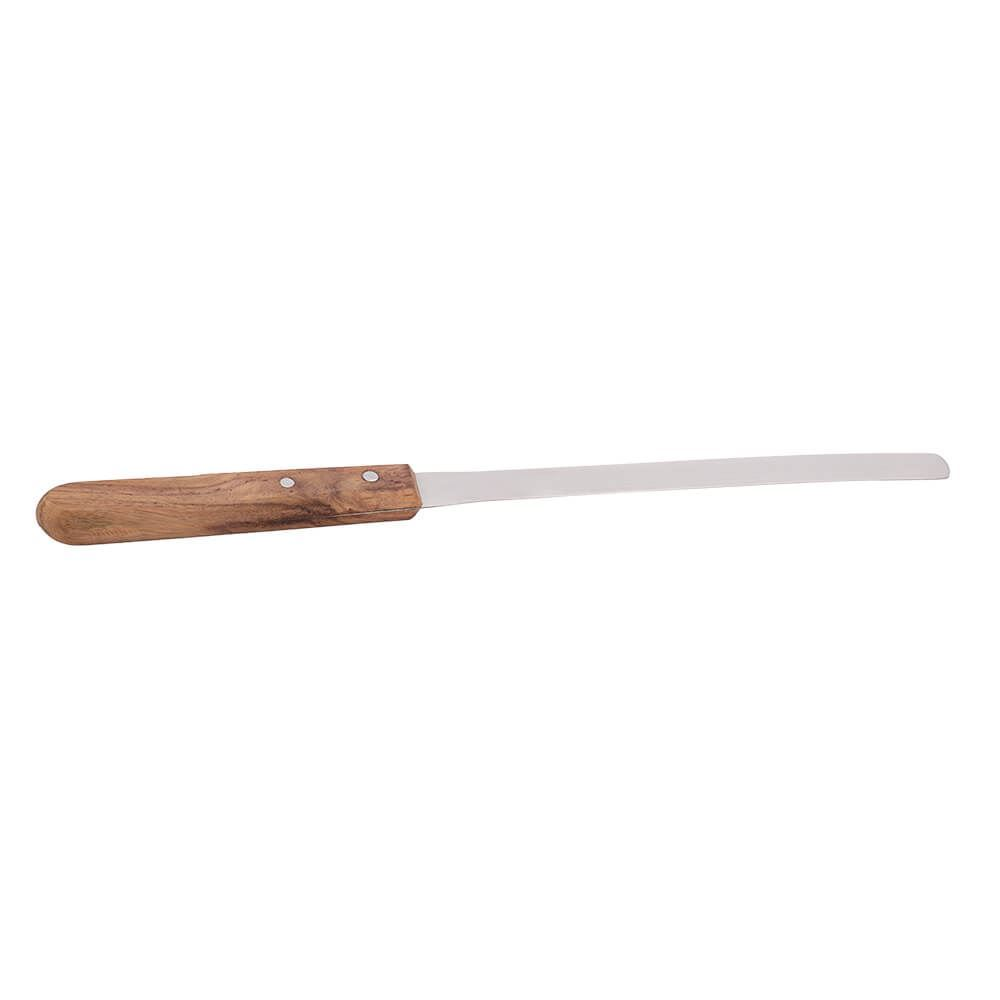
Name the apparatus + use. And why does it have a wooden handle.
Wood Spatula
for streaking and wood handle for HEAT RESISTANCE
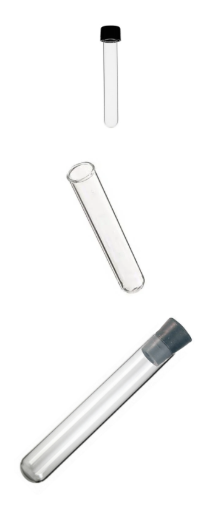
3 types of test tube based on order of image + uses
Test tube w screw cap for covering samples
Hard glass test tube for longer heating
Rimless w/ rubber stopper for quick reactions of sample.
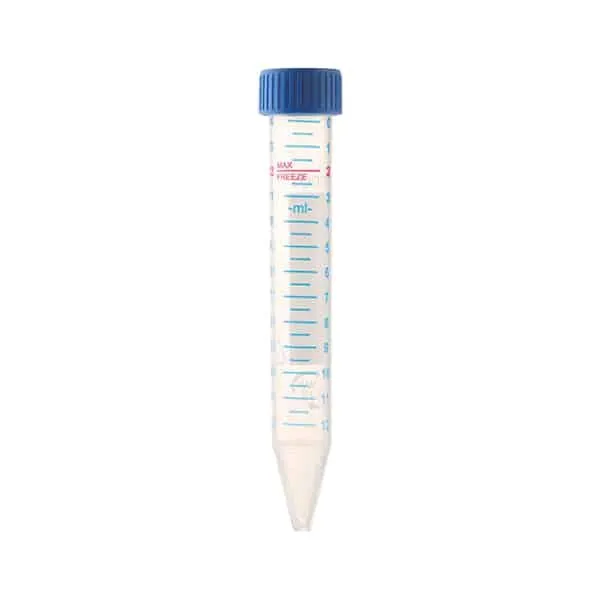
Name apparatus
Centrifuge tube
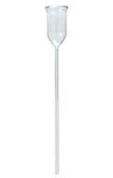
Name apparatus + use
Thistle tube
add small volumes of liquid usually in a gas-generating apparatus.
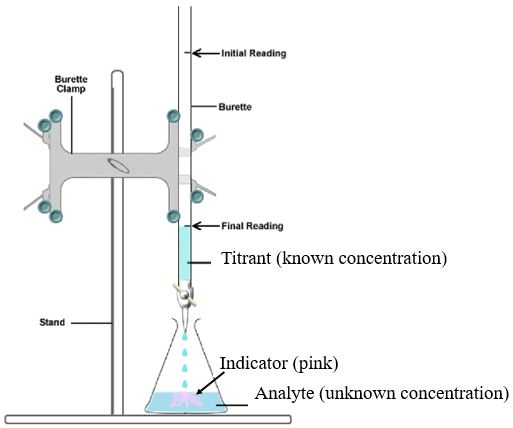
Name the setup + use.
Titration Setup
used for determining specific volume of an unknown substance.
What is the paramount concern of everyone conducting an activity or experiment in the laboratory? A) Completing the experiment on time B) Saving laboratory supplies C) Safety D) Following the instructor's orders
C
Which of the following is NOT required to be worn when performing any experiment or activity in the laboratory? A) Laboratory gown B) Latex gloves C) Safety goggles D) Mask
B
When should a student accomplish and submit the waiver to the instructor? A) Before the start of the first activity or experiment B) After the first experiment C) At the end of the semester D) Only when the instructor asks for it
A
Before leaving the counter of the laboratory, what should a student inspect borrowed apparatus for? A) Only for breakage B) Only for stains C) Only for scratches D) Breakage, stains, and scratches
D
How many minutes before dismissal time should apparatus be washed and returned dry to the laboratory assistant? A) 5 minutes B) 10 minutes C) 15 minutes D) 20 minutes
C
What should a student do in case of breakage during the conduct of an experiment? A) Hide the broken pieces B) Report the incident to the laboratory assistant for proper documentation C) Throw the broken pieces in the trash D) Leave the laboratory immediately
B
When getting chemicals for an experiment, what should a student do? A) Get only the exact amount needed B) Get extra amounts for future use C) Transfer reagents to the working area D) Use any available spatula
A
Which of the following is NOT allowed inside the laboratory? A) Wearing personal protective equipment B) Washing hands after the experiment C) Keeping belongings in assigned lockers D) Eating and drinking
D
What should be used whenever performing an experiment that produces obnoxious and toxic fumes? A) Safety goggles B) Laboratory gown C) Fume hood D) Face mask only
C
Which trash bag is used for potentially infectious wastes such as gloves, masks, and vacutainer tubes? A) Black bag B) Yellow bag C) Green bag D) Orange bag
B
Which container is used for blood components such as clots, serum, plasma, and whole blood? A) Yellow trash bag B) Black trash bag C) Sharp container D) Biohazard container
D
What type of gloves should be used to protect against most chemicals and infectious agents? A) Nitrile gloves B) Latex gloves C) Neoprene gloves D) Rubber gloves
A
Which type of gloves protects against most solvents, oils, and mild corrosive materials? A) Nitrile gloves B) Latex gloves C) Neoprene gloves D) Rubber gloves
C
What is the reason latex gloves should be avoided in the laboratory? A) They are too expensive B) Many people are allergic to or develop allergies to latex C) They are not effective D) They are difficult to remove
B
What is the correct sequence for putting on Personal Protective Equipment (PPE)? A) Gloves → Goggles → Gown → Mask B) Mask → Gown → Gloves → Goggles C) Goggles → Gloves → Gown → Mask D) Gown → Goggles → Mask → Gloves
D
What is the first priority in basic life support according to the ABC of first aid? A) Open airway, Breathing, and Circulation B) Stop bleeding C) Treat for shock D) Restore heart activity
A
In first aid, which should be restored first if breathing has stopped? A) Heart activity B) Bleeding C) Respiration D) Circulation
C
What is the FIRST thing to do for a chemical burn? A) Apply ointment B) Place the burned area under cool running water for at least 15 minutes C) Remove burned clothing D) Call the instructor
B
In case of chemical ingestion, what should a rescuer do if the victim is conscious and not convulsing? A) Induce vomiting immediately B) Give the victim salt water C) Give the victim nothing D) Have the person ingest 1-2 glassfuls of milk or water to dilute the chemical
D
Why should vomiting NOT be induced in a victim who has ingested a chemical? A) It is frequently dangerous, especially if corrosive materials were ingested B) It is ineffective C) It takes too much time D) The chemical will not be expelled
A
For chemicals in the eye, how long should the eye be flushed with clean, cool water? A) 5 minutes B) 10 minutes C) At least 20 minutes D) 30 minutes
C
Which type of solution is more hazardous than acid solutions and requires longer irrigation time for eye exposure? A) Neutral solutions B) Alkaline solutions C) Salt solutions D) Organic solutions
B
When a person is in contact with live electrical equipment, what should the rescuer do FIRST? A) Touch the person and pull them away B) Use a non-conducting object to separate them C) Call for help D) Locate and shut off the power source first
D
What is the recommended way to control bleeding from a wound? A) Apply direct pressure on the wound with a sterile gauze pad B) Apply a tourniquet C) Remove any object from the cut D) Apply ice directly on the wound
A
What should a rescuer do when a person is having a seizure? A) Restrain the person B) Place an object between the teeth C) Allow the seizure to take its course and monitor breathing and pulse D) Move the person immediately
C
What is the fundamental rule of first aid regarding transporting a victim? A) The victim should always be moved immediately B) The victim should not be moved except when there is life-threatening hazard C) The victim should be moved to a stretcher immediately D) The victim should be moved to the clinic
B
What does the GHS hazard symbol for "Explosive" include? A) Flammable gases B) Corrosive substances C) Oxidizing gases D) Explosives and self-reactive substances
D
Which GHS symbol represents substances that are skin corrosion/burns, eye damage, and corrosive to metals? A) Corrosive B) Oxidizer C) Flammable D) Explosive
A
What are the three elements of fire? A) Oxygen, nitrogen, and heat B) Fuel, oxygen, and carbon dioxide C) Heat, fuel, and oxidizing agent D) Heat, flammable liquid, and oxygen
C
Which class of fire involves ordinary combustible materials like wood, paper, and cloth? A) Class B B) Class A C) Class C D) Class D
B
Which class of fire involves energized electrical equipment such as fume hoods, centrifuges, and hot plates? A) Class A B) Class B C) Class D D) Class C
D