Chapter 6 Lifting and Moving
 Call Kai
 Learn
Learn Practice Test
 Spaced Repetition
 Match
Match Flashcards
 Knowt Play
1/22

There's no tags or description
Looks like no tags are added yet.
Name | Mastery | Learn | Test | Matching | Spaced | Call with Kai | Chat |
|---|
No analytics yet
Send a link to your students to track their progress
23 Terms
Packaging the patient
Preparing the patient for transport using any of a number of devices for lifting and moving him while ensuring that medical treatment is continued.
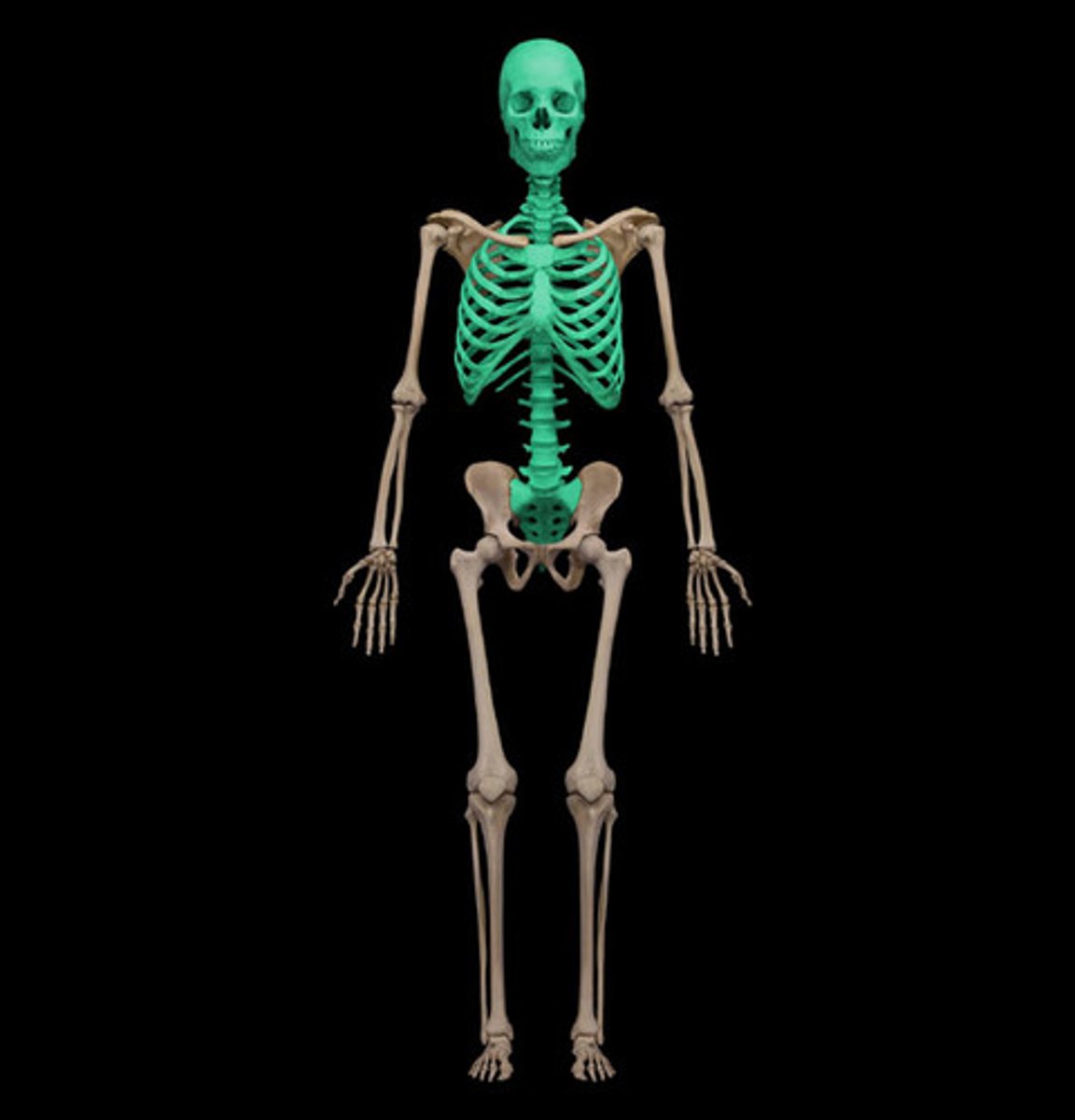
Axial Bones
Bones that are required to live.
Skull, rib cage, and spine
Dimond Carry
1 at head, 1 at legs, 1 at each hip for a total of 4 people
Problem: Once they get to the stretcher one hip person has to let go to move stretcher closer. The board weight with other rescuers is off.
Funeral Carry
2 at the patients head, 2 at the patients feet for a total of 4 people.
Problem: Board may sag in the middle
Benefit: Rescuers legs are spread out. Easy to go through doors.
Minimum number of people needed for backboard carries
Minimum of 2, but 4 is preferred.
Should patients be pushed or pulled?
They should be pushed.
Who coordinates all patient movement?
Provider at the head of the patient.
What do you need to keep in mind when moving patients up/down elevations?
Always keep the patients head higher than the feet.
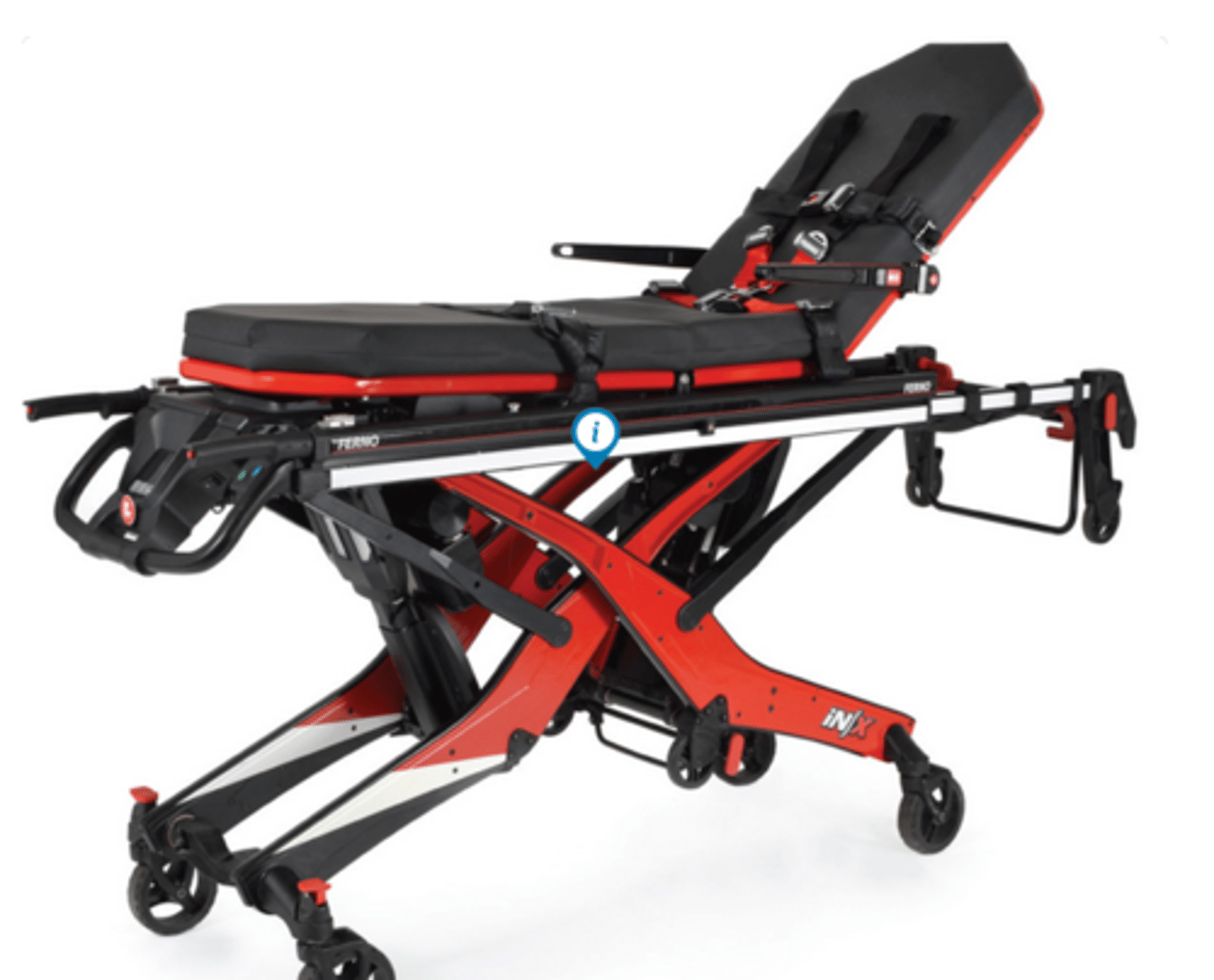
Wheeled Stretcher
The most commonly used device for moving patients. A minimum of three straps needed to secure patient.
-Should be lowered when moving over rough surfaces.
-Side rails should be up when not doing direct patient care.
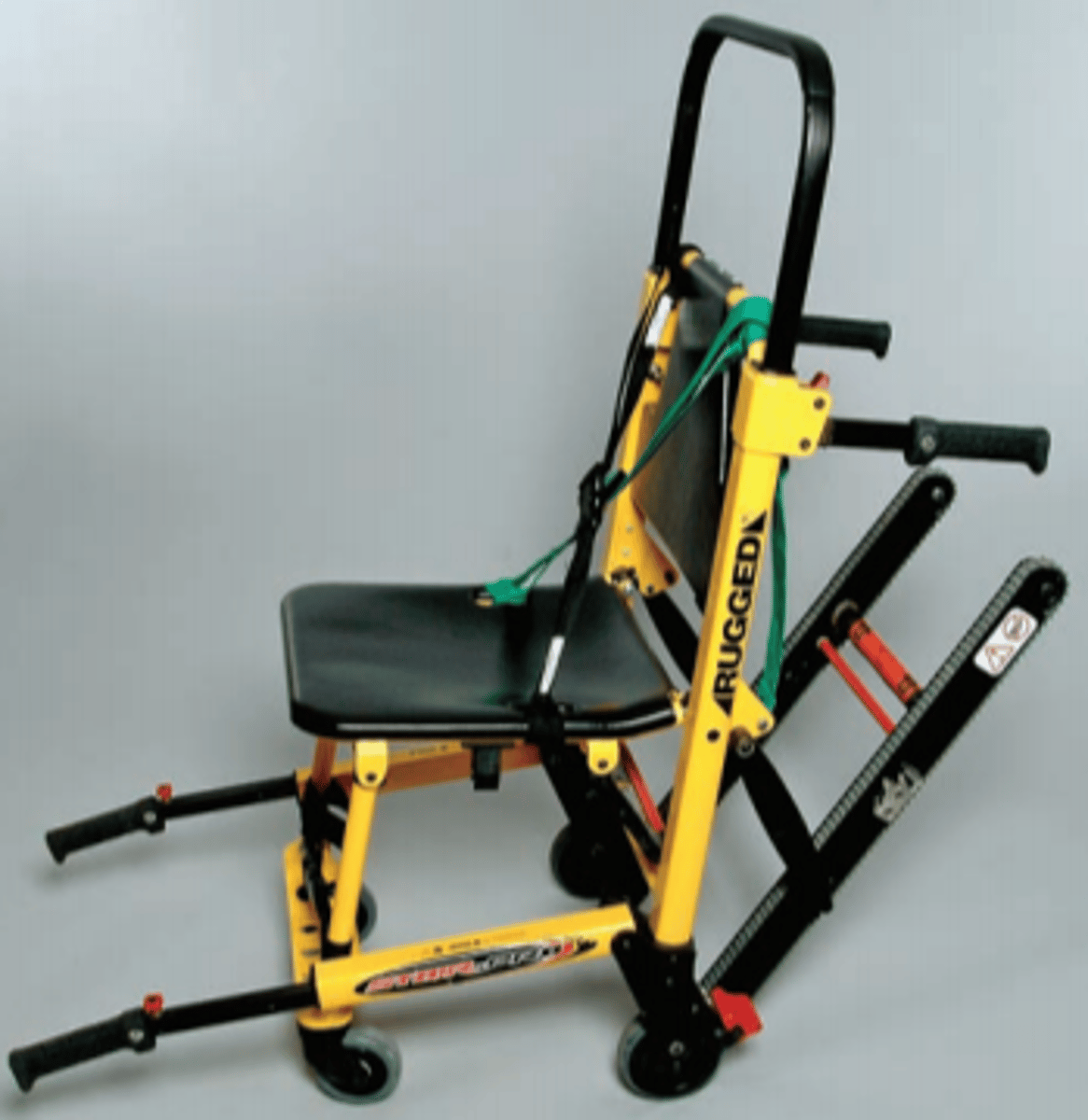
Stair Chair
Used when moving patient up and down stairs, or in small areas such as hallways.
-NOT used on spinal patients.
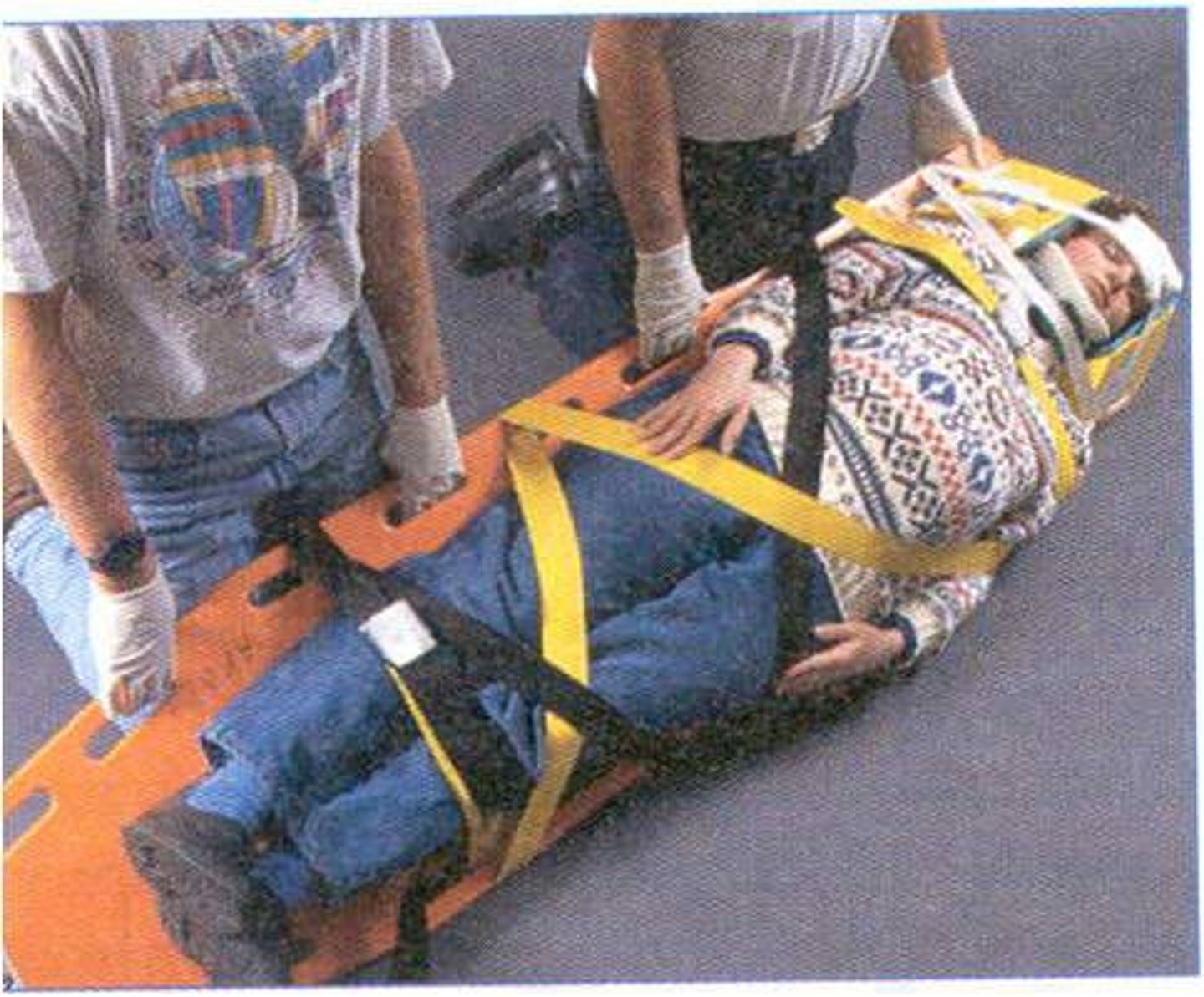
Long backboard
A rigid device, usually made of plastic that is used to stabilize a patient with a suspected spine injury.
-Minimum of three straps.
-The narrow end is where the feet go.
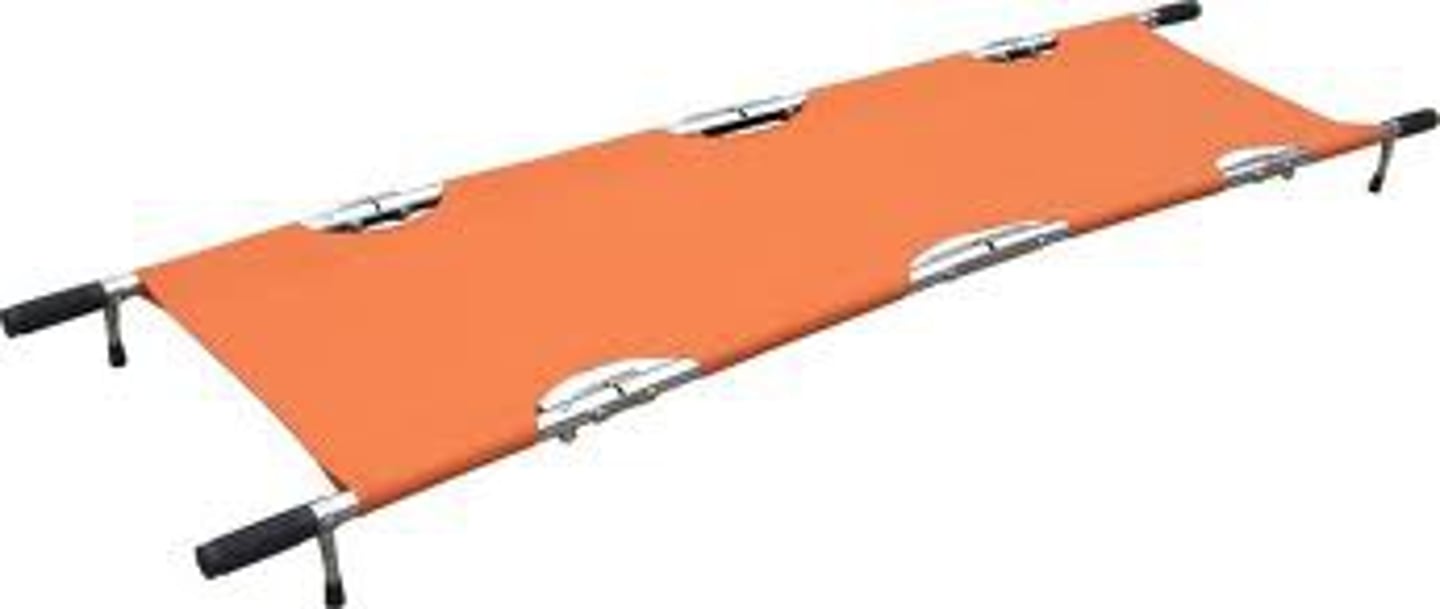
Portable Stretcher
A stretcher with a strong rectangular tubular metal frame and rigid fabric stretched across it.
-Not often used. Can be used if there are multiple patients.
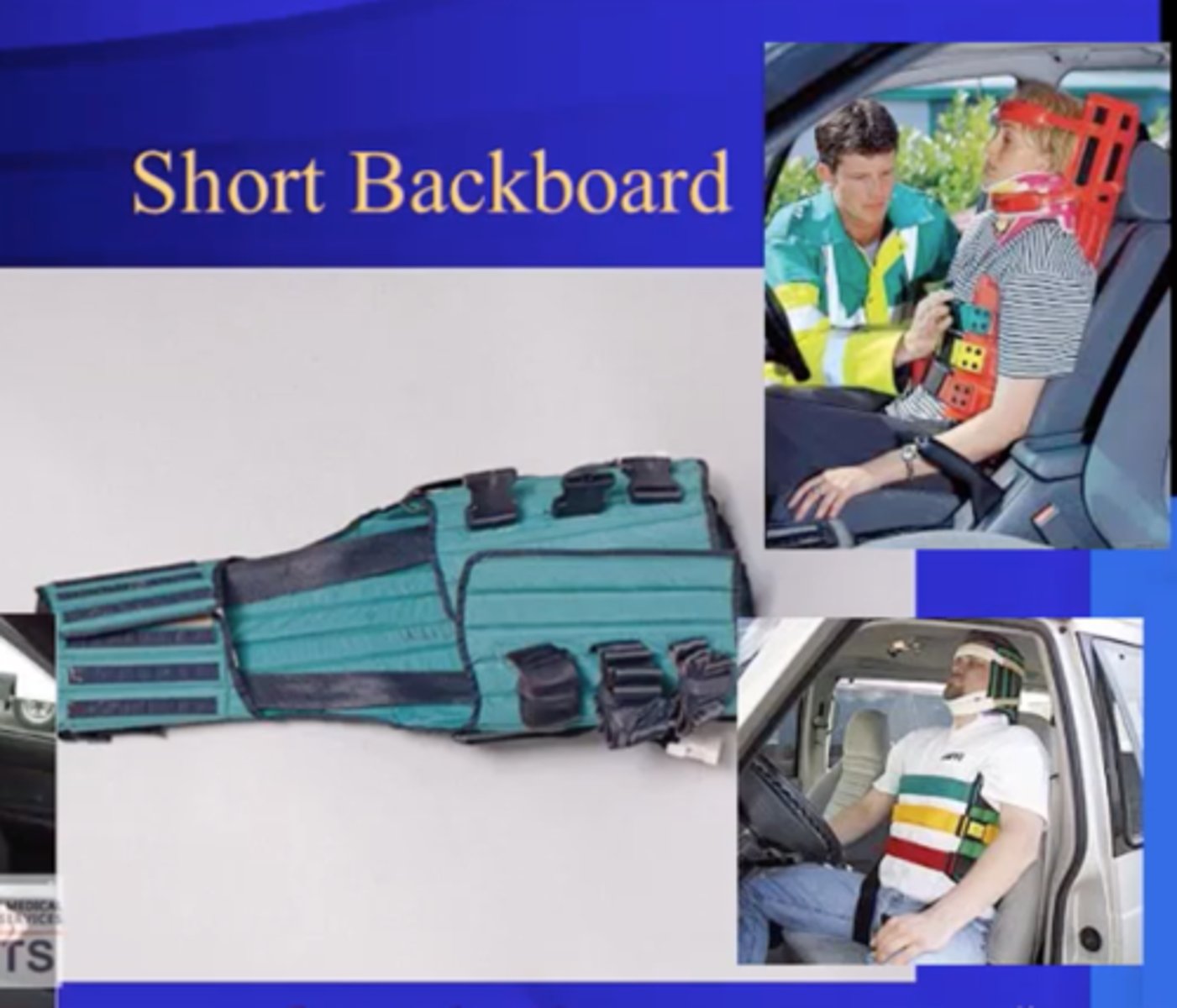
Short Board
Also known as a KED (Kendric's Extrication Devise)
-Used on stable spinal patients found in the seated position.
-If the patient is unstable do not use it.
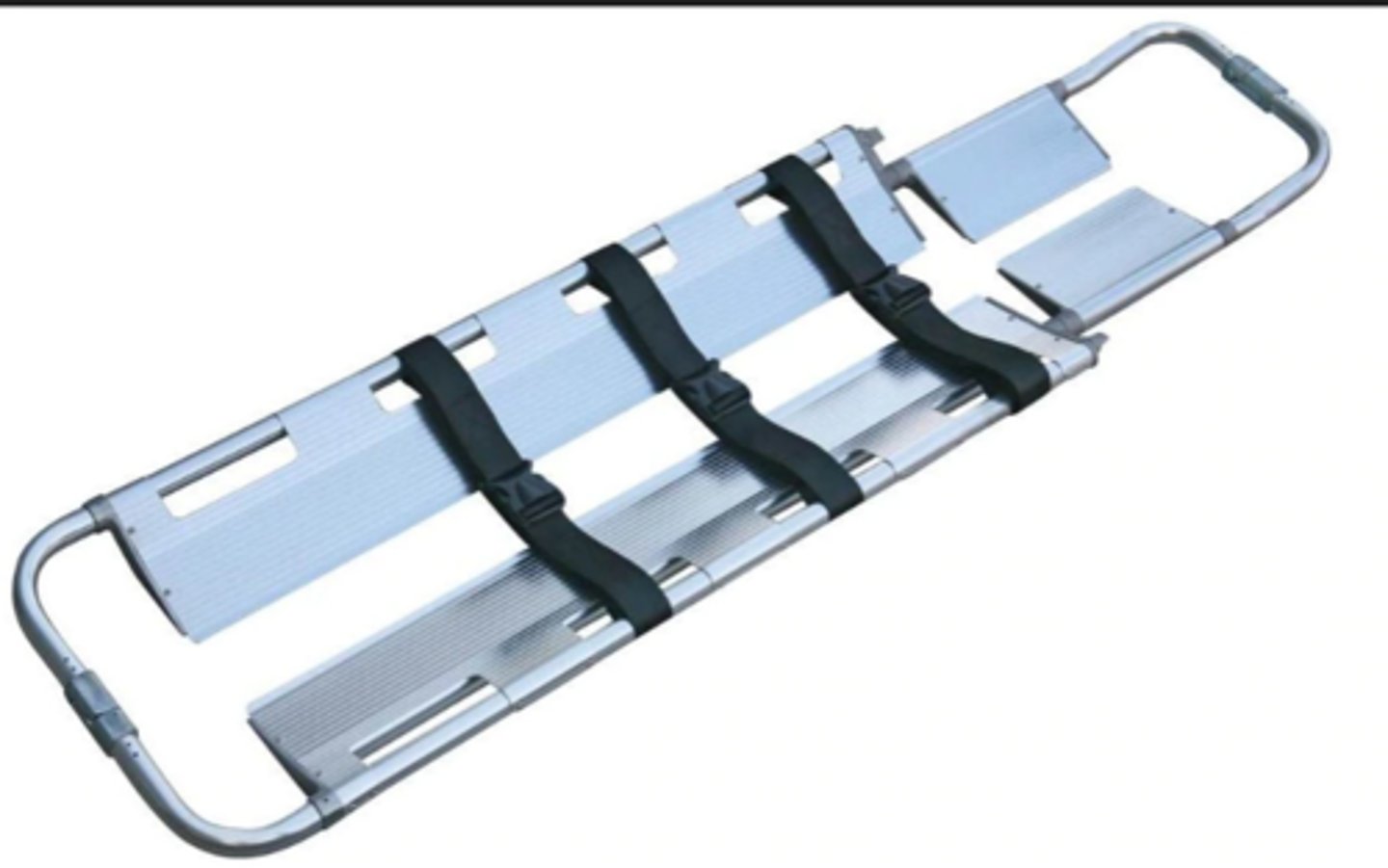
Scoop Stretcher
A stretcher that is designed to be split into two sections that can be fitted around a patient who is lying on the ground or other relatively flat surface.
-Good for pelvic/hip injuries so you can get under the patient without log rolling them.
-Used for full body immbolization in a confident area
-NOT good for CPR since there is no direct spinal support.
Emergency Move
Moving a patient before they are completely packaged. This is typically done for one of three reasons:
1) CPR is needed
2) Hazards such as a fire, explosion, etc
3) Move a less critical patient to get to a more critical patient.
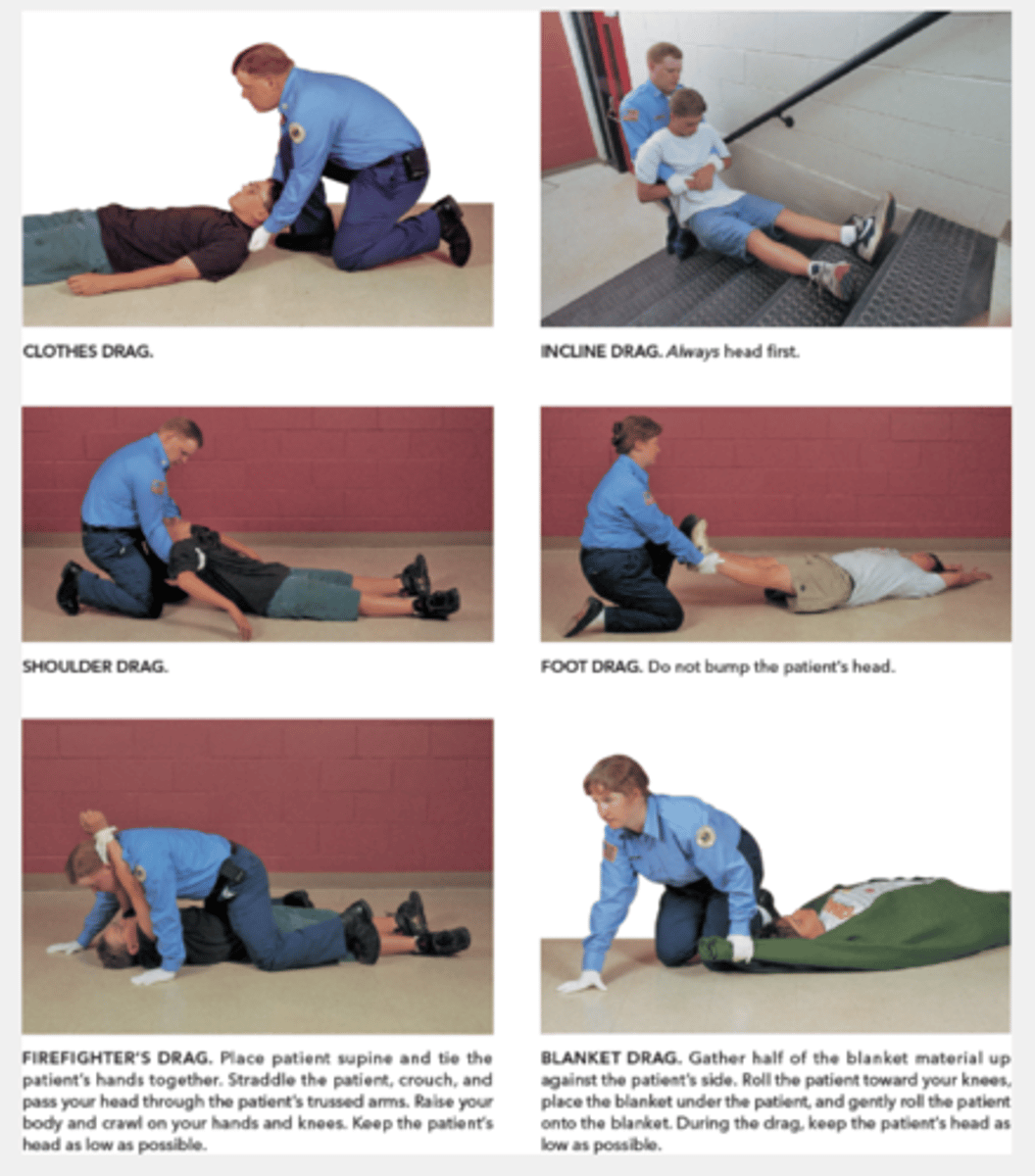
Patient Drag
An emergency move where you pull the patient a long the long axis.
-Clothing drag, body drag, blanket drag
Patient Carry
Ex: Fire fighter carry
Walking Assist
Help the patient walk to safety.
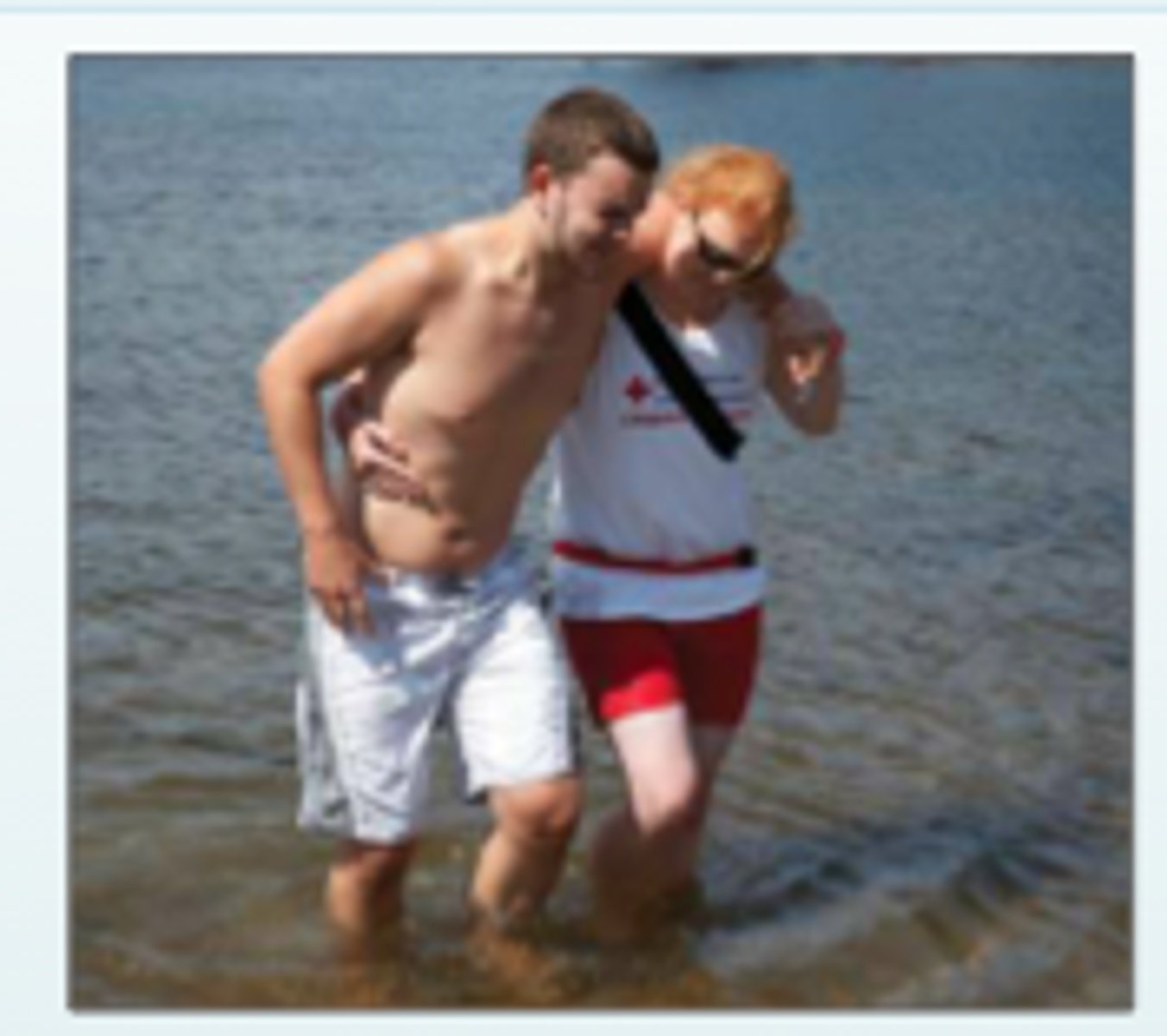
Urgent move
The patient is critical but the scene is not safe, completely package them but quickly.
Non-Urgent Move
The patient is critical but the scene is safe, still package quickly.
Direct Ground Carry
Three or five people pick up the patient and make a human backboard.
-Non urgent move
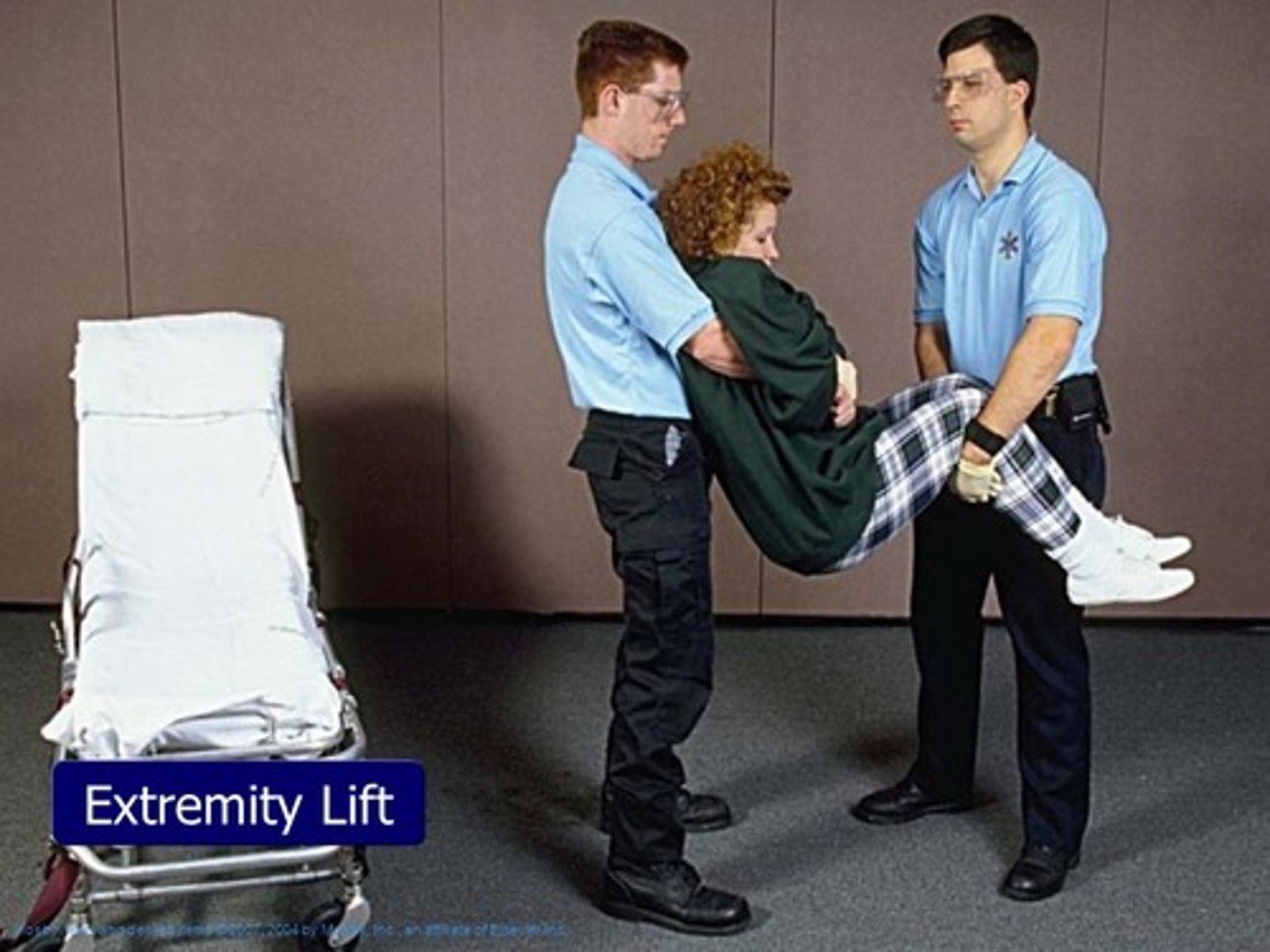
Extremity Lift
Cross patients arms in front of the patient and come from back grabbing the patient's wrists. You can add someone to hold the feet.
Draw Sheet