CSF Cells and Organelles
 Call Kai
 Learn
Learn Practice Test
 Spaced Repetition
 Match
Match Flashcards
 Knowt Play
1/11

Earn XP
Description and Tags
Exam 1
Name | Mastery | Learn | Test | Matching | Spaced | Call with Kai | Chat |
|---|
No analytics yet
Send a link to your students to track their progress
12 Terms
organelle
a compartment within a cell

cell theory
schwann 1839
all organisms consist of one or more cells
the cell is the basic unit of structure for all organisms
virchow 1855
all cells arise only from preexisting cells
how did cells evolve?
abiotic (nonliving) synthesis of simple organic compounds
abiotic polymerization of these into macromolecules
emergence of a macromolecule capable of replication and storing genetic info (probably RNA)
encapsulation of the first living molecule within a
simple membrane
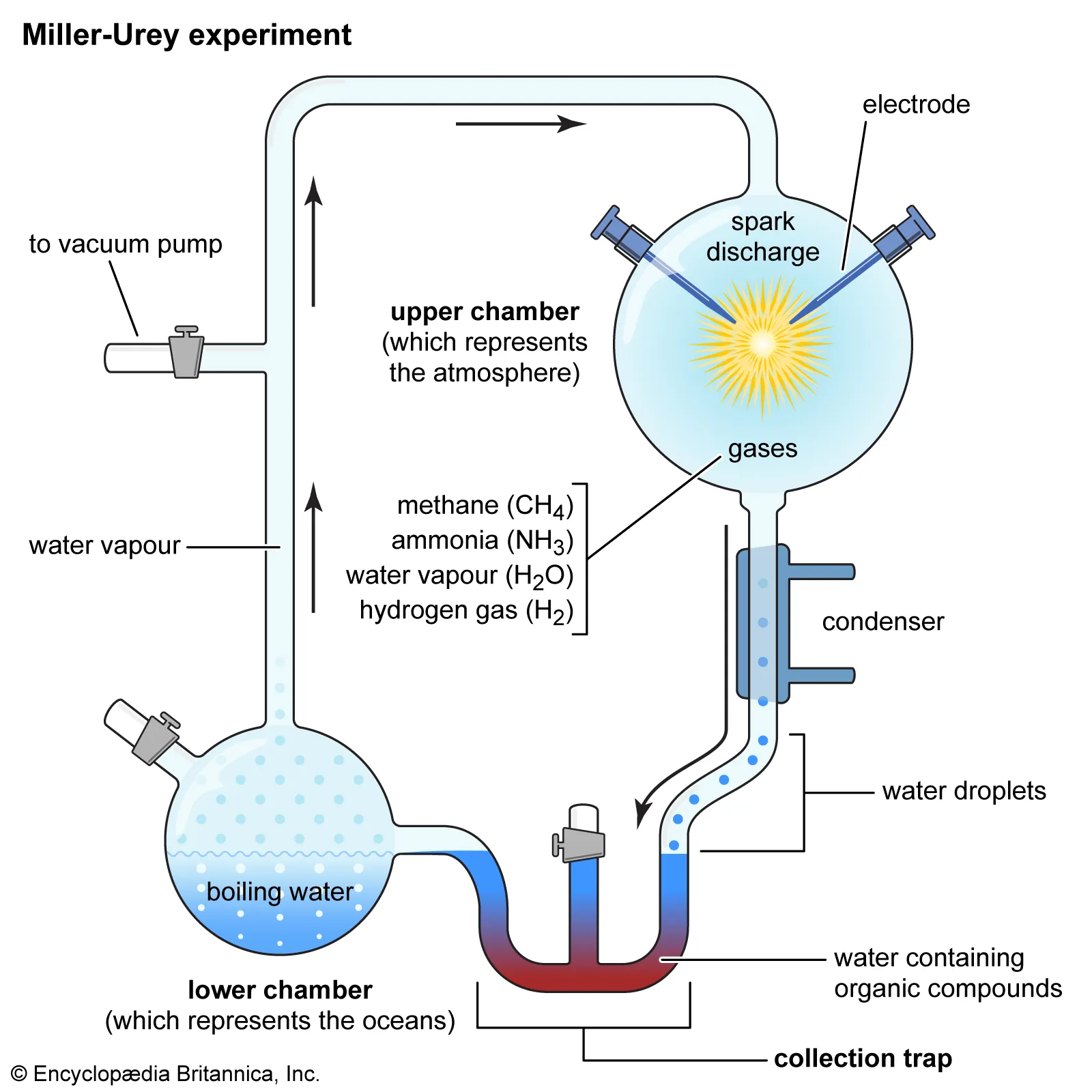
stanley miller experiment
artificial abiotic synthesis of organic molecules
bacteria
single celled organism without a nucleus
archaea
single celled organism without a nucleus but does genetic transcription and translation like eukaryotes and has a different kind of cell wall

eukarya
membrane-bound nucleus and organelles, has exocytosis and endocytosis
surface area to volume ratio
smaller cells have greater surface area to volume ratio, which is important for membrane bound functions like transporting resources and signaling
microvilli
lots of microscopic membrane folding to increase surface area without increasing volume to maximize function

cytoplasmic streaming
active flow of the cytoplasm caused by motor proteins in large cells to speed up the movement of materials across the cell

rough ER
endoplasmic reticulum with ribosomes for protein synthesis
smooth ER
endoplasmic reticulum for the synthesis of lipids