words/ terminology
 Call Kai
 Learn
Learn Practice Test
 Spaced Repetition
 Match
Match Flashcards
 Knowt Play
1/74

There's no tags or description
Looks like no tags are added yet.
Name | Mastery | Learn | Test | Matching | Spaced | Call with Kai | Chat |
|---|
No analytics yet
Send a link to your students to track their progress
75 Terms
Dysphasia
A language disorder affecting speech production and comprehension, often caused by brain injury or neurological conditions.
Aphasia
A language disorder that affects a person's ability to communicate, often resulting from brain injury or stroke.
Dysphagia
A swallowing disorder that impairs the ability to eat or drink normally, often due to neurological issues or structural abnormalities.
Aphagia
A condition characterized by the inability to swallow, often due to injury or medical conditions affecting the throat or esophagus.
Caudal
Referring to the tail or posterior part of an organism, often used in anatomical descriptions.
Ptosis
A medical condition characterized by the drooping or falling of an eyelid, which can affect vision and is often related to neurological disorders or muscle weakness.
Strabismus
A condition in which the eyes do not properly align with each other, often resulting in one eye deviating inward or outward. It can affect depth perception and is sometimes referred to as "crossed eyes."
Ataxia
A neurological disorder characterized by a lack of muscle coordination during voluntary movements, often resulting in unsteady gait and difficulties with balance.
Cerebellar ataxia
A type of ataxia caused by dysfunction of the cerebellum, leading to impaired coordination, balance issues, and difficulties in fine motor tasks.
Sensory ataxia
A form of ataxia that occurs due to loss of sensory input, often resulting from nerve damage, which affects balance and coordination.
Fredreich’s ataxia
A hereditary degenerative disorder affecting the spinal cord and peripheral nerves, leading to progressive loss of coordination, muscle weakness, and sensory loss.
Peripheral nervous system
The part of the nervous system that lies outside the brain and spinal cord, consisting of nerves and ganglia that transmit signals between the central nervous system and the rest of the body.
Central nervous system
The part of the nervous system that consists of the brain and spinal cord, responsible for processing information and controlling bodily functions.
Sensorineuropathy
A disorder affecting the sensory nerves, causing pain, numbness, and weakness, often due to underlying conditions such as diabetes or autoimmune diseases.
Ophtalmoplegia
A condition characterized by paralysis or weakness of the muscles around the eyes, leading to difficulty in eye movement and alignment.
Post-axial Polydactyly
(past the pinky) Extra digit on ulnar side of hand or lateral side of the foot
Preaxial polydactyly
Extra digit on radial side of hand or medial side of the foot (before the thumb)
Central polydactyly
Extra digit located between the thumb and index finger or the first and second toes, a less common type of polydactyly.
Syndactyly
A condition where two or more fingers or toes are fused together, commonly known as webbed fingers or toes.
Brachydactyly
A condition characterized by shortened fingers or toes, resulting in a proportionally smaller digit length. ex. albright hereditary oseteodystrophy
Clinodactyly vs camptodactyly
Clindoactyly - LATERAL curvature (usually little finger). Due to abnormal growth plate for bone growth.
Camptodactyly - FLEXION deformity of a finger or toe, often affecting the middle joint (like it curves up b/c of the joint). Due to abnormal tendon, muscle, ligament or bone changes.
Cryptorchidism
A medical condition where one or both testes fail to descend into the scrotum, potentially leading to fertility issues or other complications (undescended)
Cholestasis
A condition where bile flow from the liver is reduced or blocked, resulting in the accumulation of bile acids in the liver and bloodstream. It can cause jaundice, itching, and liver damage.
Choletithiasis
Gallstones
Renal fanconi anemia
Kidney’s proximal tubule disorders that impairs reabsorption, which can result in excessive loss of glucose, amino acids, phosphate, and bicarbonate in the urine.
Can lead to dehydration, electrolyte imbalance, bone weakness, and growth delays
Bradykinesia
Slowness in initating or performing voluntary movements, well known w/ parkinsons
Dystonia
A movement disorder characterized by sustained muscle contractions, causing twisting and repetitive movements or abnormal postures.
Chorea
Brief irregular, rapid, and unintentional movements, flow randomly, often affecting the face and limbs.
Parkinsonism
A group of neurological disorders that cause movement problems similar to those seen in Parkinson's disease, including tremors, postural instability, rigidity, and bradykinesia.
Myoclonus
Sudden, brief, and involuntary muscle jerks or twitches. can be due to probs w sensorimotor cortex.
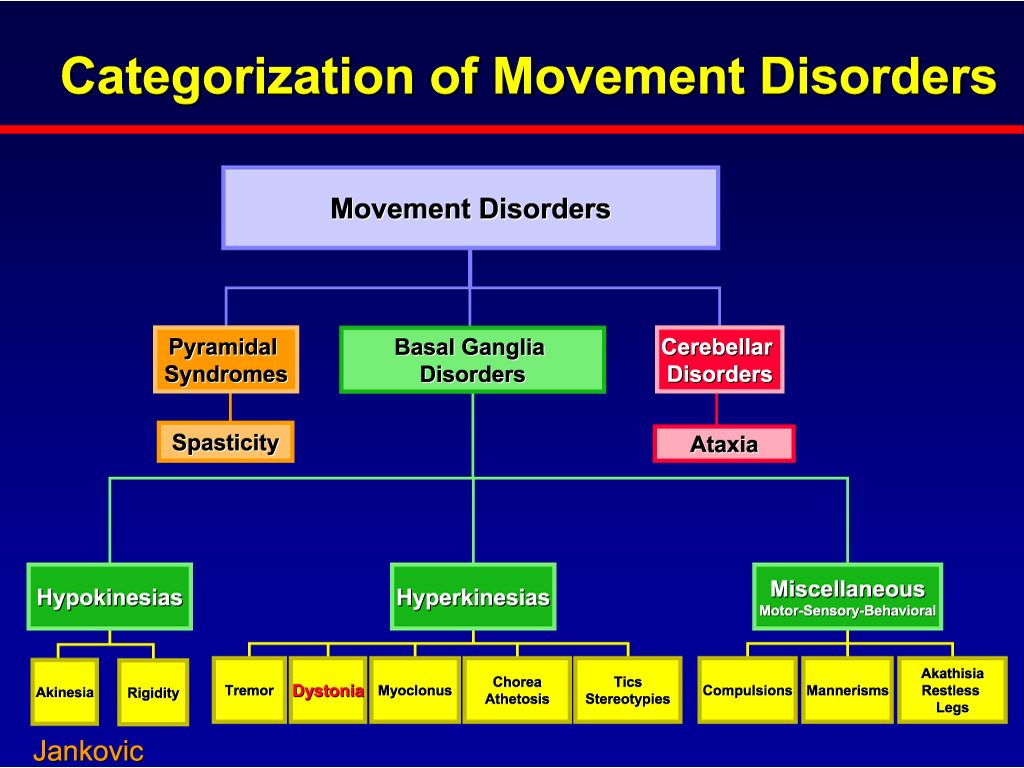
Movement disorders categorizations due to
cerebellar
basal ganglia
pyramidal syndromes
Athetosis
A movement disorder characterized by continuous, uncontrolled, slow, and writhing movements, primarily affecting the hands and feet.
Epicanthal fold
A skin fold of the upper eyelid that covers the inner corner of the eye, often associated with certain genetic conditions.
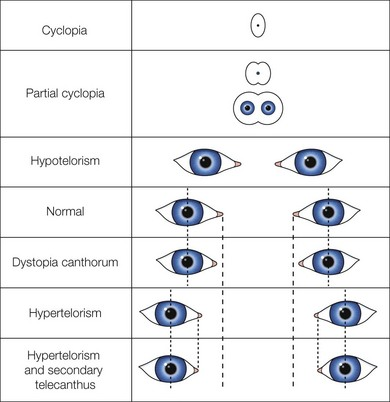
Dystopia canthorum vs Hypertelorism
Choroid plexus
Sequence
pattern of deformities or malformations that occur together due to a SINGLE UNDERLYING CAUSE.
ex. Pierre-robin sequence:
micrognathia→ CP→ glossoptosis (tongue placed further in back of mouth/throat than usual)→ respiratory distress.
ex. potter sequence
flattened nose, recessed chin, prominent epicanthal folds, low-set abnormal ears, pulmonary hypoplasia which is all due to oligohydramnios
Syndrome vs association
Syndrome- Pattern of anomalies which are causally related
association - pattern of congenital malformations which may occur together without a causative link
ex. CHARGE association turned into CHARGE syndrome when the CHD7 gene was discovered
Ex. of Association
VARTER/VACTERL
dx of exclusion, need 3 of the anomalies
Vertebral anomalies
Anal (incomplete or complete imperforation)
Cardiac
Tracheoesophageal fistula
Esophageal atresia
Radial & Renal anomalies
Limb defects
Sx that can be seen w/ single vs multiple anomaly
Radial anomalies
CL
CP
Polydactyly/ oligodactyly
Renal Agensis
Malformation
Congenital morphologic abnormality of single organ or body part due to intrinsically abnormal process
Most arise before 8th week development during organogenesis
ex. CL/P
Polydactyly
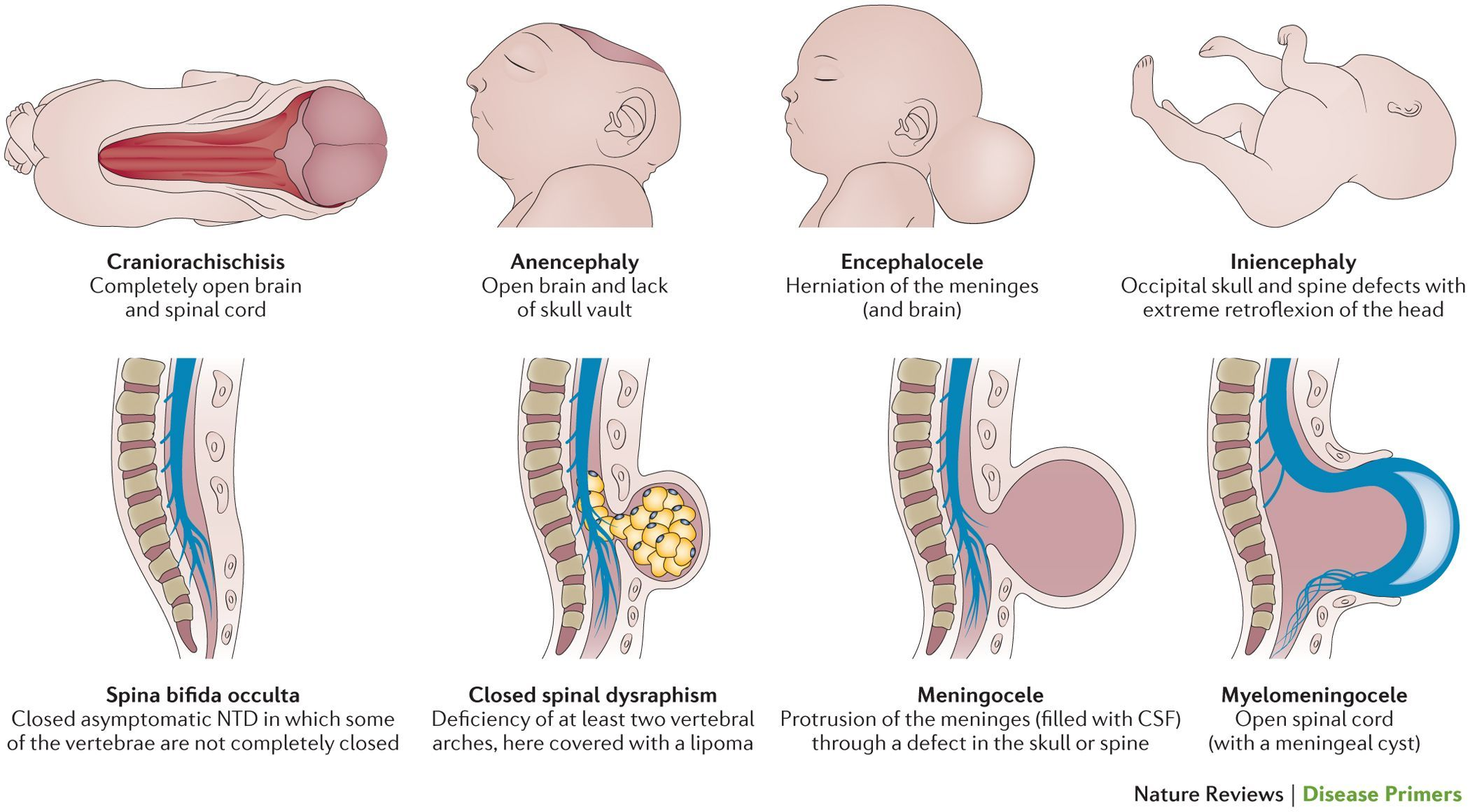
meningocele
Deformation
Abnormal shape, form, or position of an otherwise normal body part. CAUSED BY MECHANICAL FORCES
usually over long period of time, occurs after organogenesis→ loss symmetry, altered alignment, abnormal position, distorted configuration.
ex. clubfoot
Disruption
Defect from an extrinsic disturbance of otherwise normal development, causes DESTRUCTIVE BREAKDOWN.
ex. teratogen, trauma, amniotic bands (as mechanical forces)
Dysplasis
Morphologic anomaly rising pre or postnatally from dynamic or ongoing alteration in cellular constitution, tissue organization, function w/in a specific organ or tissue type.
can be widespread or localized
Can be brief and confined in time during development (unlike disruption, deformation, and malformation)
Choanal atresia
Failure in development of nasal cavity to communicate w/ naso pharynx
Choanae- pair of posterior partof the nasal cavities that open into the throat/naso pharynx area
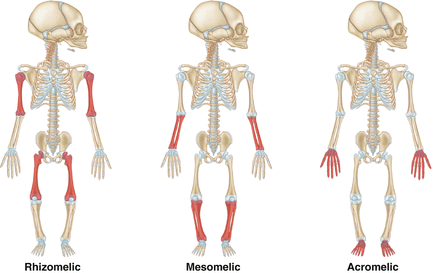
Mesomelic vs rhizomelic vs micromelic vs acromelic shortening
Rhizo-top bones
meso- middle bones
micro- small middle and top bones
acromelic- hands/feet
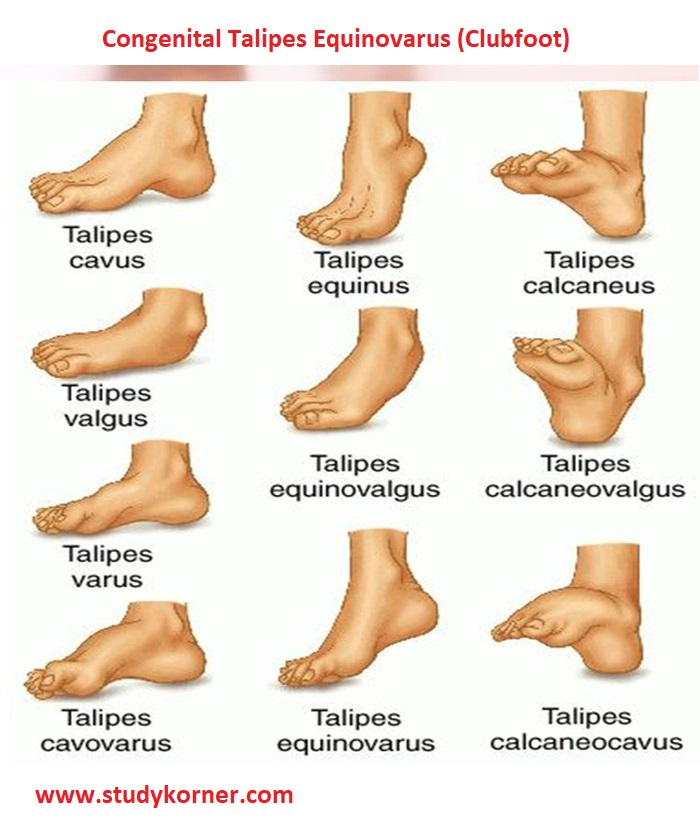
Talipes equinovalgus vs equinovarus
Talipes= foot
equino= near toes
valgus= outward heel tilt
varus=inward tilt to the middle
calcane= back of foot
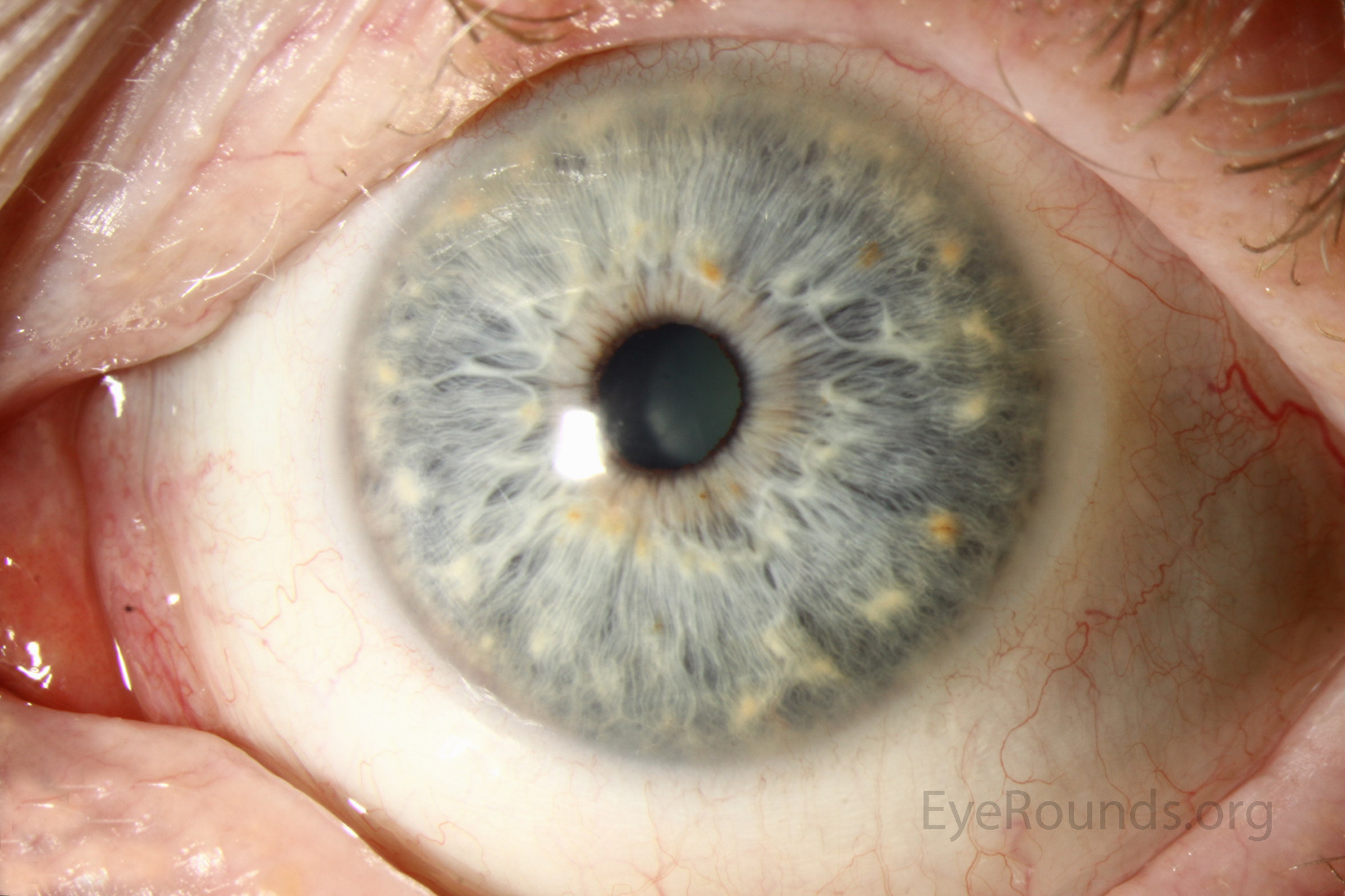
brushfield spots
tiny, white, gray, brown, or yellowish specks that appear along the outer edge of the iris,
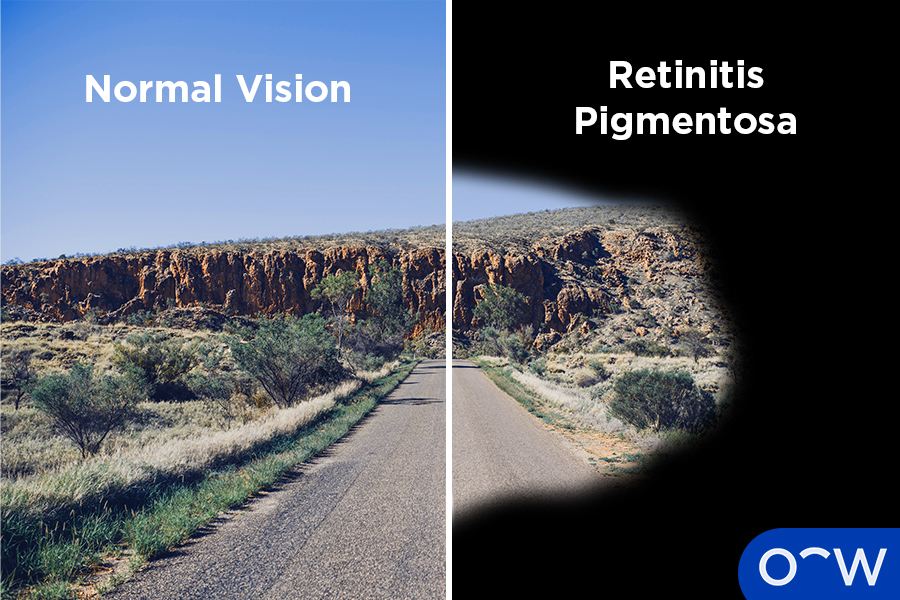
retinitis pigmentosa
progressive degeneration of the retina (RETINODYSTROPHY). the loss of photoreceptor cells, resulting in symptoms such as night blindness and peripheral vision loss, then central vision loss over time
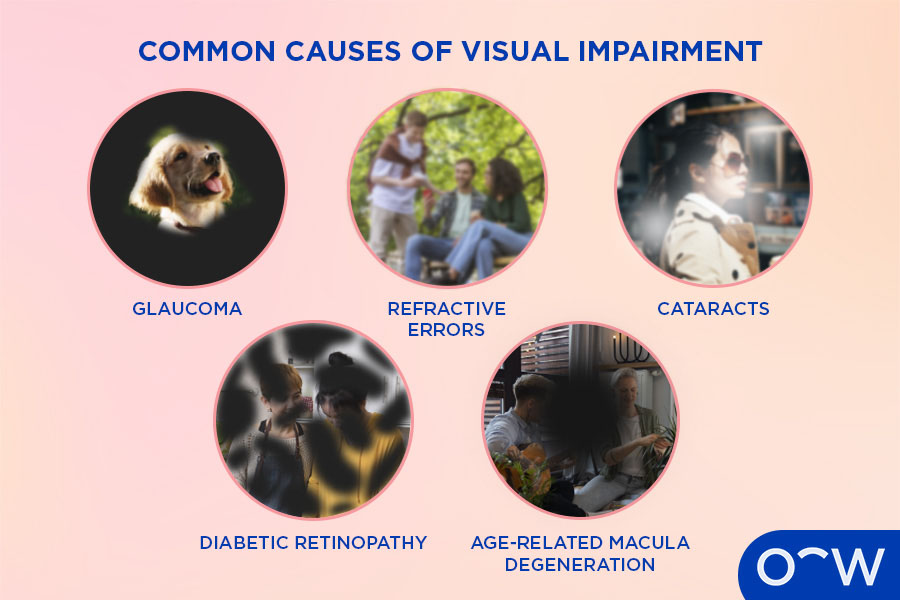
cataracts
lens becomes cloudy, blurred vision and probs seeing
Macular degeneration
progressive vision loss of central vision
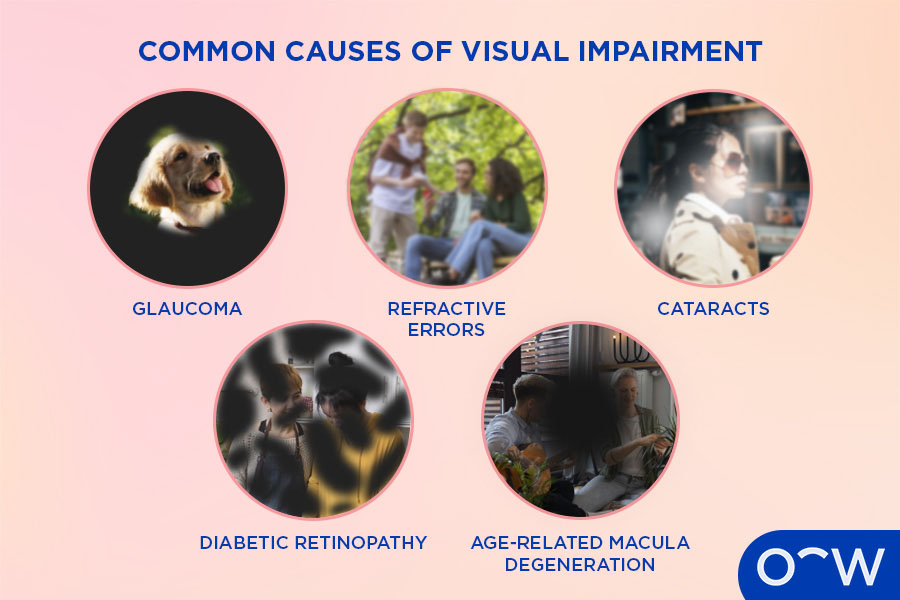
Glaucoma
damage to the optic nerve (OPTIC ATROPHY), often associated with increased intraocular pressure, leading to vision loss
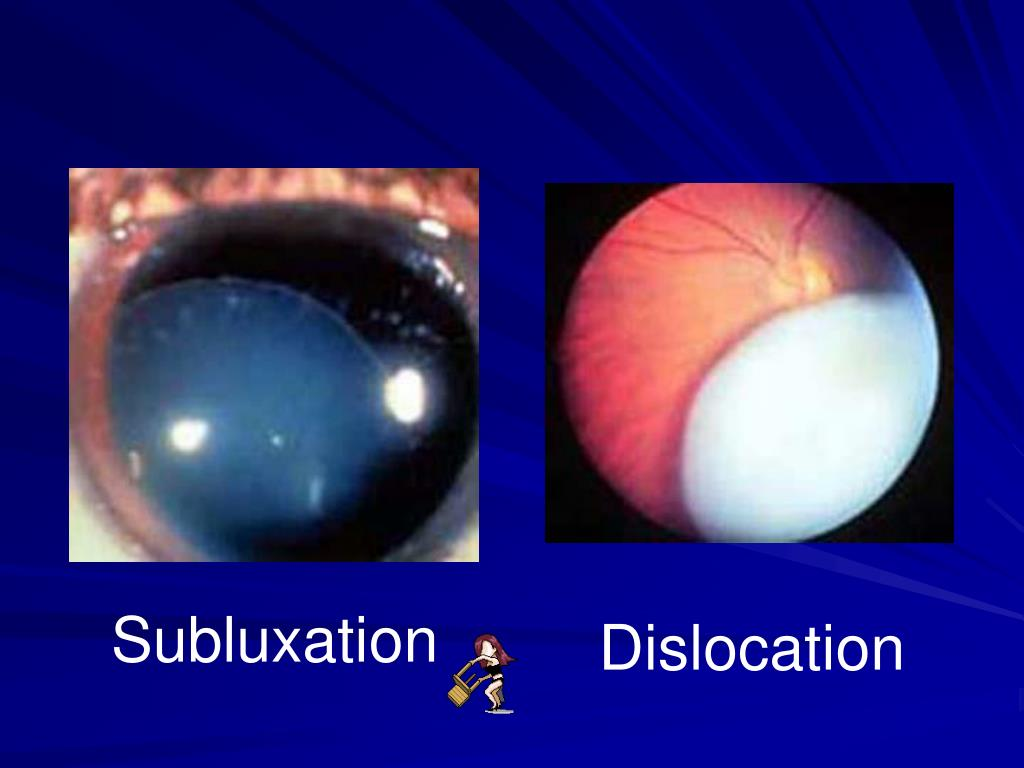
Lens dislocation (luxation) vs lens subluxation
Lens Dislocation (Luxation) AKA ectopia lentis: This occurs when the lens is completely displaced from its normal position, either into the anterior chamber or into the vitreous cavity. The lens is no longer in the pupillary area and is free-floating or positioned abnormally. marfan & homocystinuria
Lens Subluxation: This condition involves a partial displacement of the lens, where it remains within the pupillary area but is not centered. marfan, EDS
otitis media
middle ear infection
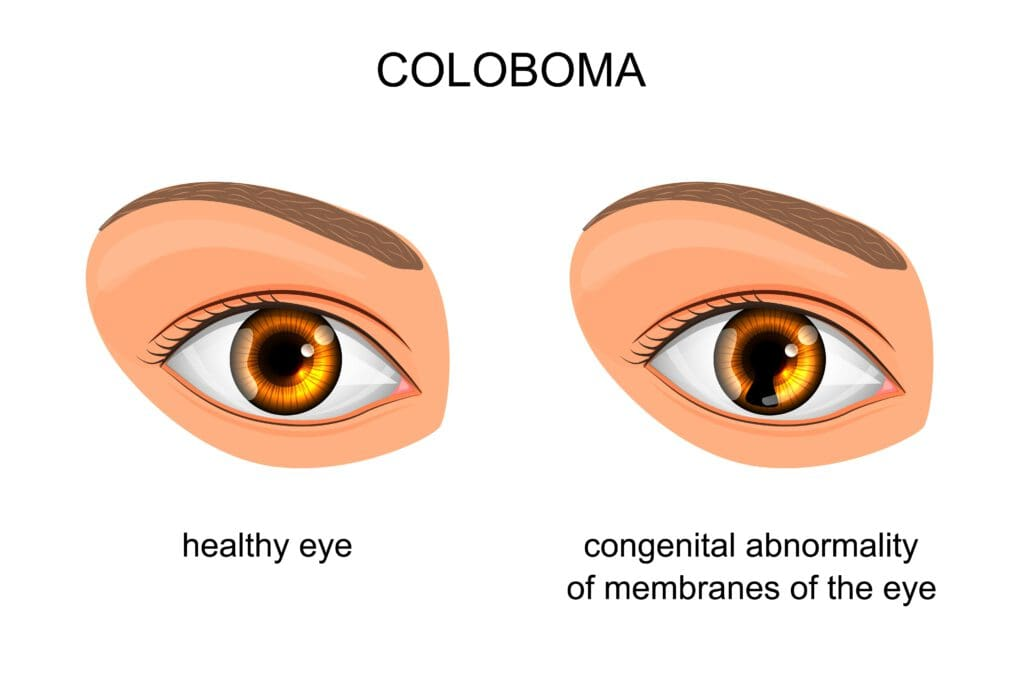
Coloboma
A defect in the eye's structure resulting in a gap or missing tissue, commonly affecting the iris but can also involve the retina and optic nerve.
omphalocele
intestines or other organs protrude through a hole in the abdominal wall at the base of the umbilical cord
gastroschisis
baby's intestines or other organs protrude through a hole in the abdominal wall, not covered by a protective sac
Paraganglioma
tumor from paraganglia, which are clusters of neuroendocrine (in the peripheral nervous system and can be hormone producing) and in cells throughout the body, often affecting the head and neck region.
Pheochromocytoma
a tumor of the adrenal gland that secretes catecholamines, leading to symptoms like high blood pressure.
Schwannomas
tumors that develop from Schwann cells, which produce the myelin sheath around nerves, usually affecting peripheral nerves. often benign and can cause pain or neurological symptoms
Ependymomas
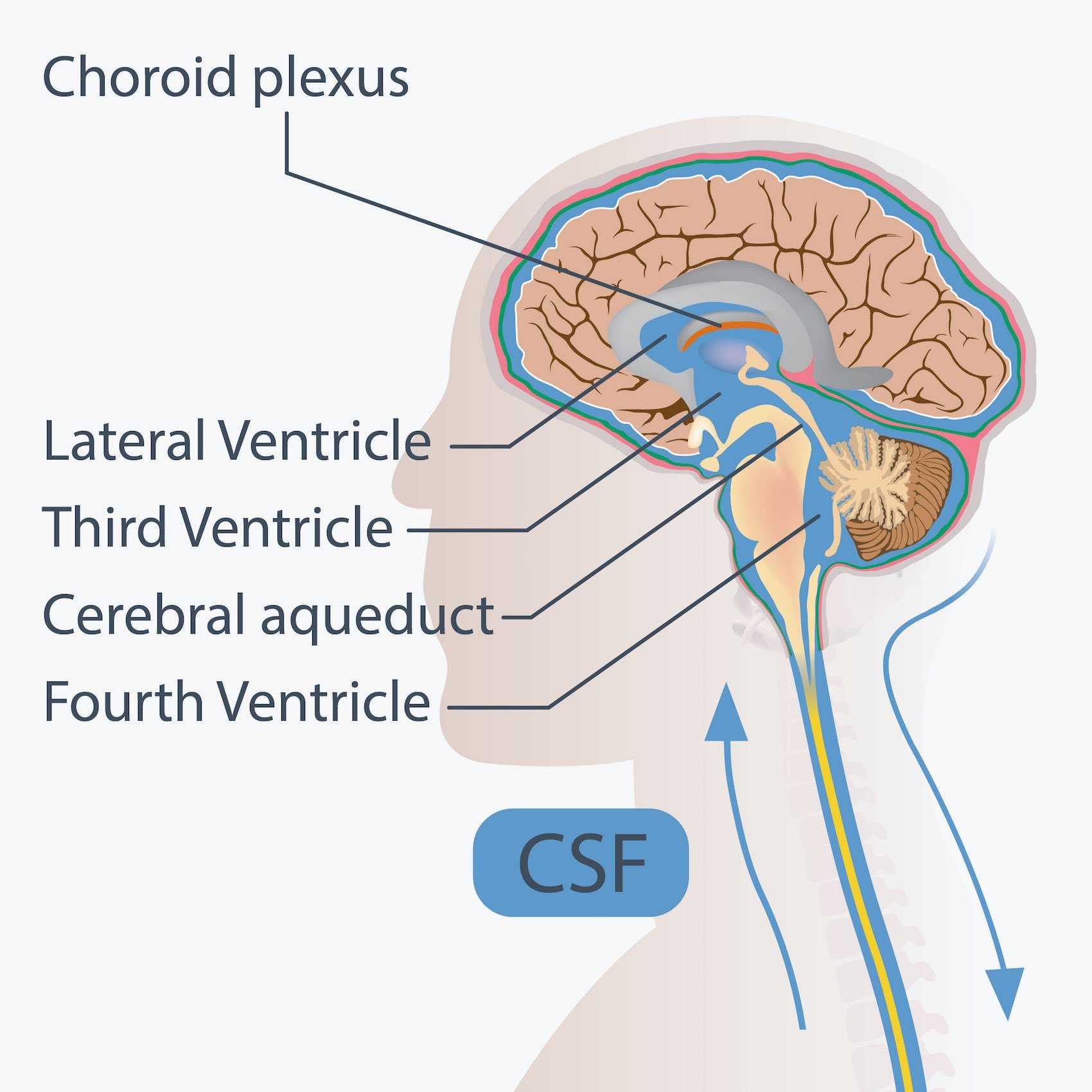
tumors that arise from ependymal cells, which line the passageways that carry CSF. Most often present in the ventricles of the brain and spinal cord
Meningioma
a tumor that develops from the meninges, the protective layers covering the brain and spinal cord, often benign but can lead to neurological symptoms depending on location. Present in the ventricles of the brain and spinal cord
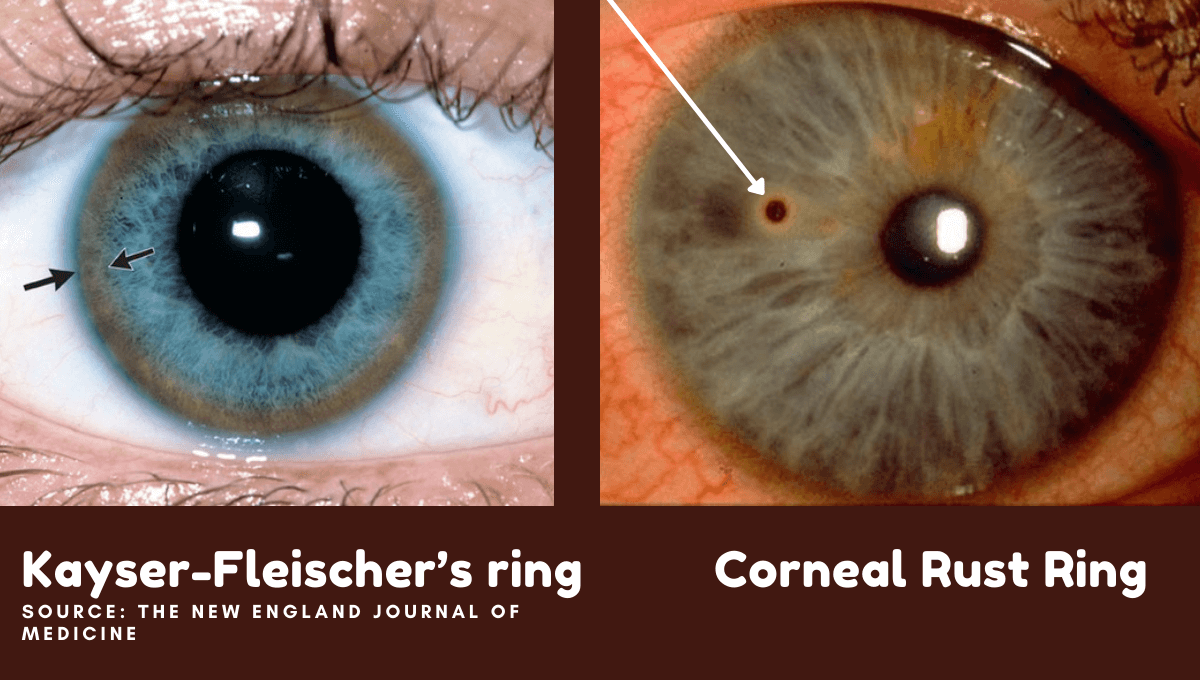
kayser-fleischer rings
greenish-brown deposits of copper in the cornea, associated with Wilson's disease, indicating copper accumulation in the body.
Syncope
a temporary loss of consciousness caused by a decrease in blood flow to the brain, often resulting in fainting.
tachycardia
a condition characterized by an abnormally rapid heart rate, typically defined as a resting heart rate over 100 beats per minute.
fibrillation
a rapid, uncoordinated heart rhythm that can lead to ineffective pumping of blood, often seen in conditions like atrial fibrillation or ventricular fibrillation.
Kyphosis
a spinal condition characterized by an excessive outward curvature of the spine, leading to a hunchback appearance.
Kyphosis or Gibbus
Gibbus is thoracolumbar kyphosis (at the thoracic and lumbar regions), resulting in a hunchback appearance.
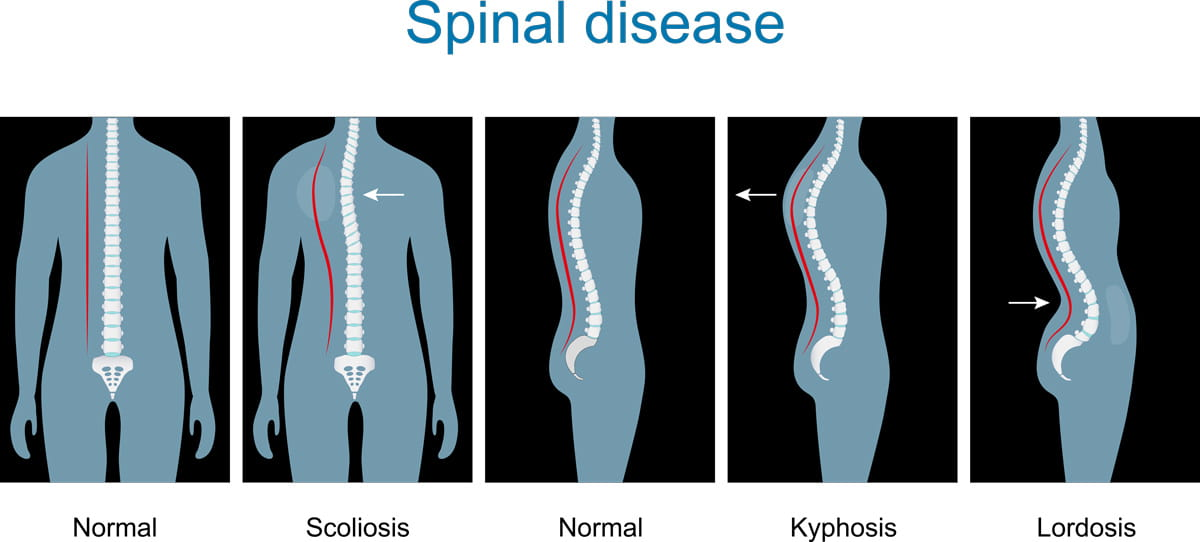
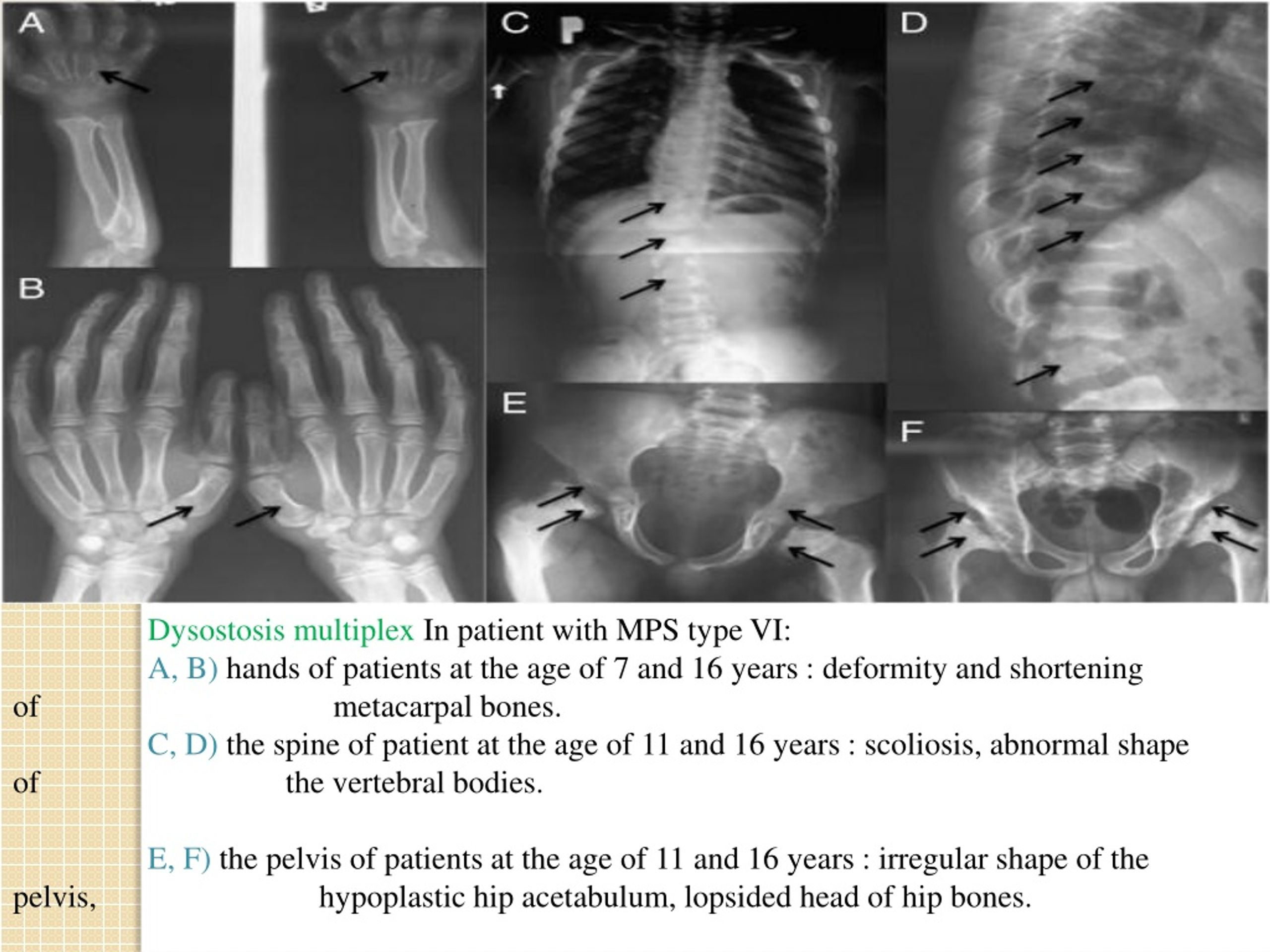
Dystosis multiplex
List NTD and names
Adrenal gland functions
3 S’s: Sugar, salt, and sex
Hormones such as cortisol, aldosterone, and adrenaline, which regulate metabolism, immune response, and blood pressure.
palpebral fissures
are the openings between the eyelids that can vary in shape and size, playing a role in eye function and appearance.
rocker bottom foot
a congenital deformity characterized by a convex shape of the foot's sole, which can lead to difficulty in walking and often requires treatment.
rickets
is a disorder caused by a deficiency of vitamin D, calcium, or phosphate, leading to the softening and weakening of bones in children
Lissencephaly
is a rare neurological disorder characterized by the absence of normal folds in the brain surface, resulting in a smooth appearance of the cerebral cortex, which can lead to various developmental issues.