DP1 DT Unit 1 Design for People Review
 Certain options have been disabled. Please contact your teacher if you need access to these modes.
 Call Kai
 Learn
Learn Practice Test
 Spaced Repetition
 Match
Match Flashcards
1/40

There's no tags or description
Looks like no tags are added yet.
Name | Mastery | Learn | Test | Matching | Spaced | Call with Kai | Chat |
|---|
No analytics yet
Send a link to your students to track their progress
41 Terms
Adjustability
The ability of a product to change size, usually to increase the range of percentiles that the product can fit.

Anthropometrics
Measurement of human body sizes (height, weight, reach).

Clearance
The physical space between two objects, or the space between a person and their objects or environment
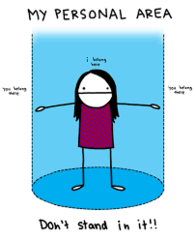
Ergonomics
The interaction between people and products/systems to improve comfort, safety, and efficiency.

Percentile Range
The number of people that fit into a statistical group of values to compare data within a population (5th, 50th, 95th).
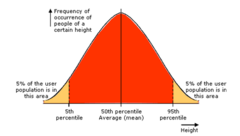
Psychological Factors
Human data related to psychological interpretations (perception) of the senses caused by light, smell, sound, taste, temperature and texture.

Physiological factors
Biomechanical data related to physical characteristics that affect a user's safety, healthy, comfort and performance (for example temperature, grip strength, effects of fatigue, etc)

Percentile
A term that describes how data compares to all data in a set, if you divide it into 100 equal parts.

Range of sizes
A selection of sizes for a product that allows it to fit most users

Static data
Measurements of the human body when at rest in a standard position

Dynamic data
Measurements of the human body when moving

Reach
The range that a person can stretch to touch or grasp an object

Workspace envelope
A 3D space around a person that the user can comfortably reach

Functional (Effective)
Usability objective - how well the product meets the performance requirements of most users
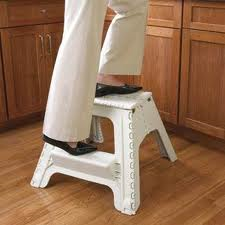
Errors
Usability objective - how frequently and how severely a user makes mistakes when using the product. Products that are error tolerant allow for fewer errors.

Learnability (Easy to learn)
Usability objective - how easy is it for the user to operate a product or system after learning how to use it

Memorability (Efficient)
Usability objective - how well a user can remember how to use the product after they have not used it for a period of time

Satisfaction (Enjoyability)
Usability objective - how pleasant and enjoyable it is to use a product, based on the user's needs and preferences

Anti-Persona
A fictional profile of a user who might misuse the product and how that can affect the product

Field Research
A first-hand observation of users in their real environment

Five stages of UCD
Research, Concept, Design, Develop, Launch

Focus Group
A research method in which a small group of users sit together with a moderator (researcher) who guides a discussion about the product. Users discuss their preferences, impressions, and opinions of the product.

Interview
A research method that uses one-on-one questions to gain insight into a user's preferences, needs and limitations

Primary Persona
A fictional profile of the primary user for a product that outlines the needs, preferences and pain points of the typical user.

Qualitative Data
Descriptive data, such as quotes, that conveys how the users think and feel in words
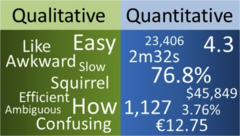
Quantitative Data
Data that can be measured in numbers, such as statistics, percentiles and sizes

Survey
A research method that uses both open-ended and closed questions to collect data from a large number of users.

Task Analysis
A research method that observes a user carrying out a specific action to understand how they do it.

Inclusive / Universal Design
Designing products to be usable for the widest range of people

Design for extremes
A strategy to design products for the most abnormal users. For example, designing for the 2.5th - 97.5th percentile instead of 5th - 95th

Principles of Inclusive Design
Seven principles that guide designers to create inclusive products: 1. Equity in use, 2. Flexibility in use, 3. Simple & intuitive operation, 4. Perceptive information, 5. Tolerance for error, 6. Low physical effort, 7. Size & space for use

ACT Model - Attract, Converse, Transact
A framework for creating designs that improve the relations of users with the product to trigger an emotional response.

Attract
First impression, aesthetics - Is the product desirable?

Converse
Interaction with the product - Is the product useful?

Transact
Commitment to product - Does the product accomplish was it was designed for?
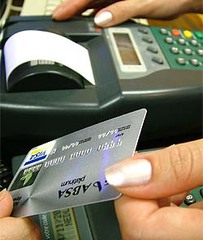
Four Pleasure Framework
A framework by Lionel Tiger (1992) that encourages design for emotion and pleasure, including Physio-pleasure, Socio-pleasure, Psycho-pleasure and Ideo-pleasure

Physio-Pleasure
Physical comfort, sensory pleasure from product

Psycho-pleasure
Cognitive satisfaction, ease of use

Socio-pleasure
Social connection, belonging, and social identity
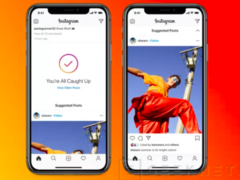
Ideo-pleasure
Values, ethics and moral identity
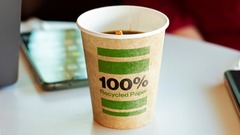
Norman's Three Levels of Design
Don Norman identifies three components of emotional design: 1) Visceral - sensory appeal (correlates to Physio-pleasure), 2) Behavioral - function and performance (correlates to Psycho-pleasure), 3) Reflective - meaning and identity (correlates to Socio-pleasure and Ideo-pleasure)
