Mr. E's Symbiotic Relationships
 Call Kai
 Learn
Learn Practice Test
 Spaced Repetition
 Match
Match Flashcards
1/22

There's no tags or description
Looks like no tags are added yet.
Name | Mastery | Learn | Test | Matching | Spaced | Call with Kai | Chat |
|---|
No analytics yet
Send a link to your students to track their progress
23 Terms
Ecology
The study of interactions between organisms and their environment
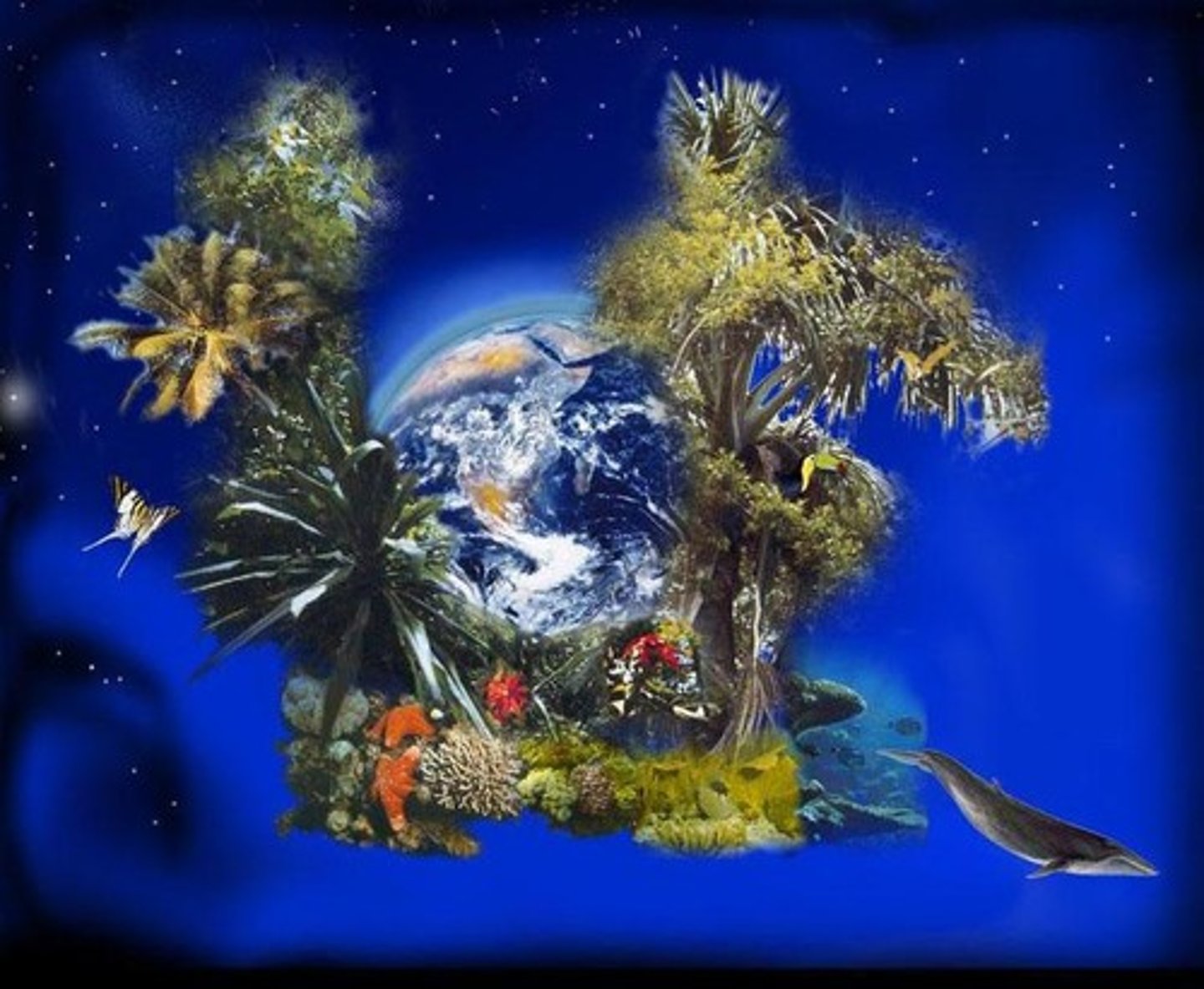
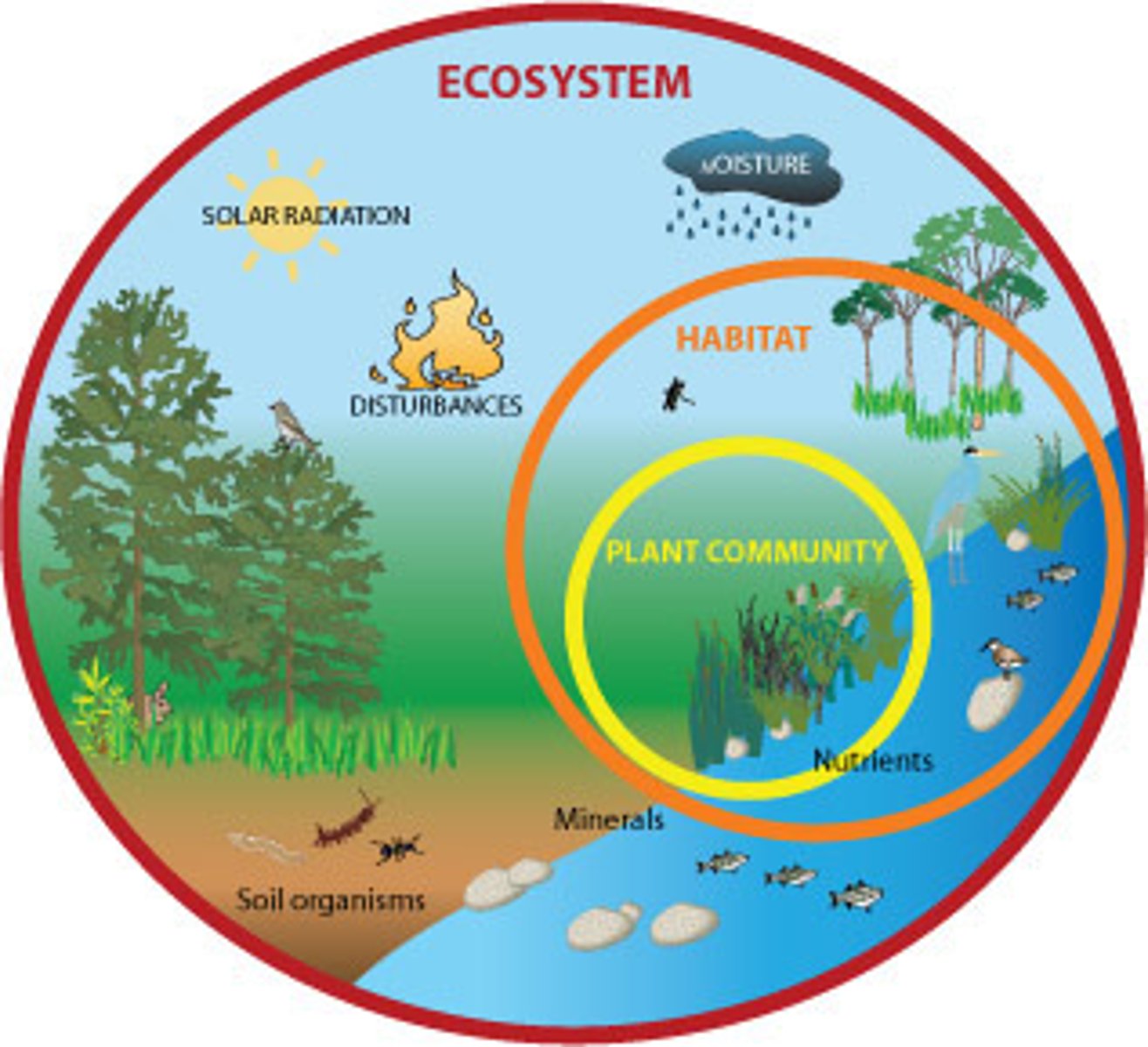
Ecosystem
A community of interdependent organisms and the physical environment they inhabit.
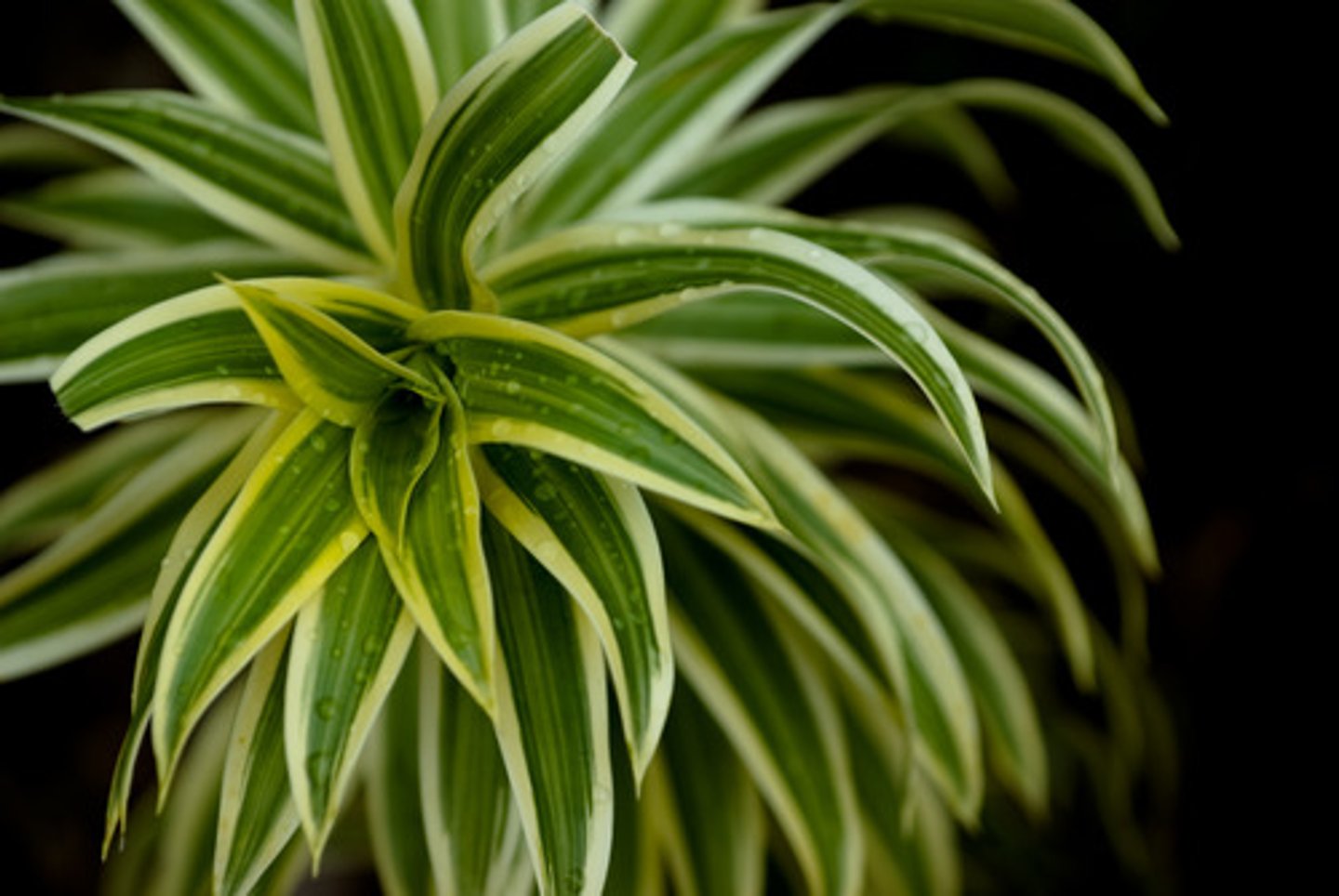
Producer (Autotroph)
Organisms that can produce their own food
Consumer (Heterotroph)
Organisms that rely on other organisms for their energy supply: eaters
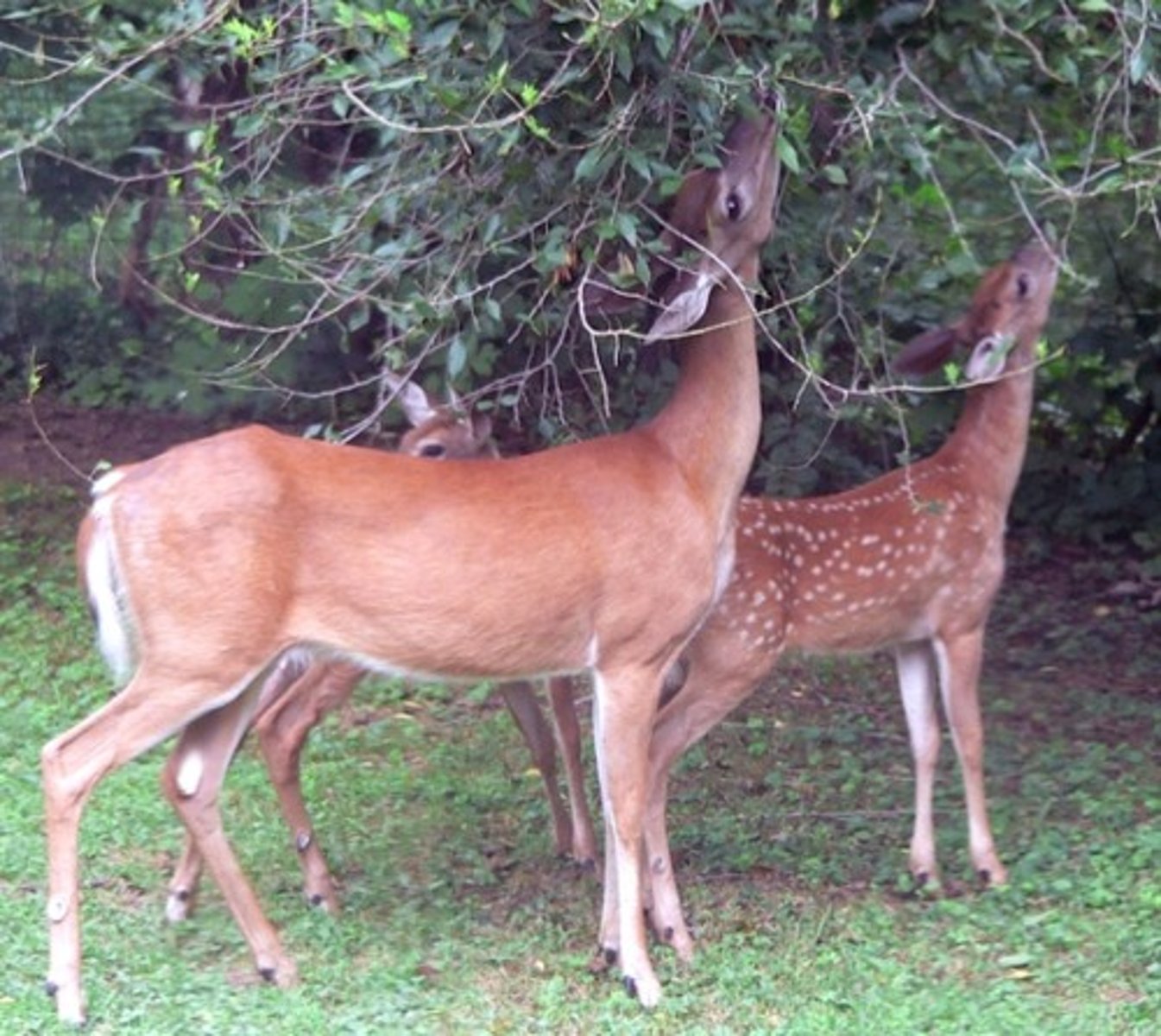
Herbivore
Eats plants
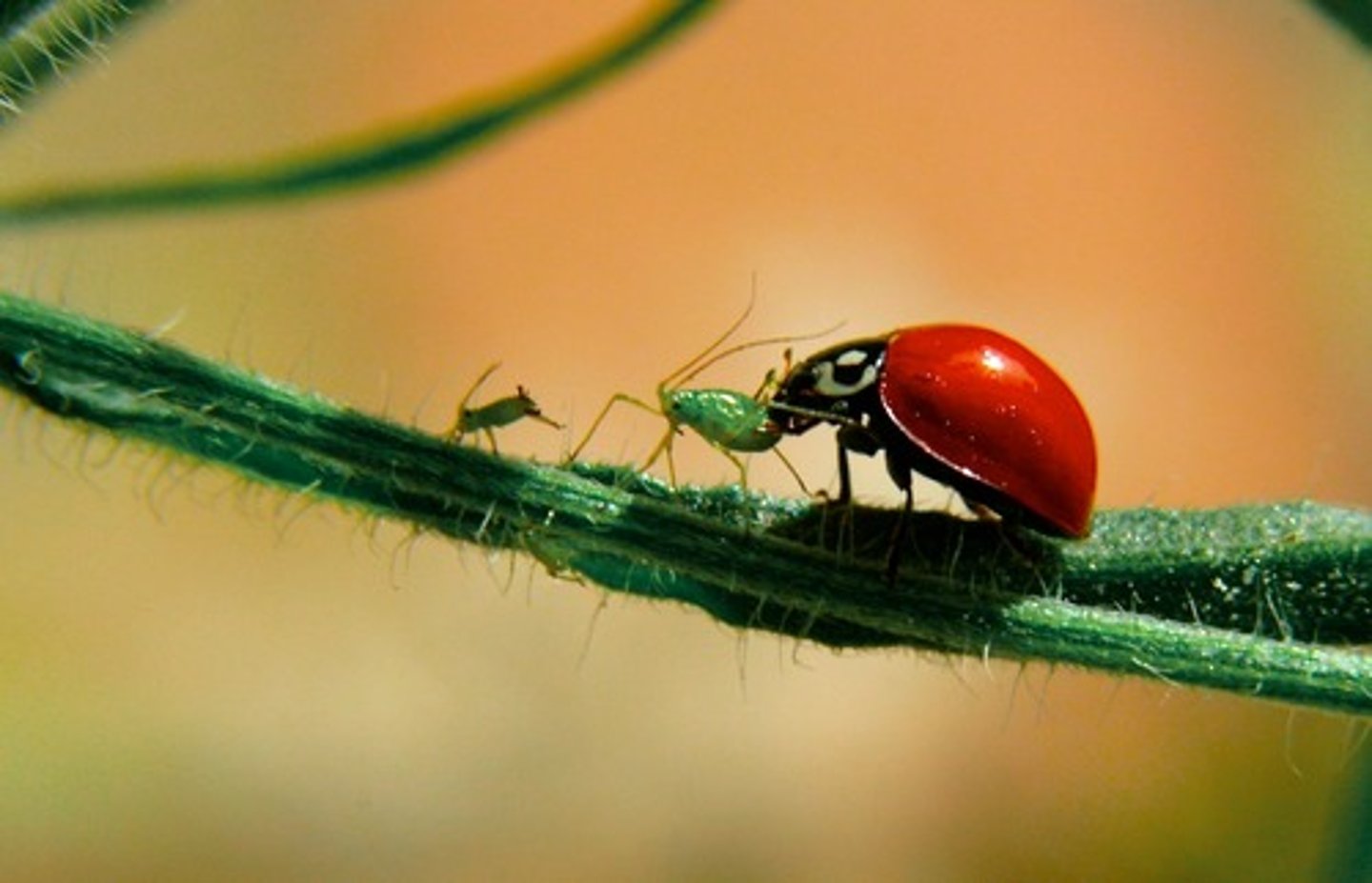
Carnivore
Eats other animals
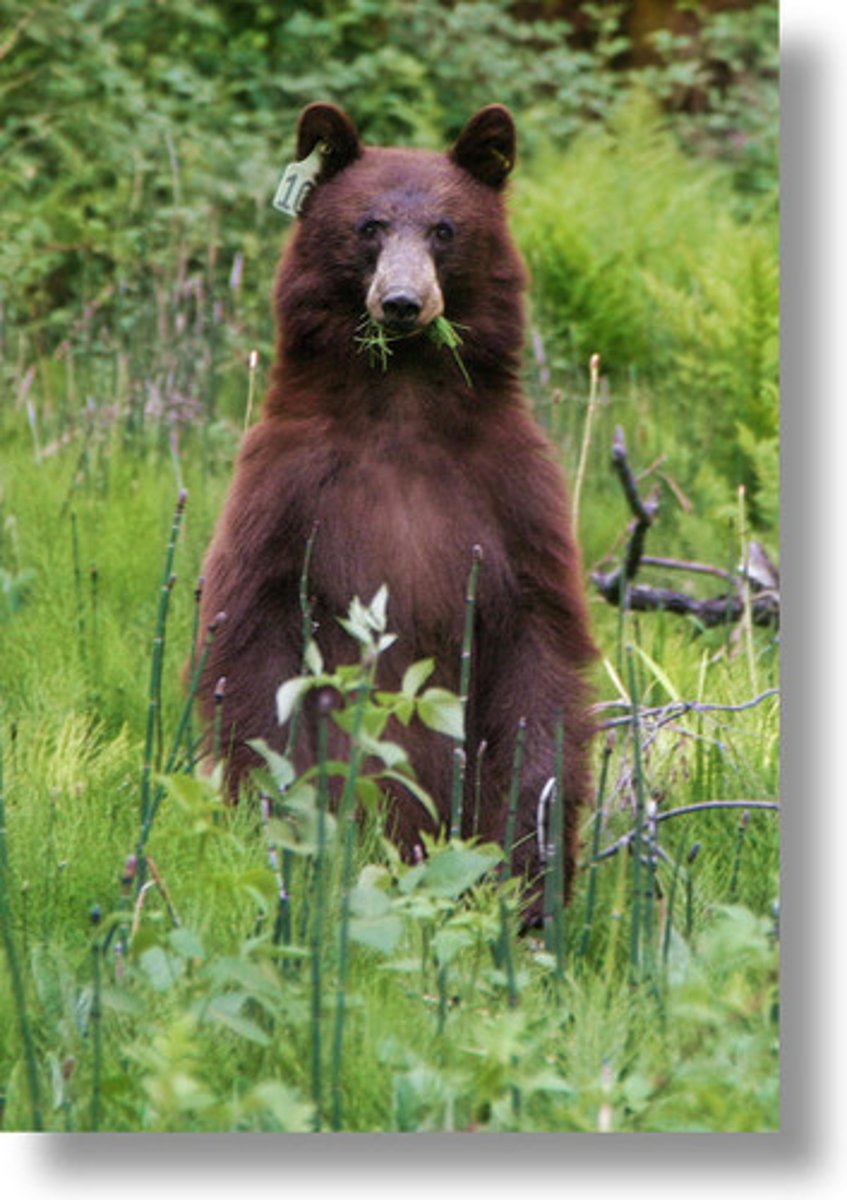
Omnivore
Eats both plants and animals
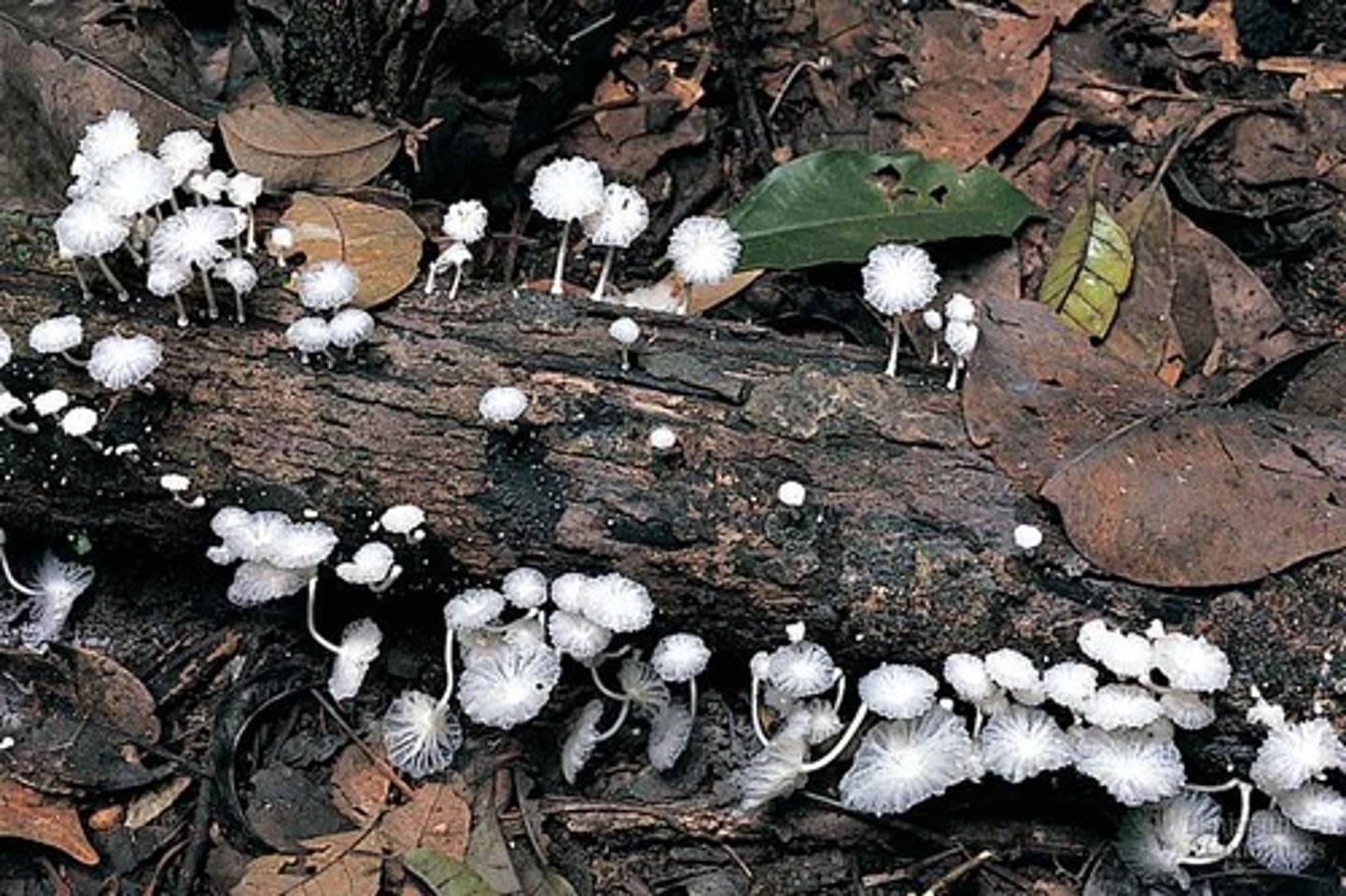
Decomposer
Breaks down dead organic matter... Largely responsible for the recycling of materials within an ecosystem
Biotic Factors
The living parts of an ecosystem
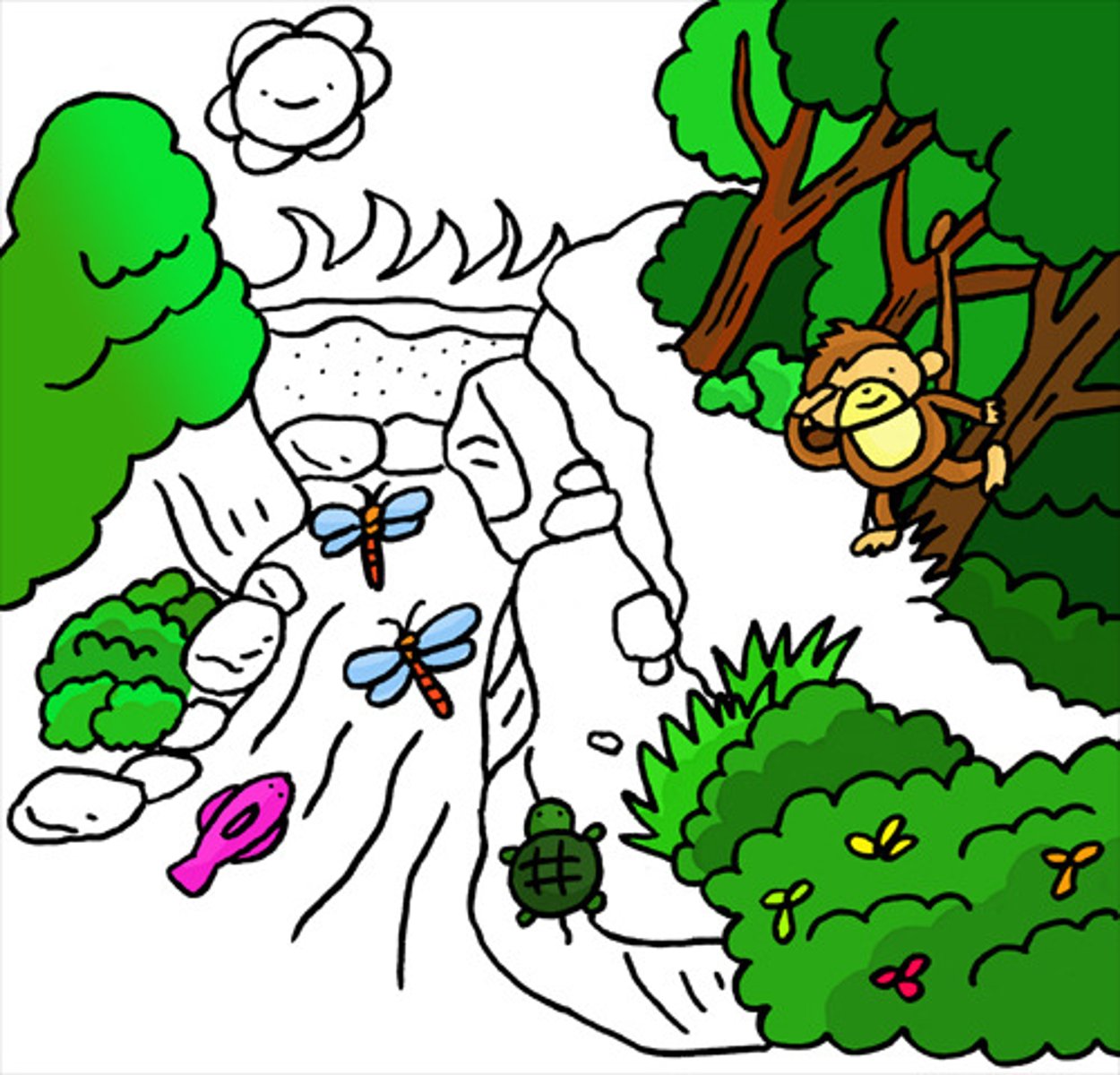
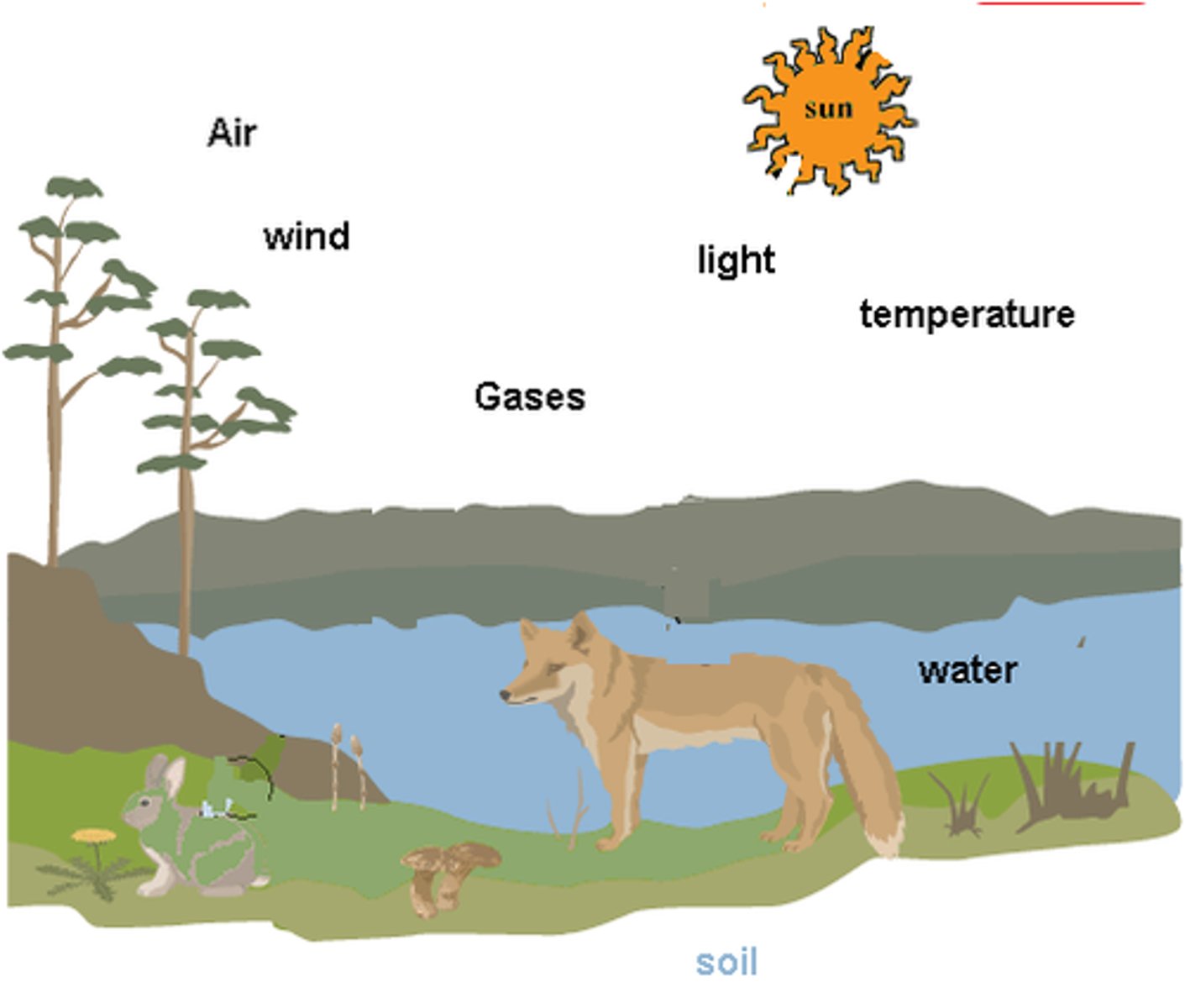
Abiotic Factors
The nonliving parts of an ecosystem
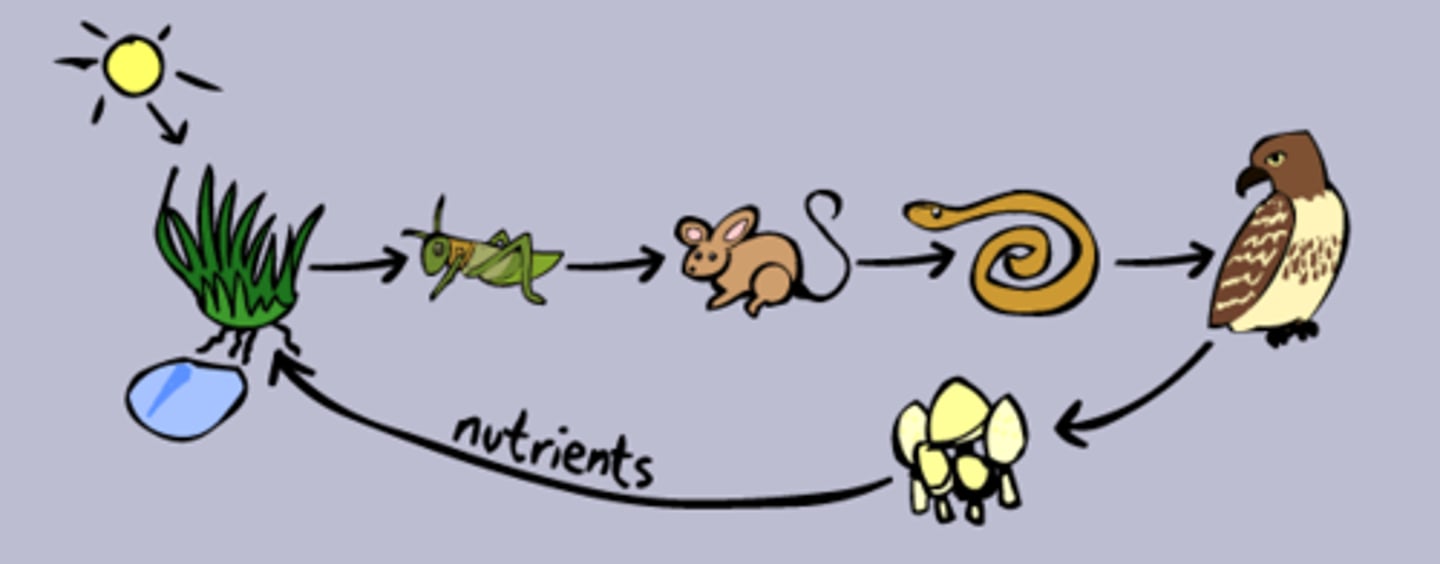
Food chain
A series of steps in which organisms transfer energy and matter by eating and being eaten
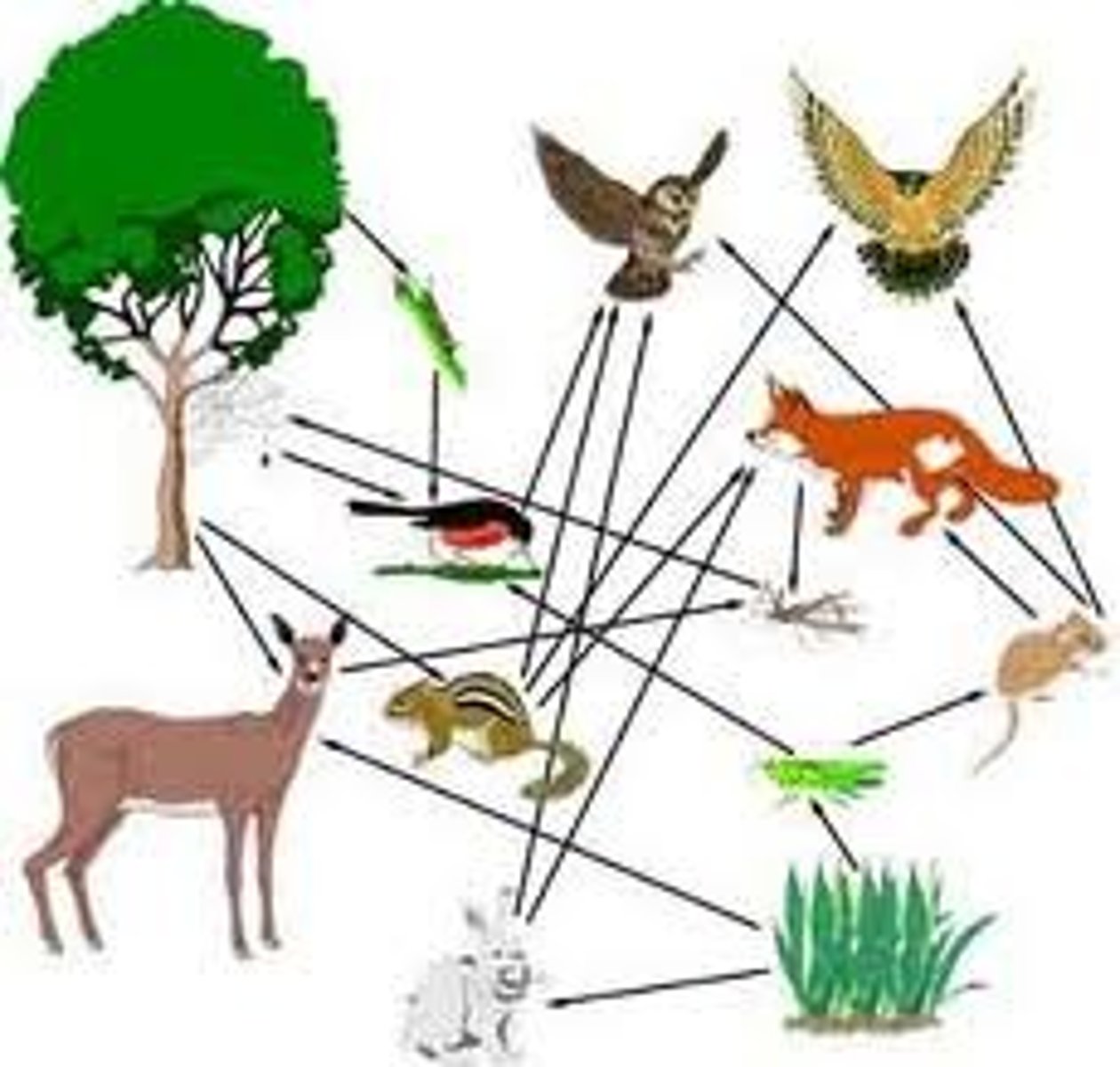
Food web
The pattern of overlapping food chains in an ecosystem
Symbiosis
A close relationship between two species that benefits at least one of the species
Habitat
Where an organism lives
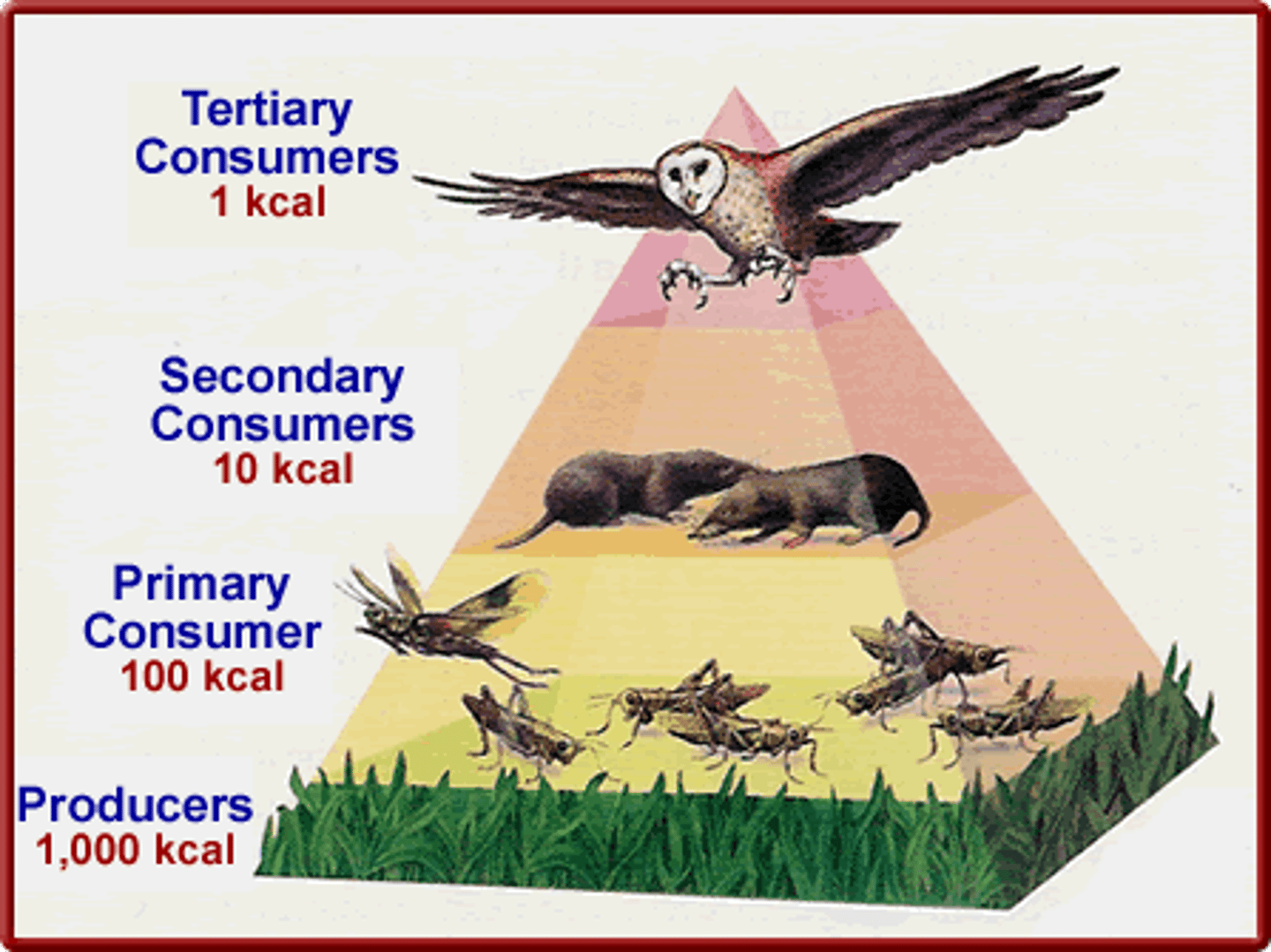
Trophic pyramid
a triangular diagram that shows an ecosystem's loss of energy from one feeding level to another in a food web.
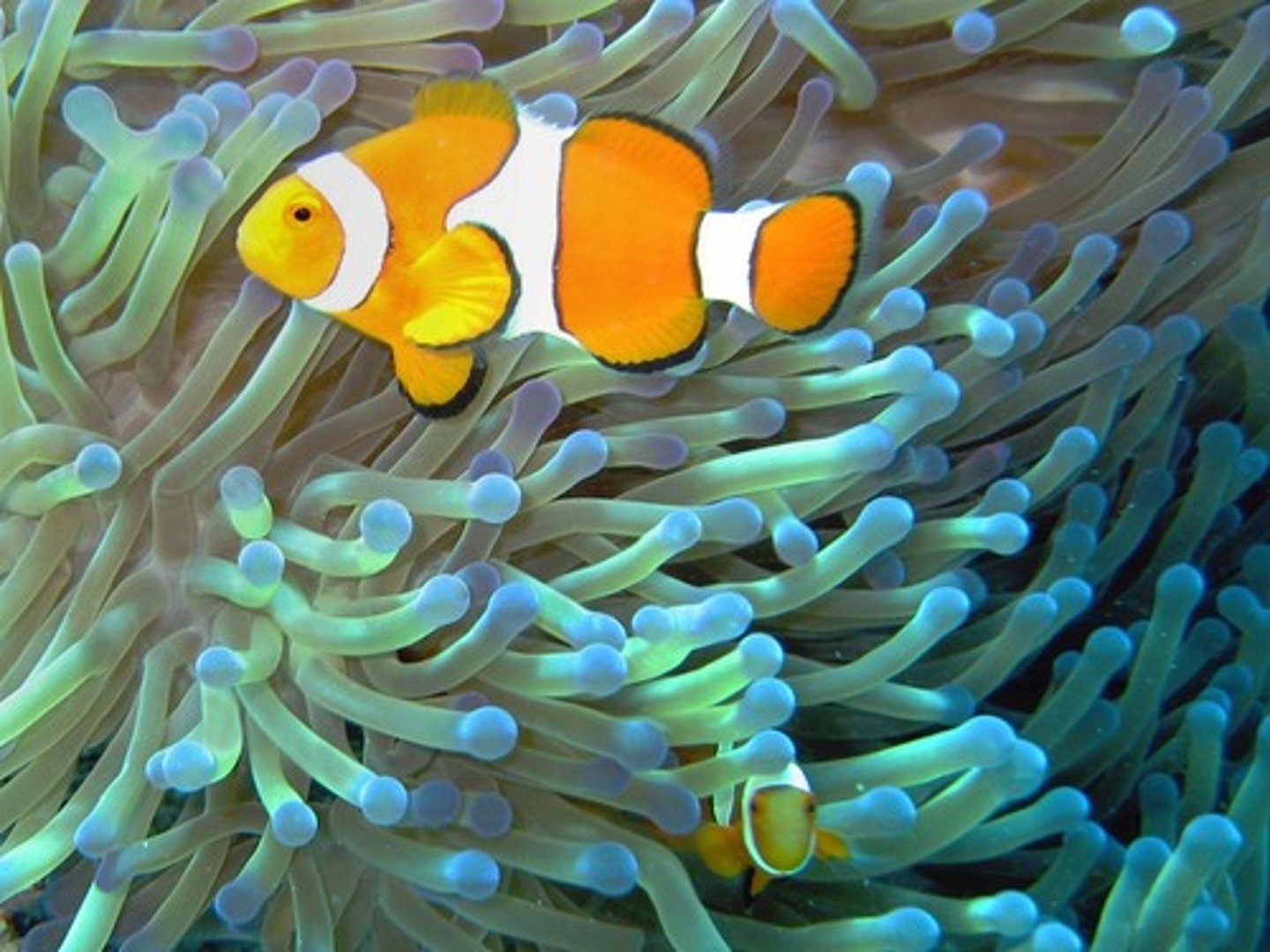
Mutualism
A symbiotic relationship in which both organisms benefit
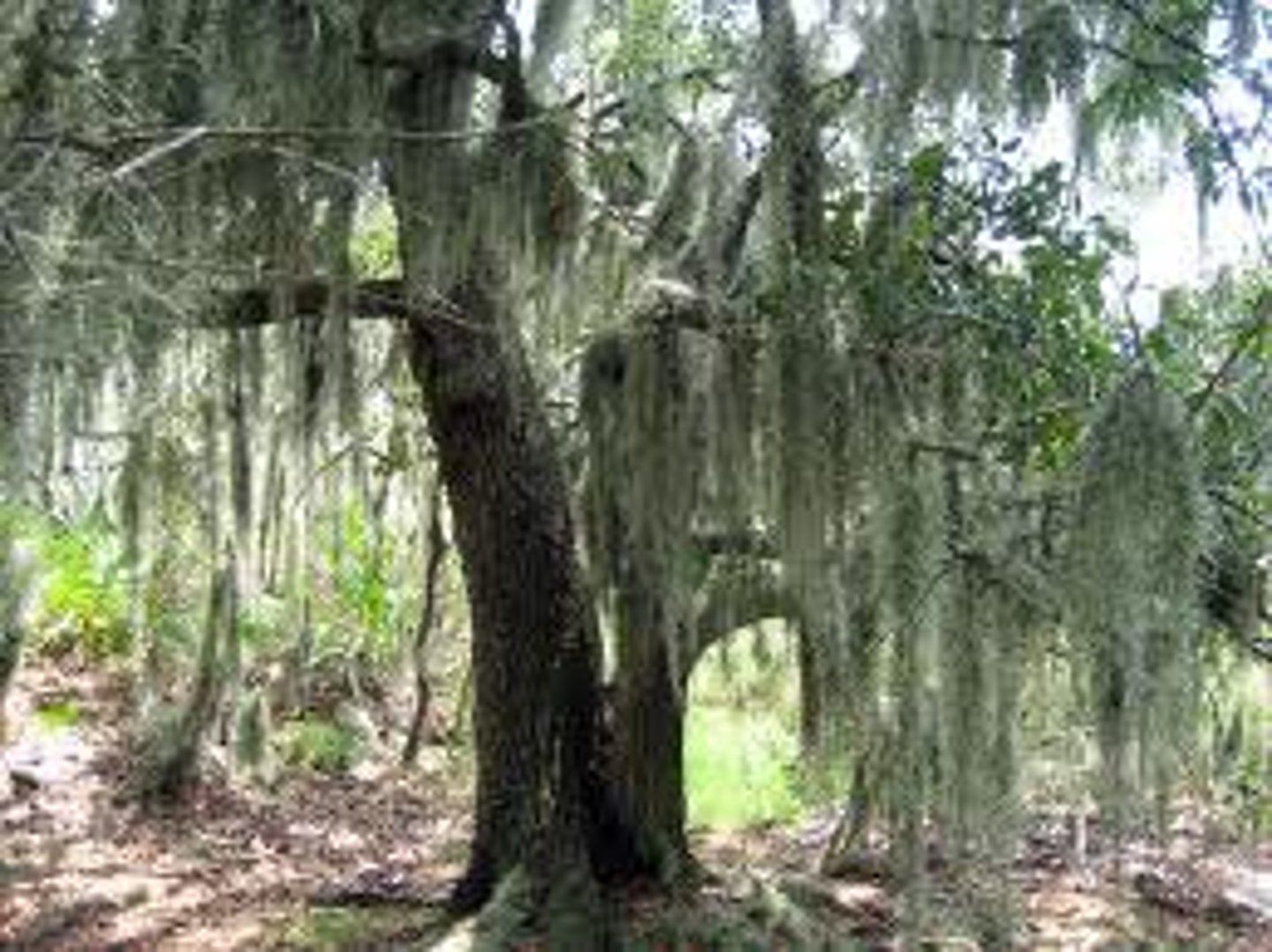
Commensalism
A symbiotic relationship in which one organism benefits and one remains unaffected
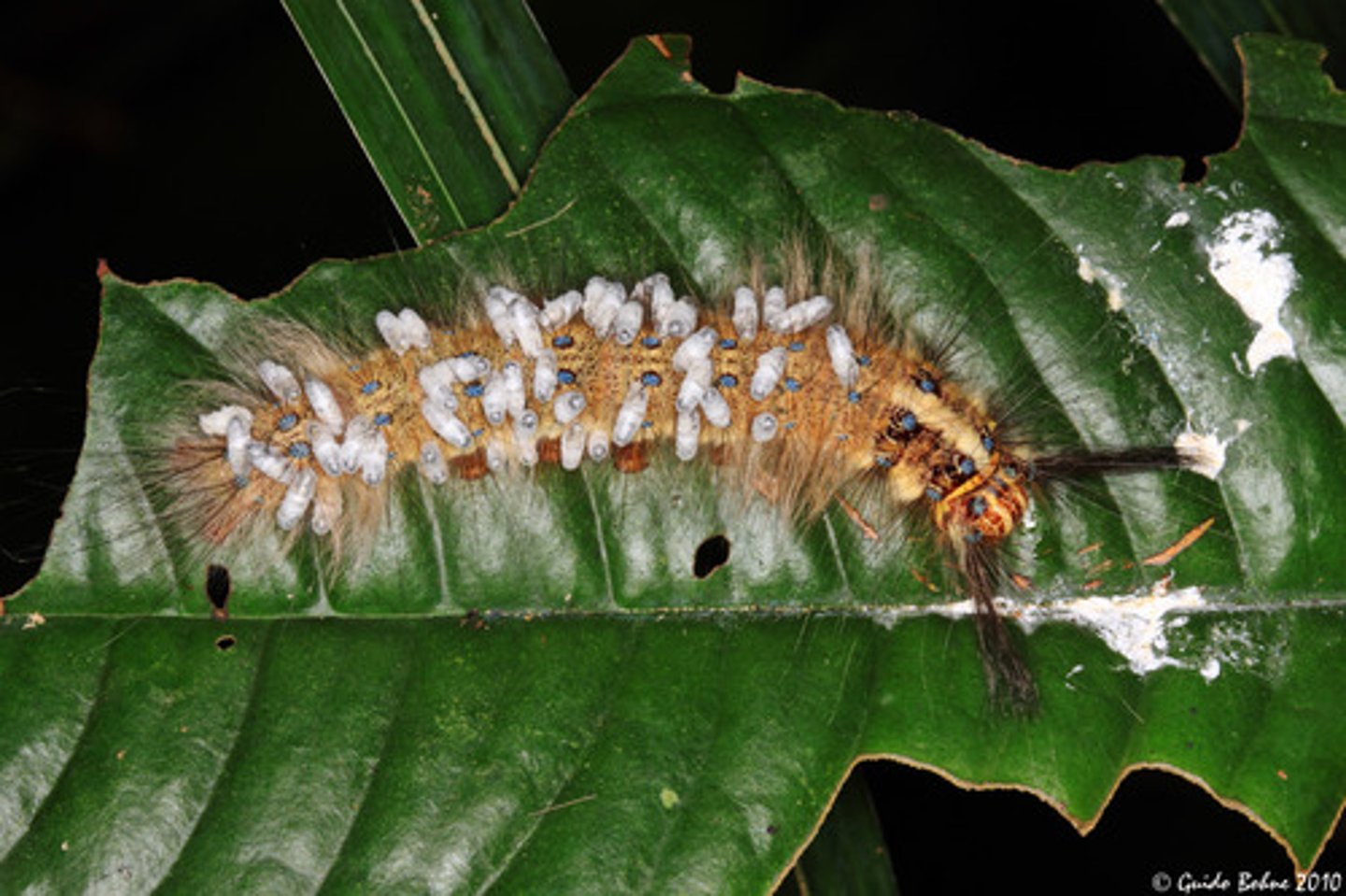
Parasitsm
A symbiotic relationship in which one organism (A Parasite) benefits and gets its nutrients from the host
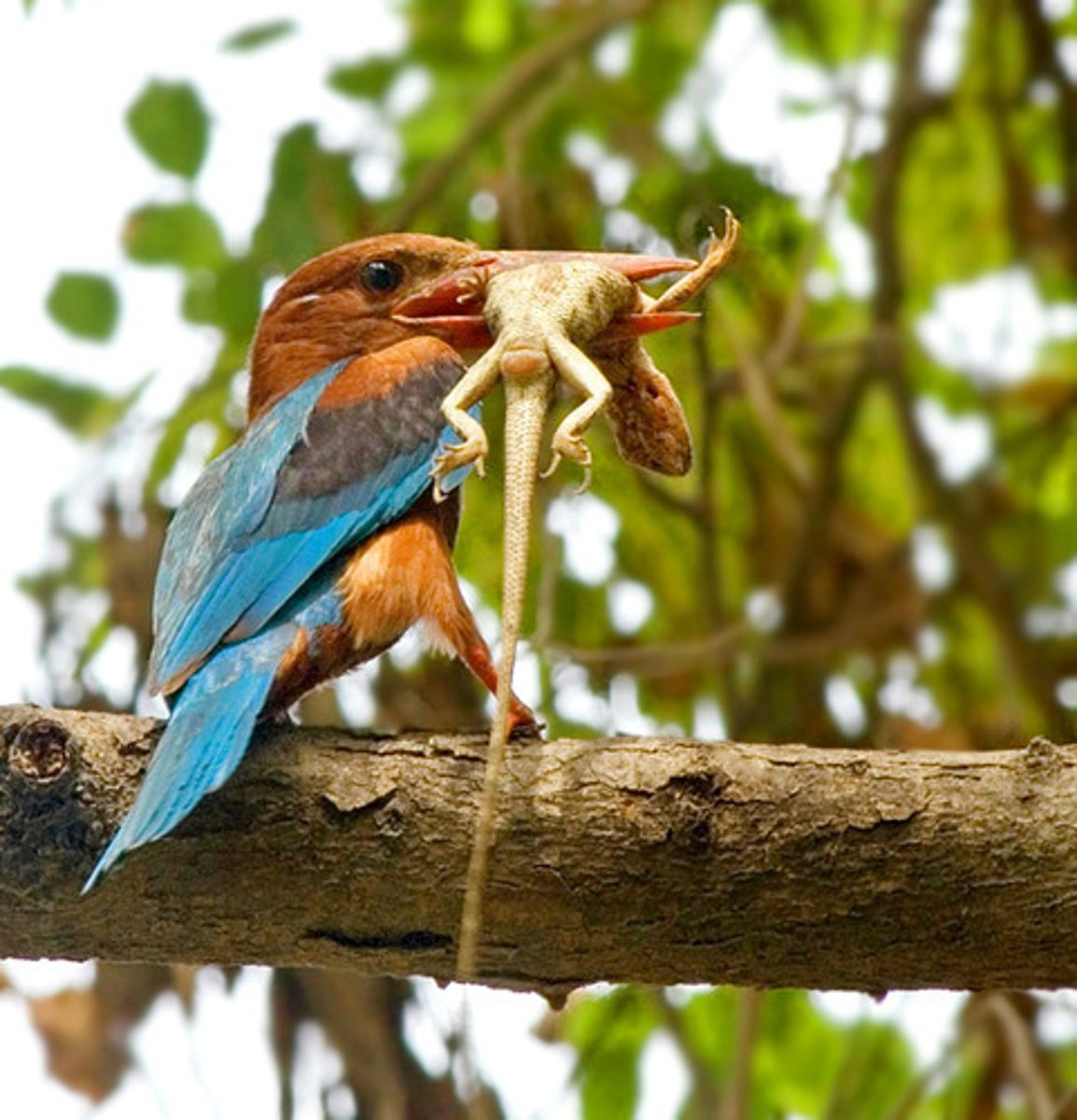
Predation
When one organism captures and feeds on another
An Invasive Species
Non-native and harmful to the economy, environment, or human health
Lichens
Are a pioneer species
Examples of Producers
Grass, trees, and shrubs
Primary succession occurs
After floods and fires