Module 5 HEENT -- Health Assessment
 Call Kai
 Learn
Learn Practice Test
 Spaced Repetition
 Match
Match Flashcards
 Knowt Play
1/90

Earn XP
Description and Tags
BEAST of a flashcard set
Name | Mastery | Learn | Test | Matching | Spaced | Call with Kai |
|---|
No analytics yet
Send a link to your students to track their progress
91 Terms
Normal Findings of the head:
Symmetrical, midline, round
Normocephalic
Erect and still
Absent of pain, tenderness, masses, depressions during palpation
Abnormal Findings of the head:
Pain
Tenderness
Mass
Depression
Involuntary movements
Macro/microcephaly
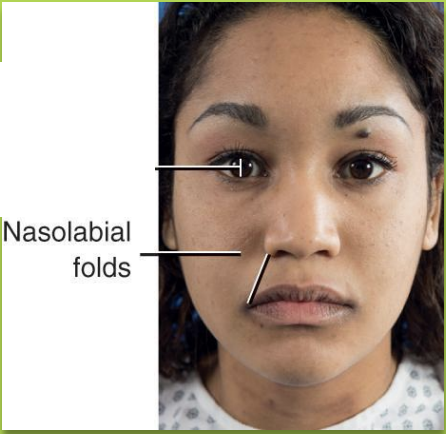
Nasolabial folds
Folds on the corner of the mouth on each side of the nose
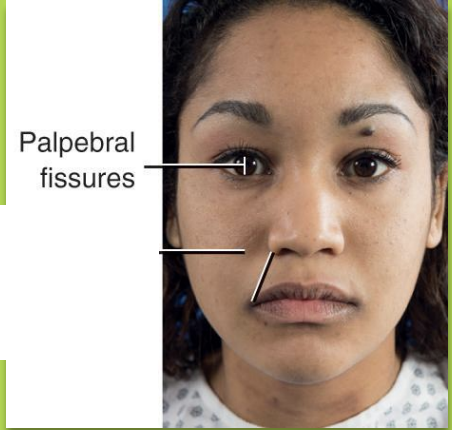
Palpebral fissures
Distance between eyelids
Expected Findings of the face:
Inspection:
Round, oval, square (normal shapes)
Symmetrical
Nasolabial folds/palpebral fissures equal
Relaxed, eye contact
Smooth & clear skin
No edema
Palpation:
No tenderness
Temporal artery nontender
TMJ no clicking sounds or limited ROM
Abnormal Findings of the face:
Asymmetry: Abscess, infection, parotid gland enlargement, neuro disorders
Mask-like face: Parkinson’s
Swelling: Periorbital edema: Kidney disease,Cardiac, respiratory, and autoimmune disorders
TMJ disorder: clicking, popping, grating sound
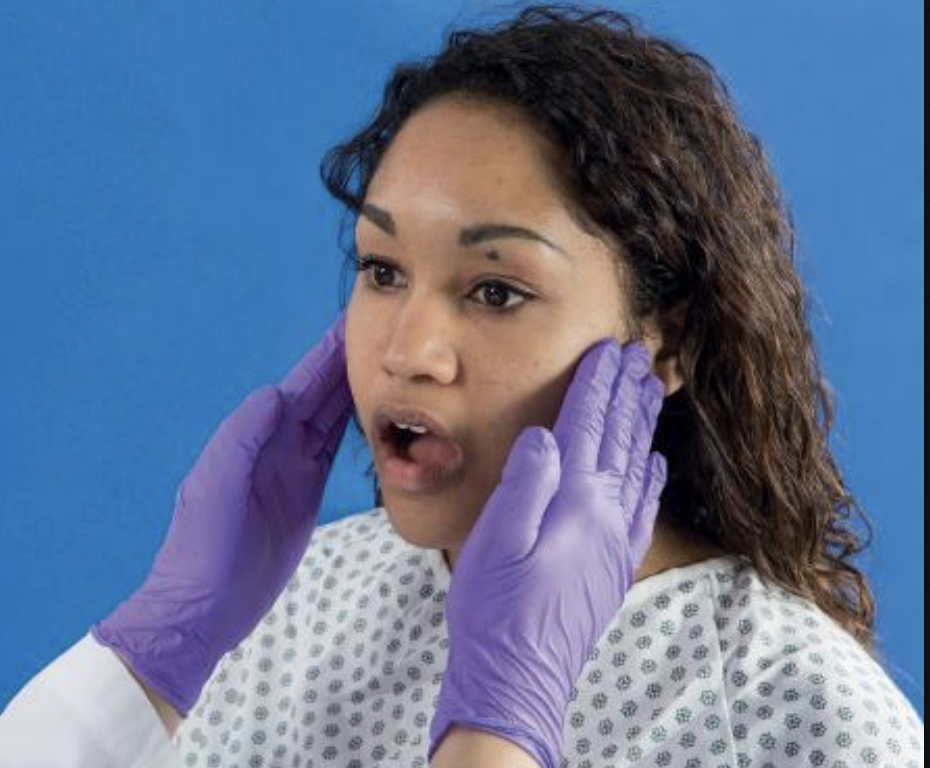
How do you assess the zygomatic arch?
Ask pt to open & close mouth
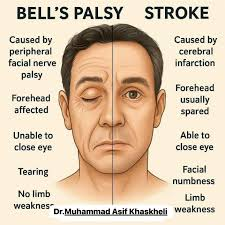
What can an asymmetrical face indicate? (3 things)
Stroke
Bell’s palsy
Migraines (can mimic a stroke)
(Hate that that image is most likely AI)
What can abnormal findings in a facial expression indicate?
Pain (grimacing)
Parkinson’s (mask)
Stroke (drooping)
What can involuntary movements of the face indicate?
Tourette’s
Parkinson’s
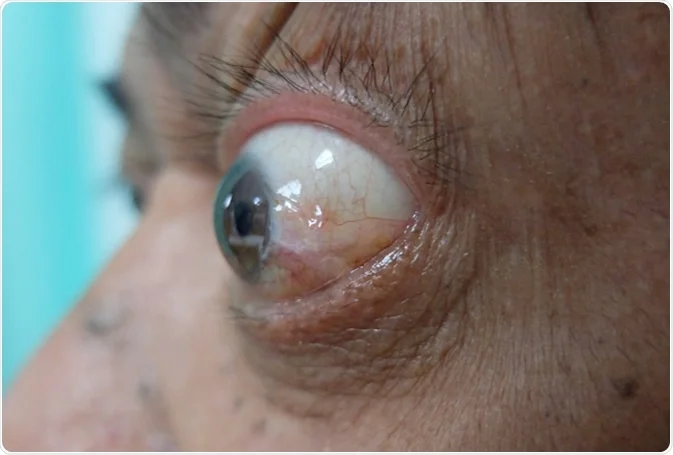
What is a HEENT finding that can indicate Grave’s Disease?
Exophthalmos
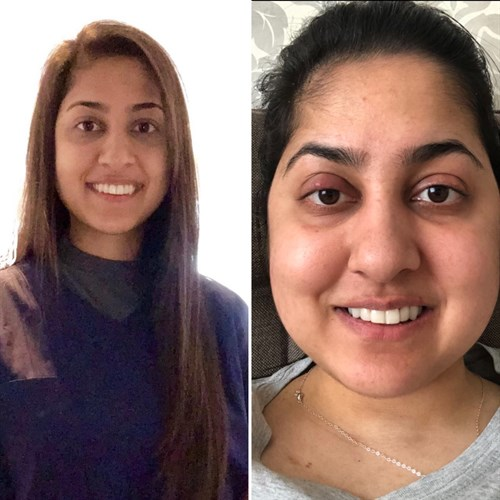
Which disorder is indicated by “moon face”? What is the cause of this?
Cushing’s Disease
Hypercortisolemia
Pituitary Disorder
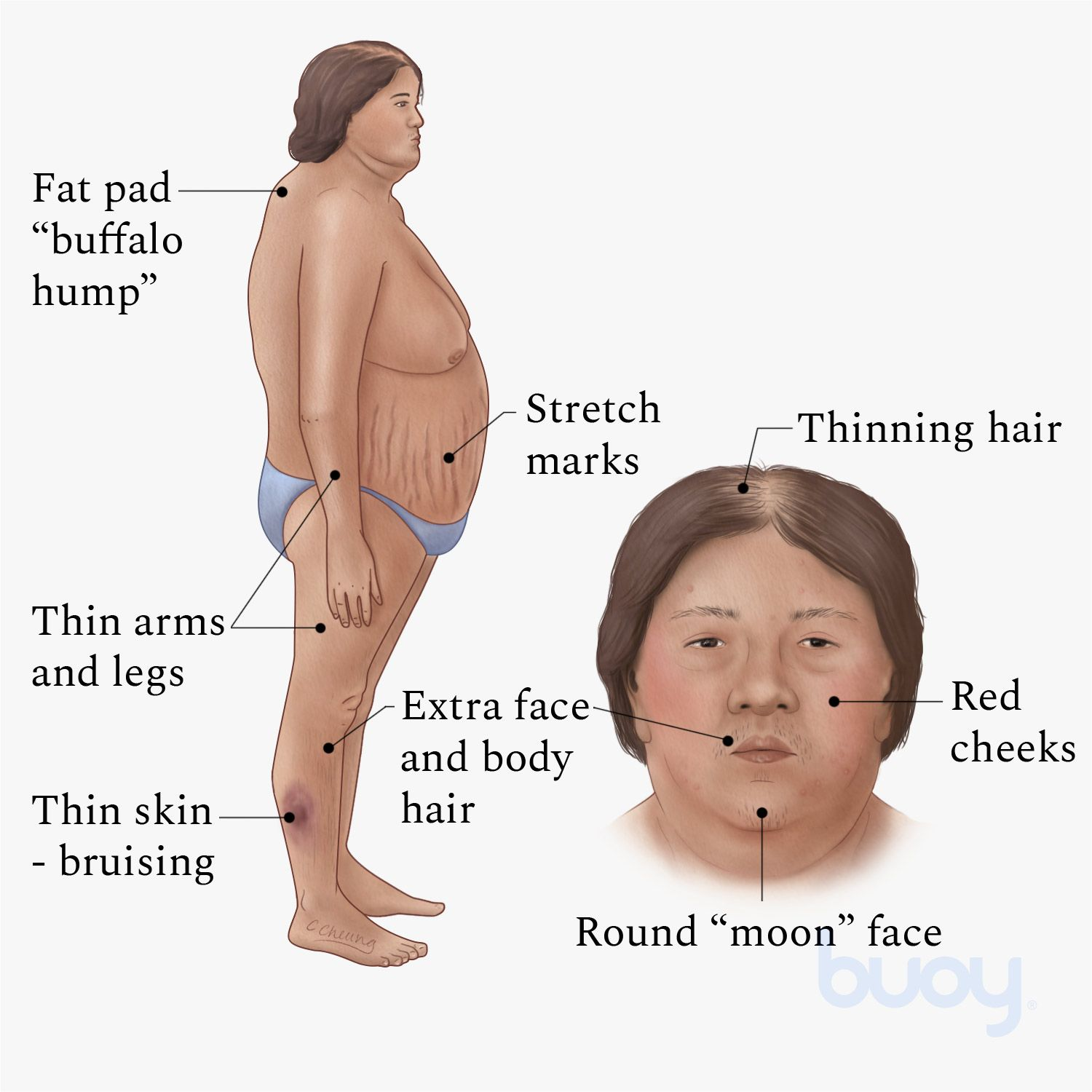
What are the symptoms of Cushing’s Disease?
Weight gain
Thin arms and legs
Round face
Fatty hump
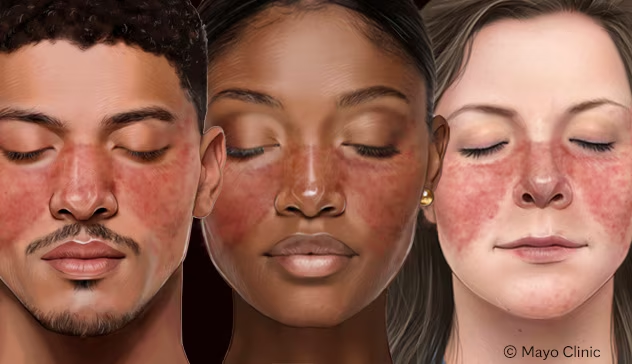
What is a common HEENT sign of Lupus?
Butterfly rash across the face
Where does edema first start in the face?
Periorbital edema (under eyes)
Normal Findings of the nose
Symmetrical
Straight and midline septum
Same skin color
No lesions, swelling, or deformity
Abnormal Findings of the Nose
Asymmetry
Deviated septum
Swelling/inflammation
Redness, bruising, lesions
Tenderness/swelling while palpating
Nasal drainage
What would you be suspicious of if a patient has difficulty smelling?
Olfactory nerve disorder
Where is the most common site of nosebleeds?
Kiesselbach plexus
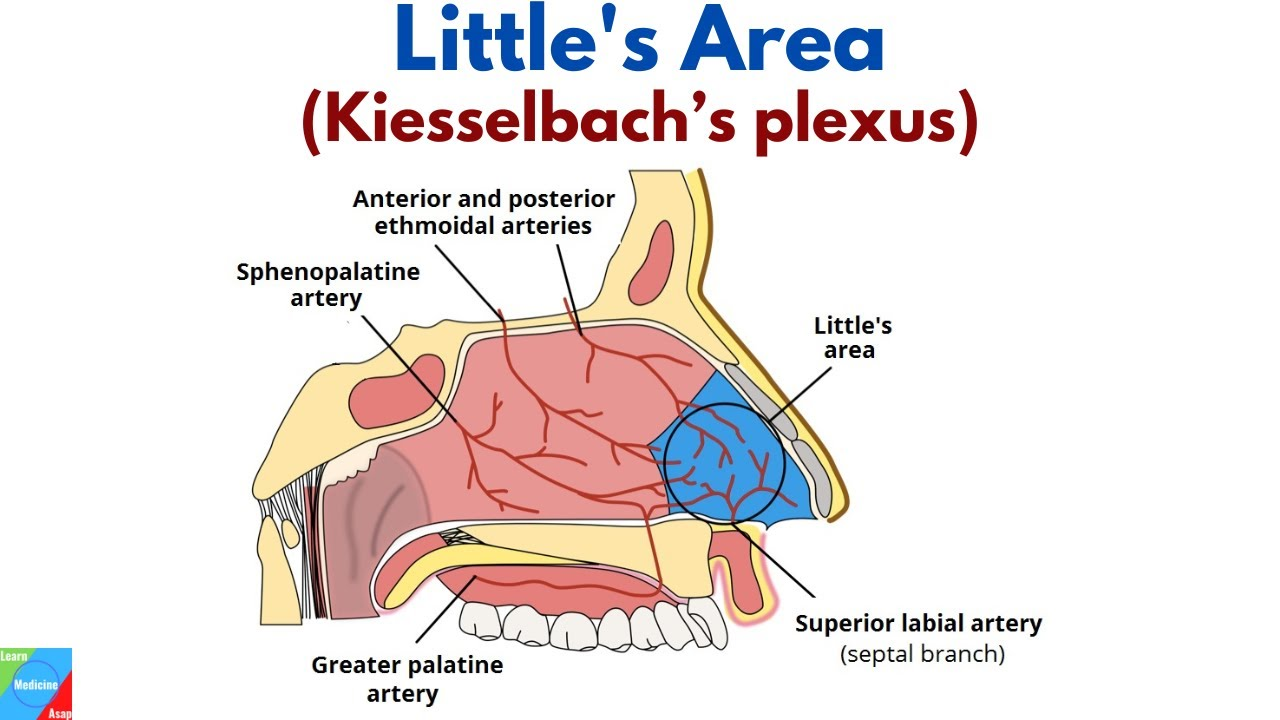
What does patency of the nose mean?
Nasal passageway is not occluded
What is Xerostomia?
Dry mouth with decreased saliva
Name some types of meds that cause Xerostomia (dry mouth)
Antihistamines (Benadryl)
Decongestants
ACE Inhibitors
Antidepressants
Normal lip findings
Symmetrical
Upper lip is everted
Pink, moist
No lesions, swelling, or cracking of the skin
Abnormal lip findings
Lips are inverted
Swelling, erythema, lesions, cracking
Pallor
HSV-1
Patient-centered important consideration when examining the mouth
Give pt a break! This is not easy or fun for them
Why is dental hygiene important to know?
For surgery! High risk of infection
Normal Teeth Findings
White-Ivory teeth color
Clean, free of debris
Smooth edges
32 or 28 teeth (wisdom teeth removal)
Abnormal Teeth Findings
Loose, broken, painful teeth
Malocclusion of the teeth
Color: tea/coffee (guilty of this lol), smoking, aging
Should dentures be removed when inspecting the buccal mucosa? Why or why not?
YES!
See if pt can remove it
See if the dentures left sores
Normal Buccal Mucosa Findings
Pink, smooth, moist
No lesions, swelling, or bleeding
Tight margin around each tooth
No tenderness
Abnormal Buccal Mucosa Findings
Red, inflamed, bleeding
Lesions
Tenderness w/ palpation
Aphthous stomatitis (canker)
Gingivitis
Gingival hyperplasia
Periodontal disease
Thrush
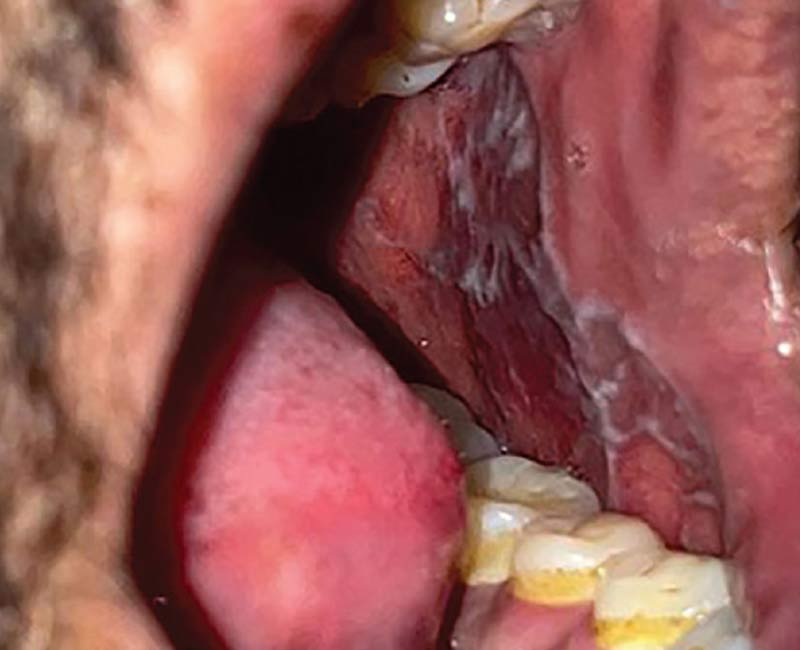
What does aphthous stomatitis mean?
Canker sore
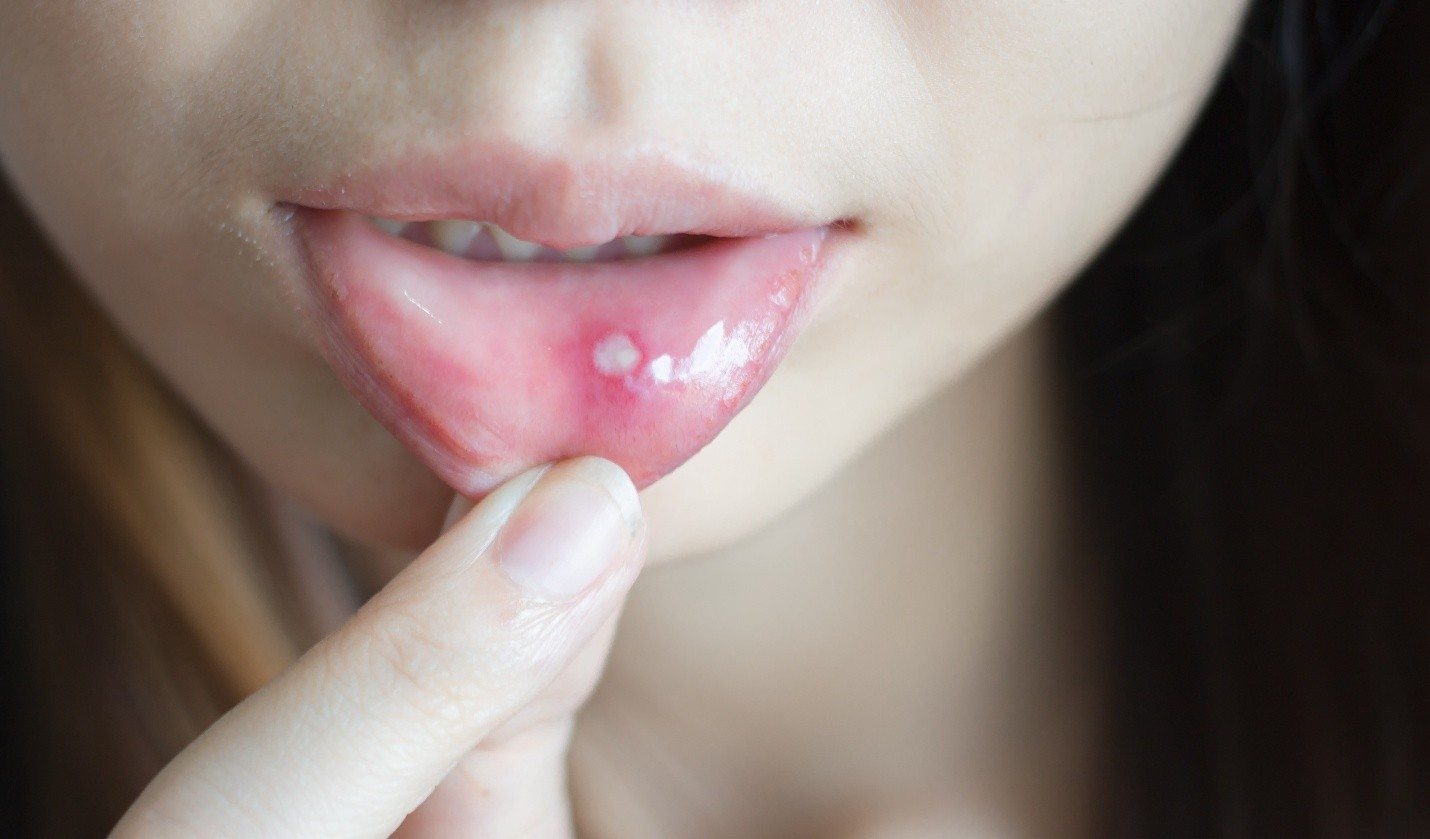
When examining the hard/soft palate, what is an abnormal finding that is helpful to see, especially in darker skin tones?
Jaundice
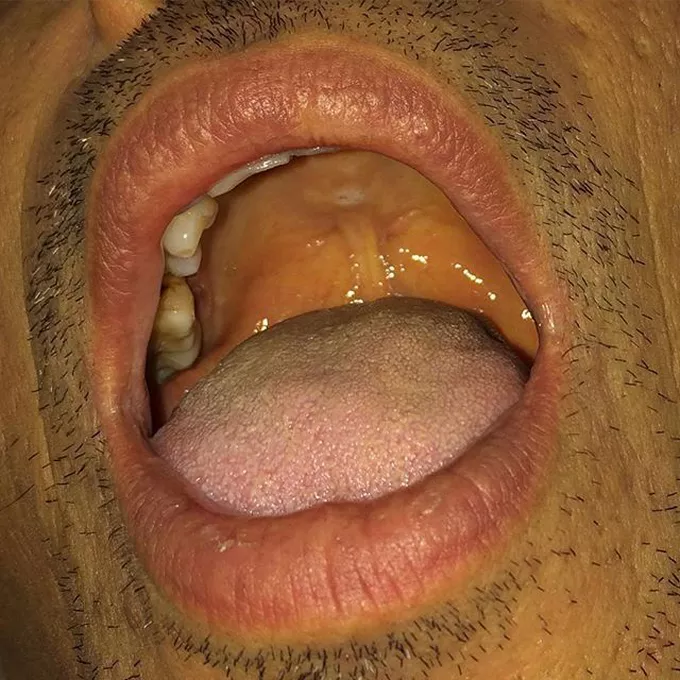
Normal H/S palate findings
Transverse rugae
Irregular ridges are firm, pink to light red, moist
No tenderness
Soft palate is pink, moist
No lesions or ulcerations
Integrity of H/S palate intact
Nodular bony ridge down the middle of the posterior hard palate
Abnormal H/S Palate Findings
Deep red color, ulcerations, lesions, or growths
Hard palate is jaundiced
Torus Palatinus
Normal Tongue Findings
Pink color & saliva present
Papillae on dorsal surface
Midline position
Ventral surface is smooth, pink, moist
No lumps or nodules with palpation
Wharton and Stensen’s ducts visible
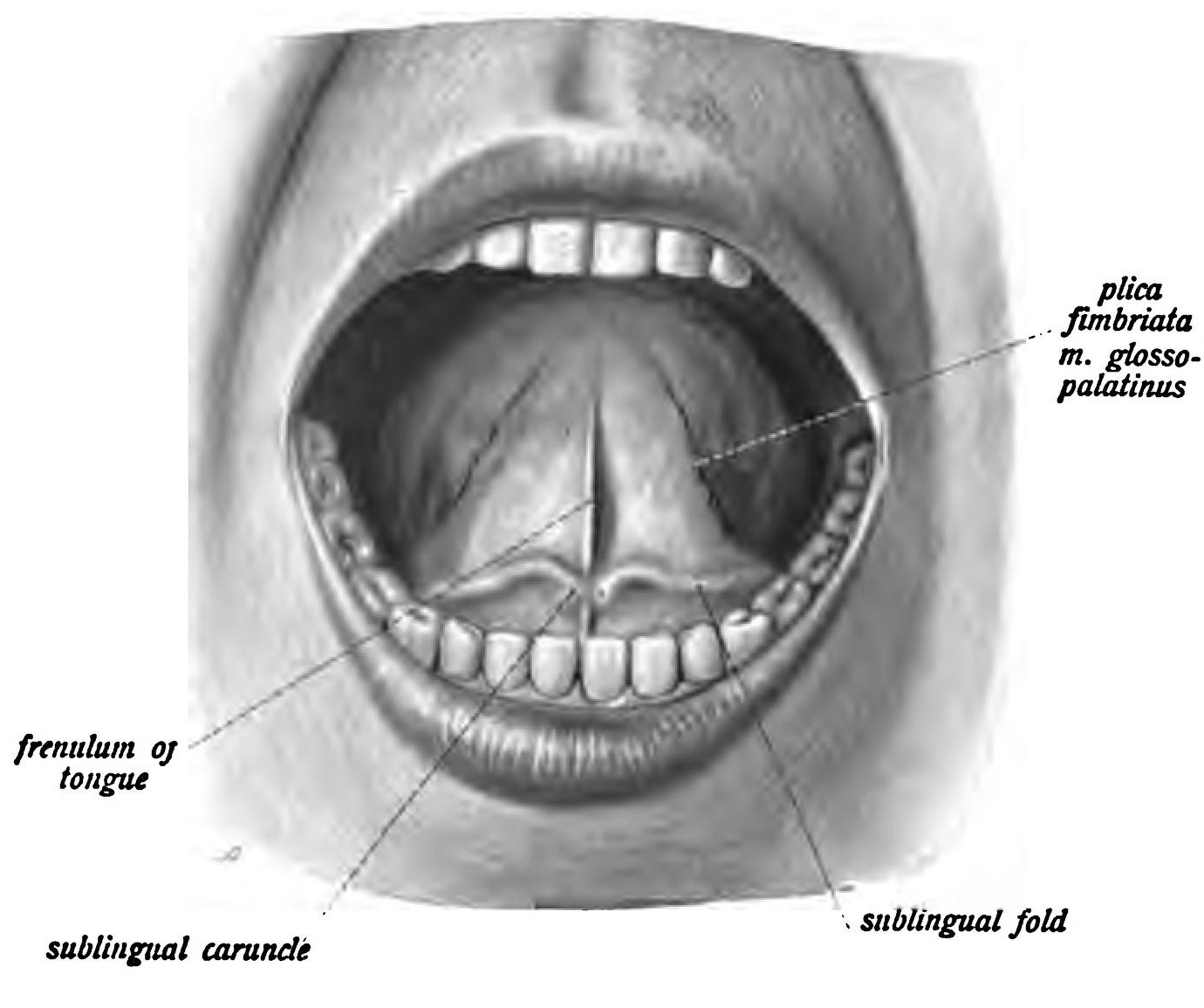
Abnormal Tongue Findings
Cracked, dry, red, presence of ulcers/lesions, bleeding, thick white or yellow coating on tongue
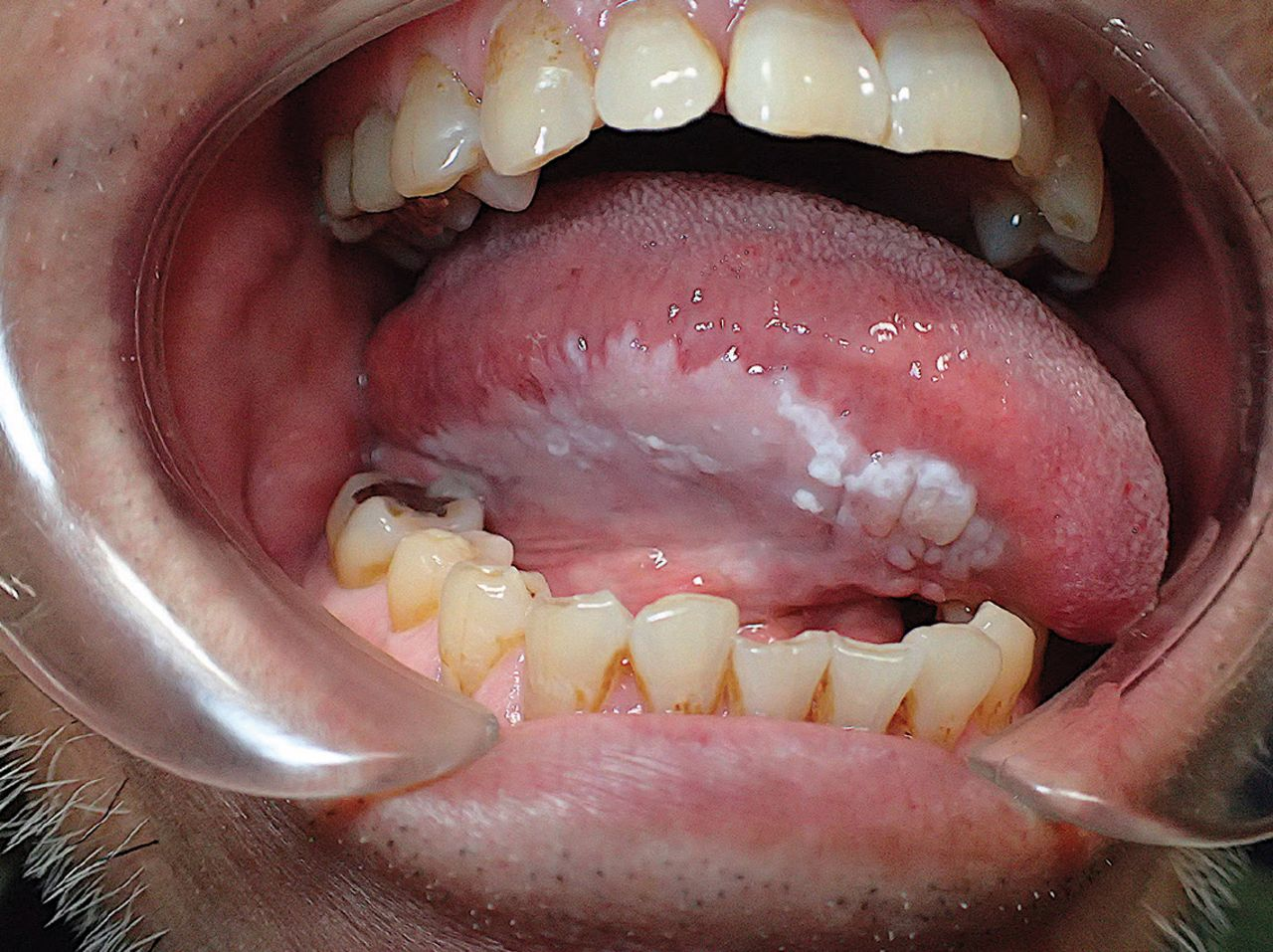
Leukoplakia
SCC
What is leukoplakia and who is most at risk?
Plaque build up under the tongue
Risk: Smokers, drinkers, HPV, dentures
What is Gingival Hyperplasia and what causes it?
Overgrowth of gum tissue
Causes: Poor hygiene, meds (Phenytoin)
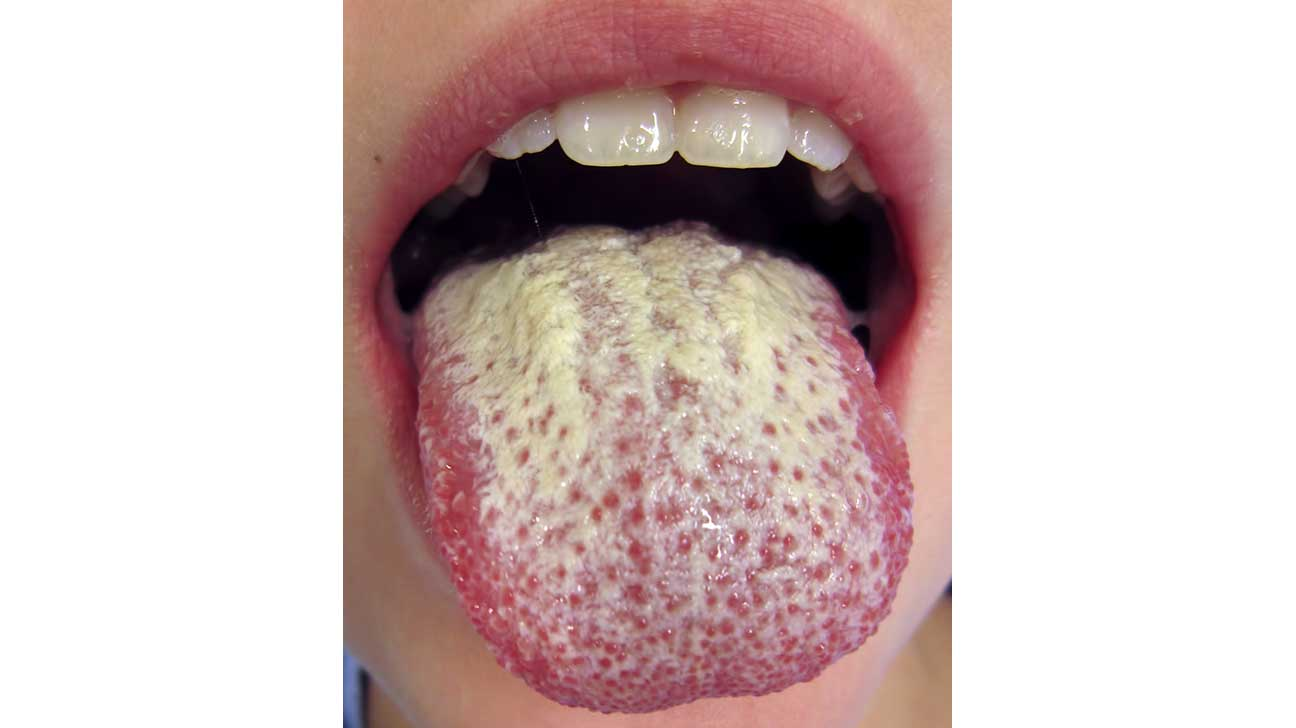
What is this?? Explain!
(for the love of all things good please rinse after using an inhaler)
Thrush
Fungal infection that can grow in your mouth, throat, and other parts of body
White, raised lesions on tongue and cheeks
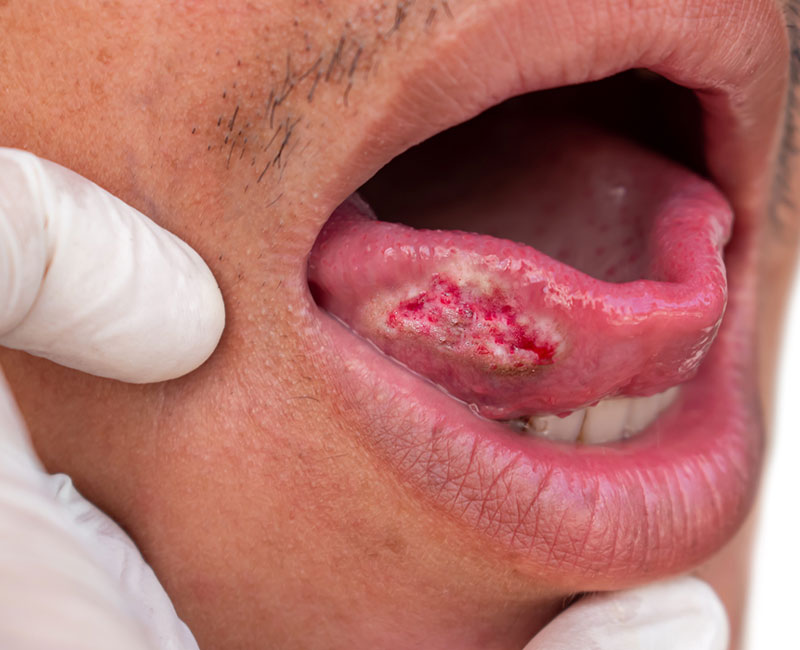
Squamous Cell Carcinoma in mouth — What are we looking out for and how?
Mouth cancer – tongue
Non-healing ulcer > 2 weeks
Check lymph nodes and skin – hard, raised edges, bleed easily.
Normal Pharynx/Tonsils Findings
Uvula rises midline symmetrically
Throat pink
Tonsils pink – may partially protrude or be absent
Presence of gag reflex
Abnormal Pharynx/Tonsils Findings
Asymmetry of uvula
Halitosis
Throat deep red, inflamed, with drainage
Throat pain
Dysphagia
Tonsils protruding with or without drainage
Tonsilities
Pharyngitis (sore throat)
What can the absence of gag reflex indicate?
Brain stem issue
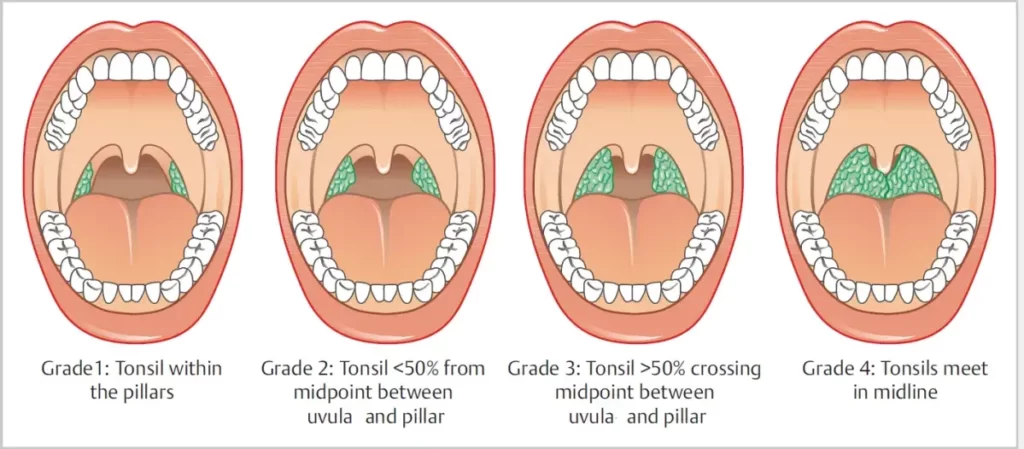
What scale are tonsils graded?
Tonsil grading scale on a range from 1+ to 4+
How much space the tonsils take up in the oropharyngeal airway
What is the enlargement of the thyroid gland called?
Goiter
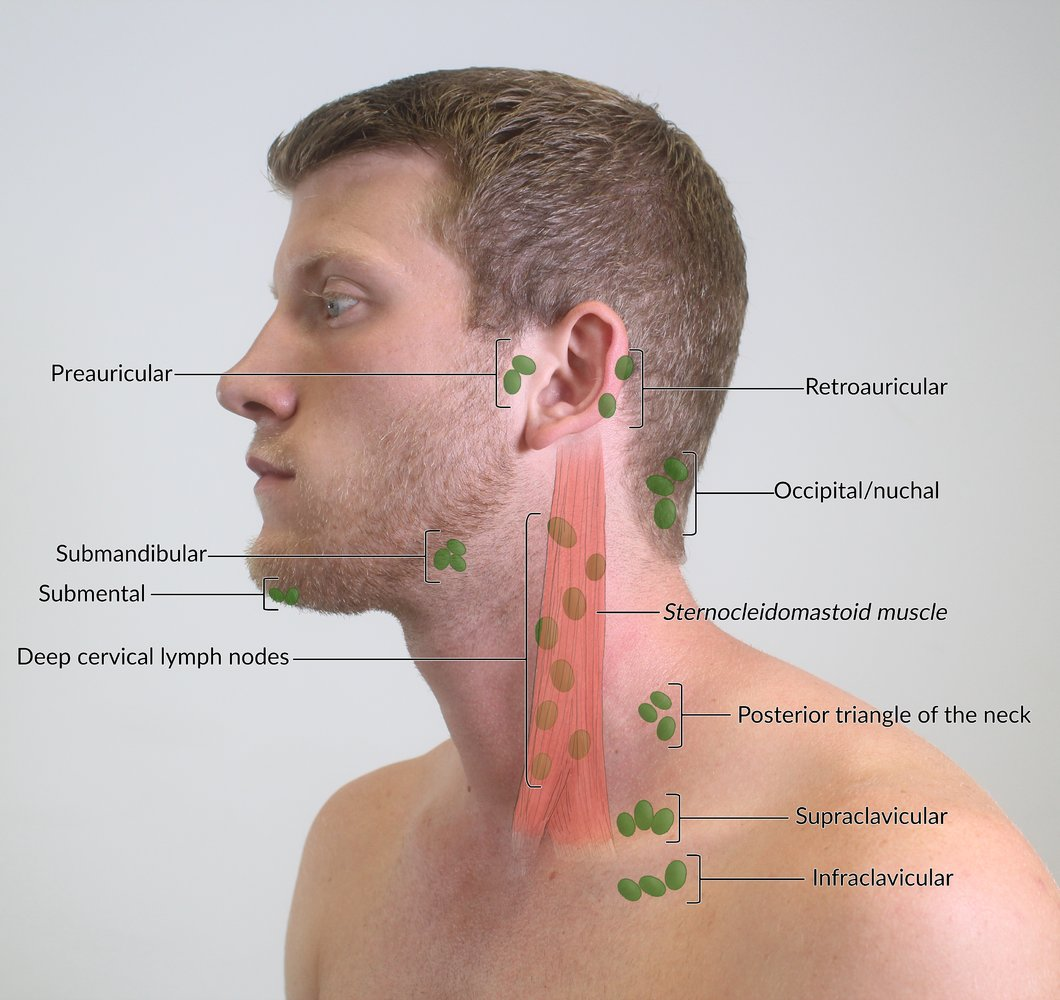
Which lymph node is strongly correlated to cancer when enlarged?
(GOLDEN TICKET QUESTION)
Superclavicular
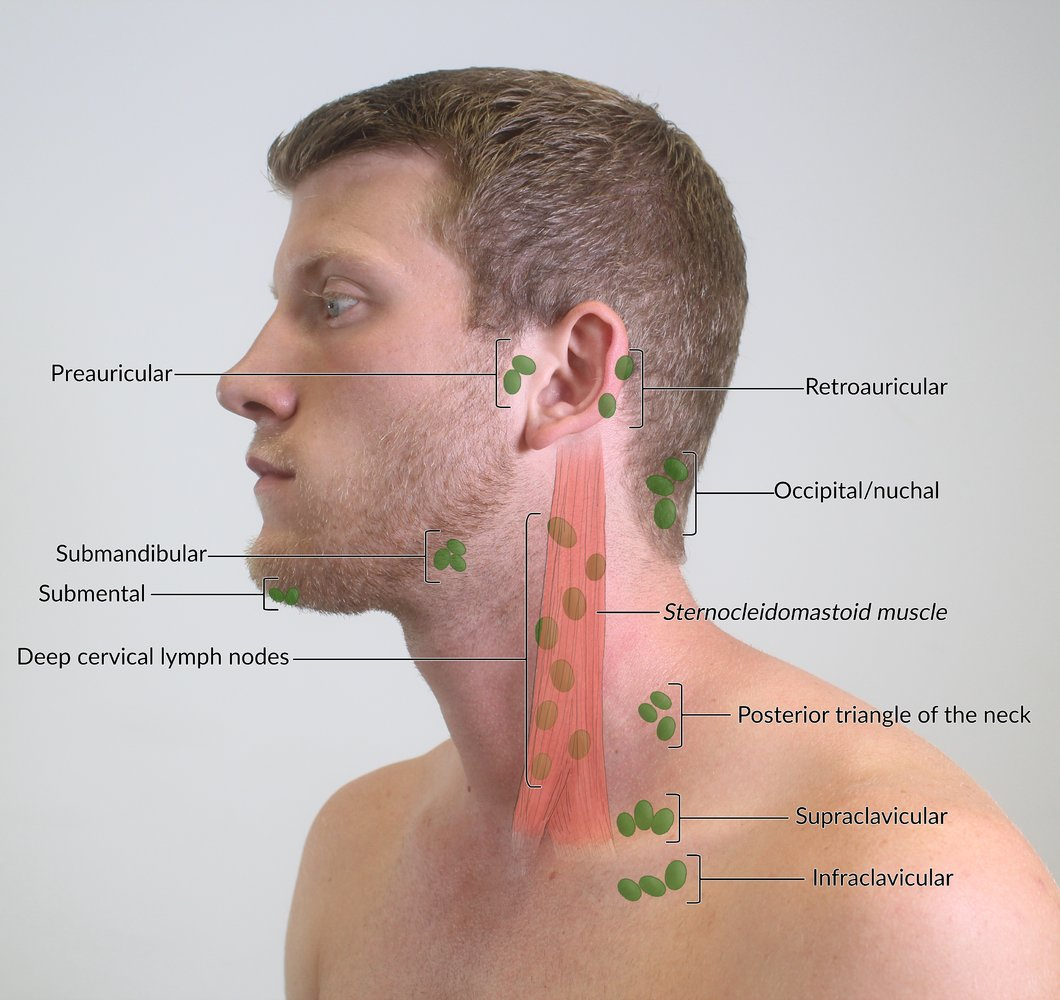
How should all lymph nodes feel?
Small, soft, and mobile
(If you even feel it at all)
Normal Neck Findings
Symmetrical
No swelling
No pain with ROM
Full ROM of the neck
Abnormal Neck Findings
Asymmetrical
Pain w/ movement
Unable to turn neck (Impaired ROM)
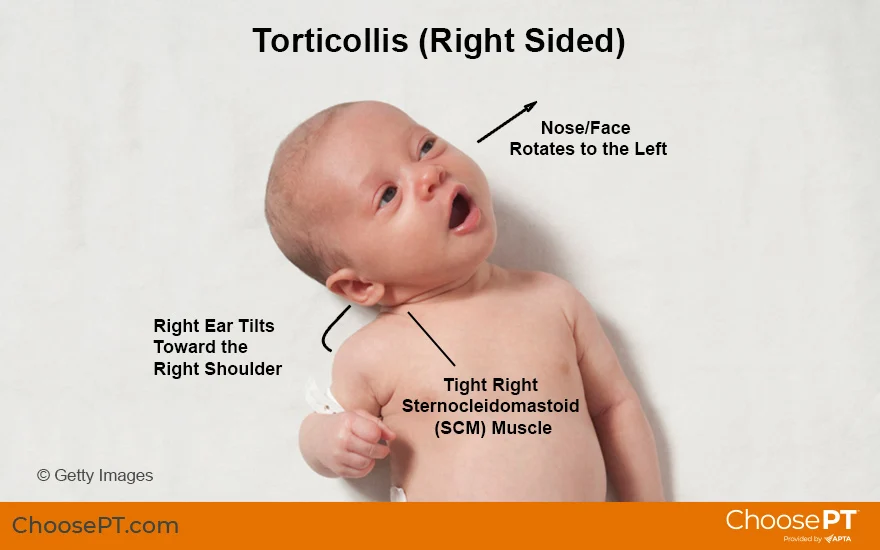
Torticollis
Torticollis symptoms
Stiff neck
Muscle spasm
Lateral flexion
Normal Trachea Findings
Midline
Symmetrical
Abnormal Trachea Findings
Deviated laterally, away from midline
Normal Thyroid Findings
Smooth & straight appearance
Move up when swallowing
Lateral lobes may or may not be palpable
If palpable, lobes are smooth, firm, and nontender
Abnormal Thyroid Findings
Enlarged
Asymmetrical
Does not move during swallowing
Tenderness
Lumps
Texture has variations of firmness
Two ways the thyroid gland can be assessed
Posterior
Anterior
What should you have the patient do while assessing their thyroid?
Sit Upright
Drink/swallow water
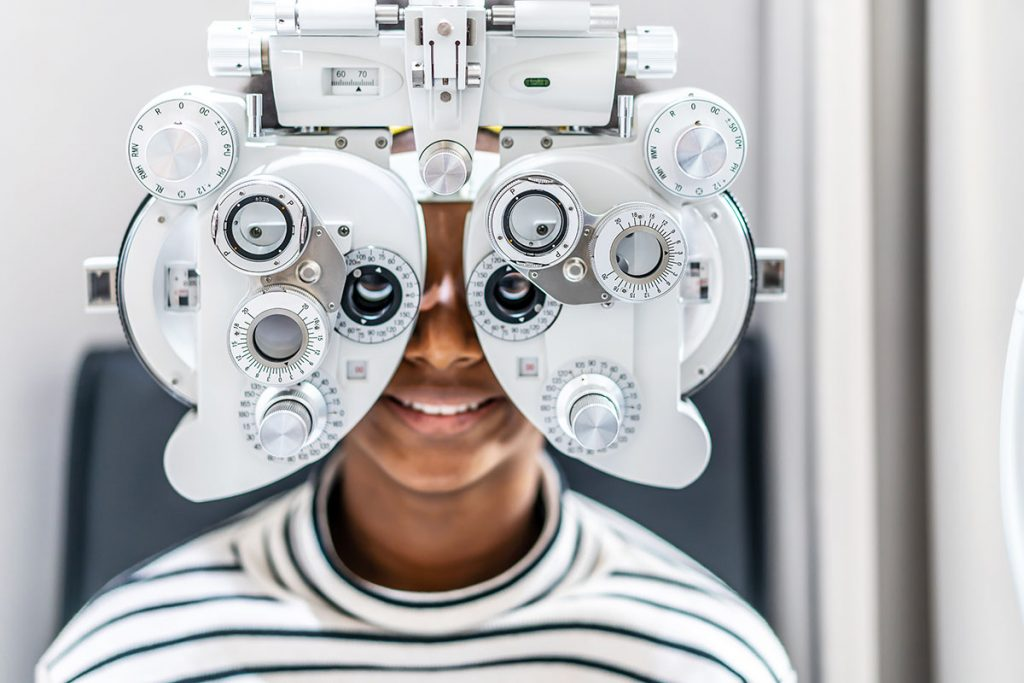
Comprehensive Eye Exam
Dilated eye exam to look directly at the retina and internal structures of the eye
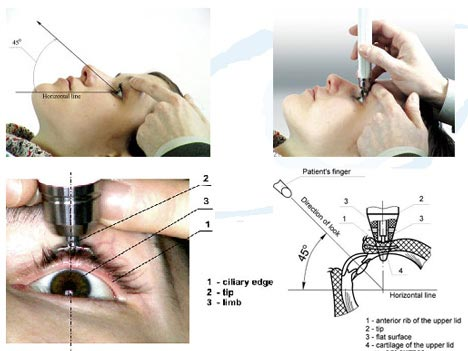
Tonometry
Device to measure Intraocular Pressure
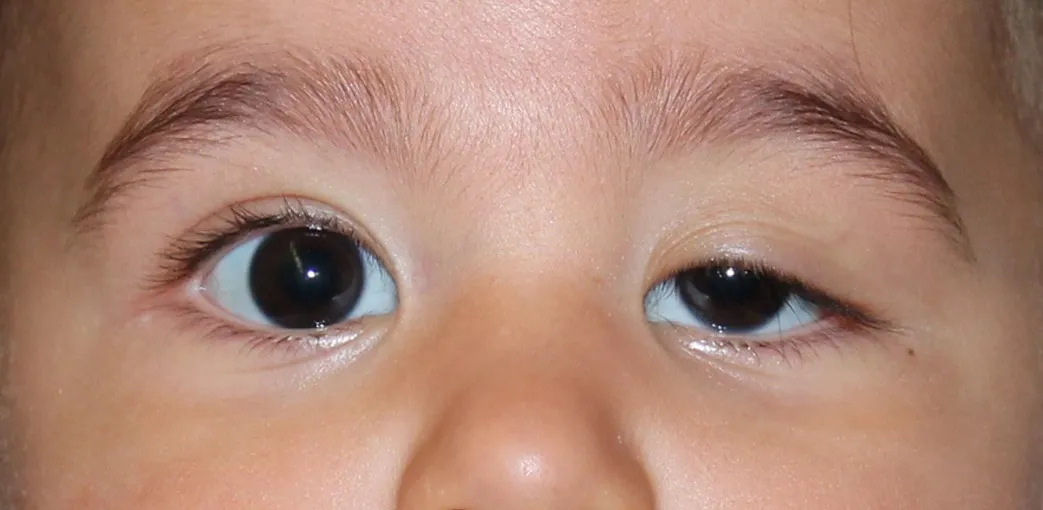
Ptosis — what is it and cause
Drooping of upper eyelid
Nerve dysfunction or muscle weakness
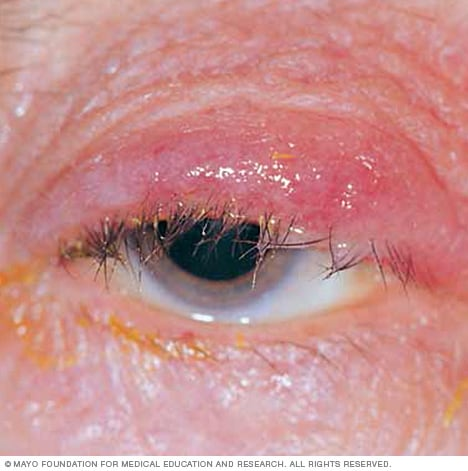
Blepharitis
Inflammation of eyelid margins
Blocked lacrimal duct - Cause, risks, and RN intervention
Tear ducts not draining
Increased Risk of Infection
Warm compress
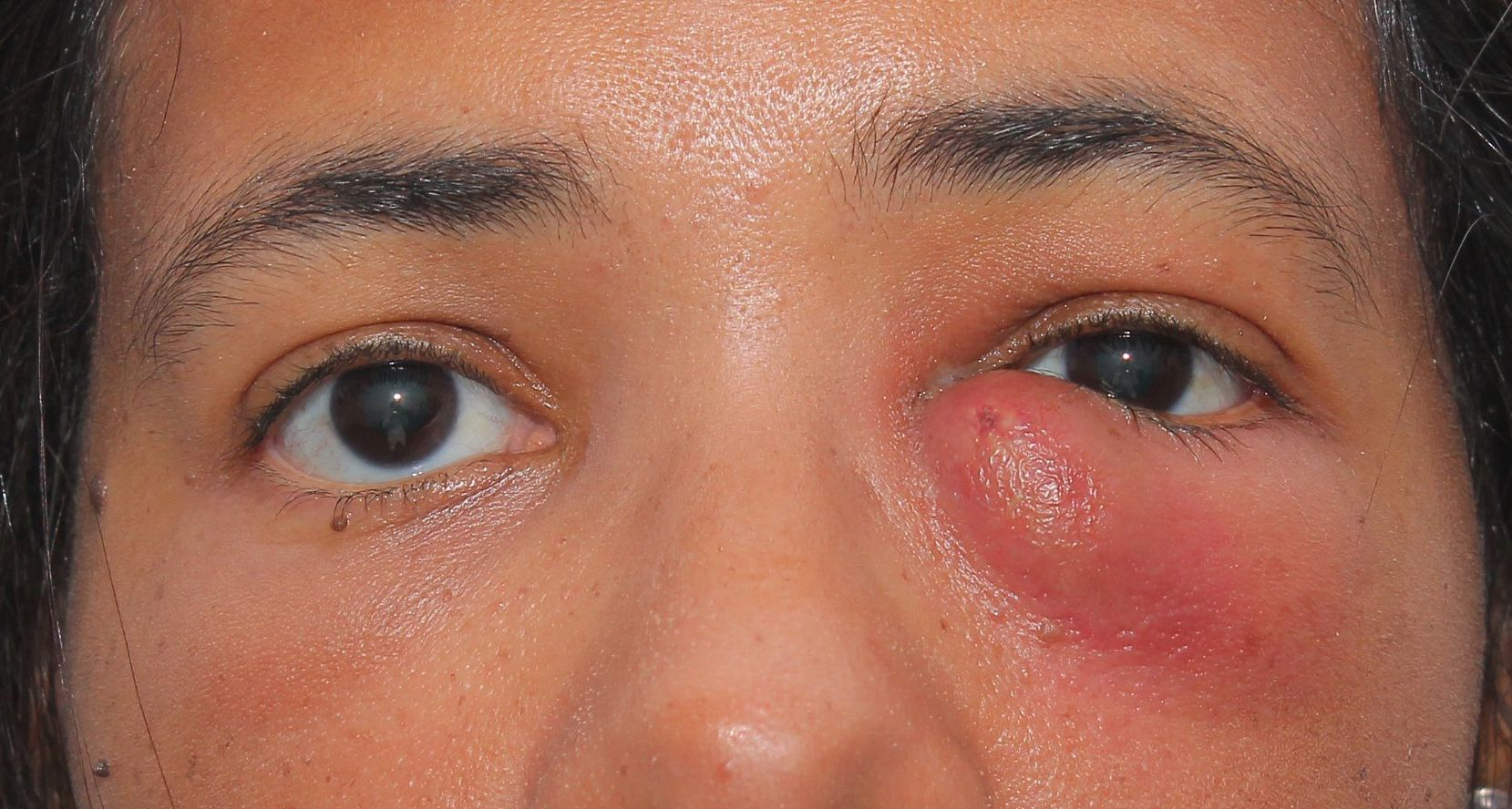
Conjunctivitis
Redness and discharge
Can be viral or bacterial (or allergic i guess too)
Contagious
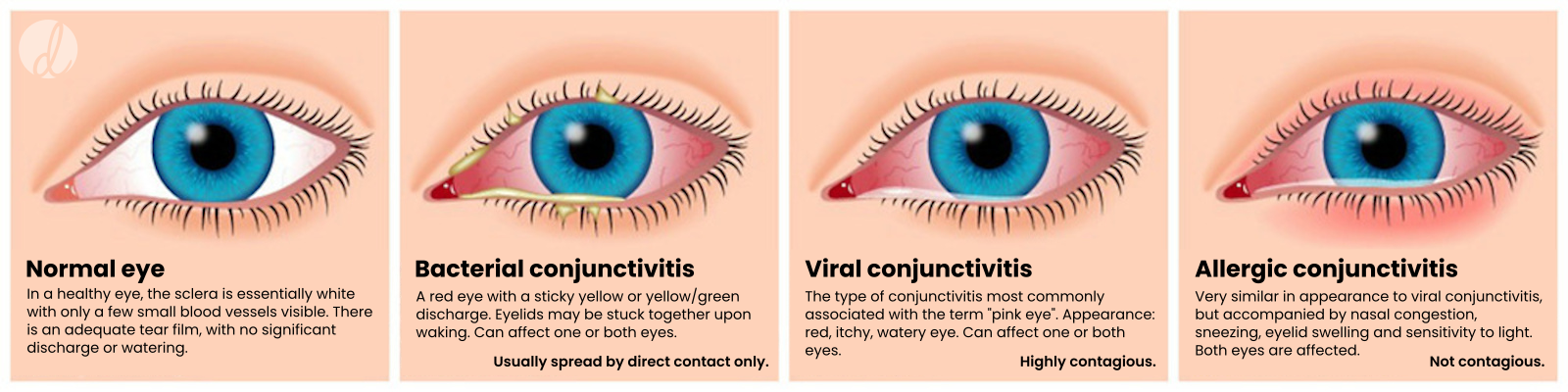
Corneal Abrasion
Scratching the eye
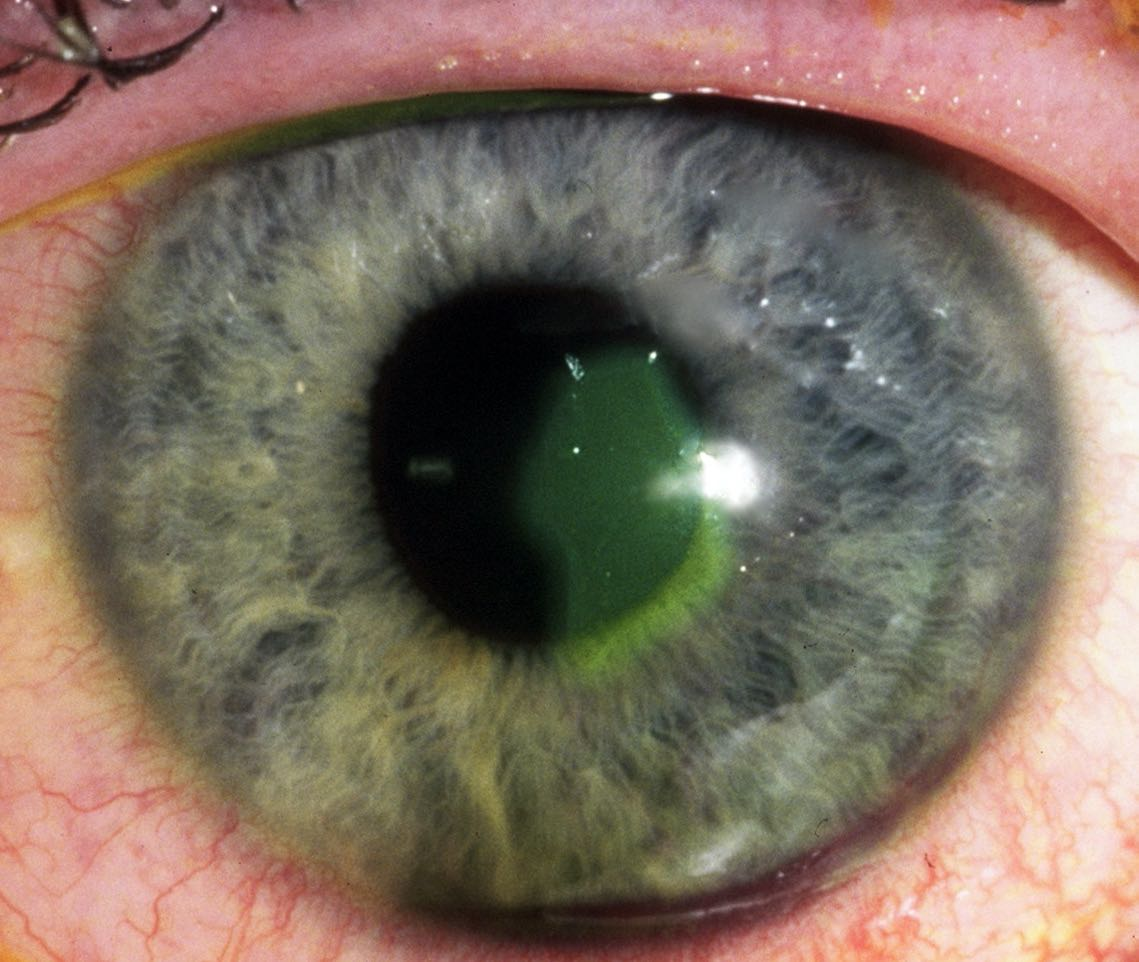
Ectropion
eyelid turned outward
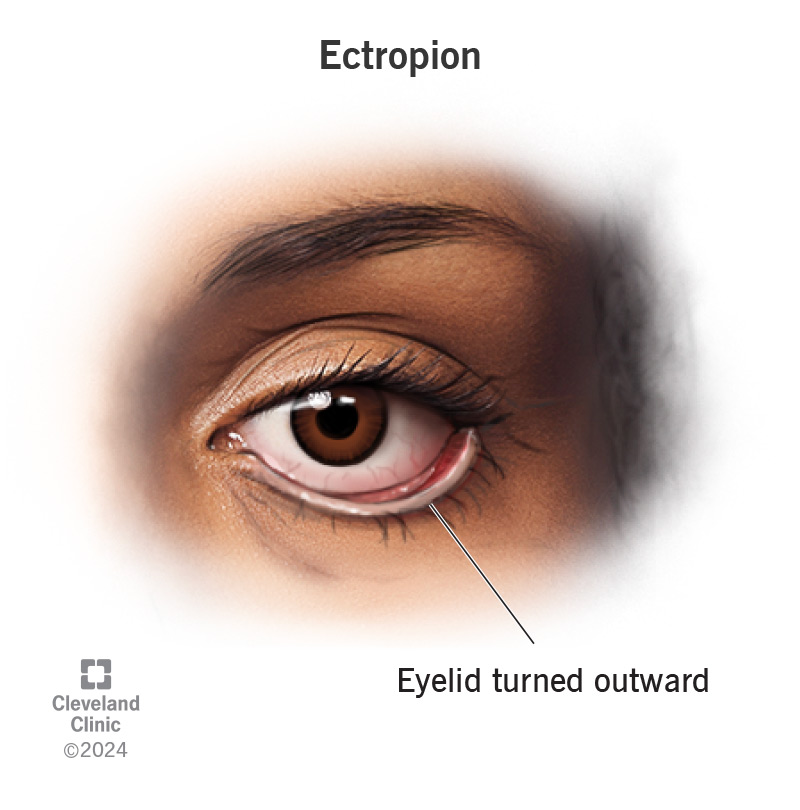
Entropion
Inward turning of the eyelid
Eyelashes irritate the cornea
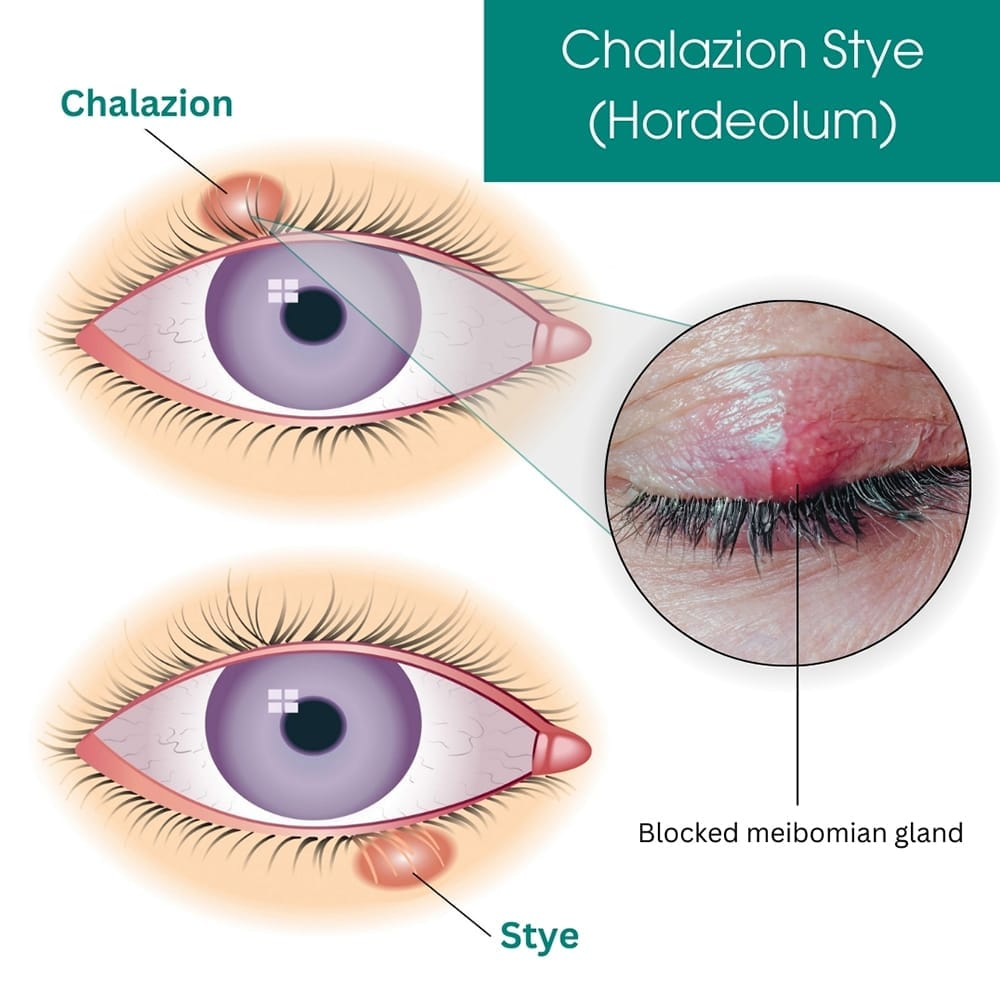
Hordeolum — what is it and RN intervention
Stye
Warm compress
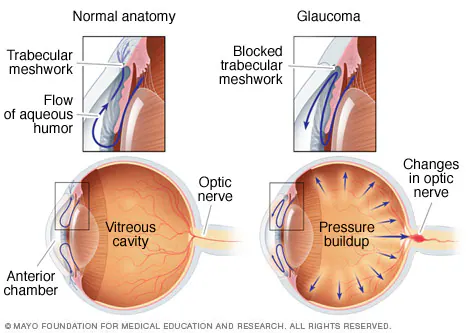
Glaucoma
Increased fluid pressure within the eyeball, which damages the optic nerve, leading to vision loss or blindness
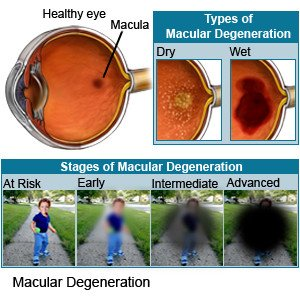
Macular Degeneration
Deterioration of the macula
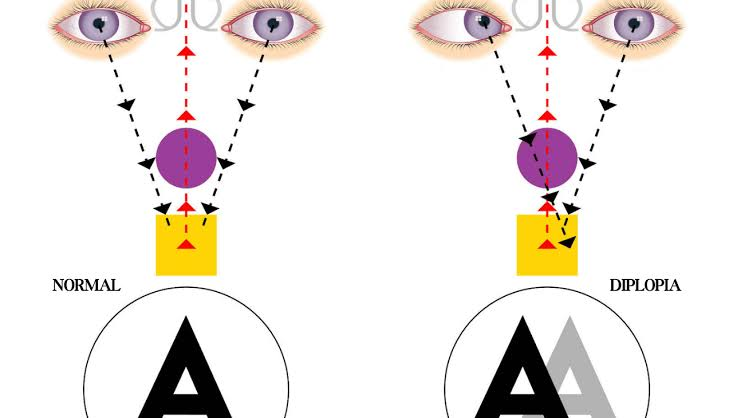
Diplopia
Double vision
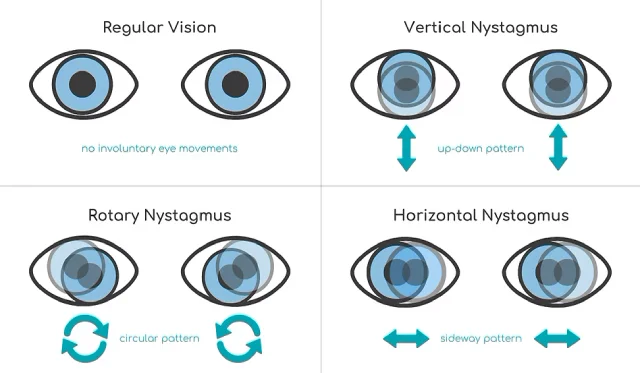
Nystagmus
Involuntary blurriness and shakiness of the eyes
Normal Eye Findings
Eyelashes equally distributed; no drainage
Eyebrows evenly distributed; no scaly or flaky skin; symmetrical
Cornea clear with no opacities
Lens transparent with no opacities
Pupils equal in size
Iris blue, green, brown, or hazel in color, smooth; controls diameter and size of pupil
Sclera is white
Conjunctiva is pink and moist
Lacrimal duct clear with no swelling
Palpebral fissures equal bilaterally
No abnormal involuntary movement
Abnormal Eye Findings
Ptosis
Blepharitis
Blocked lacrimal duct
Cataract
Conjunctivitis
Corneal abrasion
Ectropion
Entropion
Exophthalmos
Hordeolum
Scleral jaundice (icterus)
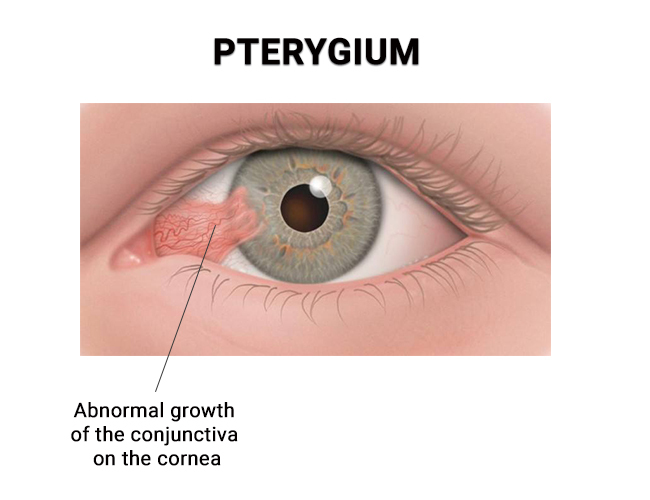
Pterygium
what is pterygium
Explain the vision ratings
The higher the denominator means poorer distant visual acuity
Normal = 20/20
If vision is 20/60, the person can read at 20 ft what people with 20/20 vision can read at 60 ft
Assessing with Central Vision Grids
Are any lines: distorted, broken, blurred, or missing areas/dark areas on the grid?
Mark areas of abnormality
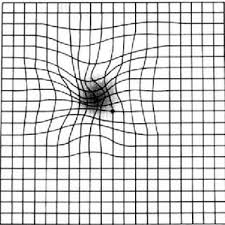
What is Central Vision grids assessing for?
Macular Degeneration
Aniscoria
unequal pupils
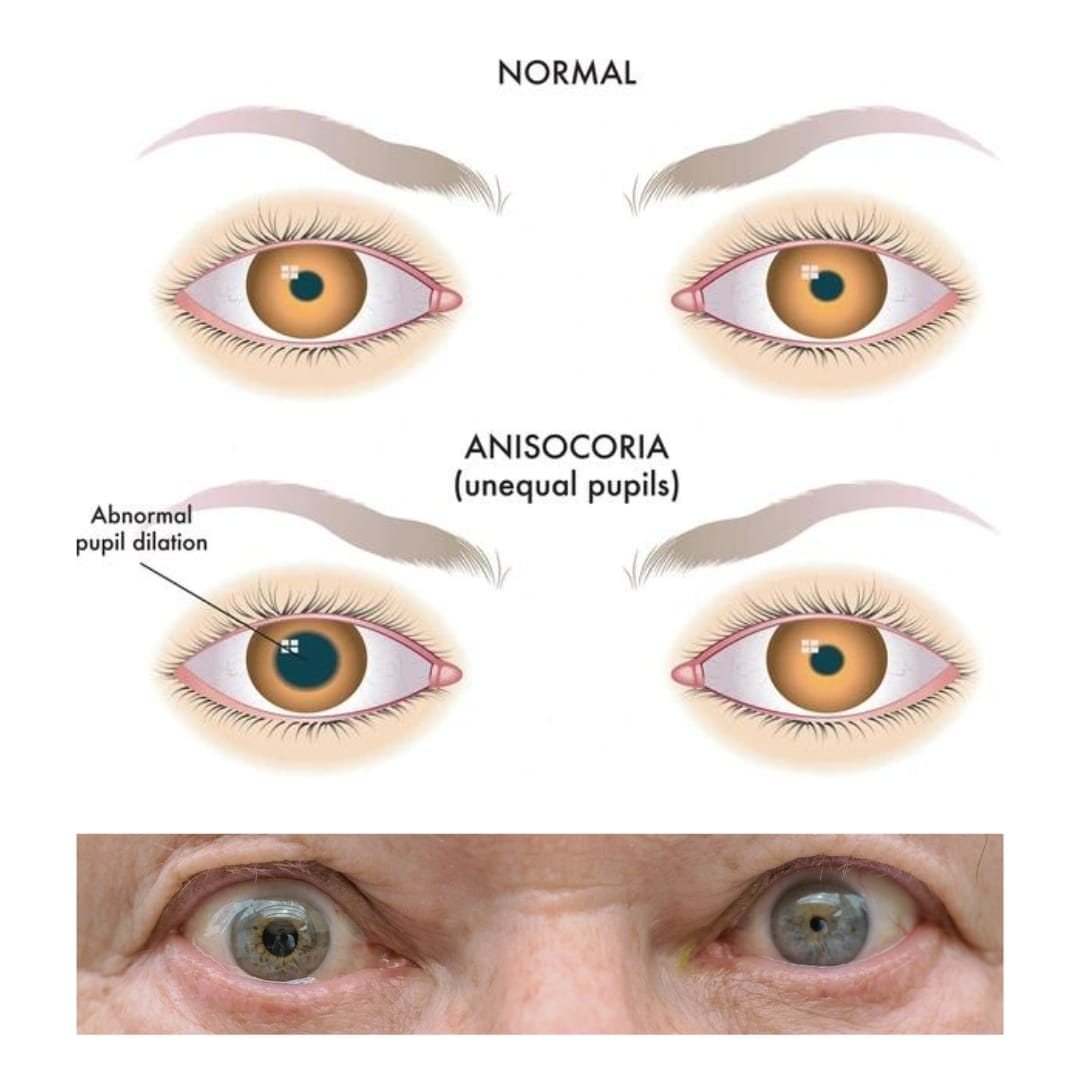
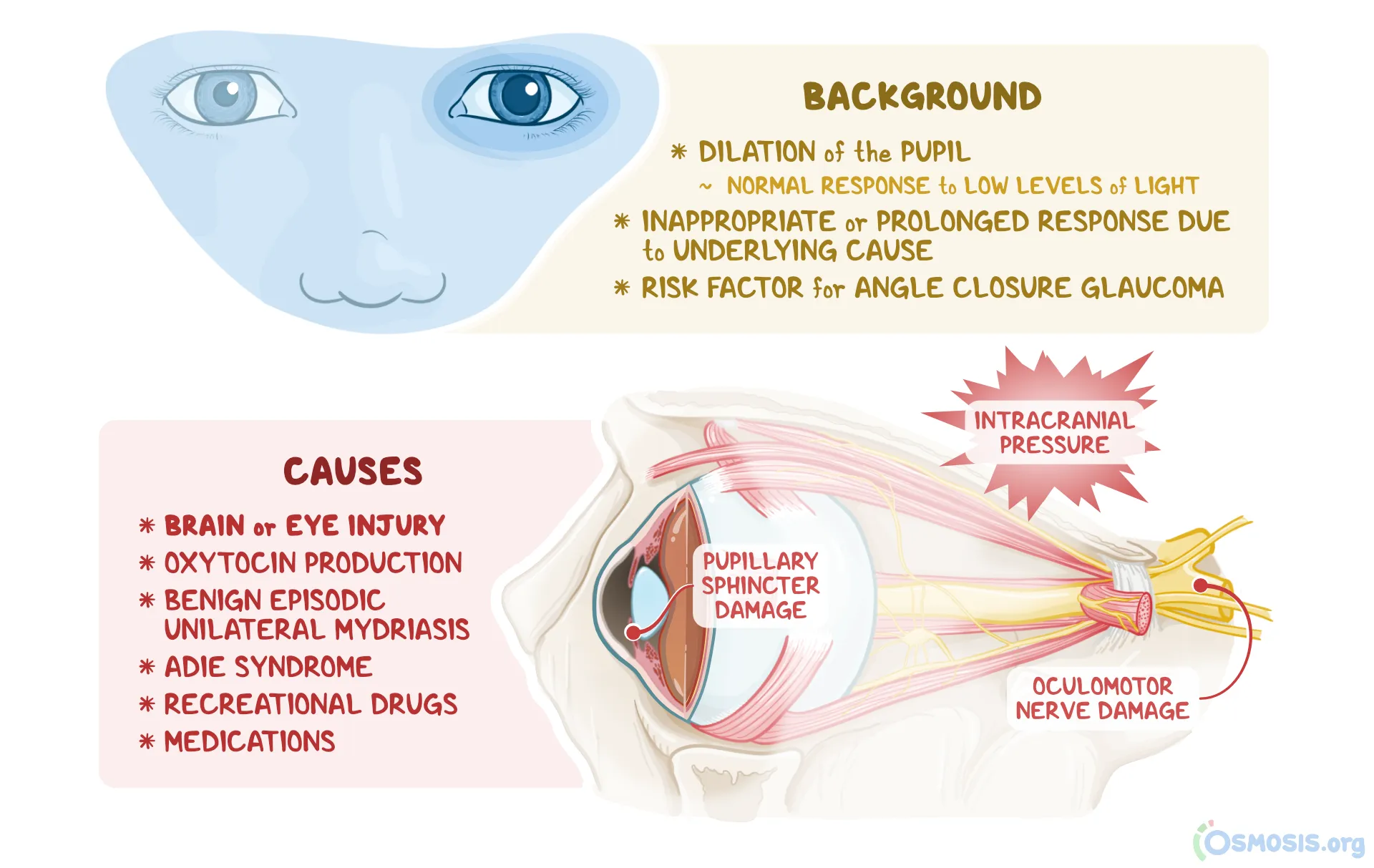
Mydriasis
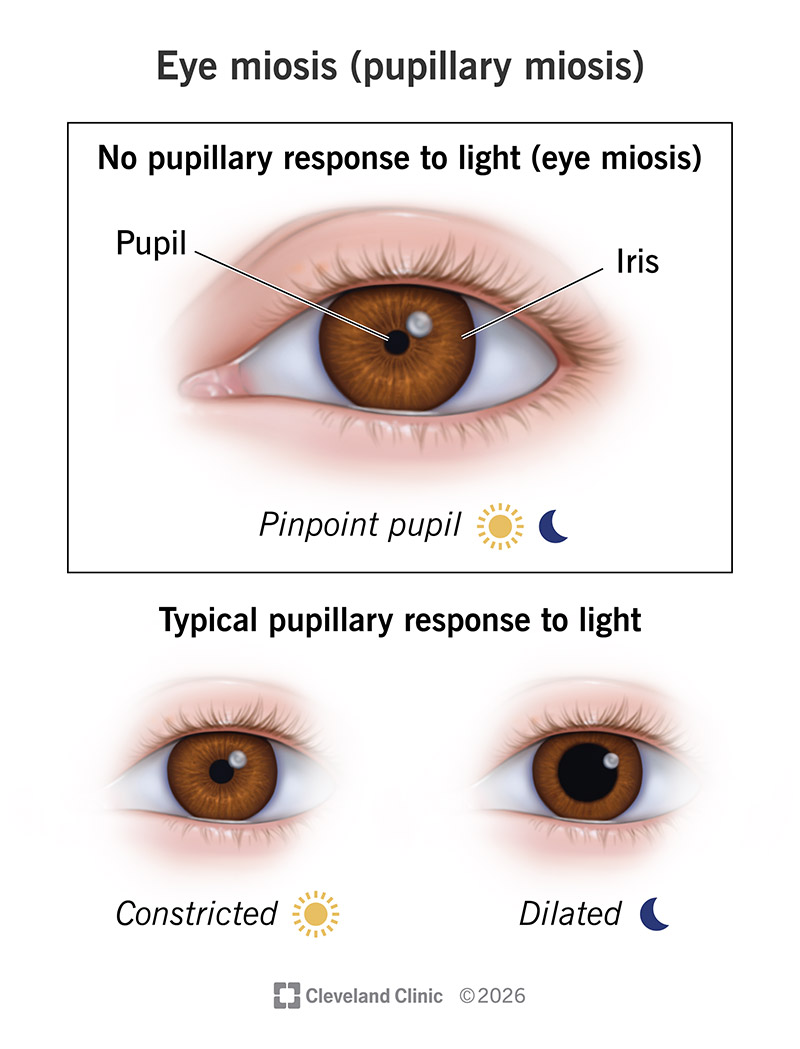
Miosis
Pupil does not respond to light
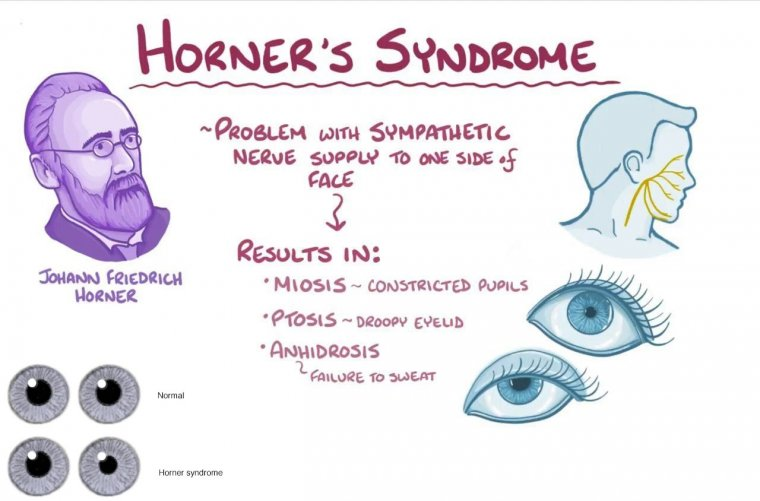
Horner’s Syndrome
Problem w/ parasympathetic nerve supply in 1 side of the face
What side effect can Furosemide (Lasix) have on the ears?
Ototoxic Tinnitus
Normal Ear Findings
Equal size & shape bilaterally
Color same as facial skin
Symmetrical
Angle of attachment <10 deg
NO deformities, inflammation, nodules, drainage
Abnormal Ear Findings
Asymmetrical
Lesions
Cysts
Drainage
Cauliflower ear
Microtia
Macrotia
What is cauliflower ear?
Thickened tissue due to repeated trauma
Assessing Hearing (CN VIII) → Conductive vs Sensorineural?
Conductive hearing loss is when sound is not conducted through the outer ear canal to the eardrum.
Sensorineural hearing loss occurs when there is damage to the inner ear (cochlea), or to the nerve pathways from the inner ear to the brain.
Mixed hearing loss includes both conductive and sensorineural hearing loss.
What is the Weber Test?
Tuning fork placed on top of head to assess hearing
Normal: Sound quality is heard equally in both ears
Abnormal: Sound in the bad ear seems softer; damage is probably sensorineural hearing loss.
Sound in the bad ear seems louder; damage is probably conductive hearing loss.
If the sound seems equally dull, then the Weber Test is inconclusive
What is the Rinne Test?
Tuning fork placed on mastoid process
Positive Rinne
Air conduction is heard longer than bone conduction.
Negative Rinne
Bone conduction is heard longer than air conduction.
You are documenting that a patient’s head is normal size, shape, symmetry, etc. What vocab term will you use to describe this (and cut down on word count)?
Normocephalic