Ch 1: Molecular Geometry and Types of Bonds
 Call Kai
 Learn
Learn Practice Test
 Spaced Repetition
 Match
Match Flashcards
 Knowt Play
1/14

There's no tags or description
Looks like no tags are added yet.
Name | Mastery | Learn | Test | Matching | Spaced | Call with Kai | Chat |
|---|
No analytics yet
Send a link to your students to track their progress
15 Terms
How many bonds do the elements listed below like? How many valence electrons do they have?
C, N, O
C: 4 bonds/4 Ve-
N: 3 bonds/4 Ve-
O: 2 bonds/4 Ve-
define constitutional isomers
compounds with the same molecular formula but different structures
What are the two equations for formal charge? The first is my understanding and the second is the actual formula.
Mine: (how many Ve'- needed) - number of e- owned
Actual: (# of Ve-) - (# unshared Ve- + ½ * # of shared Ve-)
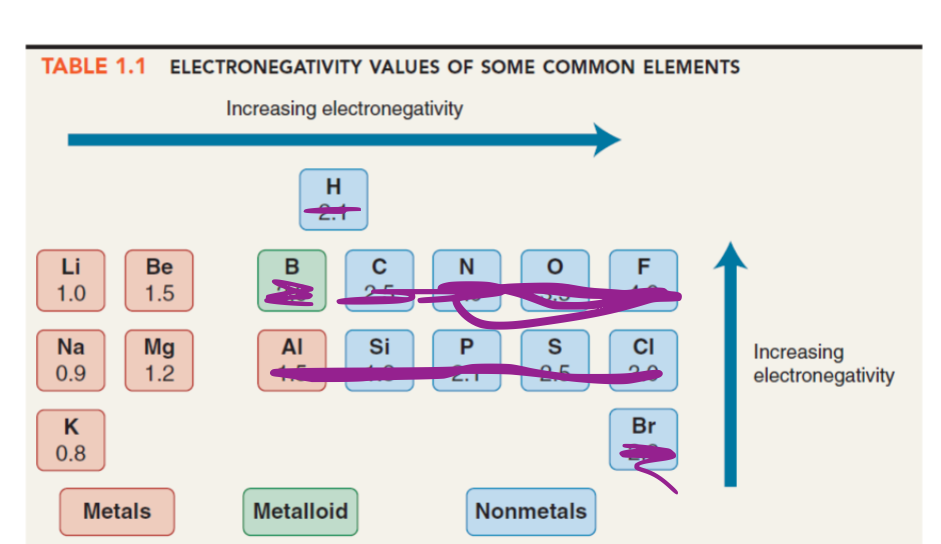
list the electronegativity of the covered values

what’s the difference between covalent bonds, polar covalent bonds, and ionic bonds?
covalent bonds: shared between two atoms, EN < 0.5
polar covalent: shared between two atoms, 0.5 < EN < 1.9
ionic: not shared, EN > 1.9
what is the difference between a sigma and pi bonds? What is stronger? Which is end-to-end, which is side-to-side?
sigma bond is end to end. strong.
pi bond is side to side. weak.
is a single bond a sigma or pi bond? is a what bonds make up a double bond?
sigma; one sigma and one pi
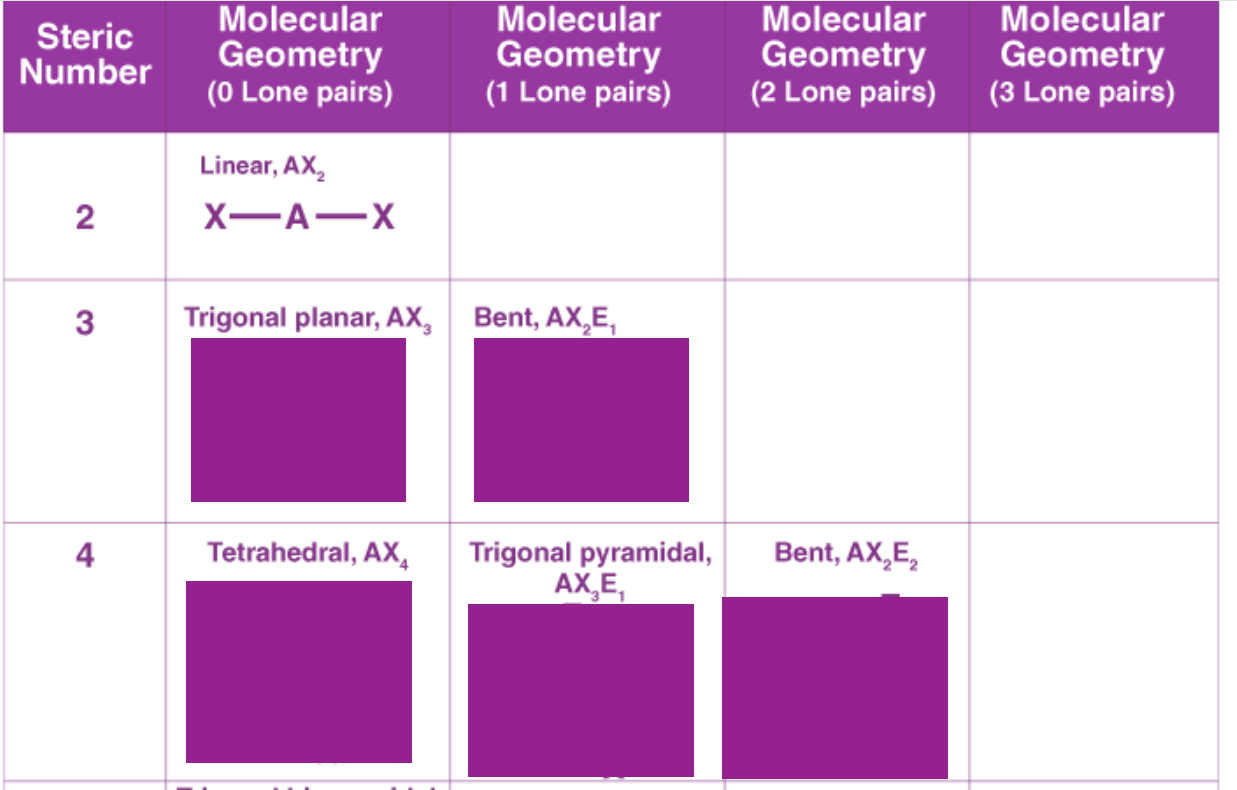
draw the lewis stuctures with dashes and wedges when necessary
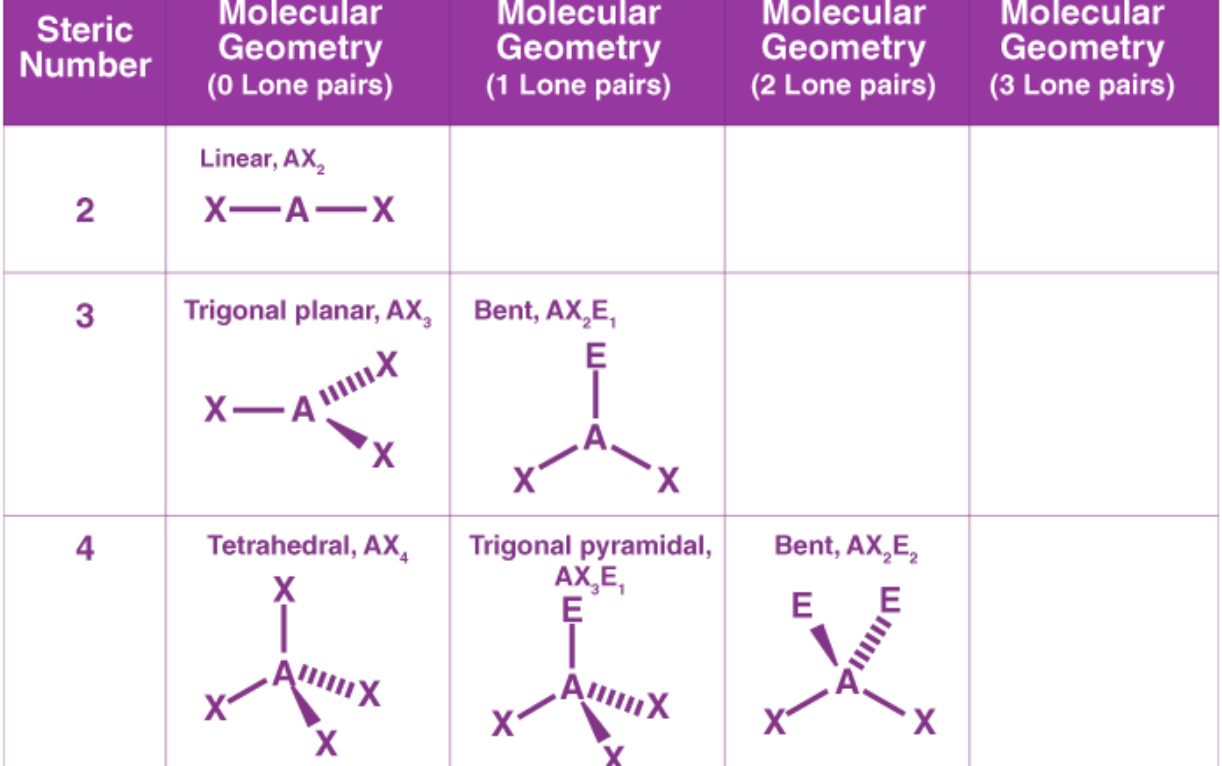
whats the difference between wedges and dashes
dashes are the farthest from me “dash to the back”
wedges are towards me
define dipole-dipole interactions
they occur when polar molecules have a slightly polar sides
The more/less polar, the stronger the dipole-dipole.
more
The more polar, the higher/lower the boiling point.
higher
define hydrogen bonds
H bonded to N, O ,F
The more hydrogen bonds, the higher/lower the boiling point.
higher
define london dispersion forces
nonpolar molecules with slightly + or - sides, will attract to each other.