Joint Classifications & Body Movements
 Call Kai
 Learn
Learn Practice Test
 Spaced Repetition
 Match
Match Flashcards
 Knowt Play
1/38

There's no tags or description
Looks like no tags are added yet.
Name | Mastery | Learn | Test | Matching | Spaced | Call with Kai | Chat |
|---|
No analytics yet
Send a link to your students to track their progress
39 Terms
2 ways that joints are classified
functionally and structurally
3 functional classifications of joints
synarthrosis, amphiarthrosis, diarthrosis
3 structrual classifications of joints
fibrous, cartilaginous, synovial
fibrous joint movement
immovable; no movement
cartilaginous joint movement
slightly movable
synovial joint movements
freely movable
example(s) of fibrous joint
sutures of the skull; gomphosis; manubriosternal joint
example(s) of cartilaginous joint
pubic symphysis, intervertebral discs, costal cartilage
example(s) of synovial joints
all limb joints (knee, shoulder, knuckle)
ball and socket joint example
shoulder and hip
ball and socket movement
movement in all planes (multiaxial)
another name for condylar joint
ellipsoidal joint
condylar joint example
joints between metacarpals and phalanges
plane joint example
joints between the carpal bones
another name for plane joint
gliding joint
hinge joint example
elbow, knee, phalanges
pivot joint example
atlas and axis (c1/c2)
saddle joint example
thumb
Number of synovial joint types
6
approximate number of joints in the adult human
230 or 350 depending on categorization
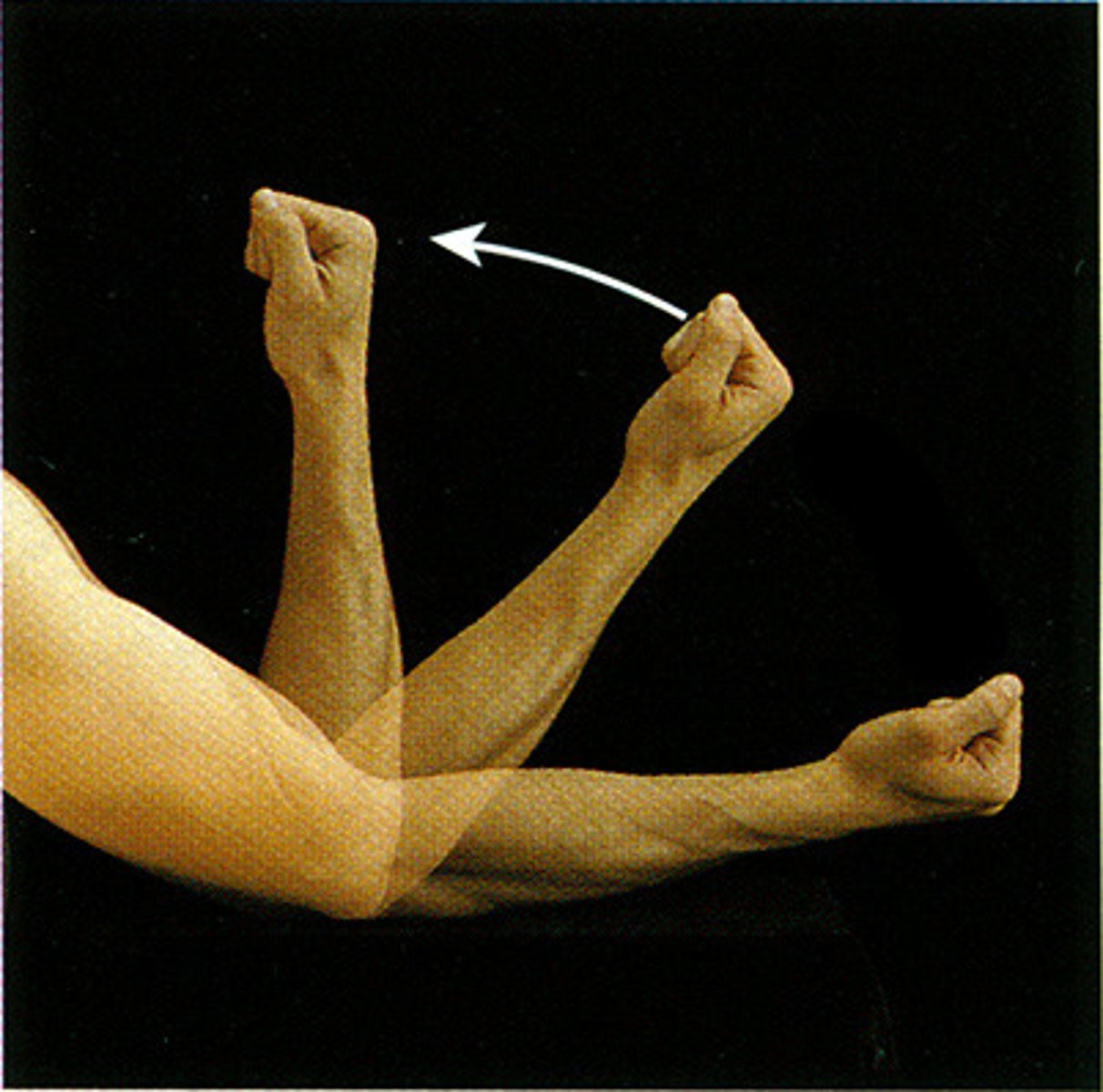
Flexion
Decreases the angle of a joint/two bones come closer together
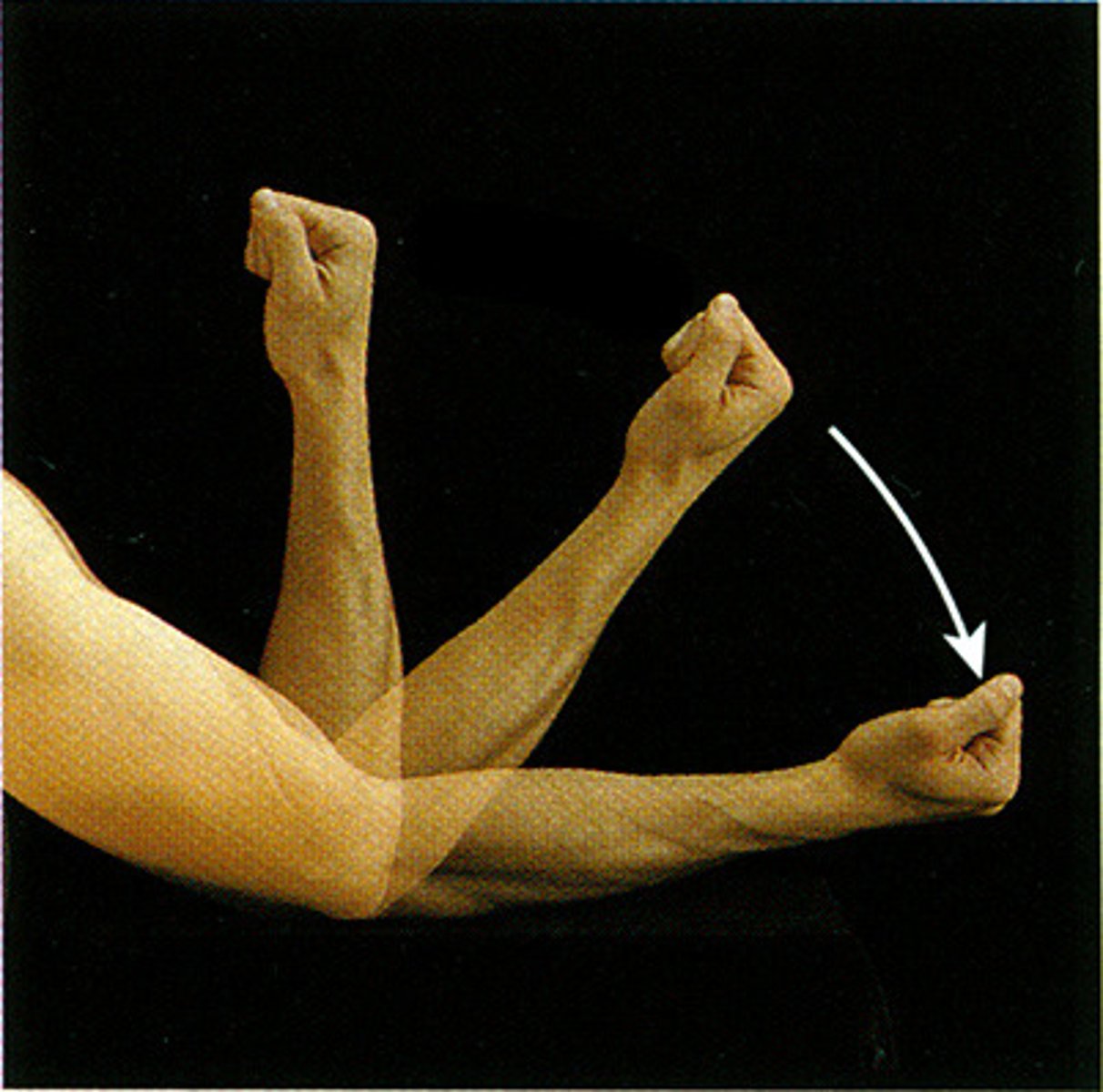
Extension
Increases angle of a joint/two bones move further apart
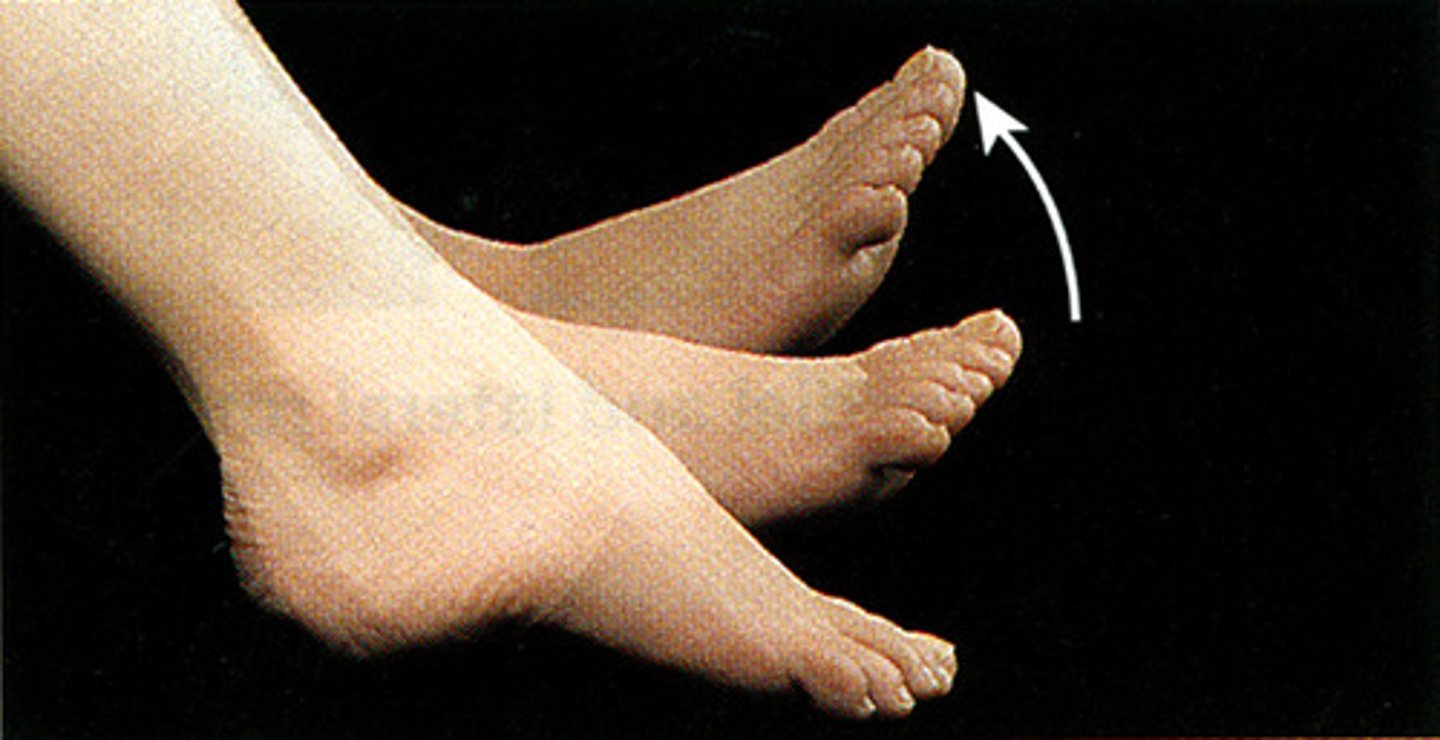
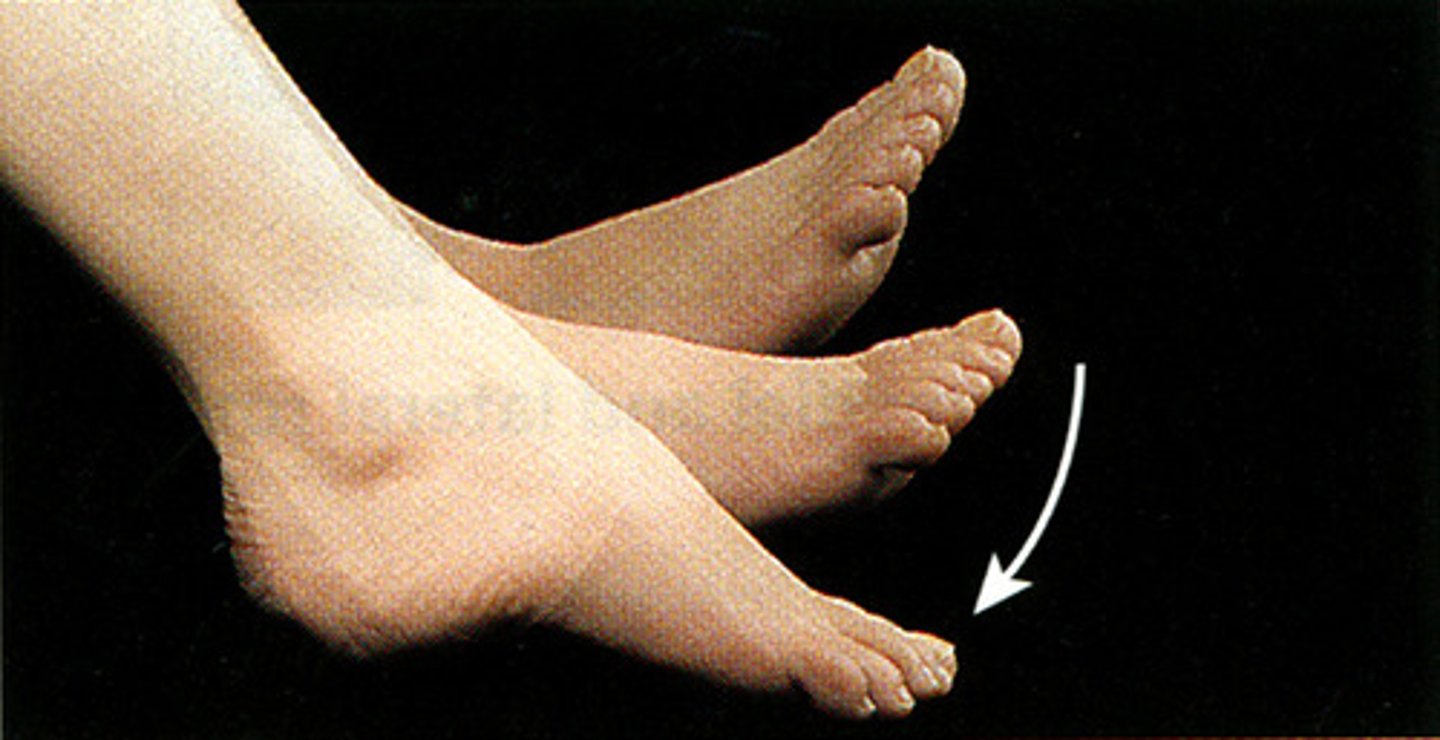
Dorsiflexion
Lifting the foot (toes facing upwards)
Plantarflexion
Pointing the toes (toes facing downwards)
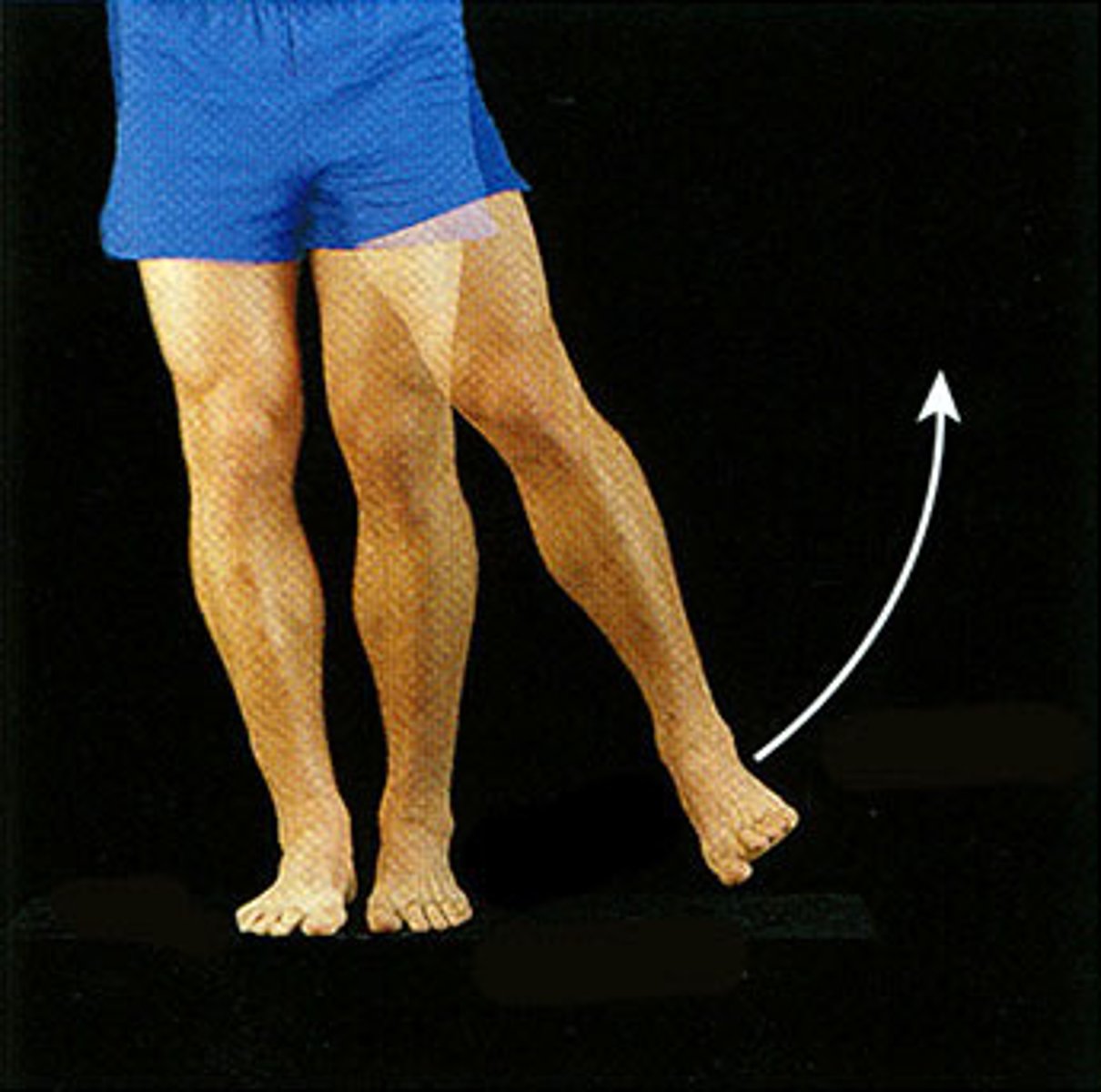
Abduction
Moving away from the midline
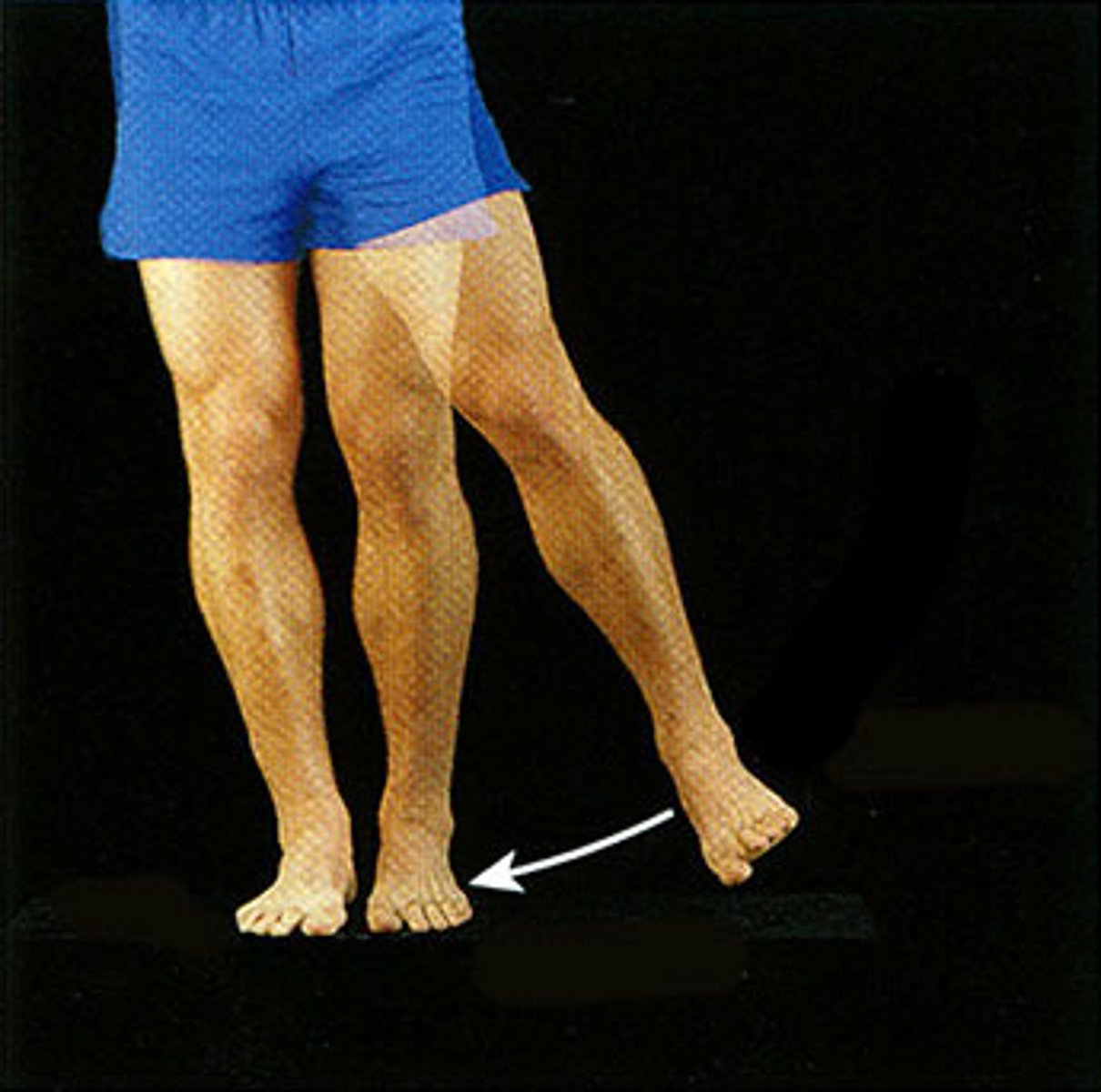
Adduction
Moving towards the midline
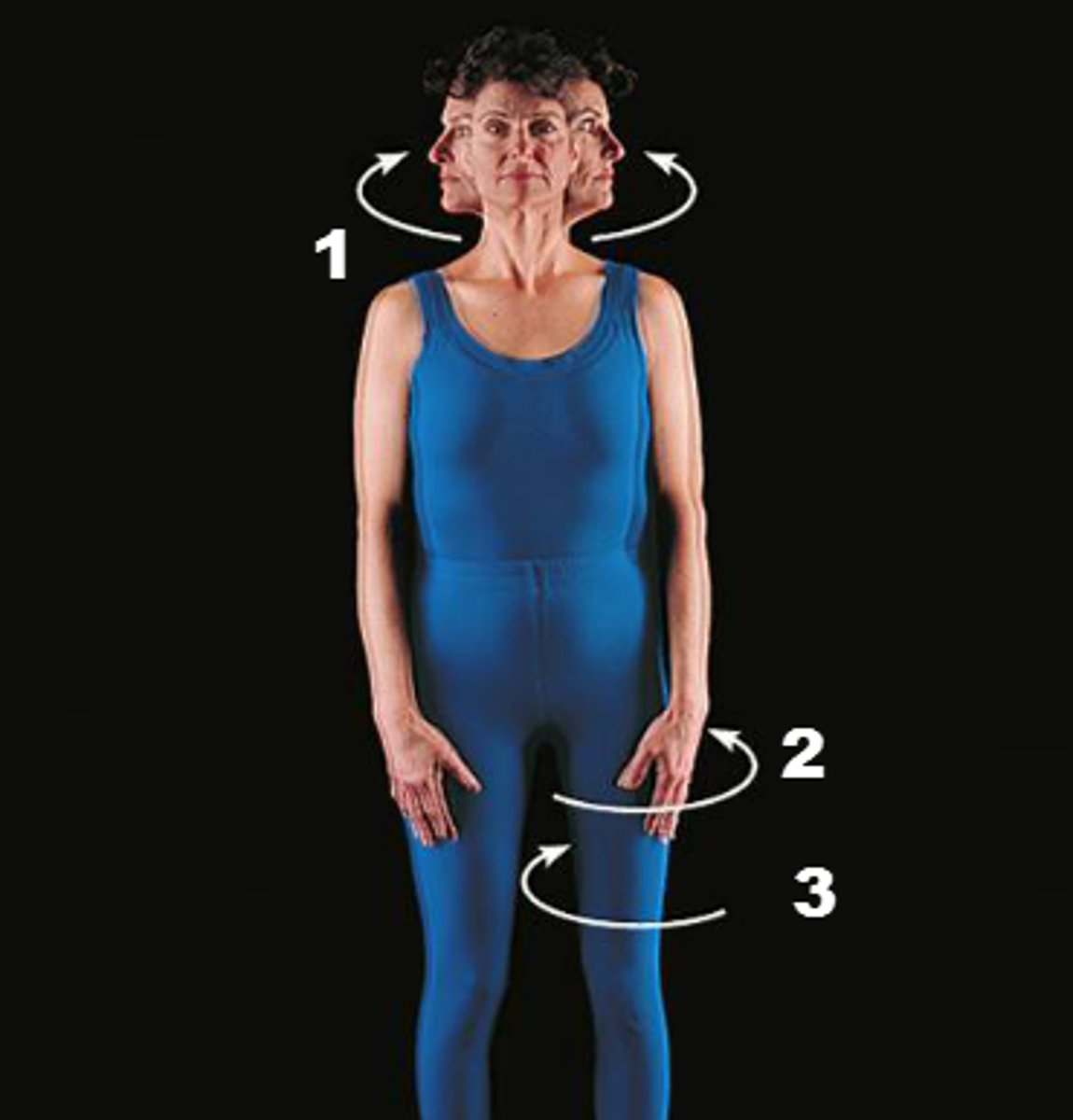
Rotation
Turning of a bone on it's own axis
Inversion
Turning of the sole medially
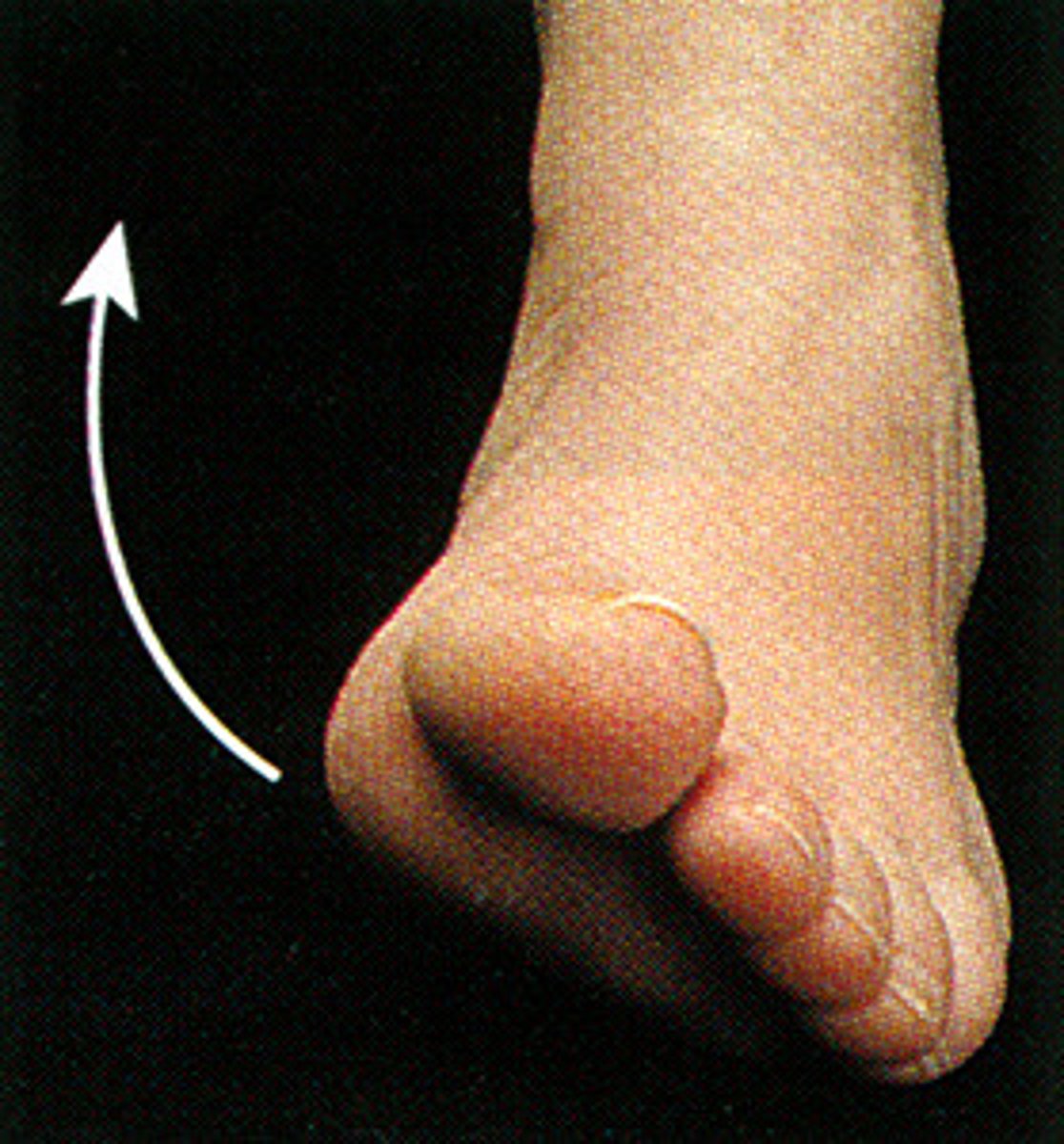
Eversion
Turning of the sole laterally
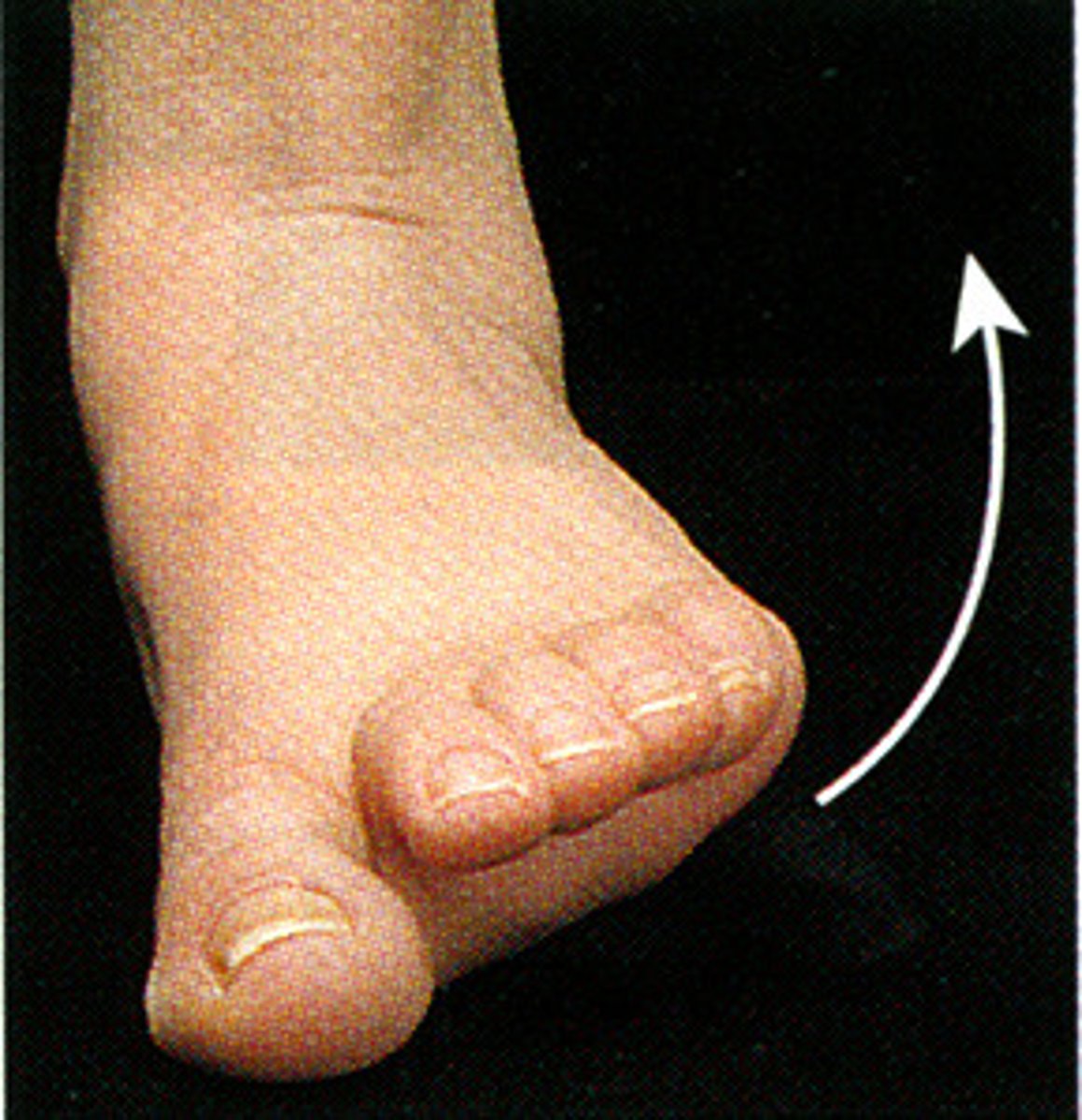
Protraction
Sticking the jaw out; or rounding shoulders forward
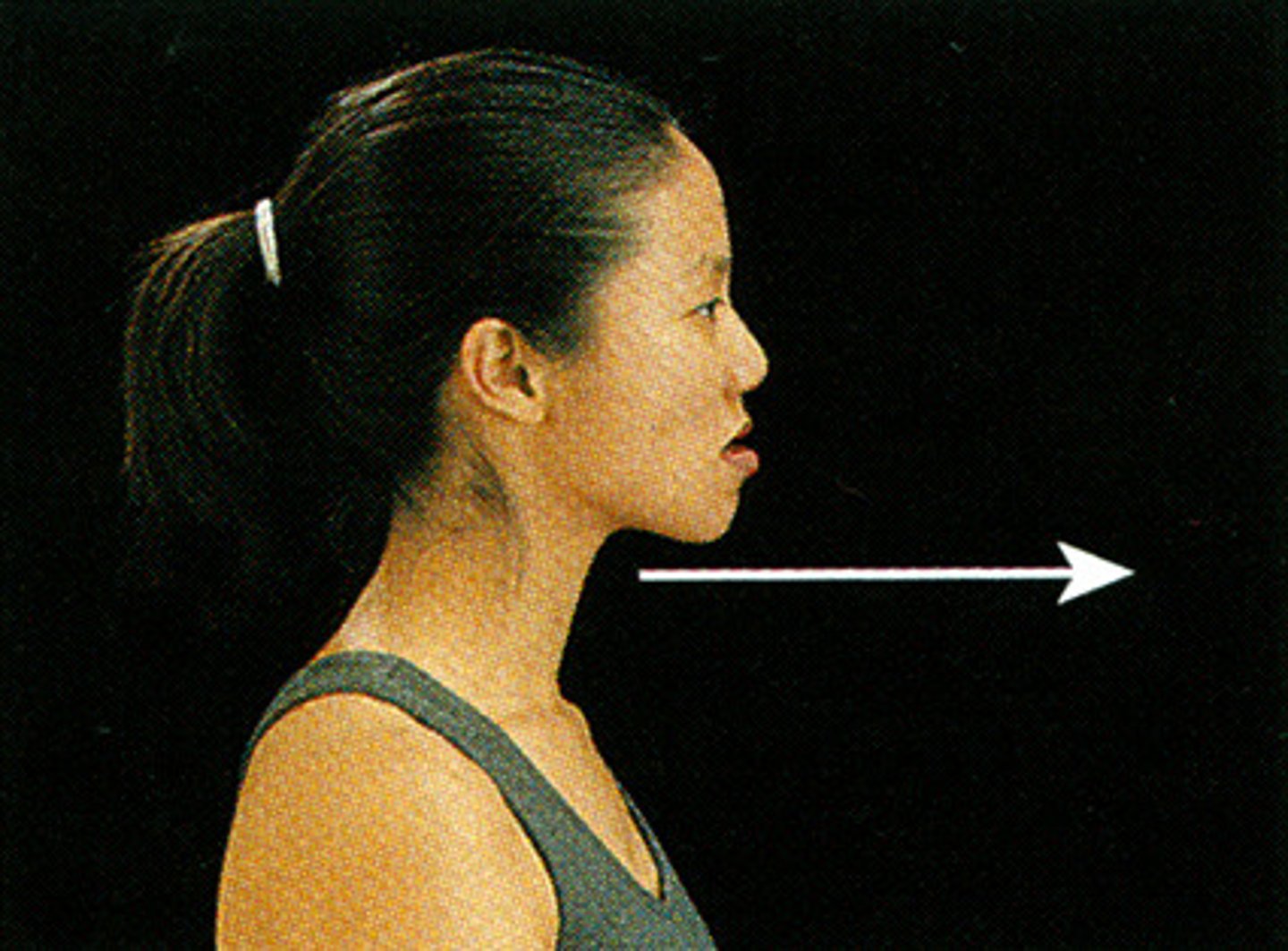
Retraction
Jaw in and squaring of the shoulders
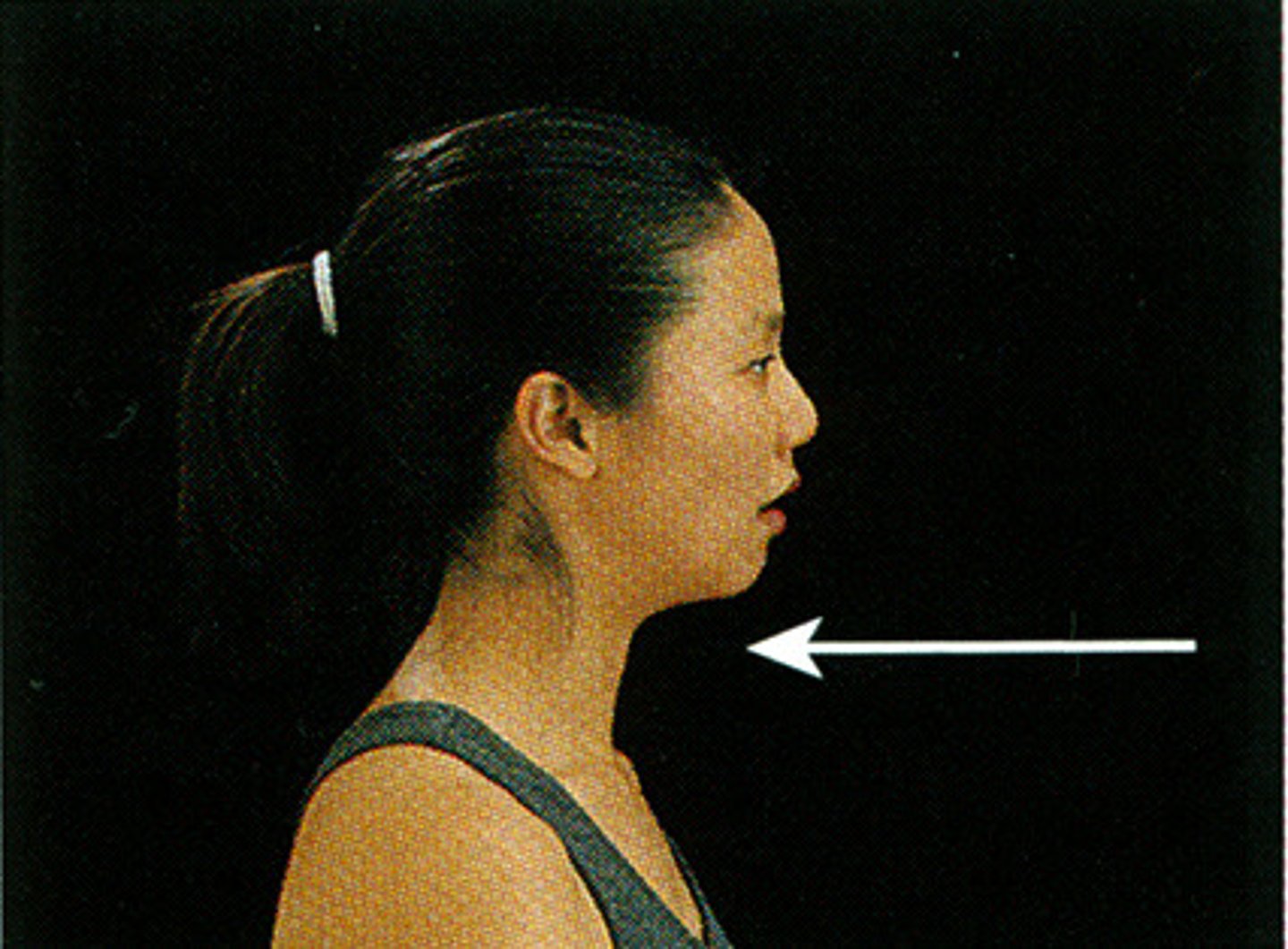
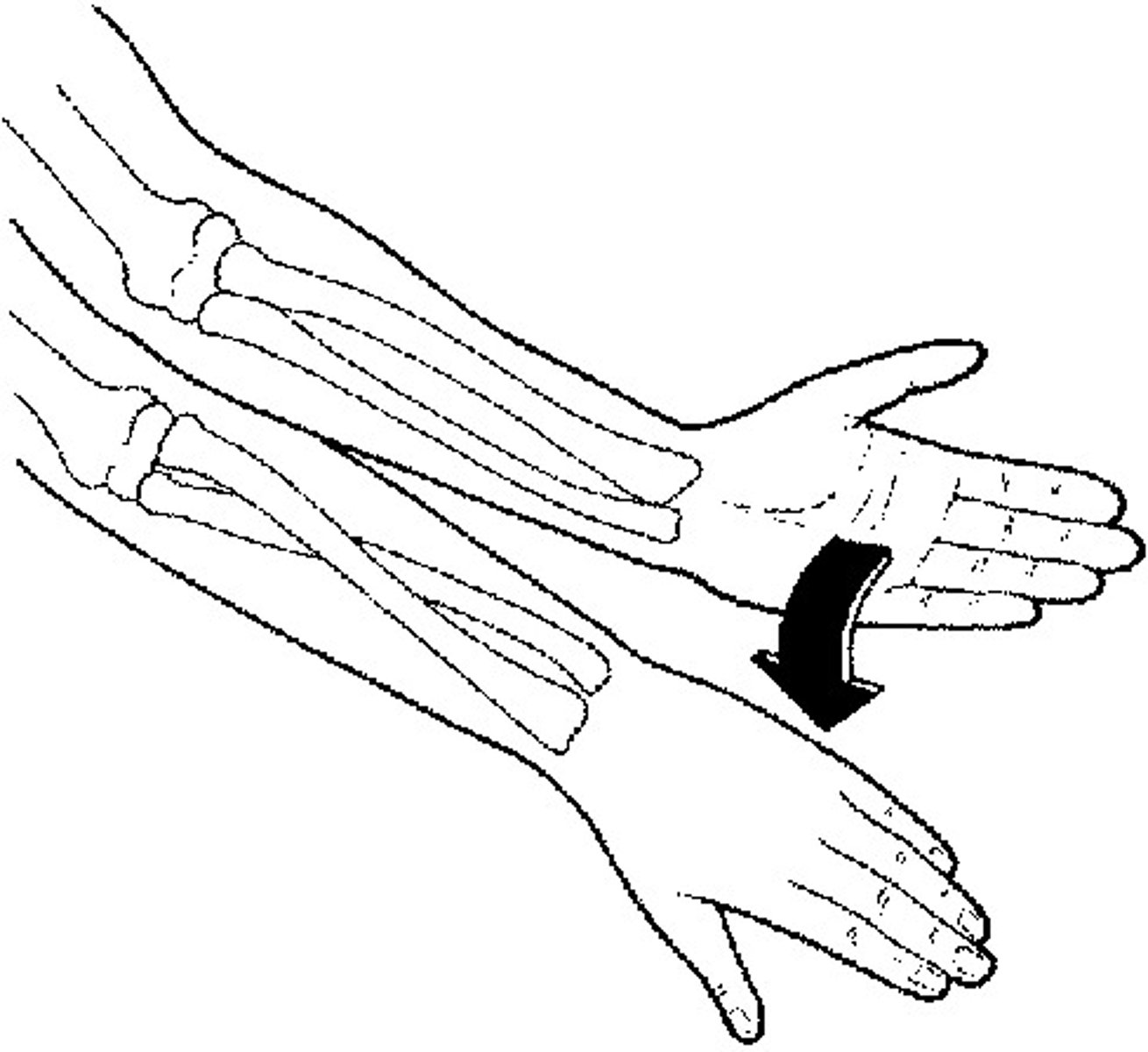
Pronation
rotate lower arm and palm downward
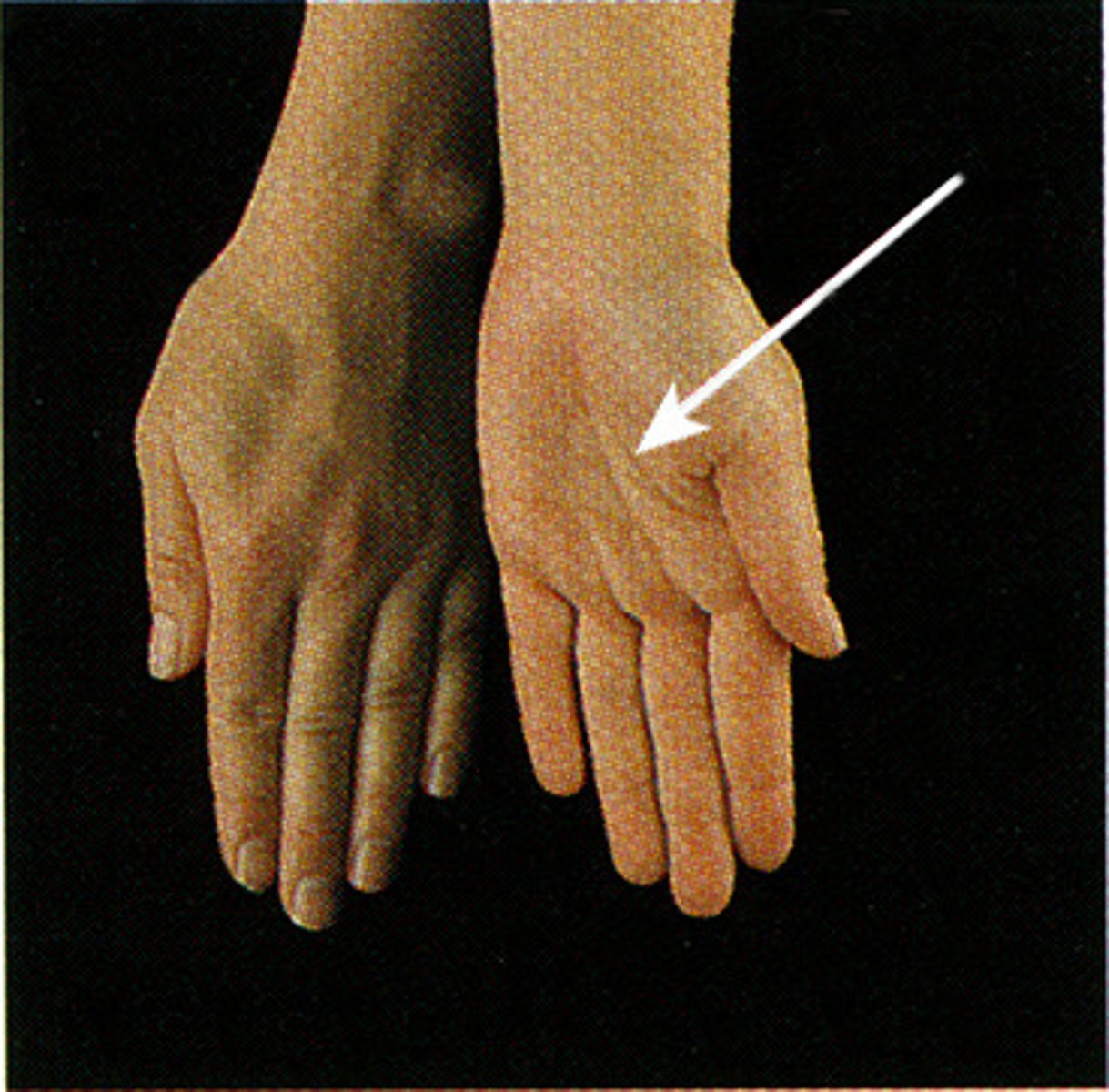
Supination
Rotate lower arm and palm outward (like you're cupping soup)
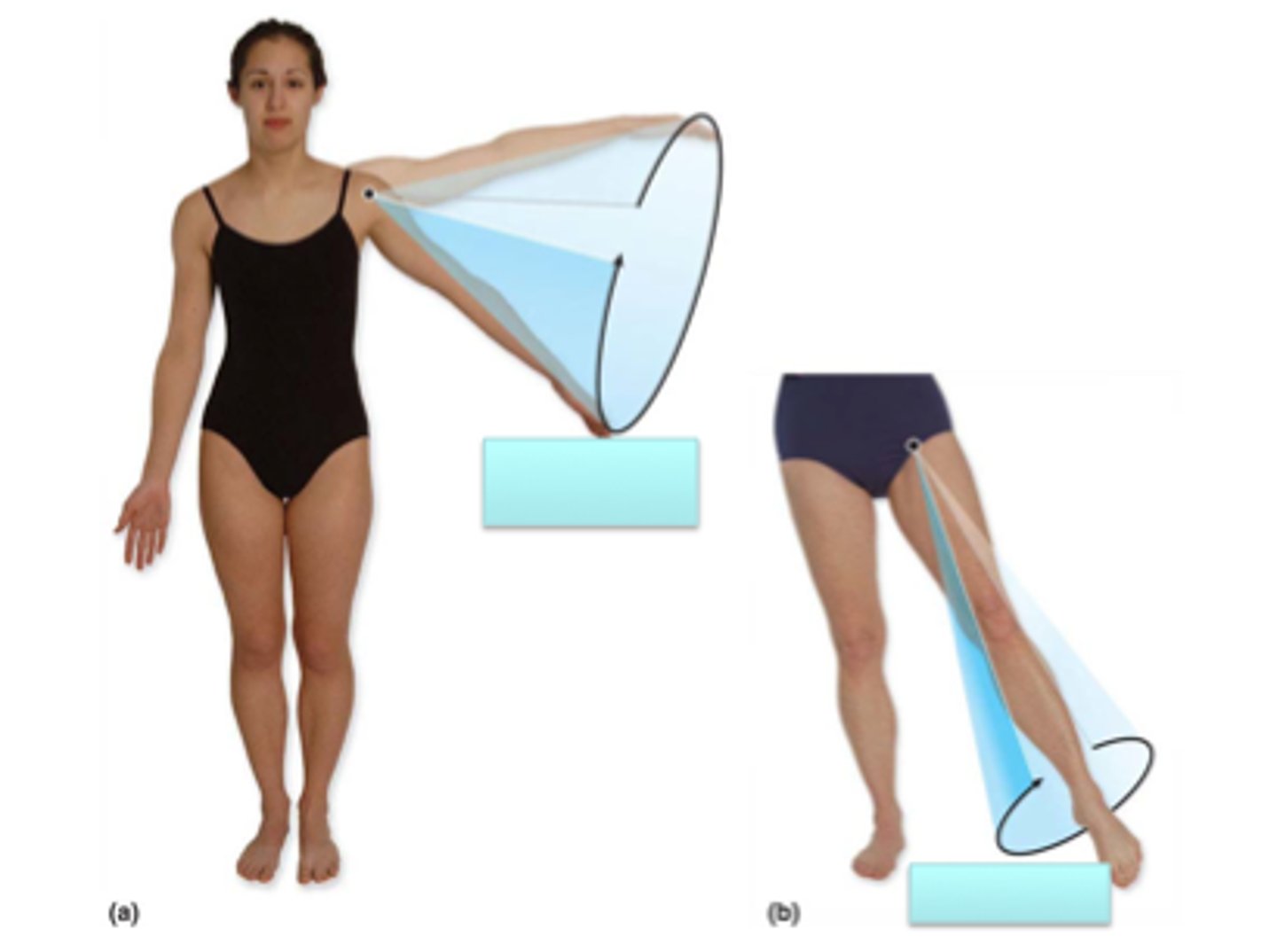
Circumduction
Combination of flexion, extension, abduction, and adduction
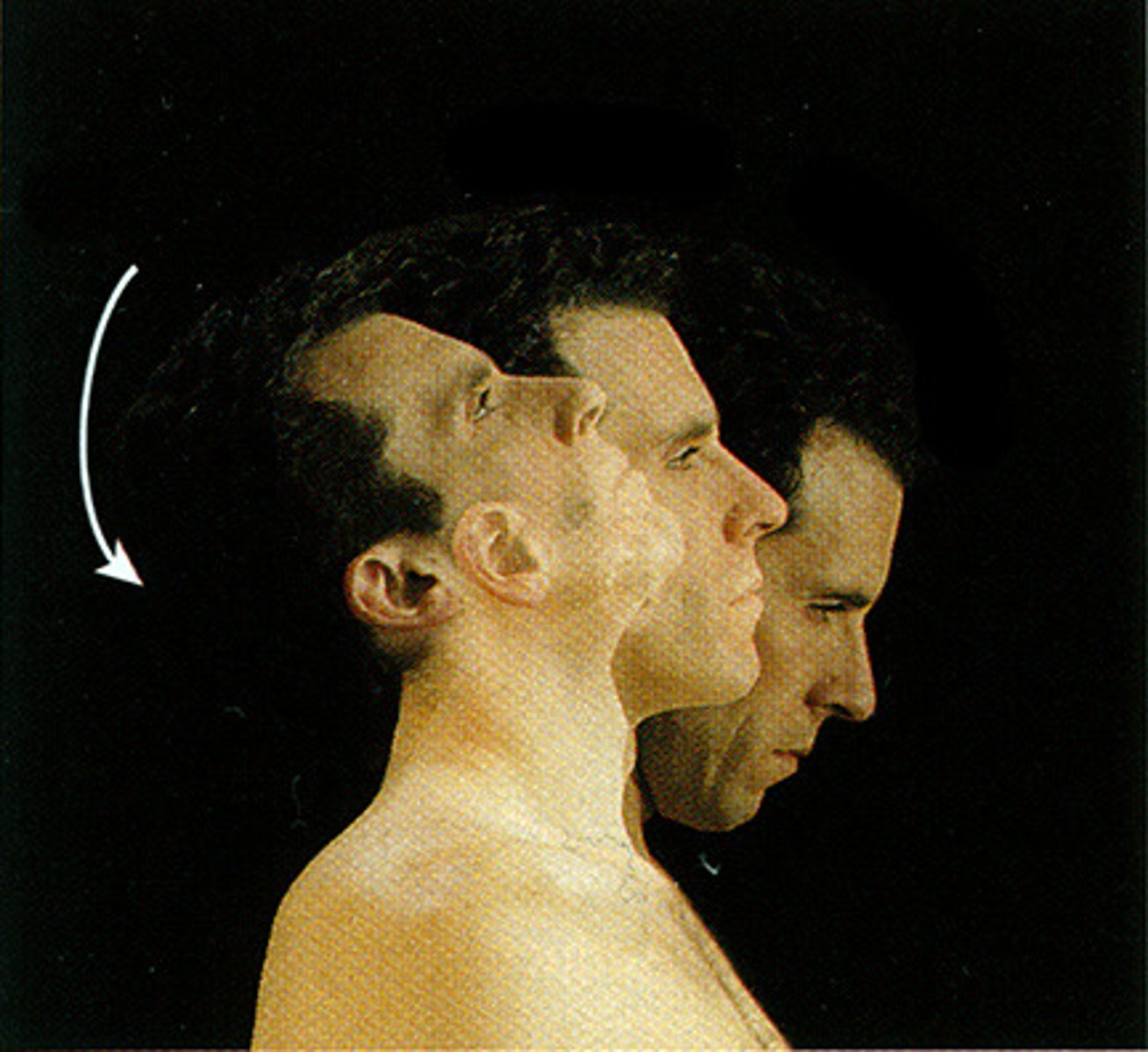
Hyperextension
the extreme or overextension of a limb or body part beyond its normal limit
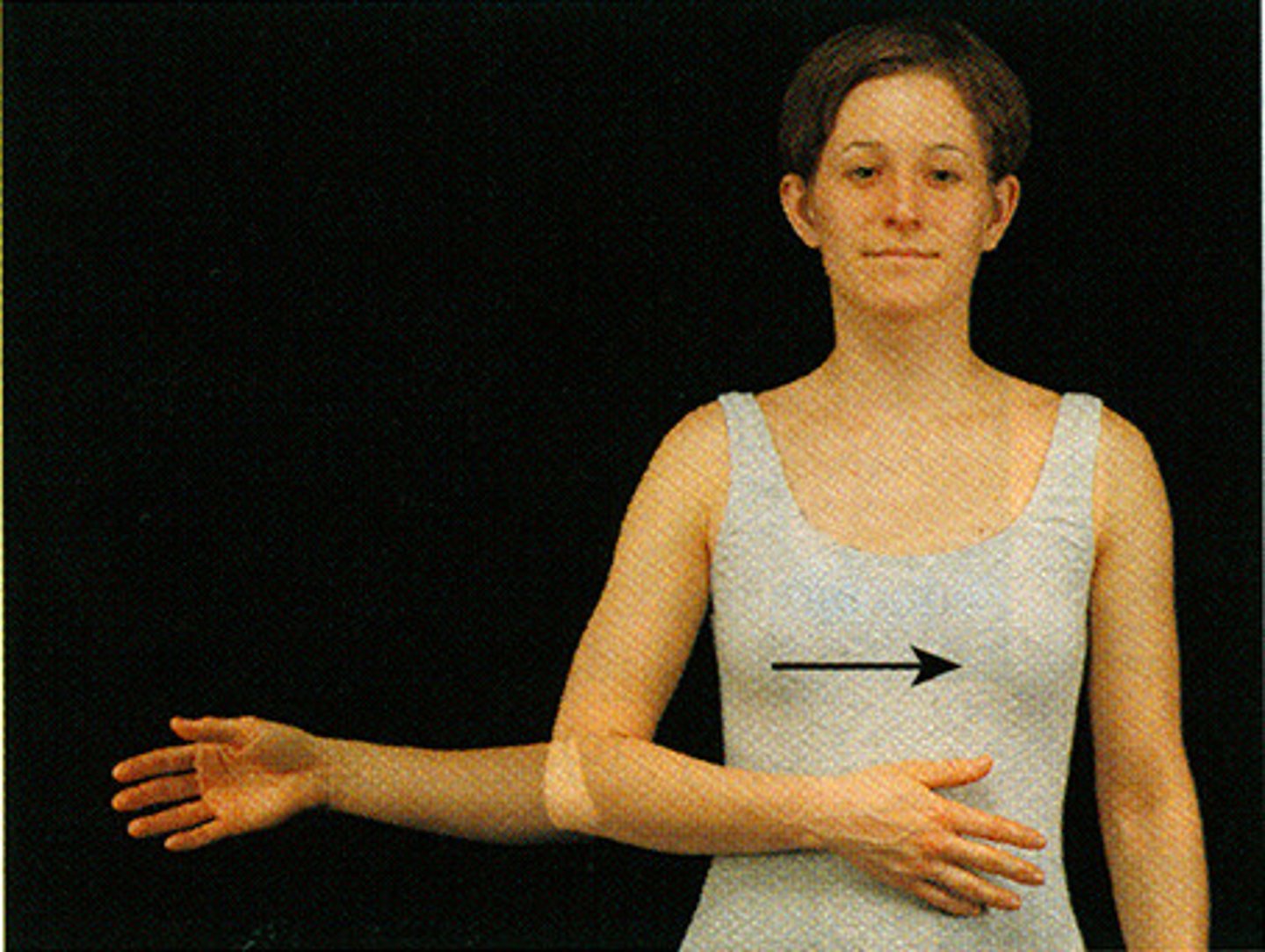
Internal (medial) rotation
Rotation of a joint toward the midline of the body
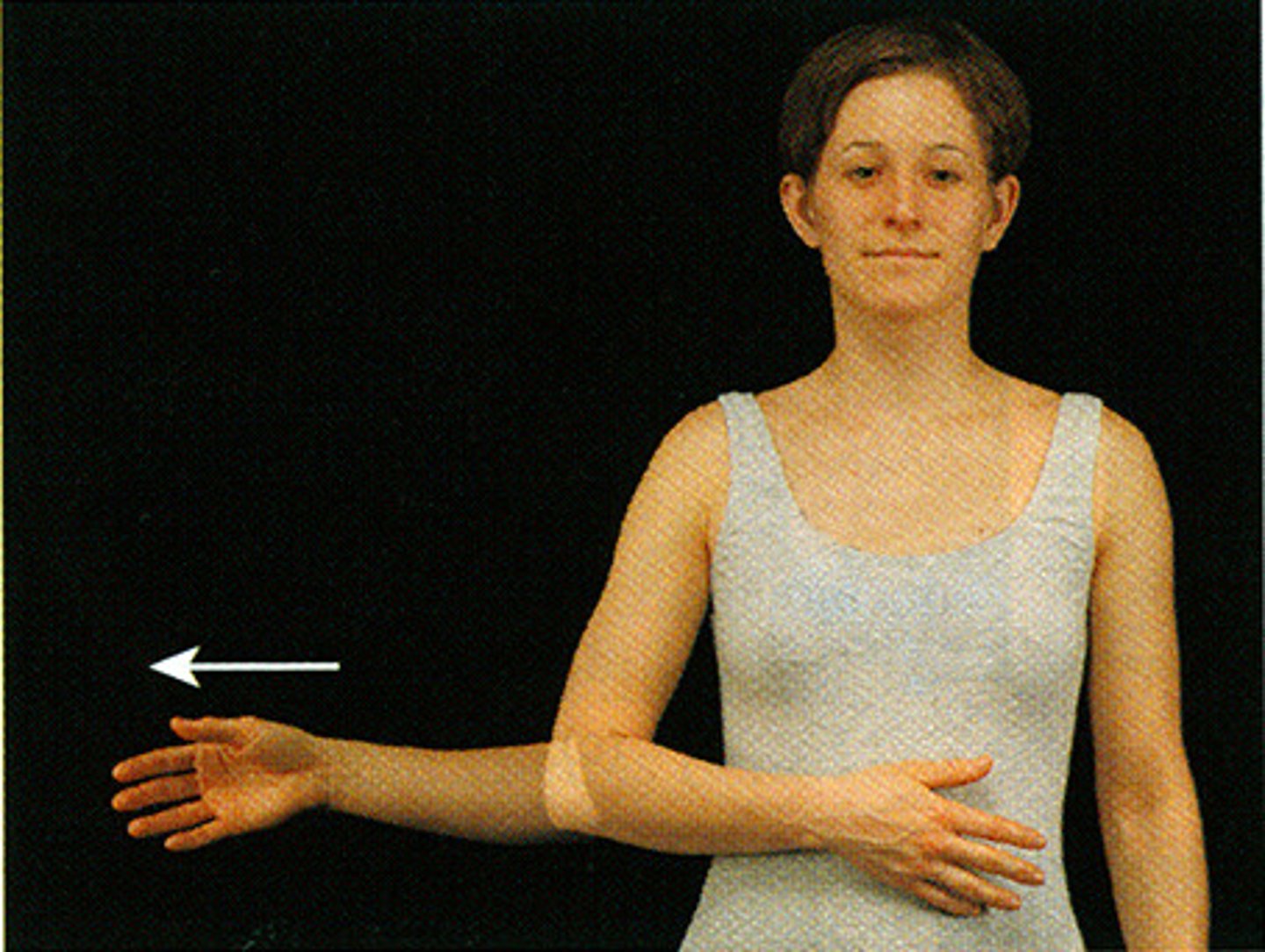
External (lateral) rotation
rotation in the transverse plane away from the midline of the body
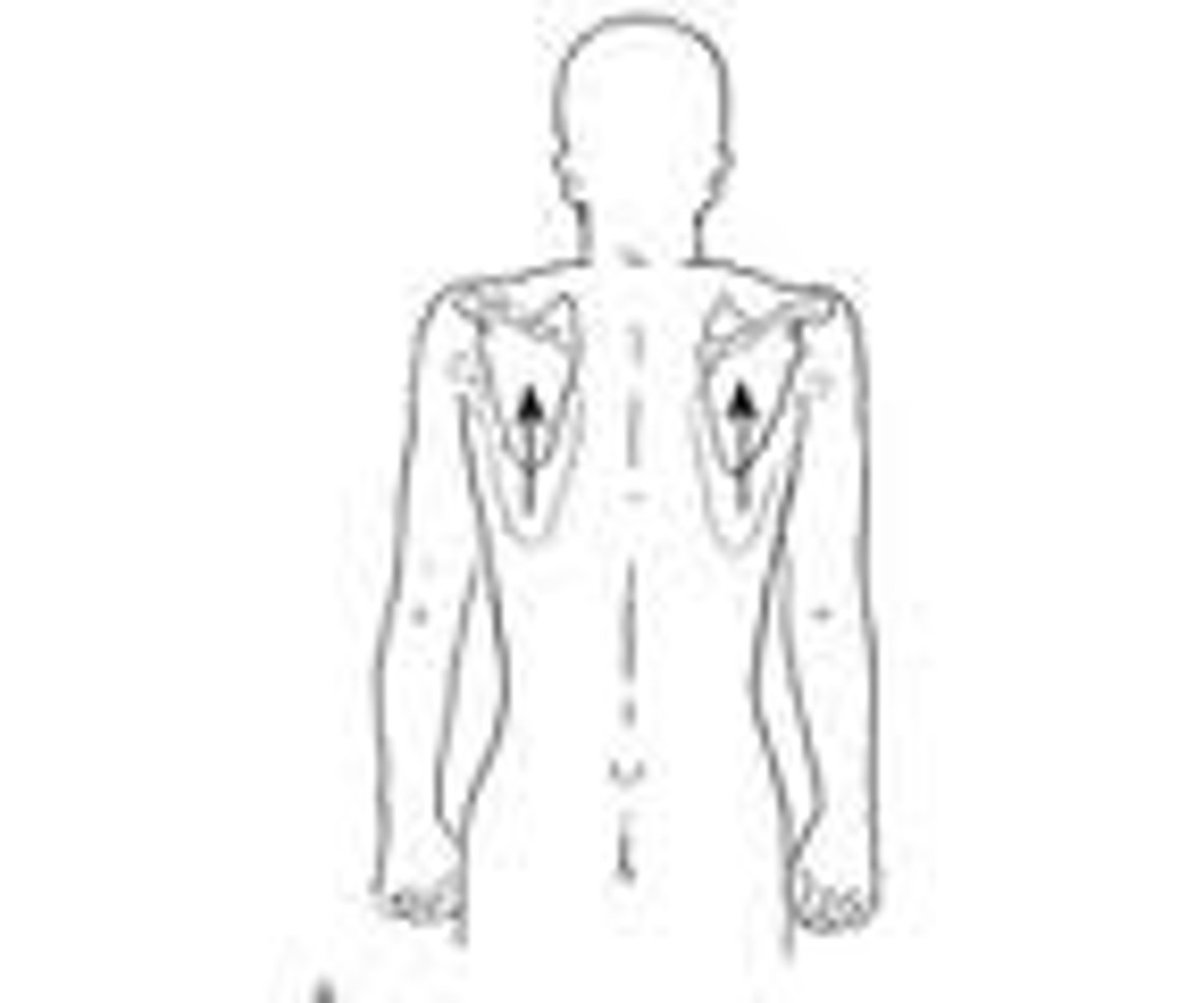
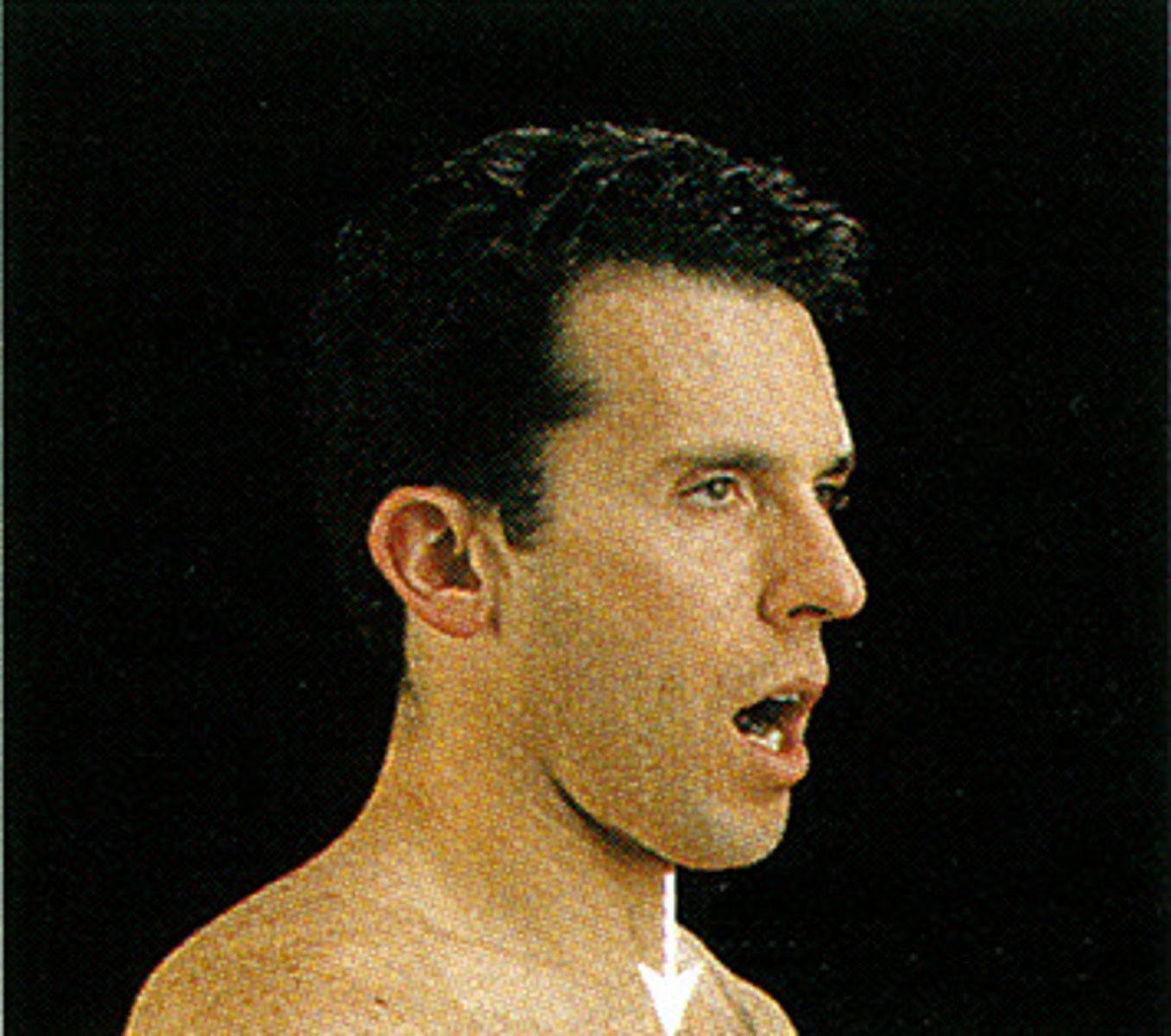
Depression
lowering a body part
Elevation
raising a body part