anatomy quiz 2
 Call Kai
 Learn
Learn Practice Test
 Spaced Repetition
 Match
Match Flashcards
 Knowt Play
1/20

There's no tags or description
Looks like no tags are added yet.
Name | Mastery | Learn | Test | Matching | Spaced | Call with Kai | Chat |
|---|
No analytics yet
Send a link to your students to track their progress
21 Terms
phase
exact position of a point within a wave cycle
measured in degrees
repeating wave = full circle motion
radian
the amount of angle that would make its arc equal to the length to the radius
2pi radians = 360 degrees = one rotation
pi radians = 180 degrees
degrees to radians: multiply by pi over 180
phase differenceθ=2πfΔt
difference in their positions within a cycle
amplitude
maximum change in pressure
magnitude of a vibration
determines intensity of sound
measured in pressure or dB
root mean square
the absolute average displacement at many points in time
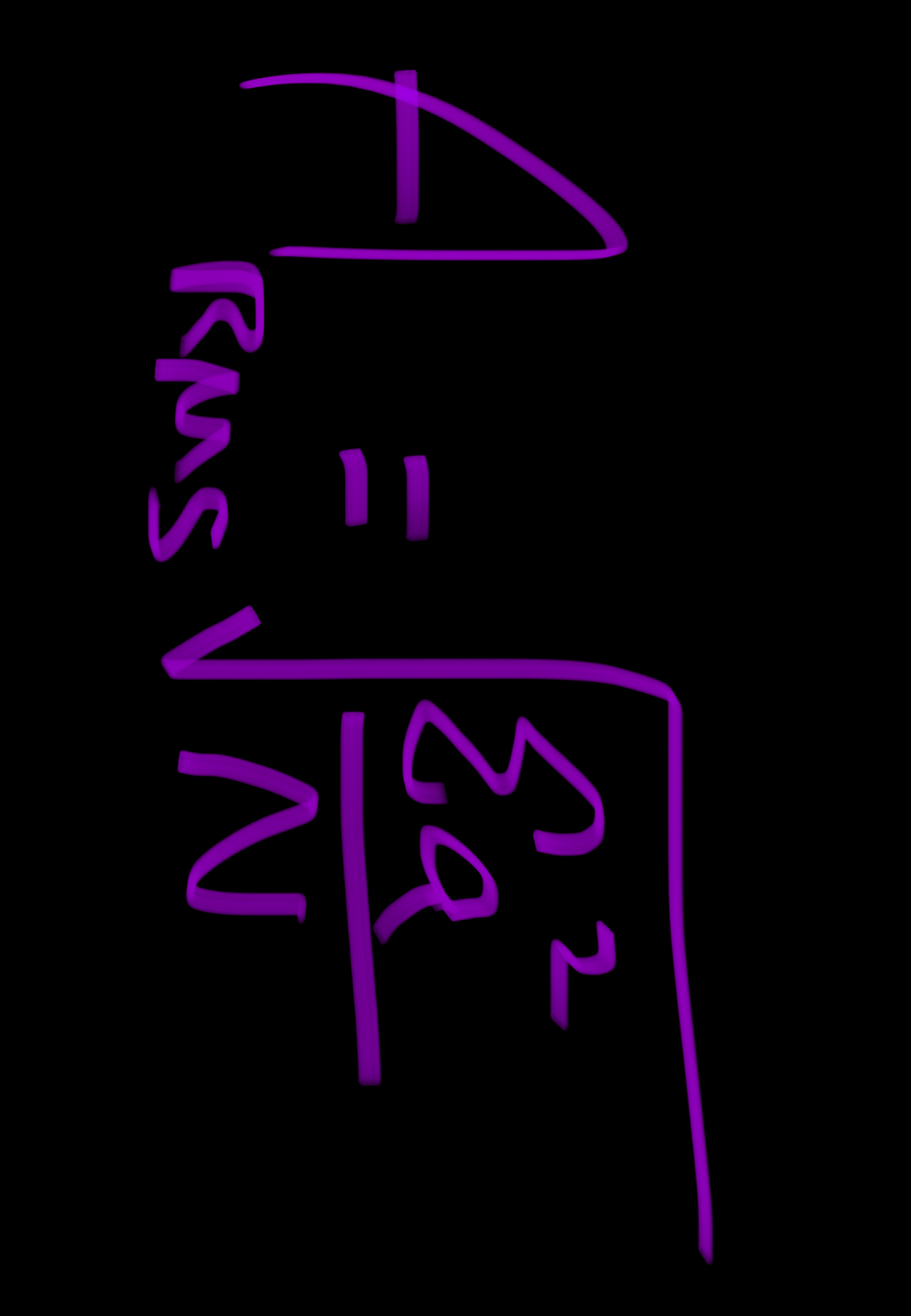
benefits of RMS amplitude
represents effective energy of sound
correlates better with perceived loudness
standard quantity used in SPL measurements
wavelength
distance air molecules travels during one cycle (measured in meters)
wavelength = c / f
wavelength and frequency have an inverse relationship
speed of sound: 343 m/s
wavelength and diffraction
diffraction: bending of sound wave
when sound travels through a smaller hole in object, the hole acts as a new sound source (sound waves radiate out of hole)
smaller hole = more bend
when wavelength is bigger than object, it will bend around
head shadow effect
cut off frequency for diffraction is 1800 hz
when frequency is high, head casts a shadow where the sound waves do not reach
doppler effect
frequency changes relative to where the source and listener are
time domain
displays waveforms of acoustic signal, graphing amplitude against time
frequency domain
displays how signal’s energy is distributed across various frequencies
line spectrum / continuous spectrum
describe how energy of a sound is distributed across frequencies
line: shows individual frequencies
continuous: used when there are too many frequencies represented
fast fourier transform spectrogram
computer application to obtain spectral analysis
waveform rise + fall envelopes
puretones turn off/on suddenly, creating “popping” sound at start/end of signal, so amplitude increases and decreases
plateau = full amplitude
octaves
frequency interval where the upper frequency is twice the lower frequency
ex) 250, 500, 1000, 2000
octave band
range of frequencies whose upper limit is twice its lower limit, and the center frequency is the geometric mean of the lower/upper frequencies
bandwidth
Measured from 3-dB Down Point / Half-Power Point
beats
Two pure tones of equal intensity but slightly different frequency combine, the combined tone will have an amplitude onset that grows to a maximum and then dies down to zero
the ear’s jobs
Impedance Matching
transduction
transfer function