7 Debt and Equity
 Call Kai
 Learn
Learn Practice Test
 Spaced Repetition
 Match
Match Flashcards
 Knowt Play
1/21

There's no tags or description
Looks like no tags are added yet.
Name | Mastery | Learn | Test | Matching | Spaced | Call with Kai | Chat |
|---|
No analytics yet
Send a link to your students to track their progress
22 Terms
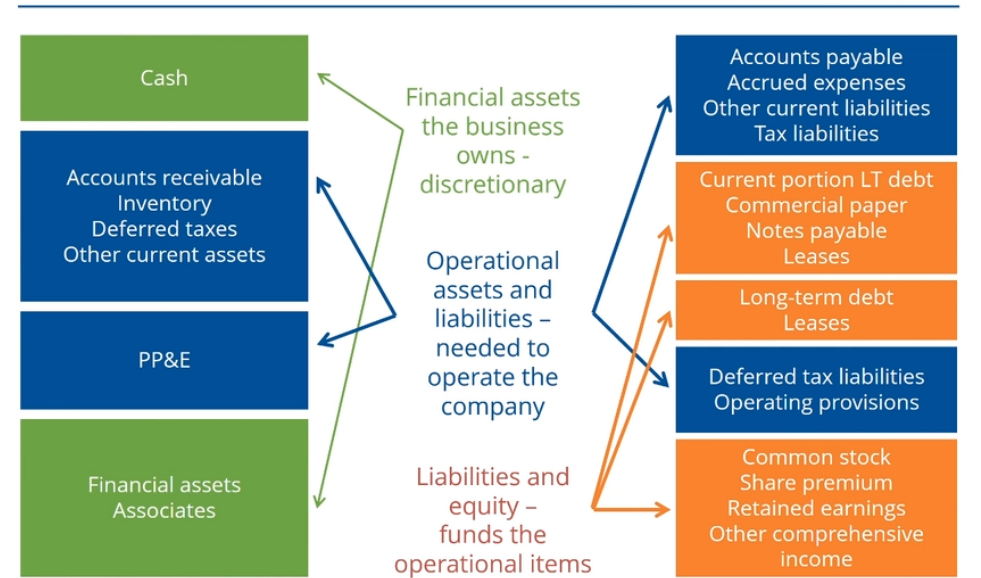
Financing vs Operating
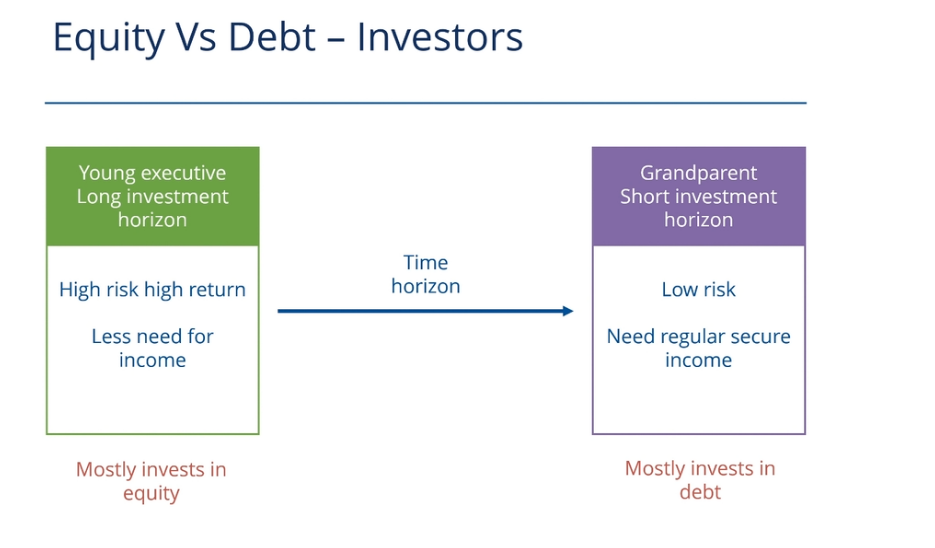
Investors
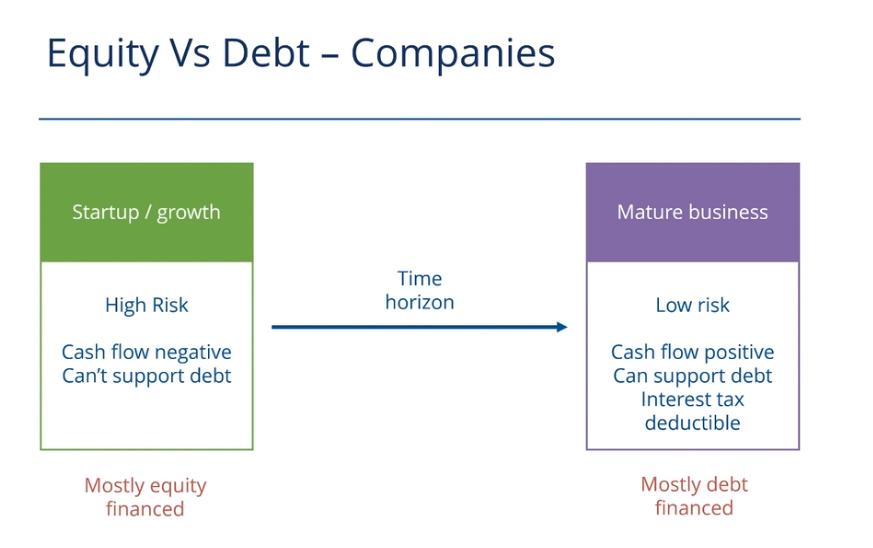
Companies
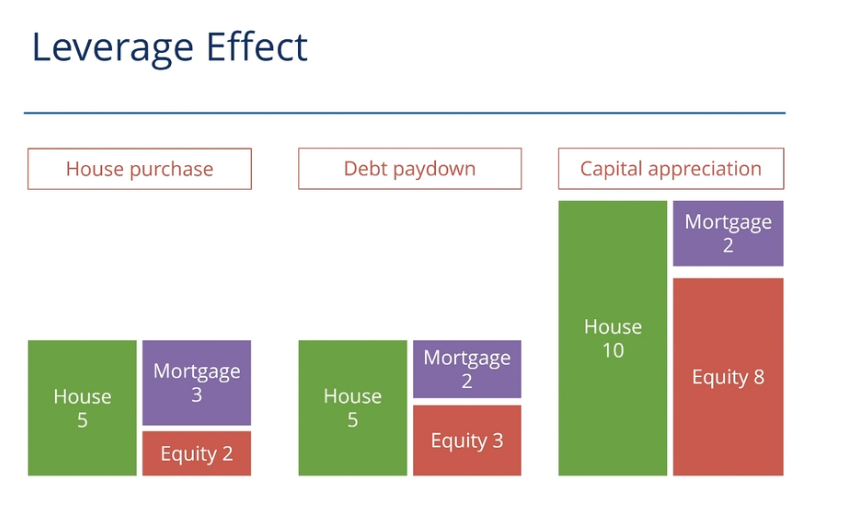
Leverage effect
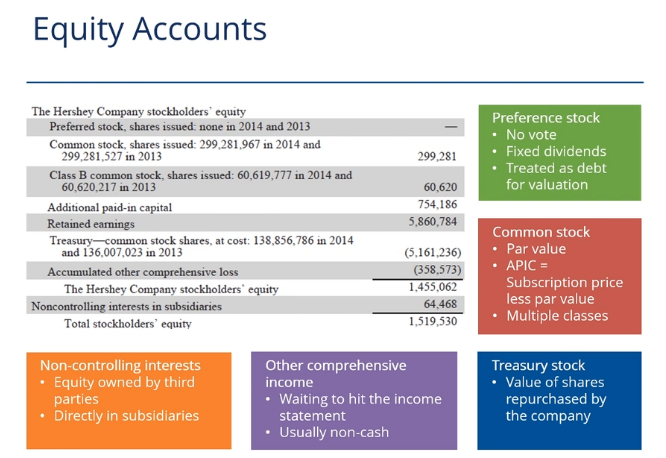
Equity items on the balance sheet
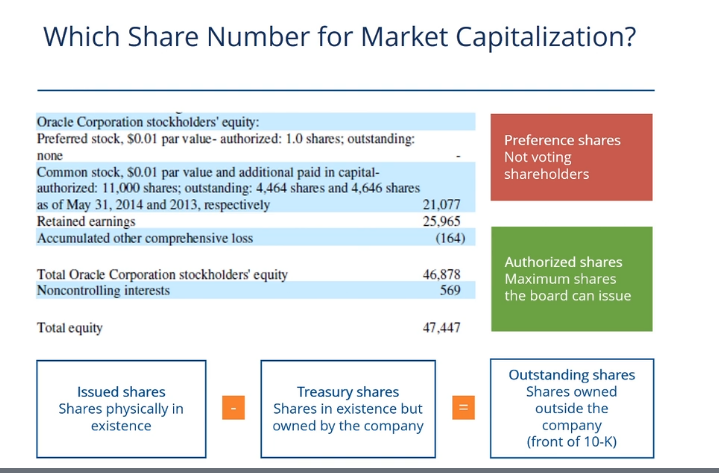
Which share no.
Calculating shares
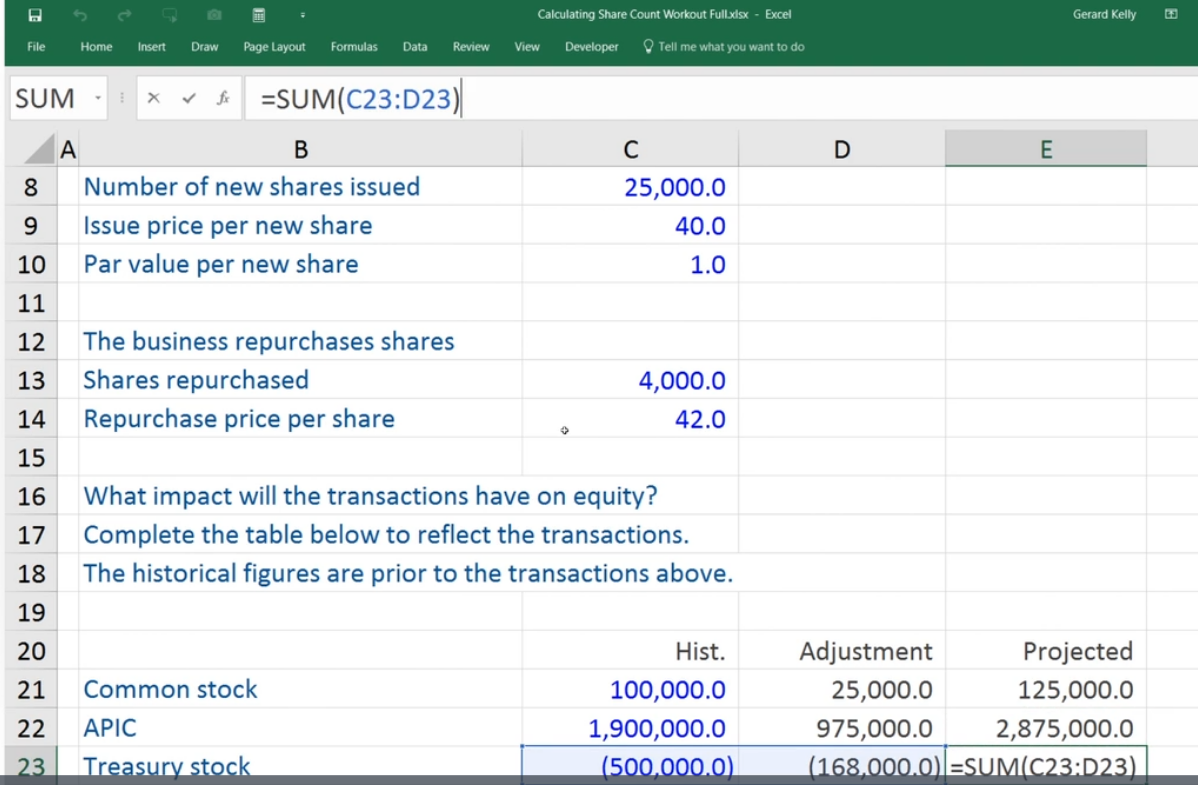
Accounting for share transactions
Common stock is the par value * no. shares
APIC is the (issue price - par value) * no. shares
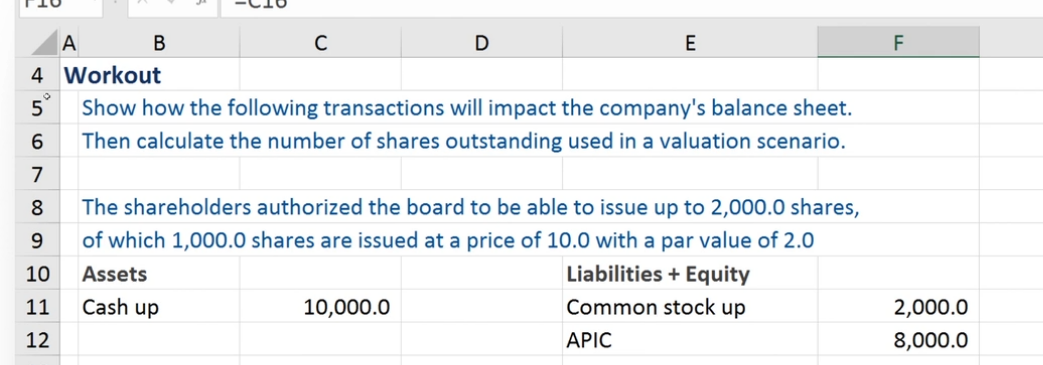

Accounting for share transactions
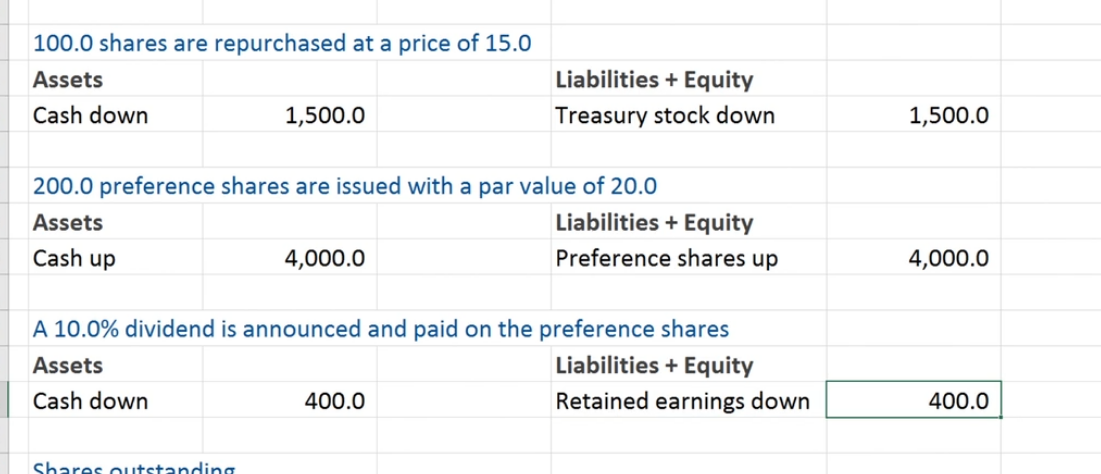
Treasury stock being repurchased has a negative effect on the equity
Preference shares do not affect ordinary shares outstanding
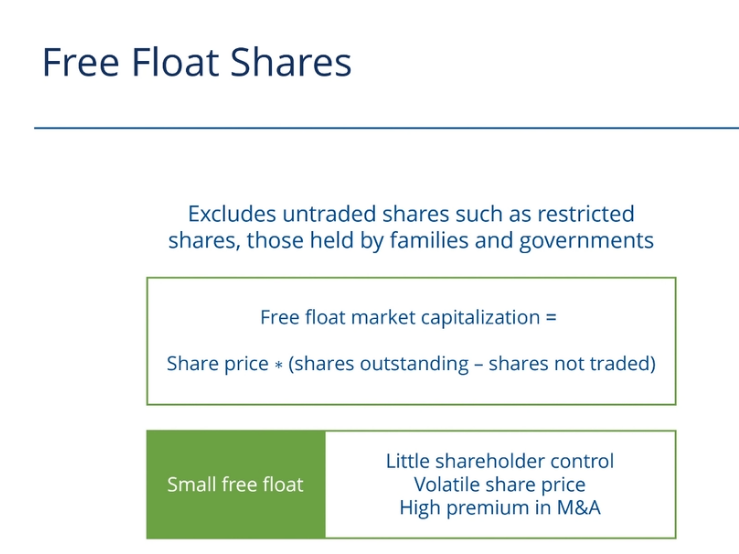
Free float shares
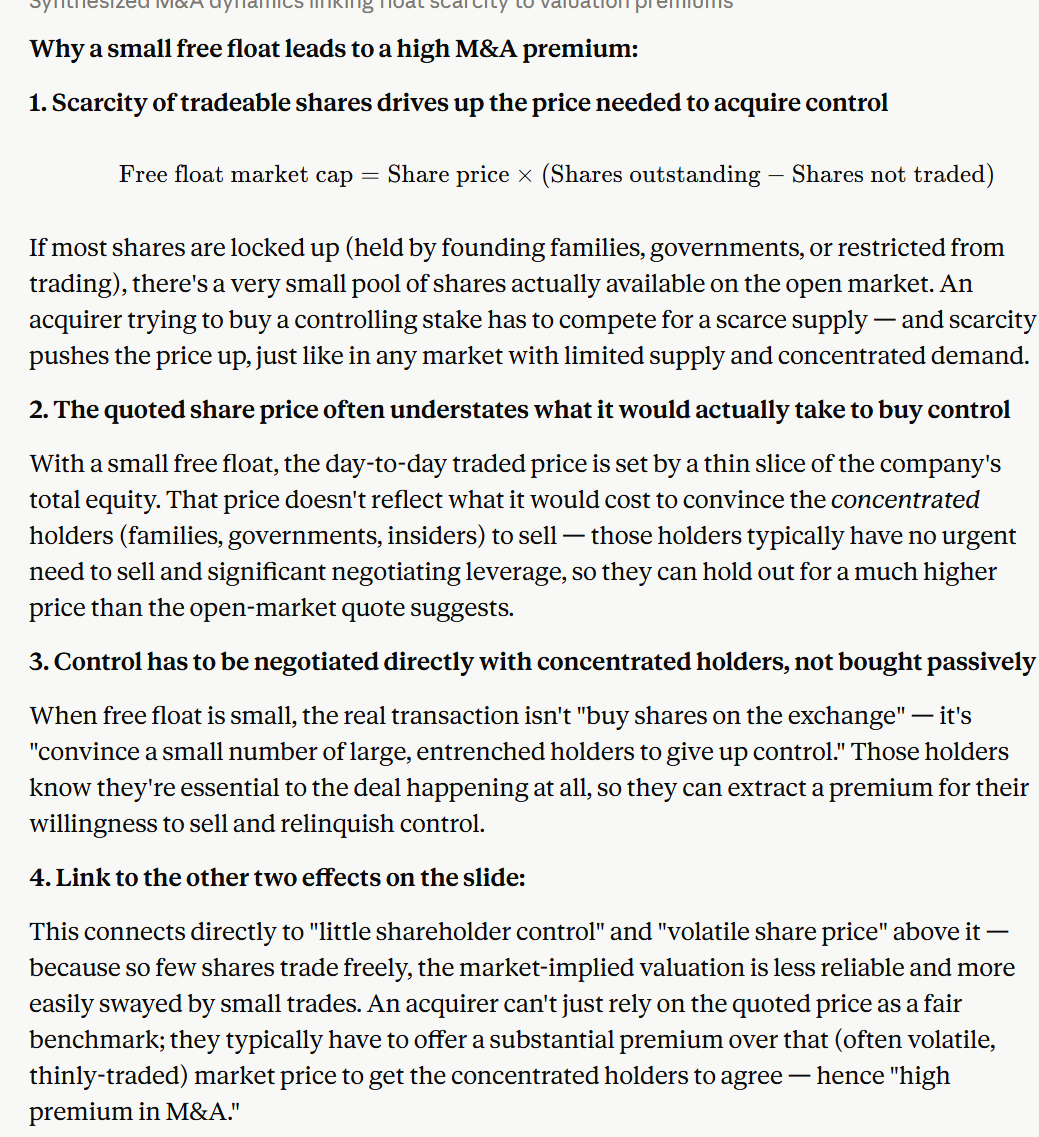
excludes untraded shares, such as those restricted shared held by families and governments
small free float, little shareholder control, control resides with the family/govt, can lead to volatile share price, only a few shares for people to buy and sell in response, high premium in M&A
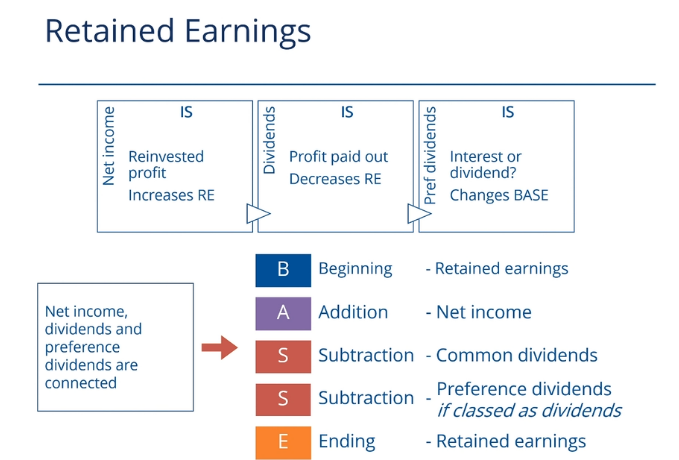
Forecasting retained earnings
BASE
B beg RE
A net income
S common dividends and preference dividends ( if classed as dividends, else they are classed as interest already gone into net income)
E end RE
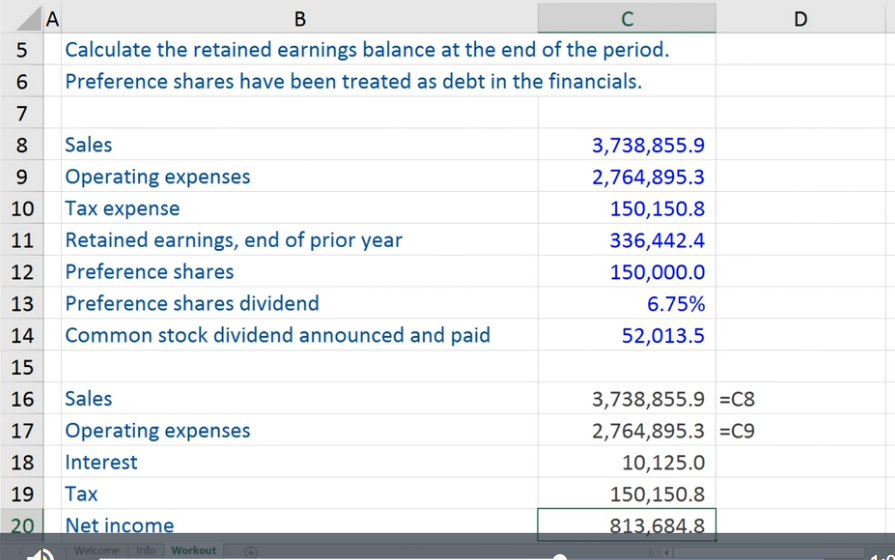
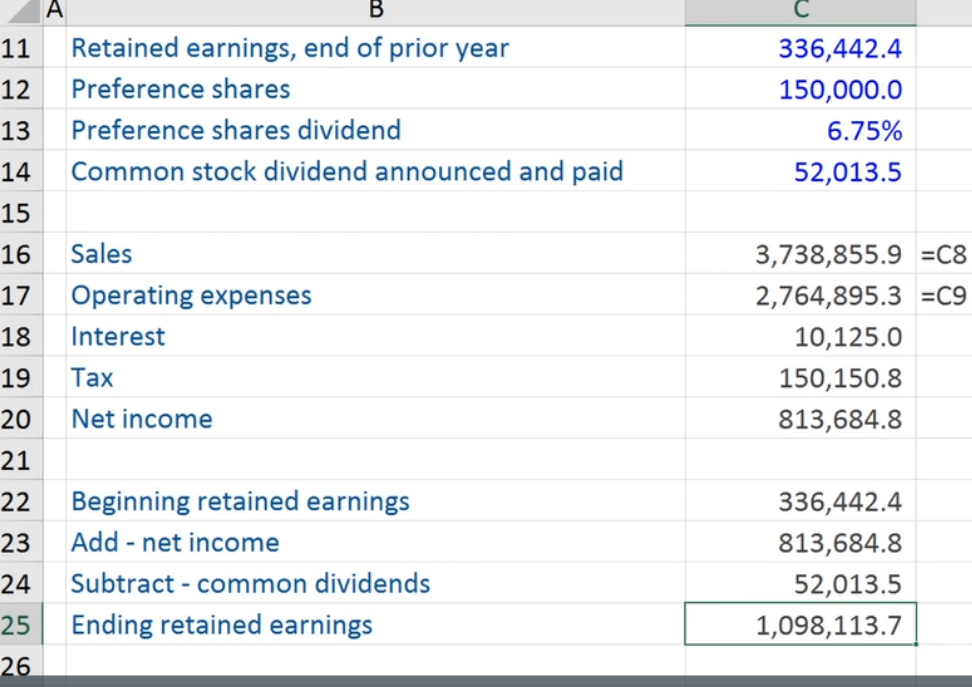
Forecasting RE
pref shared treated as debt so they have interest
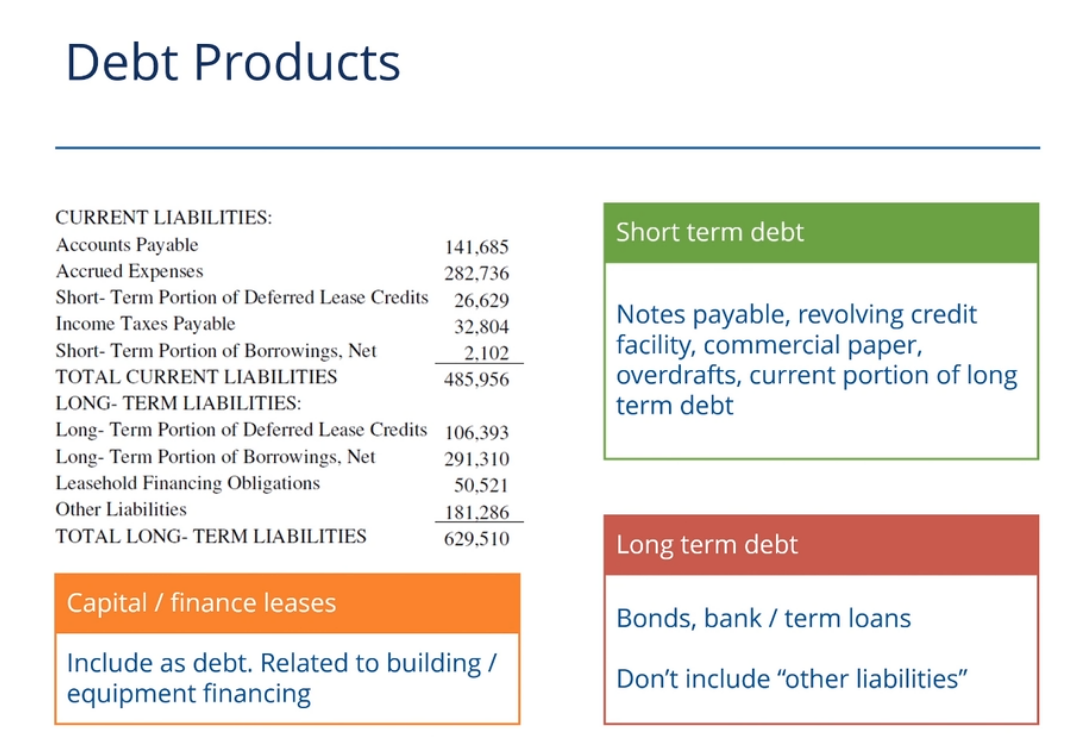
Debt products
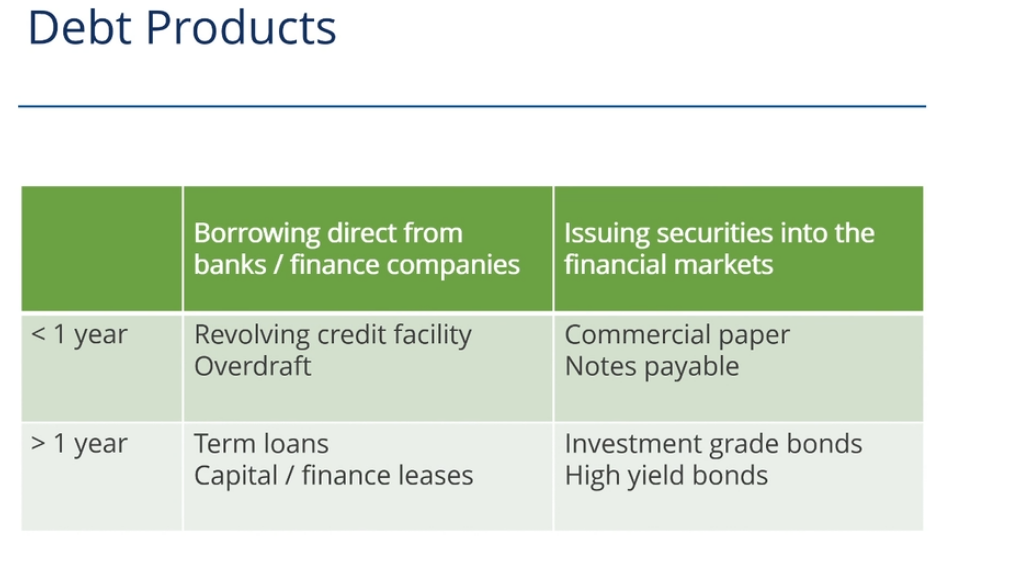
overdraft - for individuals, short term
rcf - for a set period of time
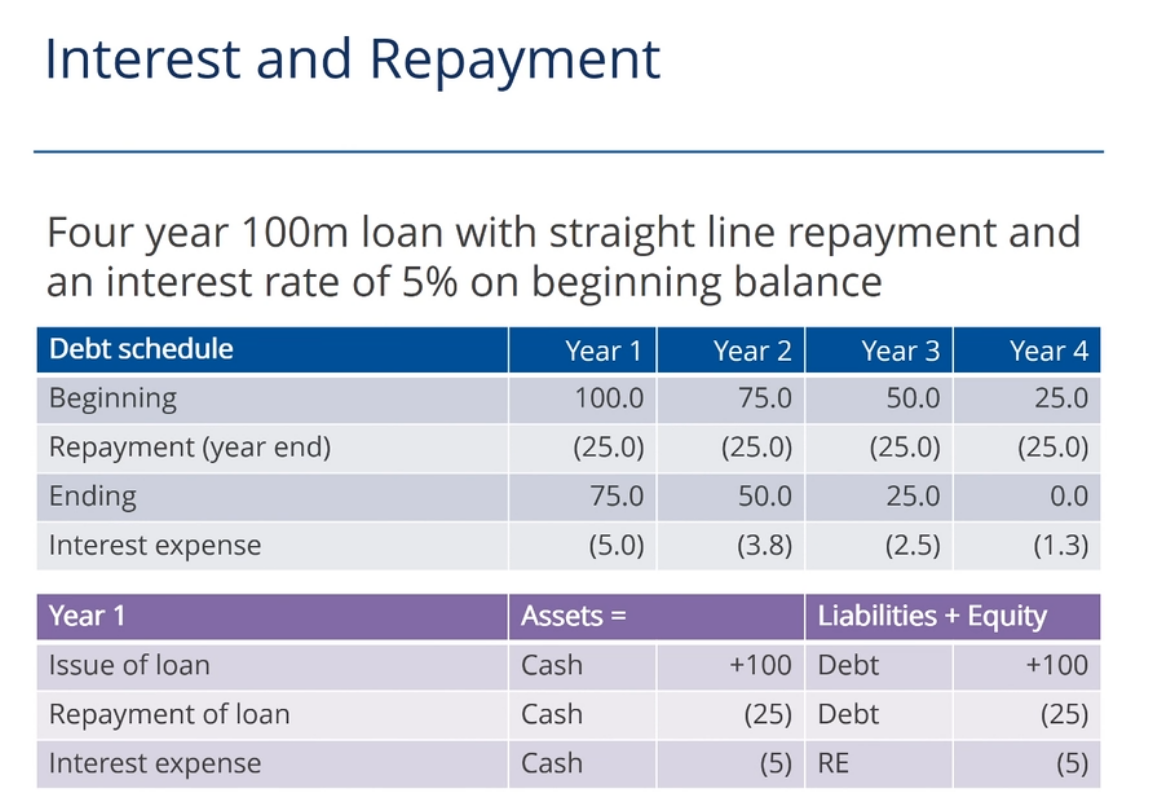
term loans are amortising - they are paid over a period of time
bonds are repayable as bullets - at the end
term loans - covenants with them, restrictions placed on them - bonds dont have this
Debt on BS
Other liabilties tend to be OP rather than financing
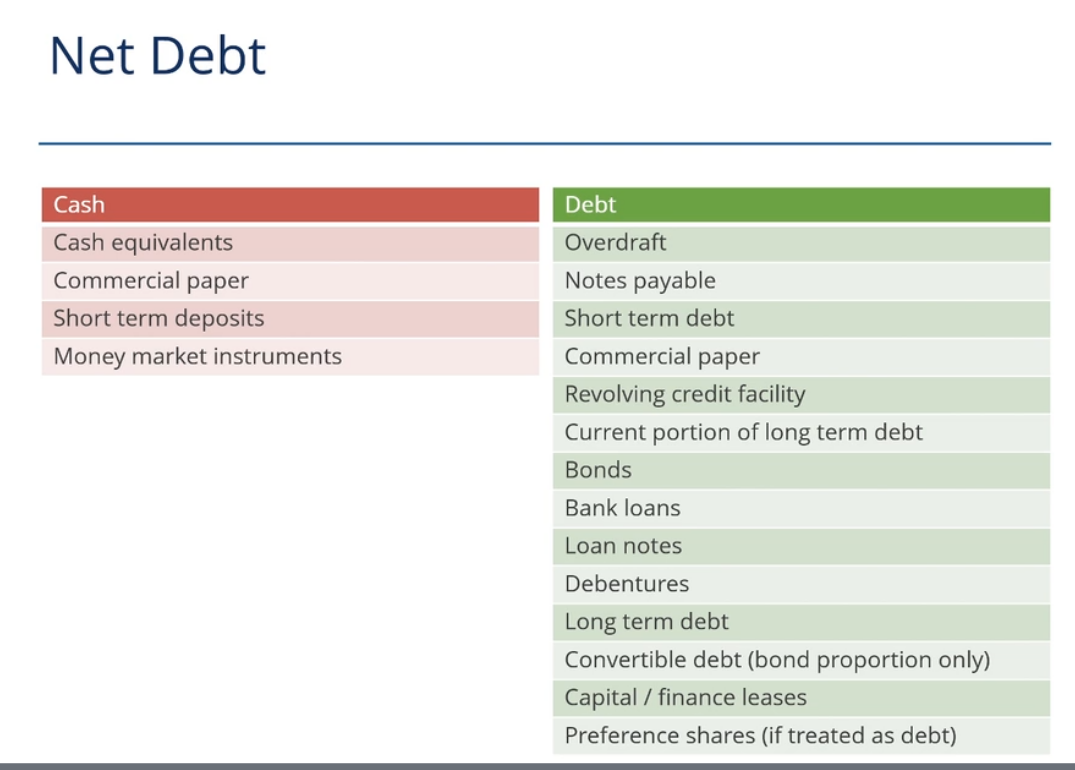
Net Debt
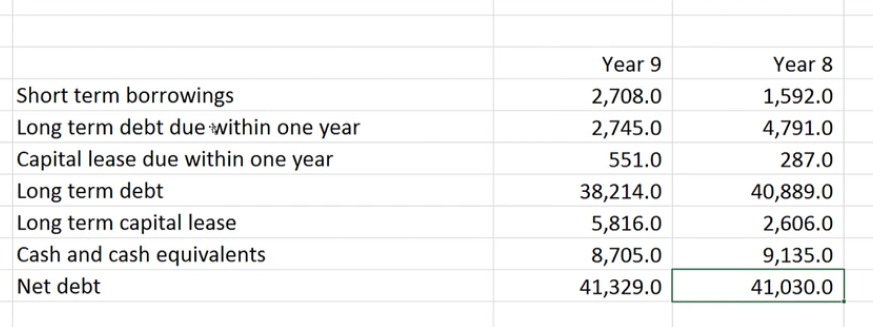
Net Debt Calc
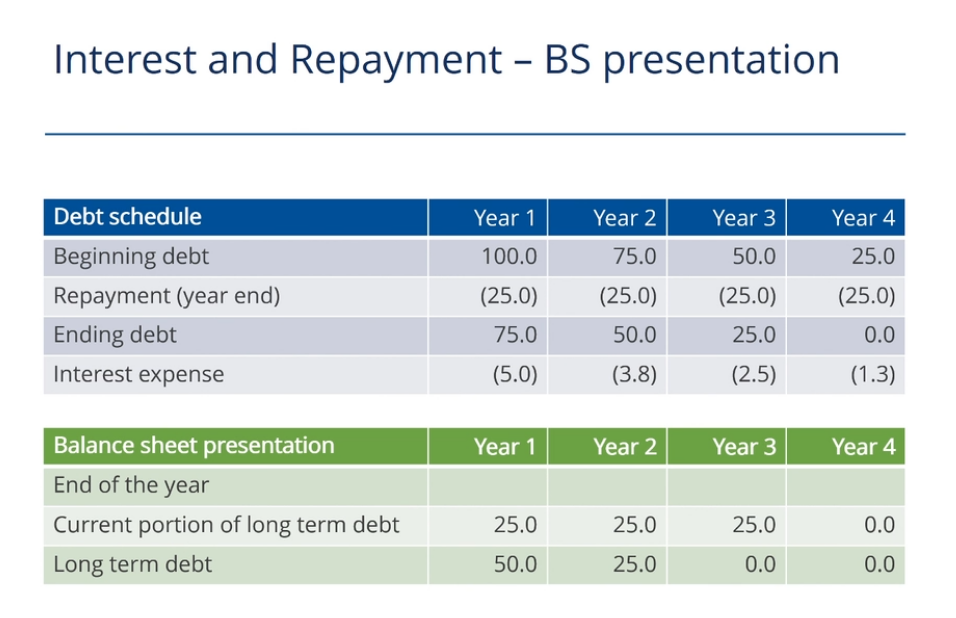
Interest and Repayment
How is it presented in the BS
Need to split in long term debt and current portion of long term debt (within the next year)
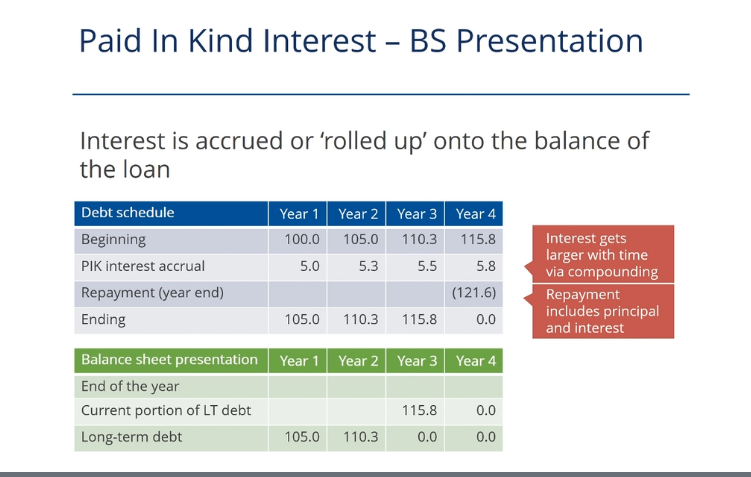
PIK
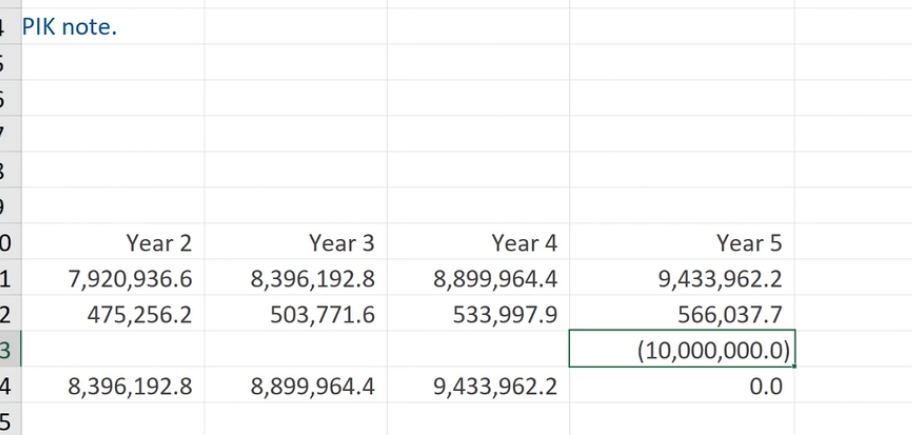
Interest is accrued onto the balance of the loan, no interest paid during it’s lifetime - just at the end
Interest gets larger with time due to compounding, repayment includes principal and interest
Cash up, liabilities up
Interest expense reduces net income, so RE down (equity), liabilities go up
PIK workout
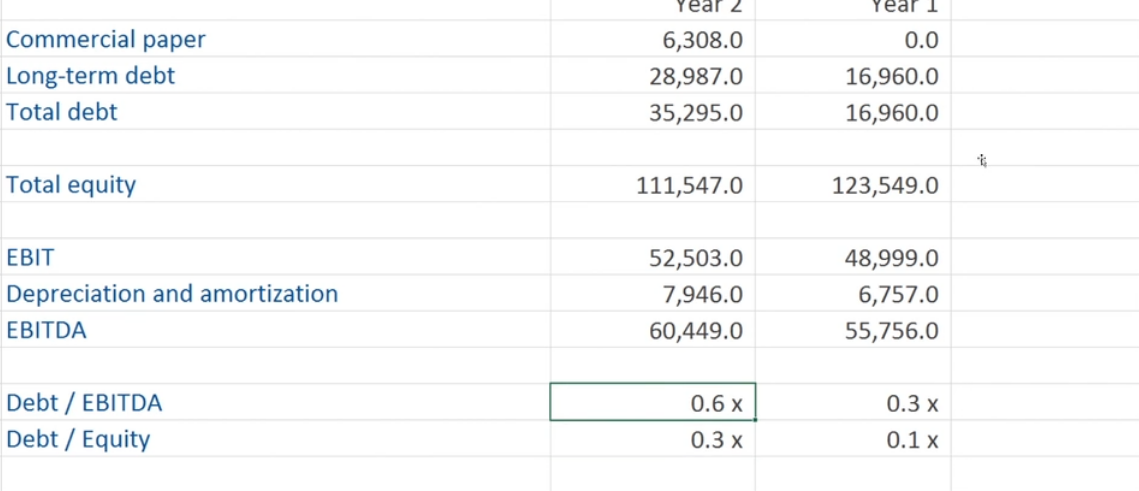
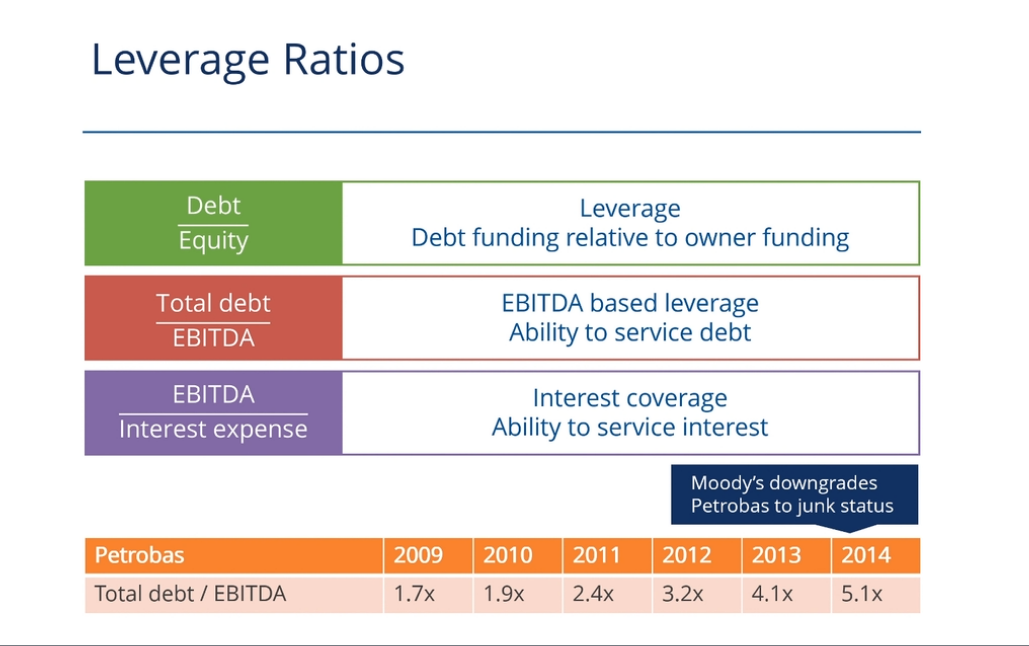
Leverage Ratios
D/E too much debt, leverage effect exagerates returns
Total debt / EBTDA gives idea no. years to pay of debt
Interest coverage how much we can pay interest
Leverage Ratio work out