HB Ecology and Interdependence
 Call Kai
 Learn
Learn Practice Test
 Spaced Repetition
 Match
Match Flashcards
 Knowt Play
1/28

Earn XP
Description and Tags
Flashcards covering key terms and concepts from the HB Ecology and Interdependence lecture including population growth, species interactions, and ecosystem dynamics.
Name | Mastery | Learn | Test | Matching | Spaced | Call with Kai | Chat |
|---|
No analytics yet
Send a link to your students to track their progress
29 Terms
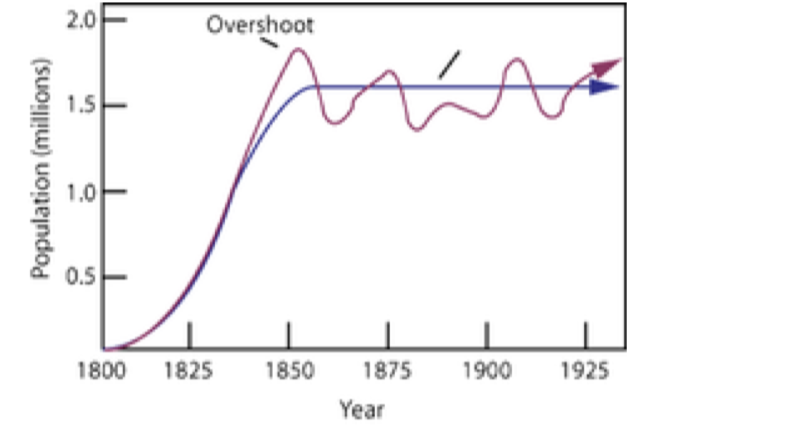
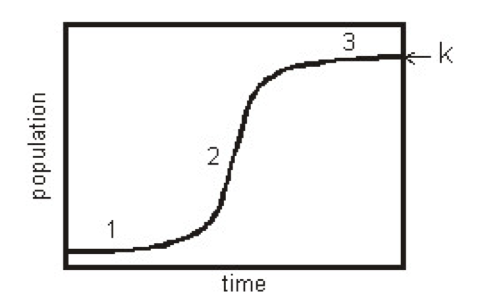
What is carrying capacity?
the largest population that an environment can support at any given time
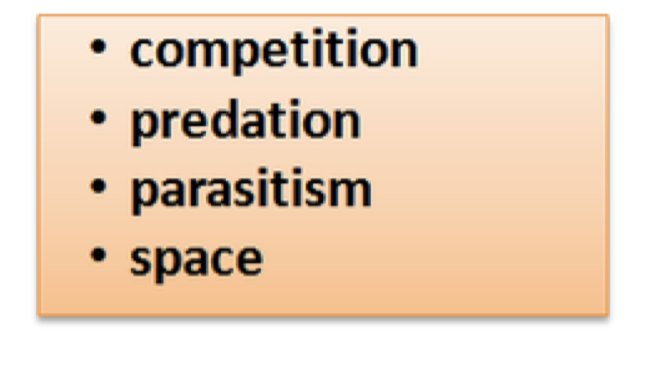
What are density dependent factors?
limiting factor that depends on population size
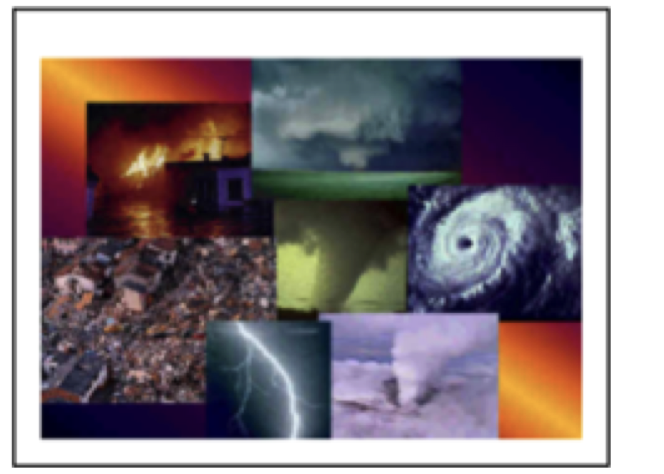
What is a density-independent limiting factor?
limiting factor that affects al l populations in similar ways, regardless of population size
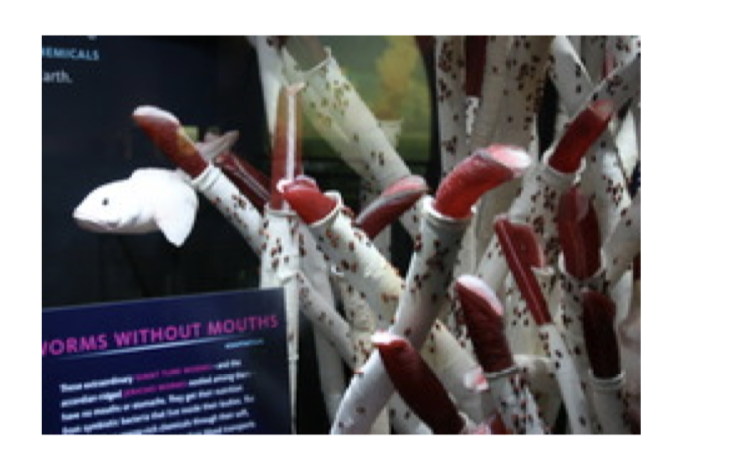
What is a chemotroph (chemoautotroph)?
an organism such as a bacterium or protozoan, that obtains its nourishment through the oxidation of inorganic chemical compounds, as opposed to photosynthesis.
What are Phototrophs?
organisms that get energy from light
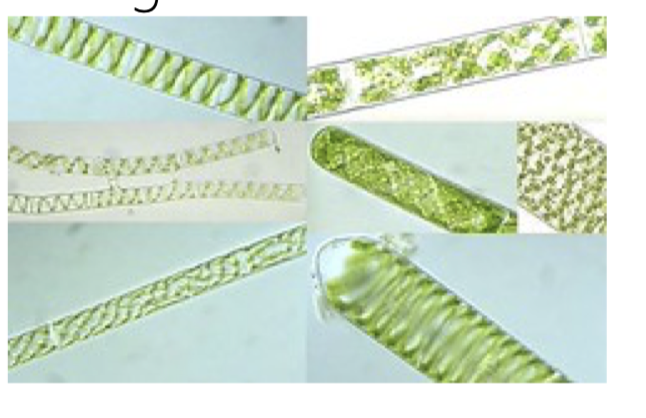
What is a Detritivore?
organism that feeds on plant and animal remains and other dead matter
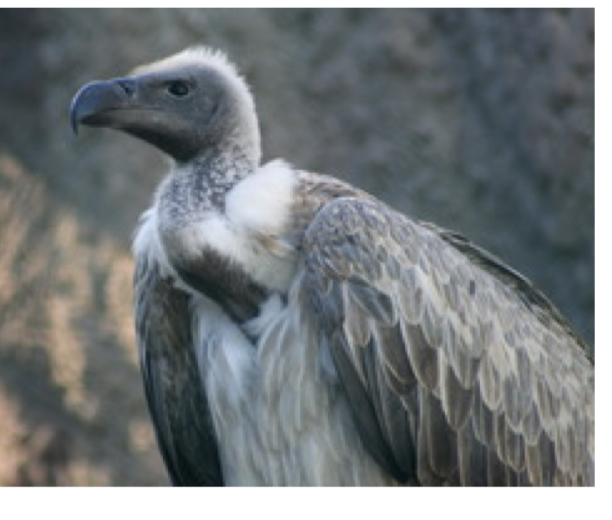
What is a Decomposer?
an organism, especial ly a soil bacterium or fungus that recycles organic material.
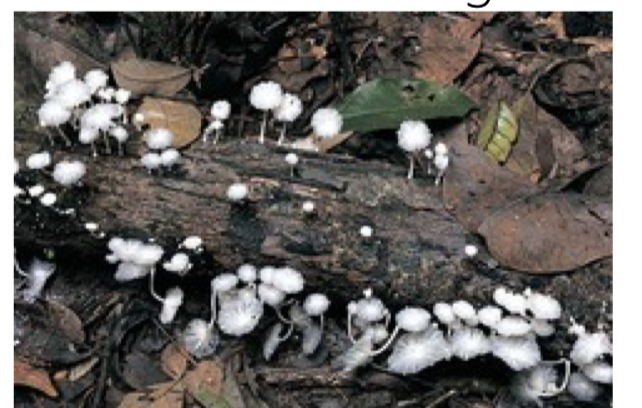
What are r-selected species?
Species that reproduce early in their life span and produce large numbers of usual ly smal l and short-lived offspring in a short period.
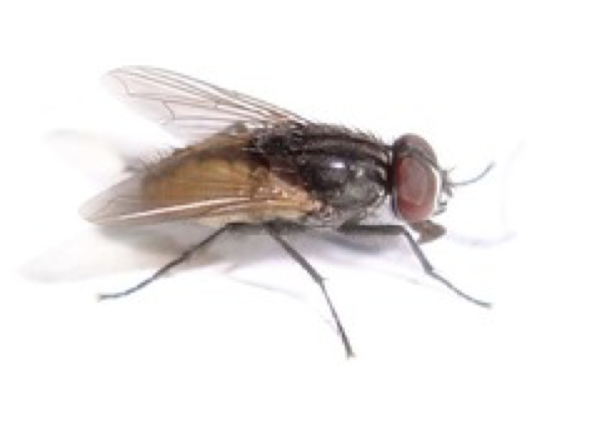
What are K-selected species?
Species that produce a few, often fairly large offspring but invest a great deal of time and energy to ensure that most of those offspring reach reproductive age.
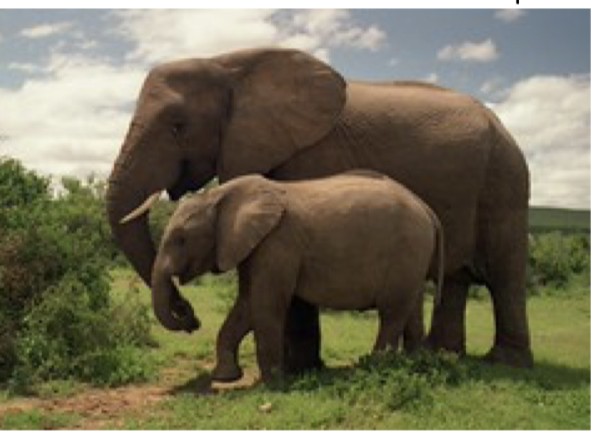
What is Mutualism (+/+)?
Interaction that benefits both species
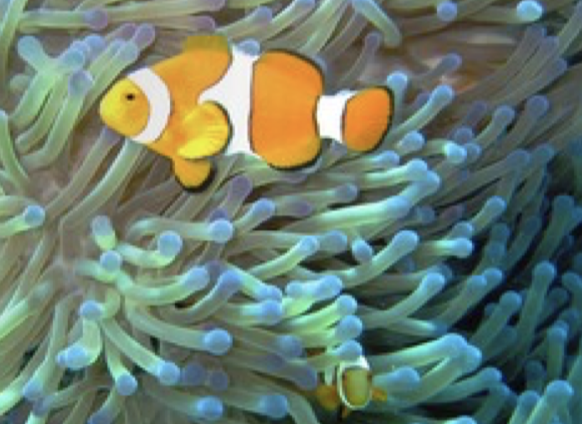
What is Parasitism (+/- interaction)?
One organism benefits and the other is harmed
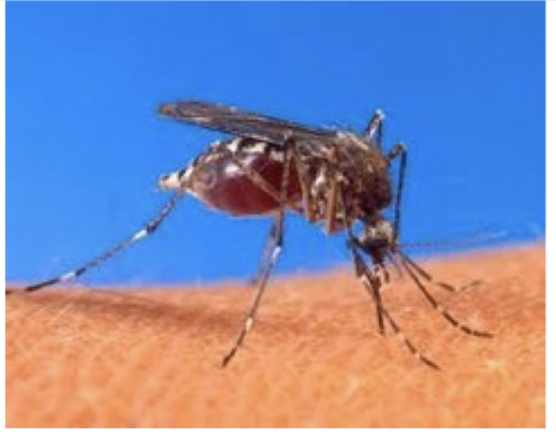
What is Commensalism (+/0)?
A relationship between two organisms in which one organism benefits and the other is unaffected
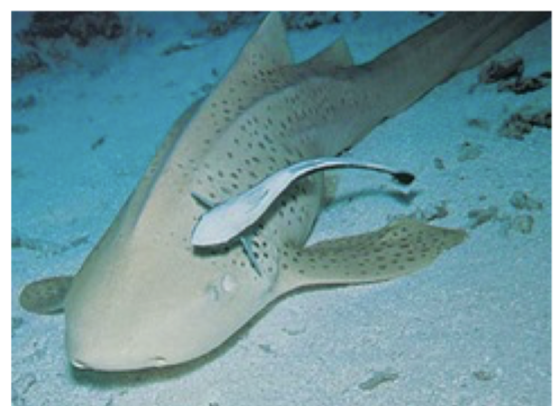
What is Predation (+/- interaction)?
An interaction in which one organism kil ls another for food.
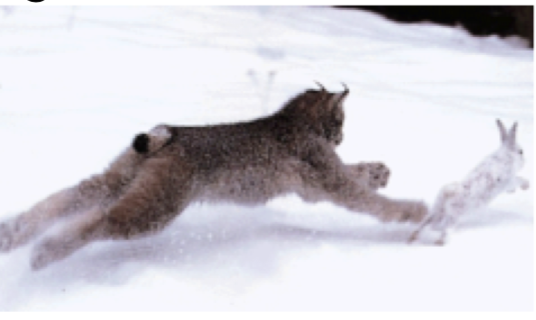
What is competition (+/-)?
a relationship in which two species fight for resources
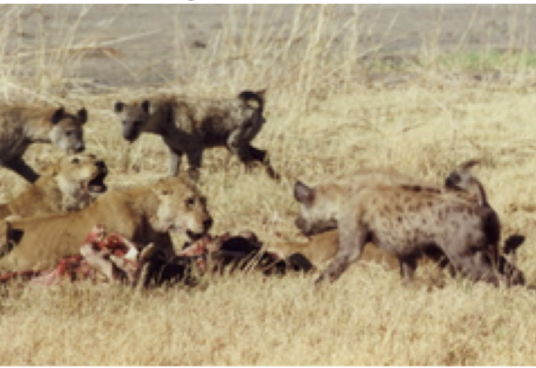
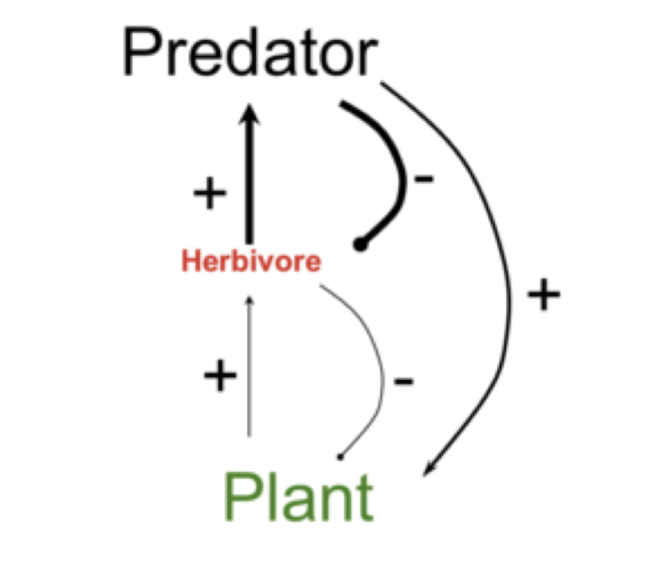
What is a trophic cascade?
indirect effects in a community that are initiated by a predator
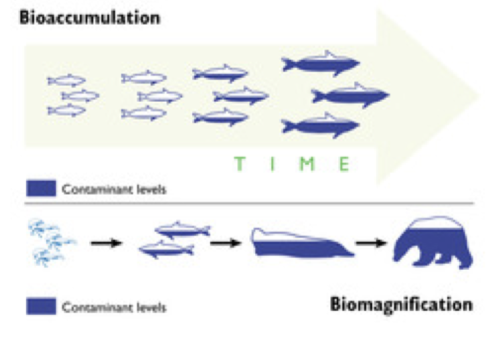
What is Biomagnification?
the concentration of toxins in an organism as a result of its ingesting other plants or animals in which the toxins are more widely disbursed.
What does the 10% rule of energy transfer specifically refer to?
This rule specifical ly refers to energy transfer in a food chain.
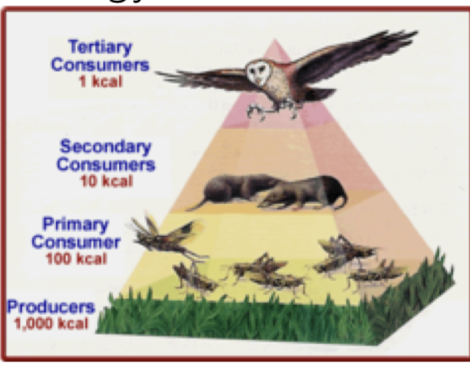
Which two mineral nutrients usually limit the amount of phytoplankton in a lake or pond?
nitrogen and phosphorus
What is the population formula?
(birth+immigration)−(death+emigration)
What is a habitat?
the natural home or environment of an animal, plant, or other organism.
What are abiotc factors?
non-living parts of an ecosystem
What is a Herbivore?
organism that obtains energy by eating only plants
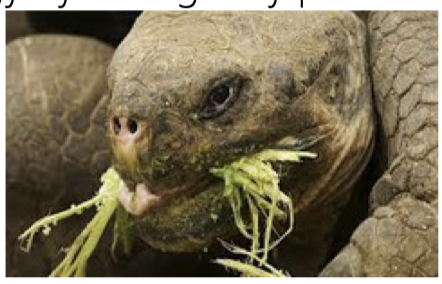
What is an Omnivore?
An animal that eats both plants and animals
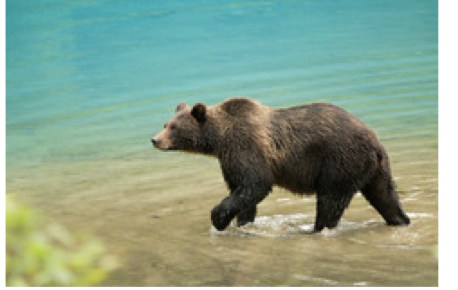
What do Teritiary consumers eat?
eat secondary consumers
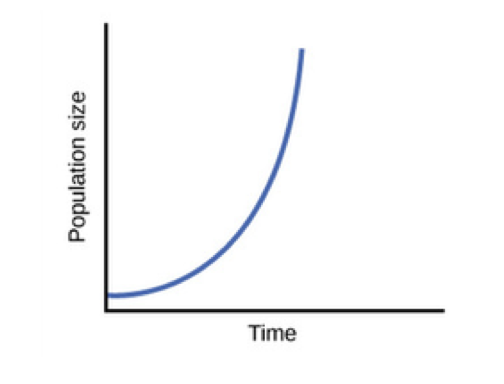
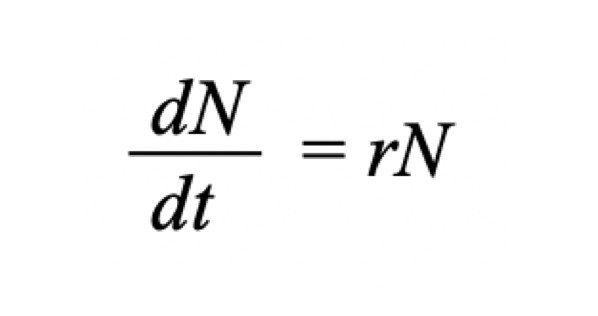
What is exponential growth?
Population growth that is unhindered because of the abundance of resources for an ever-increasing population.
What is the logistic growth curve?
The S-shaped growth curve. growth rate slows down, and the population fluctuates around carrying capacity
How is the rate of population growth defined?
A statistic, expressed as a percentage, that indicates the growth rate of a population in a given time period and that includes not only births and deaths but also migration.
What is community ecology?
the study of interactions between species
What is ecosystem ecology?
The study of energy flow and the cycling of chemicals among the various biotic and abiotic components in an ecosystem.