2 Measurements and Lab Equipment
 Call Kai
 Learn
Learn Practice Test
 Spaced Repetition
 Match
Match Flashcards
1/37

There's no tags or description
Looks like no tags are added yet.
Name | Mastery | Learn | Test | Matching | Spaced | Call with Kai | Chat |
|---|

38 Terms
Measurement
The process of determining the size, quantity, or degree of something, typically using a specific instrument or standard unit. Measurements are essential in scientific experiments for accuracy, comparison, and consistency.
Unit
A standard quantity used to express a physical quantity, such as length, mass, or volume. Units provide a basis for measuring and comparing different quantities in science.
Standard Decimal Notation
A way of writing numbers using a decimal point to separate the whole number part from the fractional part, typically representing values at a specific scale.
Scientific notation
A method of expressing numbers as a product of a coefficient and a power of ten, allowing for easy representation of very large or very small values.
Base units
The foundational standard units in a measurement system. Examples include the meter for length, kilogram for mass, and second for time.
SI Units
The International System of Units, a comprehensive system of measurement that includes base units and derived units for various physical quantities, ensuring consistency in scientific communication.
The metric system
A decimal-based system of measurement used globally, defined by the International System of Units (SI), which includes units such as meters, liters, and grams for various physical attributes and uses prefixes that are multiples of or divisible by 10 (from the base unit) to indicate larger or smaller quantities
Length
The measurement of distance from one point to another, typically expressed in units such as meters.
Mass
The amount of matter in an object, typically measured in kilograms or grams. It reflects the object's resistance to acceleration when a force is applied.
Tare/Zero
The weight of an empty container or vessel that is subtracted from the total weight to determine the net weight of the contents.
Weight
The force exerted by gravity on an object which will vary depending on the location it is being measured.
Temperature
A measure of how hot or cold an object is compared to another object and is measured using a thermometer. It is typically expressed in Kelvins, degrees Celsius (°C), or degrees Fahrenheit (°F).
Volume
The amount of three-dimensional space occupied by a substance or object, usually measured in liters (L), cubic centimeters (cm³), or milliliters (mL).
Meniscus
The curve seen at the top of a liquid in a container, influenced by surface tension and the interaction between the liquid and the container's walls.
Cubic centimeter
A unit of volume in the International System of Units (SI) equal to the volume of a cube with sides of one centimeter in lengthand is equivalent to one milliliter (mL). It is commonly used to measure liquid volumes.
Density
The mass of a substance per unit volume, typically expressed in grams per cubic centimeter (g/cm³) or grams per milliliter (g/mL). It indicates how tightly matter is packed in a substance.
Accuracy
The degree to which a measurement reflects the true value. It reflects the closeness of a result to the actual or accepted standard.
Precision
The degree to which repeated measurements under unchanged conditions show the same results. Basically how close different measurements are to one another. Precision indicates the consistency or repeatability of measurements.
Measured number
A value obtained from a measurement process that includes both a numerical value and the associated unit. Measured numbers can be influenced by the precision of the measuring instrument used.
Estimated number
A number derived from a measurement process that includes a degree of uncertainty or approximation.
Equality
The state of being equal in quantity, value, or status. In measurements, it refers to the equivalence of two different units that describe the same quantity.
Conversion factor
A ratio that expresses how many of one unit are equal to another unit, used to convert between different measurement units.
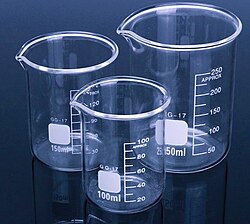
Beaker
A cylindrical container used in laboratories for mixing, heating, and storing liquids, typically made of glass or plastic.
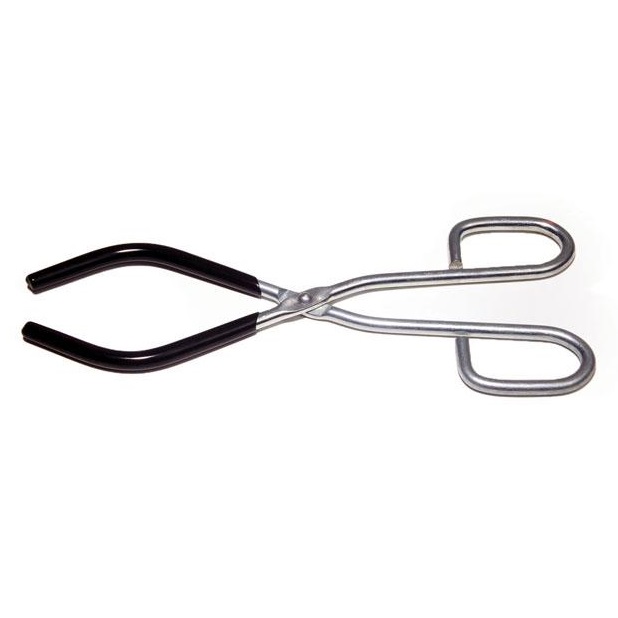
Beaker tongs
Specialized tool used to safely handle hot beakers and prevent burns.
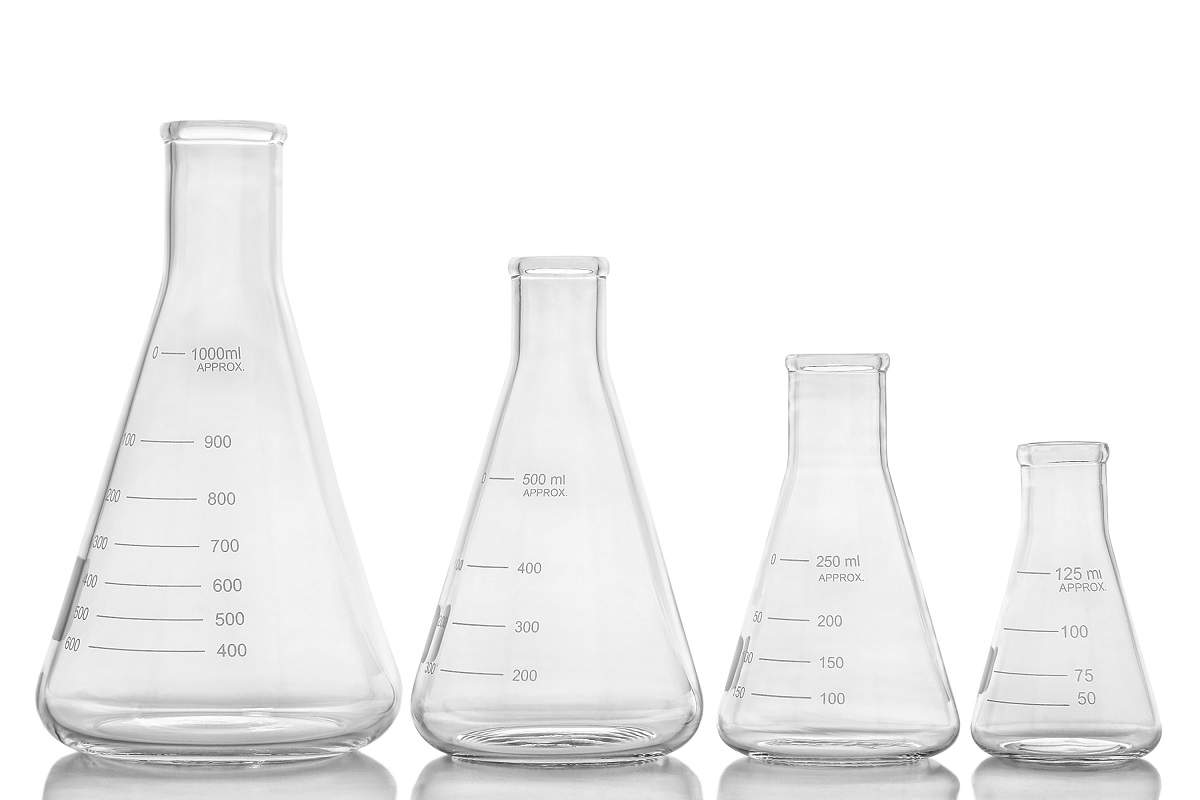
Erlenmeyer flask
A type of laboratory flask with a narrow neck and a wide bottom, used to mix or heat liquids while reducing the risk of spillage.
Graduated cylinder
A tall cylindrical container used for measuring the volume of liquids with marked graduations for accurate readings.
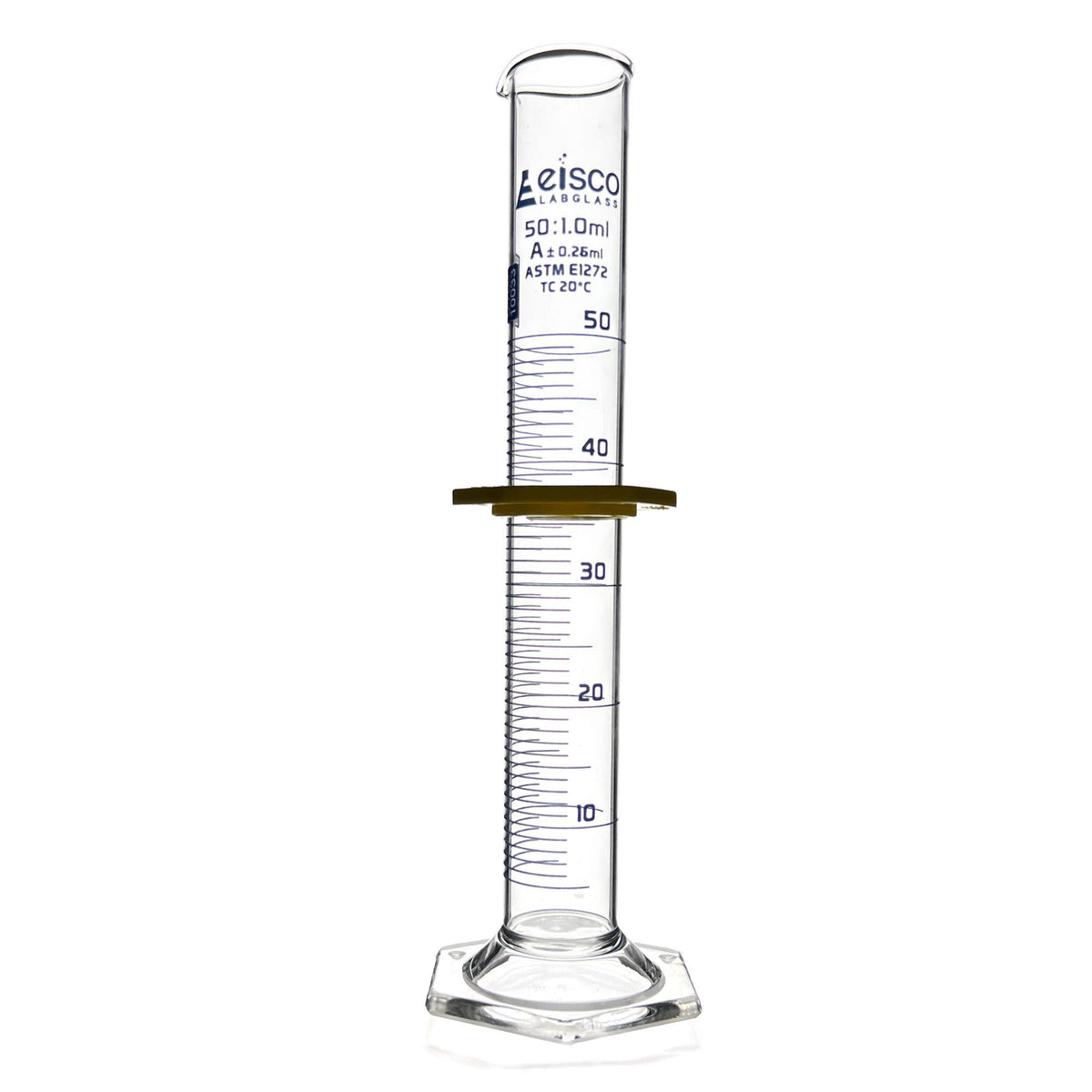
Watch glass
A round, thin glass dish used to cover beakers or evaporating dishes, preventing contamination and evaporation of liquids.
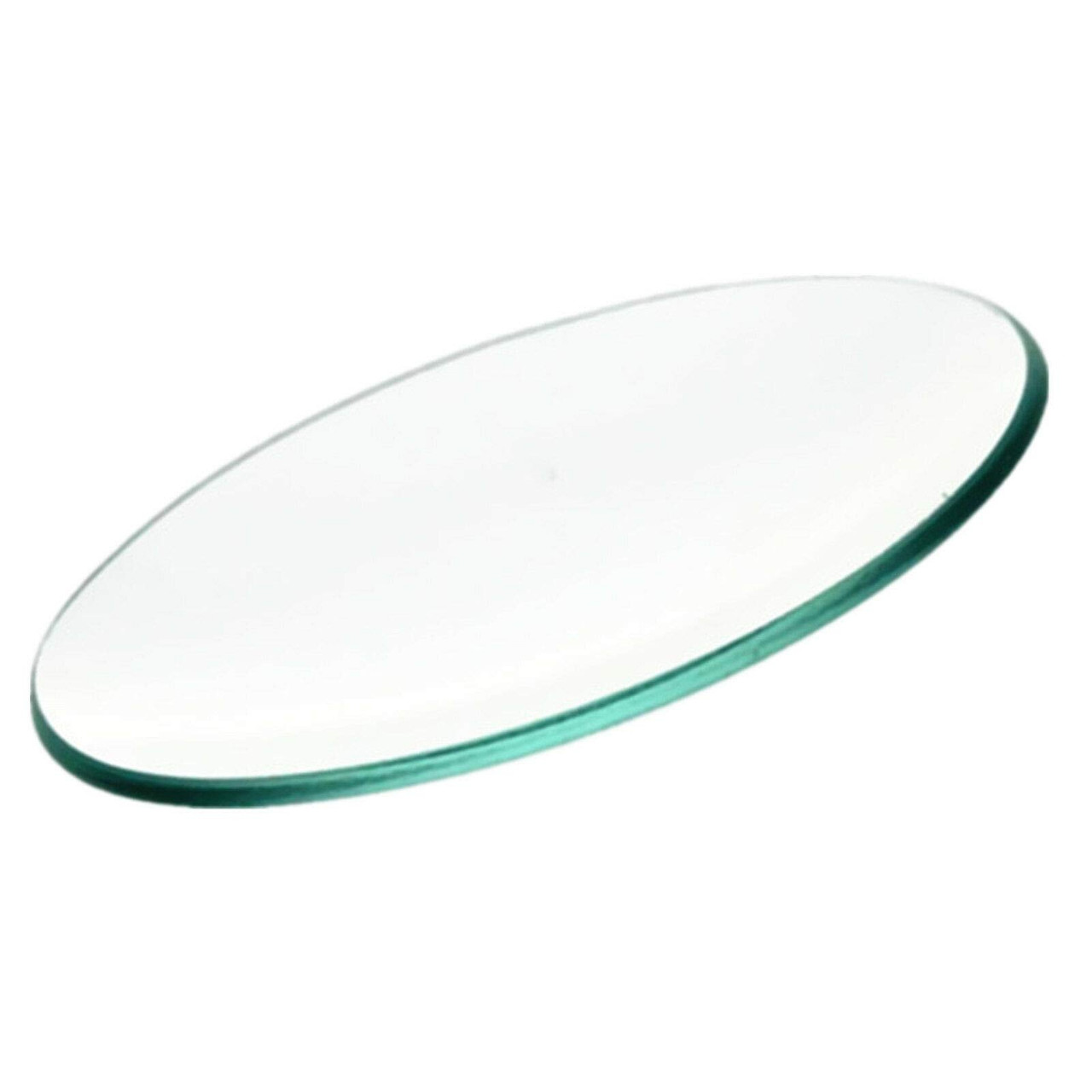
Glass stirring rod
A thin rod made of glass, used for mixing or stirring liquids in laboratory settings.
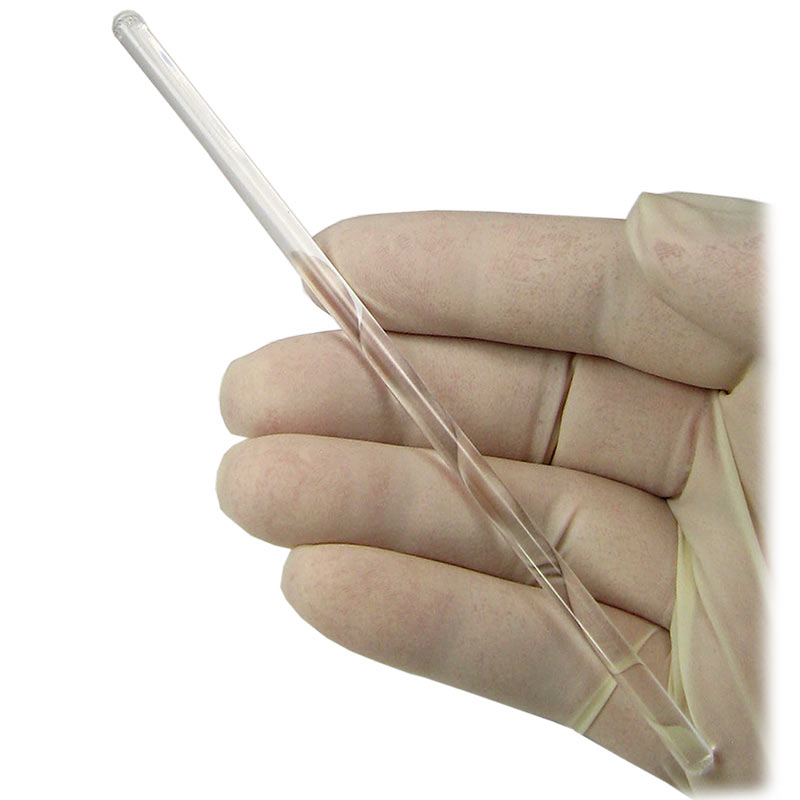
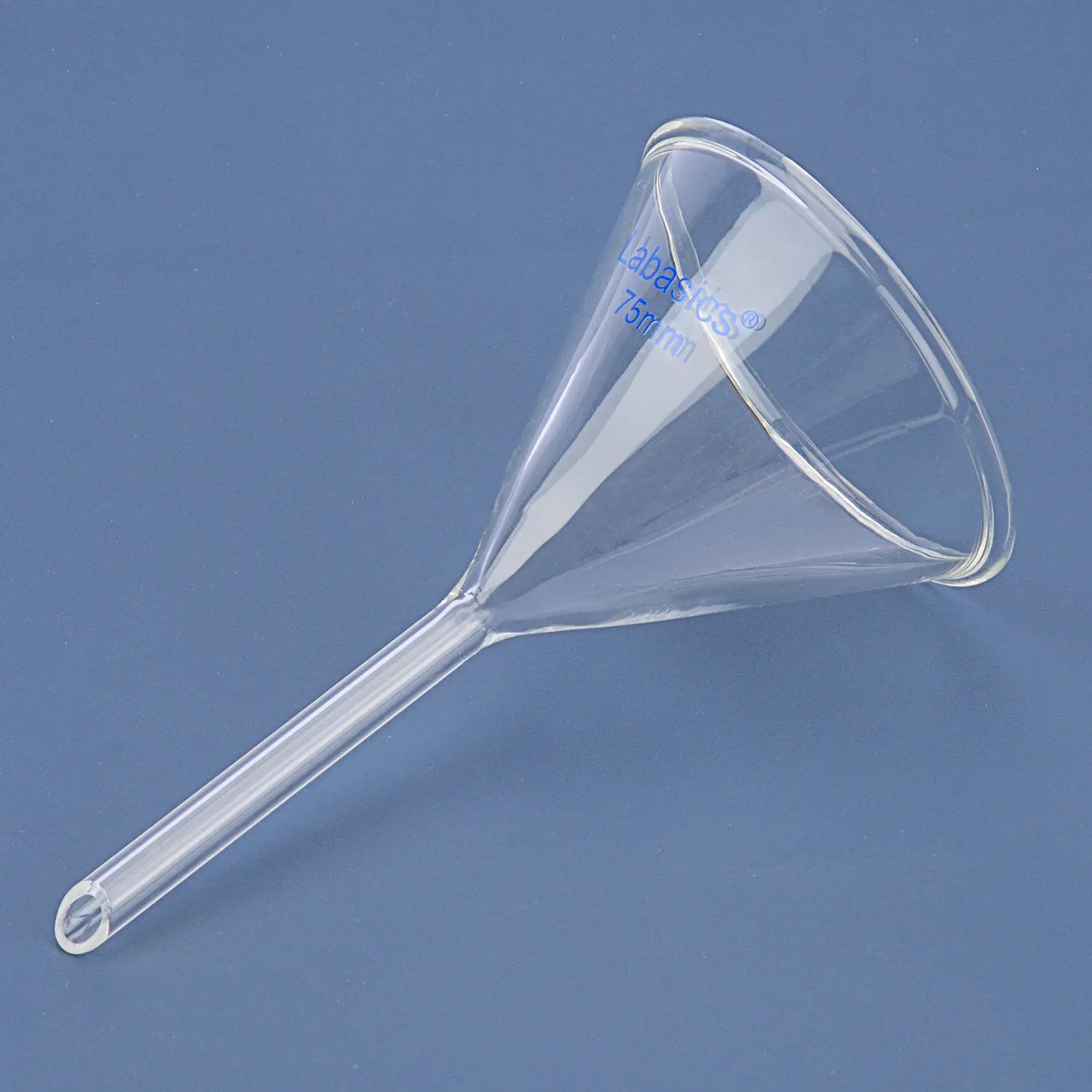
Glass funnel
A conical-shaped glass device used to channel liquids or fine-grained substances into a container, often featuring a wide mouth for easy pouring.
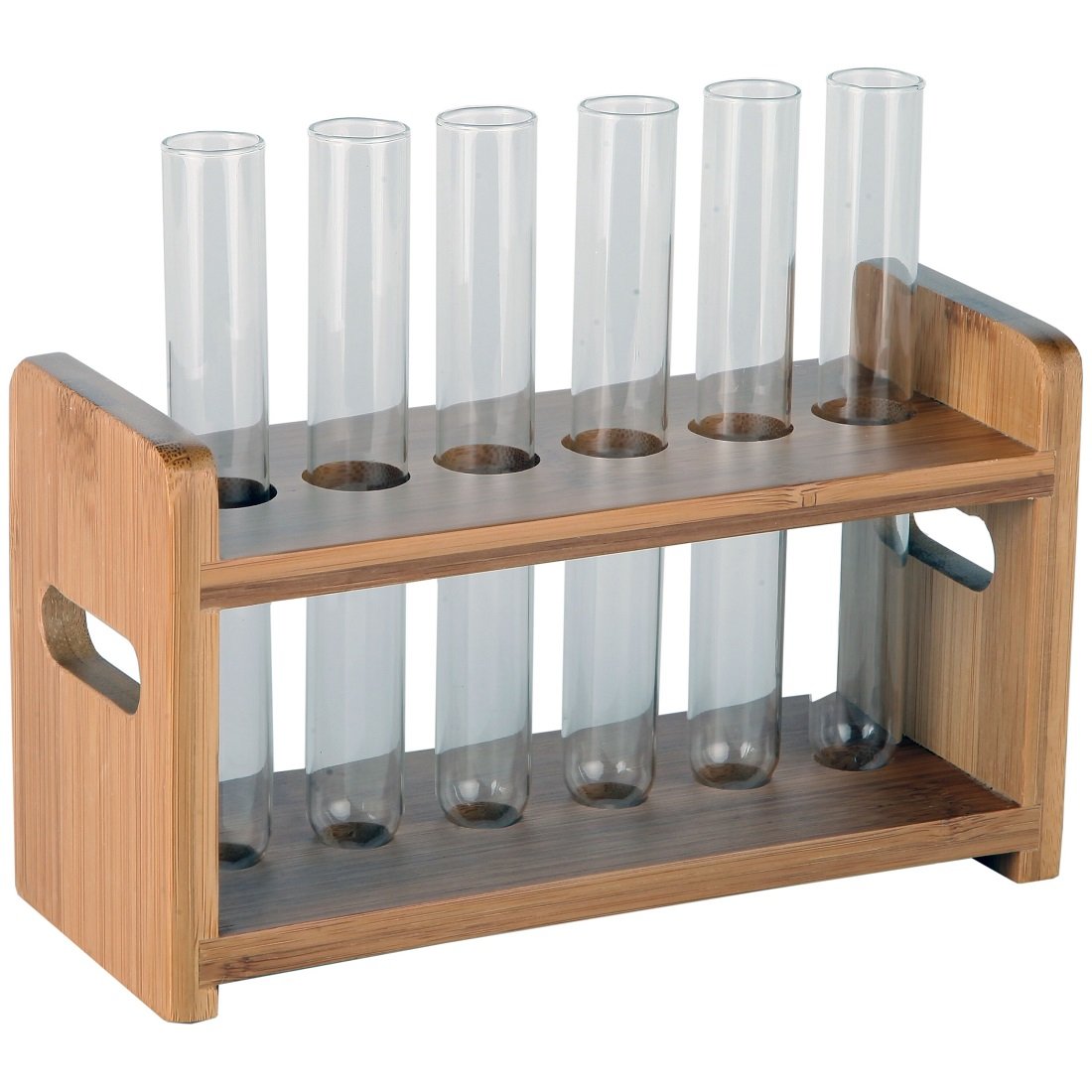
Test tubes and rack
A test tube is a cylindrical glass or plastic container used to hold, mix, or heat small amounts of liquids or solids, while a test tube rack is a stand that holds multiple test tubes securely in an upright position.
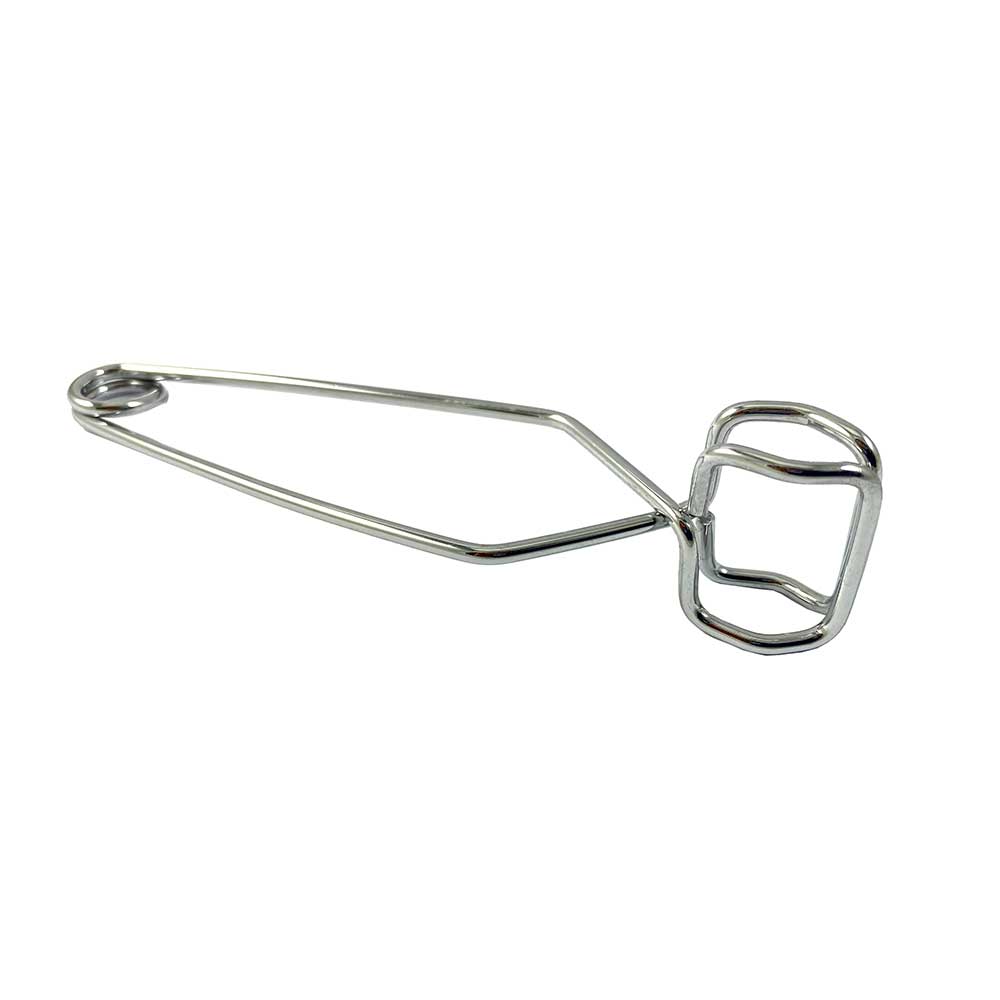
Test tube tongs
A tool used to safely handle hot test tubes or secure glassware, preventing burns or spills.
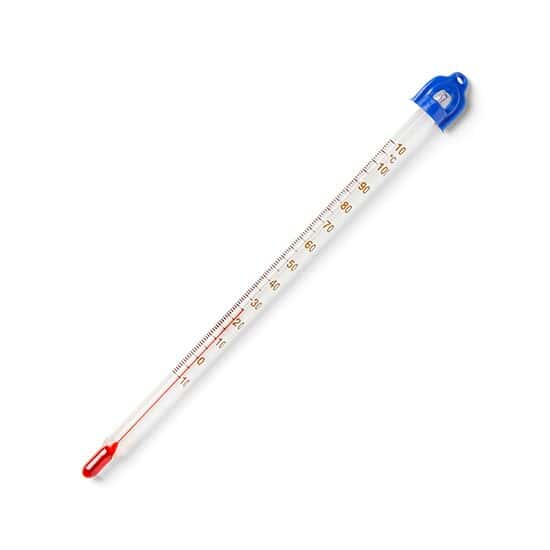
Thermometer
An instrument used to measure temperature, typically containing a glass tube filled with mercury or alcohol that expands and rises as temperature increases.
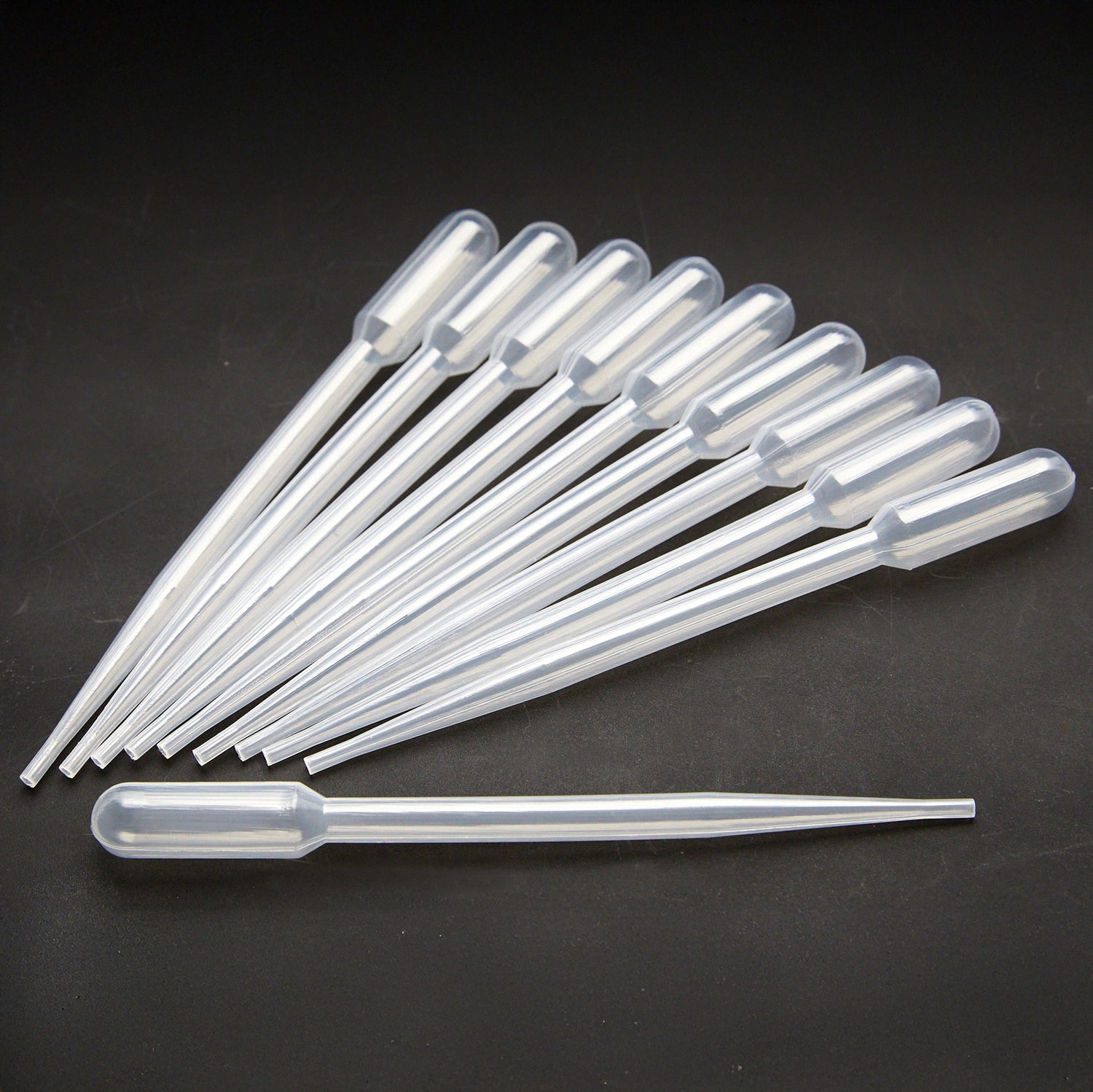
Transfer pipette
A disposable tool used to transfer small volumes of liquid, often made of plastic, allowing for precise measurement and delivery.
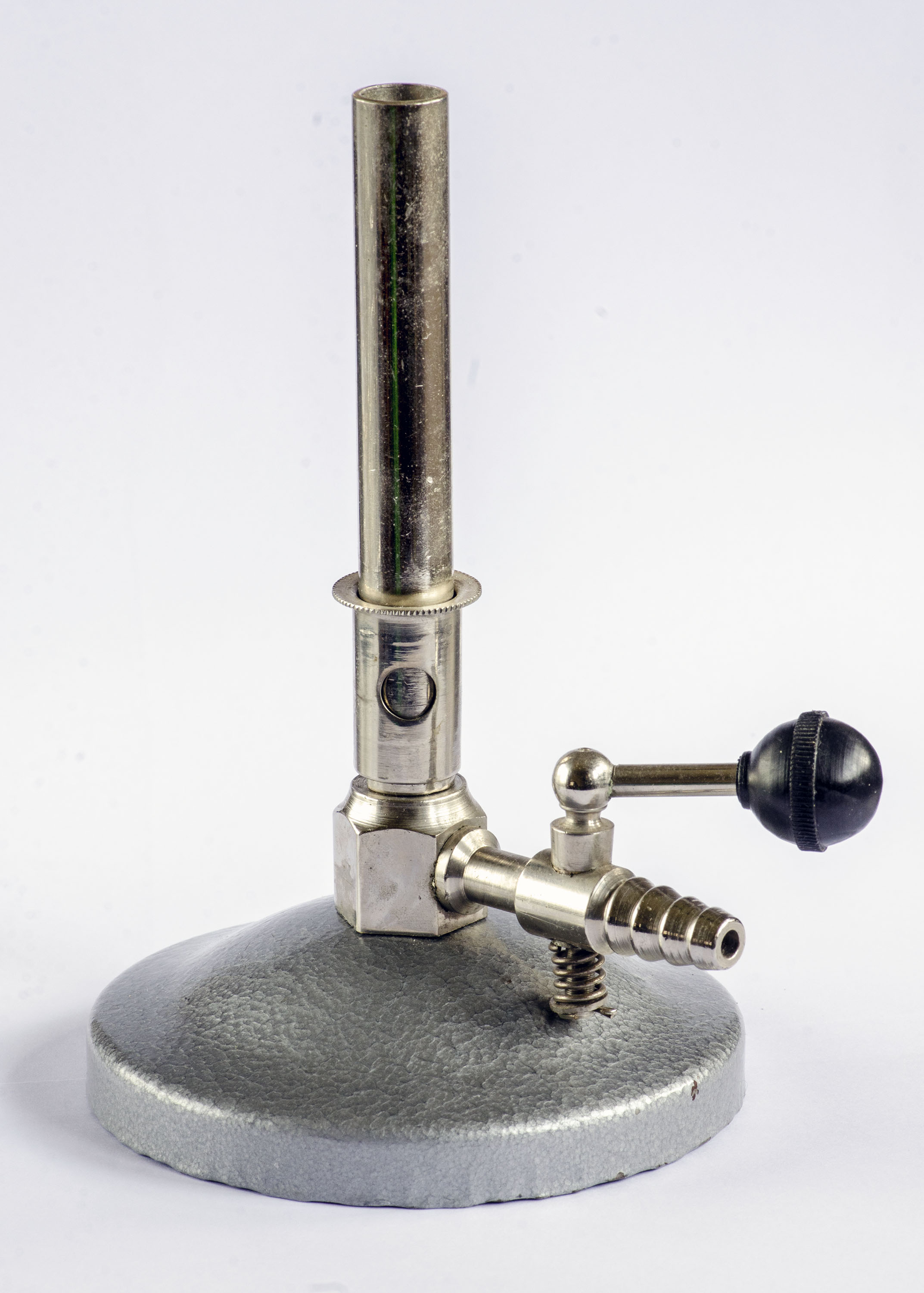
Bunsen burner
A device used in laboratories to provide a controlled flame for heating, sterilization, or combustion of substances. It typically consists of a gas source and an adjustable air supply.
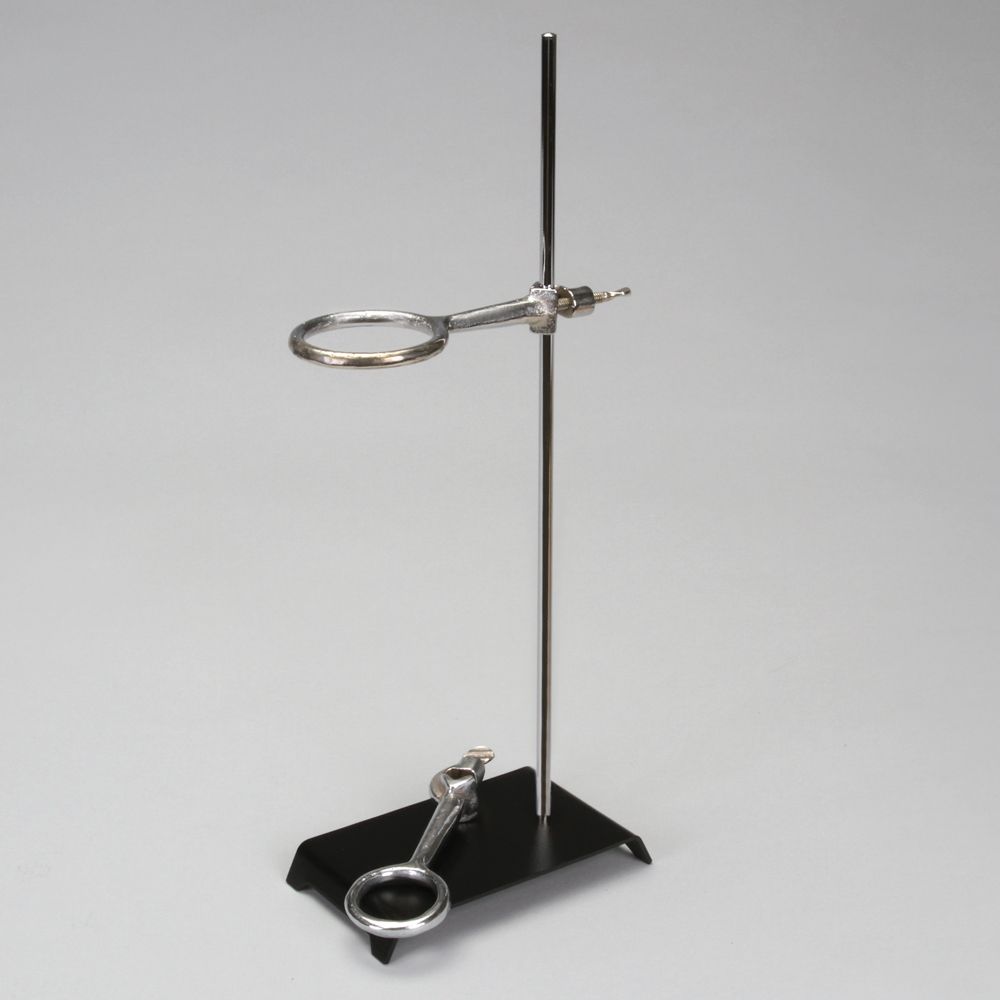
Ring stand and clamp
A supporting device used in laboratories to hold equipment in place, typically consisting of a vertical rod with a base and various attachments for securing flasks or test tubes.
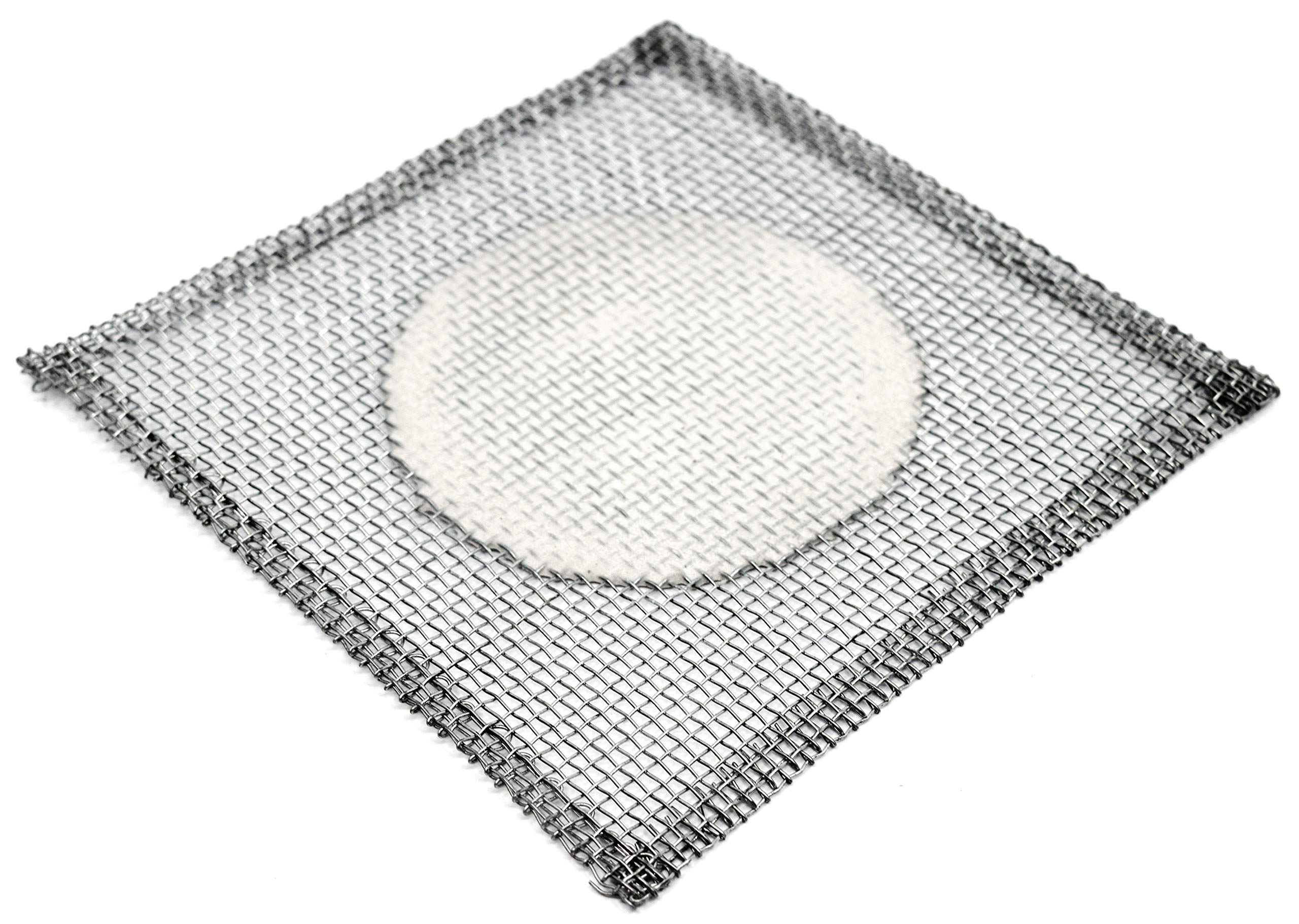
Wire gauze
A flat sheet of metal with a mesh pattern used to support glassware over a Bunsen burner while allowing for even heat distribution.
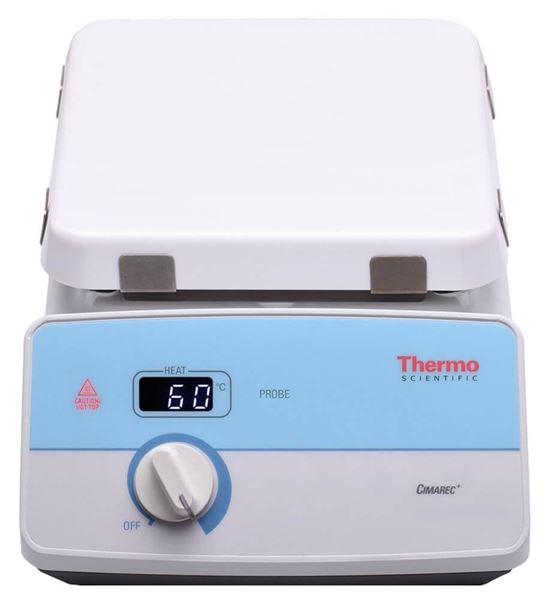
Hot plate
A laboratory device used for heating substances, featuring an electrical heating element and a flat surface for placing containers.
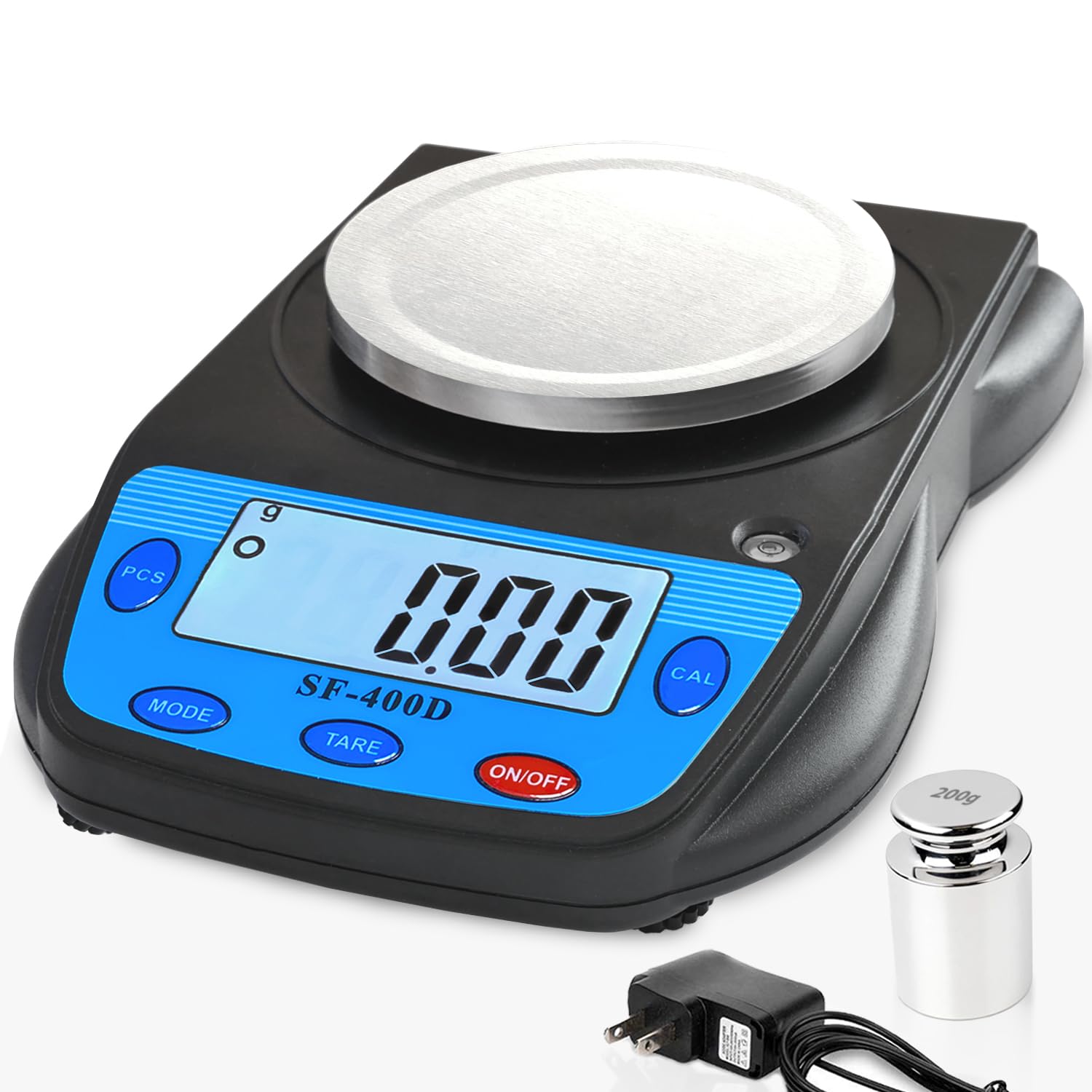
Electric scale
A device used to measure the weight or mass of an object, typically using electronic sensors for precision.