Unit 0 Psych Test Review
 Studied by 1 person
 Call with Kai
 Learn
Learn Practice Test
 Spaced Repetition
 Match
Match Flashcards
 Knowt Play
1/34

There's no tags or description
Looks like no tags are added yet.
Name | Mastery | Learn | Test | Matching | Spaced | Call with Kai |
|---|
No study sessions yet.
35 Terms
Wilhelm Wundt
Wundt, who distinguished psychology as a science from philosophy and biology, was the first person to call himself a psychologist. He is widely regarded as the "father of experimental psychology"

Structuralism
psychology's first formal school of thought, pioneered by Wilhelm Wundt and Edward Titchener, focused on dissecting conscious experience into its most basic elements (sensations, images, feelings) using introspection to understand the mind's fundamental structure, much like a chemist analyzes compounds
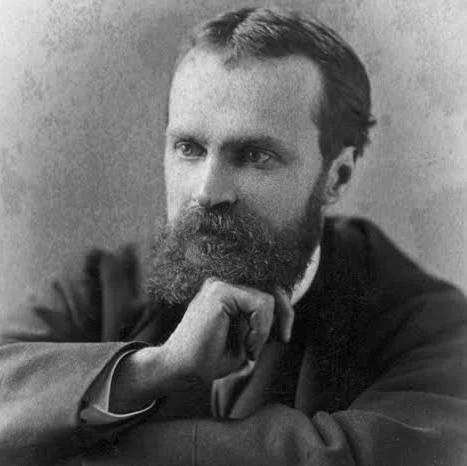
William James
Inspired by evolutionary theory, James's theoretical perspective on psychology came to be known as functionalism, which sought causal relationships between internal states and external behaviors.
Functionalism
an early school of thought, pioneered by William James, focusing on the purpose and function of the mind and behavior—how mental processes help us adapt, survive, and solve problems in our environment, rather than breaking consciousness into basic elements (like structuralism).
Signmund Freud
Psychodynamic/analytic Theory
Psychoanalytic
conscious/unconscious, therapy
refers to the theories and therapeutic approaches developed by Sigmund Freud, focusing on how unconscious thoughts, early childhood experiences, and repressed emotions influence current behavior
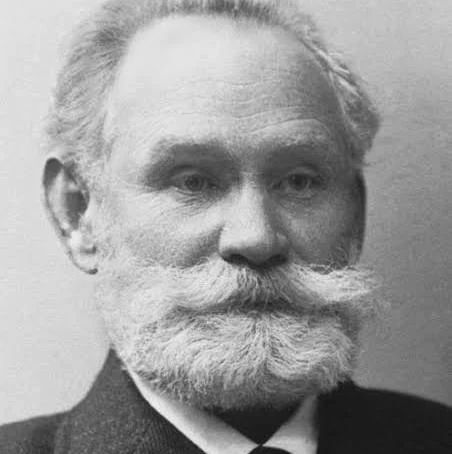
Ivan Pavlov
Russian and Soviet physiologist and neurologist who discovered classical conditioning through his experiments with dogs. His work proved that behavior can be conditioned by environmental factors over time, and not just by instinct or automaticity.
John Watson
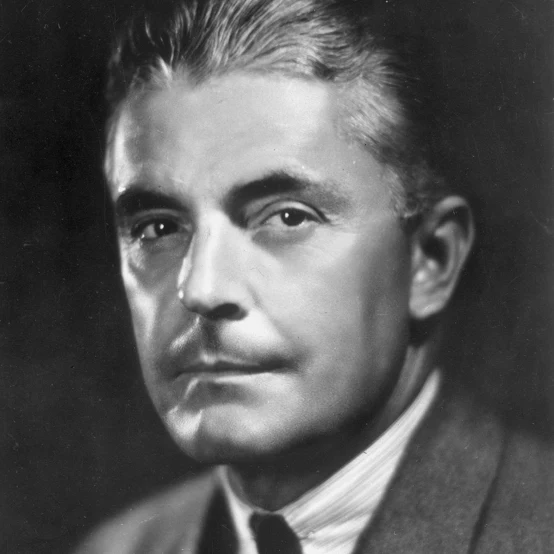
American psychologist who popularized the scientific theory of behaviorism, establishing it as a psychological school.
recognized as the founder of behaviorism, a psychological approach that emphasizes the study of observable actions over internal thoughts or feelings. Theory: He believed behavior is learned through interactions with the environment and can be shaped or controlled using conditioning techniques
Little Albert: showcased how emotional responses can be learned.
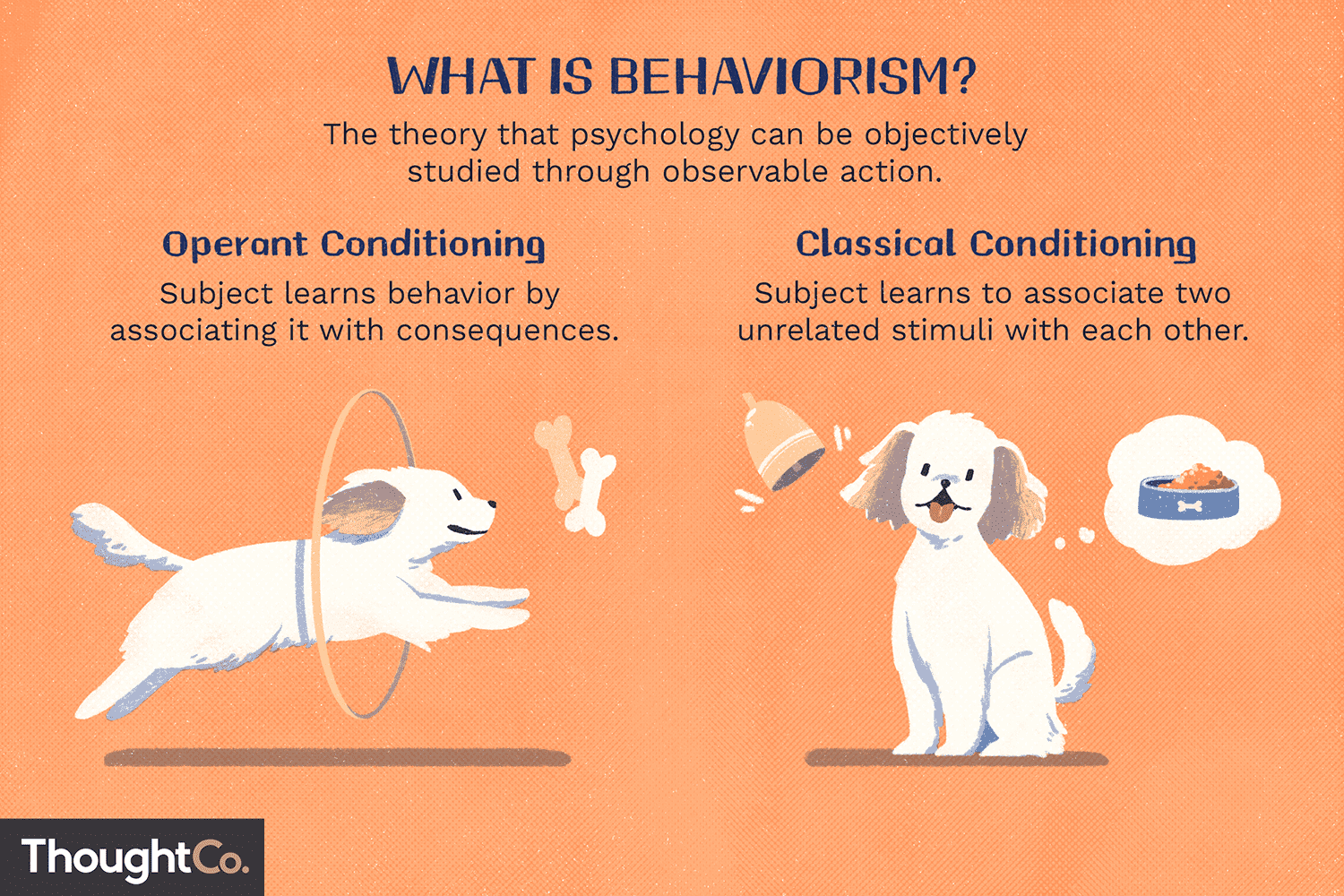
Behaviorism
a psychological theory stating that all behaviors are learned through interaction with the environment, focusing on observable actions rather than internal mental states, using conditioning (classical and operant) with stimuli, responses, rewards, and punishments to explain and modify behavior, famously championed by figures like B.F. Skinner and John B. Watson.
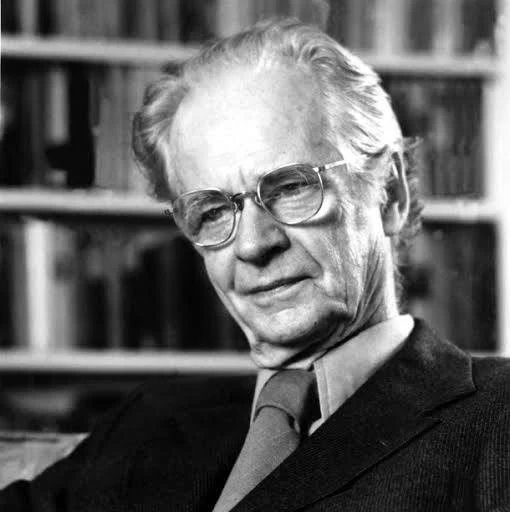
B.F. Skinner
Burrhus Frederic Skinner was an American psychologist and inventor who revolutionized the field of psychology through his work on operant conditioning and behaviorism.
the Skinner Box (Operant Conditioning Chamber), where he demonstrated operant conditioning using rats or pigeons in a controlled environment to learn behaviors through reinforcement (rewards) or punishment,
Humanistic Psychology
Humanistic psychology is a "third force" in psychology (after behaviorism and psychoanalysis) focusing on the whole person, their innate potential for growth, self-actualization, and unique experiences, emphasizing free will, self-understanding, and positive qualities to find meaning and fulfillment, championed by figures like Abraham Maslow and Carl Rogers.
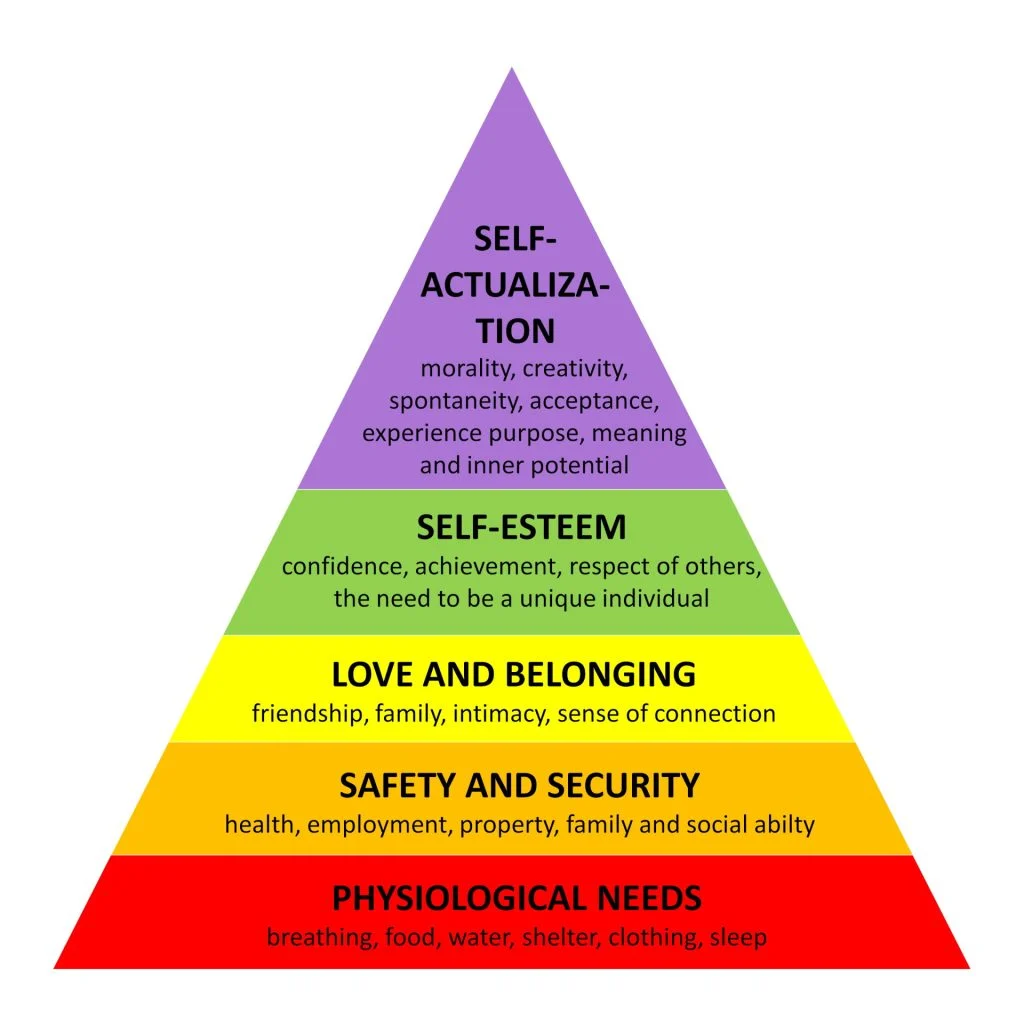
Abraham Maslow
Carl Rogers
Carl Ransom Rogers was an American psychologist who was one of the founders of humanistic psychology and was known especially for his person-centered psychotherapy.

Gestalt Psychology
Perception; whole greater than sum of parts
Positive Psychology
focusing on human strengths, flourishing, and well-being rather than just mental illness, exploring factors like happiness, meaning, resilience, and positive relationships to help individuals and communities thrive
Psychodynamics
a psychological approach focusing on the unconscious mind's influence on behavior, personality, and emotions
Psychometrics
Psychometrics is the field of psychology focused on the theory and techniques of psychological measurement, developing and evaluating tests for abilities, personality, knowledge, and attitudes, using statistical methods to ensure reliability and validity in assessments like IQ tests, personality profiles, and educational exams, crucial for decision-making in education, HR, and clinical settings
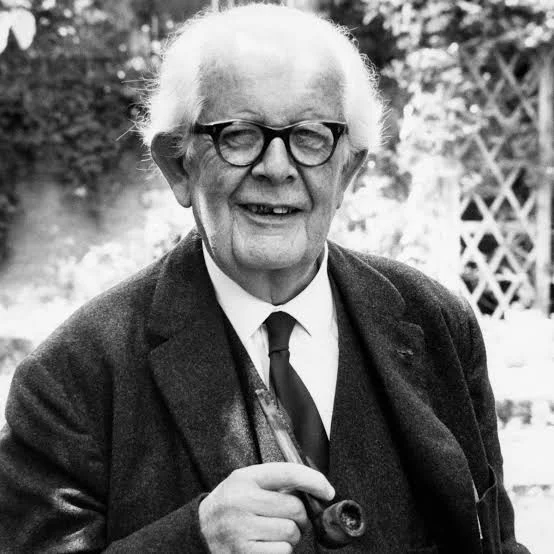
Jean Piaget
Piaget's theory of cognitive development and epistemological view are together called genetic epistemology. Piaget placed great importance on the education of children.
Stanley Milgram
A social psychologist known for his controversial experiments on obedience, demonstrating the extent to which individuals are willing to follow authority figures, even to the point of causing harm to others.
Experiment on how ordinary people obey authority figures, even when asked to inflict pain, with 65% of participants administering maximum electric shocks (450 volts) to a learner (an actor) despite the learner's simulated distress
Biopsychosocial Model
human development, behavior, and learning are profoundly shaped by social interactions, cultural norms, beliefs, and tools like language
Sociocultural Perspective
Scientific Attitude
argues that science's strength lies not just in its method, but in a core "scientific attitude" of valuing evidence and being willing to change beliefs accordingly and remaining skeptical of untested ideas. It includes curiosity, skepticism, and humility.
Deductive Reasoning
Deductive reasoning, or deductive logic, is a "top-down" logical process that moves from general principles or premises to reach a specific, certain conclusion
Inductive Reasoning
Inductive reasoning is a logical process of moving from specific observations to broader generalizations, forming probable, but not always certain, conclusions, often called "bottom-up" reasoning
Correlational Research
Correlational research is a non-experimental method that measures the statistical relationship between two or more variables to see if they change together, without manipulating them.
Observer Bias
observer bias (or experimenter bias) is the tendency for a researcher's expectations, beliefs, or prejudices to unintentionally influence what they observe, interpret, or record in a study
Inter-Rater Reliability
Inter-rater reliability (IRR) measures how consistently two or more independent judges agree when evaluating the same subject or behavior
Correlation Coefficient
A correlation coefficient (like Pearson's r) measures the strength and direction of a linear relationship between two variables, resulting in a value between -1 and +1, where 1 is perfect positive correlation (same direction), -1 is perfect negative (opposite direction), and 0 means no linear correlation, helping data analysis by identifying trends but not proving causation
Single-Blind vs Double-Blind Study
A single-blind study hides treatment assignment from participants only, while a double-blind study hides it from both participants and the researchers interacting with them
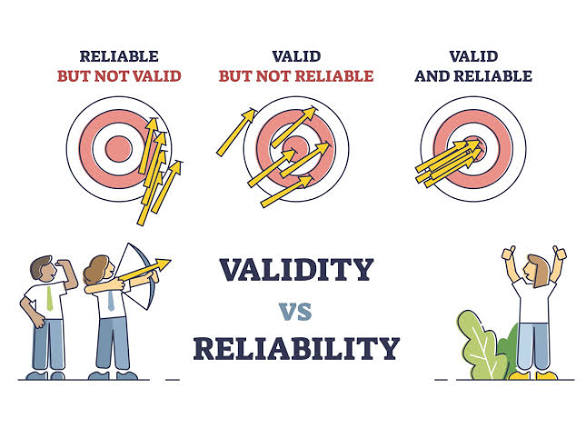
Replicability, Validity, Reliability
Reliability means consistent results (same tool, same outcome); Validity means accuracy (measuring what you intend to); and Replicability (or Reproducibility) is the ability of other researchers to repeat the study and get similar findings, building confidence in the original results, often by confirming reliability and validity under different conditions
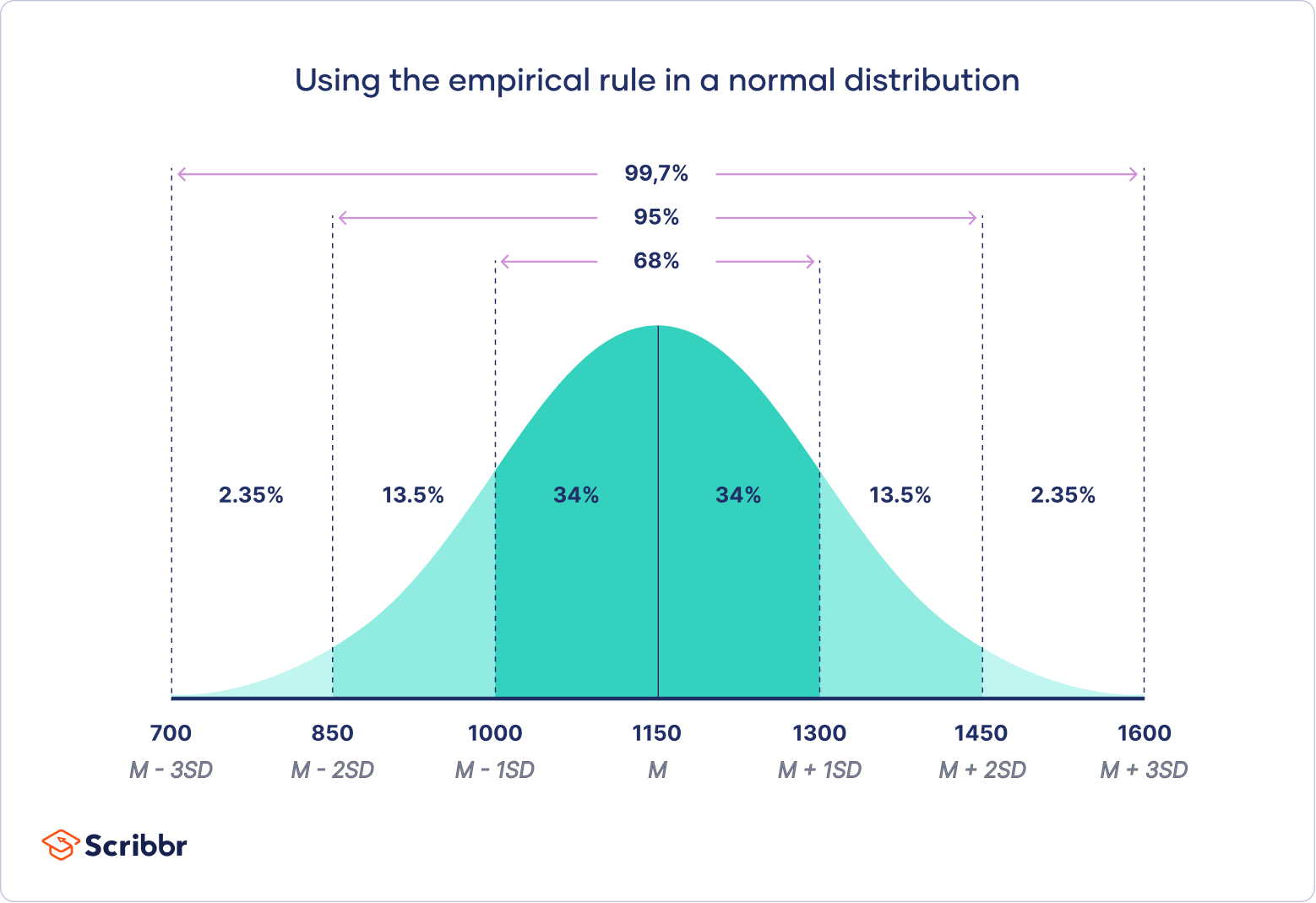
Normal Curve
Inferential Statistics
a branch of statistics that uses sample data to draw conclusions, make predictions, and generalize findings about a larger population
Statistical Significance
an observed result in a study is unlikely to have occurred by random chance, suggesting a real effect or relationship, determined by a low p-value (typically < 0.05) in hypothesis testing
Effect size
Effect size is a statistical measure of the strength or magnitude of a relationship between variables or the difference between groups, indicating practical significance beyond just statistical significance (p-value). It helps determine how meaningful a finding is in the real world, with common types including standardized mean differences (like Cohen's d), correlation coefficients (like Pearson's r), and risk ratios, essential for power analysis, meta-analysis, and understanding impact.
Ethical Guidelines
Institutional Review Board
Informed Consent
Protection from harm
Debriefing