Urea Cycle
 Call Kai
 Learn
Learn Practice Test
 Spaced Repetition
 Match
Match Flashcards
 Knowt Play
1/39

There's no tags or description
Looks like no tags are added yet.
Name | Mastery | Learn | Test | Matching | Spaced | Call with Kai | Chat |
|---|
No analytics yet
Send a link to your students to track their progress
40 Terms
Urea Cycle
Metabolic pathway that converts toxic ammonia (NH₃) into urea.
Prevents ammonia accumulation in the body
Produces Urea
Liver
Organ where the urea cycle occurs primarily.
Ornithine Cycle and Krebs-Henseleit Cycle
Synonyms for Urea Cycle
Kidney
Organ that excretes Urea
Primary Function of the Urea Cycle
Detoxifies ammonia produced during amino acid metabolism
Converts nitrogen waste into a less toxic form (urea)
Maintains nitrogen balance in the body
Ammonia
NH₃
Toxic nitrogen-containing waste product
Generated during amino acid breakdown
Highly toxic to the nervous system
Converted into urea by the urea cycle
Urea
CO(NH₂)₂
Water-soluble molecule
Main nitrogenous waste product in humans
Liver cells (Hepatocytes)
Cells where the UREA Cycle takes place.
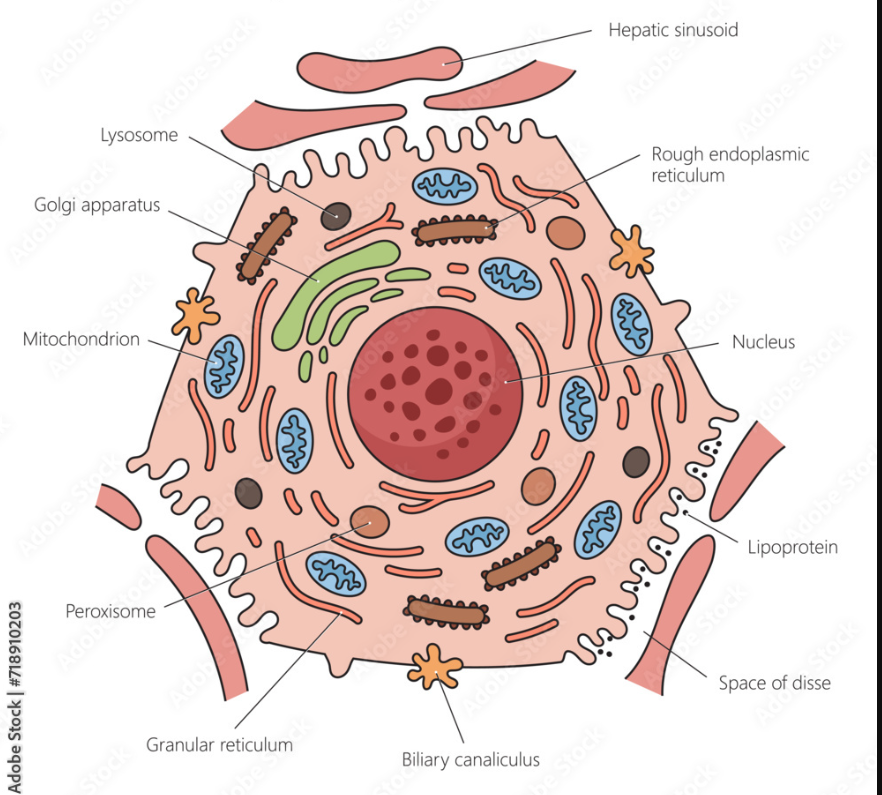
Mitochondria
Where do the first two reactions of the Urea Cycle occur?
Cytosol
Where do the remaining reactions after the first two reactions of the Urea Cycle occur?
Mitochondrial Reactions of the Urea Cycle
Formation of carbamoyl phosphate
Formation of citrulline
Occur inside the mitochondrial matrix
Cytosolic Reactions of the Urea Cycle
Formation of argininosuccinate
Formation of arginine
Formation of urea and regeneration of ornithine
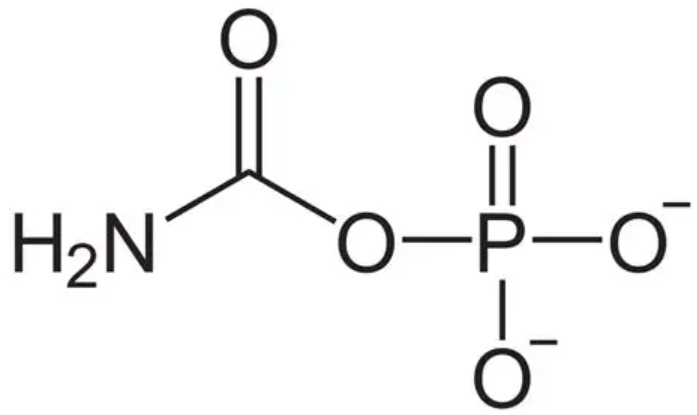
Carbamoyl phosphate
CH₂NO₅P²⁻
First intermediate of the urea cycle
Formed from ammonia and bicarbonate
Requires ATP
Produced by carbamoyl phosphate synthetase I (CPS I)
Carbamoyl Phosphate Synthetase I (CPS I)
Catalyzes the first committed step of the urea cycle
Located in mitochondria
Combines NH₃, HCO₃⁻, and ATP
Activated by N-acetylglutamate
N-Acetylglutamate (NAG)
Essential activator of CPS I
Increases urea cycle activity
Synthesized from glutamate and acetyl-CoA
Signals high amino acid metabolism
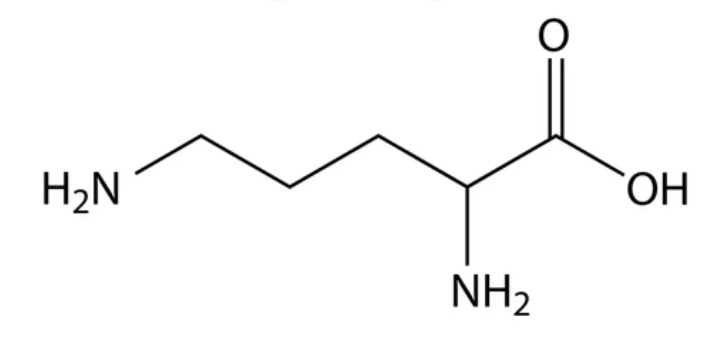
Ornithine
C₅H₁₂N₂O₂
Amino acid-like molecule
Accepts carbamoyl phosphate to form citrulline
Regenerated at the end of the cycle
Functions as a carrier molecule
Ornithine Transcarbamylase (OTC)
Enzyme that combines ornithine and carbamoyl phosphate
Produces citrulline
Located in mitochondria
Deficiency causes hyperammonemia
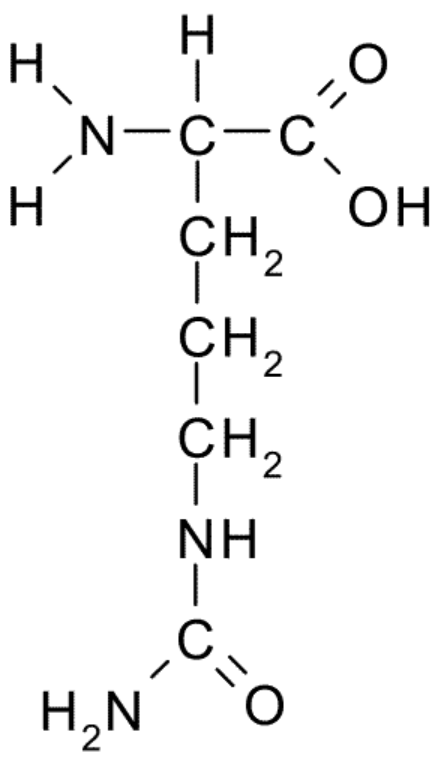
Citrulline
C₆H₁₃N₃O₃
Intermediate of the urea cycle
Formed from ornithine and carbamoyl phosphate
Transported from mitochondria to cytosol
Combines with aspartate in the next step
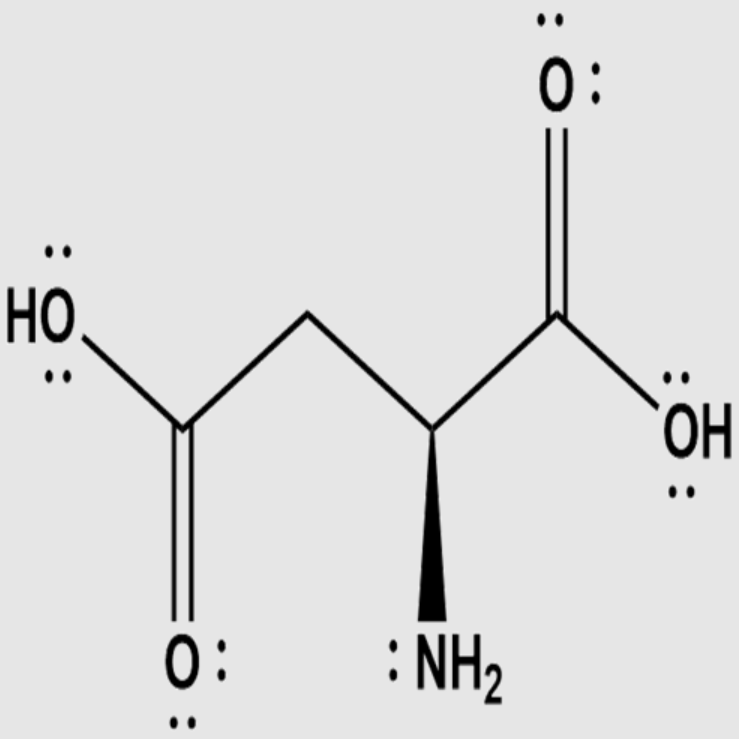
Aspartate
C₄H₇NO₄
Provides the second nitrogen atom of urea.
Combines with citrulline
Derived from amino acid metabolism
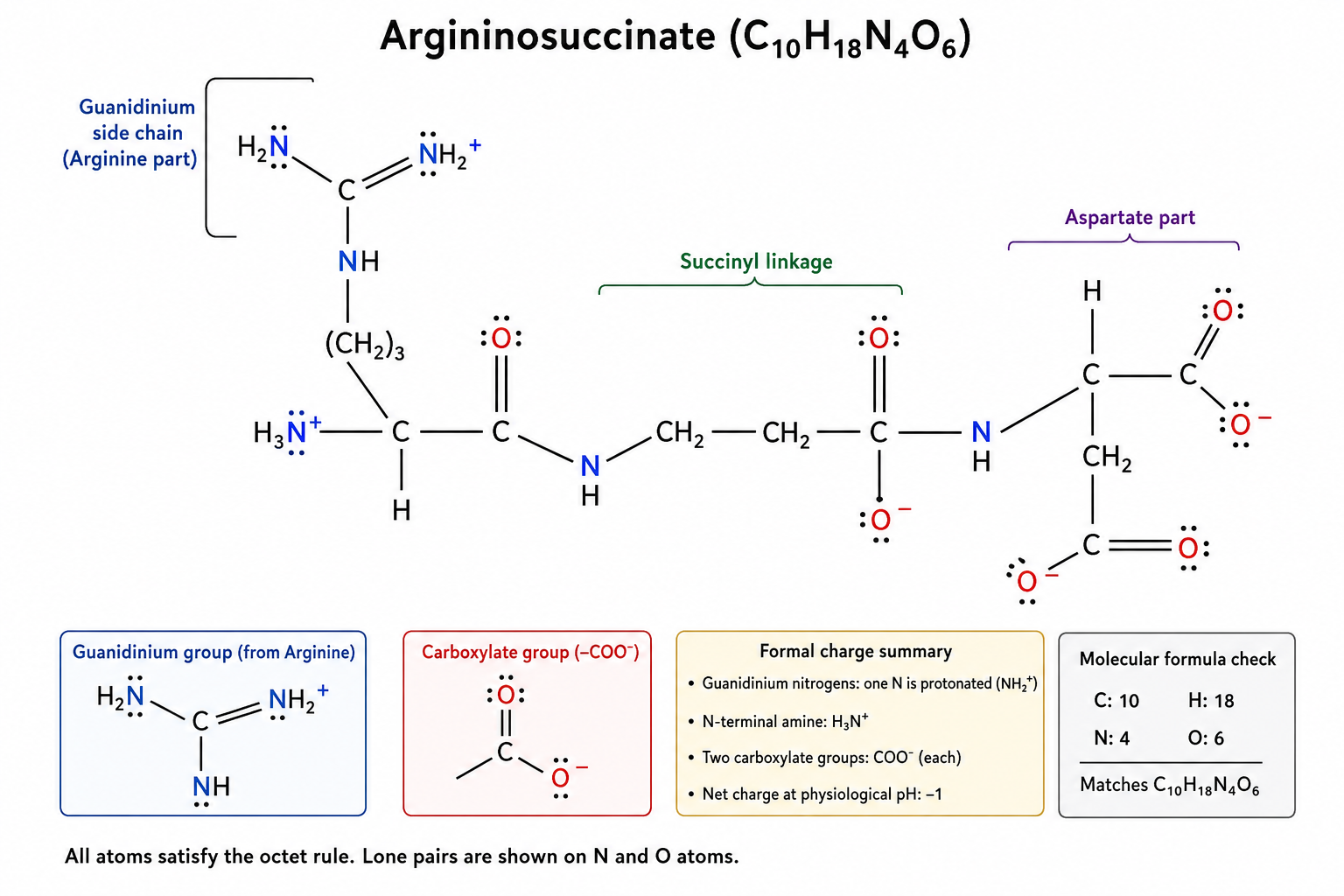
Argininosuccinate
C₁₀H₁₈N₄O₆
Intermediate formed from citrulline and aspartate
Produced using ATP
Precursor of arginine
Argininosuccinate Synthetase
Catalyzes formation of argininosuccinate
Uses citrulline, aspartate, and ATP
Located in the cytosol
Argininosuccinate Lyase
Splits argininosuccinate
Produces arginine and fumarate
Connects the urea cycle with the citric acid cycle
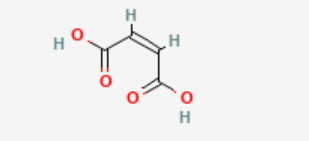
Fumarate
C₄H₄O₄
Byproduct of argininosuccinate breakdown
Intermediate of the citric acid cycle
Can be converted to malate and oxaloacetate
Aspartate-Argininosuccinate Shunt
Metabolic link between the urea cycle and citric acid cycle.
Transfers carbon skeletons and nitrogen
Involves fumarate, malate, oxaloacetate, and aspartate
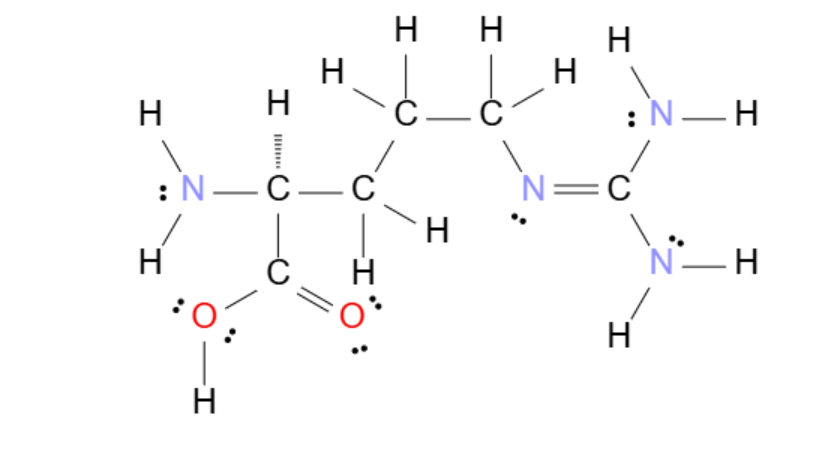
Arginine
C₆H₁₄N₄O₂
Intermediate of the urea cycle
Hydrolyzed to produce urea
Regenerates ornithine
Semi-essential amino acid
Arginase
C₃₃₄H₅₅₄N₉₆O₁₃₄S₄Mn₂
Final enzyme of the urea cycle
Converts arginine into urea and ornithine
Located in the cytosol
Highly expressed in the liver
Final Reaction of the Urea Cycle
Arginine + H₂O → Urea + Ornithine
Catalyzed by arginase
Releases urea for excretion
Overall Urea Cycle Equation
NH₃ + CO₂ + Aspartate + 3 ATP + H₂O
→ Urea + Fumarate + 2 ADP + AMP + 2 Pi + PPi
Net result is removal of two nitrogen atoms
Nitrogen Sources of Urea
One nitrogen comes from free ammonia (NH₃)
One nitrogen comes from aspartate
Carbon comes from bicarbonate (HCO₃⁻)
Carbon Source of Urea
Carbon atom originates from bicarbonate (HCO₃⁻).
Incorporated during carbamoyl phosphate synthesis
ATP Requirement of the Urea Cycle
Consumes 3 ATP molecules
Equivalent to 4 high-energy phosphate bonds.
Makes the pathway energetically expensive
Hyperammonemia
Elevated ammonia levels in blood.
Can result from urea cycle defects
Causes neurological dysfunction
Medical emergency in severe cases
Urea Cycle Disorder (UCD)
Genetic defect in a urea cycle enzyme
Causes impaired ammonia detoxification
Leads to hyperammonemia
Often presents in infancy or childhood
Ornithine Transcarbamylase Deficiency
Most common urea cycle disorder
X-linked inheritance
Causes ammonia accumulation
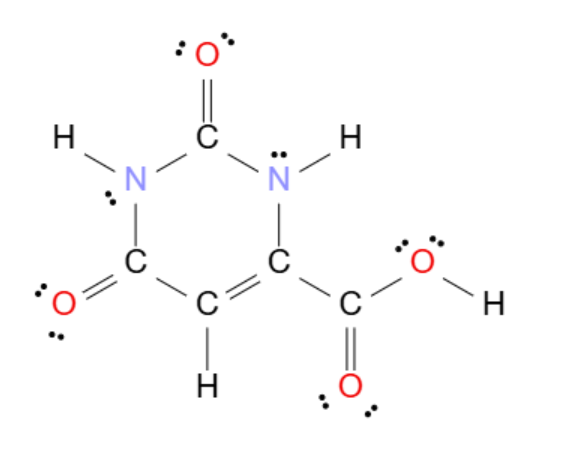
Leads to increased orotic acid production
Hyperammonemia Symptoms
Vomiting
Lethargy
Confusion
Seizures
Coma in severe cases
Rate-Limiting Step of the Urea Cycle
Formation of carbamoyl phosphate
Catalyzed by CPS I
Regulated by N-acetylglutamate
Carbamoyl Phosphate Synthetase I (CPS I), Ornithine Transcarbamylase (OTC), Argininosuccinate Synthetase, Argininosuccinate Lyase, and Arginase
Order of Enzymes in the Urea Cycle
Ammonia + carbon dioxide, carbamoyl phosphate, ornithine, citrulline, argininosuccinate, arginine, urea + ornithine
Order of Intermediates in the Urea Cycle
Carbamoyl phosphate, Ornithine, Citrulline, Argininosuccinate, Arginine, Urea
Cats Often Chase Angry Angry Unicorns
Orotic acid
C₅H₄N₂O₄
A molecule used by the body to make DNA and RNA building blocks (pyrimidines)