Architectural History Exam 1 Terms
 Call Kai
 Learn
Learn Practice Test
 Spaced Repetition
 Match
Match Flashcards
 Knowt Play
1/38

There's no tags or description
Looks like no tags are added yet.
Name | Mastery | Learn | Test | Matching | Spaced | Call with Kai | Chat |
|---|
No analytics yet
Send a link to your students to track their progress
39 Terms
1925 Int’l Exhibition in Paris
Designed to highlight new modern style
Showcase that launched and promoted Art Deco

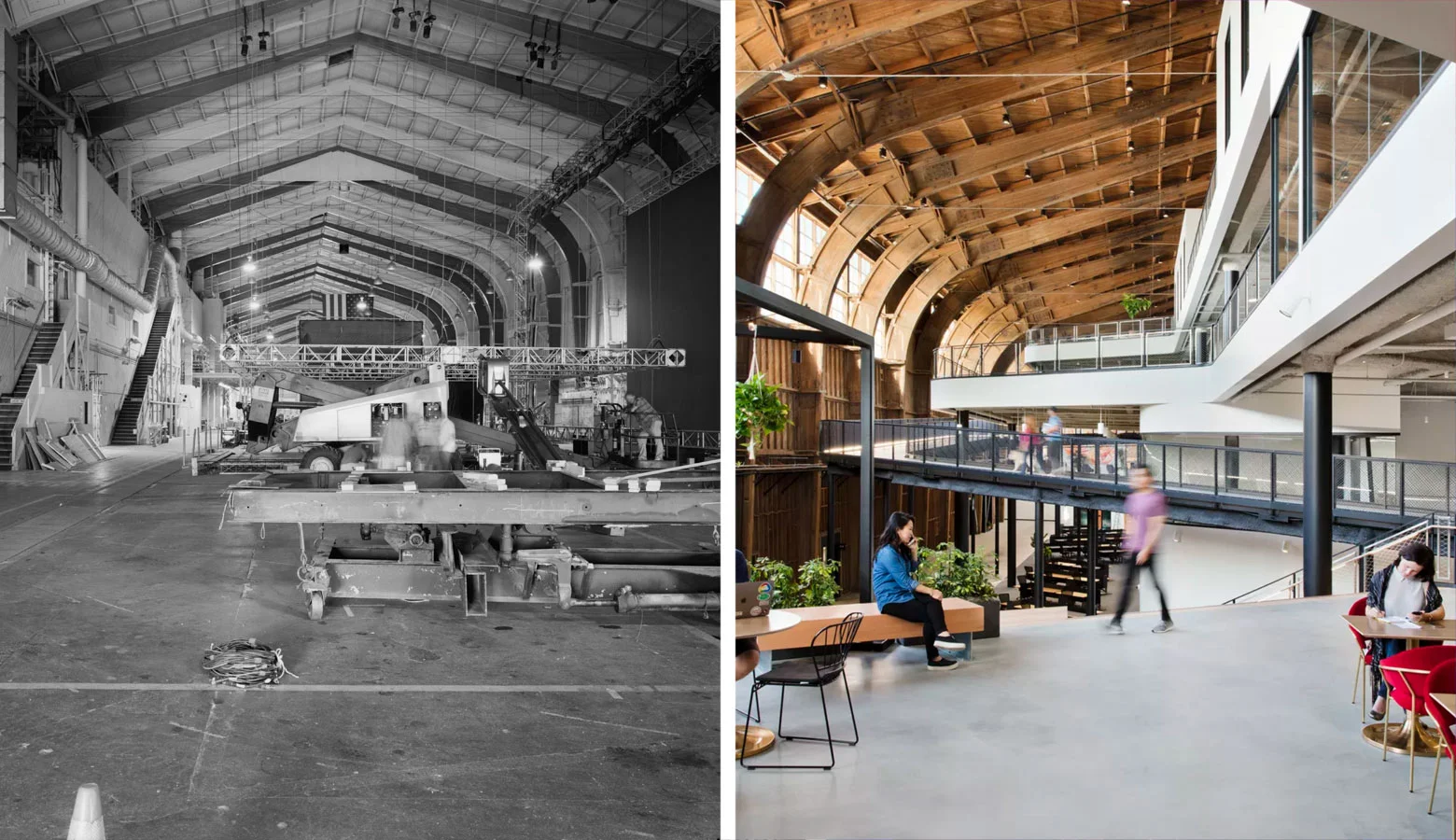
Adaptive Re-use
Reuse & renovation of pre-existing structures
New purpose to an old building
Not in The Secretary of the Interior's Standards for the Treatment of Historic Properties
Atelier
A studio
Typically architecture

Art Nouveau
“New Art”
Started in France
Asymmetry, organic

Caisson
Watertight retaining structure
Built into body of water
Used to pour foundations for bridges

Cast Iron
Iron that is poured or forged
Compression Stength

Cenotaph
Empty tomb or monument
Built to honor someone or group of people
Remains are buried in another place or never recovered

Charette
Intense period of work before deadline (cram)
Comes from French word “cart”

Chicago School
Great Chicago Fire of 1871
Whole city had to be rebuilt
Fire codes put into place
Architects & Engineers that produced high rise buildings of Chicago from 1875-1925 (Rebuilt the City)
Modern skyscraper (steel frames)

Chicago School Window
One opening that gives ventilation & light
Three part window with middle panel for light, and side panels for ventilation.

Compressive Strength
Strength of something to be pushed down

Curtain Wall
Window system hung from structure

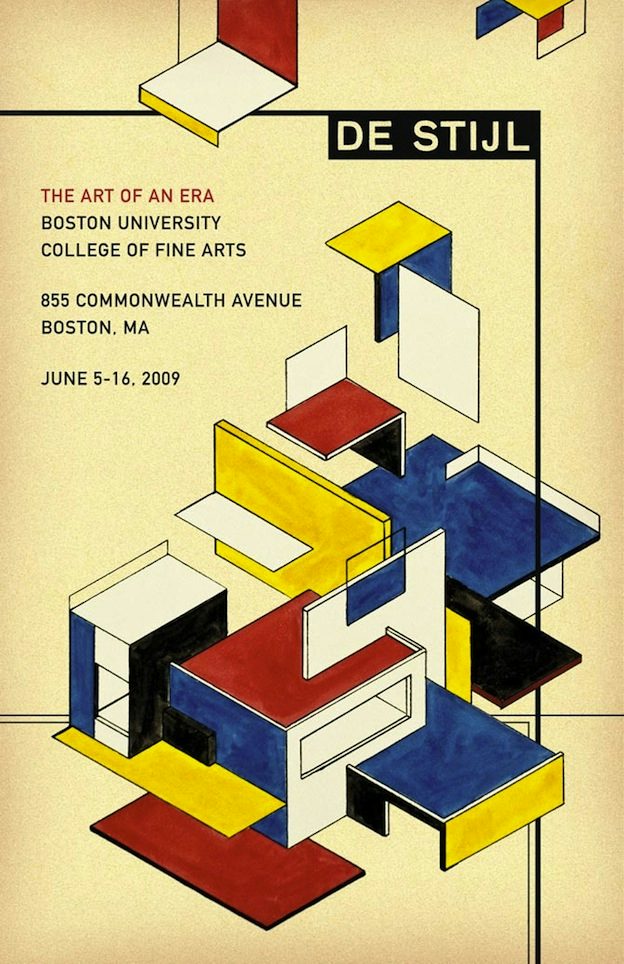
De Stijl
Dutch art movement
Engaged space and surface in the same manner
Ferroconcrete
Concrete & Iron
Concrete & Steel to give it more tensile strength

Form Follows Function
Louis Henry Sullivan
Fundamental design principle
Shape & structure of building or object should primarily reflect internal purpose

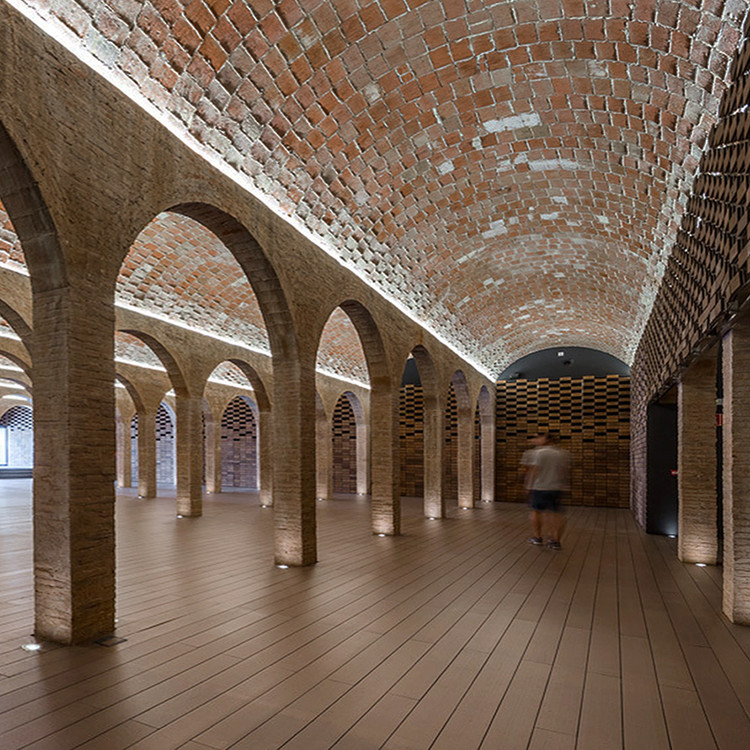
Guastavino (Catalan) Vaulting
Low profile arched ceiling or roof
Built with thin, lightweight tiles & fast setting mortar
No need for temporary wooden support frames
I-beam/ wide flange
I shaped beam
Invented by James bogardus

International Style
Functional design
Geometric simplicity
Industrial materials

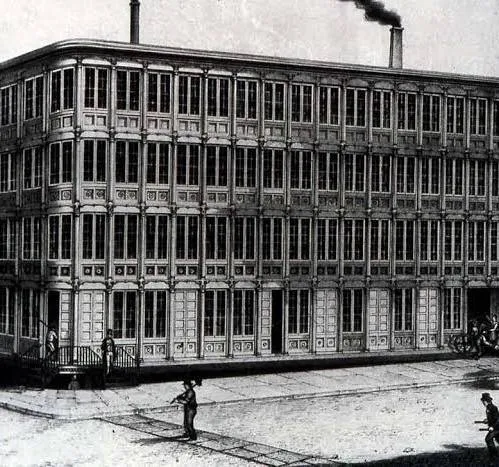
James Bogardus
Pioneered the use of cast iron in architecture
Lateral Bracing
Stabilizing wall or beam
Cross bracing or diagonal bracing

Marche
How a person moves through & experiences a built space over time

Ordonnance / Bienseance / Convenance
Foundational concepts of classical architecture theory
The correct structural composition scaling & arrangement of a building’s parts in relation to the whole
Building’s ornamentation must match civic purpose & social status
Floor plan should be suited to daily rountines
Ornament & Crime
Essays by Adolf Loos
Argues that ornamentation should not be on utilitarian objects
Loos goes as far as attacking tattoos on people
Pensionnaires
Architects awarded a fellowship
Grants them residence @ French Academy in Rome (Villa Medici)
Preservation
Application of different methods to sustain existing features
Historical Property

PWA Moderne
Vertically influenced buildings
Large, imposing buildings
Stripped classical form

Reasons to Build Up
Real Estate Value
Closer to the city
First passenger elevator
Fireproofing
Use of steel

Reconstruction
Depicting form, features & detailing of a torn down building
New construction, recreating the old design
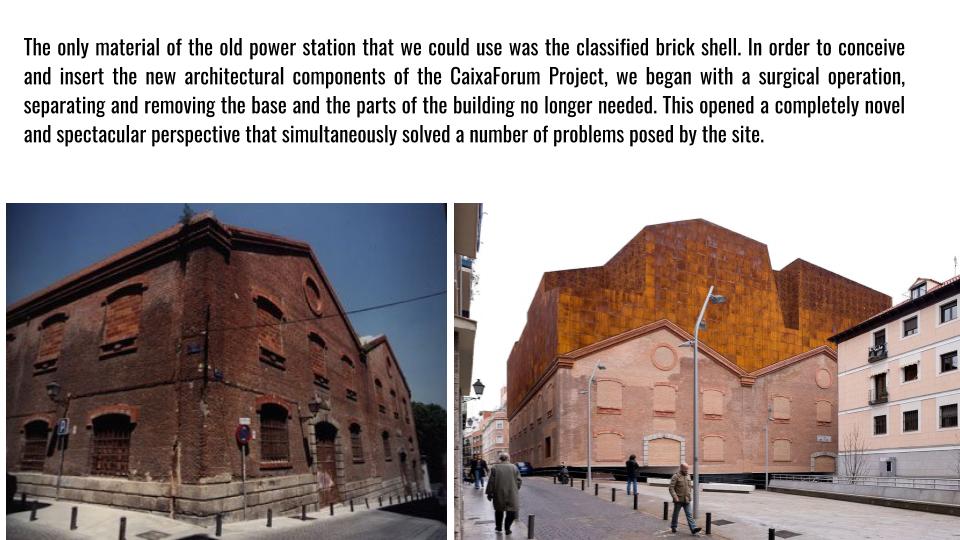
Rehabilitation
Making compatible use of property
Repairs, altercations, additions
Preserve values that show historical architecture & culture

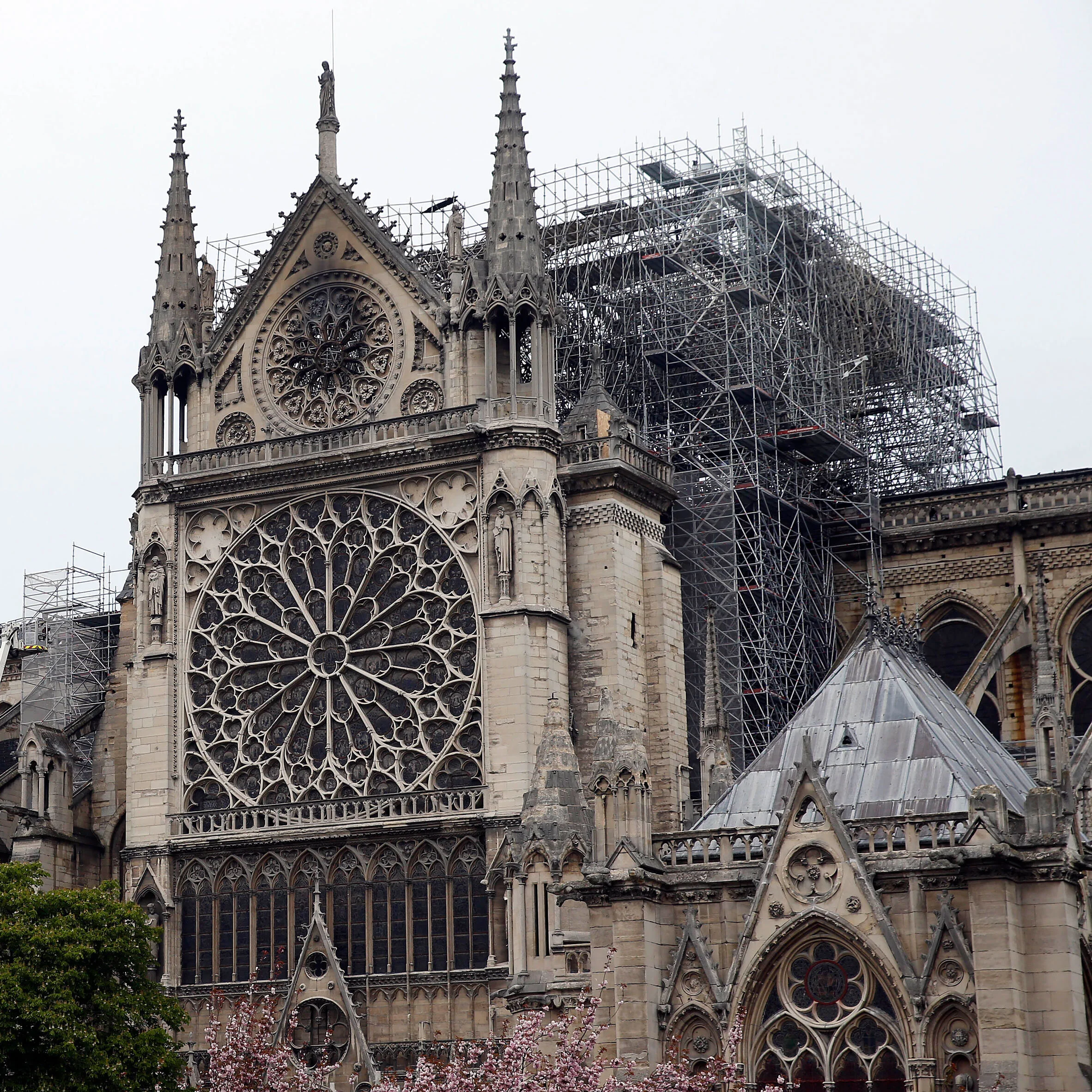
Restoration
Accurately depicting features as in time period
Remove features from other time periods
Add original time period features
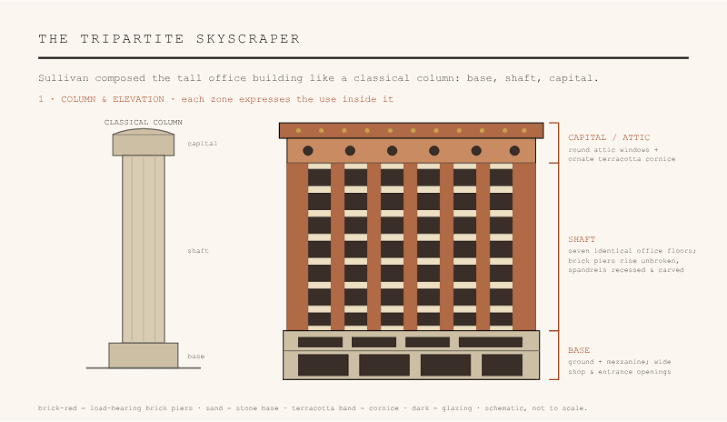
Skyscraper Form
Louis Sullivan looked at skyscrapers as columns
Base, shaft and capitol
Used to define different areas of use
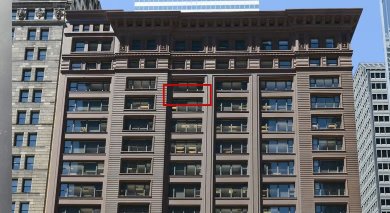
Spandrel
Opaque panel within wall
Used to block another area
Streamline Moderne
Smooth angles
Flowing architecture
Inspired by modern transportation

Style Moderne
Also known as Art Deco
Originated in Paris, 1925
Sleek curves & horizontal lines

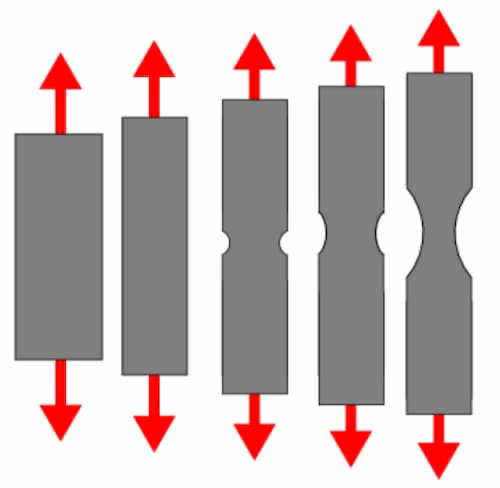
Tensile Strength
Strength of material being stretched
The Enlightenment
Focused on rational, geometric & classical forms
Rejected heavy ornamentation
Movement in 1900s

The Industrial Revolution
A period of rapid technological, socioeconomic, and cultural change in the 18th and 19th centuries, characterized by the transition from hand production methods to machine manufacturing, steam power, and factory systems.

Wrought Iron
Formed & Hammered
Tensile Strength

Zigzag Moderne
Zig zag structures
Sharp, geometric facades often featuring tiered or set back upper levels
Government contracts
