Patent Ductus Arteriosus (PDA)
 Call Kai
 Learn
Learn Practice Test
 Spaced Repetition
 Match
Match Flashcards
 Knowt Play
1/12

Earn XP
Description and Tags
Vocabulary flashcards covering the pathophysiology, clinical signs, radiographic findings, and treatment methods for Patent Ductus Arteriosus based on lecture notes.
Name | Mastery | Learn | Test | Matching | Spaced | Call with Kai | Chat |
|---|
No analytics yet
Send a link to your students to track their progress
13 Terms
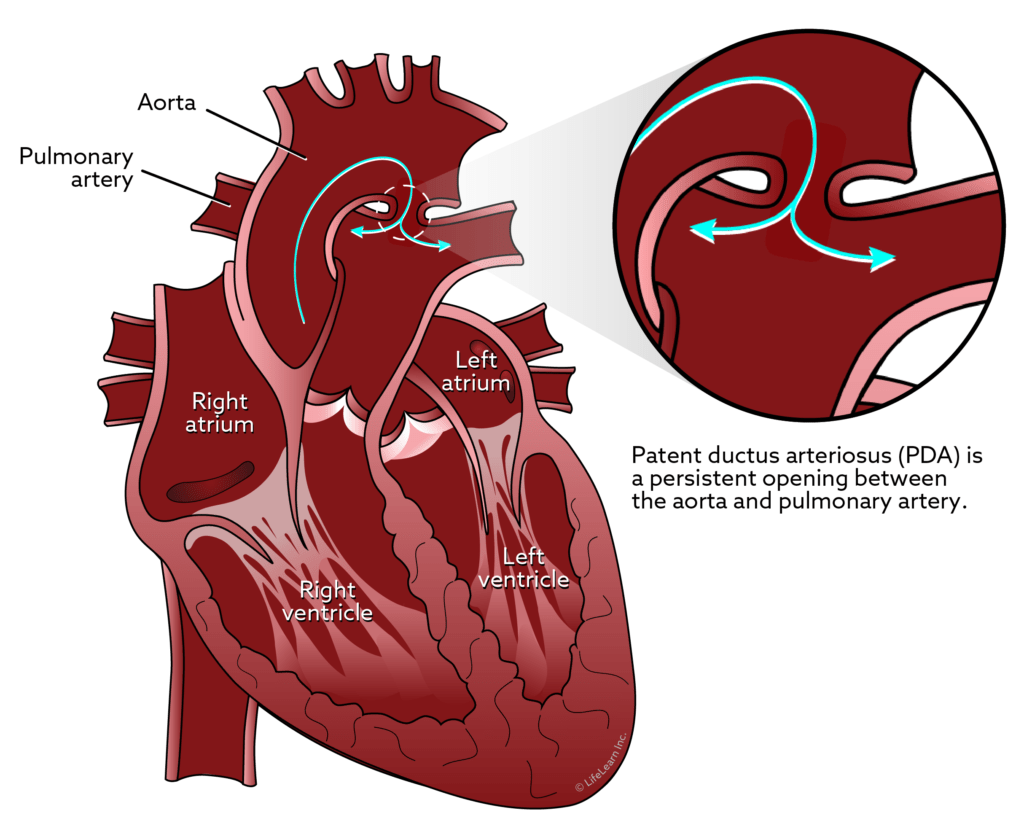
Patent ductus arteriosus (PDA)
The most common congenital heart disease of dogs, characterized by a persistent connection between the main pulmonary artery (MPA) and the descending aorta (DA).
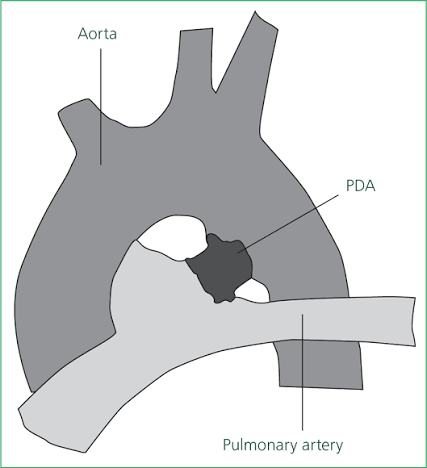
Ductus arteriosus
A fetal vessel that connects the main pulmonary artery (MPA) to the descending aorta (DA) to shunt oxygenated blood away from the pulmonary circulation.
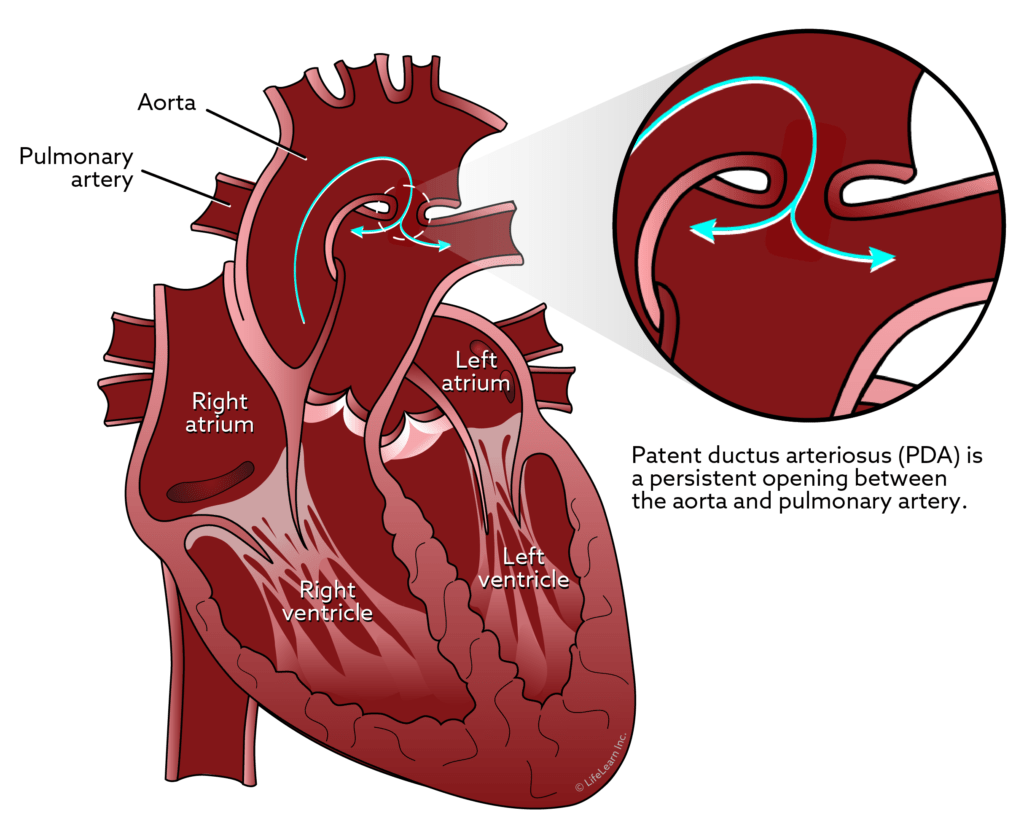
Smooth muscle hypoplasia
The specific defect in the vessel wall of animals with PDA that prevents the normal closure of the ductus arteriosus after birth.
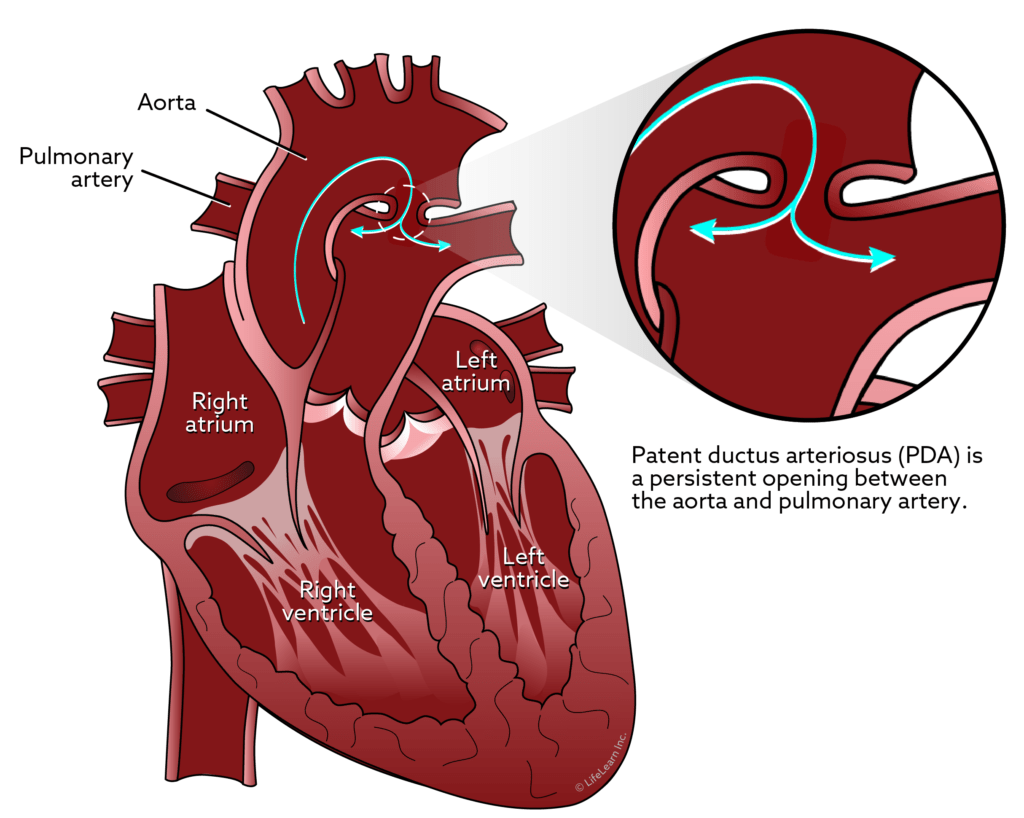
L to R shunting
The direction of persistent blood flow in animals with PDA, leading to pulmonary over-circulation and eventually left-sided congestive heart failure (CHF).
Reverse PDA (rPDA)
A rare condition where blood flows from R to L due to pulmonary hypertension; occlusion is contraindicated as it results in rapid death.
"Washing machine" murmur
A classic, very loud, left-sided continuous basilar murmur often identified in asymptomatic patients during physical exams.
Bounding pulses
A clinical presentation symptom typically identified in the physical examination of a patient with PDA.
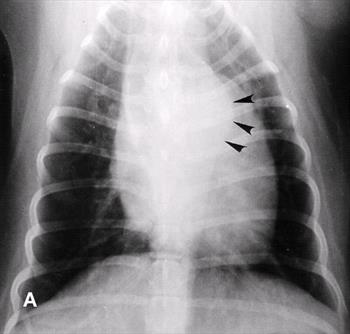
Ductal bulge
A radiographic finding on the VD projection demonstrating dilatation of the main pulmonary artery (MPA) and the descending aorta (DA).
Echocardiogram
The diagnostic tool used to make the final diagnosis of a Patent ductus arteriosus.
Lateral thoracotomy
The surgical approach used to access the PDA for careful dissection and suture ligation.
Branham reflex
A physiological response involving bradycardia that occurs following the ligation of the PDA vessel during surgery.
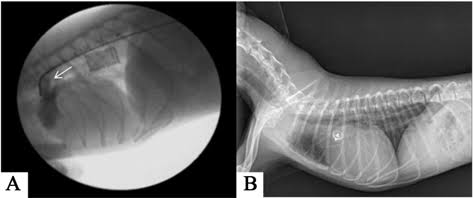
Vascular occluder or coils
Devices used in fluoroscopy-guided interventional treatment to occlude the PDA vessel minimally invasively.
Congestive heart failure (CHF)
The primary cause of morbidity and significant mortality for most affected patients before 1 year of age without treatment.