MID TERM - BYZANTINE AND EARLY CHRISTIAN
0.0(0)
Studied by 6 people Call Kai
 Learn
Learn Practice Test
 Spaced Repetition
 Match
Match Flashcards
 Knowt Play
Card Sorting
1/22

Earn XP
Description and Tags
Last updated 4:44 PM on 2/12/23
Name | Mastery | Learn | Test | Matching | Spaced | Call with Kai | Chat |
|---|
No analytics yet
Send a link to your students to track their progress
23 Terms
1
New cards
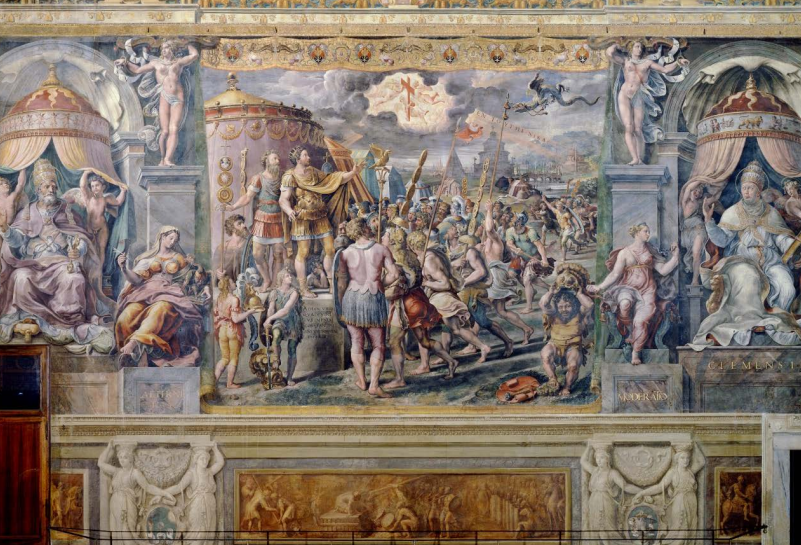
Room of Constantine
\- that was designed to be used for receptions and official ceremonies,
* was decorated by the school of Raphael on the basis of drawings by the artist, who died prematurely before completion of the work (1520).
* It takes its name from Constantine (306-337 A.D.), the first Christian emperor to officially recognize the Christian faith, granting freedom of worship.
* On the walls are painted four episodes of his life which testify to the defeat of paganism and the triumph of the Christian religion: the Vision of the Cross, the Battle of Constantine against Maxentius, the Baptism of Constantine and the Donation of Rome
* was decorated by the school of Raphael on the basis of drawings by the artist, who died prematurely before completion of the work (1520).
* It takes its name from Constantine (306-337 A.D.), the first Christian emperor to officially recognize the Christian faith, granting freedom of worship.
* On the walls are painted four episodes of his life which testify to the defeat of paganism and the triumph of the Christian religion: the Vision of the Cross, the Battle of Constantine against Maxentius, the Baptism of Constantine and the Donation of Rome
2
New cards
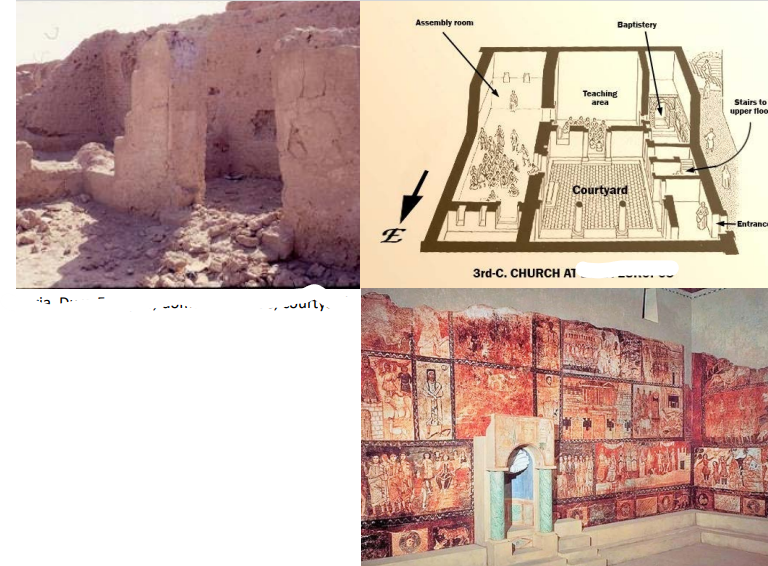
Syria, Dura-Europos,
3
New cards
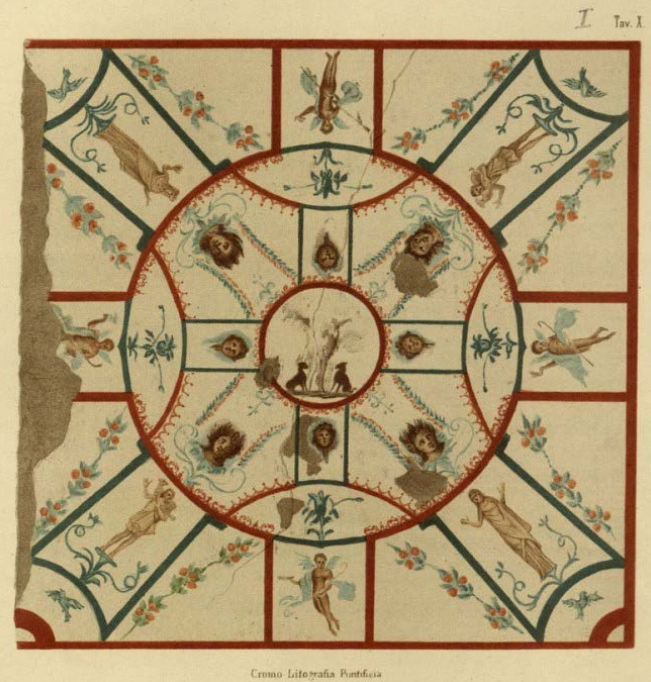
“La Roma sotterranea cristiana descritta e illustrata”, published between 1864 and 1877. Roman archaeologist Giovanni Battista De Rossi
4
New cards
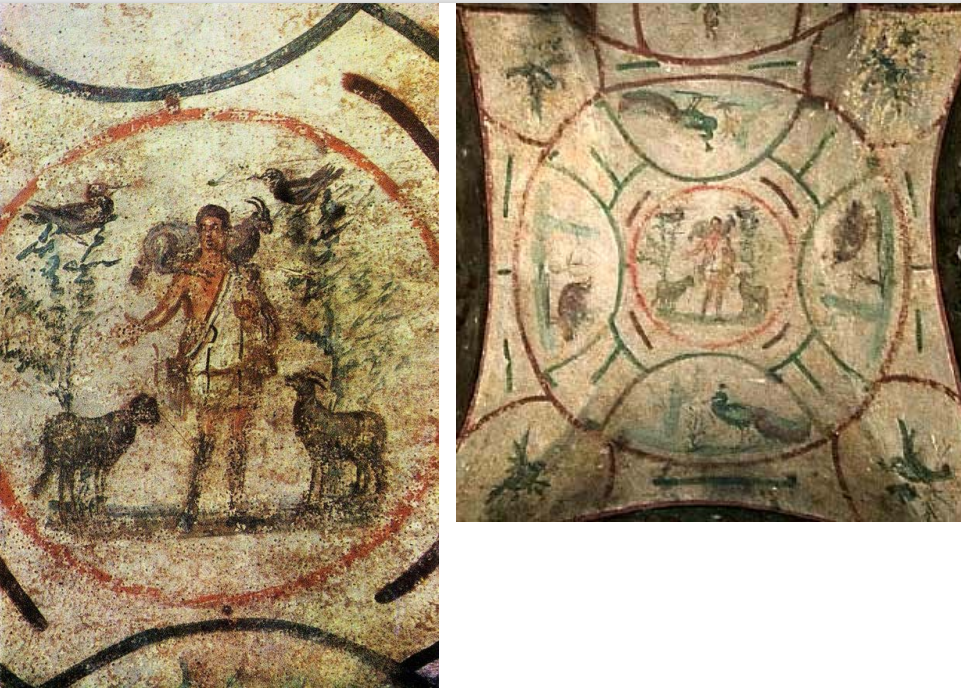
Catacomb of Priscilla. Rome, Italy.
5
New cards
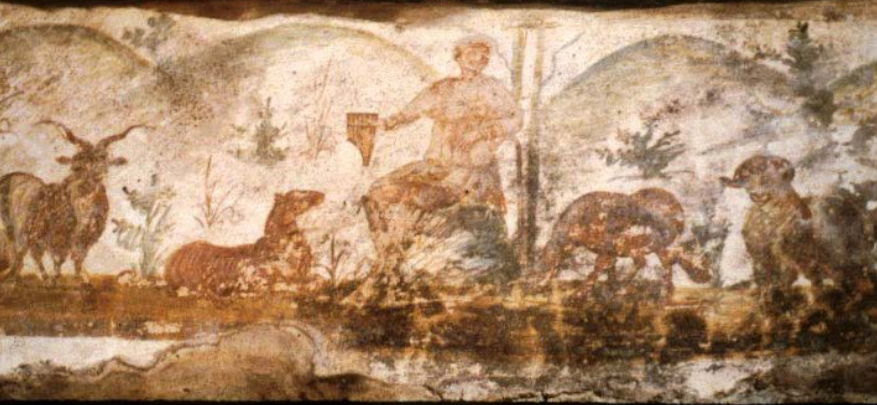
Catacomb of Domitilla (SS. Nereus & Achilleus). Orpheus - Christ
\-paiting of anchor AND Fish as well
\-paiting of anchor AND Fish as well
6
New cards
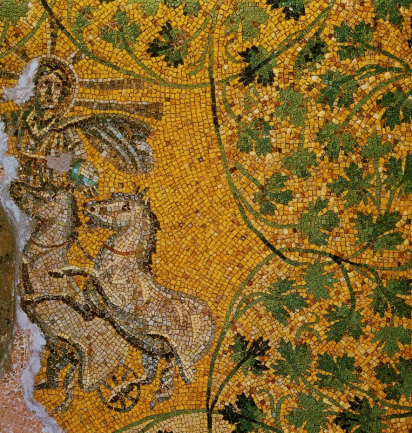
tomb….
of juli, vatican necropolis
7
New cards
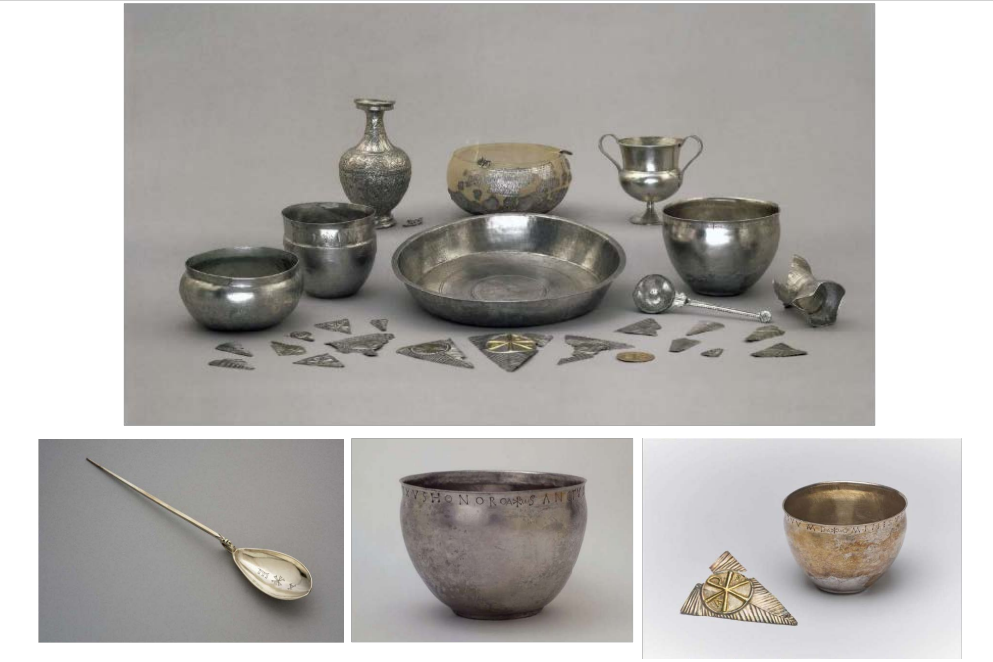
silverware
8
New cards
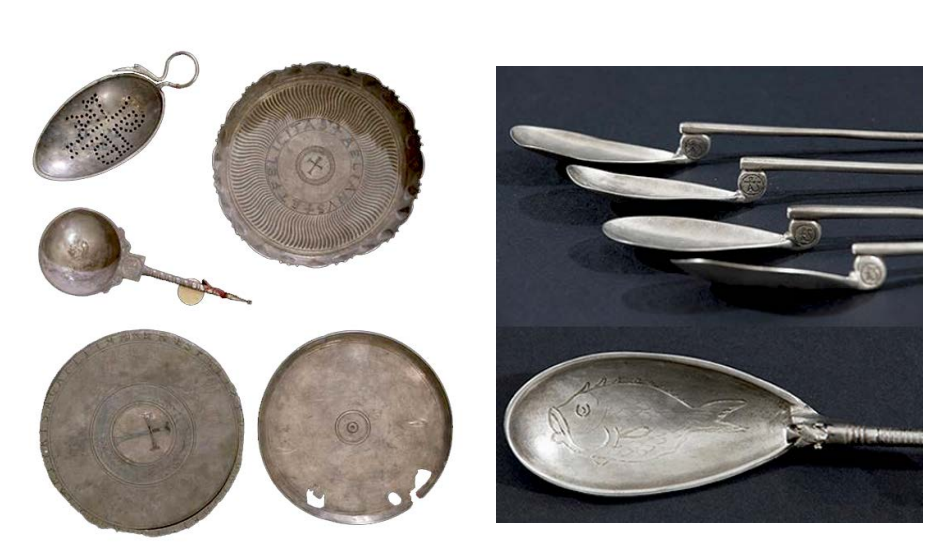
Il tesoro di Canoscio e le argenterie italiche di VI secolo
9
New cards
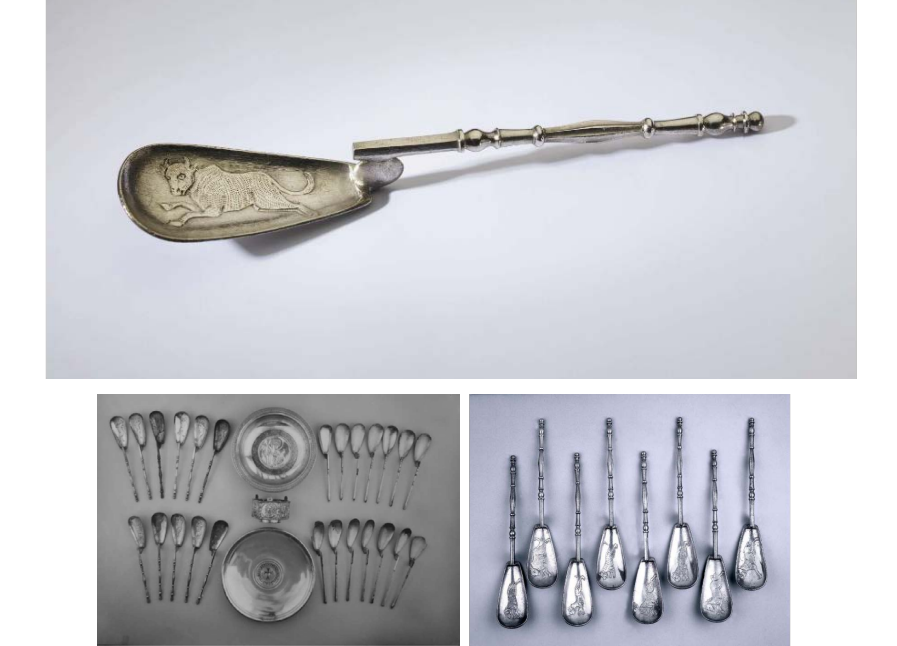
lambousa treasure
10
New cards
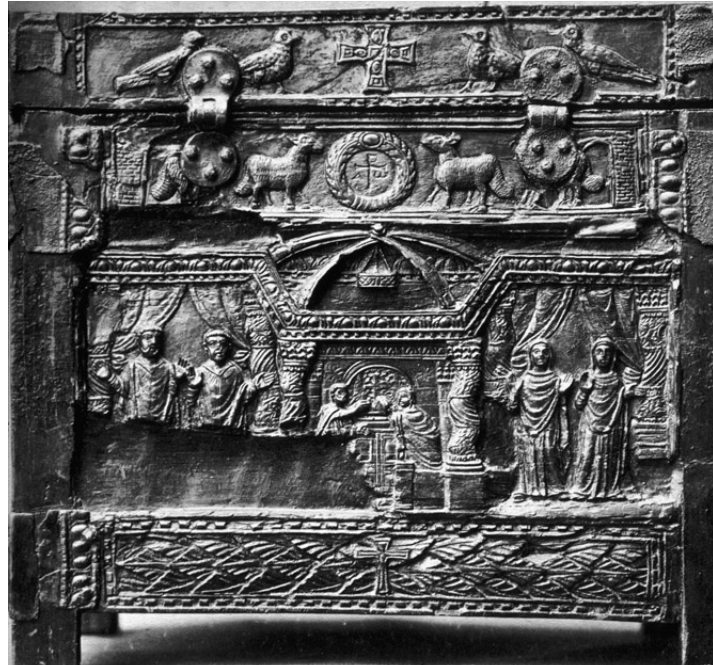
Pola Casket with Ciborium of Old St.Peter's 4th C CE Rom
11
New cards
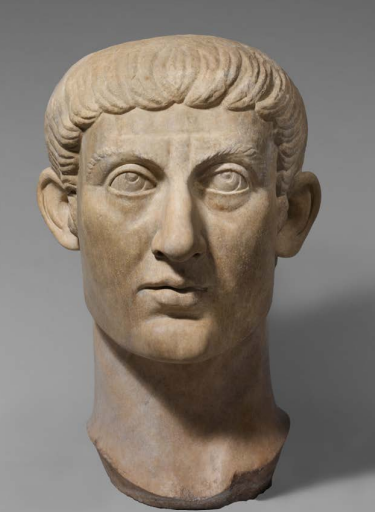
bust of
constantine i
12
New cards
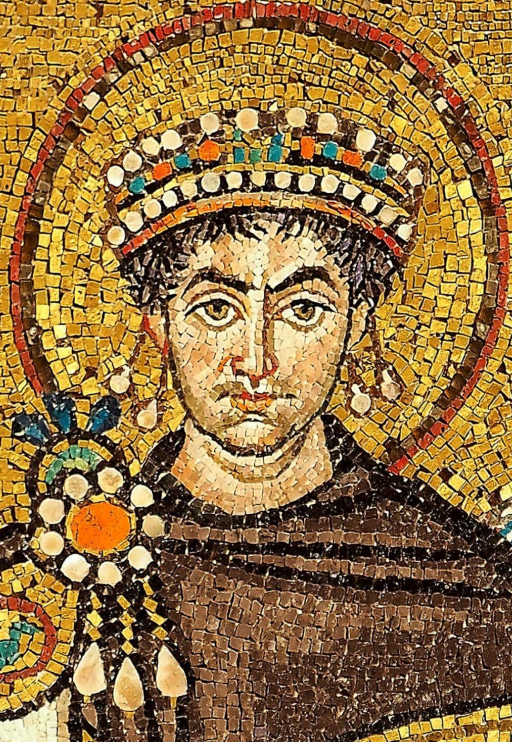
who
Justinian I. Emperor from 527 to 565
13
New cards
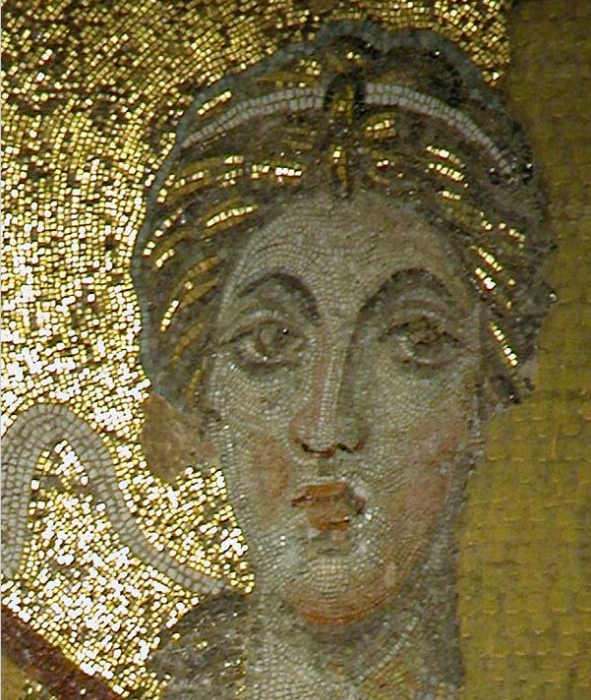
Archangel Gabriel. Mosaic. 2
14
New cards
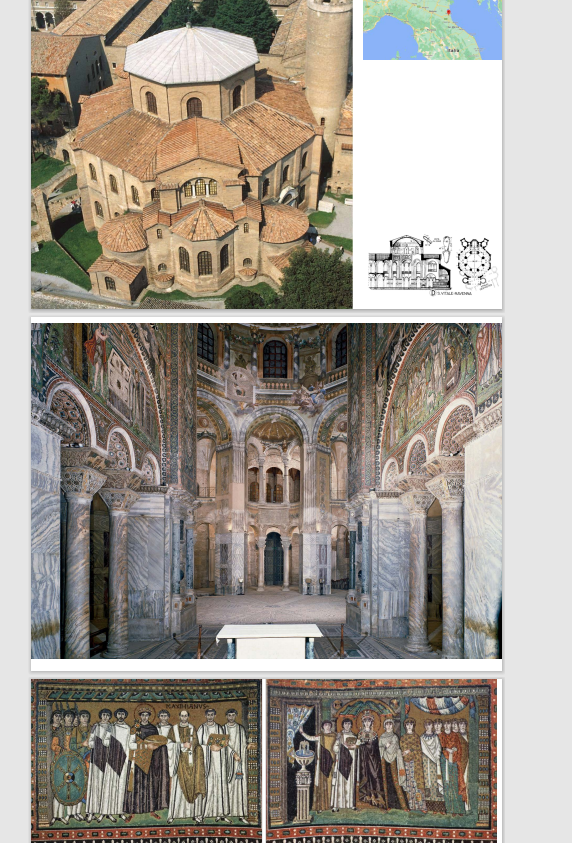
S VITALE RAVENNA BASILIC
Famous for its mosaics commissioned by Archbishop Maximian
Famous for its mosaics commissioned by Archbishop Maximian
15
New cards
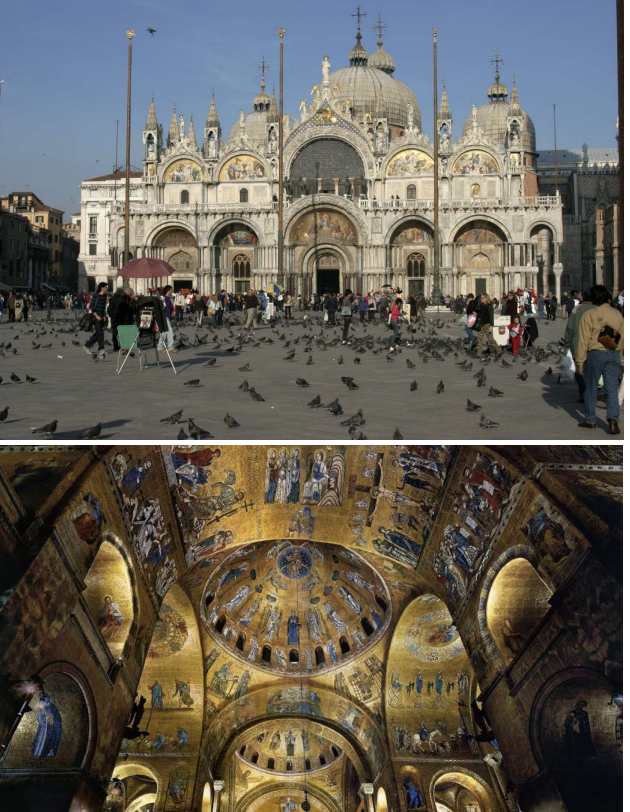
S MARK CHURCH
The first church of St. Mark was built in 830 and followed the scheme of the Church of the Holy Apostles in Constantinople.
It is rebuilt and the current church begins to be built in 1063.
The plant is of the quincunx type.
The four Roman horses were brought from Constantinople in 1204
It is rebuilt and the current church begins to be built in 1063.
The plant is of the quincunx type.
The four Roman horses were brought from Constantinople in 1204
16
New cards
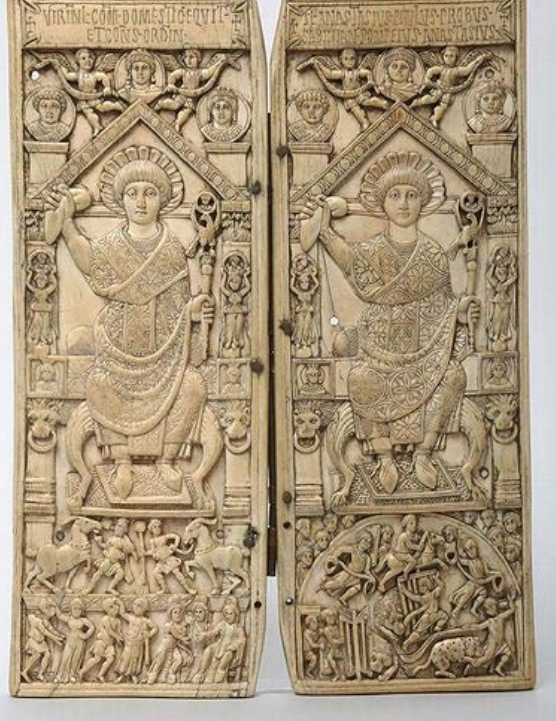
diptych
to certain plates of ivory, wood or metal, decorated with reliefs or paintings and joined so that they can be folded like the covers of a book.
\
Flavius Anastasius Probus (517) at the Cabinet des Médailles
\
Flavius Anastasius Probus (517) at the Cabinet des Médailles
17
New cards
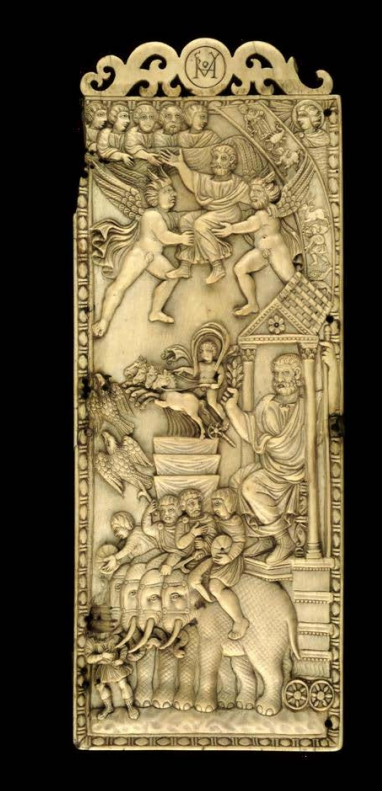
The Gherardesca Diptych The British Museum
Leaf of a diptych; ivory; the panel is carved with the apotheosis of a pagan figure in three scenes:
\
\: four elephants draw a carriage carrying a dignitary, who sits beneath an aedicula with a gabled roof. He wears a toga and carries a staff and laurel branch.
\
Beyond the carriage, a funeral pyre surmounted by a quadriga bearing a god. From this pyre fly two eagles.
\
Above, a man borne by personifications of two winds into heaven, where he is welcomed by five male figures. He passes an arc with six zodiacal signs, and is watched by the sun god Helios.
\
At the top of the panel, an openwork scroll with monogram
\
\: four elephants draw a carriage carrying a dignitary, who sits beneath an aedicula with a gabled roof. He wears a toga and carries a staff and laurel branch.
\
Beyond the carriage, a funeral pyre surmounted by a quadriga bearing a god. From this pyre fly two eagles.
\
Above, a man borne by personifications of two winds into heaven, where he is welcomed by five male figures. He passes an arc with six zodiacal signs, and is watched by the sun god Helios.
\
At the top of the panel, an openwork scroll with monogram
18
New cards
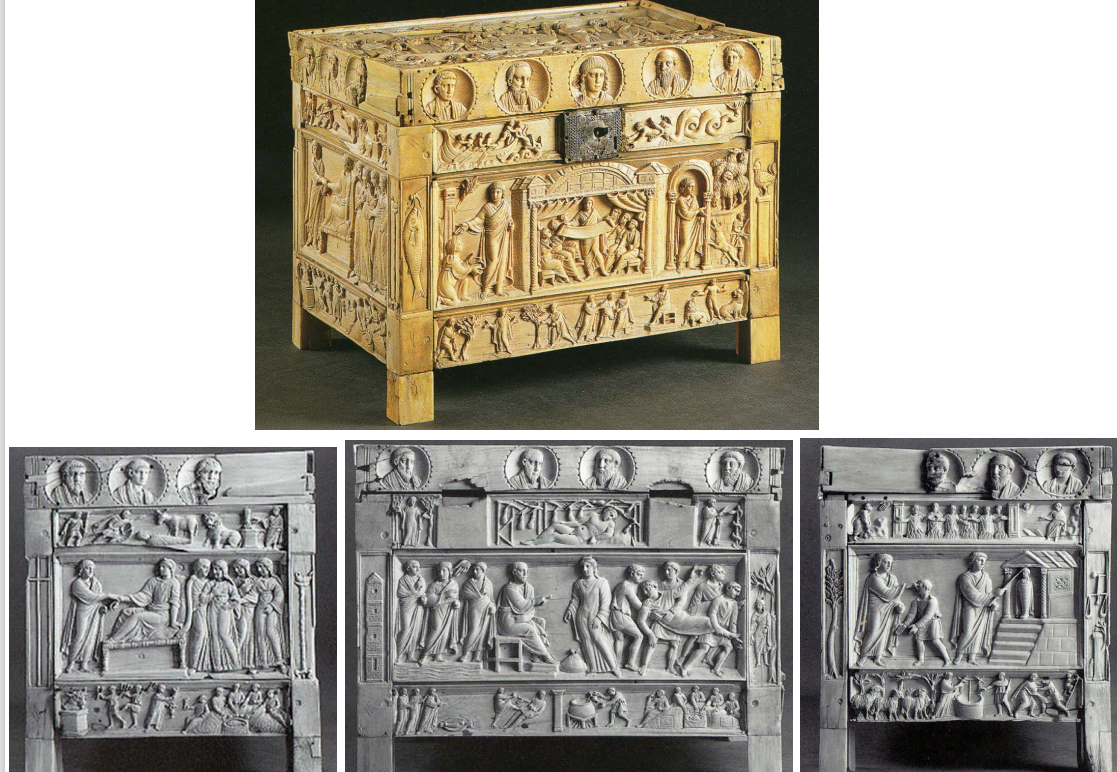
Brescia Casket: the ‘Lipsanotheca’. The raising of Jairus’s daughter.
19
New cards
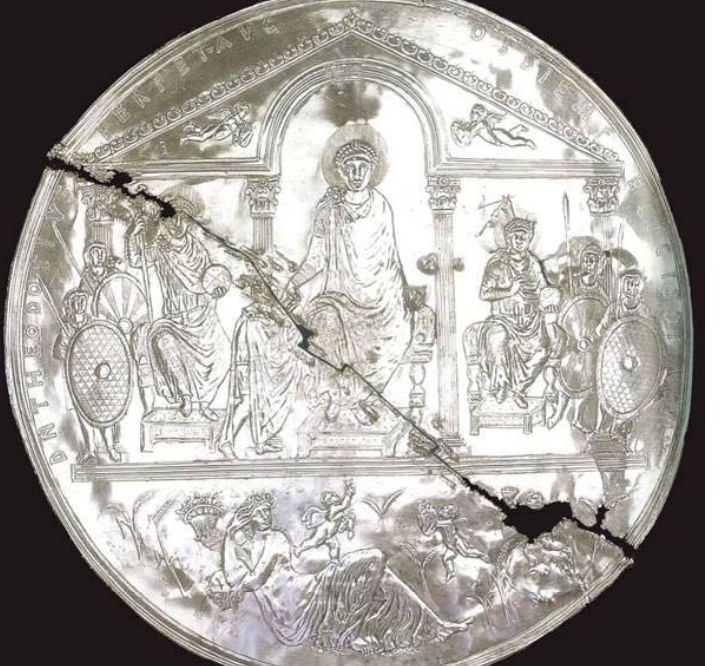
missorium ………
Missorium of Theodosius, Real Academia de la Historia, Madrid. 79 cm in diameter. Divided in two unequal parts
20
New cards
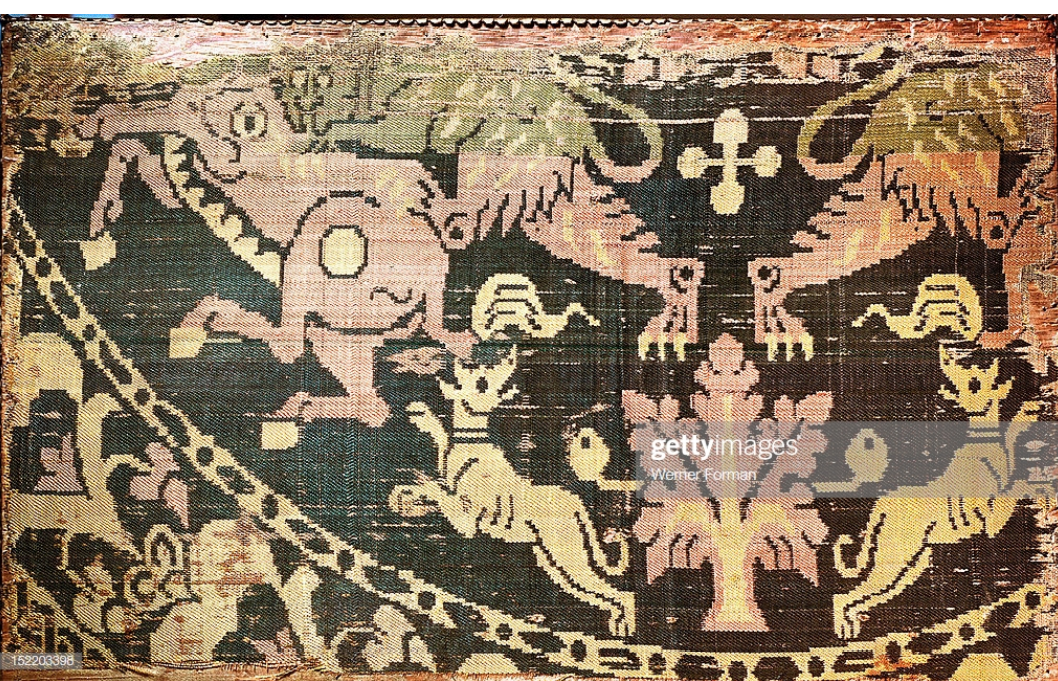
textile……
Oriental textile possibly of Syrian or Byzantine origin showing influence of Persian designs,
silk
silk
21
New cards
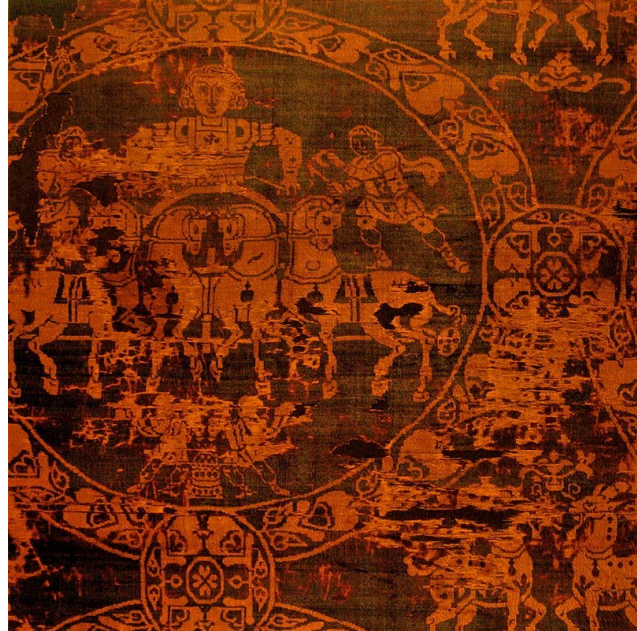
name
The Shroud of Charlemagne, a polychrome Byzantine silk with a pattern showing a quadriga, 9th century. Paris
22
New cards
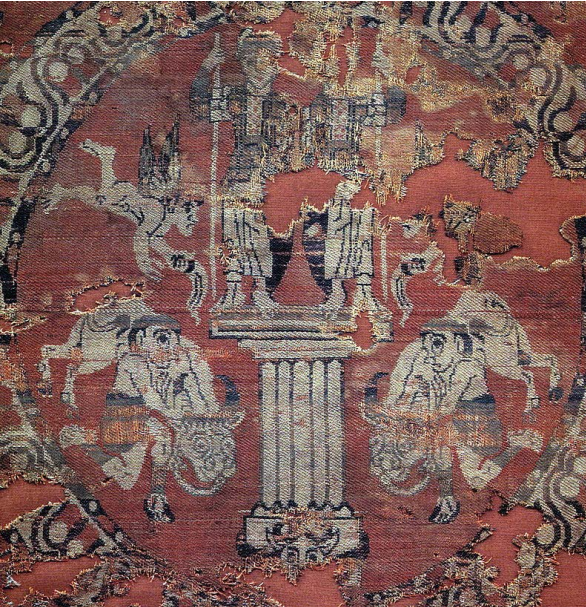
Silk cloth with
image of an offering of animals brought to two figures (Castor and Pollux?) standing on a pillar
23
New cards
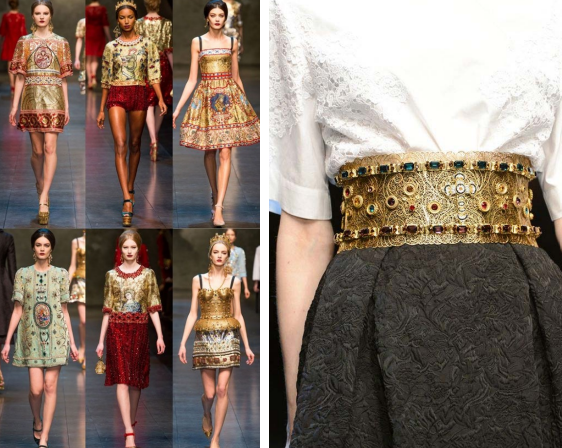
d&g
Dolce&Gabbana Fall 2013 Collection