Respiratory System
 Call Kai
 Learn
Learn Practice Test
 Spaced Repetition
 Match
Match Flashcards
 Knowt Play
1/55

There's no tags or description
Looks like no tags are added yet.
Name | Mastery | Learn | Test | Matching | Spaced | Call with Kai | Chat |
|---|
No analytics yet
Send a link to your students to track their progress
56 Terms
Protection of Lower Respiratory Tract
Saliva, tears, mucous surfaces, nose hairs
Protection of Lower Respiratory Tract
Ciliary escalator
Alveolar macrophages
Mucus
Normal Microbiota of Respiratory System
Potentially pathogenic microbes are part of normal microbiota
Lower respiratory is nearly sterile
Cause of Streptococcal pharyngitis ( Strep throat)
Group A Streptococci (GAS) ; Streptococcus pyogenes
Resistant to phagocytosis
Streptokinases lyse clots
Streptysins are cytotoxic
Transmission of Streptococcal pharyngitis ( Strep throat)
Respiratory droplets (via coughing, sneezing, or talking) and direct contact with infected mucus or saliva
Signs/Symptoms of Streptococcal pharyngitis ( Strep throat)
Local inflammation, fever, tonsillitis, enlarged lymph nodes
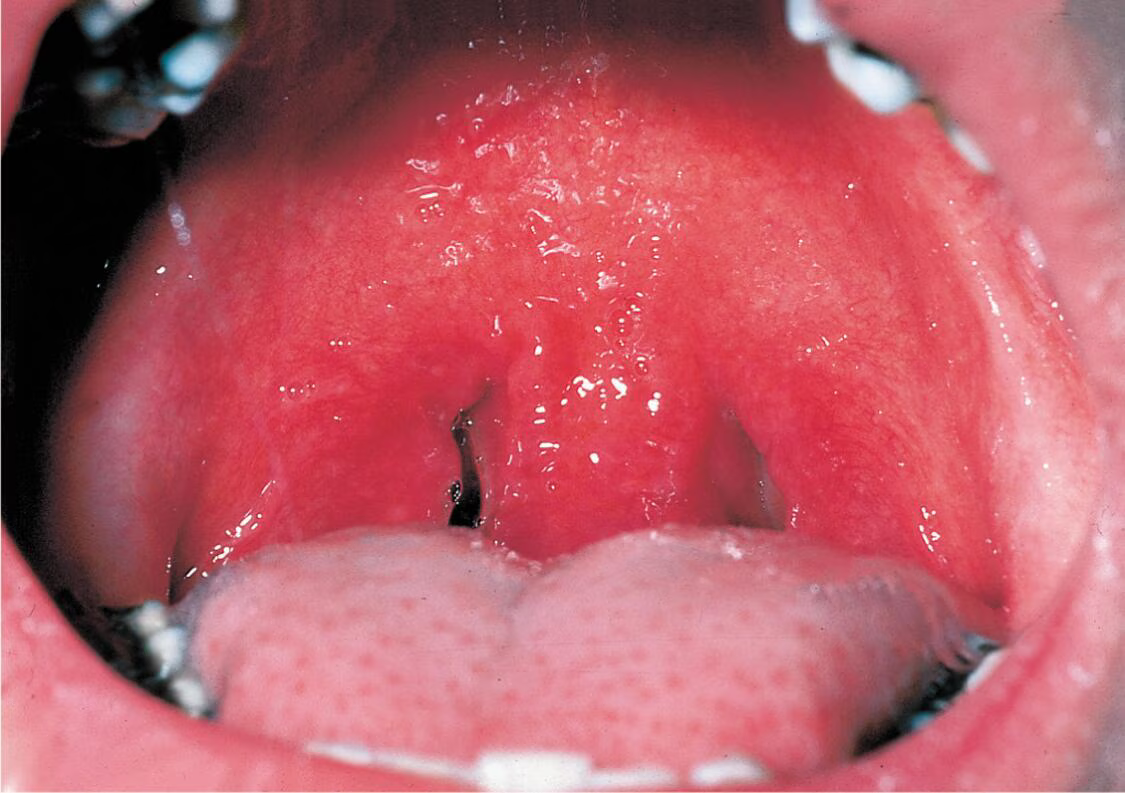
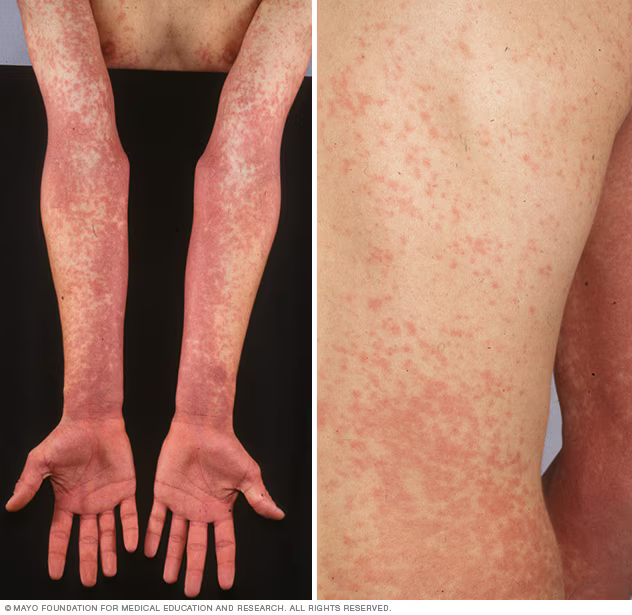
Cause of Scarlet Fever
Streptococcus pyogenes (strain that cause strep) produces erythrogenic (reddening) toxin from being lysed
Scarlet Fever Transmission
Through respiratory droplets (coughs or sneezes) or direct contact with an infected individual
Scarlet Fever Signs/Symptoms
A distinctive red, sandpaper-like rash, a high fever, and a very sore throat
Diphtheria Cause
Corynebacterium diphtheriae ; Gram-positive rod; pleomorphic
Diphtheria Transmission
Through respiratory droplets, such as when an infected individual coughs or sneezes
Diphtheria Signs/Symptoms
Start with sore throat and fever
Progress to form tough greyish membrane in throat
Blocks passage to lungs
Fibrin and dead tissue
How does Diphtheria get into blood?
The exotoxin that gets produced when it gets lysed can enter bloodstream ; can damage heart and kidneys
Diphtheria Treatment/Preventative
Treatment : antibiotics and antitoxin
Preventative : DTaP vaccine
Otitis Media Cause
Streptococcus pneumoniae (most common), Haemophilus influenzae, Moraxella catarrhalis, Streptococcus pyogenes, Respiratory syncytial viruses (RSV)
DTaP Vaccine
Diphtheria, tetanus (lockjaw), and pertussis (whooping cough) vaccine for children under 7
Otitis Media
Infection of middle ear ; formation of pus puts pressure on eardrum
Otitis Media Treatment
Broad-spectrum penicillins
Common population that gets infected with Otitis Media
Children because auditory tube connecting middle ear to throat is small and more horizontal ; easily blocked
Common Cold Cause
Over 200 different viruses ; most are Enterovirus rhinovirus (30-50%)
Common Cold Transmission
Through airborne droplets and direct contact with contaminated surfaces or people
Common Cold Signs/Symptoms
Sneezing, nasal secretions, congestion ; can lead to laryngitis and otitis media.
No fever
Common Cold Treatment
No cure, but you can get relief via cough suppressants and antihistamines
Pertussis (Whooping Cough) Cause
Bordetella pertussis ; Gram-negative coccobacillus
How does Bordetella pertussis affect body?
Produces a capsule that allows attachment to ciliated cells in trachea and destroys it.
Tracheal cytotoxin damages ciliated cells
Pertussis toxin can enter bloodstream
Cause systemic symptoms
Catarrhal Stage of Pertussis
Resembles the common cold
Paroxysmal Stage of Pertussis
Violent coughing, gasping for air (last 1-6 weeks)
Convalescence Stage of Pertussis
Recovery phase where the intense coughing fits subside, making way for a gradual return to health ; can last months
Pertussis Prevention/Treatment
Prevention : TDaP vaccine
Treatment : eryhtromycin or other lacrolides
Not effective in paroxysmal stage, but can reduce transmission
Pertussis Transmission
Airborne/droplets
Tuberculosis Cause
Mycobacterium tuberculosis ; Acid-fast rod; obligate aerobe
Tuberculosis Transmission
Airborne
Tuberculosis Signs/Symptoms
Bad cough lasting three weeks or longer, chest pain, and coughing up blood or phlegm
Diagnosis of TB
QuantiFERON Gold or skin test
Followed by chest x-ray, CT, staining, and culture of sputum (if previous was positive)
TB Treatment
Minimum 6 months of drug therapy due to slow growth and dormancy of bacteria
TB First-Line Drugs (First Option)
isoniazid, rifampin, ethambutol, pyrazinamide
TB Second-line drugs
aminoglycosides, fluoroquinolones, streptomycin, para-aminosalicylic acid (PAS)
Pathogenesis of TB
Microbe phagocytized by alveolar macrophage
Mycolic acid in cell wall stimulate inflammatory response
Microbe is isolated in walled off tubercles
Can be calcified (latent TB)
Reactivate (Active)
TB Prevention
BCG vaccine ; most widely used worldwide, but not in USA
Can cause TB test to be positive
Uneven effectiveness
Can cause fatal infection in children with HIV
Bacterial Pneumonia
Typically caused by Streptococcus pneumoniae (typical pneumonia)
Health-care is usually Staphylococus aureus
Atypical Pneumonia
Pneumonia caused by other microbes that’s not S.pneumoniae
Lobar Pneumonia
Pneumonia that affects lobes of lungs
Bronchopneumonia
Pneumonia that affects alveoli adjacent to bronchi
Pleurisy
Inflamed pleural membrane
Pneumococcal Pneumonia
Caused by Streptococcus pneumoniae
Gram-positive, encapsulated diplococci
Infects bronchi/alveoli, filling with fluids, RBCs, and neutrophils
Symptoms: high fever, chest pain, difficulty breathing
Pneumococcal Pneumonia Diagnosis and Treatment/Prevention
Diagnosis: culture of mucus/fluid of infected areas
Treated with macrolides
Prevented with conjugated pneumococcal vaccine (23 types)
Haemophilus Influenzae Pneumonia
Gram-negative coccobacillus
Symptoms resemble those of pneumococcal pneumonia
high fever, chest pain, difficulty breathing
Haemophilus Influenzae Pneumonia Diagonsis and Treatment/Prevention
Diagnosis: isolation on special media for nutritional requirements (X and V factors)
Hib vaccine
Treated with third generation cephalosporins
Mycoplasmal Pneumonia
atypical pneumonia or walking pneumonia
Caused by Mycoplasma pneumoniae ; no cell wall
Mild but persistent respiratory symptoms; low fever, cough,
headache
Mycoplasmal Pneumonia Diagnosis and Treatment
“Diagnosis: PCR test
Treated with tetracyclines (antibiotic)
Legionellosis / Legionnaires’ disease
Caused by Legionella pneumophila ; Aerobic, gram-negative rod
Transmitted by inhaling aerosols; not transmitted person to person
Symptoms: high fever and cough
Legionellosis / Legionnaires’ disease Treatment
Treated with azithromycin and macrolides
Viral Pneumonia
Occurs as a complication of influenza, measles, chickenpox or COVID
Non-contagious, but viruses that can cause it is ; ex. COVID and influenza
Fever, dry cough, headache, and muscle pain
COVID-19
Caused by coronavirus SARS-CoV-2
Fever, shortness of breath, cough, runny nose, nasal congestion, sore throat, headache, muscle/joint pain, fatigue, abdominal pain, diarrhea, vomiting, loss of smell and taste
Can cause pneumonia
Respiratory Syncytial Virus (RSV)
Most common viral respiratory disease in infants
Causes cell fusion (syncytium) in cell culture
Coughing and wheezing for more than a week
Respiratory Syncytial Virus (RSV) Diagnosis and Treatment/Prevention
Diagnosis: serological test for viruses and antibodies
Treated with palivizumab
Prevent with RSV vaccine