Cancer Prevention and Screening
 Studied by 0 people
 Call Kai
 Learn
Learn Practice Test
 Spaced Repetition
 Match
Match Flashcards
 Knowt Play
1/32

There's no tags or description
Looks like no tags are added yet.
Name | Mastery | Learn | Test | Matching | Spaced |
|---|
No study sessions yet.
33 Terms
What is cancer caused by?
acquired DNA damage due to aetiological agents
examples of biological aetiological agents
infections (e.g. HPV)
inflammation (e.g. pancreatic cancer caused by chronic pancreatitis)
chance (cell division or oxidative stress)
inherited predisposition (retinoblastoma RB1, breast cancer BRCA1)
examples of chemical aetiological agents
tobacco
examples of physical aetiological agents
radiation (e.g. radon gas)
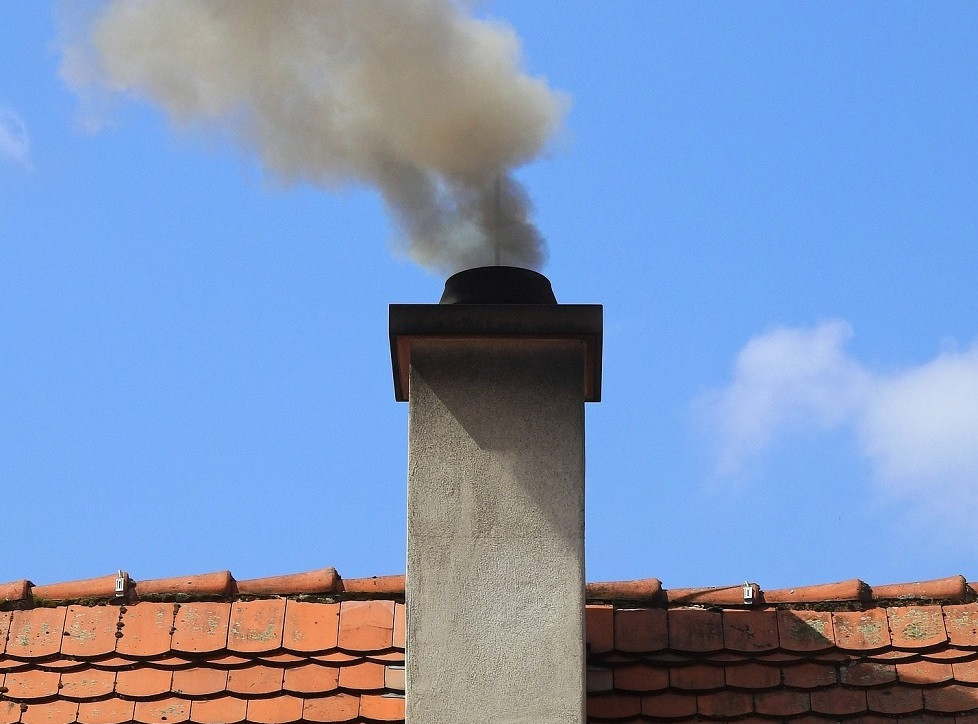
What is the carcinogenic agent implicated in the causation of scrotal carcinomas?
chimney smoke condensates
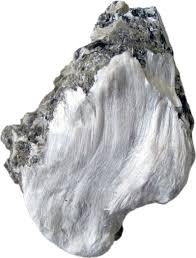
What is the carcinogenic agent implicated in the causation of mesothelioma?
asbestos
What is the carcinogenic agent implicated in the causation of oral carcinoma?
snuff

What is the carcinogenic agent implicated in the causation of nasal adenocarcinoma?
hardwood dust

What percentage of cancer deaths are caused by smoking?
30-40%
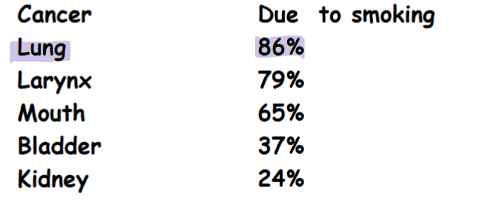
How does smoking cause cancer?
damages DNA

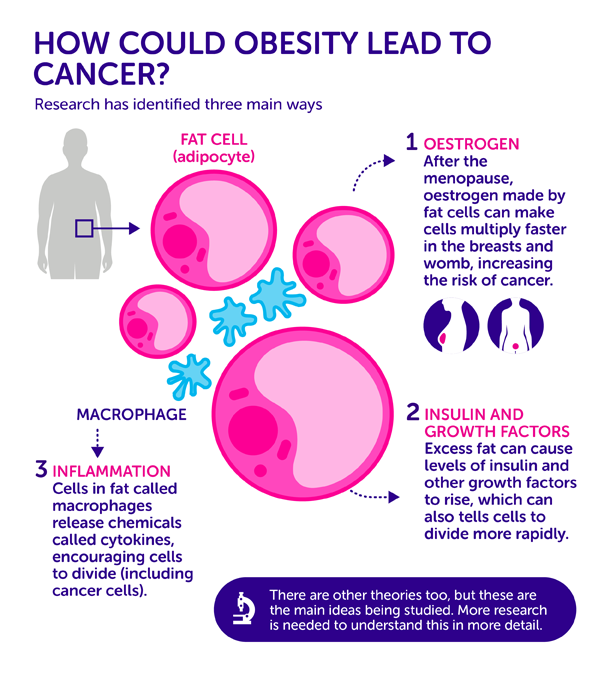
How is obesity linked to cancer?
Fat tissues in the body:
increase inflammation
increase oestrogen levels (major RF for breast cancer)
produce hormones and growth factors
Give three ways that infection can cause cancer
Transmissible cells
Viruses
Bacteria
How can transmissible cells cause cancer?
Tasmanian devils
Physical transfer of living cancer cells through biting or grooming
Viruses cause 10-15% of cancers. Give examples of human DNA viruses that are linked to cancer.
Hep B virus (HBV) → hepatocellular carcinoma
Human papilloma virus (HPV) → cervical cancer
Kaposi’s sarcoma associated herpesvirus (KSHV) → Kaposi’s sarcoma
Epstein-Barr virus (EBV) → Burkitt’s lymphoma, B/T cell lymphoma, Hodgkin’s lymphoma
Viruses cause 10-15% of cancers. Give examples of human RNA viruses that are linked to cancer.
Hepatitis C virus (HCV) → hepatocellular carcinoma
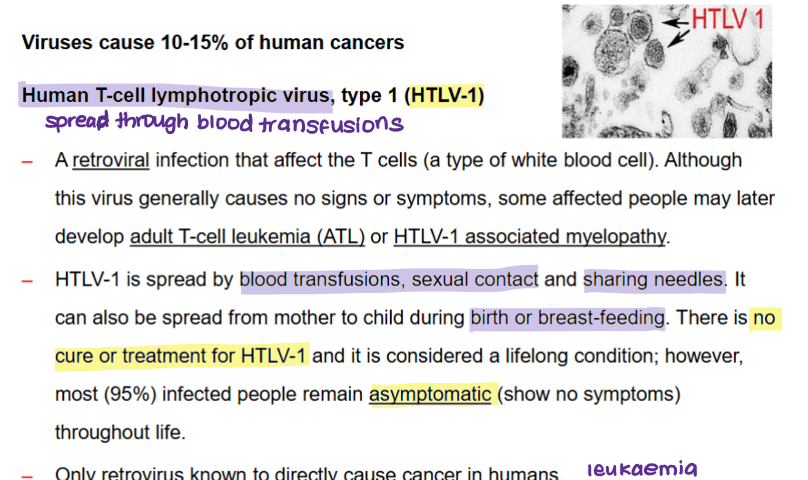
Human T-cell lymphotropic virus (HTLV-1) → Type 1 associated T-cell leukaemia
What is the only retrovirus known to directly cause cancer in humans?
human T-cell lymphotropic virus (HTLV-1)
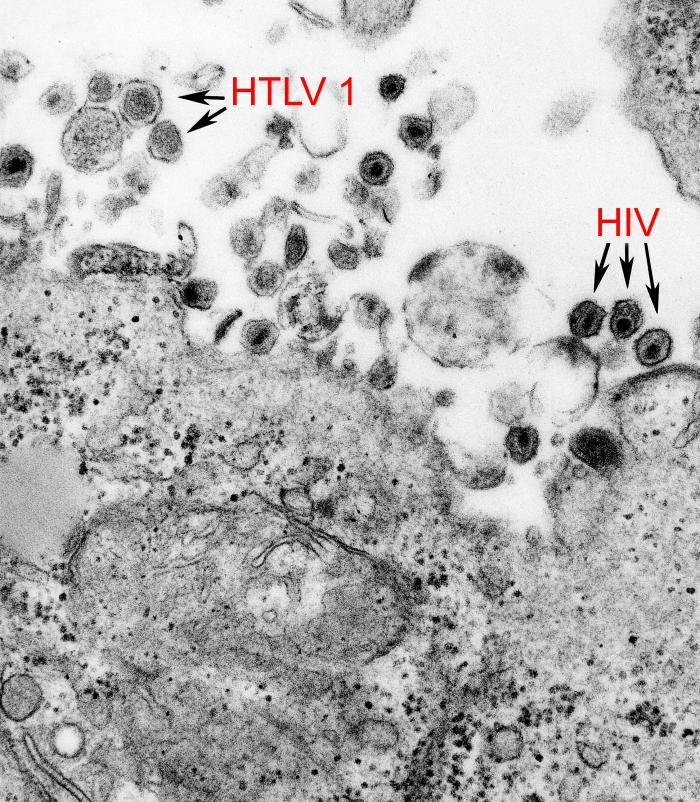
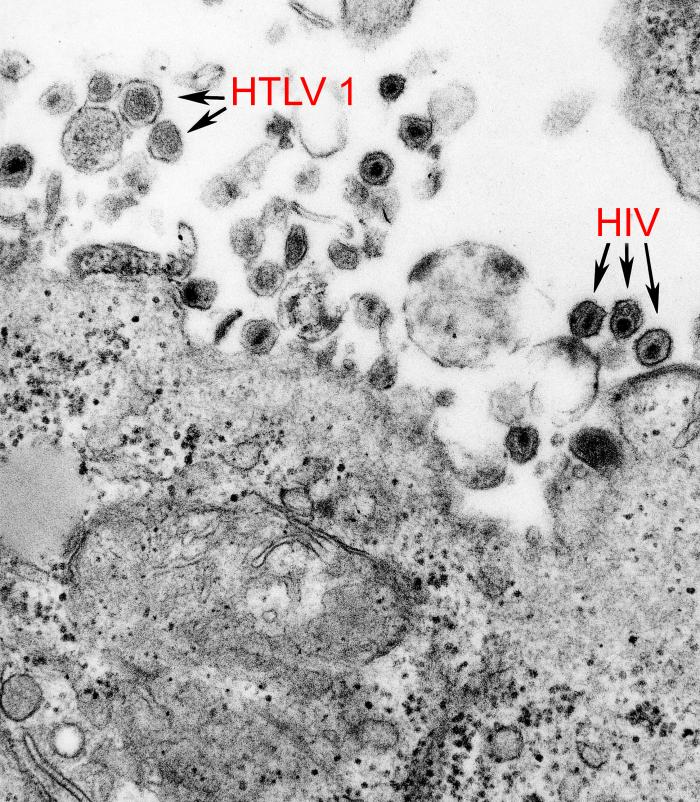
human T-cell lymphotropic virus (HTLV-1)
HTLV-1 is a virus that causes a form of blood cancer called adult T-cell leukemia/lymphoma (ATL). The virus infects T cells, a type of white blood cell, and in a small percentage of infected individuals, this can lead to ATL, an aggressive and often fatal malignancy.
How do viruses cause cancer?
insert DNA into host DNA (Hep B→ liver ca) (HPV → cervical ca)
viral proteins inactivate important host proteins
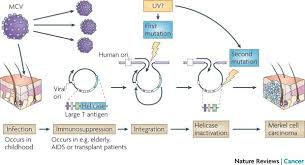
HPV E6 inactivates which host protein?
TP53 (tumour suppressor)
HPV E7 inactivates which host protein?
RB1
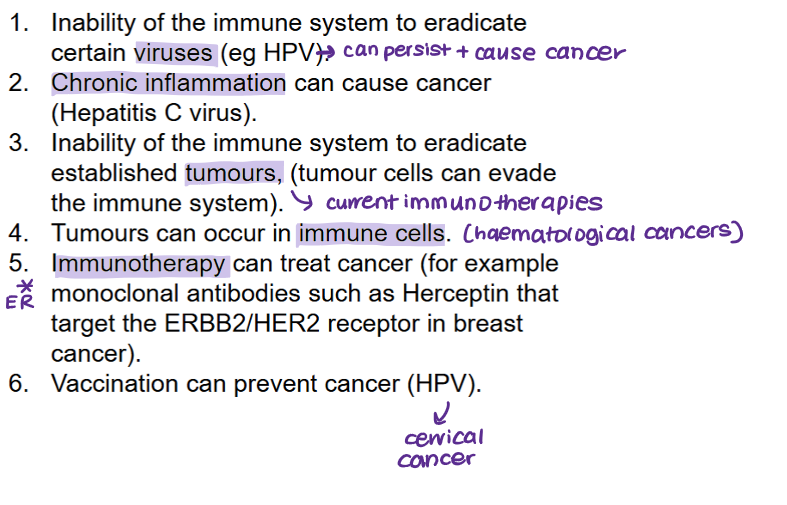
How is the immune system linked to cancer?
How can cancer risk be reduced?
no smoking
maintaining healthy body weight
cutting back on alcohol
balanced diet
staying safe in the sun
occupation
avoiding infections (Hep B/HPV vaccination)
screening programmes
low dose aspirin
The NHS currently screens for which three cancers?
Breast (mammogram)
Bowel (FIT)
Cervical (HPV molecular)
What percentage of deaths are due to metastatic cancer?
90%
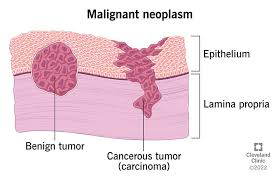
tumour definition
abnormal mass of tissue that results from excessive cell division that is uncontrolled and progressive
can be benign or malignant
“swelling”, not necessarily a neoplasm
neoplasia
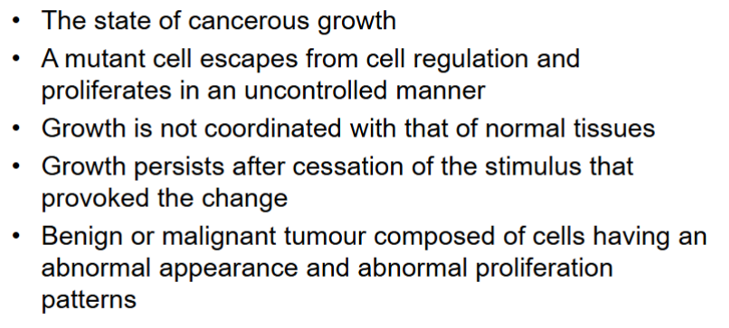
differentiation
extent to which neoplastic cells resemble normal cells
well
moderately
poorly
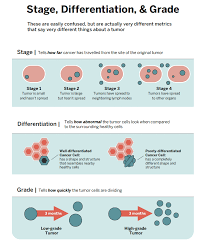
anaplasia
lack of differentiation
considered hallmark of malignancy
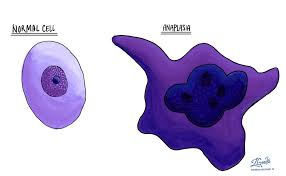
pleomorphism
variation in cell/nuclear size and shape
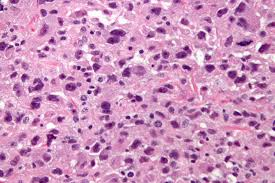
dysplasia
disordered growth, loss of uniformity and loss or architectural orientation
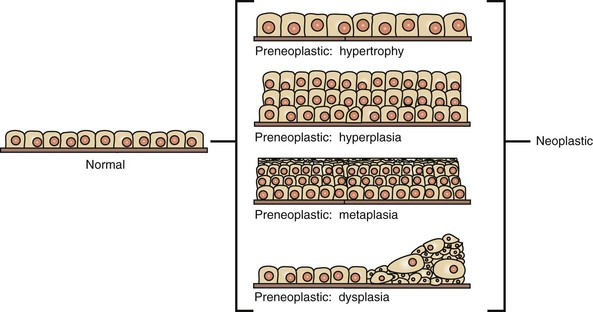
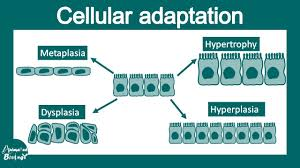
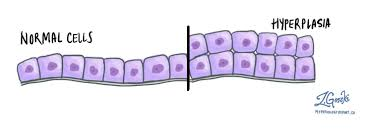
Unlike cancer, hyperplasia, hypertrophy and metaplasia are reversible upon the removal of the inducing stimulus. What is hyperplasia?
increase in number of cells
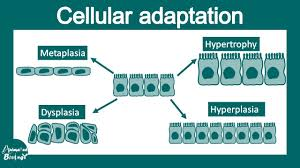
Unlike cancer, hyperplasia, hypertrophy and metaplasia are reversible upon the removal of the inducing stimulus. What is hypertrophy?
increase in size of cells
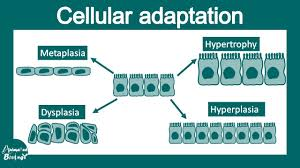
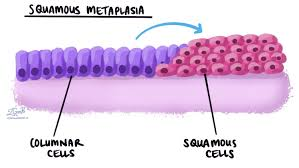
Unlike cancer, hyperplasia, hypertrophy and metaplasia are reversible upon the removal of the inducing stimulus. What is metaplasia?
where one adult cell type is replace by another cell type
e.g. columnar to squamous in respiratory tracts of smokers due to chronic irritation (precursor to neoplasia if irritation persists)