Module 6 - Market Structure
 Call Kai
 Learn
Learn Practice Test
 Spaced Repetition
 Match
Match Flashcards
 Knowt Play
1/33

There's no tags or description
Looks like no tags are added yet.
Name | Mastery | Learn | Test | Matching | Spaced | Call with Kai | Chat |
|---|
No analytics yet
Send a link to your students to track their progress
34 Terms
barriers to entry
something that blocks the entry of new firms in a monopoly or oligopoly market
Examples of natural barriers to entry
1. The need for capital
2. Economies of scale
3. Ownership of natural resources
Examples of legal or artificial barriers to entry
1. Patents
2. Regulations
3. Licensing or education requirements
4. Brand loyalty
Which market structure has easy entry and exit and identical products?
Perfect competition
Which two market structures have no barriers to entry?
Perfect competition and monopolistic competition
Which market structure is most efficient?
Perfect competition
Which market structure is most competitive?
Perfect competition
What happens to price and quantity as markets become more concentrated?
Product price increases and quantity decreases
Which market structure includes few firms and has barriers to entry?
Oligopoly
cartel
a group of firms that overtly collude to act like a monopoly (reduce output and drive up prices)
Which market structure includes only one firm producing a unique product?
Monopoly
What is the difference between perfect competition and monopolistic competition?
Firms in monopolistic competition produce differentiated products. Firms in perfect competition produce identical products.
4 firm concentration ratio
the sum of the market shares of the largest four firms in an industry
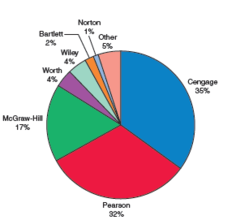
What market structure describes the fast food industry?
Monopolistic competition
Profit Maximizing Rule
All firms maximize profit by producing where MR = MC
What characteristic leads to zero economic profits in the long run for firms in perfectly competitive markets?
Easy entry and exit
Market structure most likely to advertise
Monopolistic competition
Market structure most likely to have collusion
Oligopoly
efficient
Resources have been allocated to maximize the net benefits of all economic activities. The "right" quantity is being produced.
Herfindahl-Hirschman Index (HHI)
a measure of market concentration calculated by squaring the market share (after dropping the % sign) of each firm in an industry, then summing these squared market shares.
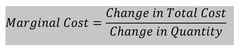
Marginal Cost (MC)
the additional cost associated with making one extra unit of output.
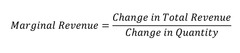
marginal revenue
the additional revenue earned when an extra unit of output is sold
monopolistic competition
a model characterized by many firms producing similar but differentiated products in a market with easy entry and exit
monopoly
a firm that is the only producer of a good or service for which there are no close substitutes and barriers to entry exist
monopoly power
the ability to act as a price setter
natural monopoly
when one large firm can produce a product for a lower cost than many small firms could - this is due to having economies of scale and high fixed costs (water utilities, for example)
Rent-seeking
Large firms use profits to lobby for rules or legislation that make it more difficult for other firms to compete in the market.
oligopoly
a market that is dominated by a few firms, each of which recognizes that its own actions will produce a response from its rivals and that those responses will affect it
Collusion
when firms openly agree on price, output, and other decisions aimed at achieving monopoly profits (the goal is to work together to restrict quantity and drive up prices - like a monopoly firm would)
perfect competition
a market where a large number of firms produce identical goods consumed by a large number of buyers, firms are price takers, and there is easy entry and exit in the long run
price setter
a firm that sets or picks price based on its output decision and what its customers are willing to pay
price takers
individuals or firms who must take the market price as given
substitutes
two goods for which an increase in price of one increases the demand for the other
tacit collusion
an unwritten, unspoken understanding through which firms agree to limit their competition