World War II
 Call Kai
 Learn
Learn Practice Test
 Spaced Repetition
 Match
Match Flashcards
1/28

There's no tags or description
Looks like no tags are added yet.
Name | Mastery | Learn | Test | Matching | Spaced | Call with Kai | Chat |
|---|
No analytics yet
Send a link to your students to track their progress
29 Terms
Treaty of Versailles
Treaty that ended WW I. It blamed Germany for WW I and handed down harsh punishment.
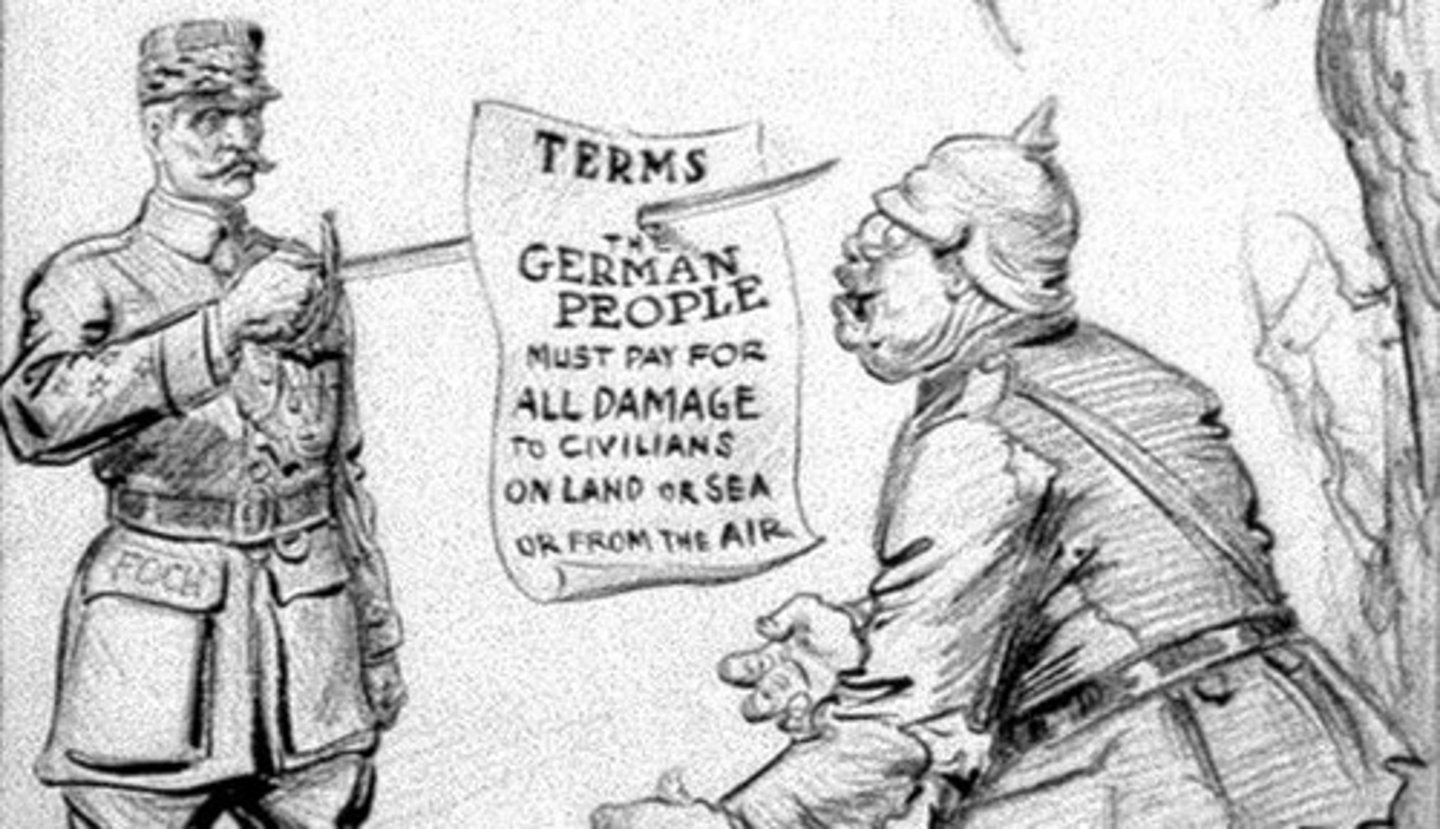
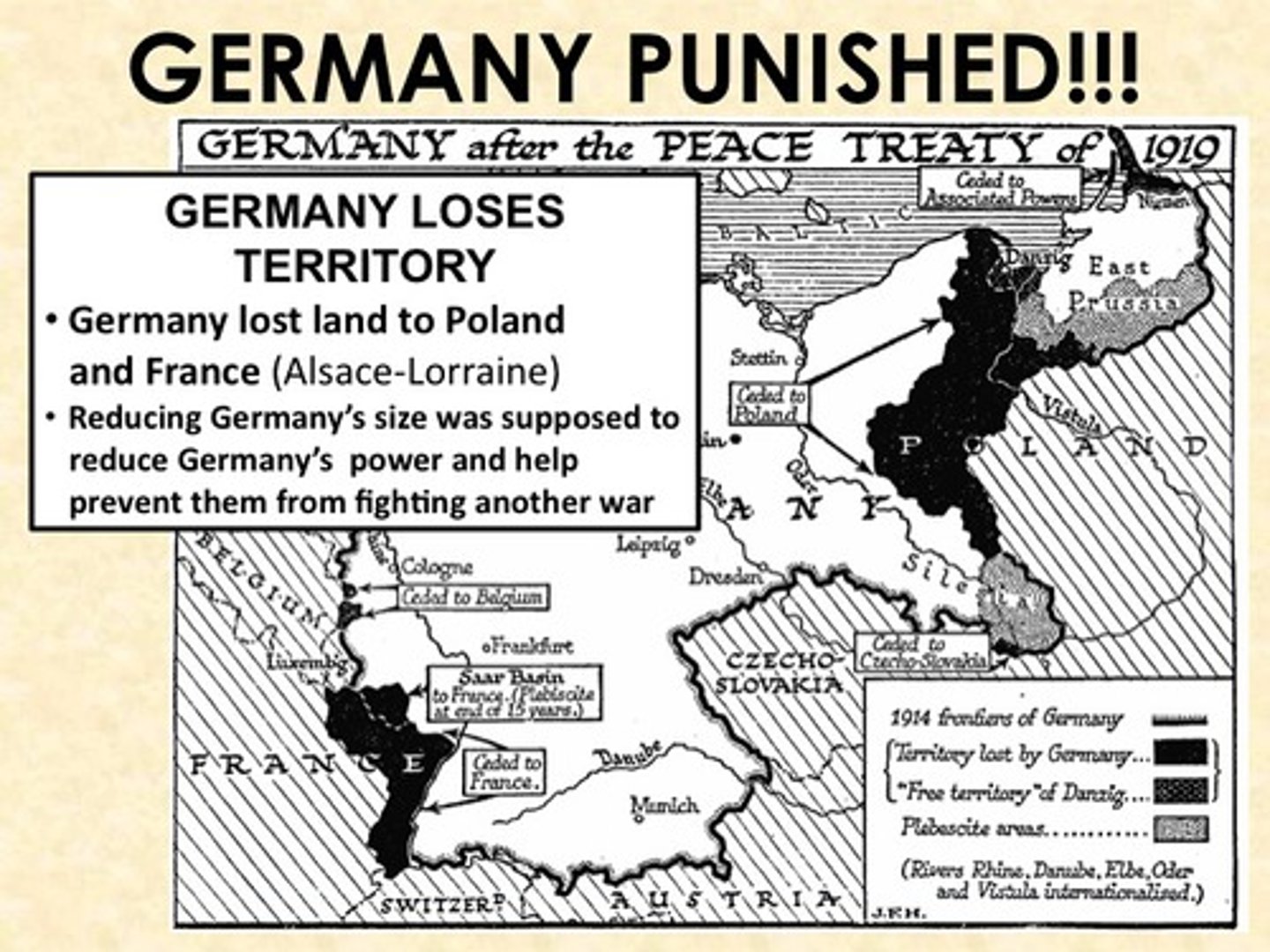
List two stipulations of the Treaty of Versailles
1) pay billions of dollars in damages
(also called reparations)
2) give up land
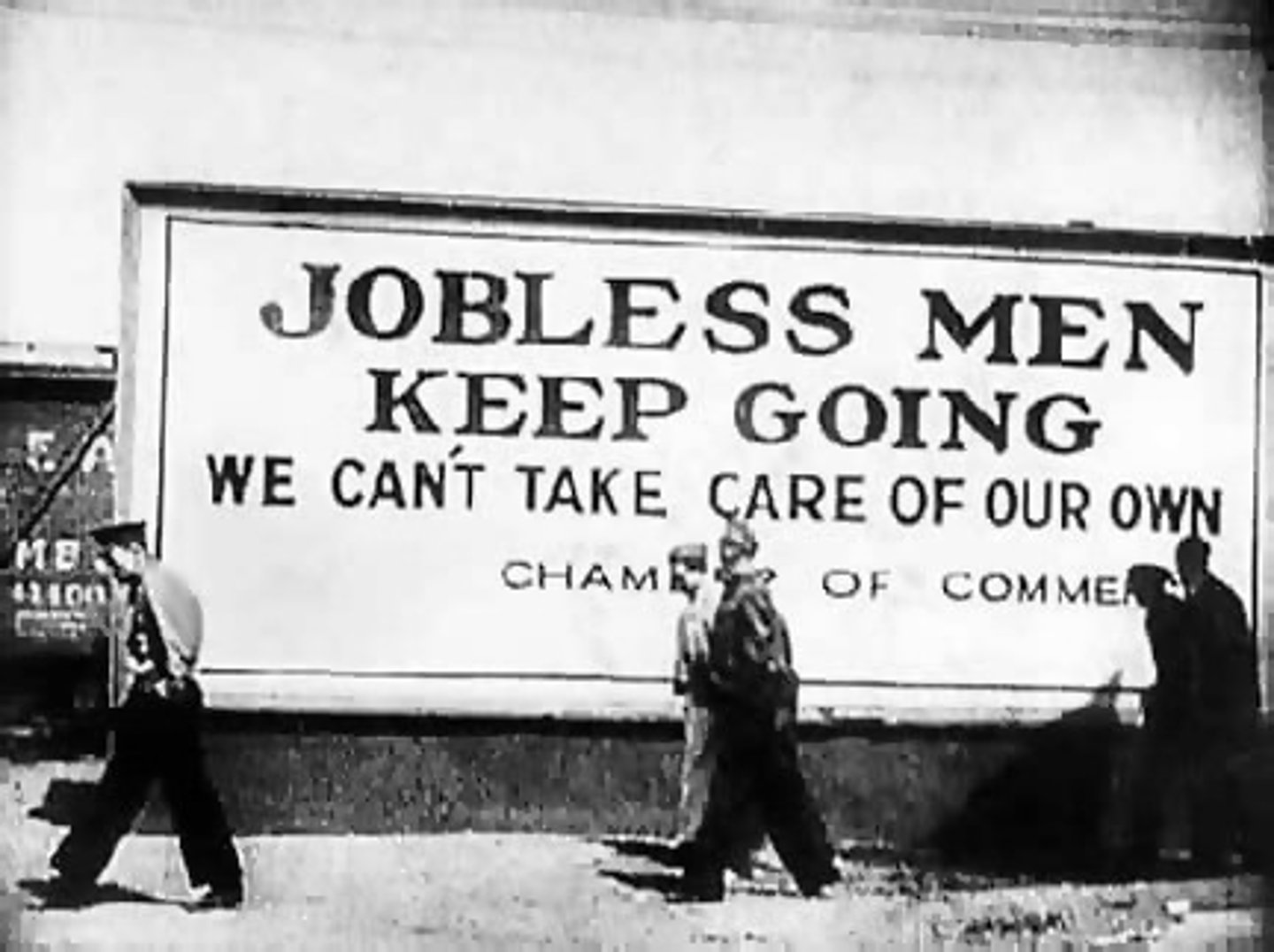
What conditions led to Hitler's rise to power in post WWI Germany?
1) economic depression
2) lack of food, clothes and other necessities
3) good public speaker
4) the idea he could make things better in Germany if the German people would put their faith in him
Fascism
A political philosophy which promotes a strong, central government that is controlled by the military and led by a dictator
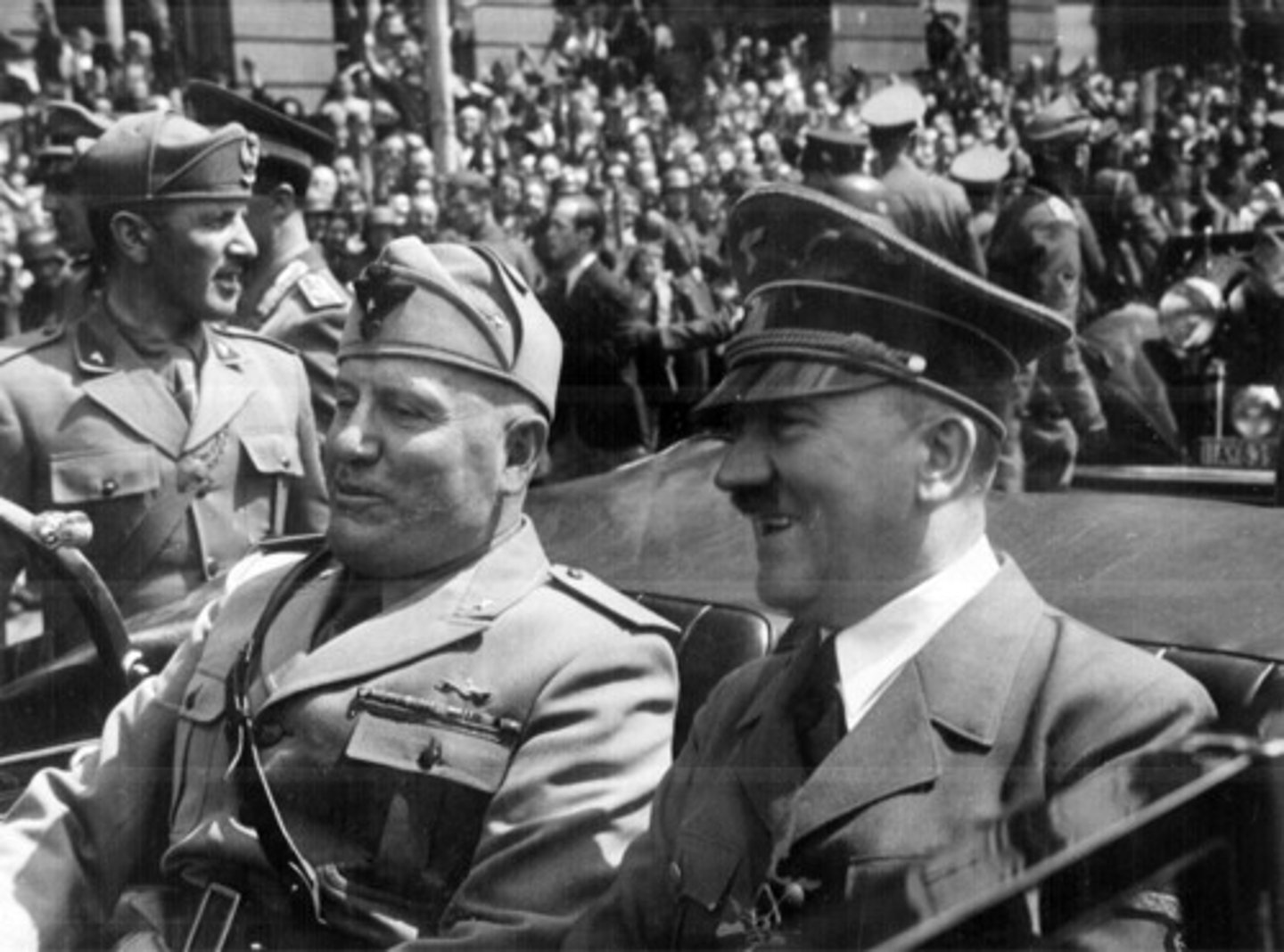
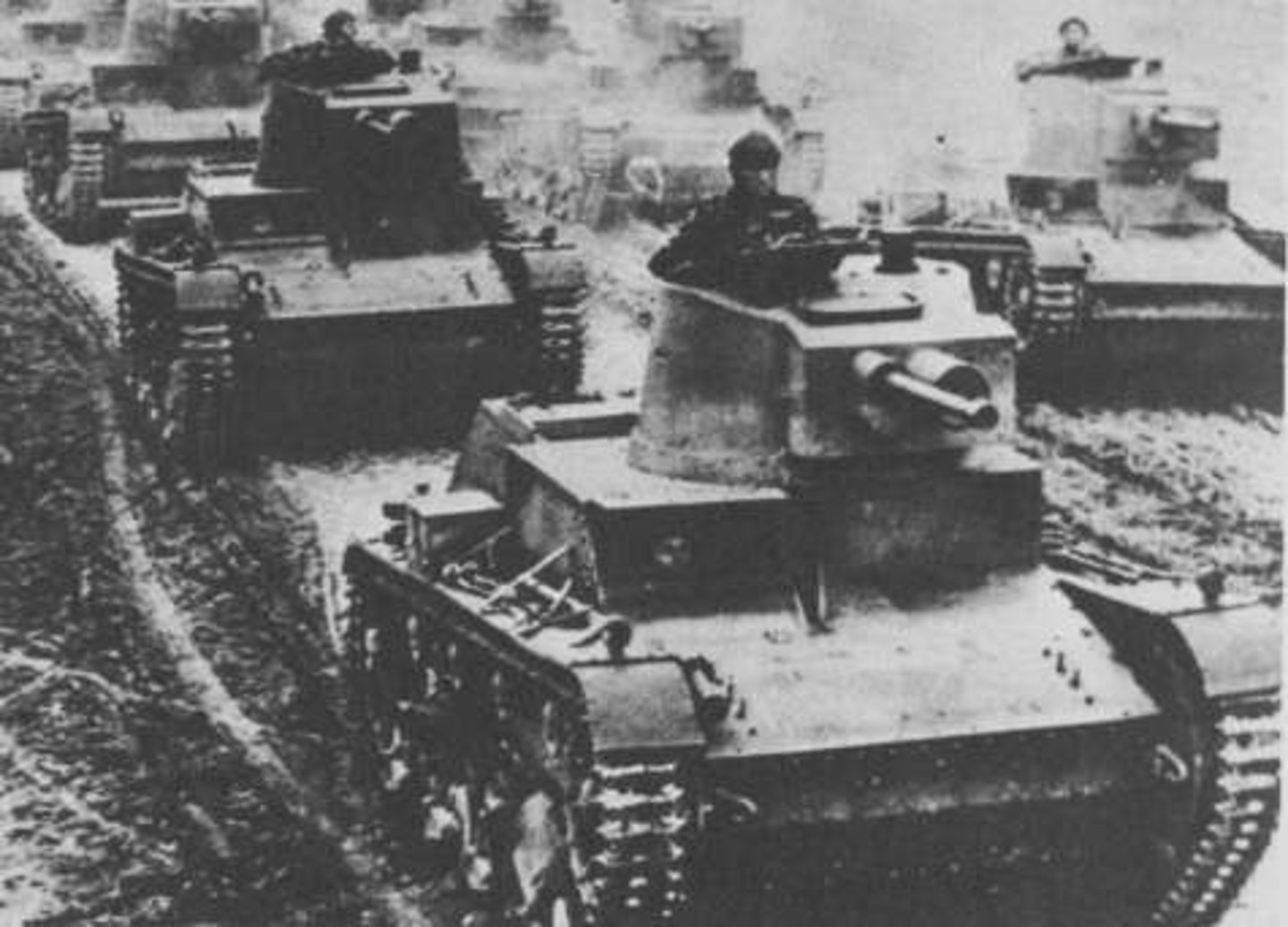
Poland
Invaded by the Germans to start WWII
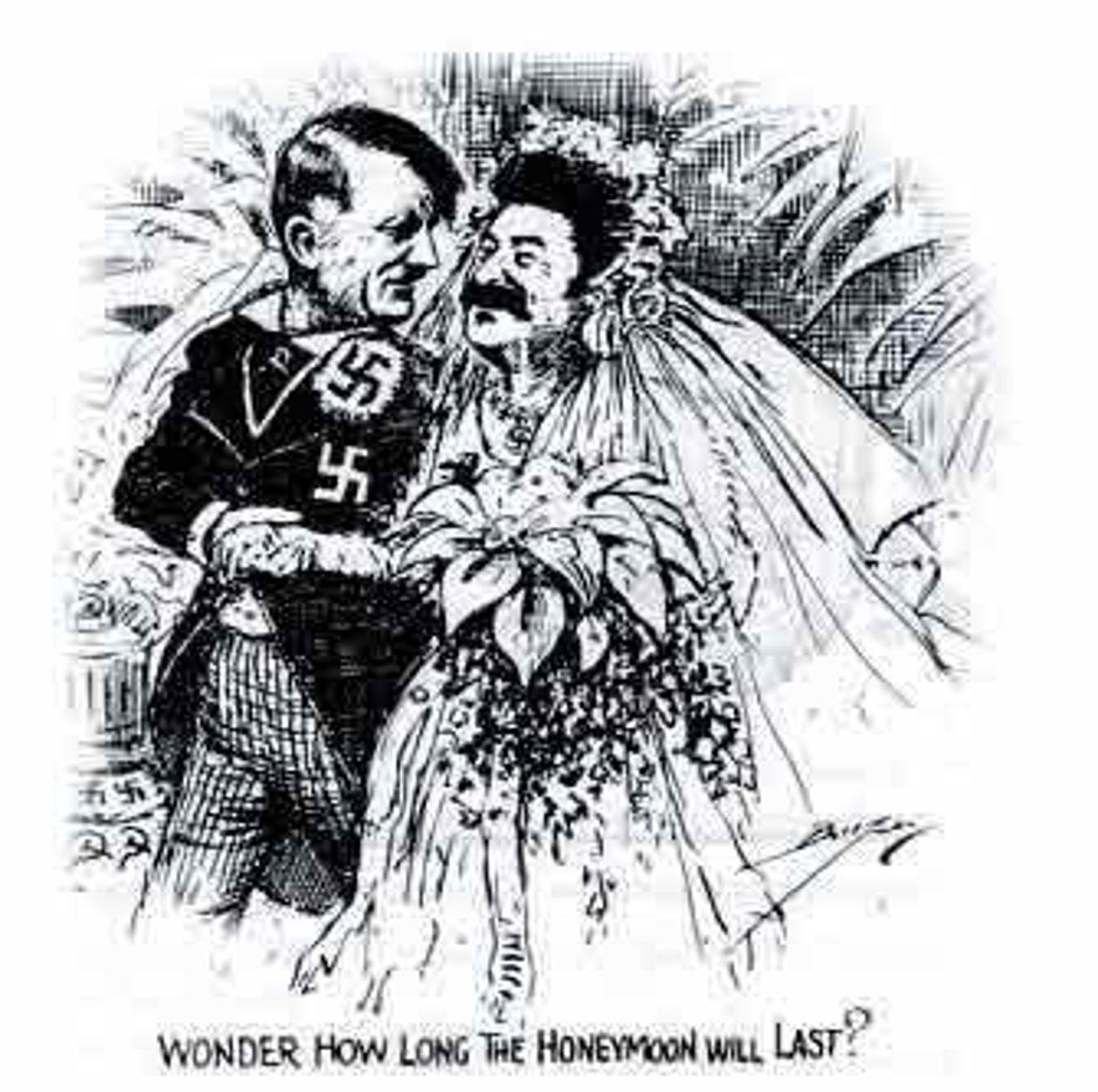
Non- Agression Pact
-Germany and the Soviet Union signed this pact and promised not to attack each other.
- Germany eventually broke the pact and invaded Russia.
- Hitler loses a key ally when the Soviet Union switches from the Axis powers to the Allied powers.
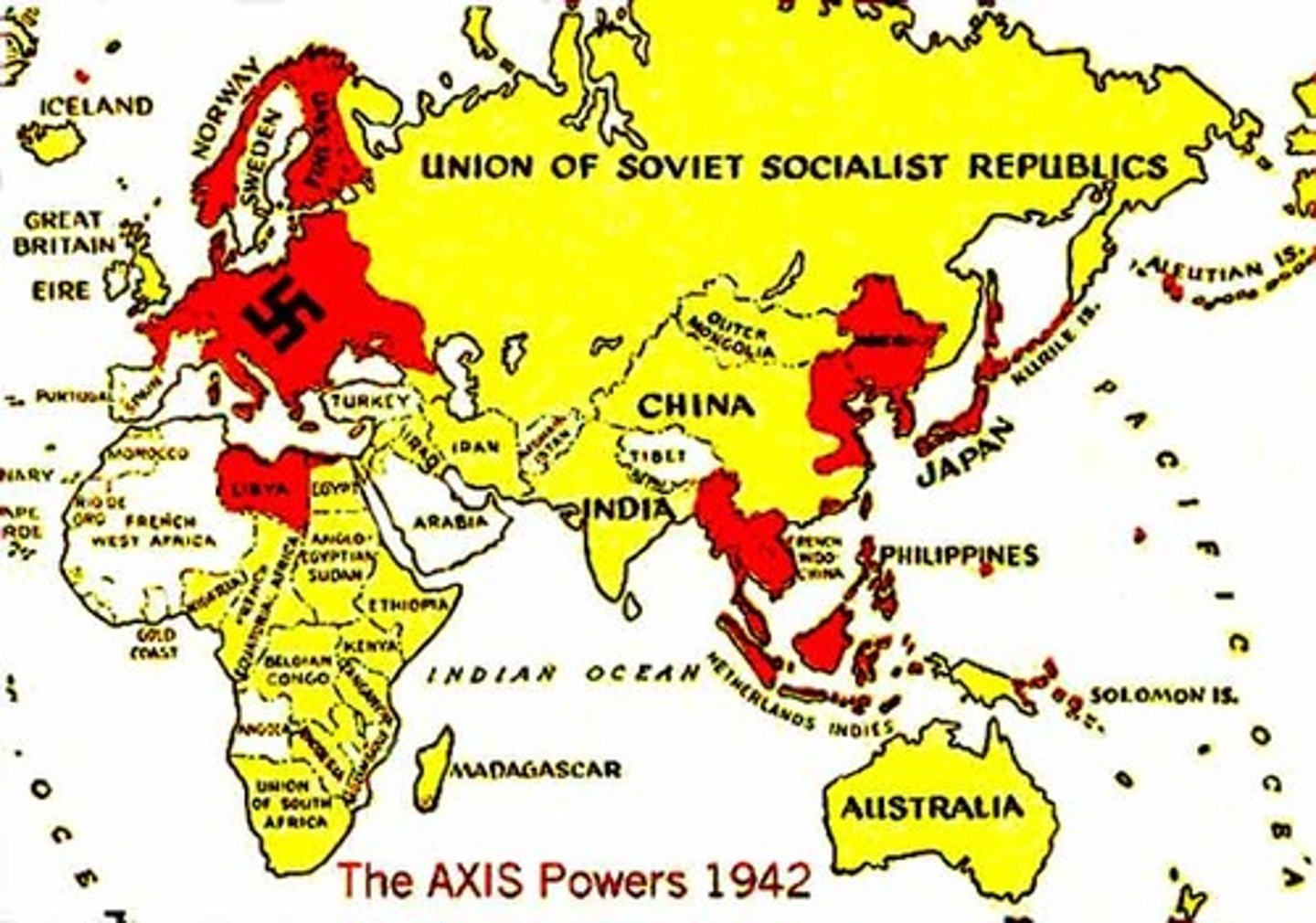
Axis Powers
1) Germany
2) Japan
3) Italy
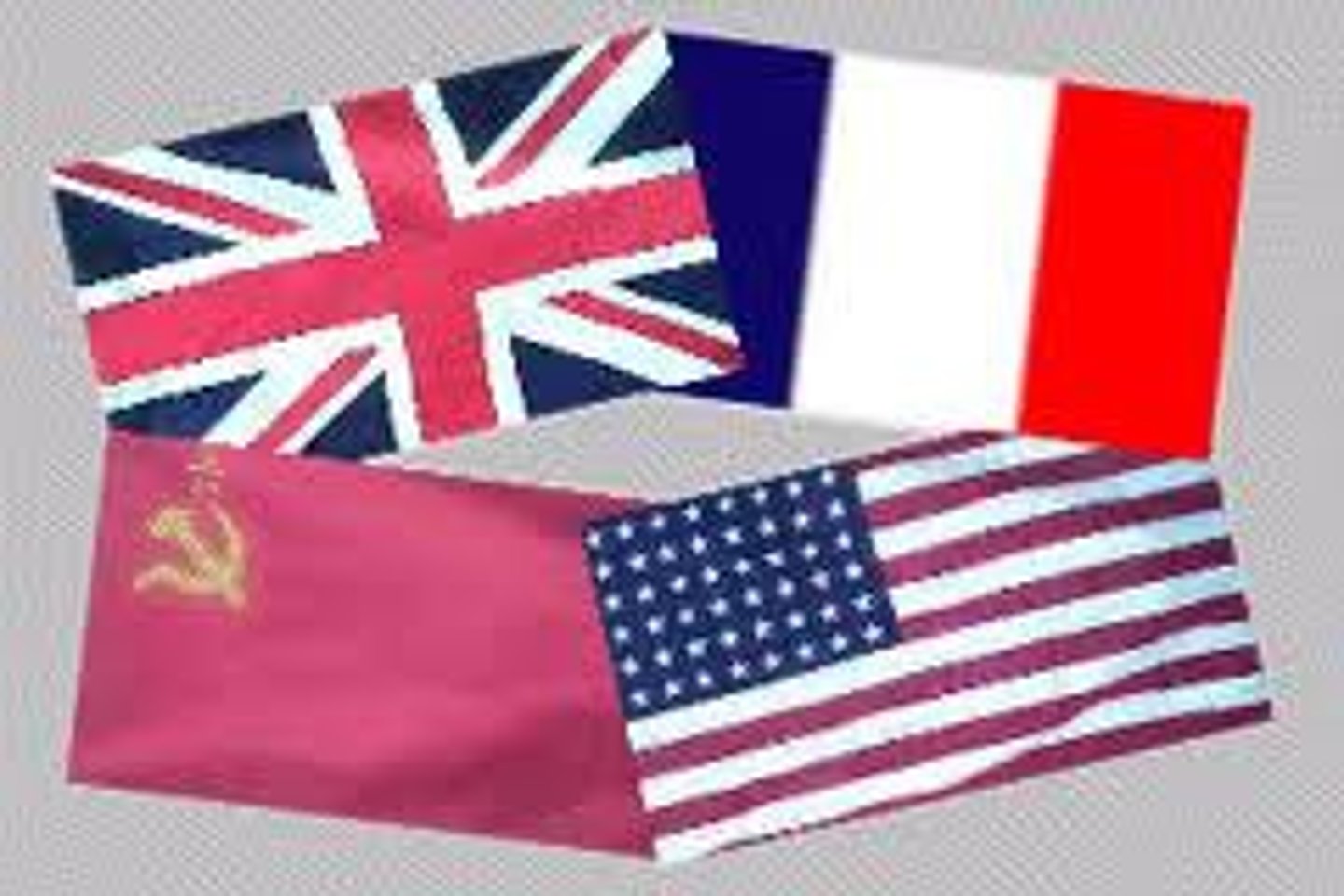
Allied Powers
1) Great Britain
2) United States
3) Soviet Union
4) France
5) Winners of World War II
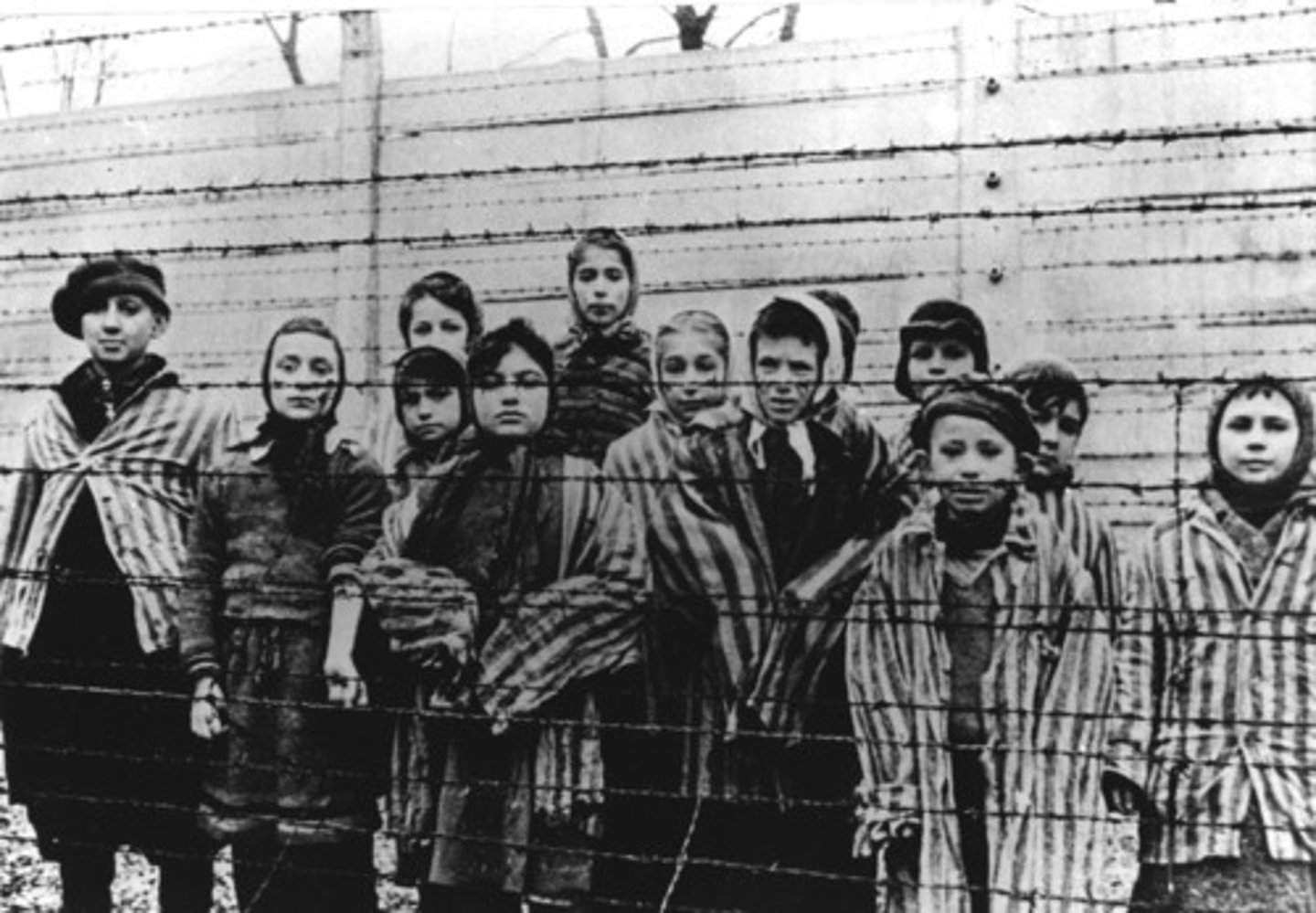
Holocaust
The mass slaughter of European civilians especially Jewish citizens, gypsys, disabled citizens and political opponents by the Nazis during WWII
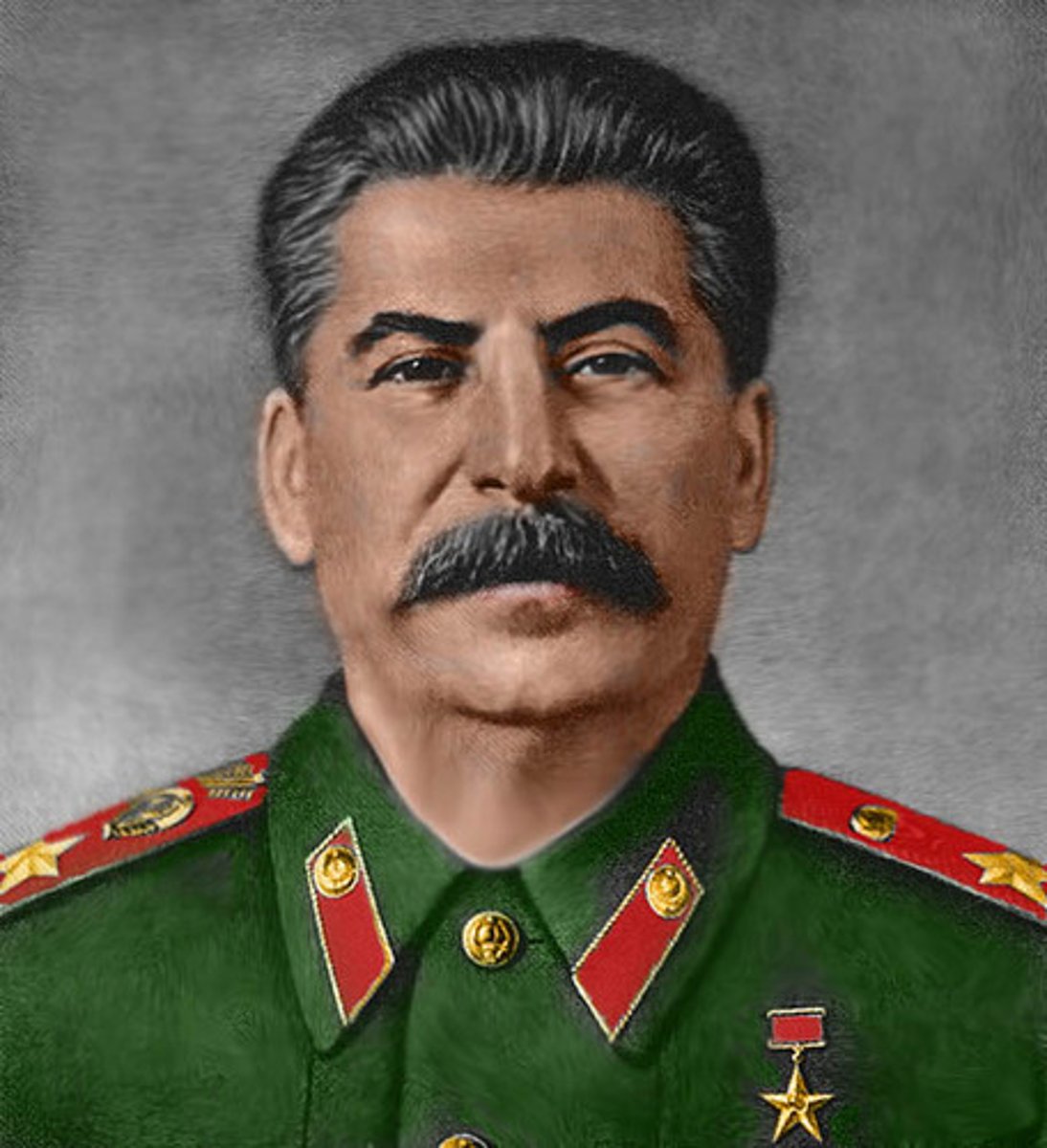
Joseph Stalin
Leader of the Soviet Union (U.S.S.R.) from 1920s- 1953
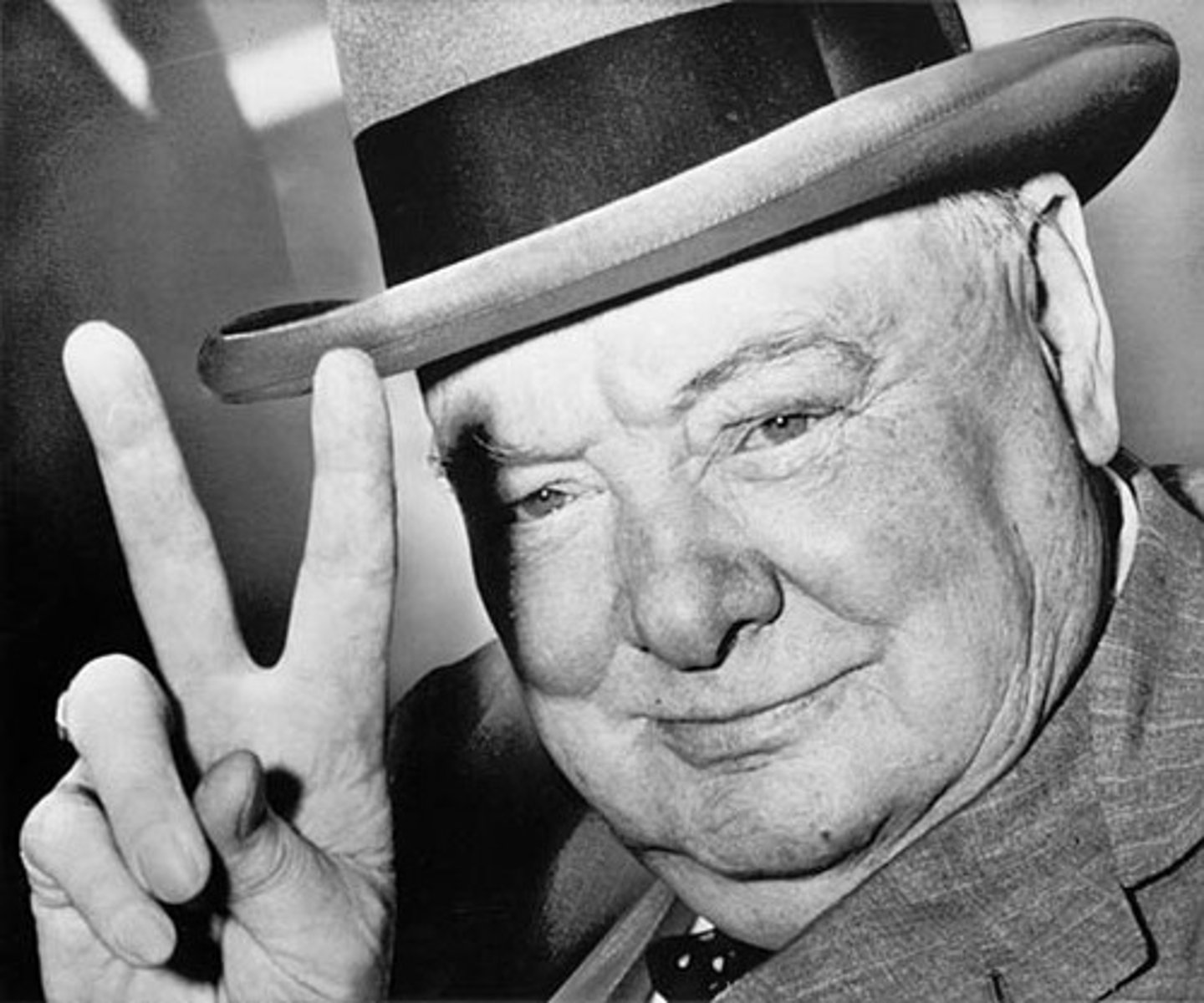
Winston Churchill
British Prime Minister from 1940-1945
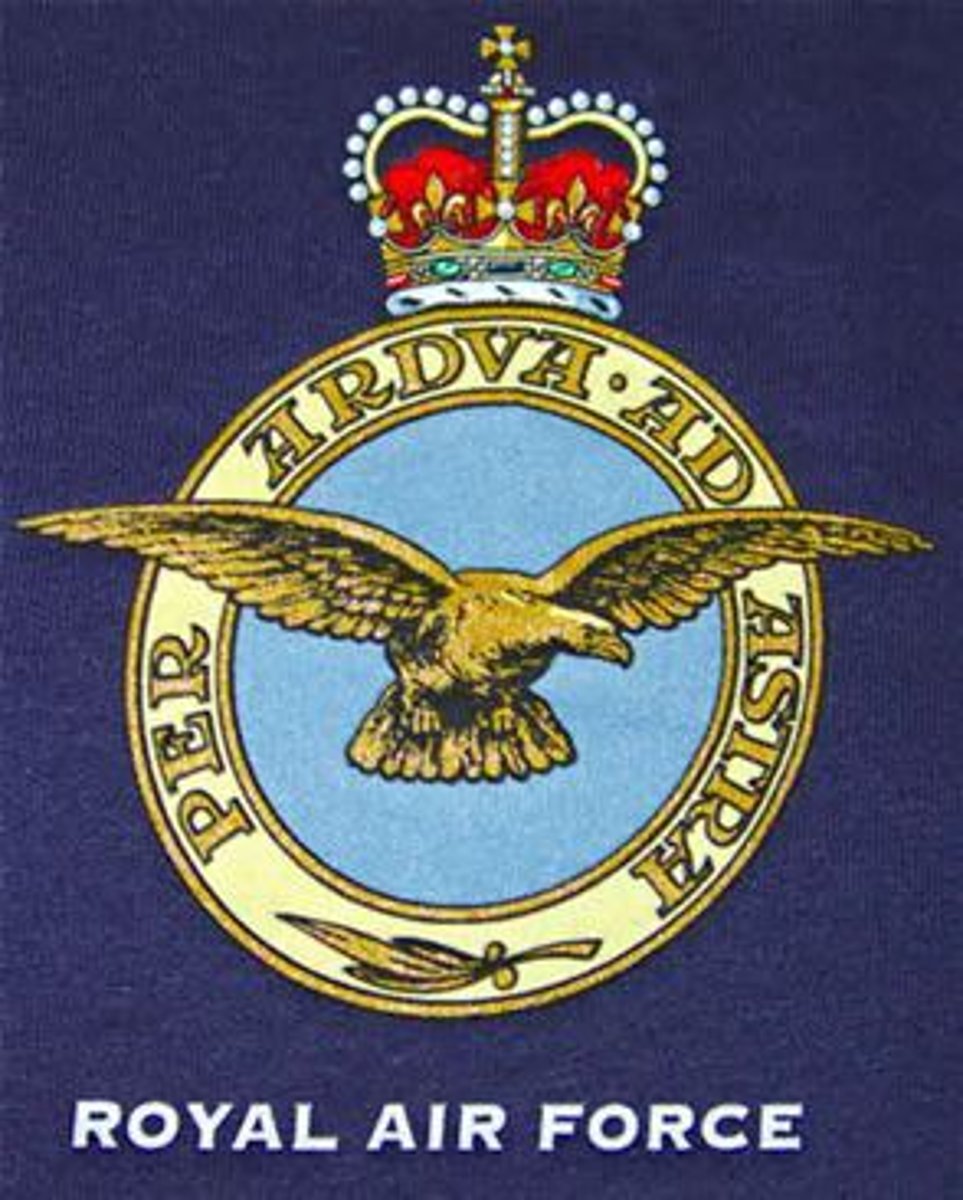
RAF
Britain's Royal Air Force
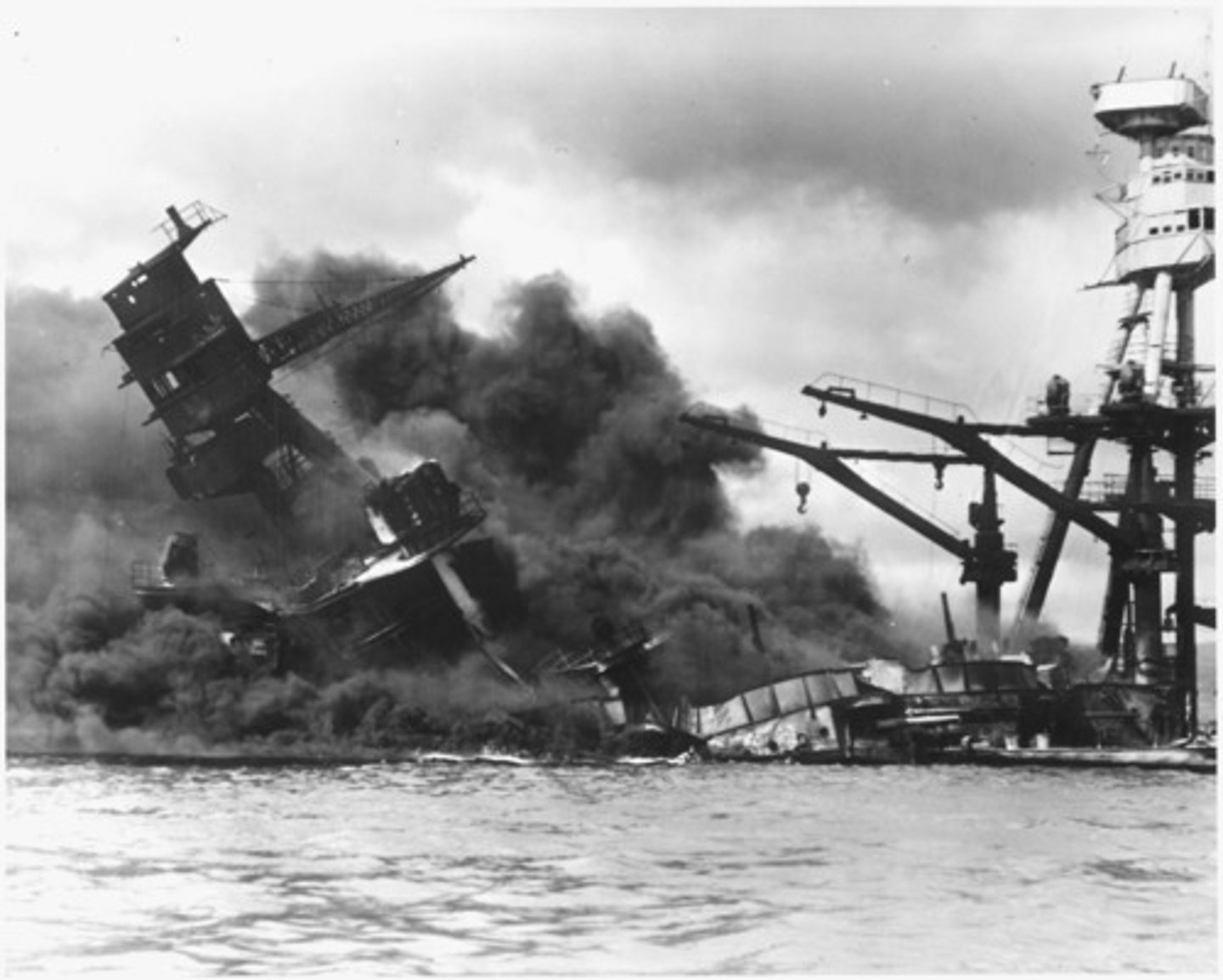
Attack on Pearl Harbor
- December 7, 1941
- The United States joins the war after Japan attacks U.S. Naval base in Pearl Harbor, Hawaii
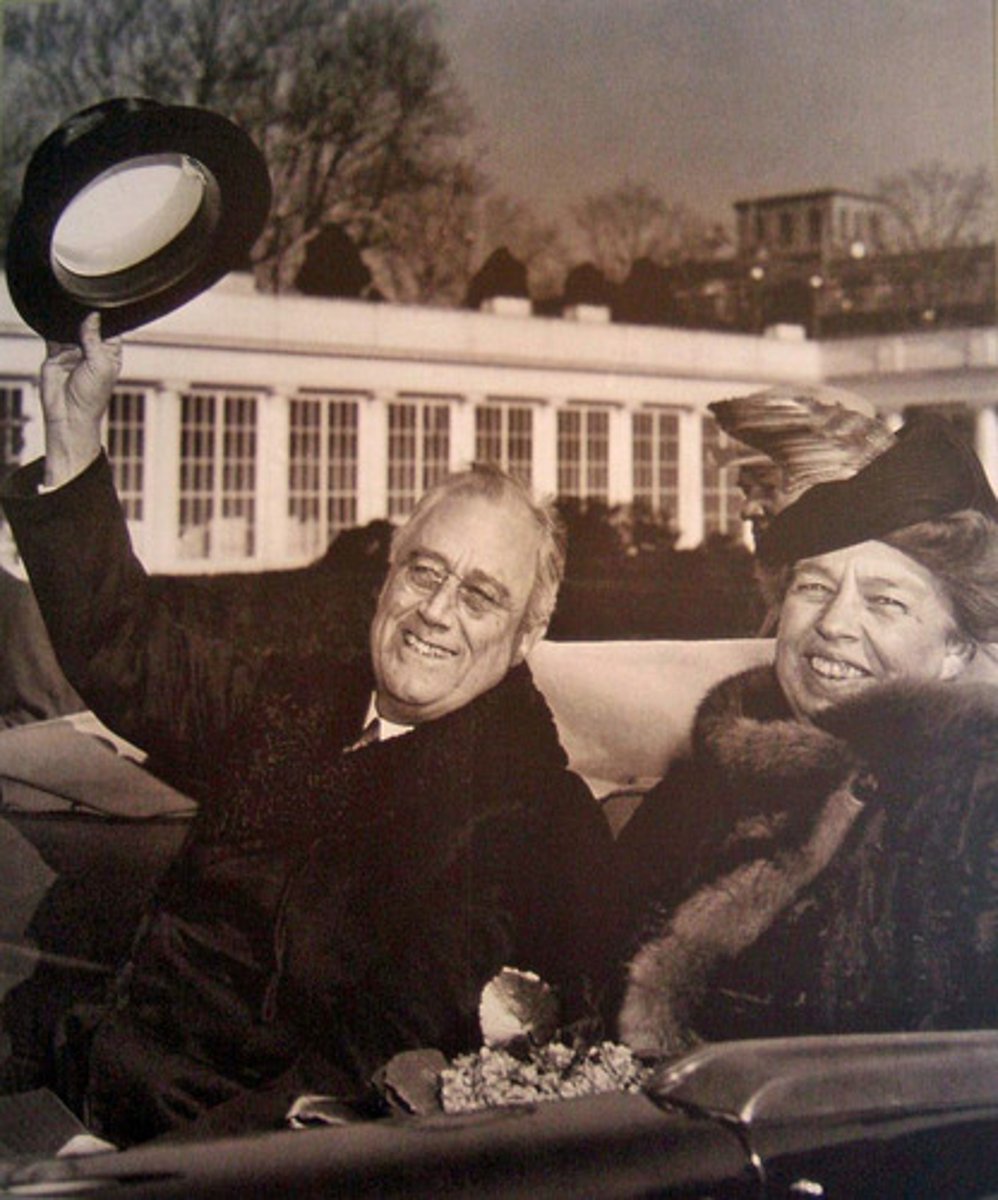
Franklin D. Roosevelt
President of the United States during attack on Pearl Harbor
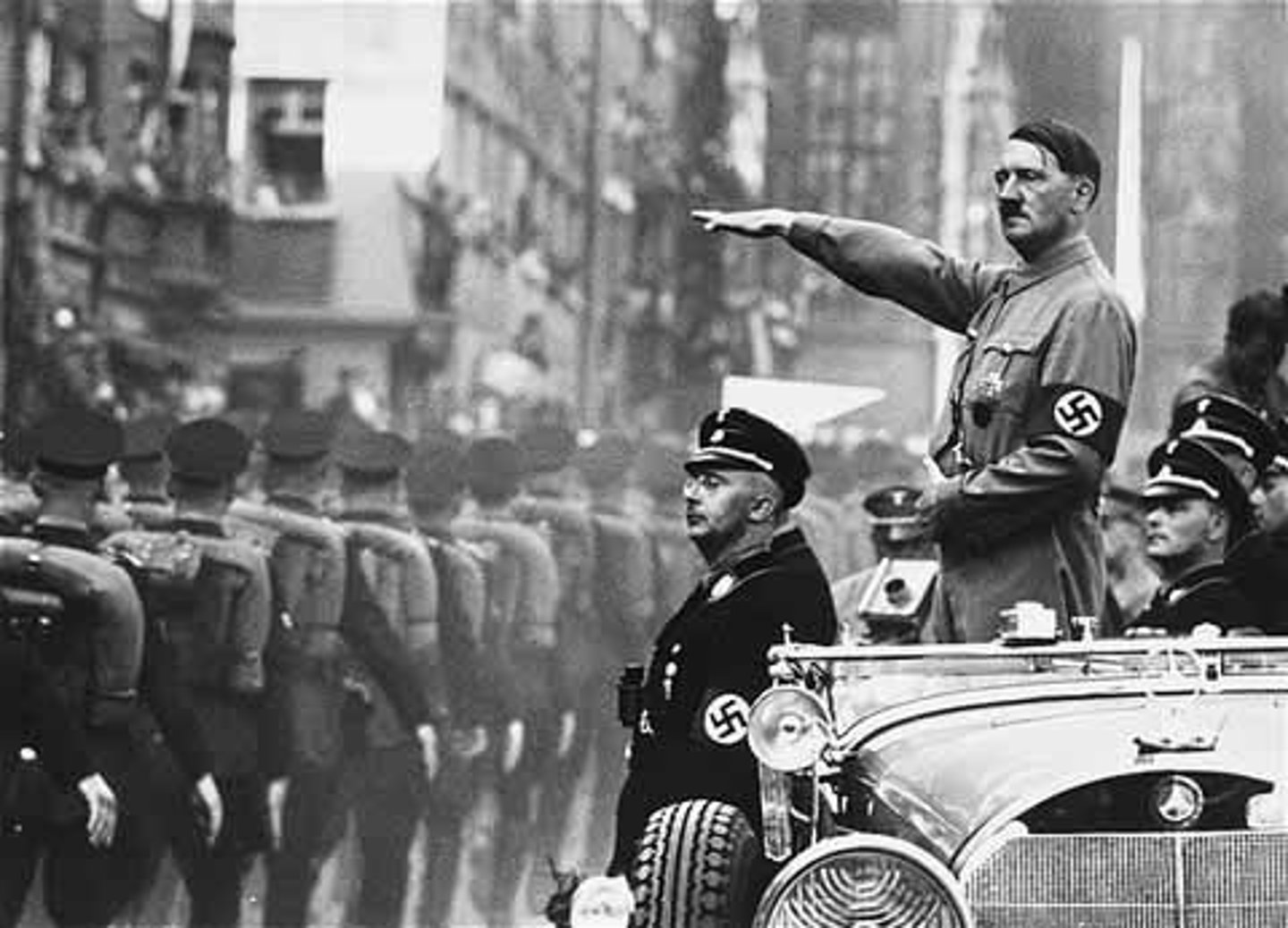
Nazis (Party)
Members of a fascist party controlling Germany from 1933-1945 under Adolf Hitler. Also known as the National Socialist Party.
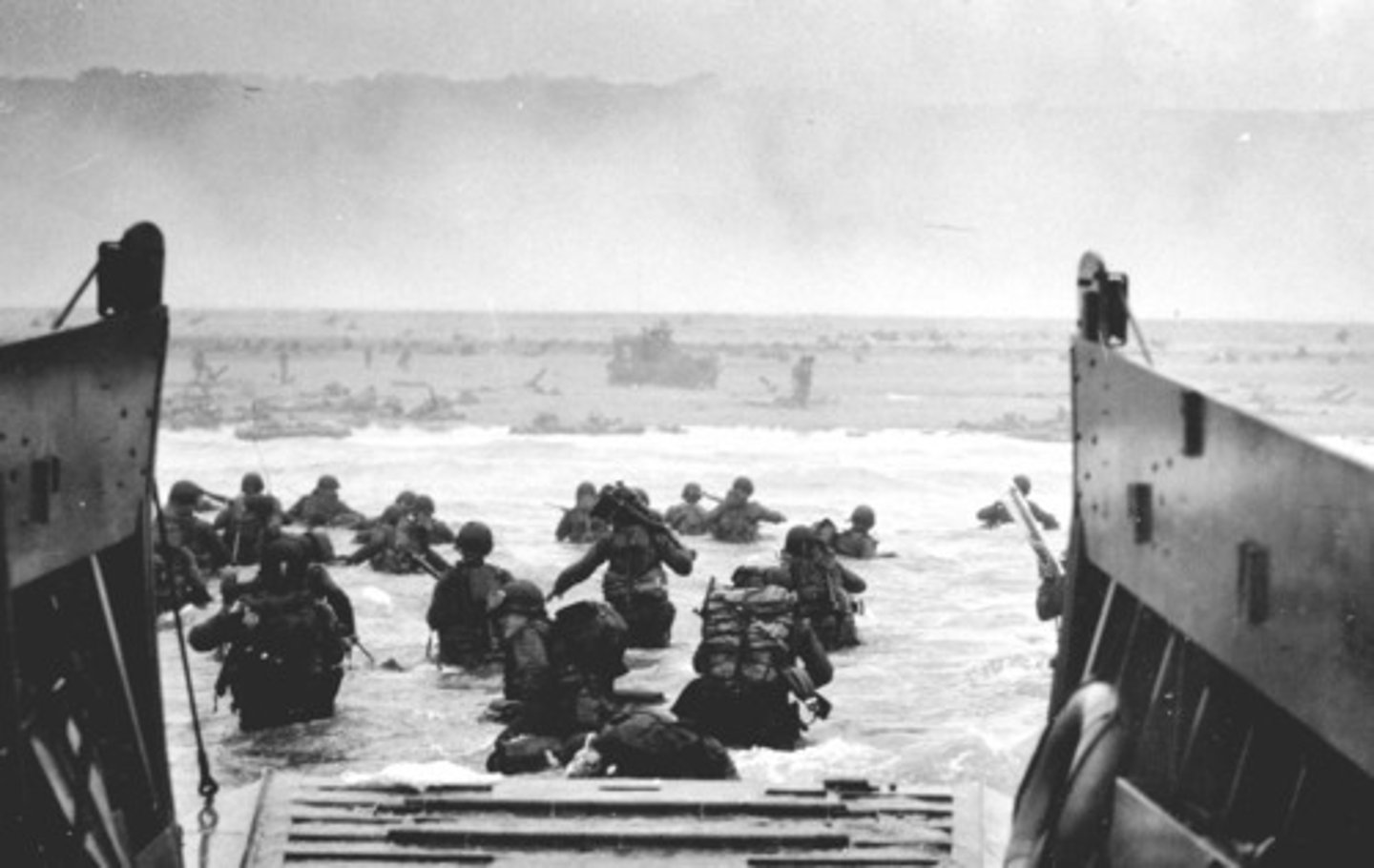
D-Day
- June 6, 1944
- Landing of the allied invasion on the beaches of Normandy, France
- Largest amphibious (water) invasion
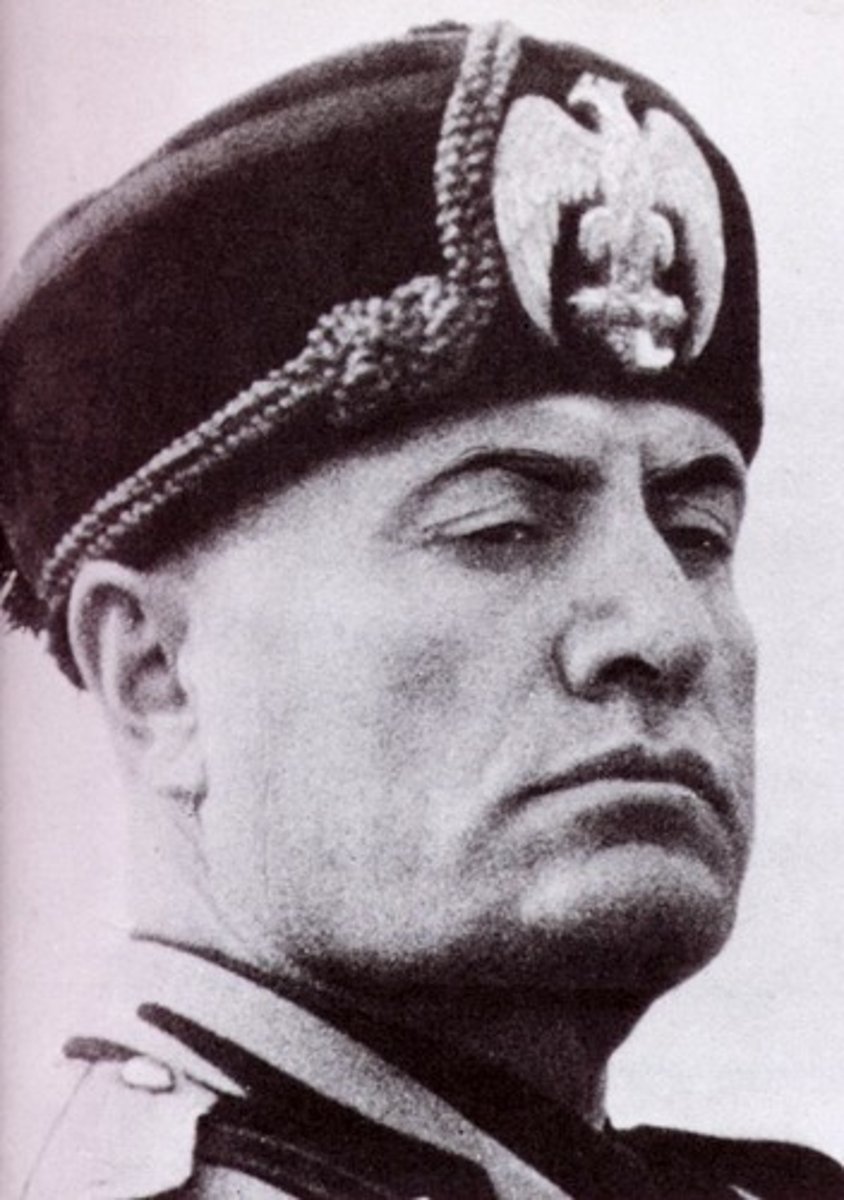
Benito Mussolini
-Fascist leader of Italy from 1922- 1943
- killed by Italian partisans on April 28, 1945
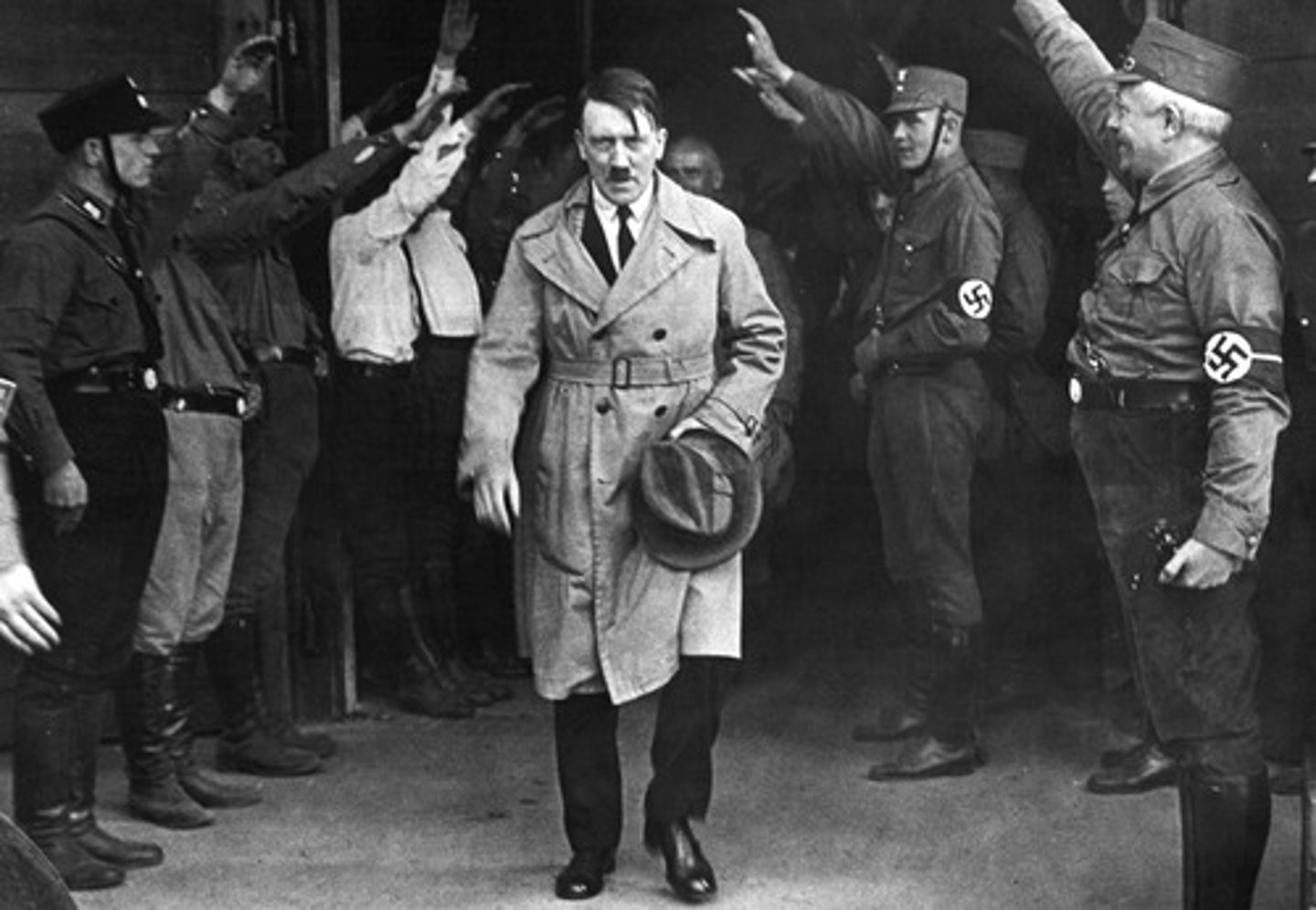
Adolf Hitler
- German head of state from 1933-1945.
- Leader of the Nazi Party during WWII
- committed suicide on April 30, 1945
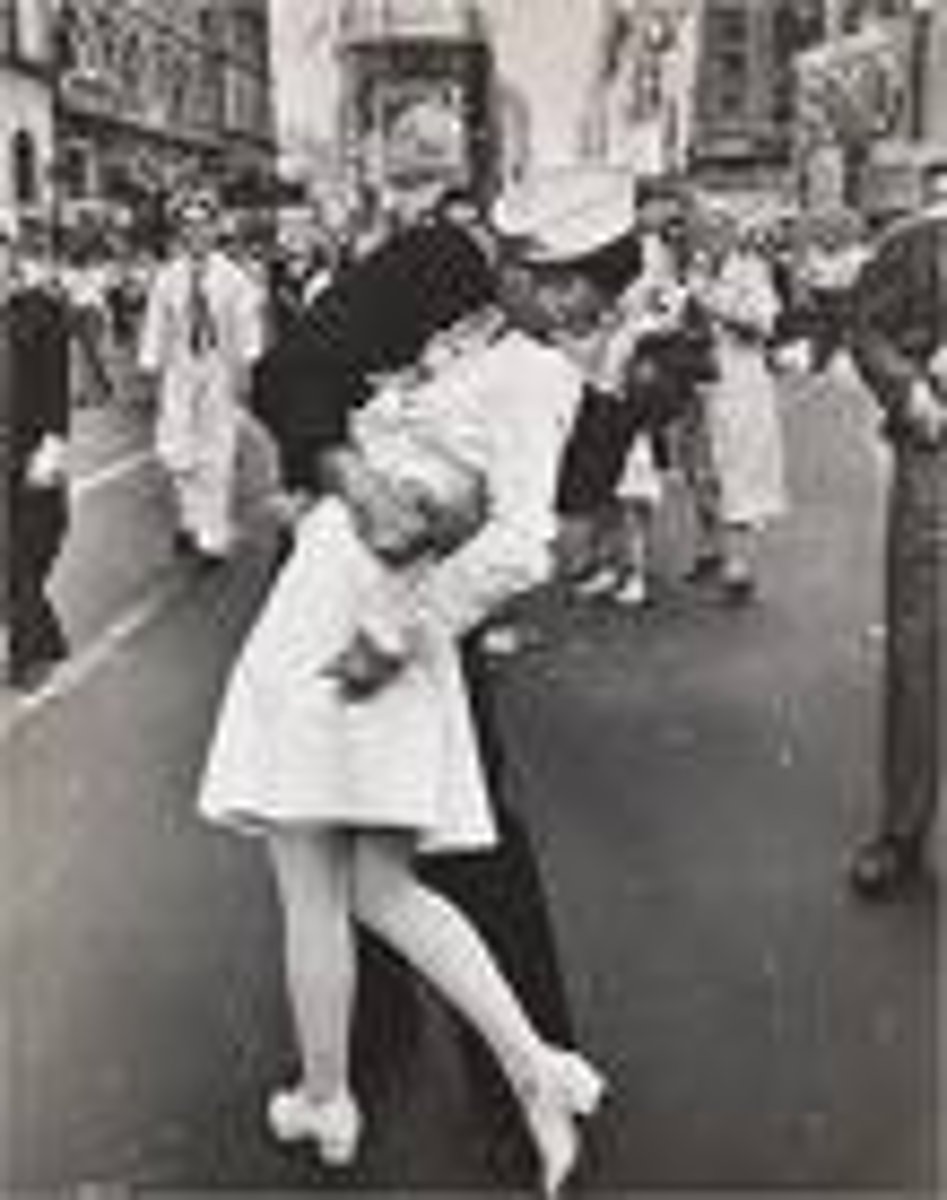
VE Day
- May 8, 1945
- Victory in Europe
- Germany officially surrenders to Allies
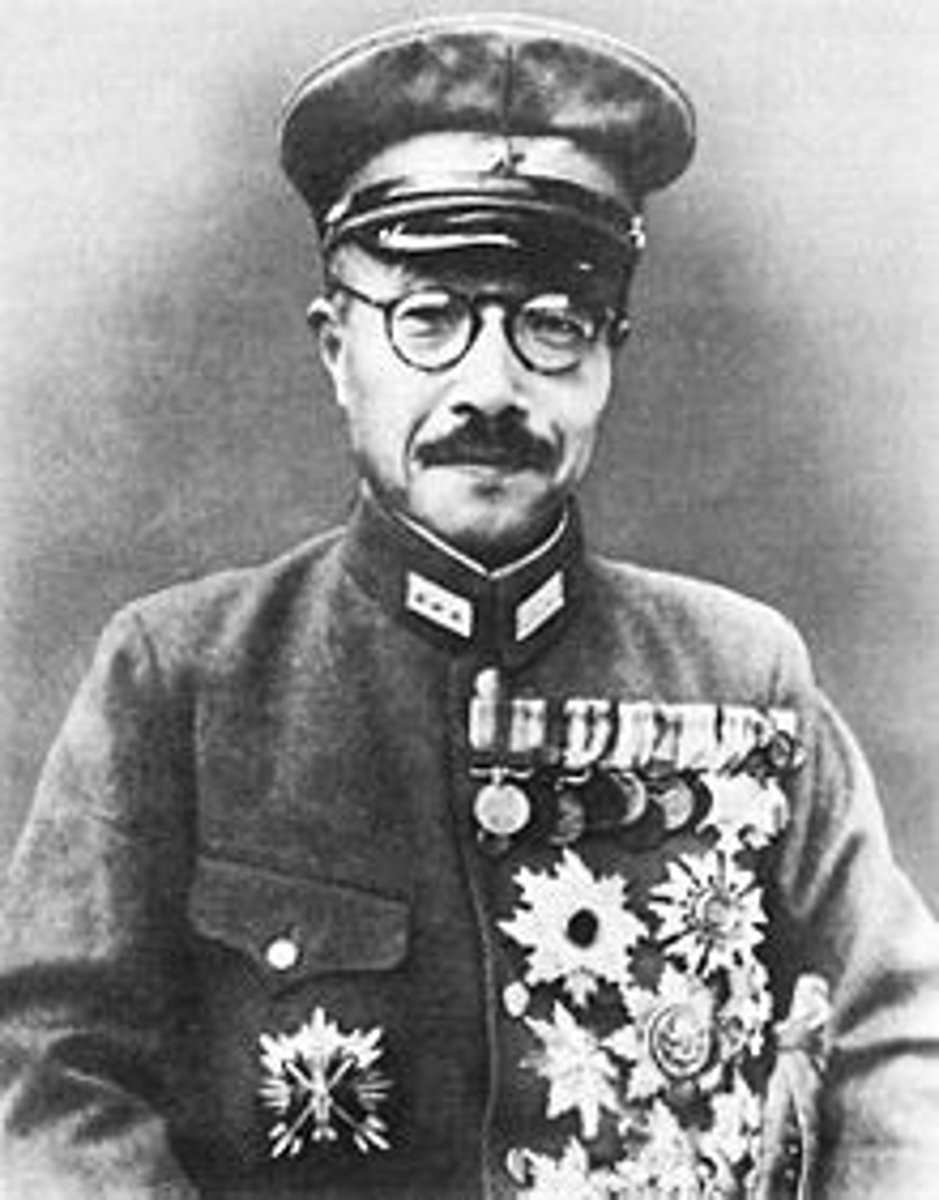
Hideki Tojo
Prime Minister of Japan from 1941-1944
VJ Day
- September 2, 1945
- Victory in Japan
- Japan surrenders to the United States ending WWII
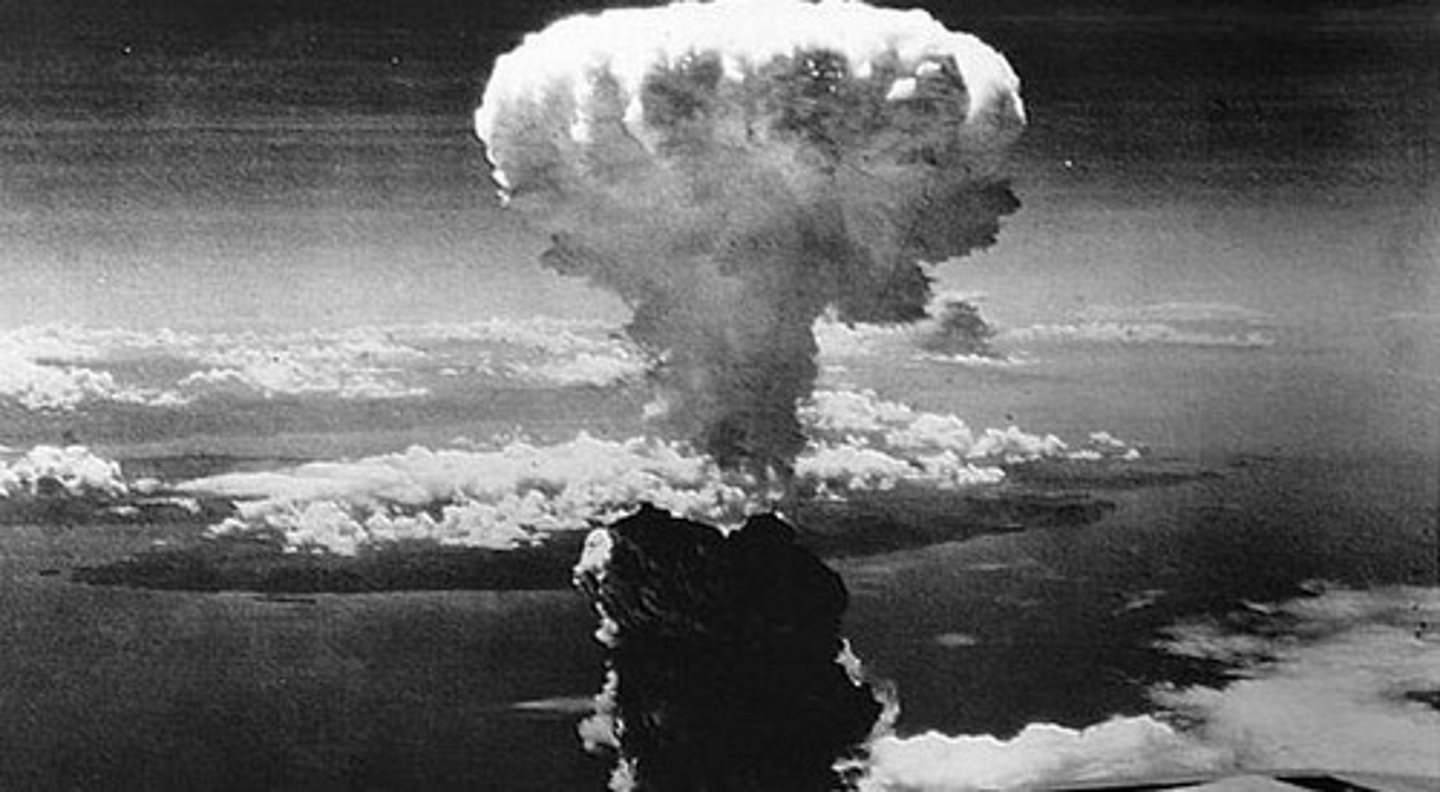
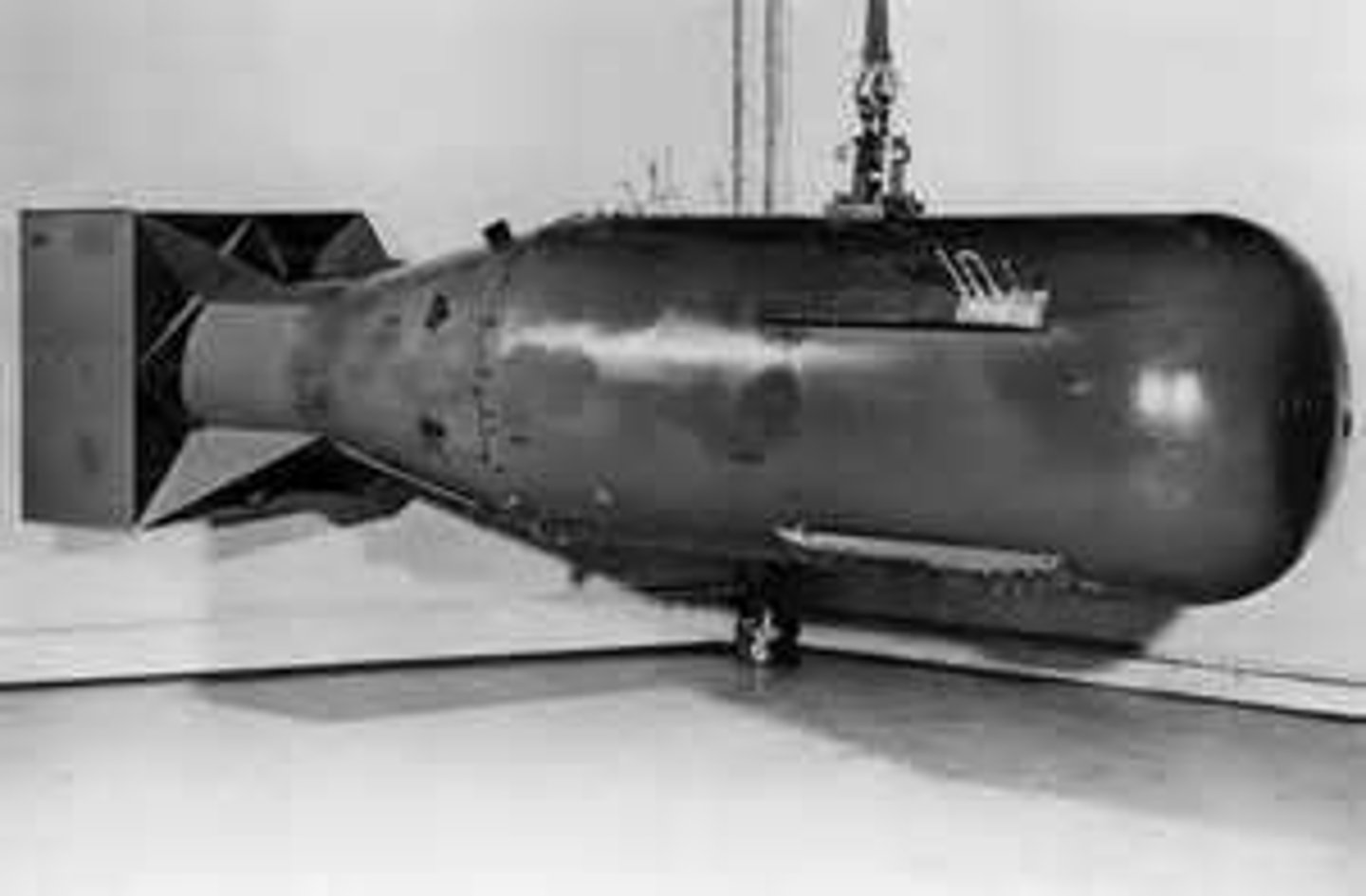
Hiroshima and Nagasaki
- Two Japanese cities on which the U.S. dropped the atomic bombs to end World War II
- approximately 220,000 Japanese civilians die
- The United States decides to drop the bombs to speed up the end of the war and save lives
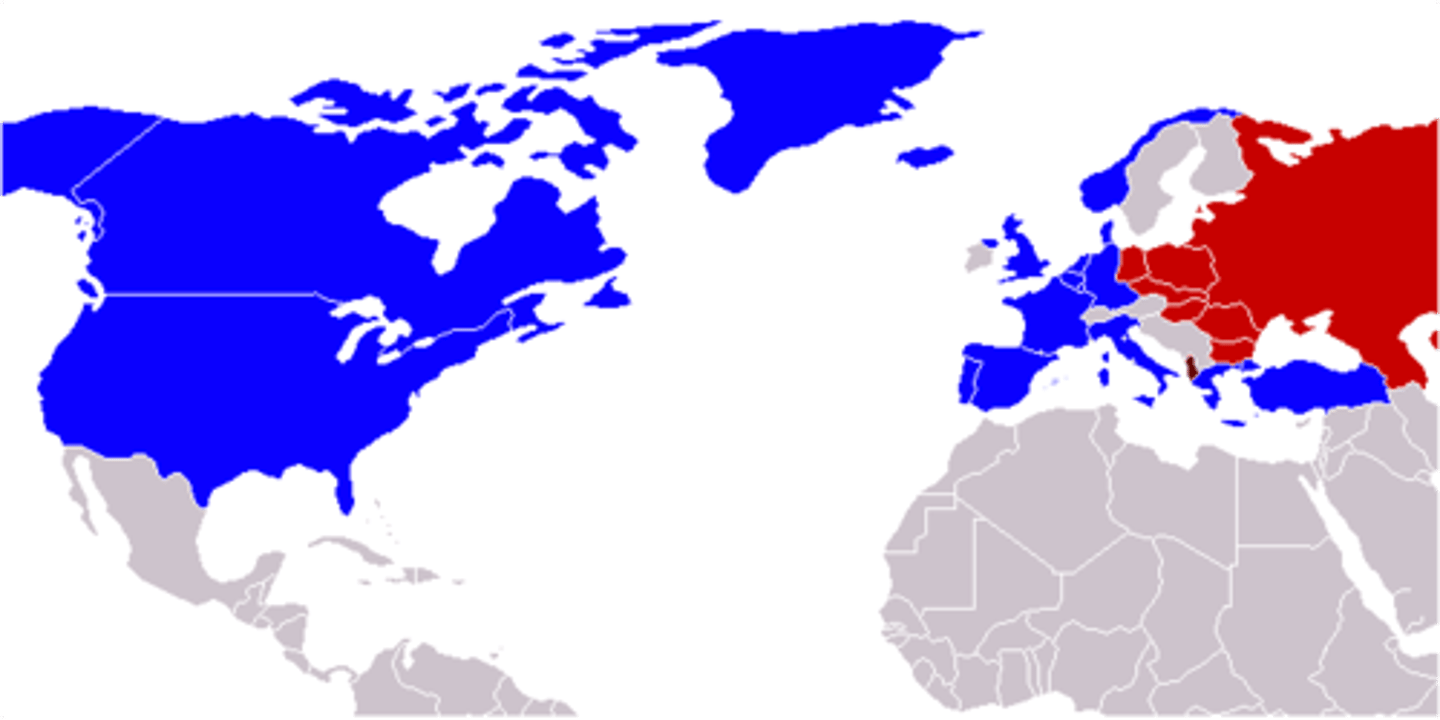
NATO
- North Atlantic Treaty Organization
- The United States, Canada and Western Europe agree to defend each other if attacked by the Soviet Union
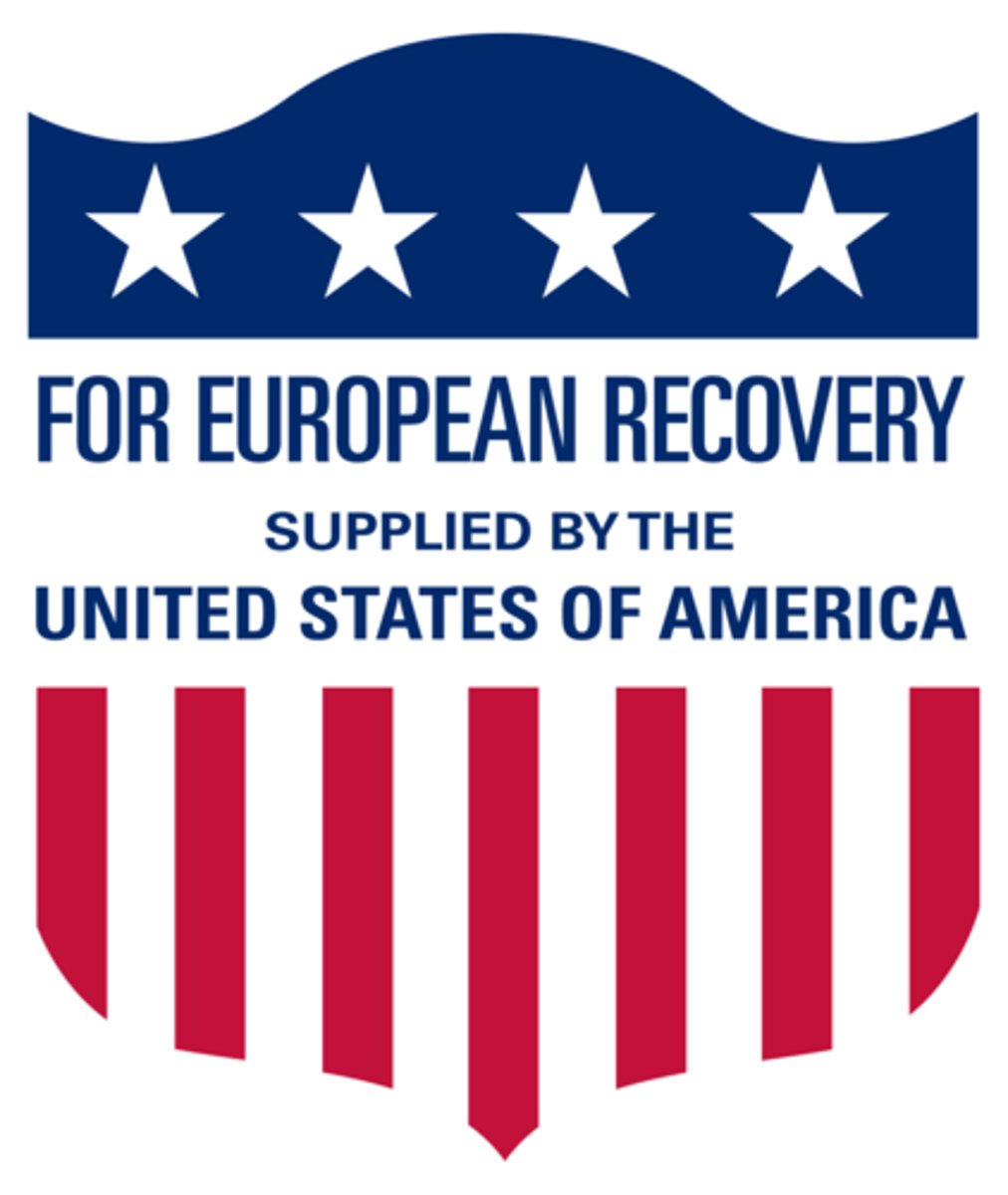
Marshall Plan
- the United States will provide agricultural, industrial and economic aid to the countries of Western Europe to help them recover from World War II
WWII date range
1939-1945
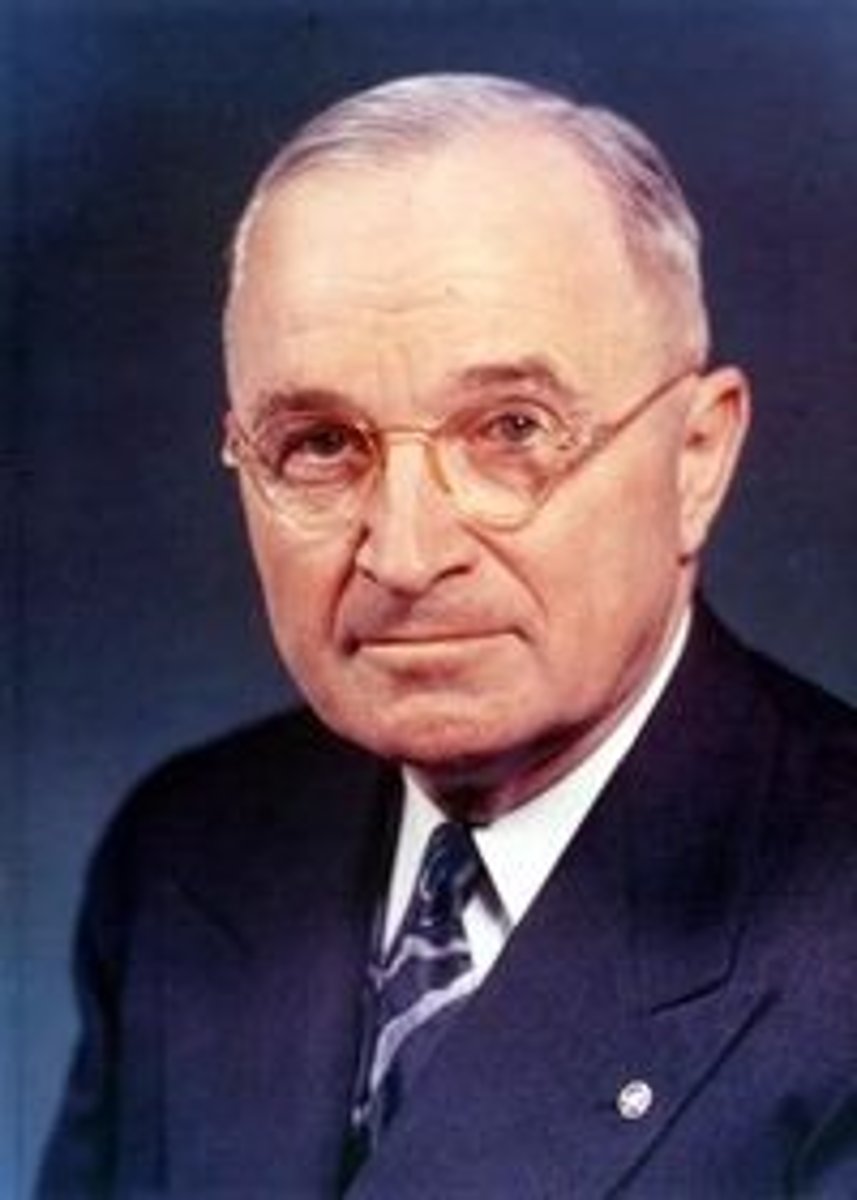
Harry Truman
- President of the United States after FDR
- gave the order to drop the atomic bombs on Japan, which led to the end of World War II
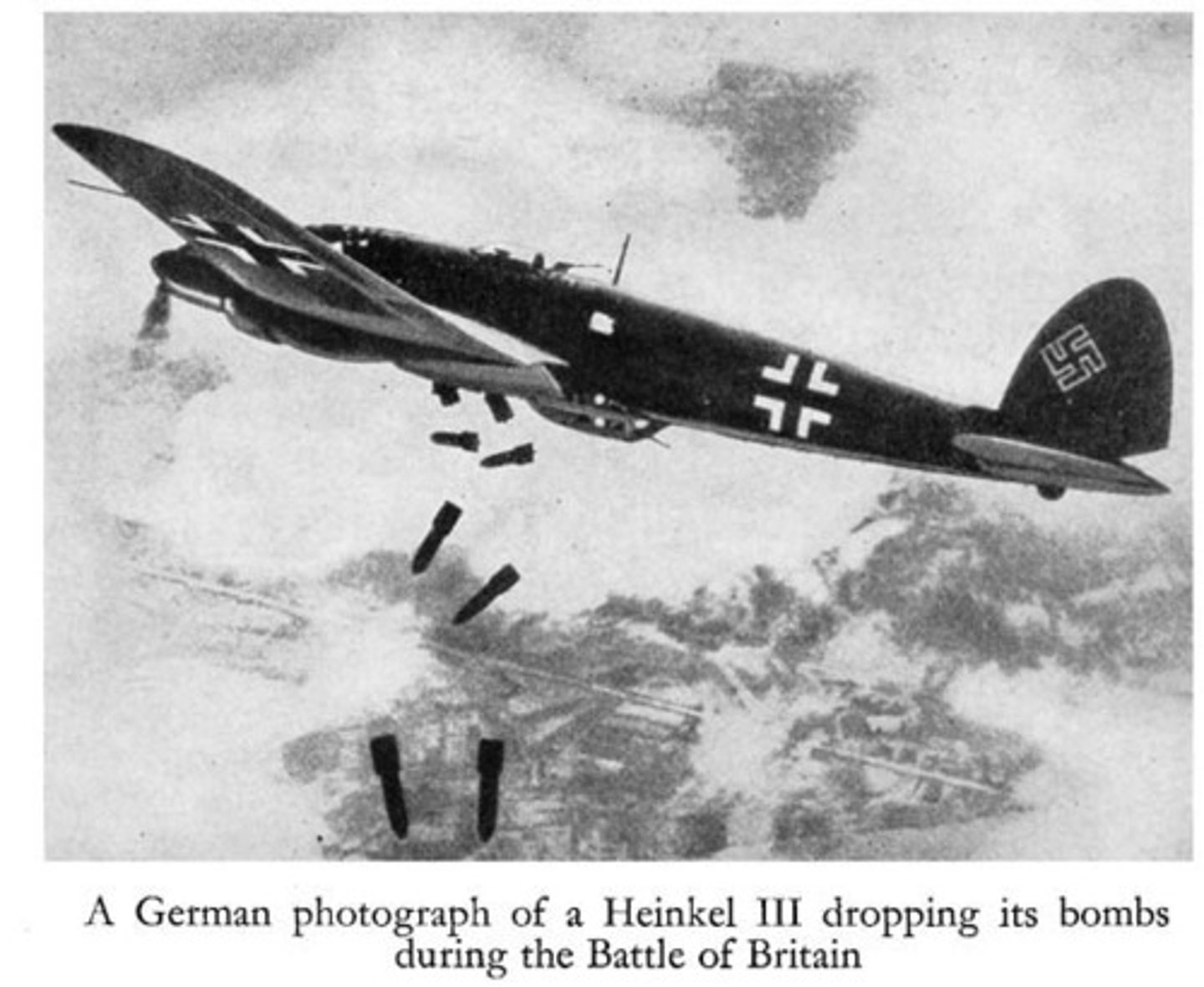
Battle of Britain
- months of bombing the cities of Great Britain by the German Luftwaffe (air force)
- first battle fought entirely in the air
Manhattan Project
The Manhattan Project was a research and development undertaking during World War II that produced the first nuclear weapons. It was led by the United States.
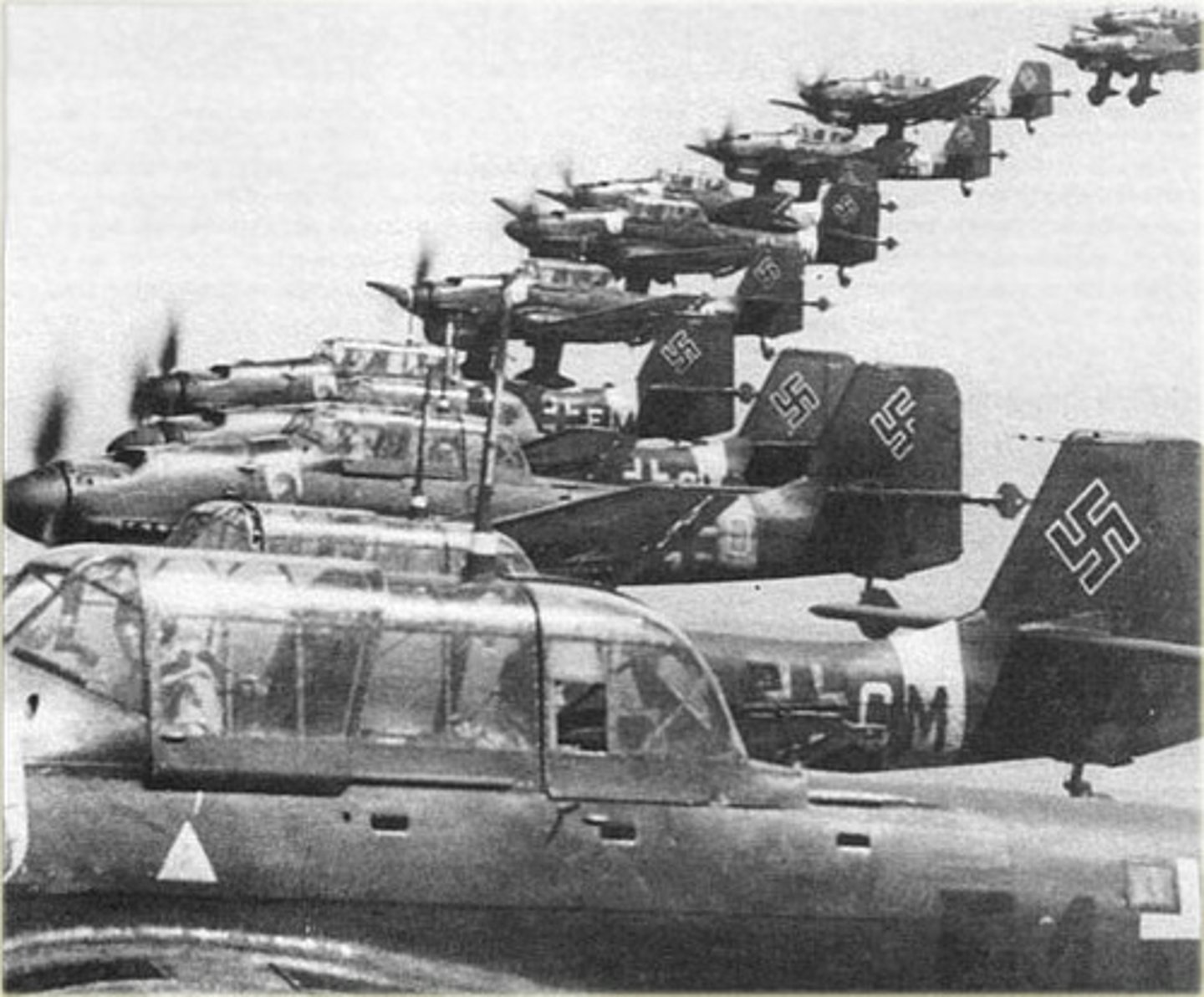
Luftwaffe
The German Air Force