KCEP 210: Aging and Frailty
 Note
Note Call Kai
 Learn
Learn Practice Test
 Spaced Repetition
 Match
Match Flashcards
 Knowt Play
1/27

Earn XP
Description and Tags
Flashcards covering key terminology and concepts related to aging and frailty as discussed in the lecture.
Name | Mastery | Learn | Test | Matching | Spaced | Call with Kai | Chat |
|---|
No analytics yet
Send a link to your students to track their progress
28 Terms
Senior
A person who is typically considered elderly, usually over the age of 65.
Frailty
A condition typically found in elderly adults characterized by physical and cognitive decline due to aging.
Sarcopenia
Age-related loss of skeletal muscle mass, linked to higher vulnerability.
Osteopenia
Age-related loss of bone mineral density, increasing the risk of osteoporosis.
Hypertension
The most common condition found among the elderly
Chronic Condition
A long-lasting health condition that can be controlled but not cured, common in older adults.
Allostatic Load
The long-term effects of chronic stress on the body.
Cardiovascular Changes with Aging
Decreased VO2 peak, increased resting and exercise blood pressure.
Musculoskeletal Changes with Aging
Loss of muscle strength, flexibility, balance, and muscle mass.
Exercise Recommendations for Frail Seniors
Include:
Aerobic (Functional capacity & independence)
Strength (↑ overall muscular strength + endurance, ↑ mobility, prevent or reverse frailty)
Flexibility (Increase or maintain ROM, Injury prevention)
Neuromuscular activities (Increase balance and coordination, Fall prevention and Decrease reaction time
Psychosocial Factors
Social engagement that can help lower stress and improve overall health in seniors.
Disability Threshold
The point at which a person cannot perform daily activities, which can be decreased by strength training.
Physical Exhaustion
A state of extreme tiredness associated with decreased physical activity and overall health in elderly.
Cognitive Decline
Deterioration in cognitive function often seen in aging populations.
Urinary Incontinence
A condition where one is unable to control urination, often associated with aging.
Aging in canada
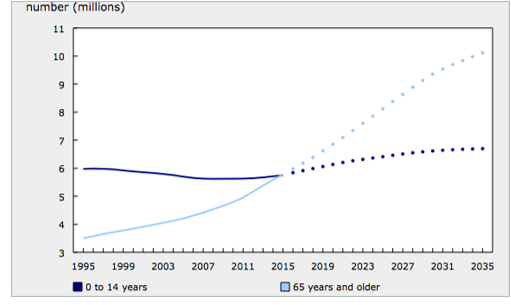
1/6 Canadians are seniors
What is the frailty diagnosis based on?
-Muscle Weakness
-Decrease in PA
-Decrease in walking speed
-Physical exhaustion
-Unintentional weight loss
Holistic definition of frailty
Increase in vulnerability to internal and external stressors
Frailty prevention
Exercise, quality nutrition and socialization
Balance Disorders
Disturbance that causes an individual to feel unsteady, or have a sensation of movement (ex: spinning) when standing or lying down
Nervous system changes associated with aging
-↓ in nerve conduction velocity by 20% because of neuronal degeneration
-↑ Time of reaction
-↓ Sensory System
Metabolic Changes with Aging
-↓ Basal Metabolic Rate (Increased diabetes risk) and ↓ Lean Body Mass
-↑ Body Fat
Variables that has showed the strongest correlation with the risk of falls in older adults?
Increased reaction time
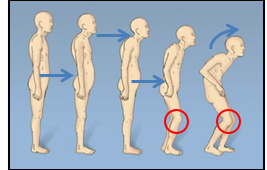
Postural Changes Associated with Frail Older Adults
•Forward head position
•Rounded Shoulders
•Kyphosis (rounded back)
•Knee flexion
Gait Changes in the Older Adult
Decreased velocity, step length, step rate, swing phase, hip, knee & ankle flexion, power generation at pushoff.
Increased stance phase
Intensity recommendations for aerobic exercise
RPE 9-11 (light intensity)
Duration recommendations for aerobic training
30min/session
Weight recommendations for strength training
Start without weight and slowly put on weight