Nursing History
 Call Kai
 Learn
Learn Practice Test
 Spaced Repetition
 Match
Match Flashcards
 Knowt Play
1/38

There's no tags or description
Looks like no tags are added yet.
Name | Mastery | Learn | Test | Matching | Spaced | Call with Kai | Chat |
|---|
No analytics yet
Send a link to your students to track their progress
39 Terms
Florence Nightingale
-Is the founder of modern nursing
Influenced the development of epidemiology by connecting poor sanitation with cholera and dysentery
Founded a nursing school and stressed the need for university-based education for nurses
Cholera
is a serious bacterial infection caused by Vibrio chlerae
It spreads through contaminated food or water
Symptoms:
Severe watery diarrhea
vomiting
rapid dehydration
muscle cramps
weakness
Dysentery
is an intestinal infection that causes diarrhea containing blood and/or mucus. It can be caused by bacteria (such as Shigella) or parasites (such as Entamoeba histolytica)
Symptoms:
Bloody diarrhea
Abdominal pain and cramps
Fever
Nausea
Frequent urge to have a bowel movement
Dorothea Dix
-Led of the U.S Sanitary Commission, which was a forerunner of the Army Nurse Corps.
Advocated for the mentally ill
Played an instrumental role in the founding or expansion of more than 30 hospitals for the treatment of the mentally ill
Clara Barton
practiced nursing during the Civil War and established the American Red Cross
Linda Richards
was America’s first trained nurse
Graduated from Boston’s Women’s Hospital in 1873

Lenah Higbee
Superintendent of the U.S. Navy Nurse Corps
was awarded the Navy Cross in 1918
Hildegard Peplau (1952)
focused on the roles played by the nurse and the interpersonal process b/t a nurse and patient
The interpersonal process occurs in overlapping phases:
orientation
Working, consisting of two subphases- identification and expoitation
resolution
This theory is used widely in psychiatric nursing and enhances the understanding of changing aspects regarding the goals and roles in the nurse - patient relationship
Nursing Theories
To enhance nursing as a profession, nursing works to establish itself as a scientific discipline
demonstrates a theoretical base that reflects its practice
give substance to the body of knowledge of nursing
Metaparadigm
concepts of human beings
health
nursing
environment
Philosophy
A statement about the beliefs and values of nursing in relation to a specific phenomenon such as health
a philosophy provides guidance in practice
Nursing Theory
Represents a group of concepts that can be tested in practice and can be derived from a conceptual model
Grand theory - almost as board as the framework
Middle-range theory- directly guide practice
Environmental Theory
Florence Nightingale’s concept of the environment emphasized illness prevention, clean water, housing
Nightingale’s theory states that the imbalance b/t the patient and the environment decreases the capacity for health and does not allow for conservation of energy
Humane & Holistic Care Theory
Virginia Henderson defined nursing as “assisting individuals to gain independence in relation to the performance of activities contributing to health or its recovery
Her 14 components were based on Maslow’s hierarchy of human needs from the physiologic, psychological, sociocultural, spiritual, and developmental domains
-Described the nurse’s role as (for patient’s independence):
Subsititutive: doing for the person
Supplementary: Helping the person
Complementary: Working with the person
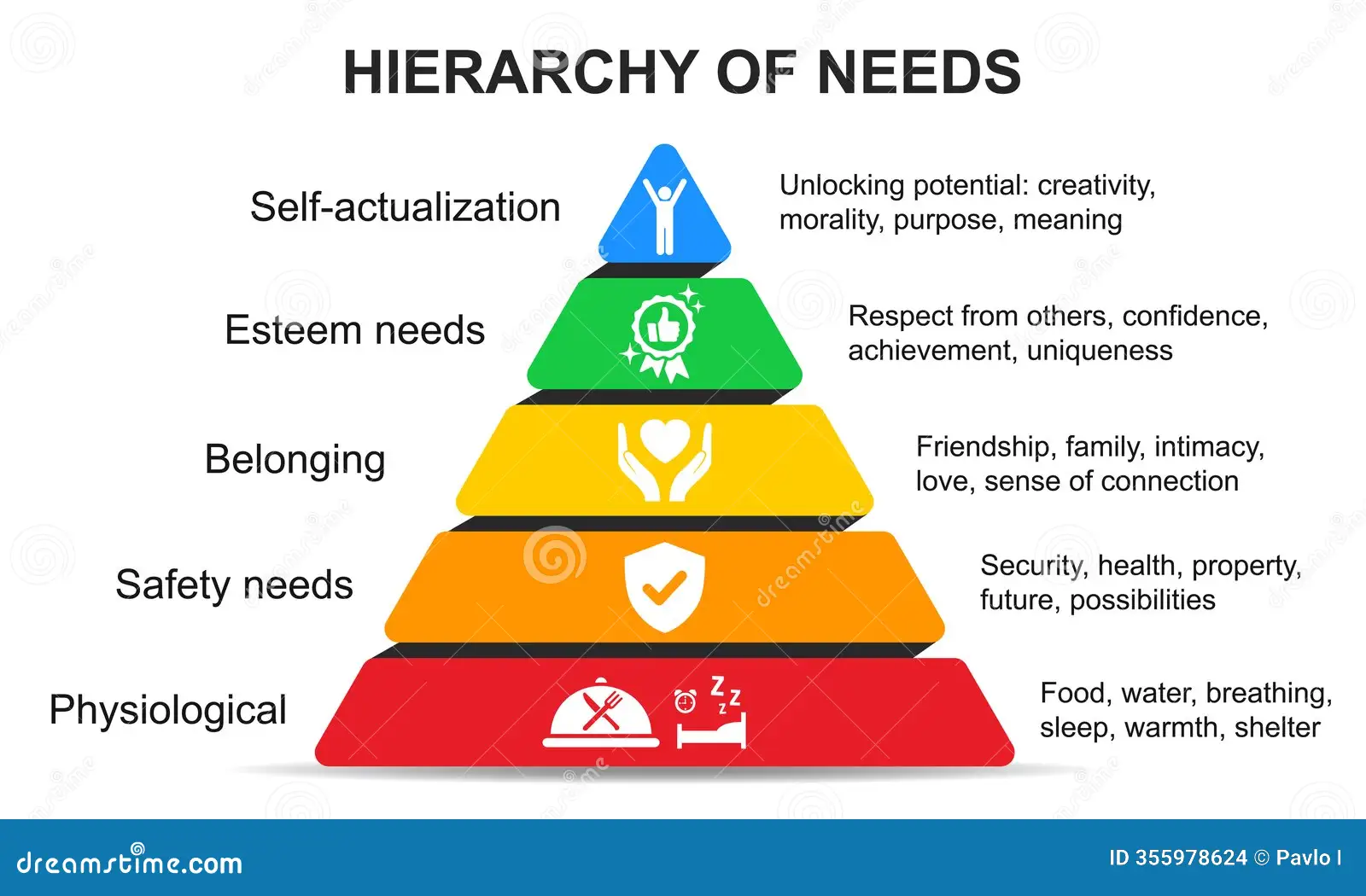
Martha Rogers
Developed the Science of Unitary Human Beings
stated that human beings and thier environments are interacting in continuous motion as infinite energy fields.
Model has 4 dimensions:
Energy fields
Openness
Patterns and organizations
Dimensionality
- These are used in developing the three principles:
Resonancy (continuous change from lower to higher frequency)
Helicy (increasing diversity)
Integrality (continuous process of the human and environmental fields)
The resultant well-being of pattern and organization included a symphonic interaction b/t the patient and the environment
Adaptation Model of Nursing
Sister Callista Roy’s adaptation model is based on the human being as an adaptive open system
adapts by meeting physiological needs, developing a positive self-concept-group identity, performing social role functions, and balancing dependence and independence
The nurse helps patients strengthen their abilities to adapt to their illnesses or helps them adaptive behaviors
Dorothea Orem
Three interrelated theories of self-care, self-care deficit, and nursing systems constitute Forothea Orem’s Self-Care Deficit Therory of Nursing
Self-Care Deficit (Dorothea Orem)
when patients are unable to meet their self care needs
nursing systems care for patients who require assistance with:
wholly compensatory
partly compensatory
supportive-education
Goal of nursing care is to help patients perform self-care by increasing their independence
e.g. if patient used to give showers at home independently, they should be allow to give their own showers as well
Imogene M. King
Developed a general system framework that incorporates three levels of systems:
Individual or personal
Group or interpersonal
Society or social
-Discusses the importance of interaction, perception, communication, transaction, self, role, stress, growth and development, time, and personal space
*The nurse and the patient work together to achieve goals in the continuous adjustment to stressors
Holistic Concepts & open System
Betty Neuman’s Systems Model includes a holistic concept and an open-system approach
Identifies energy resources that provide for basic survival, with lines of resistance that are activated when a stressor invades the system
The person has a normal response to stress, known as normal lines of defense, whereas a flexible line defends against unusual stress
-Stressors many be intrapersonal, interpersonal, or extrapersonal
The nurse’s goal is to assist with attaining and maintaining maximum wellness, focusing on patient’s response to stressors and strengthening their line of defense
Rosemarie Rizzo Parse
Formulated the Theory of Human Becoming by combining concepts from Martha Rogers’s Science of Unitary Human Beings with existential-phenomenological thought.
This theory looks at the person as a constantly changing being and at nursing as a human science.
Today, Parse’s theory is called the Human Becoming School of Thought.
Jean Watson
Theory is based on caring, with nurses dedicated to health and healing.
The nurse functions to preserve the dignity and wholeness of humans in health or while peacefully dying. The caring process in a nurse–patient relationship is known as transpersonal caring and includes caratative factors that satisfy human needs.
Additional concepts include the caring moment or occasion, caring or healing consciousness, and clinical caring processes, such as sensitivity and mindfulness. The practice of nursing focuses on the goals of growth, meaning, and self-healing.

Erikson’s Psychosocial Theory of Development and Socialization
Based on individuals interacting & learning about their world
Addressing patient’s developmental stage in r/t meeting holistic needs
Lewin’s Change Theory
A three-step process:
Unfreeze: ensures that employees are ready for change
Change/Moving: execute the intended change
-Usually the time of translation and confusion
Refreeze: Ensures that the change becomes permanent
The nurse Role:
Recognize when change is needed
Analyzes the situation and look at what is working
Identifies methods to use in the change process and analyzes the influence of those involved in the change
Paul’s Critical Thinking Theory
“intellectually disciplined process of actively and skillfully conceptualizing, applying, analyzing, synthesizing, and/or evaluating information gathered from, or generated by, observation, experience, reflection, reasoning, or communication, as a guide to belief and action”
Nurses analyze data; develop a patient care plan, implement a plan of action for the patient, and evaluate a care plan
Involves critical thinking

Rosenstock’s Health Belief Model
-Designed to predict responses of patients to treatment
-Also use to predict more general health behaviors
Addresses possible reasons for why patient may not comply w/ recommended health promotion behavior
based on 4 core beliefs of people’s perceptions by thier own assessment:
Perceived susceptibility of the risk of getting the condition
Perceived severity of the seriousness of the condition and its potential consequences
Perceived barriers of the influences that facilitate or discourage adoption of the promoted behavior
Perceived benefits of the positive consequences of adopting the behavior
Altruism
the care you show for your patients without expecting anything in return
Body of Knowledge and Research
There is a well-defined, specific, and unique body of theoretical knowledge in nursing, leading to defined skills, abilities, and norms, that is enlarged by research.
A profession is distinguished by a specific culture with norms and values common to its members.
To advance knowledge in their field, professionals publish and communicate their knowledge.
A profession develops, evaluates, and uses theory as a basis for practice. Nursing has been based on theory since the days of Nightingale. Nursing’s reliance on research for practice is considered EBP.
Accountability
involves accepting responsibility for actions and omissions.
has legal, ethical, and professional implications.
It is essential for developing trusting relationships with patients and co-workers.
necessary for safe patient care.
Assessing for and attending to adverse reactions to treatment requires a nurse to be accountable for actions taken.
Higher education
-pursue additional education
Autonomy
the ability to make your own decisions and act independently
make independent decisions within their scope of practice and are responsible for the results and consequences of those decisions
Code of Ethics
to guide decisions for practice and conduct
Ethics is the standards of right and wrong behavior, or moral principles that guide a person’s behavior.
The ICN and the ANA each have developed a code of ethics for nurses. Public opinion polls show that nurses are admired for their nursing ethics and honesty by rating them the highest of all professionals.
Professional Organization
support and encourage high standards in nursing.
Members participate in these organizations, which aim to support and advance nursing.
e.g: ANA
Licensure
is the granting of a license that provides legal permission to practice.
Diversity
“Inherent in nursing is respect for human rights, including cultural rights, the right to life and choice, to dignity, and to be treated with respect. Nursing care is respectful of and unrestricted by considerations of age, colour, creed, culture, disability or illness, gender, sexual orientation, nationality, politics, race, or social status”
ANA standards
the standards of practice, includes six responsibilities for the nursing process: assessment, diagnosis, outcomes identification, planning, implementation, and evaluation
focuses on standards of professional performance, which includes ethics, advocacy, respectful and equitable practice, communication, collaboration, leadership, education, scholarly inquiry, quality of practice, professional practice evaluation, resource stewardship, and environmental health
Health literacy
-Is defined in Healthy people 2030 as:
“the degree to which individuals have the ability to find, understand, and use information and services to inform health-related decisions and actions for themselves and others.”
Low health literacy is associated with increased hospitalization, greater emergency care use, lower use of mammography, and lower receipt of influenza vaccine
A goal of patient education by the nurse is to inform patients and deliver information that is understandable by assessing their level of health literacy. The more understandable health information is for patients, the closer the care is coordinated with need.
Evidence-based practice
is integration of the best available research evidence and the nurse’s clinical judgment expertise to make patient care decisions.
EBP allows a nurse to address questions and problems by reviewing the research, clinical guidelines, and other resources to determine practice.
EBP results in better patient outcomes, keeps nursing practice current, and increases the nurse’s confidence in professional decision-making
EBP examples
• Identifying research problems when working with patients
• Conducting clinical research to test theories about interventions
• Collecting data in the clinical setting
• Participating on a research committee
• Reviewing research findings to guide EBP
• Sharing research findings
• Using research findings to develop policies, procedures, and standards for patient care at health care facilities
• Incorporating research as part of ongoing learning as nurses