che 100 - exam 1: ch 11 and 2
 Call Kai
 Learn
Learn Practice Test
 Spaced Repetition
 Match
Match Flashcards
 Knowt Play
1/72

There's no tags or description
Looks like no tags are added yet.
Name | Mastery | Learn | Test | Matching | Spaced | Call with Kai | Chat |
|---|
No analytics yet
Send a link to your students to track their progress
73 Terms
fatty acids
yield 9kcal/gram, composed of c, h and fewer o than carbs
saturated fatty acid
if the hydrocarbon chain only contains single bonds between carbon atoms
unsaturated fatty acid
if the hydrocarbon chain contains ONE OR MORE double bonds between carbon atoms
monunsaturated
only one double bond between carbon atoms per molecule
polyunsaturated
more than one double bond between carbon atoms
isomers
each of two or more compounds with the same formula but different arrangement of atoms in the molecule and different properties. nutrition ex: glucose and fructose
trans fats
triglyceride composed of one or more trans fatty acids.
carbohydrates
composed of carbon, hydrogen, and oxygen (h and o a 2:1 ratio). it is sugars and starches which are the main source of fuel for the body
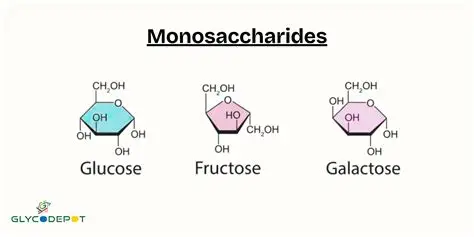
monosaccharide
single sugar- glucose, fructose, galactose.
disaccharide
double sugar formed by joining two monosaccharide units

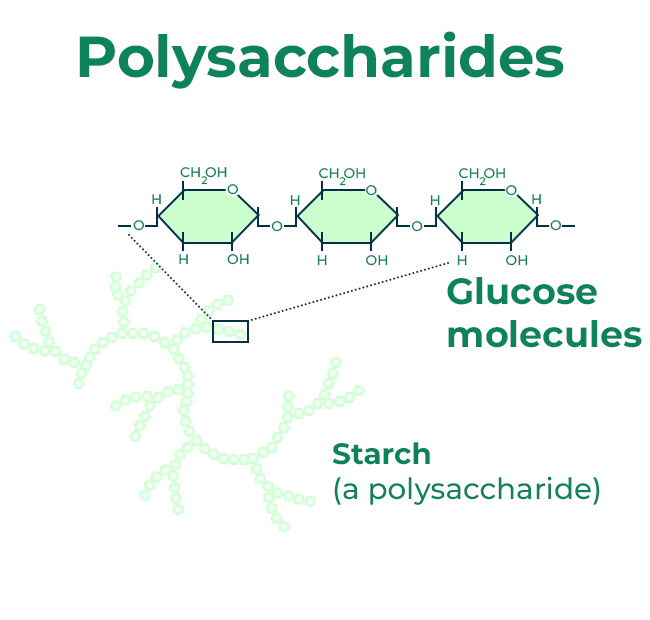
polysaccharide
think starch and cellulose. made up of multiple monosaccharides
HFCS
hydroflourocarbons - used as a refrigerant
protein - what is it composed of
carbon, oxygen, hydrogen, nitrogen. polymer of amino acids
amino acid
building block of proteins. a protein is a polymer of amino acids
dipeptide
peptide composed of two amino acids
essential amino acids
there are nine of these. they cannot be produced in our bodies so we have to consume them.
protein complimentarity
combining two or more incomplete protein sources together so that they provide all 9 essential amino acids in an adequate amount
micronutrients
essential vitamins and minerals that the body requires
vitamins and which are fat soluble?
group of organic compounds essential for growth and nutrition. cannot be synthesized by the body so we must consume them in small amounts. they do not yield energy. a, d, e, k
macrominerals
minerals required by body in larger amounts
microminerals
minerals required by body in smaller amounts
trace minerals
essential micronutrients in very small amounts
BMR
basal metabolic rate. minimum number of calories your body needs to sustain vital functions at rest
foodborne illness
presence of bacteria, viruses, parasites, and chemical toxins undetected in our foods
carbon footprint
amount of carbon dioxide and other carbon compounds emitted due to the consumption of fossil fuels by a particular person or group
continuous cropping
growing the same crop or narrow range of crops on the same land repeatedly over multiple seasons without extended fallow periods for the soil to rest.
fertilizer
any natural or synthetic material that is applied to soils or directly to plants in order to supply plant nutrients and promote plant growth
reactive nitrogen
the compounds of nitrogen that cycle through the biosphere and interconvert with each other ex: ammonium (NH4), ammonia (NH3), nitrate (NO -3)
nitrogen fixing bacteria
remove nitrogen gas from the air and conver it to ammonia
denitrification
process of converting nitrate to nitrogen gas
nitrogen cycle
set of chemical pathways where nitrogen moves through the biosphere
food security
all people at all times have consistent physical and economic access to sufficient, safe, and nutritious food
what do carbohydrates look like and what elements are they
carbon, hydrogen, oxygen

AQI
air quality index; a scale used to report how clear or polluted air is and indicating health risks based on levels of pollutants
combustion
process of burning something - add oxygen to a substance. it produces heat and light
respiration
process of metabolizing the foods we eat to produce carbon dioxide and water and to release the energy that powers other chemical reactions in the body
mixture
physical combination of two or more pure substances present in variable amounts
element
one of the pure substances in our world. compounds are formed from the elements. they contain only one type of atom.
compound
pure substance made of two or more types of atoms (elements) in a fixed, characteristic chemical combination
troposphere
we live here! the lowest region of the atmosphere, lies directly above the earth.
mesosphere
region above stratosphere and below thermosphere, 30-50 miles in altitude
stratosphere
above the troposphere
part per million
concentration of one part out of a million. ex: 0.0402% would be 402 ppm
molecule
two or more atoms held together by chemical bonds in a certain spatial arrangement
hydrocarbons and what are they
organic compounds comprised entirely of carbon and hydrogen. they form the basis of many fossil fuels!!
carbon monoxide
CO: “the silent killer” undetectable by the senses. it inhibits blood from carrying oxygen. sources of CO are car exhaust and charcoal fires.
ozone
O3: screens out harnful UV rays from the sun. ground level ozone happens with nitrogen oxides and VOCs. ozone gets high on hot and sunny days as the ground heats up. it is not good in high amounts.
how do you name a chemical if it is two nonmetals?
prefix of left nonmetal and then the prefix and name of right nonmetal and an “ide”
how do you name a chemical that is a metal and nonmetal?
both of the names together (metal first and then nonmetal) with an “ide” at the end
sulfur dioxide
present mostly when burning coal, which produces electricity. harmful pollutant!
nitrogen oxides
visible component of smog. it can be harmful to us as well
particulate matter (what is more deadly)
mixture of tiny solid particles and small liquid droplets. classified by size. the smaller the size, the more deadly it is. it can happen in and outdoors!!
risk assessment
process of evaluating scientific data and making predictions in an organized manner about the probabilities of an outcome
toxicity exposure
intrinsic health hazard of a substance and the amount of the substance encountered
ambient air
the air surrounding us (usually meaning outside air)
what is air?? what gases in what percentage is air?
a mixture
78% nitrogen
21% oxygen
1% trace gases
chemical reaction
process where substances described as reactants are transformed into different substances called products
chemical equation
representation of a chemical reaction using chemical formulas
balanced equation
number of atoms of each element is the same on each side of the equation (ensures that mass is conserved)
secondary pollutant and example
harmful substance that forms in the atmosphere through chemical reactions involving primary pollutants and other atmospheric components. a prime example is ozone (formed when NOx and VOCs react in sunlight)
carcinogenic
substance that promotes development of cancer
sustainability
meeting our present needs without compromising the ability of future generations to meet their needs
green chemistry
design o chemical products and processes that reduce or eliminate the use and generation of hazardous substances
indoor air pollution
substances in indoor environments that can harm health: building materials, mold, dust, pet dander, bacteria, sources of combustion, etc
sick building syndrome
set of symptoms that occur when inside a building and that improve after leaving it. linked to indoor pollutants, common in new buildings with fresher chemicals from new furniture, paint, etc.
epa
environmental protection agency: responsible for upholding air quality and other environmental components to ensure human and environmental health
law of conservation of matter and mass
matter cannot be created or destroyed - just rearranged
what does saturated fat look like

what does unsaturated fat look like

what does monounsaturated fat look like

what does polyunsaturated fat look like

what is a triglyceride
a fat - composted of 3 fatty acids and one glycerol. main form of lipids in food and the body
hydrogenation of fatty acids
used to solidify an oil. adds hydrogen to double carbon bonds. it increases shelf life and forms trans fatty acid