Human anatomy test and lab practical 1
 Call Kai
 Learn
Learn Practice Test
 Spaced Repetition
 Match
Match Flashcards
 Knowt Play
1/71

There's no tags or description
Looks like no tags are added yet.
Name | Mastery | Learn | Test | Matching | Spaced | Call with Kai | Chat |
|---|
No analytics yet
Send a link to your students to track their progress
72 Terms
anatomical position
upright, feet together and parallel to one another, hands are at the sides with the palms facing forward
superior
references structures that are toward the head or above another structure
inferior
references structures that are away from the head or below another structure
medial
references structures that are toward or at the midline
lateral
references structures that are away from the midline
proximal
references structures that are closer to the origin or the point of attachment
distal
references structures that are further away from its origin.
anterior
references structures that are toward the front of the body
posterior
references structures toward the back of the body
superficial
references structures towards or at the body surface
deep
references structures away from the body surface
Sagittal plane
divides the body vertically. into left and right halves

midsagittal / parasagittal
mid divides the body equally - parasagittal divides the body unequally
frontal plane
divides the body vertically into anterior and posterior halves

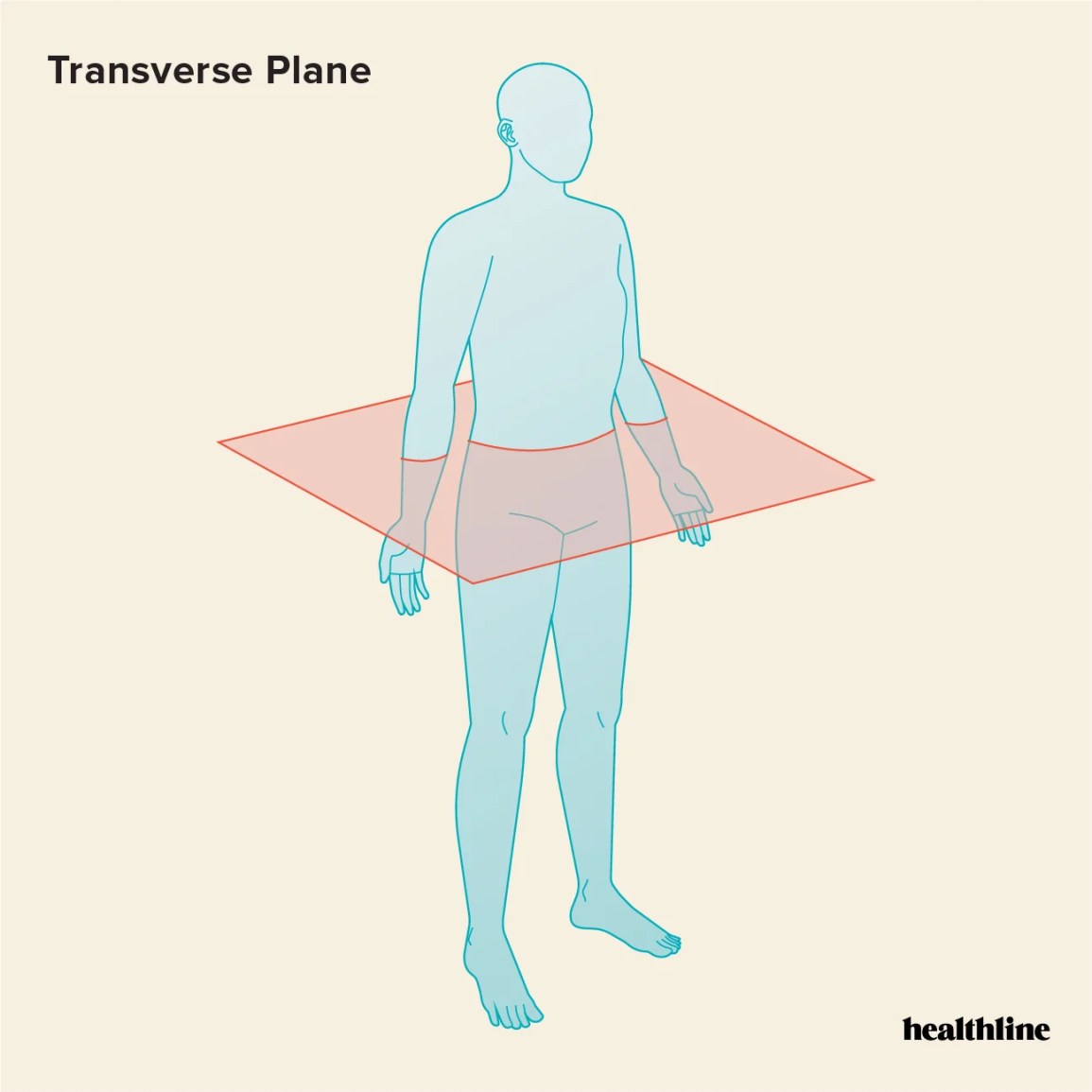
transverse plane
divides the body horizontally into superior and inferior halves
dorsal cavity
houses and protects the nervous system (brain and spinal cord) and consists of the cranial and vertebral cavities
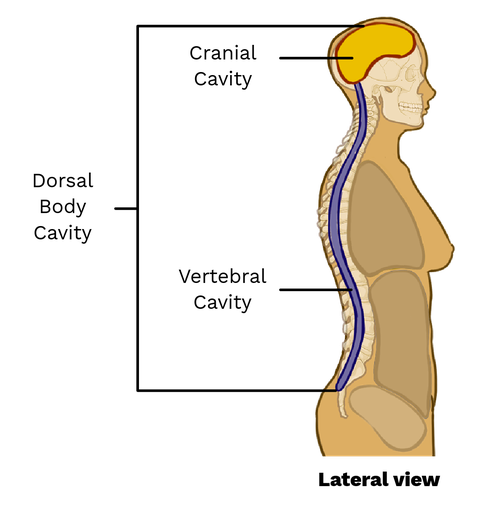
cranial cavity
surrounds the brain and lies within the bony skull

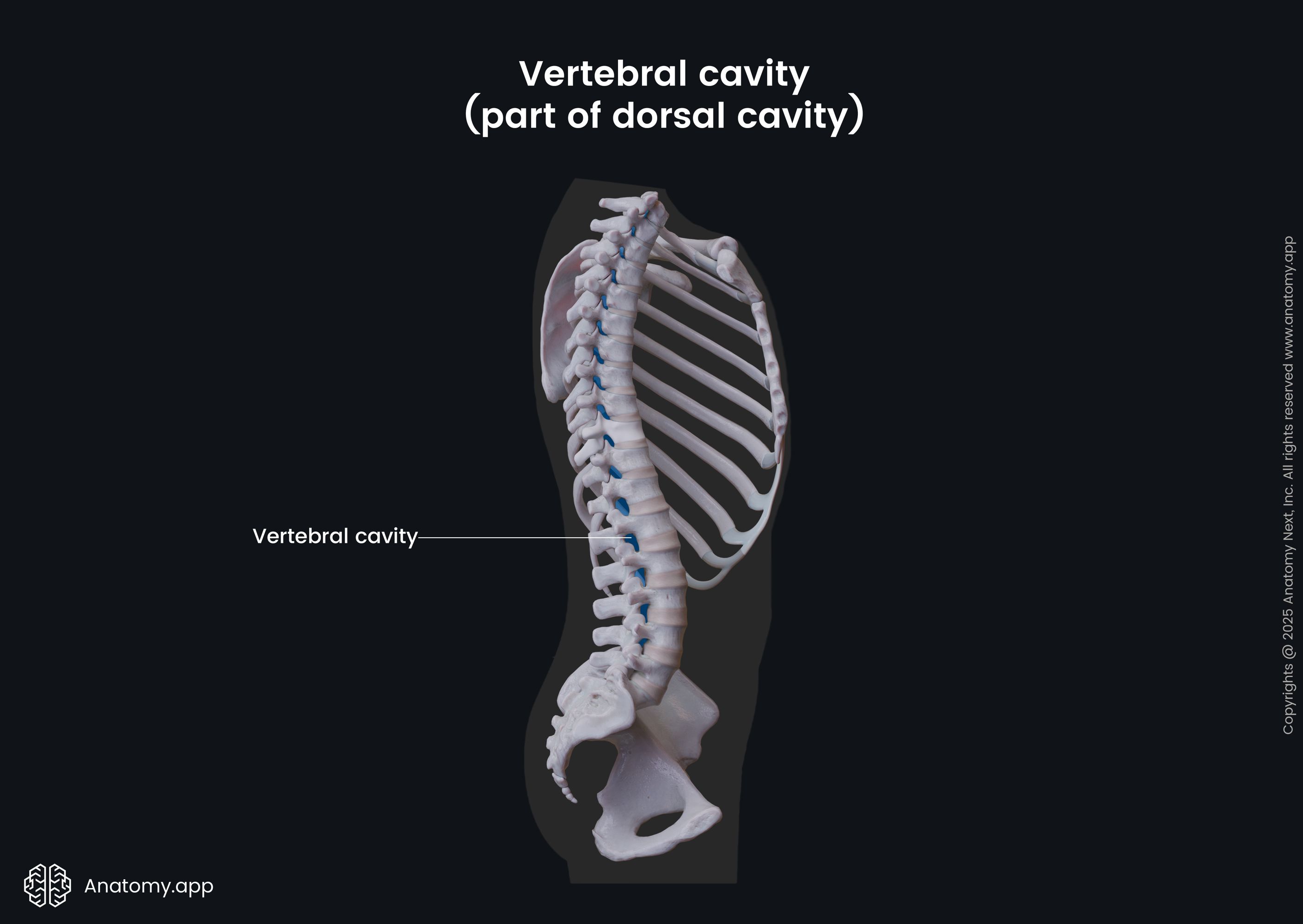
vertebral cavity
surrounds the spinal cord lies within the bony vertebral column
ventral cavity
houses and protects the internal organs in the chest and abdomen and consists of the thoracic, abdominal, and pelvic cavities

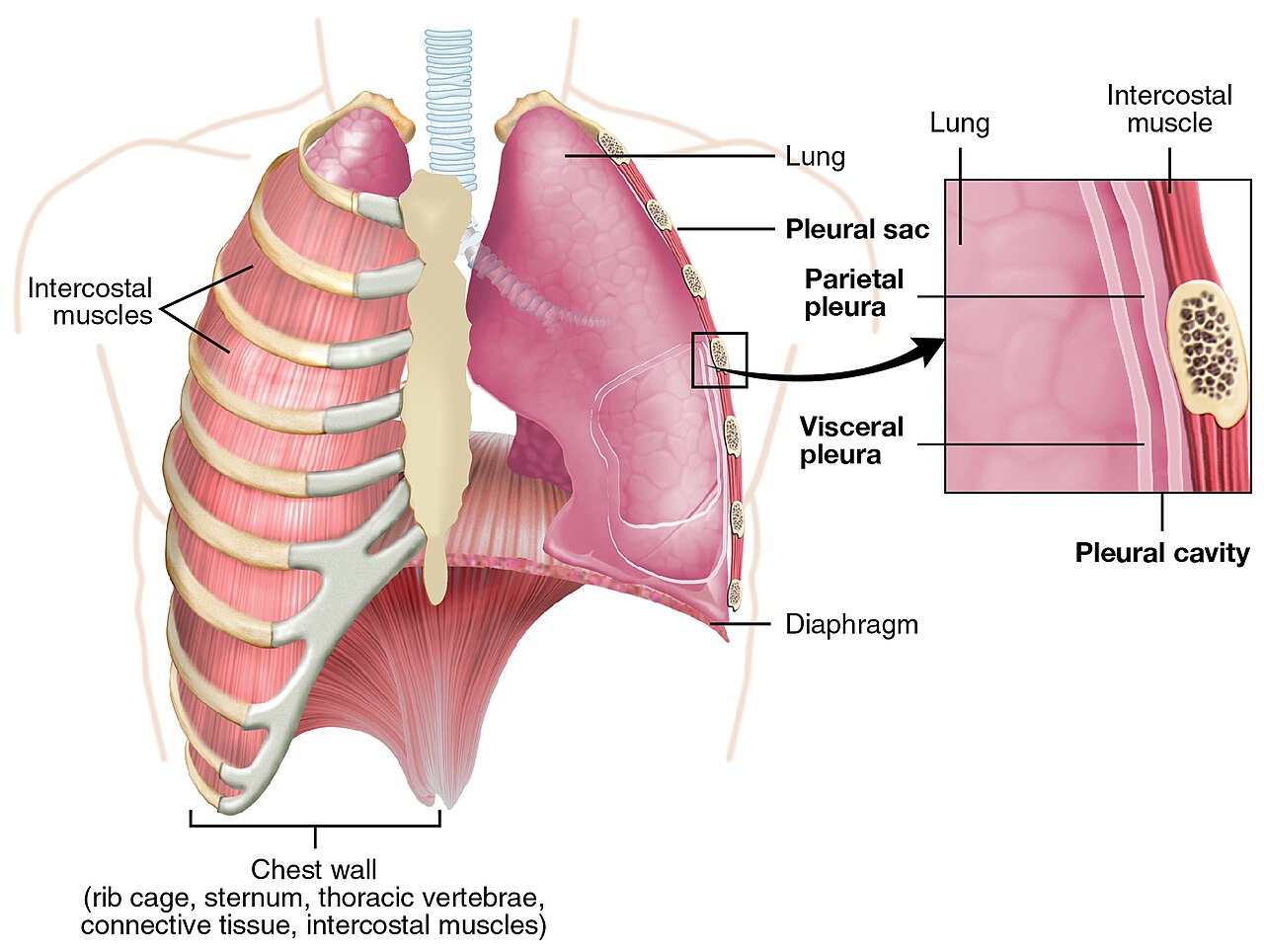
thoracic cavity
surrounds the heart and lungs in the chest and lies within the bony ribs and sternum

pleural cavity
surrounds each lung and attaches to the chest wall and diaphram
pericardial cavity
surrounds the heart and attaches to the sternum, diaphragm, and great vessels

mediastinum cavity
surrounds the heart, great vessels, esophagus, and trachea that are between the lungs and attaches to the pleura and diaphragm
abdominal cavity
surrounds the digestive organs in the abdomen and lies within sheets of muscle and contains the peritoneal cavity. The abdominal cavity consists of the peritoneal cavity
peritoneal cavity
surrounds the stomach, liver, intestines, and spleen and lies within a serous membrane. In women, the uterus, uterine tubes, and ovaries extend into the peritoneal cavity

pelvic cavity
surrounds the urinary and reproductive organs in the pelvis and lies within the bony pelvic girdle
integumentary system
surrounds the entire body to provide protection, regulate body temperature, and contains sensory receptors to interact with the external and internal environment
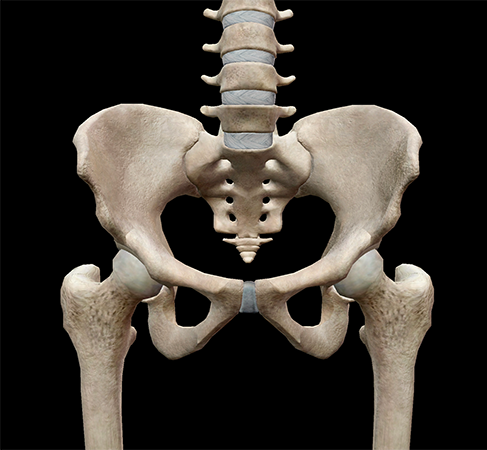
skeletal system
supports the body, provides protection to delicate internal organs, stores minerals, forms blood cells, and works with the muscular system for body movements
muscular system
works with the skeletal system for body movement, opens and closes body passageways, maintains body posture, and generates body heat to maintain body temperature
nervous system
monitors changes occurring both inside and outside the body using sensory information and activates fast short term bodily responses. the nervous system has direct and indirect control over other body systems.
endocrine system
works with the nervous system to secrete hormones that regulates long-term bodily responses
cardiovascular system
transports oxygen, carbon dioxide, nutrients, and hormones throughout the body and metabolic waste to the kidneys for excretion and helps to maintain body temperature
lymphatic system
defends the body against pathogens, absorbs excess tissue fluids and fats and transports them to the bloodstream
respiratory system
provides for gas exchange and delivers oxygen to the body and removes carbon dioxide
digestive system
ingested food molecules are digested, nutrients are absorbed, and waste is removed from the body
urinary system
regulates the bodys extracellular environment and maintains water balance by removing and excreting waste from the body
male reproductive system
uses testosterone to develop the gametes of sperm that are then delivered to the female reproductive system for fertilization
female reproductive system
uses estrogen to develop the gametes of an egg that is then fertilized with a male sperm. it also supports the developing embryo and fetus and produces milk for the infant
plasma membrane
is the outer boundary that regulates the material entering and leaving the cell
cytoplasm
the jellylike fluid that contains the organelles between the plasma membrane and the region of DNA
DNA
stores genetic information that directs the making of proteins and overall functions of the organelles
Ribosomes
are used during protein synthesis and are located dispersed throughout the cytoplasm and attached to the rough er
nucleus
functions in forming a semipermeable boundary that separates the DNA from the chemical reactions occurring in the cytoplasm and is typically located near the center of the cell
rough endoplasmic reticulum
functions in modifying newly synthesized proteins and is located near the center of the cell and is attached to the nucleus
smooth endoplasmic reticulum
functions in lipid synthesis and is located near the center of the cell and is continuous with the rough endoplasmic reticulum
golgi apparatus
functions in refining, storing, and distributing the lipids and proteins made in the endoplasmic reticulum and is located near the surface of the cell
vesicles
function as storage centers or transport agents and are located throughout the cytoplasm
vacuoles
function in storing sugars, amino acids, wastes, and water and are located throughout the cytoplasm
lysosomes
function in intracellular digestion, cause apoptosis (cell death), and are located throughout the cytoplasm
peroxisomes
function in breaking down hydrogen peroxide and alcohol and are located throughout the cytoplasm
mitochondria
function in cellular respiration to form the energy carrier ATP and are located throughout the cytoplasm
cytoskeleton
functions in maintaining the cell shape, cell movement, and keeps organelles and cell structures in place or moves them to different locations and are located throughout the cytoplasm
nuclear envelope
outer membrane that forms a boundary that regulates the material entering and leaving the cell. contains nuclear pores to allow larger molecules to move through the membrane
nucleoplasm
jellylike fluid of the nucleus that is located between the nuclear envelope and the nucleolus. this is the location of DNA within the nucleus
microtubules
the largest of the cytoskeleton structures that keep organelles and cell structures in place or move them to different locations
microfilaments
are fine, threadlike cytoskeleton structures that reinforce the cell shape and aid in the contraction and movement of the cells
intermediate filaments
thinnest of the cytoskeletal structures that reinforce the cell shape
cilia
tiny hairlike structures that project from the surface of a cell and are composed of microtubules
flagella
long thin structures that propel the cell forward and are composed of microtubules
microvilli
tiny fingerlike structures that project from the surface of a cell and are composed of microfilaments
mitosis
divides the nucleus using four stages
cytokinesis
divides the organelles and cytoplasm using a contractile ring mechanism that pinches an existing cell into two daughter cells using spindle fibers made of microtubules
prophase
duplicated chromosomes begin to condense, nuclear envelope breaks down, the kinetochores attach, and duplicated centrioles migrate to opposite poles
metaphase
duplicated chromosomes are completely condense, spindle fibers attach to the kinetochores, and the duplicated chromosomes line up at the metaphase plate
anaphase
cell elongates for the sister chromatids of the duplicated chromosome to pull apart
telophase
unduplicated chromosomes begin to decondense, and the nuclear enevlope forms around each set of unduplicated chromosomes, and a cleavage furrow begins to form
Epithelial tissue
composed of large sheets of cells that cover the body surfaces and line the body cavities
connective tissue
composed of various cell types, protein fibers, and a matrix that can vary in consistency from liquid to hard
muscle tissue
composed of long, thin bundles of cells that move the body and its parts
nervous tissue
composed of either elongated or ball like cells that receive stimuli from changes in the internal and external environment and coordinates and controls body activities to maintain homeostasis
squamous epithelial tissue
composed of flattened plate like cells that either provide protection or allow for the diffusion of molecules through them. simple lines the air sacs of lungs and the walls of blood vessels. stratified forms the epidermal
cuboidal epithelial tissue
composed of cube like shaped cells that absorb molecules. lines the surfaces of ovaries, kidney nephron tubules, and salivary ducts