The Many Dimensions of Sustainability
 Call Kai
 Learn
Learn Practice Test
 Spaced Repetition
 Match
Match Flashcards
 Knowt Play
1/38

Earn XP
Description and Tags
Name | Mastery | Learn | Test | Matching | Spaced | Call with Kai | Chat |
|---|
No analytics yet
Send a link to your students to track their progress
39 Terms
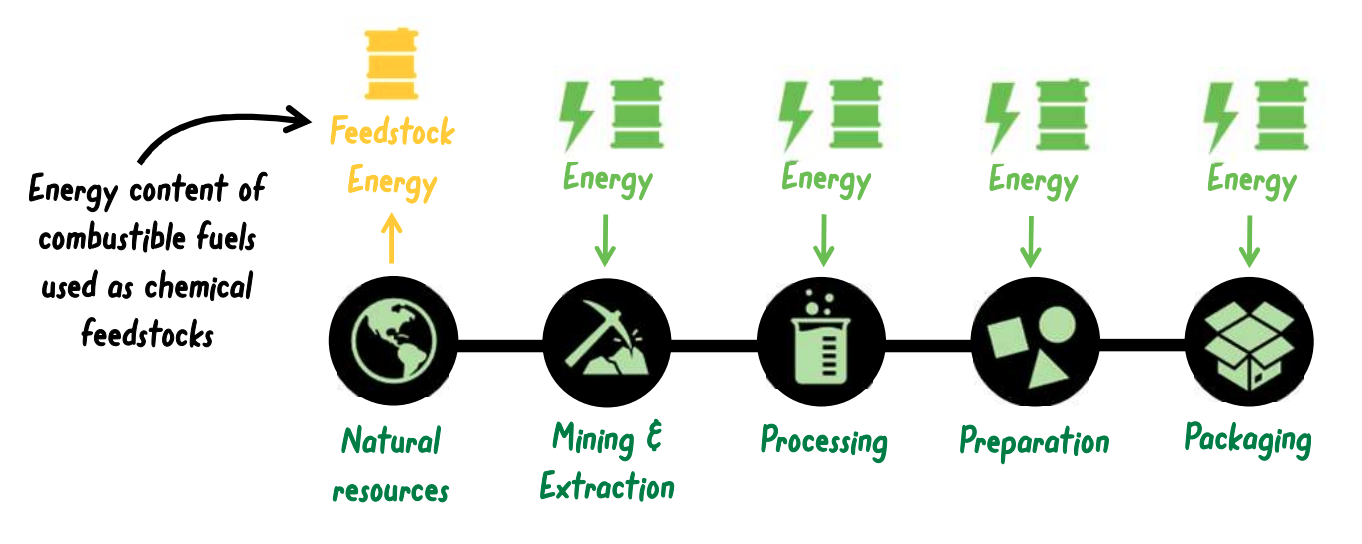
Embodied Energy
The total energy required to extract raw materials, manufacture, transport, and construct a product before it is ever used.
Natural Capital
The Earth's natural resources and ecosystems that provide value and should be included when considering the true cost of products and development.
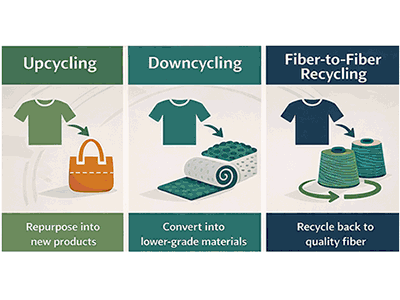
Recycling vs. Downcycling
Recycling creates the same or similar product from recycled material (ex. aluminum cans). Downcycling creates a lower-value product from recycled material (ex. tires become rubber mulch or playground surfaces).
Being Embedded in a Place
Designing shelters to fit the local climate and environment instead of forcing the environment to fit the design.

North Slope of Alaska Shelter (Igloo)
Built from snow because snow is an excellent insulator that traps heat in an extremely cold climate.
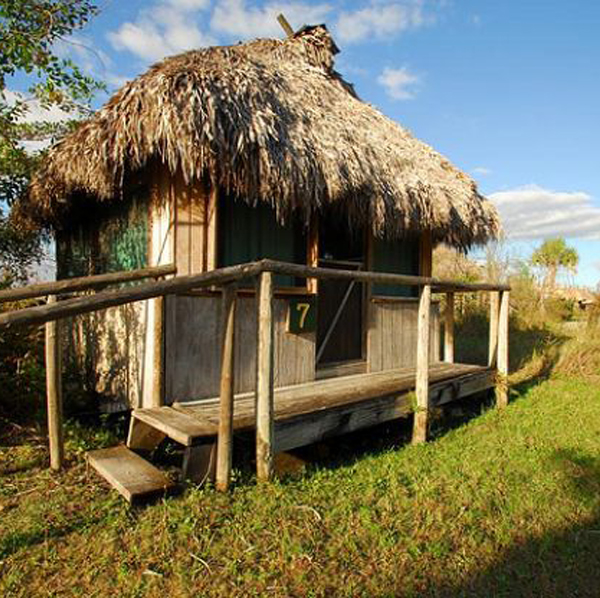
Everglades Shelter (Seminole Chickee House)
Raised on posts with open sides and a thatched roof to provide airflow, shade, and protection from flooding in a hot, humid climate.
Southwest Shelter (Mesa Verde Cliff Dwellings)
Built into cliffs to provide insulation, shade, and protection by using the natural landscape.

Aluminum Cans vs. Tires
Tires are harder to recycle because they contain multiple materials (rubber, steel, fibers, and additives) that are difficult to separate. Aluminum can be melted down and recycled repeatedly with little loss of quality.
Plastics
Materials, synthetic or naturally occurring, that can be shaped when soft and then hardened to retain their shape.
Biodegradable Plastics
Plastics made from renewable or biological materials that can be broken down by microorganisms.
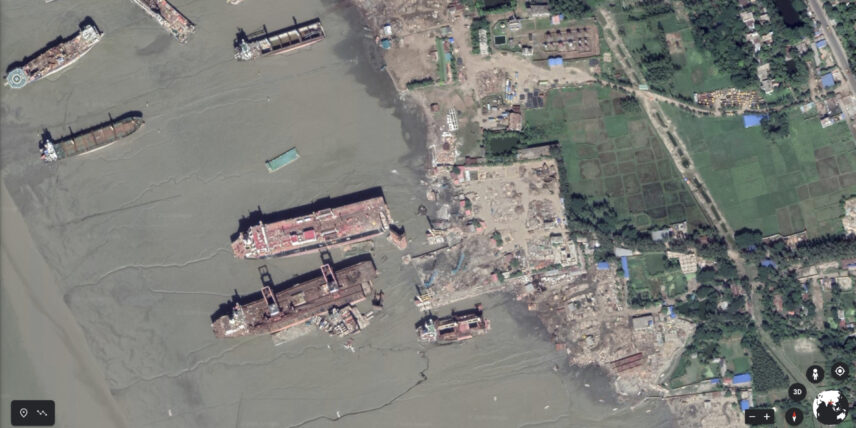
Shipbreaking Industry
The dismantling of old ships to recover valuable materials.

Sitakunda, Bangladesh
A major shipbreaking center where ships are dismantled for recycling, creating both economic benefits and environmental and worker safety concerns.
E-Waste
Discarded electronic devices such as computers, phones, televisions, and other electronics. Nature and Magnitude of the E-Waste Problem
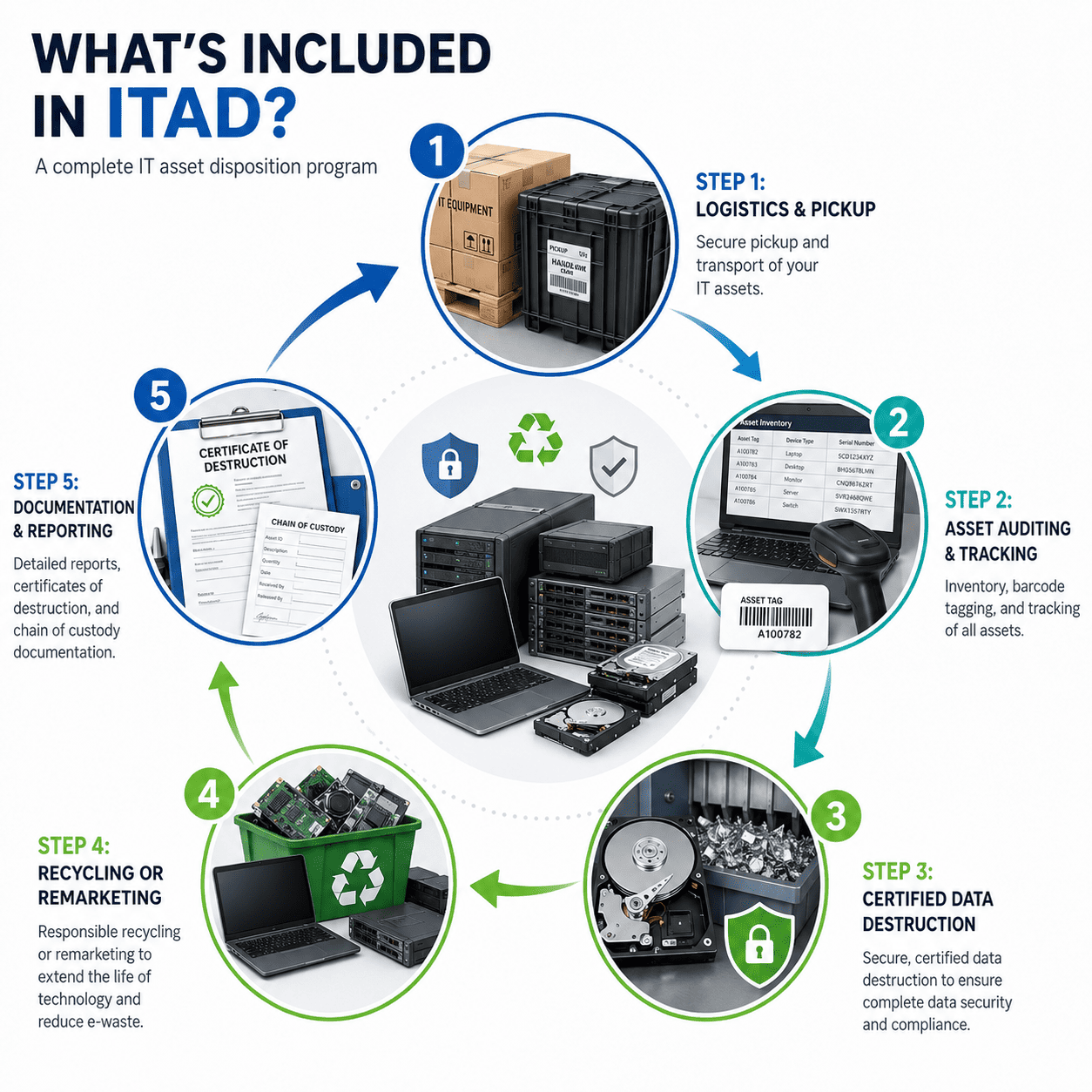
IT Asset Disposition (ITAD)
The secure reuse, refurbishment, recycling, or disposal of outdated electronic equipment.
Synergy Electronics Recycling Co., Madison, N.C.
Uses a pre-shredder, shredder, drum magnets, trommel, dynamic SRP ferrous separator, eddy current separator, optical sorters, and manual quality-control picking to separate recyclable materials from electronic waste.
Modular "Framework" Laptop
A laptop designed with replaceable and upgradeable parts so the entire computer does not have to be replaced, reducing electronic waste.

Guiyu, China Example
Shows that finding toxic chemicals in the environment does not automatically prove they are causing health problems; epidemiological studies are needed to connect exposure to actual health effects.
History and Trends of Single-Family Homes in the U.S.
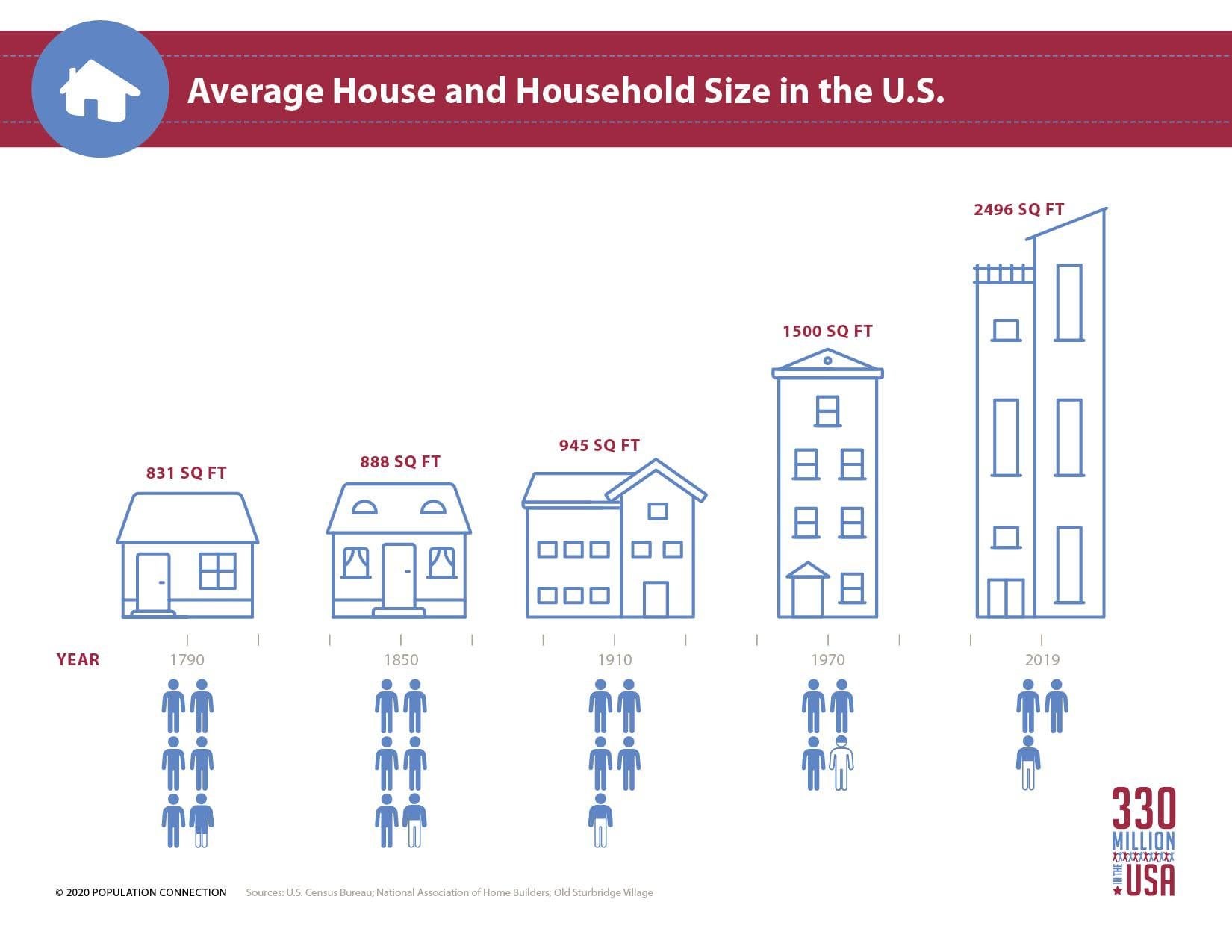
American homes have generally become larger over time while household size has become smaller, affecting sustainability.
Birth of the Suburbs (Levittown, New York)
One of the first mass-produced suburban developments after World War II that helped spread suburban living across the United States.

House Size and Occupancy Patterns Over Time
Average house size has increased while the average number of people living in each home has generally decreased.
New Home Energy Use Compared to Older Homes
New homes are about 30% larger than older homes but use about the same amount of energy because they are more energy efficient
Embodied Energy
– The total energy required to extract raw materials, manufacture, transport, and construct a product or building before it is ever used.
Natural Capital
– Earth's natural resources and ecosystems that provide economic and environmental value.
Recycling
– Processing materials so they can be made into the same or similar products.
Downcycling
Recycling materials into lower quality or lower value products
Embedded in a Place
– Designing buildings or communities to fit local climate, geography, and available resources.
Dead Zone
– An area of water with oxygen levels too low to support most aquatic life.
Plastics
– Materials that can be shaped while soft and then hardened into a permanent form.
Biodegradable Plastics
– Plastics designed to break down through biological processes under appropriate conditions.
Shipbreaking
– The dismantling of old ships to recover valuable materials, often creating environmental and worker safety concerns.
E-waste
Discarded electronic devices such as computers, phones, and televisions.
IT Asset Disposition (ITAD)
– The secure reuse, refurbishment, recycling, or disposal of outdated electronic equipment.
Synergy Electronics Recycling
– An electronics recycling company highlighted for using shredders, magnets, optical sorters, and manual sorting to recover recyclable materials efficiently.
Framework Laptop
– A modular laptop designed so parts can be replaced or upgraded individually, reducing electronic waste.
Guiyu, China
a major e-waste waste recycling center used to illustrate both the environmental risks of informal recycling and the scientific challenge of proving health effects from toxic exposure.

Levittown
one of the first large-scale suburban housing developments in the United States, representing the beginning of modern suburban expansion.
GI Bill
U.S. legislation that helped many veterans purchase homes after World War II, fueling suburban growth.

Single Family Detached Home .
– A standalone house intended for one household, commonly associated with suburban development
Energy Efficiency
– Using less energy to perform the same function through improved technology or design