Comprehensive Human Respiratory System: Anatomy, Physiology, and Disorders
 Call Kai
 Learn
Learn Practice Test
 Spaced Repetition
 Match
Match Flashcards
 Knowt Play
1/51

There's no tags or description
Looks like no tags are added yet.
Name | Mastery | Learn | Test | Matching | Spaced | Call with Kai |
|---|
No analytics yet
Send a link to your students to track their progress
52 Terms
What are the two main zones of the respiratory system?
The conducting zone and the respiratory zone.
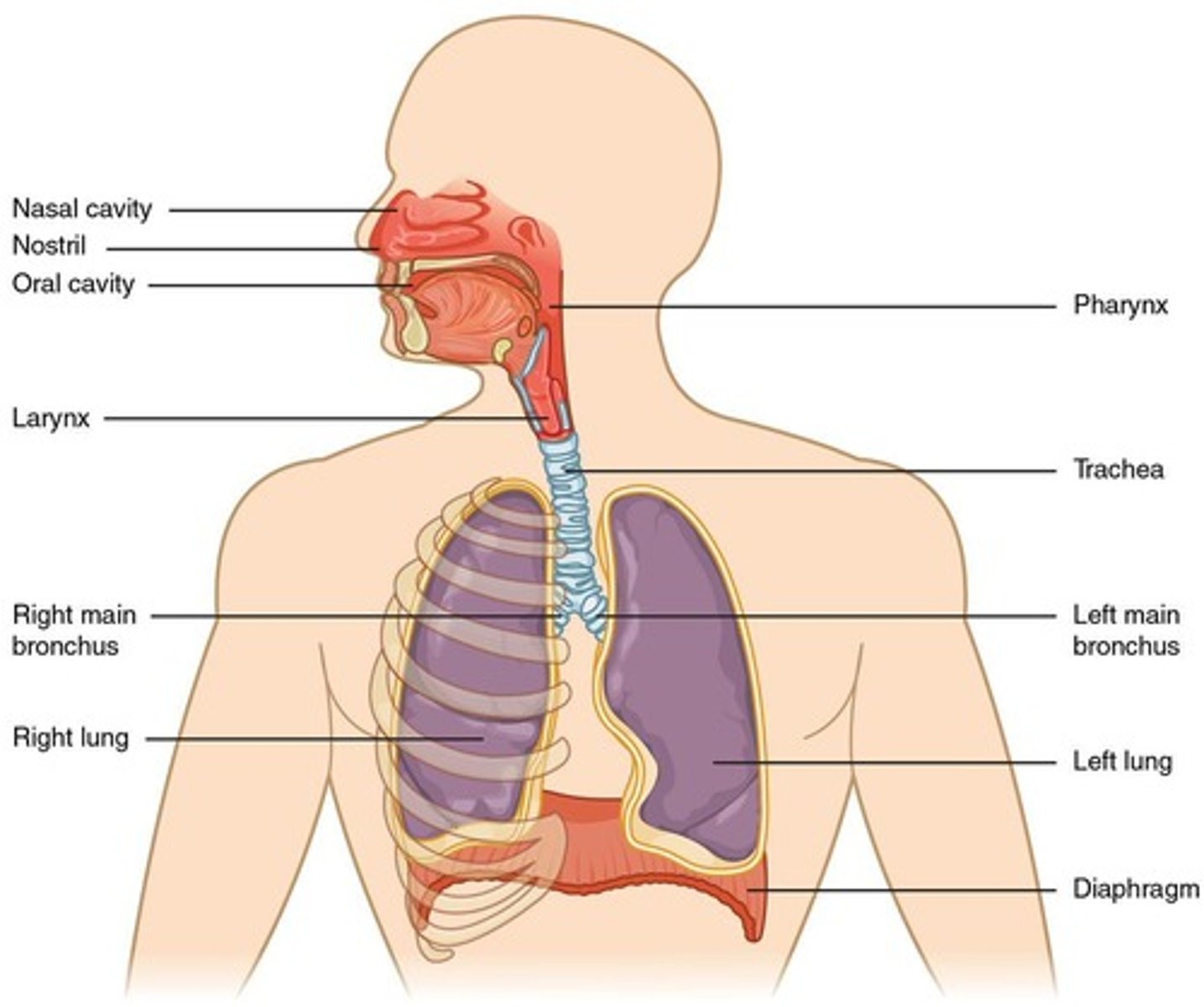
What is the function of the conducting zone?
It includes organs and structures not directly involved in gas exchange.
What is the primary function of the respiratory zone?
It is where gas exchange occurs.
What structures are included in the upper respiratory tract?
Nasal cavity, internal nares, nostrils (external nares), and epiglottis.
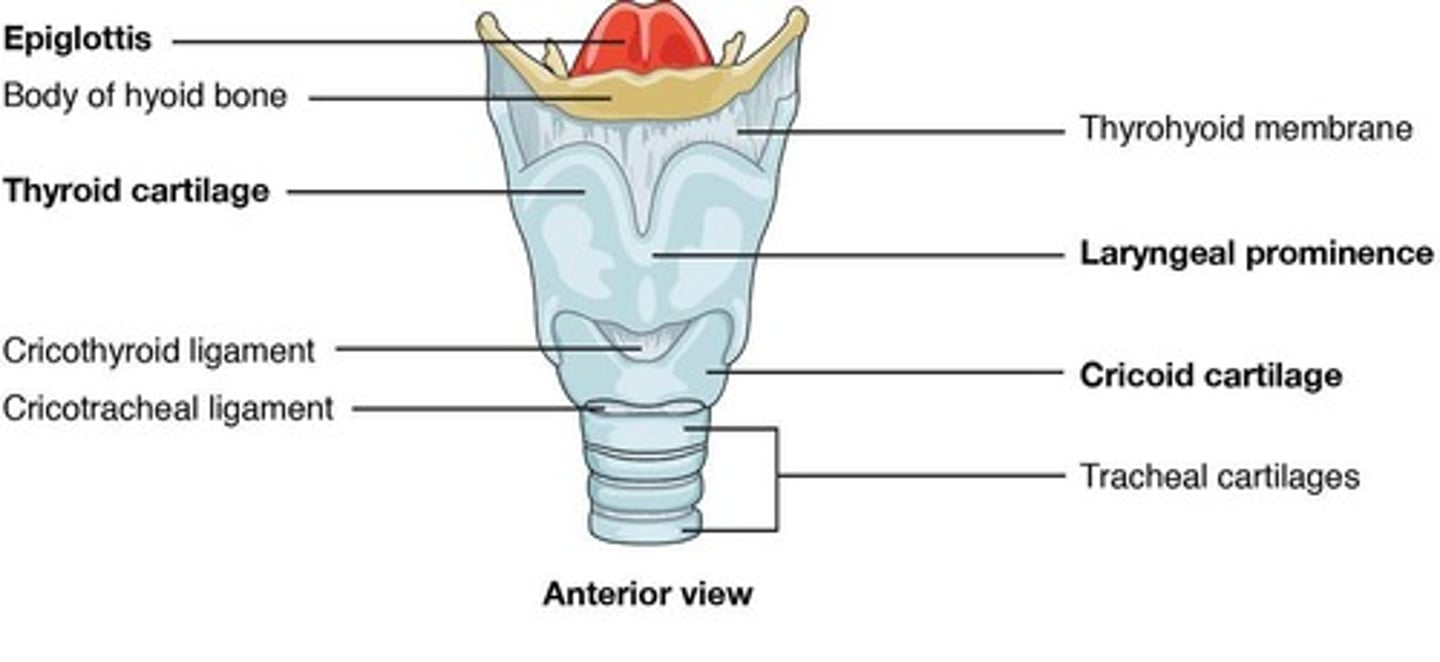
What is the role of the epiglottis?
It covers the glottis during swallowing to prevent food from entering the larynx.
What is the trachea supported by?
16 to 20 incomplete cartilaginous rings.
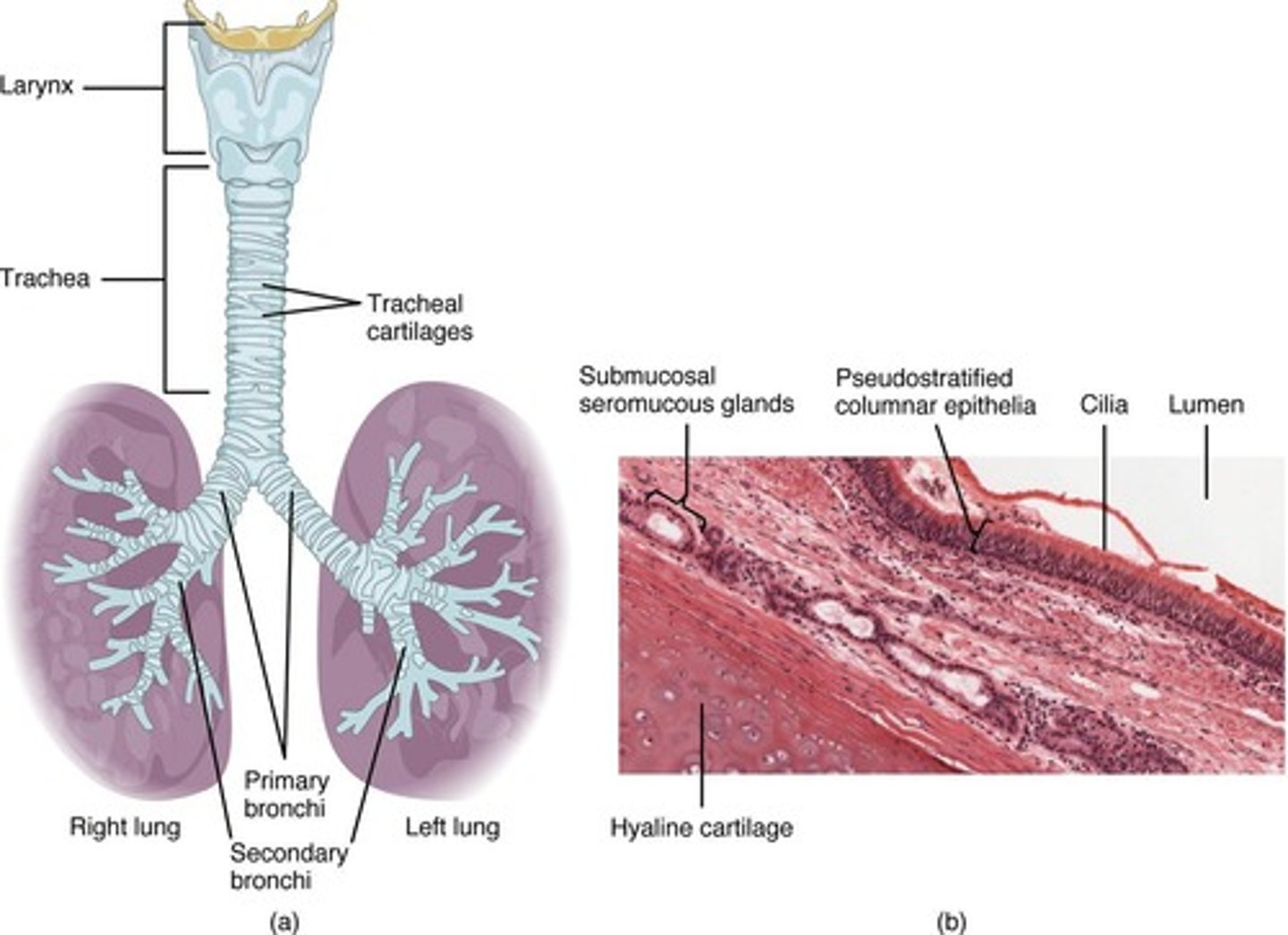
What type of epithelium lines the trachea?
Ciliated columnar epithelium and goblet cells.
What is the bronchial tree?
It consists of the primary bronchi that divide into secondary and tertiary bronchi, leading to bronchioles.
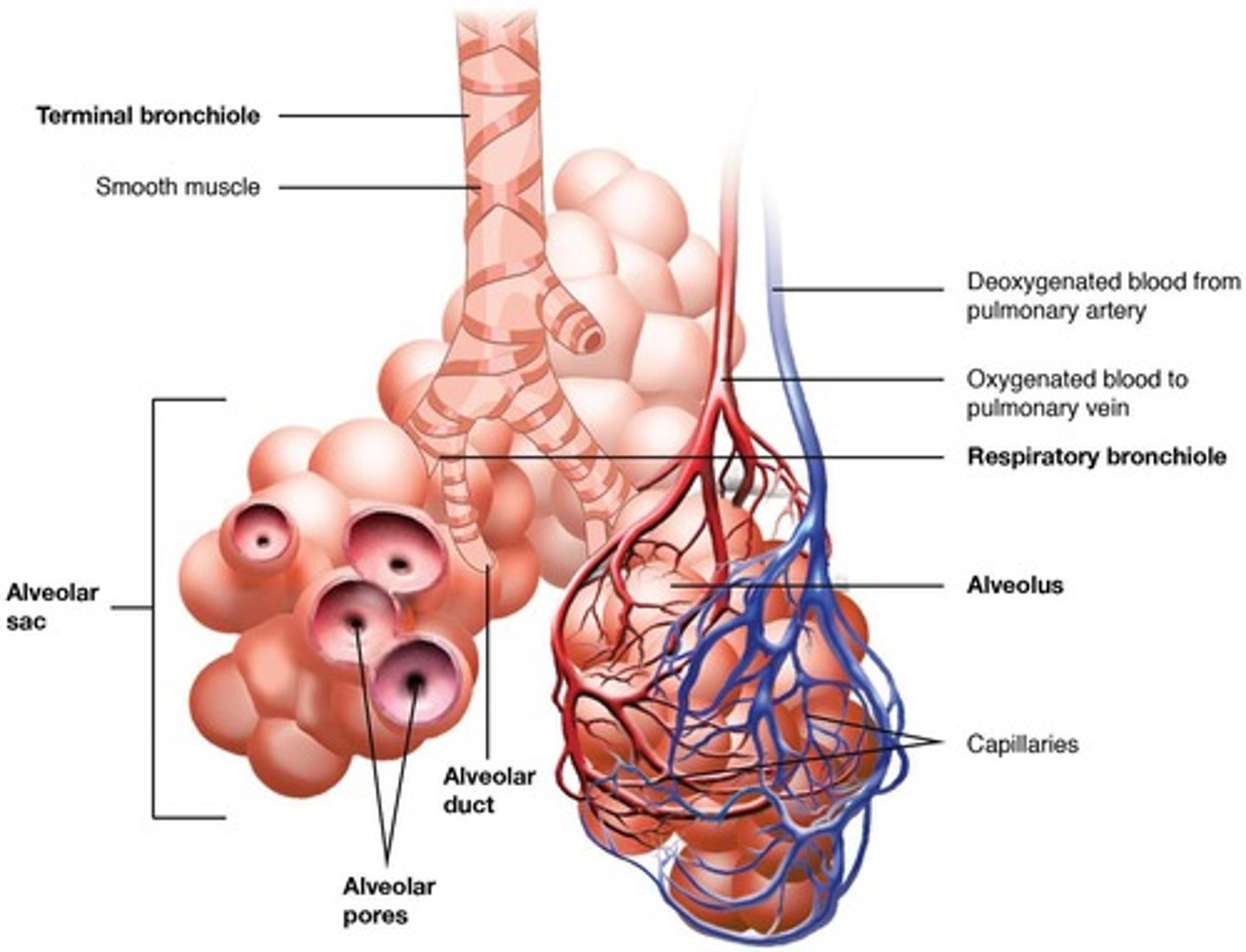
What are terminal bronchioles?
The smallest branches of the bronchial tree that lead to pulmonary lobules.
What surrounds each alveolus?
A layer of simple squamous epithelium.
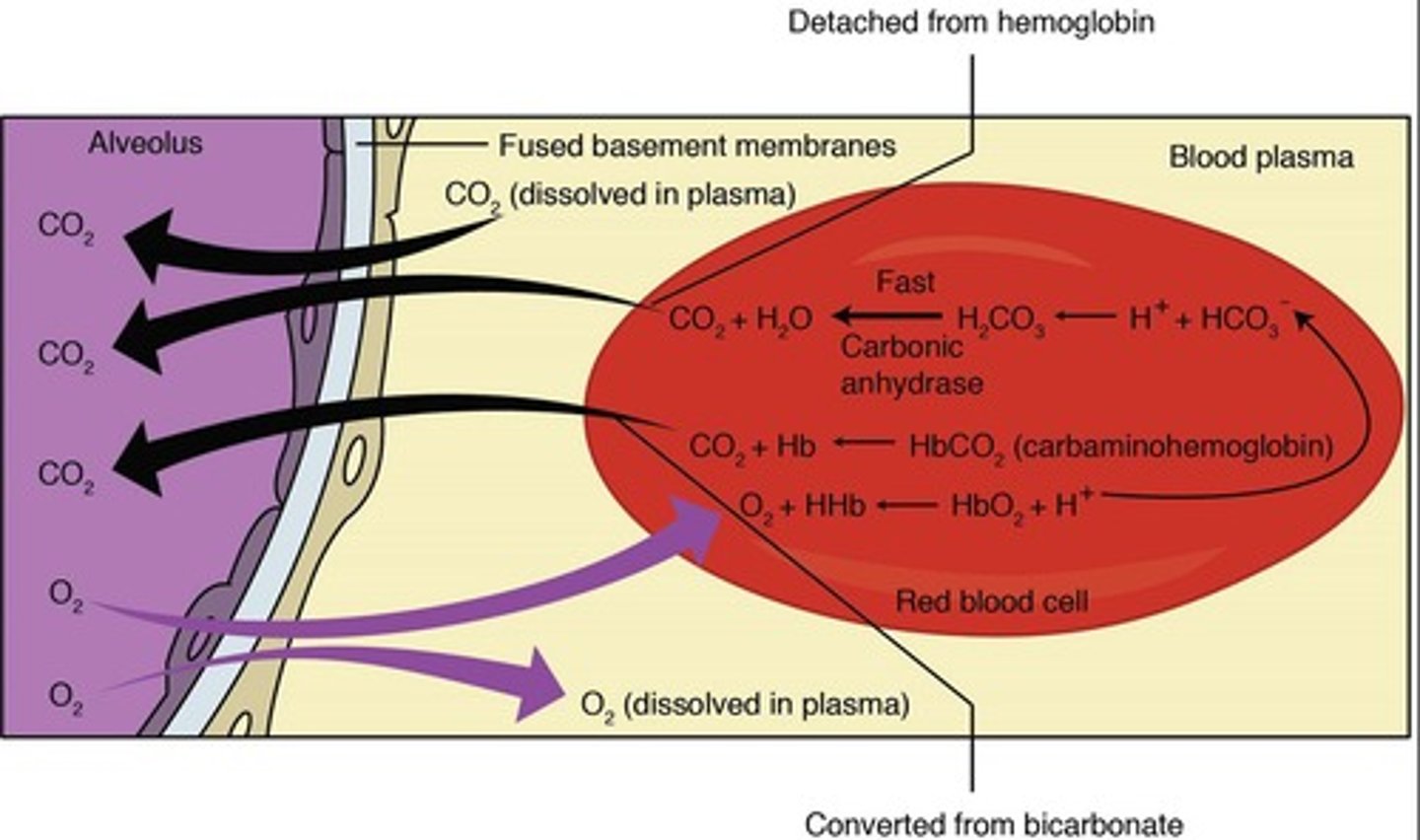
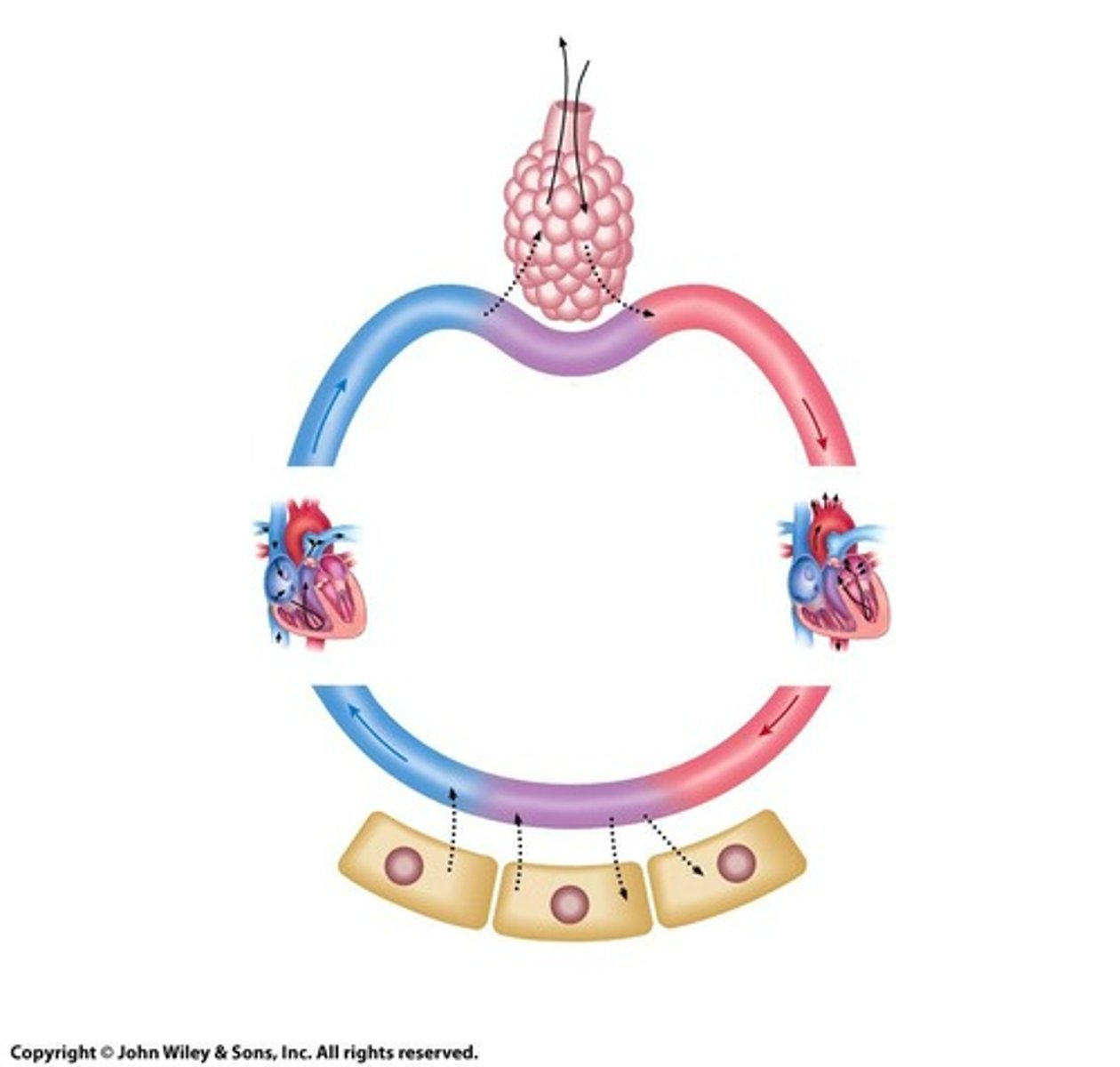
What is the process of gas exchange at the alveolus?
Oxygen and carbon dioxide diffuse across the alveolar epithelium, capillary basement membrane, and endothelium into the blood.
What are the three stages of respiration?
Pulmonary ventilation, external respiration, and internal respiration.
What is pulmonary ventilation?
The act of breathing, involving the movement of air between the atmosphere and alveoli.
What drives pulmonary ventilation?
Atmospheric pressure, intra-alveolar pressure, and intrapleural pressure.
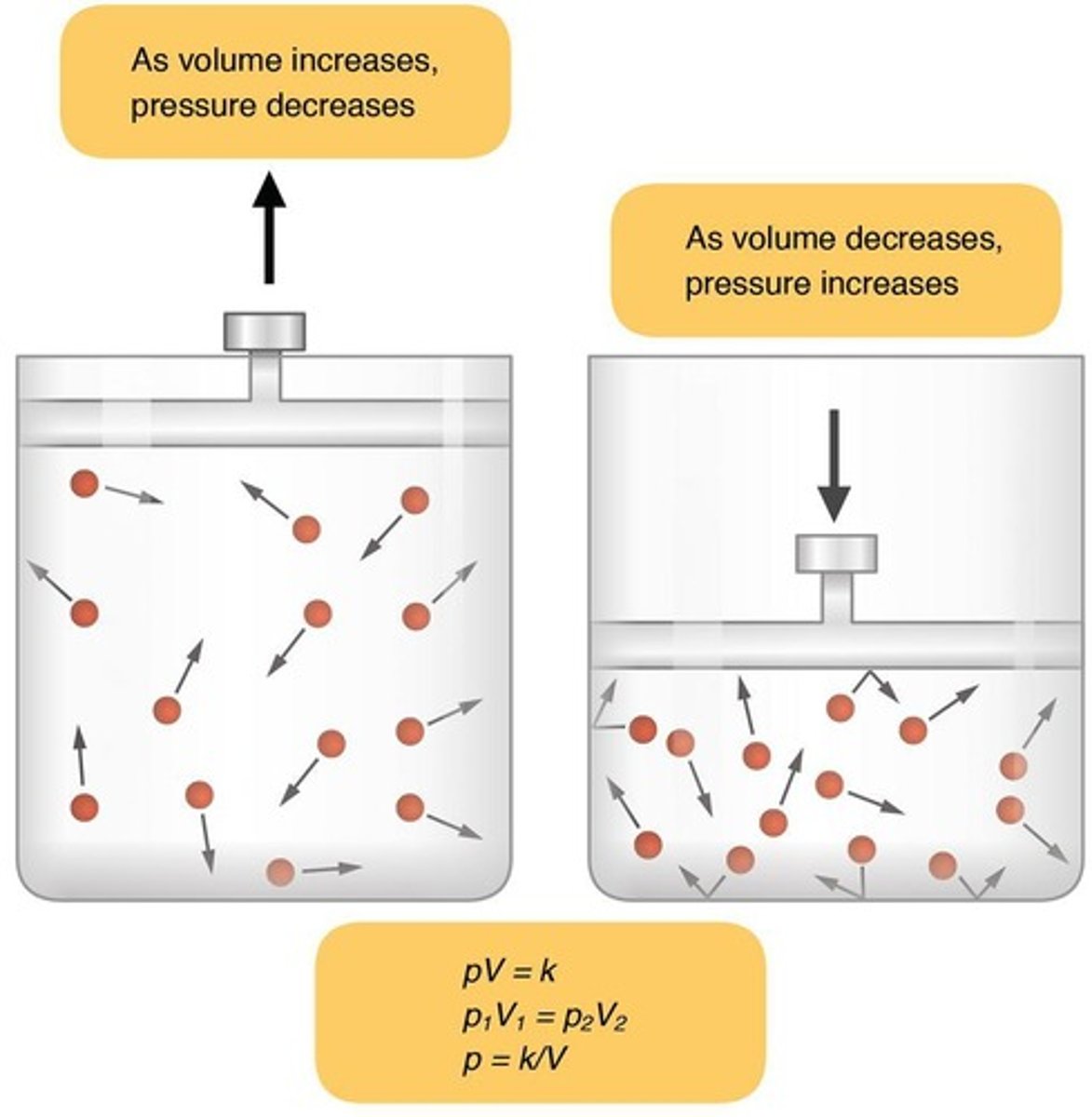
What is Boyle's Law?
It states that volume and pressure are inversely related in gases.
What occurs during normal quiet inhalation?
The diaphragm and external intercostals contract, increasing thoracic cavity volume and decreasing lung pressure.
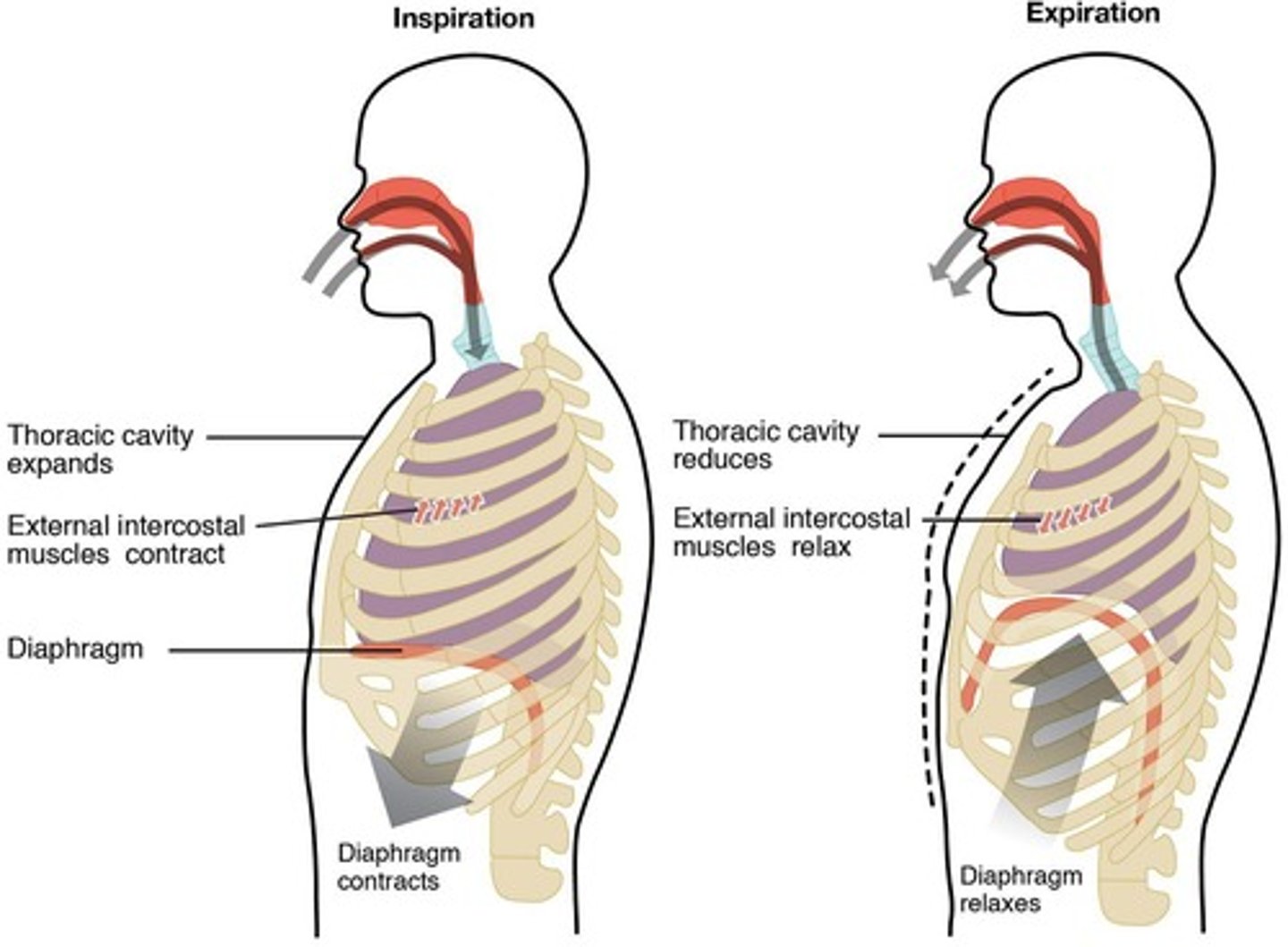
What happens during normal quiet exhalation?
The diaphragm and external intercostals relax, decreasing thoracic cavity volume and increasing lung pressure.
What muscles are involved in forced exhalation?
Abdominal and internal intercostal muscles contract.
What is hypoxia?
A condition of insufficient oxygen in the tissues.
What is hyperventilation?
Rapid or deep breathing that can lead to decreased carbon dioxide levels in the blood.
What role do carbon dioxide, oxygen, and hydrogen ions play in breathing?
They help regulate the rate of breathing.
What is a spirogram?
A graphical representation of the volume of air inhaled and exhaled over time.
What are the major respiratory volumes depicted in a spirogram?
Tidal volume, inspiratory reserve volume, expiratory reserve volume, and vital capacity.
What is the pleural cavity?
The space between the visceral and parietal pleura that contains lubricating fluid.
What happens if the pleura are punctured?
It can affect lung function by causing a collapse of the affected lung.
What is the function of the nasal conchae?
They filter and humidify the air as it passes through the nasal cavity.
What is the glottis?
The opening between the vocal folds in the larynx.
What is inhalation?
The process of taking air into the lungs.
What is exhalation?
The process of expelling air from the lungs.
Which area of the brain is responsible for the medullary rhythmicity of breathing?
The medulla oblongata.
What are the two groups found in the medullary rhythmicity area?
The Dorsal Respiratory Group (inspiratory area) and the Ventral Respiratory Group (expiratory area).
What happens when the inspiratory area is active?
It stimulates the diaphragm and external intercostals to contract.
What is the role of the pneumotaxic area?
It relaxes muscles after inhalation by inhibiting the Dorsal Respiratory Group.
What factors can increase the respiratory rate?
Increased levels of carbon dioxide (CO2), decreased levels of oxygen (O2), and increased hydrogen ions (H+).
What is tidal volume?
The volume of air inspired or expired during normal quiet breathing.
What is vital capacity?
The total amount of air that can be exhaled after maximum inhalation.
What is residual volume?
The volume of air still present in the lungs after a forced exhalation.
What is the purpose of a spirometer?
To measure the volume of air exchanged during breathing and the respiratory rate.
What is external respiration?
The exchange of gases between the alveoli and blood (pulmonary gas exchange).
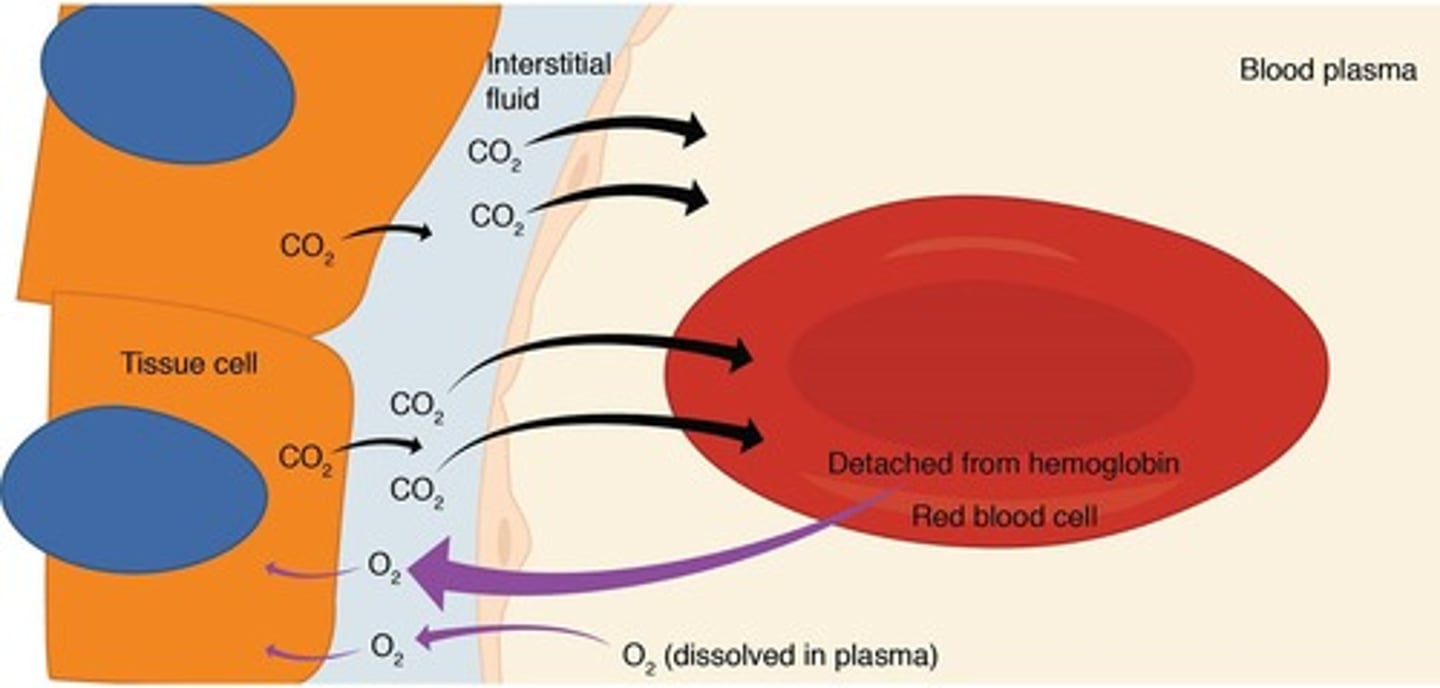
What is internal respiration?
The exchange of gases between blood and tissue cells (systemic gas exchange).
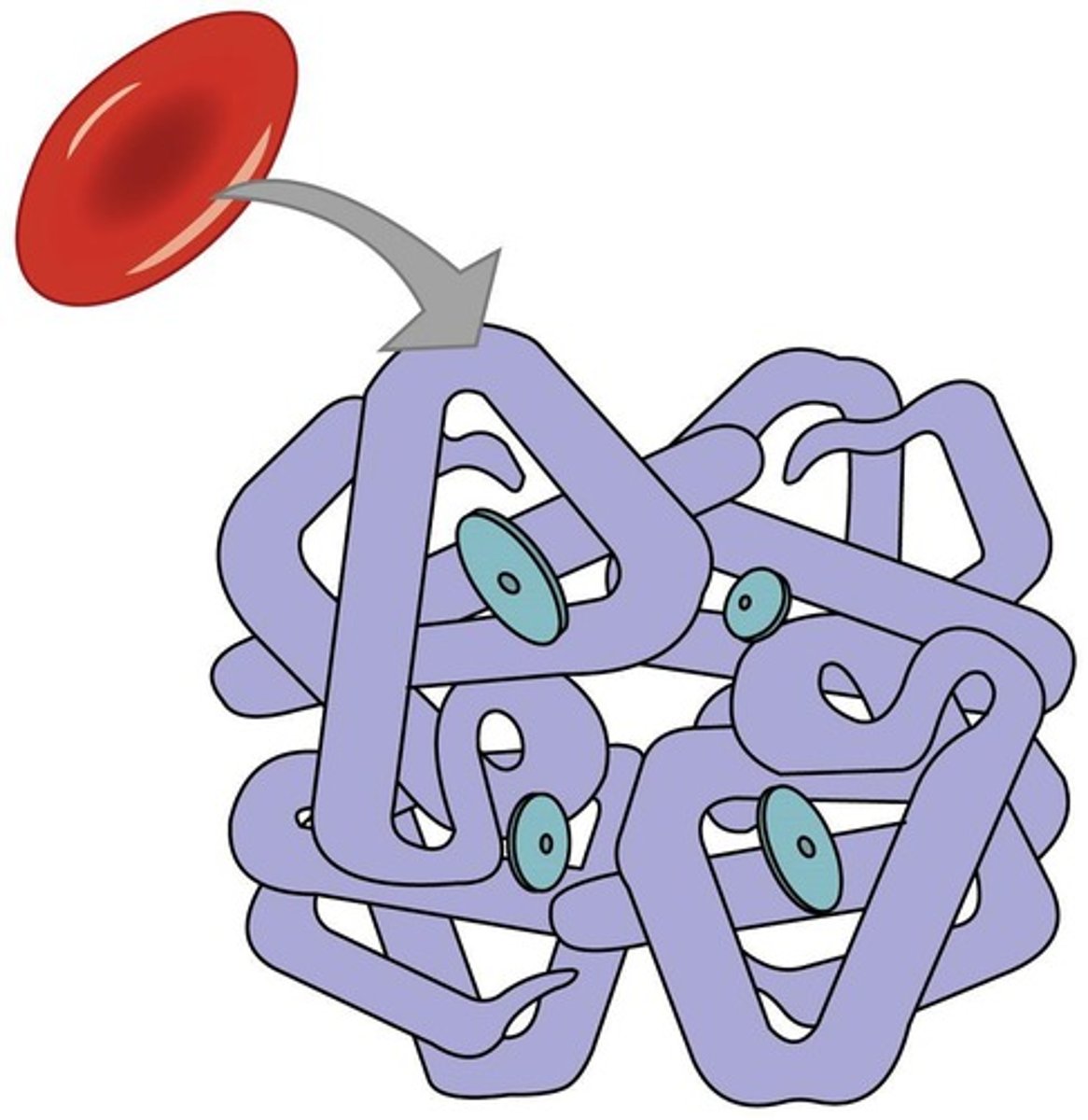
How is oxygen primarily transported in the blood?
Most oxygen is attached to hemoglobin as oxyhemoglobin.
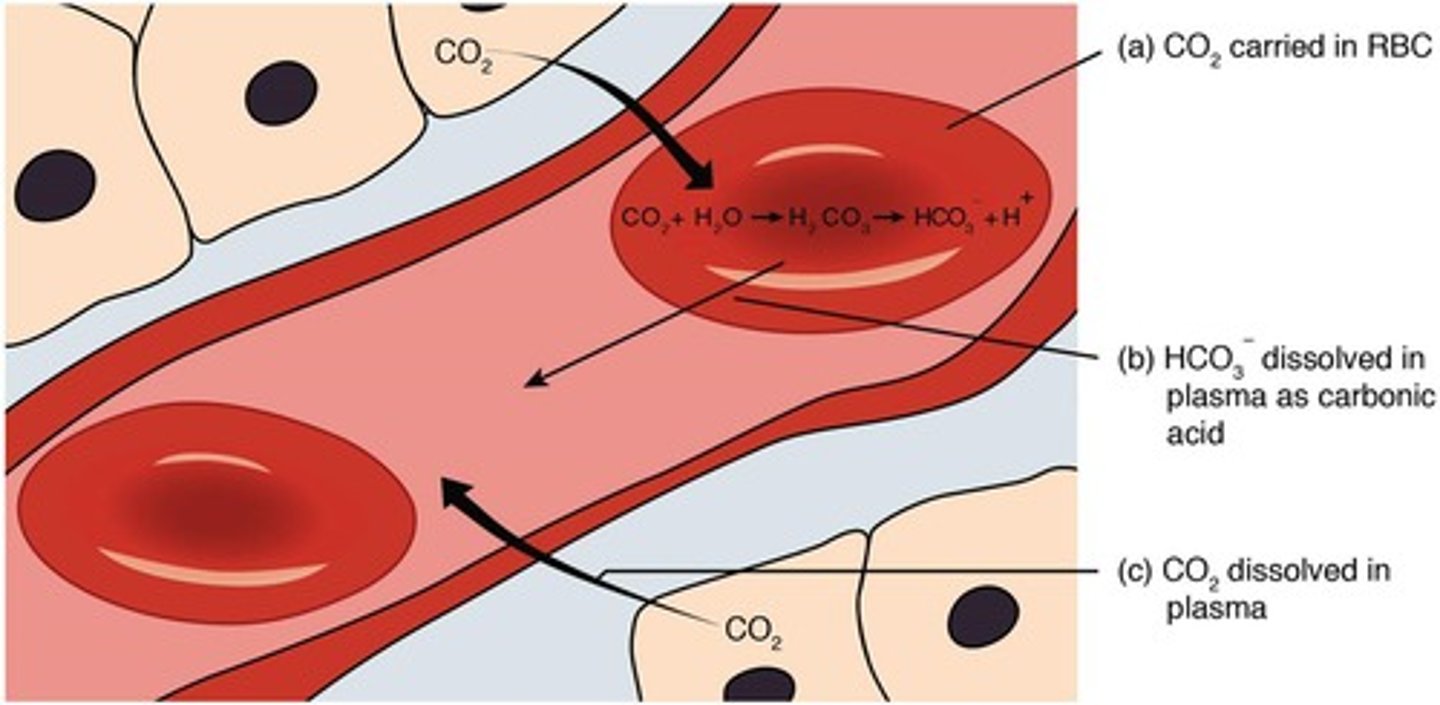
What percentage of carbon dioxide is dissolved in plasma?
7% of carbon dioxide in blood is dissolved in plasma.
What physiological consequence can result from hypoxia?
Cyanosis, which is a bluish color to the skin due to deoxygenated blood.
What can hyperventilation lead to in terms of blood pH?
It can lead to respiratory alkalosis due to increased blood pH.
What is eupnoea?
Normal breathing.
What is dyspnoea?
Difficult breathing.
What is tachypnoea?
Fast breathing.
What is apnoea?
Breathing stops.
What role do stretch receptors in the lungs play?
They detect the stretching of lungs during inhalation.
What is the significance of the carbonic anhydrase enzyme?
It converts carbon dioxide into carbonic acid, which then dissociates into bicarbonate and hydrogen ions.
What is the function of the hypothalamus in respiration?
It regulates respiration in response to emotions, pain, and temperature.
What is the dead space volume?
Air contained in conducting airways that does not undergo respiratory exchange.