Anatomy with pictures lower limb (bones, landmarks, muscles, innervation)
 Call Kai
 Learn
Learn Practice Test
 Spaced Repetition
 Match
Match Flashcards
 Knowt Play
1/364

There's no tags or description
Looks like no tags are added yet.
Name | Mastery | Learn | Test | Matching | Spaced | Call with Kai |
|---|
No analytics yet
Send a link to your students to track their progress
365 Terms
anterior superior iliac spine
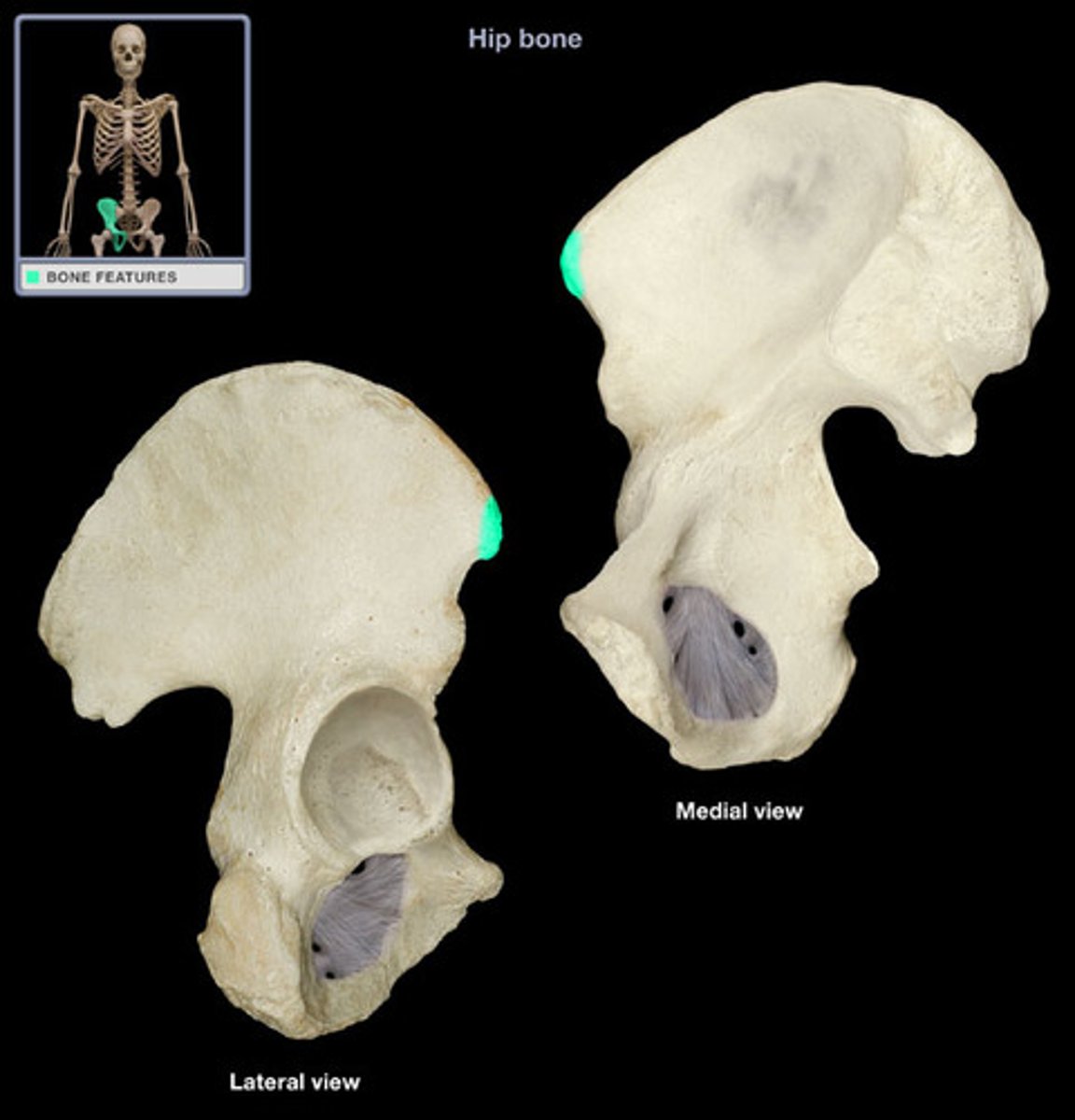
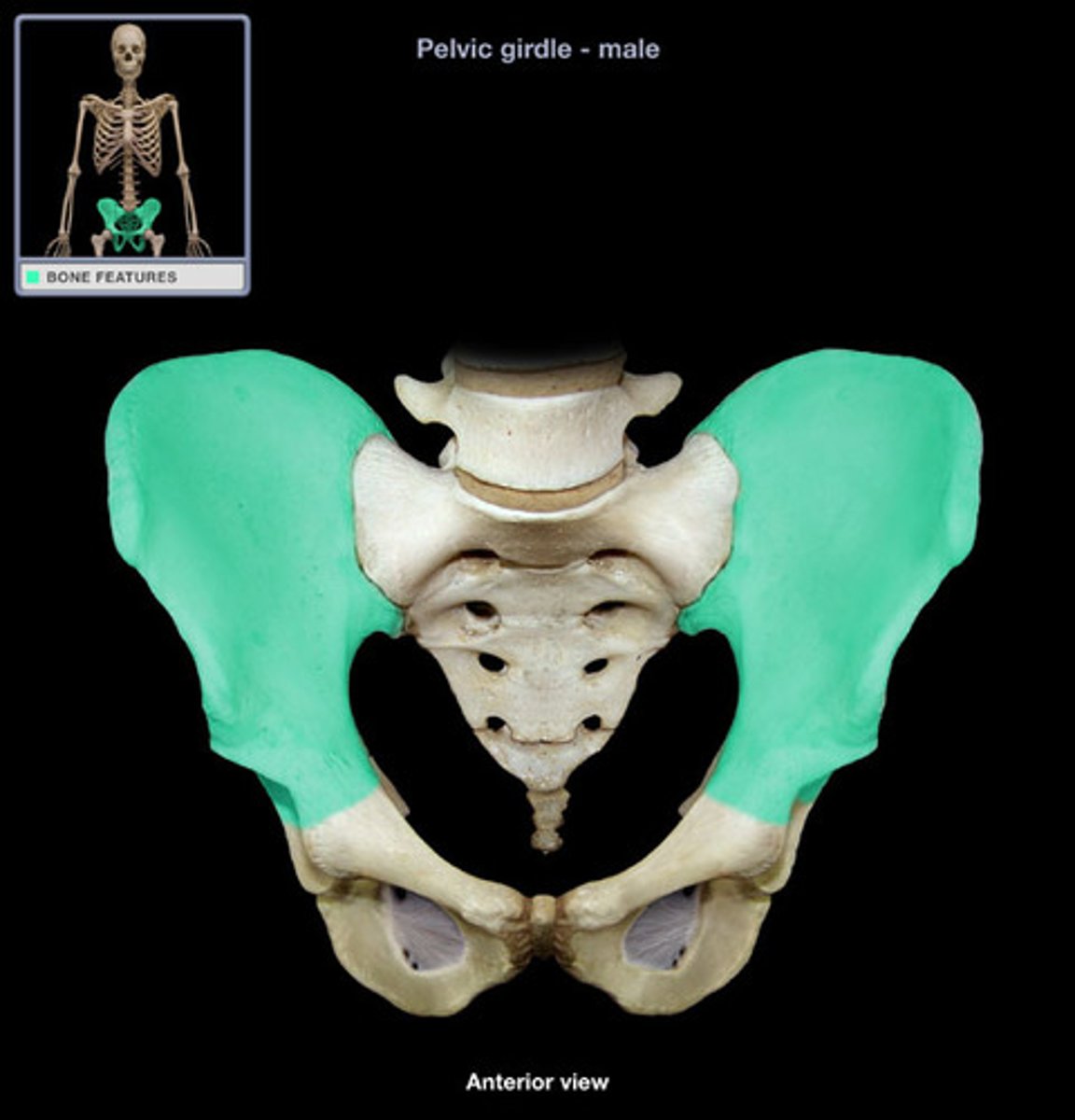
ilium
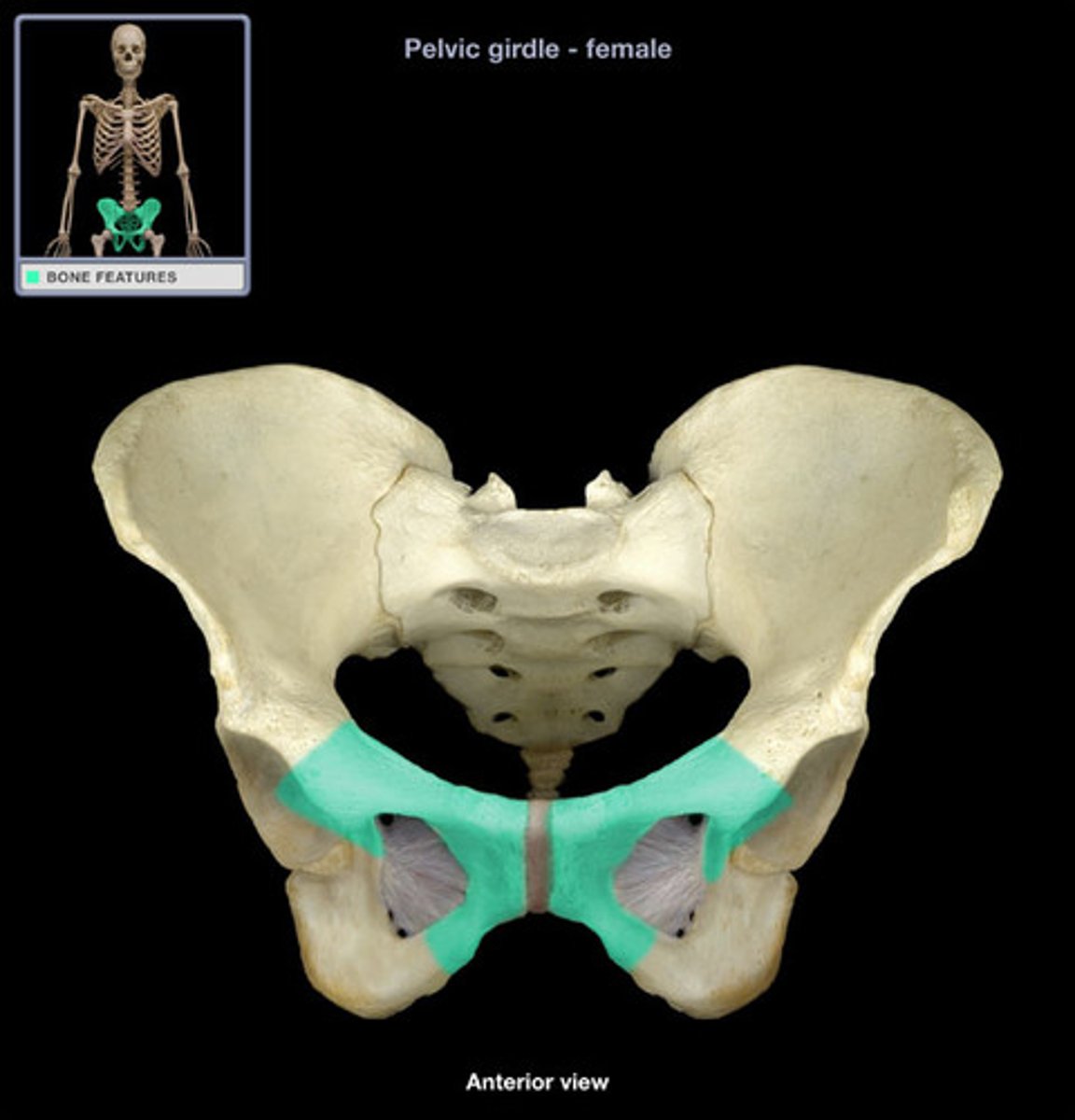
pubis
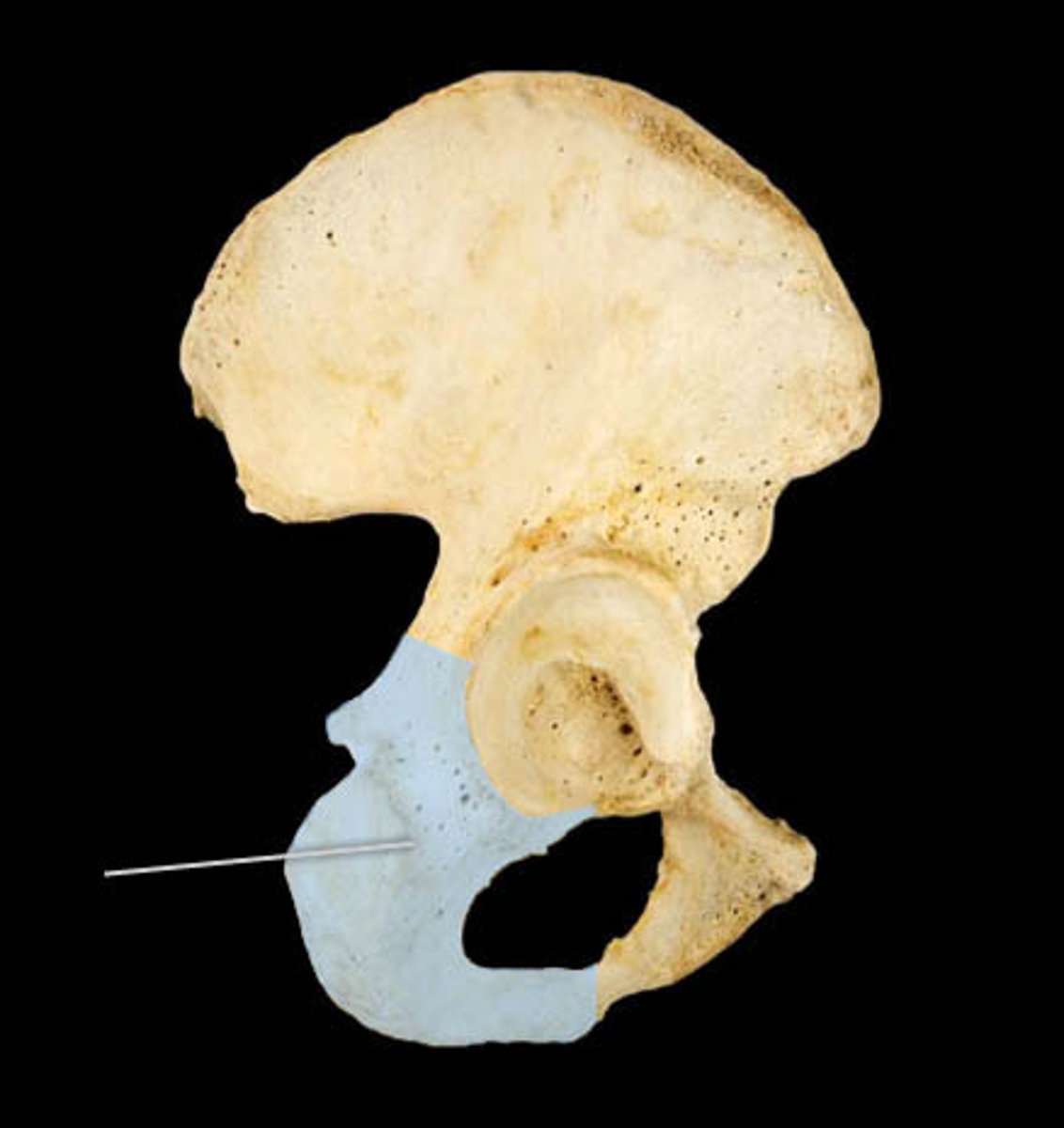
ischium
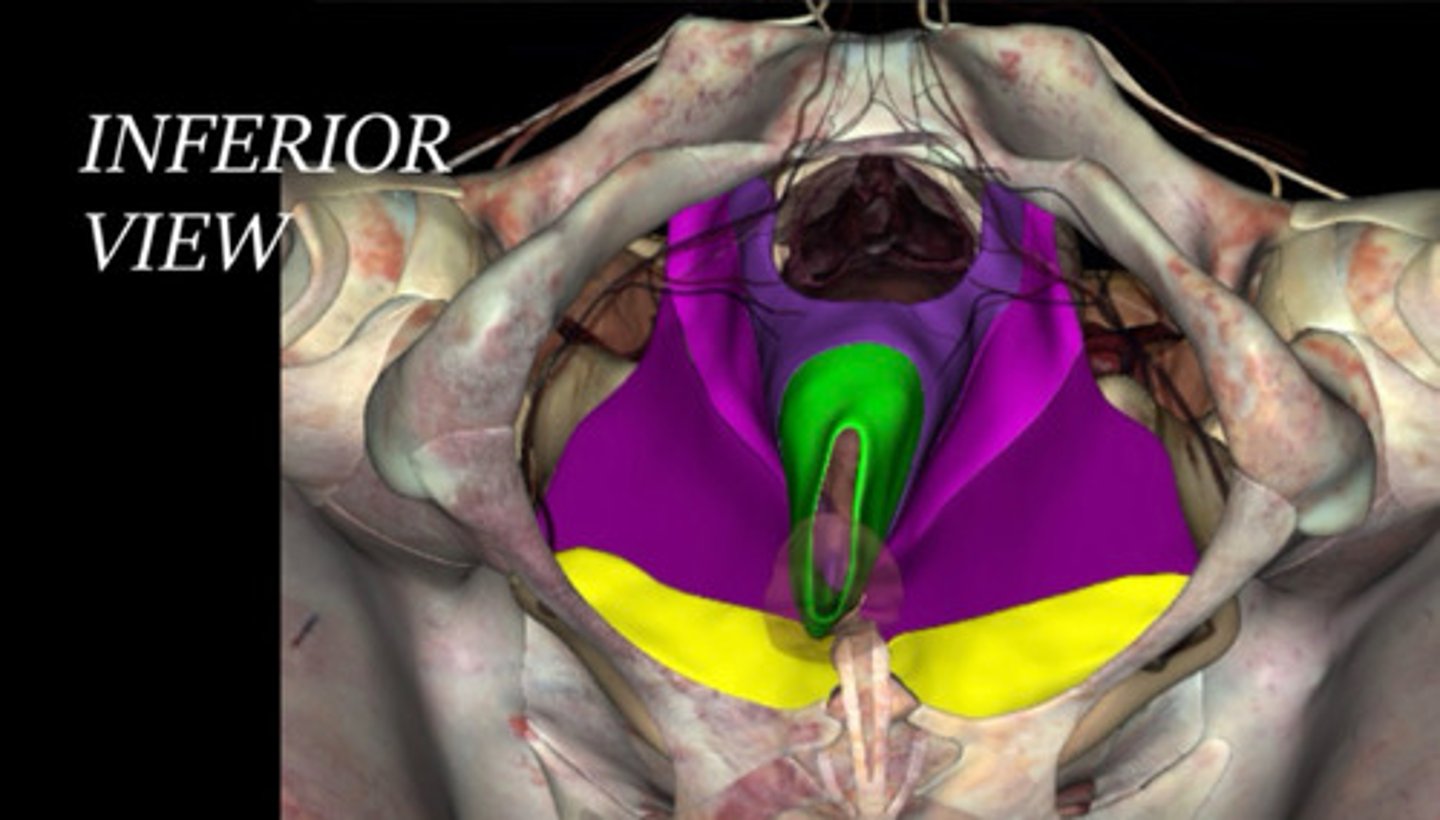
coccygeus
yellow
flex/extend
abduct/adduct
medial/lateral rotation
Function of the hip
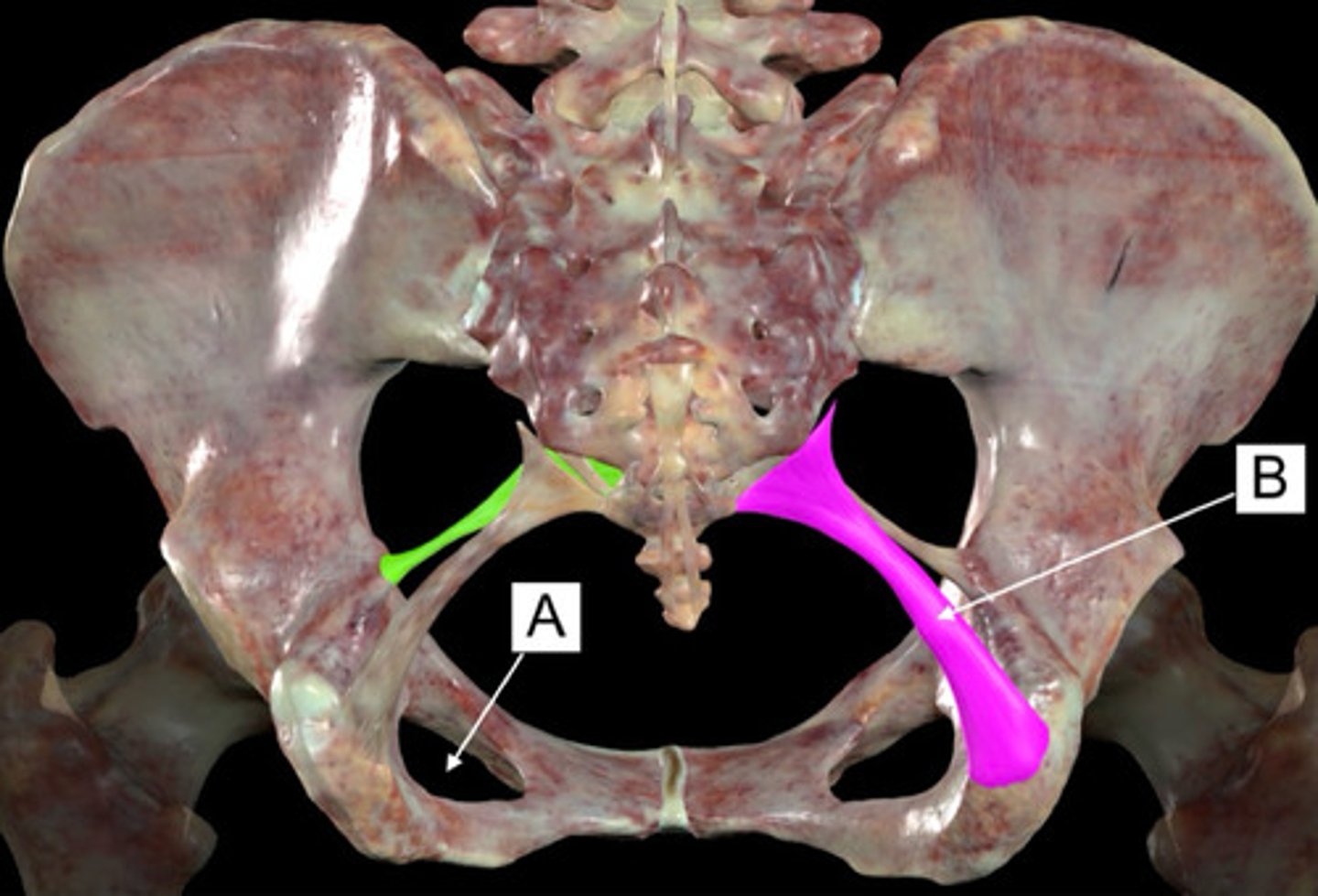
sacrospinous ligament
hot green
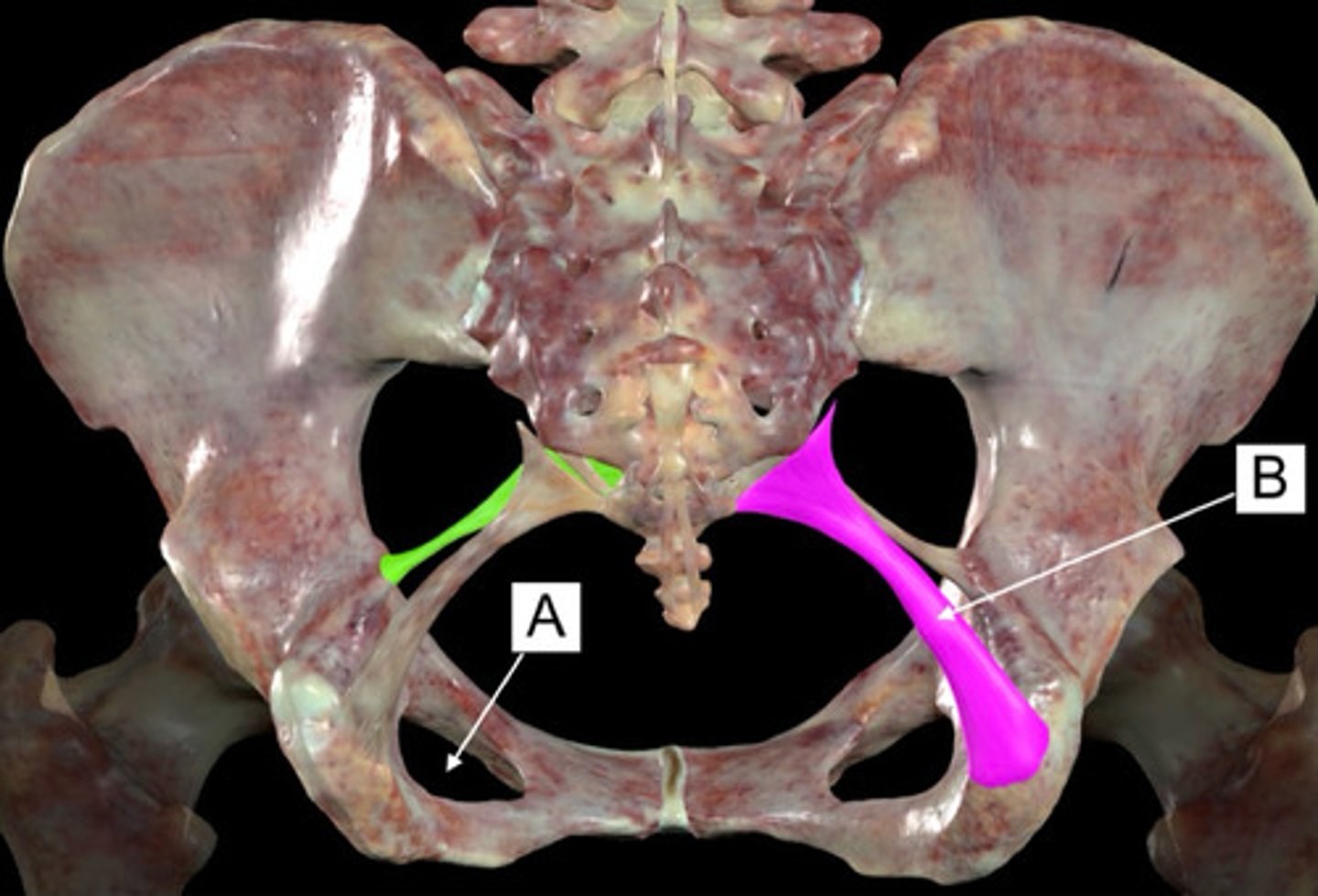
sacrotuberous ligament
pink
iliofemoral ligament
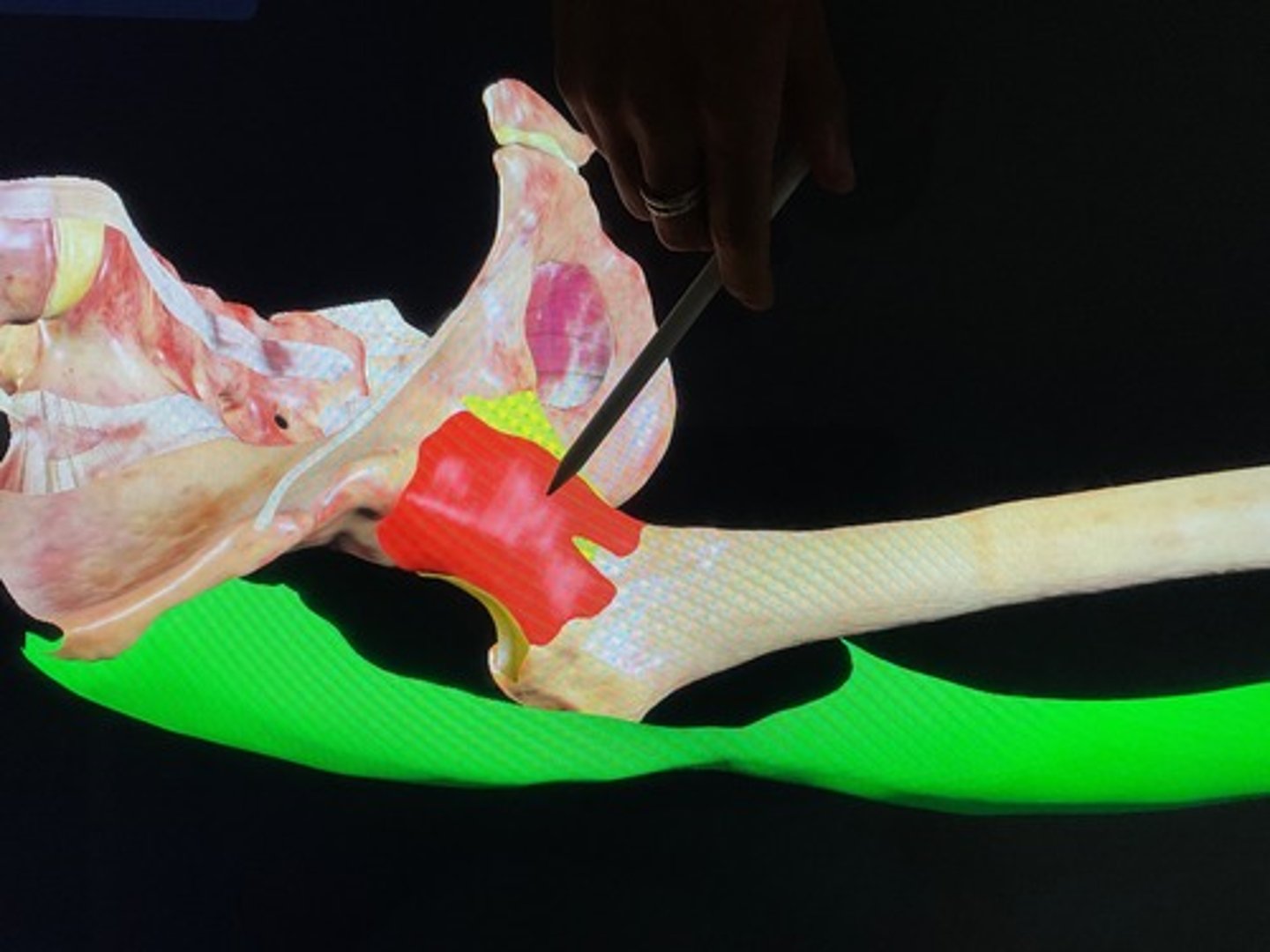
prevents hyperextension of hip joint during standing
iliofemoral ligament action
pubofemoral ligament
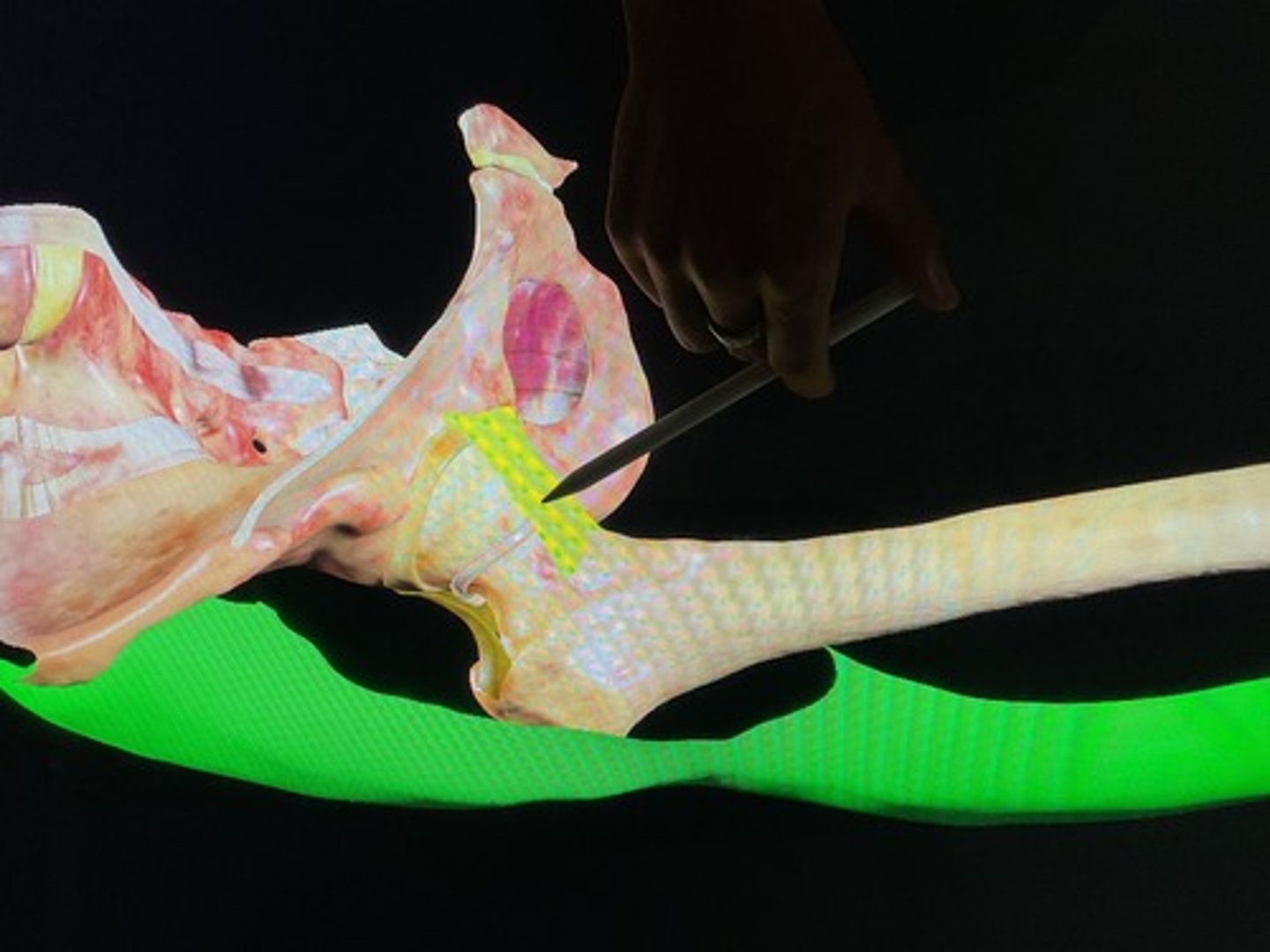
prevents over-abduction of hip
pubofemoral ligament action
ischiofemoral ligament
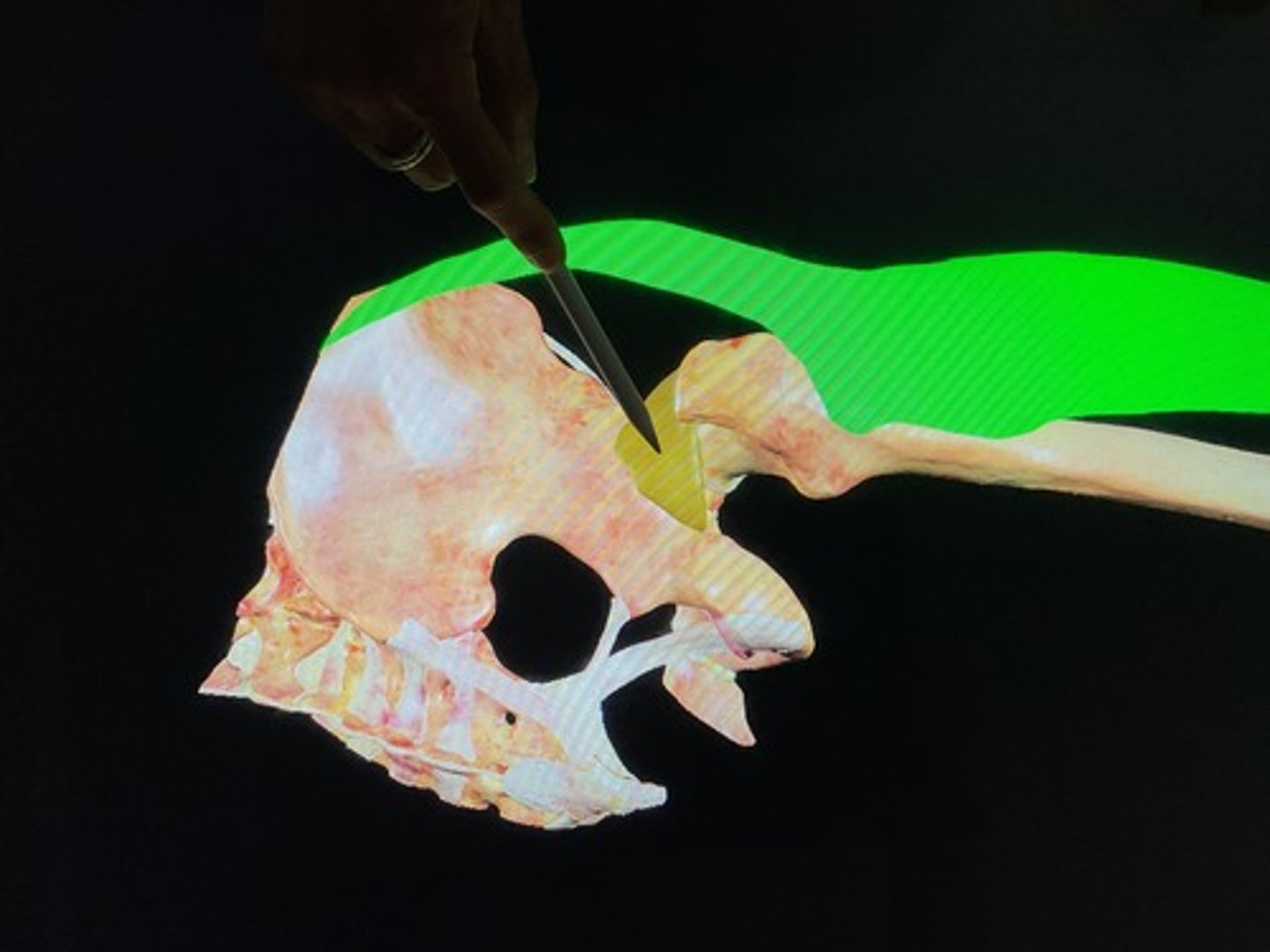
ischiofemoral ligament
weakest of 3 hip ligaments
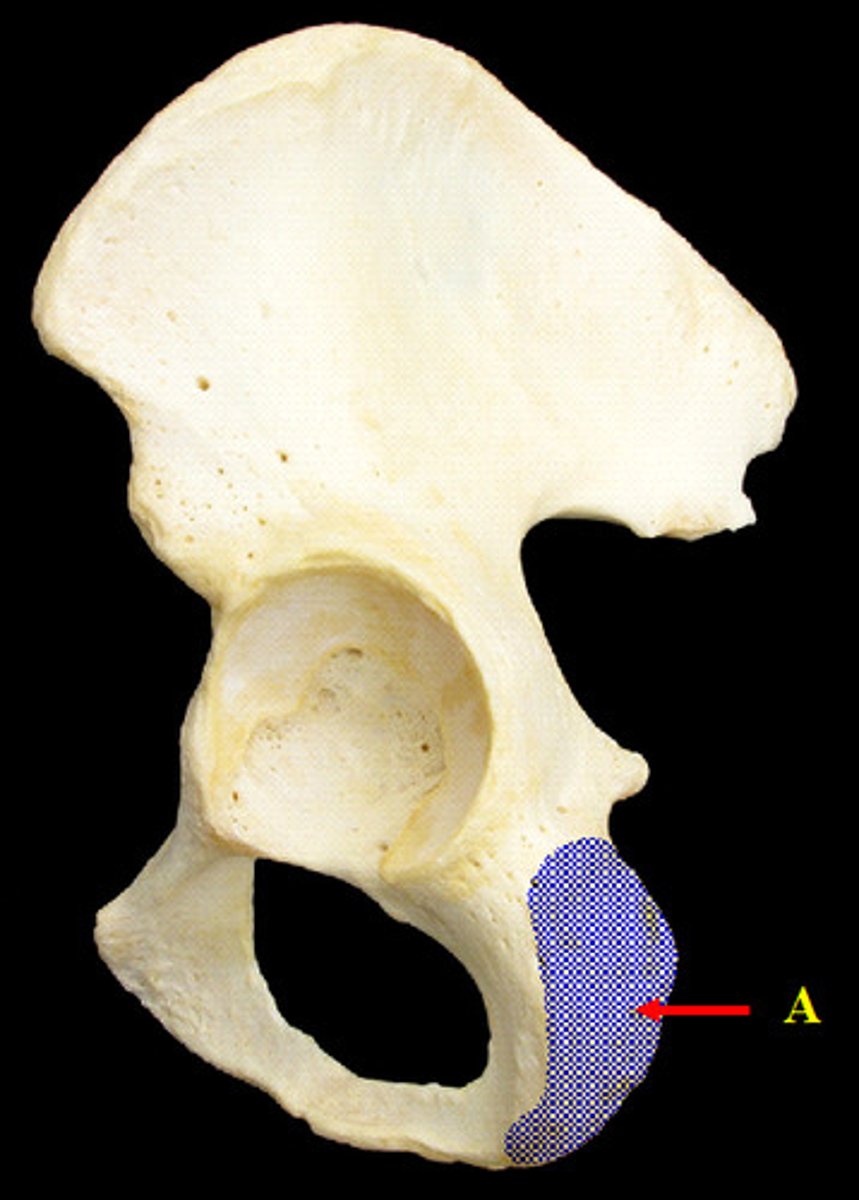
ischial tuberosity
flexion and extension
hinge joint allows for
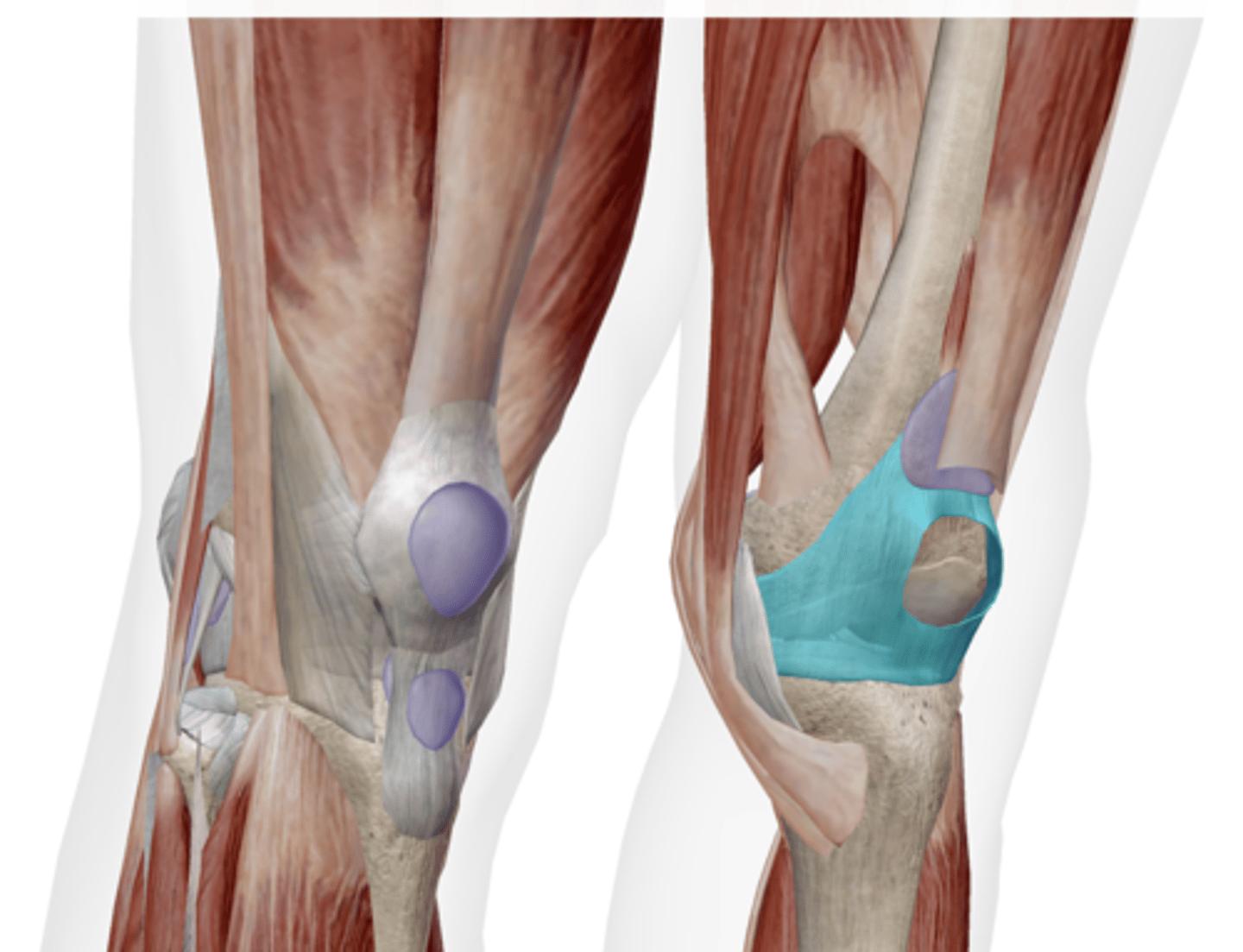
patellar ligament
yellow
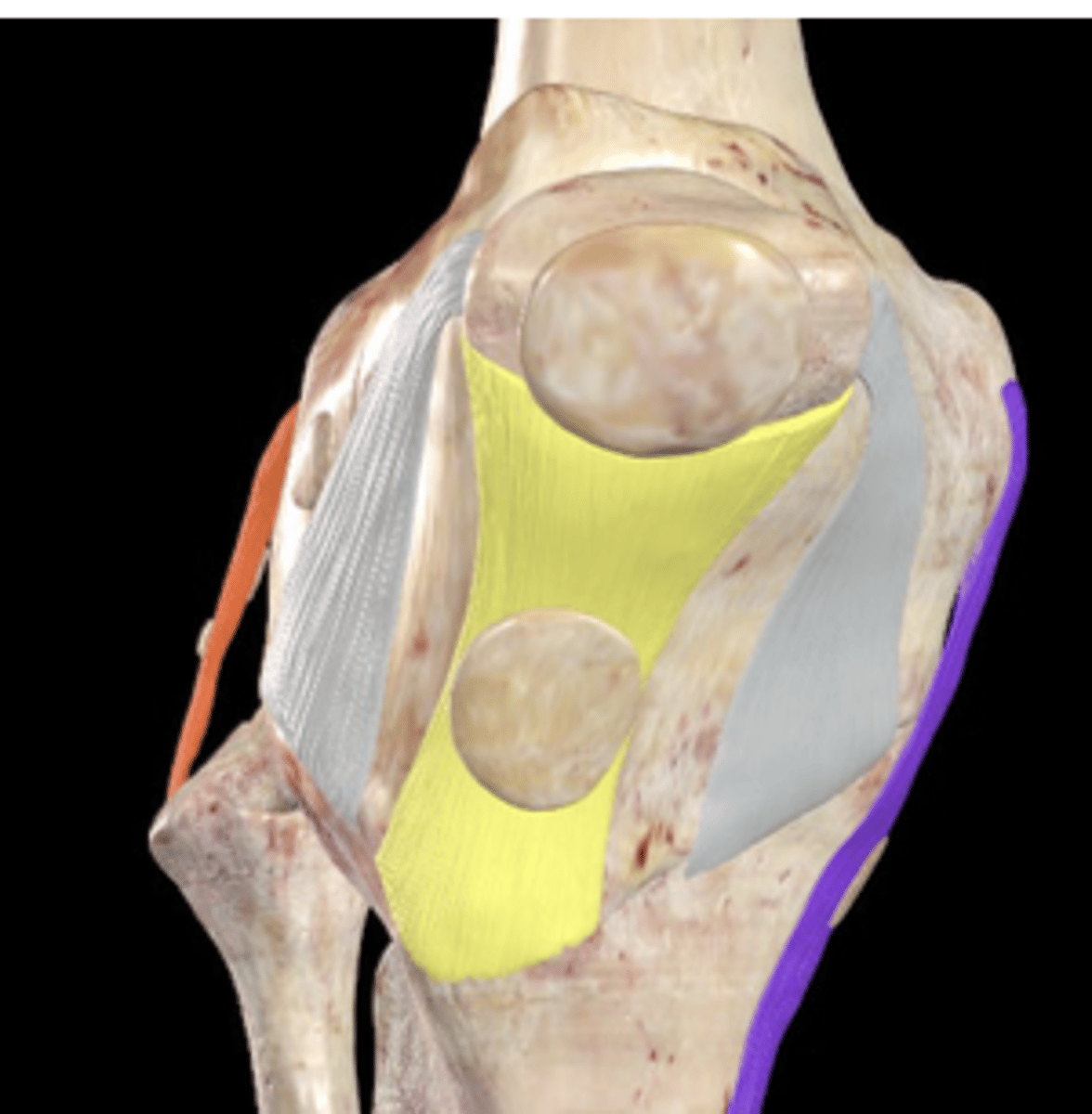
bursa
what is on top of the yellow ligament
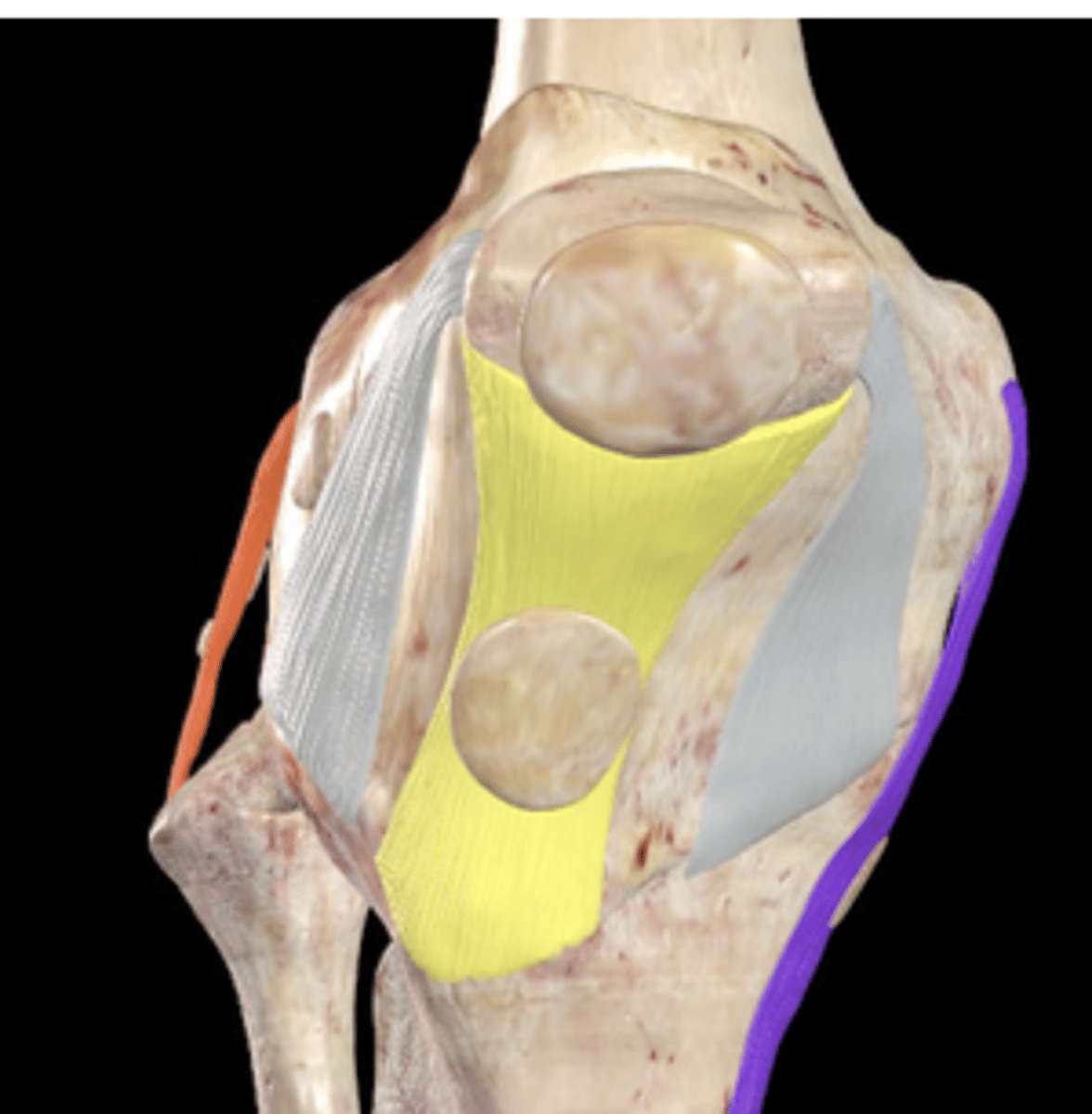
lateral collateral ligament (LCL)
orange
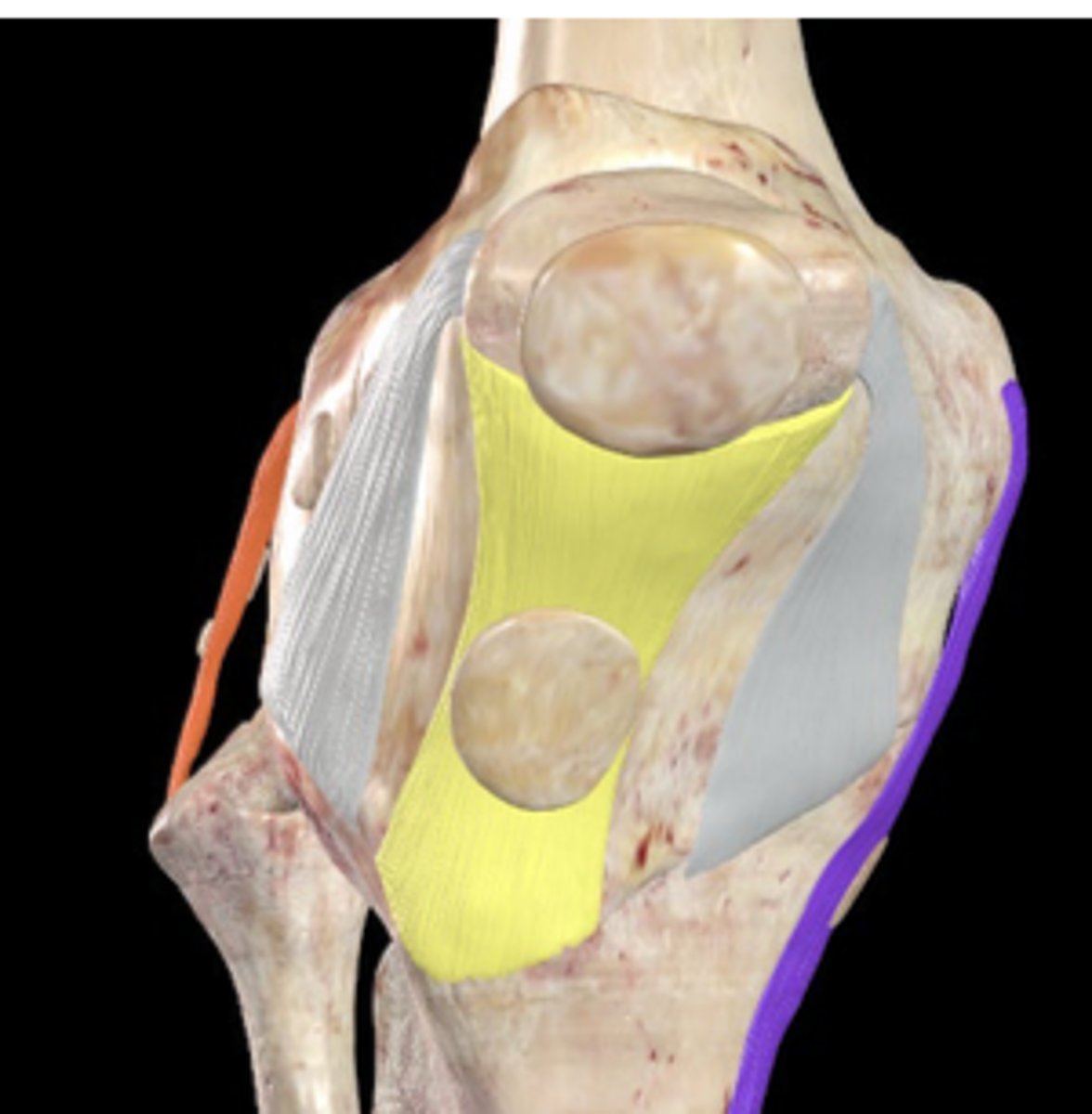
medial collateral ligament (MCL)
purple
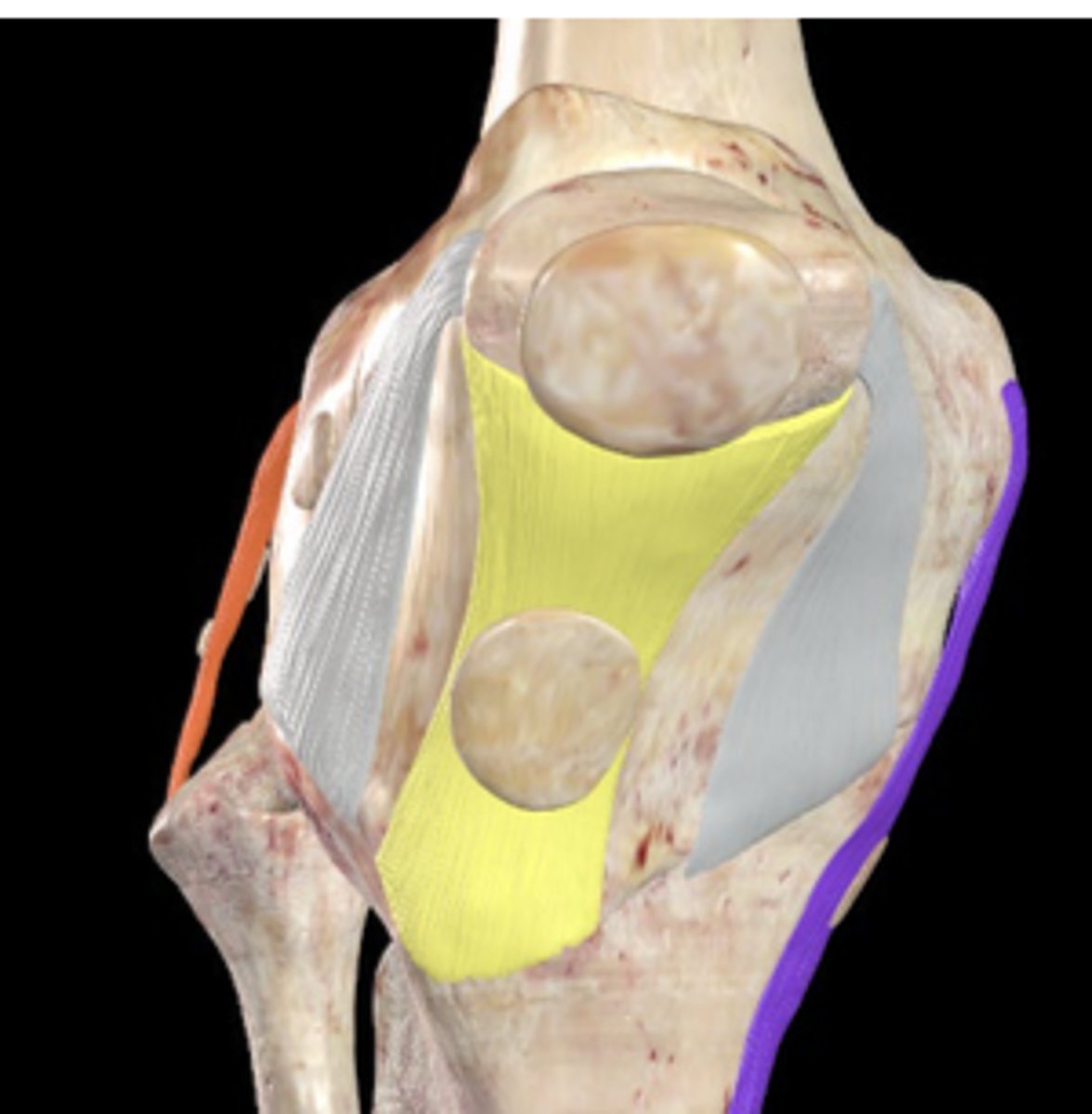
lateral collateral ligament
right side of picture (lateral on patient)
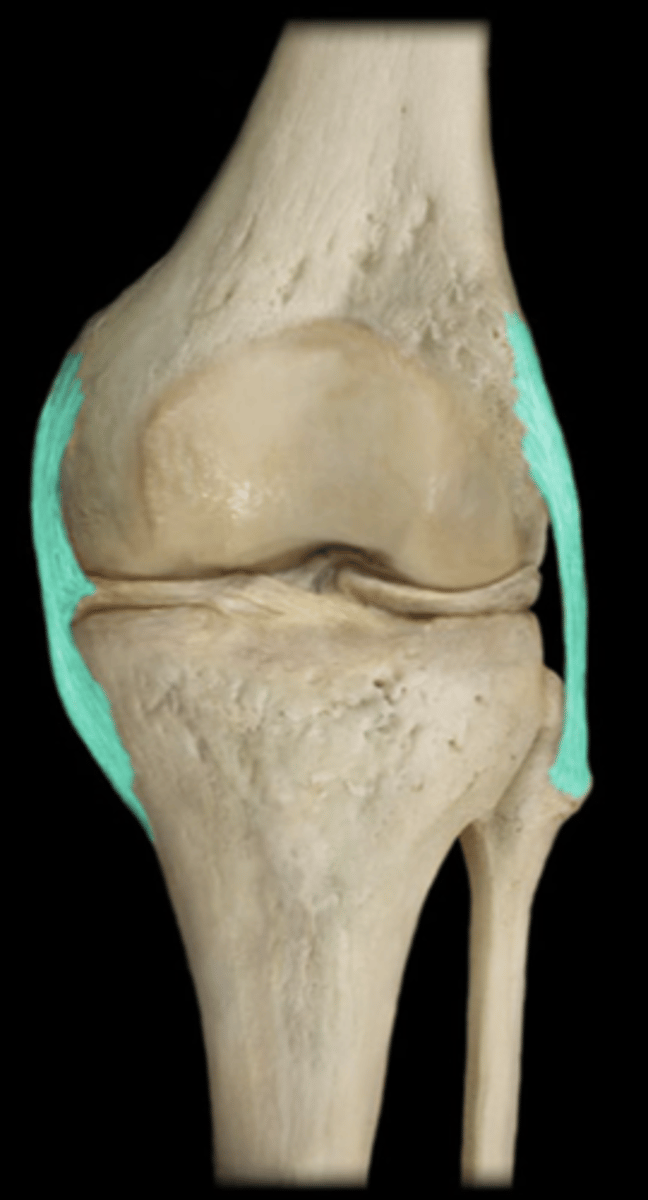
medial collateral ligament
left side of picture (medial on patient)
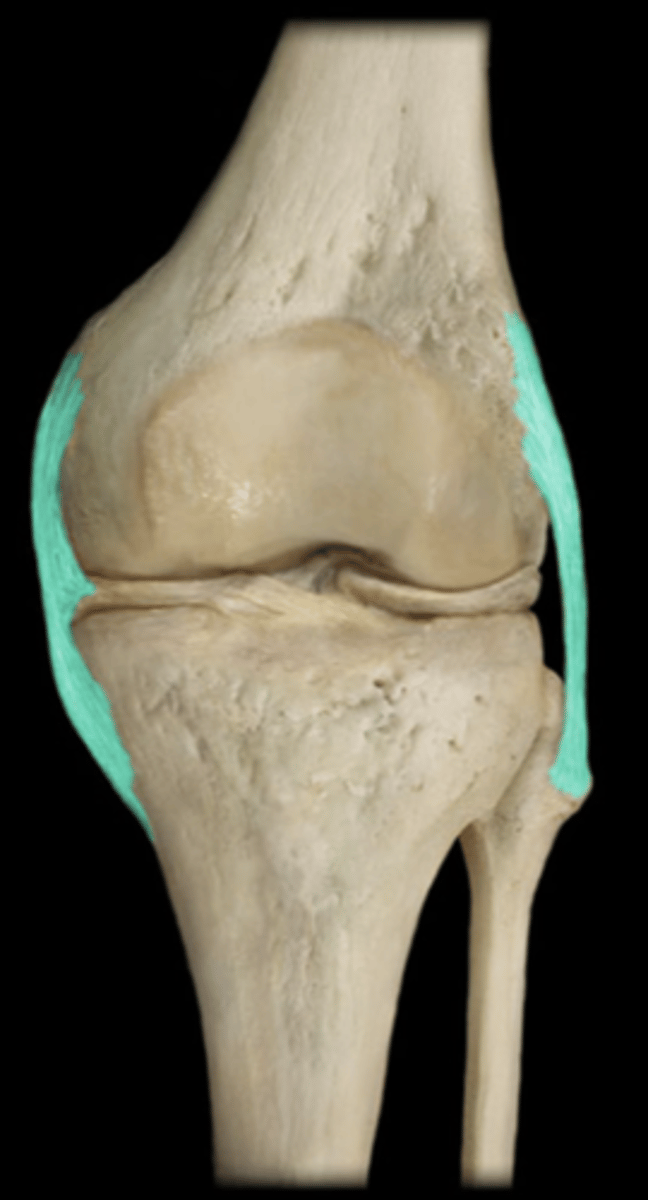
ACL (anterior cruciate ligament)
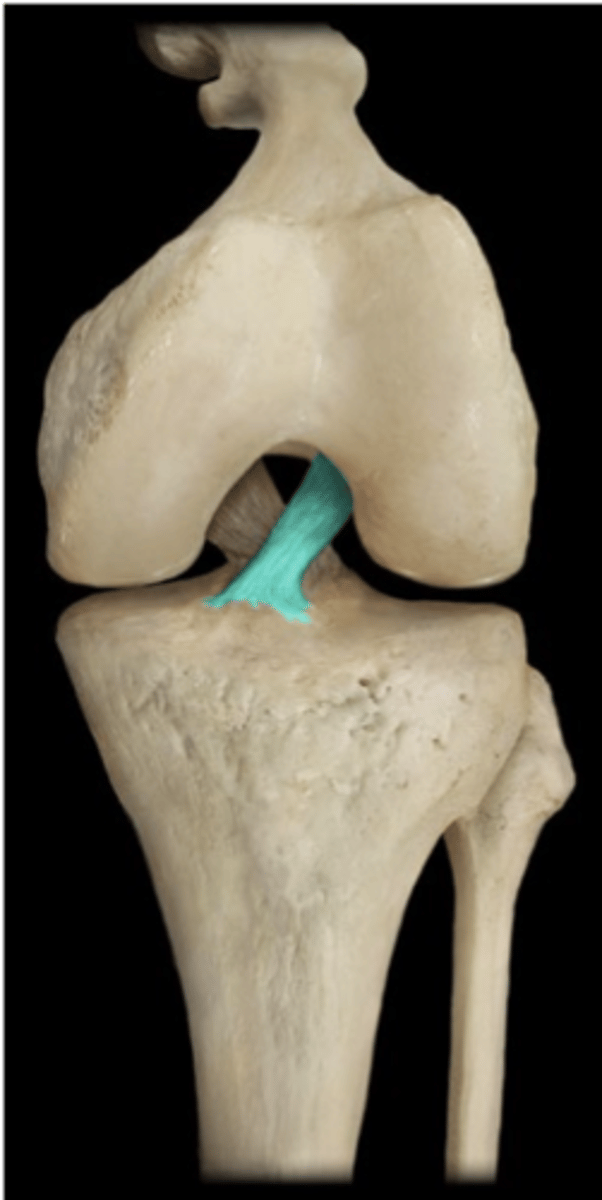
PCL (posterior cruciate ligament)
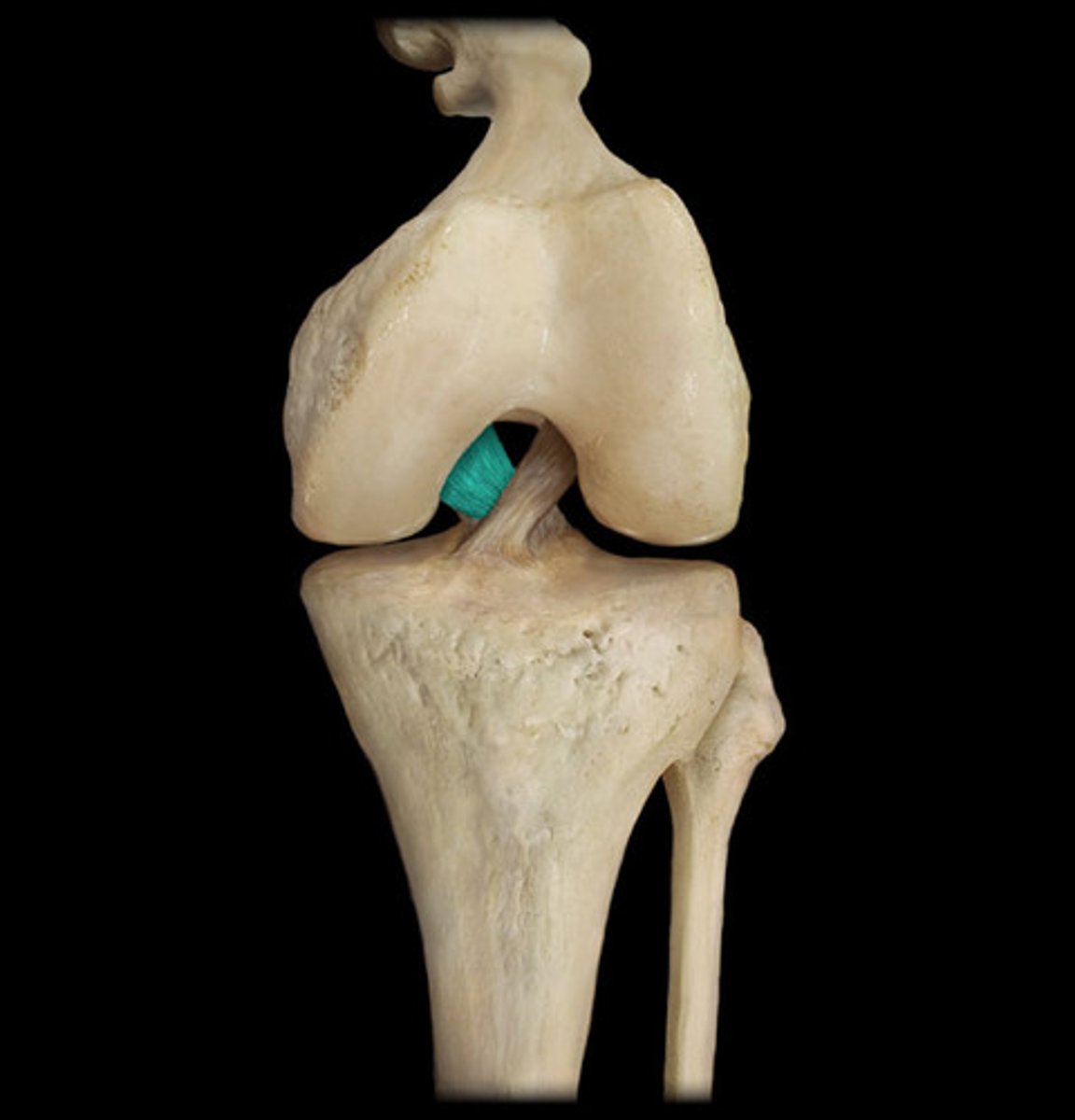
lateral meniscus
yellow
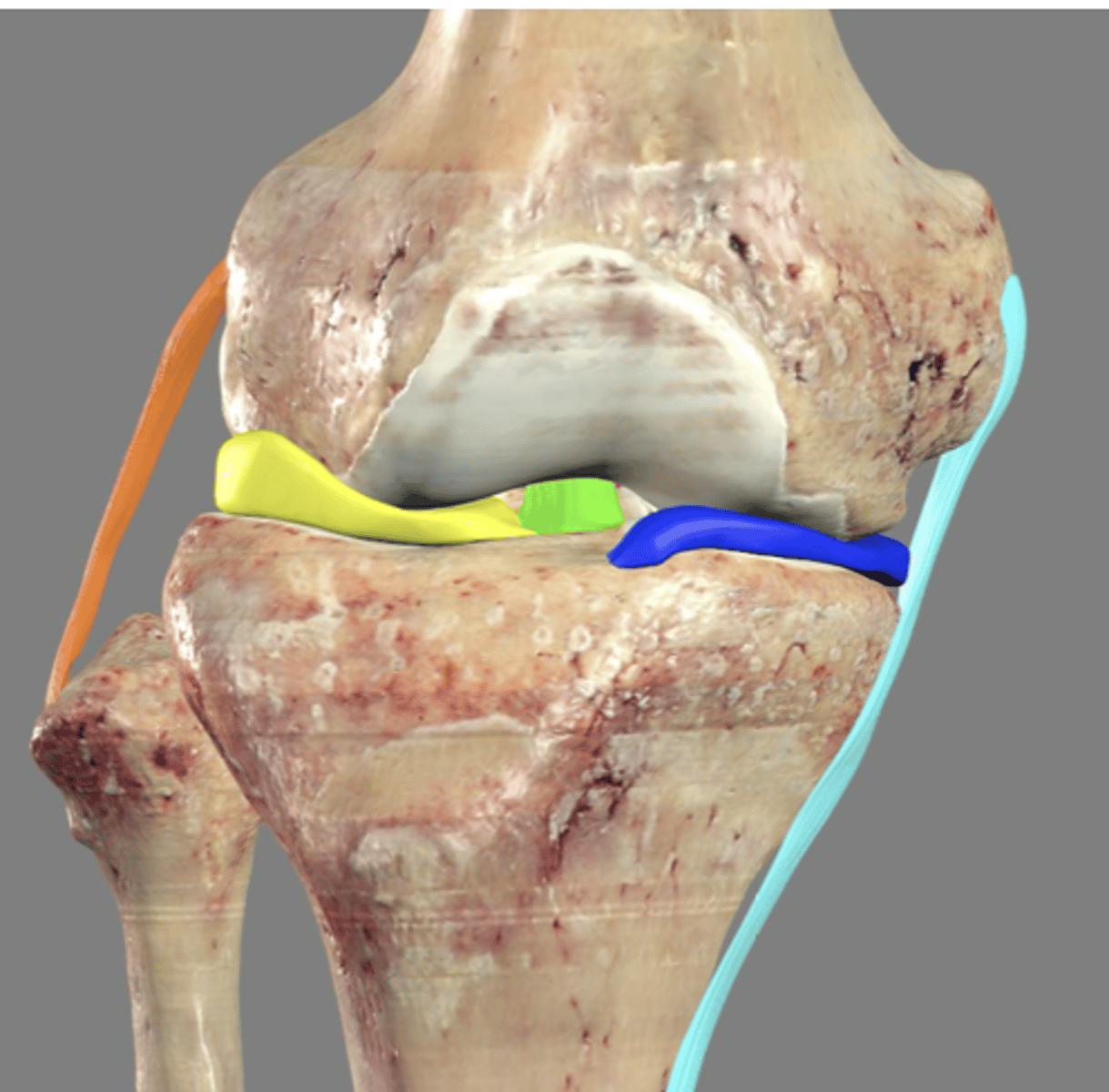
medial meniscus
royal blue
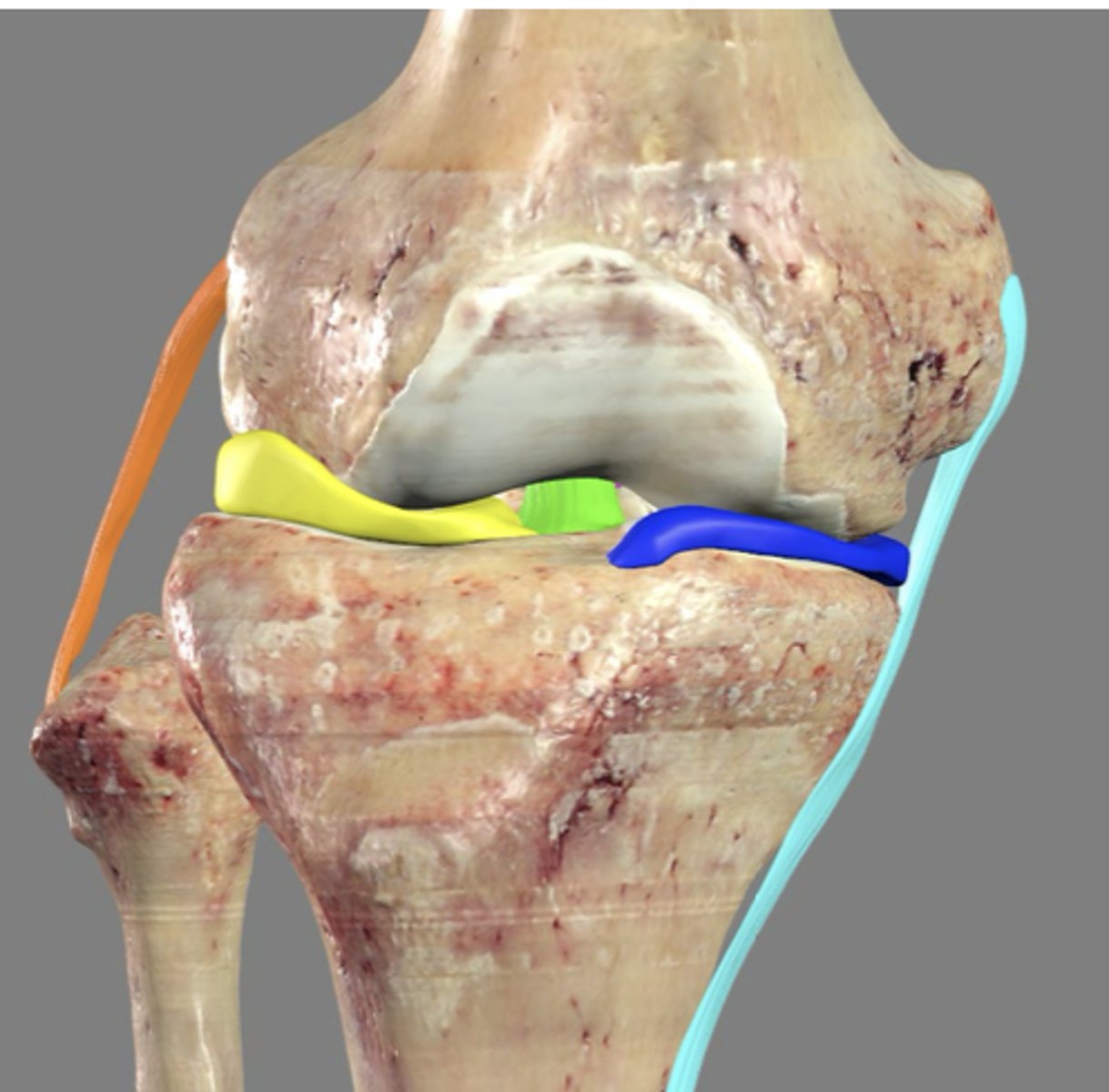
lateral collateral ligament
orange
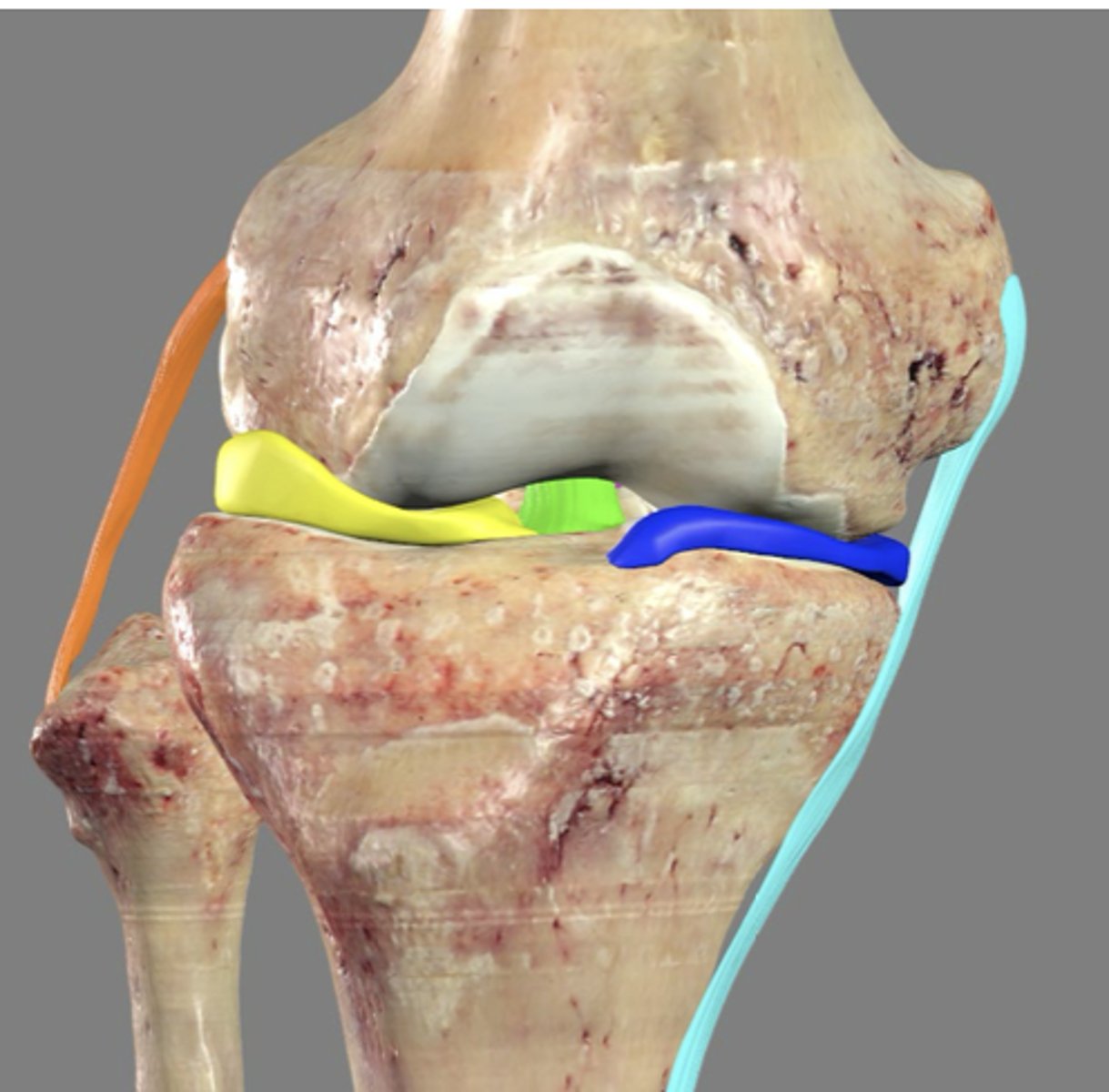
medial collateral ligament
light blue/teal
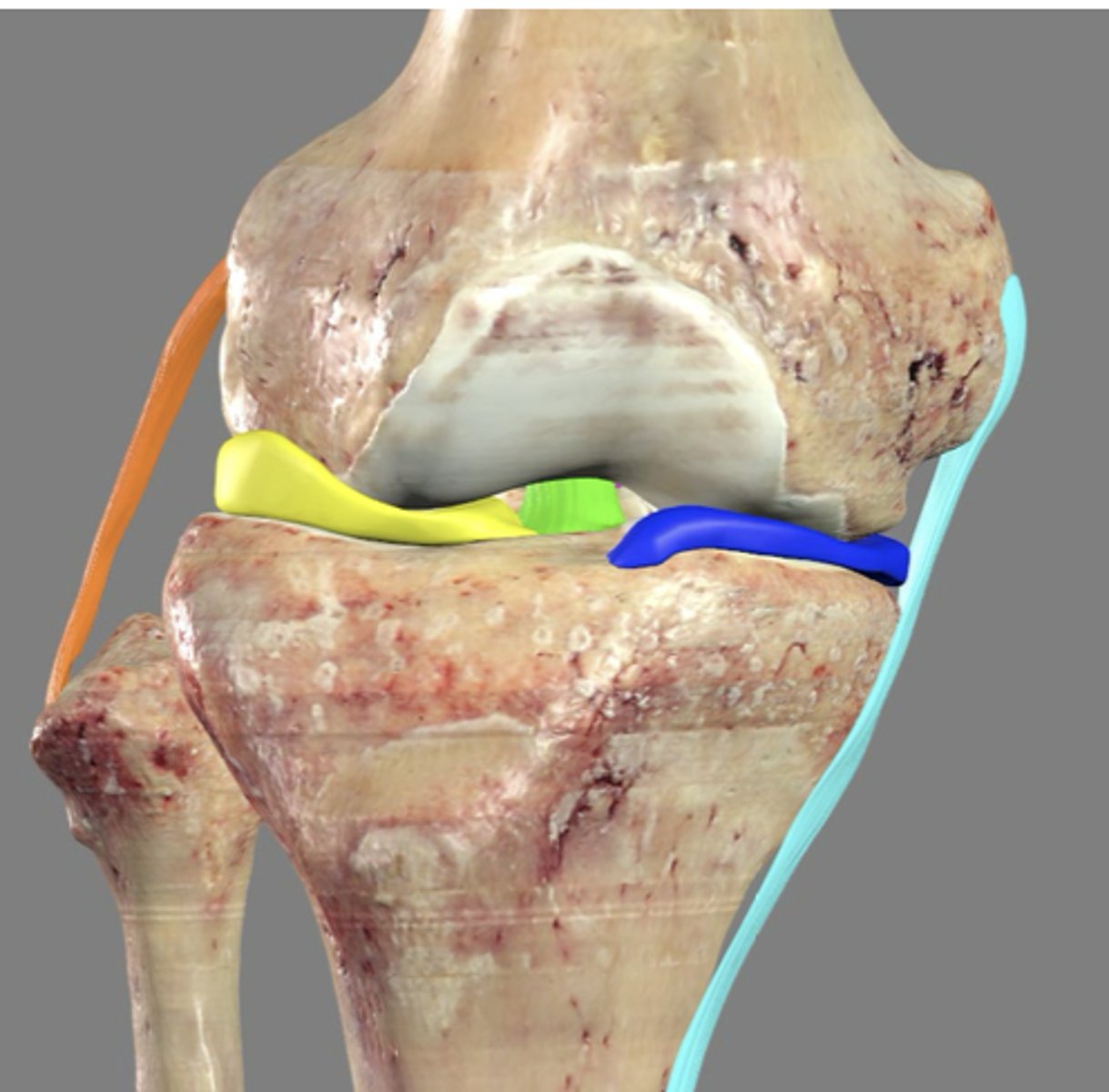
ACL
hot green
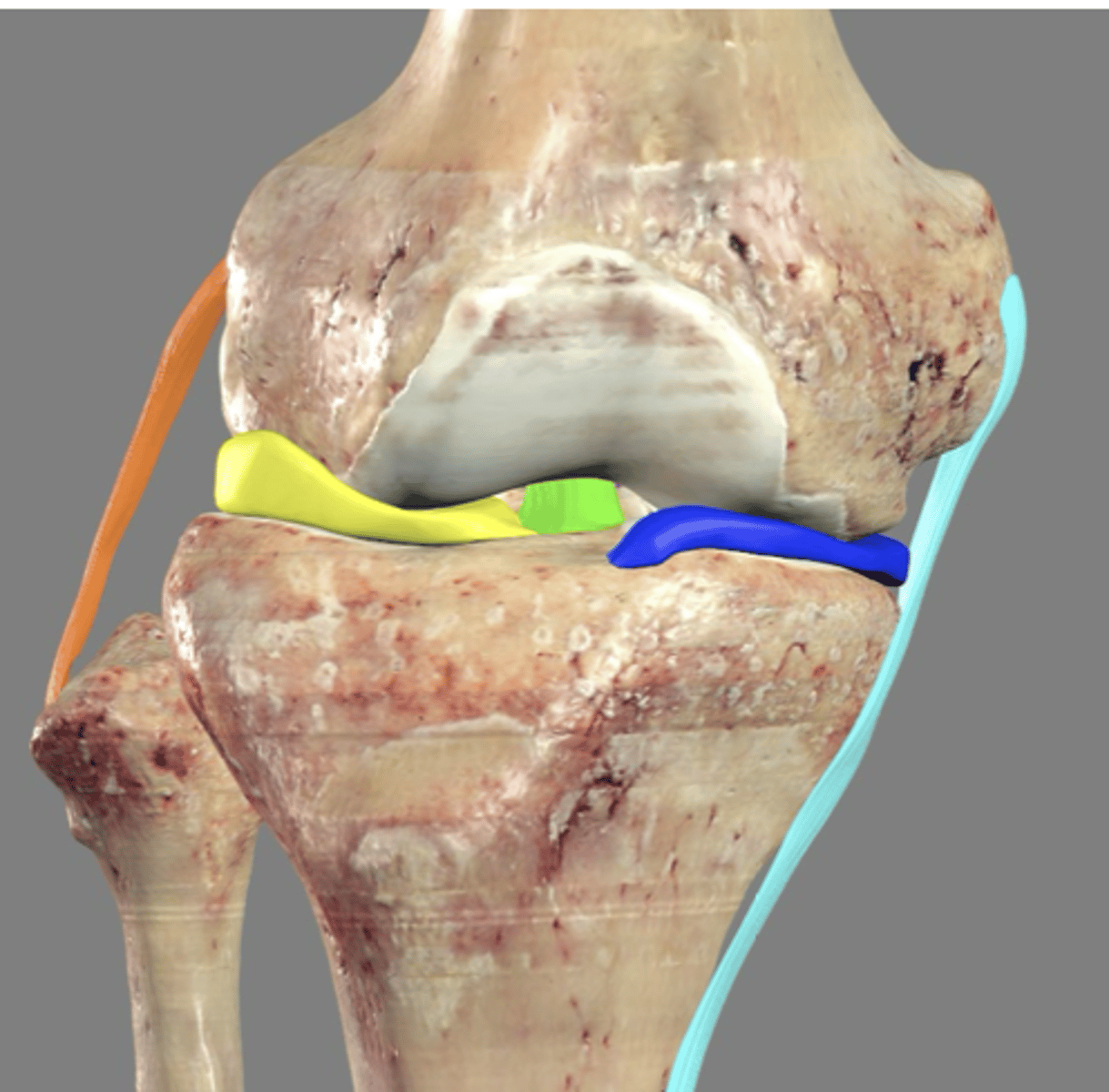
fibrous capsule of knee joint
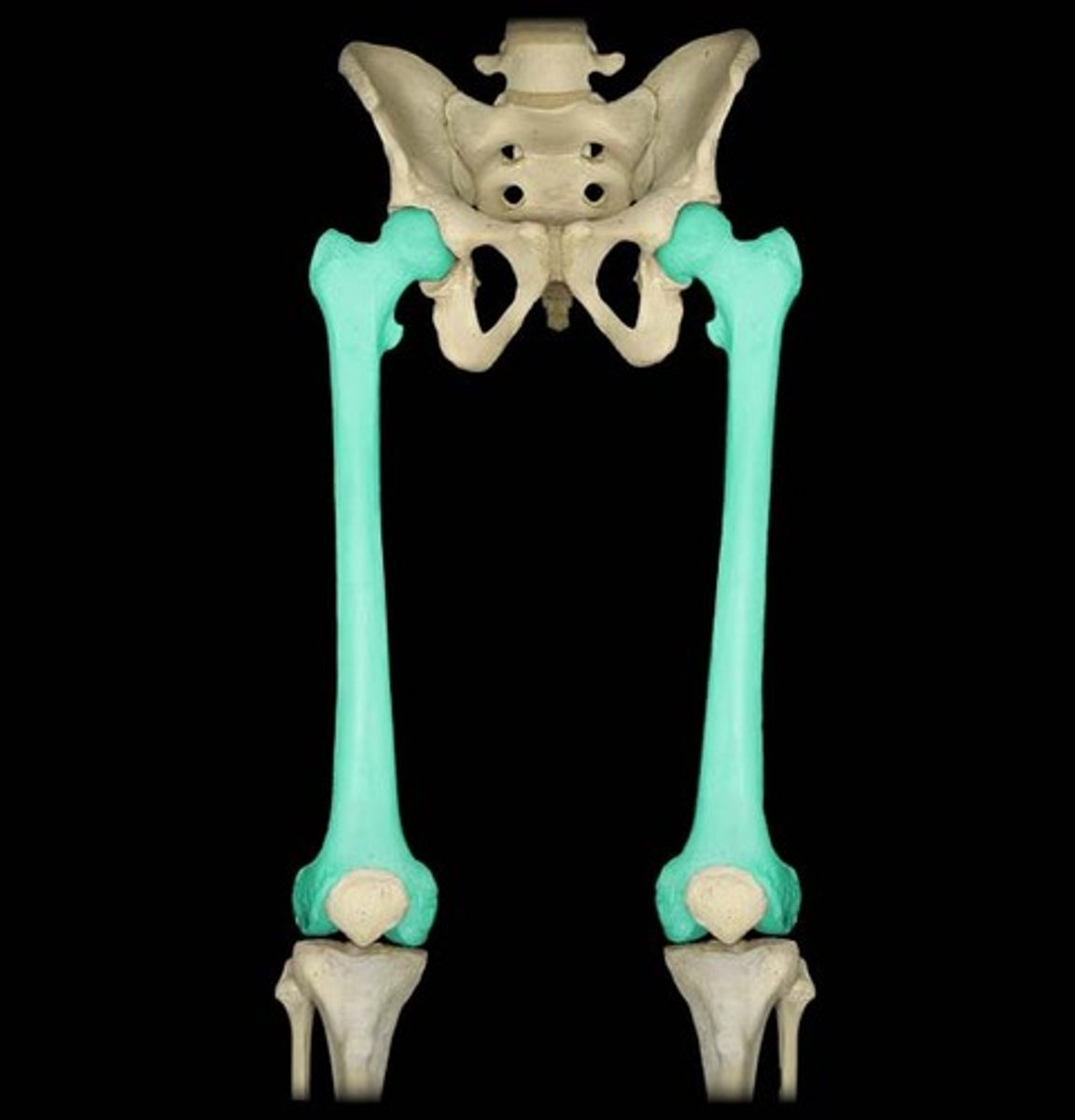
femur
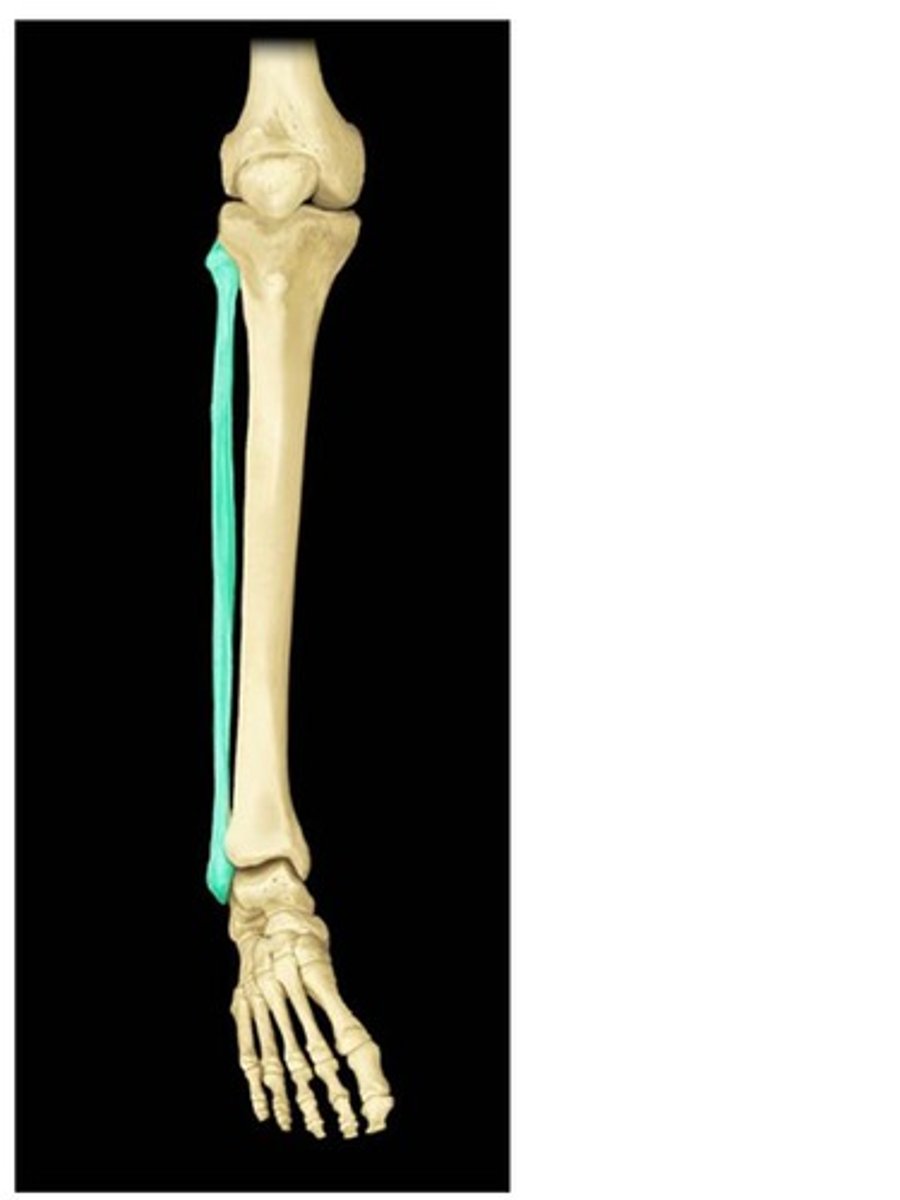
fibula
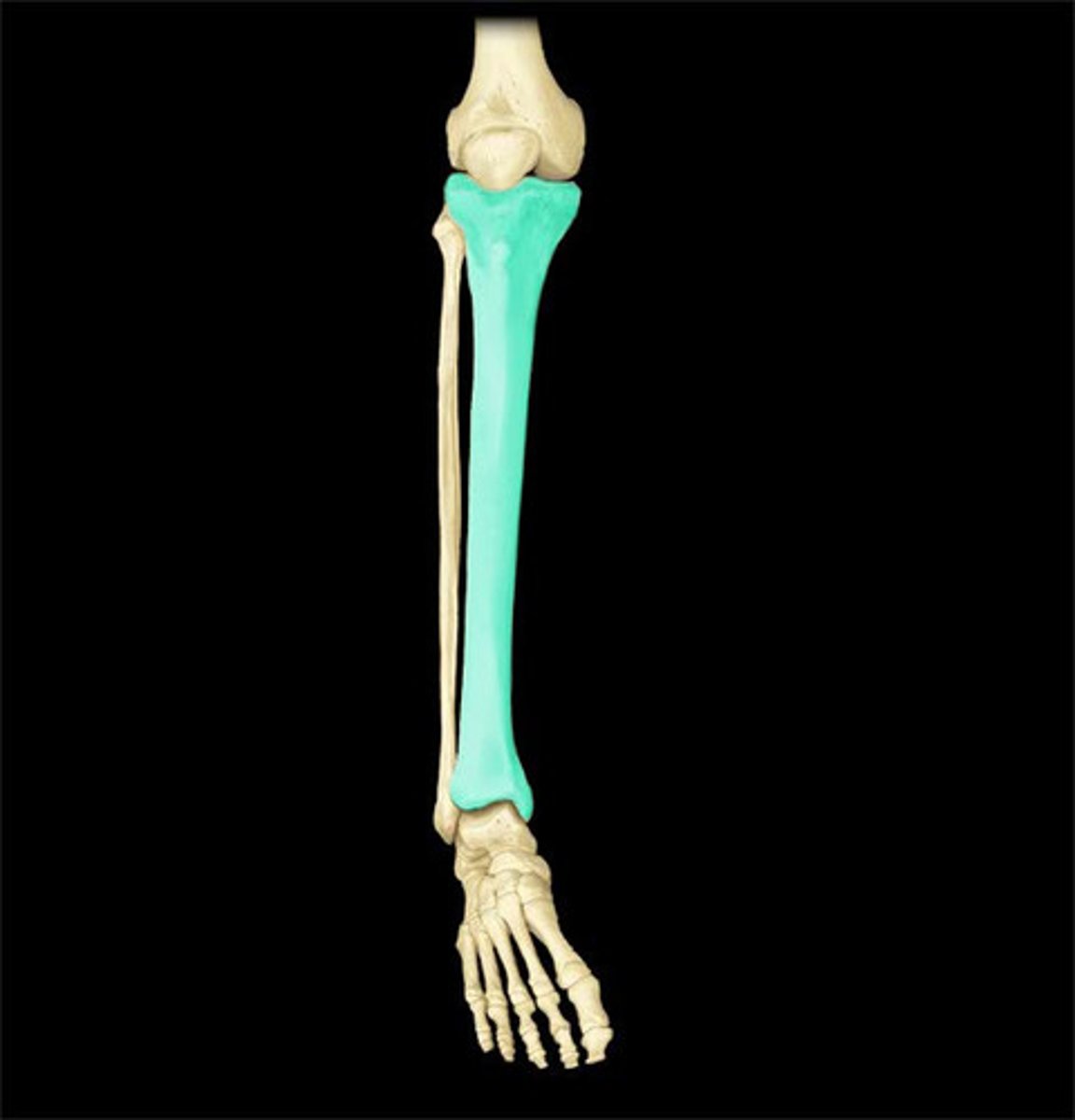
tibia
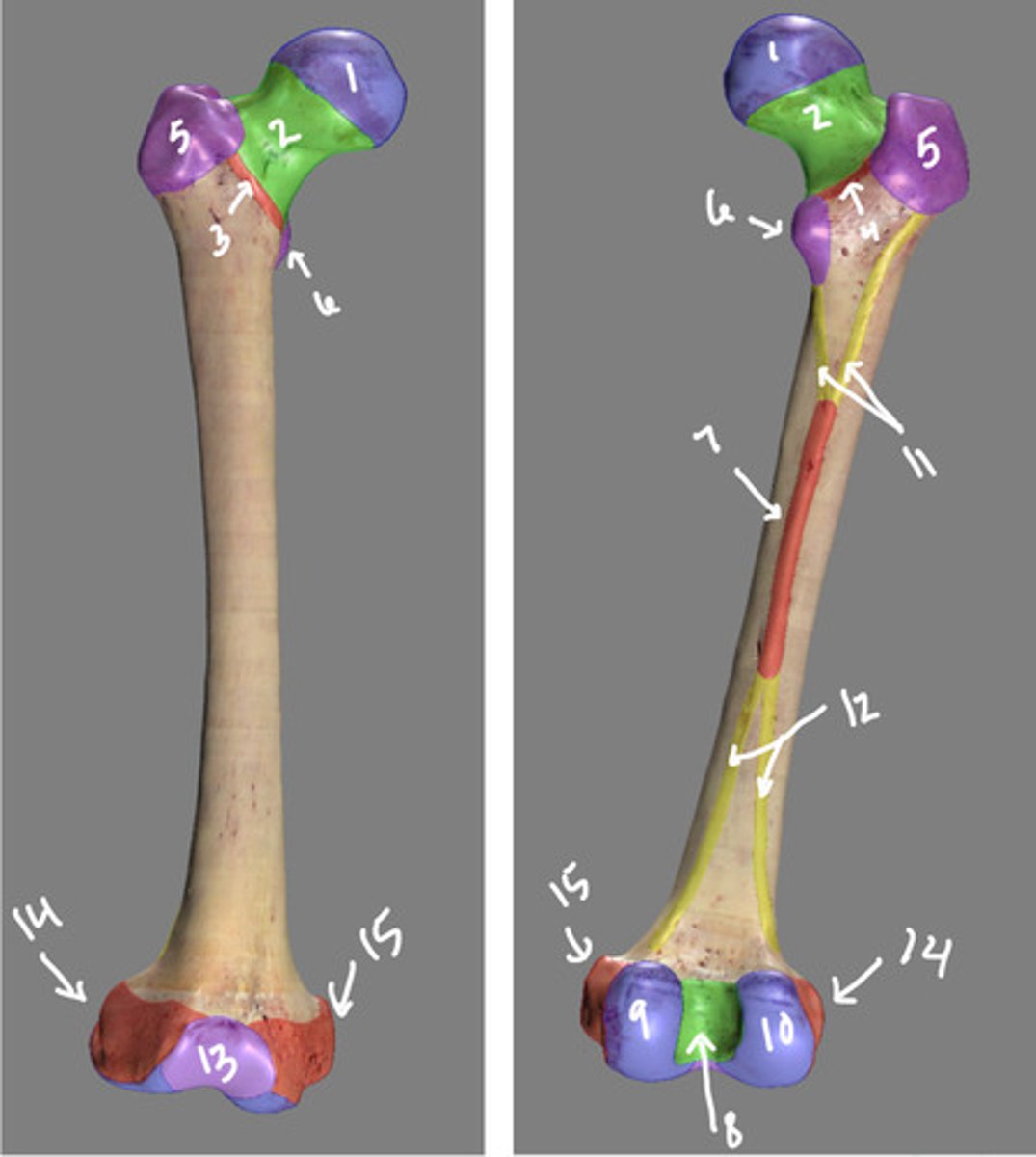
fovea (of femur)
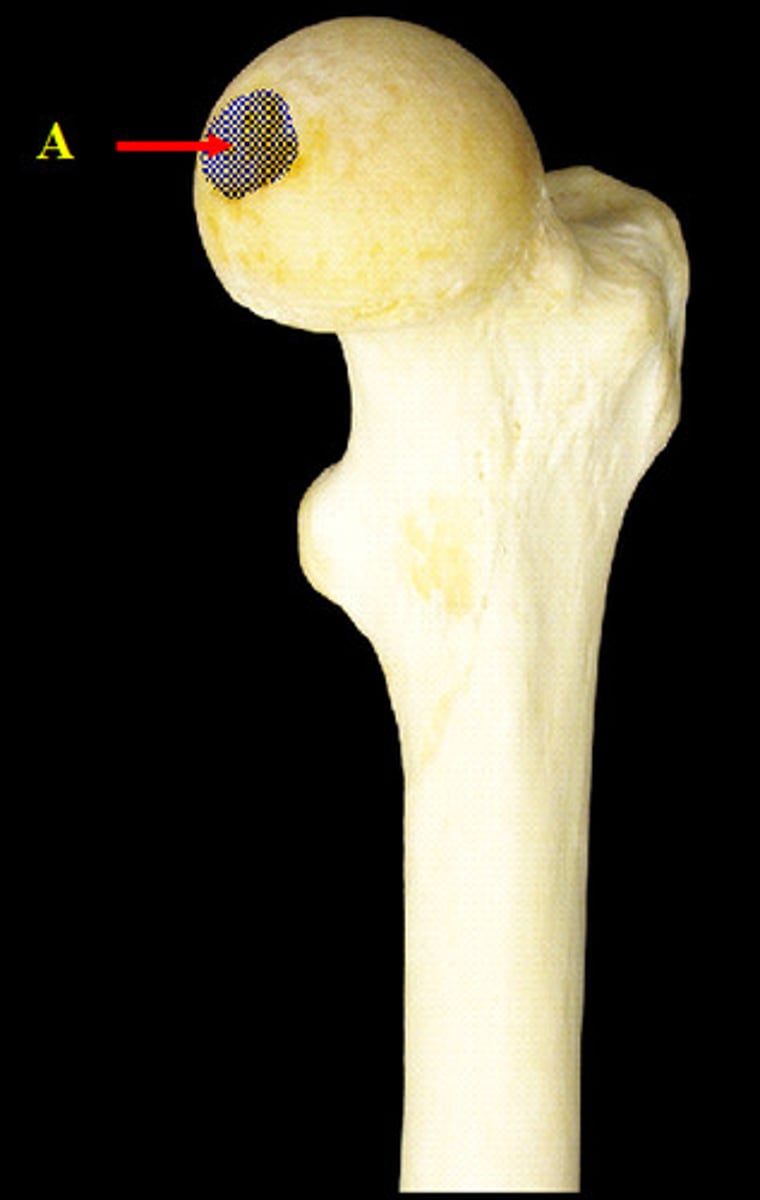
ligament of head of femur
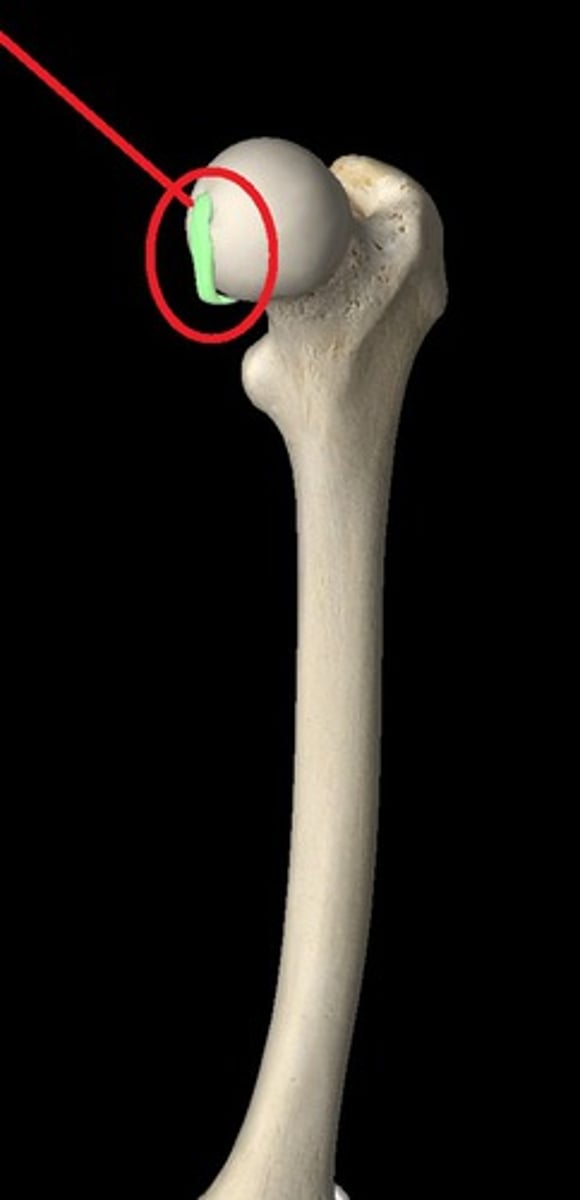
head of femur (fovea= medial depression)
1
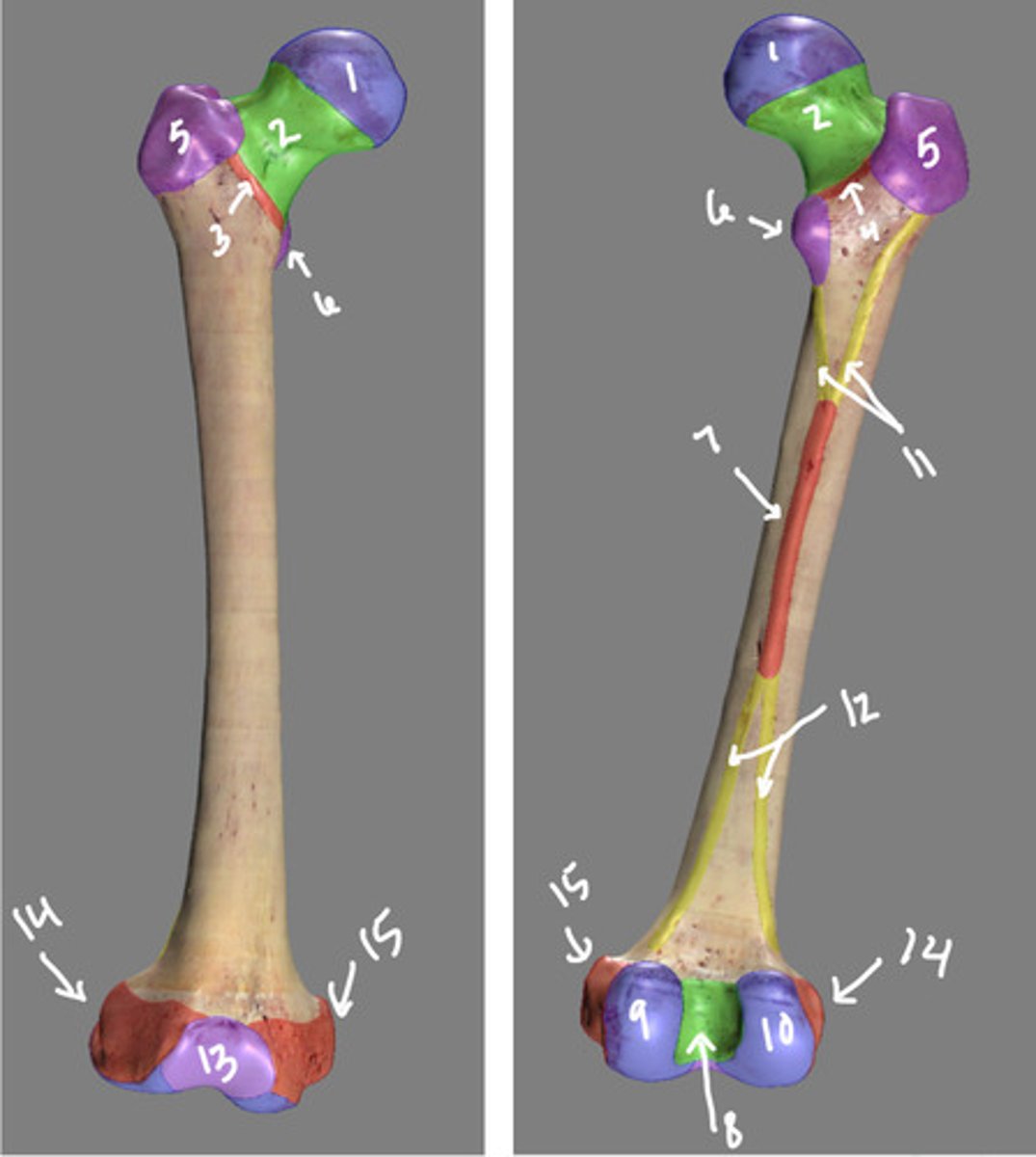
neck of femur
2
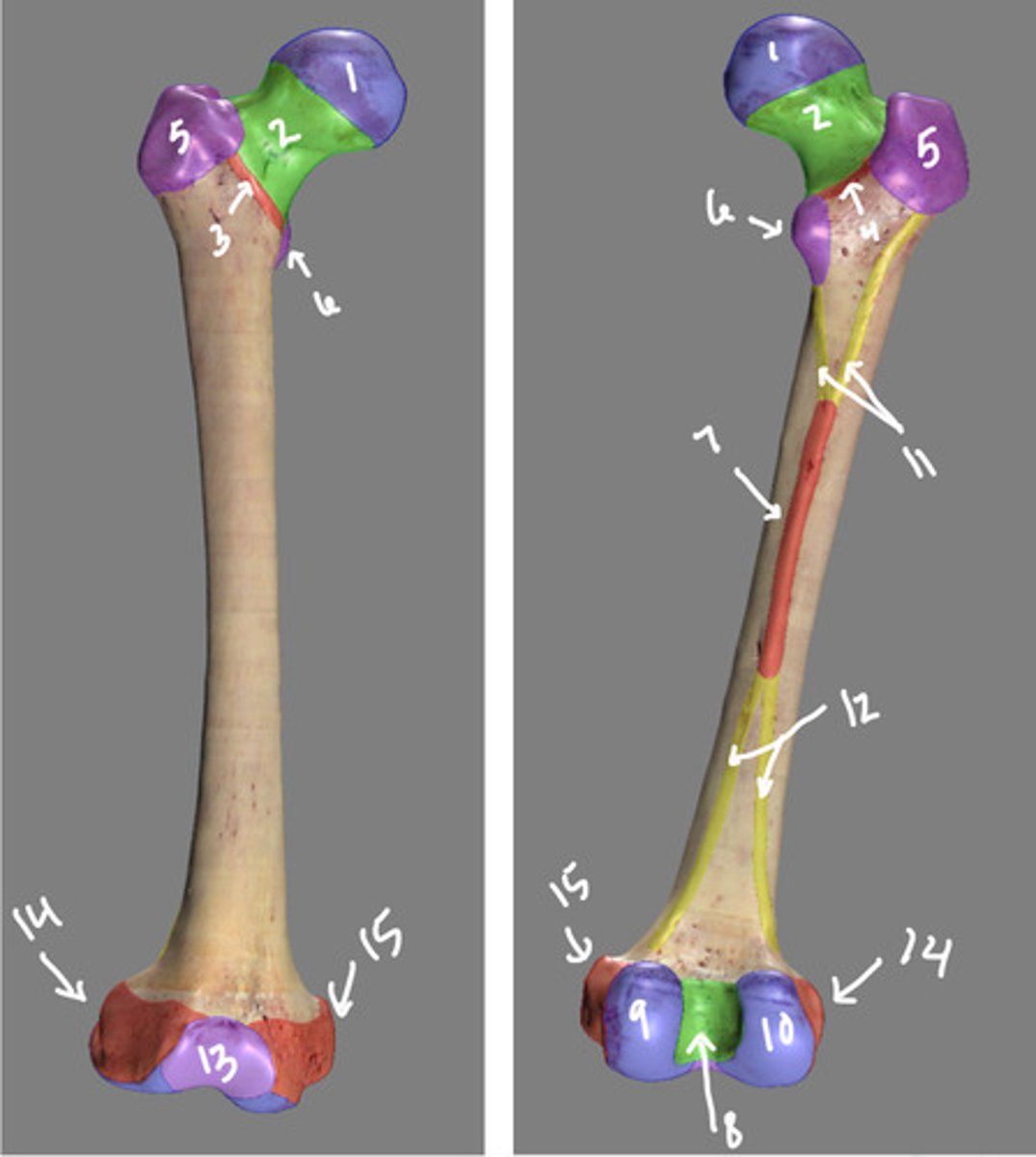
intertrochanteric line
3
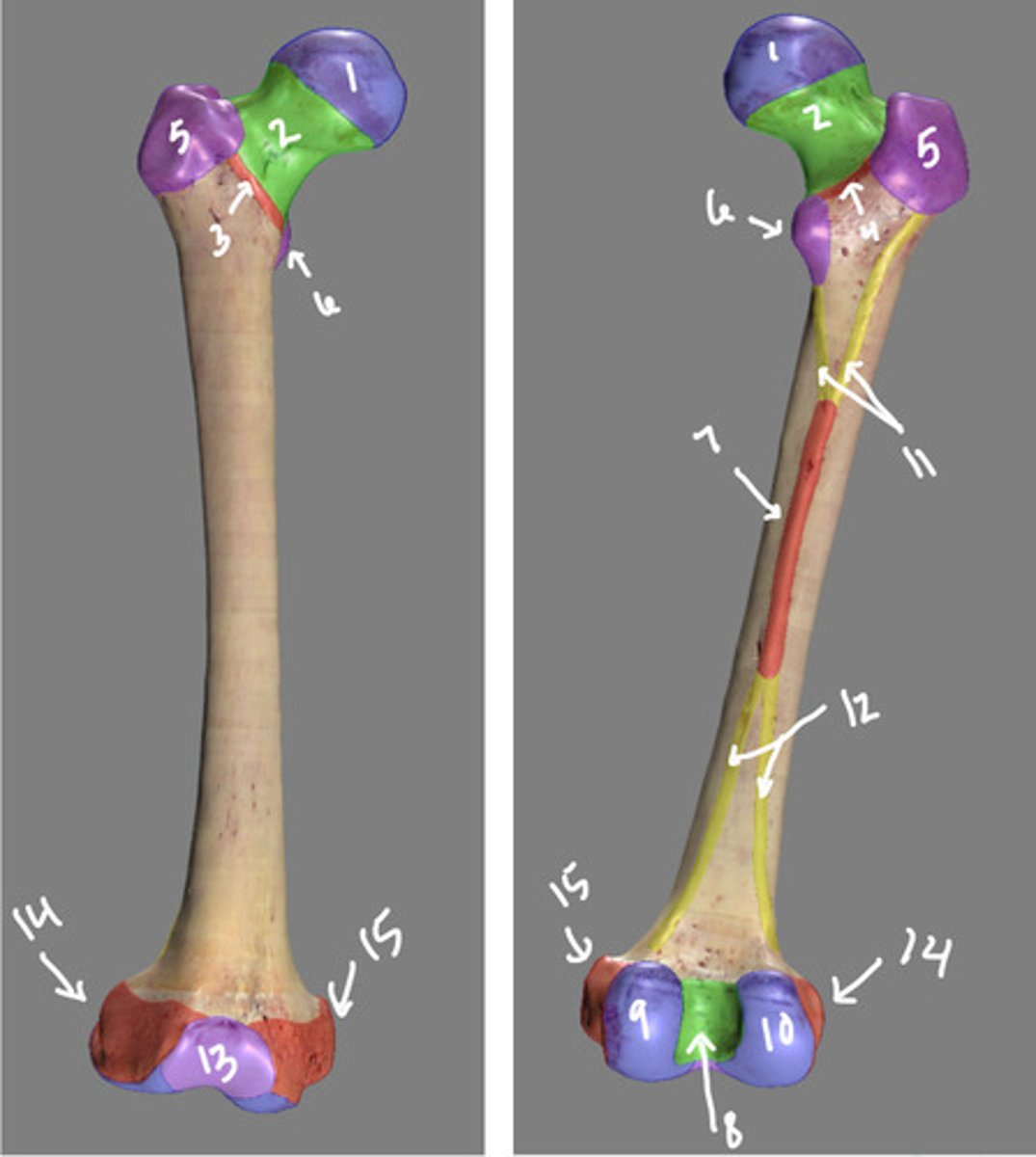
intertrochanteric crest
4
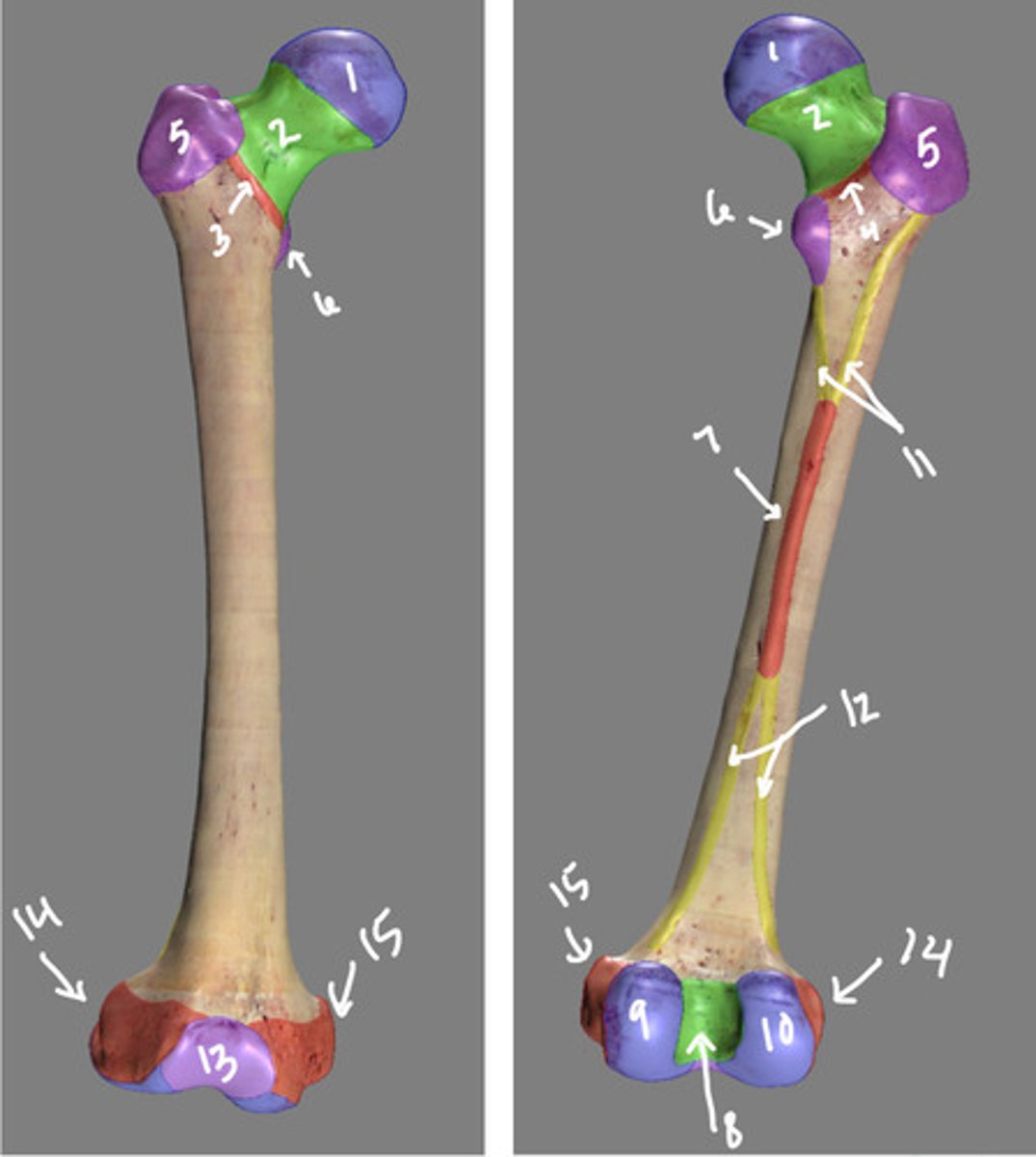
greater trochanter of femur
5
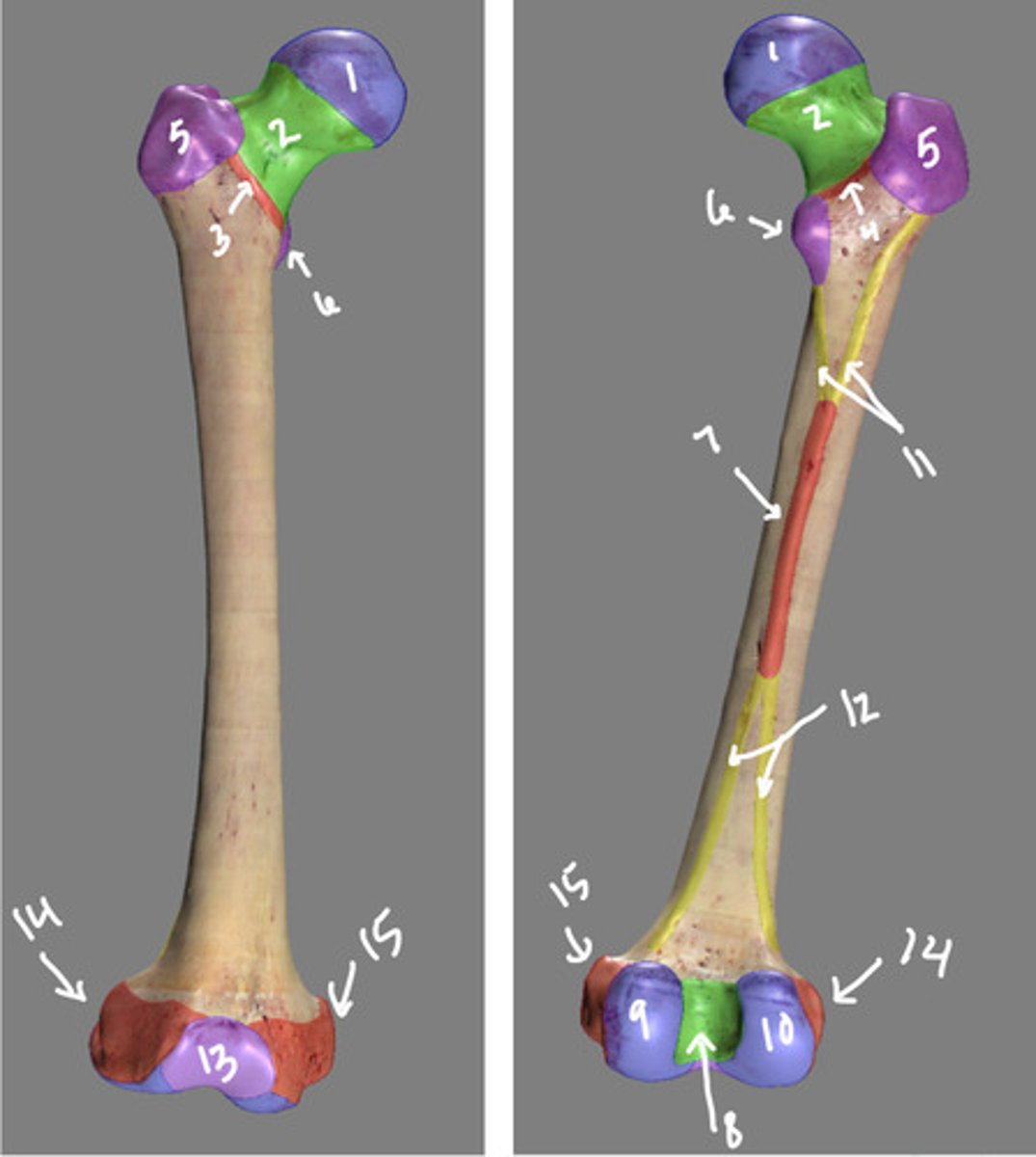
lesser trochanter of femur
6
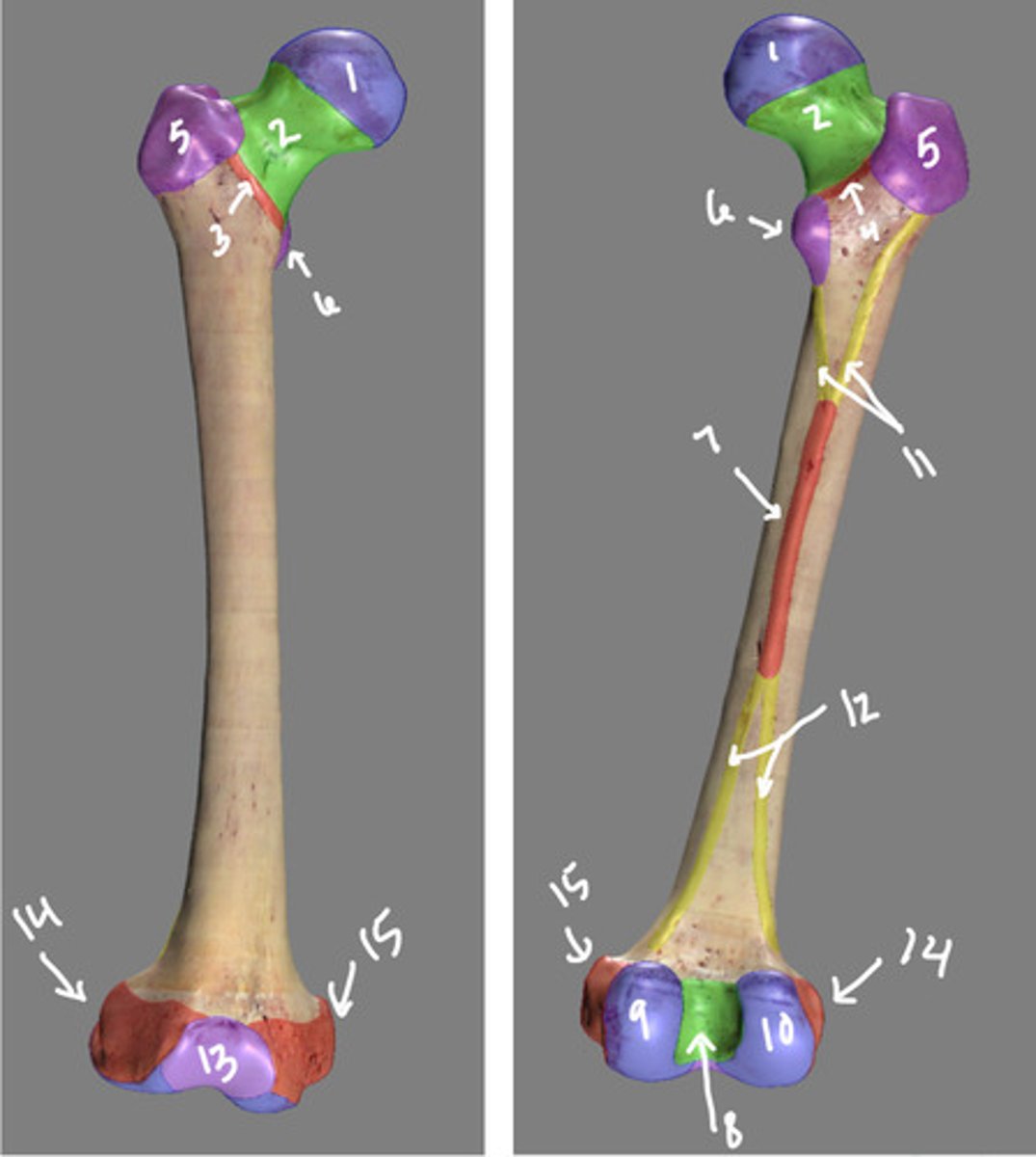
linea aspera
7
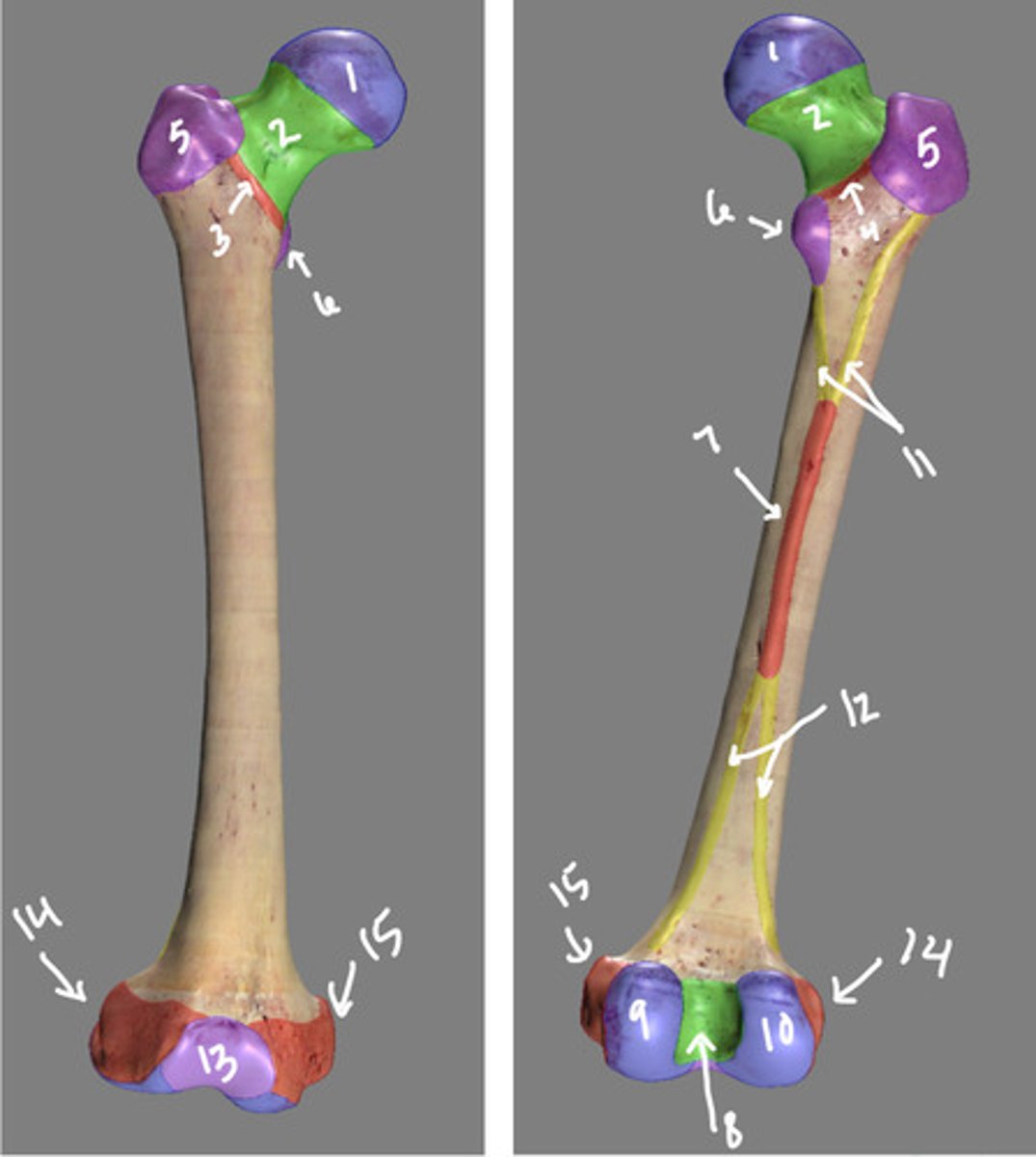
intercondylar fossa of femur
8
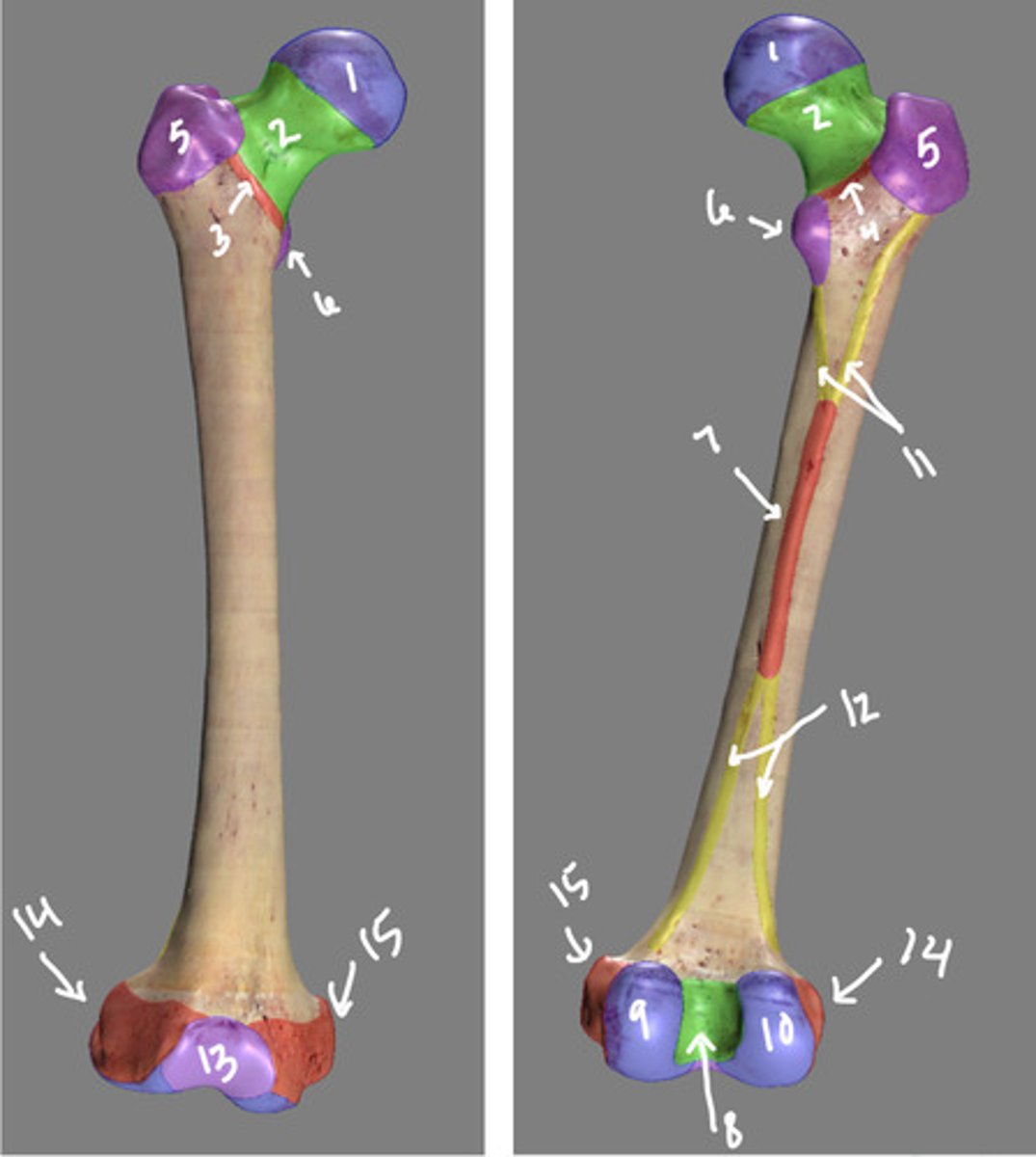
medial femoral condyle
9
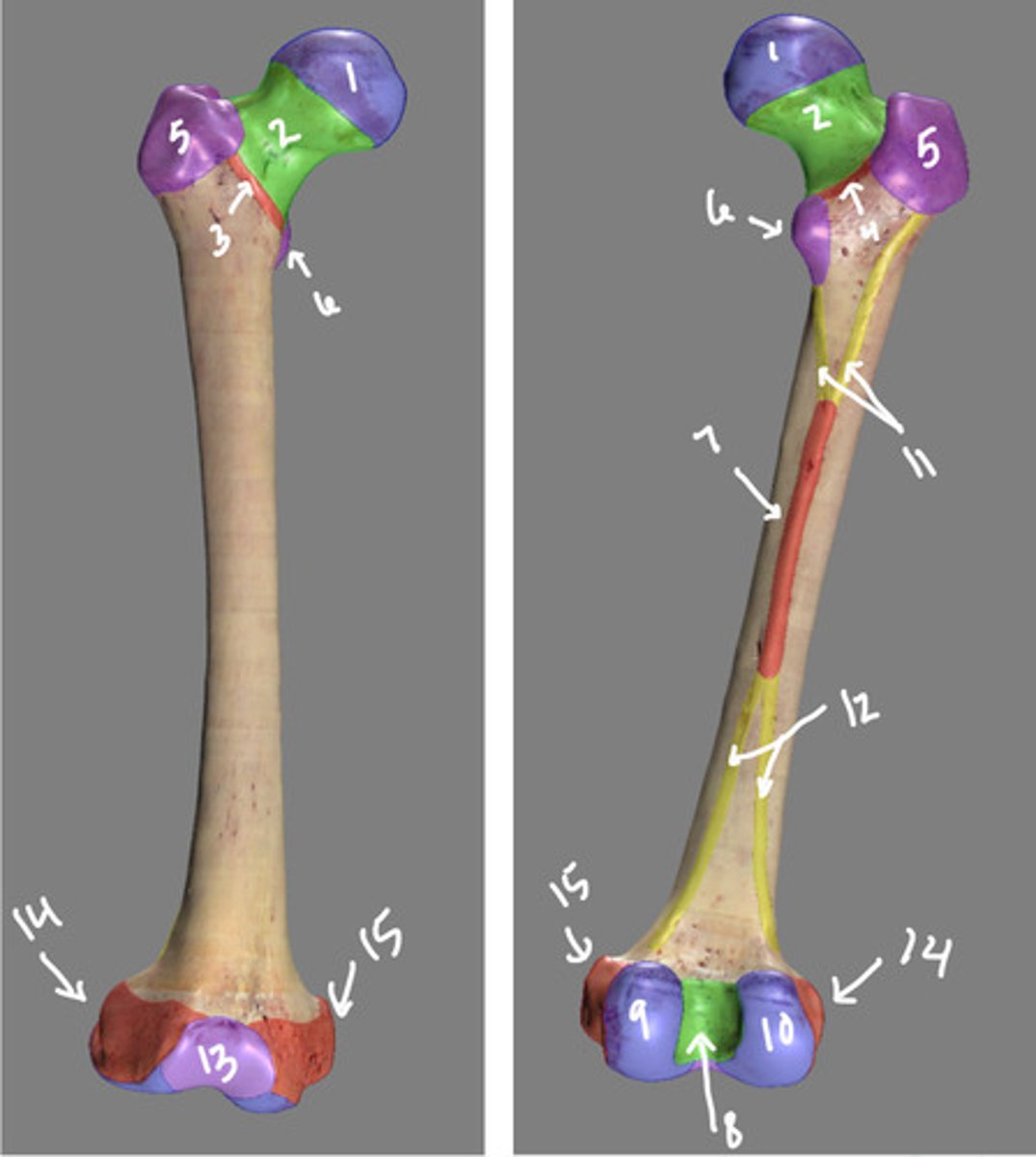
lateral femoral condyle
10
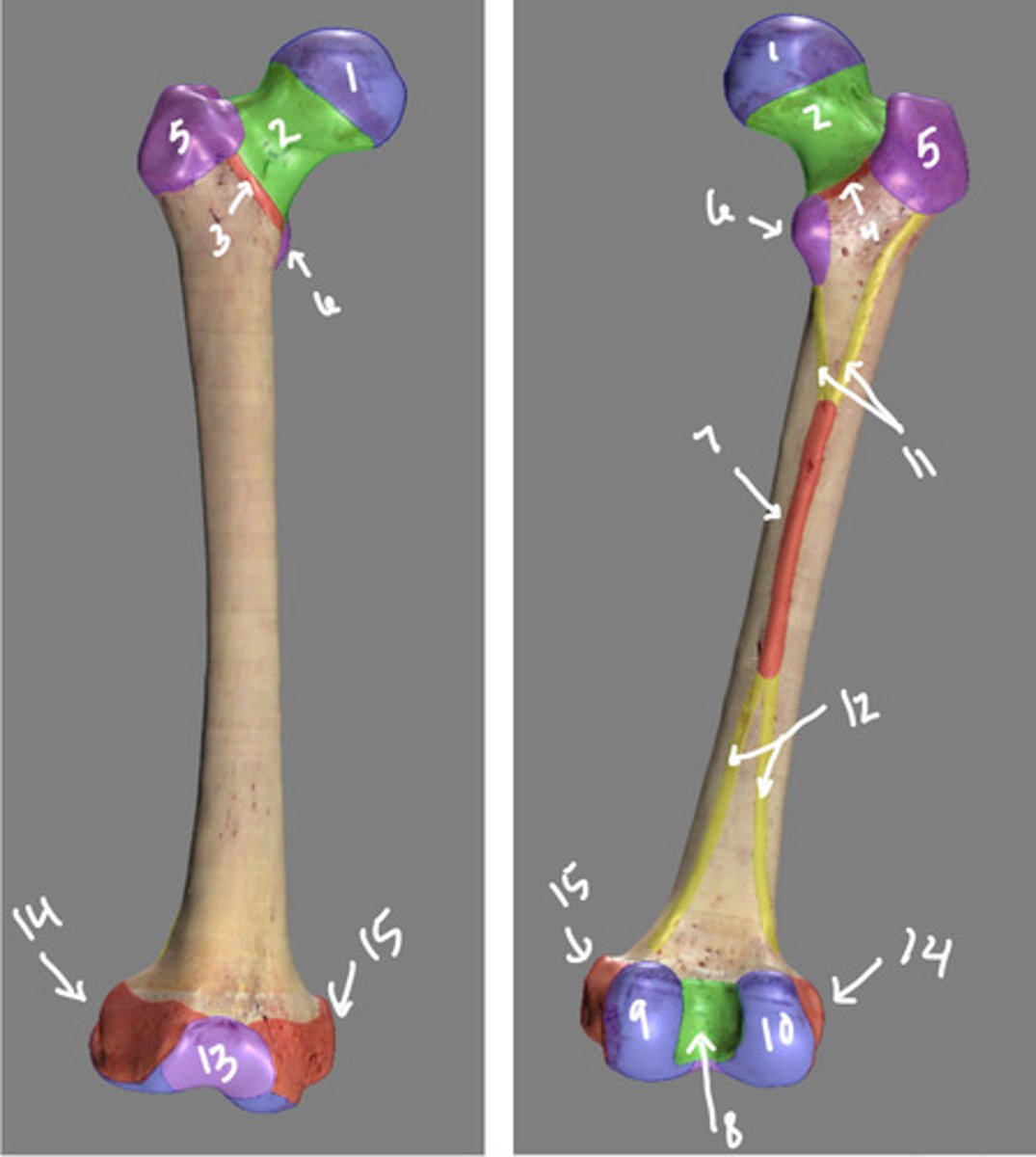
medial femoral epicondyle
15
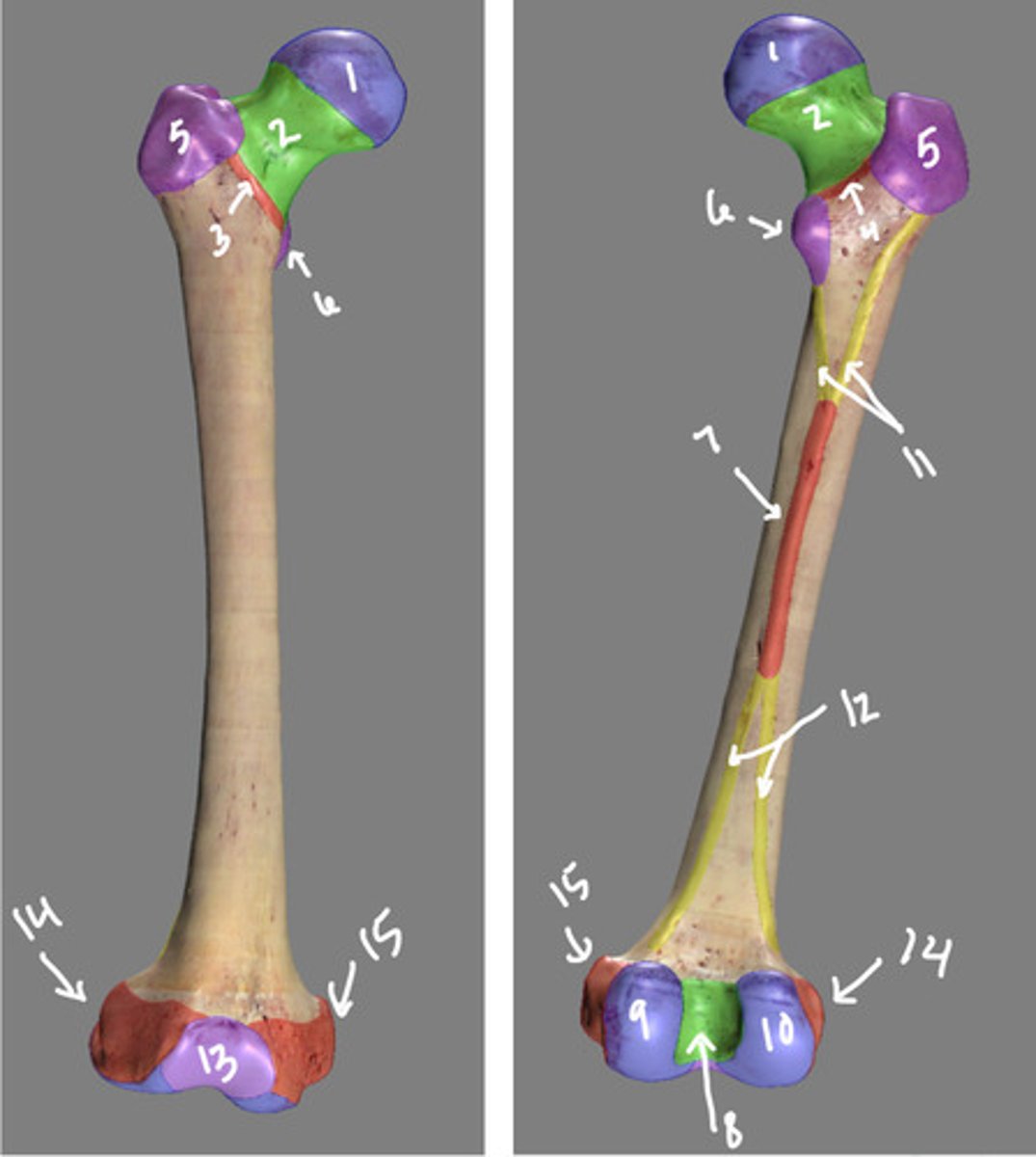
lateral femoral epicondyle
14
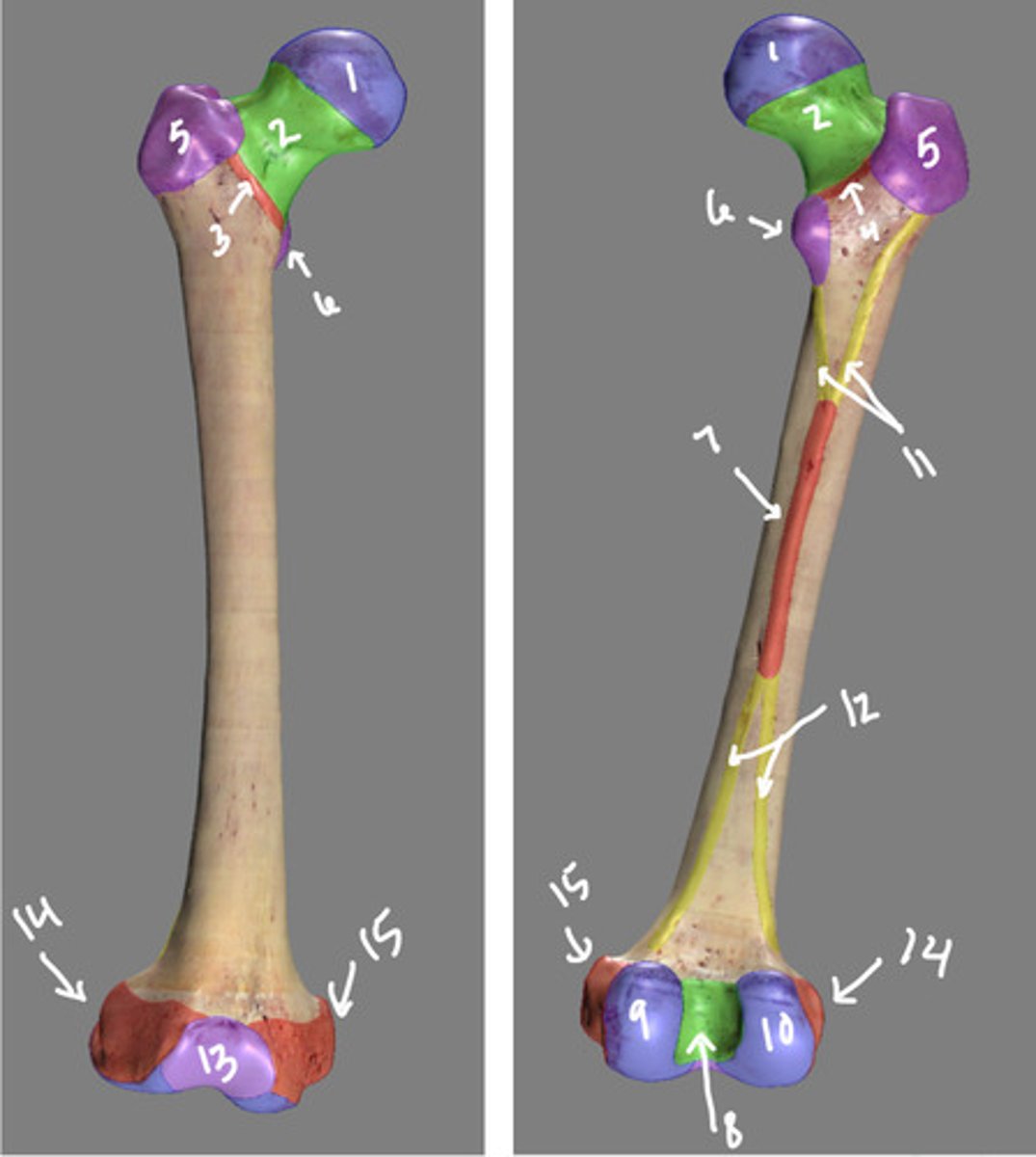
patellar surface
13
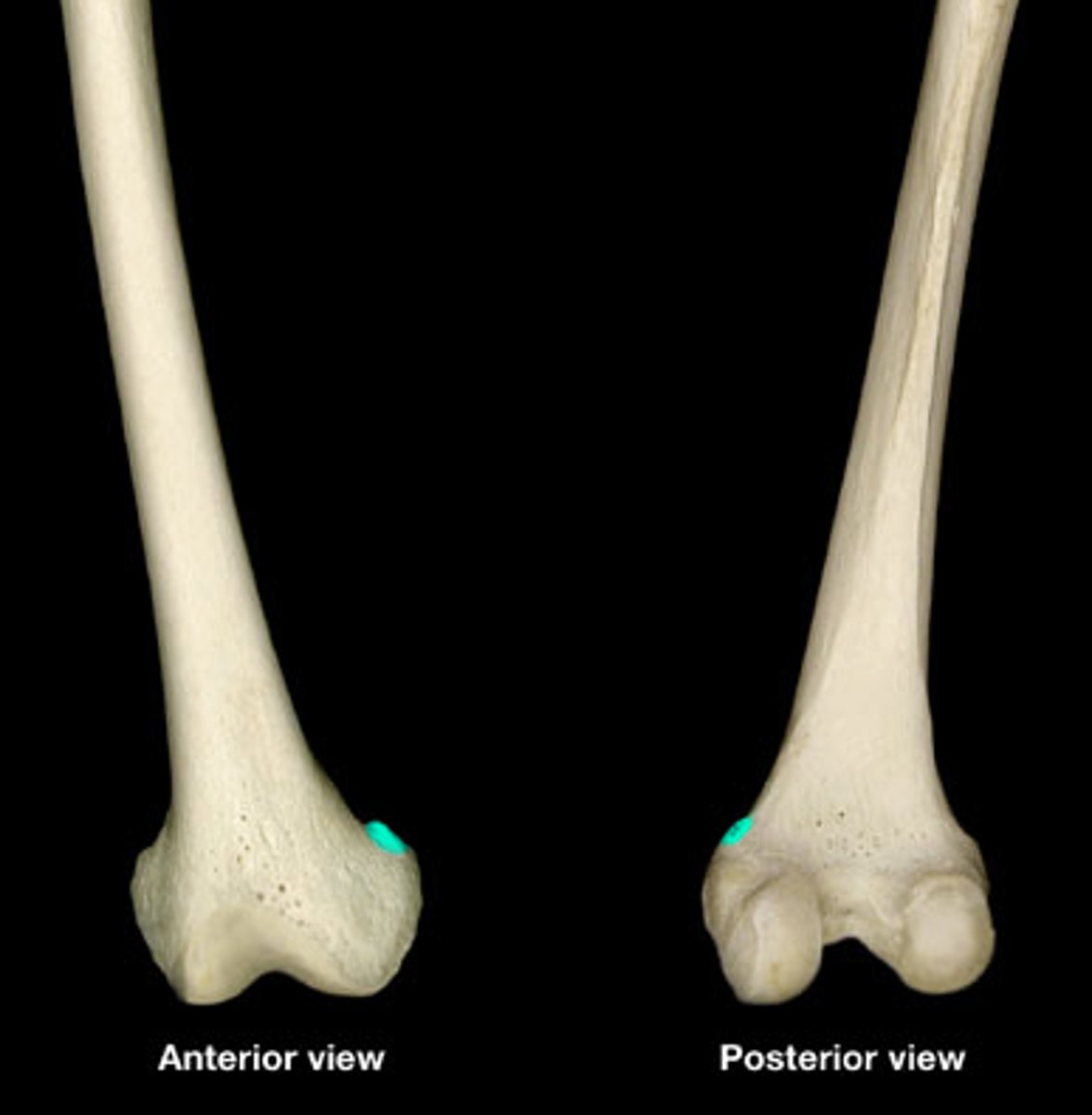
adductor tubercle
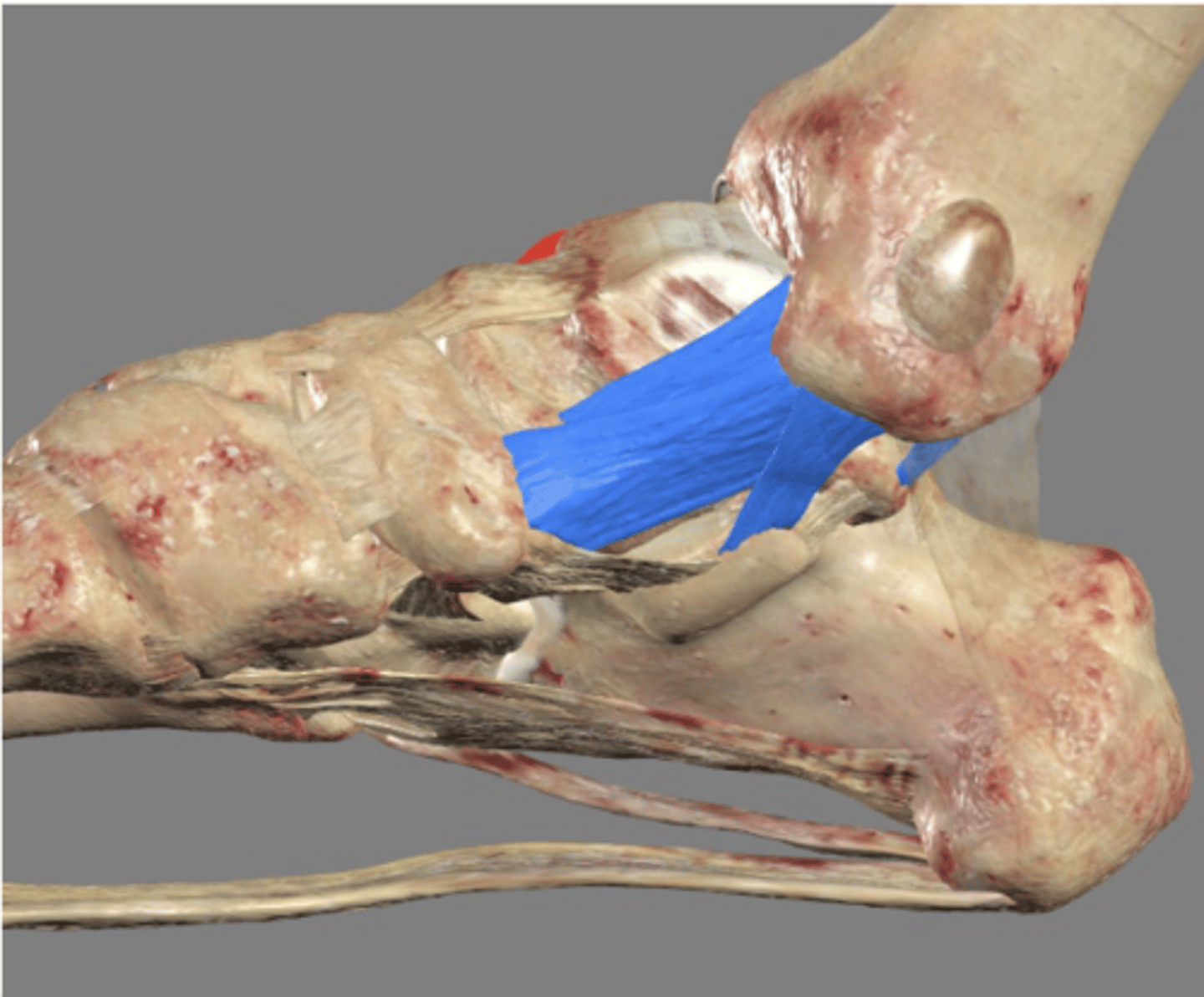
lateral ligament of ankle
these muscles collectively make up
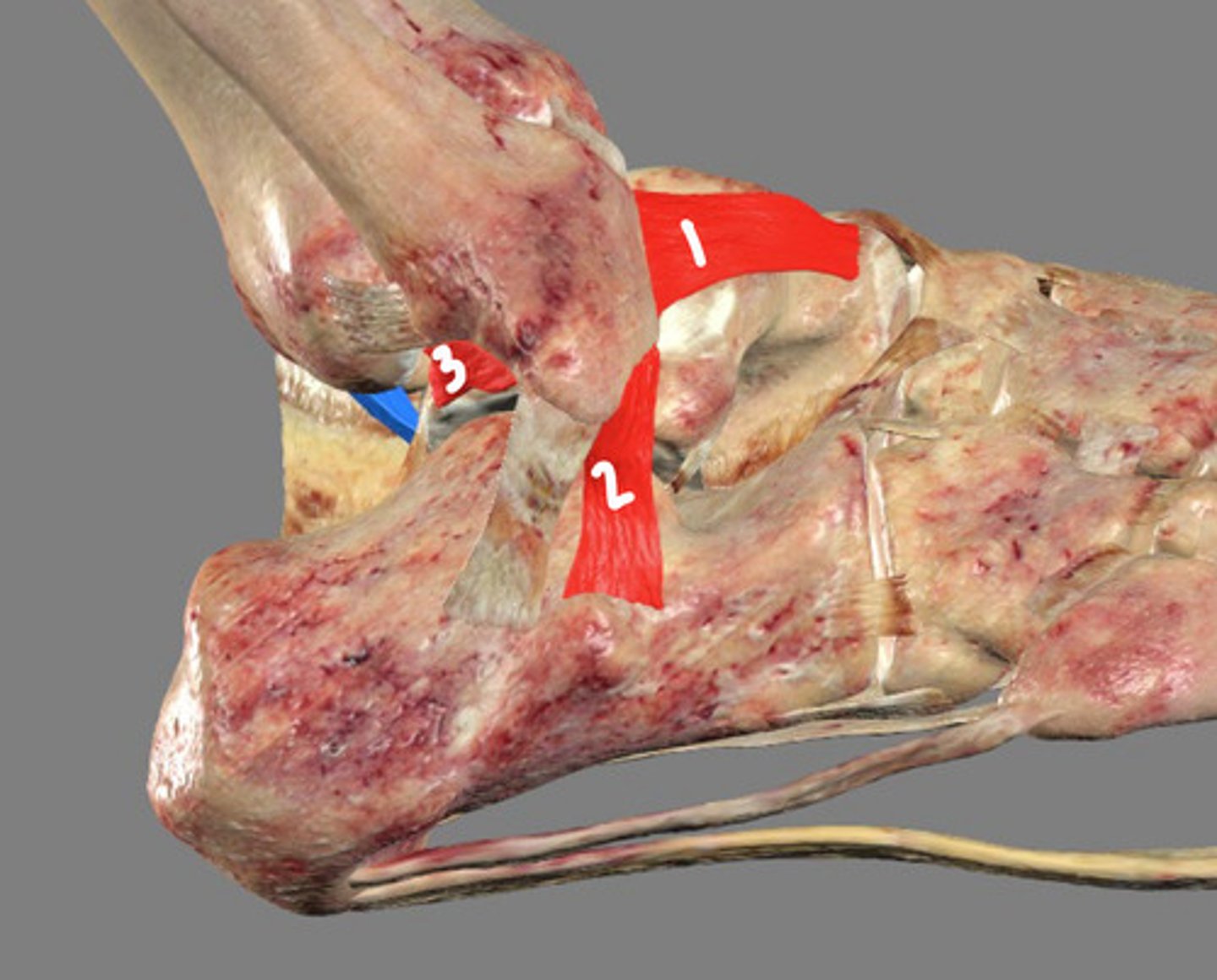
anterior talofibular ligament
1
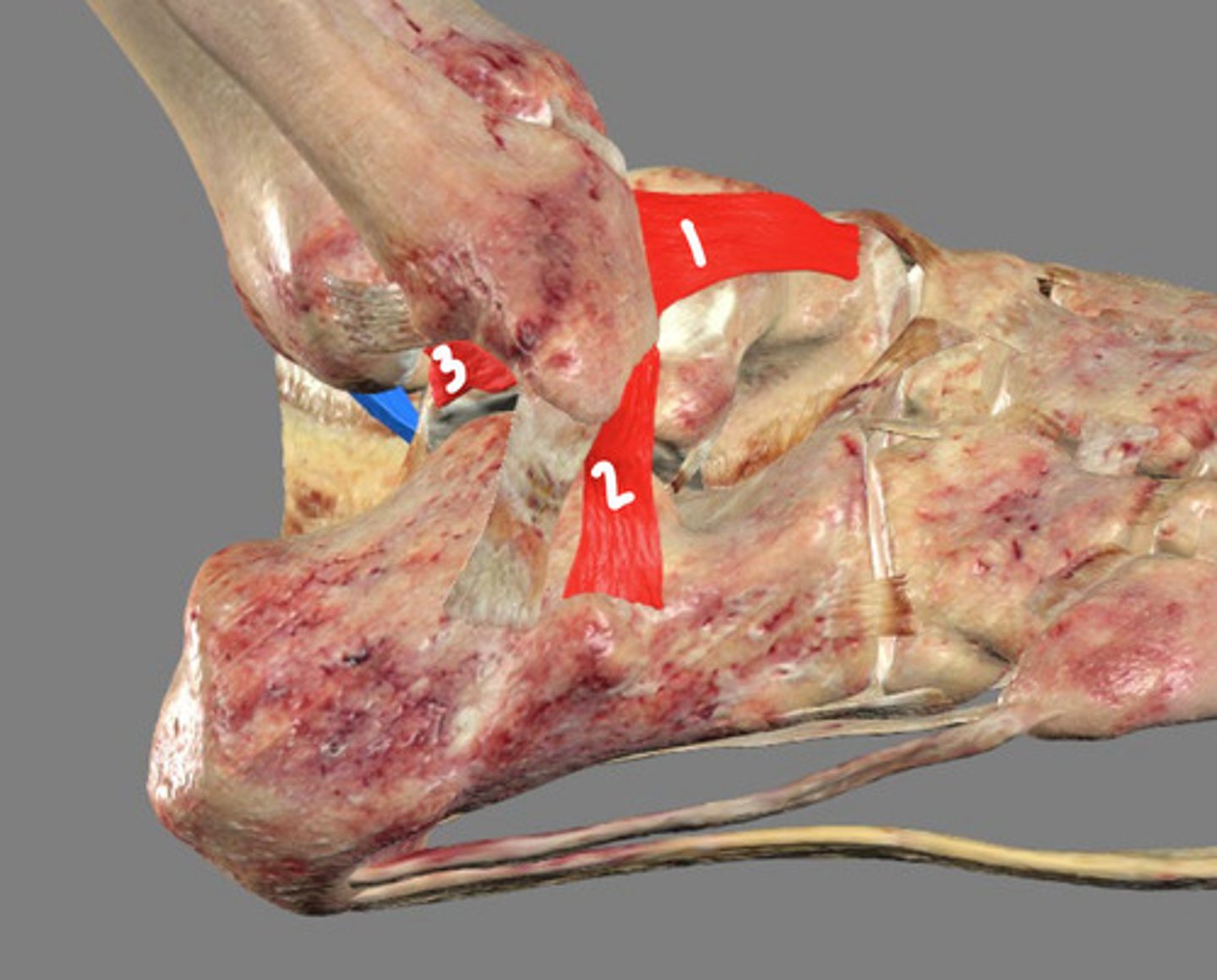
deltoid ligament
fibular head
1
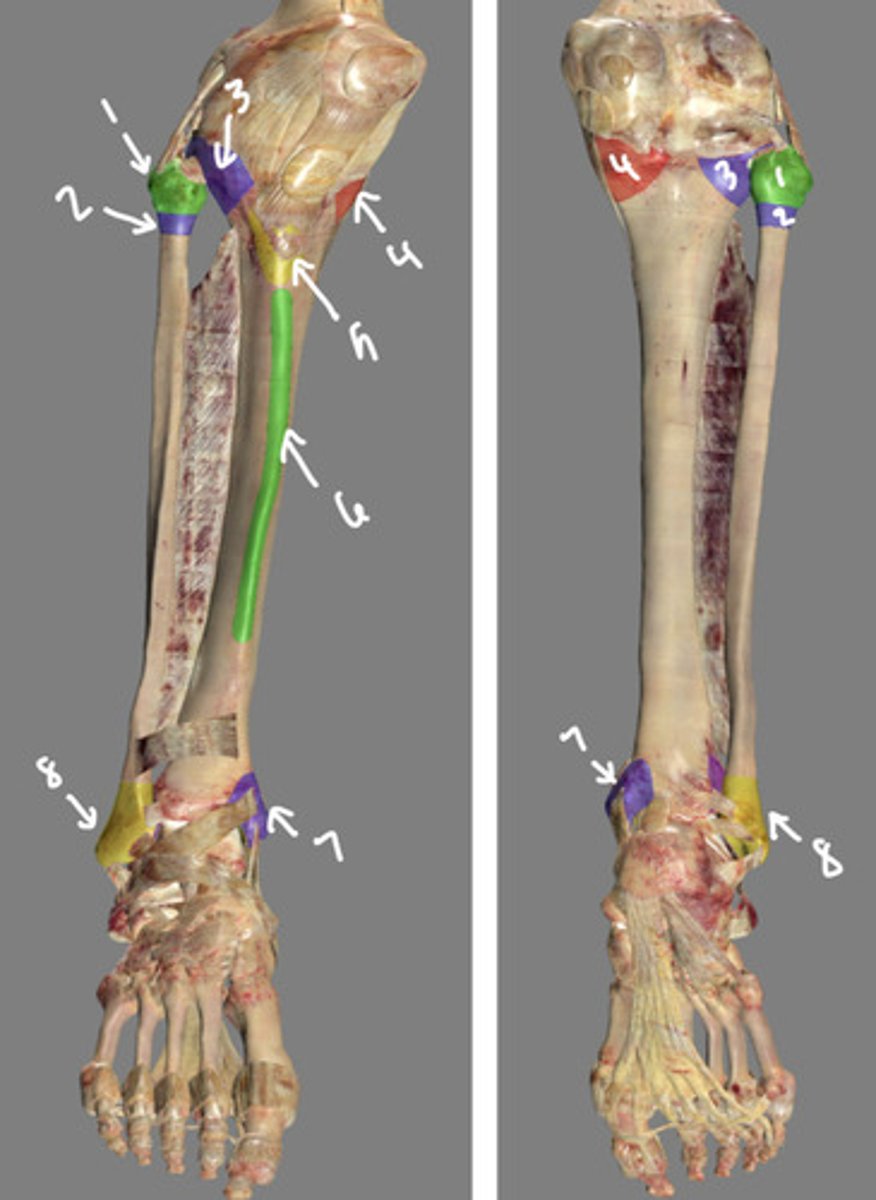
neck of fibula
2
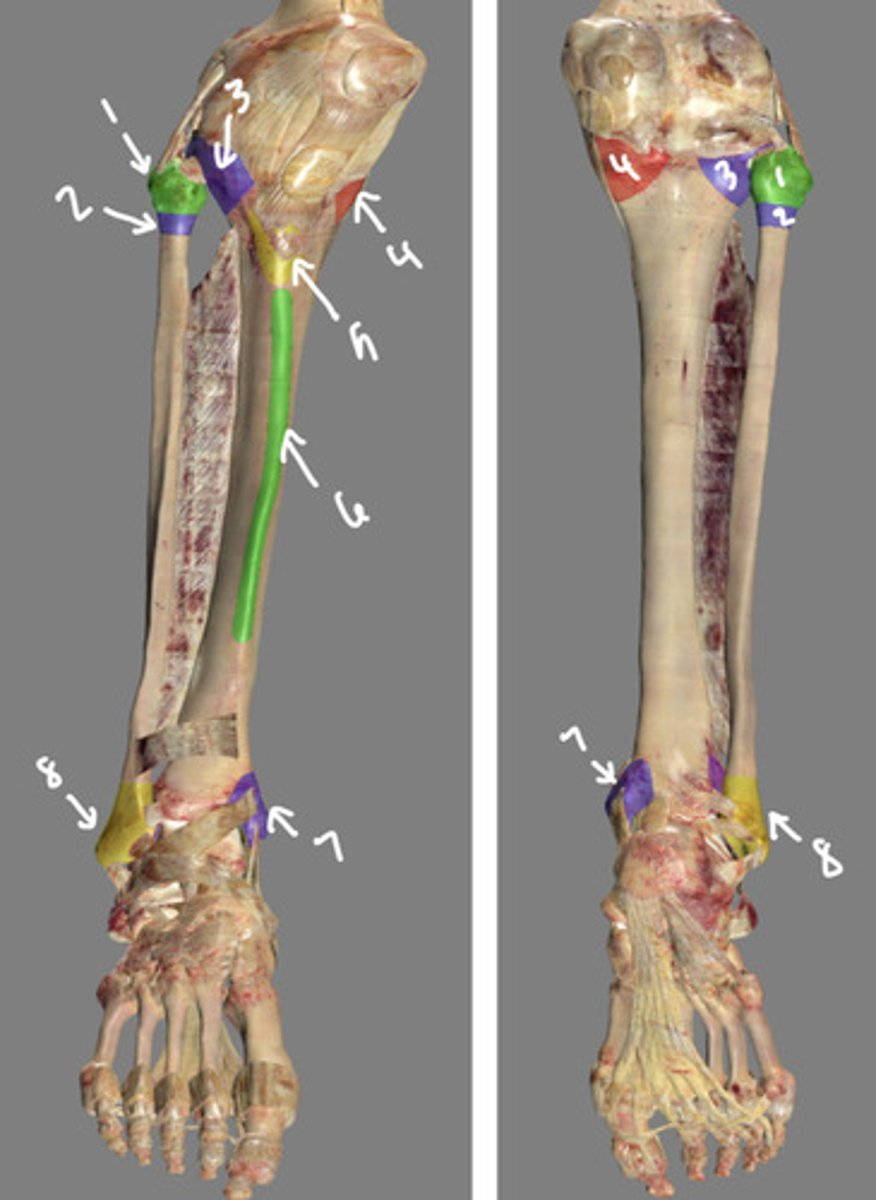
lateral tibial condyle (plateau on top)
3 posterior
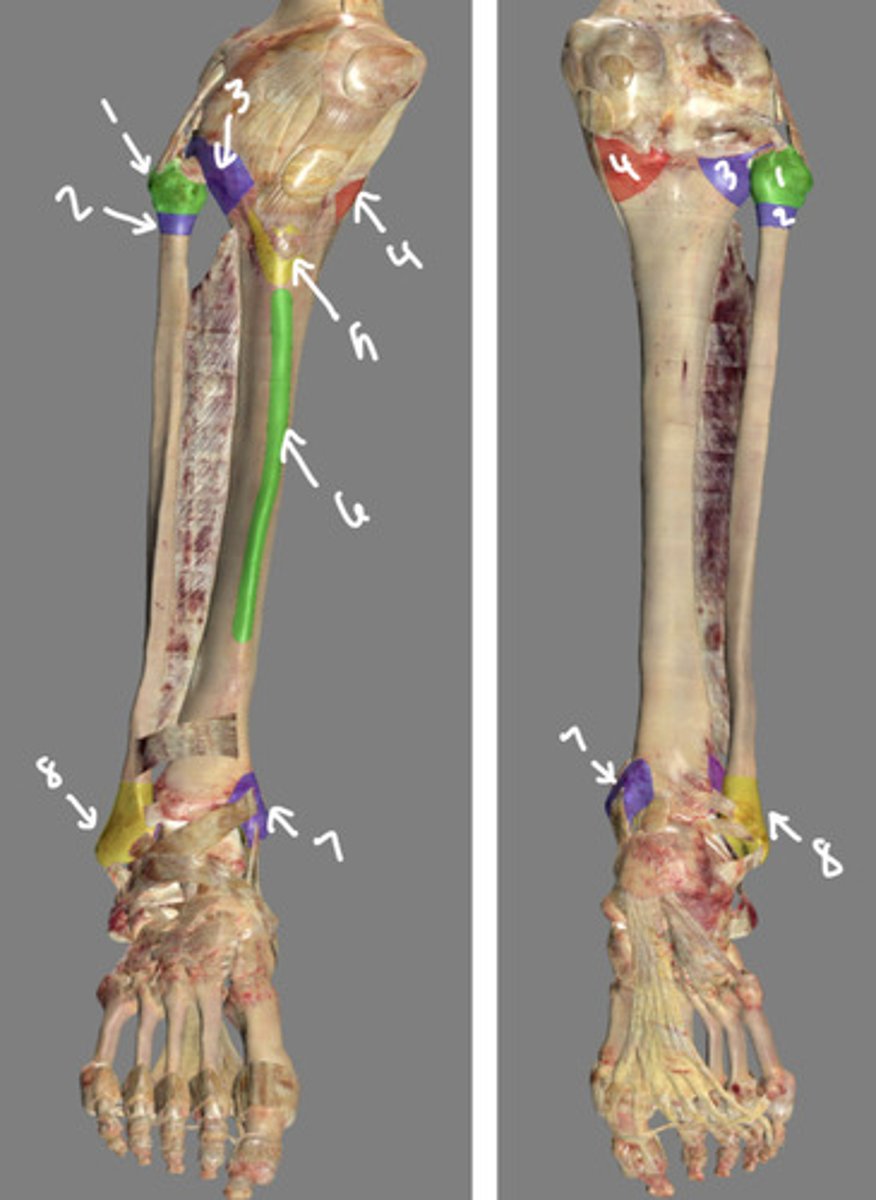
medial tibial condyle (plateau on top)
4 posterior
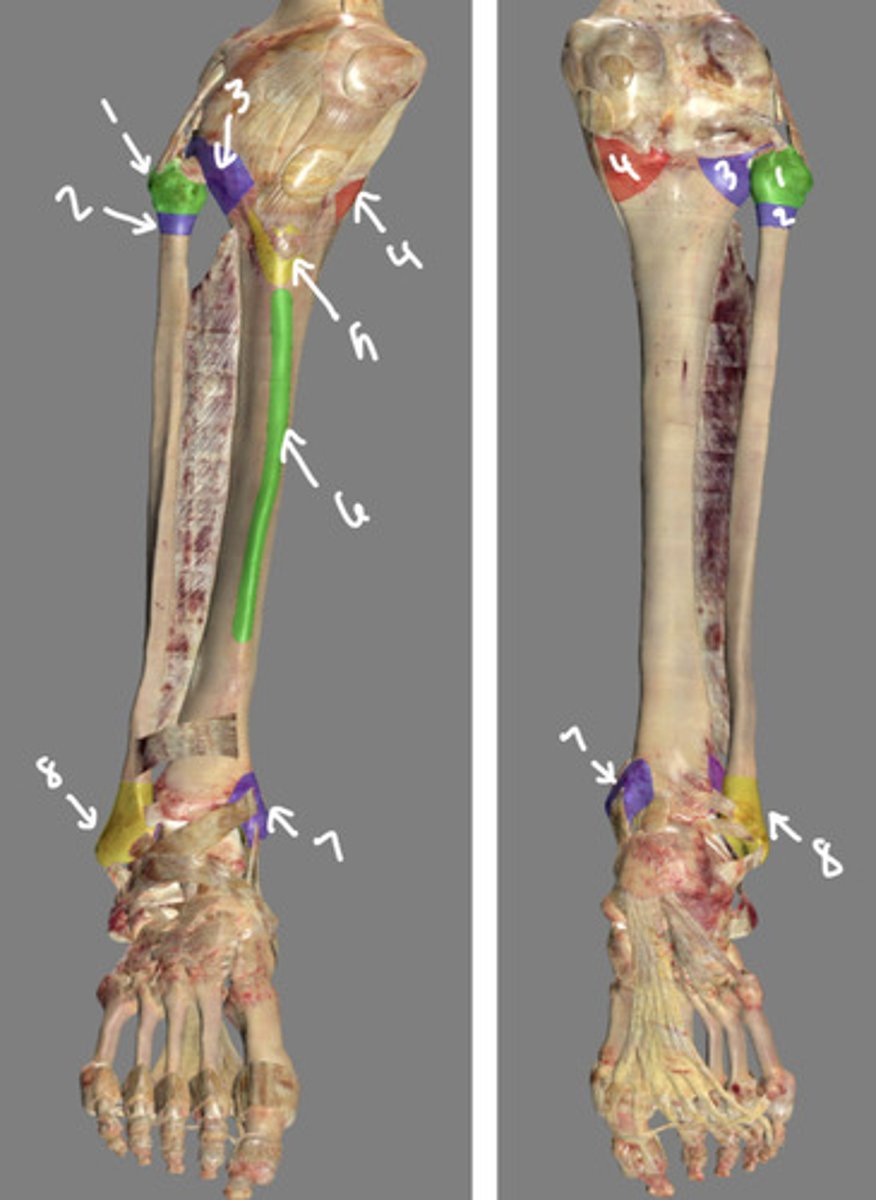
tibial tuberosity
5
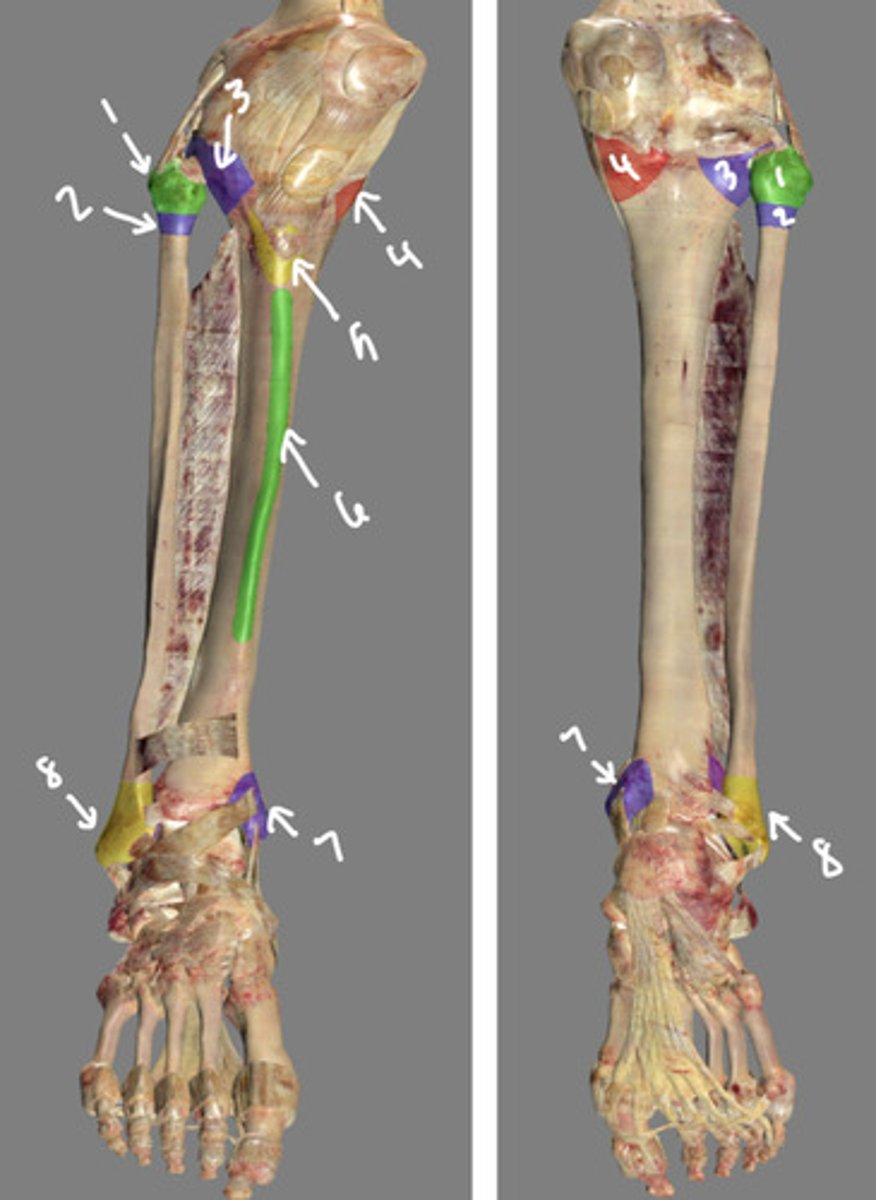
medial malleolus
7
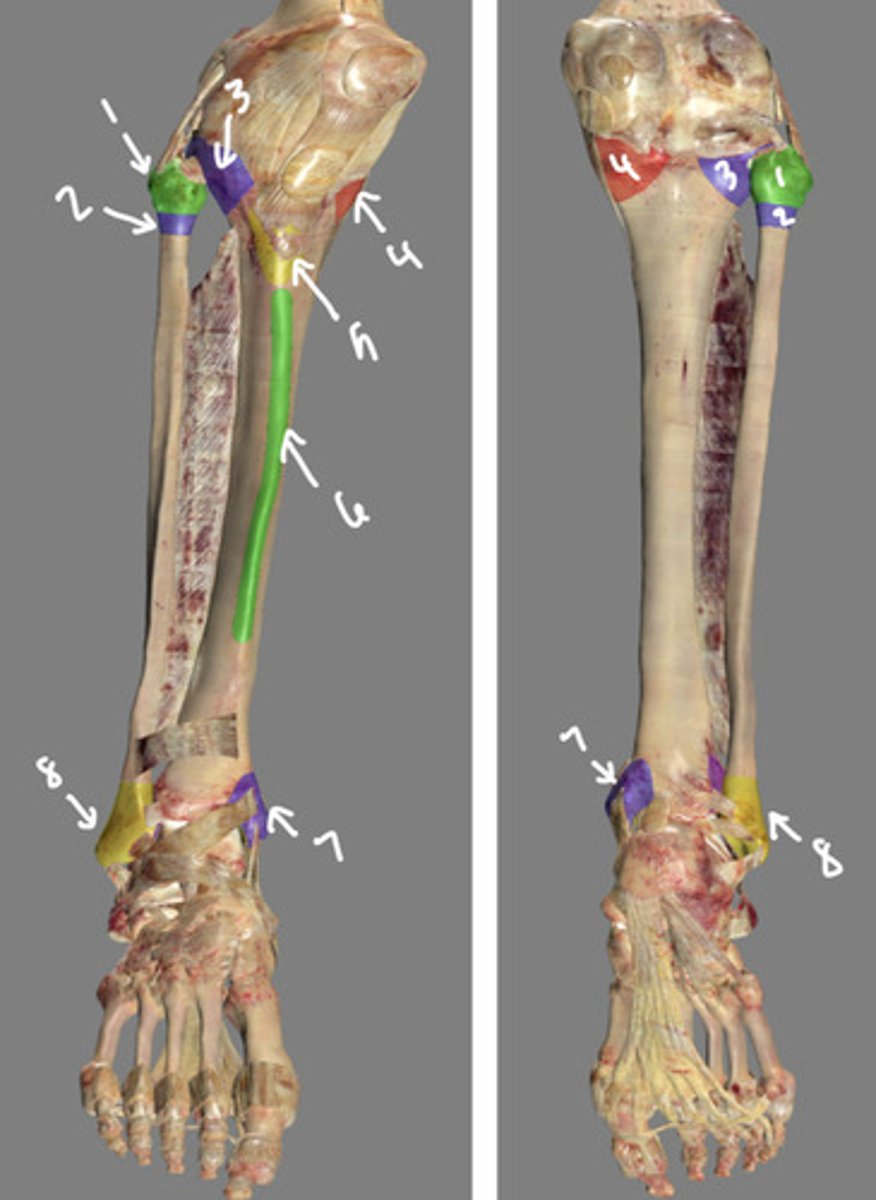
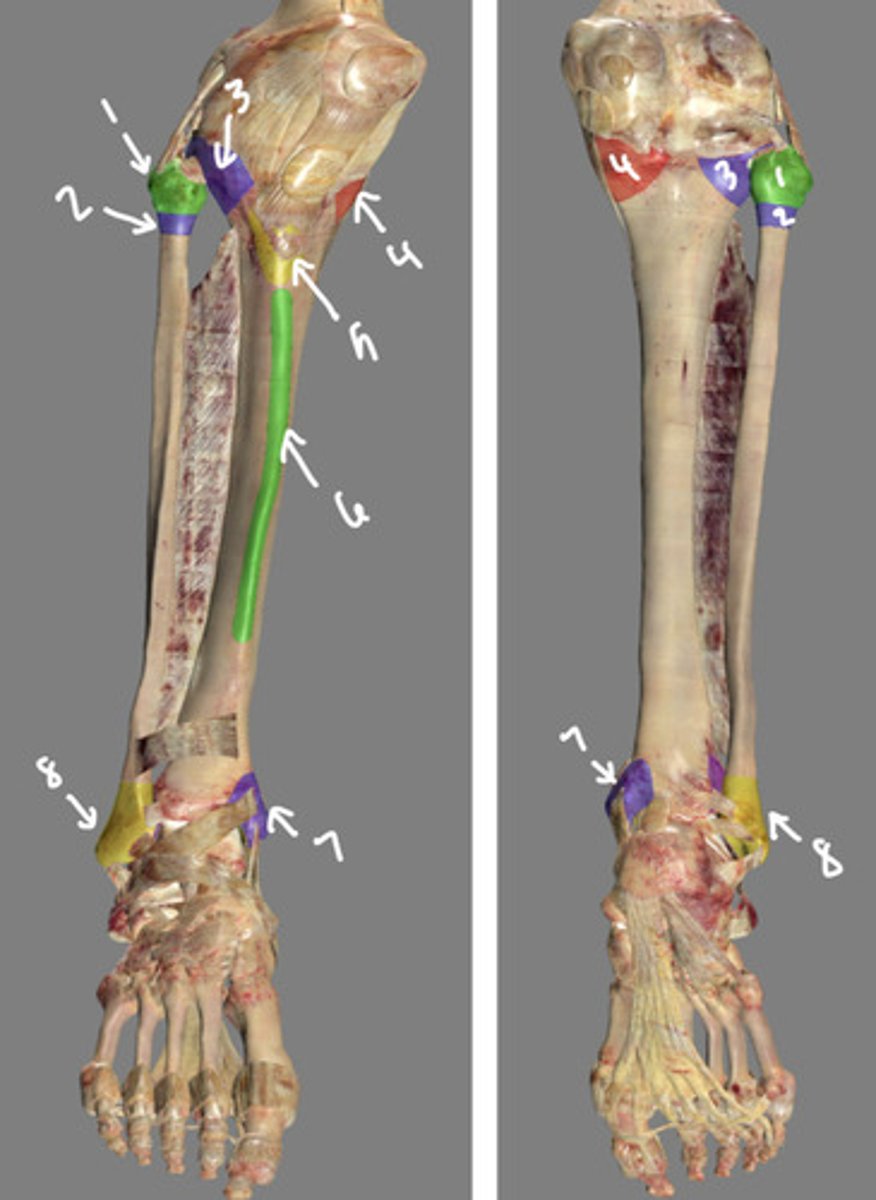
lateral malleolus
8
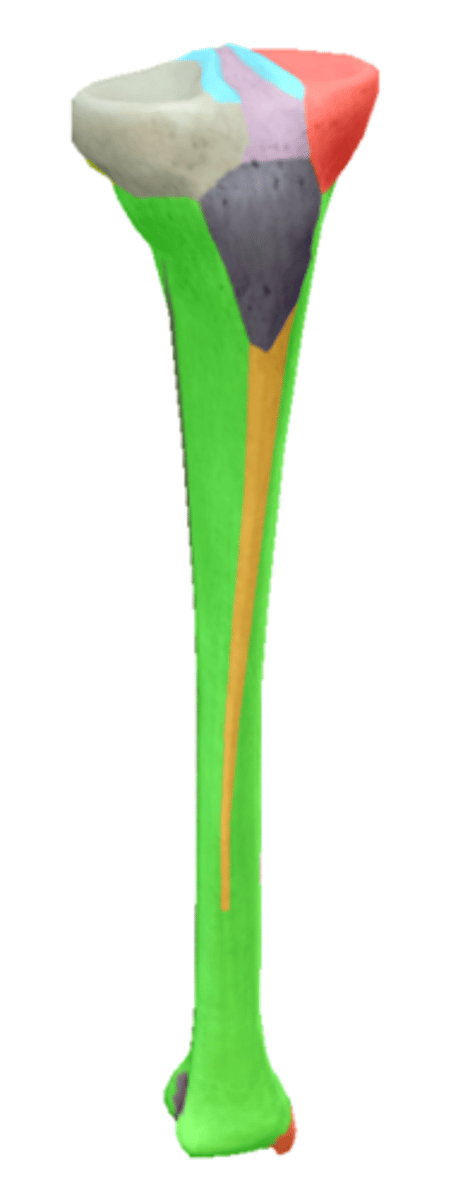
intercondylar tubercles of tibia
light blue/teal
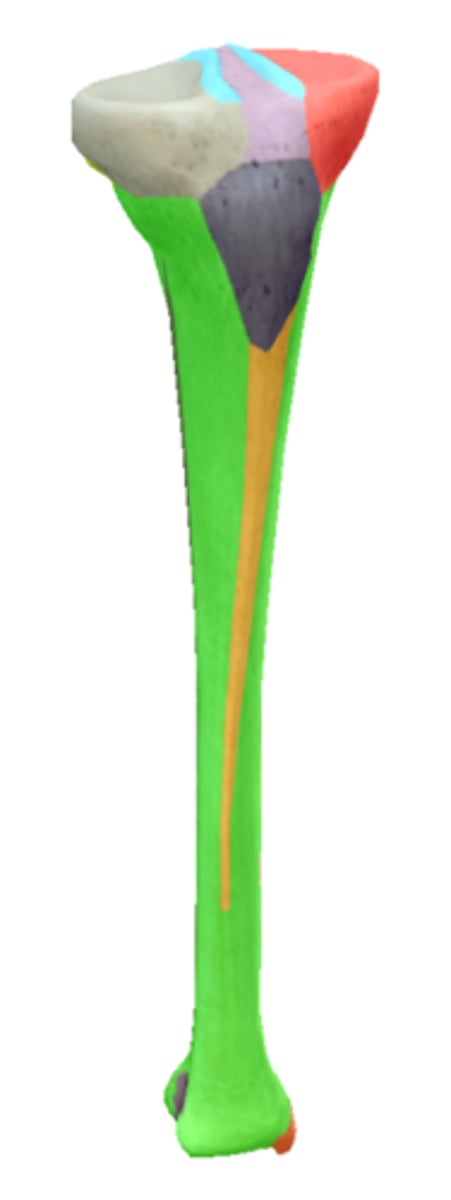
intercondylar eminence of tibia
light purple (between the teal)
interosseous membrane
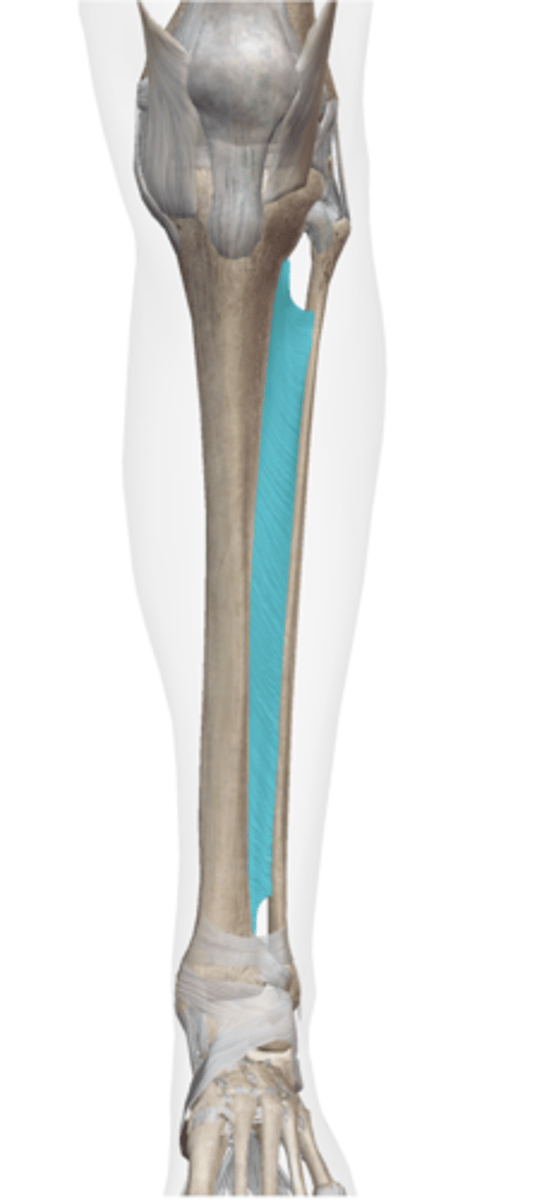
tibia
light green
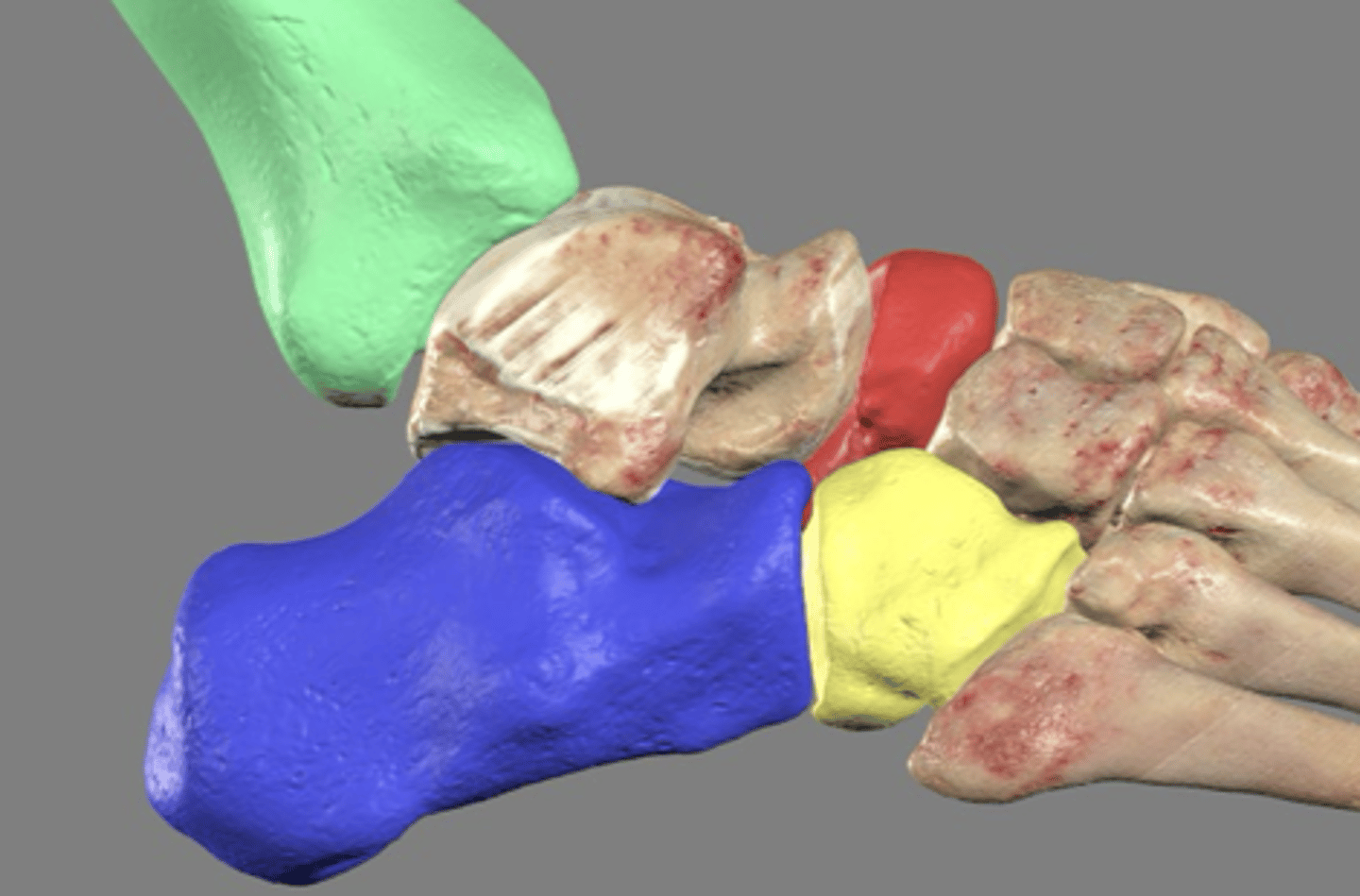
talus
large bone between green and red not colored
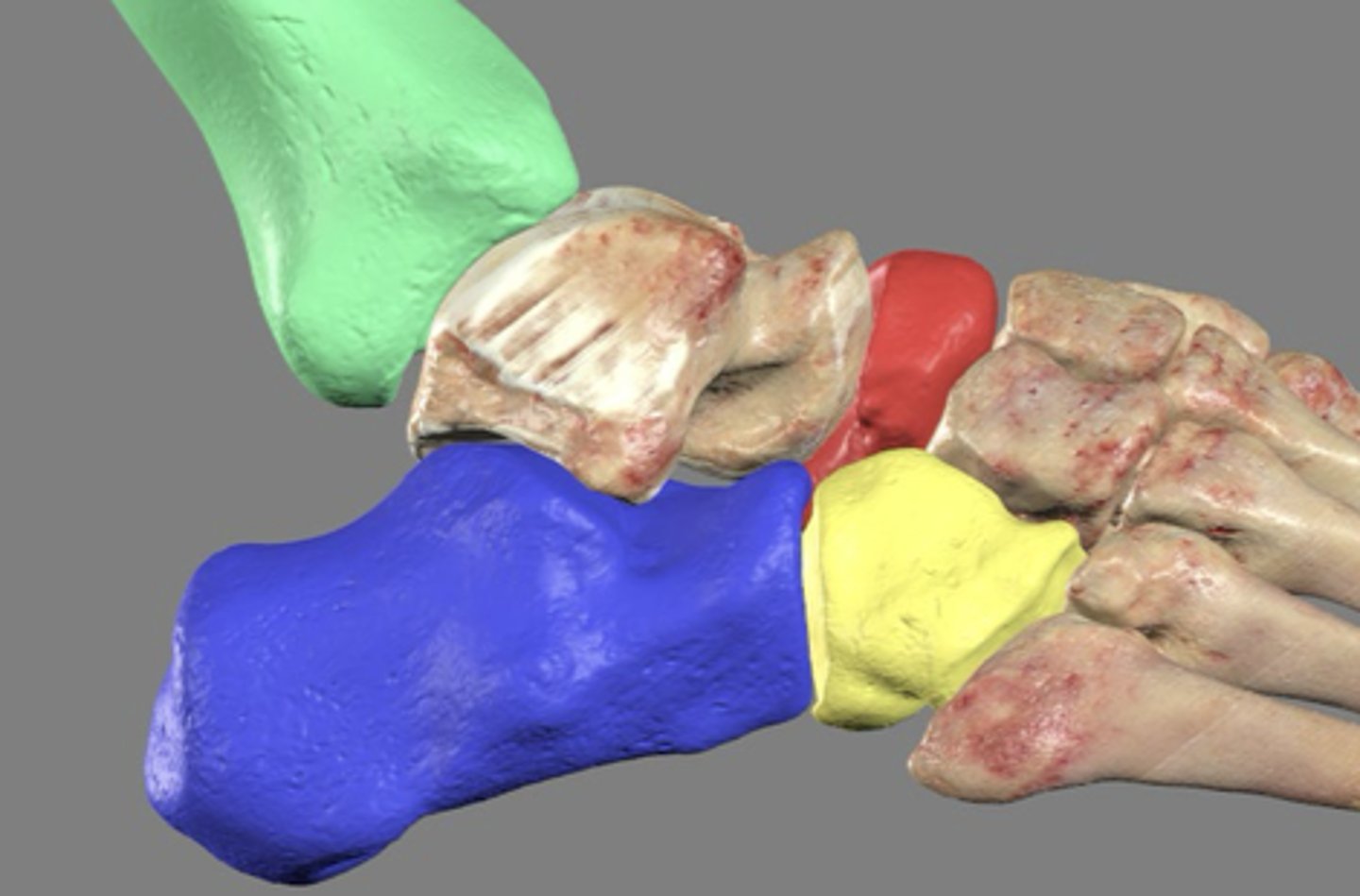
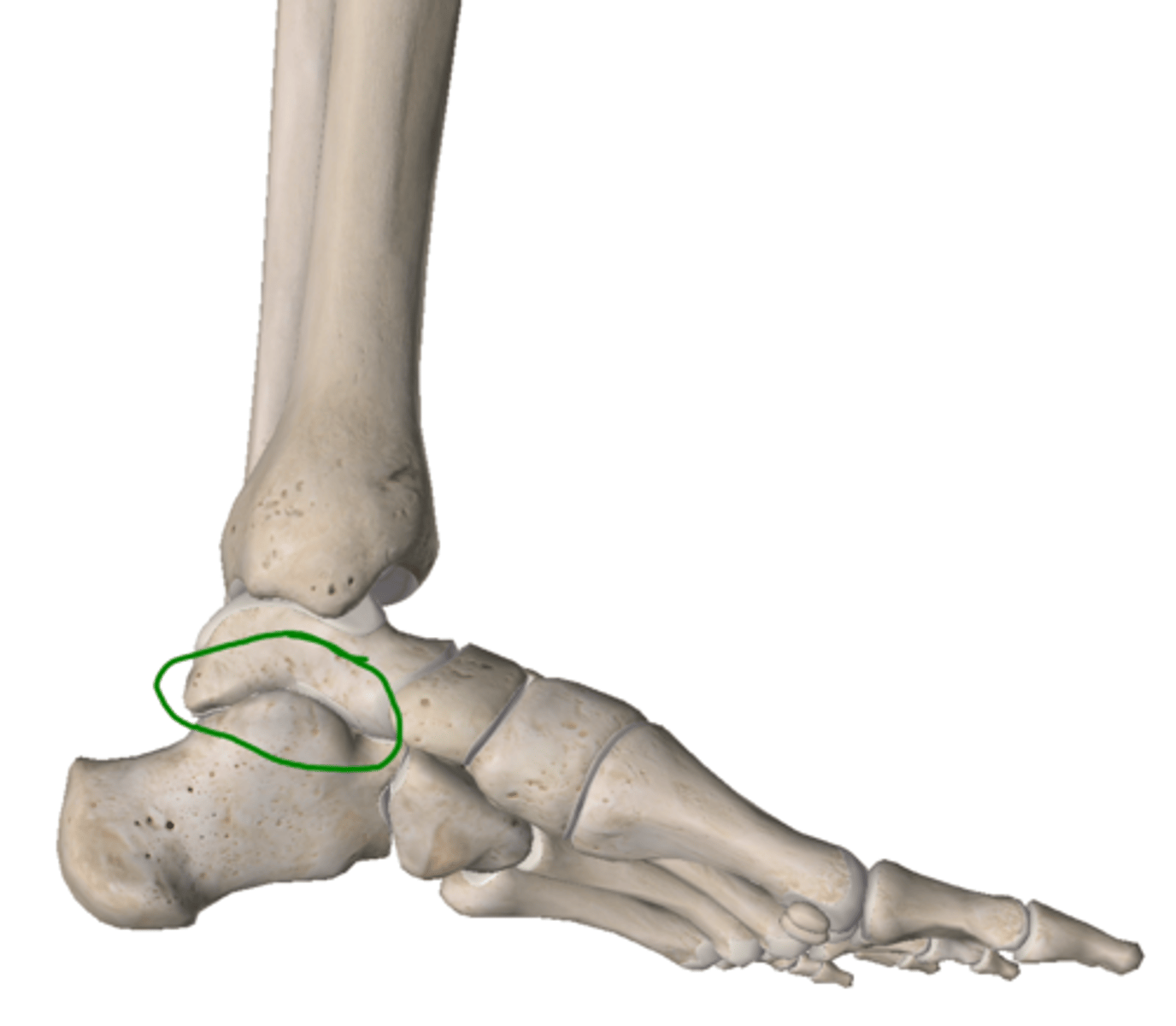
subtalar joint
calcaneus
royal blue
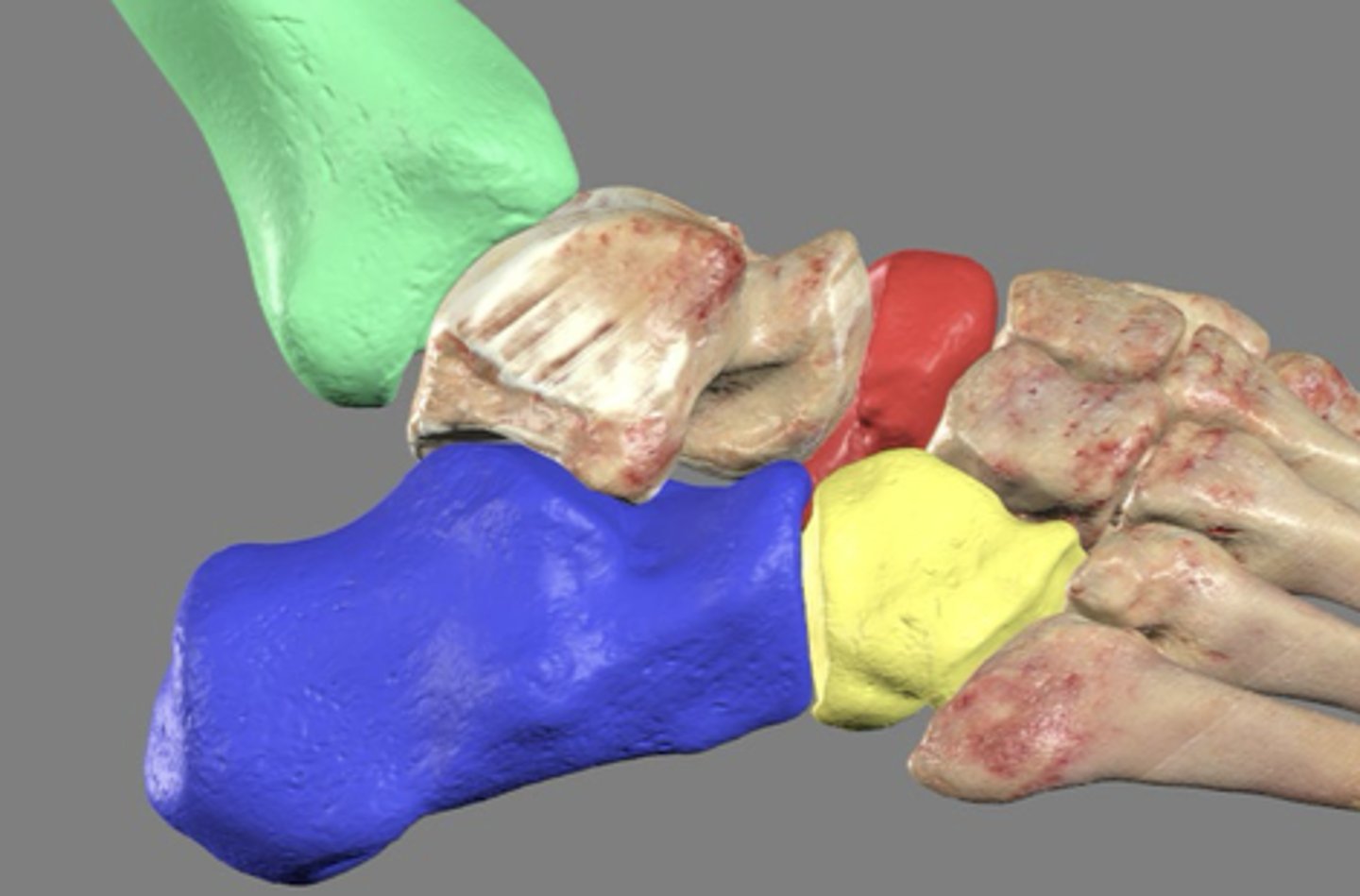
navicular
red
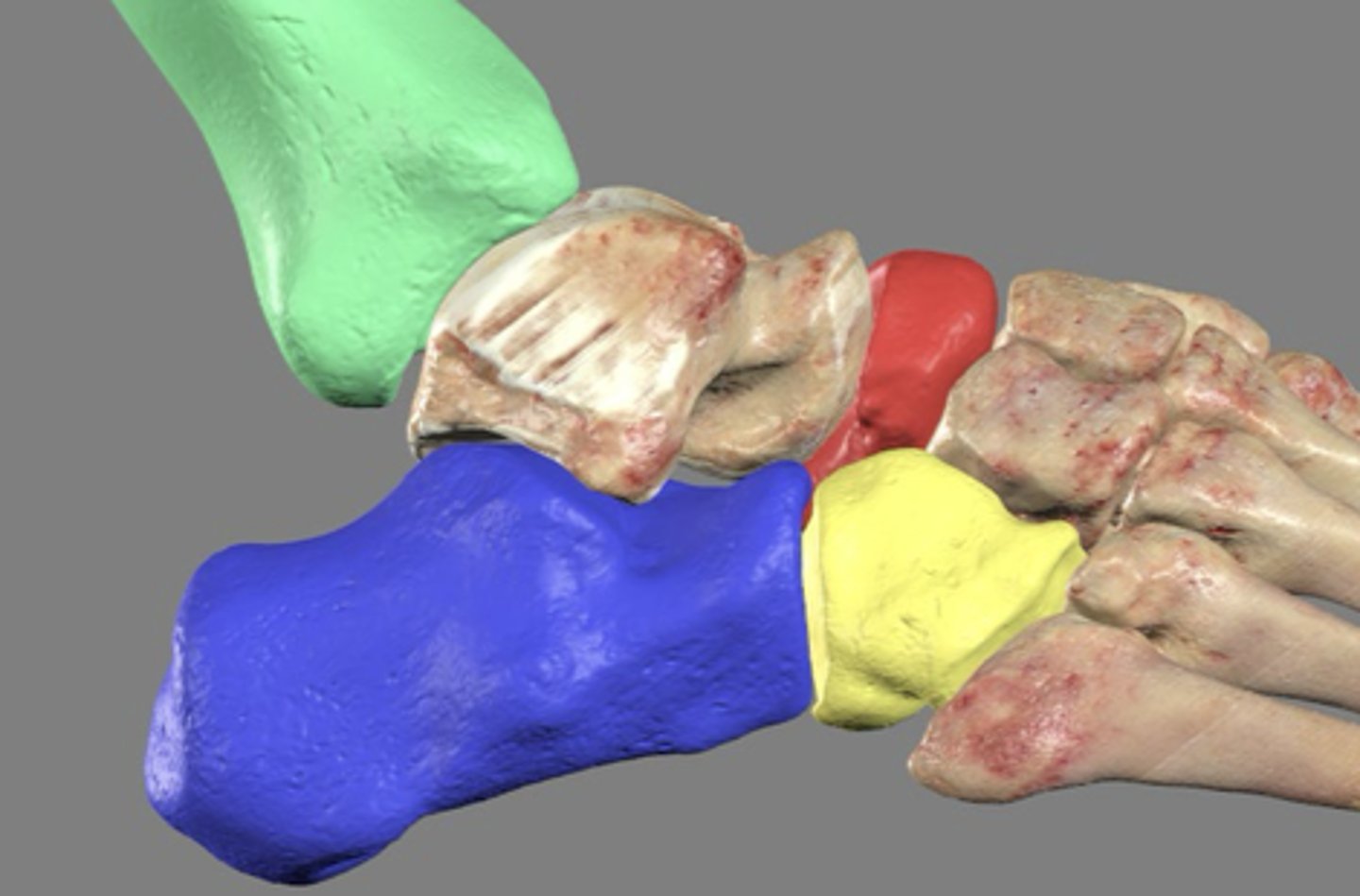
cuboid
yellow
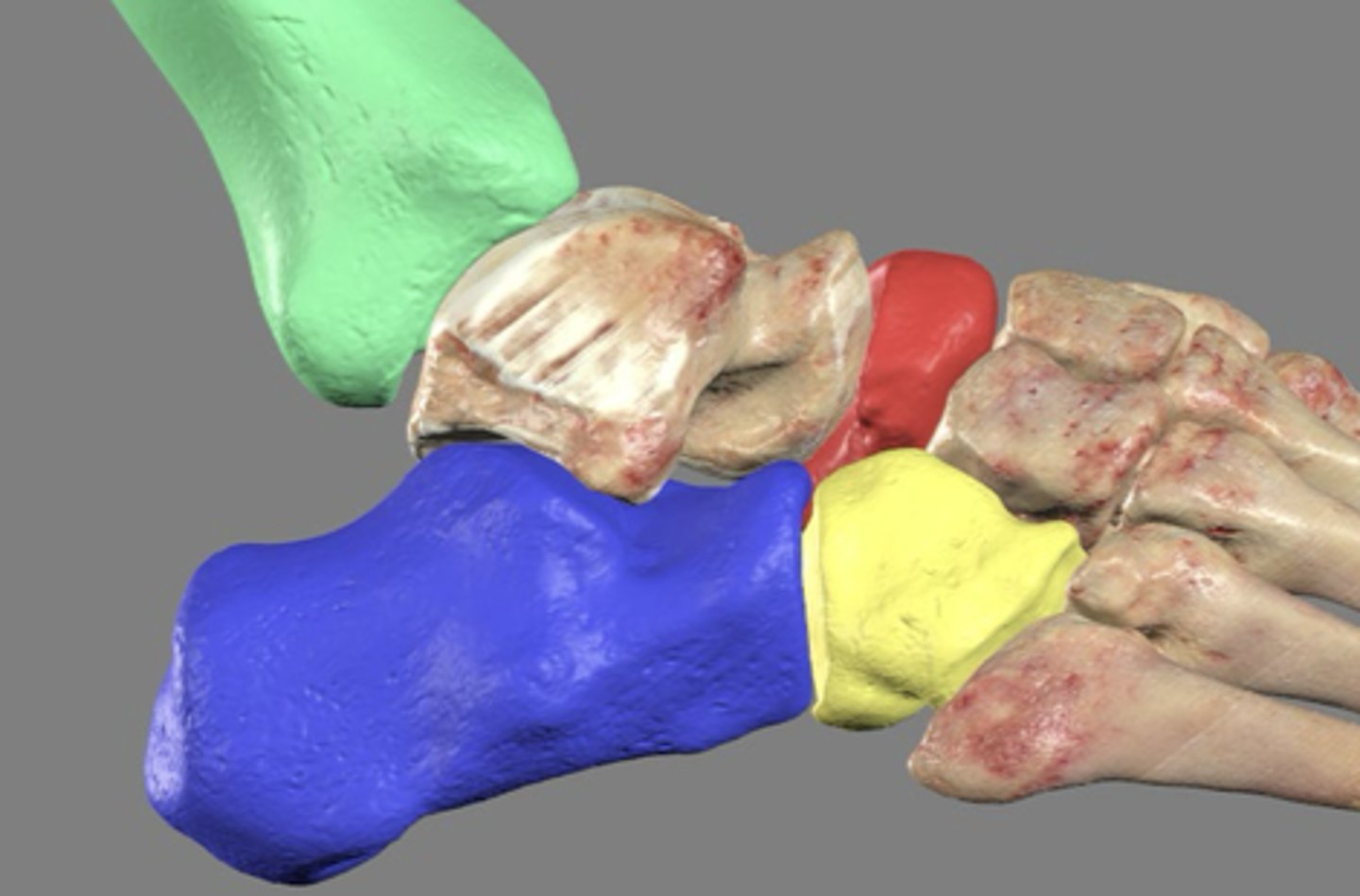
navicular
red
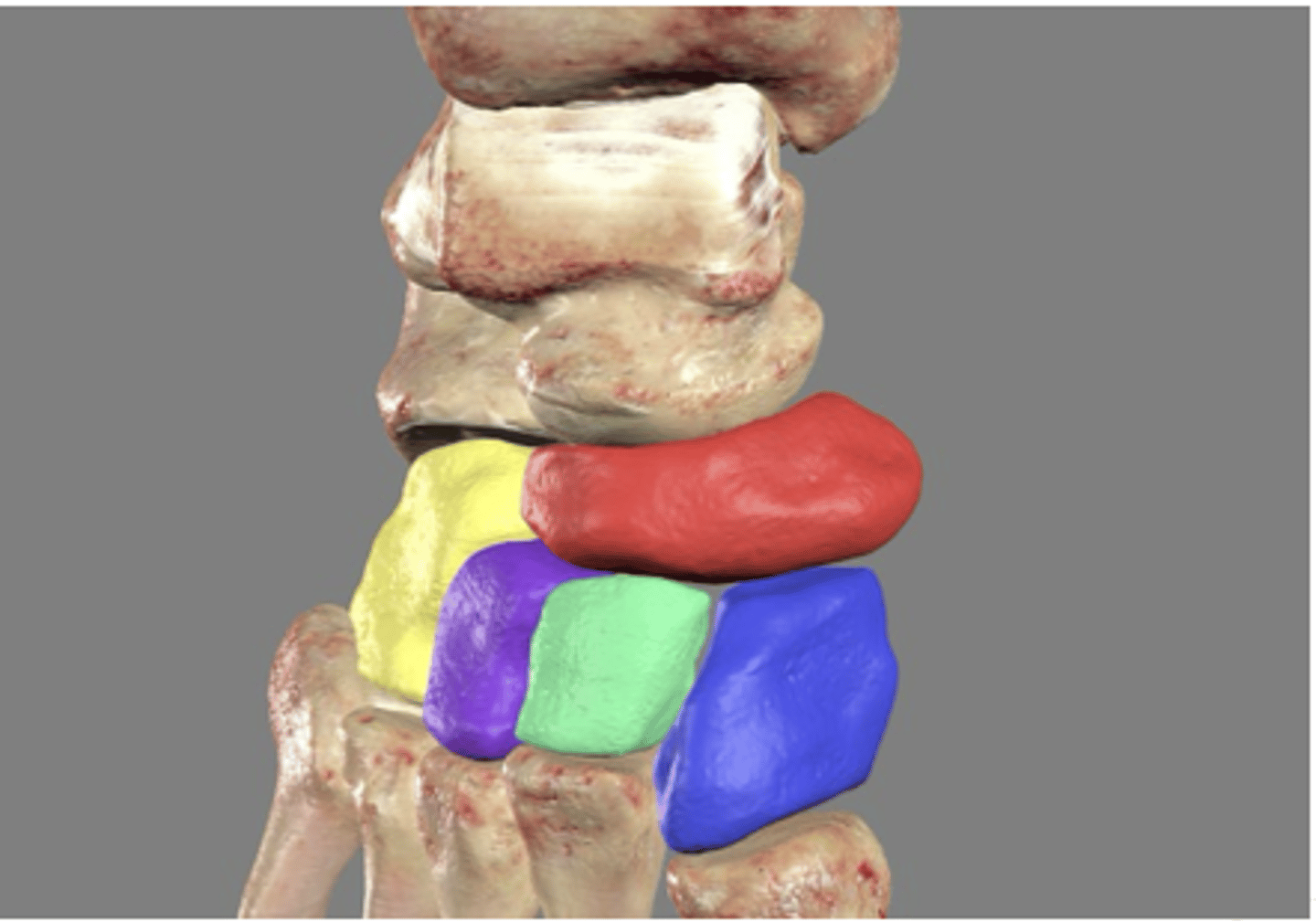
cuboid
yellow
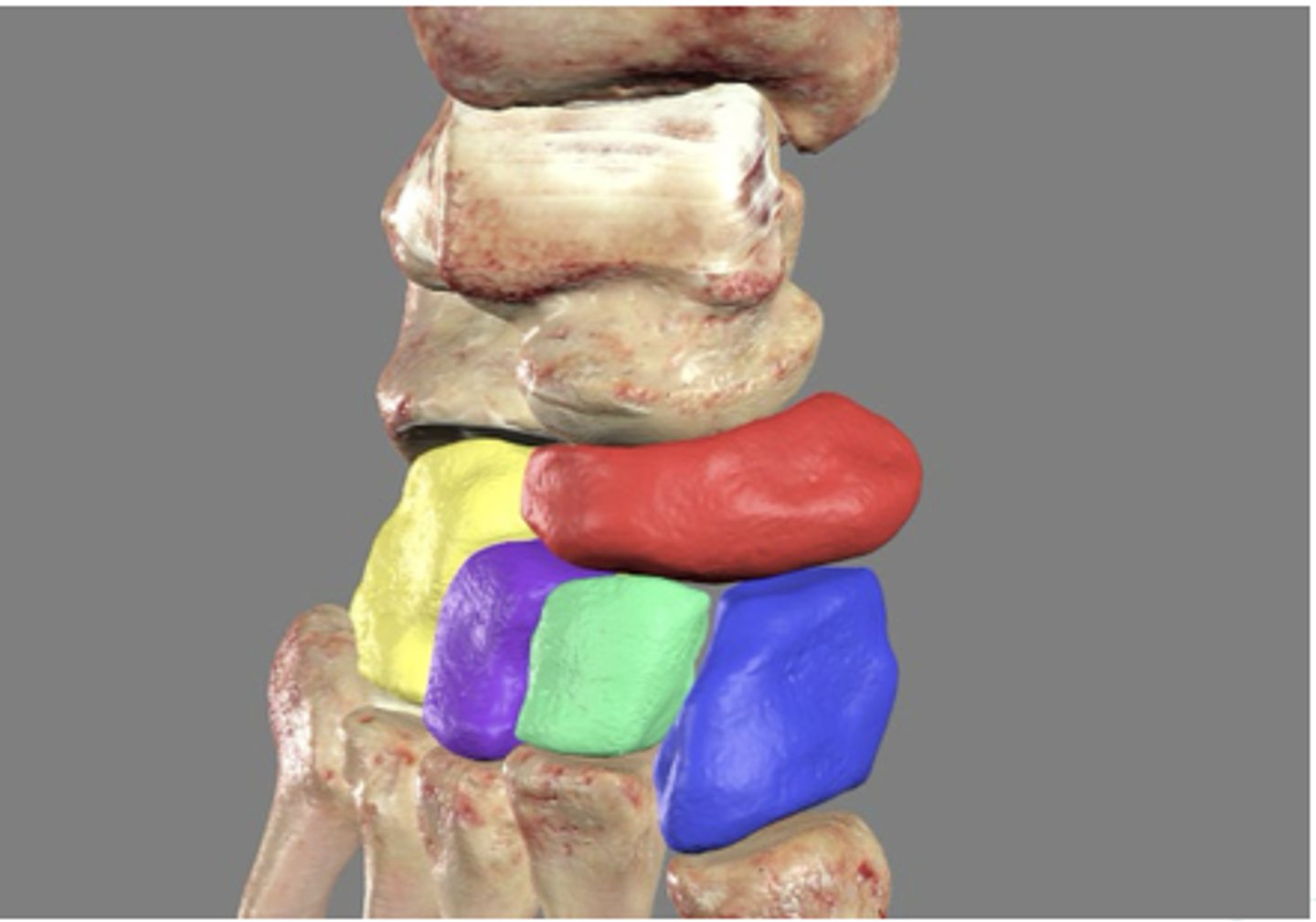
lateral cuneiform (3rd cuneiform)
purple
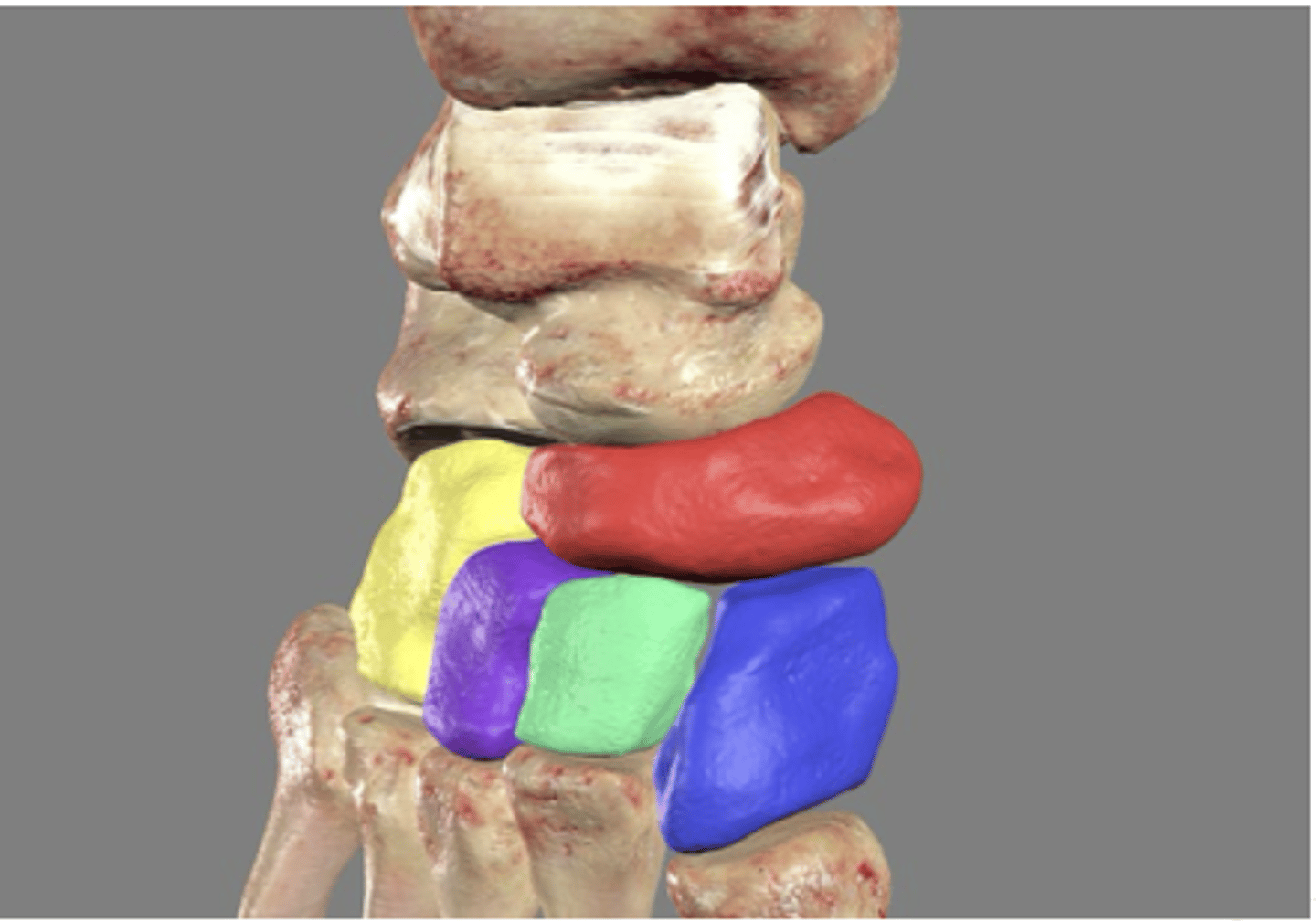
intermediate cuneiform
light green
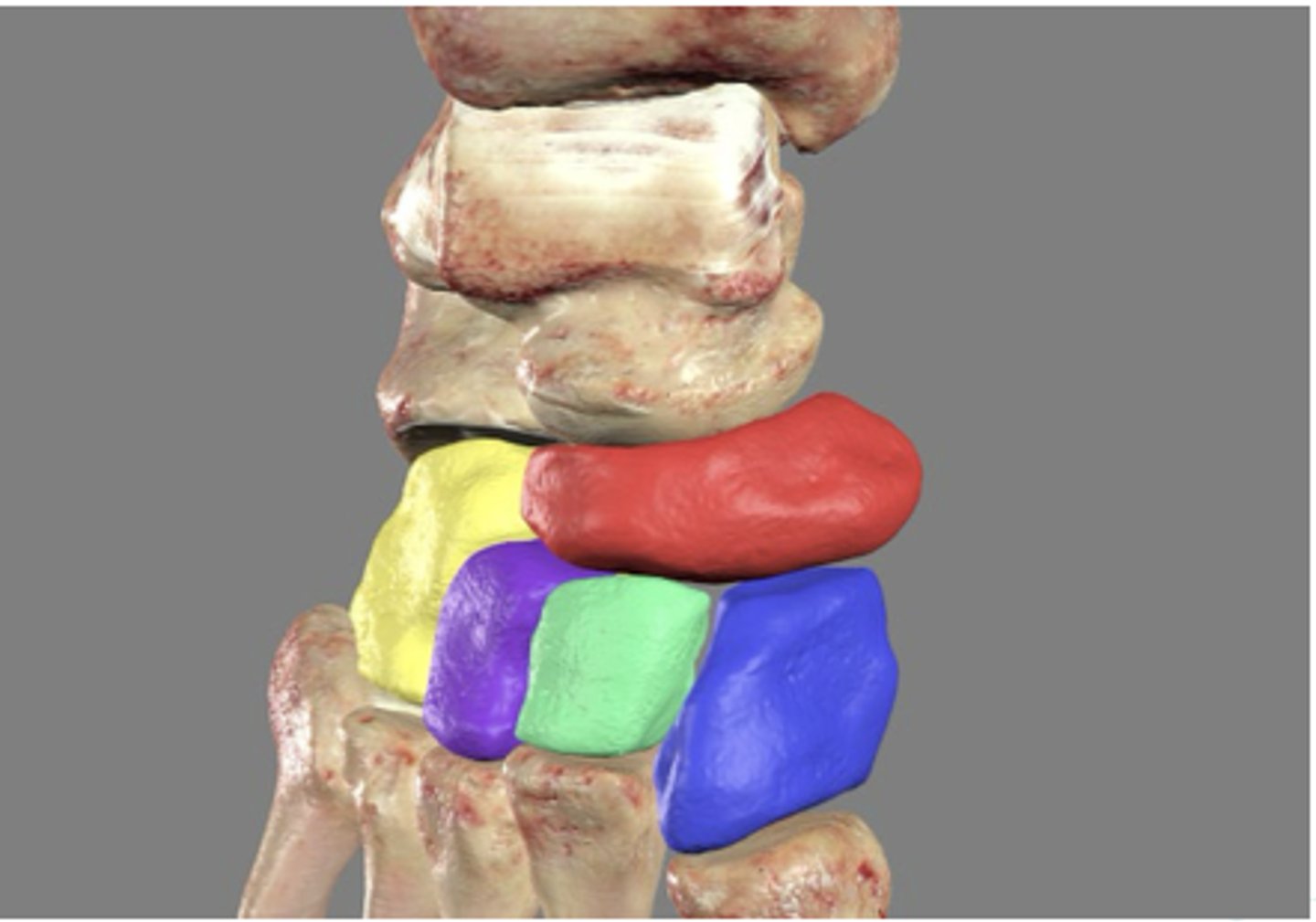
medial cuneiform (1st cuneiform)
royal blue
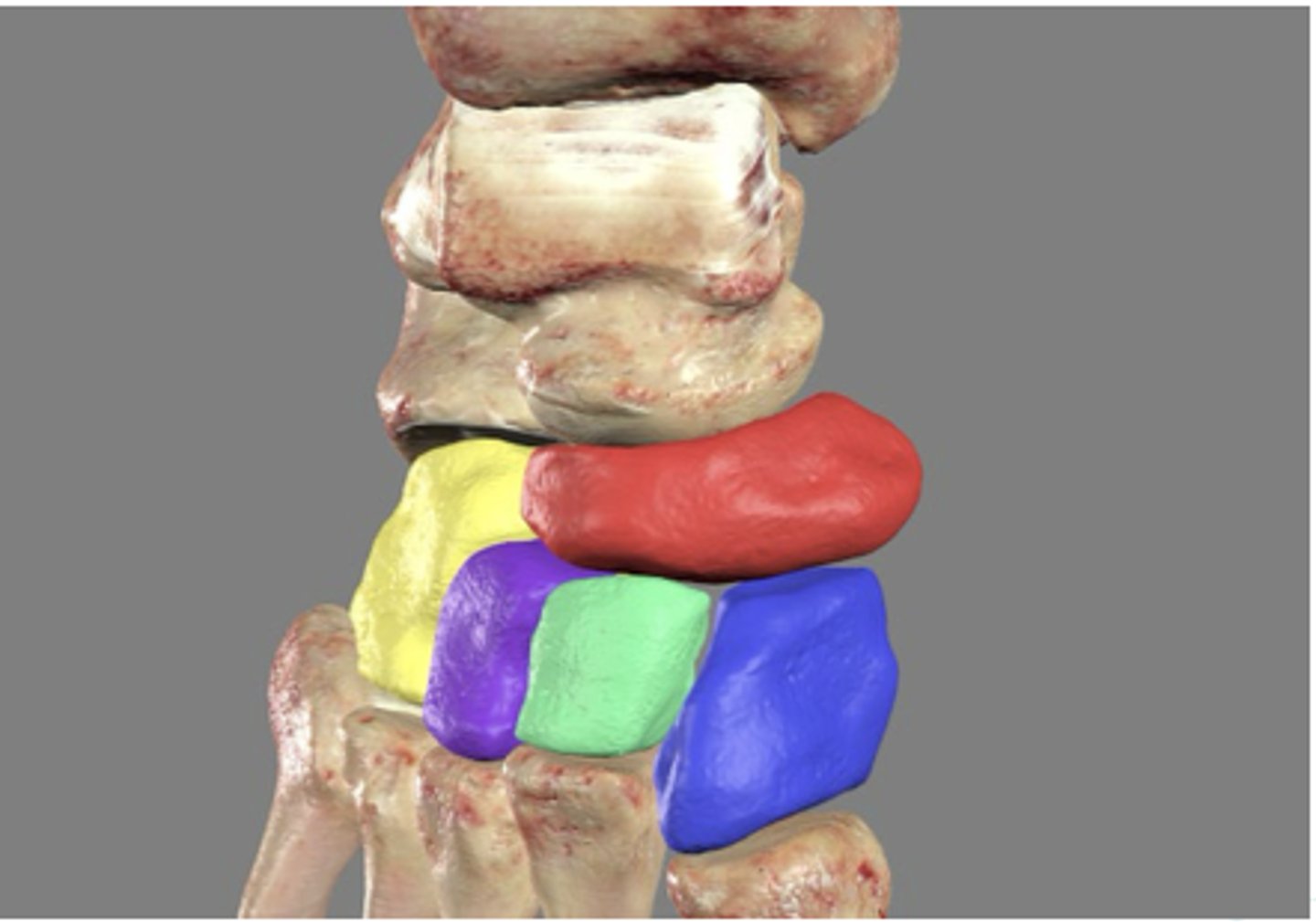
transverse tarsal joint
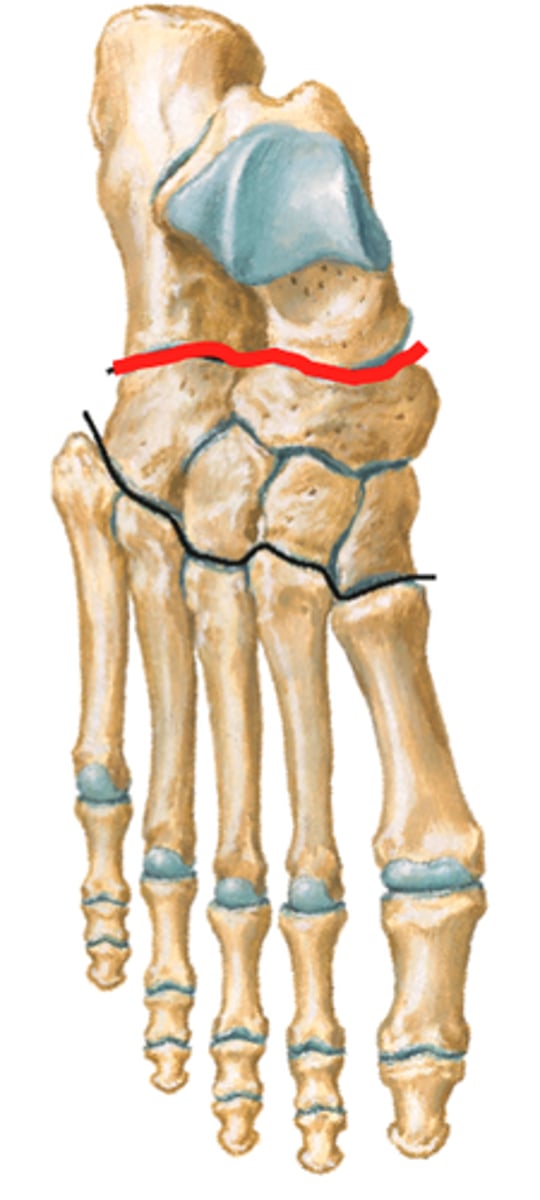
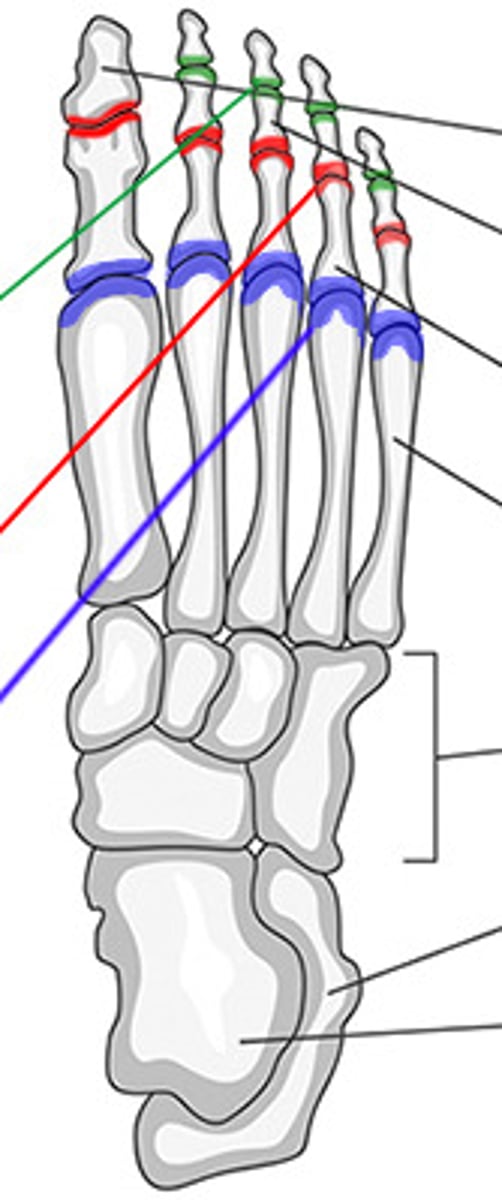
metatarsophalangeal joint
blue
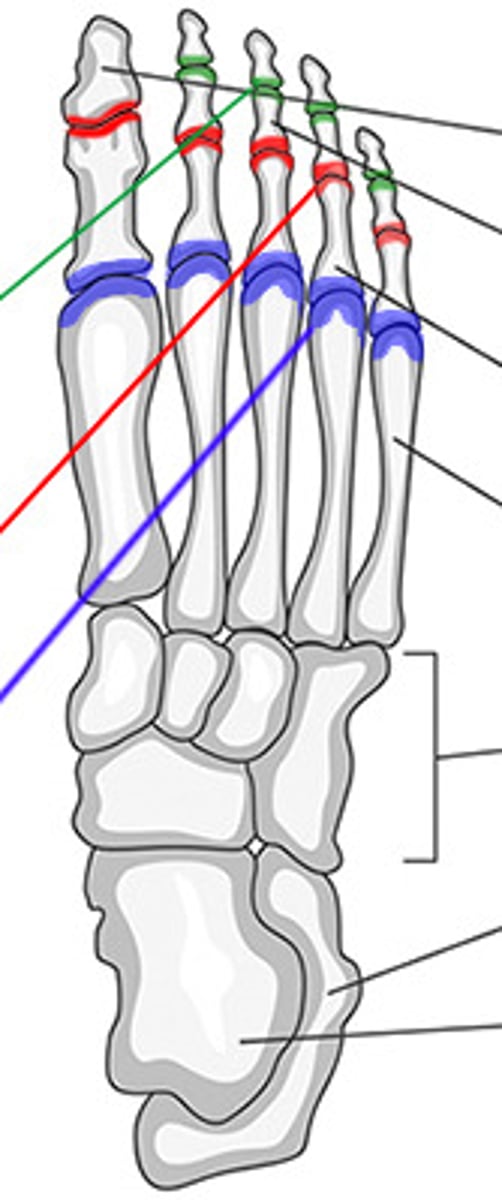
proximal interphalangeal joint
red
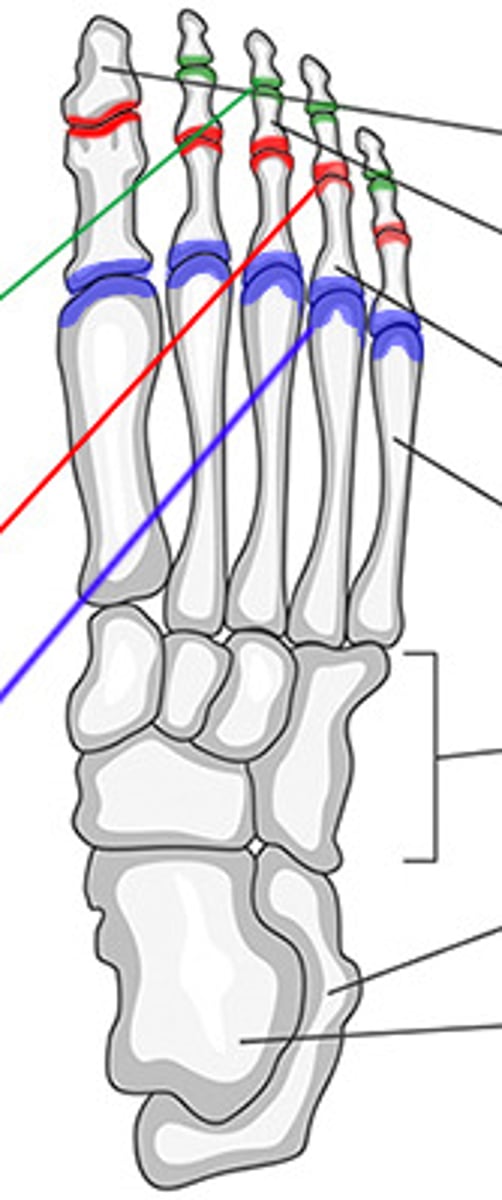
distal interphalangeal joint
green
1st metatarsal (hallux)
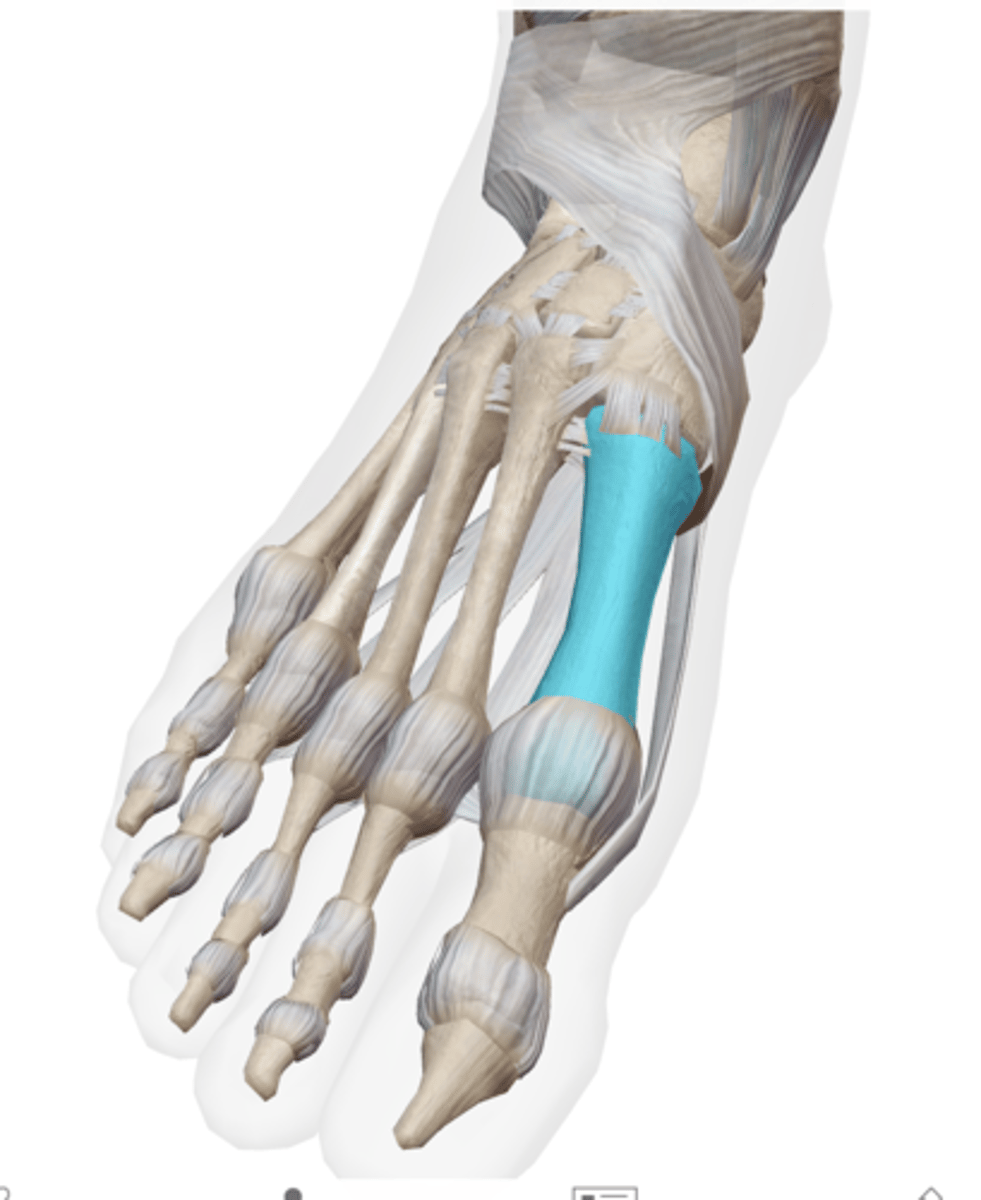
2nd metatarsal
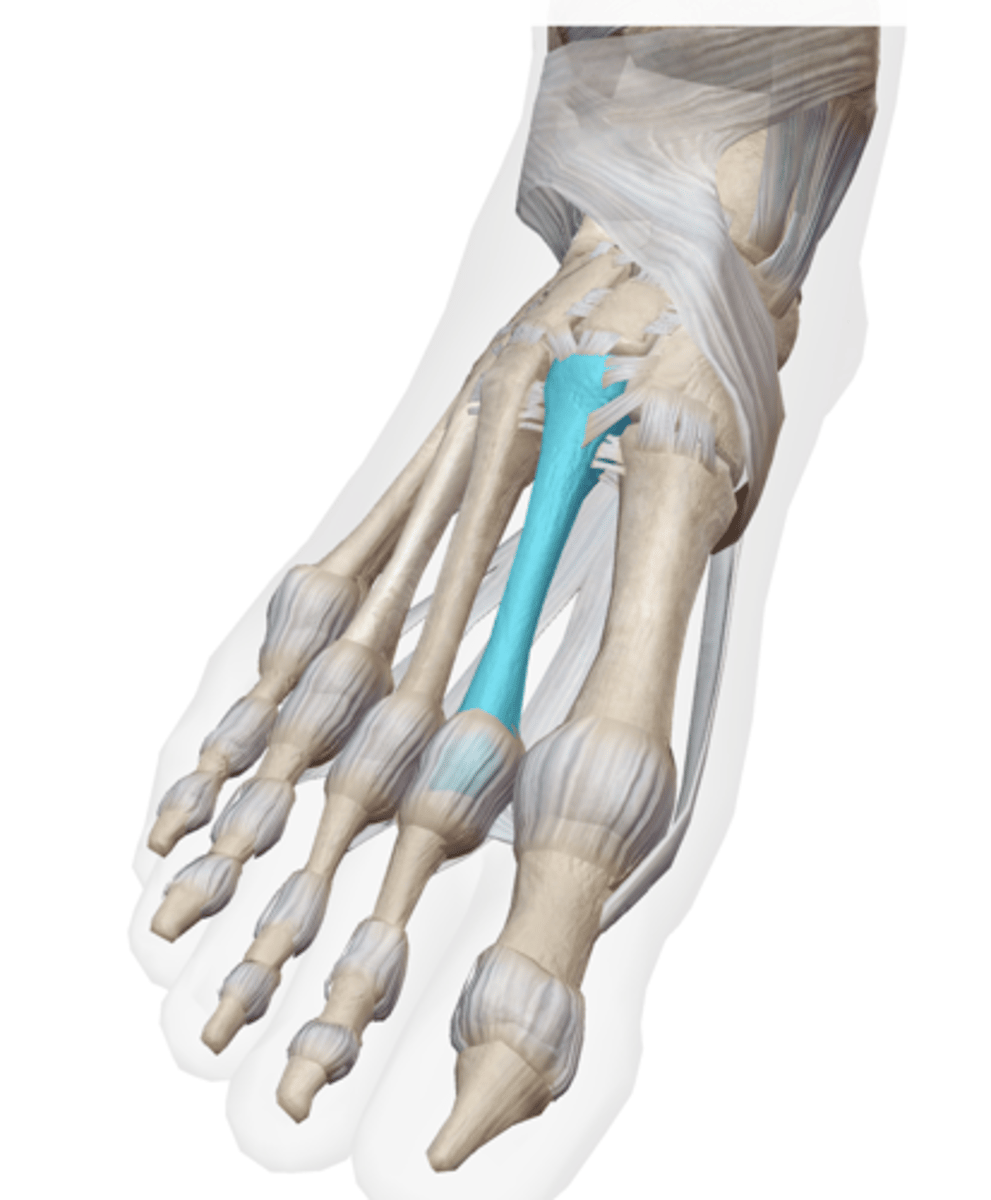
3rd metatarsal
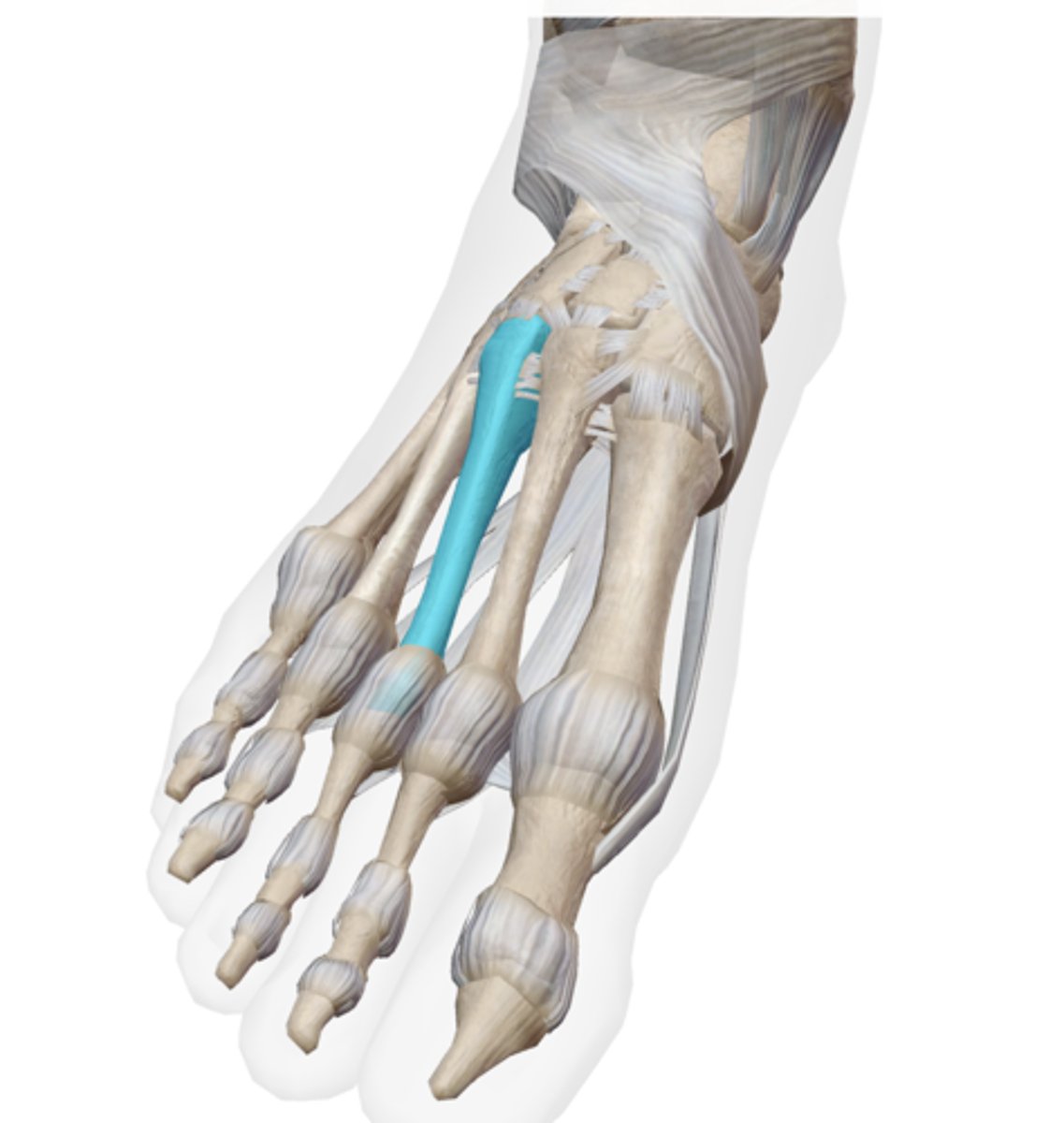
4th metatarsal
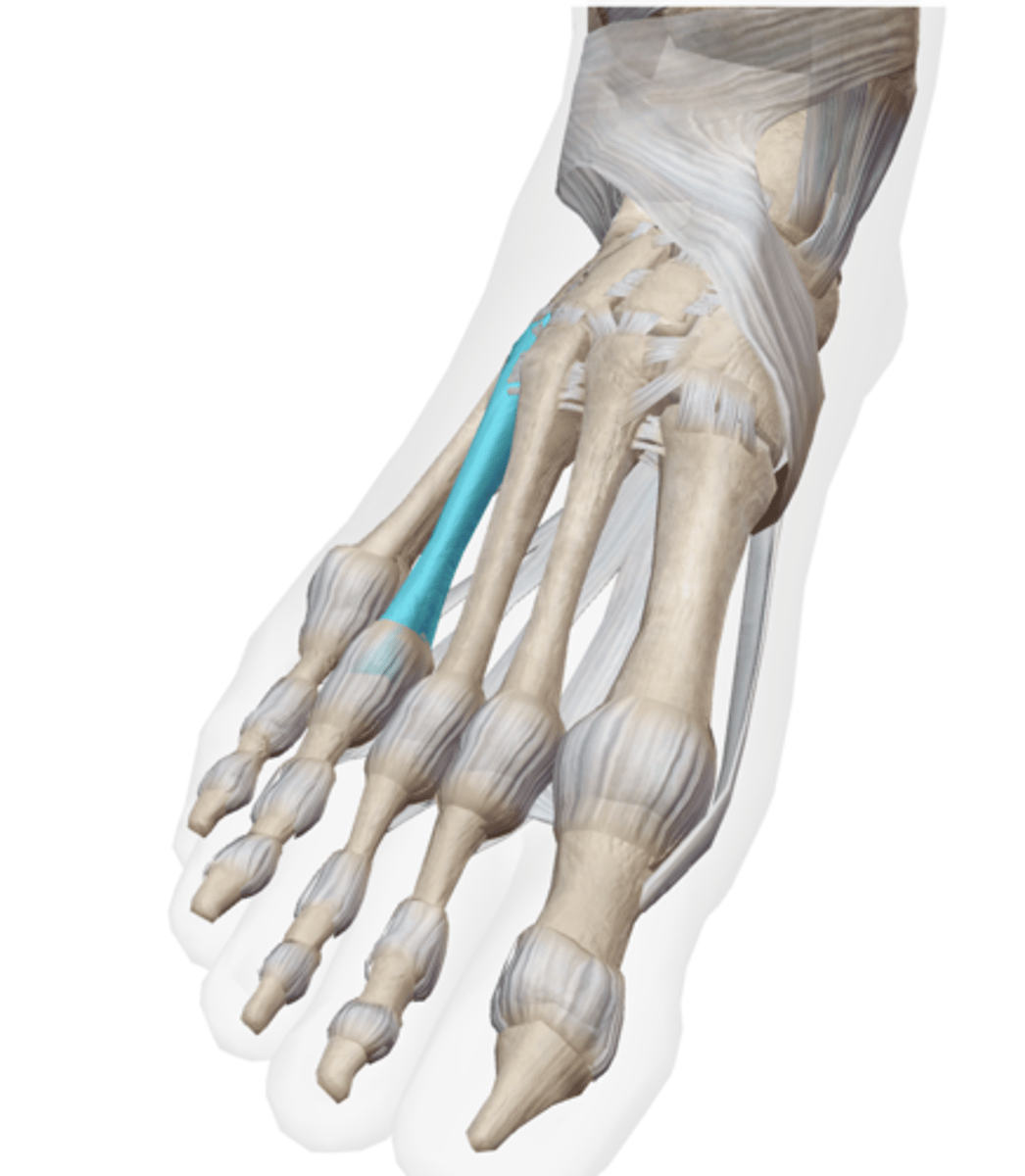
5th metatarsal
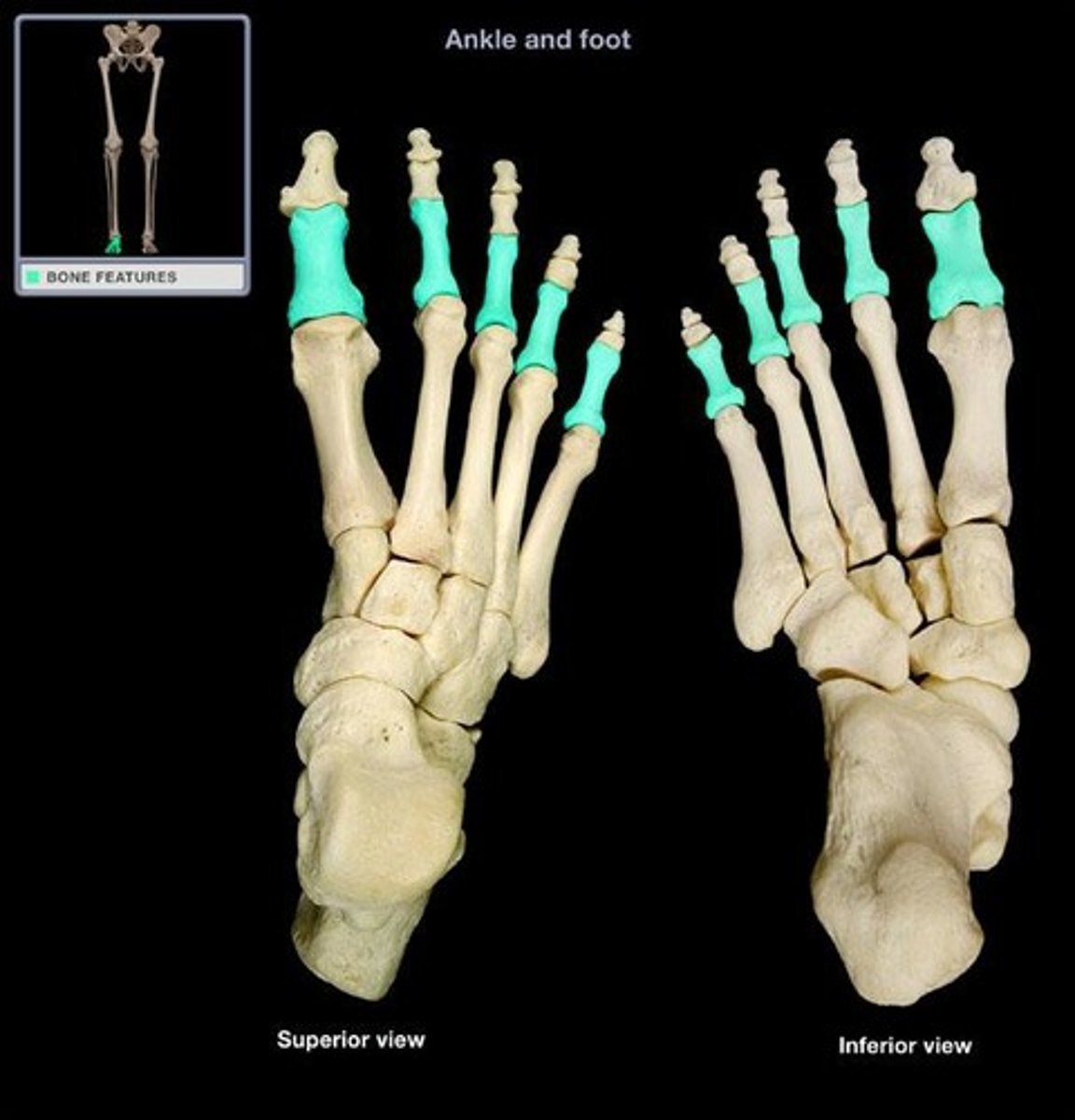
proximal phalanges
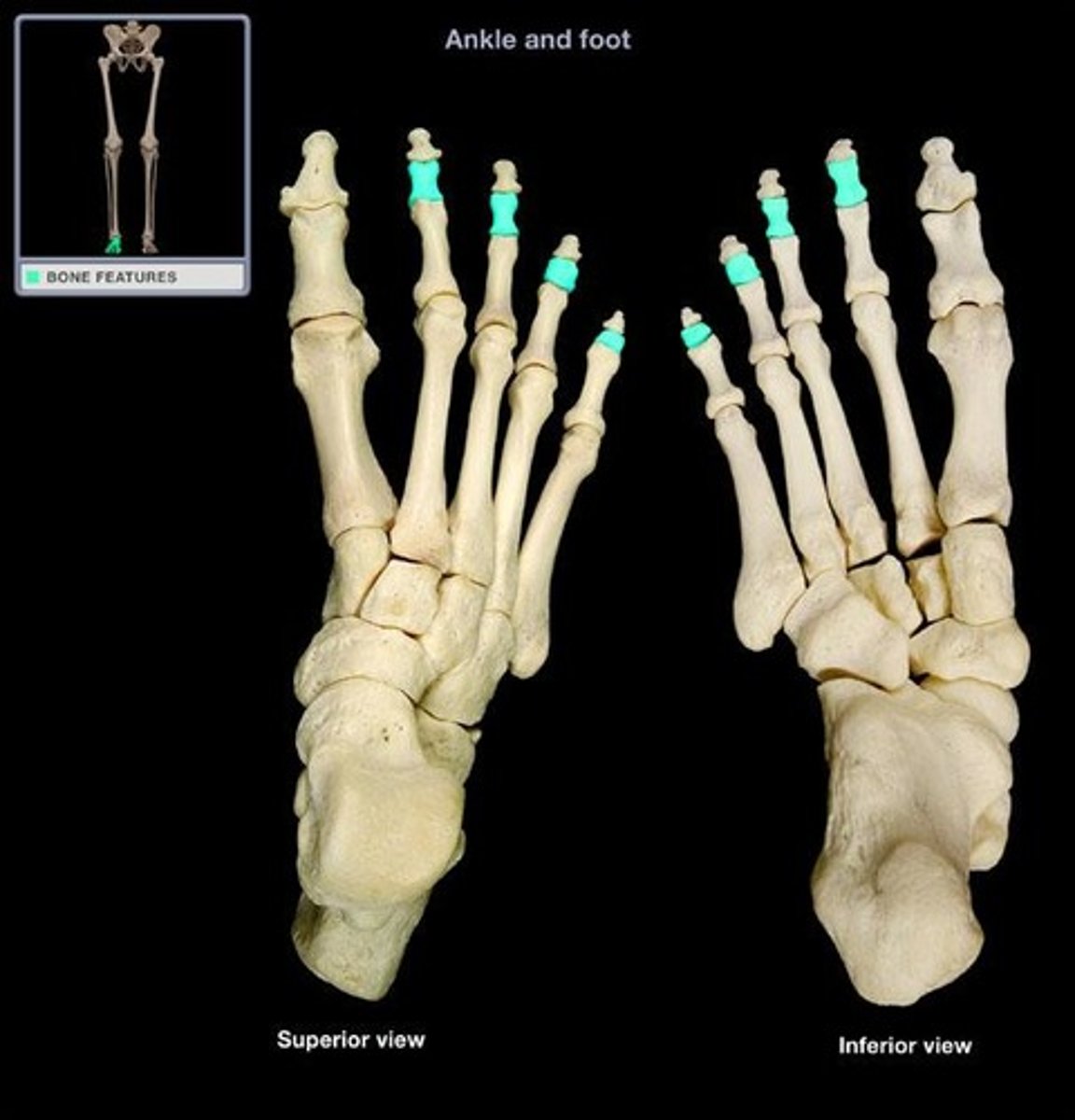
middle phalanges
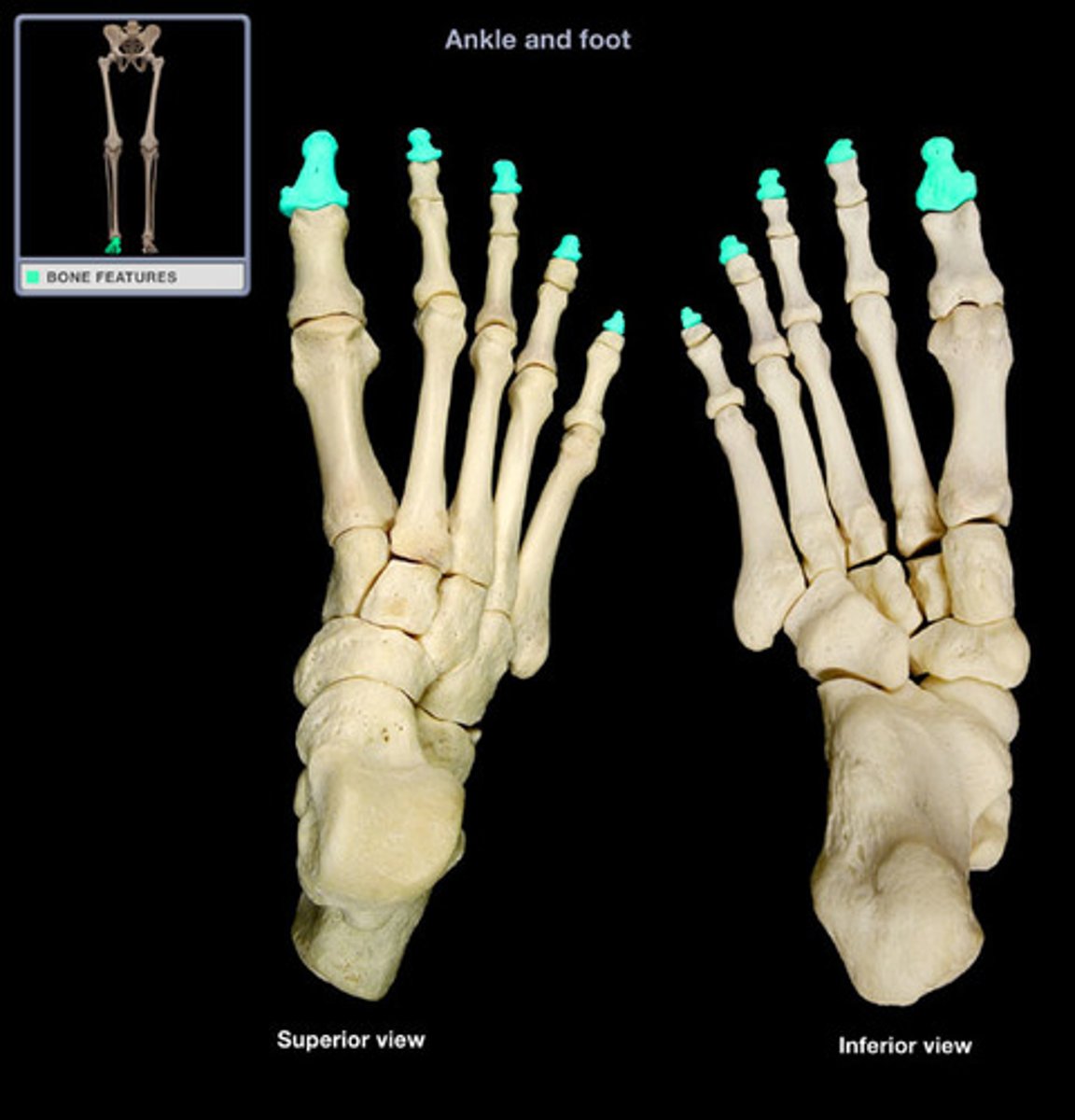
distal phalanges
hip flexors
the hot green, royal blue, and teal all make up
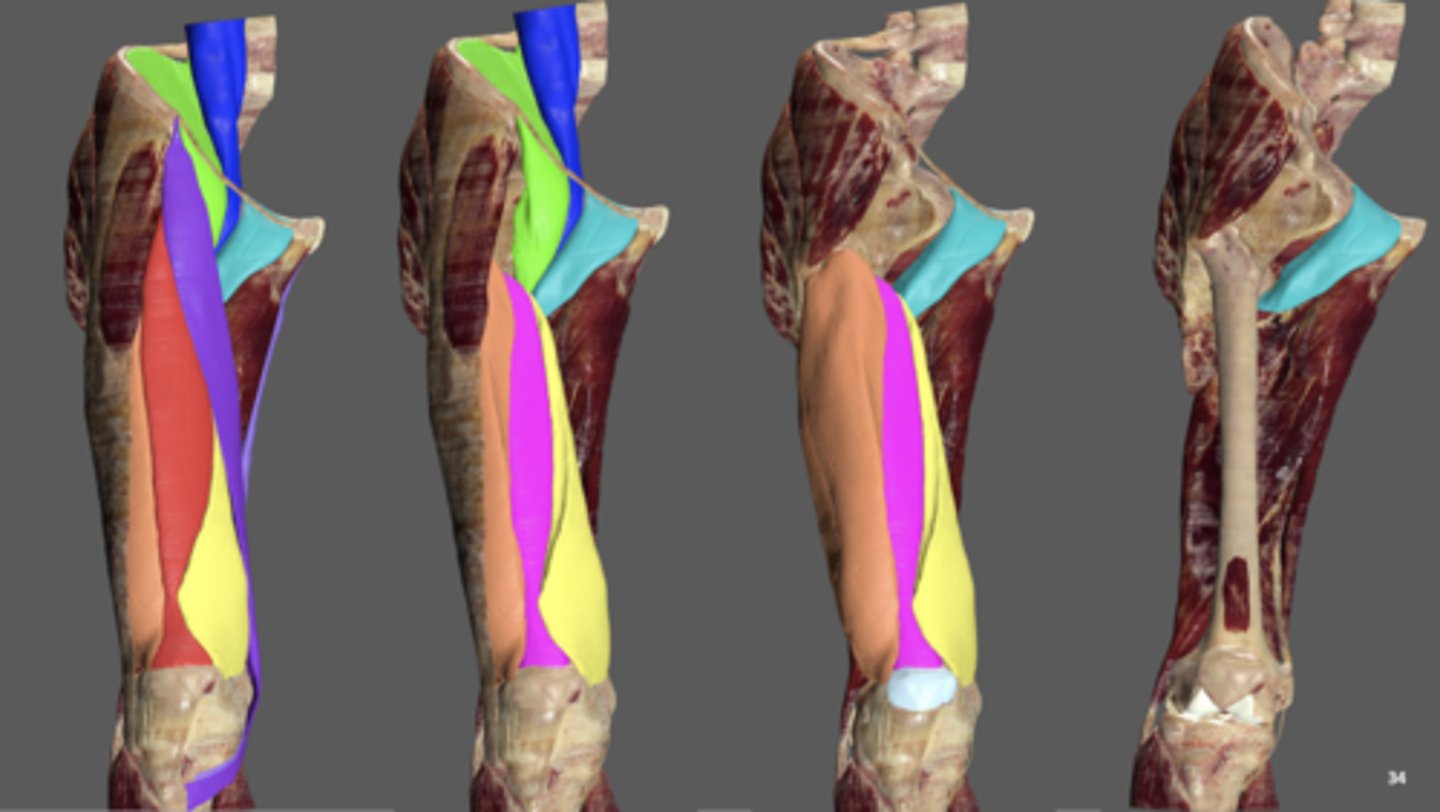
pectineus
light blue
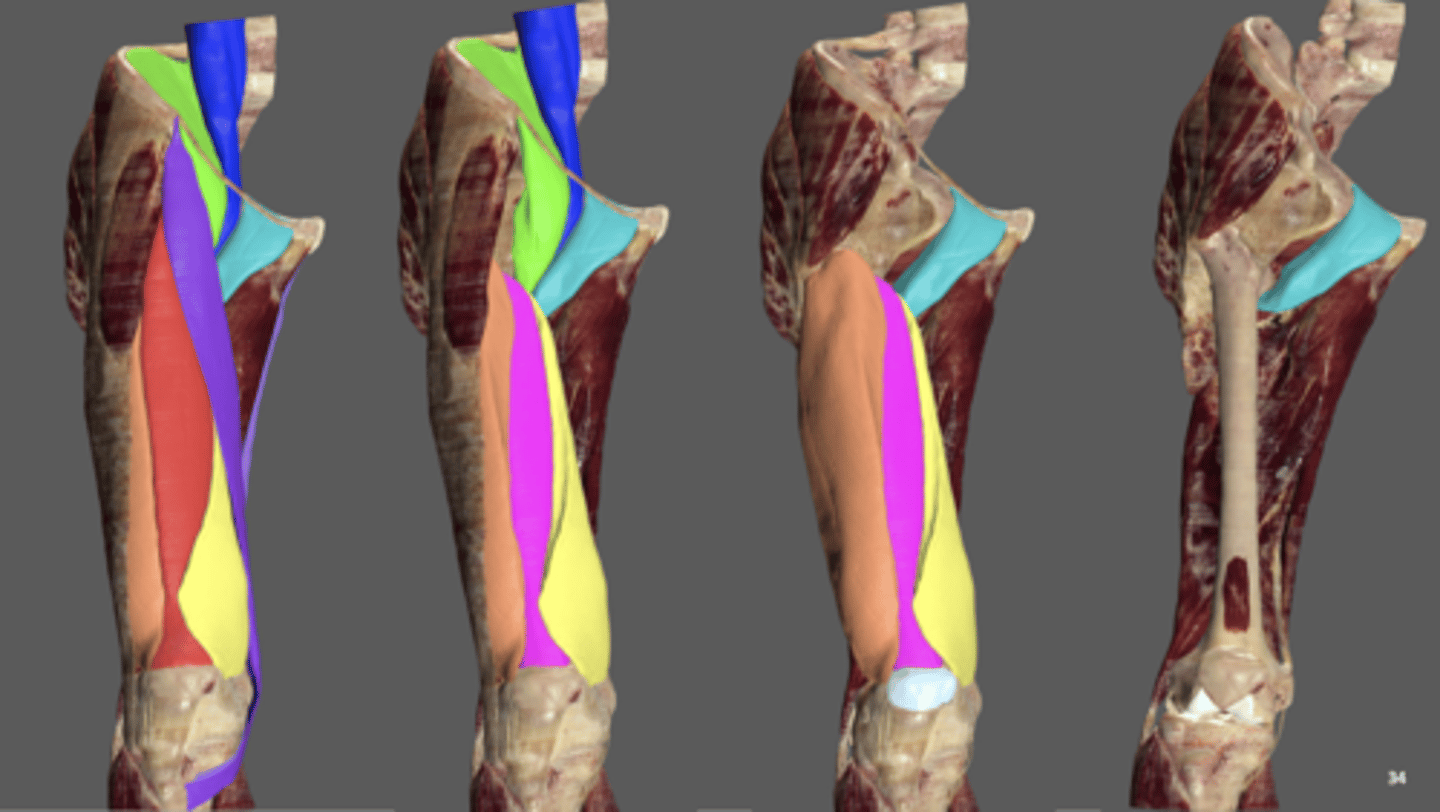
ADDuction and flexion of hip
assists in medial rotation
action of pectineus
femoral and obturator nerve (2 layers, each diff nerves)
innervation of pectineus
iliopsoas
hot green + blue
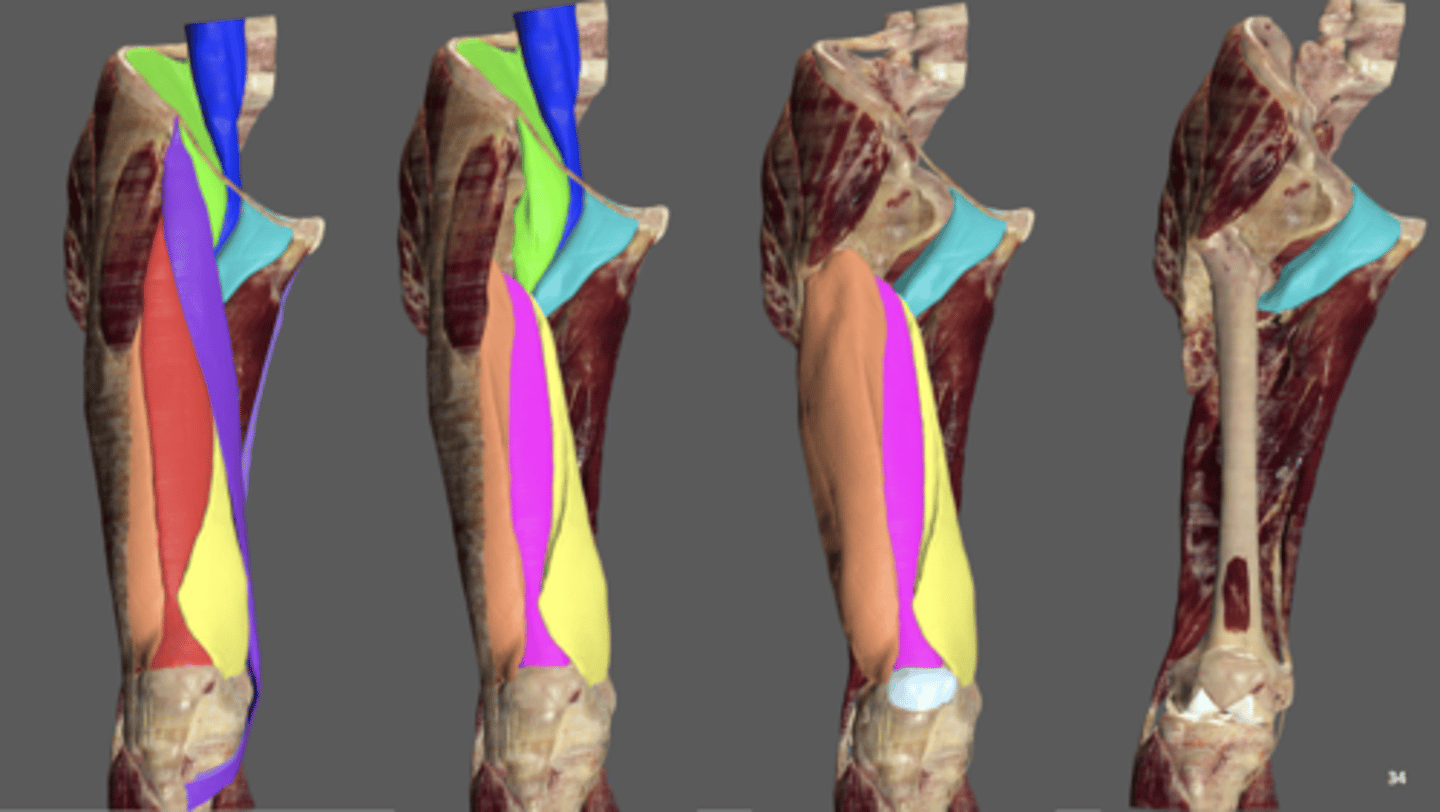
iliacus
hot green
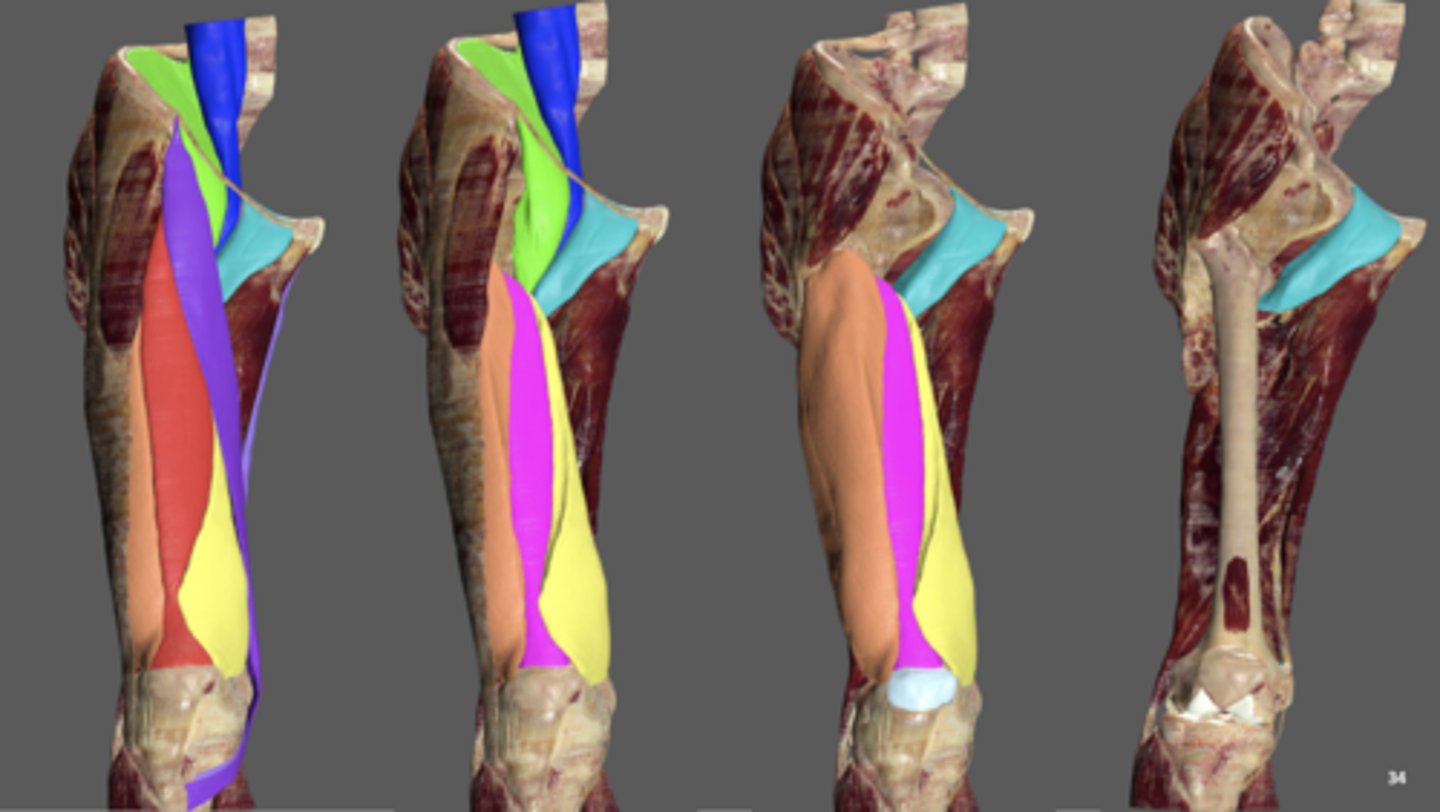
psoas major
royal blue
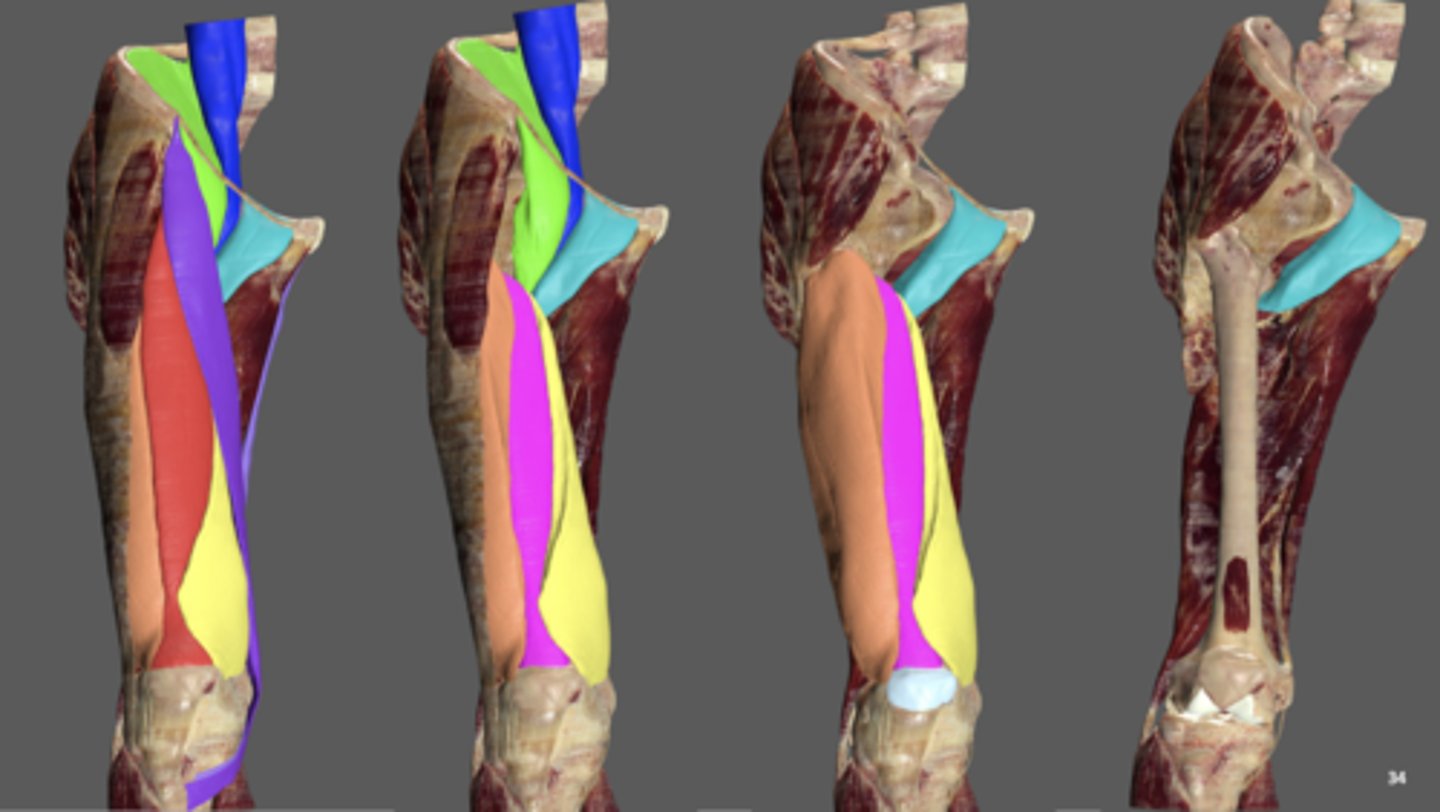
chief hip flexor/most powerful
action of iliopsoas
iliacus: femoral n
psoas major: lumbar plexus
innervation of 2 parts of iliopsoas
sartorius
purple (longest muscle in body)
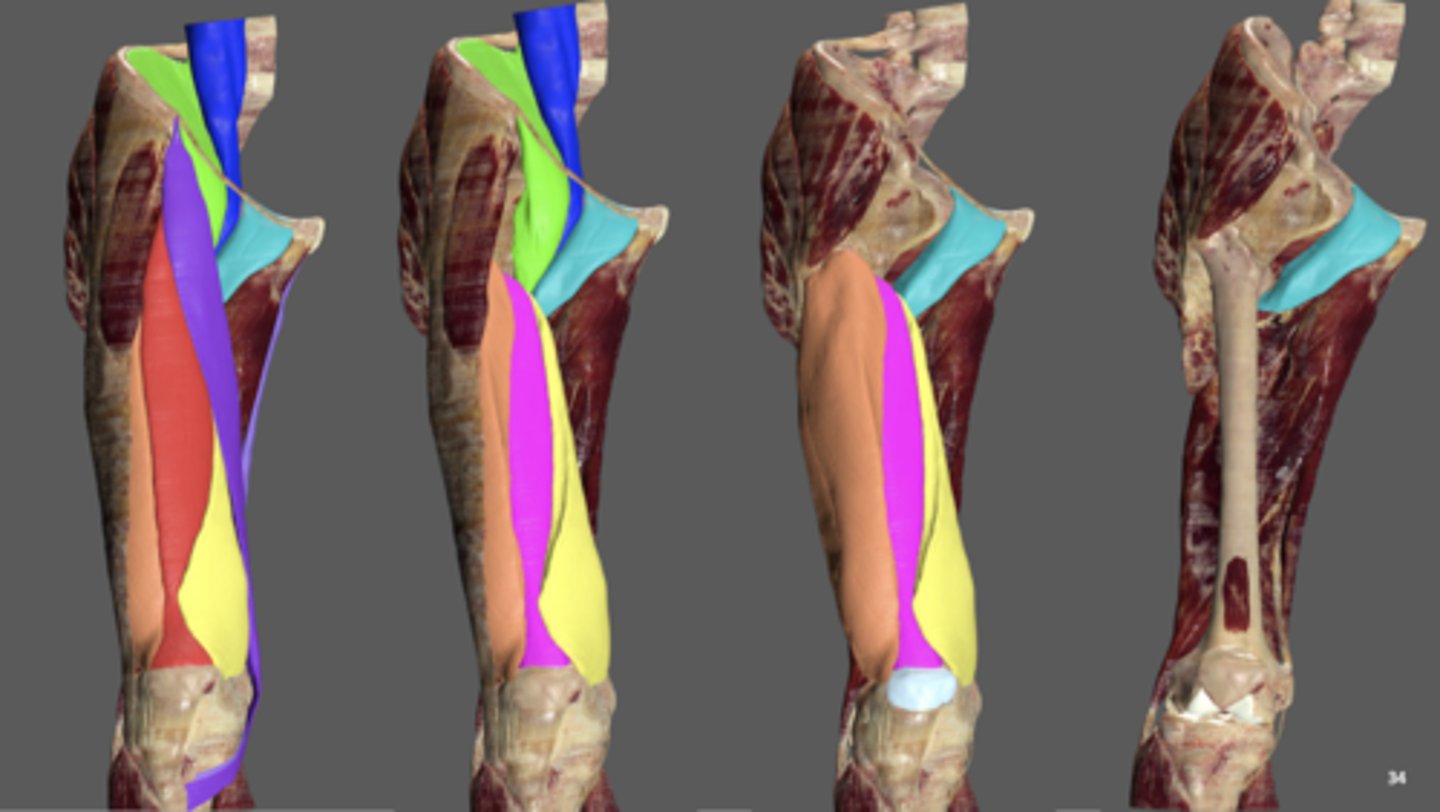
no actions are strong, acts with others HELPER
- flexes hip, flexion of knee
- weakly abducts and laterally rotates
"criss cross applesauce"
action of sartorius
femoral nerve
innervation of sartorius
(knee extensors) quadriceps femoris
orange, red, yellow, and pink are
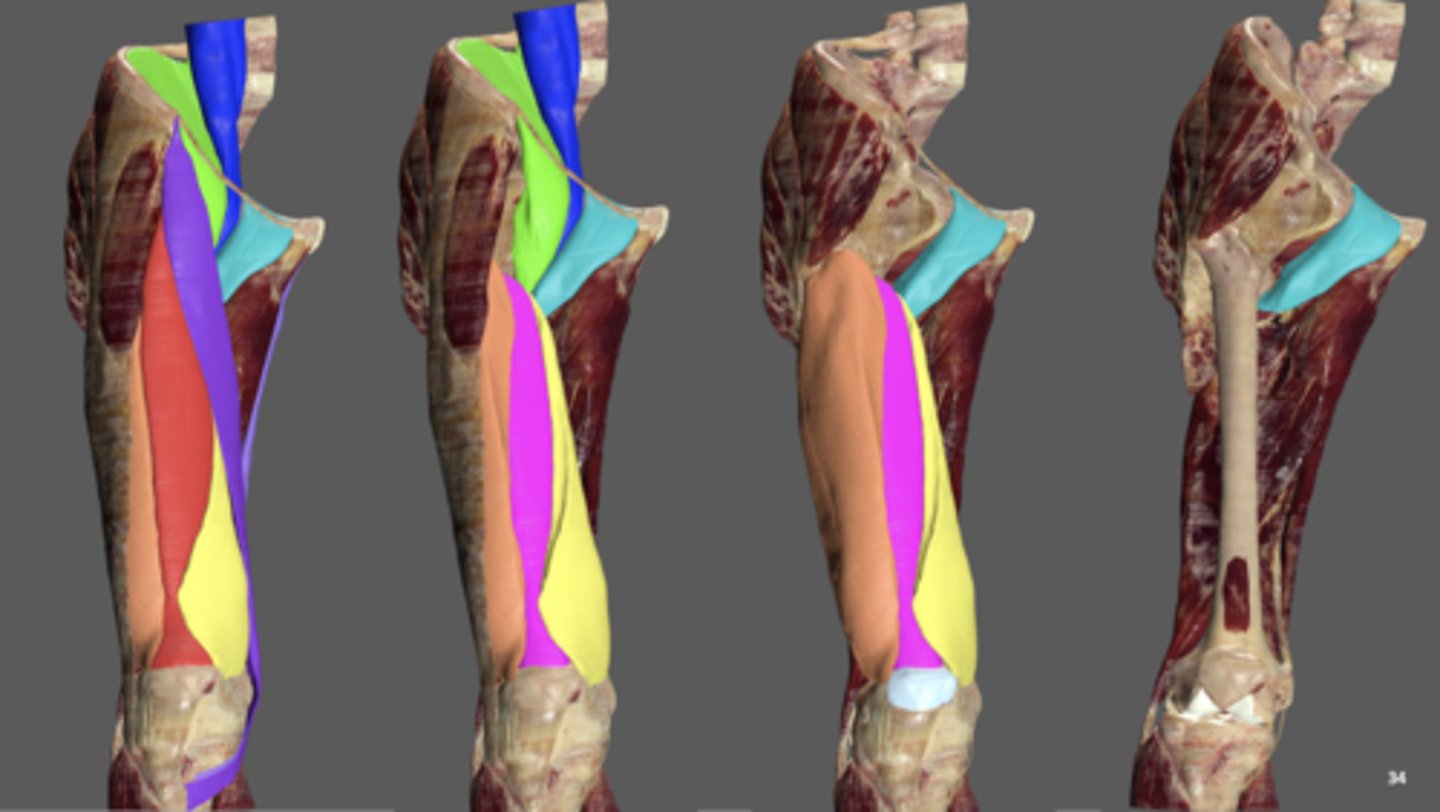
great knee extensor
actions of quadriceps femoris
• RECTUS FEMORIS
• VASTUS LATERALIS
• VASTUS INTERMEDIUS
• VASTUS MEDIALIS
• QUADRICEPS TENDON
• PATELLAR LIGAMENT
4 parts, tendon, and ligament in quadriceps femoris