Muscle List and Function + CHP 9 Notes Lab Exam 3
 Call Kai
 Learn
Learn Practice Test
 Spaced Repetition
 Match
Match Flashcards
 Knowt Play
1/102

There's no tags or description
Looks like no tags are added yet.
Name | Mastery | Learn | Test | Matching | Spaced | Call with Kai | Chat |
|---|
No analytics yet
Send a link to your students to track their progress
103 Terms
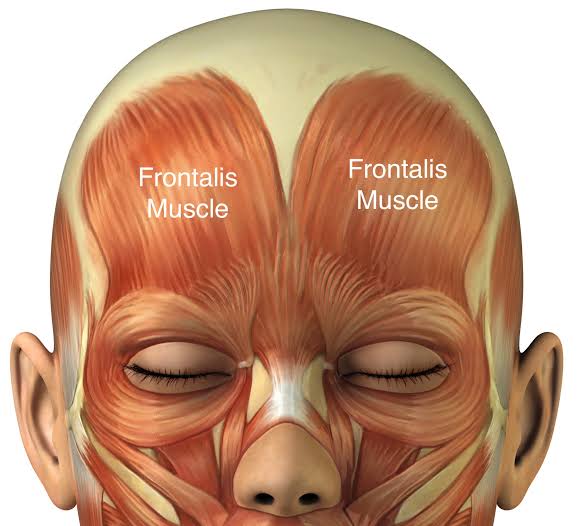
Frontallis Muscle
Function: elevates eyebrows; wrinkles skin on forehead horizontally
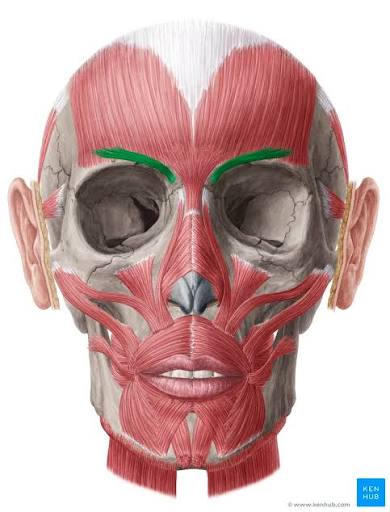
Corrugator supercilii
Function: pulls eyebrows inferiorly and medially(squinting)
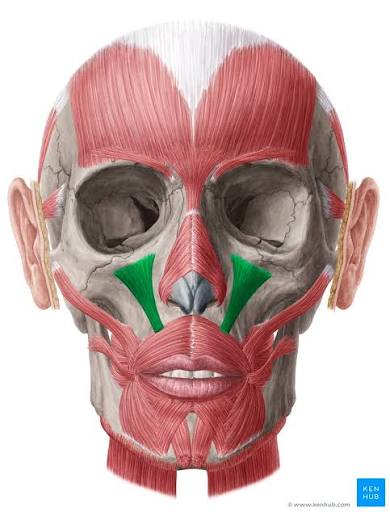
Levator labii superioris muscle
Function: elevates the upper lip; exerts and furrows upper like (sneering)
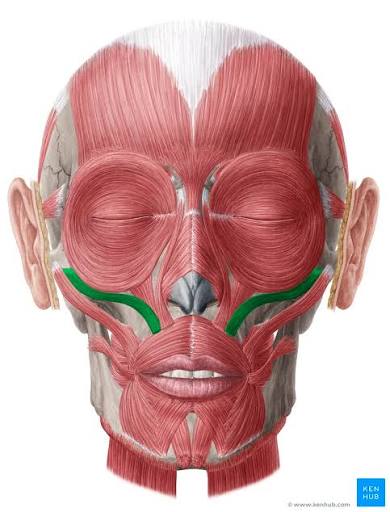
Zygomaticus minor muscle
elevates lateral portion of upper lip (as in smiling)
Zygomaticus major muscle
Function: pulls angle of the mouth superiorly and laterally (as in smiling or laughing)
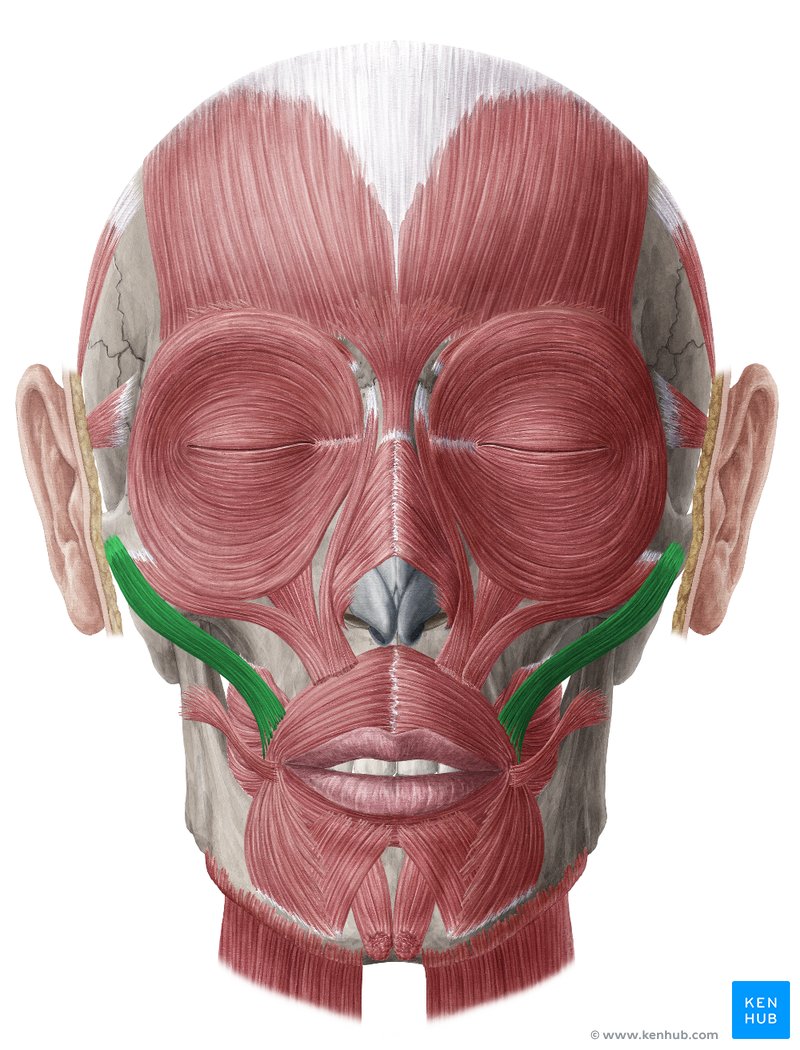
*Risorius
Function: pulls angle of the mouth laterally to make a closed mouth smile or smirk
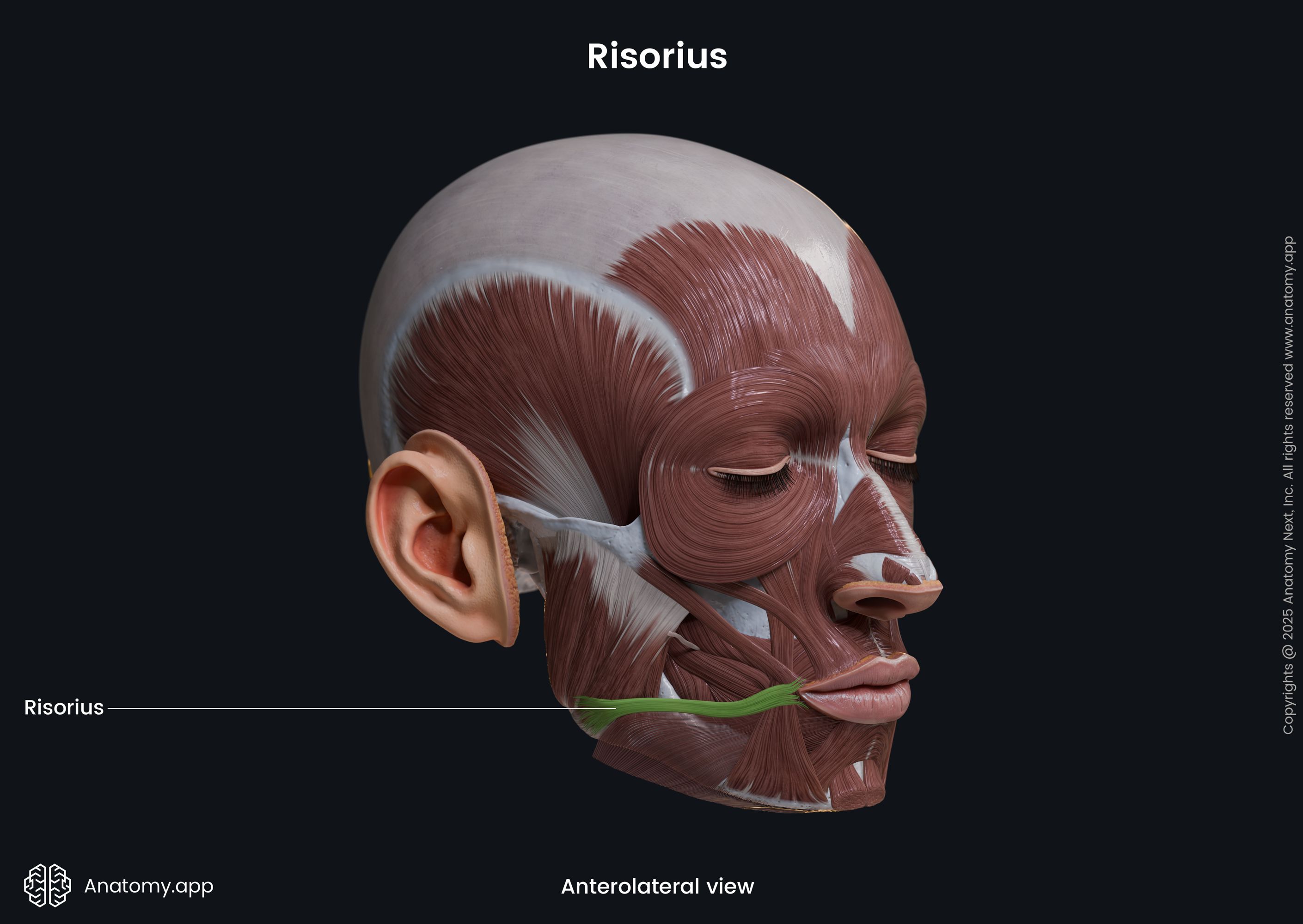
Platysma muscle
depresses lower lip and opens mouth by depressing mandible; tenses skin and neck
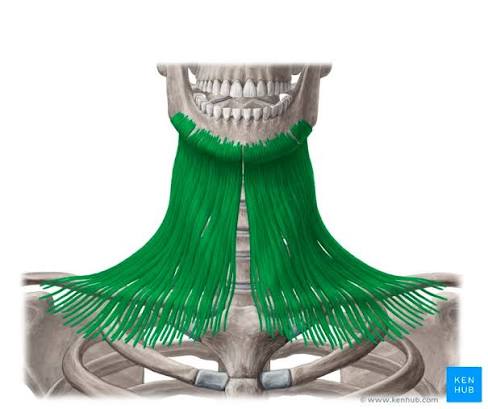
Occipitallis muscle
Function: pulls scalp posteriorly
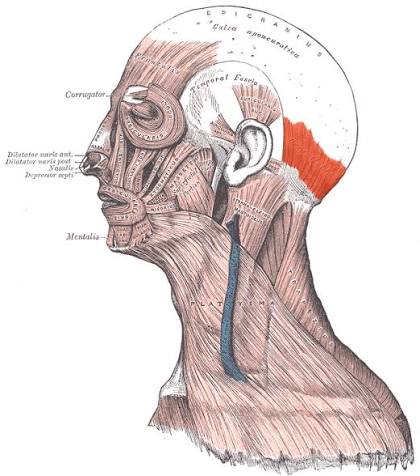
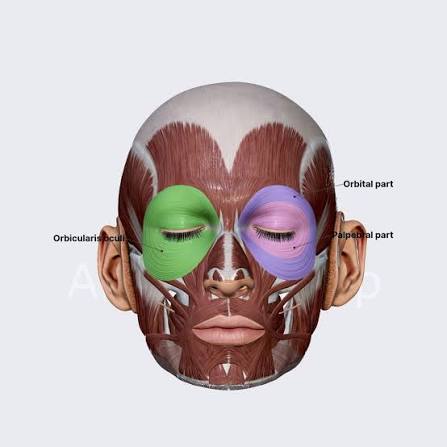
Orbicularis oculi muscle
Function: closes eye: pulls skin around eye (blinking and squinting)
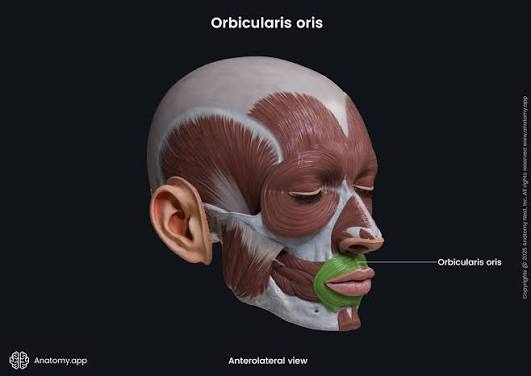
Orbicularis oris muscle
Function: closes and protrudes lips
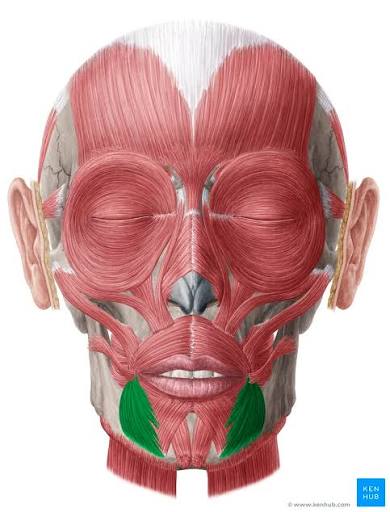
Depressor anguli oris muscle
Function: draws corners of mouth inferiorly (unhappy face)
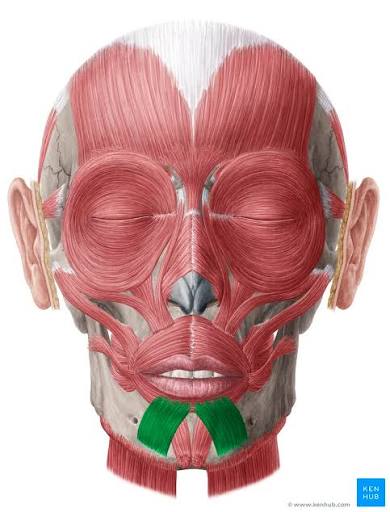
Depressor labii inferioris muscle
Function- protrudes lower lip (sad or pouting expression)
Mentallis muscle
Function: Protrudes lower lip and chin for drinking and “doubtful” look
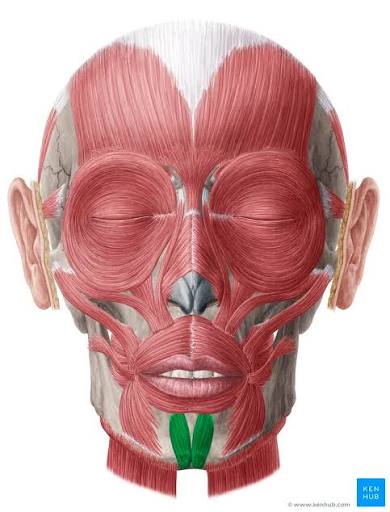
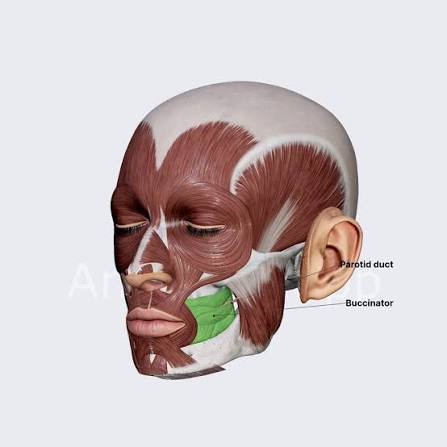
Buccinator muscle
Function: pulls cheeks in; produces sucking movements
Superior rectus muscle
Function: elevates (rotates upward) anterior eye, as in looking up
turns eye medically
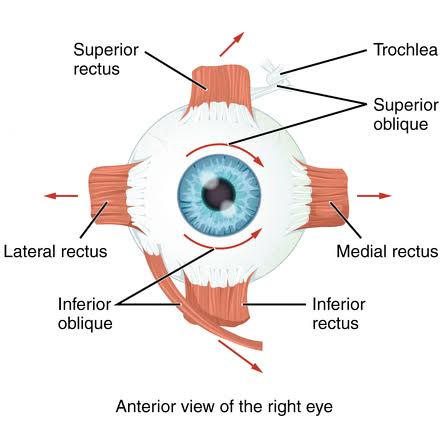
Inferior rectus muscle
Function: depression (rotates downward) anterior eye, as in looking down
Turns eye medially
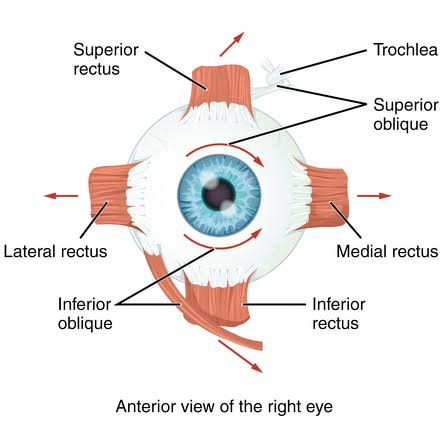
Medial rectus muscle
pulls anterior eye medially, toward the nose
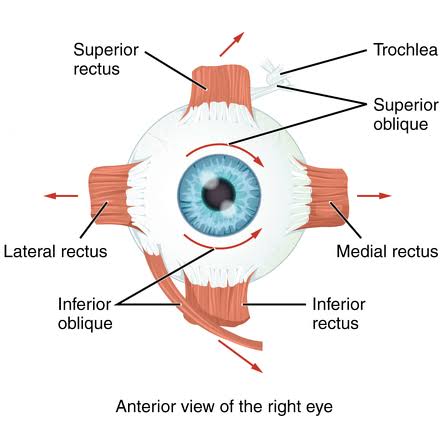
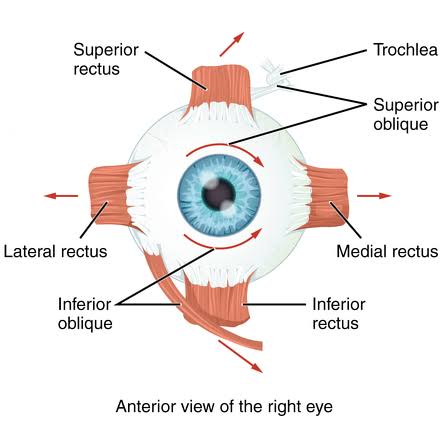
Lateral rectus muscle
Function: pulls anterior eye laterally, as when looking towared the temple
Superior oblique muscle
Function: pulls (and helps rotate) anterior eye. Inferiorly and laterally, as when eye rolls to left and down
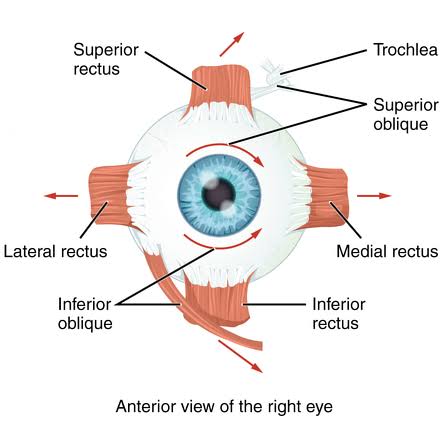
Inferior oblique muscle
Function: pulls( and helps rotate) anterior eye superiorly and laterally, as when left eye rolls to up
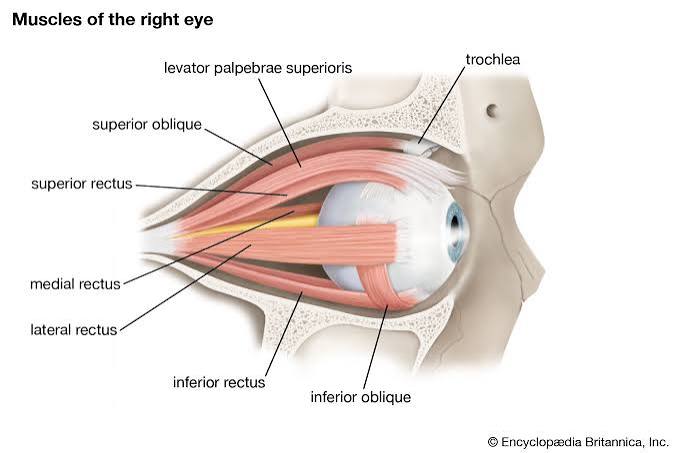
Levator palpebrae superioris muscle
elevates upper eyelid
Temporalis muscle
Function: elevates and retracts the mandible
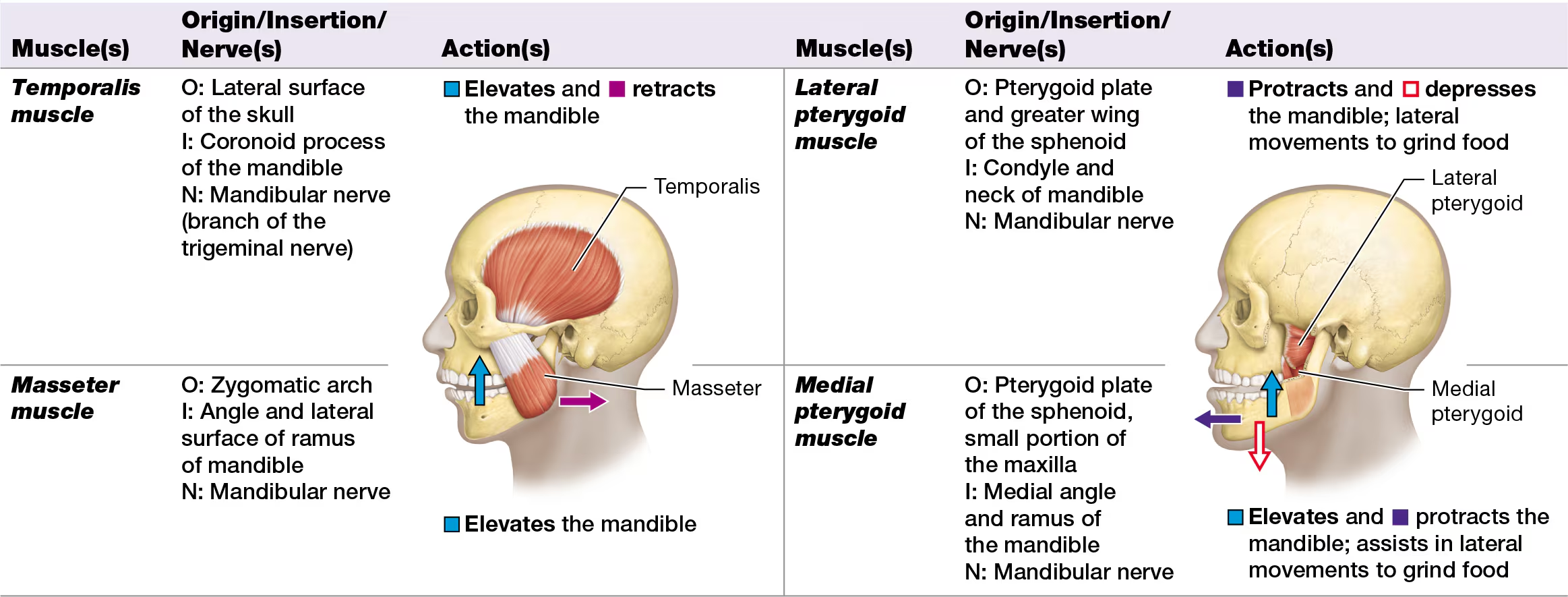
Masseter muscle
Function: elevates the mandible
Digastric
Anterior belly and poster movement.
- one of the muscles of swallowing
the mandible; fixator of the hyoid during swallowing
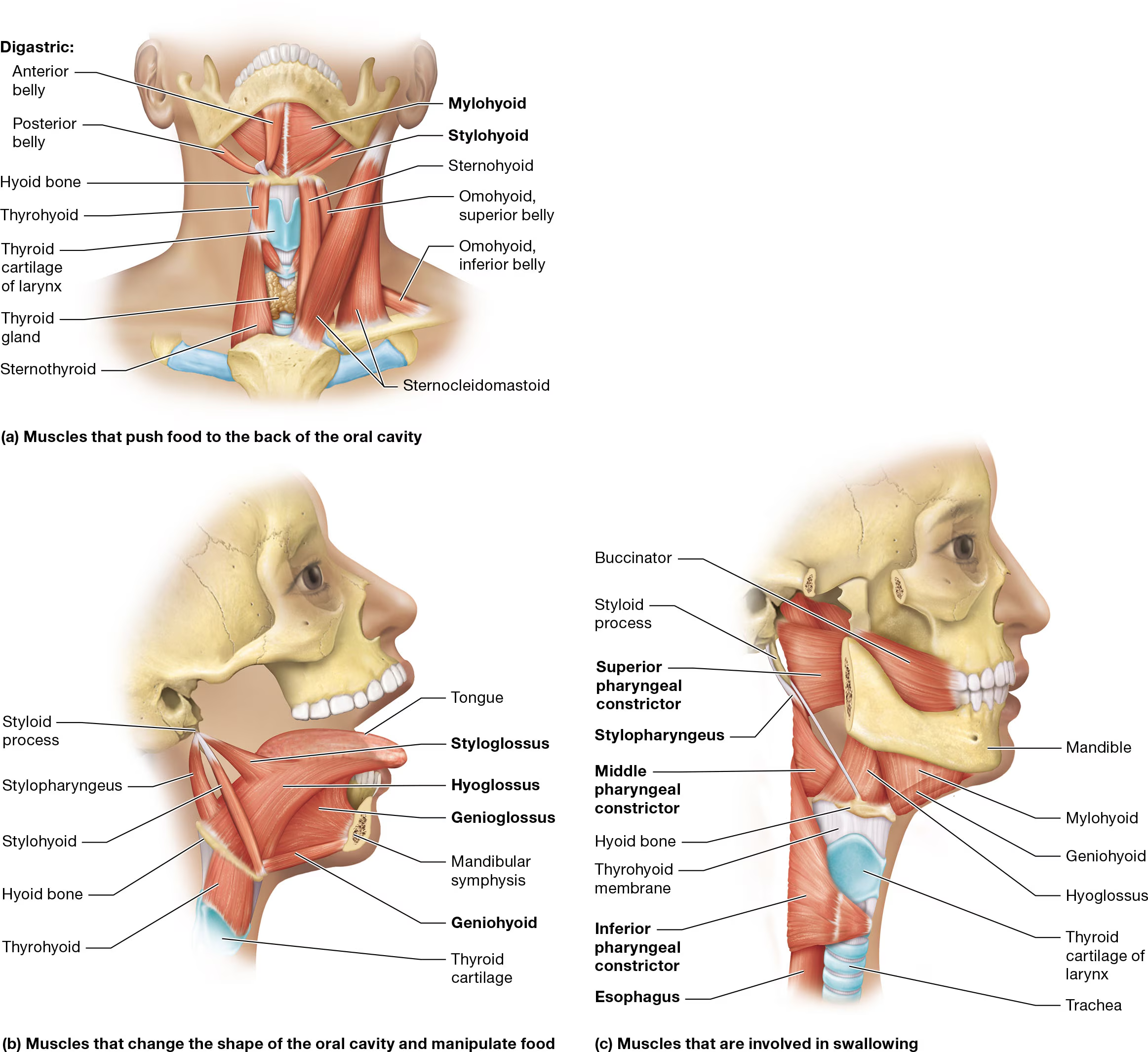
Mylohyoid
involved in swallowing
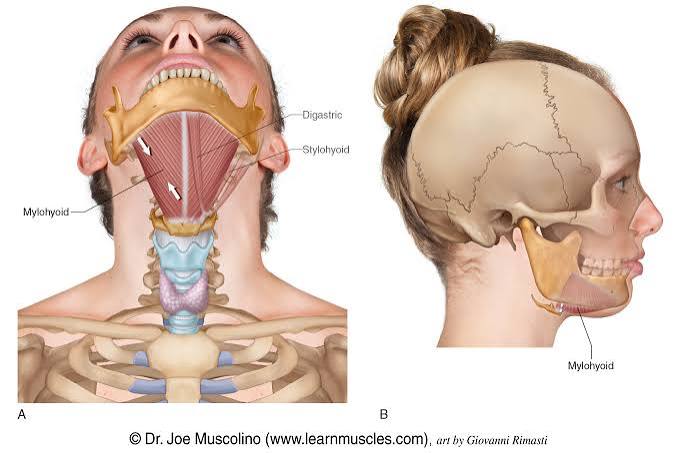
Stylohyoid
involved in swallowing
elevates and retracts the hyoid bone and the floor of the mouth
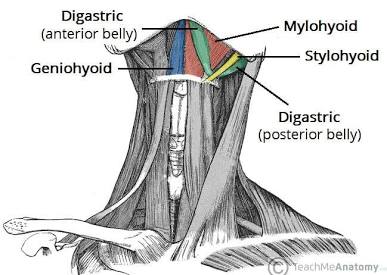
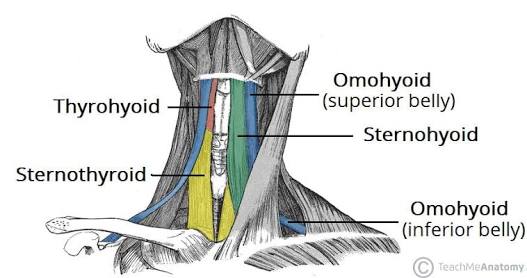
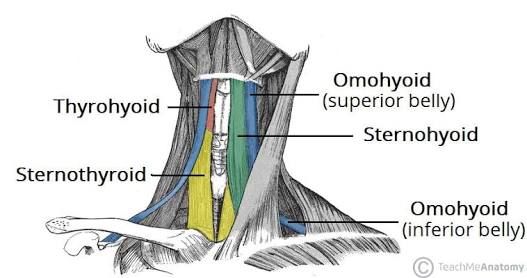
Sternohyoid
depresses hyoid bone and larynx
involved in swallowing
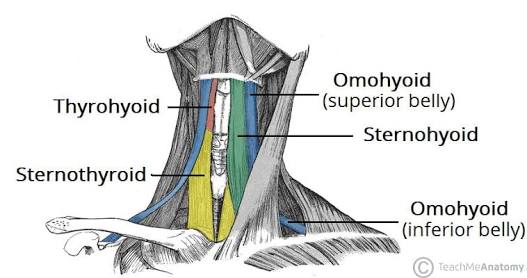
Omohyoid (superior belly)
involved in swallowing
depresses and retracts hyoid bone
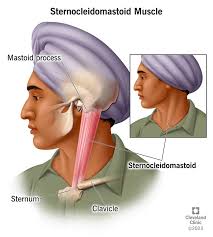
Sternocleidomastoid
flexes head
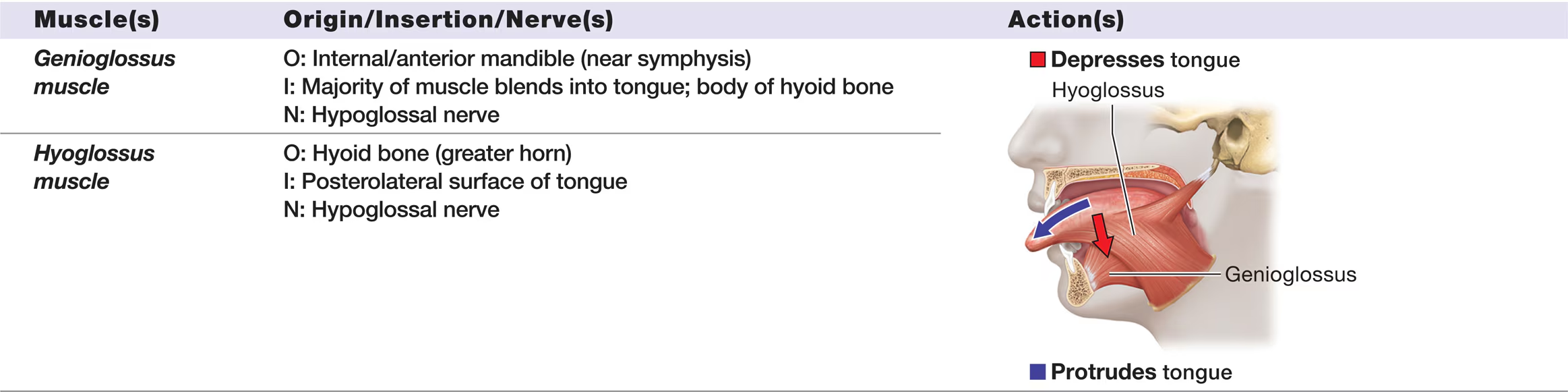
Genioglossus muscle
depressing tongue
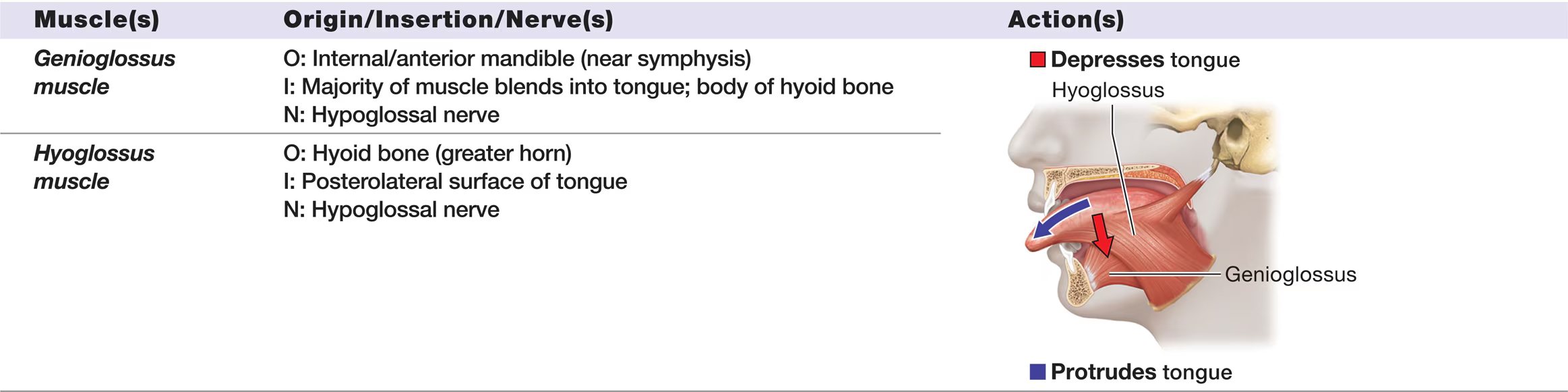
Hyoglossus muscle
protrudes tongue
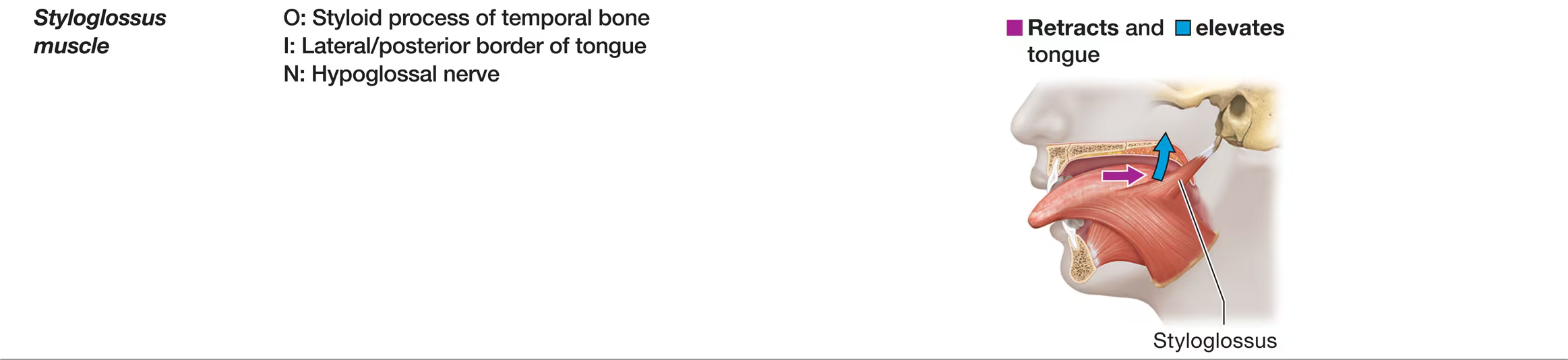
Styloglossus muscle
retracts and elevates tongue
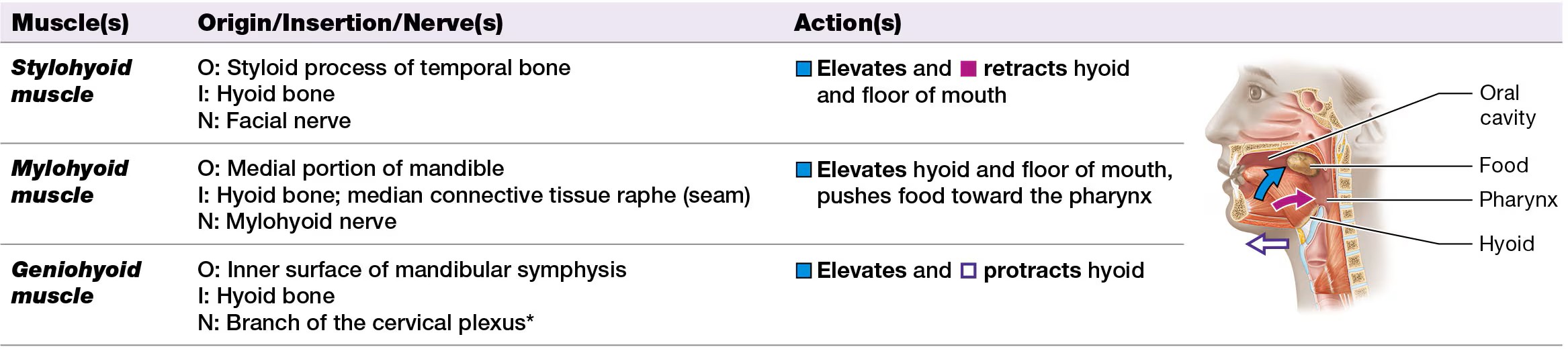
Stylohyoid muscle
elevates and retractes hyoid and floor of mouth
Mylohyoid muscle
Elevates hyoid and floor of mouth, pushes food toward the pharynx
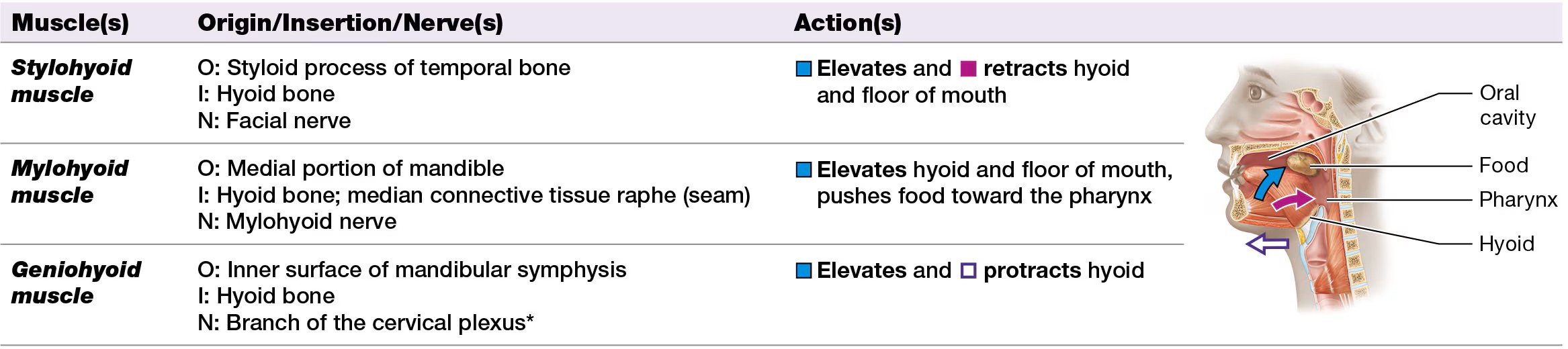
Geniohyoid
elevates and protracts hyoid
Thyrohyoid muscle
depresses hyoid bone- may elevate larynx
Superior, middle, and inferior pharyngeal constructor muscles
stepwise contraciton squeezes food from top to bottom of pharynx into esophagus

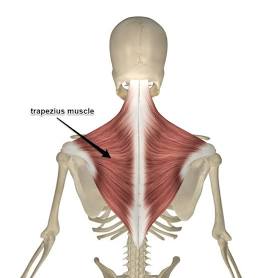
Trapezius muscle
-extends head from bowed position
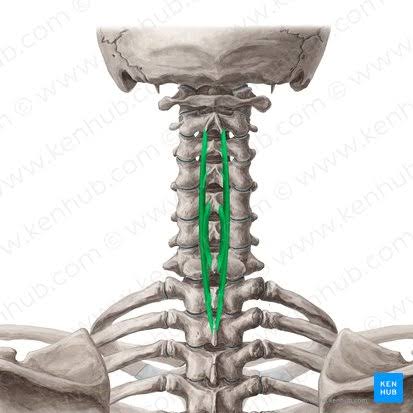
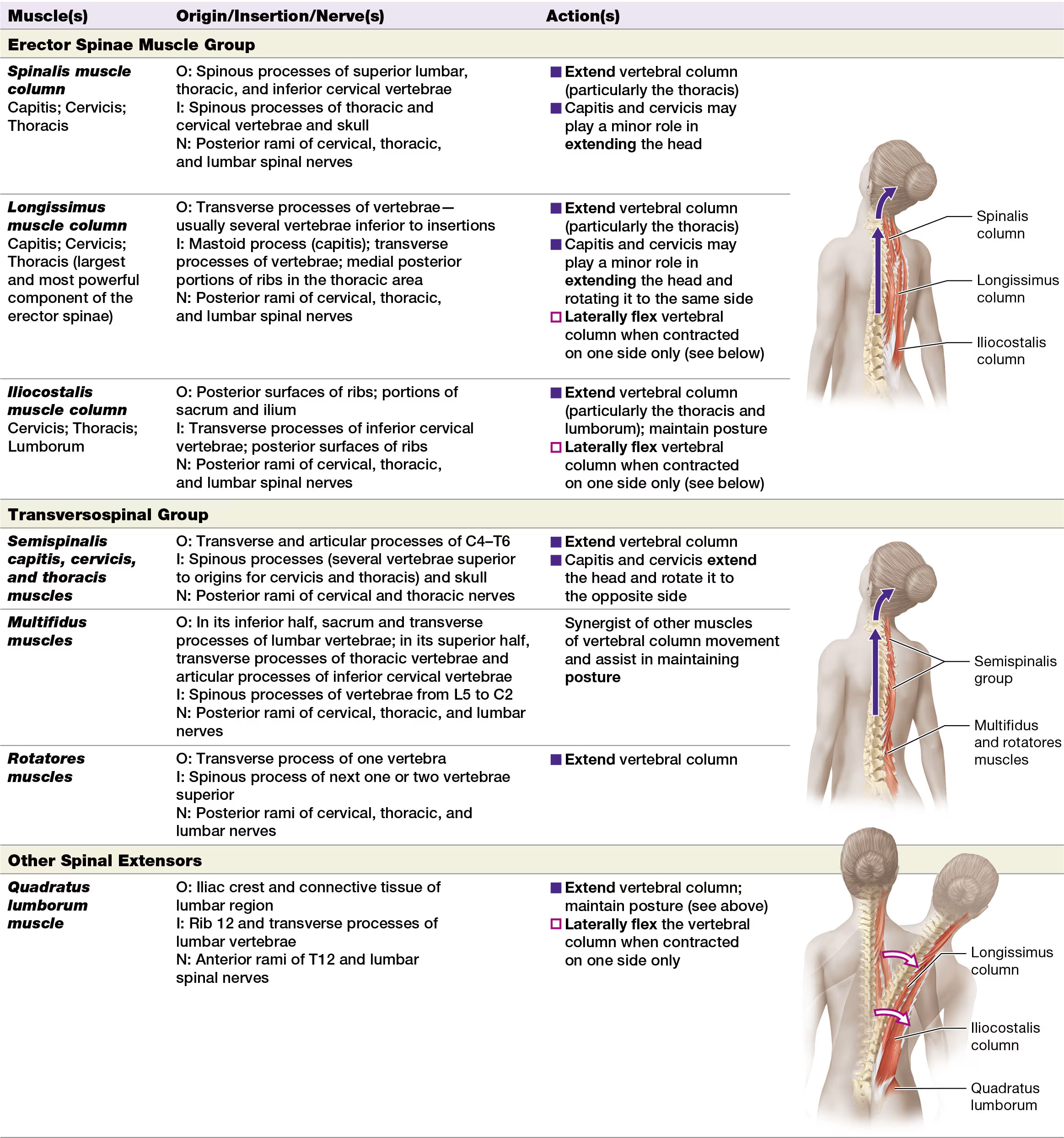
Spinalis muscle column
extend vertebral column
Longissimus muscle column
extend vertebral column, laterally flex vertebral column when contracted to one side only
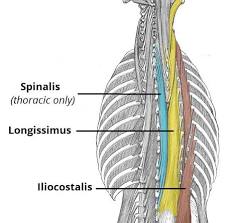
Illocostalis muscle column
extend vertebral column
laterally flex vertebral column when contracted to one side only
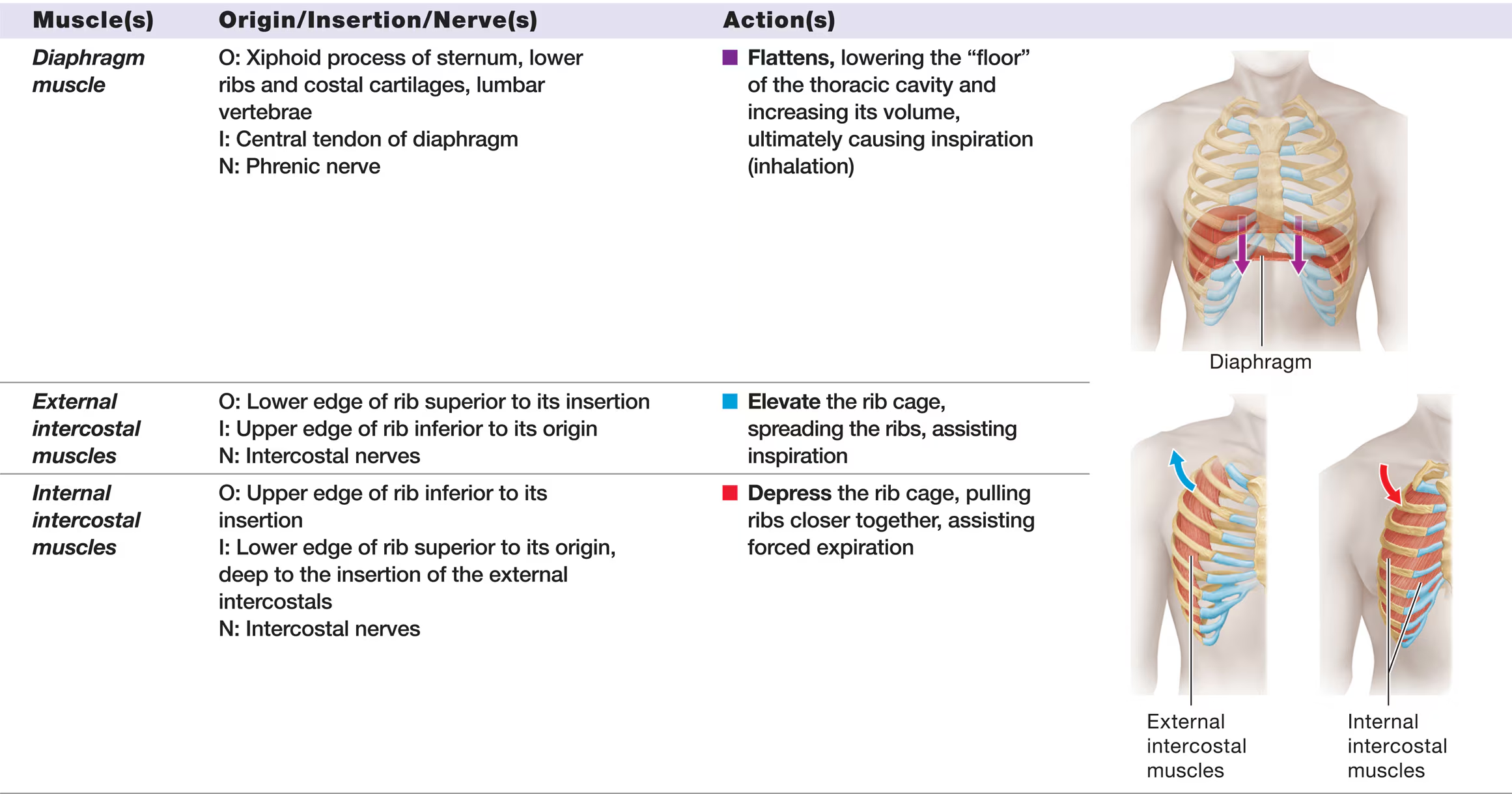
Diaphragm muscle
dome shaped. main muscle of ventilation
External and internal intercostal muscles
function in ventilation
between ribs
elevate rib cage
depress the rib cage pull ribs ogether assisting forced expiration
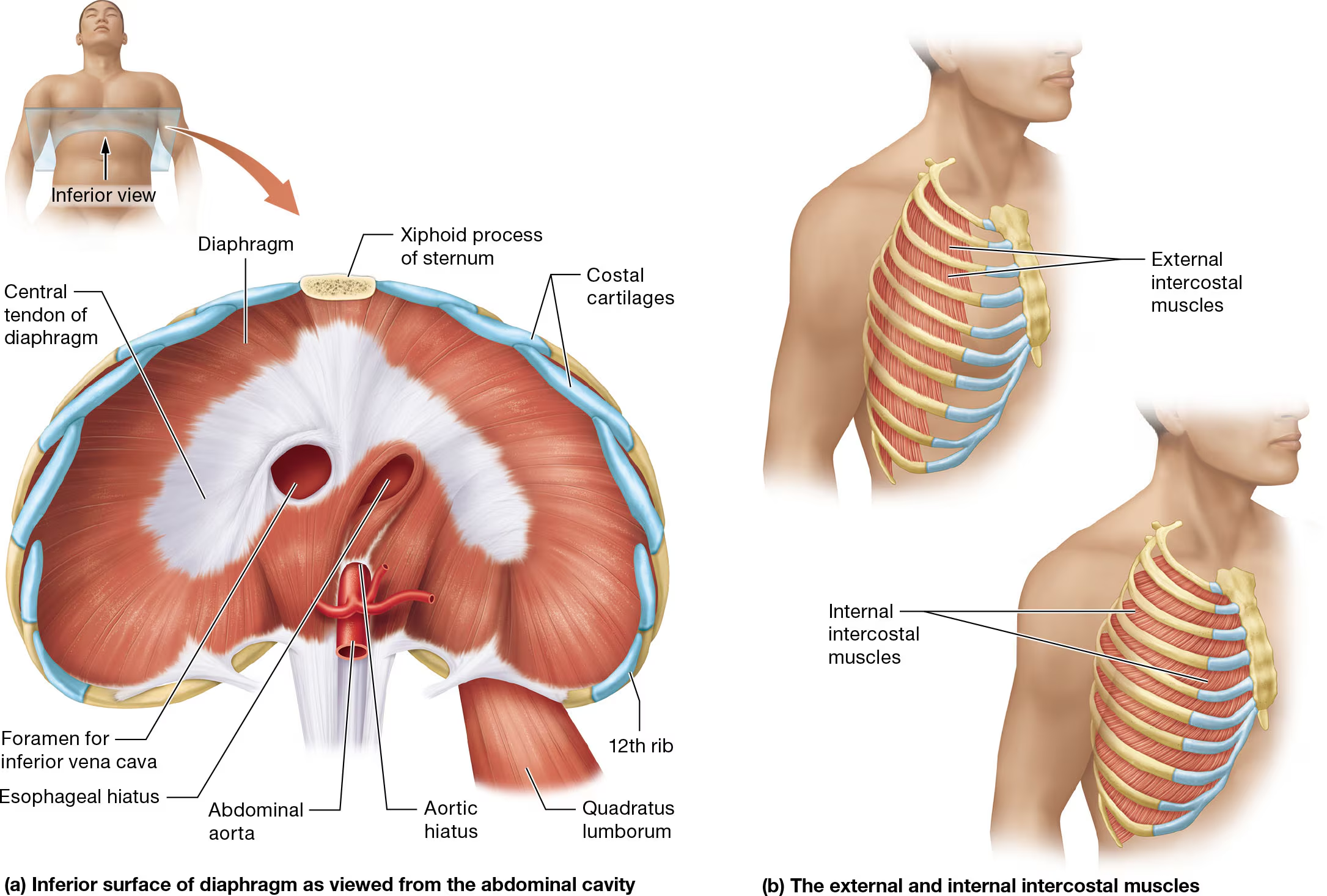
Diaphragm anatomy bonus question
Rectus abdominis muscle (6 pack abs)
flexes the trunk
rectus sheath
encloses the rectus abdominis. formed by fibers of the other abdominal muscles.
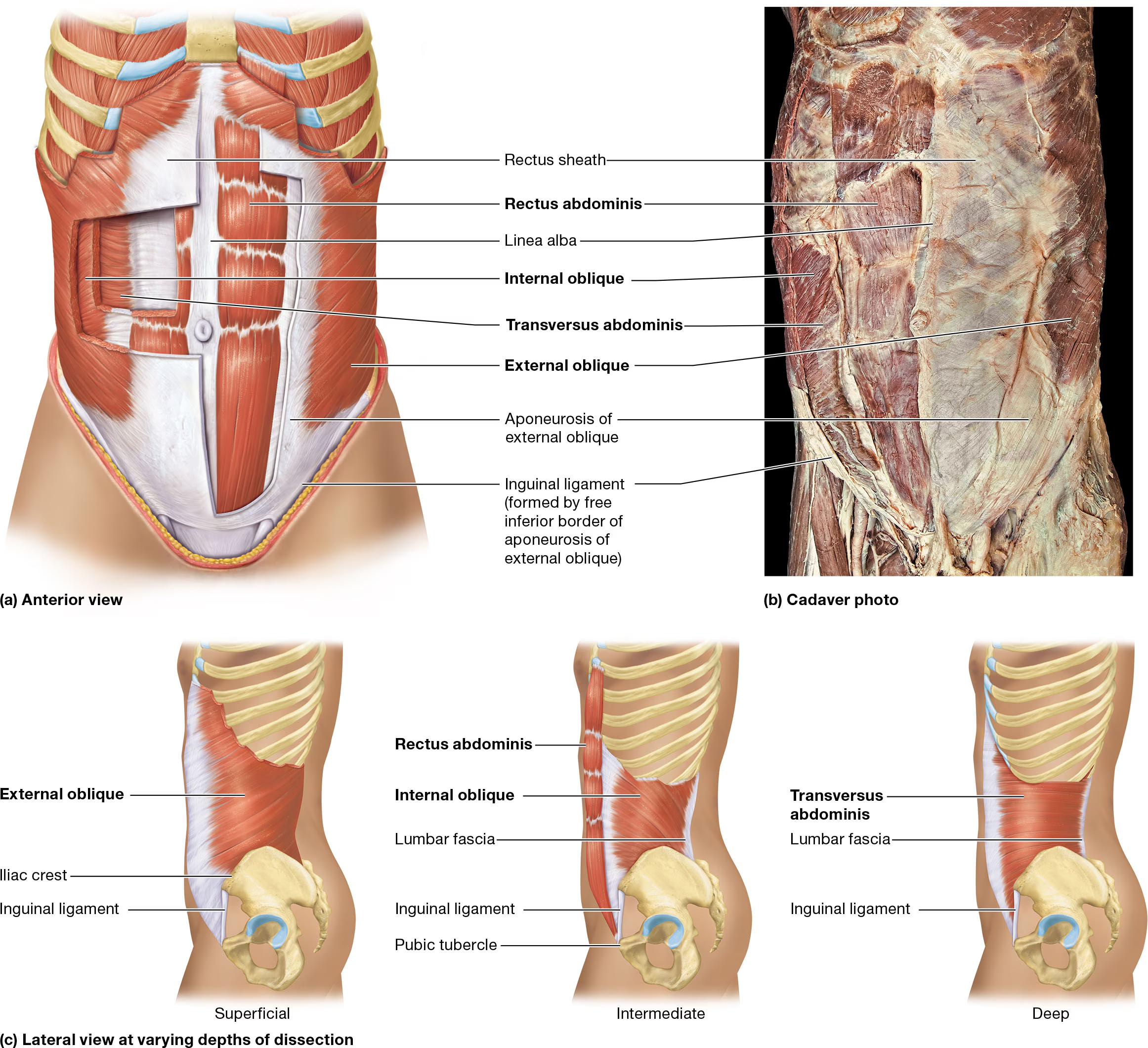
linea alba
midline of the rectus sheath
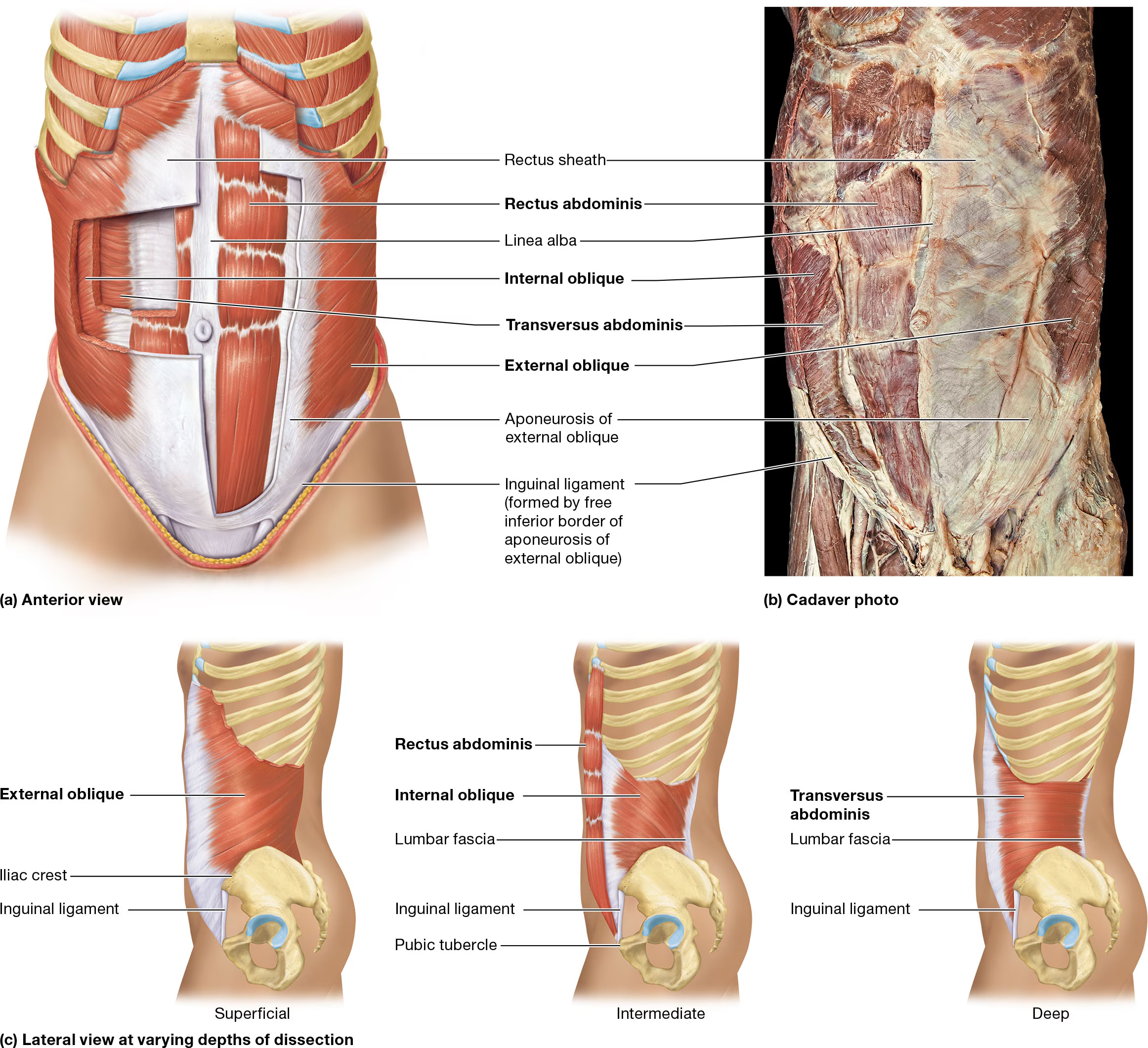
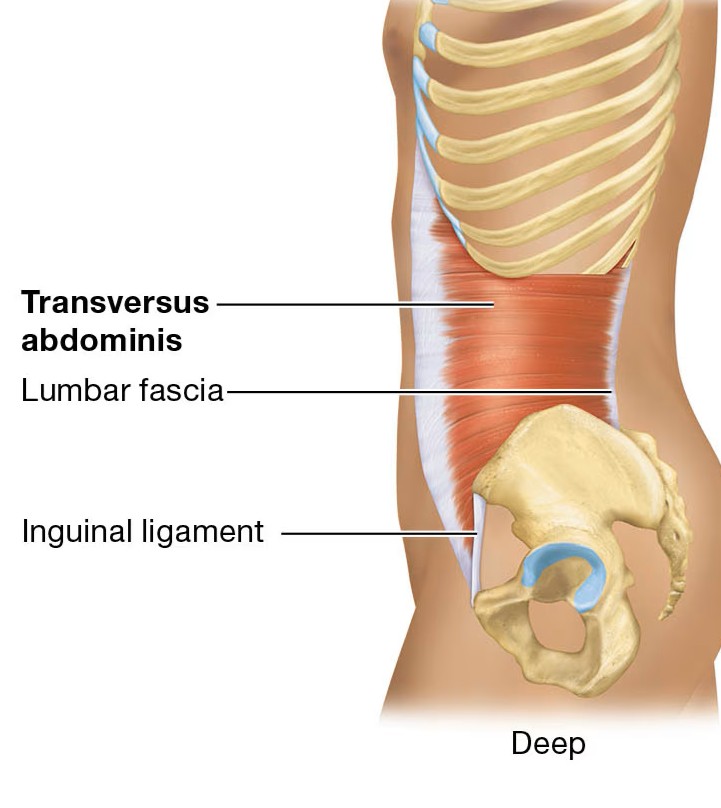
Transversus abdominis muscle
deepest muscle of the abdomen
fibers run horizontal
compress abdominal cavity; urination, defecation, and child birth
external oblique muscle
fibers run at an angle
internal oblique muscle
deep to the external oblique muscles
opposite direction of fibers
rotate and flex trunk laterally
What are the three bones that make up the pelvis?
ilium, ischium, and pubis
Which organs are found in the pelvic body?
urinary bladder, urethra, colon, rectum and anal canal, reproductive organs
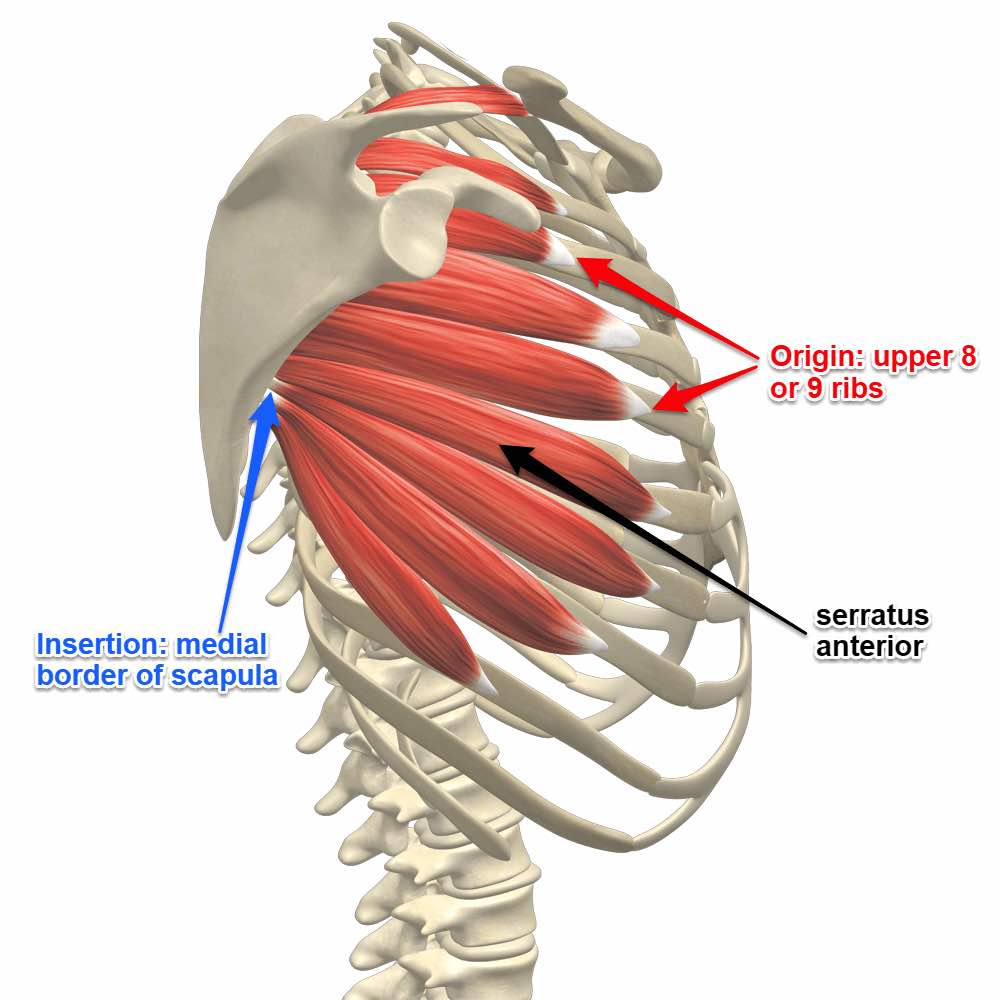
Serratus anterior muscle
helps protract the scapula
very powerful “boxer’s muscle”
rotates scapula superiorly
Pectoralis minor muscle
assists with scapular protraction
deep to the pectoralis major muscle
originates from the third through fifth ribs and inserts into the coracoid process of the scapula
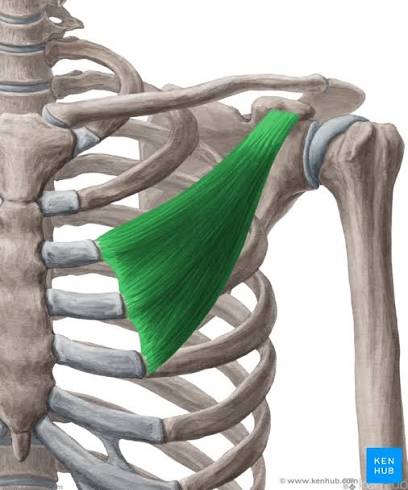
Pectoralis major muscle
agonist of arm flexion
adducts and flexes the numerus with coracobrachialis muscle
flexes and adducts the arm
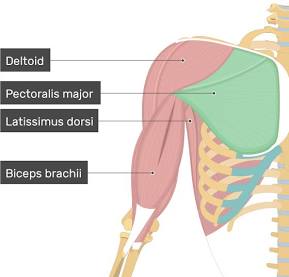
deltoid muscle
found mass at shoulder
abducts the arm
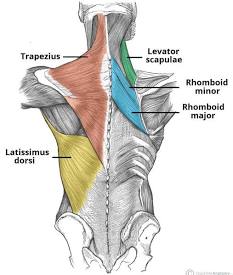
latissimus dorsi muscle
allows to extend, aduct, and internally rotate the arm
assisted by teres major muscle
Teres major muscle
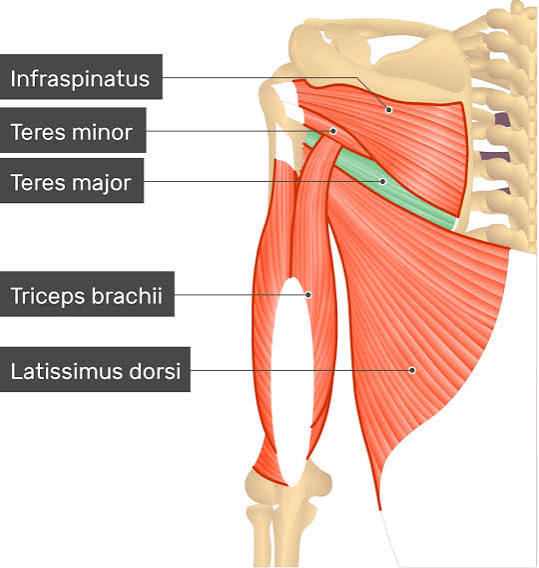
Which four muscle are within the rotator cuff muscles?
teres minor muscle (superior to teres major)
- supraspinatus muscle )superior to the scapular spine)
- infrespinatus muscle (inferior to scapular spine)
subscapularis muscle )anterior surace of the scapula)
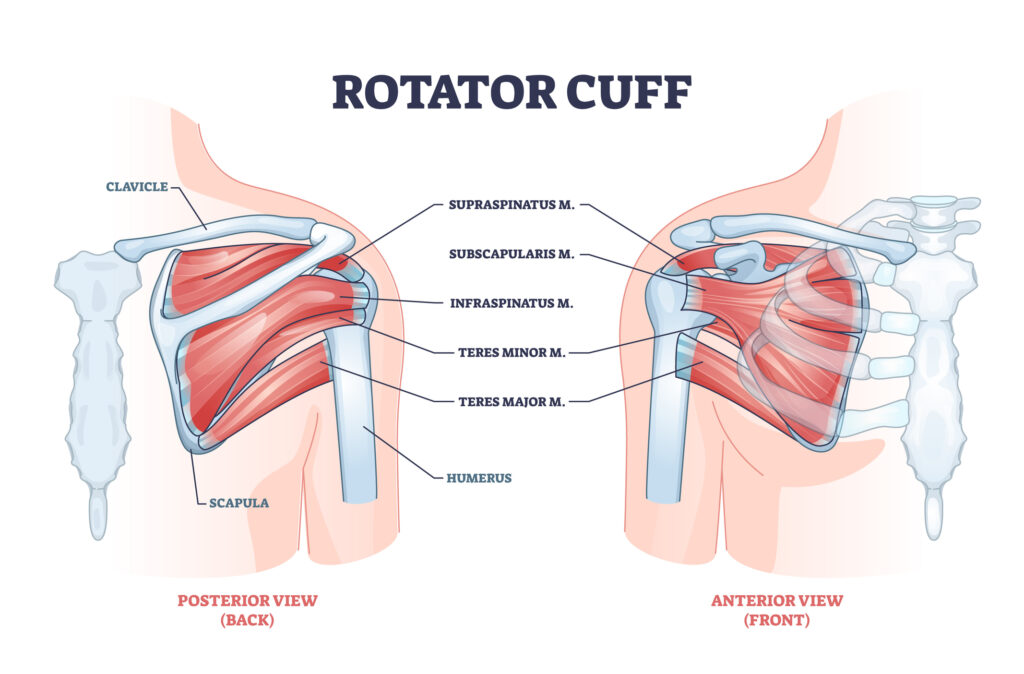
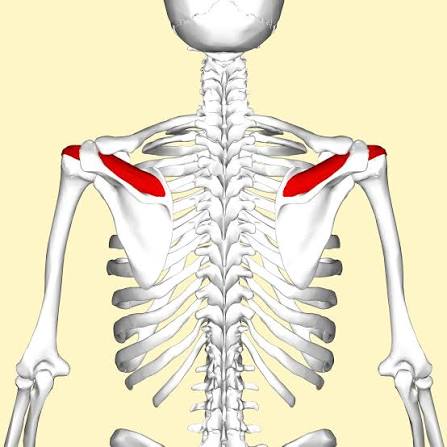
example of a muscle abducts the arm?
supraspinatus muscle
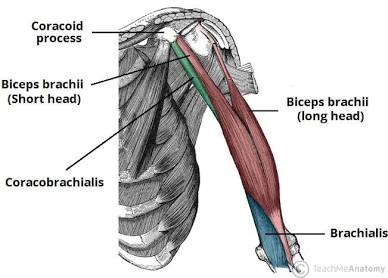
Biceps brachii muscle
largest muscle on the anterior arm
flexes the forearm
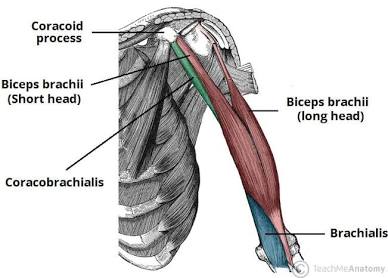
brachialis muscle
agonist of elbow flexion
has greater leverage than the biceps brachii muscle to flex the forearm
brachioradialis muscle
lateral forearm
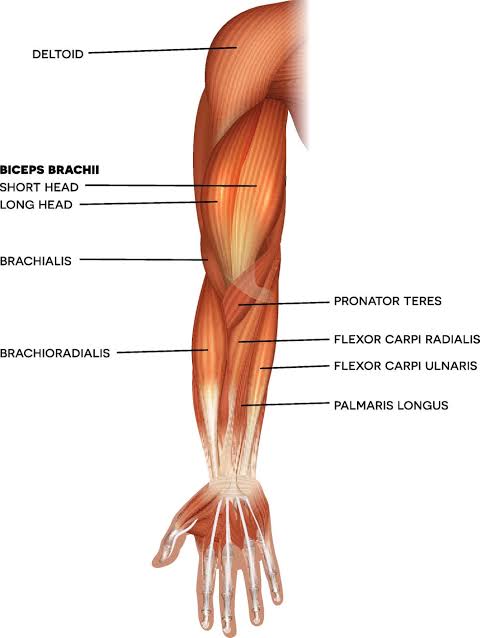
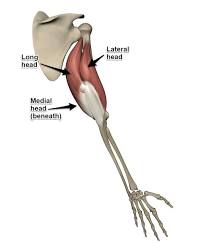
triceps brachii muscle
three heads
forearm supination
extends the forearm
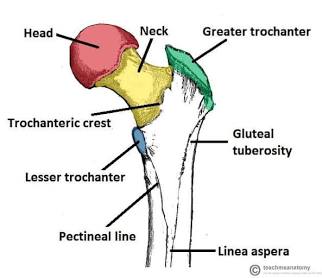
lesser trochanter
medially, inferior to the neck of the femur
iliopsoas muscle
strongest powerful thigh flexors
made from the union of iliacus and psoas major
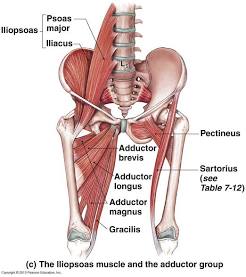
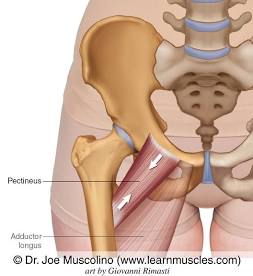
Pectineus muscle
originates on the pubic bone and inserts on the femur
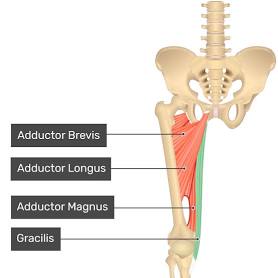
gracilis muscle
originates from the pelvis and inserts into the proximal tibia
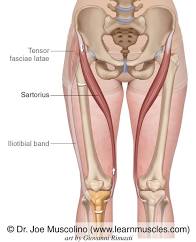
sartorius muscle
moves leg and thigh
origin is the anterior superior iliac spine to its insertiol on the medial tibial condyle
four actions; flexion, abduction, and lateral rotation of the thigh and flexion of the leg
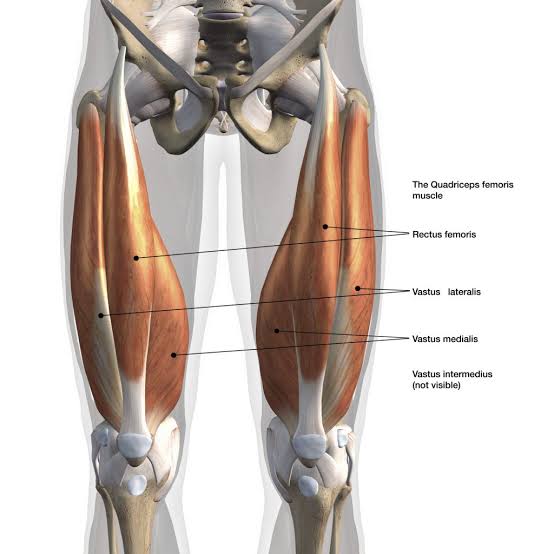
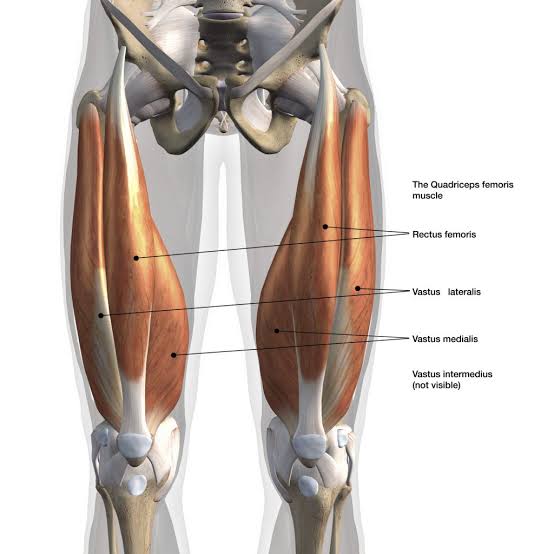
Quadriceps femoris muscle group
four muscles converge on quadriceps tendon
tendon becomes patellar ligament and inserts into the tibial tuberosity
extension of the leg at the knee join
rectus femoris muscle
originates from the hip
additional action of thigh flexion
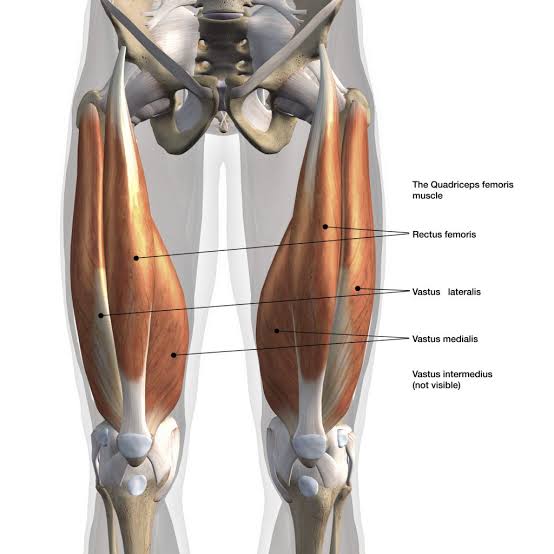
Vastus lateralis
along diaphysis of the femur
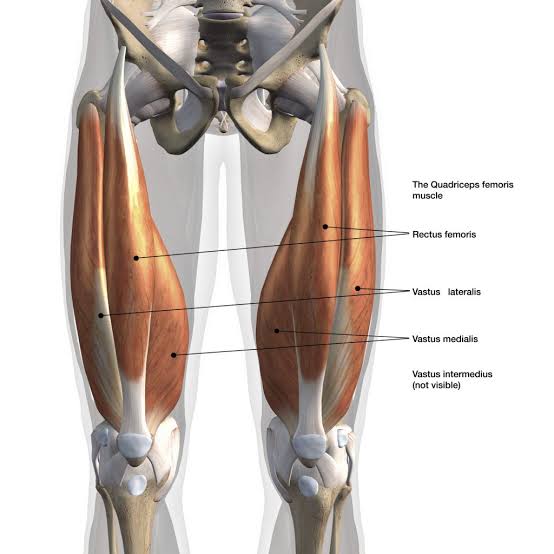
Vastus medialis
along diaphysis of the femur
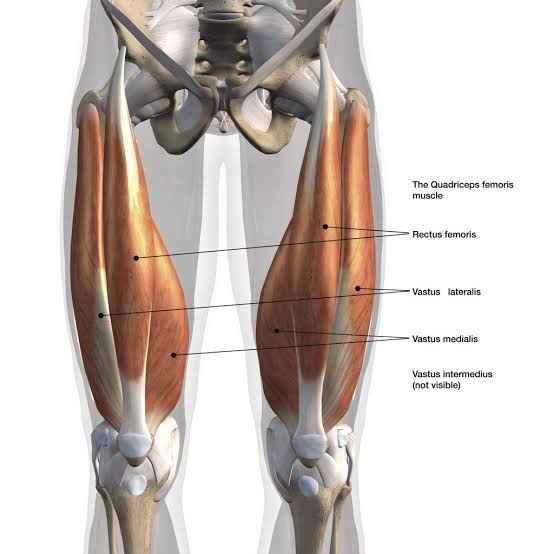
Vastus intermedius
along diaphysis of the femur
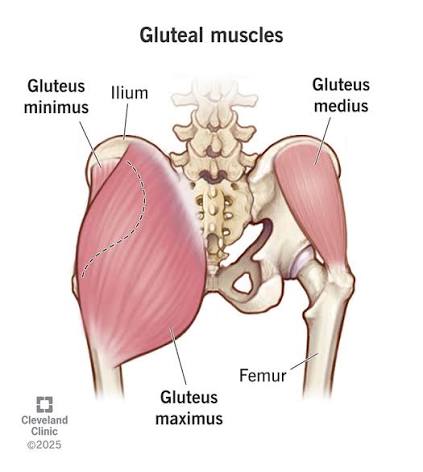
Gluteal muscle group: large maximus muscle
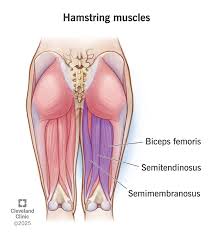
Hamstring muscle group
flex the leg, extend the thigh
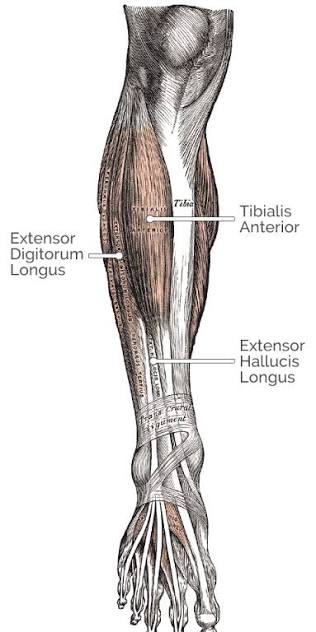
Main Dorsiflexors
tibialis anterior
extensor digitorum longus longus muscles
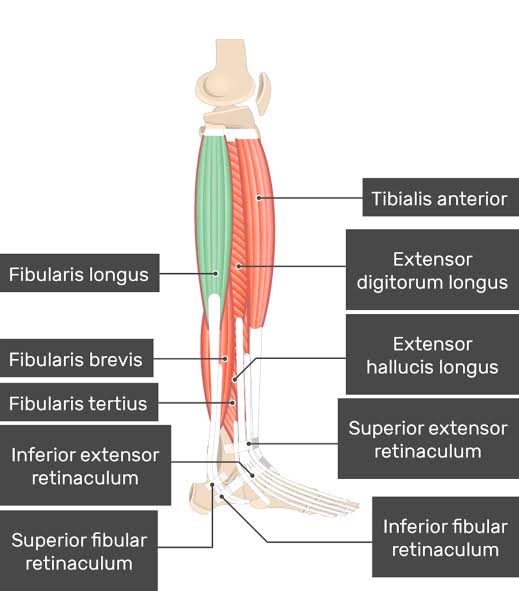
Evert foot muscles
fibularis longus and fibularis brevis muscles
______ Brevis
______ Digitorum
______ Hallucis
______ Rectus
______ Flexor
______ Pronator
Related to the fingers/toes
Straight
Short
Decreases the angle between bones
Turns palm down
Related to the hallux (great toe)
A. short
B. related to the fingers/toes
C. related to the hallux
D. straight
E. decreases the angle between bones
F. turns palm down
The action of the biceps brachii muscle on the hinge joint of the elbow is an example of which kind of lever system?
First-class
Second-class
Third-class
Fourth-class
third class lever
Which function is being fulfilled by a muscle that holds a bone steady during movement?
Antagonist
Synergist
Supinator
Fixator
fixator
True or False": The main action of the zygomaticus major and minor muscles is to pull the corners of the mouth up to produce smiling
True
The orbicularis oris muscle is located around the eye.
False: located around the mouth
Hamstrings: biceps femoris
most lateral hamstring muscle
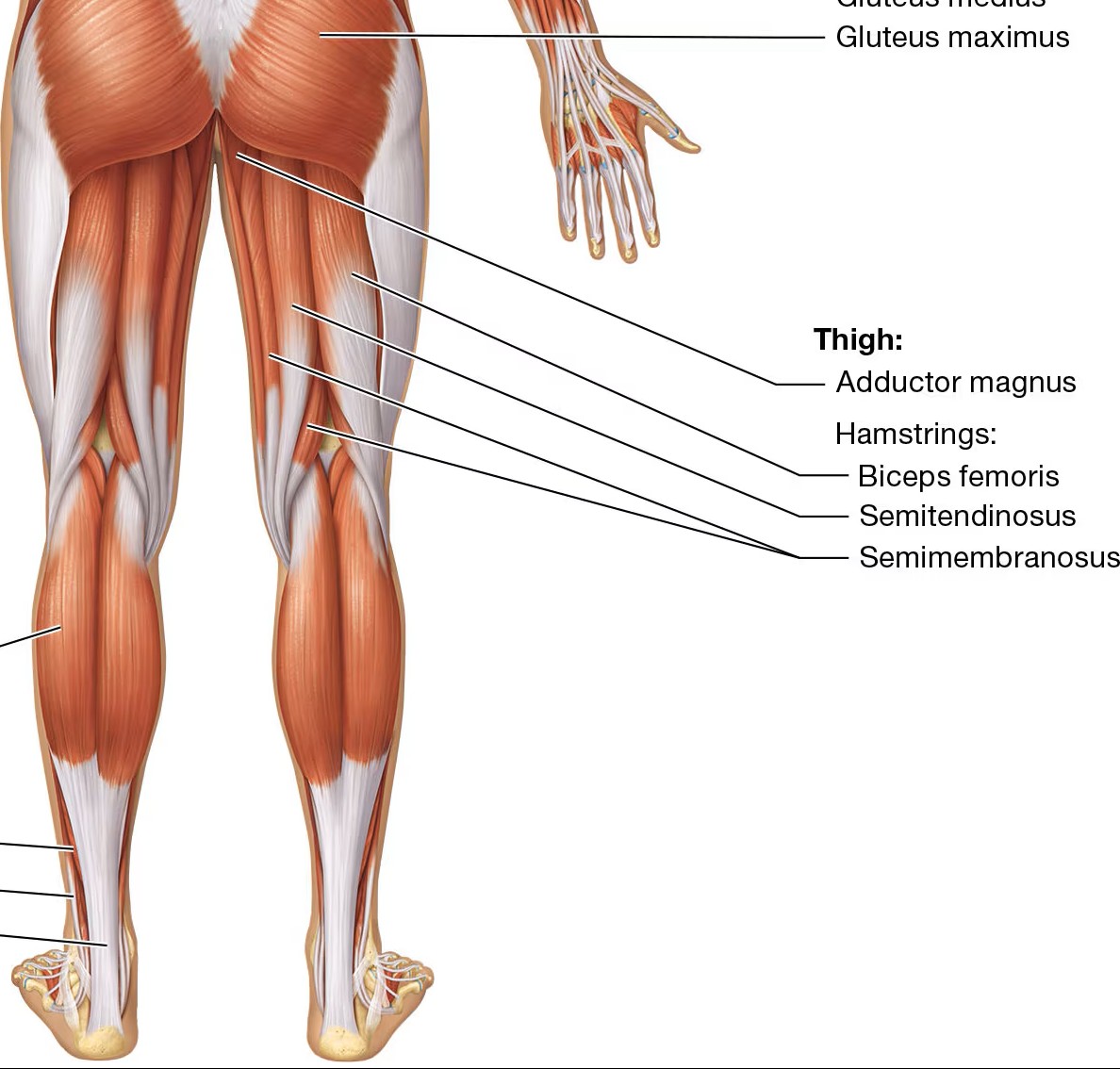
Hamstrings: semitendinosis
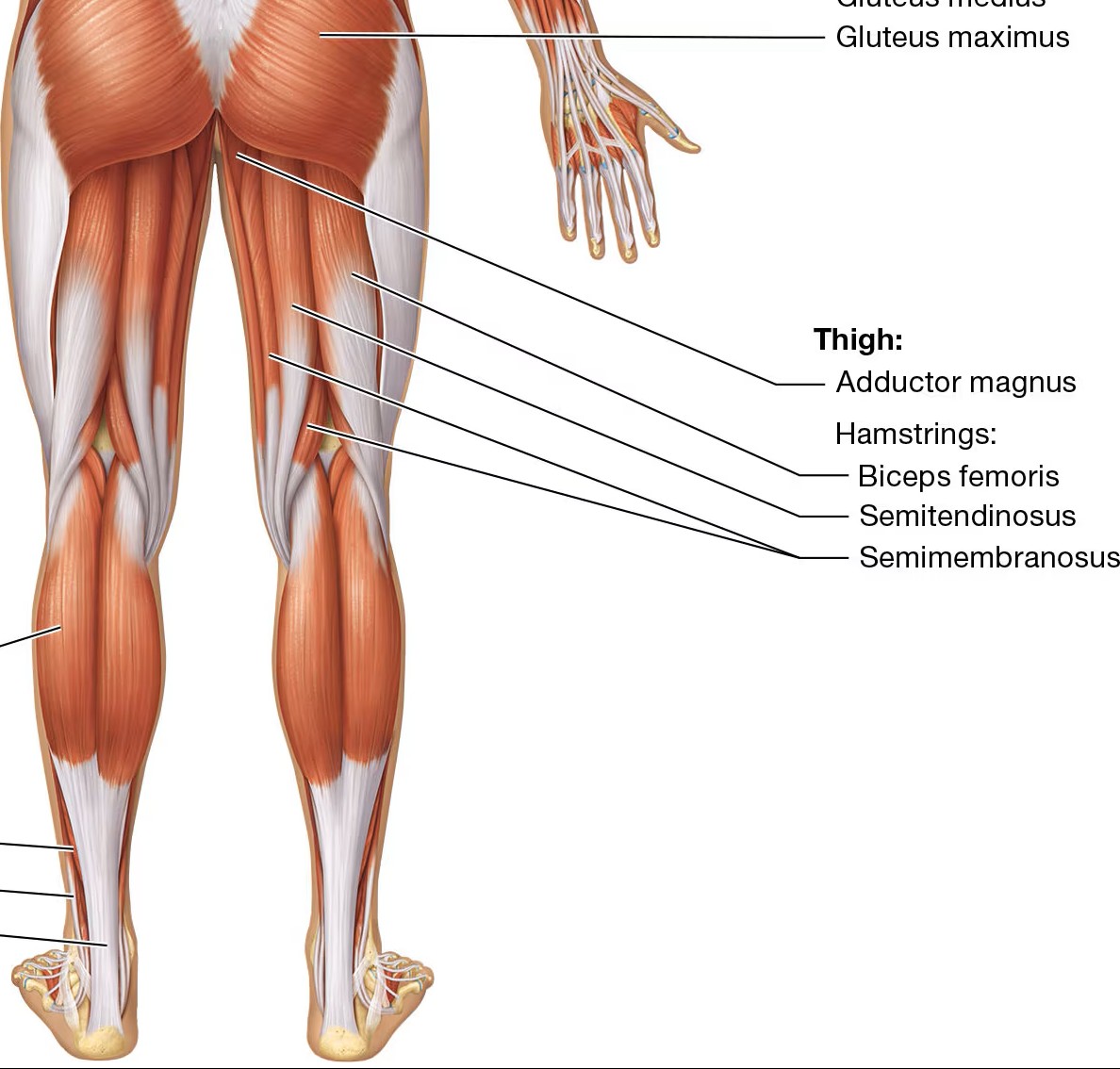
Hamstring: semimembranosus
gastrocnemius
plantarflexes the foot