MICR5836 L8: Waterborne Viruses and Helminths 8/14/26
 Call Kai
 Learn
Learn Practice Test
 Spaced Repetition
 Match
Match Flashcards
 Knowt Play
1/104

There's no tags or description
Looks like no tags are added yet.
Name | Mastery | Learn | Test | Matching | Spaced | Call with Kai | Chat |
|---|
No analytics yet
Send a link to your students to track their progress
105 Terms
What is this?
-Viral waterborne pathogens
-Enteric viruses
-Predominantly infect the GI tract
-Excreted in feces of infected humans
True or False: Humans are the only source of waterborne viruses that infect humans
True, except for Hepatitis E virus
What is the only waterborne enteric virus that can infect humans and comes from both human + animal sources?
Hepatitis E
True or False: Enteric viruses typically cause acute disease after a long incubation period
False
True or False: Enteric viruses typically cause acute disease with a short incubation time
True
Describe some other viral modes of action or transmission routes for waterborne viruses
-Person-to-person spread of respiratory droplets
-Excreted in faeces and contaminate water
-Long (> 1 month) survival time in drinking water supplies
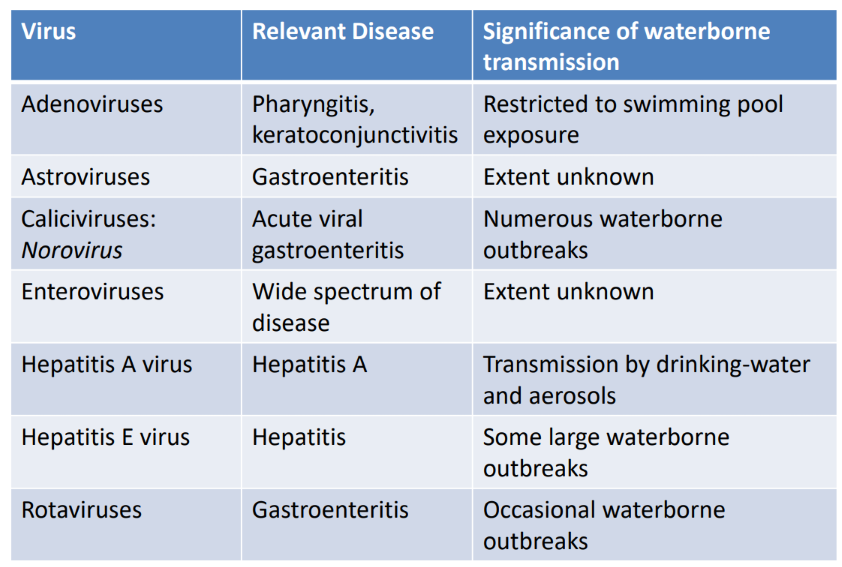
List all Waterborne Viruses
1) Adenovirus
2) Astrovirus
3) Calcivirus (Norovirus)
4) Enterovirus
5) Hepatitis A
6) Hepatitis E
7) Rotavirus
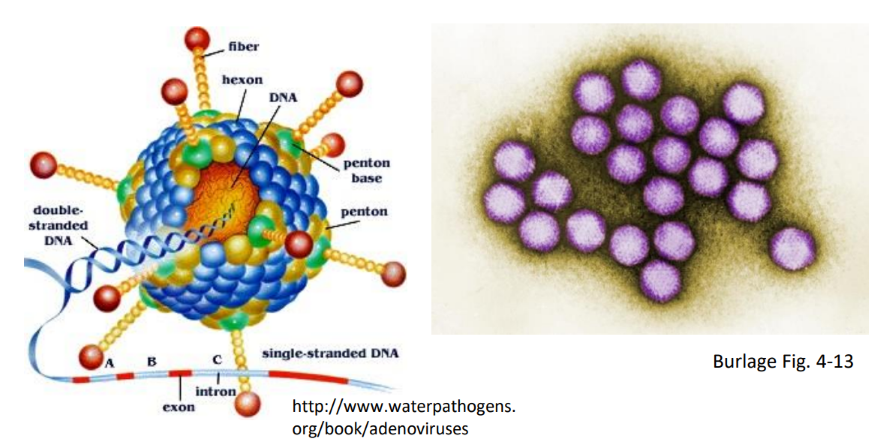
What is this Waterborne Virus?
-dsDNA naked virus with icosahedral capsids
-Exceptionally resistant to Water Treatment and UV disinfection
-Keratoconjunctivitis + Pharyngoconjunctival fever (swimming pool)
-Gastroenteritis, respiratory, urinary tract, and eye infections
Adenovirus
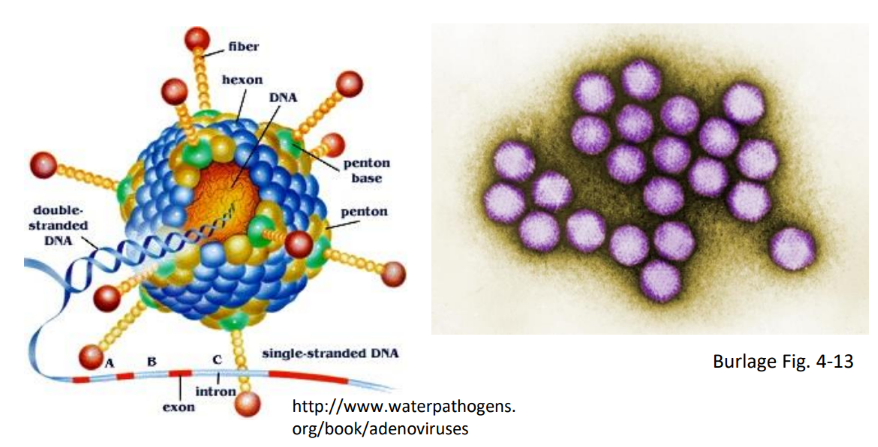
Describe the Disease Symptoms of this waterborne virus:
-Adenovirus
-Gastroenteritis, respiratory, urinary tract, and eye infections
-Keratoconjunctivitis (corneal inflammation)
-Pharyngoconjunctival fever aka "Swimming pool conjunctivitis"
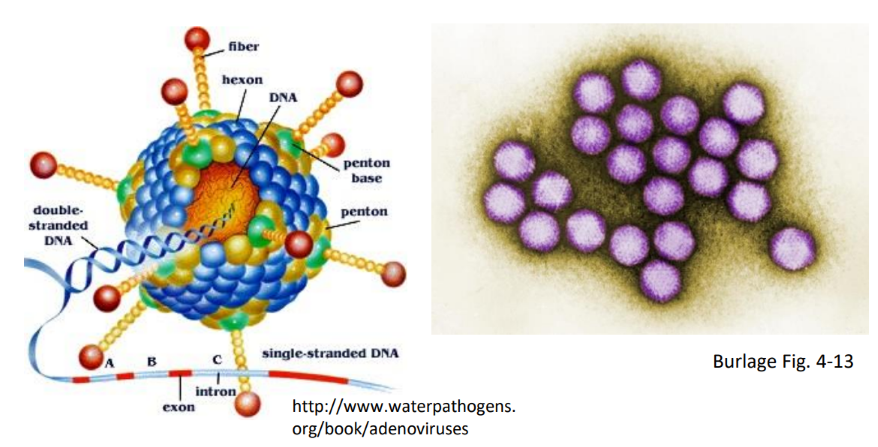
Describe the Source of this waterborne virus:
-Adenovirus
-Human feces, sewage
-Raw water and treated drinking water supplies
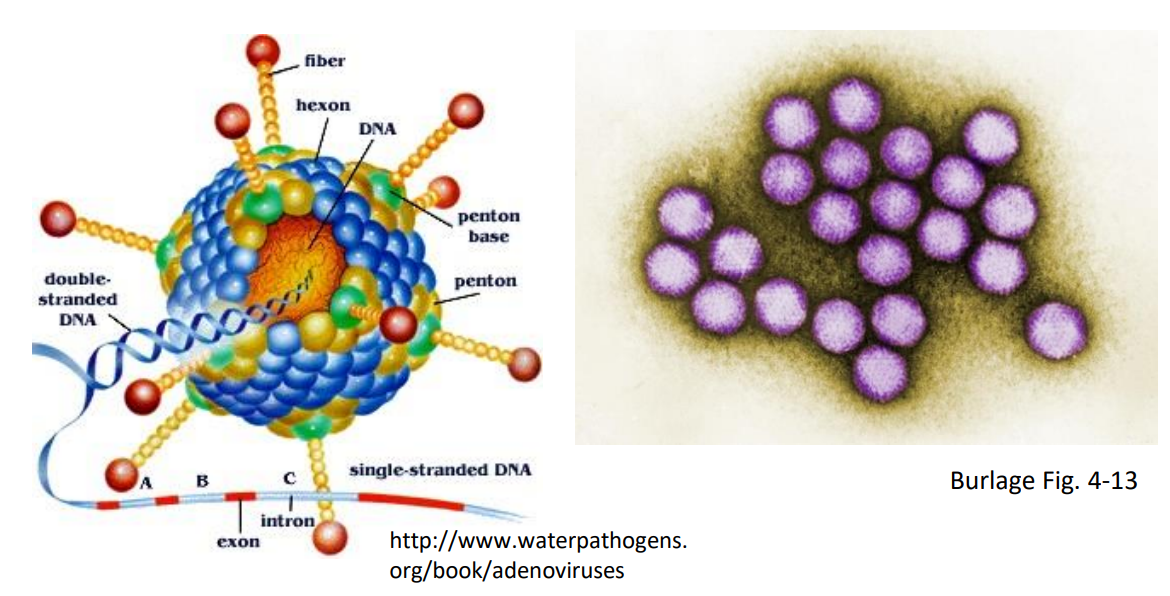
What is this Waterborne Virus?
-Adenovirus
-dsDNA naked virus with icosahedral capsids
-Exceptionally resistant to Water Treatment and UV disinfection
-Keratoconjunctivitis + Pharyngoconjunctival fever (swimming pool)
-Gastroenteritis, respiratory, urinary tract, and eye infections
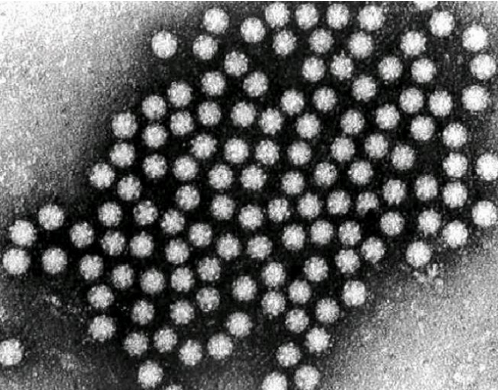
What is this Waterborne Virus?
-ssRNA naked virus with icosahedral capsids (star-shaped structure)
-Gastroenteritis, mainly in children ≤2 years old
-Self-limiting, short duration watery diarrhea
-Person-person (fecal oral) is more common than > Drinking Water
Astrovirus
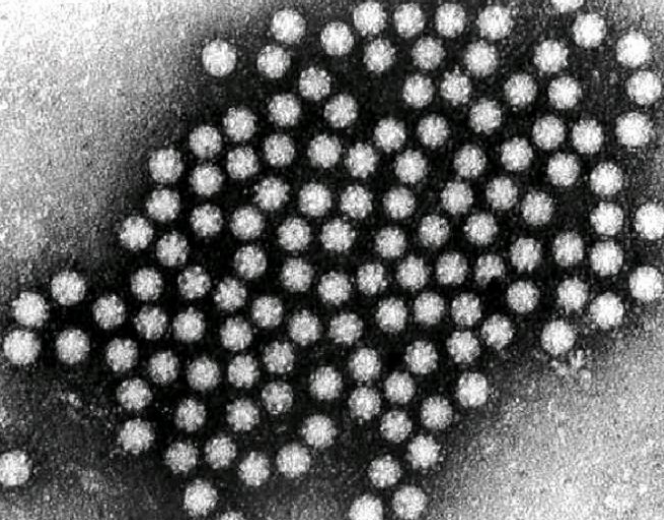
Describe the Source of this waterborne virus:
-Astrovirus
-Human feces, sewage
-Raw water and treated drinking water
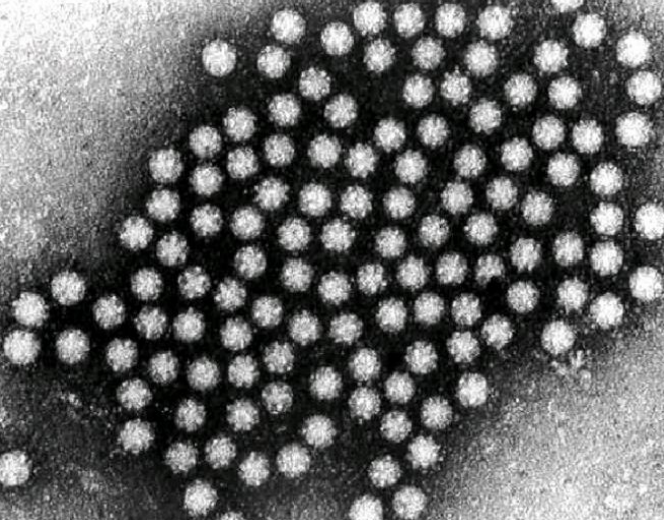
Describe the Disease Symptoms of this waterborne virus:
-Astrovirus
-Gastroenteritis, mainly in children ≤2 years old
-Self-limiting, short duration watery diarrhea
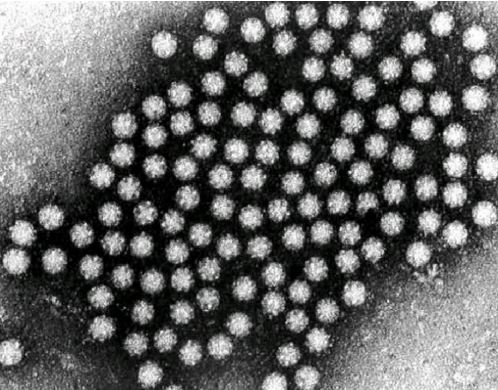
What is this Waterborne Virus?
-Astrovirus
-ssRNA naked virus with icosahedral capsids (star-shaped structure)
-Gastroenteritis, mainly in children ≤2 years old
-Self-limiting, short duration watery diarrhea
-Person-person (fecal oral) is more common than > Drinking Water
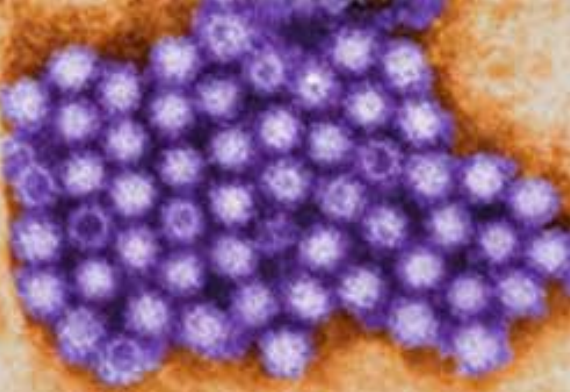
What is this Waterborne Virus?
-ssRNA naked virus with cup-like surface structures
-Norovirus is the main pathogen
-Major cause of acute viral gastroenteritis in all ages (mostly kids!)
-Severe diarrhea and vomiting, usually a self-limiting infection
Calcivirus
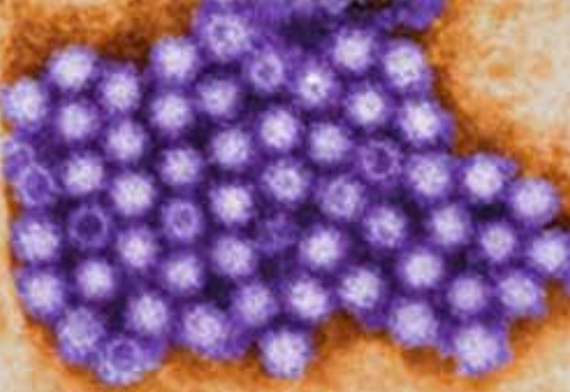
Describe the Disease Symptoms of this waterborne virus:
-Calcivirus
-Major cause of acute viral gastroenteritis in all age groups
-200,000 deaths/year in children worldwide
-Severe diarrhea, vomiting, usually self-limiting
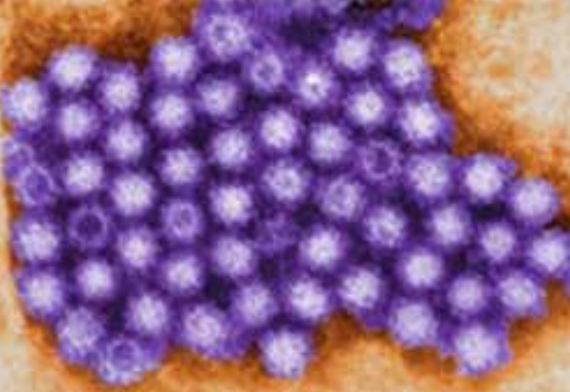
Describe the Source of this waterborne virus:
-Calcivirus
-Human feces, sewage
-Raw water and treated drinking water
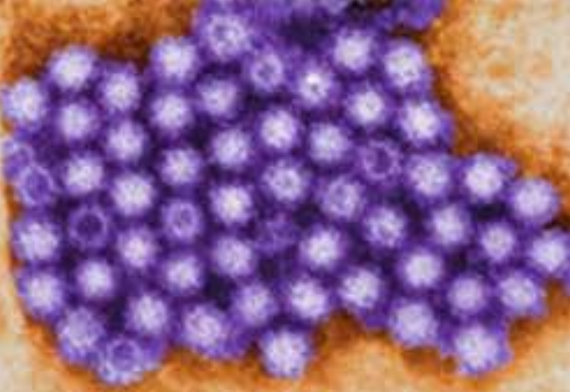
What are most Calcivirus (especially Norovirus) outbreaks associated with?
-Contaminated drinking water and ice
-Cruise ships + camps
-Densely-packed communities
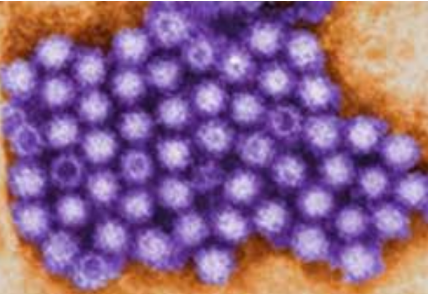
What is this Waterborne Virus?
-Calcivirus
-ssRNA naked virus with cup-like surface structures
-Norovirus is the main pathogen
-Major cause of acute viral gastroenteritis in all ages (mostly kids!)
-Severe diarrhea and vomiting, usually a self-limiting infection
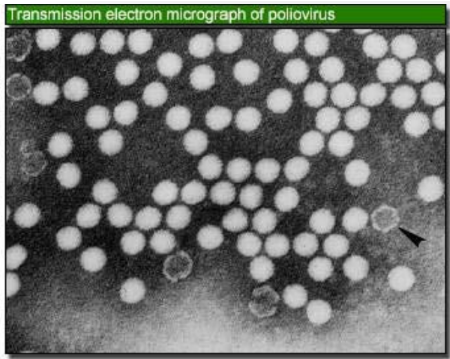
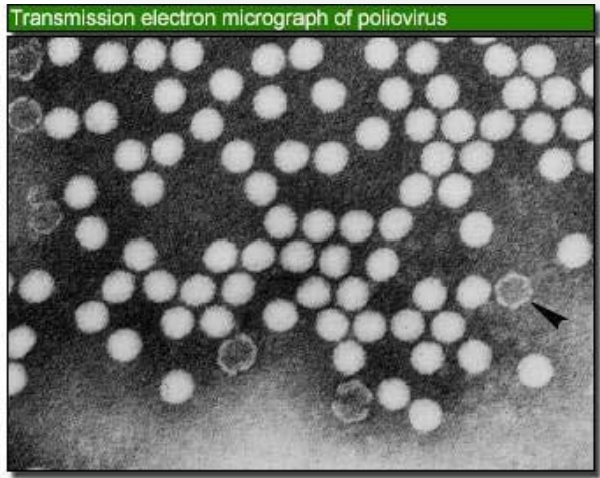
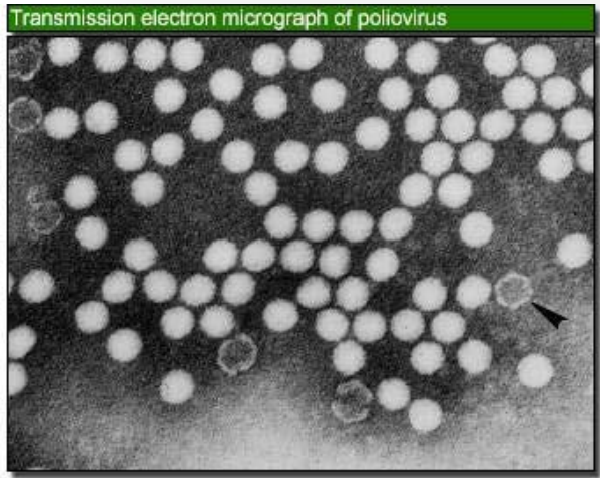
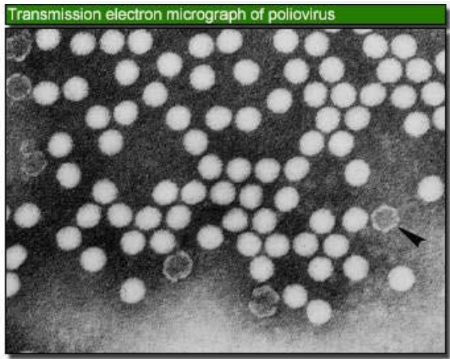
What is this Waterborne Virus?
-ssRNA naked virus with icosahedral capsids, very small (20-30 nm)
-One of most common human infections, broad disease spectrum
-Mild gastroenteritis to myocarditis, meningitis, poliomyelitis
-Include polioviruses, coxsackieviruses, echoviruses
Enterovirus
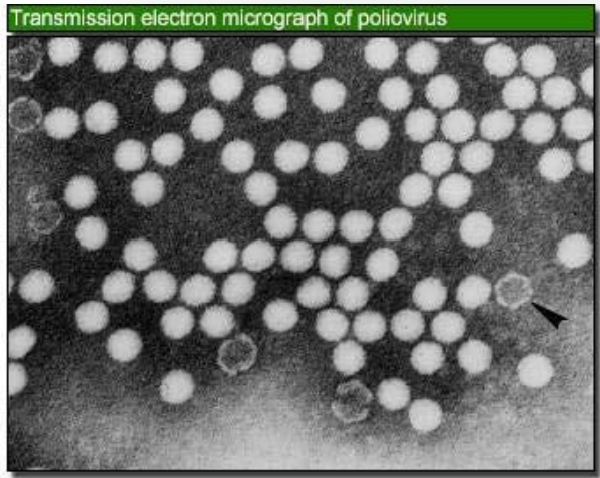
What viruses does Enterovirus (20-30nm) include?
-Polioviruses
-Coxsackieviruses
-Echoviruses
Describe the Disease Symptoms of this waterborne virus:
-Enterovirus
-Broad spectrum of disease
-Mild gastroenteritis to myocarditis, meningitis, poliomyelitis
-One of most common causes of human infections (30 million infections/year in USA)
Describe the Source of this waterborne virus:
-Enterovirus
-Human feces, sewage
-Raw water and treated drinking water
What is this Waterborne Virus?
-Enterovirus
-ssRNA naked virus with icosahedral capsids, very small (20-30 nm)
-One of most common human infections, a broad disease spectrum
-Mild gastroenteritis, myocarditis, meningitis, poliomyelitis
-Include polioviruses, coxsackieviruses, echoviruses
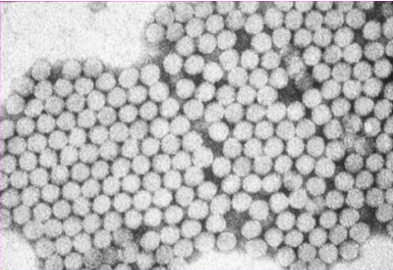
What is this Waterborne Virus?
-ssRNA naked virus with icosahedral capsids
-Enters GI tract -> Epithelial cells -> Blood stream -> Liver
-Fever, malaise, nausea, jaundice
-Very slow recovery (weeks) to repair liver damage
Hepatitis A
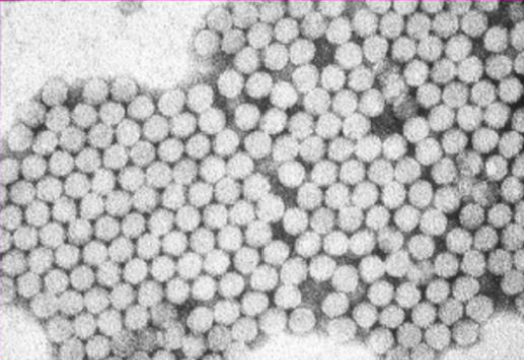
Describe the Disease Symptoms of this waterborne virus:
-Hepatitis A
-Fever, malaise, nausea, jaundice (Mortality is <1%)
-GI tract -> Epithelial cells -> Bloodstream -> Liver
-Very slow recovery (weeks) to repair Liver Damage
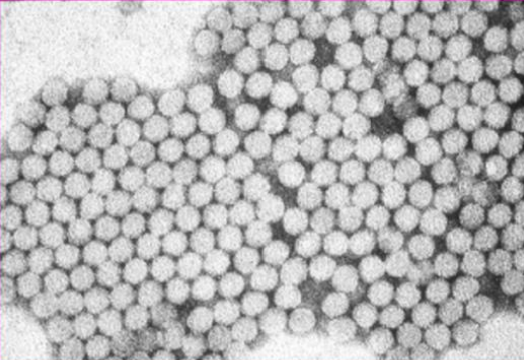
Describe the Source of this waterborne virus:
-Hepatitis A
Fecally contaminated food and water
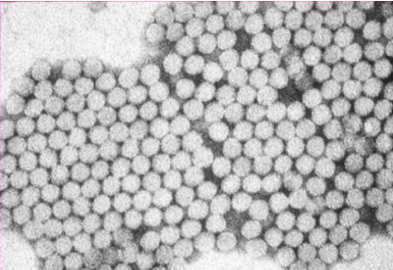
What is this Waterborne Virus?
-Hepatitis A
-ssRNA naked virus with icosahedral capsids
-Enters GI tract -> Epithelial cells -> Bloodstream -> Liver
-Fever, malaise, nausea, jaundice
-Very slow recovery (weeks) to repair liver damage
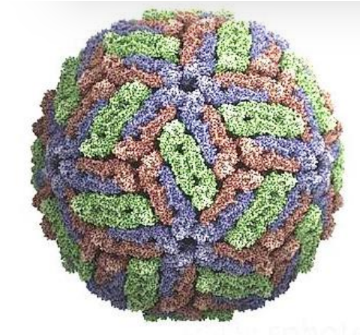
What is this Waterborne Virus?
-ssRNA naked virus with icosahedral capsids
-Pigs, deer, cattle reservoir (the only zoonotic enteric virus)
-Mortality is 0.2-4%, in pregnant women is 25%
-Also known as "Infectious Hepatitis"
Hepatitis E
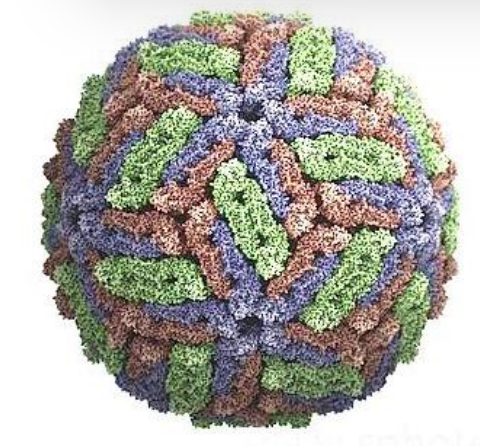
Describe the Disease Symptoms of this waterborne virus:
-Hepatitis E
-"Infectious hepatitis"
-Fever, malaise, nausea, jaundice
-Mortality is 0.2-4% and ~25% in pregnant women
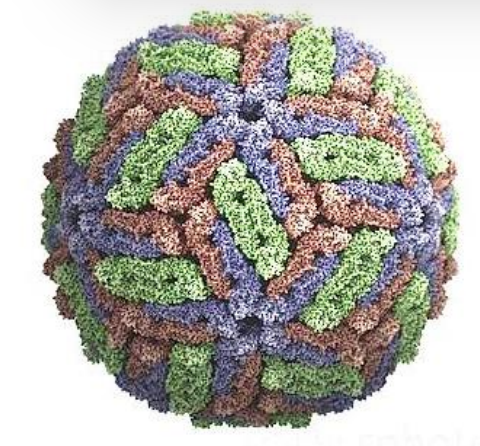
Describe the Source of this waterborne virus:
-Hepatitis E
-Pigs, deer, cattle reservoir
-The only enteric virus with a zoonotic reservoir
-Fecally contaminated food and water
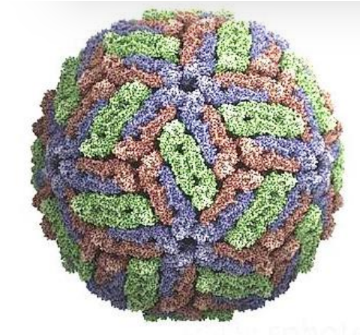
What is this Waterborne Virus?
-Hepatitis E
-ssRNA naked virus with icosahedral capsids
-Pigs, deer, cattle reservoir (only zoonotic enteric virus)
-Mortality is 0.2-4% but up to 25% in pregnant women
-Also known as "Infectious Hepatitis"
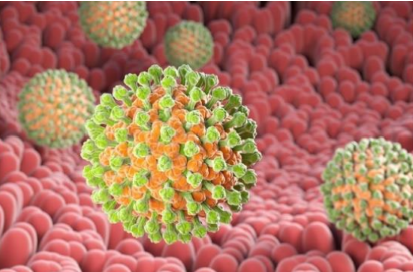
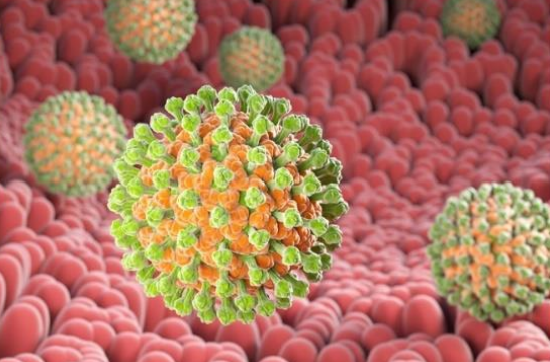
What is this Waterborne Virus?
-dsRNA naked virus with icosahedral capsids
-Double layer shell gives the wheel-like appearance
-Mild self-limiting gastroenteritis, a major cause of infant death
-50% of acute gastroenteritis in hospitalized children
Rotavirus
Describe the Disease Symptoms of this waterborne virus:
-Rotavirus
-Mostly mild, self-limiting Gastroenteritis
-Acute infection may be fatal
-Major cause of infant death in the world
-50% of acute gastroenteritis in hospitalized children
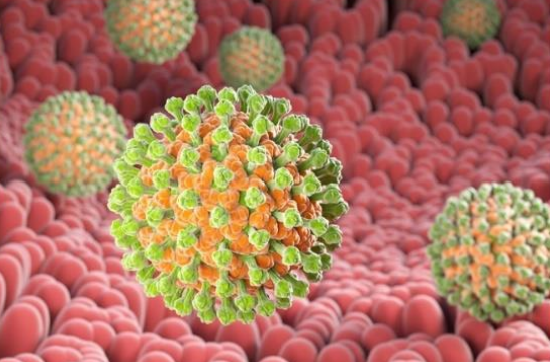
Describe the Source of this waterborne virus:
-Rotavirus
-Human feces, sewage
-Raw water and treated drinking water
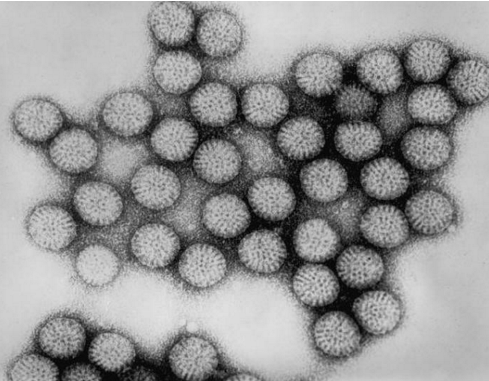
What is this Waterborne Virus?
-Rotavirus
-dsRNA naked virus with icosahedral capsids
-Double layer shell gives the wheel-like appearance
-Mild self-limiting gastroenteritis, a major cause of infant death
-50% of acute gastroenteritis in hospitalized children cases
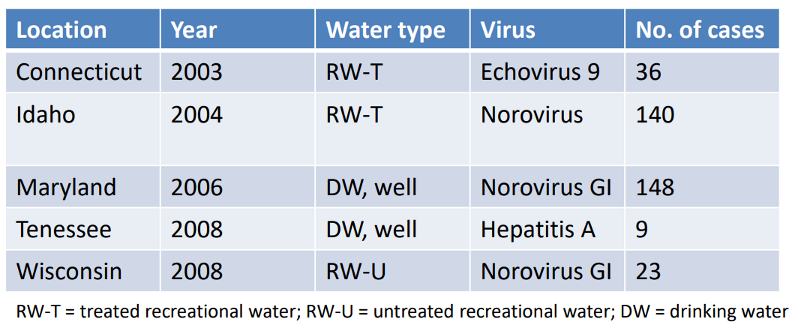
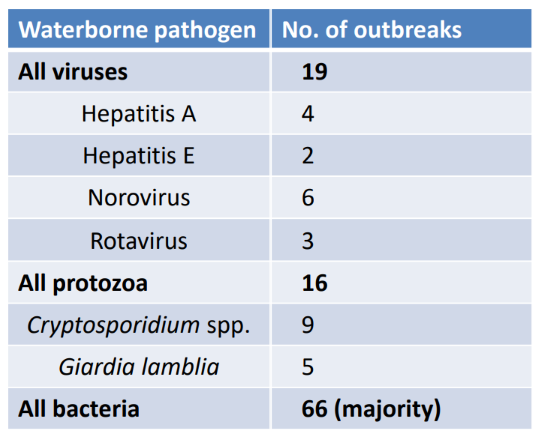
Describe waterborne disease outbreaks due to viral pathogens in the US 2003-2010
-Total Outbreaks: 28
-Total Cases: 1431
-Widespread occurrence of enteric viruses in wells
-Dominance of Norovirus outbreaks (Genogroup GI)
True or False: Groundwater from wells is probably free of pathogens such as enteric viruses
False
How is Norovirus classified?
-Genogroups (total: 10) are based on sequence major capsid protein
-GI causes the most waterborne outbreaks globally
-GII causes the most gastroenteritis cases globally
Which Norovirus genogroup is the dominant circulating group that causes the most gastroenteritis cases globally, GI or GII?
Genogroup GII
Which genogroup of Norovirus causes the most waterborne outbreaks globally, GI or GII?
Genogroup GI
If Genogroup GII is more dominant than GI, why is Genogroup GI more commonly associated with waterborne outbreaks globally?
-Genogroup GI is more stable and persistent in water
-Significantly more likely to be associated with waterborne transmission
Why is it so hard to control waterborne transmission of pathogenic protozoa?
-Cysts, oocysts and eggs
-Extremely resistant to disinfection processes
-Difficult to remove by filtration
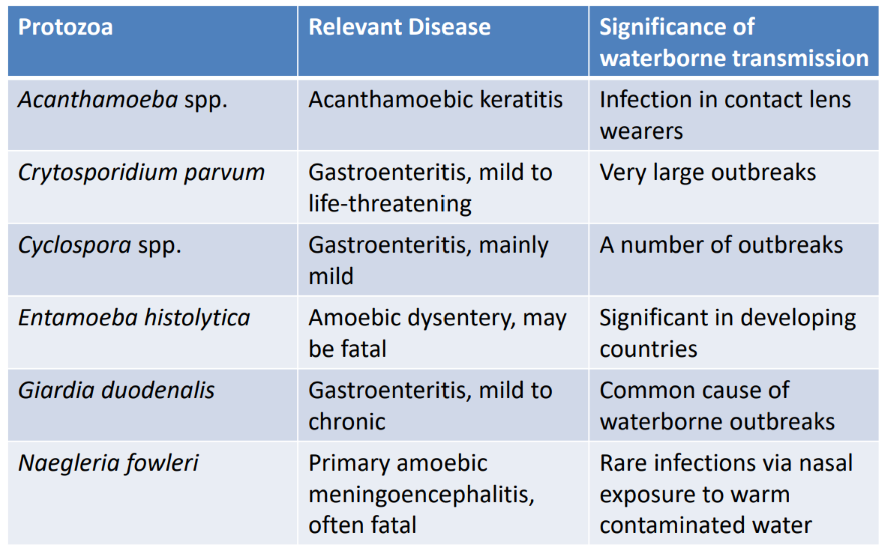
List all Protozoan Waterborne Pathogens
1) Acanthamoeba
2) Cryptosporidium parvum
3) Cyclospora
4) Entamoeba histolytica
5) Giardia duodenalis
6) Naegleria fowleri
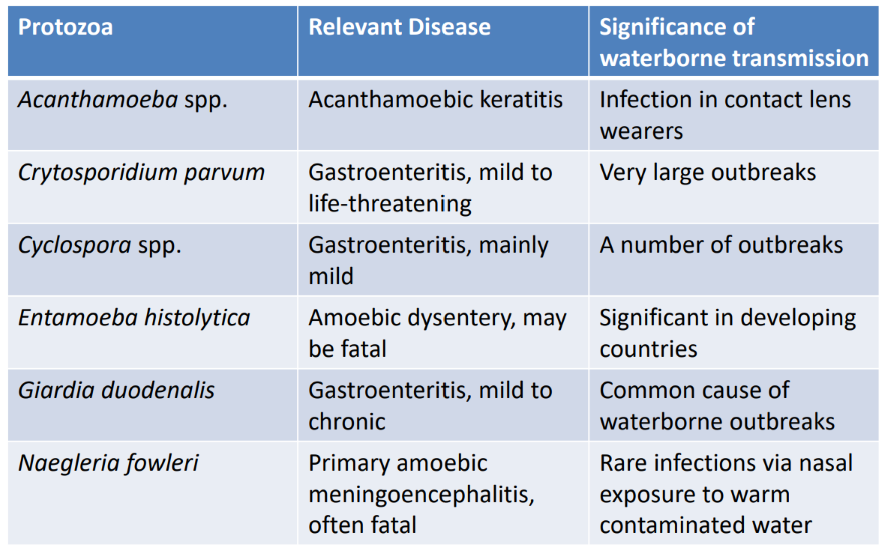
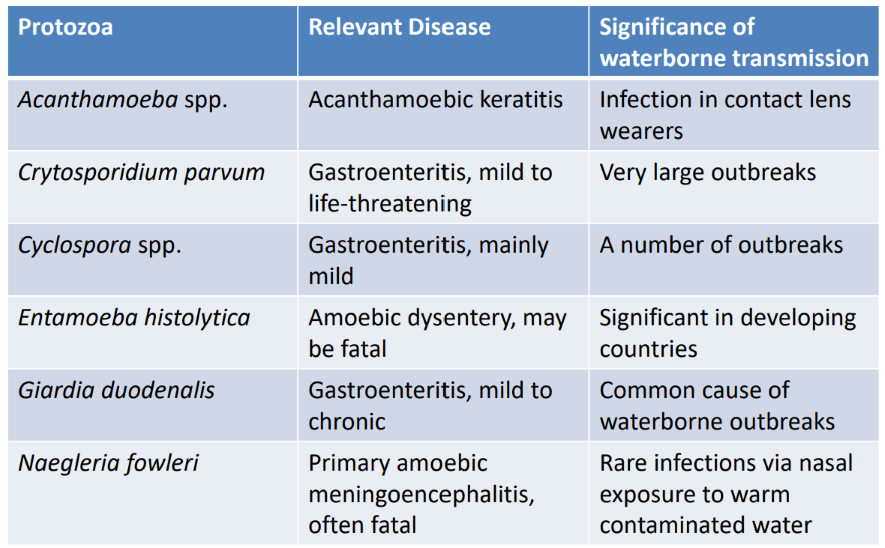
List the Diseases caused by these Waterborne Protozoans:
1) Acanthamoeba
2) Cryptosporidium parvum
3) Cyclospora
1) Keratitis + Granulomatous amoebic encephalitis (GAE)
2) Gastroenteritis (mild-life threatening)
3) Gastroenteritis (mostly mild)
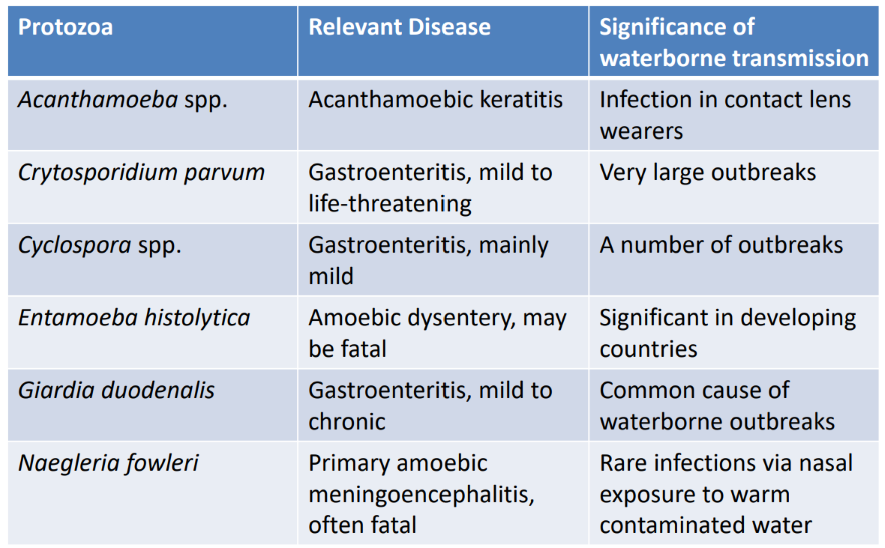
List the Diseases caused by these Waterborne Protozoans:
1) Entamoeba histolytica
2) Giardia duodenalis
3) Naegleria fowleri
1) Amoebic dysentery (possibly fatal)
2) Gastroenteritis (mild to chronic)
3) Primary amoebic meningoecenphalitis (usually fatal)
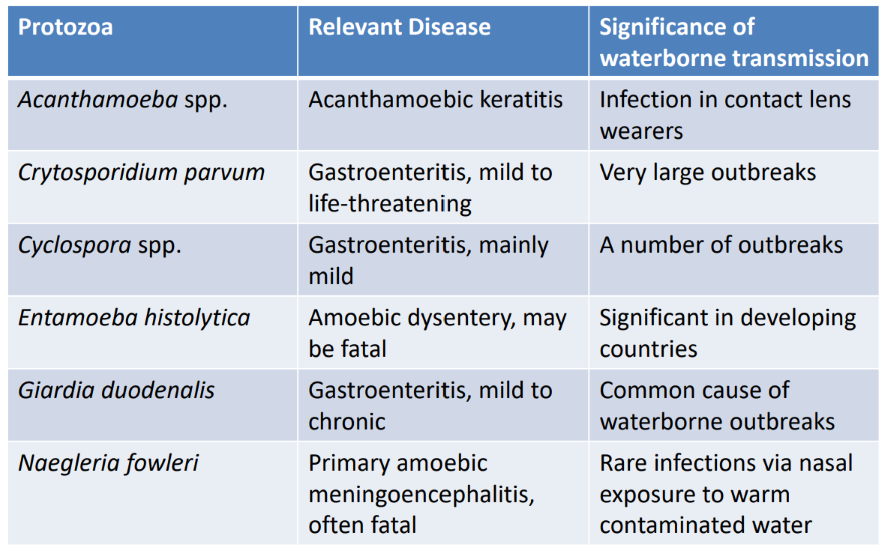
List the Significance of Waterborne Transmission of these Protozoans:
1) Acanthamoeba
2) Cryptosporidium parvum
3) Cyclospora
1) Infection in contact lens wearers
2) Very large outbreaks
3) A number of outbreaks
List the Significance of Waterborne Transmission of these Protozoans:
1) Entamoeba histolytica
2) Giardia duodenalis
3) Naegleria fowleri
1) Significant in developing countries
2) Common cause of waterborne outbreaks
3) Rare infections via nasal exposure to warm contaminated water
What is this Waterborne Protozoan?
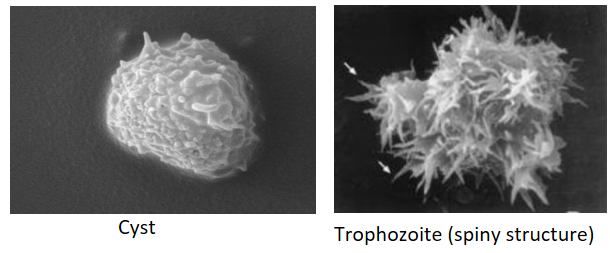
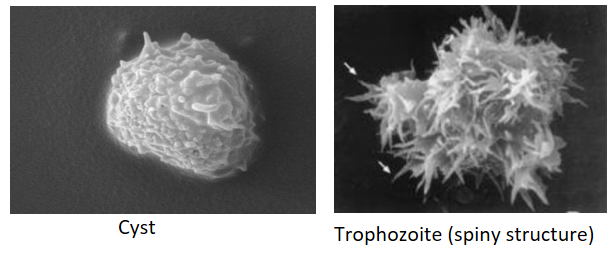
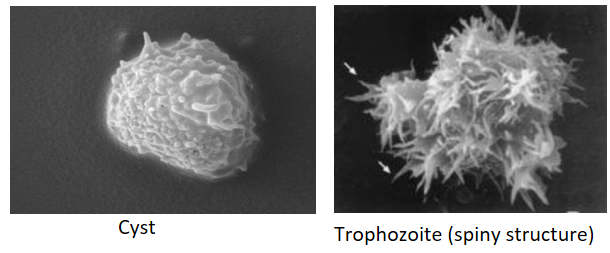
-Free-living amoebae, common in soil and water environments
-Granulomatous Amoebic Encephalitis (GAE) + Keratitis
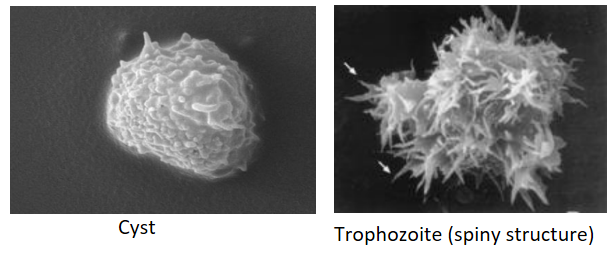
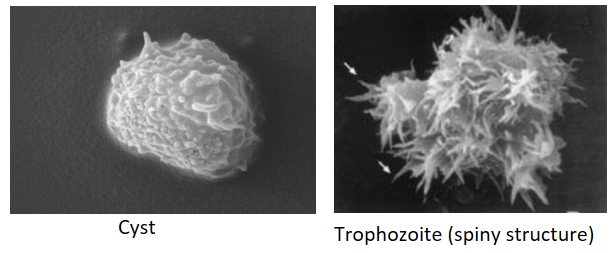
-Feeding/replicative trophozoite develops into dormant cyst
-Cysts withstand extreme temperature, disinfection and desiccation
Acanthamoeba
Describe the Disease Symptoms of this waterborne protozoan:
-Acanthamoeba (Keratitis)
-Painful infection of cornea in wearers of contact lenses
-May lead to blindness
Describe the Disease Symptoms of this waterborne protozoan:
-Acanthamoeba (GAE: Granulomatous Amoebic Encephalitis)
-Affects many organs
-Seen in immunocompromised people
-Rare but usually fatal
Describe the Source of this waterborne protozoan:
-Acanthamoeba
Common in soil and water environments
Describe the Life Cycle of this waterborne protozoan:
-Acanthamoeba
-Feeding, replicative trophozoite
-Unfavourable Conditions: Trophozoite -> Cyst
-Dormant Cyst withstands extreme temperature, disinfection and desiccation
What is this Waterborne Protozoan?
-Acanthamoeba
-Free-living amoebae, common in soil and water environments
-Granulomatous Amoebic Encephalitis (GAE) + Keratitis
-Feeding/replicative trophozoite develops into dormant cyst
-Cysts withstand extreme temperature, disinfection and desiccation
What is this Waterborne Protozoan?
-Obligate intracellular parasite in human + cattle (livestock)
-Self-limiting diarrhea, fatal in immunocompromised people
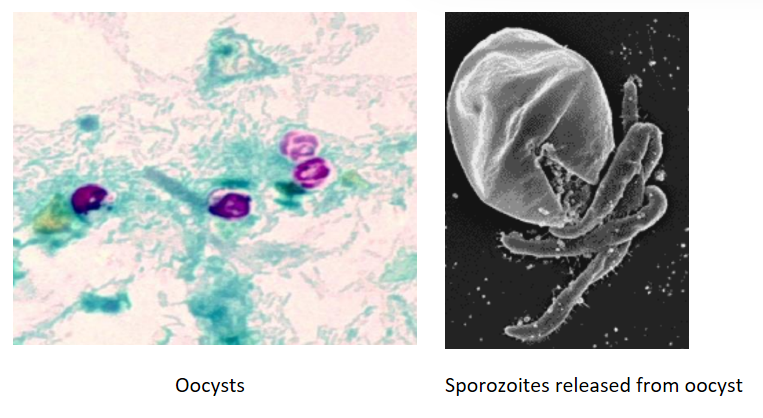
-Complex life cycle with thick-walled oocysts (ID = 9)
-Survive weeks to months in fresh water, resistant to chlorination
Cryptosporidia parvum
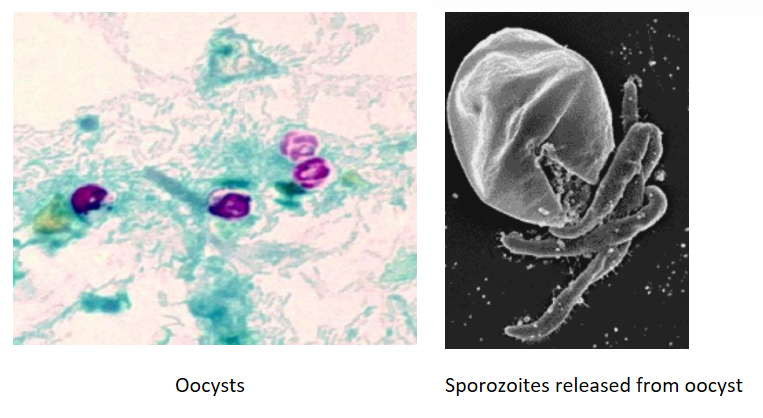
Describe the Disease Symptoms of this waterborne protozoan:
-Cryptosporidia parvum
-Self-limiting diarrhea
-Fatal in immunocompromised people
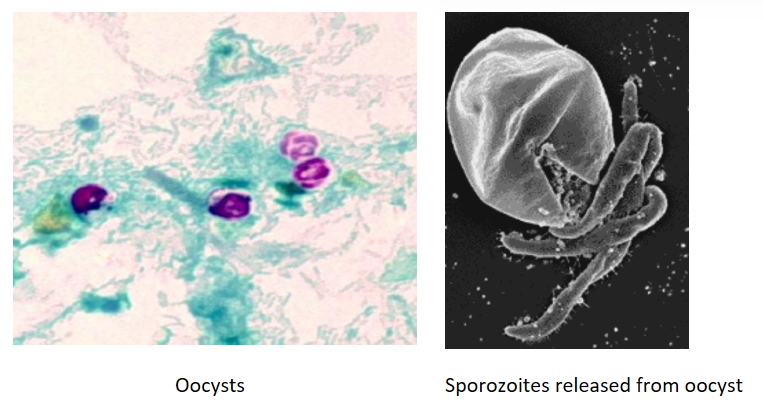
Describe the Source of this waterborne protozoan:
-Cryptosporidia parvum
-Humans + livestock (cattle) are most significant source of human infection
-Excreted oocysts in water, sewage, and drinking water supplies
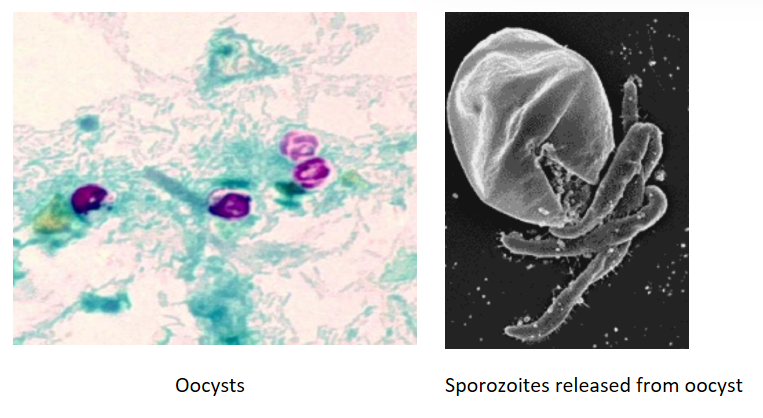
Describe the Life Cycle of this waterborne protozoan:
-Cryptosporidia parvum
-Complex life cycle with thick-walled oocysts
-Survive weeks to months in freshwater
-Resistant to chlorination
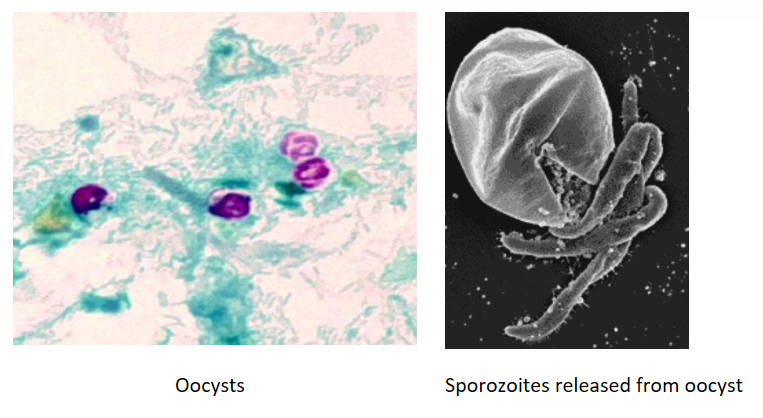
What is the Infectious Dose (ID) for Cryptosporidium parvum in humans?
9 oocysts can cause human infection
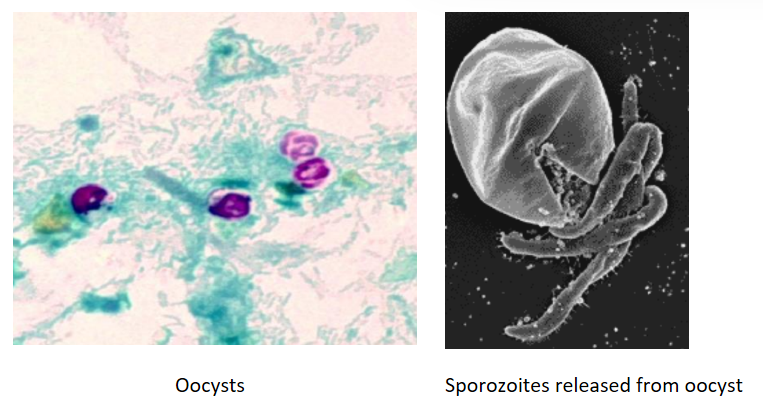
What is this Waterborne Protozoan?
-Cryptosporidium parvum
-Obligate intracellular parasite in human + cattle (livestock)
-Self-limiting diarrhea, fatal in immunocompromised people
-Complex life cycle with thick-walled oocysts (ID = 9)
-Survive weeks to months in fresh water, resistant to chlorination
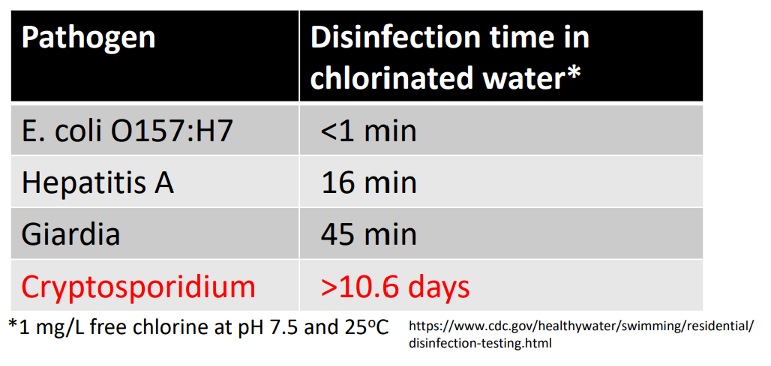
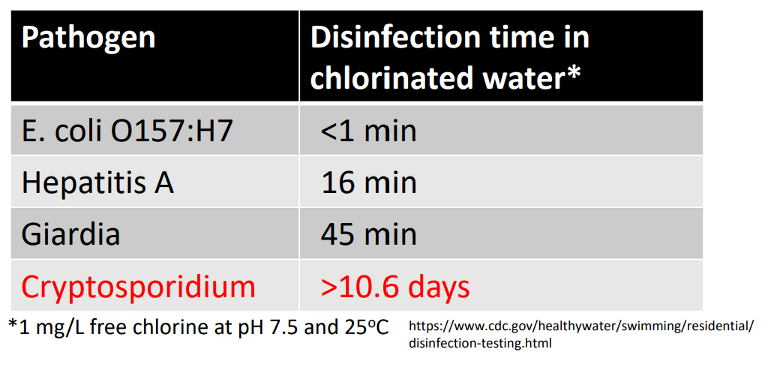
Describe how long it takes to disinfect these waterborne pathogens:
1) E. coli O157:H7
2) Hepatitis A
3) Giardia
4) Cryptosporidium
1) Less than <1 min
2) 16 minutes
3) 45 minutes
4) >10.6 days
Describe the reservoirs that most US Cryptosporidiosis Outbreaks are linked to
1) Pools: 35%
2) Cattle: 15%
3) Childcare: 13%
What is this Waterborne Protozoan?
-Replicative Trophozoite forms Dormant Cyst
-Asymptomatic Amoebiasis -> Severe Amoebic Dysentery
-Dysentery, lower abdominal pain, cramps, fever, blood/mucus in stool
-Can be fatal if it invades other parts of the body (liver, lungs)
Entamoeba histolytica
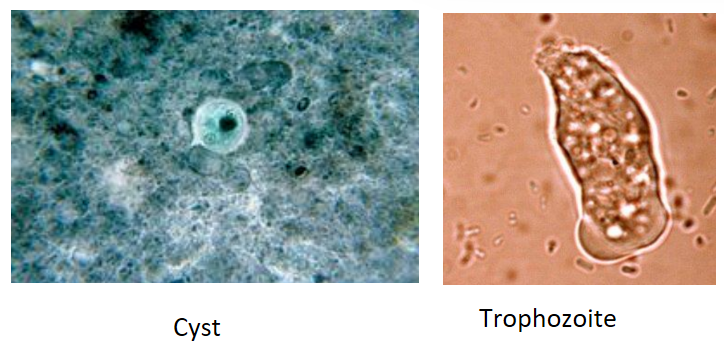
Describe the Disease Symptoms of this waterborne protozoan:
-Entamoeba histolytica (Mild Disease)
-Amoebiasis
-Most cases are asymptomatic
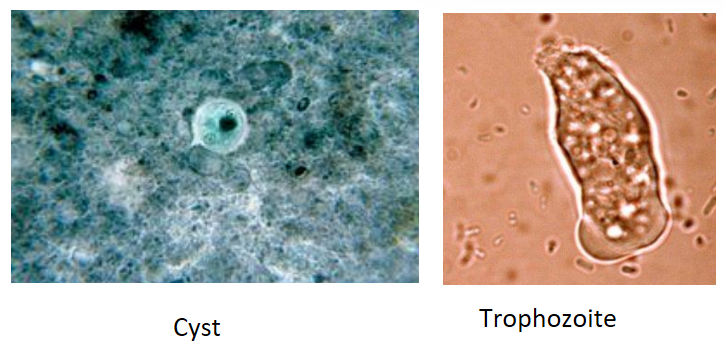
Describe the Disease Symptoms of this waterborne protozoan:
-Entamoeba histolytica (Severe Disease)
-Amoebic Dysentery
-Lower abdominal pain, cramping, fever, blood/mucus in stools
-Can invade other organs (liver, lungs), may be fatal
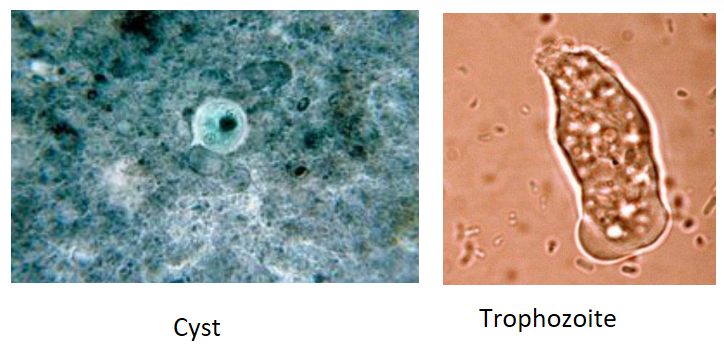
Describe the Source of this waterborne protozoan:
-Entamoeba histolytica
-Common intestinal protozoan parasite worldwide
-Tropical carrier rate is sometimes >50%
-Person-to-Person + Food Contamination are major transmission routes
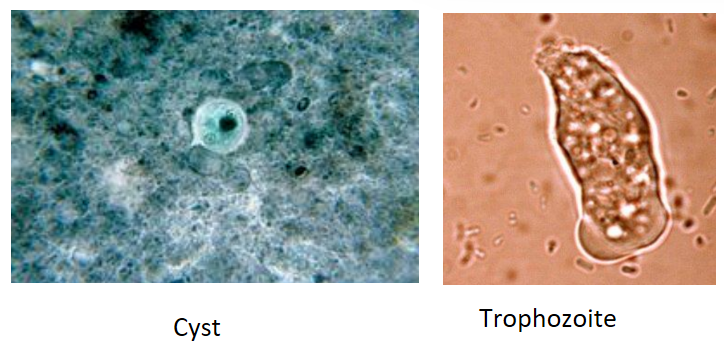
Describe the Life Cycle of this waterborne protozoan:
-Entamoeba histolytica
-Replicative Trophozoite forms → Dormant Cyst
-Carriers excrete high numbers of Cysts
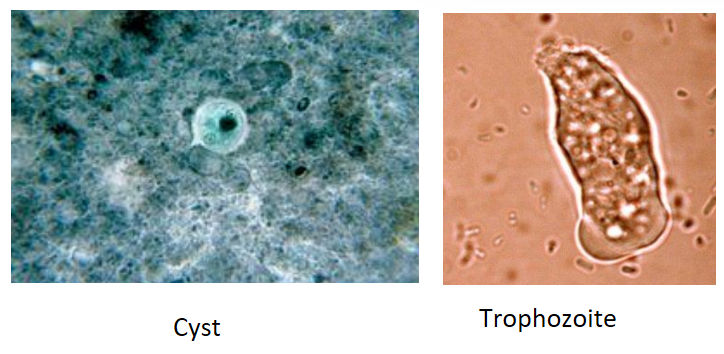
What is this Waterborne Protozoan?
-Entamoeba histolytica
-Replicative Trophozoite forms Dormant Cyst
-Asymptomatic Amoebiasis -> Severe Amoebic Dysentery
-Dysentery, lower abdominal pain, cramps, fever, blood/mucus in stool
-Can be fatal if it invades other parts of the body (liver, lungs)
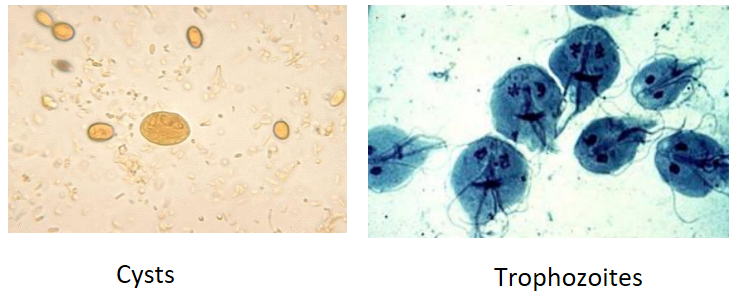
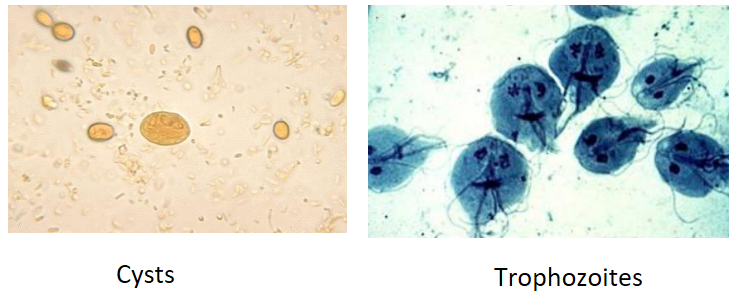
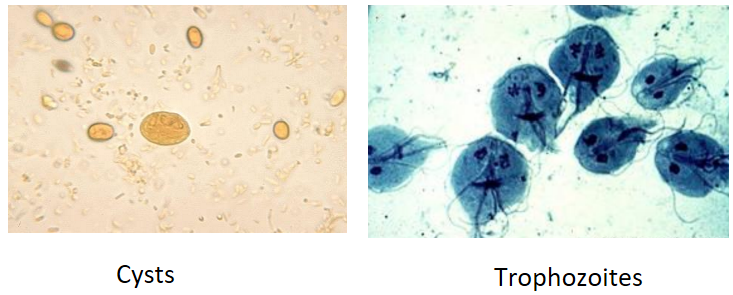
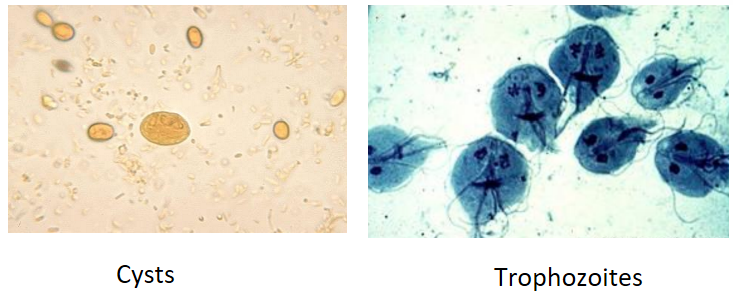
What is this Waterborne Protozoan?
-Flagellated trophozoites form thick-walled cysts (ID: 25-100)
-Cl Resistance: Higher >> Enteric bacteria, Lower << Cryptosporidia
-GI Symptoms: Asymptomatic -> Severe Diarrhea + Weight Loss
-Self-limiting in most cases, some patients are chronic (>1 year)
Giardia duodenalis
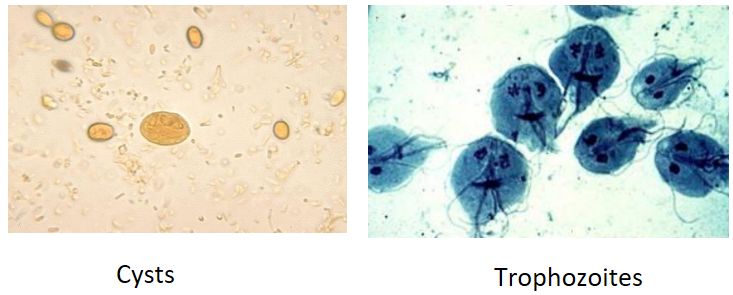
Describe the Disease Symptoms of this waterborne protozoan:
-Giardia duodenalis
-Self-limiting in most cases
-Chronic (>1 year) in some cases
-GI symptoms range from Asymptomatic Carriers -> Severe Diarrhea with weight loss
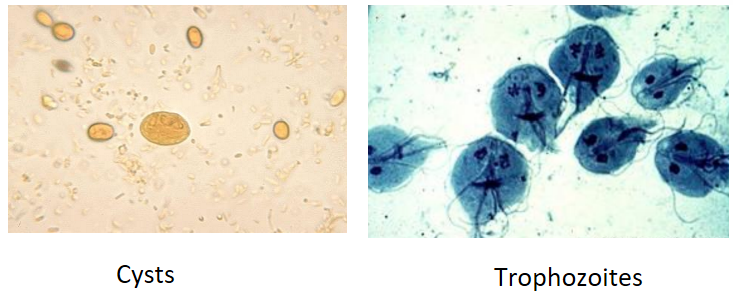
Describe the Source of this waterborne protozoan:
-Giardia duodenalis
-Contaminated drinking water + swimming pools
-Worldwide outbreaks decreased from 37% to 17%
Describe the Chlorine Resistance of this waterborne protozoan:
-Giardia duodenalis
-HIGHER than >> Enteric bacteria
-LOWER than << Cryptosporidium oocysts
What is the Infectious Dose (ID) of Giardia duodenalis?
Median Infectious Dose: 25-100 cysts
Who is this?
-Father of microbiology
-Observed his watery diarrhea under a single-lensed microscope
-First person to discover Giardia duodenalis trophozoites
Anthony von Leeuwenhoek
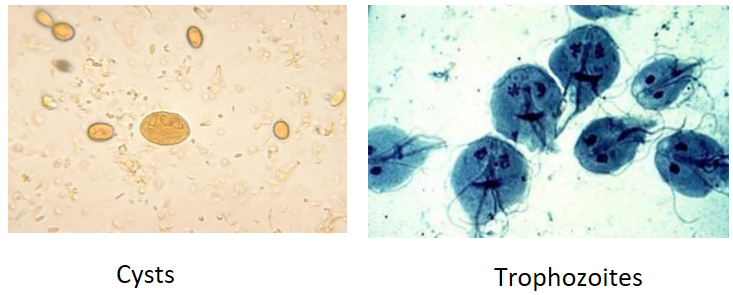
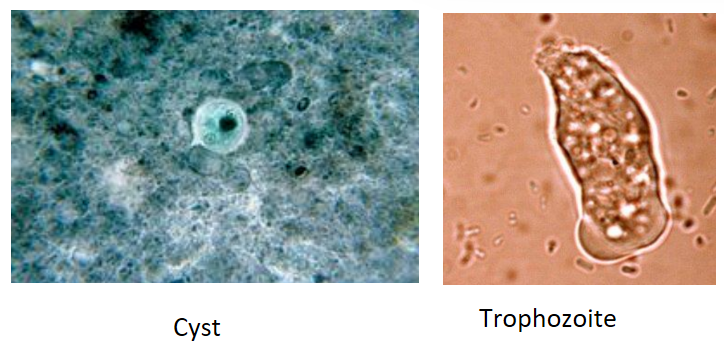
What is this Waterborne Protozoan?
-Giardia duodenalis
-Flagellated trophozoites form thick-walled cysts (ID: 25-100)
-Cl Resistance: Higher >> Enteric bacteria, Lower << Cryptosporidia
-GI Symptoms: Asymptomatic -> Severe Diarrhea + Weight Loss
-Self-limiting in most cases, some patients are chronic (>1 year)
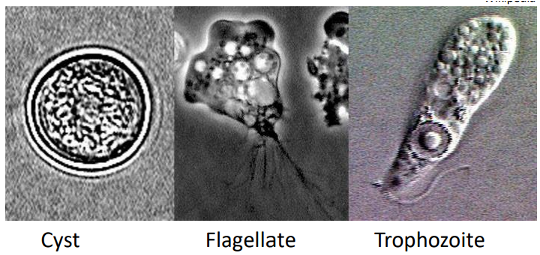
What is this Waterborne Protozoan?
-Thermophilic, free-living amoeboflagellates with pseudopodia
-PAM (Primary amoebic meningoencephalitis)
-Amoeba enters Nose -> Olfactory Mucosa -> Nerve fibers -> Brains
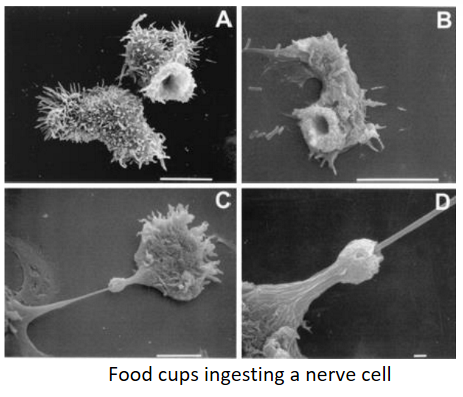
-Consumes brain cells (food cup releases proteases/lipases)
Naegleria fowleri
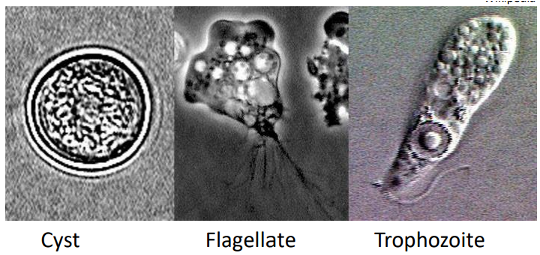
Describe the Disease Symptoms of this waterborne protozoan:
-Naegleria fowleri (PAM: Primary Amoebic Meningoencephalitis)
-Amoeba enters Nose -> Olfactory Mucosa -> Nerve fibers -> Brains
-Consumes brain cells (food cup releases proteases/lipases)
-Acute disease, patients often die within 5-10 days
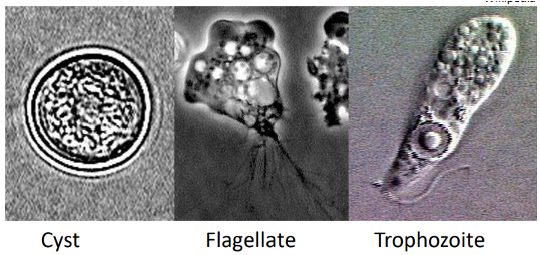
Describe the Source of this waterborne protozoan:
-Naegleria fowleri
-Drinking Water + Geothermal Water + Heated Swimming Pools
-Diving + Jumping
-Thermophile survives at 25-44C
True or False: Water is the only known source of infection for Naegleria fowleri
True
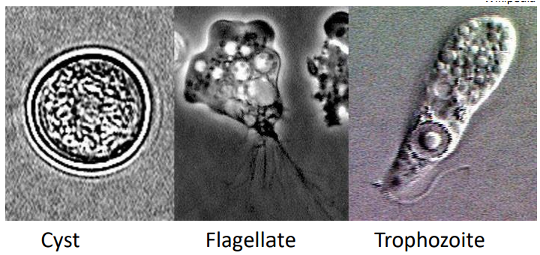
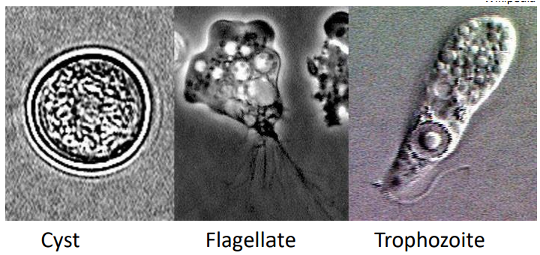
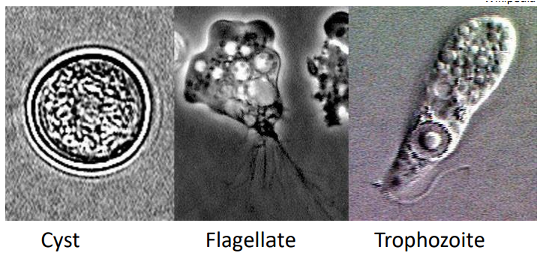
Describe the Life Cycle of this waterborne protozoan:
-Naegleria fowleri
1) Amoeboid Trophozoite moves via pseudopodia
2) Trophozoite will feed, reproduce, transform -> Flagellate
3) Adverse Conditions: Flagellate transforms to -> Circular Cyst
What is this Waterborne Protozoan?
-Naegleria fowleri
Thermophilic, free-living amoeboflagellates with pseudopodia
-PAM (Primary amoebic meningoencephalitis)
-Amoeba enters Nose -> Olfactory Mucosa -> Nerve fibers -> Brains
-Consumes brain cells (food cup releases proteases/lipases)
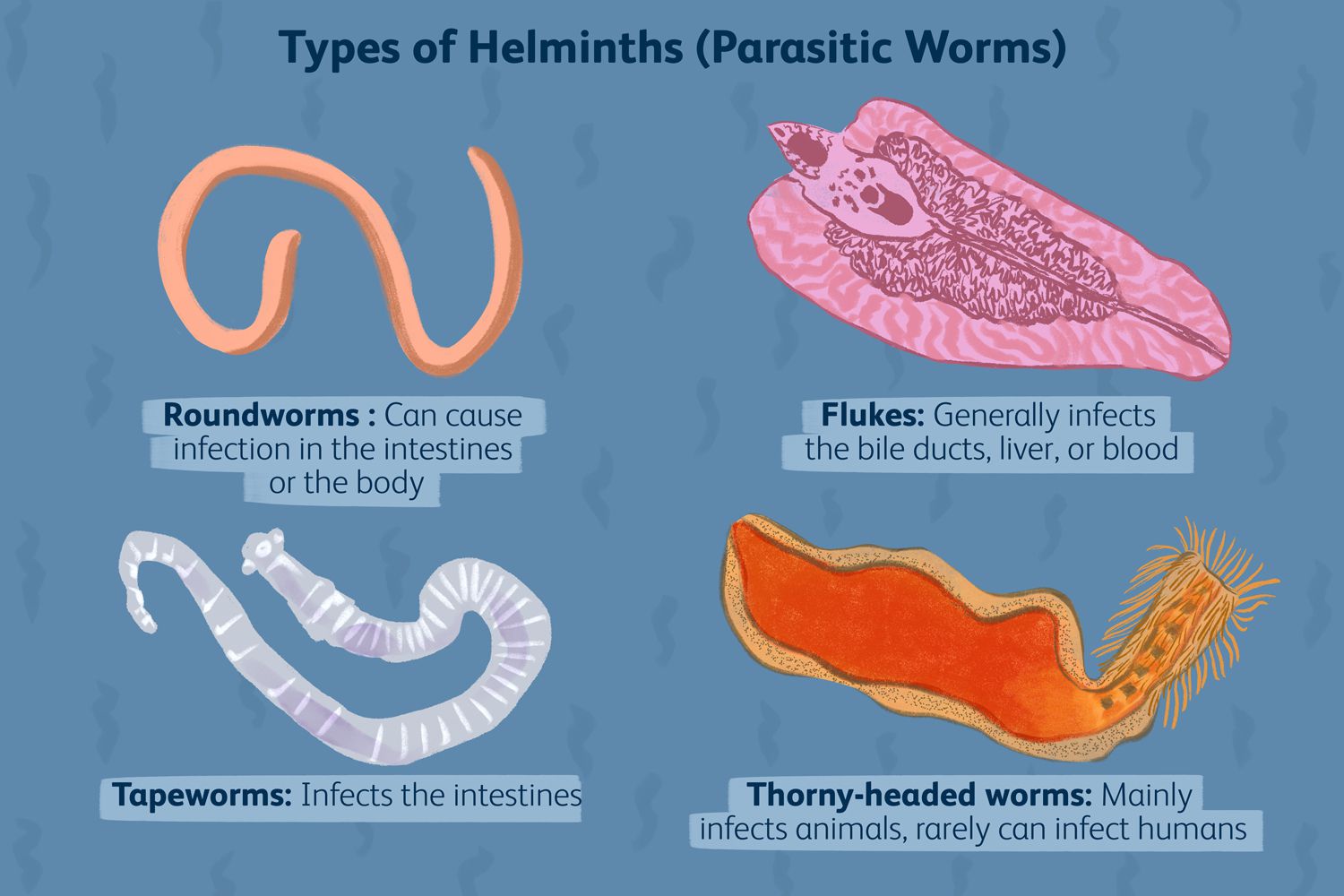
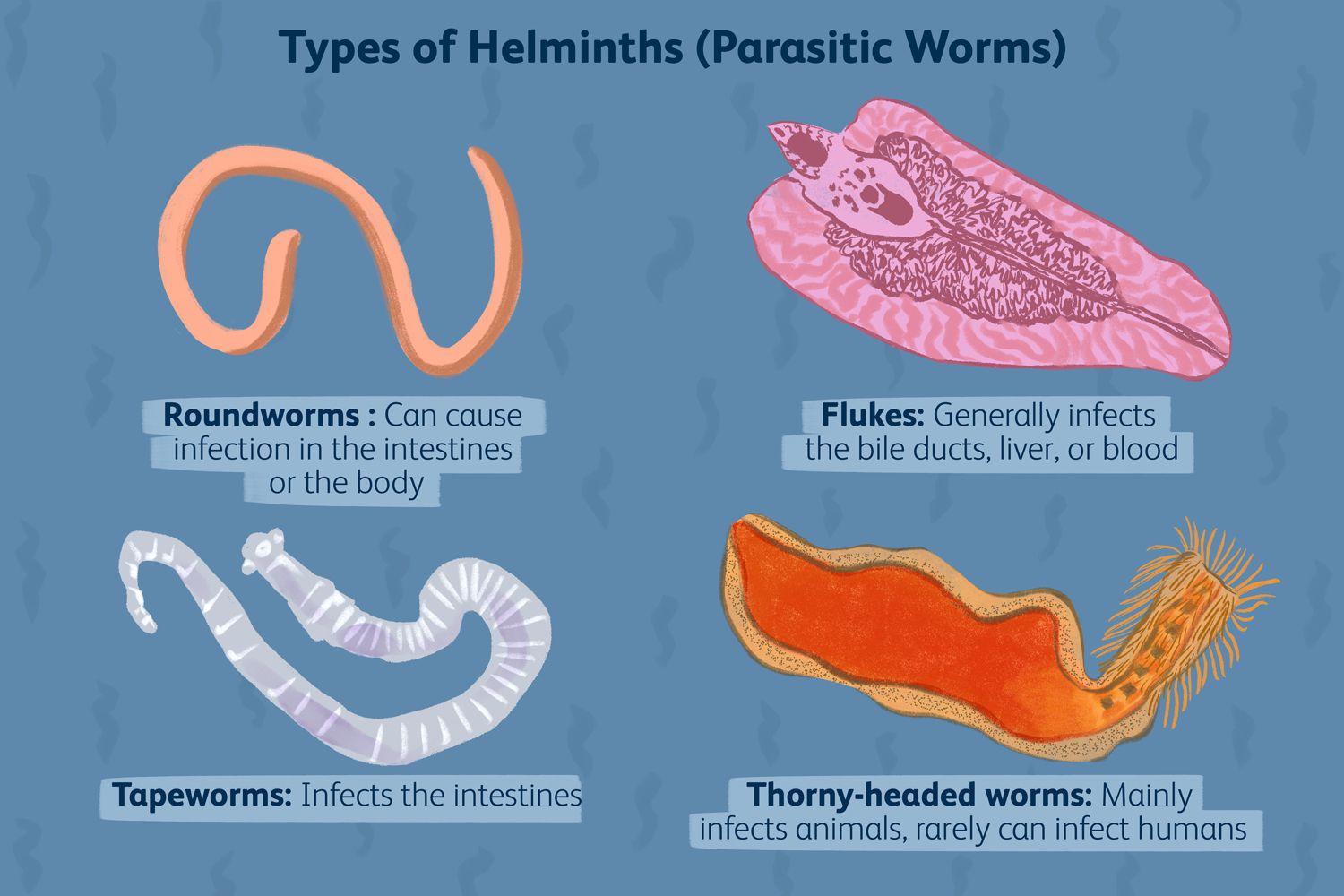
What is this?
-Free living and parasitic worms
Helminths
True or False: Except for Guinea worm and Liver Fluke, drinking water is NOT a significant route of transmission for most helminths
True
List all Helminth Waterborne Pathogens
1) Guinea worm
2) Fasciola
3) Schistosomes (water contact)
4) Roundworm, hookworm, whipworm, strongyloides (soil transmission)
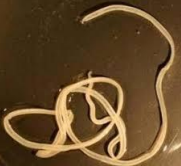
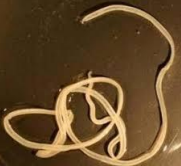
What is this Waterborne Helminth?
-Only human parasite that could be eradicated with safe drinking water
-Limited to Sub-Saharan Africa
-Historic low of 10 cases in 2025
Dracunculus medinensis (Guinea worm)
What is a solution that reduces the rate of Guinea worm infections contracted through drinking water?
-Pipe filters, work like a straw
-Individual filtration devices worn around the neck
-Filter water to avoid contracting disease while away from home
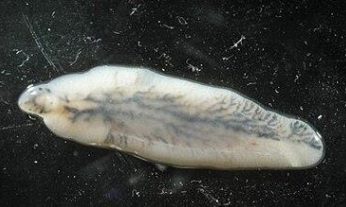
What is this Waterborne Helminth?
-Ingestion of raw aquatic plants + drinking water
-Using utensils washed in contaminated water
-Australia: Human infections are rare, mainly animal
-Infections in many countries in ~17 million people
Fasciola (Common Liver Fluke)
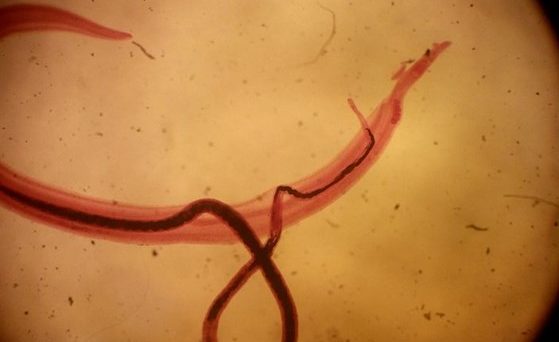
Name a helminth that can be transmitted through water contact
-Schistosomiasis
-Cccurs via infected snails in freshwater + skin penetration
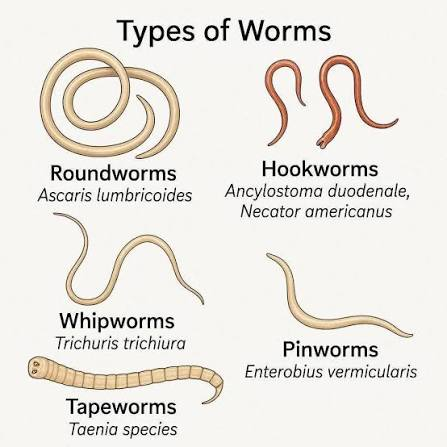
What are these soil-transmitted heminths associated with?
1) Roundworm
2) Hookworm
3) Whipworm
4) Strongyloides
Use of untreated wastewater in agriculture
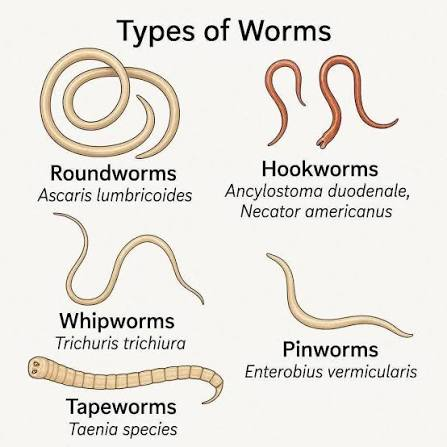
Name some helminths with soil transmission that are associated with the use of untreated wastewater in agriculture
1) Roundworm
2) Hookworm
3) Whipworm
4) Strongyloides
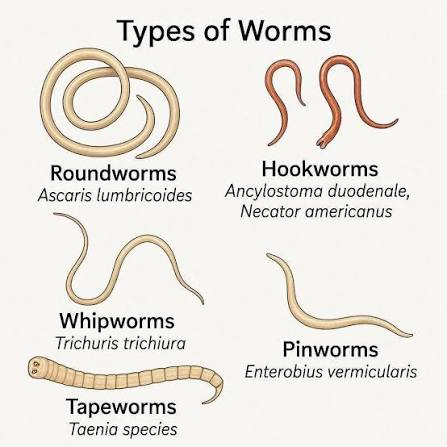
True or False: Soil-transmitted helminths are among the most common infections worldwide
True
True or False: Systematic search showed that 58% (218/375) of human infectious diseases (mostly bacterial) are worsened by climate hazards
True
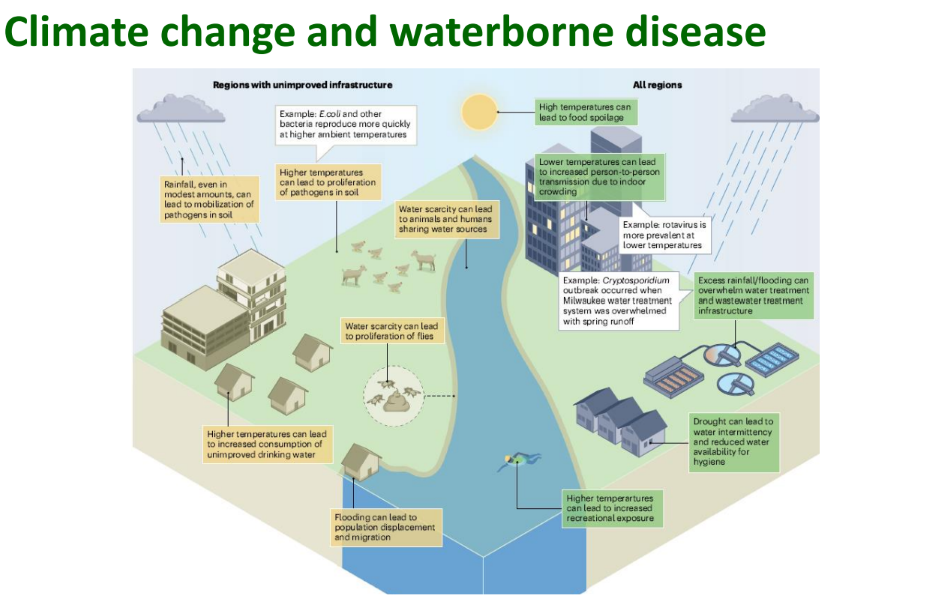
Explain how this example of Climate Change increases the transmission of waterborne viral and protozoal diseases:
1) Heatwaves
-Increases recreational water use activities
-Associated with rise in PAM (primary amoebic meningoencephalitis)
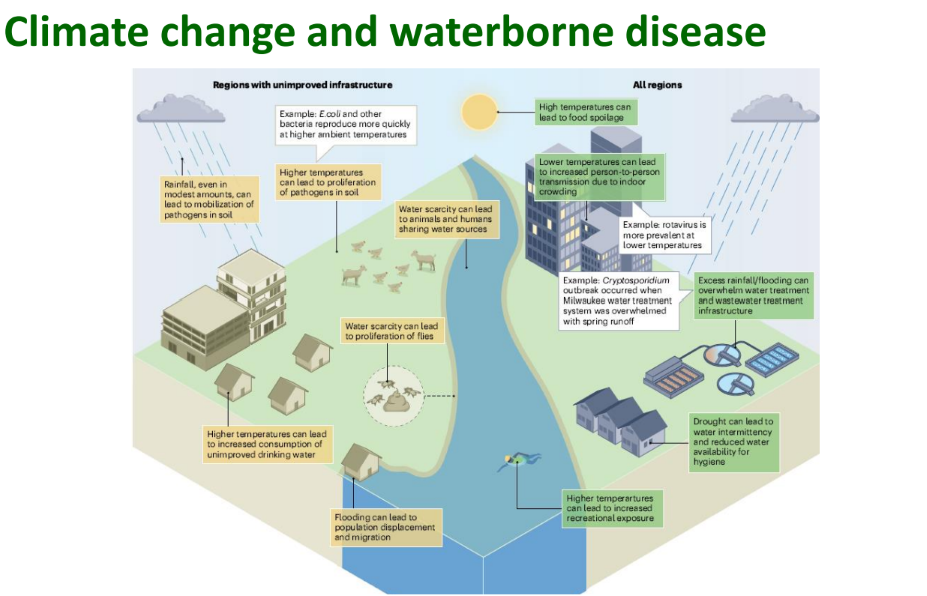
Explain how this example of Climate Change increases the transmission of waterborne viral and protozoal diseases:
2) Storms, floods, sea level rising
-Stagnant water increased mosquitoes -> increased malaria, dengue
-Increased norovirus, rotavirus, hepatitis, giardiasis, cryptosporidiosis
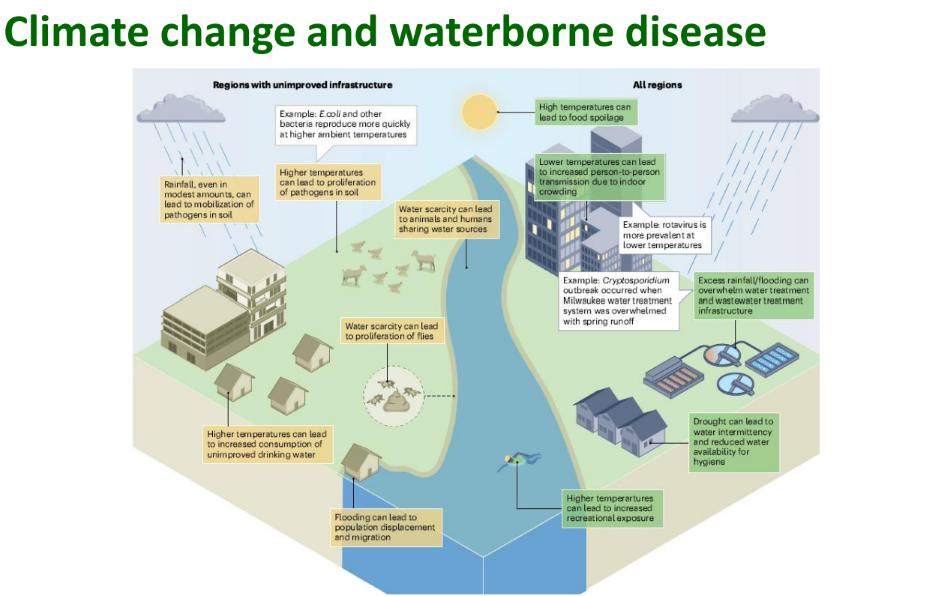
Explain how this example of Climate Change increases the transmission of waterborne viral and protozoal diseases:
3) Drought
-Congregation of mosquitoes around remaining water sources
-Facilitated transmission of WNV (West Nile Virus)
Why are NEW waterborne pathogens starting to emerge?
Name some genetics-related reasons.
1) Evolution (viral genetic reassortment, bacterial HGT)
2) Development of molecular methods for detection, and source tracking (genomic surveillance) allows us to identify new threats
Why are waterborne pathogens continuing to emerge and re-emerge?
Name some globalization-related reasons
1) Increased sensitive populations (Immunocompromised, Elderly etc.)
2) Globalization of Commerce and Travel
Why are waterborne pathogens continuing to emerge and re-emerge?
Name some food-related reasons
1) Changes in drinking water treatment technology (UV used to avoid toxic effects of chlorine, but adenoviruses are highly resistant to UV)
2) Changes in food supply production (animals are confined at high density causing groundwater contamination)
What are these?
1) Microsporidia
2) Mycobacterium avium intracellulare
3) Helicobacter pylori + Arcobacter
4) Polyomaviruses, Coronaviruses (SARS), Circoviruses etc.
5) Toxic Cyanobacterial and Algal blooms
Emerging Waterborne Pathogens