Animal Diversity - Taxonomy and Phylogeny of Animals
 Studied by 1 person
 Call Kai
 Learn
Learn Practice Test
 Spaced Repetition
 Match
Match Flashcards
 Knowt Play
1/42

There's no tags or description
Looks like no tags are added yet.
Name | Mastery | Learn | Test | Matching | Spaced |
|---|
No study sessions yet.
43 Terms
Phylogenetic Tree
Made with genetic data and often branches indicate evolutionary time
Nodes denote
Common ancestors
Tips denote
taxa
Root denotes
Beginning
The space between tips and branches mean…
NOTHING
What do the length between branches represent?
No meaning
Amount of evolutionary change
Time since common ancestry
In the cladogram shown below, Amphioxus is the __________.
Outgroup
The sister group of the gorilla is depicted here by which animal?
Rabbit
Based on the tree below, is the frog more closely related to the fish or the human?
Human because they sister groups. DO NOT GO BASED OFF OF NODES
Can nodes move?
Yes
Monophyletic
group includes most recent common ancestor and all descendants, synonymous with “clade”
Paraphyletic
includes most recent common ancestor and SOME descendants (not all)
Polyphyletic
group has at least 2 evolutionary origins
Phylogenetics
The study of species relationships and the use of genetic models to understand the probable history of life
Why is paraphyly important?
Establishes the direction of transmission, from which the source can then be inferred.
Parsimony
“other things being equal, a simpler explanation is better than a more complex one.”
Convergent evolution
Occurs when organisms that aren't closely related evolve similar features or behaviours, often as solutions to the same problems. Type of homoplasy
Homoplasy
A biological feature that is similar in different species but was not inherited from a common ancestor
Synapomorphies
a homologous trait that is shared among a clade and is distinctive to that clade.
Biological species concept
Cannot successfully interbreed
How do you write a species name?
Genus + species
Genus is always capitalized, species always lowercase. Both are typed in italics.
Population
potentially reproductively interactive group of animals of the same species
Populations of _____ species occur together in complex communities.
Many
Abiotic factors
include space, energy forms including sunlight, heat, wind and water currents, and the soil, air, water and chemicals (e.g. pH, elevation).
Biotic factors
Include other organisms as food, or competitors, predators, hosts or parasites.
Niche
includes the organism’s requirements for temp., moisture, food, etc.. Niches include other organisms
Generalists have ____ niches; Specialists have _____ niches
Wide; Narrow
For specialist, the fundamental and realized niches are very _____.
Similar
Interactions among organisms
• +, + mutualism
• +, 0 commensalism
• +, - predation, parasitism, herbivory
• -,- competition
• -, 0 amensalism
General themes
Things with limited range do poorly.
Loss of large-bodied taxa
Often things with carbonate shells do poorly because can oceans acidify (PT, TJ, and KPg).
Causes of current extinction
Changes in land/sea use causing habitat fragmentation
Direct exploitation of organisms
Climate change
Pollution
Invasive species
Darwin explained extinctions by _____ competition
Interspecific
How to resolve Competition?
resource partitioning - coexisting species utilize different niches
character displacement - evolution of anatomical or behavioral differences that reduce competition between species in sympatry that differ from what the trait looks like in allopatry
Competitive exclusion
Two species that occupy the same niche (utilize the same resources) cannot coexist
Sympatry
Living together
Allopatry
Living apart
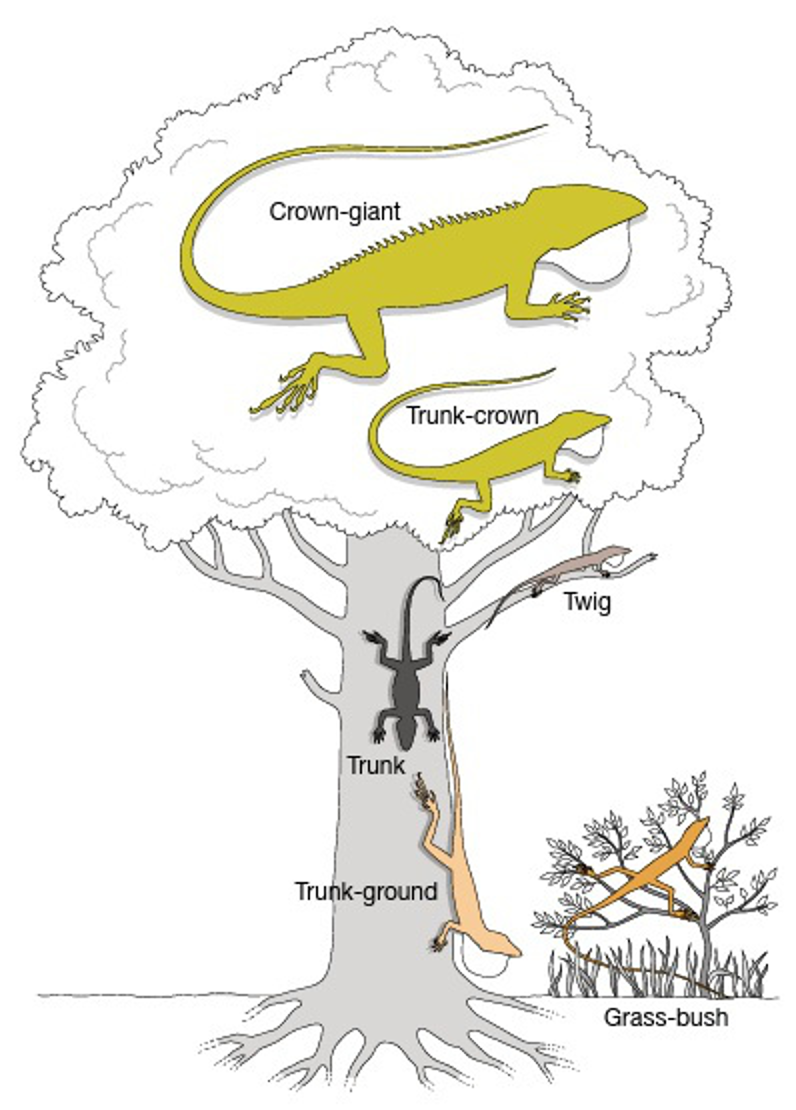
What term would not describe this picture?
Endoparasites
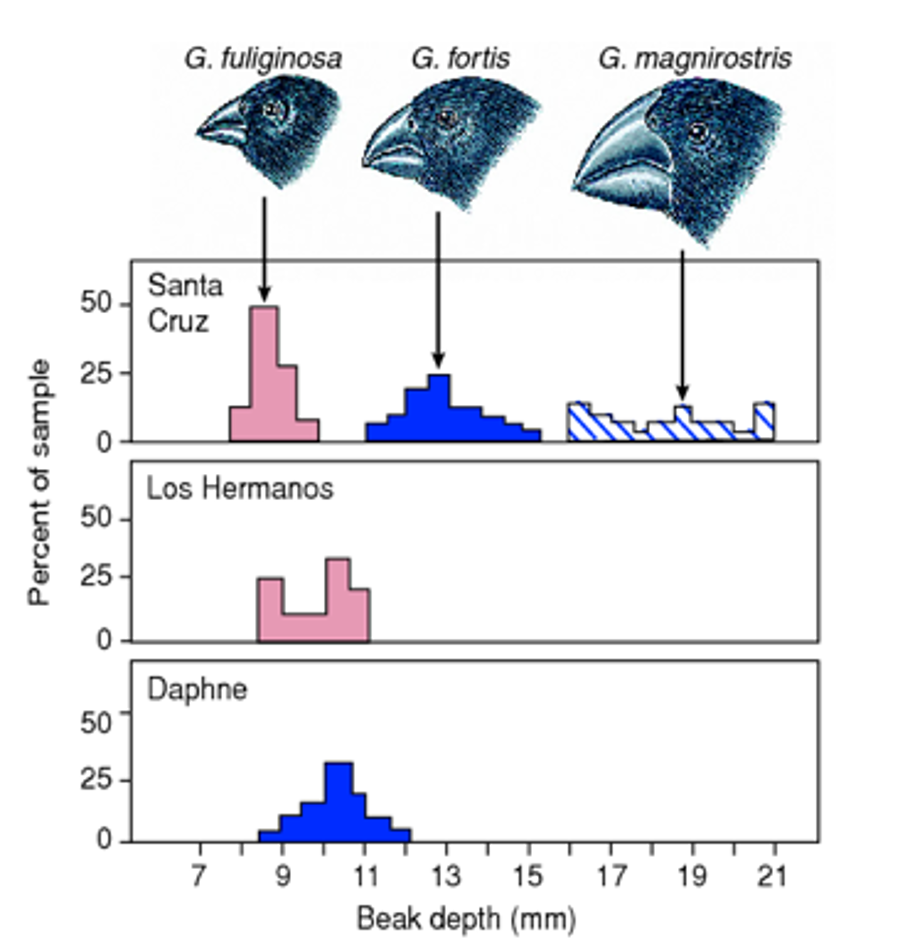
The data in this graph can be use to support the presence of _______ in this community.
Character displacement
Keystone Species
Referring to a species that keeps competition between prey items (and additional interactions between other species) in the ecosystem in check.
This person is petting their dog’s ________ surface.
Dorsal
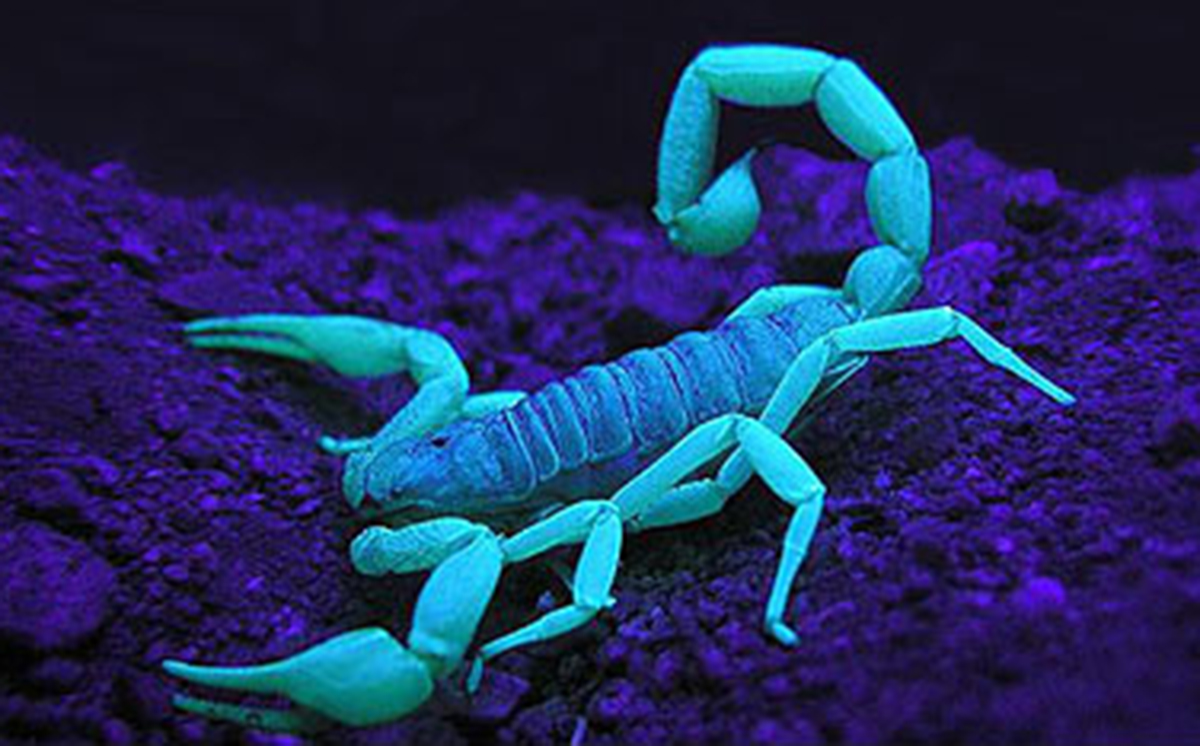
What are the correct anatomical terms?
1) Distal, 2) Posterior
Symplesiomporphy
a shared ANCESTRAL trait
Autapomorphy
a UNIQUE derived trait