BIO Proteins and Nucleic Acids
 Call Kai
 Learn
Learn Practice Test
 Spaced Repetition
 Match
Match Flashcards
 Knowt Play
1/62

There's no tags or description
Looks like no tags are added yet.
Name | Mastery | Learn | Test | Matching | Spaced | Call with Kai | Chat |
|---|
No analytics yet
Send a link to your students to track their progress
63 Terms
how much dry mass does proteins account for
more than 50%
what molecule has functions including structural support, storage. transport. cellular communciations, movement, and defense
proteins
what protein’s function is selective acceleration of chemical reactions
enzymatic proteins
what protein’s function is storage of amino acids
storage proteins
what is the protein of milk and a major important amino acid for baby mammals
casein
what protein’s function is coordination of an organism’s activites
hormonal proteins
what is a hormone
chemical messenger
True or False: hormones circulate the entire body but only influence specific cells
True
what protein’s function is movement
contractile and motor proteins
what proteins are responsible for the undulations of cilia and flagella
motor proteins
what proteins are responsible for the contraction of muscles
actin and myosin proteins
what protein’s function is protection against disease
defensive proteins
what protein’s function is transport of substances
transport proteins

what protein is this
transport protein
what protein’s function is the response of cell to chemical stimuli
receptor protein
what protein’s function is support
structural proteins
what is the protein of hair, horns, feathers, and other skin appendages
keratin
polymers built from the same set of 20 amino acids
polypeptides
what is a biologically functional molecule that consists of one or more polypeptides
protein
monomer of protein
amino acid
polymer of protein
polypeptide
true or false: all proteins are polypeptides but not all polypeptides are proteins
true
what functional groups are in an amino acid
carboxyl and amino
what is a functional protein
a protein that consists of one or more polypeptides precisely twisted, folded, and coiled into a unique shape
primary structure of a protein
its unique sequence of amino acids
secondary structure of protein
consists of coils and folds in the polypeptide chain
tertiary structure in proteins
protein’s 3D shape
quaternary structure in protein
results when a protein consists of multiple polypeptide chains
what is primary structure determined by
DNA
what basic shapes form secondayr structure
alpha (helix) and beta (pleated sheet)
what can cause a protein to unravel
alterations in pH, salt concentration, temp, or other environmental factors
what is the loss of a protein’s shape called
denaturation
what is unique about a denatured protein
it is biologically inactive
what disease is associated with a change in primary structure
sickle-cell disease
what diseases are associated with misfolded proteins
Alzheimer’s, Parkison’s, and mad cow disease
what are the two types of nucleic acid
deoxyribonucleic acid and ribonucleic acid
what are chromosomes made of
DNA
what does DNA carry
instructions for making RNA
what does RNA carry
instructions for making proteins
what monomers are present in nucleic acids
nucleotides
what are the three parts to a nucleotide
nitrogenous base, pentose sugar, and one or more phosphate groups
what nitrogenous bases are present in DNA
C, T, A, G
what nitrogenous bases are present in RNA
C, U, A, G
what are the two types of sugars in nucleic acids
deoxyribose and ribose

what is the purple label
actin
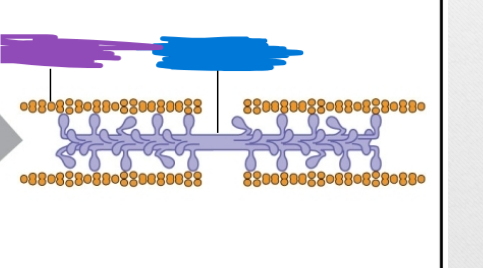
what is the blue label
myosin
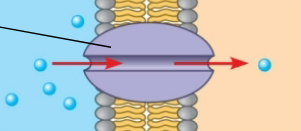
what is this
transport protein

what is this
receptor protein

what is this
glycine

what is this
proline

what is this
cysteine

what is this
glutamic acid

what is this
tryptophan

what is this an example of?
primary structure

what is this an example of?
secondary structure
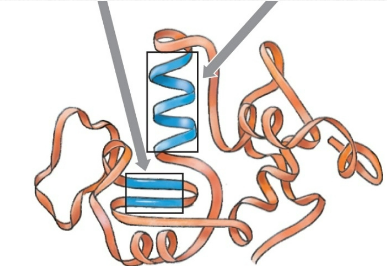
what is this an example of?
tertiary structure

what is this
cytosine
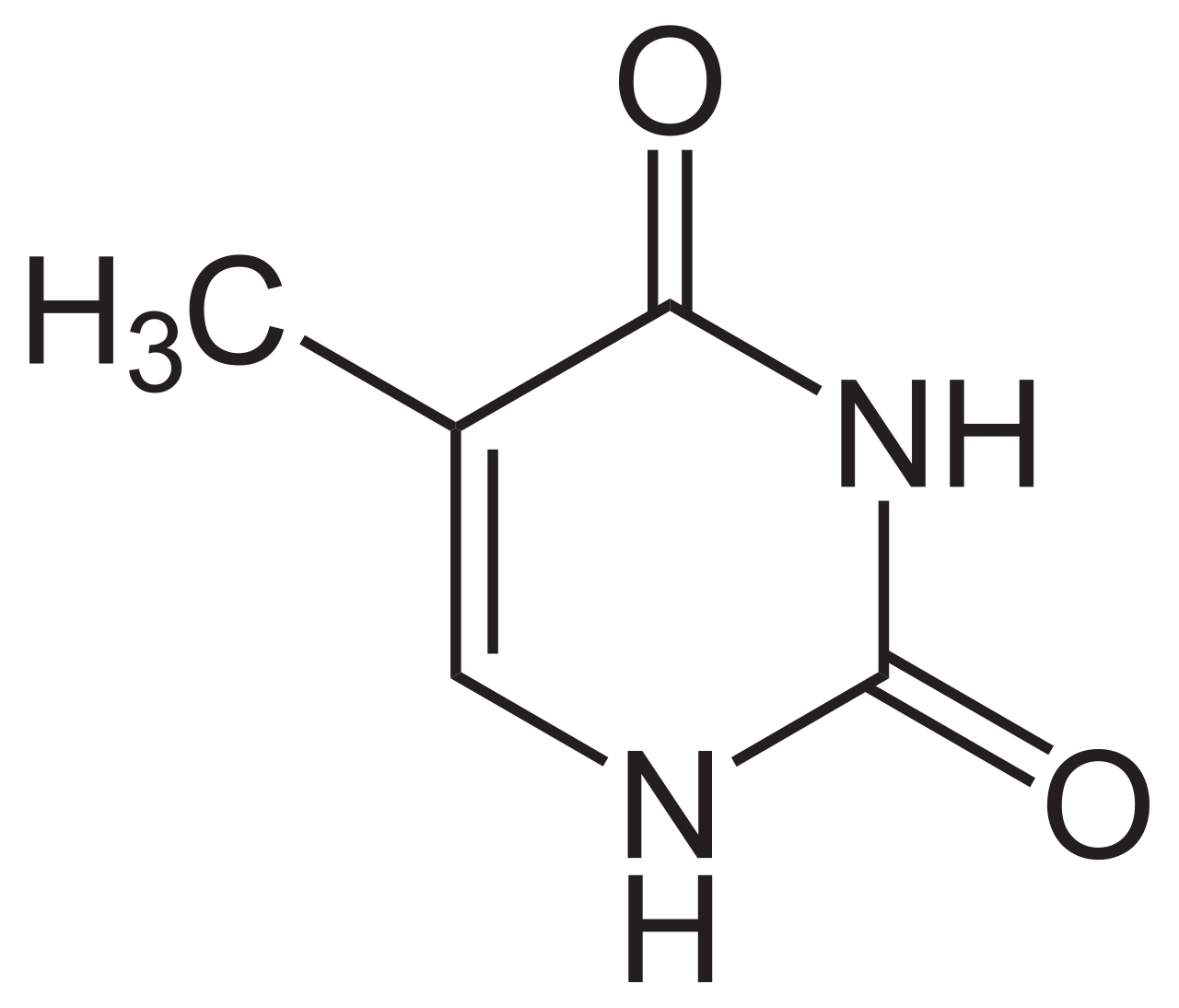
what is this
thymine

what is this
uracil
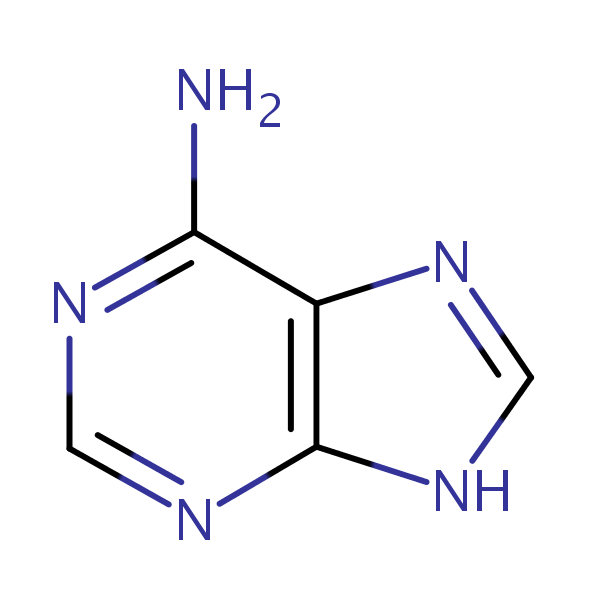
what is this
adenine

what is this
guanine

what is this
deoxyribose

what is this
ribose