AP Biology: Cell Organelles and their functions
0.0(0)
Studied by 3 people0%Exam Mastery
Build your Mastery score
 AP Practice
Supplemental Materials Call Kai
Call KaiCard Sorting
1/38

Earn XP
Description and Tags
Last updated 3:17 PM on 10/13/22
Name | Mastery | Learn | Test | Matching | Spaced | Call with Kai |
|---|
No analytics yet
Send a link to your students to track their progress
39 Terms
1
New cards
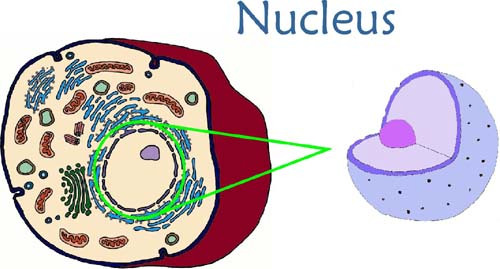
Nucleus
(Brain / Da' Control Center)
(Brain / Da' Control Center)
Structure:
- filled with nucleic acids, RNA & DNA
- surrounded by nuclear membrane
Function:
- provides genetic information to the cell
- controls cell process & reproduction
- filled with nucleic acids, RNA & DNA
- surrounded by nuclear membrane
Function:
- provides genetic information to the cell
- controls cell process & reproduction
2
New cards
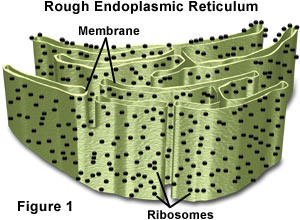
Endoplasmic Reticulum
Endoplasmic Reticulum Network of canals used to transport and store substances. It is a pathway between the nucleus and cell membrane
ER (emergency room- ambulance transports you to the ER)
ER (emergency room- ambulance transports you to the ER)
3
New cards
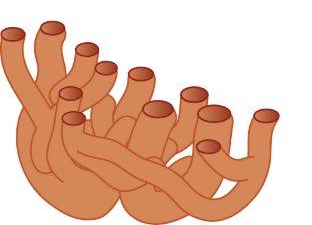
Smooth ER
Structure:
- NOT covered in Ribosomes
- series of membrane tubes
Function: (highway for materials)
- creates lipid-based molecules like hormones and steroids
- NOT covered in Ribosomes
- series of membrane tubes
Function: (highway for materials)
- creates lipid-based molecules like hormones and steroids
4
New cards
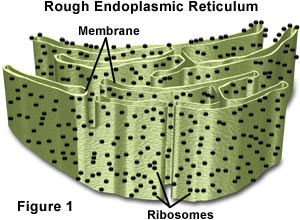
Rough ER
Structure:
- covered in Ribosomes
- series of membrane tubes
(usually found near nucleus)
Function:
- creates proteins and transports them to the Golgi body.
- covered in Ribosomes
- series of membrane tubes
(usually found near nucleus)
Function:
- creates proteins and transports them to the Golgi body.
5
New cards
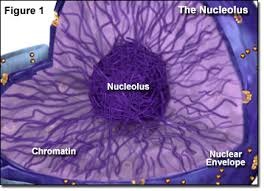
Nucleolus
(Meatballs found in the nucleus)
(Meatballs found in the nucleus)
Structure:
- filled with RNA (cheap copies of DNA)
- found in nucleus
- no membranes
Function:
- creates ribosomes (which produces proteins)
- filled with RNA (cheap copies of DNA)
- found in nucleus
- no membranes
Function:
- creates ribosomes (which produces proteins)
6
New cards
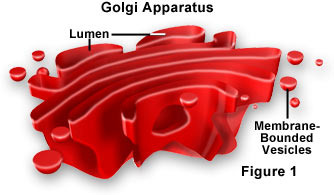
Golgi
(packaging plant/post-office)
(packaging plant/post-office)
-stacks of flattened membrane sacks that...
- creates, modifies, and packages proteins and lipids for the cell
- puts products in membrane sacks called vesicles
- produces lysosomes
Extras:
- major player in exocytosis
- releases them into the cytoplasm
- creates, modifies, and packages proteins and lipids for the cell
- puts products in membrane sacks called vesicles
- produces lysosomes
Extras:
- major player in exocytosis
- releases them into the cytoplasm
7
New cards
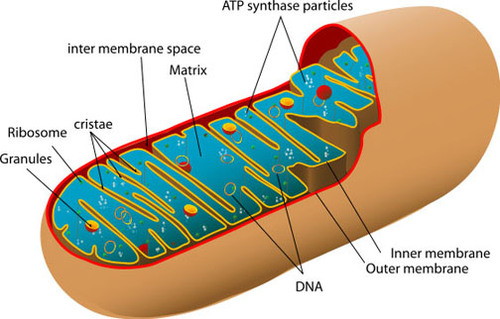
Mitochrondia
(powerhouse of the cell)
(powerhouse of the cell)
has 2 membrane and its own DNA that creates cellular energy (ATP)
Extras:
Ya' get it from yo' mama!
Extras:
Ya' get it from yo' mama!
8
New cards
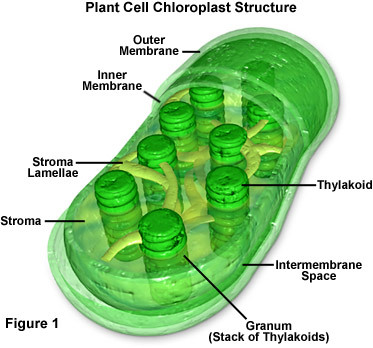
Chloroplast
Structure:
- membrane-bound organelle
- appears green from a molecule called "chlorophyll" which captures light
Function:
- performs photosynthesis to make food for the cell
- found only in plants
- membrane-bound organelle
- appears green from a molecule called "chlorophyll" which captures light
Function:
- performs photosynthesis to make food for the cell
- found only in plants
9
New cards
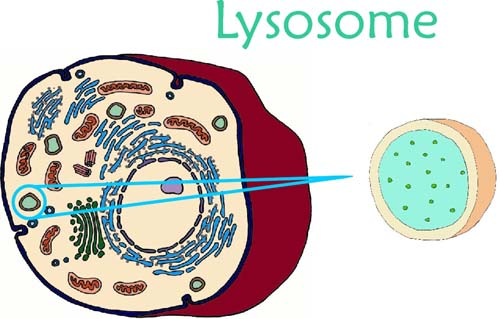
Lysosomes
(Lysol cleaner)
(Lysol cleaner)
- membrane bound sacks (called a vesicle)
Function:
- contains enzymes (lysozyme)
- destroy bacteria and old cells
- breaks down food
Function:
- contains enzymes (lysozyme)
- destroy bacteria and old cells
- breaks down food
10
New cards
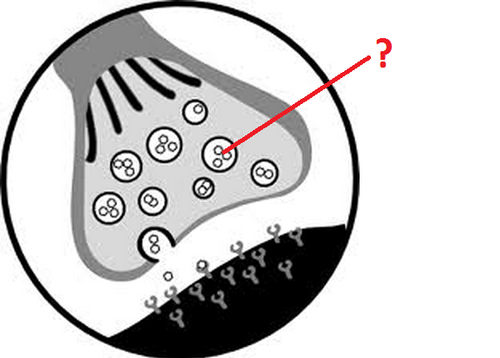
Vesicle
sacs that proteins are placed in by the golgi body before being shipped away
11
New cards
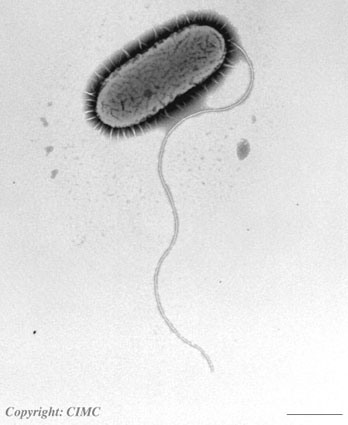
Flagella
- 2 micro tubes slide past each other - provides cell with a whip-like tail for (chaotic) motion to move the cell
12
New cards
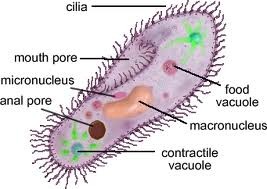
Cilia
Structure:
-possesses a 9+2 arrangement
- made up of microtubules that slide up each other.
Function:
- gives wave-like motion to help the cell move (e.g: nose hair)
-possesses a 9+2 arrangement
- made up of microtubules that slide up each other.
Function:
- gives wave-like motion to help the cell move (e.g: nose hair)
13
New cards
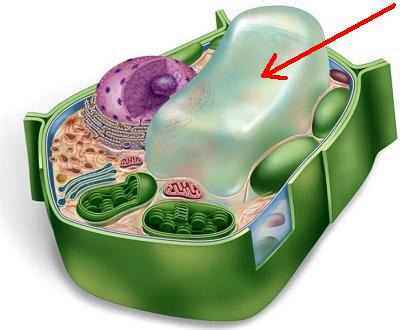
Vacuole
(Vaccuum up the dirt. Vaccuum holds/stores the dirt in a bag/ food containers)
(Vaccuum up the dirt. Vaccuum holds/stores the dirt in a bag/ food containers)
Structure:
-large membrane-bound sacks
Function:
-stores materials
-large membrane-bound sacks
Function:
-stores materials
14
New cards
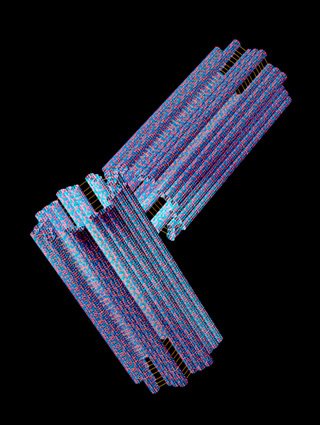
Centrioles
Structure:
- stacks of microtubules
Function:
-plays a role in cellular (division) reproduction
- stacks of microtubules
Function:
-plays a role in cellular (division) reproduction
15
New cards
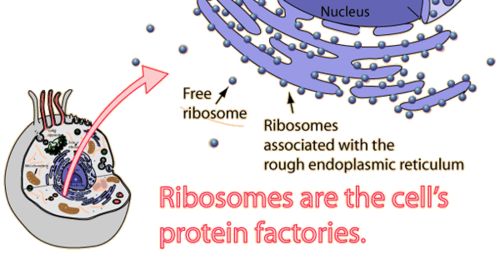
Ribosome
2 pieces of proteins that read RNA to make proteins
16
New cards
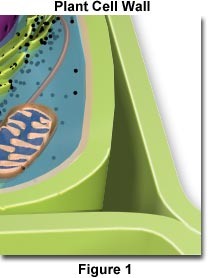
Cell Wall (tree bark)
A large chain of carbohydrates that gives the cell rigid structure
17
New cards
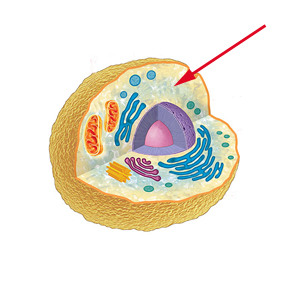
Cytoplasm
Structure:
-jelly-like material that is 80% water
-contains Proteins, Lipids, and Carbohydrates
Function:
- gives shape to the cell
- holds organelles
-gives shape &structure to cells
-jelly-like material that is 80% water
-contains Proteins, Lipids, and Carbohydrates
Function:
- gives shape to the cell
- holds organelles
-gives shape &structure to cells
18
New cards
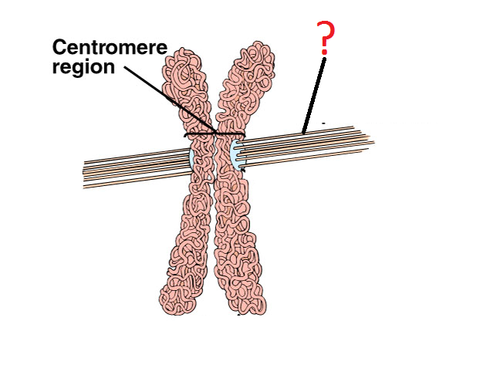
Microtubules
protein tubes that...
- provide structure of cell
- provide movement of cilia & flagella
- help centrioles with reproduction
- provide structure of cell
- provide movement of cilia & flagella
- help centrioles with reproduction
19
New cards
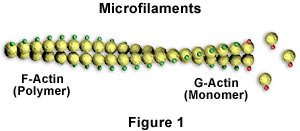
Microfilaments
- long strands of proteins; (looks like a rope) provides structure in cell; part of the cytoskeleton
20
New cards
3 postulates of cell theory
1) all organisms are made of cells
2) cells are the basic units of life
3) new cells arise from pre-existing ones.
2) cells are the basic units of life
3) new cells arise from pre-existing ones.
21
New cards
Importance of proteins in a membrane
to allow specific molecule to enter the cell
22
New cards
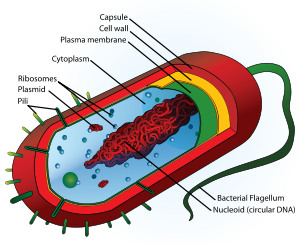
Prokaryotes
cells without nucleus & other membrane-bound organelles.
Ex:
Bacteria; first cell life on earth
Ex:
Bacteria; first cell life on earth
23
New cards
Eukaryotes
cell with nucleus & membrane bound organelles
evolved from prokaryotes, and thus are more complex.
Ex:
Protists, fungi, plants, animals
evolved from prokaryotes, and thus are more complex.
Ex:
Protists, fungi, plants, animals

24
New cards
What usually determines the shape of a cell?
Its function or cytoskeleton
25
New cards
3 things Prokaryotes and Eukaryotes have in common
they both have a cell membrane, a cell wall, and ribosomes
A) Both types of cells contain ribosomes.
B) Both types of cells contain cytoplasm
C) Both types of cells contain DNA.
A) Both types of cells contain ribosomes.
B) Both types of cells contain cytoplasm
C) Both types of cells contain DNA.
26
New cards
Name two things plant cells have that animals don't
Cell wall
Chloroplast
Chloroplast
27
New cards
Something animal cells have that plants don't have
lysosomes
28
New cards
endosymbiosis theory
States that organelles such as chloroplasts and mitochondria were once free-living prokaryotes which eventually lived symbiotically within larger cells, forming modern day eukaryotes.
29
New cards
evidence of endosymbiosis theory
has its own DNA & Ribosomes, makes its own proteins, and is able to replicate on its own
30
New cards
which organelle produces the molecule ATP that is required by all cells?
The mitochondria
31
New cards
Steps of protein creation
1) Nucleolus creates the ribosomes
2) Ribosomes exit the nucleus
3) Ribosomes attach and travel along the rough ER
4) Proteins created by the ribosomes is passed to the golgi body
5) Vesicle protects the protein and releases it from the cell
2) Ribosomes exit the nucleus
3) Ribosomes attach and travel along the rough ER
4) Proteins created by the ribosomes is passed to the golgi body
5) Vesicle protects the protein and releases it from the cell
32
New cards
How is the DNA of eukaryotic cells different than that of prokaryotic cells?
B) Eukaryotic DNA is covered with proteins while prokaryotic DNA is "naked".
C) Eukaryotic DNA is found as strands while prokaryotic DNA is circular
C) Eukaryotic DNA is found as strands while prokaryotic DNA is circular
33
New cards
A cell is found to have a cell wall, cell surface membrane, chloroplasts, mitochondria & vacuoles. What type of cell is it?
D) Plant Cell
34
New cards
A cell is found to have a cell wall, cell surface membrane, ribosomes and naked DNA. What type of cell is it?
D) Prokaryotic Cell
35
New cards
A cell is found to have a cell surface membrane, mitochondria, variable shape, and stores its carbos as glycogen. What type of cell is it?
A) Animal Cell
36
New cards
Which characteristics are typical of most plant cells & not found in animal cells?
A) May have chloroplasts.
B) Has a cell wall.
C) Has a fixed (often squarish) shape.
D) Has large vacuoles.
B) Has a cell wall.
C) Has a fixed (often squarish) shape.
D) Has large vacuoles.
37
New cards
What type of cells generally possess a nucleus and membrane-bound organelles in the cytoplasm, each with a specific function?
D) Eukaryotic Cells
38
New cards
2. Which of the following organisms are composed of eukaryotic cells?
C) Animals, Plants, Fungi & Protists
39
New cards
The early, simple cells that lack a nucleus and any internal organelles are the...
A) Prokaryotic Cells