Ichem: reactions
 Call Kai
 Learn
Learn Practice Test
 Spaced Repetition
 Match
Match Flashcards
 Knowt Play
1/54

There's no tags or description
Looks like no tags are added yet.
Name | Mastery | Learn | Test | Matching | Spaced | Call with Kai | Chat |
|---|
No analytics yet
Send a link to your students to track their progress
55 Terms
Na: Downs process
-Can be applied to all other alkali metals, i.e. Li: LiCl – KCl (l) , 450 C°

K

lithium metals ionic reaction with nitrogen
Li is the only element that reacts with N 2 under normal conditions

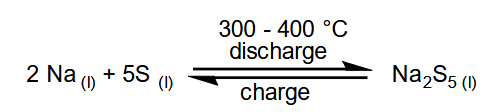
rechargeable Na/S battery
Halides reacting with group 1 elements
Can be, but are generally not prepared from the elements.
Are ionic solids with high standard enthalpies of formation, ΔfH°, and
lattice energies, ΔlatticeH°, and their formation is often used to provide the
extra enthalpy gain necessary to drive reactions forward, e.g. in salt
metathesis

Hydroxides reacting with group 1 elements
NaOH is a strong base and large scale product (“caustic soda”, world 50·10 6 t in 2008)

The chloralkali process
-group 1 elements
-The separation of the cathode from the anode in order to prevent
product mixing can be accomplished by the use of:
- a mercury cathode (mercury cell); graphite anode;
- an asbestos diaphragm (diaphragm cell);
- an ion permeable membrane (membrane cell); graphite or
platinum-covered titanium anode, steel or nickel cathode

Denticity
the number of atoms in a ligand that bind to a metal. A ligand
can display different denticity in different situations.
Lithium Batteries (anode reaction image)
-Non-reversible electrochemical process (non-rechargeable)

Li – I2 cell cathode reaction (Lithium Batteries)

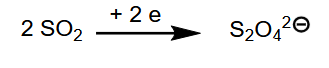
Li – SO 2 cell cathode reaction (Lithium Batteries)
Li – thionyl chloride cell cathode reaction (Lithium Batteries)

Li – MnO 2 cell cathode reaction (Lithium Batteries)
most common lithium battery

Lithium Ion Batteries (option 1)
Reversible electrochemical process (rechargeable)

Lithium Ion Batteries (option 2)

Magnesium synthesis
the only Group 2 element manufactured on large scale

Silicothermic Pidgeon process

Halides reacting with group 2 elements

oxides reacting with group 2 elements
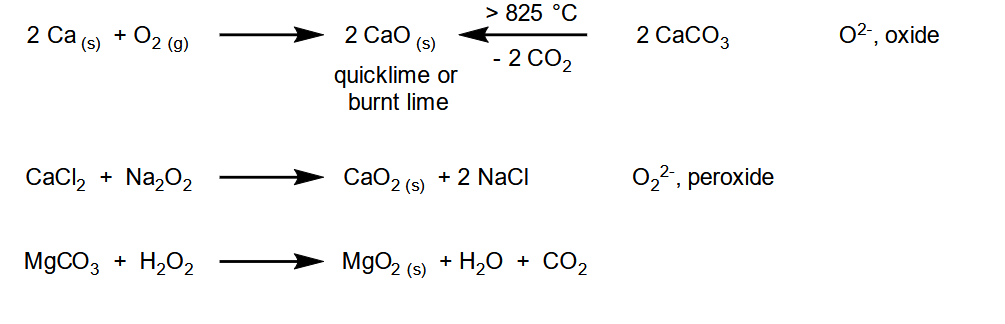
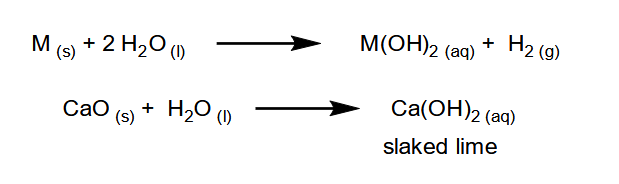
hydroxides reacting with group 2 elements
Salts of oxoacids
Have considerably lower solubilities than their alkali metal counterparts,
owing to increased lattice energy
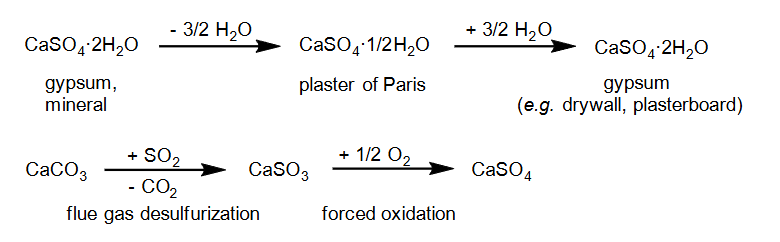
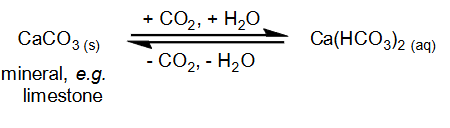
Water hardness
Refers to the content of Mg 2+ and Ca 2+
Chelation
formation of two or more separate bonds between a bidentate
(or polydentate) ligand and a central atom
Water softening

Ion exchange: Mg 2+ and Ca 2+
-are usually exchanged for Na +
-The ion exchange is reversible and it operates in batches using a column

Boron
- is overwhelmingly trivalent (i.e. uses 3 electrons in bonding)
General considerations1
- does not allow for octet expansion with formation of hypervalent
compounds (i.e. electron count on nitrogen of more than 8)
First Group 13 element, 3 valence electrons:
- forms numerous electron deficient compounds, i.e. compounds that do not have sufficient electrons in order for all covalent bonds to be described as two-electron bonds
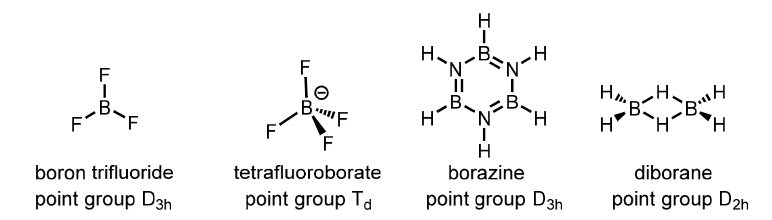
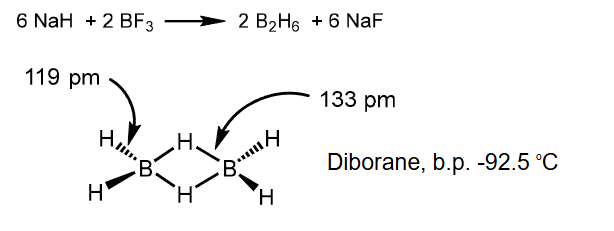
Boron Hydride reaction
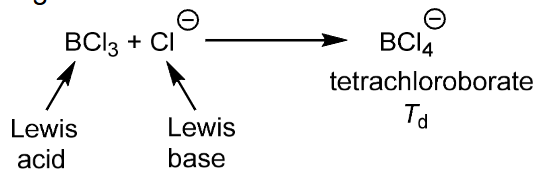
Boron halides
Are strong Lewis acids
Be(OH)2 amphoteric reaction

ammonia formation (via Haber-Bosch process)

selective oxidation to NO from ammonia

decomposition of hydrazine

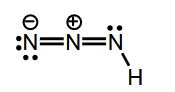
hydrazoic acid (hydrogen azide)
formation of dinitrogen monoxide

formation of nitrogen monoxide

formation of nitrogen dioxide

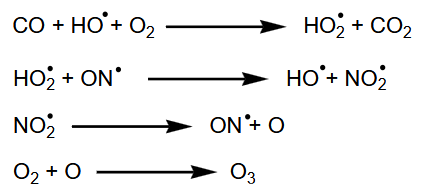
nitrogen oxides arising from different sources (maybe memorize?)
formation of max nitric acid in large quantities
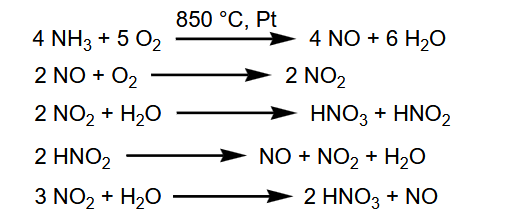
formation of pure nitric acid

reducing agents for heavy group (except C)
Al, Ca, Mg, and K
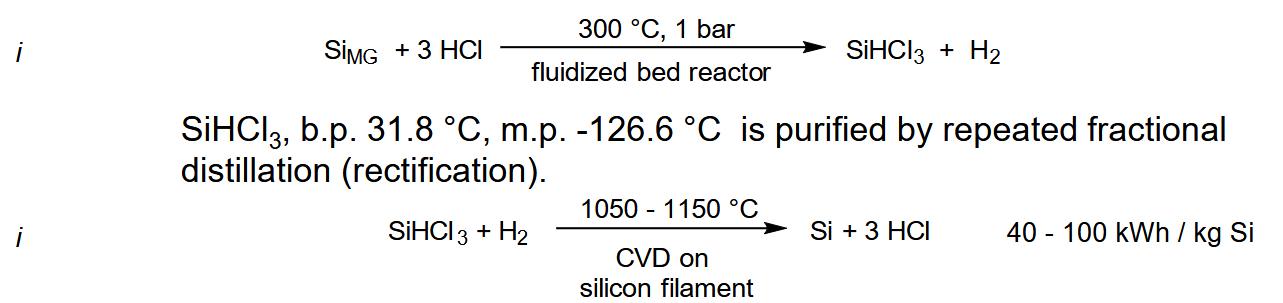
metallurgucal grade silicon formation

Siemens process
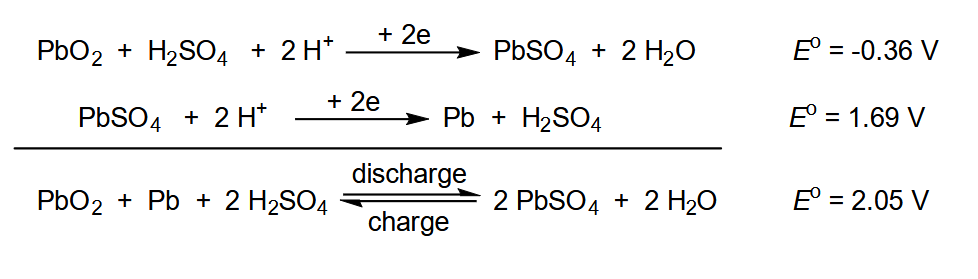
lead acid battery
this is used instead of lithium when they require more care (like cars in weather conditions)
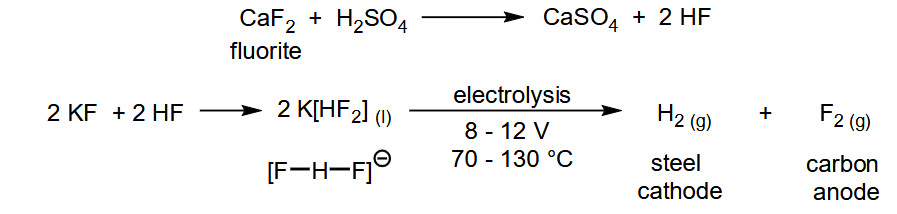
formation of silicon tetrahydride

Moissan process
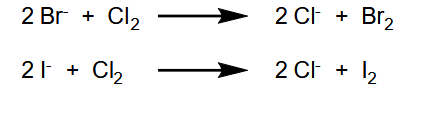
Br2 and I2 displacement
can be displaced by stronger oxidants
acid displacement
x=Cl, F

halogenation of organic substrates
x=Cl, F

formation of bleach

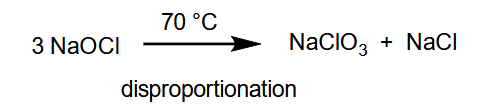
formation of sodium chlorate
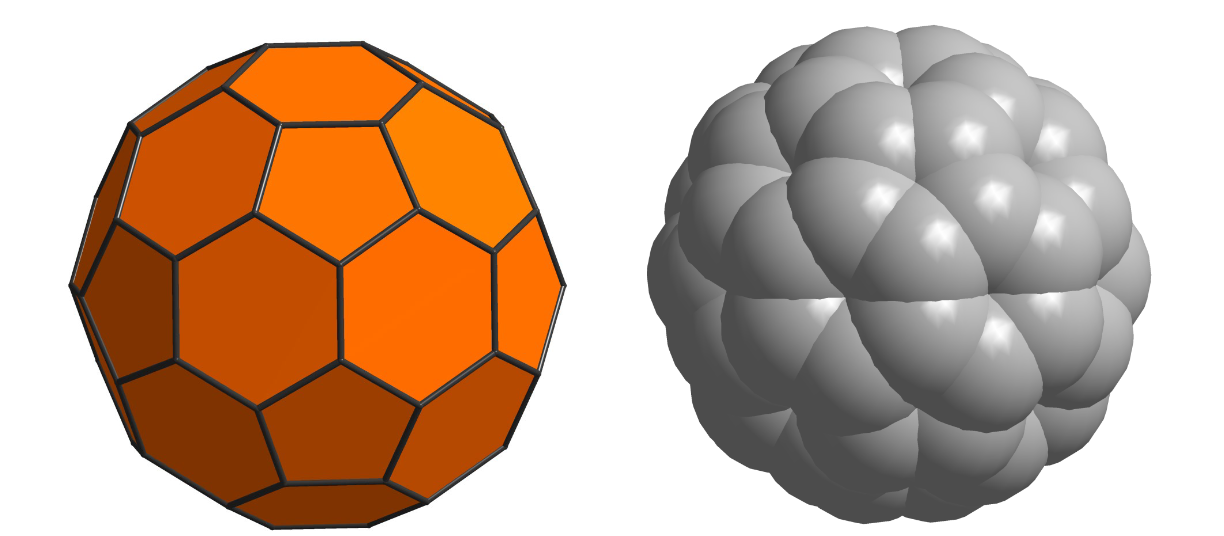
C60 fullerene
“soccer ball” made of hexagons and pentagons
consisting of 12 pentagons and 20
hexagons
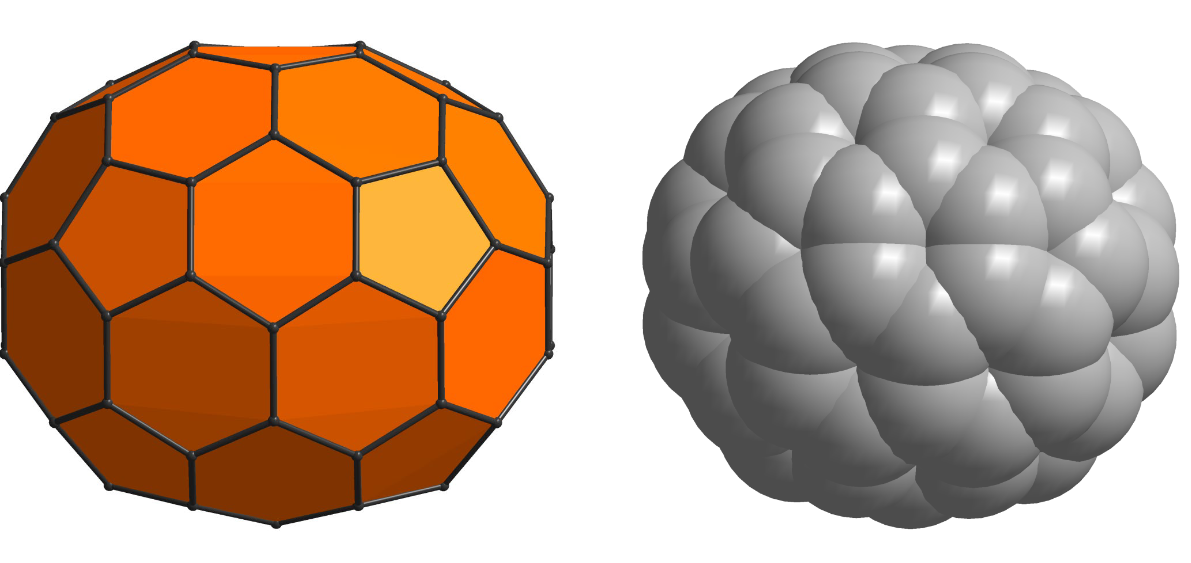
C70 fullerene
an oval shape, consisting of 15 pentagons and 25 hexagons.
formation of white phosphorus

EH3 formation

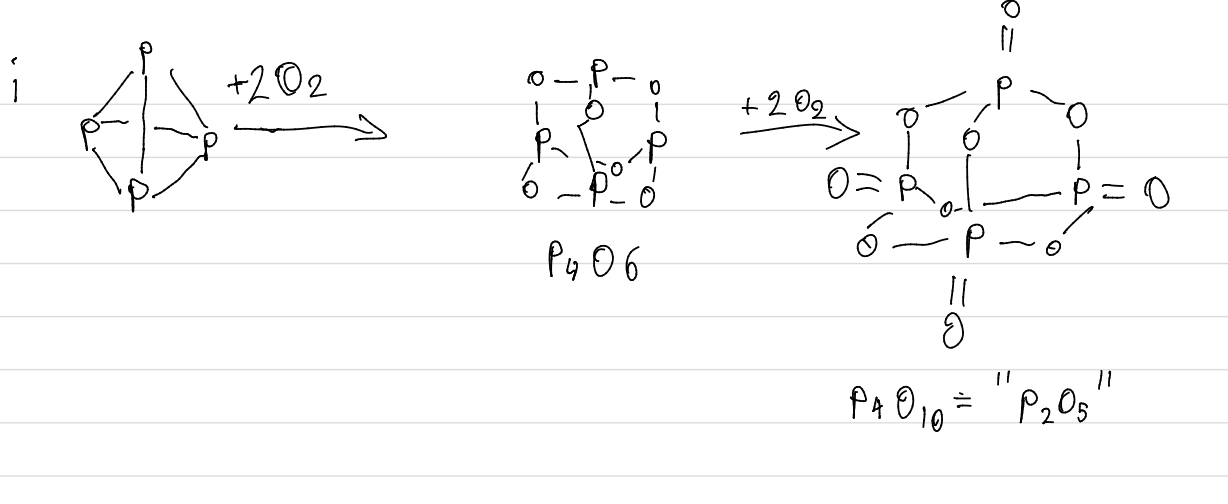
Oxygenation of white phosphorus