General Biology - Exam 1 Prep
 Call Kai
 Learn
Learn Practice Test
 Spaced Repetition
 Match
Match Flashcards
 Knowt Play
1/57

There's no tags or description
Looks like no tags are added yet.
Name | Mastery | Learn | Test | Matching | Spaced | Call with Kai | Chat |
|---|
No analytics yet
Send a link to your students to track their progress
58 Terms
What are the characteristics of defining life?
Common chemical features
Common Structure
Growth
Metabolism
Reproduction
Stimilus
Homeostasus
What 4 elements mostly make up life?
Carbon
Oxygen
Hydrogen
Nitrogen
How many elements are naturally reoccuring?
92
Which elements make up life at 4%
Phosphorus (P)
Potassium (K)
Iron (Fe)
Calcium (Ca)
Chlorine (Cl)
Sodium (Na)
Shared Characteristics of Biodiversity
Atoms
Molecule
Cell
Tissue
Organ
Body Systems
Organism
Ecosystem
Community
Population
What is a molecule?
Combination of atoms
What are the micromolecules?
H20
02
C02
ATP
What are the macromolecules?
Carbohydrates
Lipids
Proteins
Nucleic acids (Ex: RNA & DNA)
What is the common structure of life?
The cell is the smallest unit of life because it exhibits all characteristics of life
Prokaryotic Cell
Is unicellular and has no nucleus (Ex: bacteria)
Eukaryotic Cell
Has one nucleus (ex: plant, animal, fungi, protists) and is multicellular
Unicellular
Cells expand in size
Multicellular
Cells expand in size
Cell division (Mitosis)
What is metabolism?
A series of metabolic pathways and a sum total of all chemical reactions occurring in cells.
Catabolism
Breaking down molecules for energy
Anabolism
Synthesis of larger molecules that bonds smaller molecules to build larger onces
What is reproduction?
Passing down DNA to the next generation (offspring) therefore inheritance of genetic traits
Sexual reproduction
Lead to a recombination of DNA in offspring (Genetically unique)
Asexual reproduction
Offspring are identical to the parent (Cloning)
What is stimulis?
Detectable change in the environment detected by receptors (and must have receptors)
What kind of stimuli do we respond to?
Pressure
Moisture
Scent
Taste
Temperature
Light
Audio
What is homeostasis?
Maintains balance
What does homeostasis check?
Temperature
Blood Pressure
Blood Sugar
Blood Ph
Ion Balance
Water Balance
What is the scientific method?
Method of research with defined steps of experiments
What is a hypothesis?
Suggested explanation for an event, which can be tested
What is scientific theory?
thoroughly tested and confirmed explanation for a set phenomena
What is scientific laws?
Math formulas; describes how elements of nature will behave under certain conditions
Natural science
a field of science which studies the physical world, its phenomena, and process
ex: life science & physical science
What is inductive reasoning?
It is a form logical thinking that uses related observations to arrive at a general conclusion
ex: quantitative/qualitative
Deductive Reasoning
General law to predict results
ex: humans are moral, socrates is human, therfore socrates is moral
What does protons determine?
Atomic number
What does electrons determine?
If it’ll bond with another atom
Based on the number of electrons, an atom can do what (Octate rule):
Share electrons
Give electrons
Lose electrons
What are the 3 major types of chemical bonds?
Covalent bonds
Ionic Bonds
Hydrogen bonds
What are the two types of covalent bonds?
Non-polar and polar covalent bonds
What is covalent bonds?
Atoms share electrons
What is Non-polar covalent bonds?
Shares electrons equally and are made from non polar covalent molecules

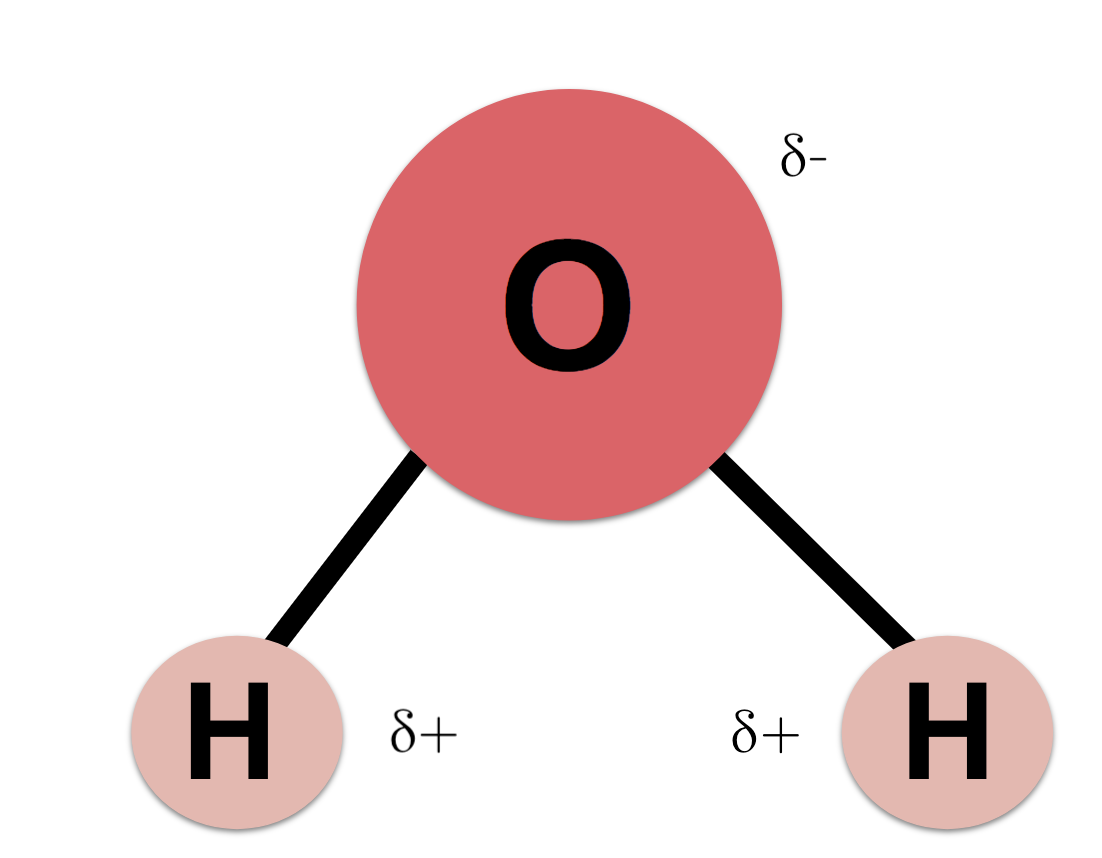
What is polar covalent bonds?
Shares electrons unequally and are made from polar covalent bonds
What is ionic bond?
An attraction between oppositely changed atoms
ex: Sodium Chloride (NaCl) table salt
what are Hydrogen bonds?
attraction between polar molecules
ex: water
What is matter?
occupies space and mass
What is elements?
cannot be broken down and transformed chemically into other substances
How to get atomic mass?
Protons added with Neutrons
What is isotopes?
different forms of the same element
What is an ion?
no equal proton and electrons from an atom
Cation
positive ions formed by electrons electrons
Anions
negative ions formed by gaining electrons
What is Van der Walls Interaction?
Weak attractions between molecules (ex: polar/covalent bonds)
What is water’s role in life?
Solves as a biological solvent
It’s in metabolism
Contributes to thermoregulation
Aqueous solution have a Ph
What is a solvent?
Largest quantity - dissolved solutes
What is a solute?
Smaller quantity - added to solvent and is dissolved
What is solution?
Dissolved solute in the solvent
what is an aqueous solution?
water is the solvent
What is hydrophillic?
Can dissolve in water because it exhibits a charge of positives and negatives. (ex: sugars or salt)
What is hydrophobic?
Does not dissolve in water because it has no charge (ex: lipids)
What is hydrolysis?
Process of H20 breaking the bonds (catabolism)
What is dehydration synthesis?
The process of H20 constructing the bond (anabolism)