FETAL ABNORMALITIES
 Call Kai
 Learn
Learn Practice Test
 Spaced Repetition
 Match
Match Flashcards
 Knowt Play
1/38

There's no tags or description
Looks like no tags are added yet.
Name | Mastery | Learn | Test | Matching | Spaced | Call with Kai | Chat |
|---|
No analytics yet
Send a link to your students to track their progress
39 Terms
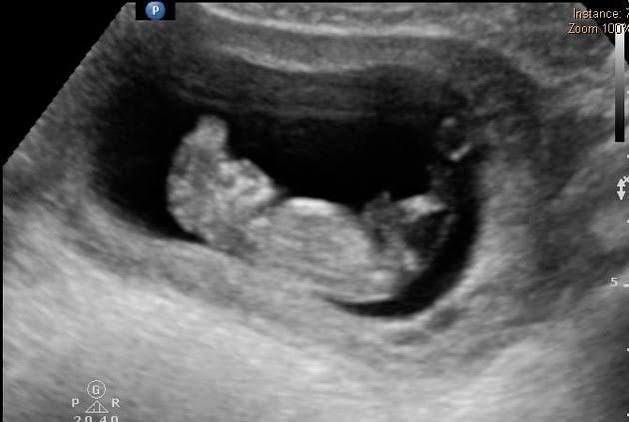
Acrania
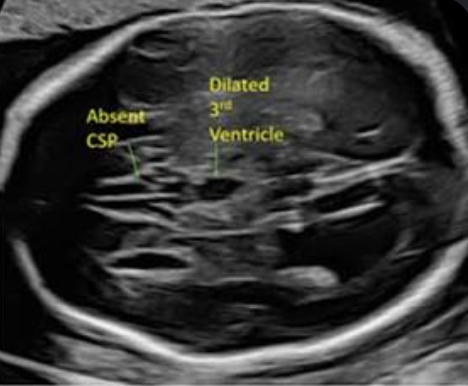
agenesis of corpus callosum
dilated 3rd ventricle
absent CSP
dilated occipital horn
outward angle of frontal and lateral horns (steer sign)
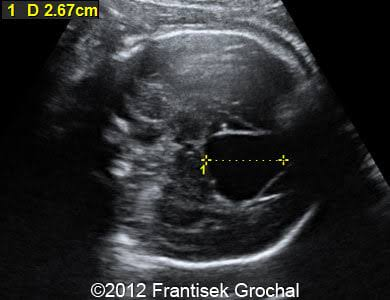
arachnoid cyst
playing of cerebellum hemispheres
arnold chiari type II
obliterated cisterna magna
banana cerebellum
ventriculomegaly
dilated 4th ventricle
lemon shaped head
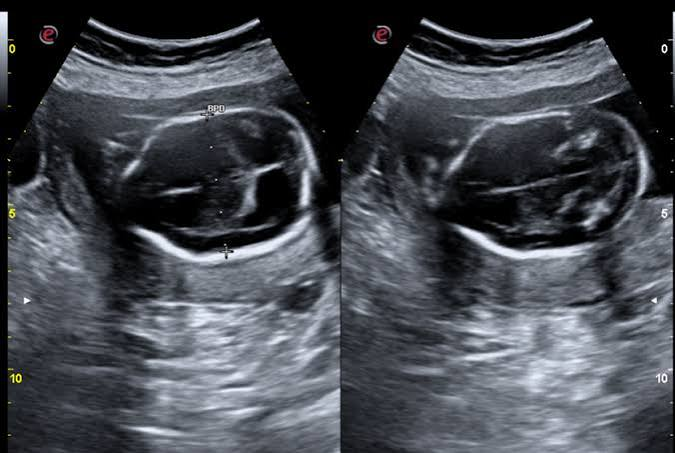
dandy walker
splaying of cerebral hemispheres, partial or complete agenesis of vermis
ventriculomegaly
enlarged CM
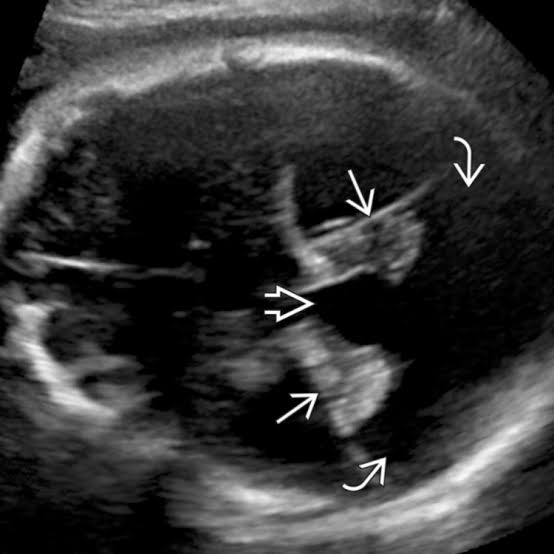
hydranencephaly
anechoic brain tissue (replaced by CSF)
not associated with any other anomalies
presence of falx, choroids can be displayed, brain stem spared
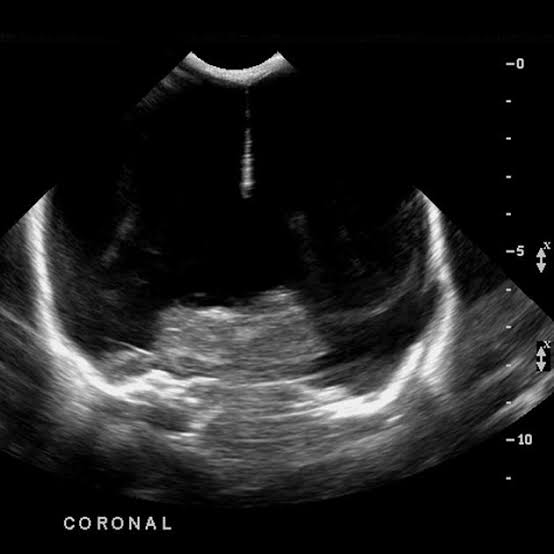
hydrocephaly / ventriculomegaly
intracranial pressure vs none
caused by outflow obstruction
dangling choroid
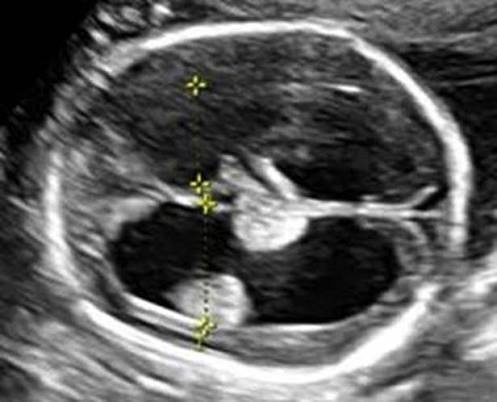
holoprosencephaly
Alobar
large central ventricle
fused thalami
absent CSP, CC, falx, 3rd ventricle
normal cerebellum
cyclopia
Semilobar
large central ventricle
horns may be present
Lobar
two large lateral ventricles
absent CSP, CC
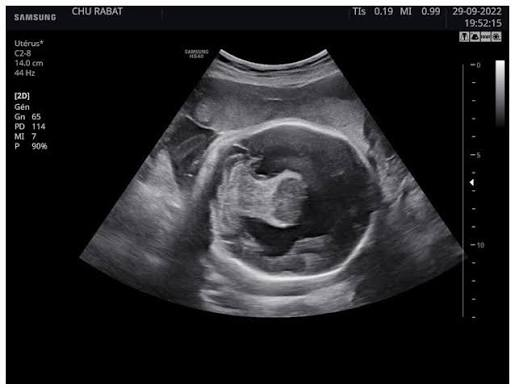
lemon shape head
associated with spina bifida
bilateral indentation of frontal bones
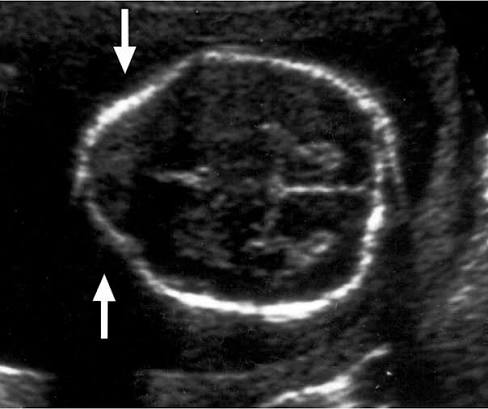
microcephaly
overall reduction in brain size
small BPD and HC
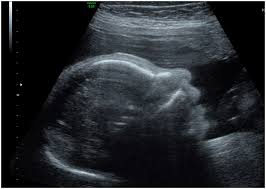
strawberry shape head
assciated with tri 18
flattened occiput diameter
narrowing of frontal skull
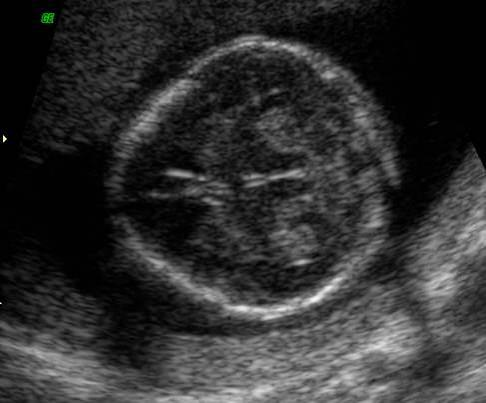
anencephaly
failure of cephalic end of neural tube to close completely
m/c neural tube defect
absence of cranial vault, rudimentary brain tissue
bulging eyes (frog-like), macroglossia
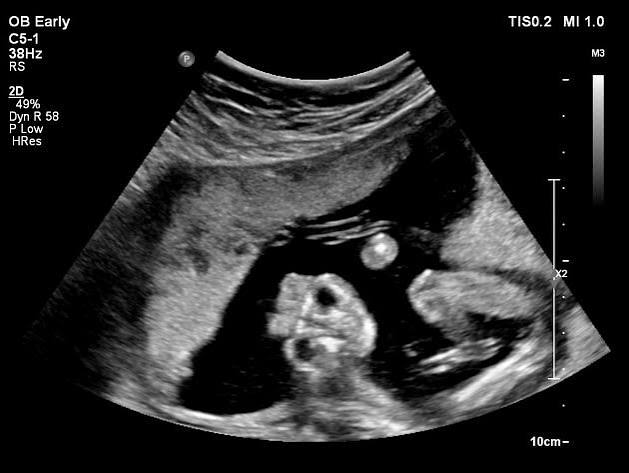
caudal regression
more common with diabetes
absent sacrum
fused pelvis
short femur
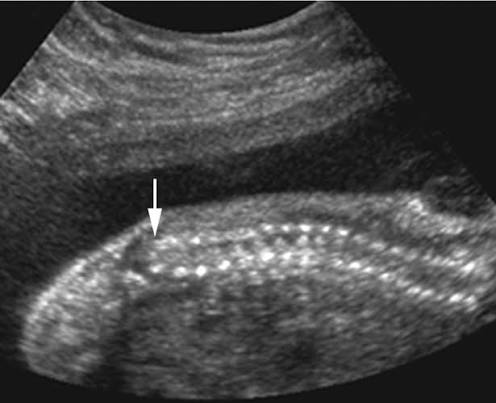
encephalocele
presence of brain in a cranial protrusion (m/c occipital region)
normal AFP
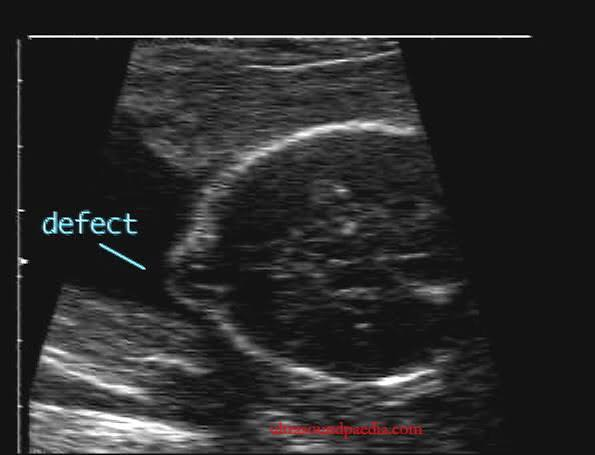
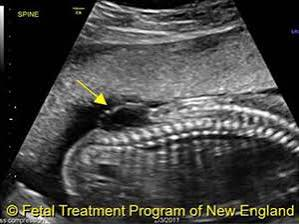
spina bifida
failure of neural tube to close completely
Occulta
defect covered by tissue
normal AFP
tuft of hair, dimple
rarely seen on US
Aperta
defect uncovered
elevated AFP
associated with encephalocele, banana sign, lemon shaped head
cyclopia
single midline orbit
associated with
holoprosencephaly
trisomy 13
microcephaly
williams
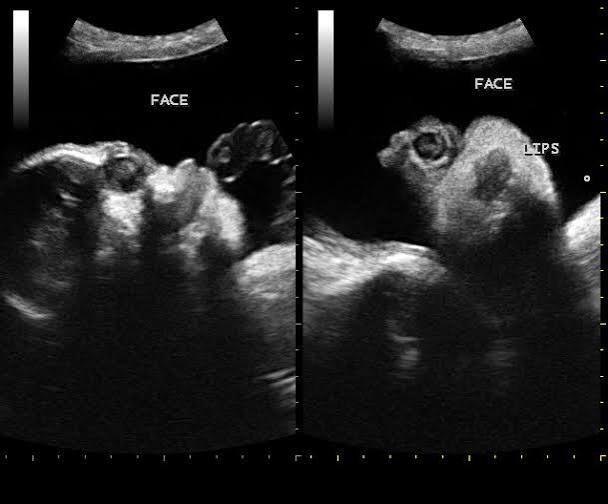
m/c facial abnoramlity
facial cleft
hypertelorism
abnormally wide interocular distance
associated with
trisomy 18
noonan
medial cleft
anterior cephalocele
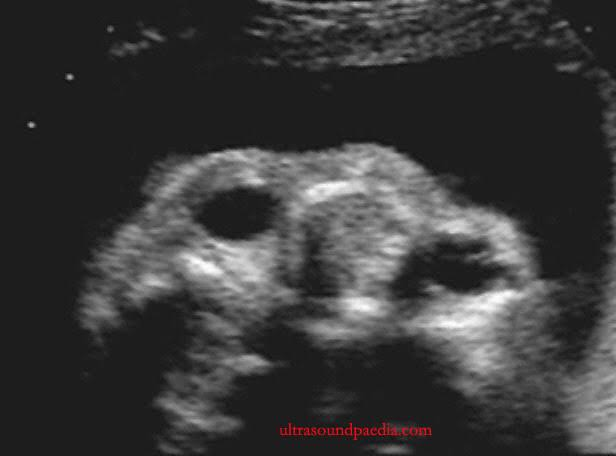
macroglossia
persistent protrusion of fetal tongue
associated with
beckwith-wiedemann
downs syndrome
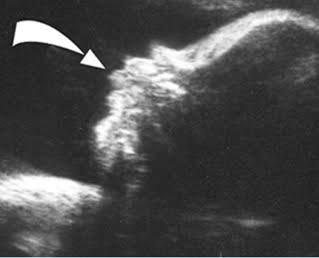
micrognathia
small receding chin and lower lip
associated with tri 18
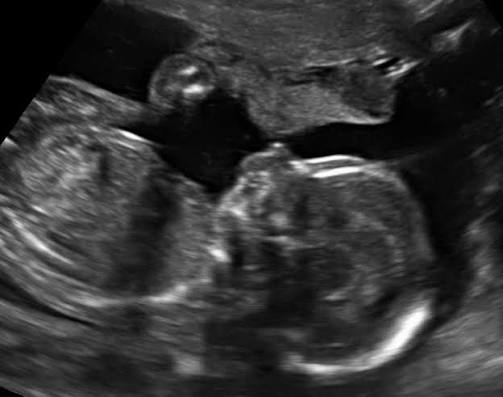
cystic hygroma
developmental defect of lymphatic system
multiocular anechoic cervical mass
no cranial defect
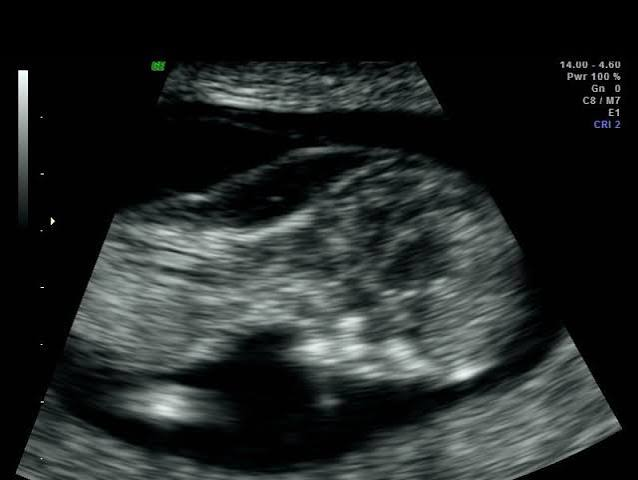
cystic adenomatoid malformation
abnormal formation of bronchial tree
pulmonary tissue replaced by cysts
mediastinal shift
intact diaphragm
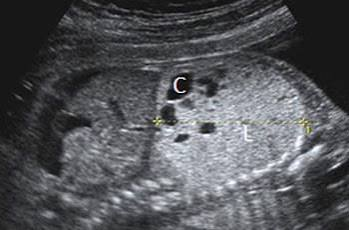
ectopia cordis
partial or complete displacement of heart outside of the thorax
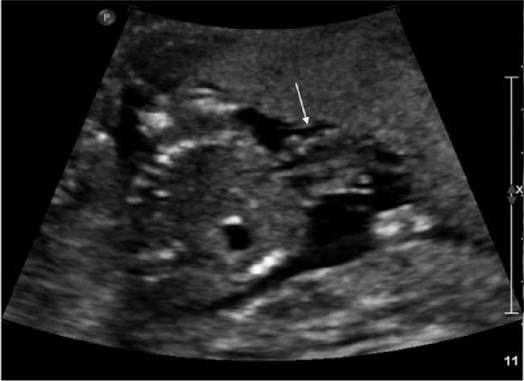
Ebsteins anomaly
displacement of leaflets of tricuspid valve into rt ventricle
regurgitation
causing increase in size of right atrium
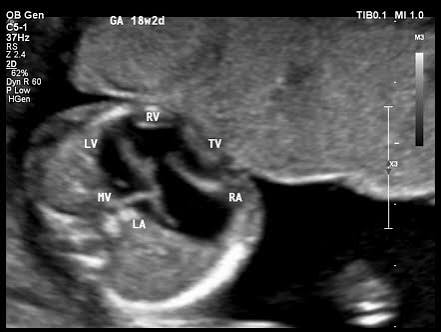
diaphragmatic hernia
diaphragm fails to close
stomach or liver located in thorax
mediastinal shift
left sided more common
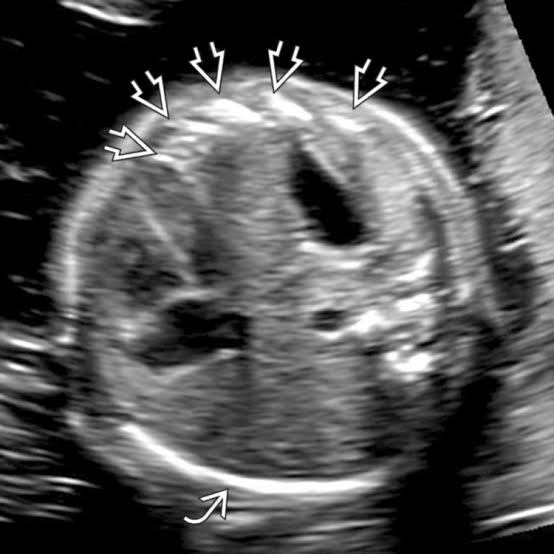
tetralogy of fallot
VSD
overriding aorta
pulmonic stenosis
enlarged right ventricle
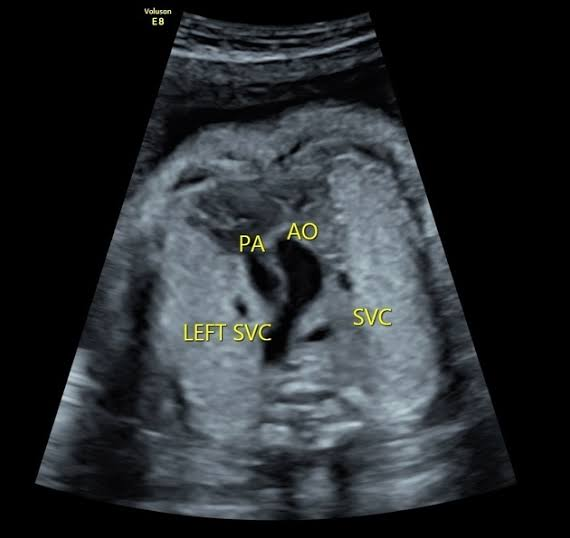
transposition of great vessels
aorta arises from the right ventricle
pulmonary artery arises from left ventricle
normal 4ch view, no crossing of tracts
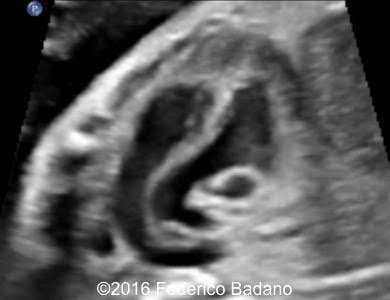
duodenal atresia
associated with trisomy 21
blockage of duodenum
dilated stomach and duodenum
double bubble sign
polyhydraminos
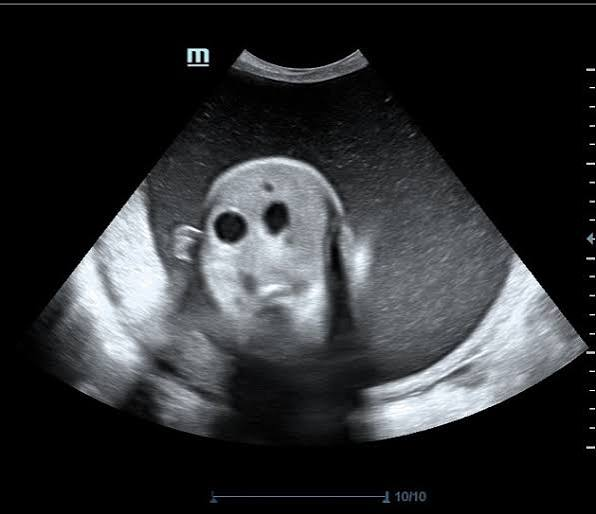
esophageal atresia
malformation of foregut
associated with tracheoesophageal fistula
absent stomach
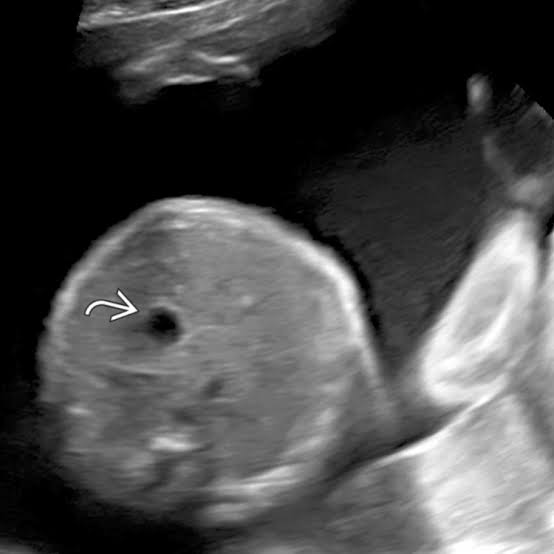
meconium ileus
dilated ileum filled with echogenic material
often associated with cystic firbrosis
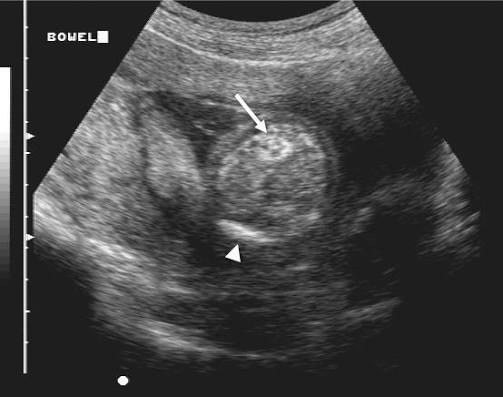
meconium peritonitis
abdominal calcifications
bowel perforation
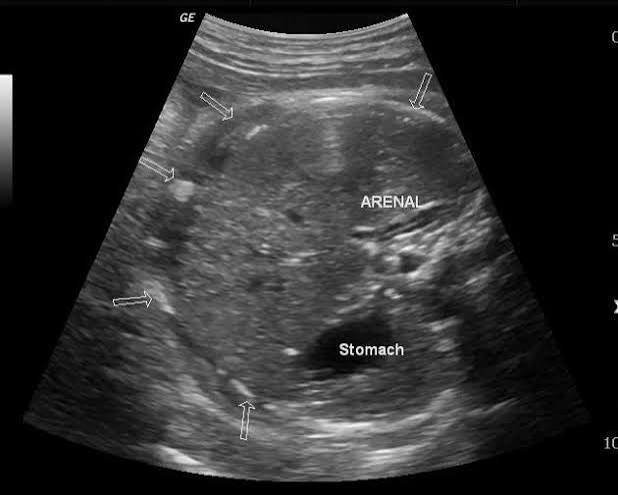
hydronephrosis
urinary tract obstruction
pelviectasis > 10mm
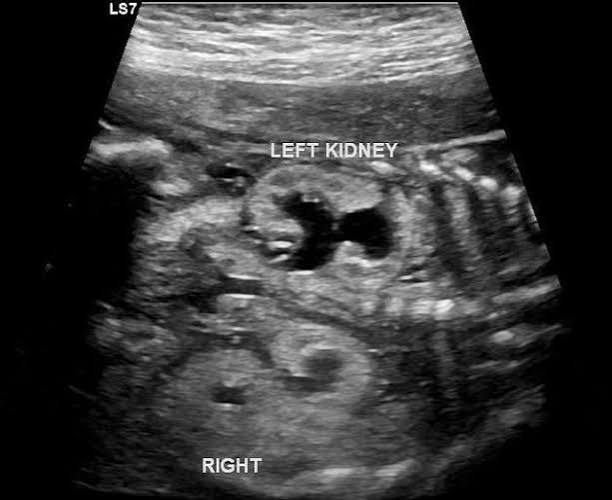
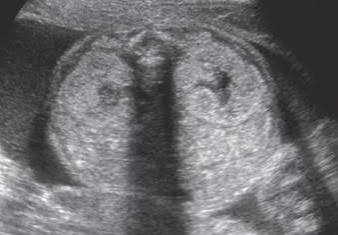
infantile polycystic disease
hyperechoic enlarged kidneys
bilateral disease
severe oligohydraminos, no bladder
lethal, recessive
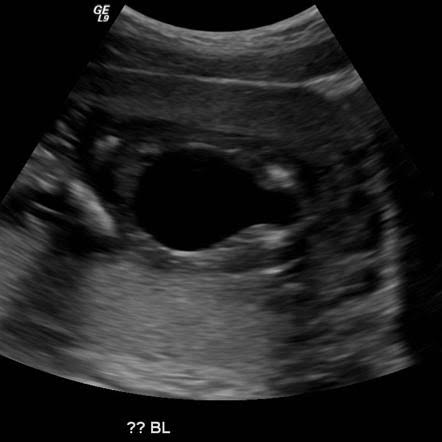
posterior urethral valve obstruction
urine unable to pass through urethra due to membrane within posterior urethra
happens in males
overdistended bladder— key hole sign
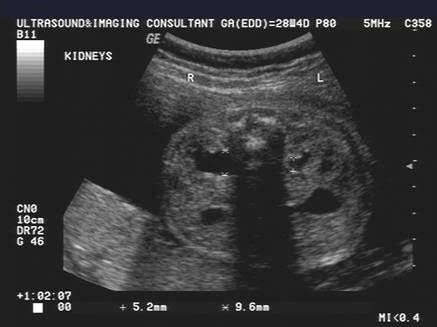
Ureteropelvic junction obstruction
obstruciton of proximal ureter
m/c
hydronephrosis
achondrogenesis
lethal short limb dysplasia
type 2 is more common — thick ribs
bowing of long bones
short trunk
poor ossifications
small pelvis
achondroplasia
most common benign skeletal dysplasia
abnormal cartilage deposits at long bone epiphysis
trident hand
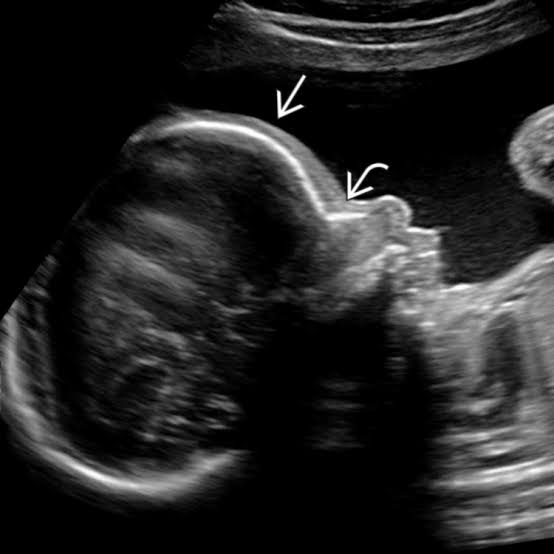
osteogenesis imperfecta
disorder of collagen production leading to brittle bones
type 2 is most lethal
bell shape chest, fractured bones
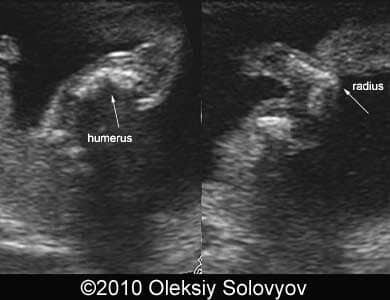
thanatophoric dysplasia
m/c lethal skeletal dysplasia
severe rhizomelia, micromelia
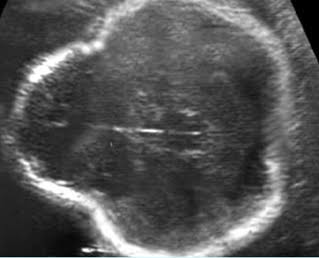
cloverleaf skull
frontal bossing